Can a Bad Floor Plan Affect Your Mental Health?
This article explores the profound connection between home environments and mental well-being, drawing insights from clinical psychologists and interior designers. The author reflects on personal experiences, such as repainting a bedroom and rearranging furniture after a breakup, noting how these seemingly minor changes positively impacted mood and outlook. This anecdotal evidence sets the stage for a deeper dive into the concept that our living spaces significantly influence our thoughts, feelings, and behaviors.
The article introduces the field of neuroaesthetics, an emerging area of neuroscience that studies the relationship between design and its neurological effects on humans. Suchi Reddy, founder of Reddymade and a neuroaesthetics researcher, emphasizes that spaces either provide sensory pleasure or they don’t, directly impacting emotional responses and, consequently, neurological states. This perspective highlights that the design and arrangement of our homes are not merely aesthetic choices but are fundamental to our psychological comfort.
Maura Trumble, a partner at CCY Architects, links the importance of home to Maslow's Hierarchy of Needs, explaining that a sense of safety and comfort is a basic human instinct. She points out that the concept of home as a refuge caters to both physical and emotional needs, including privacy and security. While these needs are crucial, they are often overlooked when considering practical aspects like floor plans and furniture layouts. The article argues that consciously addressing these needs in home design can contribute to overall mental health.
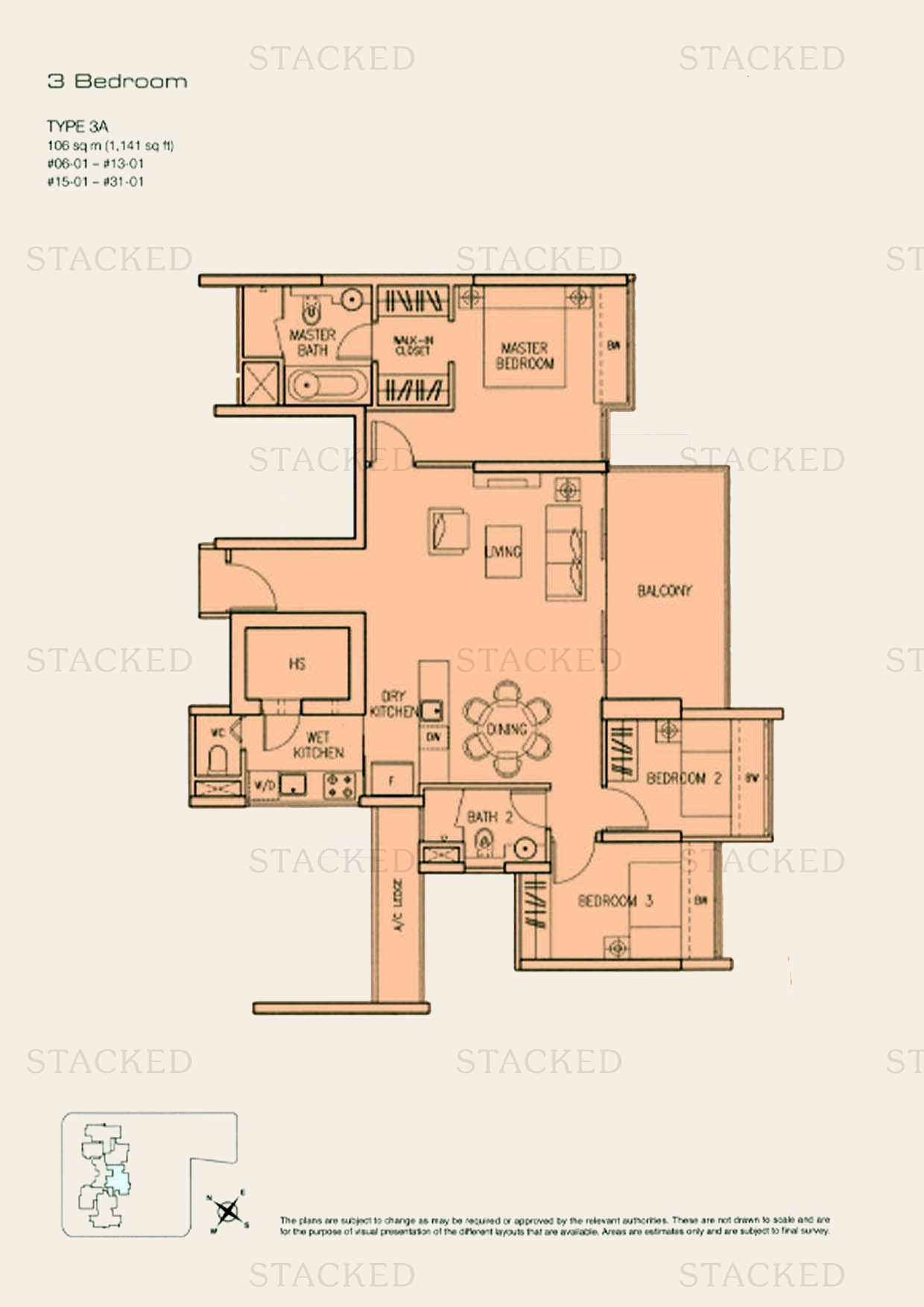
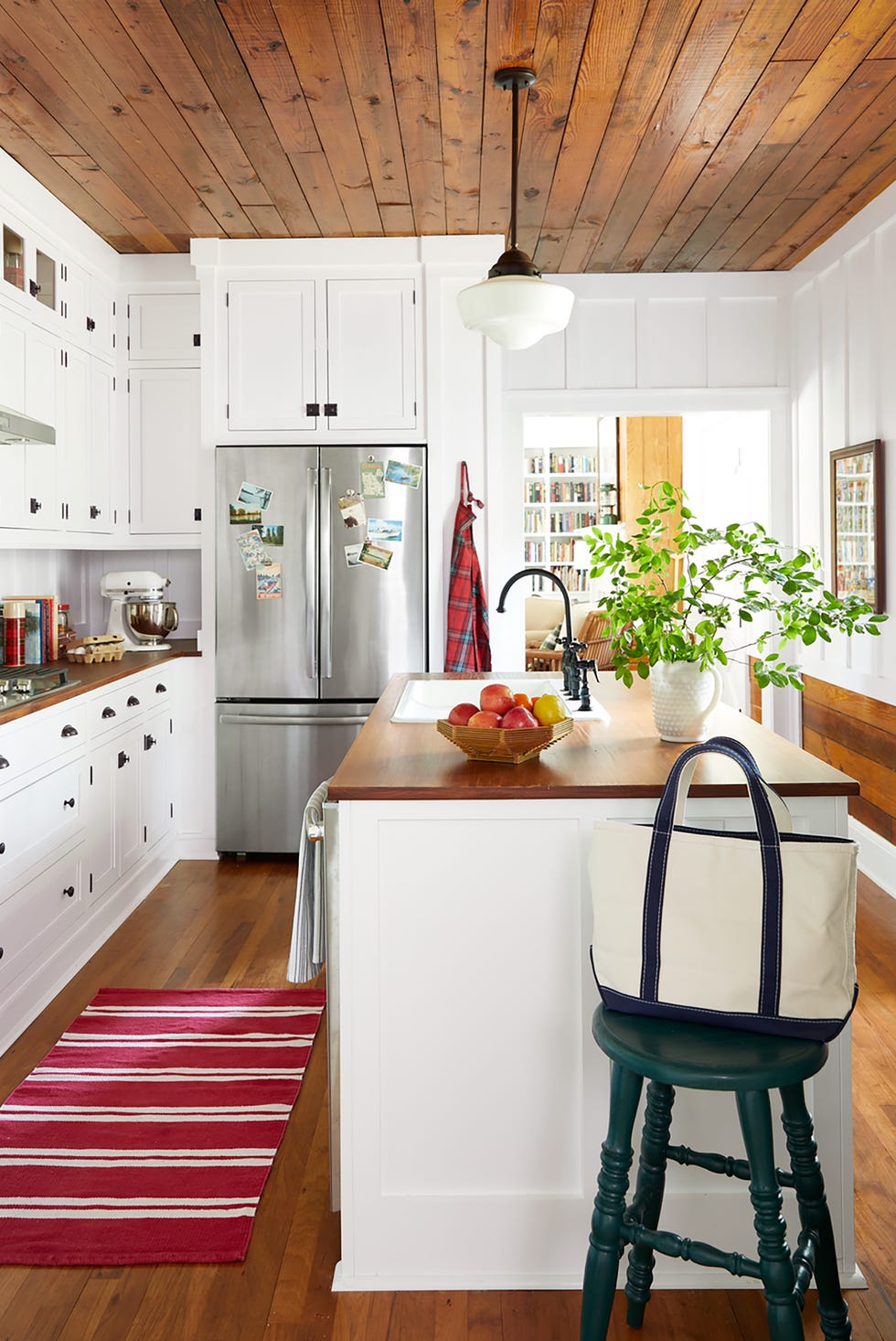
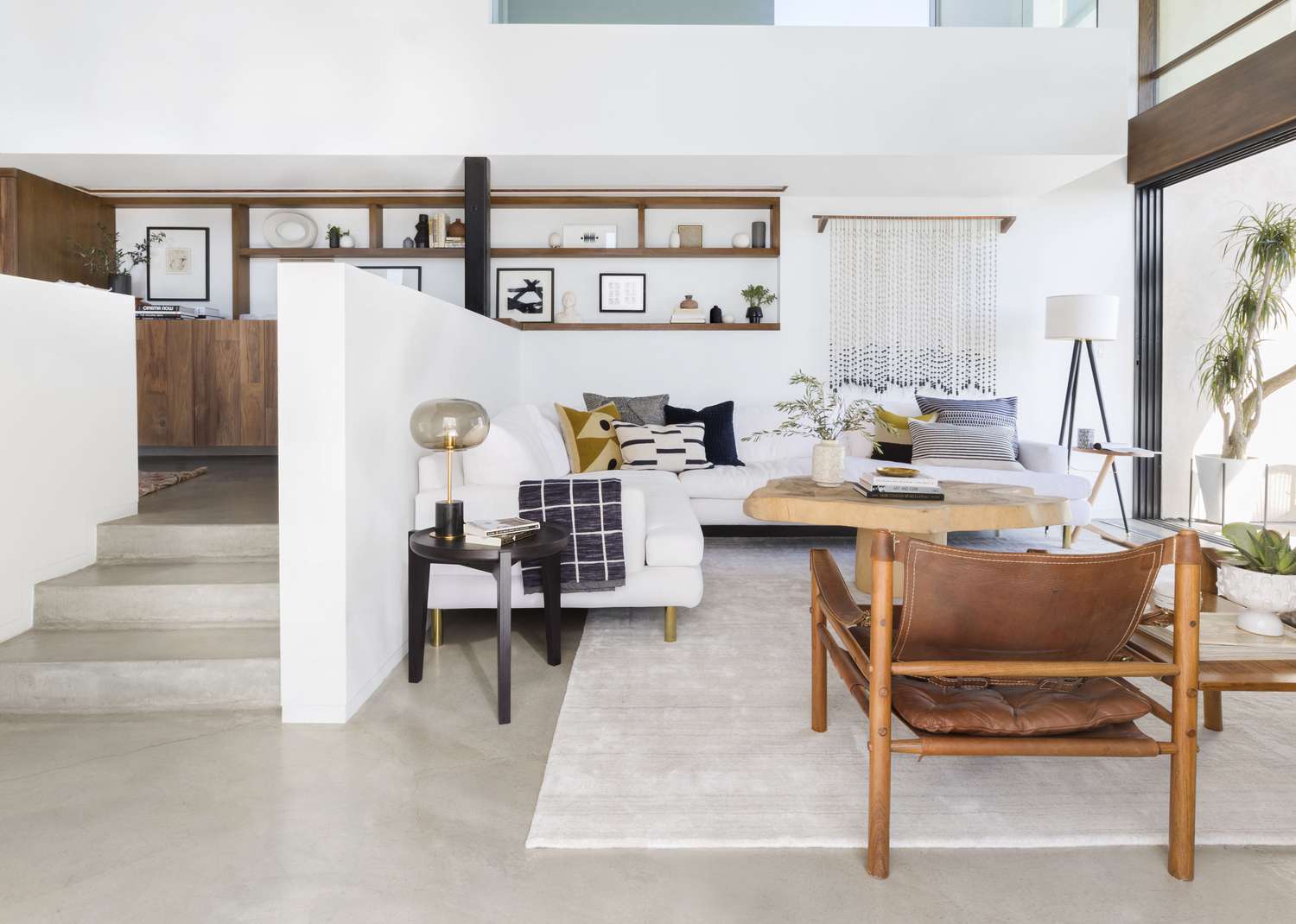
Adam Rolston, founding partner of Inc Architecture & Design, further elaborates on how furniture arrangement and space organization have significant emotional and psychological effects. He illustrates this with examples, such as a large, bright living room that might feel sterile or a cozy setup that could be impractical. The article stresses the subjective nature of these effects, suggesting that what works for one person might not work for another. The key is to identify aspects of a space that cause agitation and address them directly.
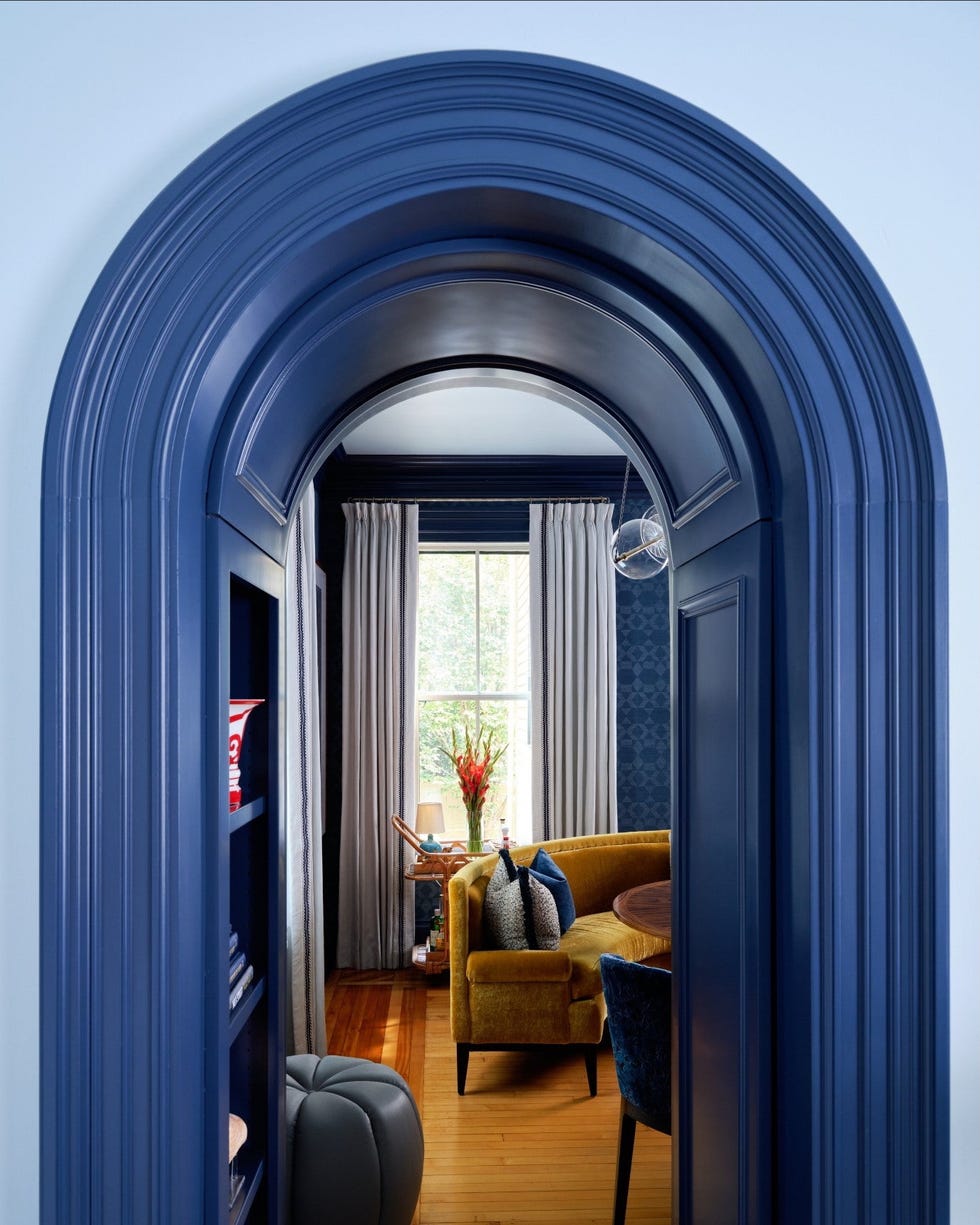
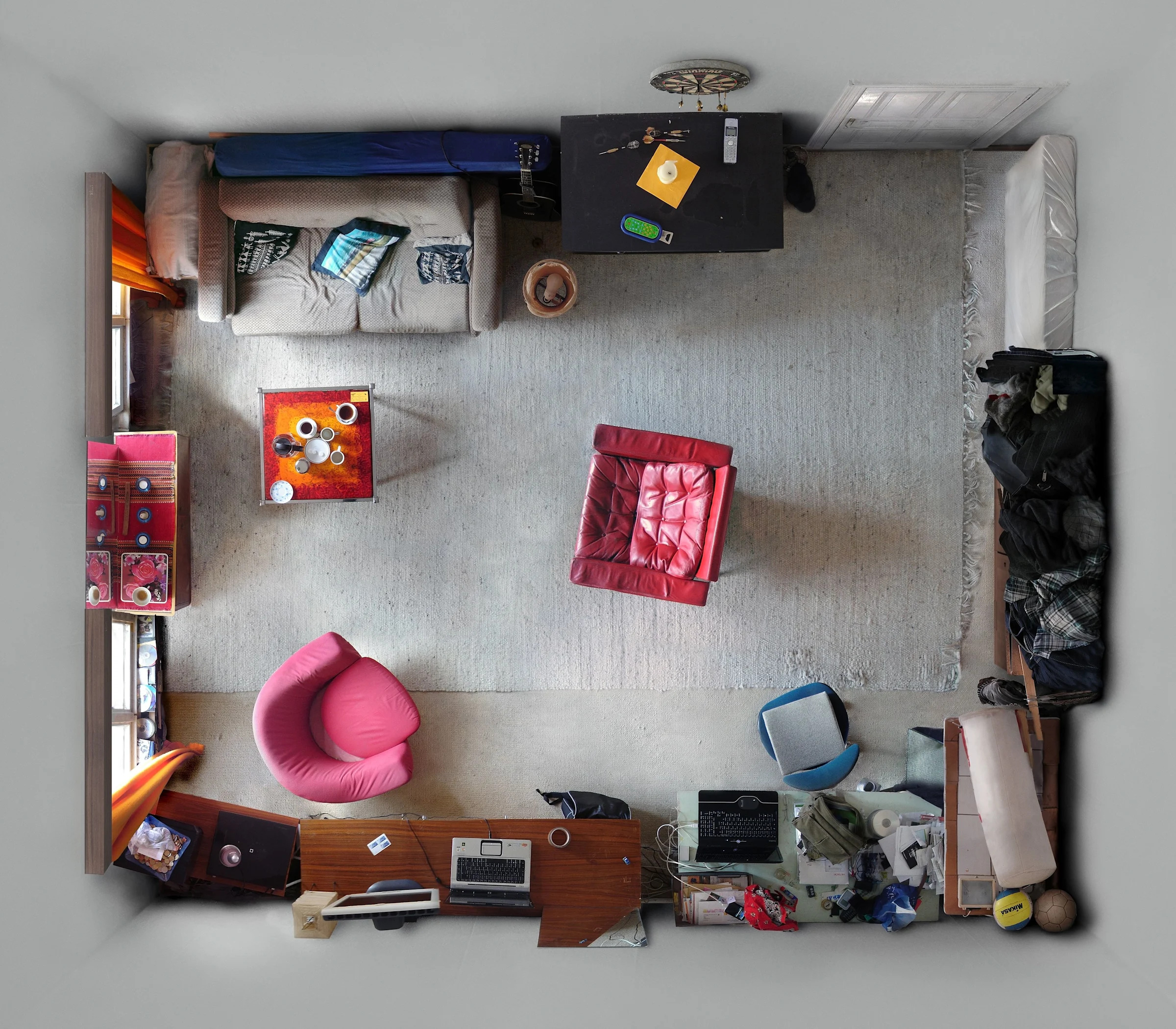
Bev Walpole, another expert cited in the article, explains that making small adjustments to one's environment can lead to "behavioral activation" and a release of dopamine, a neurotransmitter associated with reward and motivation. This suggests that even minor efforts, like tidying up or rearranging a room, can create a positive feedback loop that combats inertia, often linked to depression. Reddy further extends this idea to transitional spaces like foyers, describing them as "microsecond transitions" that can reset the nervous system from a state of stress to one of calm and relaxation. These insights collectively underscore the powerful and often underestimated role of interior design and spatial organization in maintaining and enhancing mental well-being.
#MentalHealth #InteriorDesign #Neuroaesthetics #HomeEnvironment #PsychologicalWellbeing #ArchitecturalPsychology #DopamineRelease #MentalHealth #InteriorDesign #Neuroaesthetics #HomeEnvironment #PsychologicalWellbeing #ArchitecturalPsychology #DopamineRelease
0 comment in total
 No comments yet
You may also like
Psychologists Reveal the MAJOR Impact of Home Renovations on Your Mental Health


The environment in which we live and our mental health are intricately connected

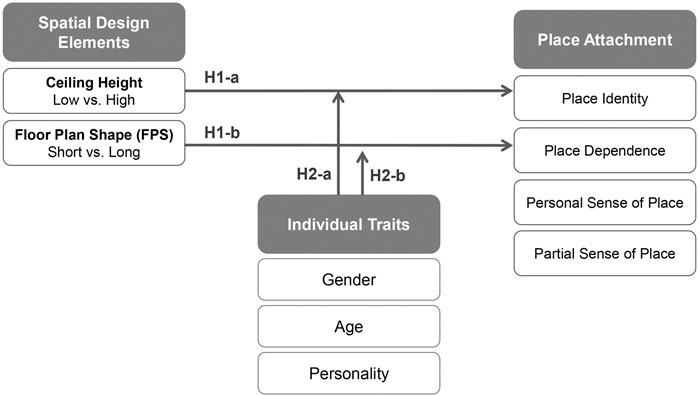
Effects of gender and personality on experience of small living spaces: Ceiling height and floor plan shape in virtual environment
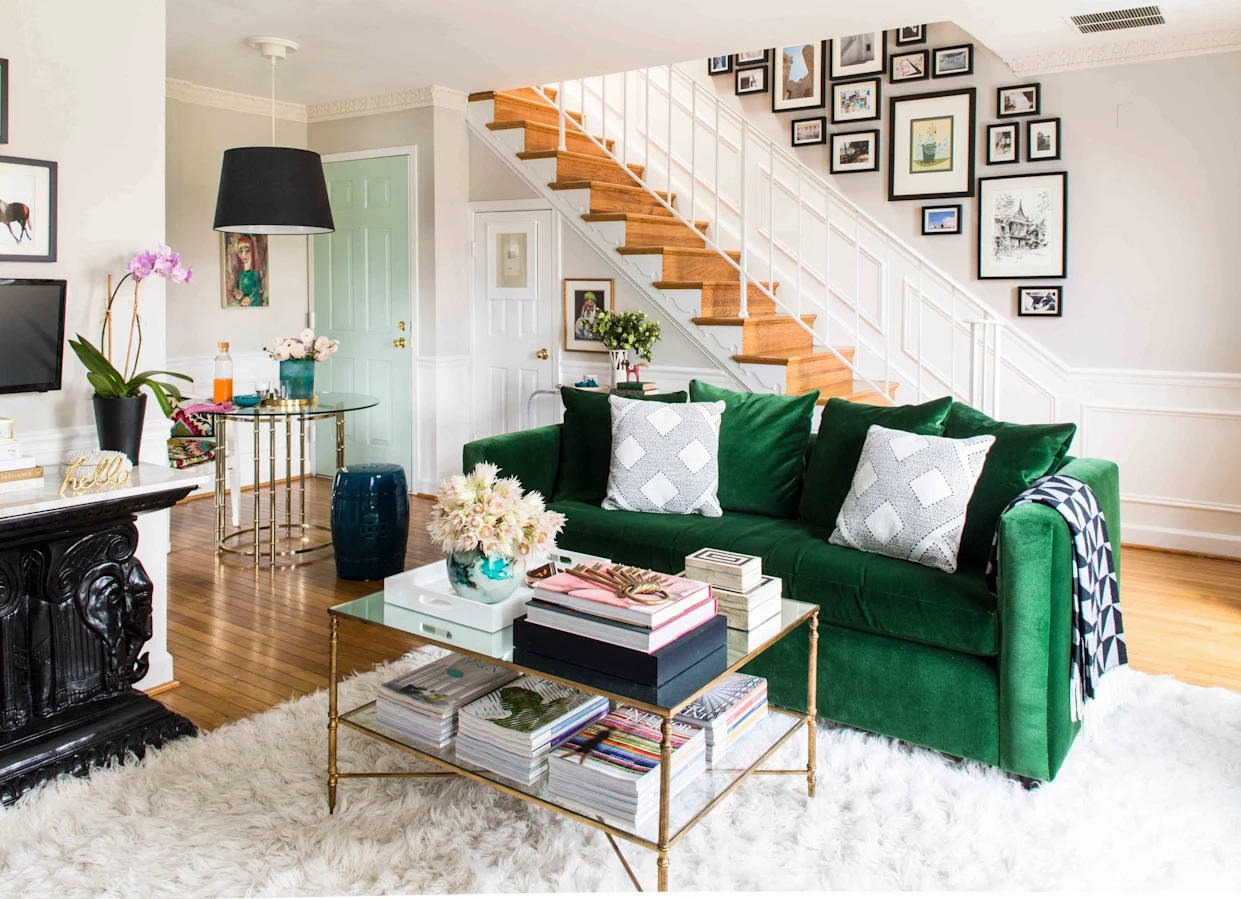
Broken Floor Plans Combine the Best of Open Layouts and Traditional Separate Rooms
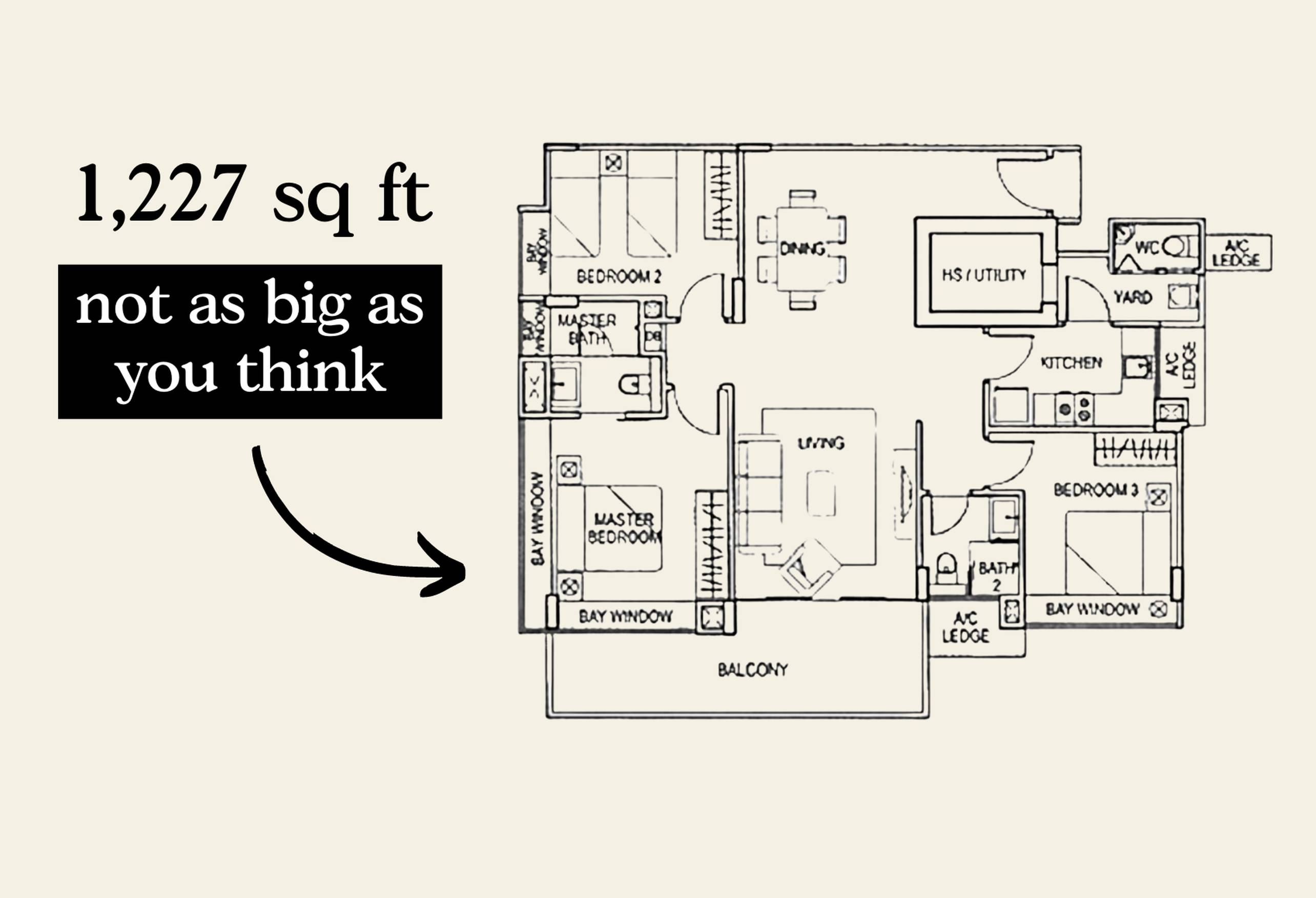
Why Your 1,200 Sq Ft Condo Feels Cramped: The Overlooked Impact of a Poor Floor Plan
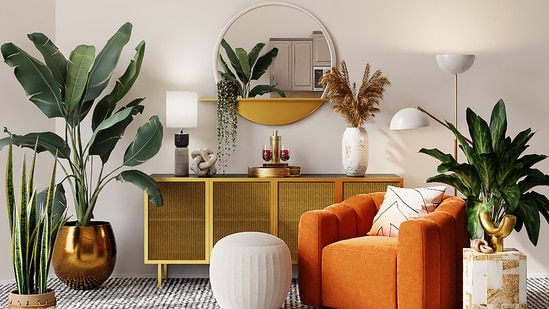
From clutter-free zen to cosy comfort: The mental health benefits of home decor | Hindustan Times

Why Ignoring the Ceiling Could Ruin Your Room, According to Interior Designers

This Floor Plan Is Perfect For Homeowners Who Want The Best Of Both Worlds
The Curse of an Open Floor Plan

Designing the Therapeutic Space: Using Layout, Color, and Other Elements to Get Patients in the Right Frame of Mind


The Power of Scale: How Proportions Shape Human Experience


Why Designers Are Ditching Traditional Layouts for "Broken Floor Plans"
Is Your Open-Concept Floor Plan Wrecking Your Mental Health?

Why Designers Are Ditching Traditional Layouts for "Broken Floor Plans"
Why Ignoring the Ceiling Could Ruin Your Room, According to Interior Designers

Open floor plans are terrible for entertaining


Our Homes Have A Lot To Do With Mental Health — This Architect Is Sharing Ways To Make Yours Less Stressful


Our Real Estate Expert Names The Kitchen Flooring Choice That Can Hurt Your Resale Value
Open Floor Plans Can't Compete With Broken Floor Plans—Designers Share Why

Are Open Floor Plans Overrated? This Is What Our Readers Had to Say