1/15
Effects of gender and personality on experience of small living spaces: Ceiling height and floor plan shape in virtual environment
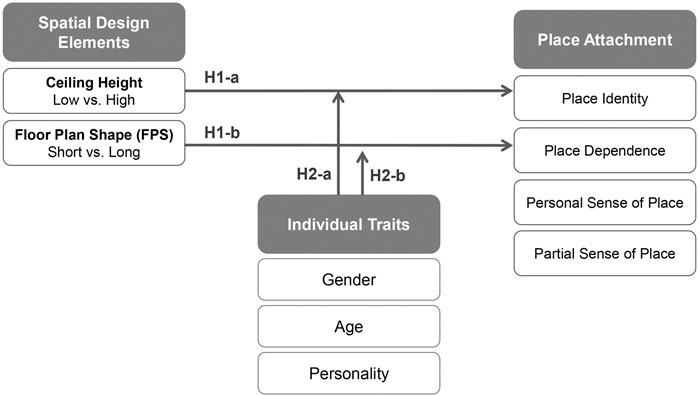
This study investigates the psychological effects of ceiling height and floor plan shape on perceptions of small living spaces, considering individual traits such as gender, age, and personality, using virtual reality (VR) technology. Small living spaces, defined as less than 400 square feet, are gaining popularity as an affordable and environmentally sustainable housing solution. Despite their increasing demand, empirical research on user experiences and the impact of individual characteristics on psychological responses to these spaces is limited. VR offers a scalable and adjustable tool for design research, allowing for the testing of virtual prototypes and environments on diverse populations without real-world restrictions, making it ideal for studying spatial design. The research utilized 3D virtual mock-ups, rendered as walkthrough videos, to examine how 48 participants perceived different small living spaces. A 2x2 factorial design tested two wall length-width combinations (short/square-like vs. long/rectangular floor plan shapes) and two ceiling heights (low vs. high), keeping the total area constant at 236 square feet. Participants were randomly assigned to one of the four conditions and completed questionnaires on their perceptions after viewing the virtual space.
The findings indicate that floor plan shape significantly influenced place attachment, with participants reporting greater attachment to spaces with a shorter, more square-like floor plan. Higher ceiling height was associated with increased functional and goal-oriented connections (place dependence). The study also revealed moderating effects of gender, age, and personality on the perception of floor plan shape and its impact on place attachment. For instance, men reported stronger affective ties to longer floor plans, while older participants found longer floor plans more functional. Individuals with higher extroversion scores reported greater functional connections to higher ceiling heights and higher place identity for spaces with longer floor plans. Extroversion generally had a negative impact on overall place attachment, suggesting that more extroverted individuals reported lower place attachment regardless of spatial design elements. This aligns with prior research indicating that extroverts and introverts have different environmental stimulation preferences, with extroverts perhaps seeking more external stimulation.
Place attachment was measured through four subscales: place identity, place dependence, personal sense of place, and partial sense of place. Place identity refers to a person's incorporation of a place into their self-concept, place dependence relates to functional connections, and sense of place encompasses emotional bonds. The study found consistent positive perceptions for square-like floor plans across all place attachment dimensions, implying that a more open layout in small spaces fosters a greater sense of connection. The results highlight the importance of considering user traits in the design of small affordable homes or refuge shelters to enhance user satisfaction and psychological well-being. This research provides practical implications for developers and policymakers by offering insights into how spatial elements and individual differences affect user experience in small living spaces. Theoretically, it demonstrates a novel application of place attachment in a simulated virtual environment to analyze perceptions of different design elements. Future research could expand on these findings by incorporating other design elements and additional user traits, and by replicating the experiment in immersive virtual or mixed reality environments for further validation, particularly considering the limitations of non-immersive walkthrough videos.
#SmallLivingSpaces #VirtualReality #PlaceAttachment #CeilingHeight #FloorPlanShape #GenderDifferences #PersonalityTraits #EnvironmentalPsychology #HousingDesign #SmallLivingSpaces #VirtualReality #PlaceAttachment #CeilingHeight #FloorPlanShape #GenderDifferences #PersonalityTraits #EnvironmentalPsychology #HousingDesign
 No comments yet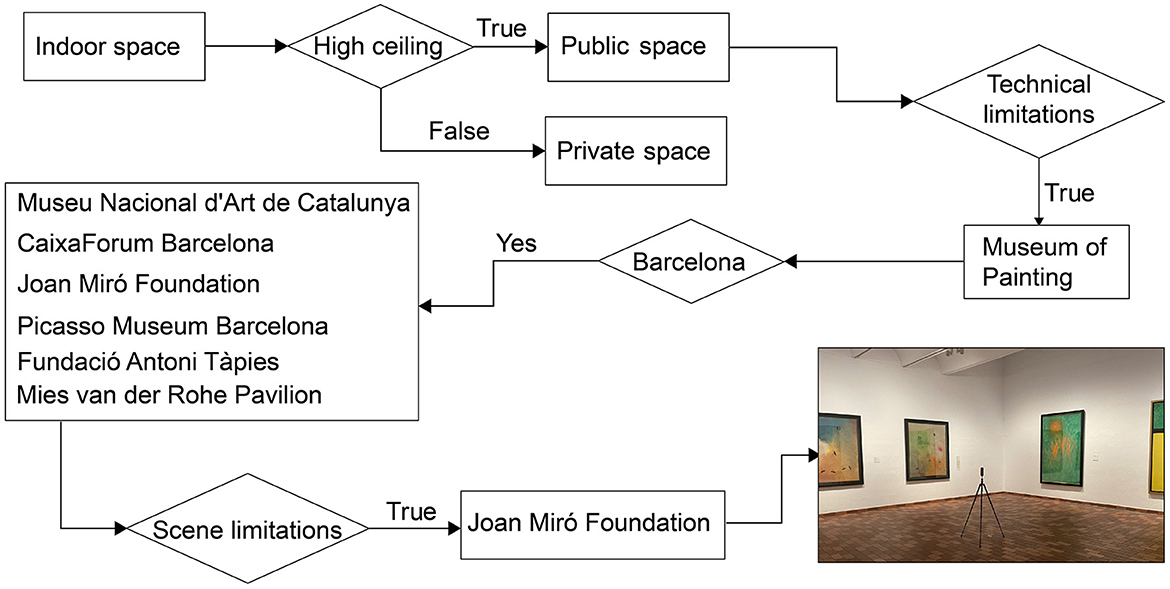
Uncovering the connection between ceiling height and emotional reactions in art galleries with editable 360-degree VR panoramic scenes
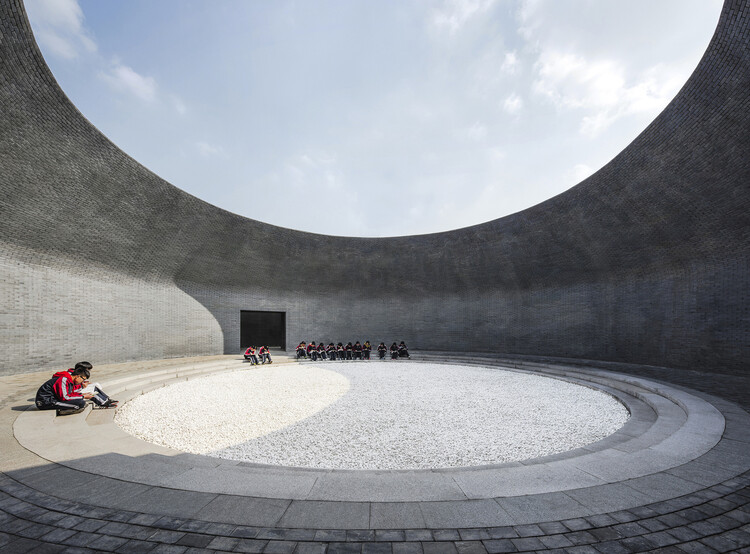
The Power of Scale: How Proportions Shape Human Experience

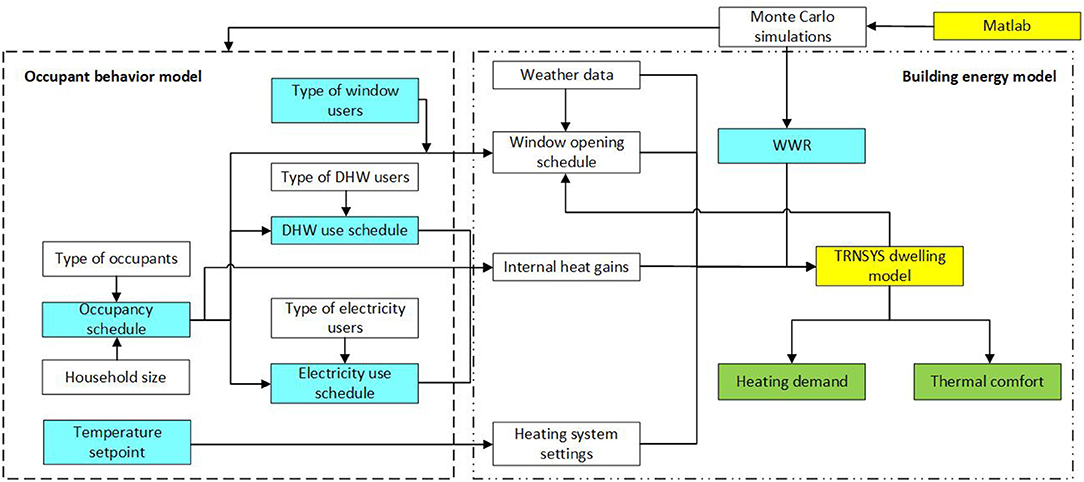
Impact of Window-to-Wall Ratio on Heating Demand and Thermal Comfort When Considering a Variety of Occupant Behavior Profiles
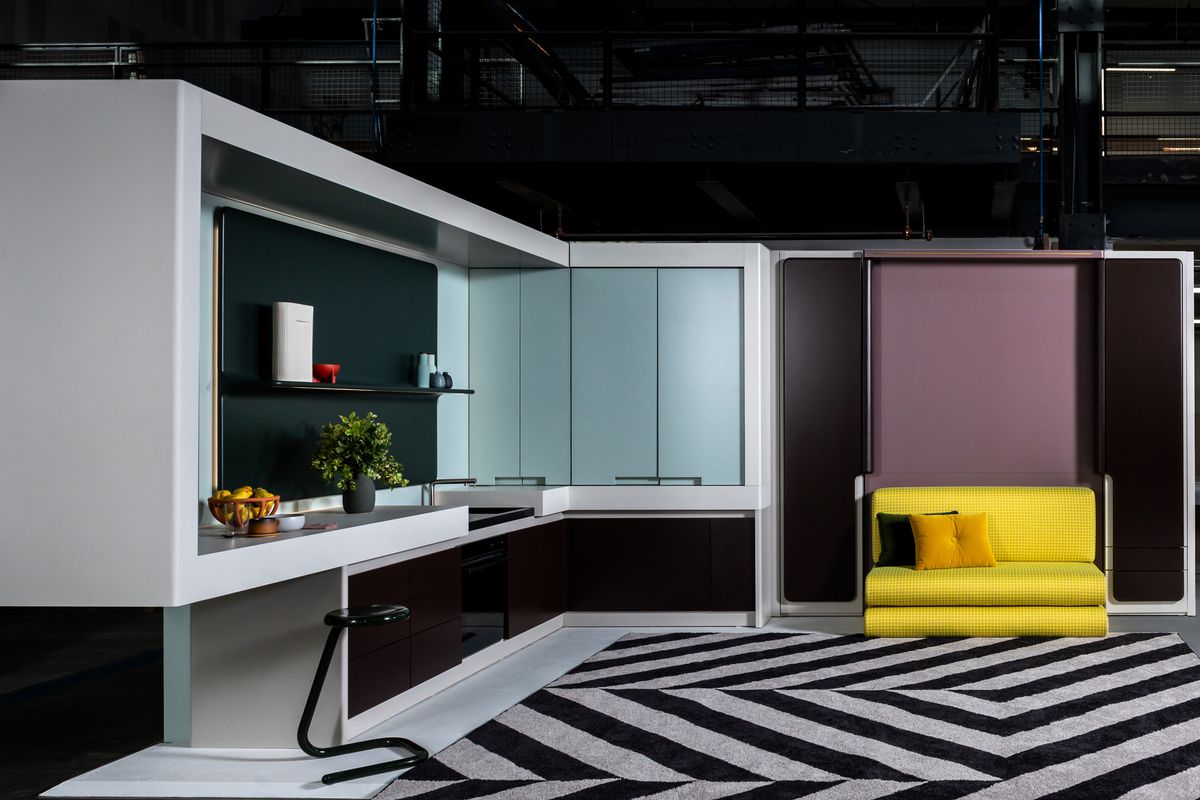
Micro apartment design shape-shifts to maximize space