1/4
Let’s Architect! Resiliency in architectures
This blog post, "Let’s Architect! Resiliency in architectures," authored by Luca Mezzalira, Federica Ciuffo, Vittorio Denti, and Zamira Jaupaj, focuses on the importance of building resilient architectures, particularly within the context of the AWS Cloud platform. The article emphasizes that resilience is crucial for ensuring the continuous availability and performance of digital services, and it aligns with the AWS Well-Architected Framework's definition of resilience as the ability to recover from stress, attacks, and component failures. The authors aim to provide best practices for constructing resilient architectures to maintain uninterrupted service operations.
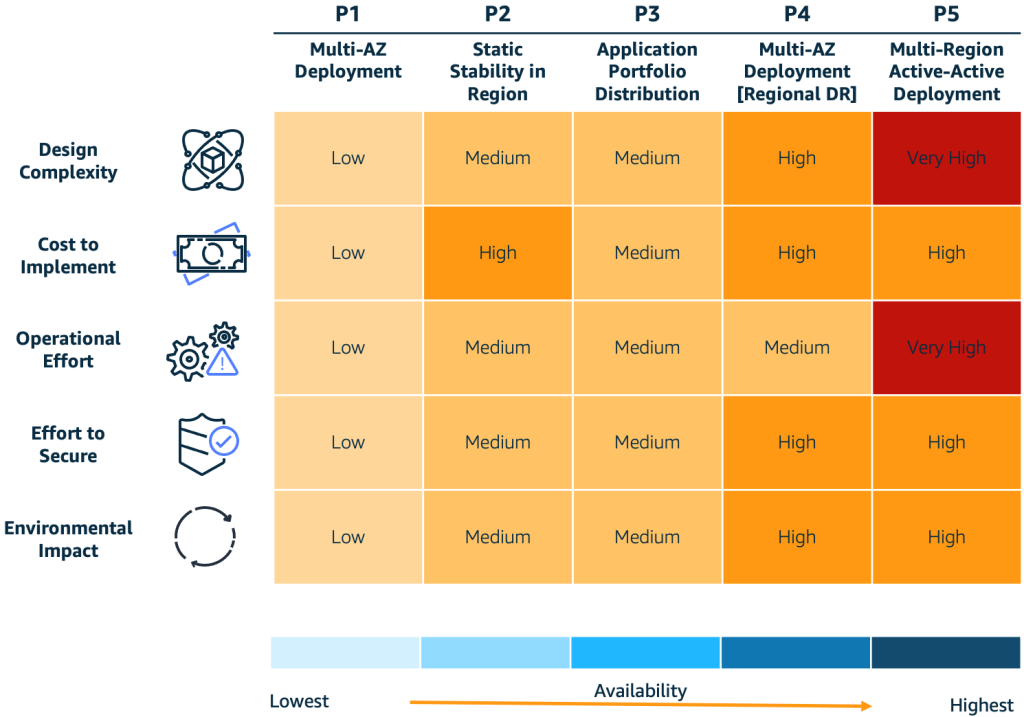
The blog post highlights five distinct resilience patterns, each possessing unique strengths and trade-offs. Architects are encouraged to understand these patterns to tailor their resilience strategies to the specific requirements of their applications and business objectives. By thoughtfully applying these patterns, organizations can develop cloud architectures that offer high availability and efficient recovery capabilities, thereby minimizing the impact of potential disruptions. This approach ensures that systems can withstand various challenges and continue functioning as expected.
Marc Broker's insights on timeouts, retries, and backoff with jitter are also discussed as essential tools for building system resilience. Failures are acknowledged as an inevitable part of system operation, and the article stresses the importance of designing systems to effectively cope with them. Timeouts prevent processes from hanging indefinitely, retries allow systems to reattempt operations that might have failed due to transient issues, and backoff mechanisms, especially with jitter, help to prevent overwhelming systems with repeated requests during recovery. These techniques are fundamental for distributing traffic, preventing system overloads, and maintaining high availability.
The AWS Resilience Hub is presented as a key platform for protecting mission-critical applications from downtime risks. This centralized platform enables users to define, validate, and track the resilience of their applications. The article refers to an AWS Online Tech Talk that demonstrates how the Resilience Hub can be used to implement strategies for avoiding disruptions caused by software, infrastructure, or operational issues. The Resilience Hub is highlighted as a valuable resource for monitoring and implementing robust architectural resilience.
Data resiliency is further explored through a re:Invent 2022 session, which discusses its significance for customers and how it can be integrated into application architecture. This session provides a comprehensive overview of data resiliency, outlining its core components and its vital role in modern application development. It covers application data resiliency and protection designs, extending from the native data resiliency features of AWS storage to disaster recovery solutions using AWS Elastic Disaster Recovery. The discussion underscores the necessity of robust data protection strategies to ensure business continuity and data integrity. The article concludes by inviting readers to explore further resources on architecture resiliency and anticipating a future discussion on security on AWS.
#Architecture #AWSWellArchitectedFramework #Resilience #ResilienceHub #Timeouts #Retries #Backoff #Jitter #DataResiliency #Architecture #AWSWellArchitectedFramework #Resilience #ResilienceHub #Timeouts #Retries #Backoff #Jitter #DataResiliency
0 comment in total
 No comments yet
You may also like
Building Knowledge, Not Just Structures: Redefining the Architect’s Role in Times of Uncertainty


Ten architecture projects by students at the City College of New York
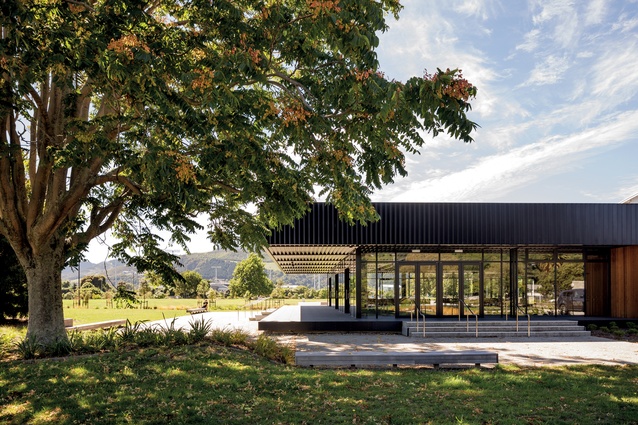
Staying alive: Trafalgar Centre Reinhabitation

Contemporary Architecture is More Common Than You Think — Here's How to Spot It

Hurricanes and flooding: Advancing building strategies for resilience
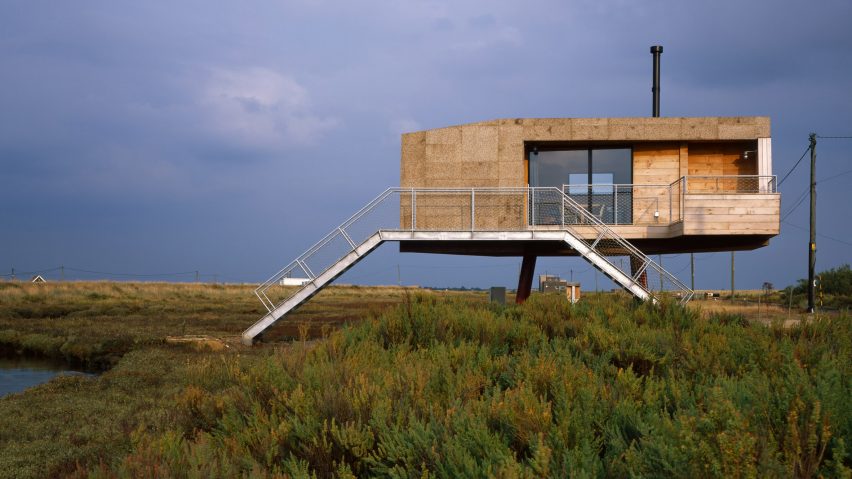
Ten gravity-defying homes that are raised up on stilts

Material Acts - Elsa Mäki - Stitching: Future Fabrication and Traditions of Reuse

Enhancement of Himalayan irregular stone masonry buildings for resilient seismic design

flood proof house by studio peek ancona

Innovations Driving Sustainable Building and Architecture Forward

Designing with Empathy: Architecture for Social Equity

The New Rules of Fire-Resilient Home Design, According to a Top Malibu Architect
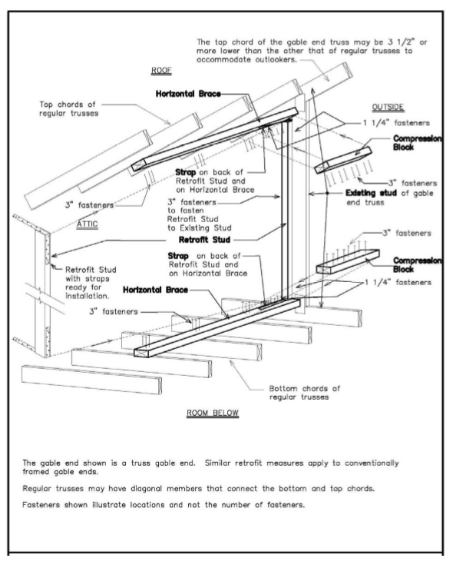
How Strong Gable Ends and Wall Bracing Can Protect Your Home in Natural Disasters

Building a Fire-Resistant House


Bunkeren House / James Stockwell Architect

This House Survived a Wildfire Because of Its Smart Design. Here’s How.

Rammed Earth Fits Into Urban Architecture’s Sustainable Future
Living with water: four buildings that will withstand flooding

How Can Architecture Combat Flooding? 9 Practical Solutions
steel architecture and design Archives