1/16
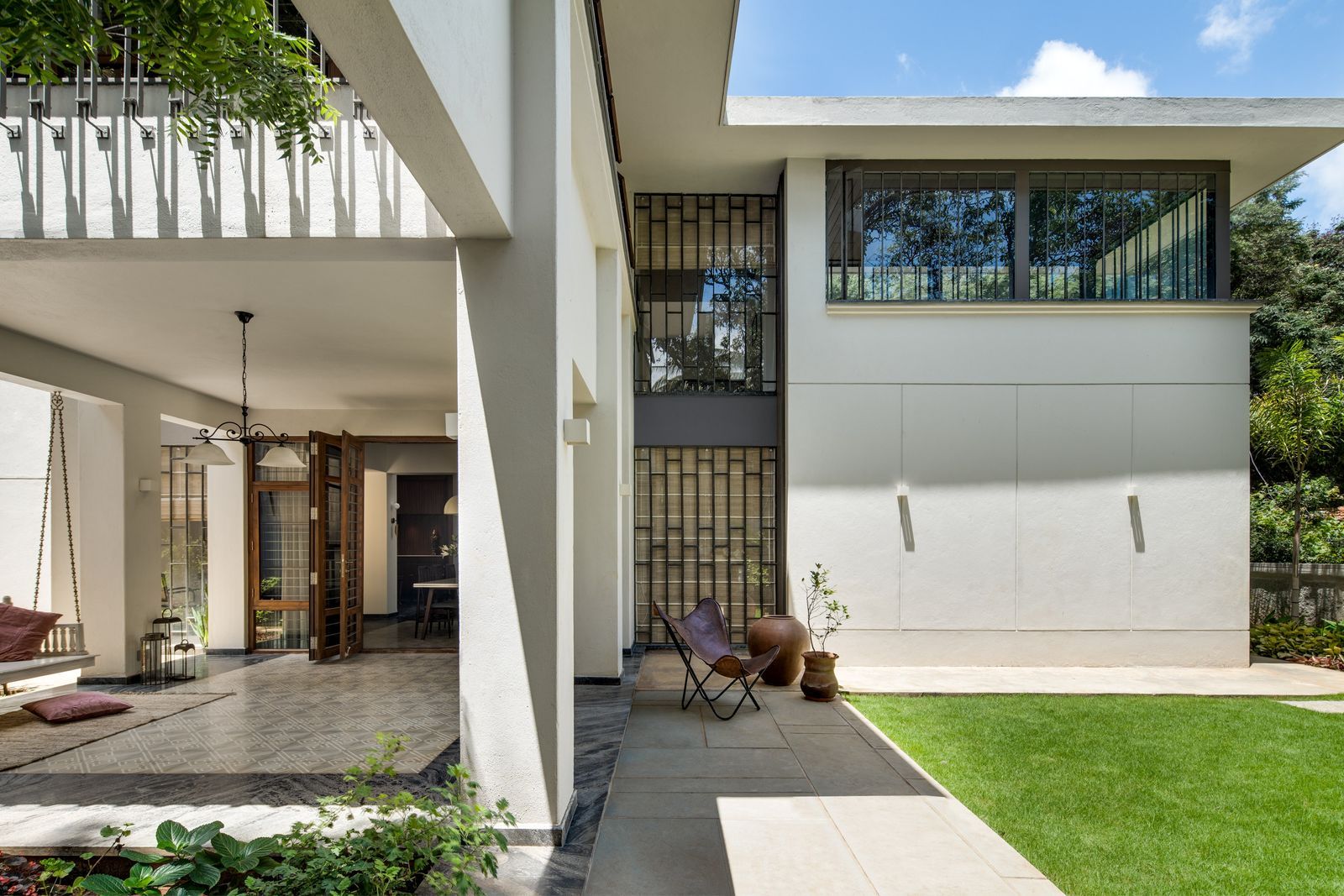
This light-filled Goan villa narrates a heartwarming tale of respectful restoration
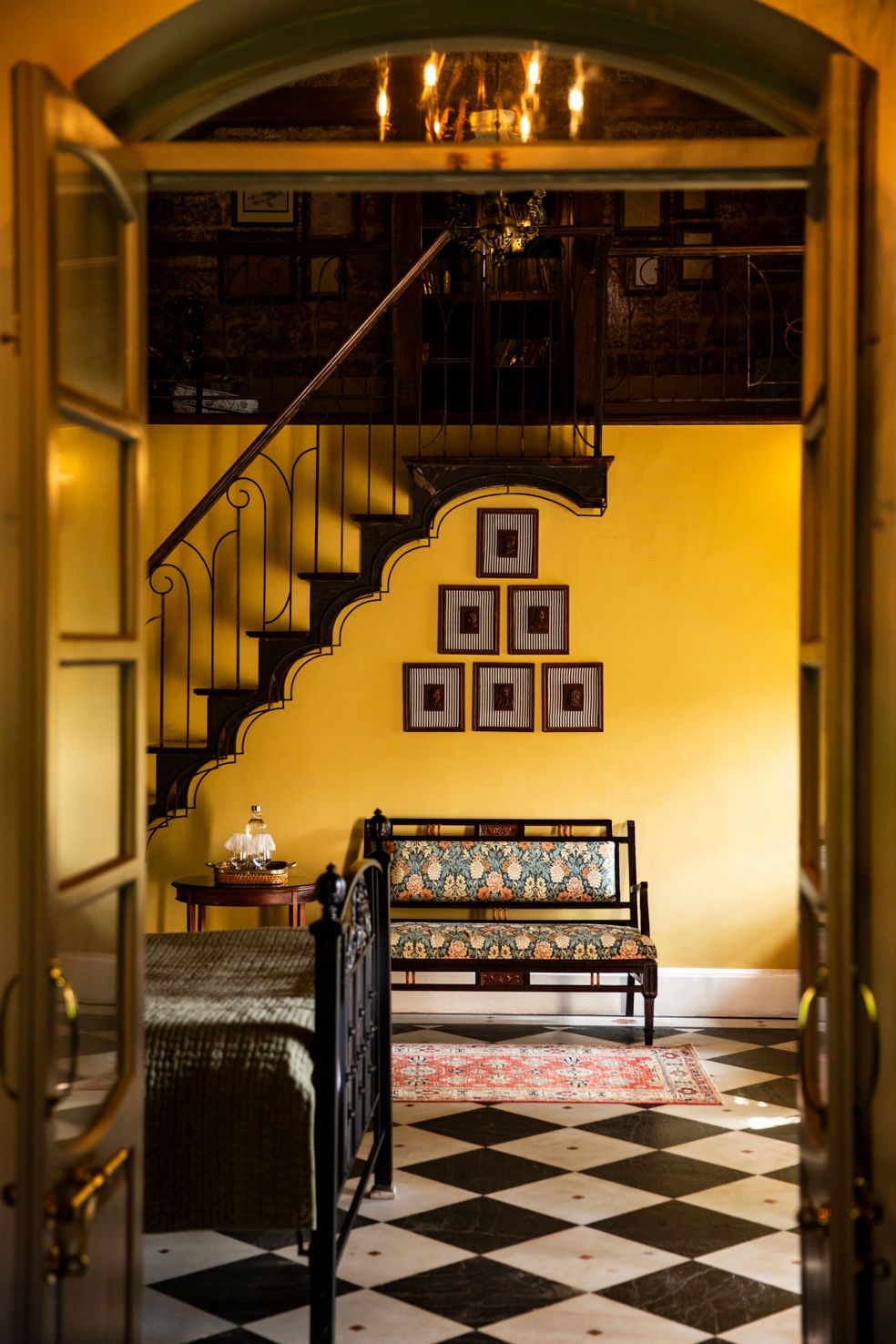
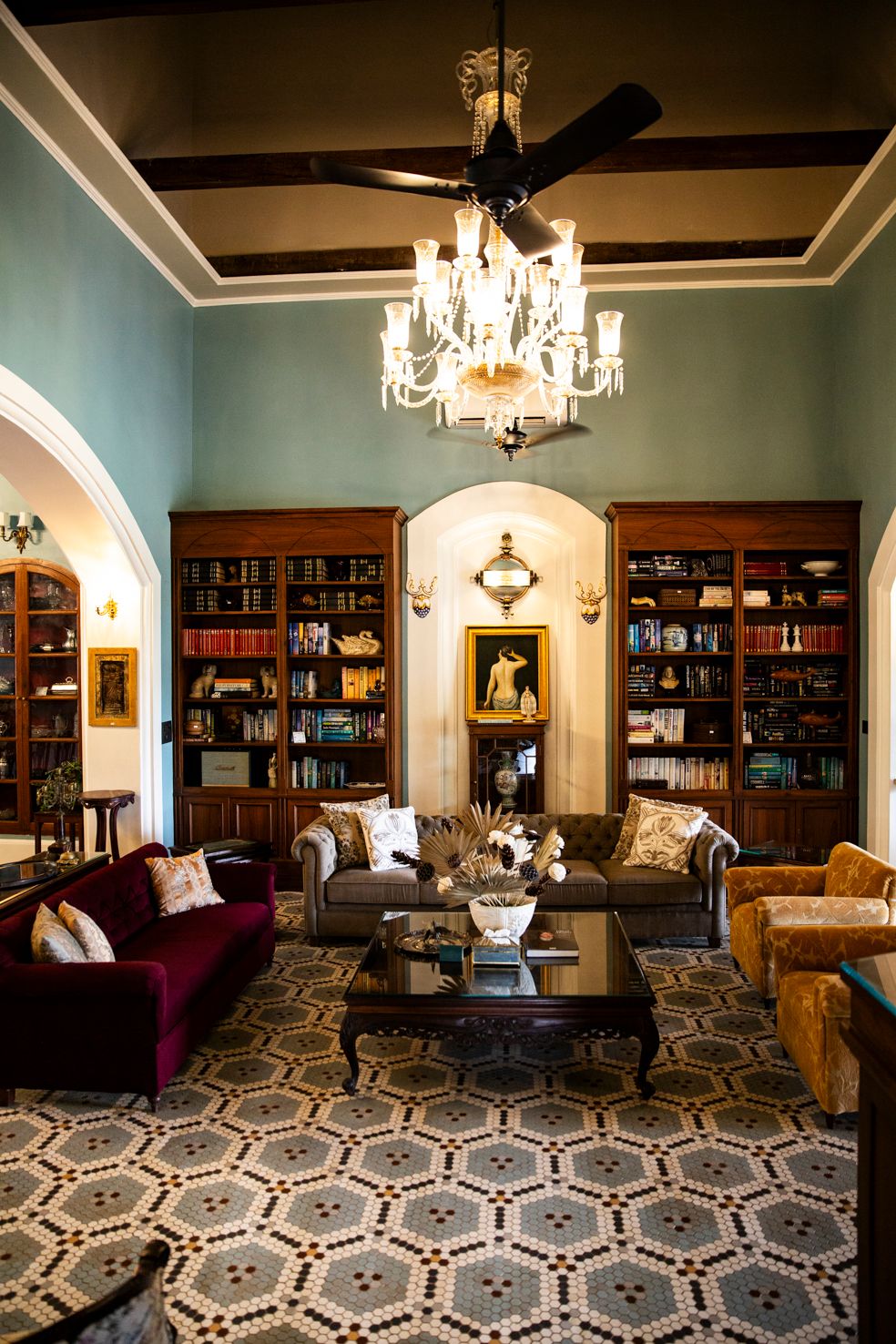
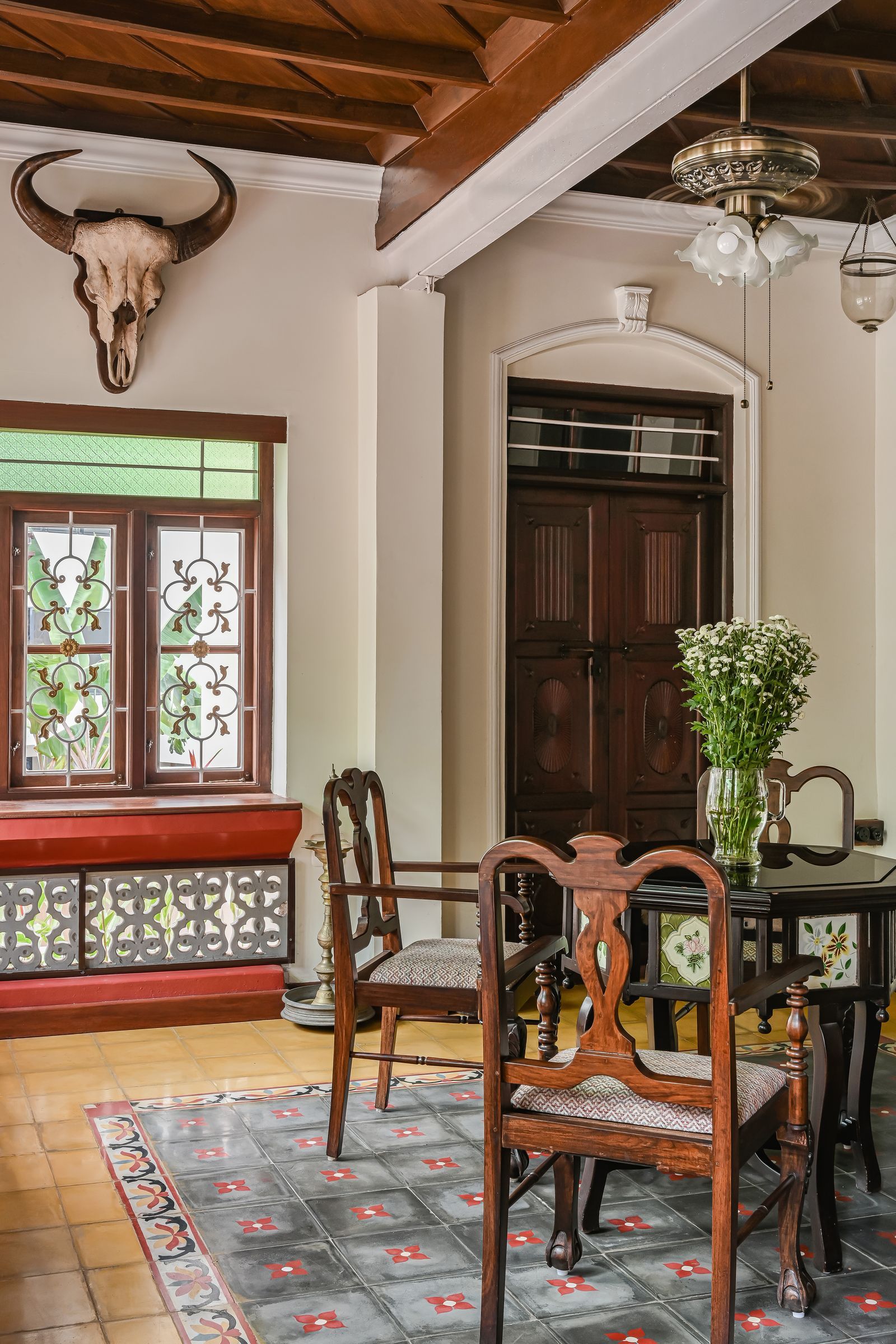
Asim Merchant, a Mumbai-based designer, embarked on a unique passion project: the respectful restoration of an old Indo-Portuguese villa in Moira, a serene hamlet in North Goa. Merchant was captivated by the villa's location and the inherent beauty of its dilapidated structure, despite its neglected state. His primary objective was to infuse a subtle modern elegance while preserving the intrinsic, age-old charm of the home. This involved a deep dive into the historical context of Goan villas, studying their construction methods, the rationale behind specific architectural choices, and the materials used.
The restoration was guided by the principle of 'restore, not recreate,' emphasizing the retention of as many original elements as possible. Merchant's extensive research into traditional Goan architecture, including the placement of wells and chosen heights, provided a foundational understanding of the villa's historical significance. He meticulously studied how such structures endured heavy monsoons without cement and how natural light and cooling mechanisms were integrated into 150-year-old designs.
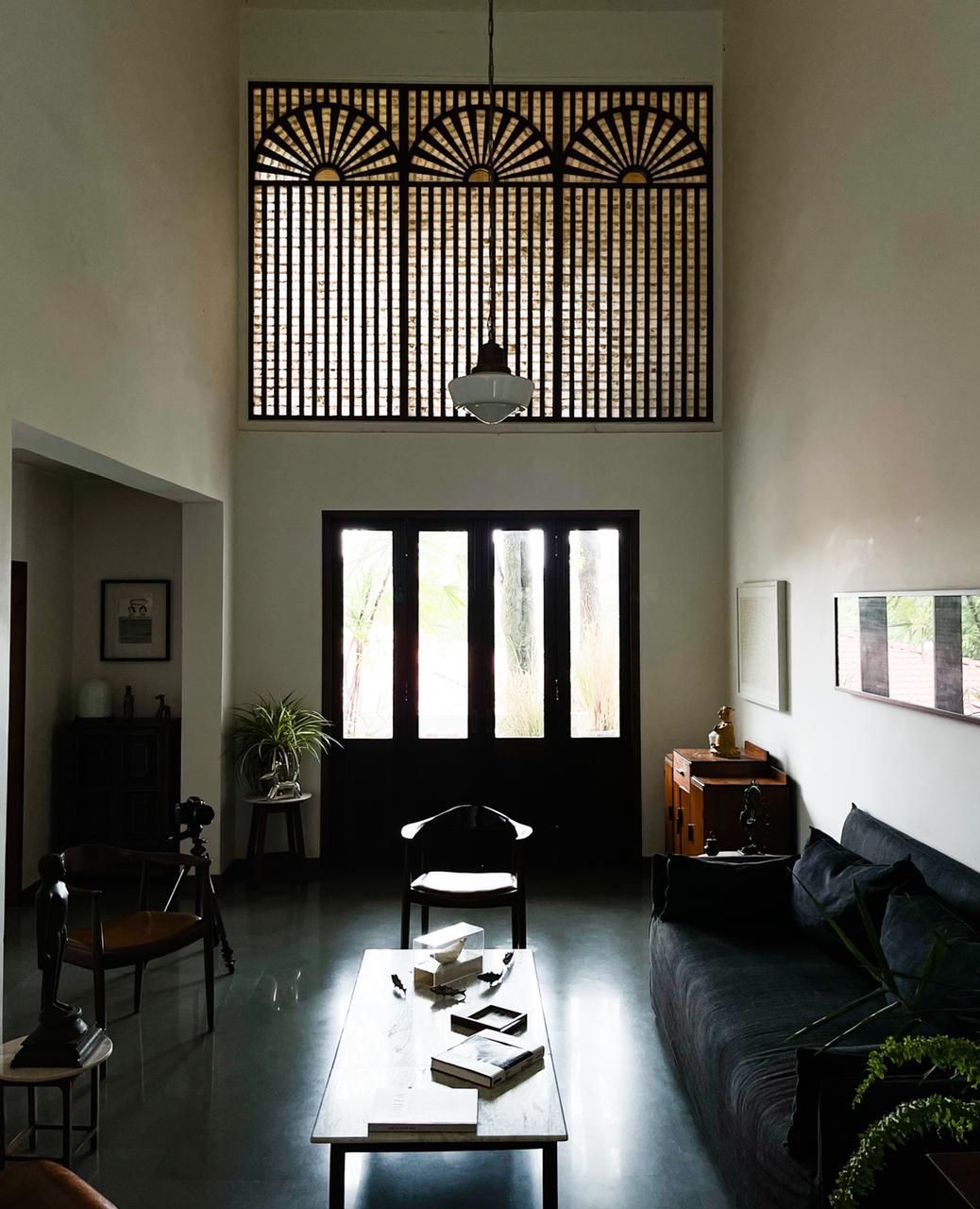
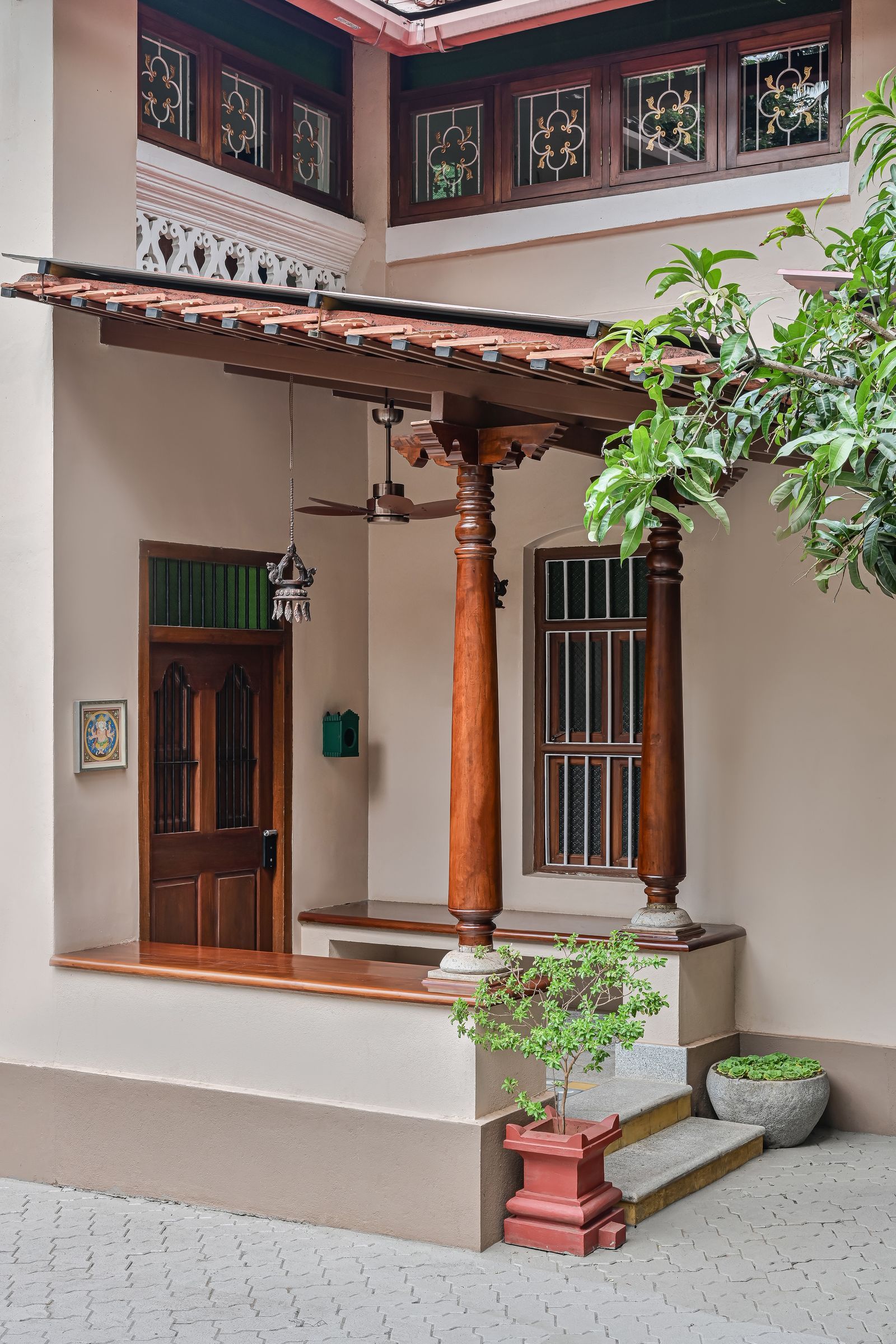
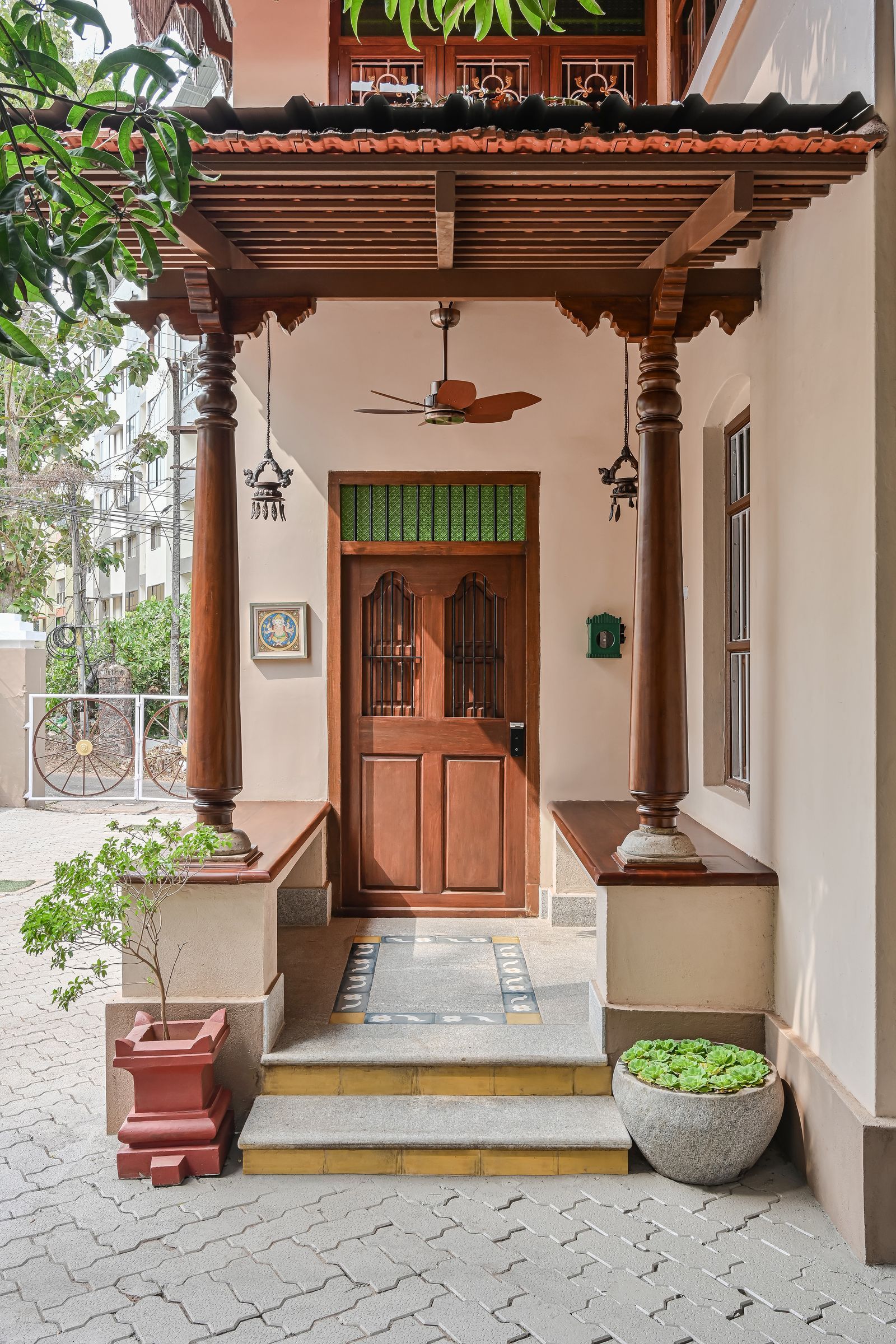
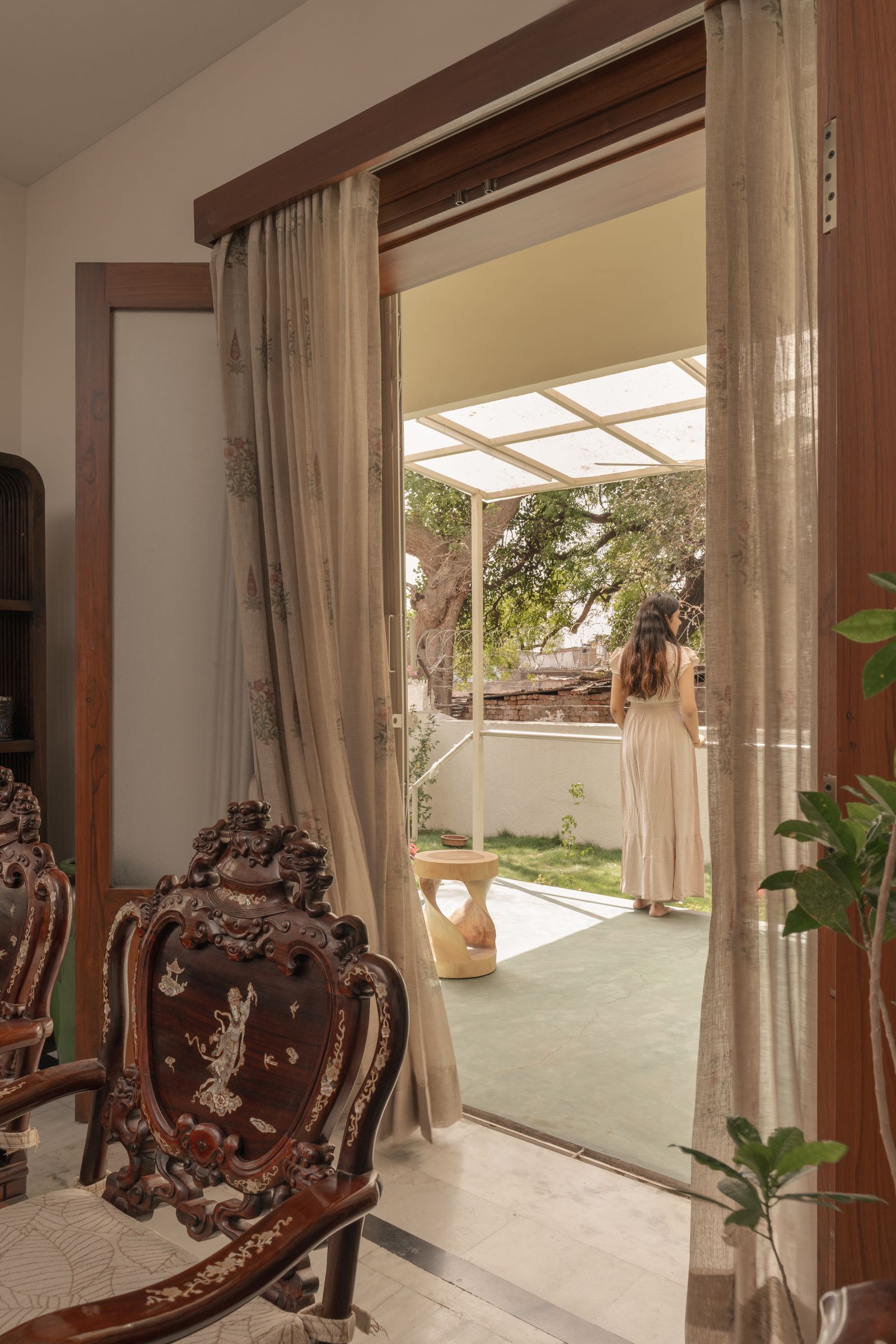
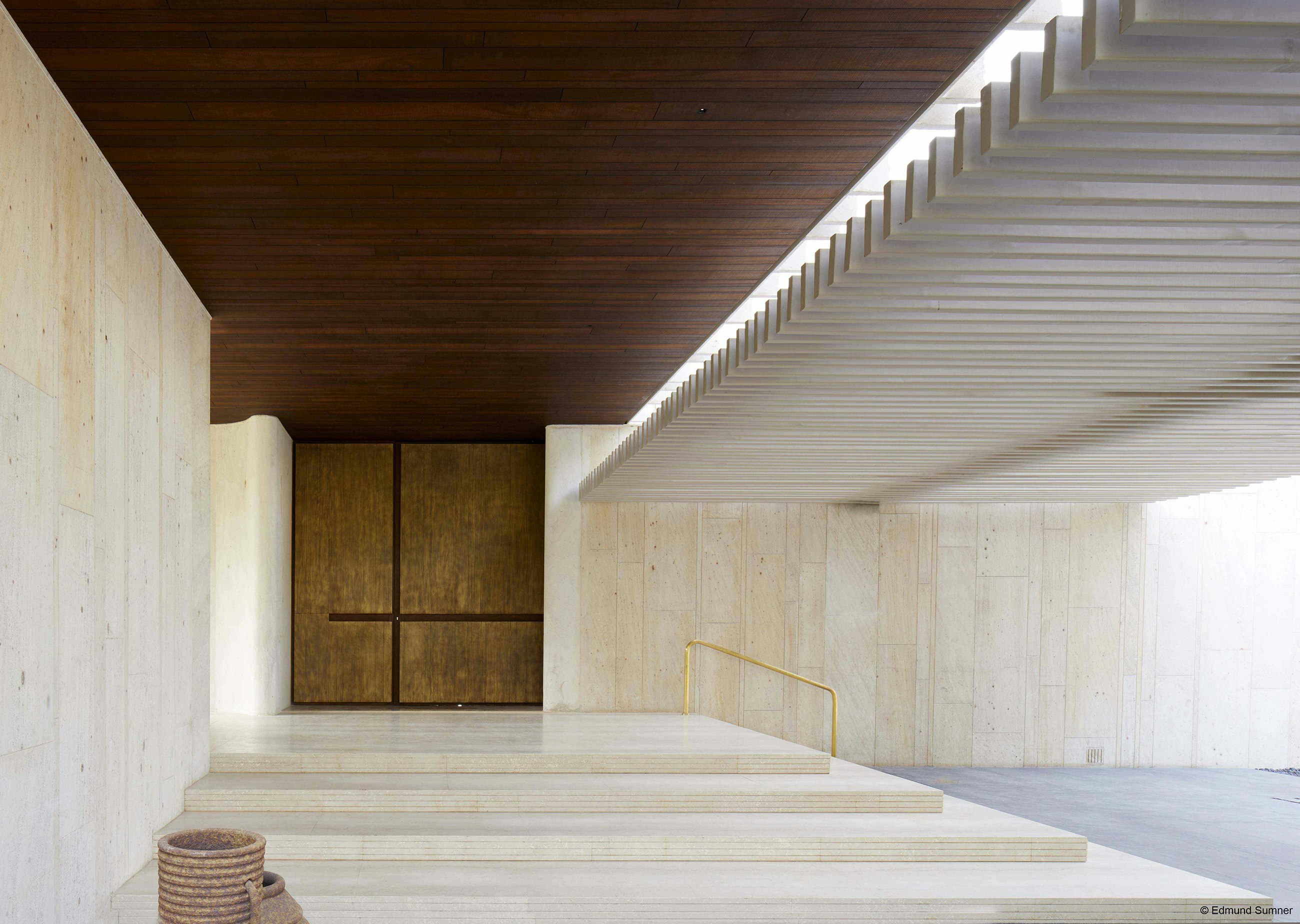
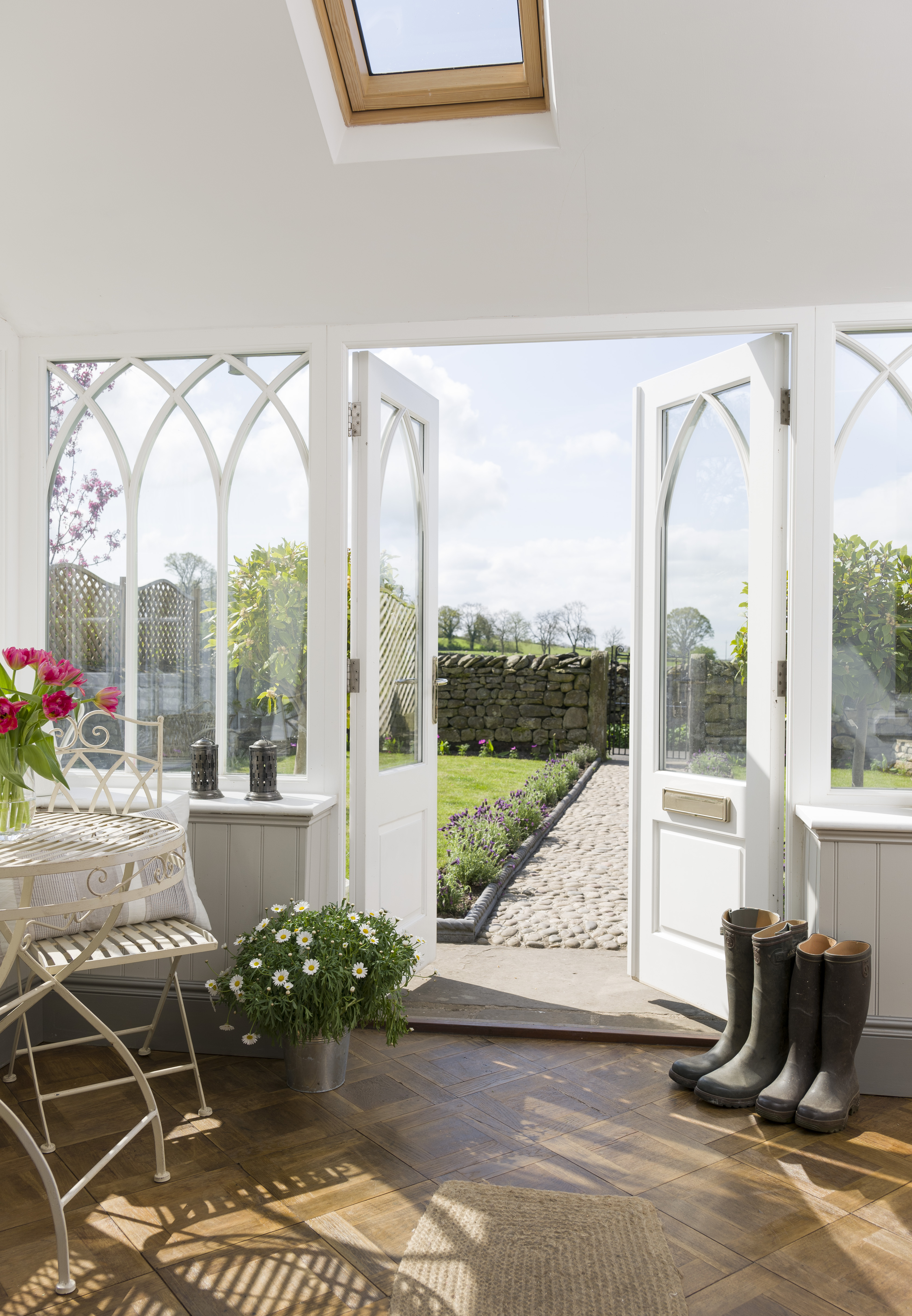
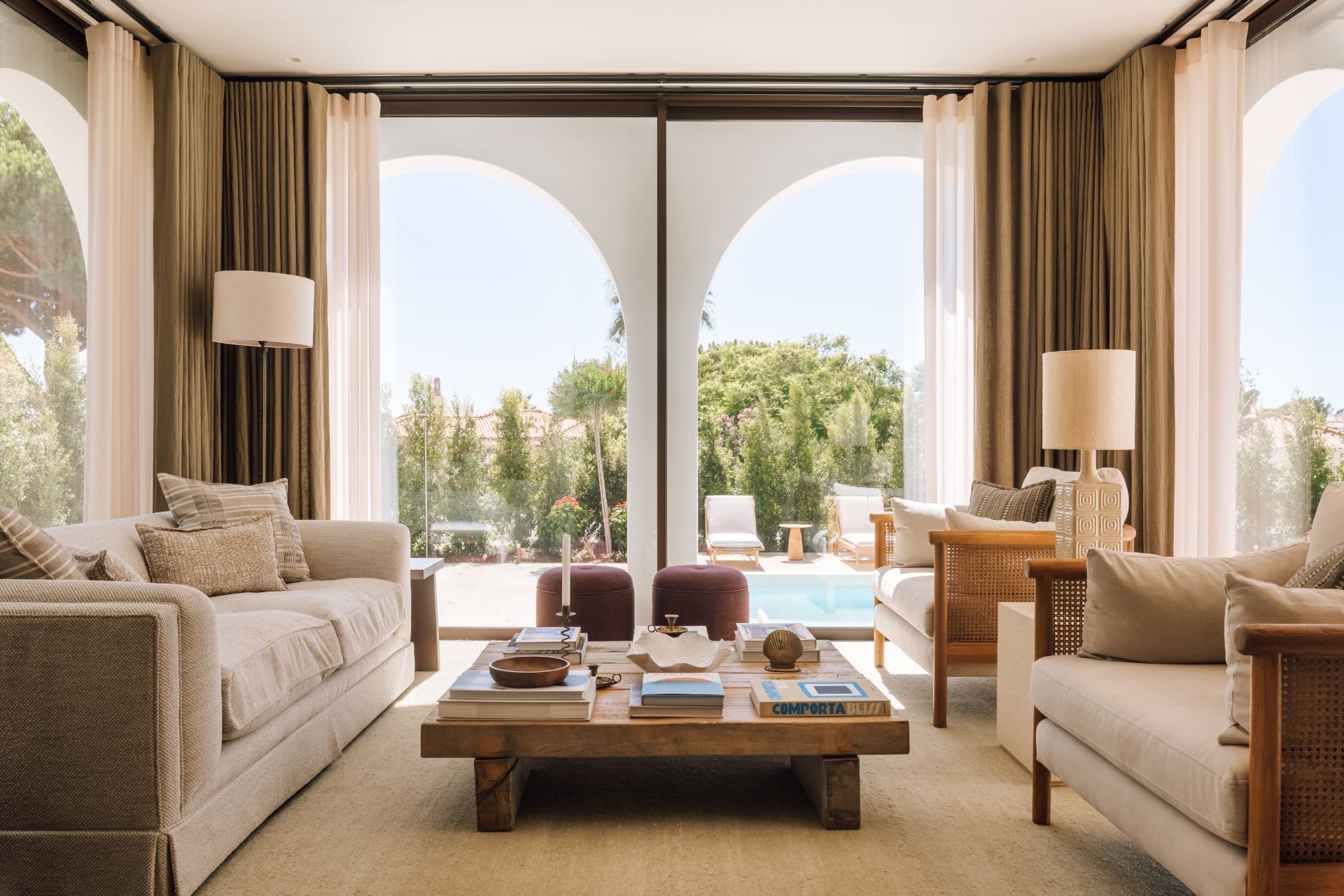
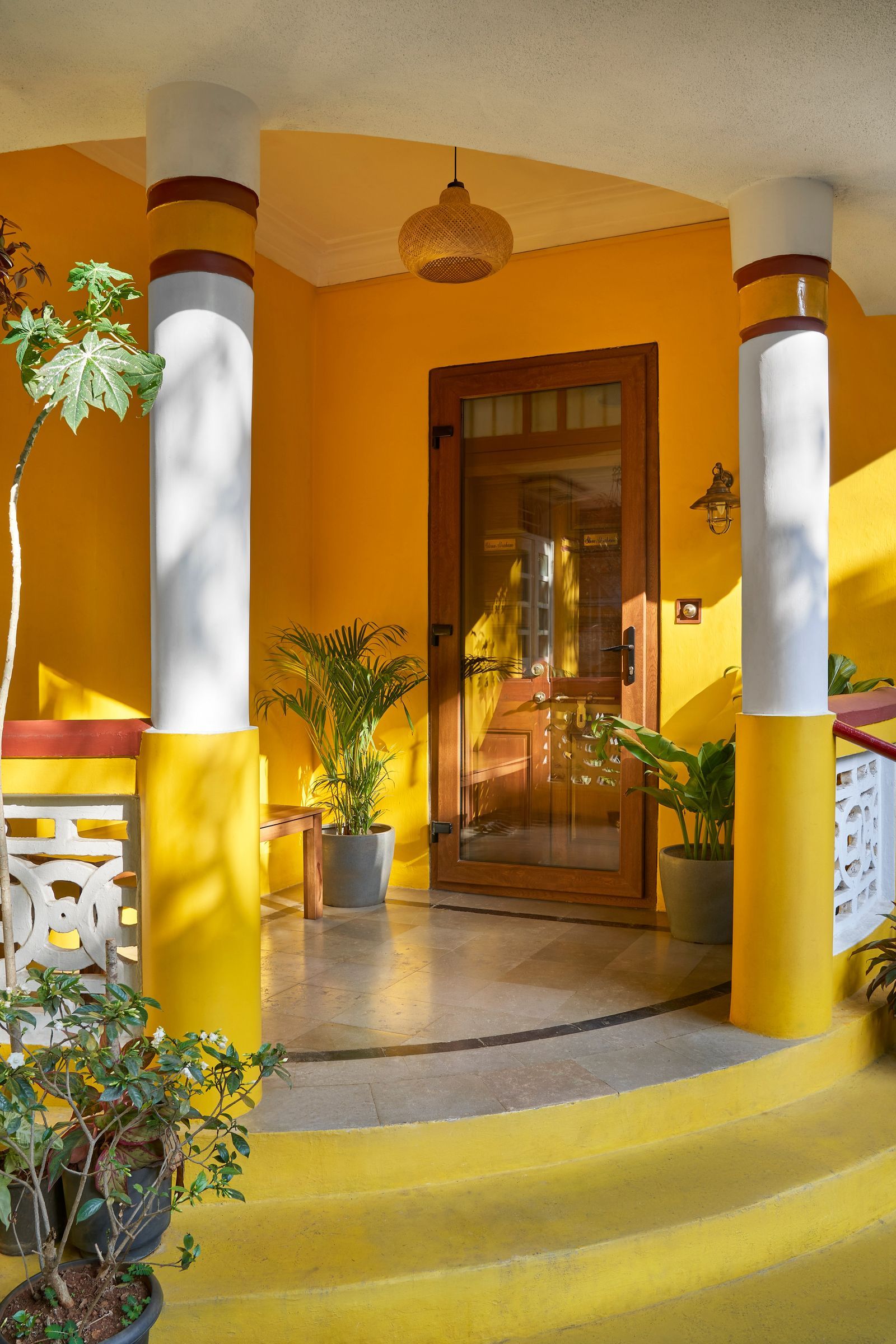
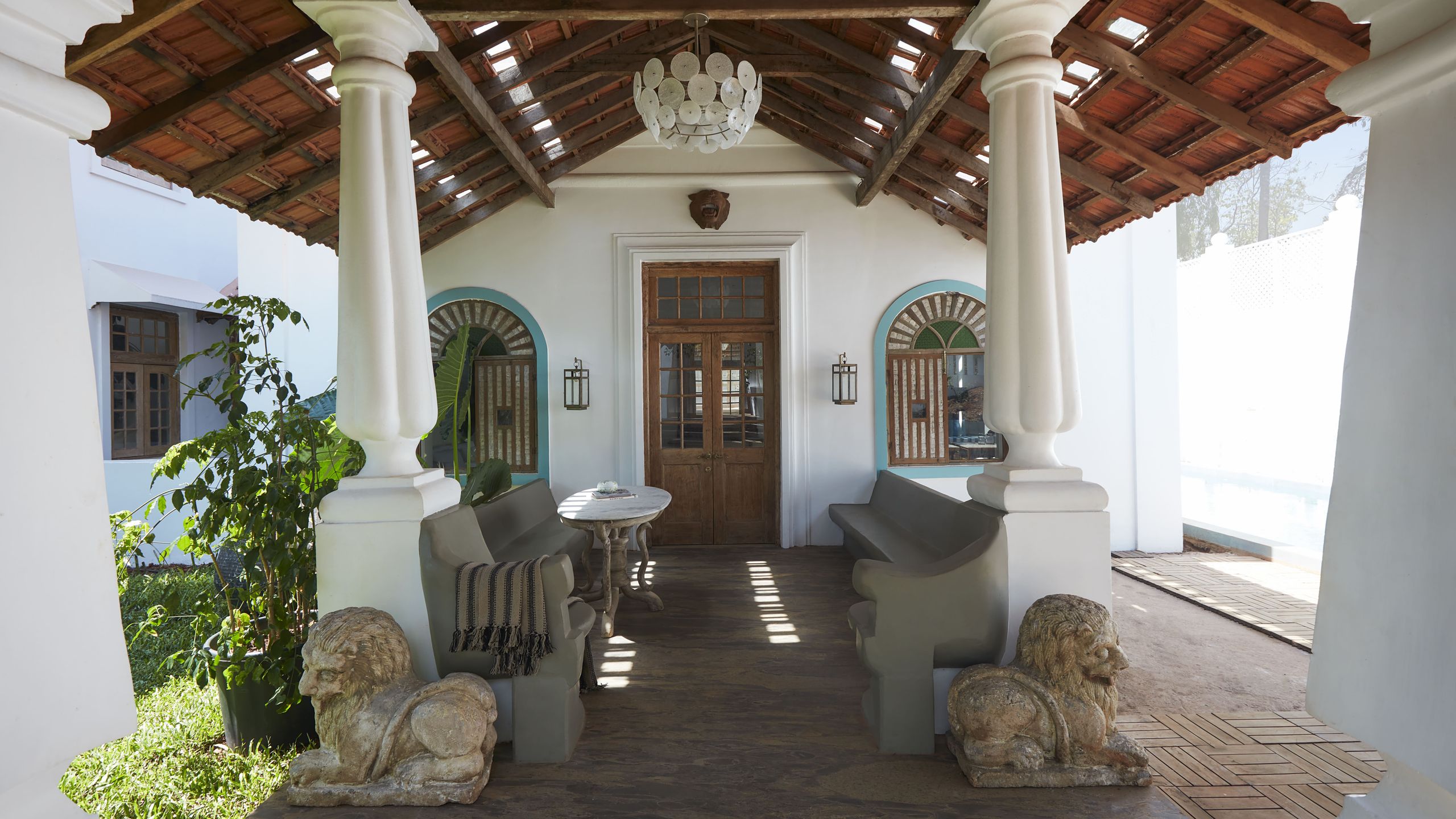
Key to the restoration was the integration of skylights, installed as long bands of glass across all roofs, including the living room, to maximize natural light. This design choice allows the sunlight to animate the interior spaces throughout the day. The balcão (porch) of the original home was carefully preserved and restored, maintaining its columns and roof wood. Multi-toned slate tiles with metallic glints were used to anchor the porch, reflecting traditional aesthetics.
Merchant ensured that any modifications or extensions blended seamlessly with the surrounding, historically rich neighborhood. This commitment to contextual harmony extended to details such as the height of the house and the choice of tiles, drawing inspiration from the local architecture. A significant decision was to retain all existing trees on the property, which was a deciding factor for the previous owner in selling the villa to Merchant. This underscored his dedication to preserving the site's natural and historical integrity.
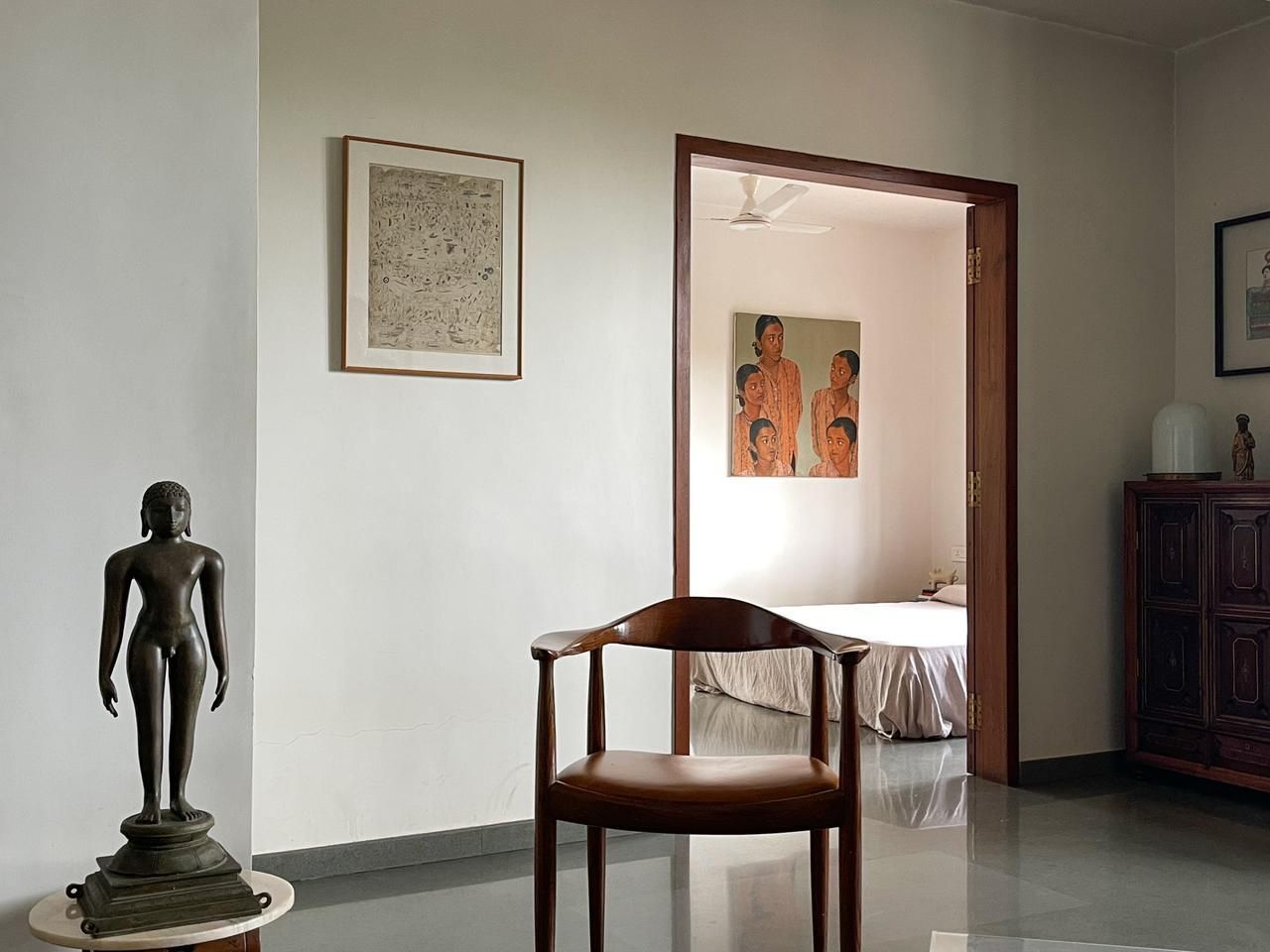
While the villa's footprint remained largely unchanged, a portion of the original G+1 structure was converted into a G+2. This required strengthening the existing plinth, a complex process that involved recreating reinforcements using local materials like laterite stone, red mud, lime, and cement with wire mesh to support the fragile, almost-collapsing mud walls. The interior design maintained a natural and raw aesthetic, featuring exposed lime plaster on walls and restored wooden shutters on wardrobes integrated into the walls.
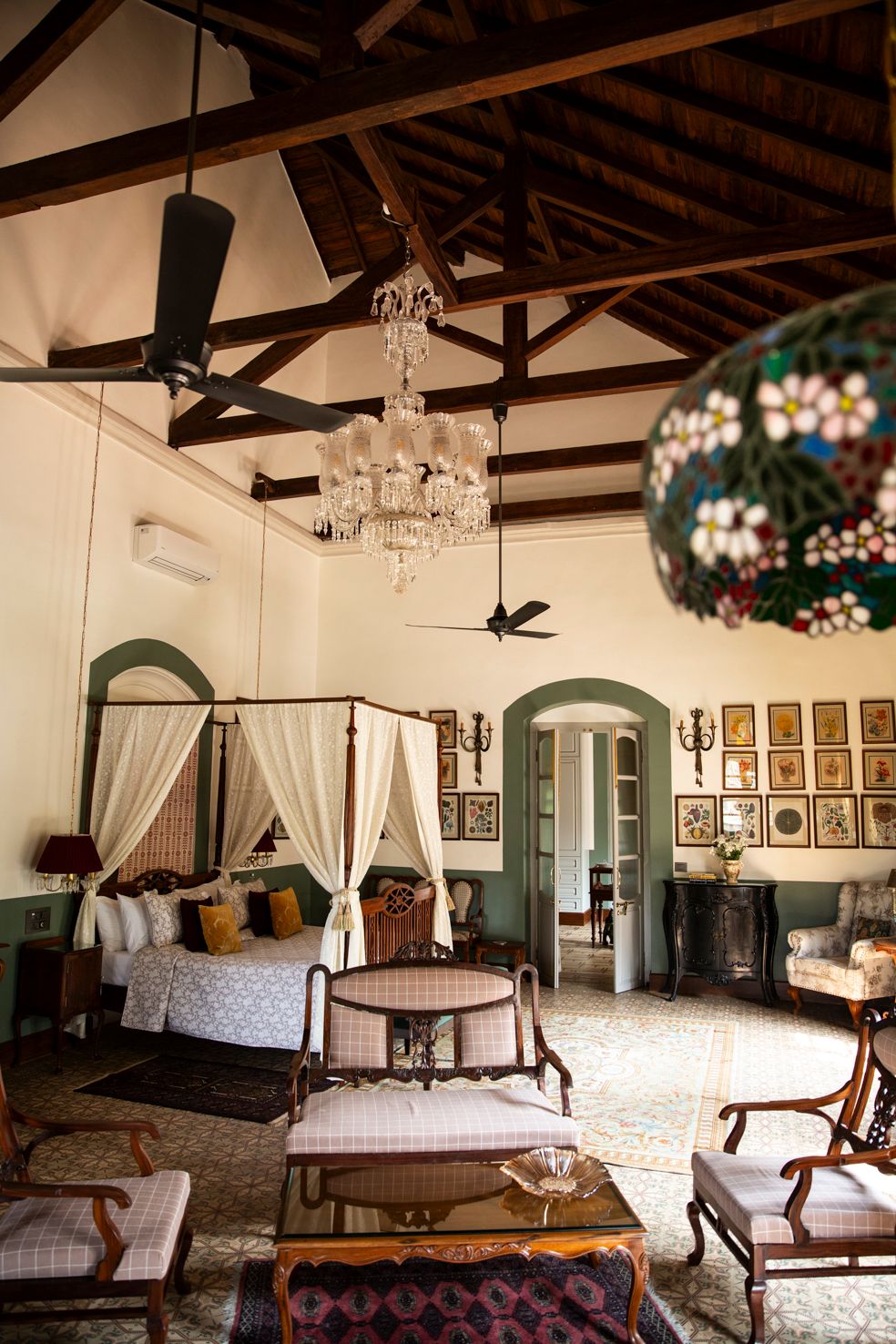
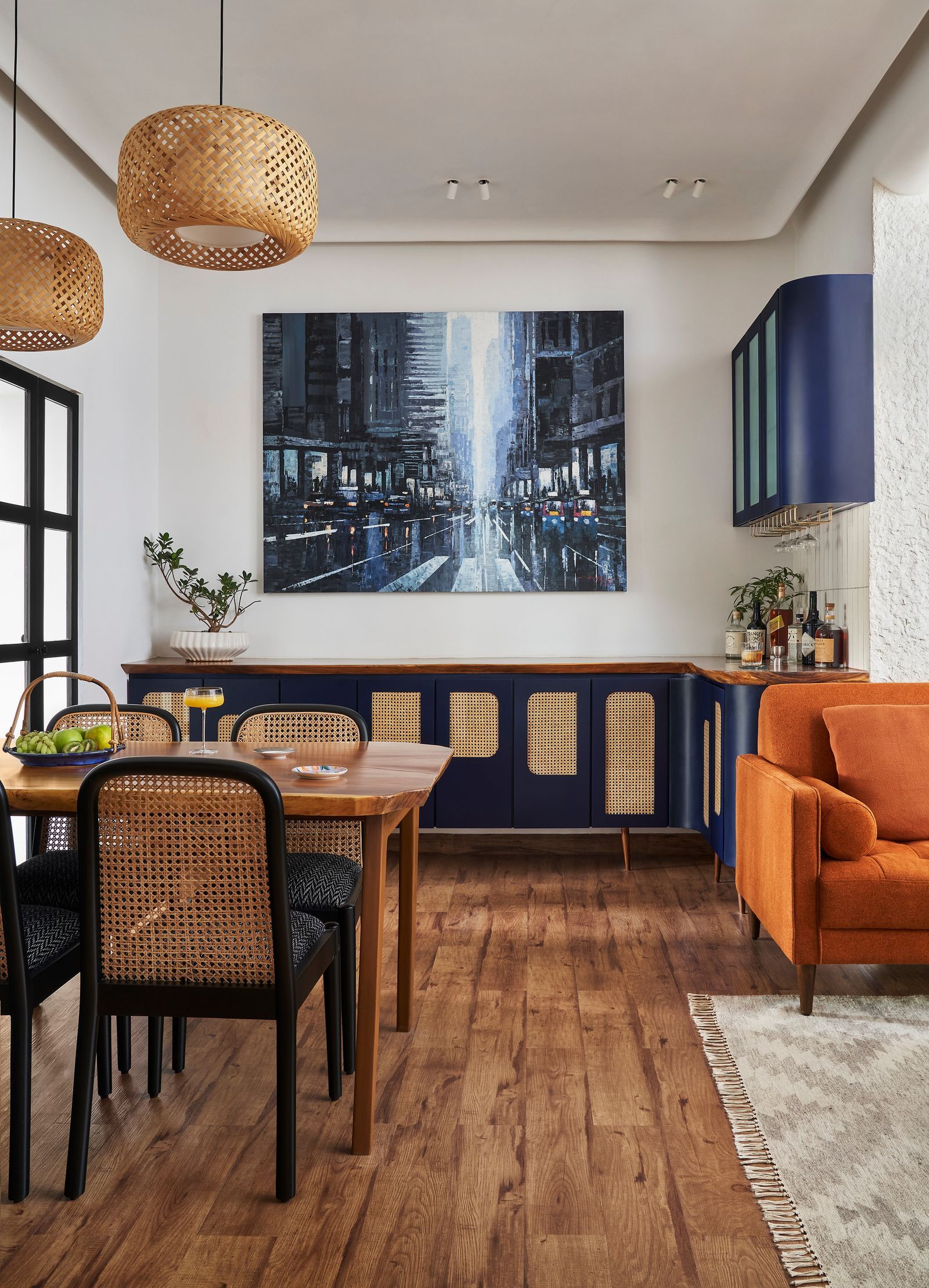
The villa's long facade, a distinctive feature, was emphasized to create an impressive entrance from the adjoining roads. The furniture, a blend of vintage finds and custom pieces from Merchant's brand, Red Blue & Yellow, reflected the project's influence by inspiring a new line of vintage resort furniture tailored for second homes. The master bedroom, a self-contained double-height space, also benefits from abundant natural light.
Ultimately, the project earned the approval of the local community, including long-time residents, who recognized the respectful approach taken by Merchant. This restoration offers a hopeful alternative for the preservation of Goa's numerous old, beautiful, and often crumbling villas, demonstrating that modern intervention can coexist harmoniously with historical preservation.
#GoaHome #VillaRestoration #IndoPortugueseArchitecture #AsimMerchant #ArchitecturalPreservation #SustainableDesign #TraditionalCraftsmanship #NaturalLight #GoanHeritage #GoaHome #VillaRestoration #IndoPortugueseArchitecture #AsimMerchant #ArchitecturalPreservation #SustainableDesign #TraditionalCraftsmanship #NaturalLight #GoanHeritage
0 تعليق إجمالاً
 لا توجد تعليقات بعد
قد تعجبك أيضًا
This 100-year-old mansion in North Goa has been restored into a palatial villa
Using art and IKEA finds, a well-kept Victorian villa is turned into a family haven
A Bungalow With Global Charm
Japanese-inspired design turns this beach house into a Zen retreat

A Goa home that revels in art, textures, and the outdoors
A Gurgaon home that celebrates the luxury of fine Indian craftsmanship

For Sale: A Custom-Designed Home Marries Old and New
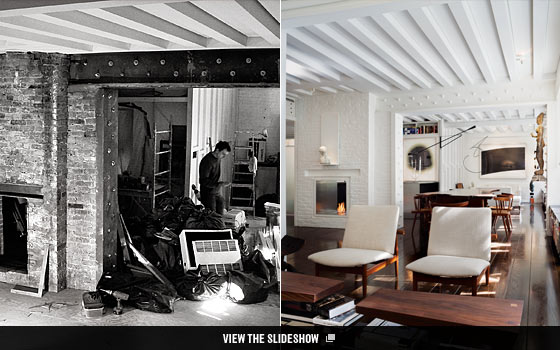
An Archaeological Dig in a 1903 Tenement
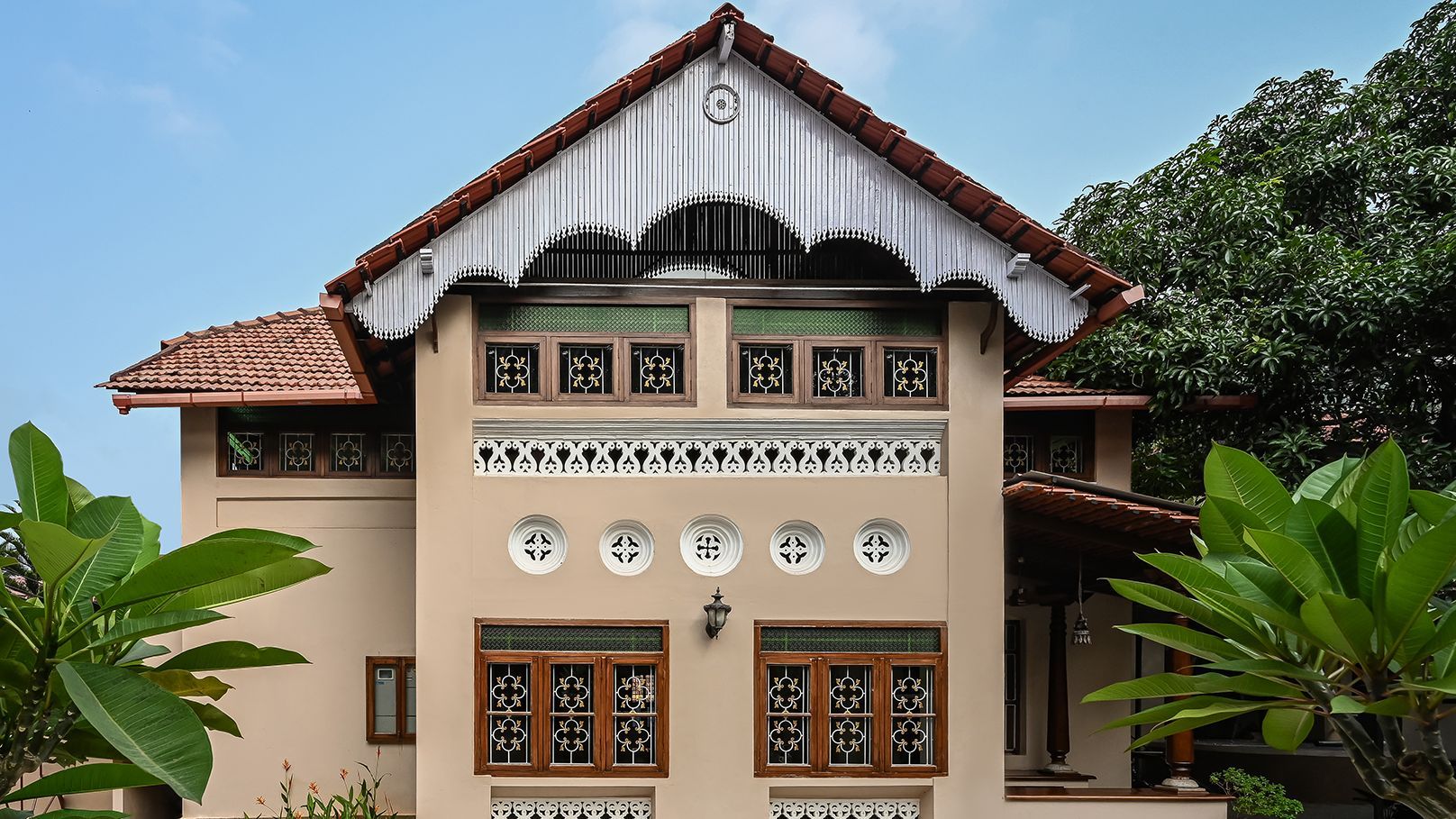
Step inside a 90-year-old Mangalore villa restored to its former grandeur

A Renaissance of a Geist Estate

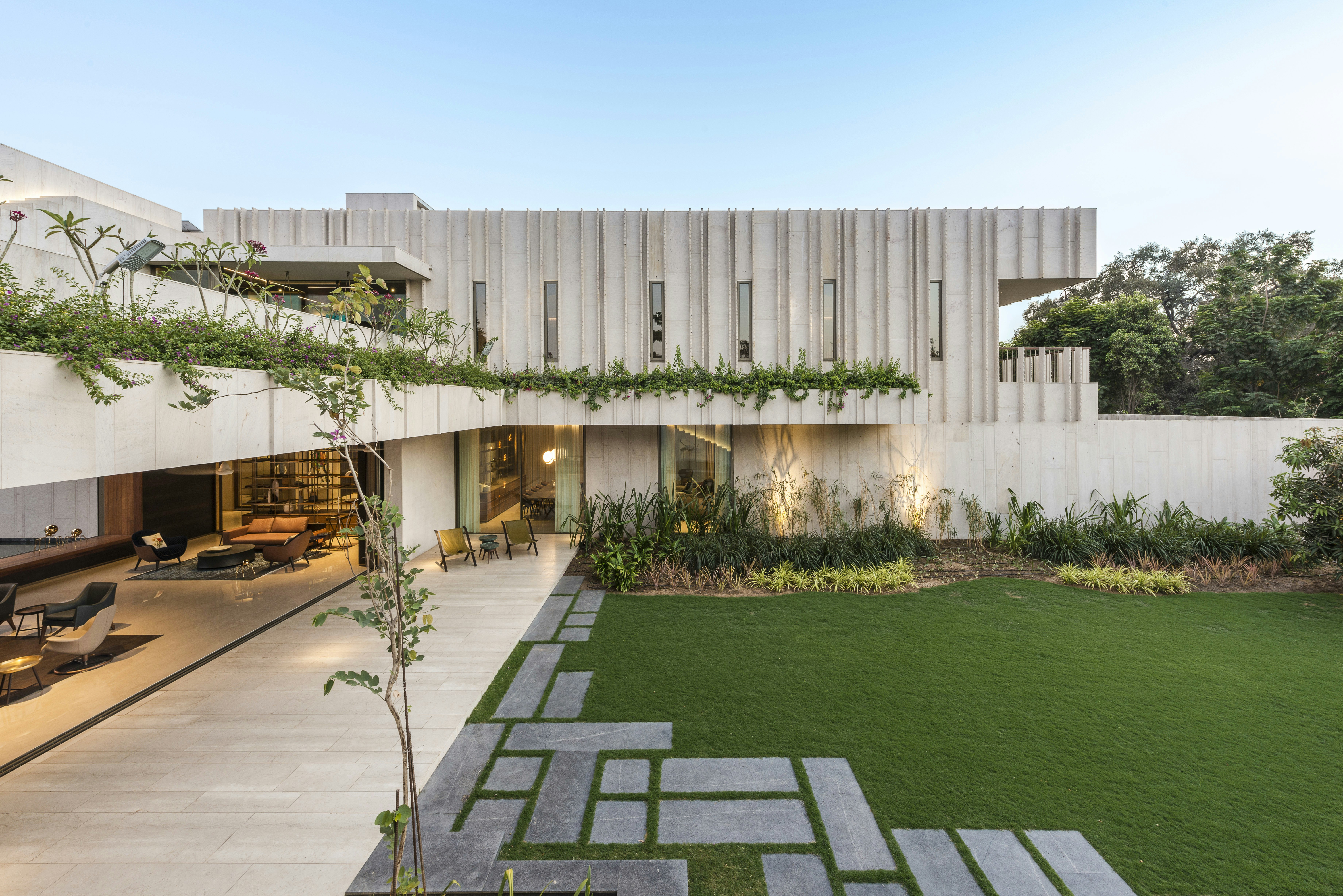
Lush Gardens Soften This Rugged Stone Residence in India

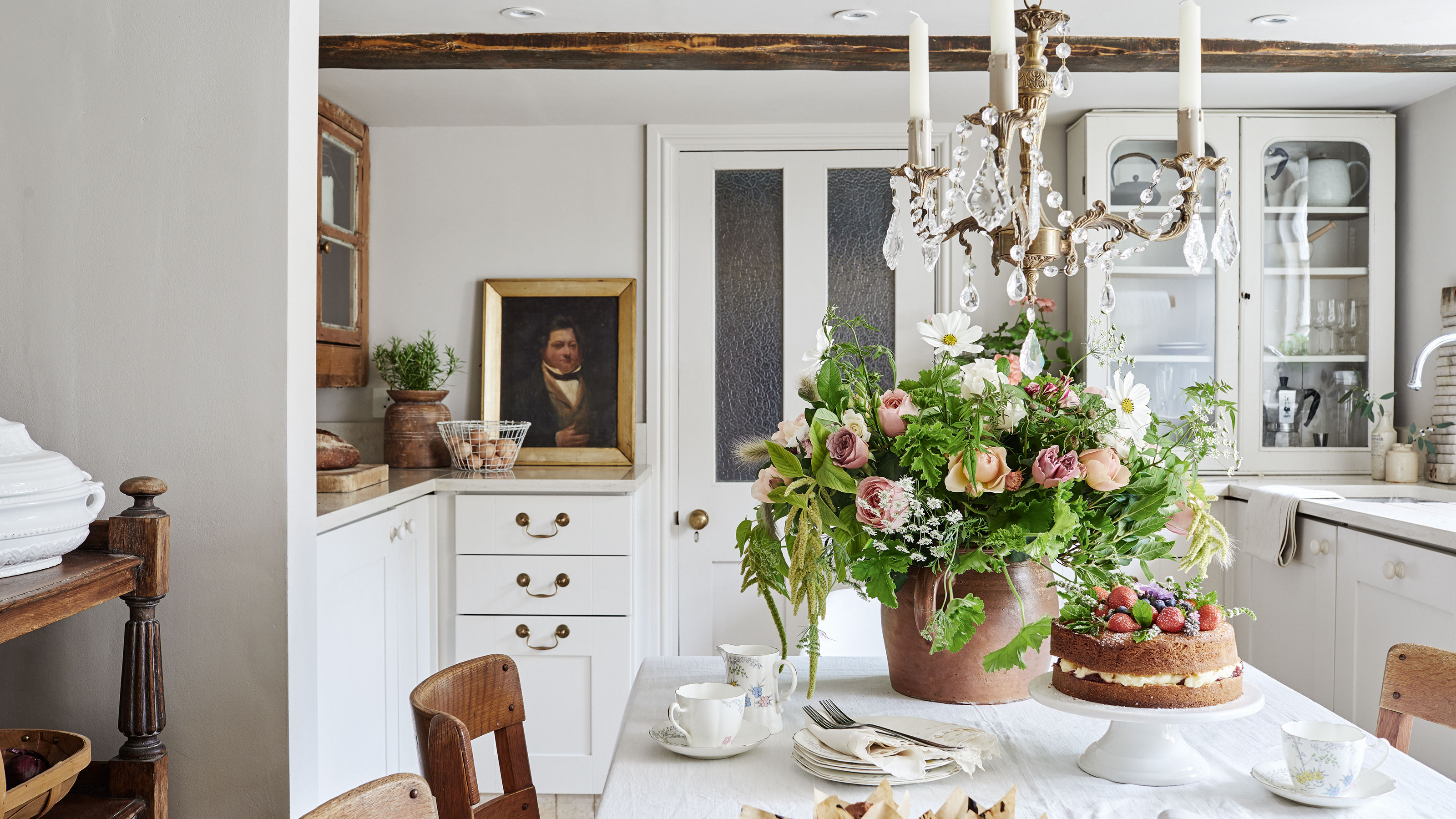
The renovation of this Georgian cottage uncovered features dating back 300 years

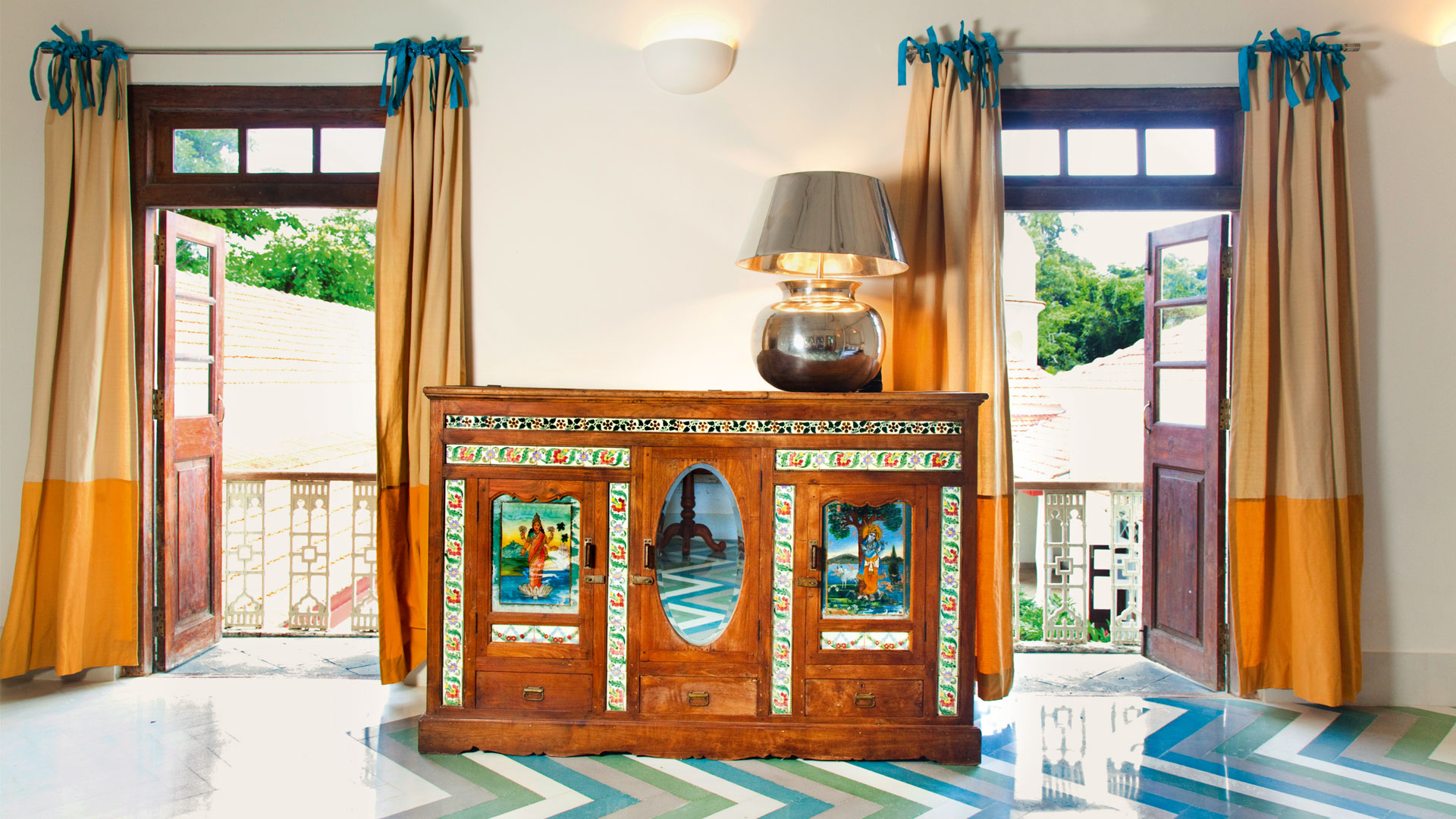
Inside a rustic Goan villa by the sea

A Colonial-Style Home Gets a Second Life Without Losing Its Charm
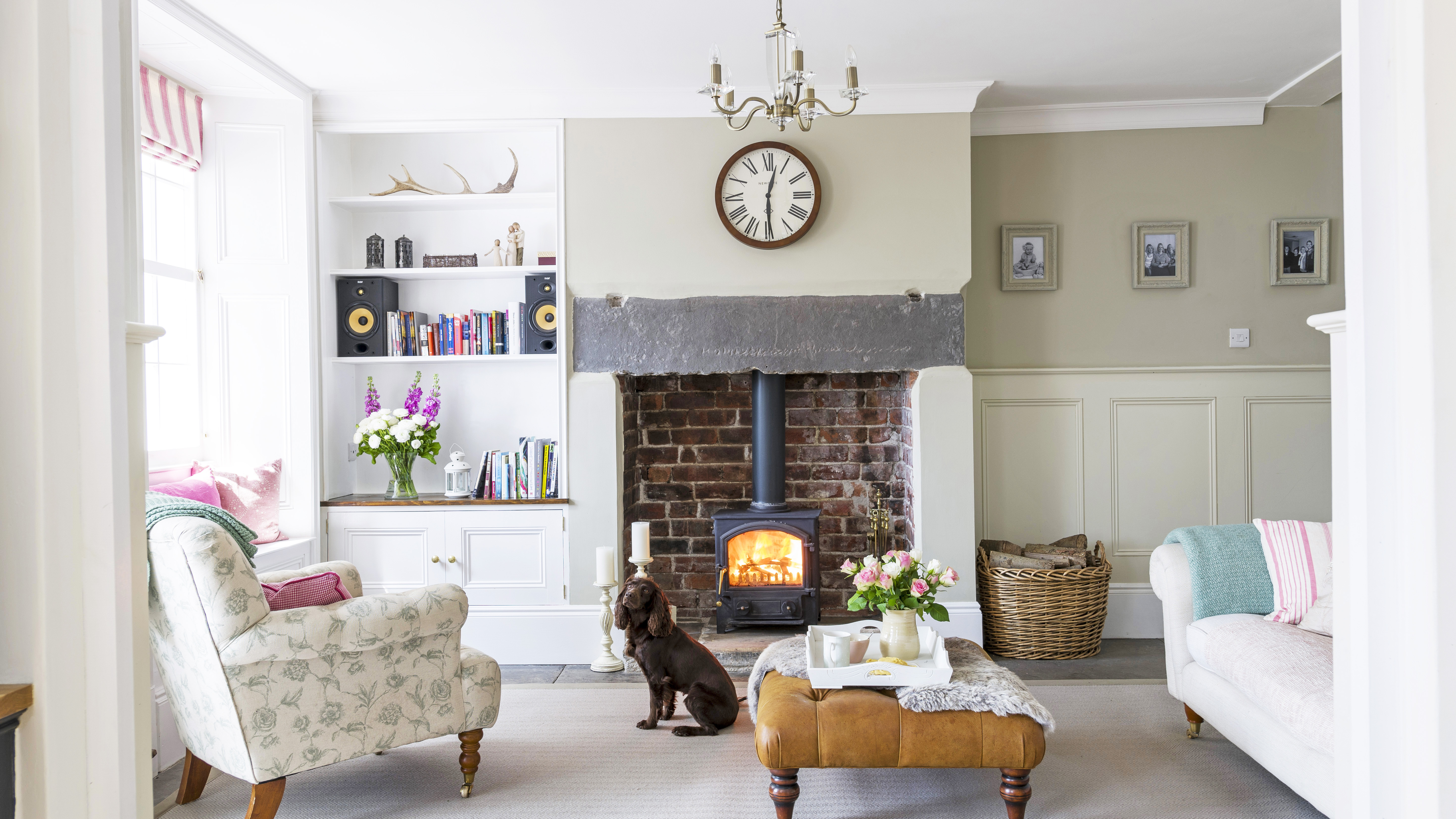
A beautifully restored Georgian cottage brimming with classic country charm

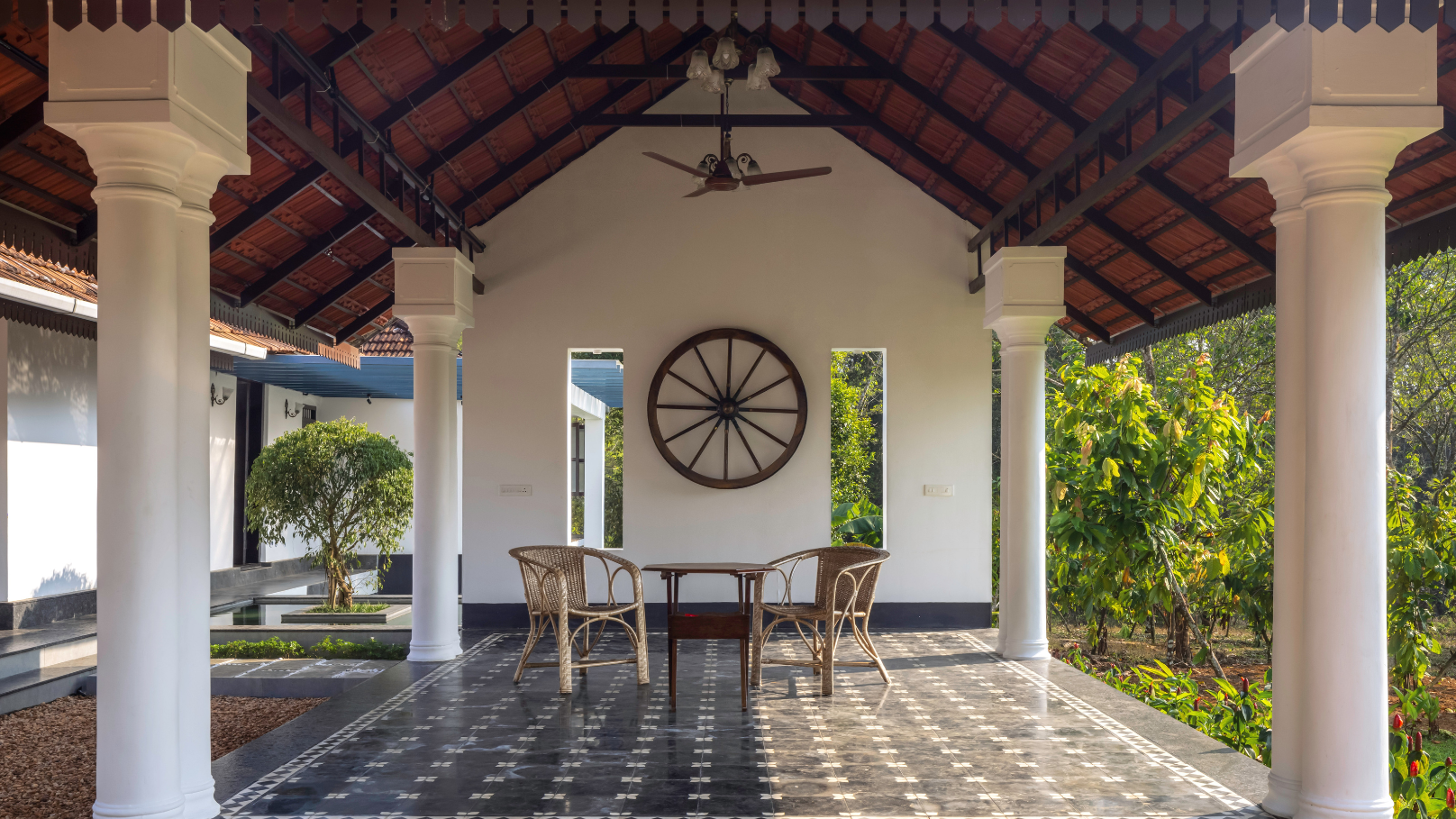
7 Indian home renovations that breathe new life into nostalgic spaces
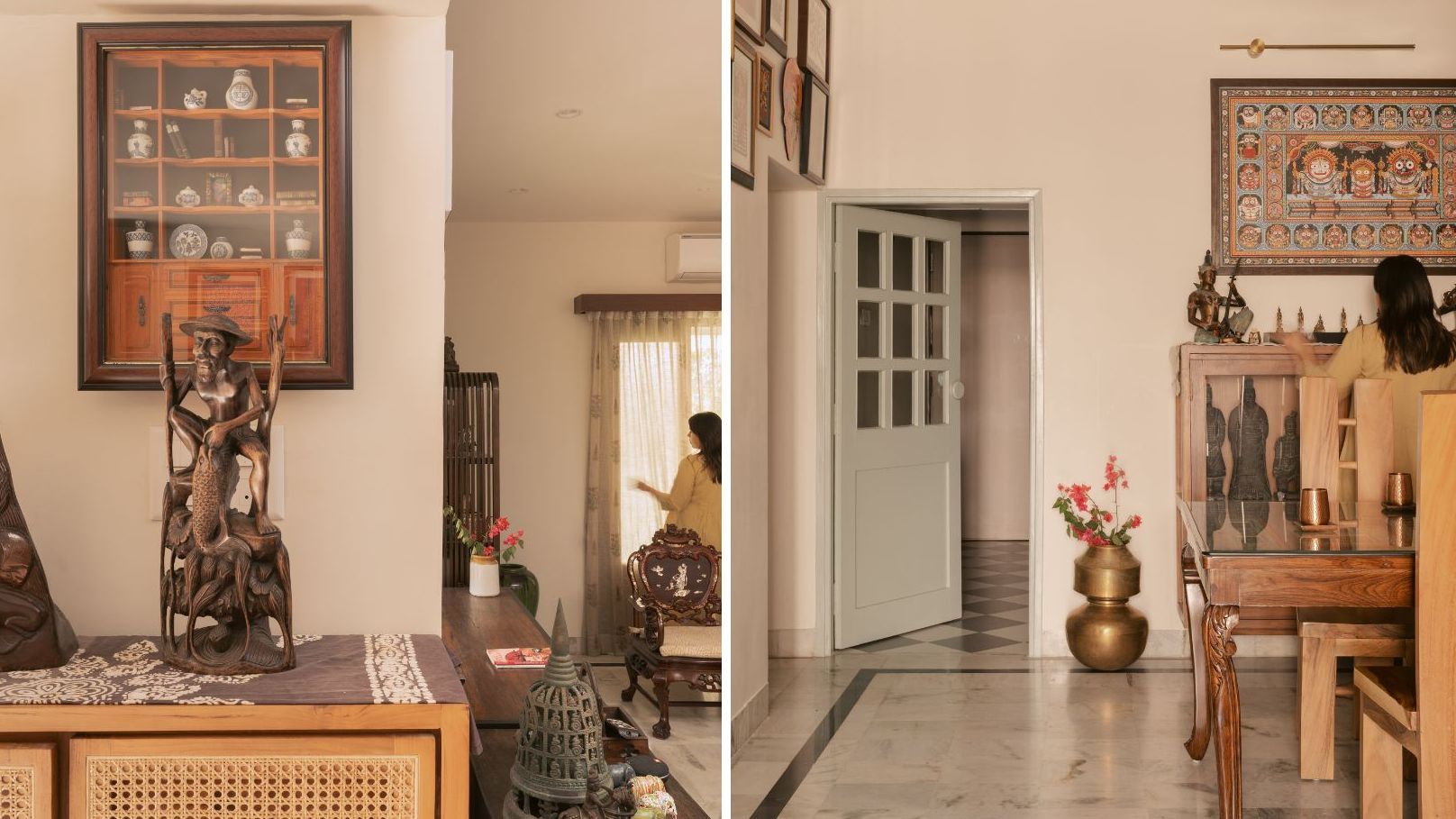
This 50-year-old bungalow in Vadodara is reborn as a tribute to its owners' worldly adventures
A Dilapidated Victorian Cottage Shines After a Sustainable Retrofit
Summer Interiors Inspiration: A Portuguese Villa, Brought Back To Life
This Quaint Cottage is Rich With Charm