1/7
This Is the Right Way to Wash Your Curtains, According to Experts
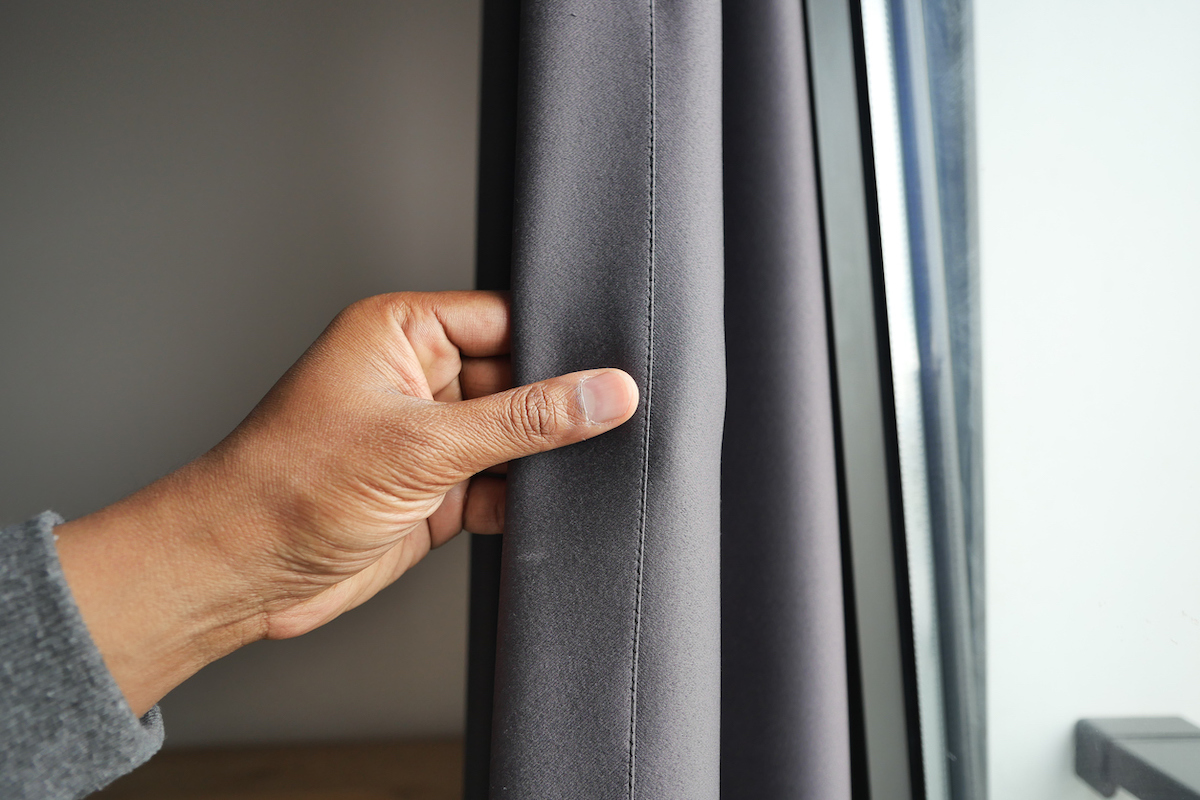
Curtains are an essential component of a comfortable living environment, offering privacy, light filtration, and insulation against heat and sound. However, over time, they accumulate dust, pet hair, and allergens, necessitating regular cleaning to maintain their freshness and extend their lifespan. Experts recommend deep cleaning curtains two to three times per year. This guide provides a step-by-step approach for washing curtains, categorizing methods based on whether they are machine-washable, hand-washable, or require professional attention.
Before initiating the cleaning process, it is crucial to consult the care label on the curtains. Daniel Brown, CEO of Handy Cleaners, emphasizes that this label typically indicates fabric content and specific cleaning instructions, which are vital for preventing damage like shrinkage or color fading. Andriy Neborak, CEO of Luxury Cleaning NY, advises that delicate fabrics such as silks and velvets might require dry cleaning. If a care label is absent or illegible, hand-washing is the recommended default method.
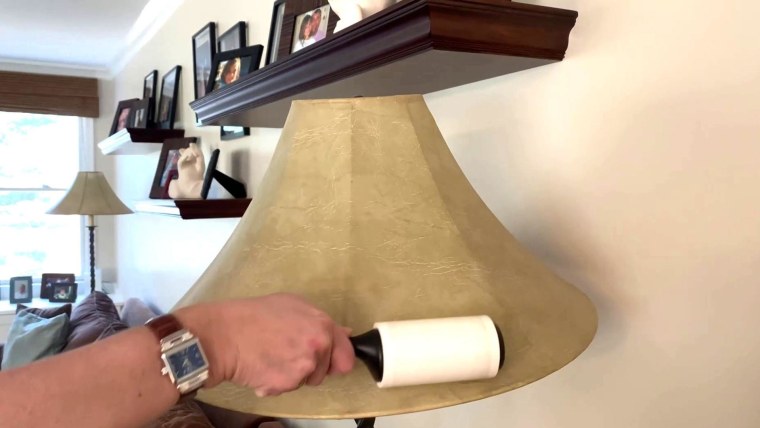
The first step in curtain cleaning involves thorough dusting and vacuuming. Eliana Coca, owner of E.C. House Cleaning, highlights that routine maintenance, including vacuuming with an upholstery attachment, can prolong the period between deep cleanings. This process should be carried out from top to bottom, using gentle sweeping motions. For more delicate materials or stubborn particles like pet hair, a lint roller is effective. After vacuuming, shaking the curtains outdoors helps remove any remaining dirt. Curtains requiring dry cleaning should be taken to a professional service at this stage.
Next, any visible stains must be spot-cleaned prior to washing the entire curtain. This involves mixing a small quantity of mild detergent with warm water and gently blotting the stain with a clean white cloth. Rubbing should be avoided to prevent embedding the stain further into the fabric. After treatment, the area should be rinsed with clean water and blotted dry with a towel.
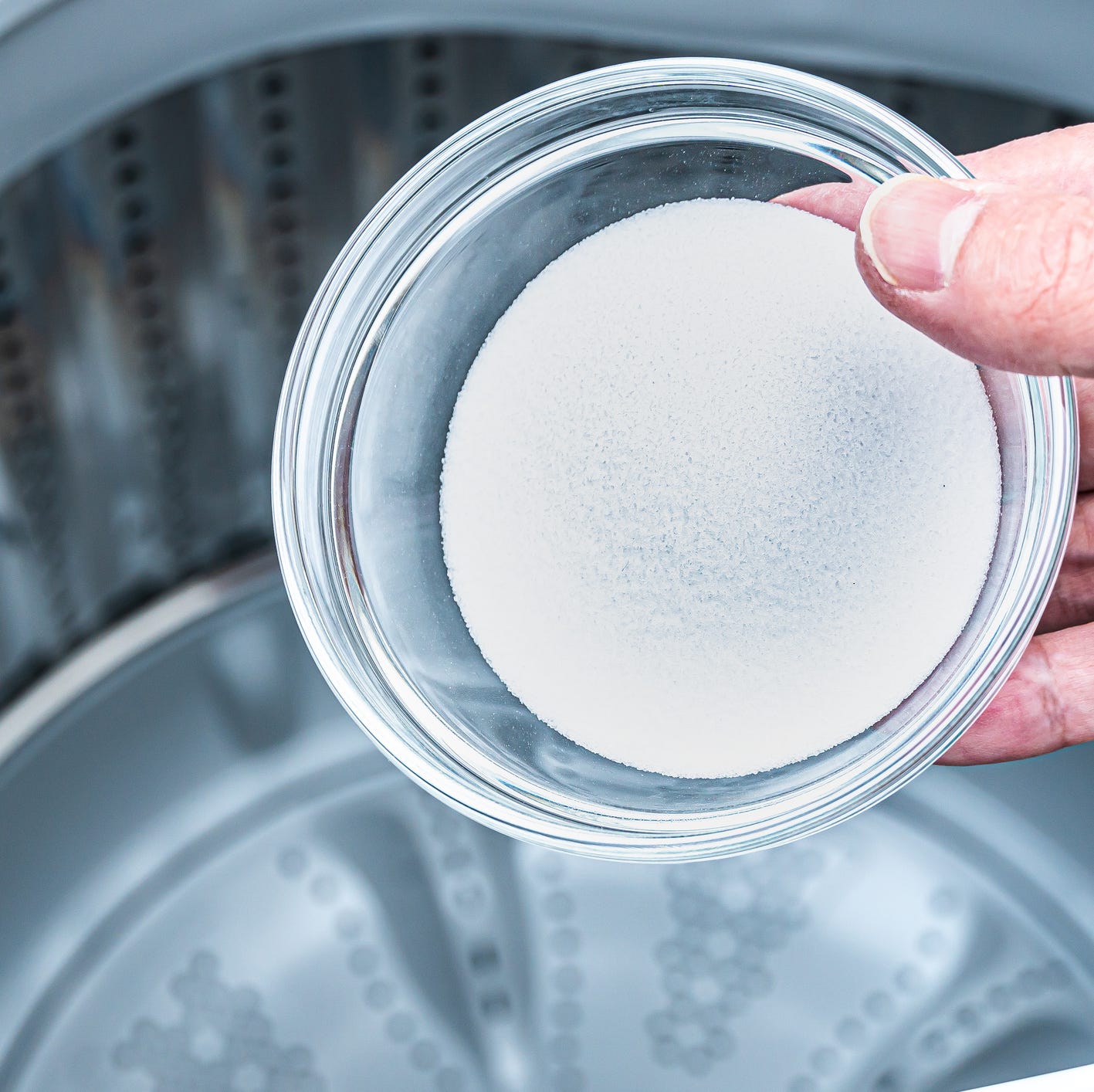
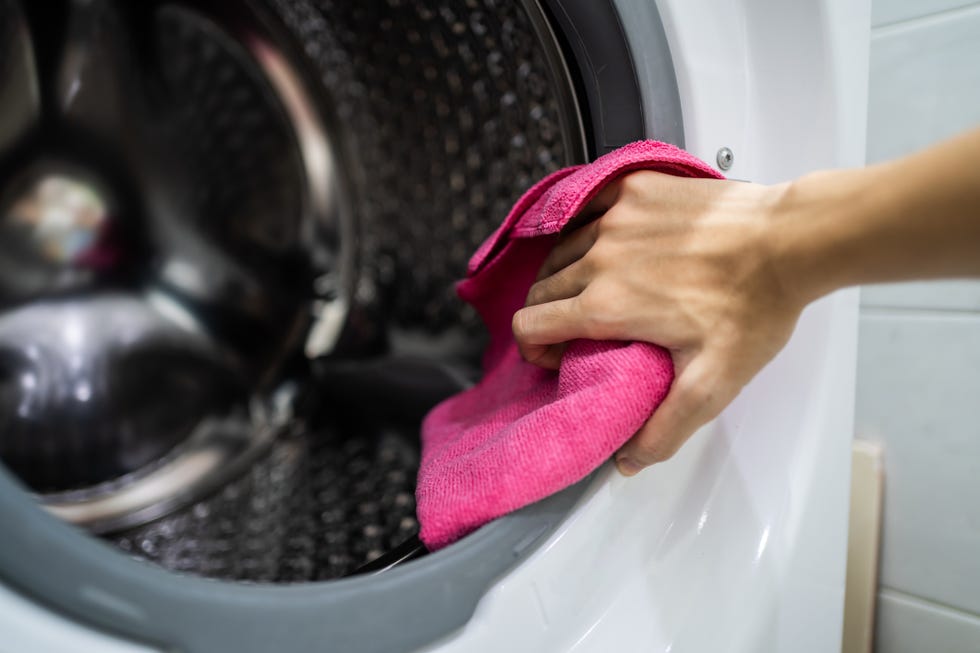
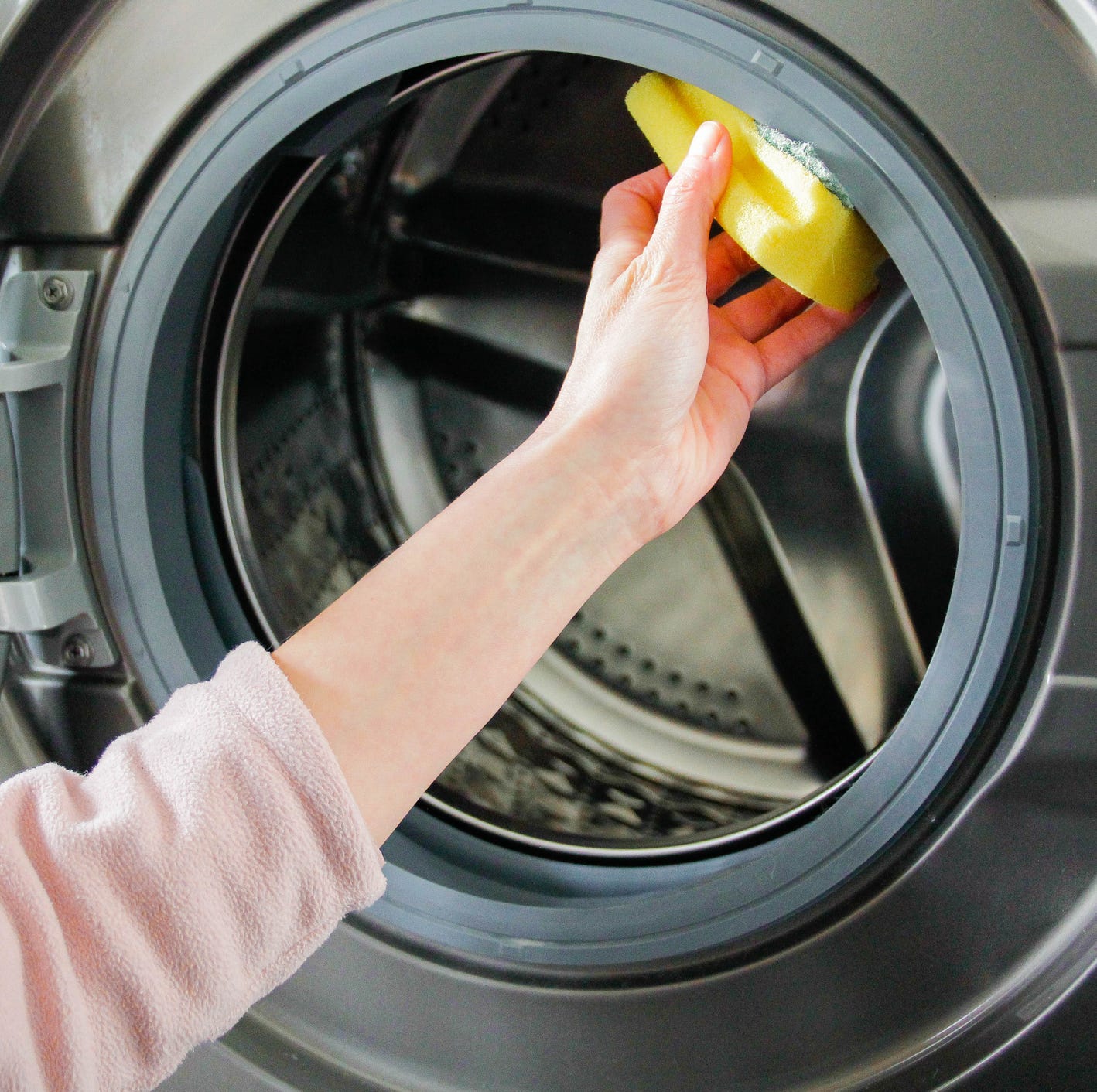
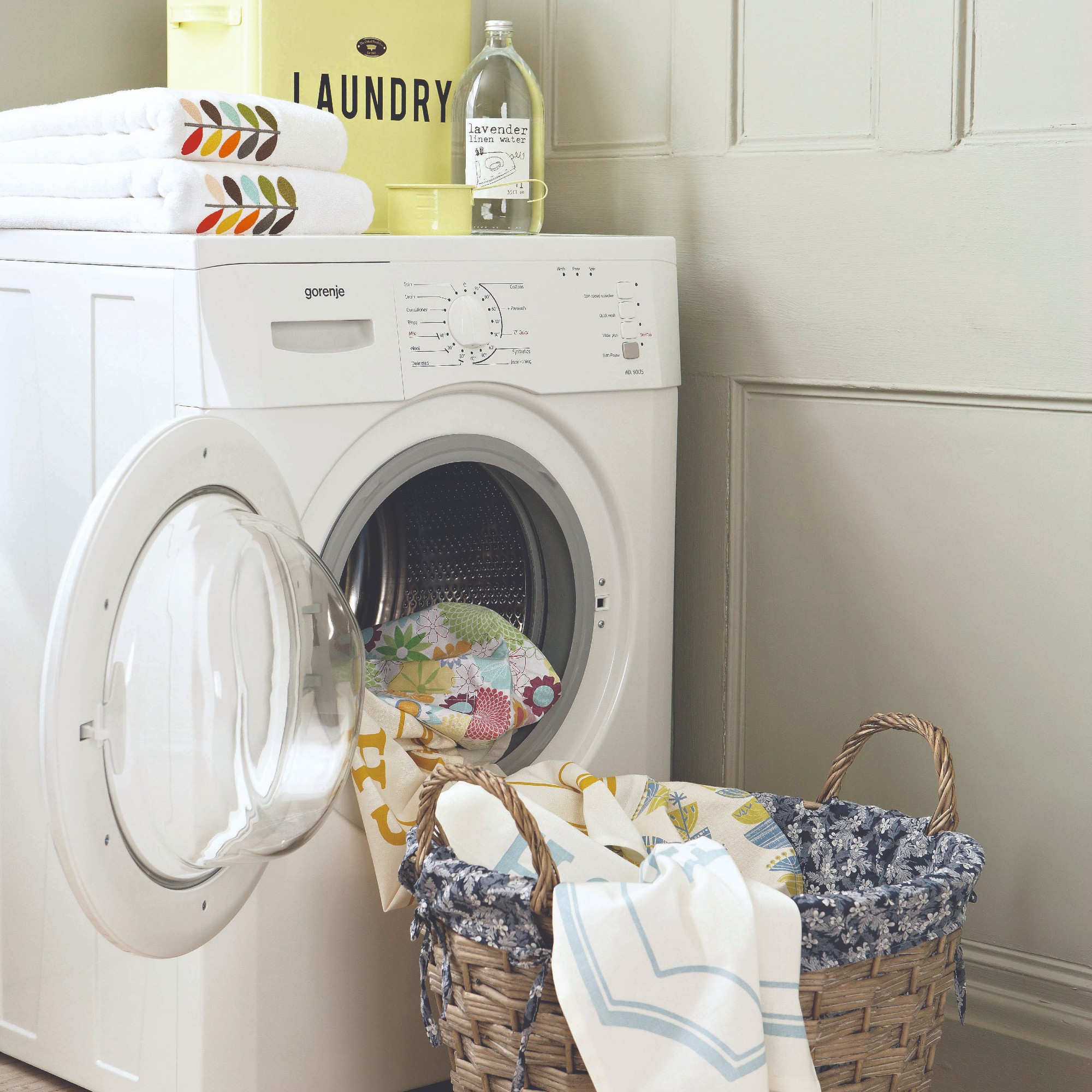
For machine-washable curtains, caution and adherence to care instructions are paramount. Muffetta Krueger, founder of Muffetta Housekeeping, recommends using a gentle cycle with cold water and mild detergent to protect the fabric. The process includes removing all hardware, selecting a gentle cycle, using a mild detergent, and washing heavy curtains individually to prevent overcrowding the machine.
Delicate fabrics are best hand-washed to preserve their integrity, as advised by Luke Schwartz, brand president of Bumble Bee Blinds. This method involves filling a large basin or bathtub with lukewarm water, dissolving a small amount of mild detergent, submerging the curtains, and gently agitating them. Following this, the soapy water is drained, and the curtains are thoroughly rinsed until all detergent residue is removed.
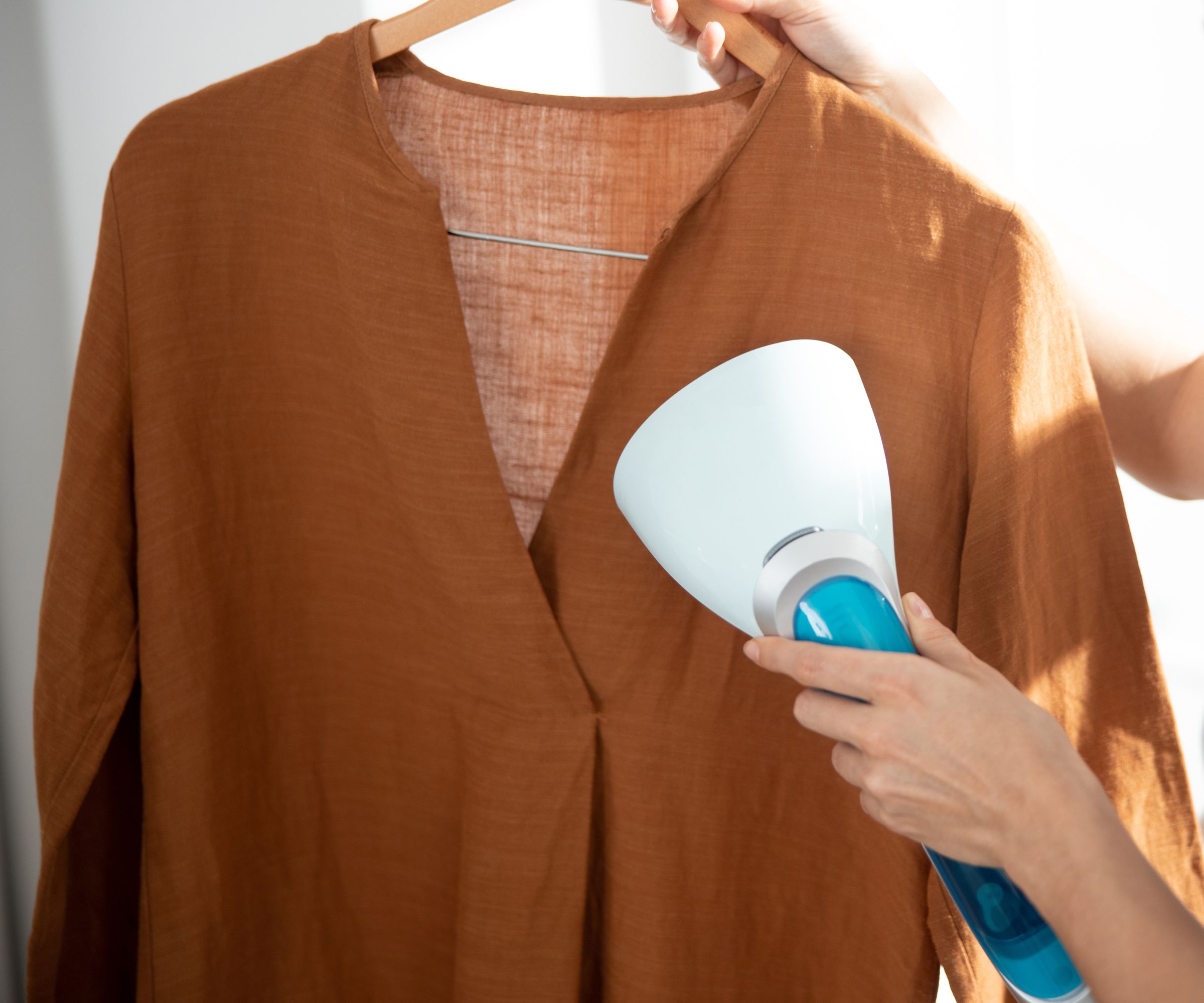
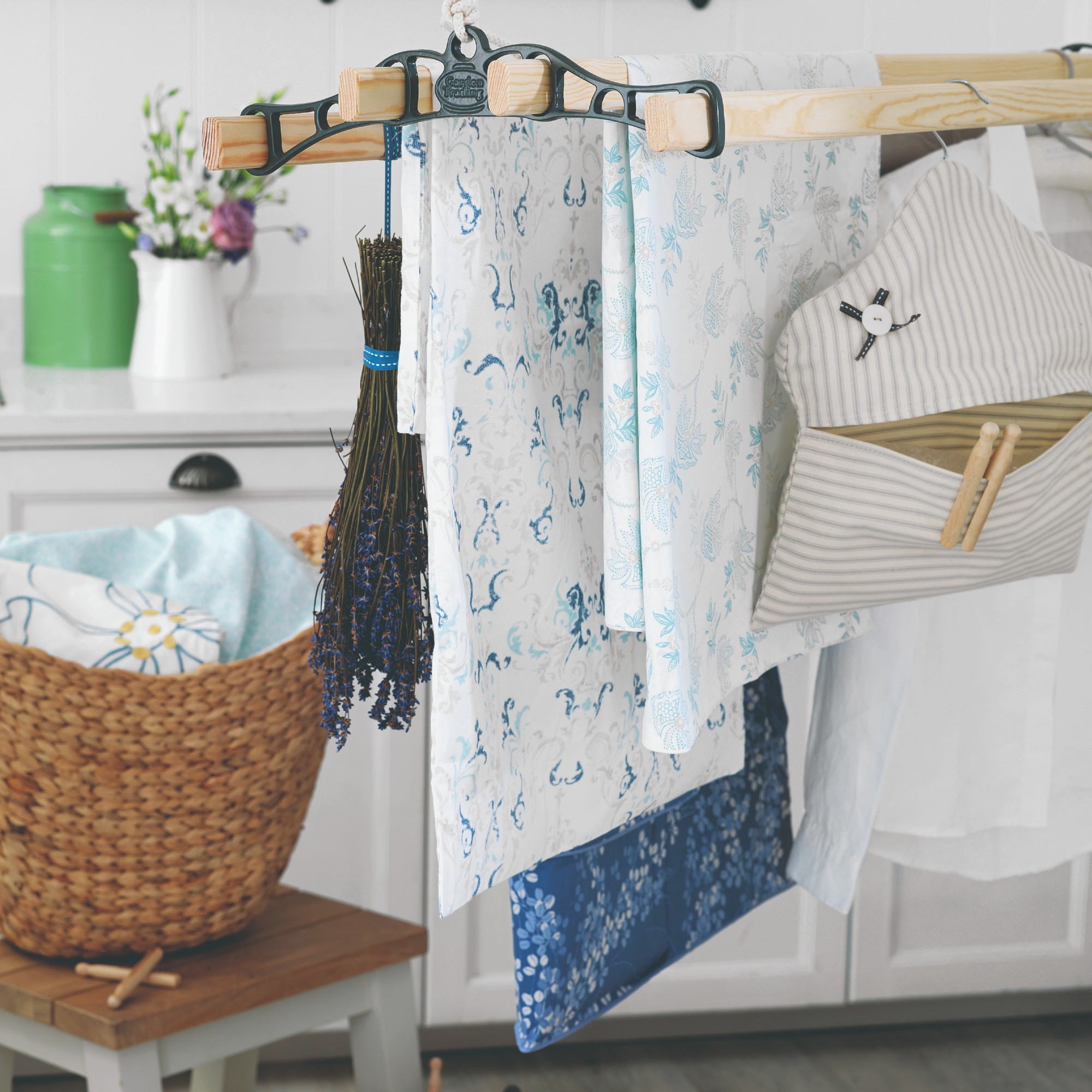
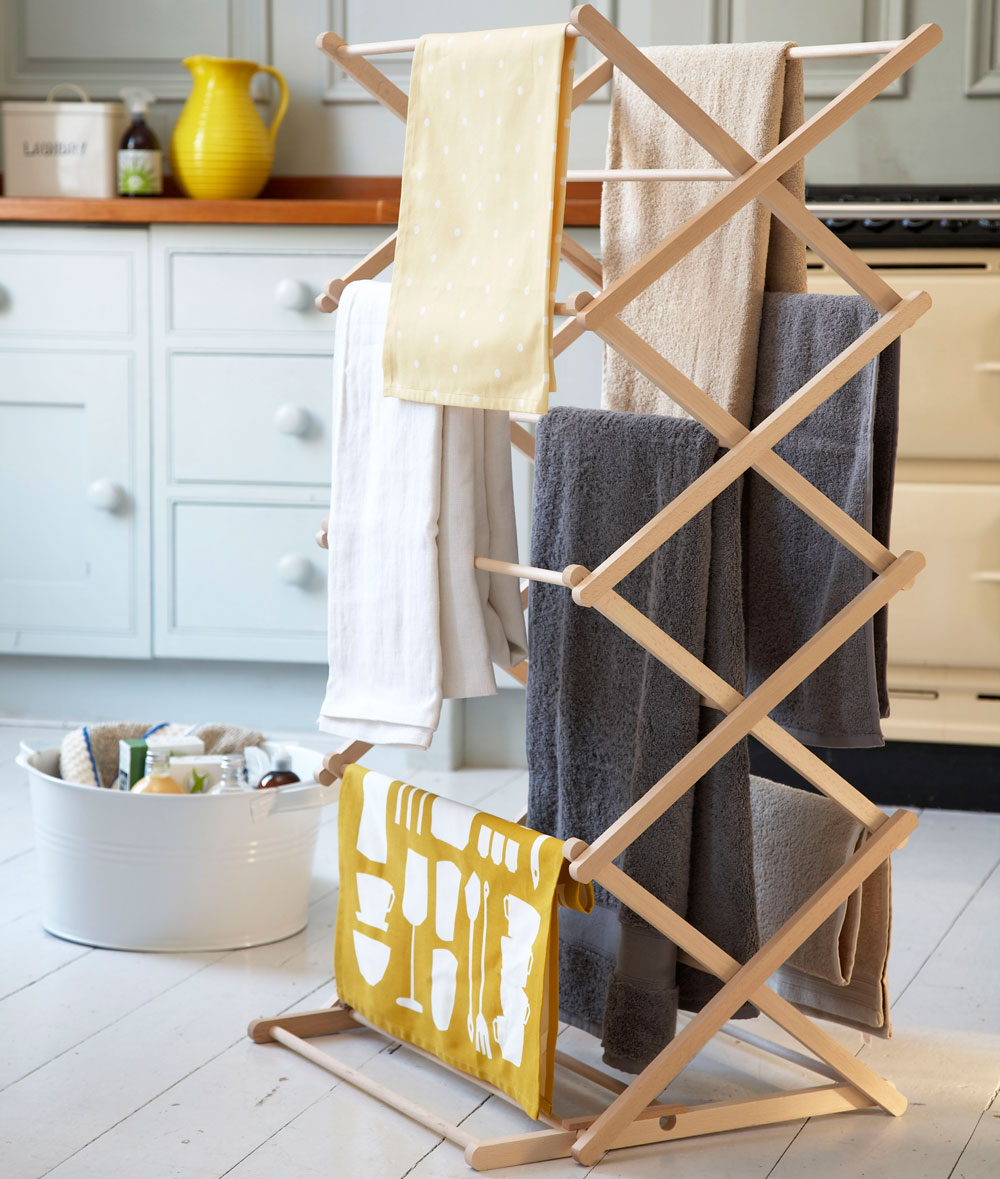
After washing, proper drying is essential. Brown stresses that air-drying is the safest method to prevent shrinkage and maintain the curtain's shape. Neborak concurs, noting that heat can cause shrinkage or other damage. Curtains should be gently squeezed to remove excess water without wringing, then hung on a drying rack or laid flat on clean towels, preferably in the shade to prevent fading. Finally, once dry, the curtains can be ironed on the appropriate temperature setting to eliminate wrinkles, hardware reattached, and then rehung for a polished appearance.
Adhering to these methods ensures that curtains remain clean, fresh, and durable, enhancing the overall aesthetic and comfort of a living space.
#CurtainCleaning #HomeMaintenance #TextileCare #DelicateFabrics #LaundryTips #HouseholdChore #FabricCare #DeepCleaning #HomeDecor #CurtainCleaning #HomeMaintenance #TextileCare #DelicateFabrics #LaundryTips #HouseholdChore #FabricCare #DeepCleaning #HomeDecor
共0条评论
 暂无评论
暂无评论你可能还喜欢

Cleaning experts are urging people to wipe down their windowsills every day this summer
This is the best way of getting wrinkles out of clothes – and laundry experts all agree

How to clean your washing machine: Experts reveal their top tips

How To Clean A Couch So It Looks As Good As New
Yes, You Can Dry-Clean at Home: And These 5 Furnishings and Decor Pieces Need TLC


How to Clean a Slipcover, According to Experts

How to Steam Your Curtains

Experts warn not to hang washing to dry on your bannisters or doors – it can create a 'serious issue'


The 4 Best Shower Curtains of 2025 | Reviews by Wirecutter

How to Clean Blinds, Shades, and Curtains the Right Way
Mrs Hinch shows how she gets her curtains looking picture perfect – using pipe insulation

How to Clean a Couch, According to Experts | NBC Select


How to clean curtains and drapes, according to experts – TODAY

You need to deep clean your couch every few months — here’s how experts say to do it

Are You Cleaning Your Couch Enough? Here's How to Do It the Right Way


An Interior Design Expert Explains How To Style Your Windows To Make Them Look Bigger


6 couch cleaning mistakes that pros say could lead you to 'serious upholstery heartbreak'

The 7 best places to buy curtains, with interior designer tips

How to clean red wine stains off upholstery and save your couch


How Often You Should Wash Your Sheets (And How to Get Them Really Clean) | Reviews by Wirecutter