
How to Steam Your Curtains
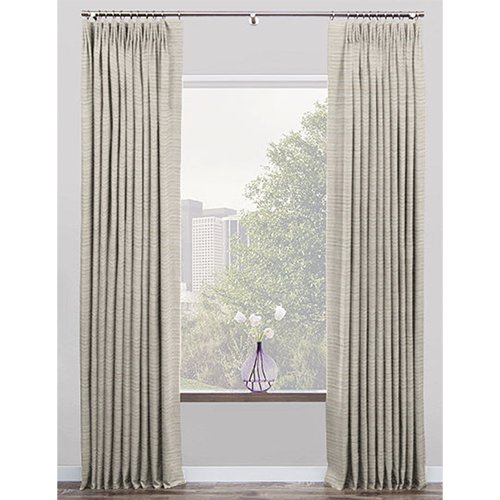
Maintaining the pristine appearance of floor-length curtains can often feel like a daunting and time-consuming task, leading many to postpone or altogether avoid the process of laundering them. The conventional method of removing, washing, drying, and ironing consumes a significant amount of time and effort. However, an effective and less strenuous alternative exists for keeping curtains wrinkle-free and fresh: steaming. This method is particularly recommended by experts for its ability to smooth out creases and enhance the fabric's natural texture, contributing to a more luxurious aesthetic often associated with high-end hotels.
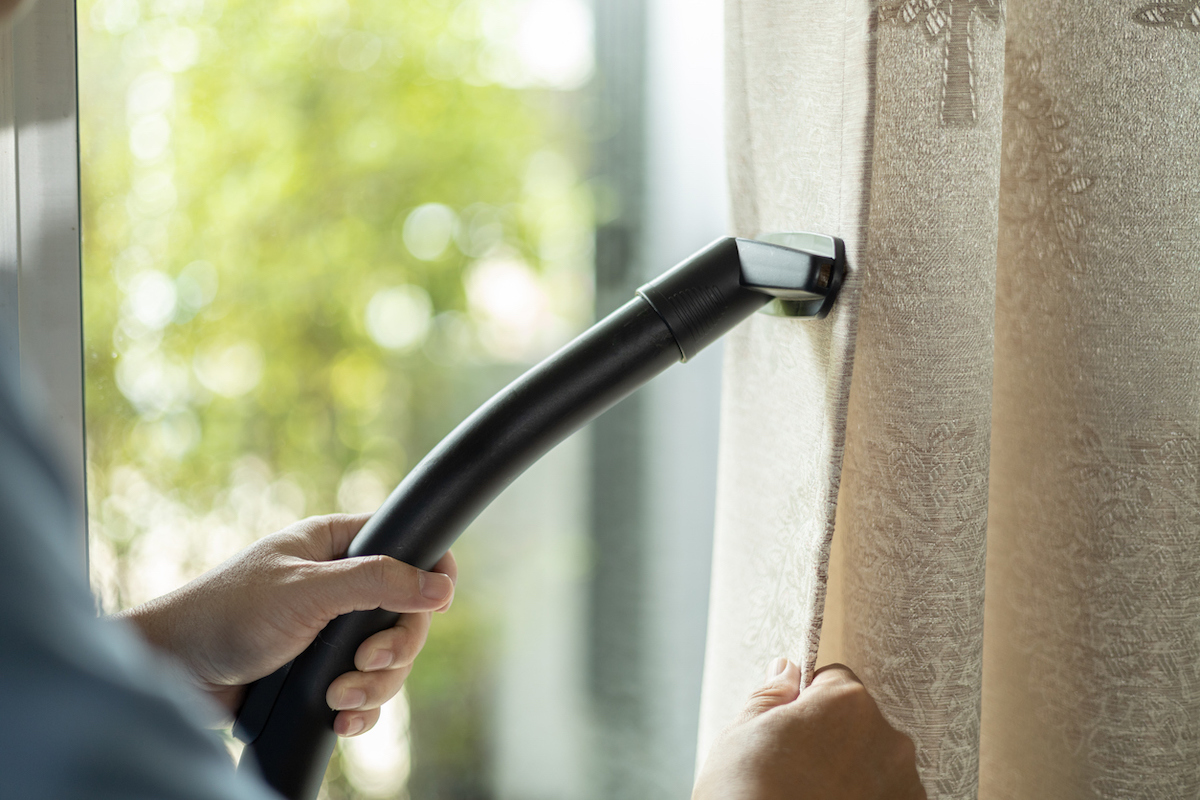
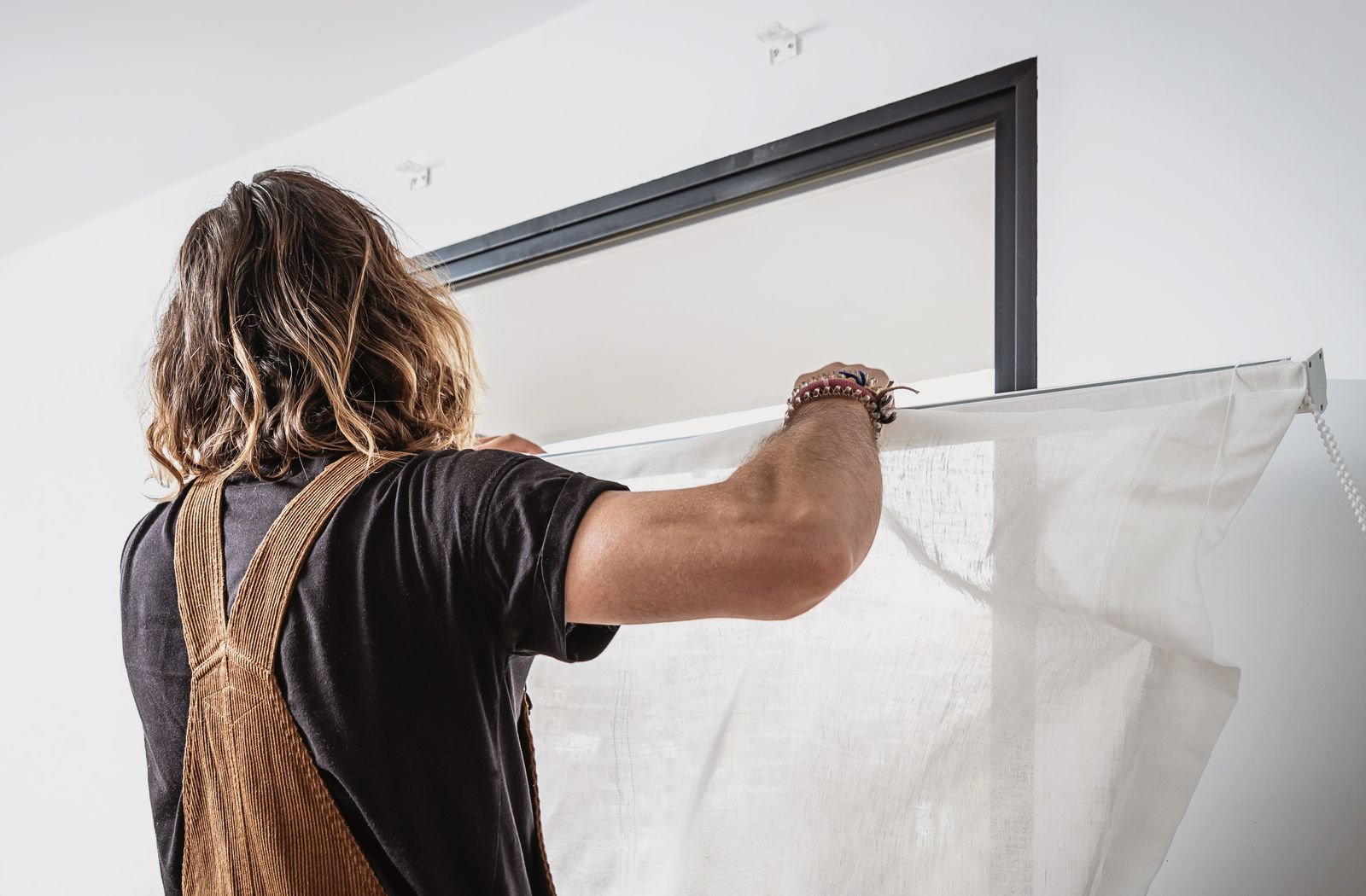
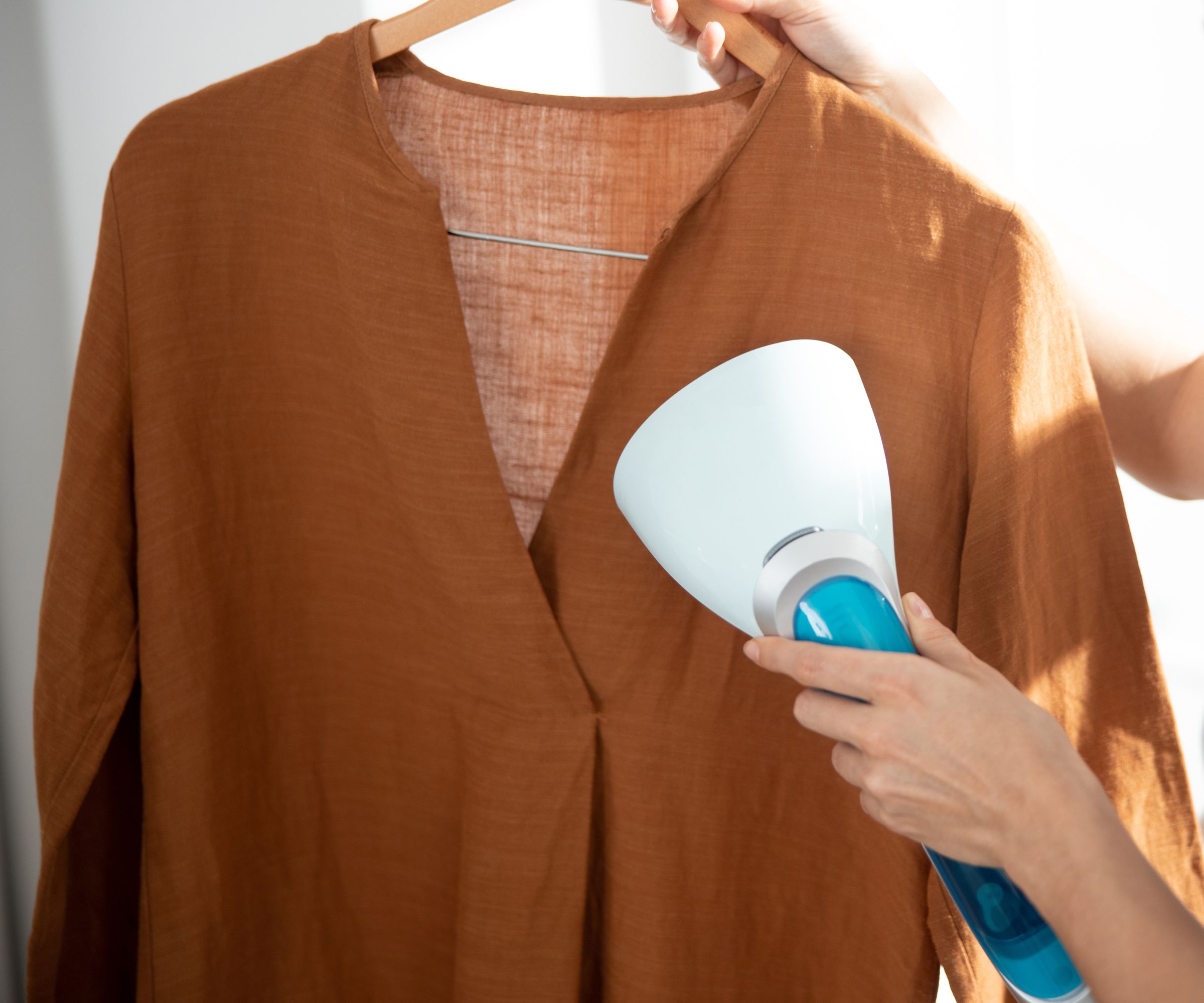
Steaming is presented as a superior technique compared to ironing for curtains, primarily because it preserves the fabric's integrity and natural drape, as highlighted by Frej Lewenhaupt, co-founder of Steamery. While ironing is effective for large, flat items like bed sheets, steaming is ideal for the nuanced demands of curtain fabrics, helping to create those desirable, flowing waves. The process itself is remarkably straightforward, requiring minimal equipment. A quality steaming tool, such as Steamery's Cirrus No.2, and a stable support like a ladder or chair are essentially all that is needed. Curtains can remain on their rods during steaming, simplifying the task considerably. For optimal results, the steamer nozzle should be pressed gently against the fabric, moving either downwards from the top or upwards from the bottom, with a top-down approach generally being more ergonomic. It is also advised to steam the front of the curtain panels to prevent any potential heat damage to wall paint.
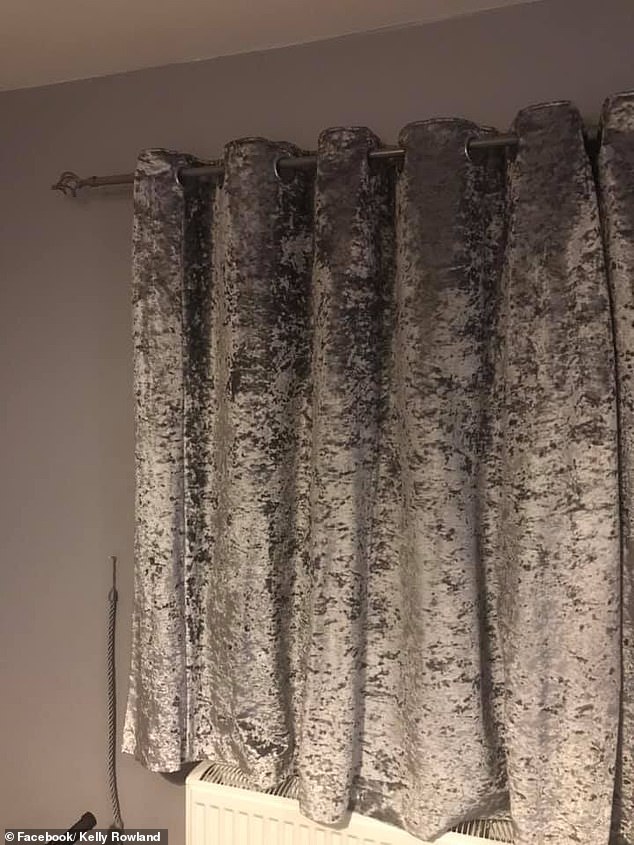
Different curtain fabrics necessitate varying degrees of care. Delicate materials such as ultra-thin sheer silk, velvet, or custom panels with intricate prints or paints require a more cautious approach. For these sensitive fabrics, placing a protective cloth between the steamer and the curtain is crucial to prevent damage. Synthetic sheer textiles might exhibit bubbling during steaming; in such cases, spraying the fabric with water can help it flatten out. For particularly stubborn wrinkles, a preliminary spray of water can soften the fabric, making it more amenable to steaming. Applying pressure with a heat protection bag can also aid in smoothing out deep creases.
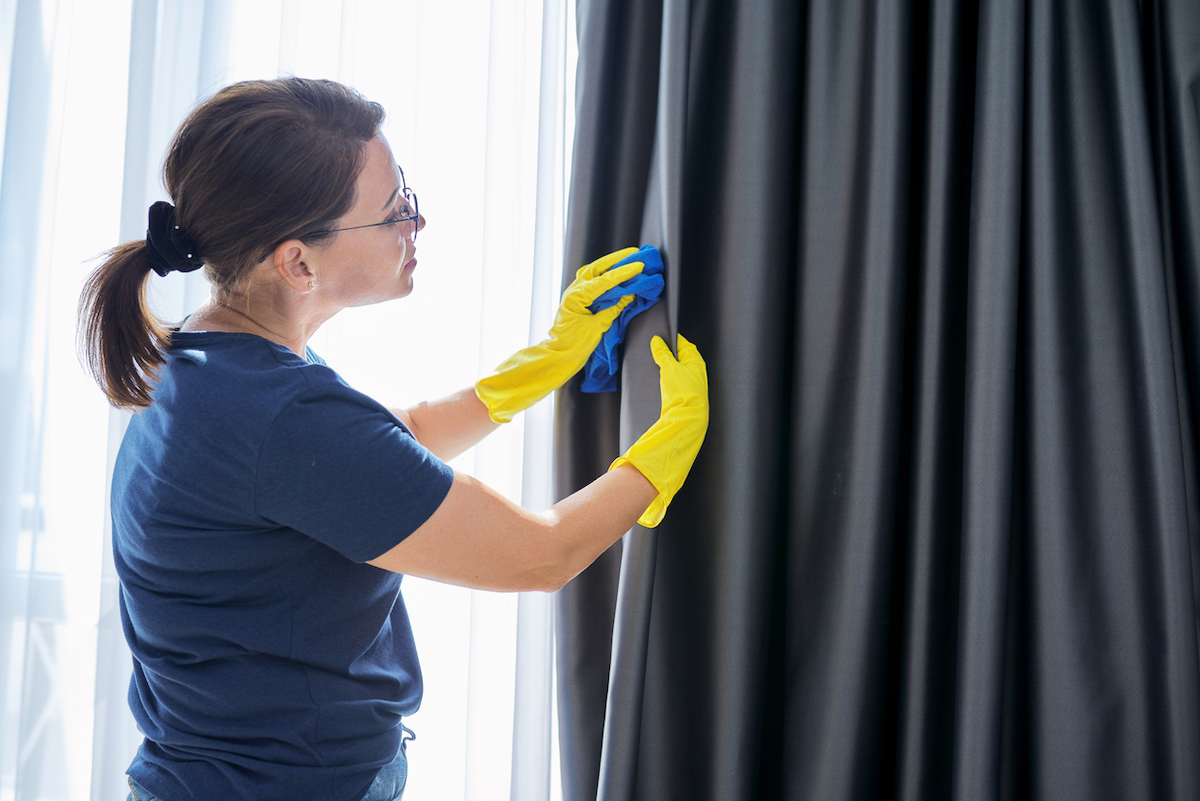
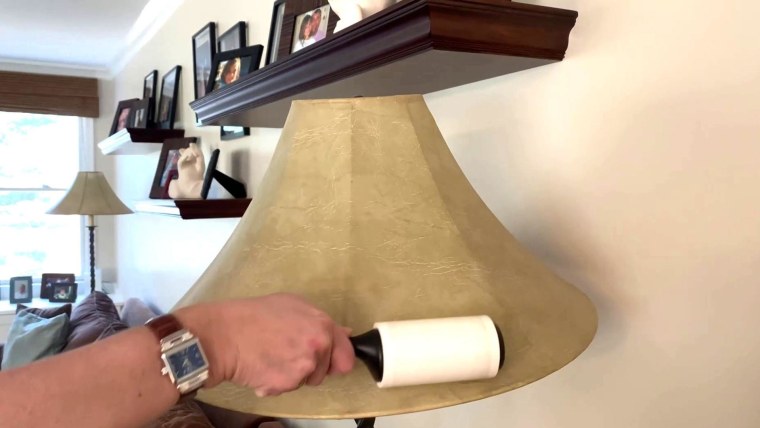
Preparation and post-steaming care are equally important for achieving and maintaining the best results. Before steaming, it is recommended to use a clothing brush to remove any accumulated dust or hair from the curtains, ensuring a cleaner finish. Following the steaming process, applying a clothing and shoe mist can help keep the curtains fresh. This comprehensive approach to curtain care through steaming not only saves time and effort but also ensures that window treatments remain elegant, smooth, and aesthetically pleasing, contributing significantly to the overall ambiance of a room without the need for frequent, extensive laundering.
#CurtainCare #HomeMaintenance #SteamingTips #FabricCare #InteriorDesign #HouseholdChore #WindowTreatments #HomeDecor #CurtainCare #HomeMaintenance #SteamingTips #FabricCare #InteriorDesign #HouseholdChore #WindowTreatments #HomeDecor
0 comment in total
 No comments yet
You may also like
How to use a steam cleaner on rugs, upholstery and more


The 4 Best Shower Curtains of 2025 | Reviews by Wirecutter

54 Stylish Window Treatment Ideas to Completely Transform Your Space

How to Steam Clean a Couch Without Damaging the Fabric

This Is the Right Way to Wash Your Curtains, According to Experts


The 7 best places to buy curtains, with interior designer tips

How To Hang Curtains Like A Professional

5 finishing touches that will elevate your curtains and make them look a hundred times better

How to Hang Curtains: A Hassle-Free 5-Step Guide


How to Clean Blinds, Shades, and Curtains the Right Way
Woman reveals how she achieves neat pleats in her curtains using empty TOILET tissue rolls

Where to buy shower curtains – here's where to shop for the most stylish options


How to clean curtains and drapes, according to experts – TODAY

Curtain tricks – 5 ways this interior designer creates drama with drapes

How Can I Make My Curtains Warmer? 7 Expert Solutions That Are Stylish, Too

Our Favorite Shower Curtains
How to hang a curtain pole


Everhem’s Cofounder Says the Best Curtains Are a Supporting Act, Not the Headliner

This is the best way of getting wrinkles out of clothes – and laundry experts all agree

How to Choose Curtains for Your Home the Right Way