
1/2
How to clean curtains and drapes, according to experts – TODAY
Curtains and drapes are integral components of home decor, serving both aesthetic and functional purposes by covering windows. While often used interchangeably, drapes are typically distinguished by their lining, designed to block light, and their length, extending from ceiling to floor. Regardless of their specific type, these window treatments accumulate dust and debris over time, necessitating regular cleaning to maintain their appearance and contribute to a healthier indoor environment. Experts recommend a cleaning schedule of every two weeks, with weekly cleaning being more beneficial in bedrooms or households with allergy sufferers.
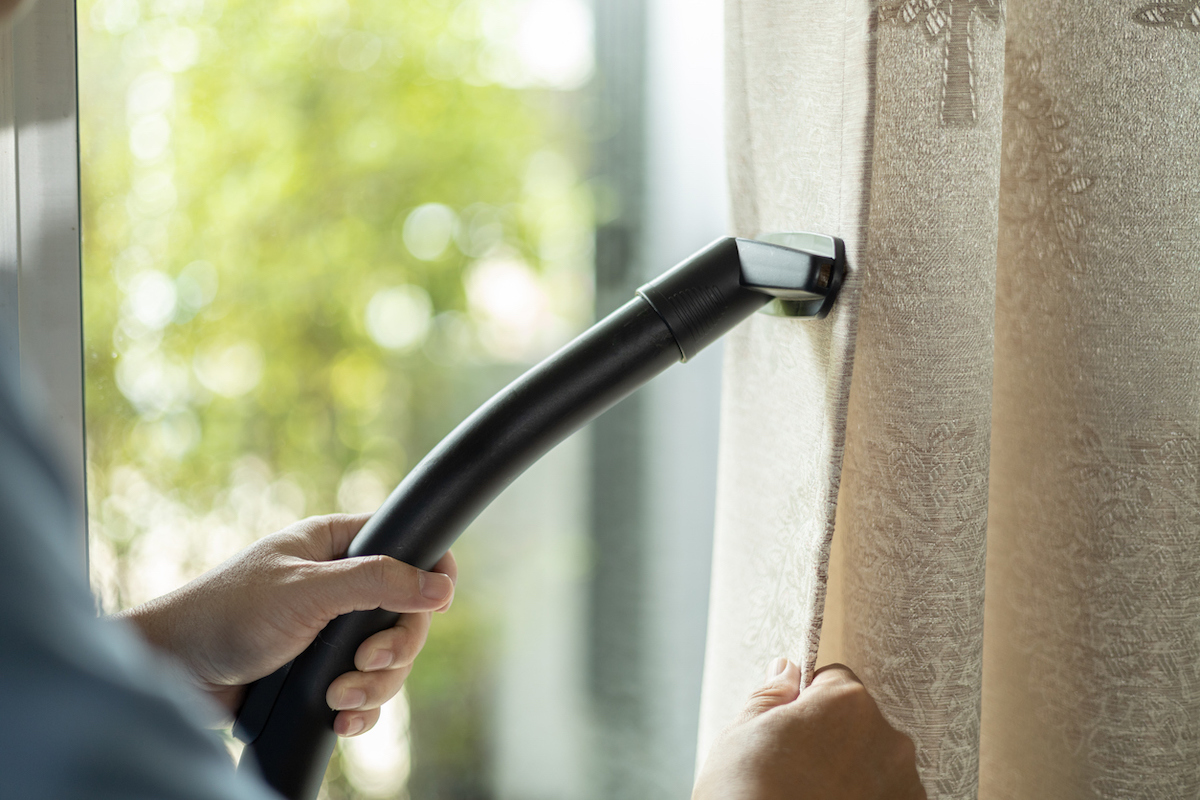
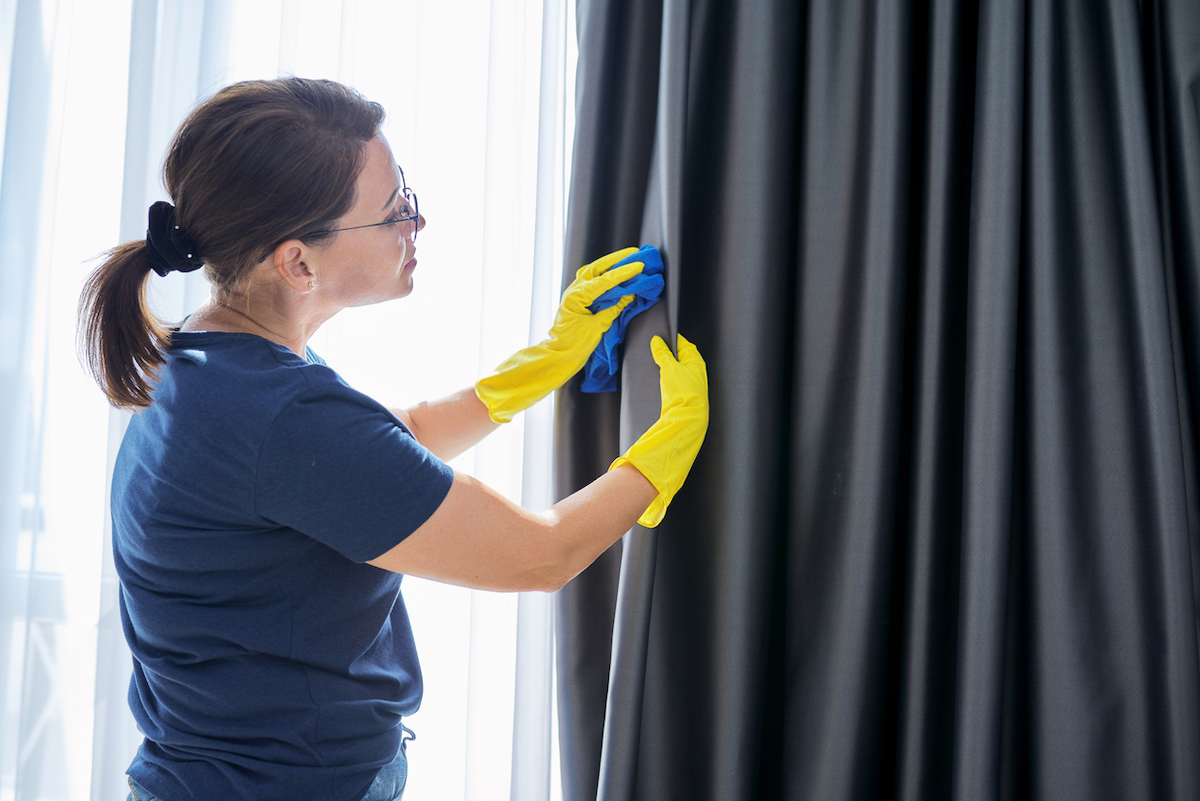
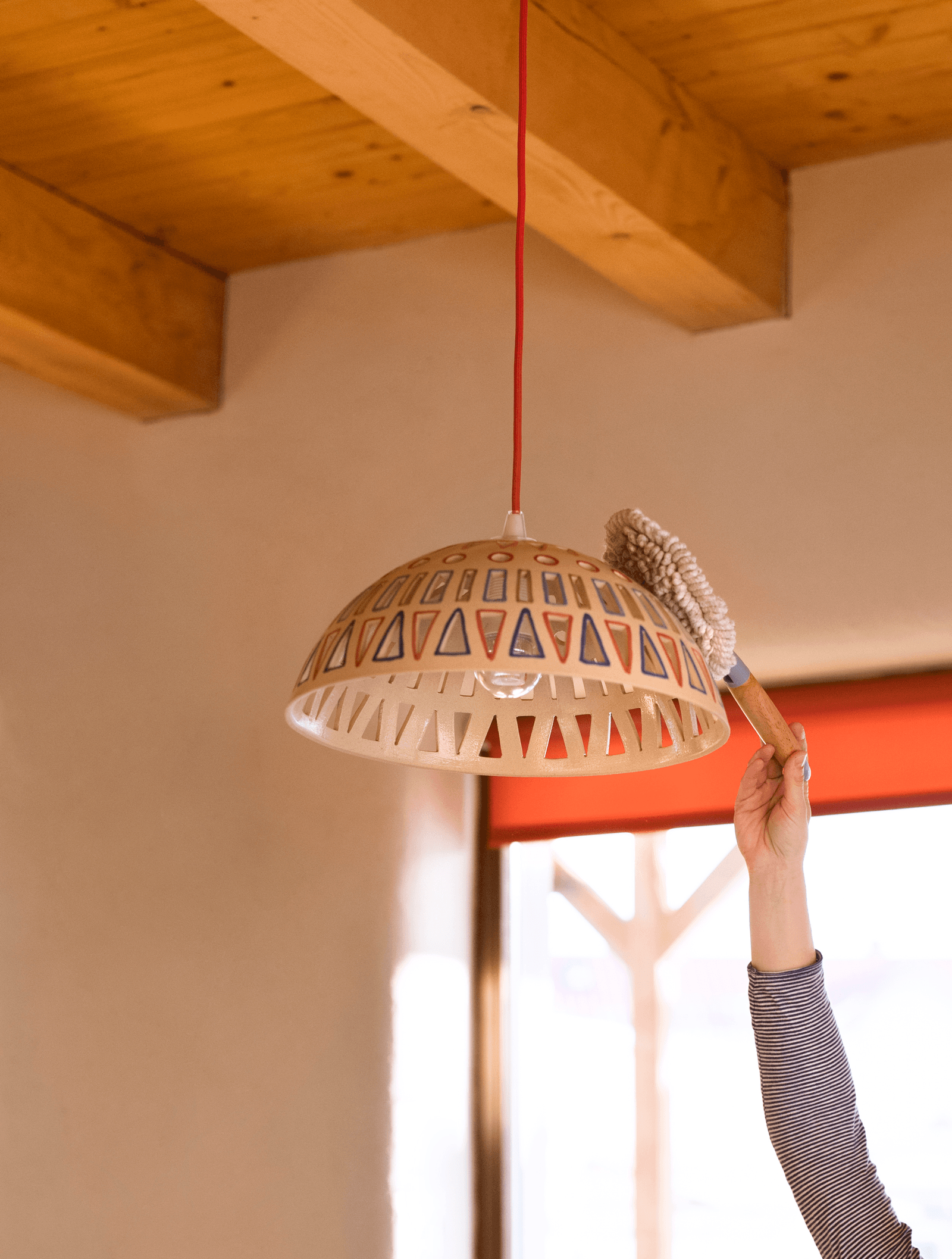
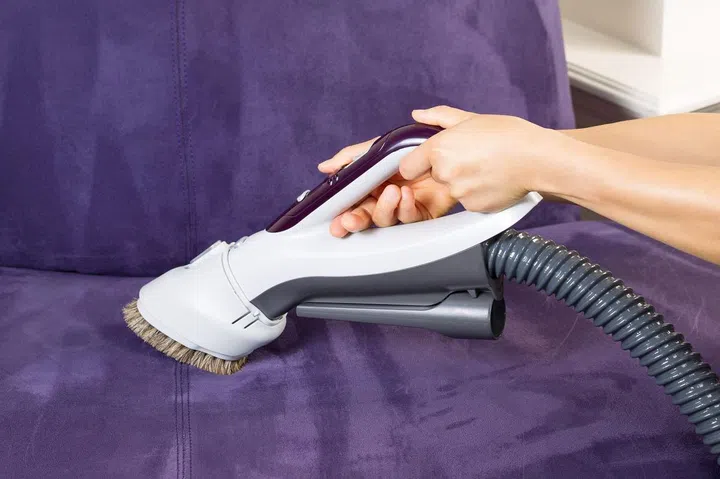
Before undertaking any cleaning method, it is advised to remove loose surface dust or debris. This can be achieved by shaking the panels outdoors or using a clothing brush. For routine maintenance, vacuuming and dusting are effective methods. When vacuuming, a handheld vacuum or the upholstery nozzle of a standard vacuum should be used, moving from top to bottom with short strokes. For delicate fabrics, the lowest suction setting is recommended to prevent damage. Regular vacuuming helps to prevent pet hair and dust from becoming deeply embedded in the fabric fibers. Alternatively, a clean, dry microfiber cloth can be used to wipe the drapes, focusing on removing dust particles.
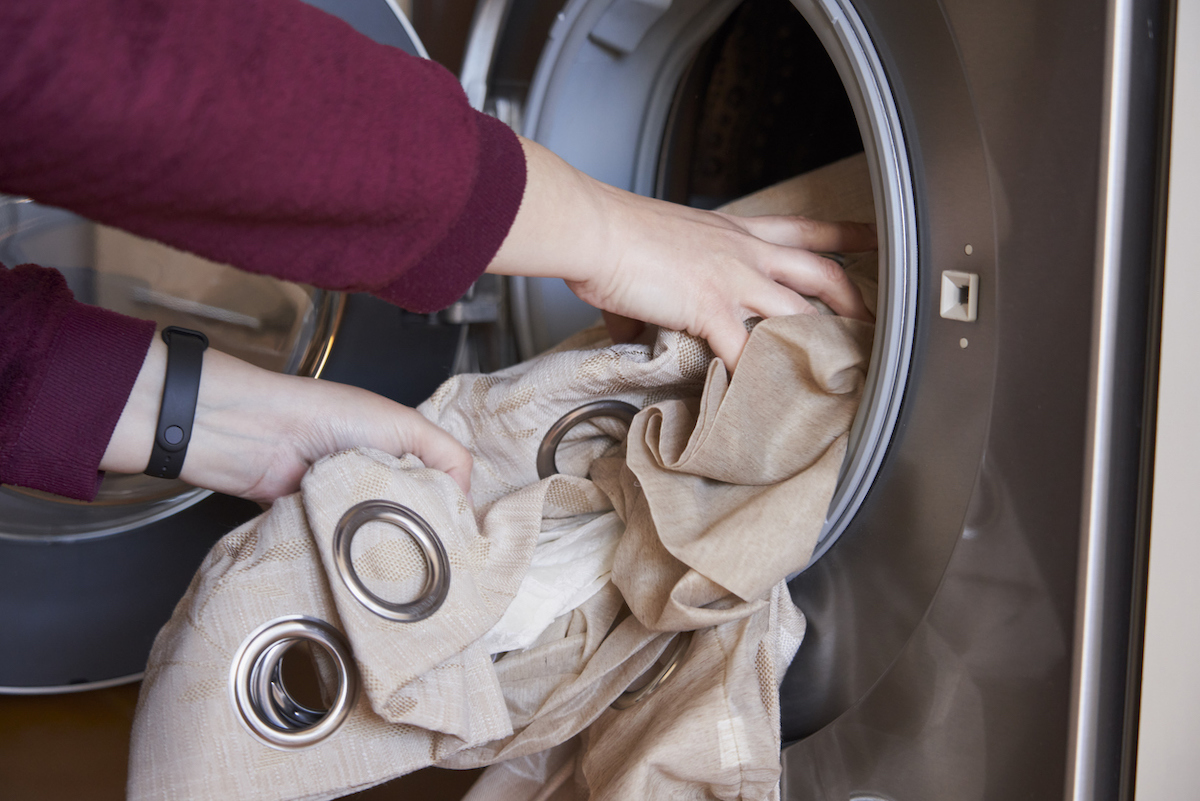
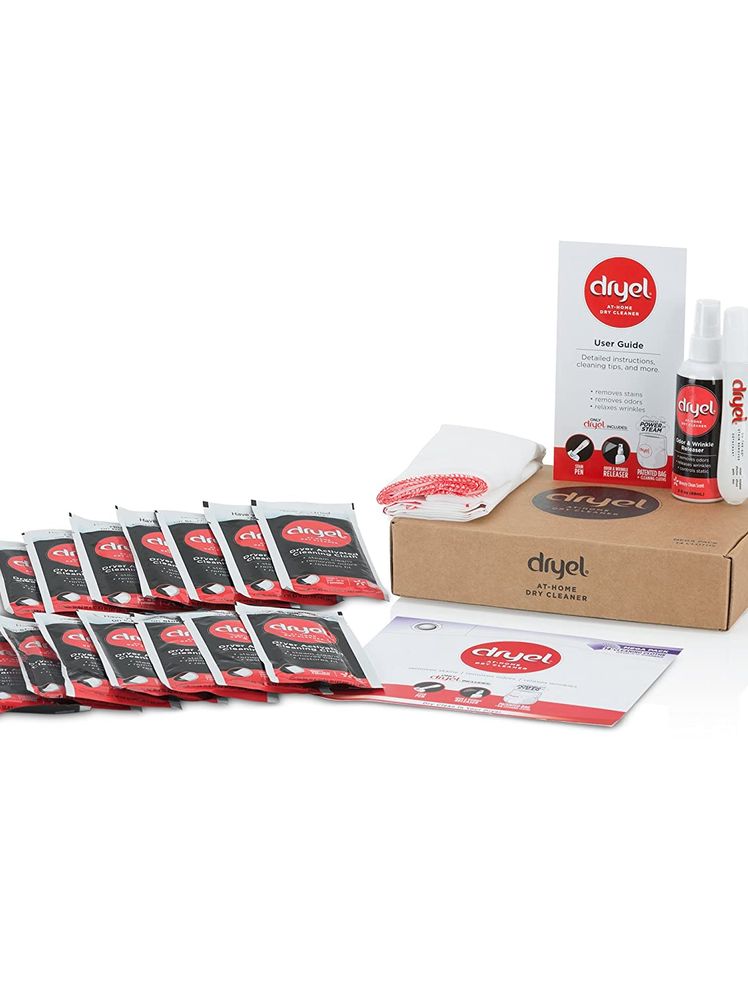
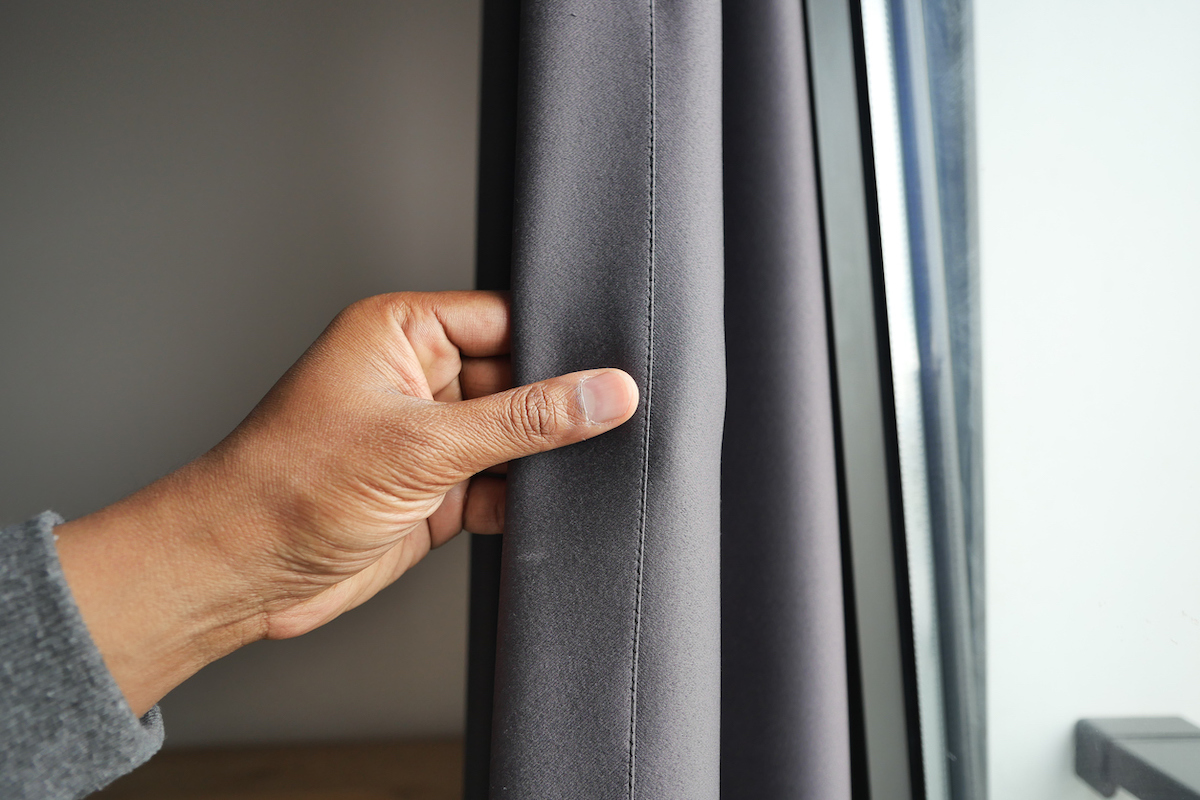
When it comes to laundering curtains and drapes, identifying the fabric type is the crucial first step. Common materials include cotton, linen, velvet, silk, and polyester blends. If the original care label is available, it should be consulted for specific washing instructions. For custom-made drapes, contacting the seller for care guidance is advisable. Some materials may require specialized cleaning methods such as steam cleaning, hand washing, or dry cleaning. Professional drapery cleaners are an option for items with water spots, stains, or those made from delicate materials.
For hand washing, a large sink or bathtub is suitable for bulky items that may be too delicate for a washing machine. If machine washing is indicated, a delicate cycle with cool water is recommended to protect the fabric, especially considering that sunlight can weaken fibers over time. Gentle cleaning practices are key to extending the lifespan of drapes. Drying also requires careful attention. Line-drying is preferred over machine drying to prevent shrinking and damage. Delicate fabrics should be air-dried indoors to avoid snagging and tearing caused by strong winds. If wrinkles are present, a warm iron or garment steamer can be used before re-hanging. If using a machine dryer, it is imperative to check the care tag for specific instructions, as high heat can be detrimental to certain fabrics.
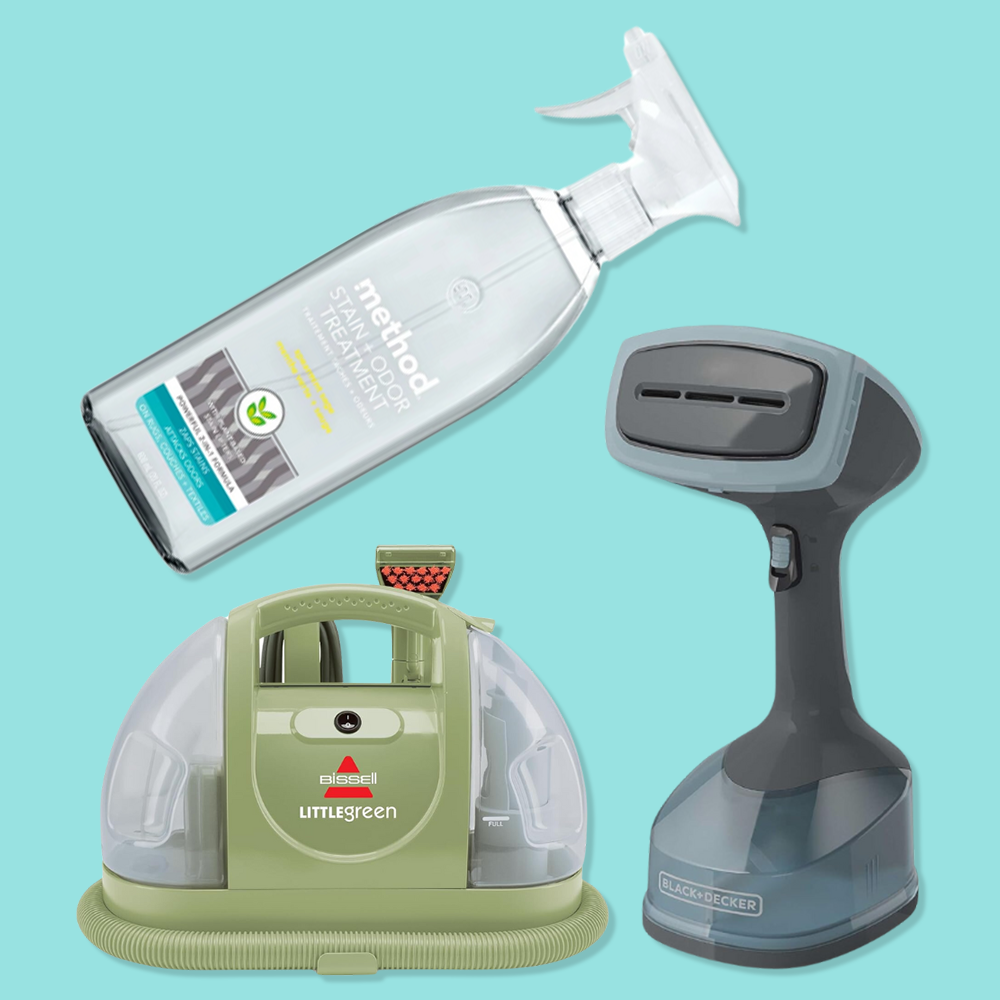
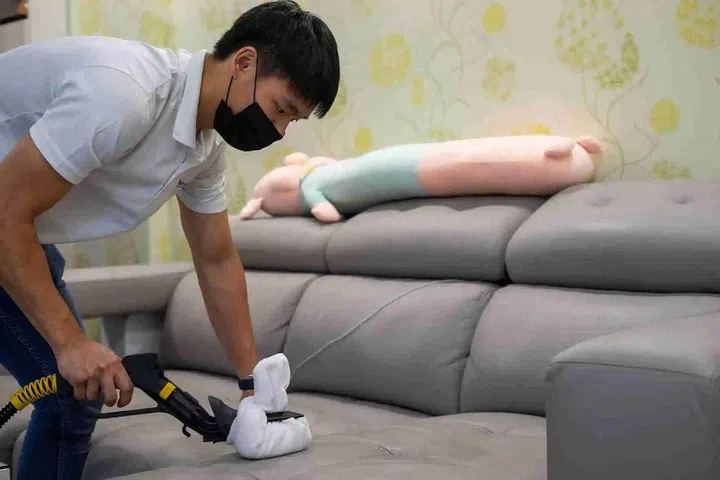
Steam cleaning is another viable option, provided the manufacturer's instructions for the steamer are followed, including the use of any specific fabric attachments. When steaming, it is best to work from top to bottom. It is important to note that not all steamers are suitable for upholstery or curtains, and some drapery fabrics may be sensitive to high heat. Therefore, a patch test on an inconspicuous area, such as the back or bottom of the drape, is highly recommended to ensure no discoloration occurs before proceeding with the full cleaning.
#CurtainCleaning #DrapeCare #HomeMaintenance #FabricCare #WindowTreatments #DustRemoval #HouseholdCleaning #CleaningTips #HomeDecor #CurtainCleaning #DrapeCare #HomeMaintenance #FabricCare #WindowTreatments #DustRemoval #HouseholdCleaning #CleaningTips #HomeDecor
0 comment in total
 No comments yet
You may also like
This Is the Right Way to Wash Your Curtains, According to Experts

Are You Cleaning Your Couch Enough? Here's How to Do It the Right Way


How to Clean a Slipcover, According to Experts
R5 Westchester County Experts Explain How to Clean Expensive Home Furnishings

Yes, You Can Dry-Clean at Home: And These 5 Furnishings and Decor Pieces Need TLC


How to Clean Lampshades in Less Than 10 Minutes

How To Clean A Couch So It Looks As Good As New

How to clean bouclé fabric in 4 simple steps


6 couch cleaning mistakes that pros say could lead you to 'serious upholstery heartbreak'

How to Steam Your Curtains


How to clean a linen sofa to keep it in pristine condition – even in a busy family home
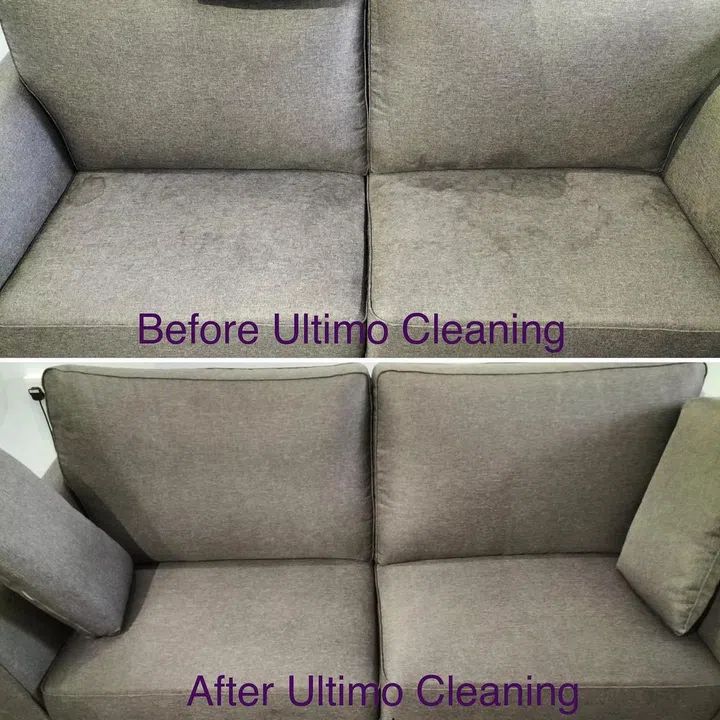
10 Sofa Cleaning Singapore: Fabric sofa cleaning vacuum service (with prices)

How to Clean Blinds, Shades, and Curtains the Right Way
You need to deep clean your couch every few months — here’s how experts say to do it

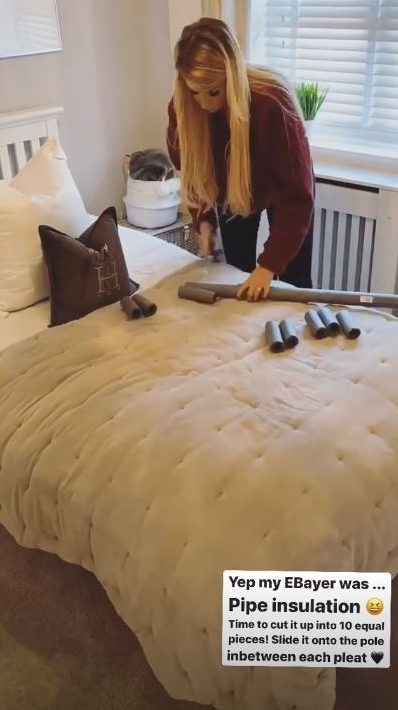
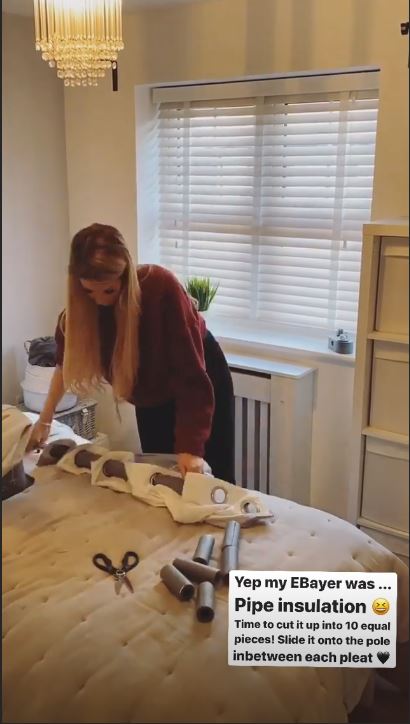
Mrs Hinch shows how she gets her curtains looking picture perfect – using pipe insulation


How to clean candle wax off upholstery and carpet - 3 easy steps to deal with festive tablescape disasters

How to Clean a Couch, According to Experts | NBC Select


The Ultimate Stain-Removal Guide

7 things you might be forgetting to clean in your bedroom
How to Steam Clean a Couch Without Damaging the Fabric