Are Your Return Air Vents Facing the Wrong Way? They Could Be Making Your Home Hotter
A recent viral video has sparked widespread discussion regarding the optimal direction for return air vents in homes, particularly on upper floors, to enhance cooling efficiency. The video, created by home maintenance content creator Ken Long, suggests that second-floor return vents should be angled upwards to draw heat away from the ceiling, thereby keeping the upstairs cooler. This claim has generated significant debate among viewers, prompting a closer examination of how return air vents function and their proper installation.
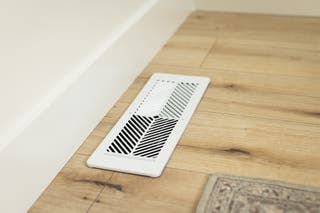
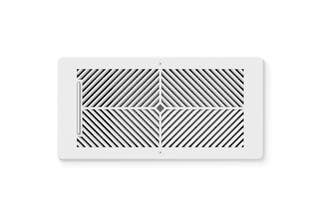
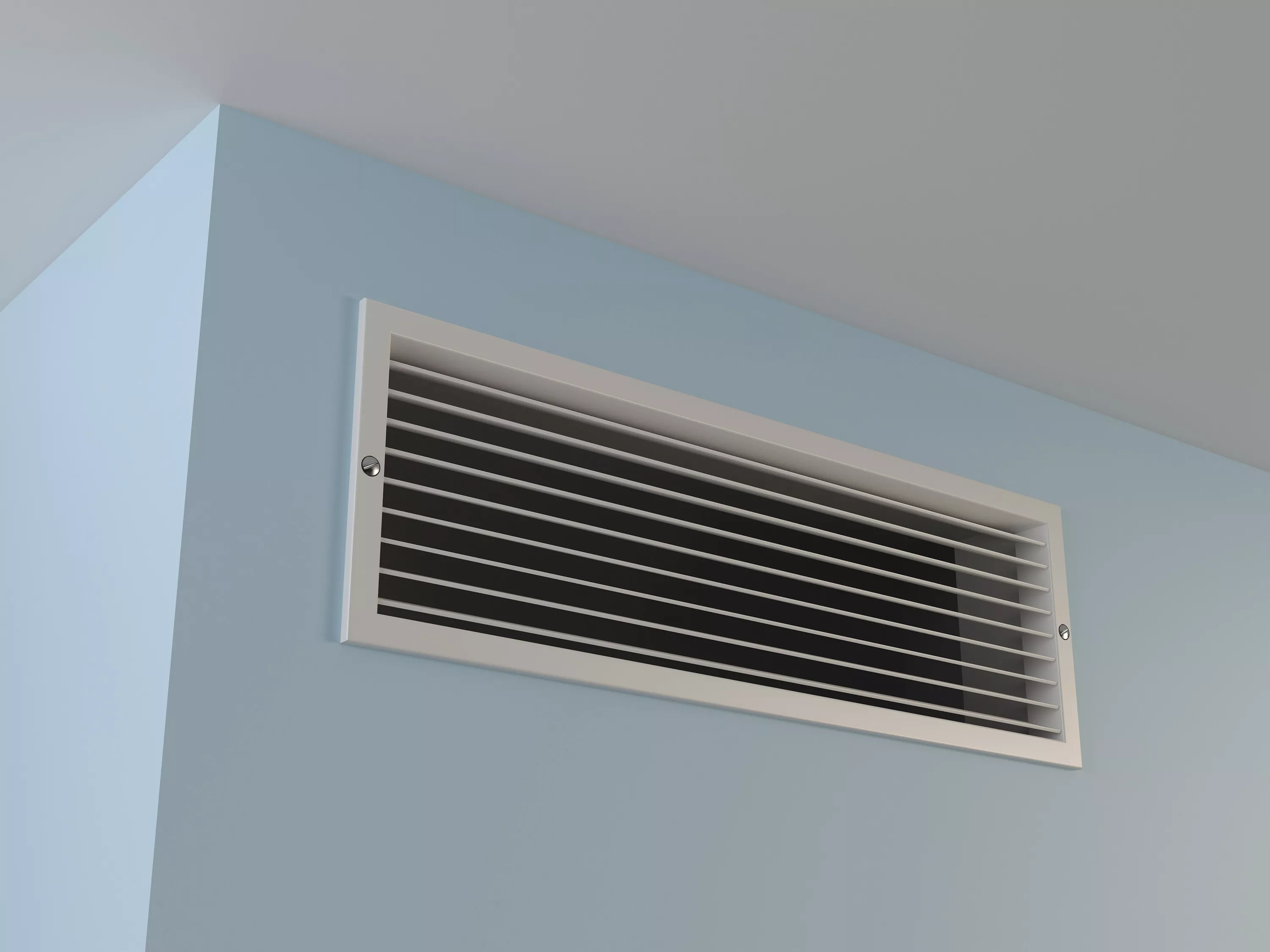
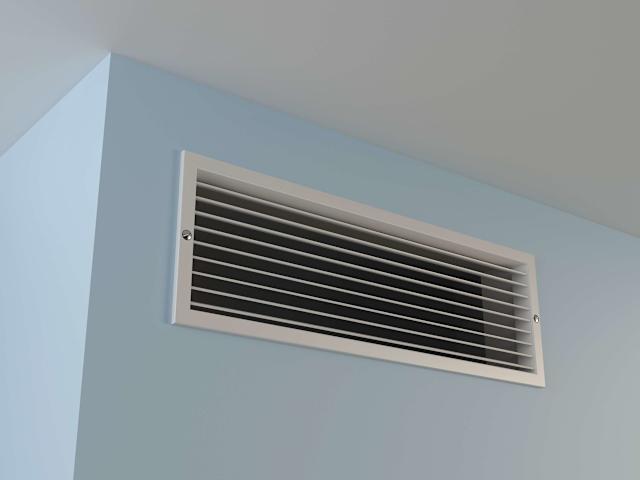
Return air vents are distinct from supply vents, though they may appear similar. Their primary role is to extract air from a room and recirculate it through the home's HVAC system for filtration and temperature regulation. These vents are crucial for maintaining comfortable humidity levels by removing excess moisture. A key difference between return and supply vents lies in their grilles; return vents typically have non-adjustable grilles, requiring the entire grille to be unscrewed and reoriented to change the direction of the louvers. Supply vents, conversely, usually feature a small lever for easy adjustment of air direction.
The strategic placement of vents is vital for effective climate control. For cooling, return vents are ideally positioned near the ceiling to capture rising hot air, while supply vents are also placed high to distribute cold air efficiently. In contrast, for heating, both types of vents are often located near or on the floor to draw in cool air for heating or to keep warm air closer to the living space. However, in older homes, vent placement can be less straightforward, with heating vents sometimes found on ceilings and cooling vents on floors, or both near windows and doors.
Despite the viral video's emphasis on vent direction, its impact on temperature regulation is often less significant than other factors. While angling grates upwards might slightly aid in pulling heat from the ceiling, the overall effectiveness depends on the home's construction, the HVAC system's efficiency, and local climate conditions. Nevertheless, adjusting the grates upwards can offer an aesthetic benefit by concealing the vent's interior, making it appear cleaner. Painting the inside of the vent a dark color can further enhance this visual appeal. For floor vents, turning the grate towards the nearest wall can achieve a similar aesthetic result.
When constructing or renovating a home, several considerations for return air vents are important. Vents should be placed in central locations within each room, avoiding small, enclosed spaces. For homes with combined heating and cooling systems, the climate should guide vent placement: lower for cooler regions and higher for warmer ones. Routine maintenance, such as vacuuming the vent interior and dusting the grille, is also essential for maintaining efficiency. Understanding these principles ensures that return air vents contribute effectively to a comfortable and well-regulated indoor environment.
#HVACSystem #HomeImprovement #ReturnAirVents #AirCirculation #HomeCooling #HomeHeating #EnergyEfficiency #Ventilation #HomeMaintenance #HVACSystem #HomeImprovement #ReturnAirVents #AirCirculation #HomeCooling #HomeHeating #EnergyEfficiency #Ventilation #HomeMaintenance
共0条评论
 暂无评论
暂无评论你可能还喜欢

The Fan Mistake You’re Making That’s Making Your House Hotter
HVAC pros reveal if you should close vents in unused rooms – the answer feels counter-intuitive but it's true


Why is my upstairs always hot even with AC on? Experts reveal why and how to fix it
Why You Should Set Your Ceiling Fan’s Direction Clockwise This Winter? Appliance Experts Weigh In

Experts Urge Homeowners to Avoid This Radiator Mistake That 'Exaggerates' How Well It Will Heat Your Home


5 Design Mistakes Making Your Heating Less Effective in Your Home — And the Easy Ways to Fix Them
Will Reversing Your Ceiling Fan Actually Save You Money This Winter?


Ceiling Fans—A Stylish Way to (Literally) Beat the Heat

Your Blackout Blinds and Curtains Might Actually Be Making Your Bedroom Hotter — Here’s What You Should Have Chosen for Your Windows Instead
Your window fan is facing the wrong direction. Or not. Here's how to tell and save money.

This home heating habit could be ruining your sofa
Here's How I Cooled My Bedroom Fast Without Turning On the AC

Are Your Return Air Vents Facing the Wrong Way? Here's How to Check

3 home design choices that were increasing my heating bills

I Thought I'd Found a $99 Fix for My Balky Air Conditioning. I Was Wrong. | Reviews by Wirecutter

This fan direction trick will cool your room down more quickly – according to the pros
We Tested Several Window Fans—Our Favorite Made Warm Days More Bearable

Discover the lesser-known hack to power up your struggling radiators

The 3 Best Window Fans in 2025 | Reviews by Wirecutter
Which Way Should A Ceiling Fan Turn In The Winter? Experts Explain