
1/2
How to Clean Up After a Flood: Muck Outs and More
Flooding incidents are on the rise across America, leaving behind significant damage, muck, and debris. For homeowners facing such destruction, the task of cleaning up can be overwhelming. This guide, drawing from the extensive experience of Team Rubicon’s volunteers, provides an eight-step process to navigate the flood recovery. The initial step emphasizes safety, requiring a thorough site safety survey before entering a flood-affected home. This involves checking for precariously perched debris, ensuring utilities are off, assuming downed wires are live, and immediately vacating if gas is detected. Structural damage indicators like bent walls, crooked window frames, cracks, holes, drooping roofs, or compromised support columns necessitate professional inspection before entry. Personal protection is paramount, starting with appropriate equipment and clothing. Volunteers, known as Greyshirts, wear durable pants, high-ankle boots with protected toes, and tough, high-dexterity gloves to guard against cuts and infections from hazardous substances. A hard hat and safety goggles are essential for head and eye protection against falling or flying objects. If mold is present, an N95 or N100 paper mask is required, with strict guidelines for replacement if it becomes dirty, damaged, damp, deformed, or difficult to breathe through.
Once safety measures are in place, the next step involves removing standing water and ventilating the home. Windows should be opened, and a sump pump used to clear standing water, which should be assumed to be contaminated. If wastewater or sewage is present, fans should not be used as they can circulate airborne pathogens. Following water removal, doors that will be used for debris removal should be detached to prevent damage and clear pathways. Tripping hazards on floors must also be cleared. If debris removal extends over multiple days, doors should be reinstalled at the end of each day for security. The article then details how to manage household items. Undamaged items should be protected with plastic sheeting or moved to a safer location. Larger, sturdy items made of solid wood, stone, or metal, along with hard plastic or wood components like window frames and floor trimming, are often salvageable. However, anything made of absorbent or porous materials contaminated by floodwater—including pressboard, plywood, particleboard furniture, carpets, curtains, and couches—must be discarded. All food items exposed to floodwater should also be thrown out.
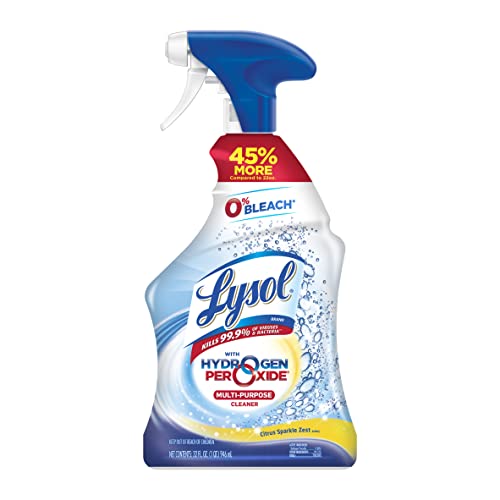
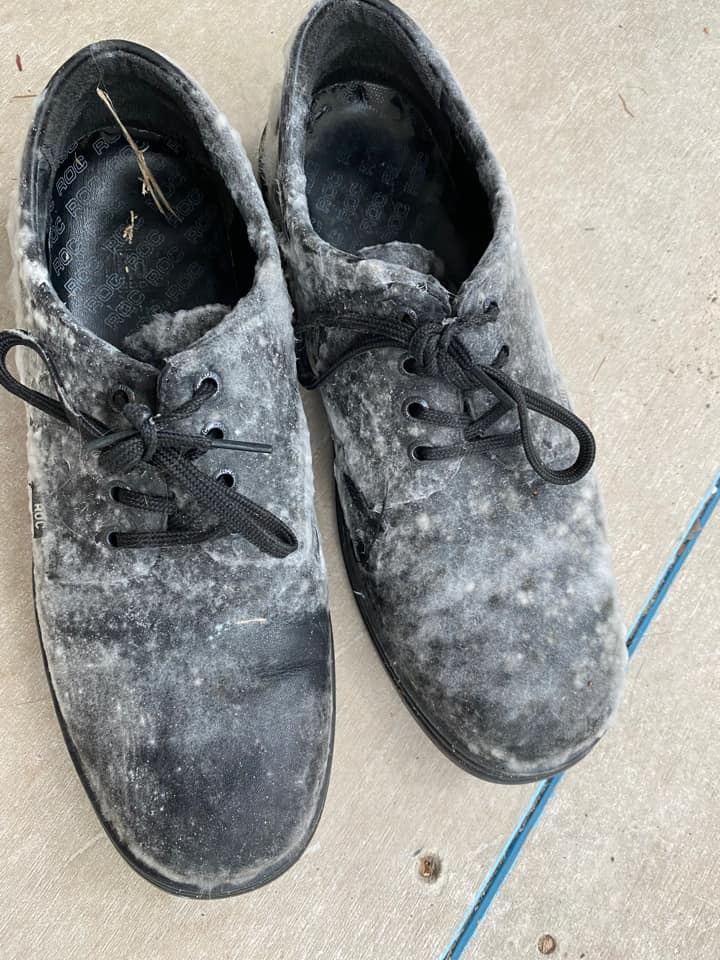
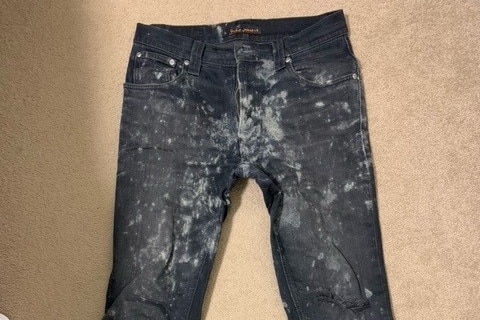
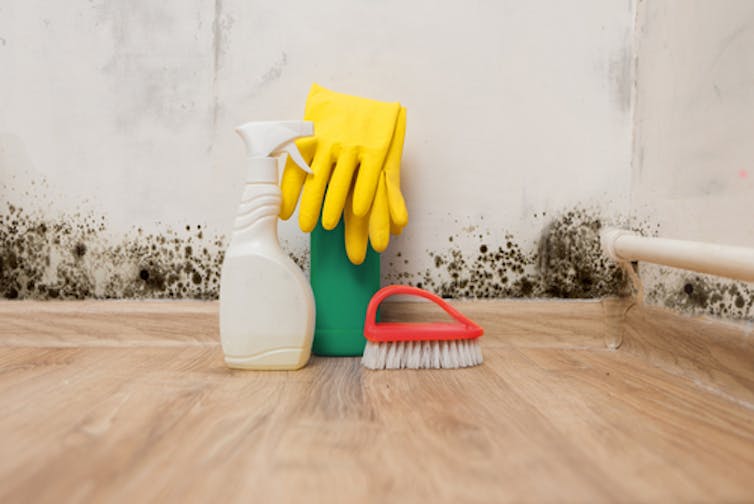
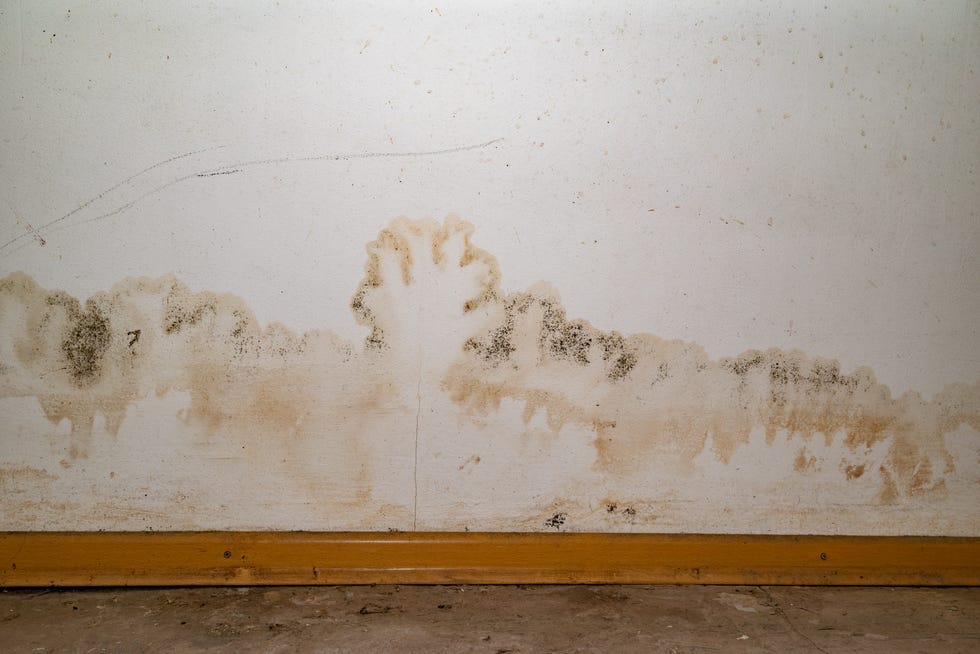
A crucial step in the cleanup process is the removal of water-damaged infrastructure, including drywall, insulation, and soft-wood flooring. A utility knife, permanent marker, and pry bar are useful for this task. A line should be drawn one foot above the visible watermark or at the drywall seams, whichever is higher, and the contaminated sections cut and removed. Debris should then be organized into six categories for curbside removal, which most communities provide post-disaster: vegetation, household garbage, construction debris, large appliances, electronics, and household hazards. Care must be taken not to obstruct streets, sidewalks, or utilities. Finally, the guide addresses mold remediation. Dangerous mold, which can be any color, poses significant health risks. Individuals with immune system disorders or lung conditions should avoid mold-contaminated areas. Fans should not be used if mold is present, as they can spread spores. For areas smaller than 10 square feet, a bleach solution (2 cups bleach to 2 gallons water) can be sprayed and left for at least four hours. For larger areas or subsurface contamination, professional contractors are recommended. Following these steps helps expedite the recovery process, allowing for the safe return to a home after a flood.
#FloodCleanup #DisasterRecovery #HomeSafety #MoldRemediation #PersonalProtectiveEquipment #DebrisRemoval #HomeRestoration #PostFloodGuidelines #FloodCleanup #DisasterRecovery #HomeSafety #MoldRemediation #PersonalProtectiveEquipment #DebrisRemoval #HomeRestoration #PostFloodGuidelines
Toplam 0 yorum
 Henüz yorum yok
Bu da beğenebilirsiniz
Here’s What to Do With Your Carpets After a Flood

Ways to protect your home from flooding – safeguard your space from storms


Floodproofing a house — 12 things experts say you can do
How to Prepare if You Live or Work in a Floodplain
Lots of rain can mean mould, this is how to get rid of it. - ABC Emergency


How Can Architecture Combat Flooding? 9 Practical Solutions

Beyond bleach: Mold a long-term problem after flooding and disasters

What to Do If Your Basement Floods During a Storm, According to Experts

Reducing Urban Flood Risk Through Building- and Lot-Scale Flood Mitigation Approaches: Challenges and Opportunities
So Your Basement Is Severely Flooded. Now What?
Everything I Did to Flood-Proof My Old House | Reviews by Wirecutter
How to fix wet walls, mold, and other damage caused by winter


My House Flooded . . . Now What?

Worried about your basement flooding? Install these temporary measures before heavy rainfall

5 common types of water damage to your home – and how to fix them


Rebuilding

When Rivers Rise Fast – Flood-Smart Living: Simple Steps to Protect your Home
6 Smart Ways to Prevent a Soggy Yard with Every Rain Shower

My Basement Flooded…What I Wish We’d Have Known to Better Prepare, and What We Learned
How To Avoid a Flooded Laundry Room Upstairs