1/3
Spray Foam in Extreme Climates
The article discusses the challenges of building durable, comfortable, and healthy homes in extreme climates and highlights the role of spray polyurethane foam (SPF) as a primary solution. While some regions, like Santa Barbara or Hawaii, boast mild climates that require minimal HVAC, insulation, or air sealing, most parts of the world, especially in the United States, experience significant climatic variations, including intense heat, cold, rain, snow, humidity, and wind. These extreme conditions pose serious threats to buildings, making adherence to the First Principles of Building Science crucial for longevity and occupant well-being.
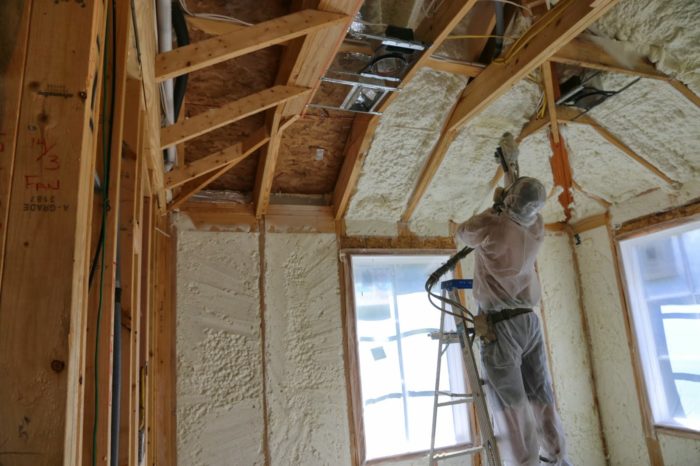
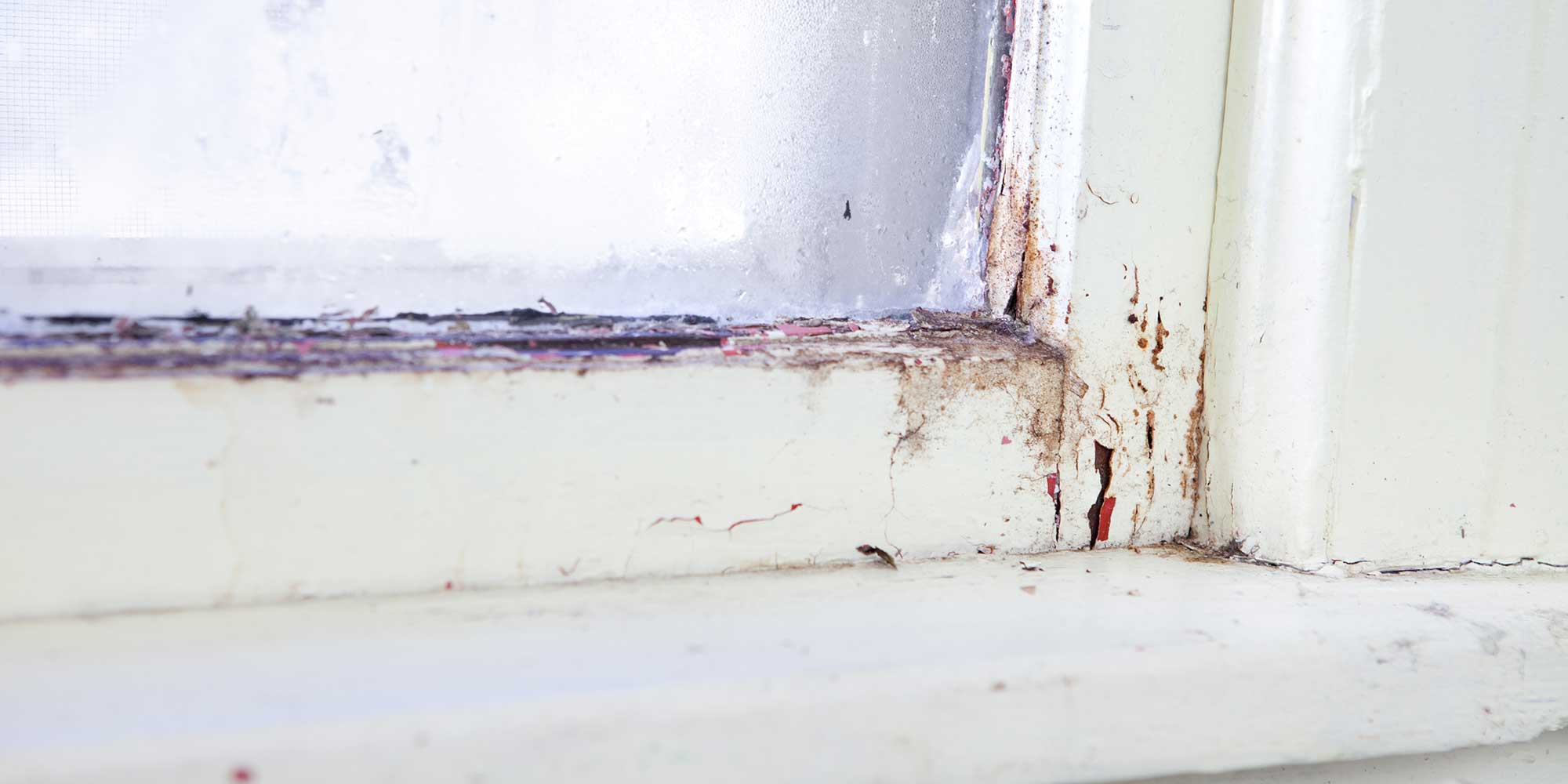
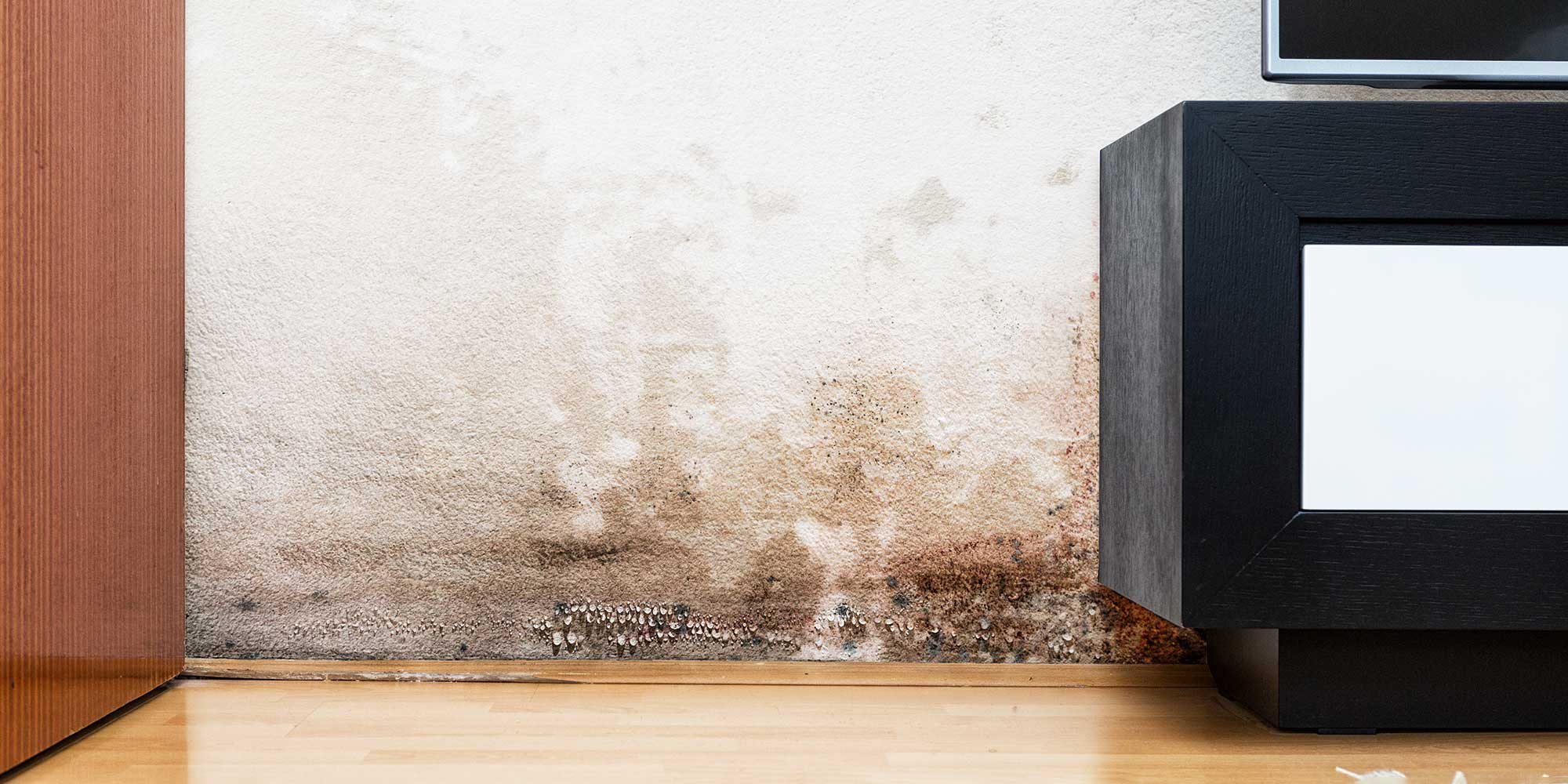
The primary cause of building defects and poor indoor air quality is water in its various forms: liquid, vapor, and frozen. Spray foam, when properly engineered and applied, offers effective control against all these forms of moisture. For instance, snow, which turns to liquid water, can be managed by preventing ice dams, with spray foam in attic assemblies being a highly effective method to avert costly water damage. Water vapor, another insidious threat, can diffuse through many building materials and condense into liquid within building assemblies if not controlled. In hot/humid climates, vapor drive is from outside to inside, while in cold/dry climates, it moves from inside to outside. Closed-cell spray foam excels at controlling vapor diffusion, preventing condensation by keeping surfaces warm and acting as an air barrier.
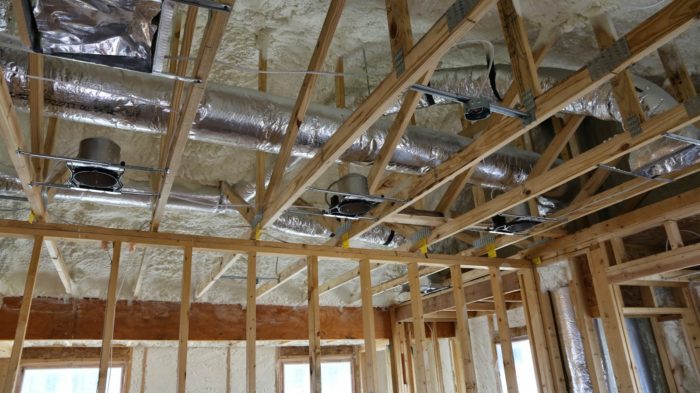
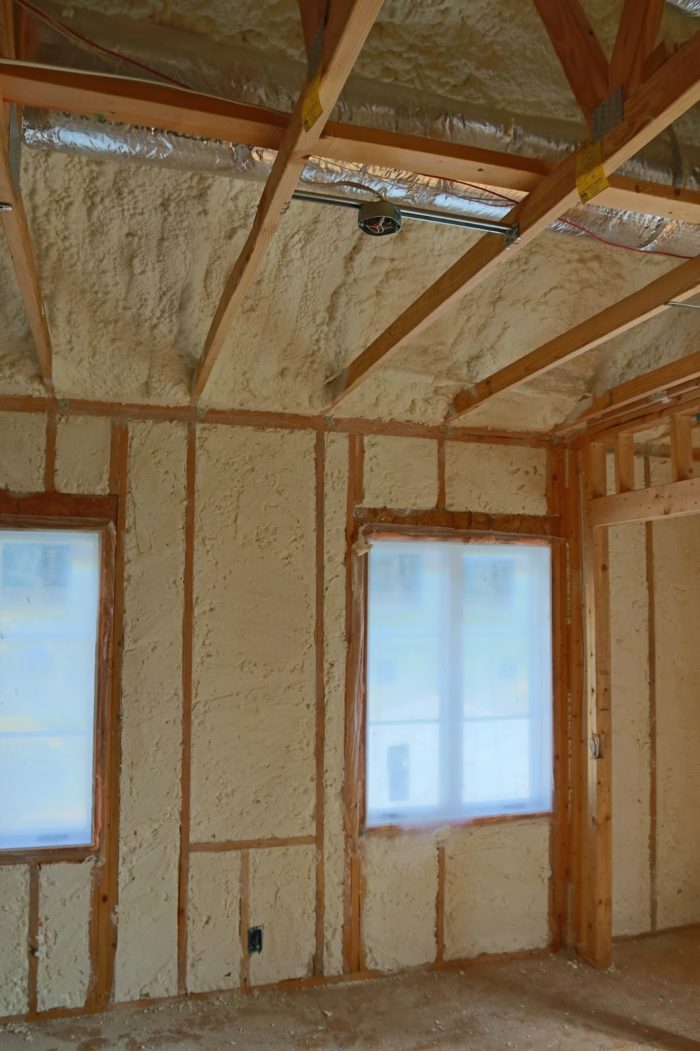
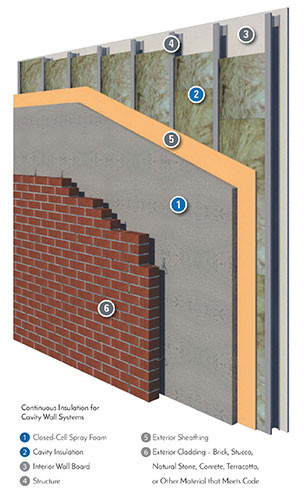
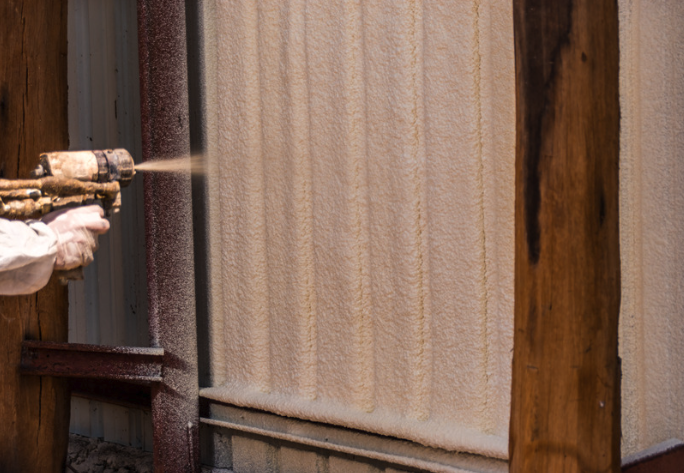
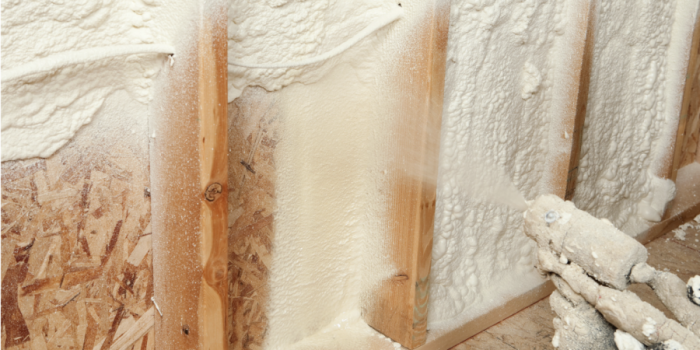
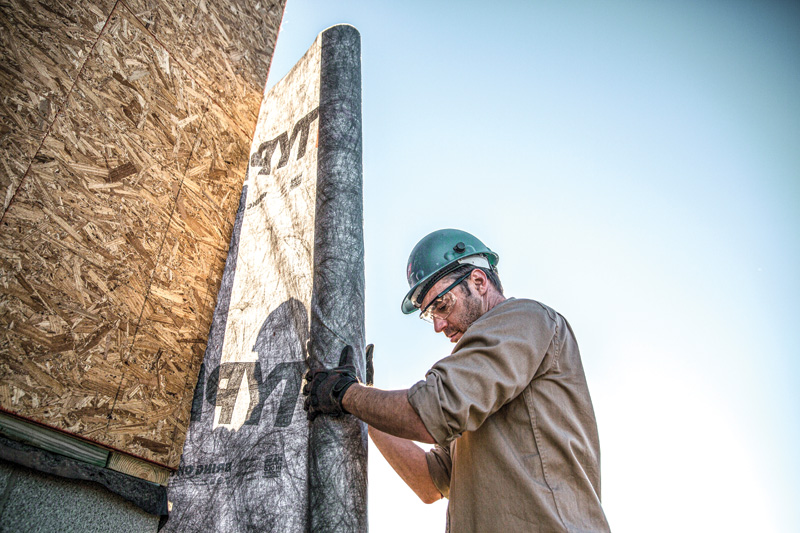
Moisture-laden air, acting as a "supertanker" of water vapor, can rapidly introduce large quantities of water into building assemblies, leading to deterioration within a few years. Both open- and closed-cell spray foams are effective air barrier materials that can be used independently or in conjunction with other control layers to maintain a dry and healthy structure. Furthermore, driving rain during high-wind events, common in extreme climates, often penetrates cladding. Applying closed-cell foam to the exterior, outboard of the sheathing, provides a robust water-resistive barrier, protecting structural framing from rot, mold, mildew, and insect damage. Spray foam also enhances structural integrity, particularly in hurricane zones, by adhesively bonding sheathing to roof rafters, with evidence showing open-cell foam preventing metal roofs from dislodging during hurricanes like Michael in 2018.
In extremely cold regions, such as those within the Arctic Circle, spray foam is the preferred insulation and air seal due to its superior performance in maintaining indoor comfort. This effectiveness is akin to its use in water heaters and freezers, which utilize polyurethane foam for insulation. Similarly, in hot southern climates, spray foam outperforms other insulation methods due to its continuous, fully adhered nature, high R-value per inch, and ability to act as a water barrier, air barrier, vapor retarder, and thermal insulation in thinner assemblies. The initial cost difference compared to fibrous insulation is quickly offset by energy savings and enhanced building durability.
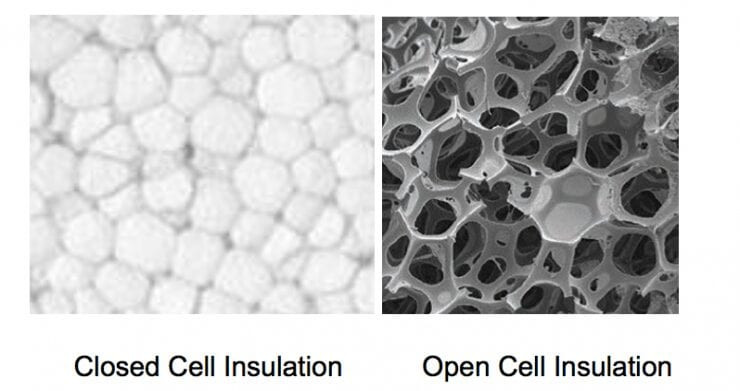
Even in flood zones, where keeping water out is impossible, closed-cell spray foam is recognized by FEMA for its durability, cleanability, and resistance to water absorption and pollutants. While gypsum board might need replacement, the foam itself can be cleaned and dried, eliminating the need for removal and reinstallation, unlike fibrous insulation. The article concludes by reiterating the critical role of spray foam in addressing the First Principles of Building Science: controlling heat transfer, water movement (liquid and vapor), air pressure, and gravity. Spray foam's properties — high R-value, impenetrability to water (closed-cell), powerful air barrier qualities, and self-supporting nature — make it an indispensable material for constructing resilient, long-lasting buildings in any extreme climate. It also distinguishes between closed-cell and open-cell foams, noting that while closed-cell is ideal where water is an issue, open-cell foam, with its better flow characteristics and dimensional stability, can be superior for air sealing in situations protected from liquid and vapor water. SES NexSeal, for instance, is highlighted for its proven performance in Arctic conditions.
#SprayFoamInsulation #ExtremeClimates #BuildingScience #MoistureControl #AirBarrier #VaporRetarder #ThermalInsulation #EnergyEfficiency #HomeDurability #SprayFoamInsulation #ExtremeClimates #BuildingScience #MoistureControl #AirBarrier #VaporRetarder #ThermalInsulation #EnergyEfficiency #HomeDurability
0 комментариев всего
 Комментариев пока нет
Вам также может понравиться
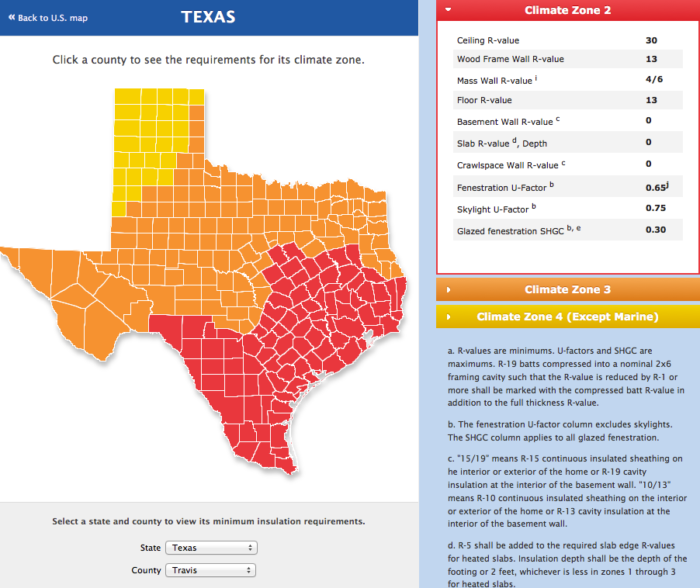
How to Use Spray Foam to Meet New Energy Codes in Warm Climates

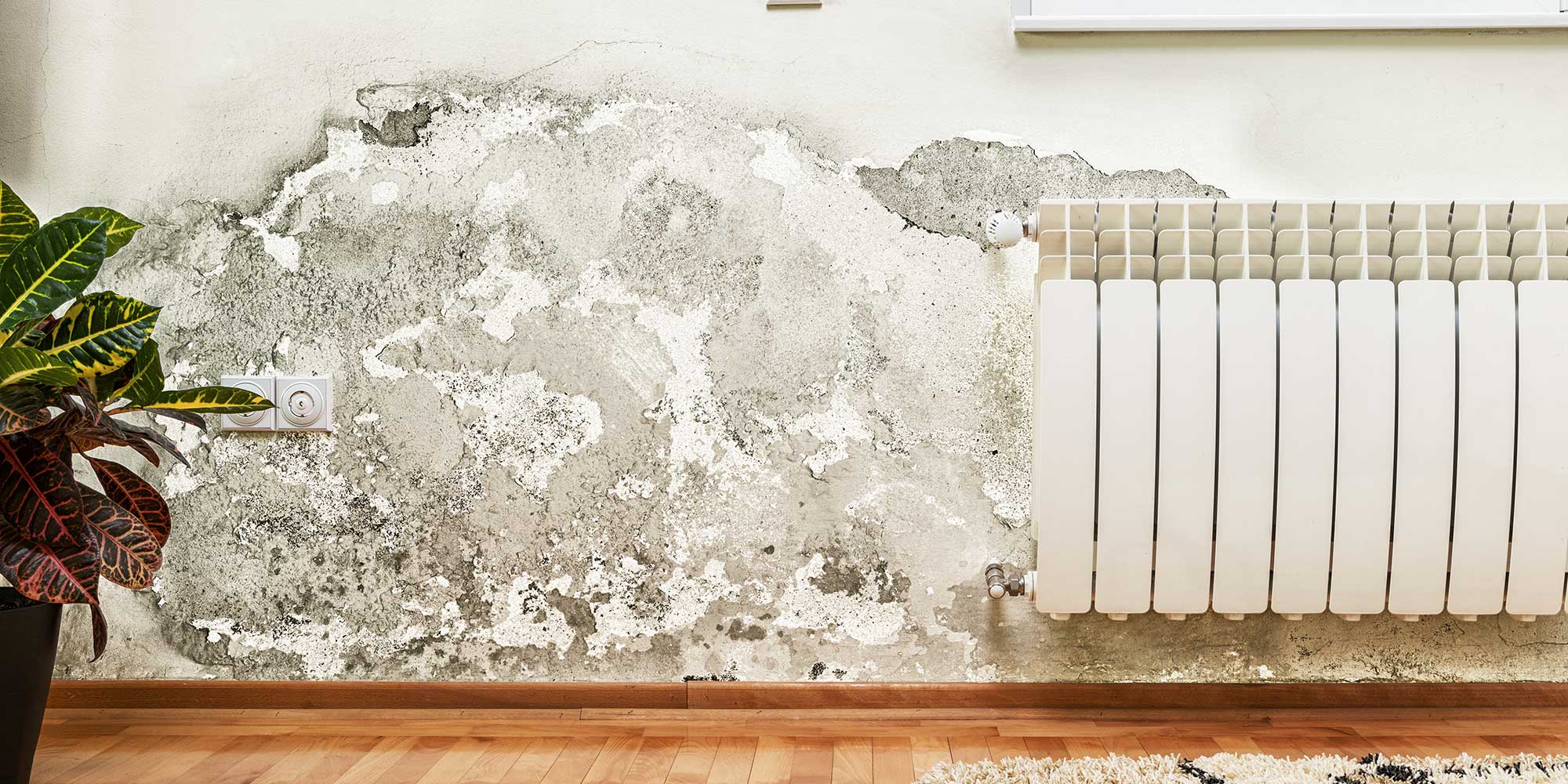
What Kind Of Damp Is Affecting My Home?
Sinopec VAE BJ 707 GW707 GW 705 Vinyl Acetate Ethylene copolymer VAE emulsion glue for building waterproofing coatings


Spray Polyurethane Foam Frequently Asked Questions FAQ by Homeowners

Are Weather Conditions OK to Spray Today?
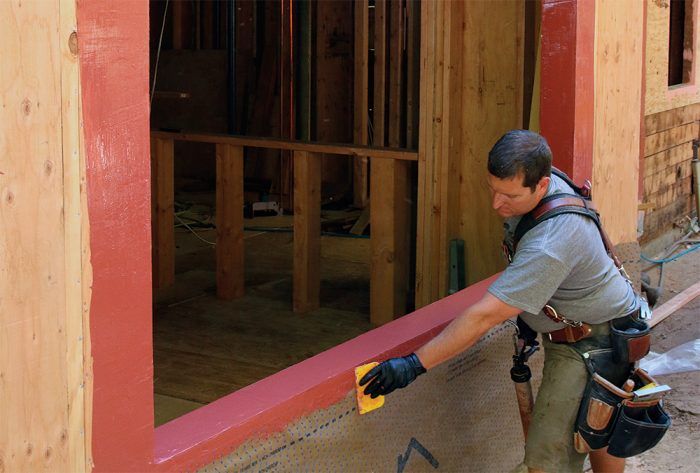
Waterproof Your Windows with Liquid Flashing


Spray Foam FAQ for Homeowners

Closed-Cell Foam Vs. Open-Cell Foam
Man on Fire
What Is Spray Foam Insulation?

Build a "Perfect Wall" on a Budget for Affordable High-Performance
Spray Foam Insulation Expansion Reaches More Homes and Businesses

Making the Case for Spray Foam as a Continuous Solution
The Best Expanding Foams for Sealing Gaps, Tested

Best Mold- and Mildew-Resistant Paints for 2025

Hot Air
Weather-resistant barriers: Advanced technologies for modern construction
9 basement insulation ideas


6 types of attic insulation and how to pick one for your home

Foam, Sealant & Caulking Guns