1/2
Ask a Designer: Vertical lines add lots to a room
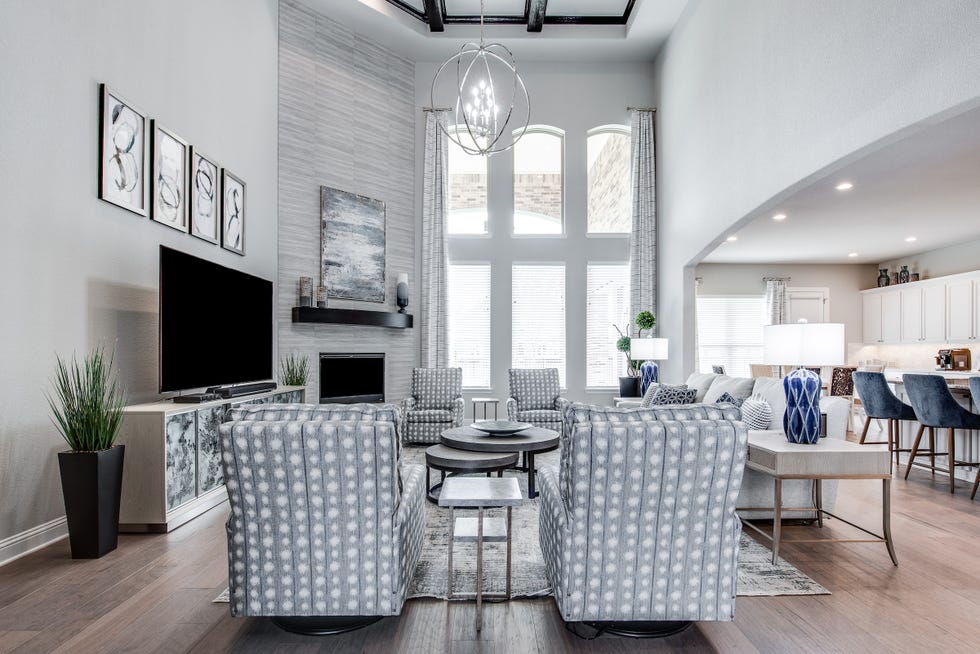
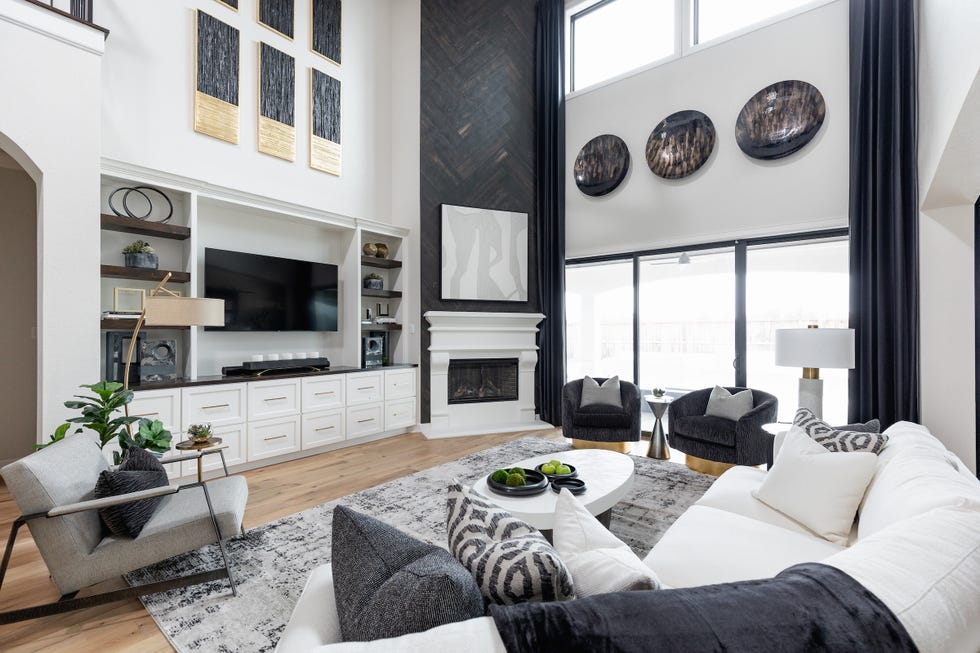
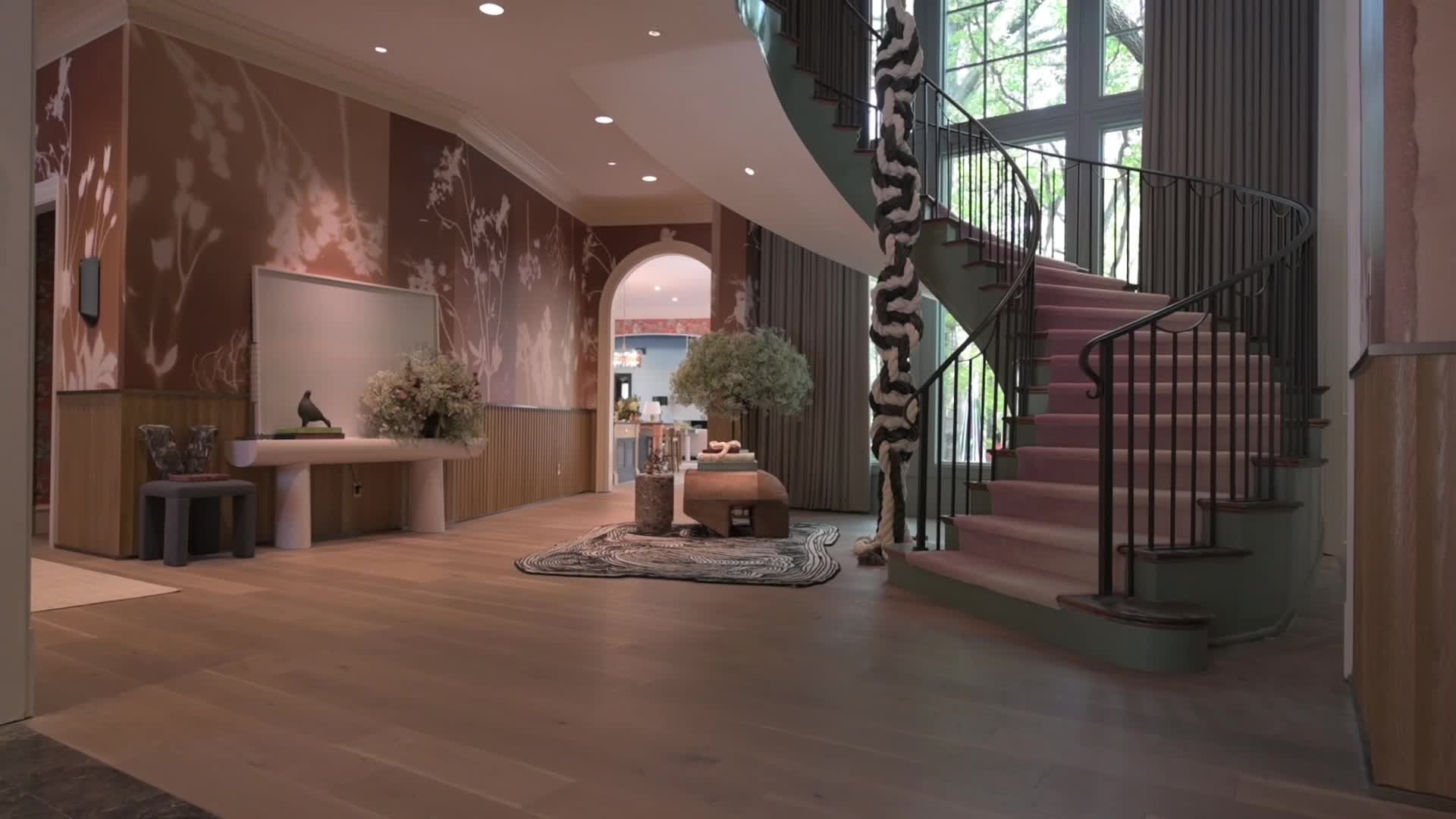
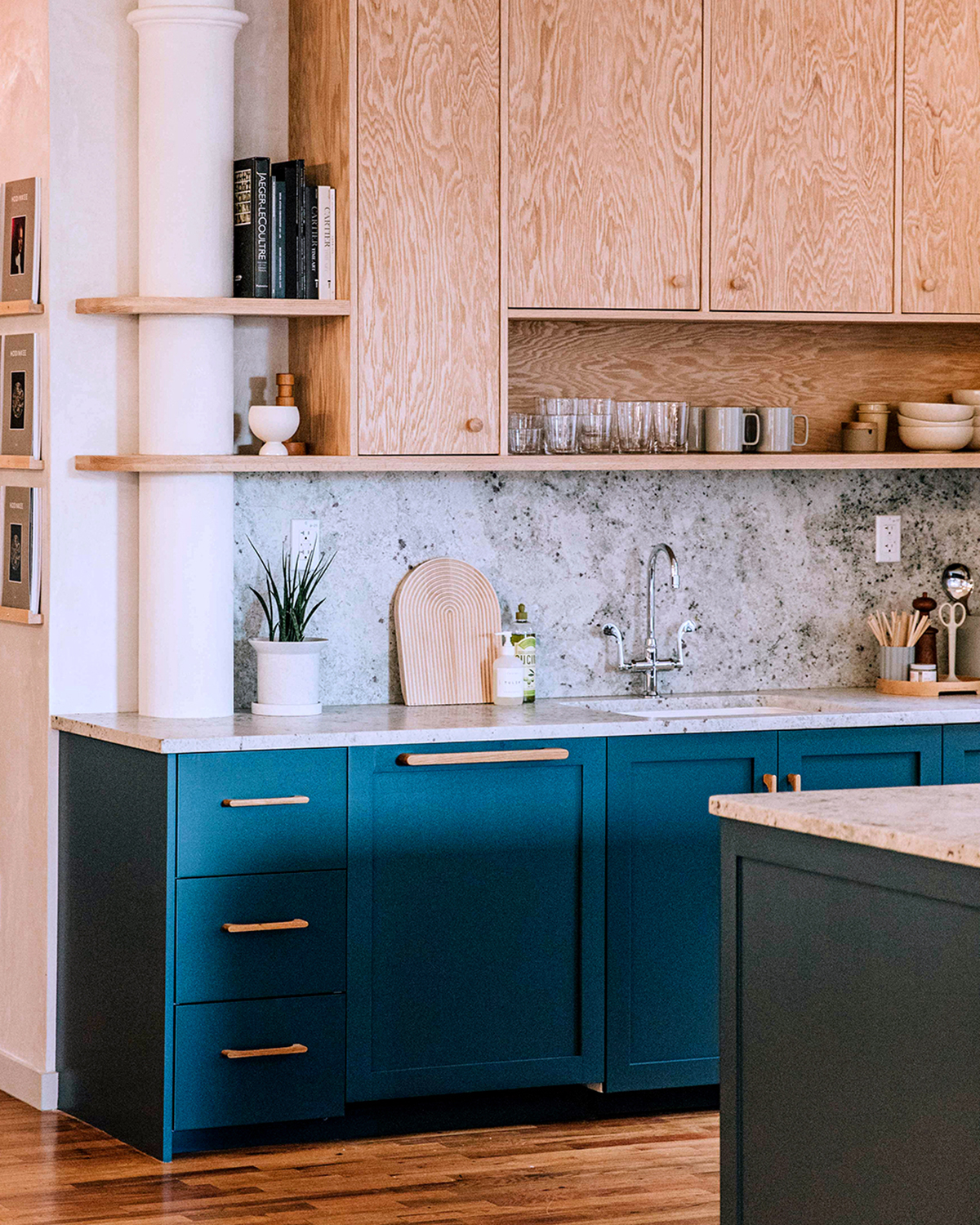
When furnishing a room, individuals often focus primarily on horizontal measurements to ensure items fit without overcrowding. However, design experts emphasize the crucial role of verticality in creating a balanced and aesthetically pleasing space. Designers, from their initial training in sketching room layouts, learn about the impact of both vertical and horizontal lines generated by furnishings and architectural elements. For instance, a homeowner might overlook how a dark countertop contrasting with lighter cabinets can form a horizontal line, potentially making a kitchen feel smaller and its ceiling lower. Interior designers are often hired because understanding scale, particularly in three dimensions, can be challenging for the untrained eye.

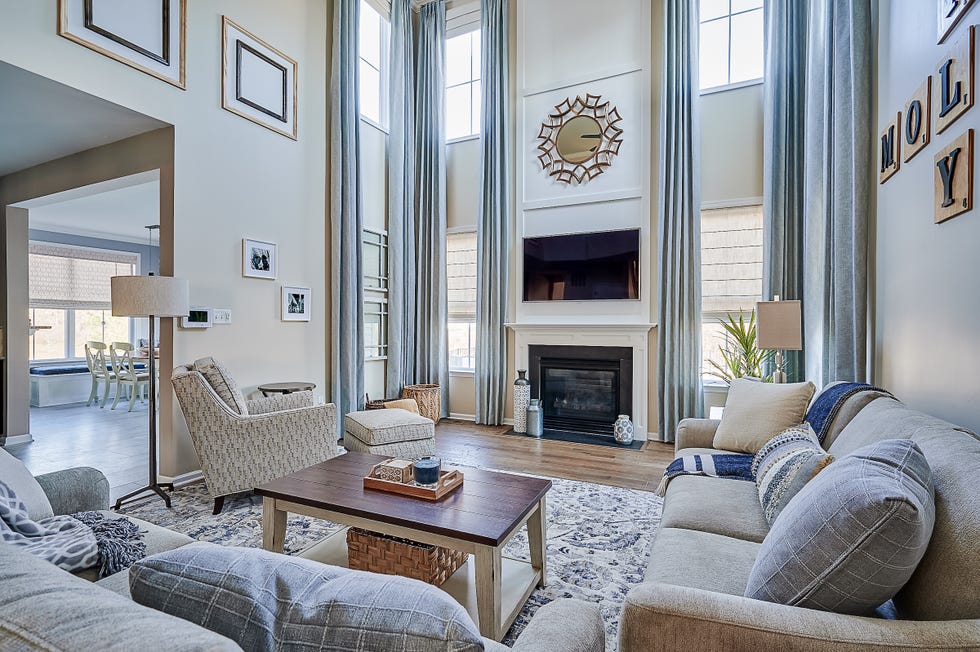
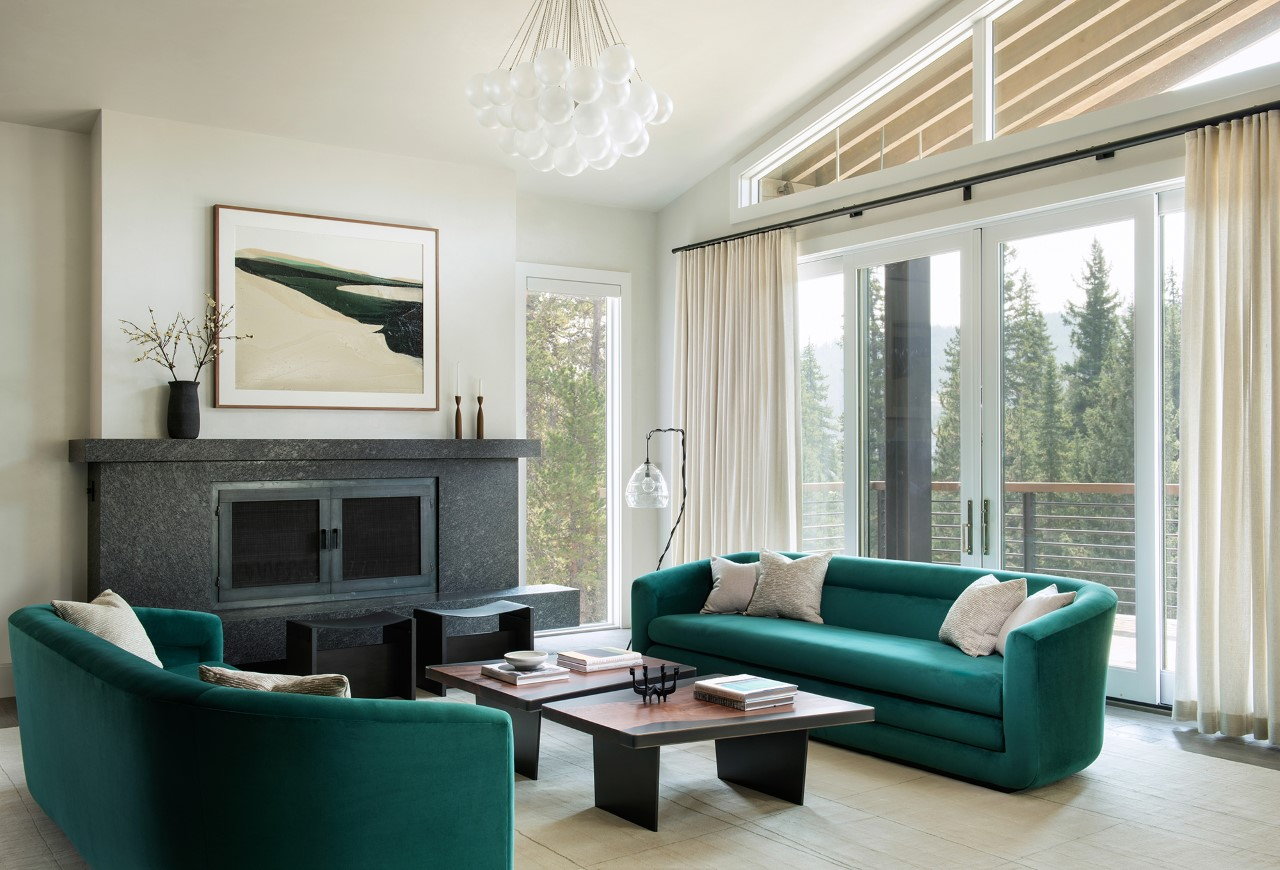
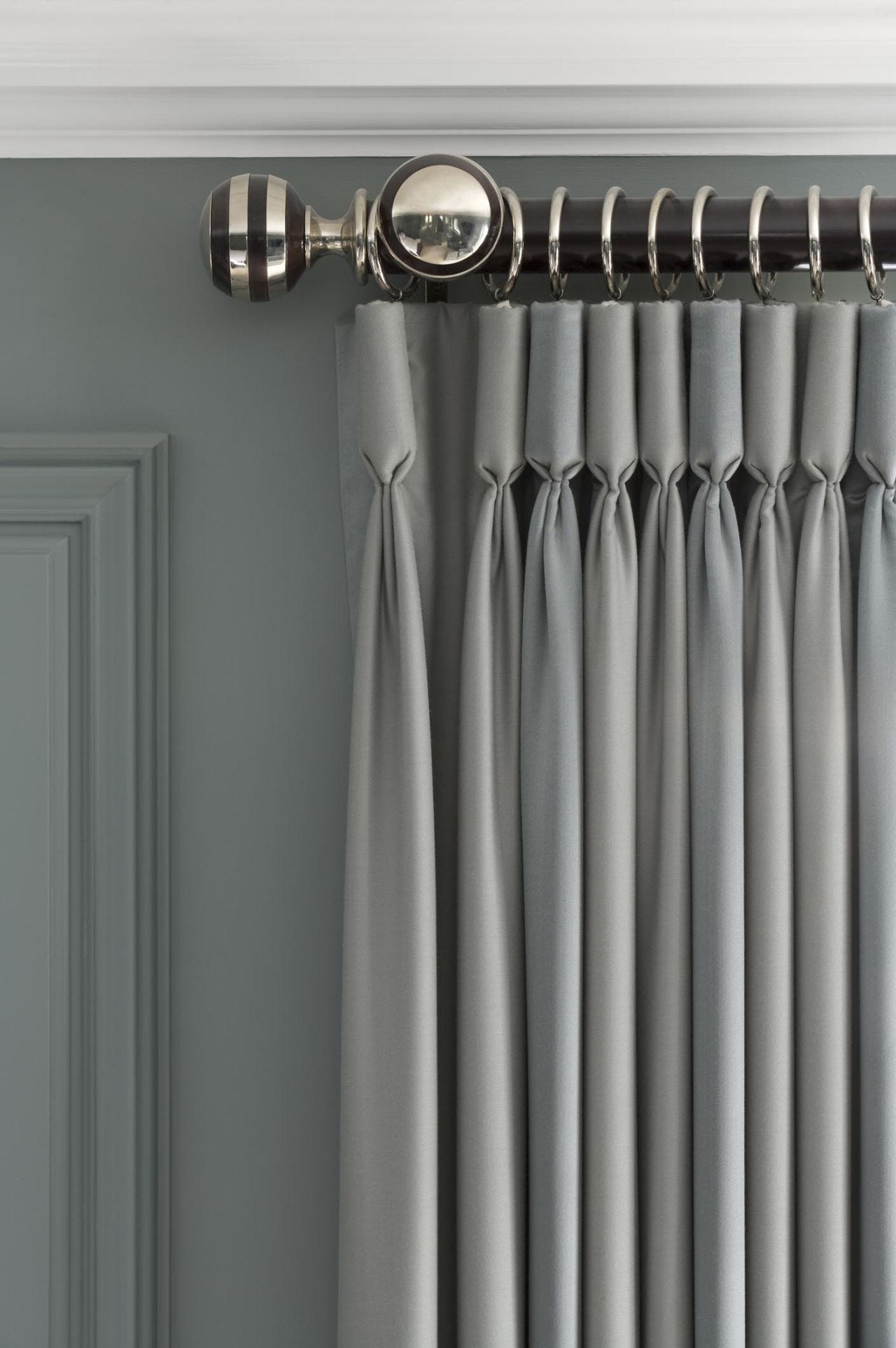
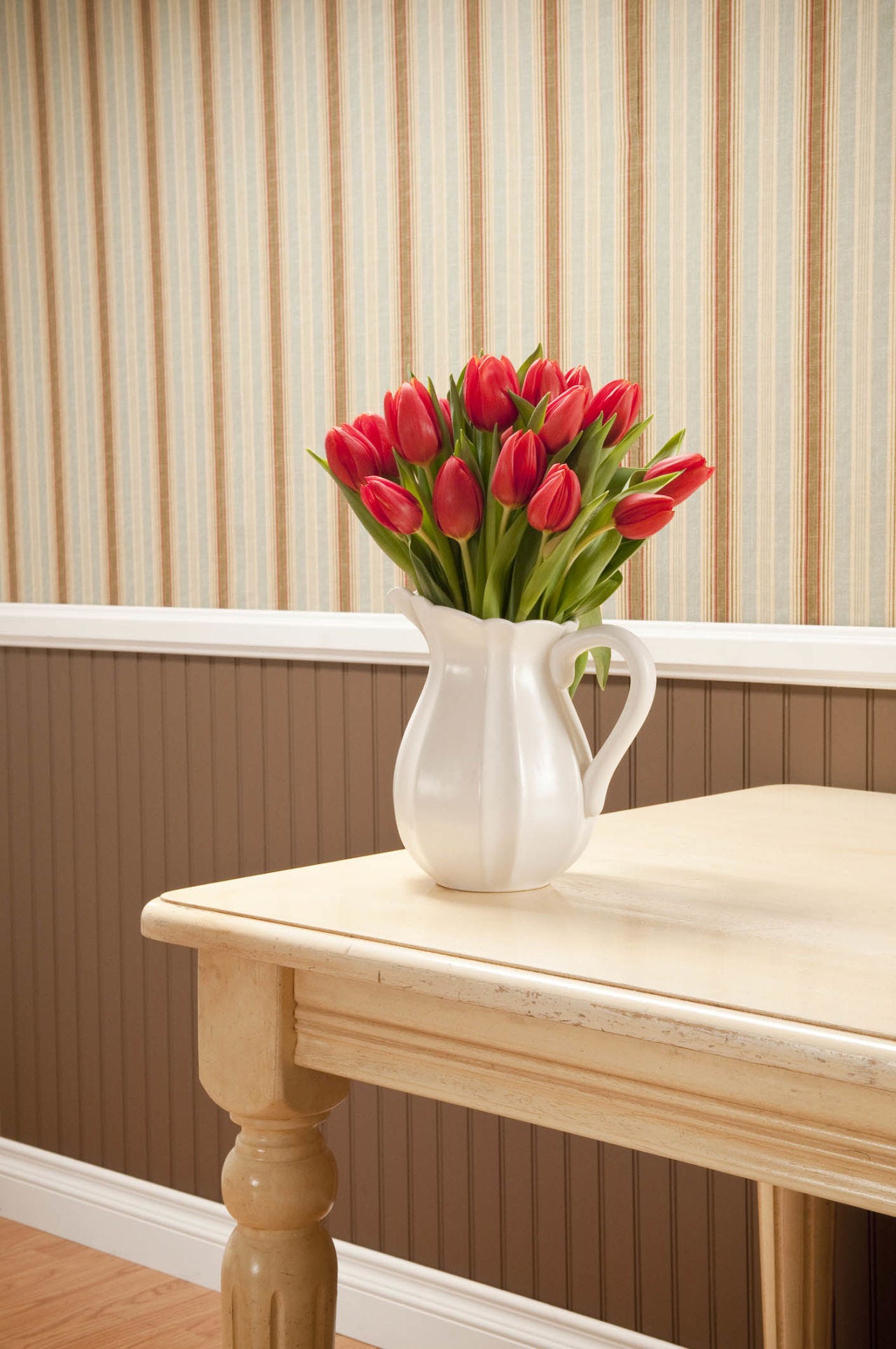
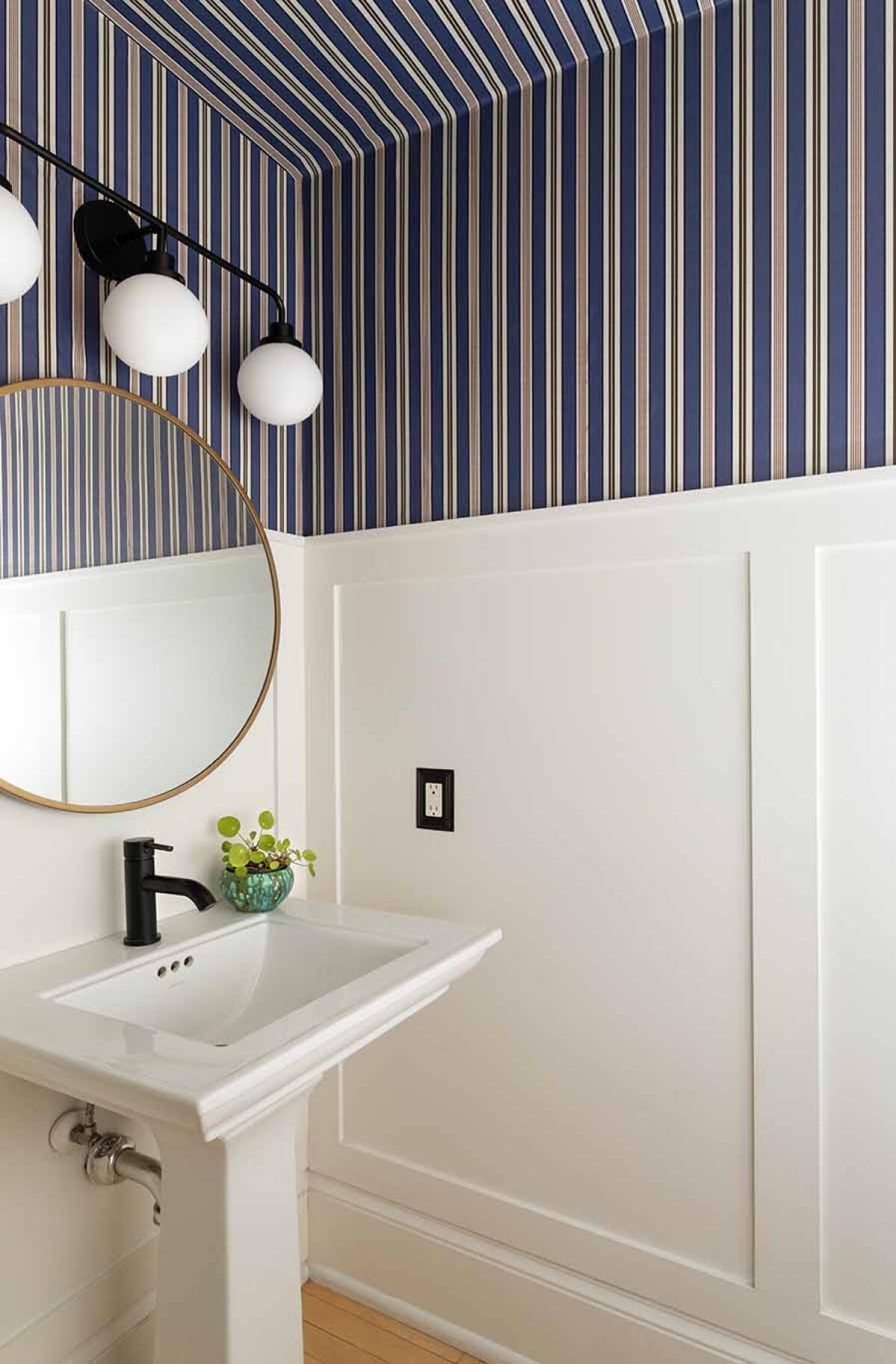
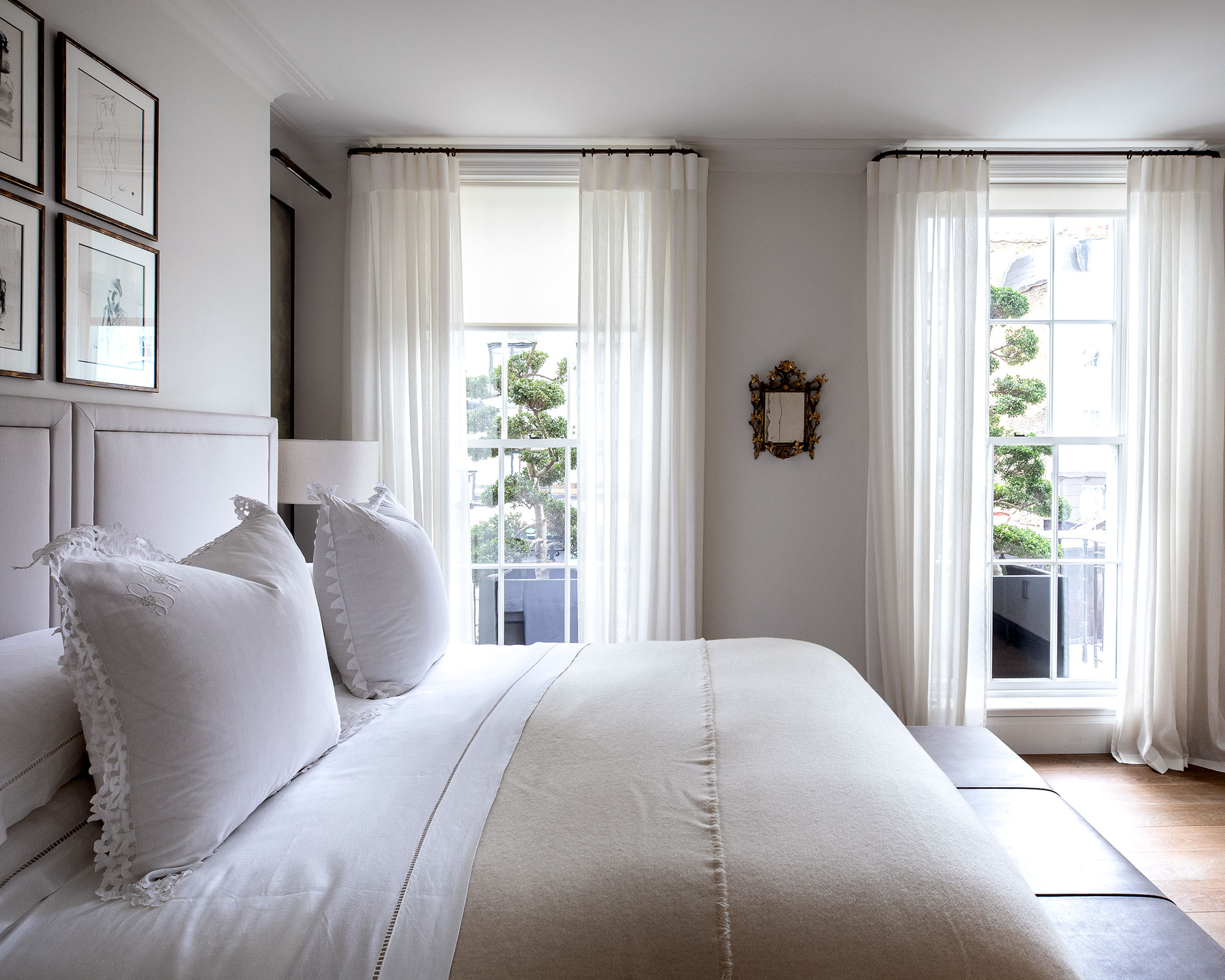
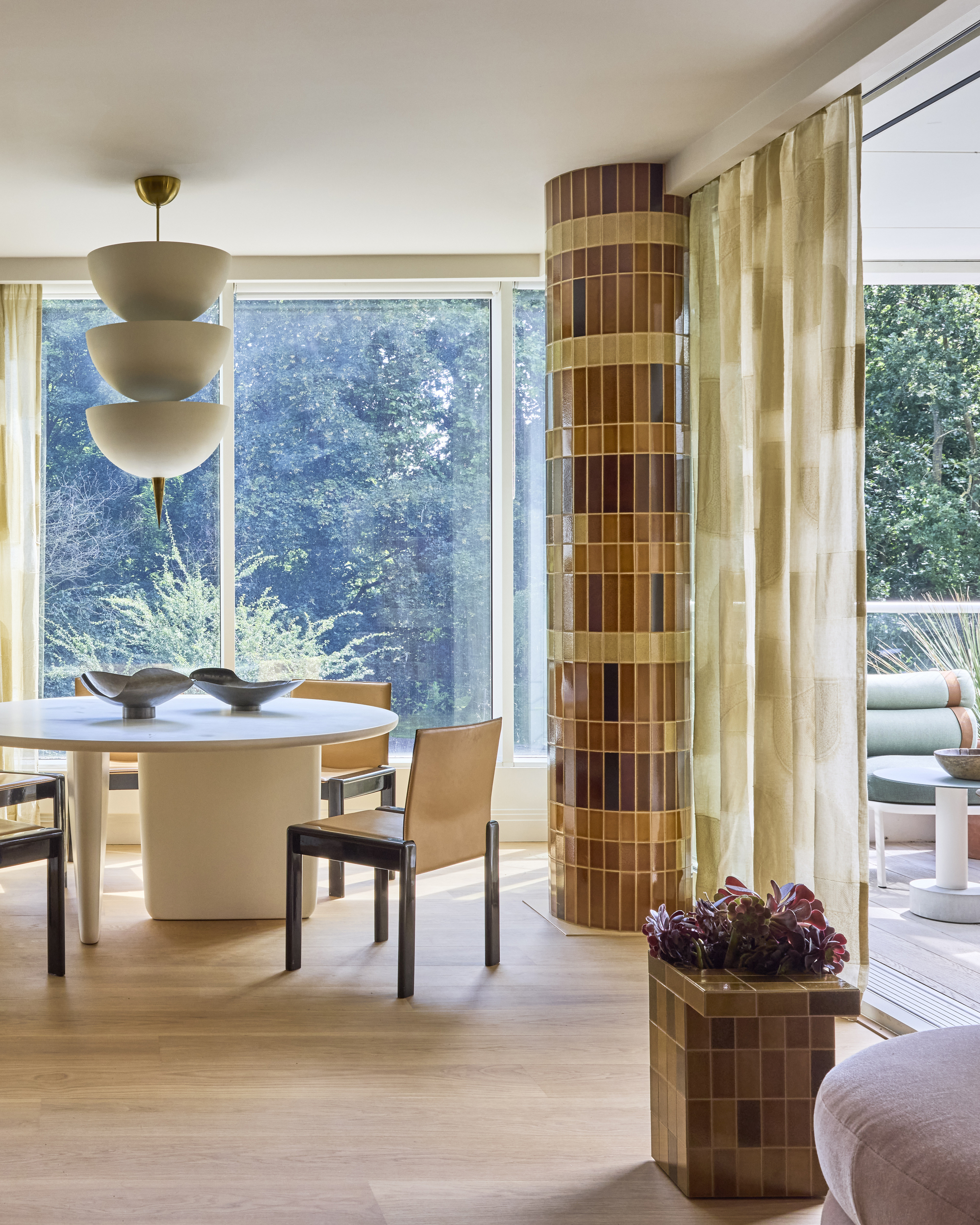
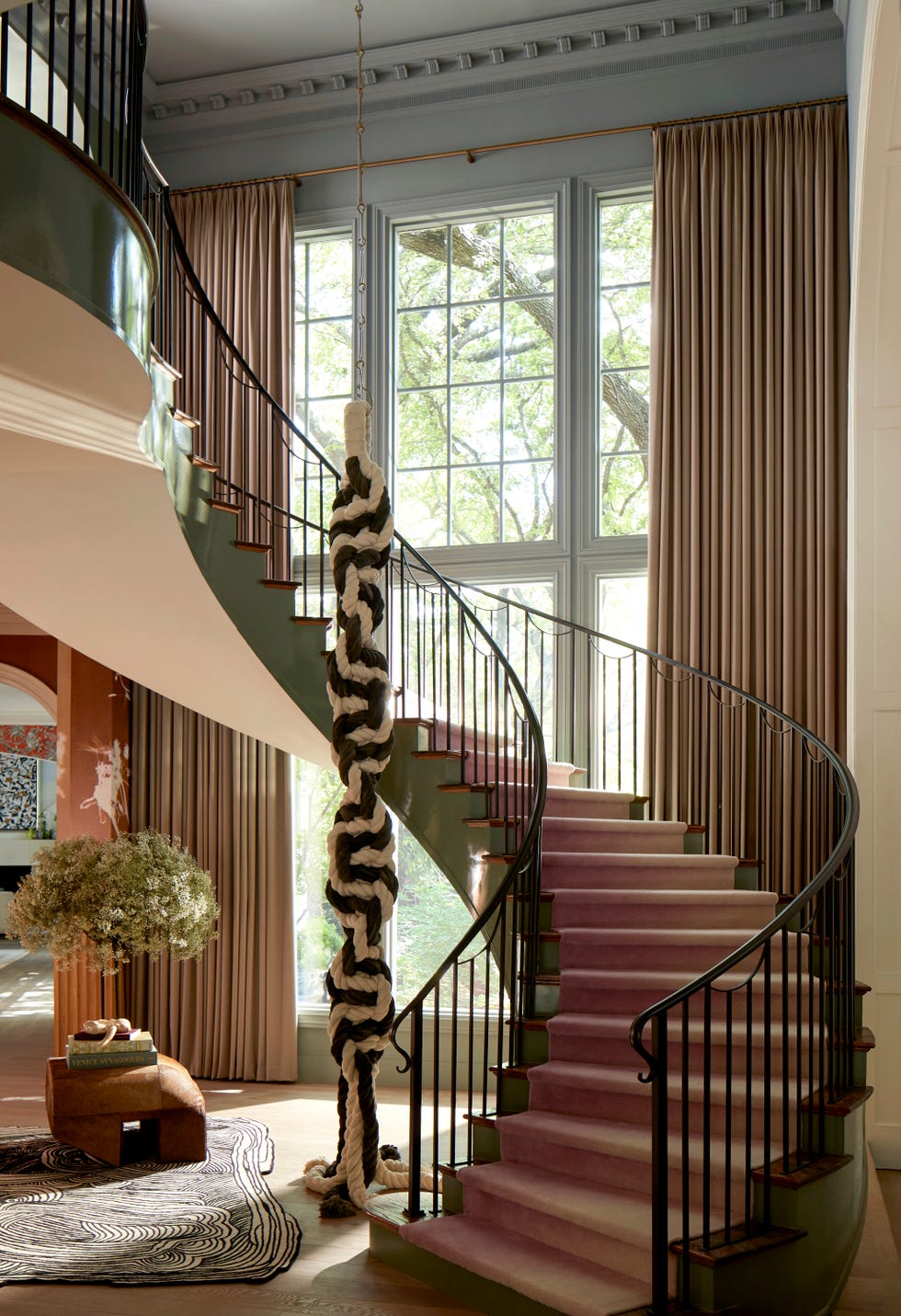
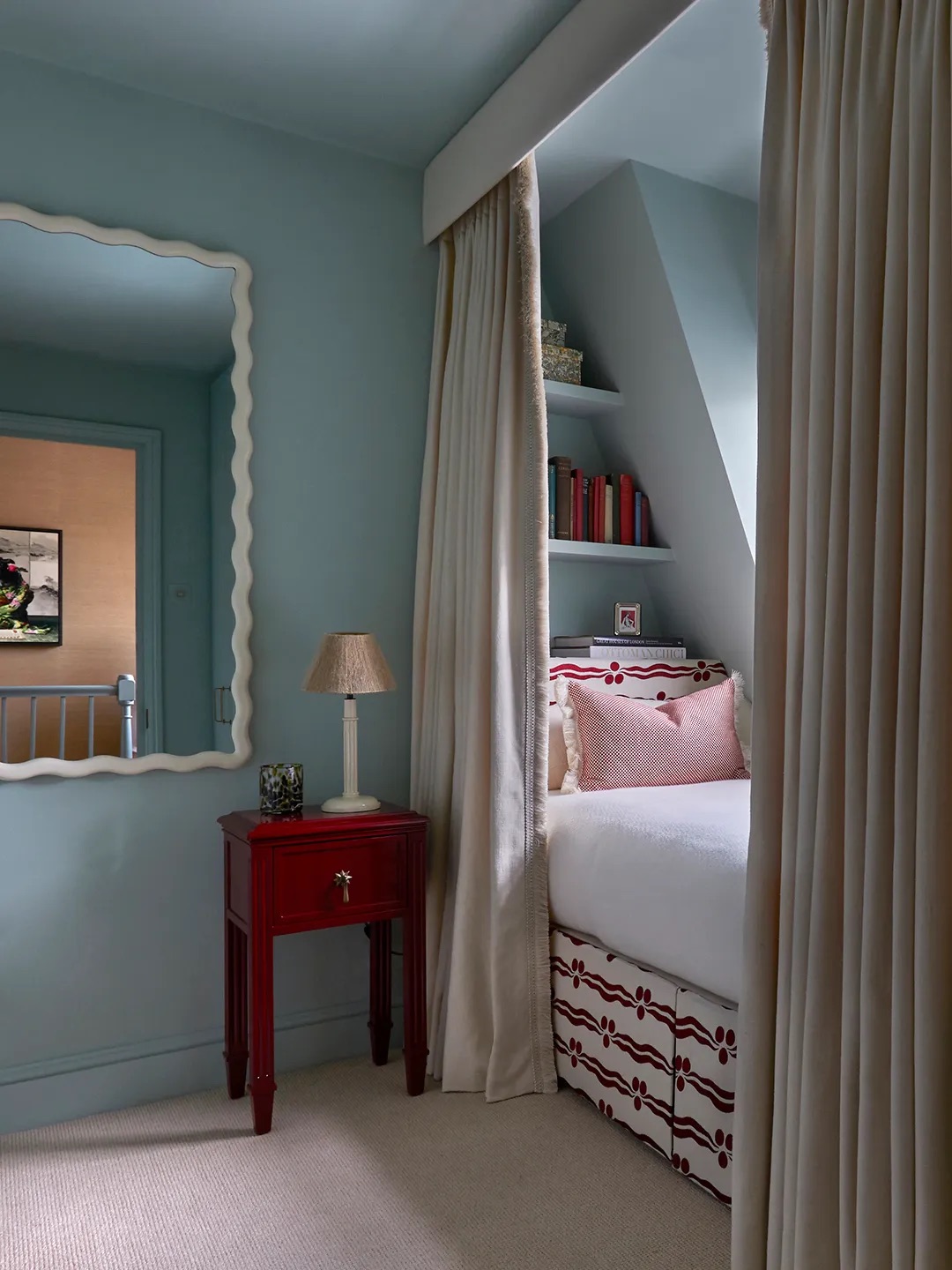
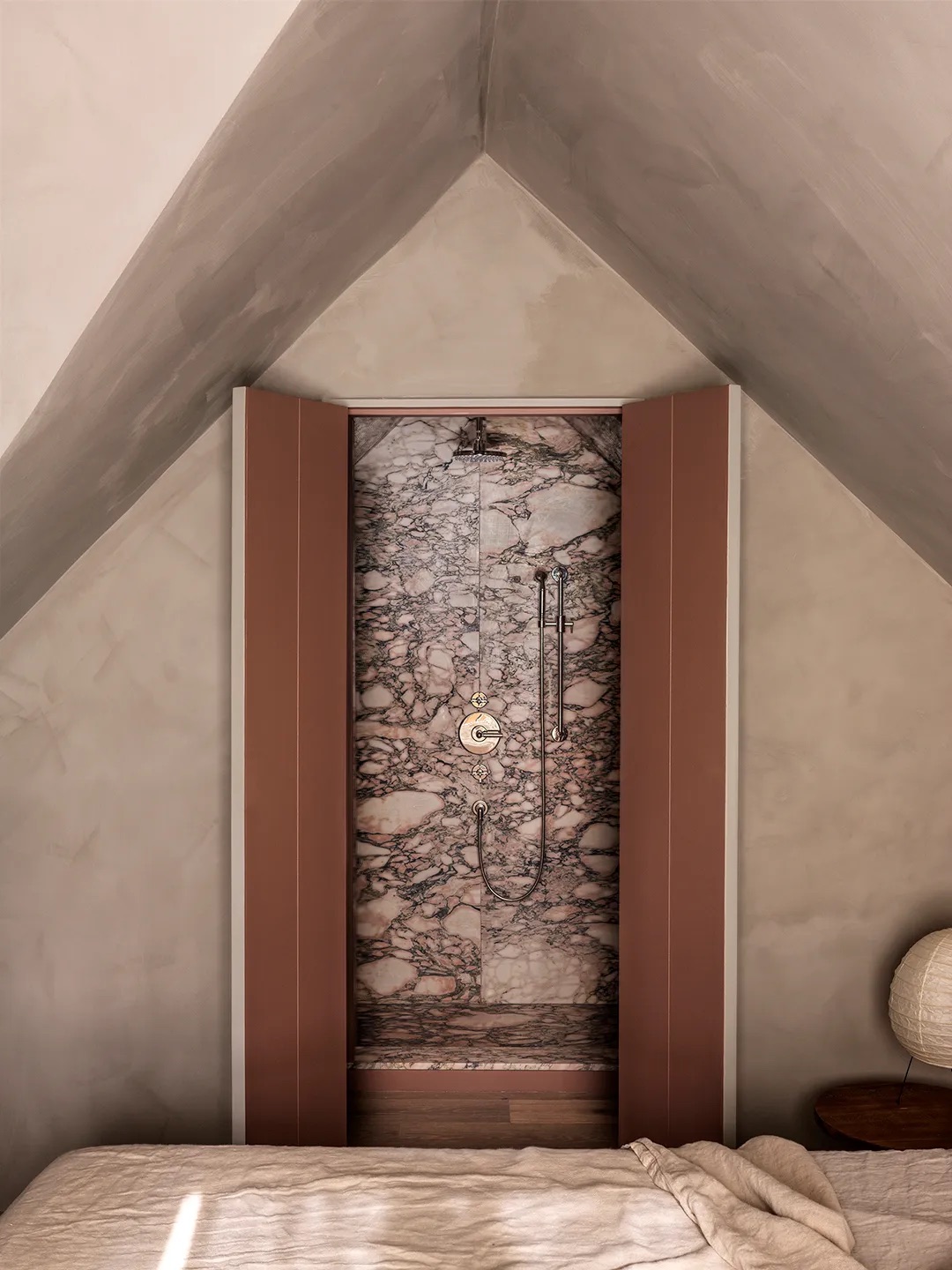
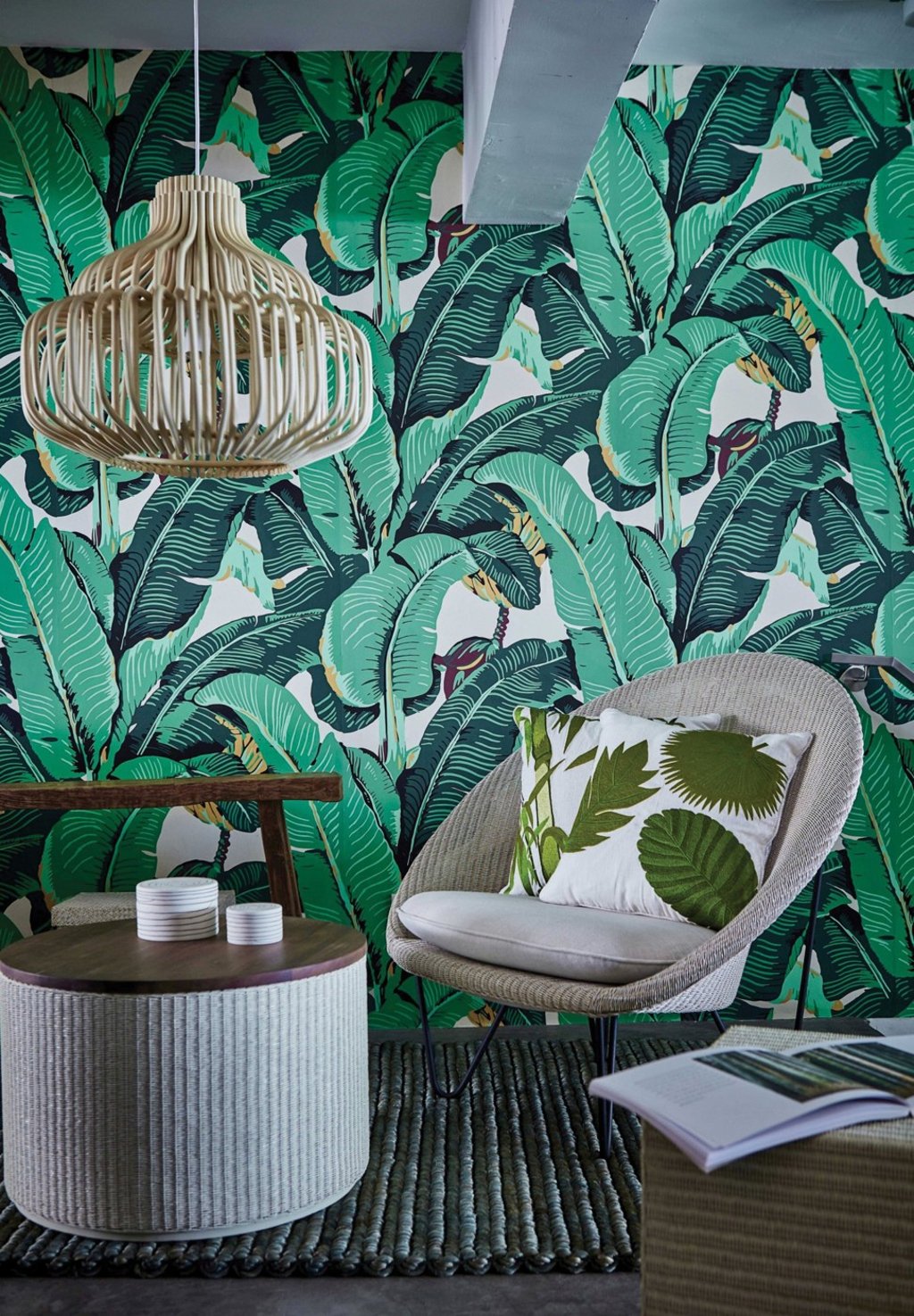
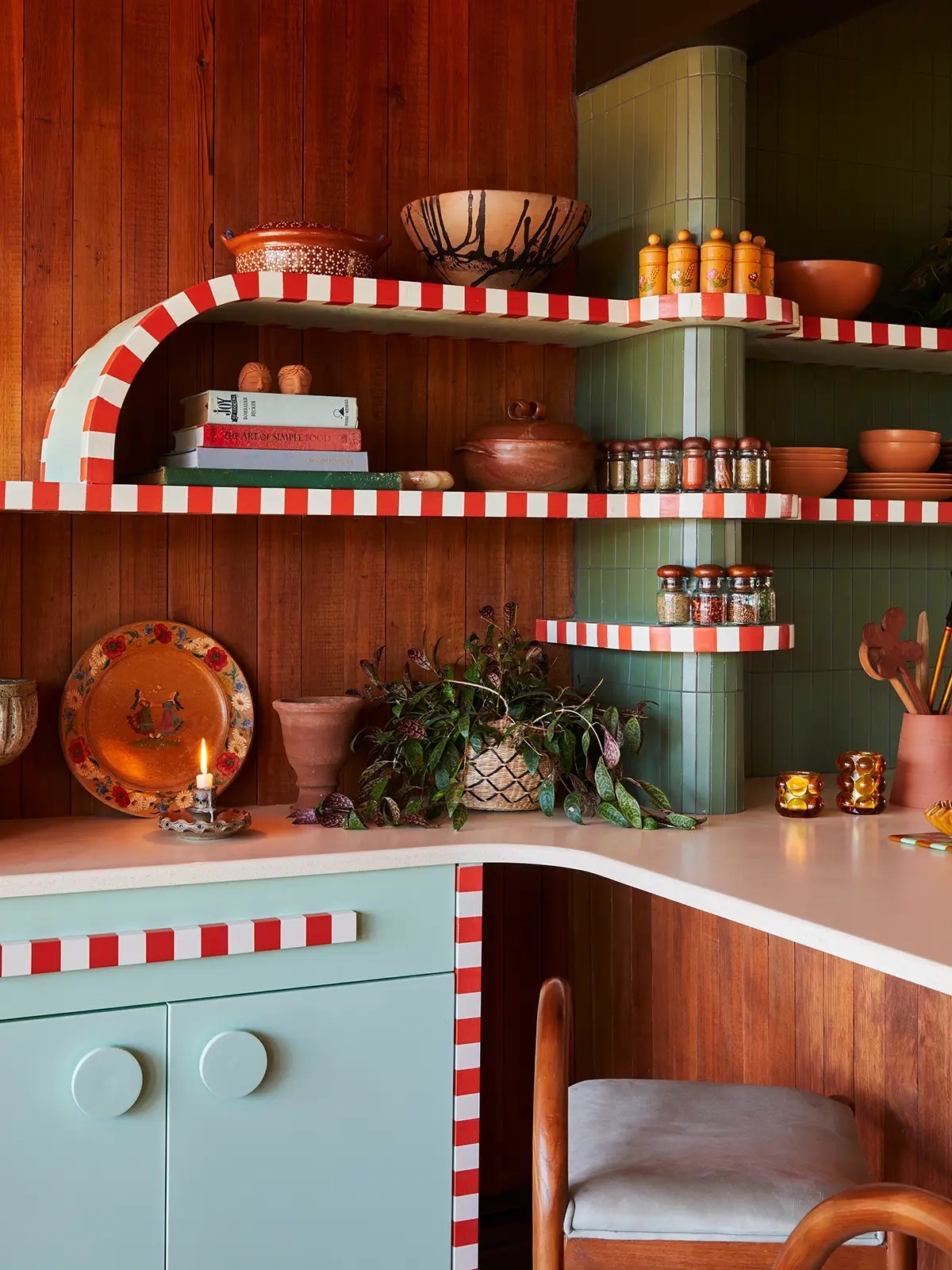
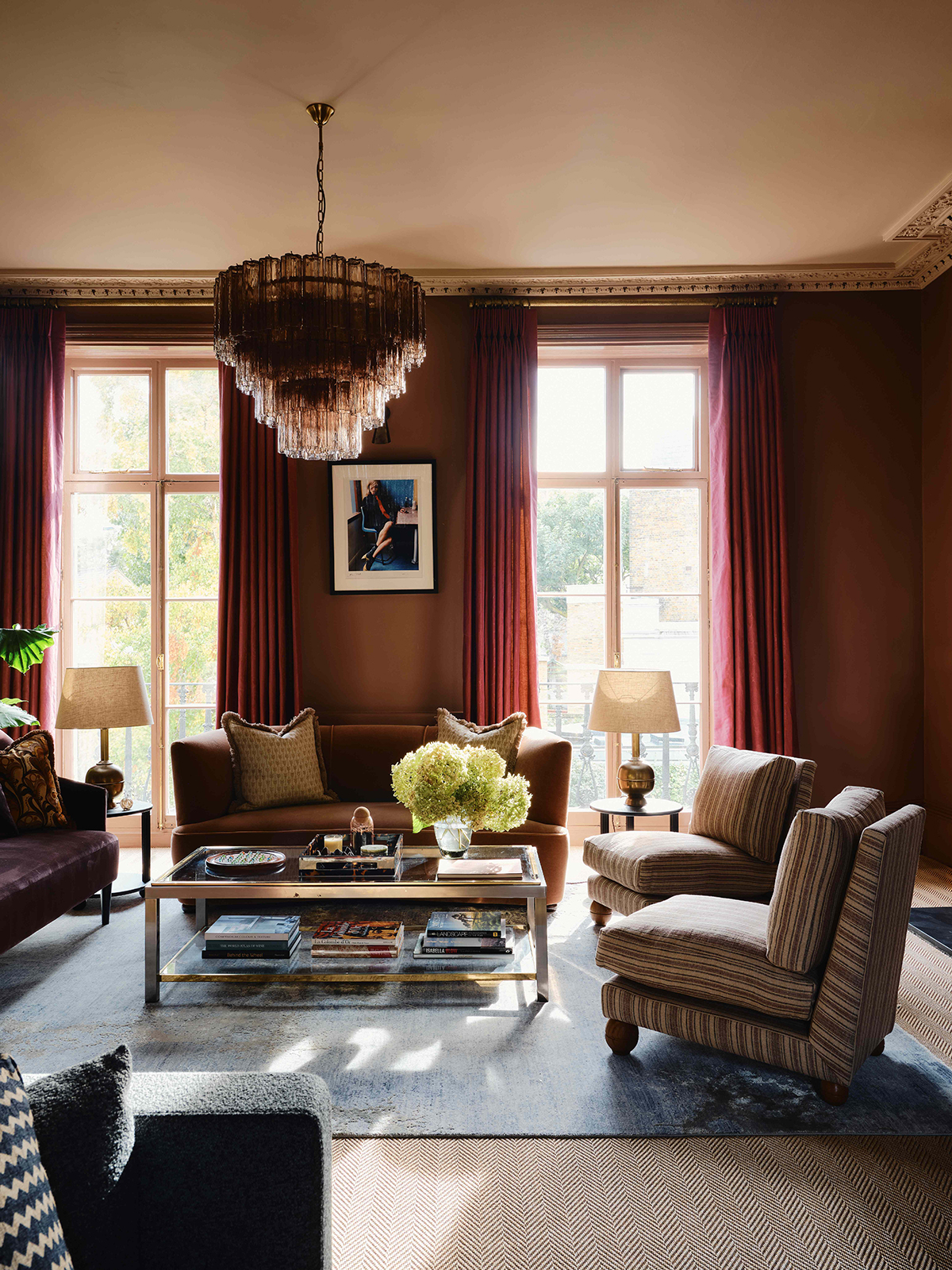
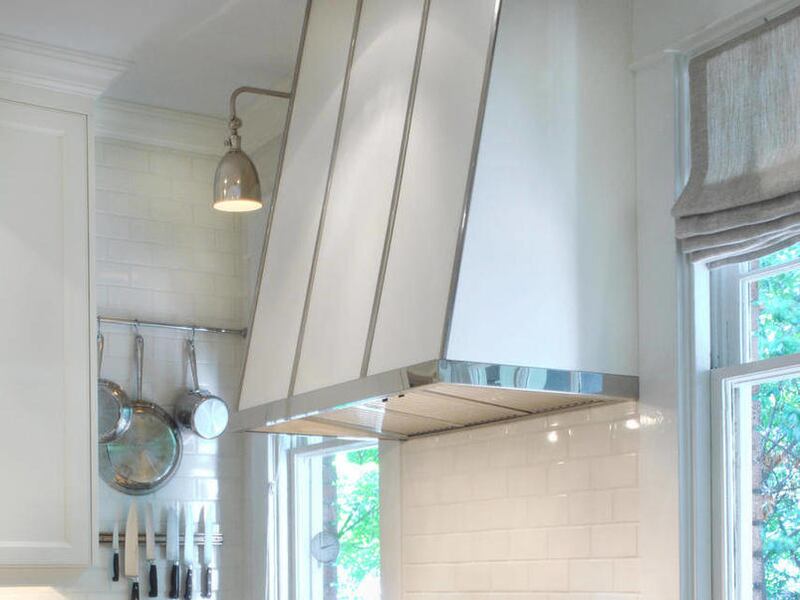
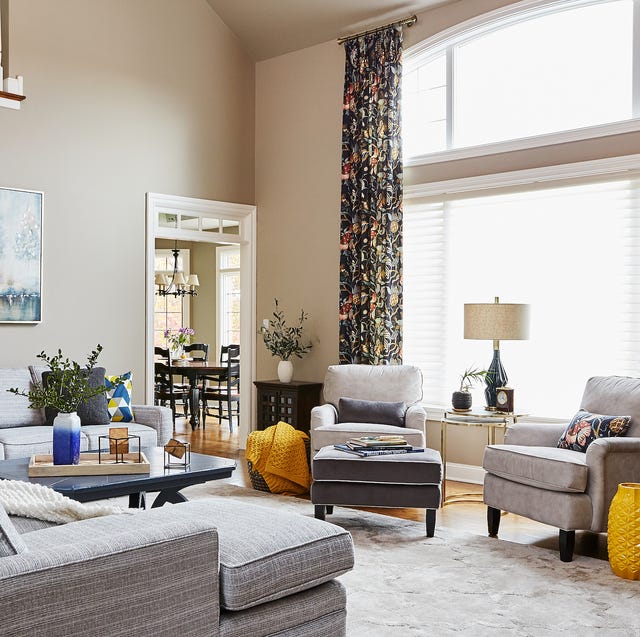
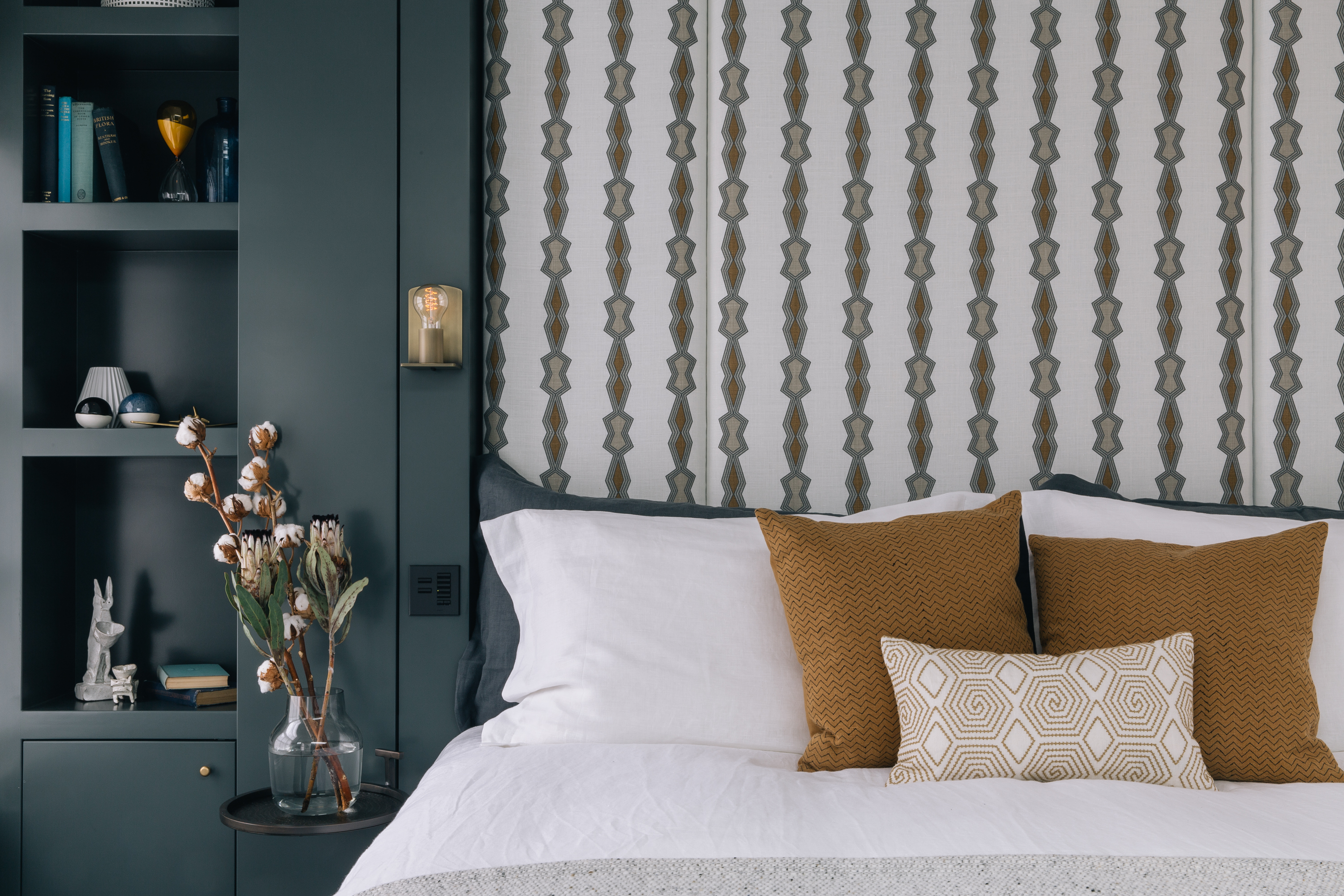
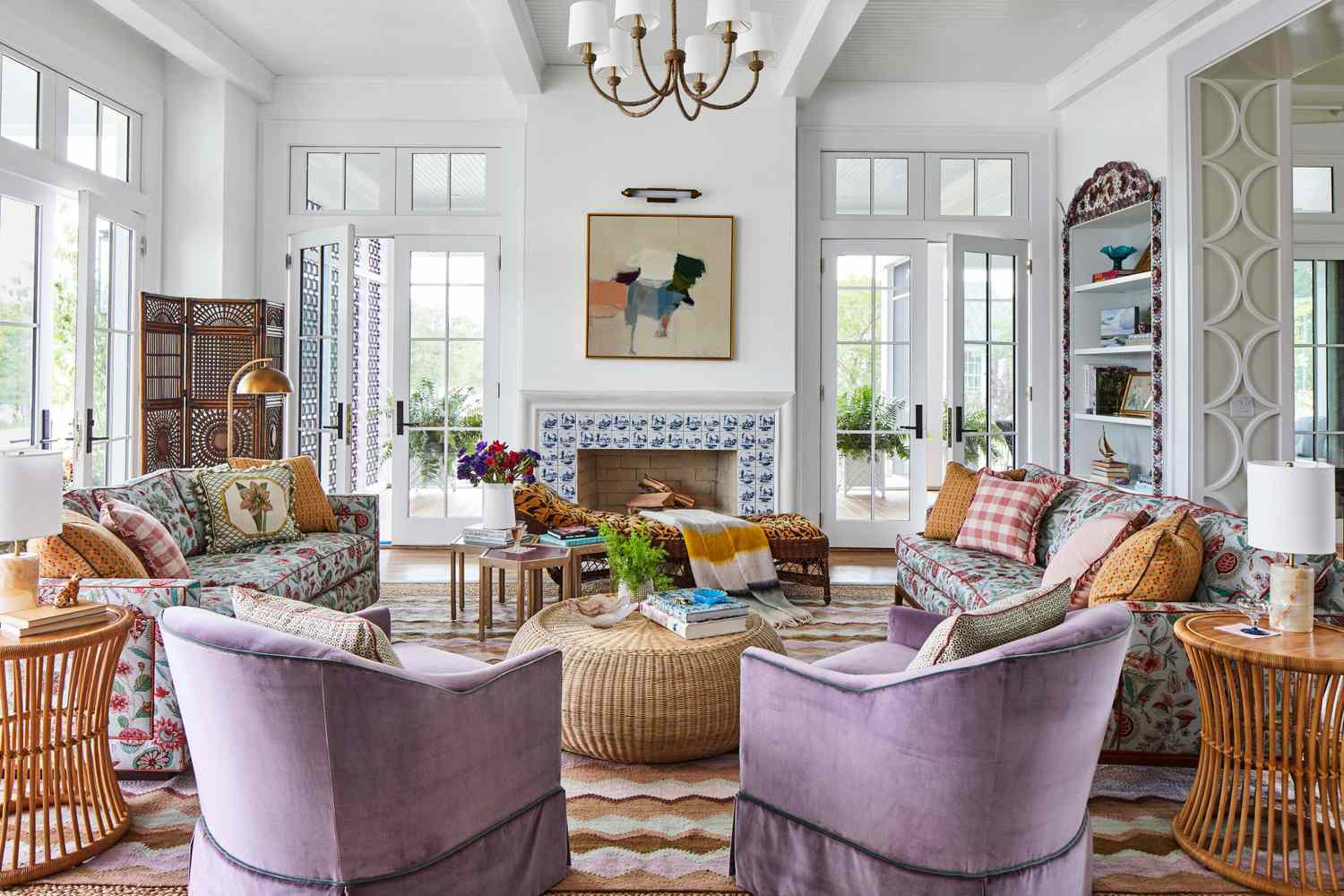
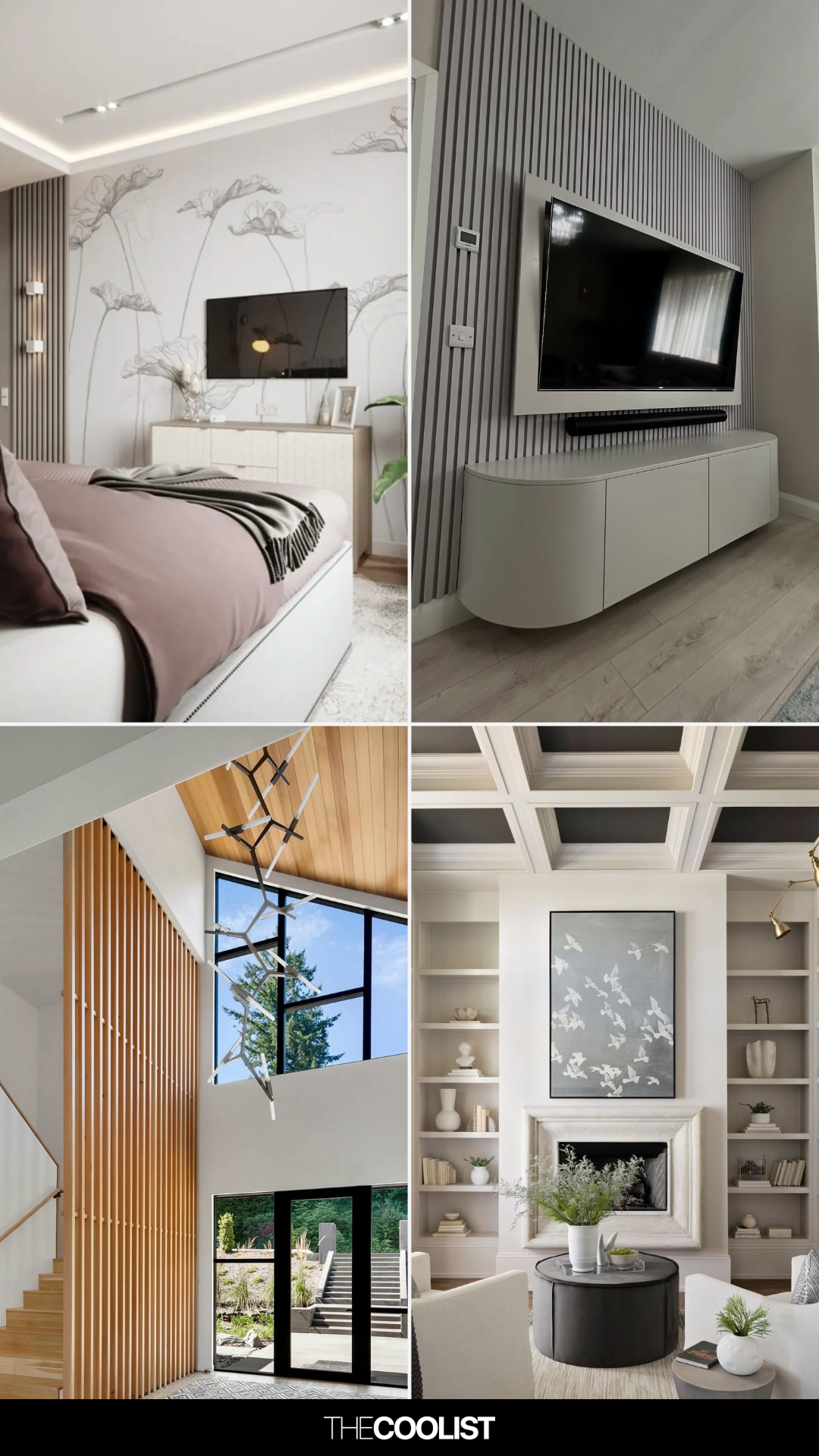
To effectively utilize verticality in design, several key strategies can be employed. In smaller or low-ceilinged rooms, vertical lines can be accentuated to create an illusion of greater height and space. This can be achieved by hanging curtains all the way to the ceiling rather than just to the top of the window frame, which visually lifts the space. Incorporating patterned wallpaper or painted vertical stripes can also contribute to this effect. For tiled areas like bathrooms and kitchen backsplashes, using rectangular subway-style tiles vertically instead of the traditional horizontal orientation can make them appear taller and thinner, further enhancing the perception of height.

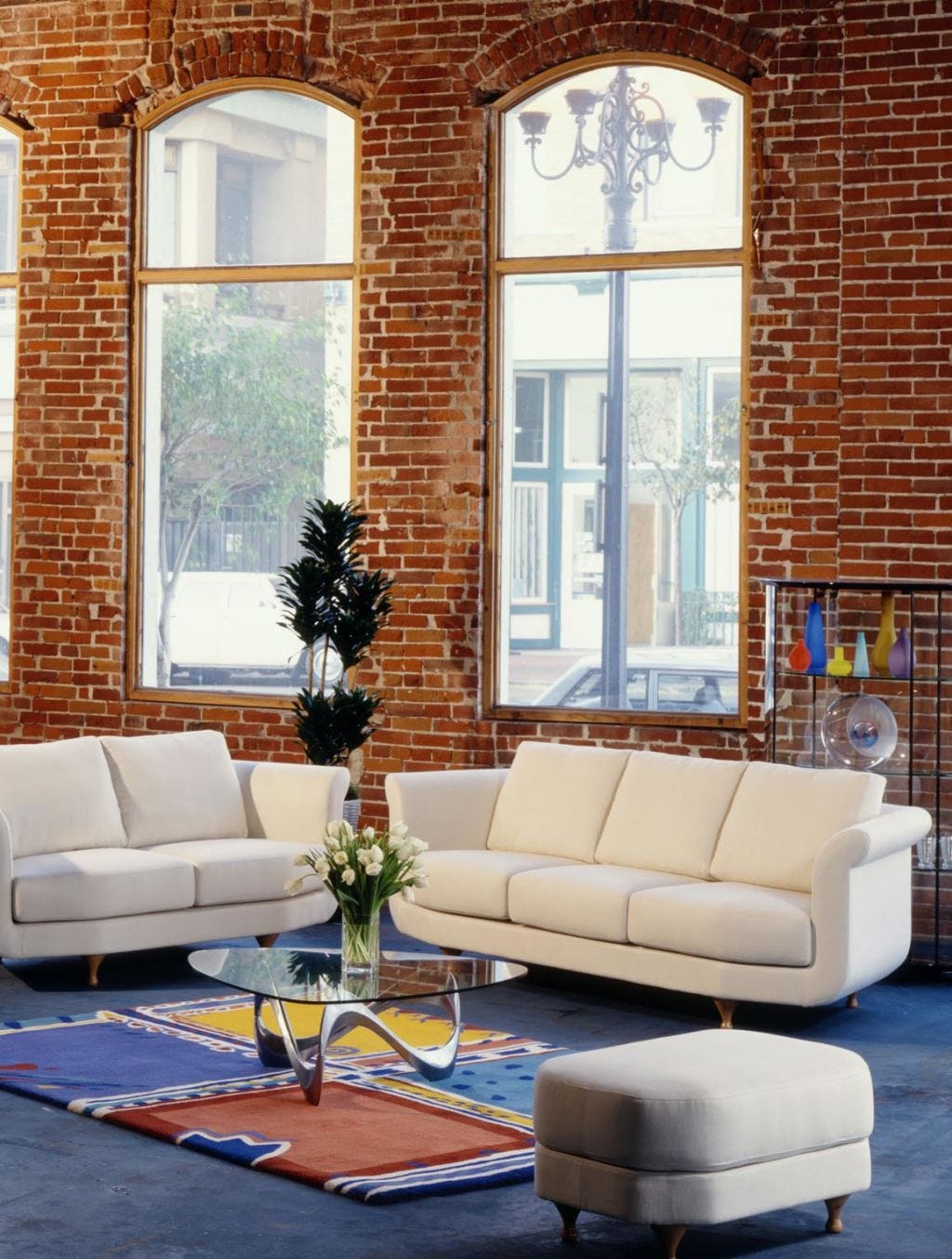
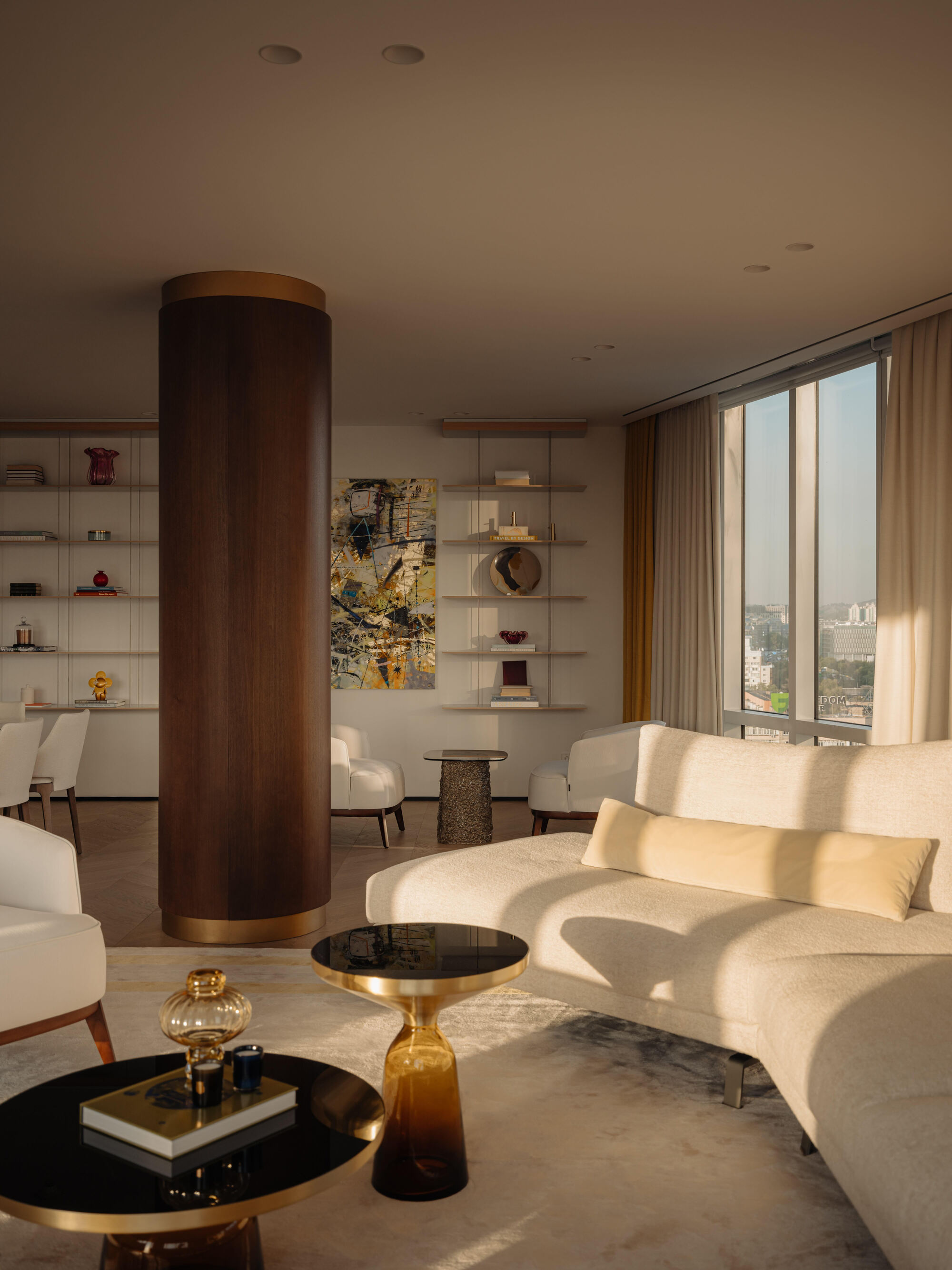
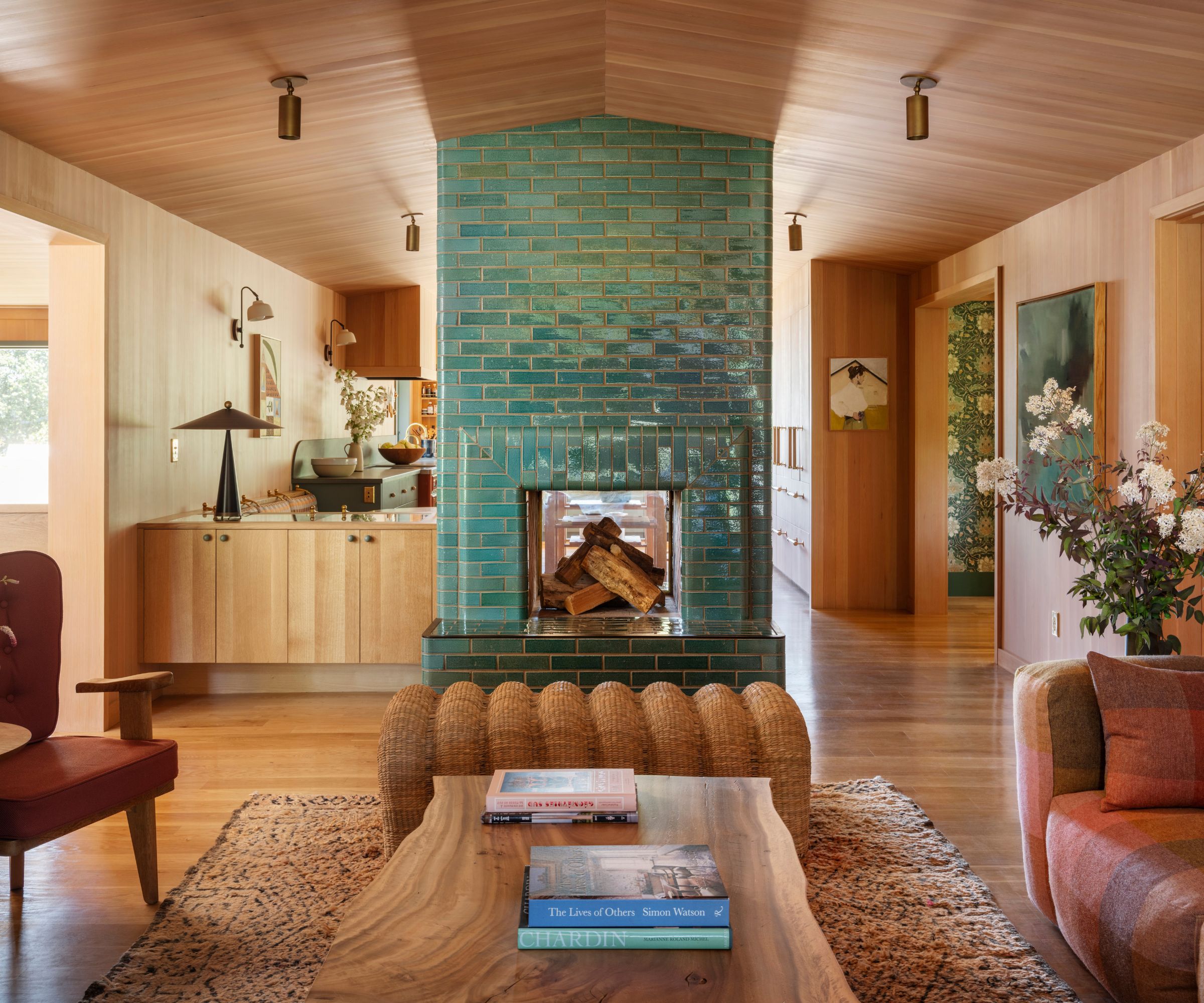
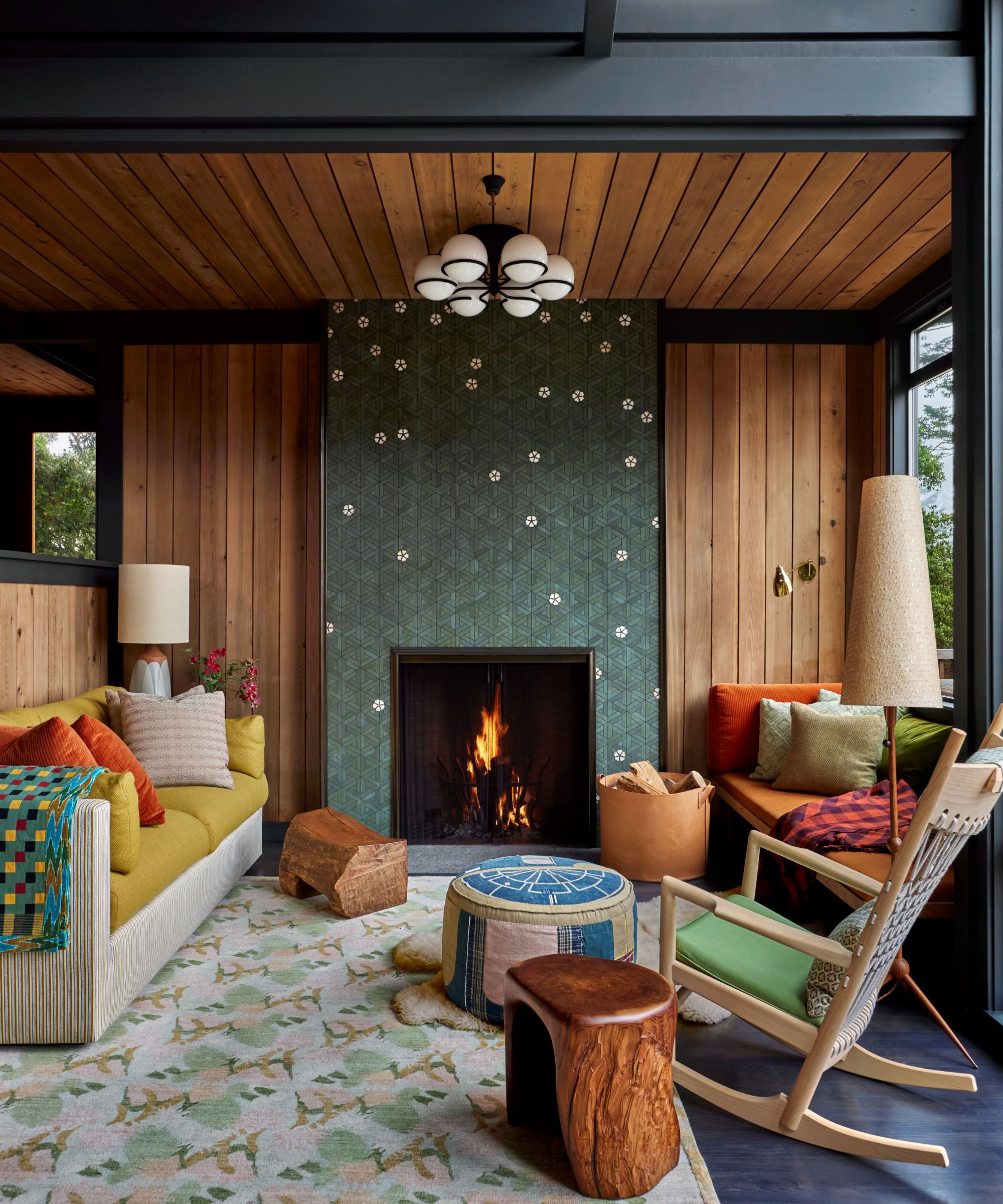
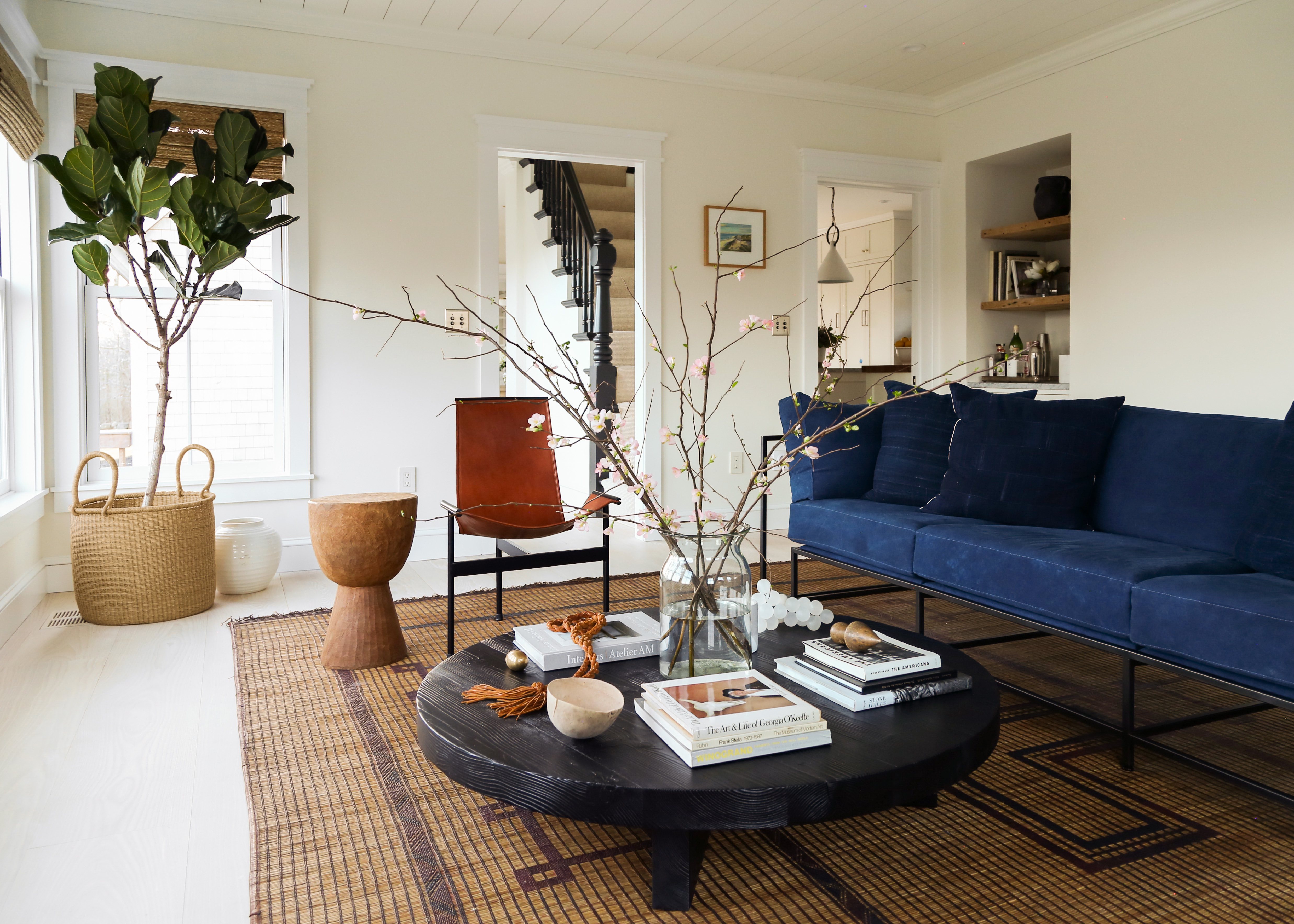
Conversely, in large rooms, horizontal lines can be introduced to make the space feel more intimate and comfortable. An example is using a kitchen island with multiple levels, which can make a high-ceilinged kitchen feel cozier. Similarly, in expansive loft spaces, selecting furniture with lower seating profiles for couches and side chairs can create defined "nooks" or "rooms within a room," fostering a sense of intimacy for conversation and relaxation.
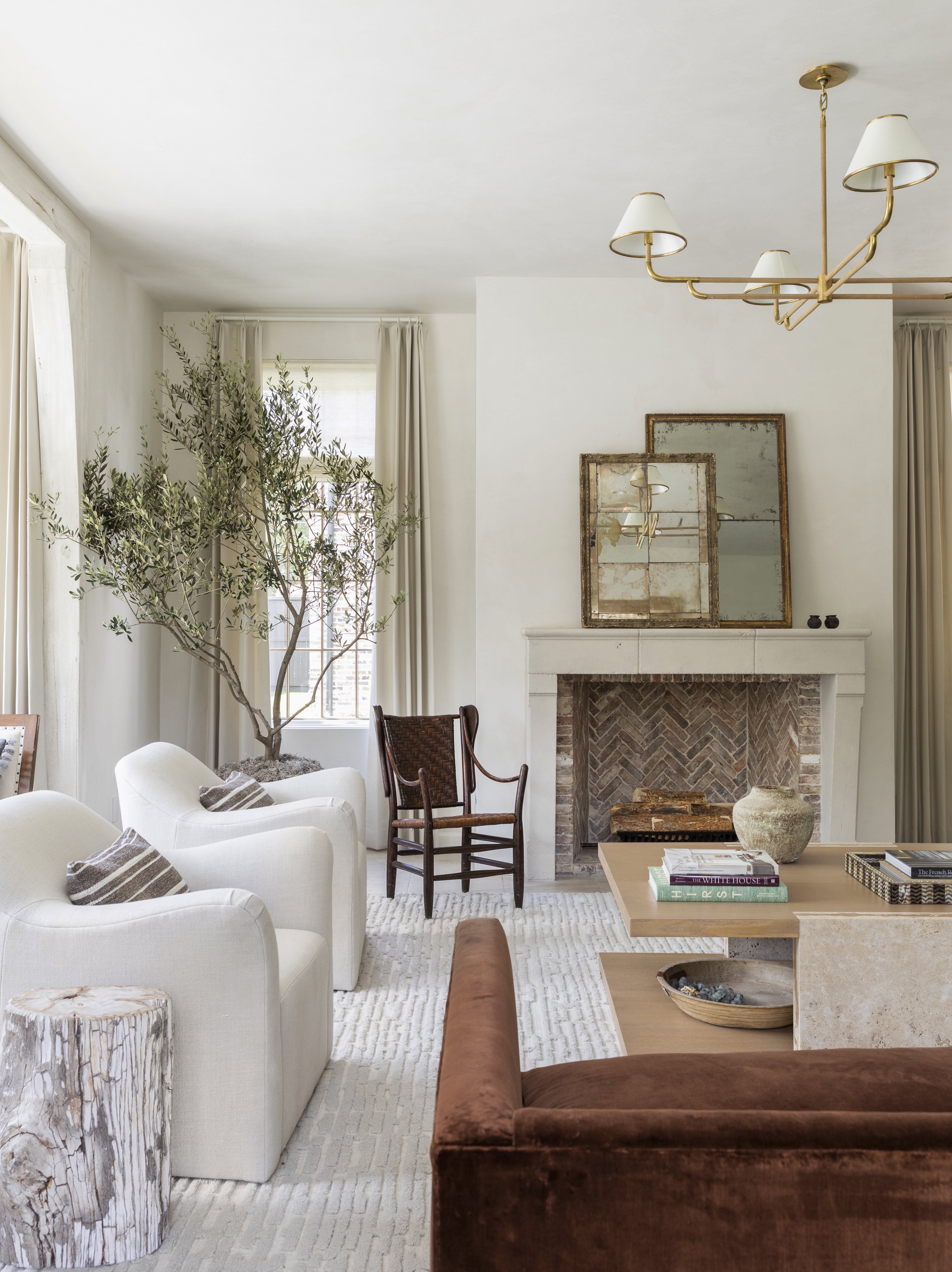
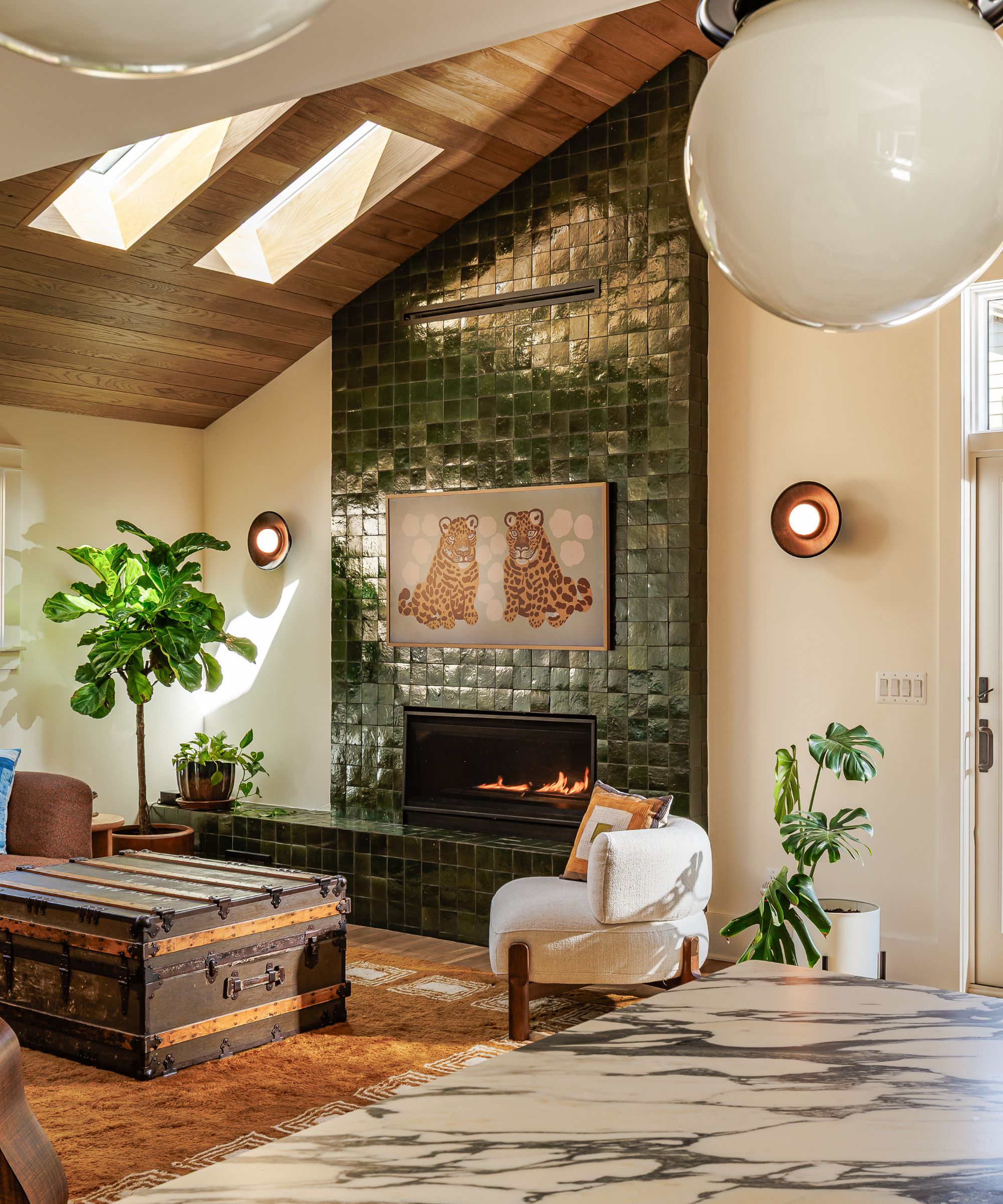
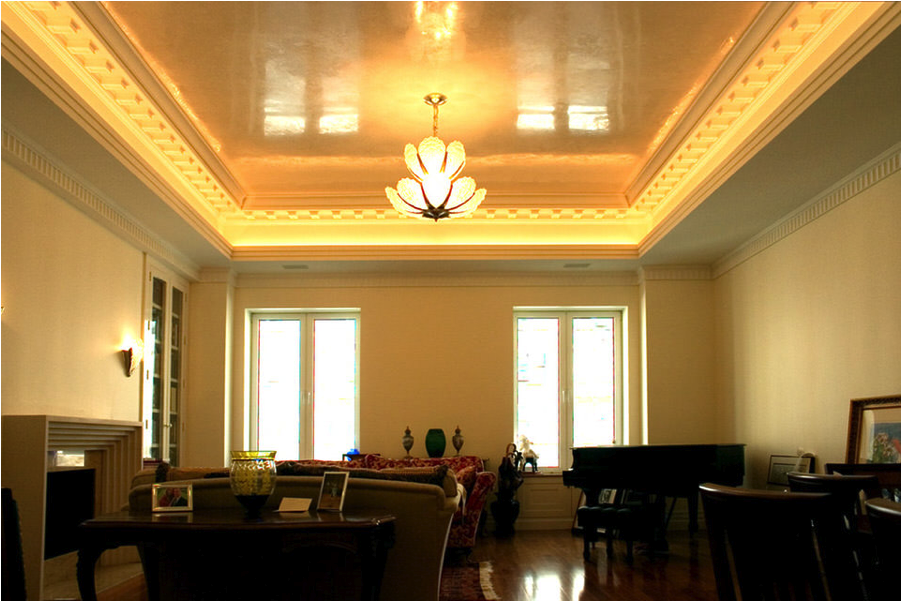
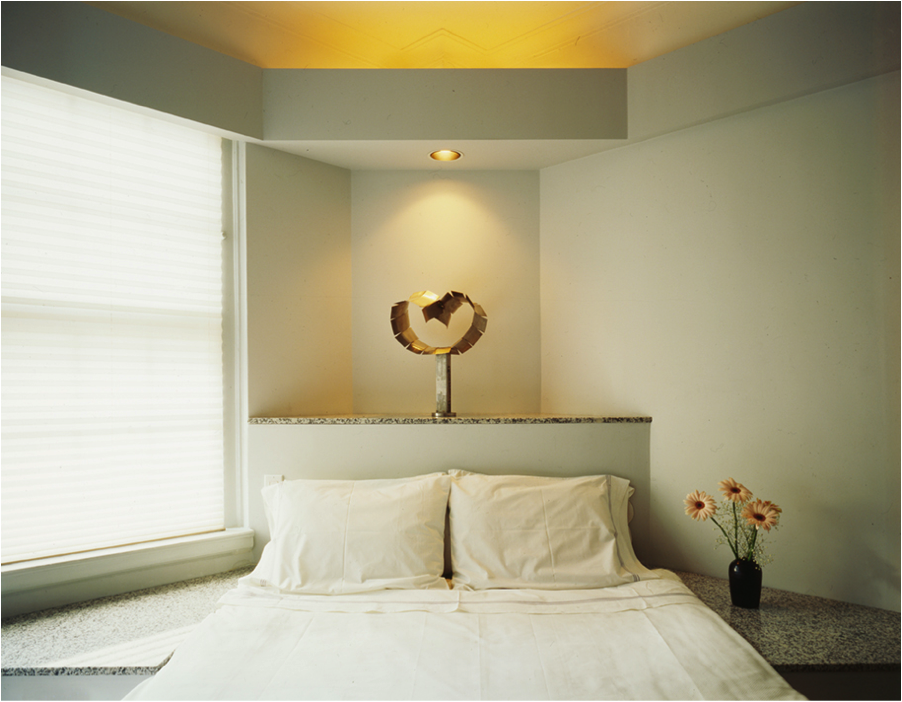
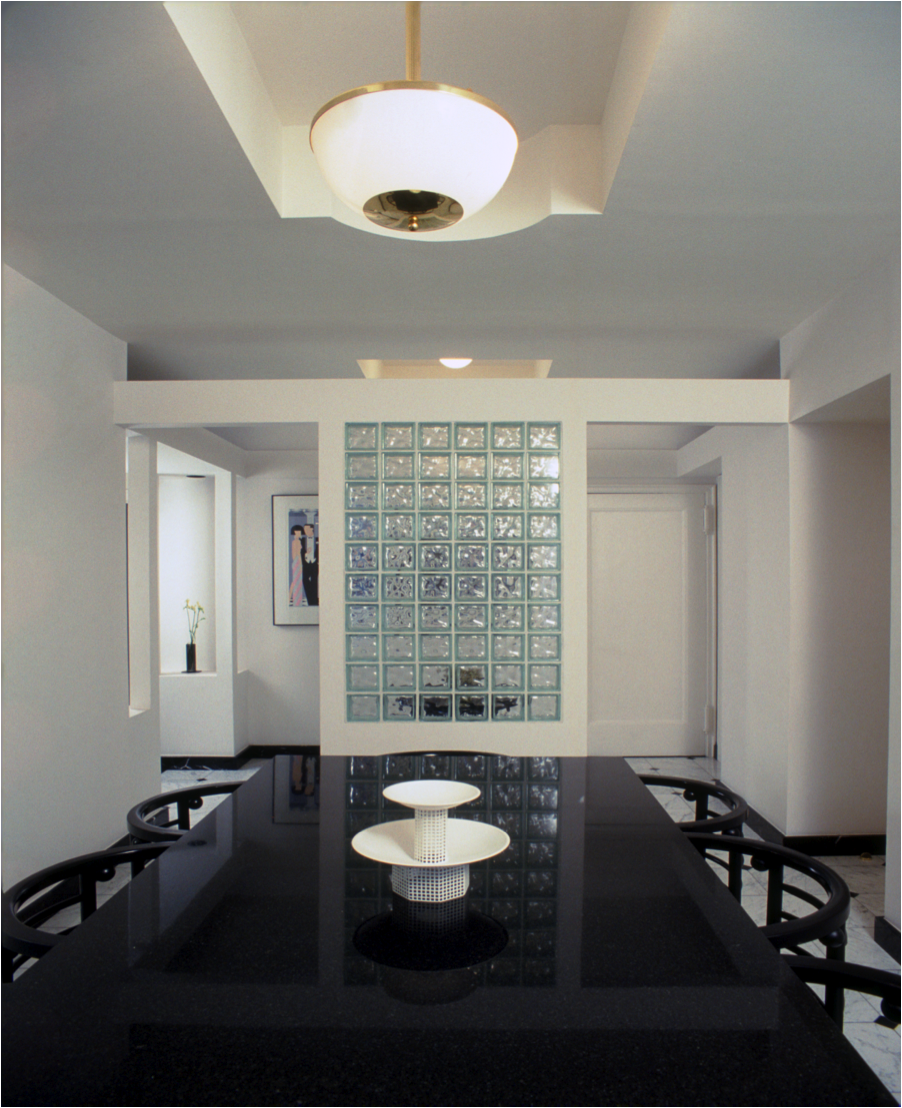
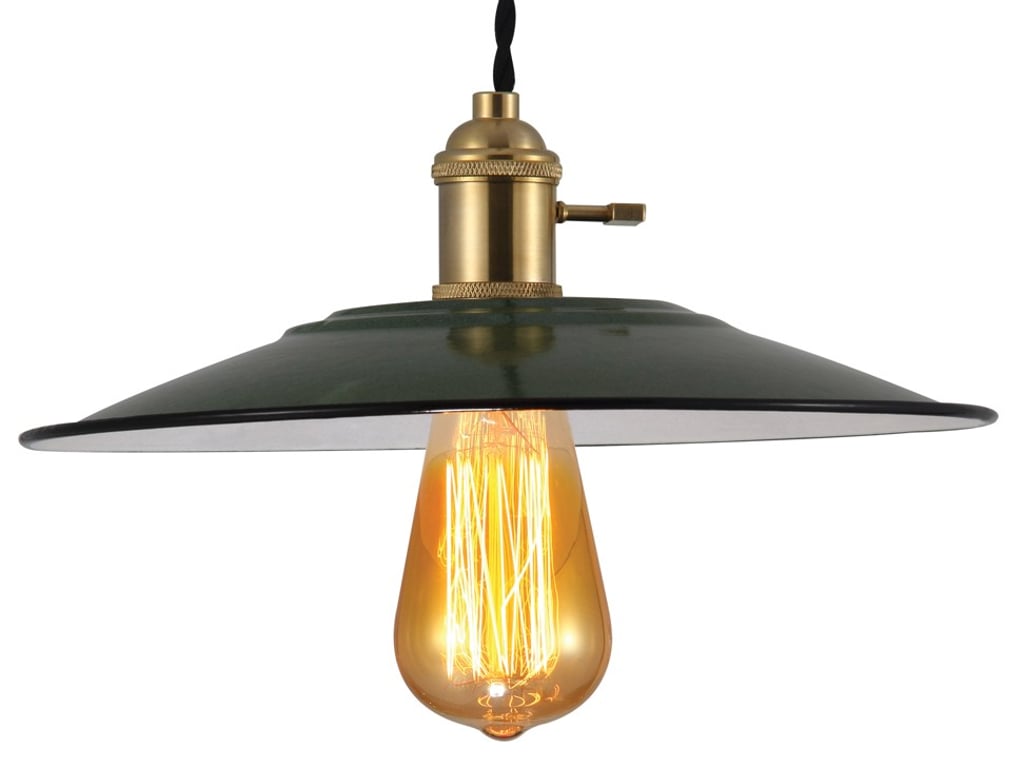
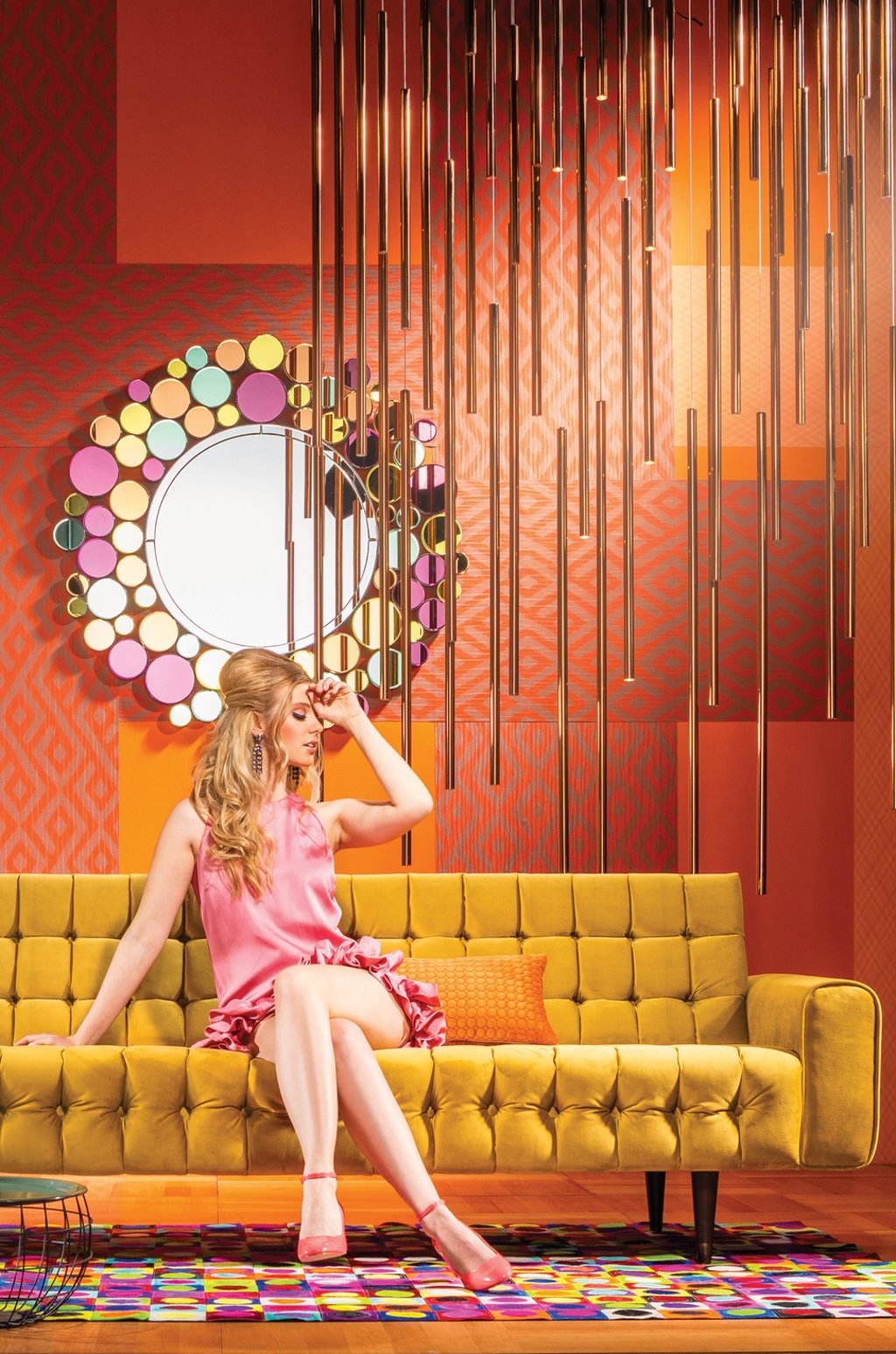
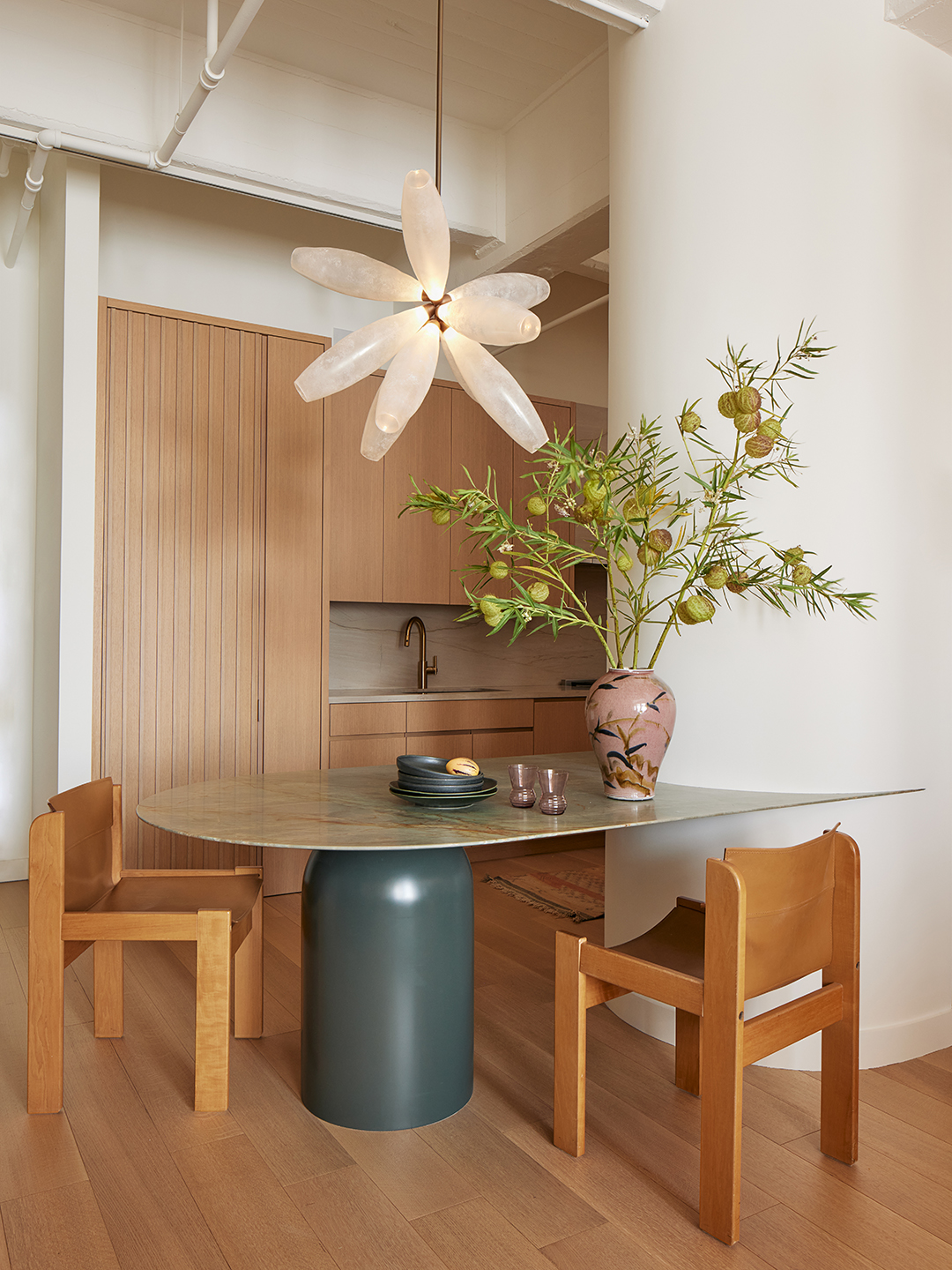
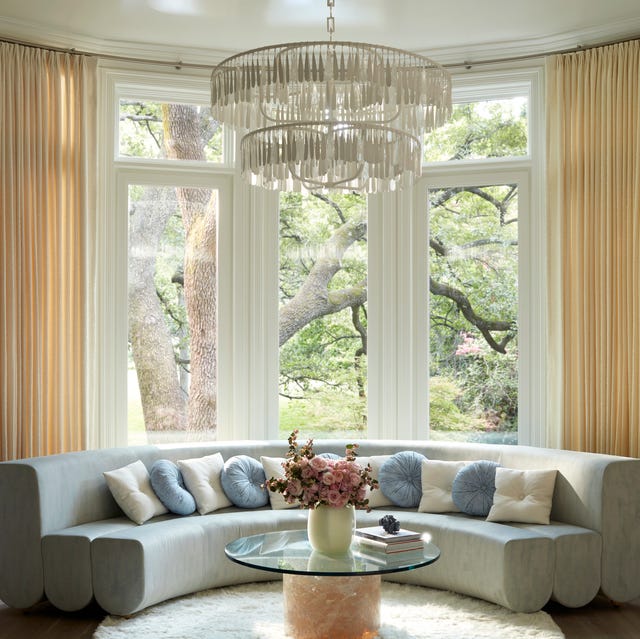
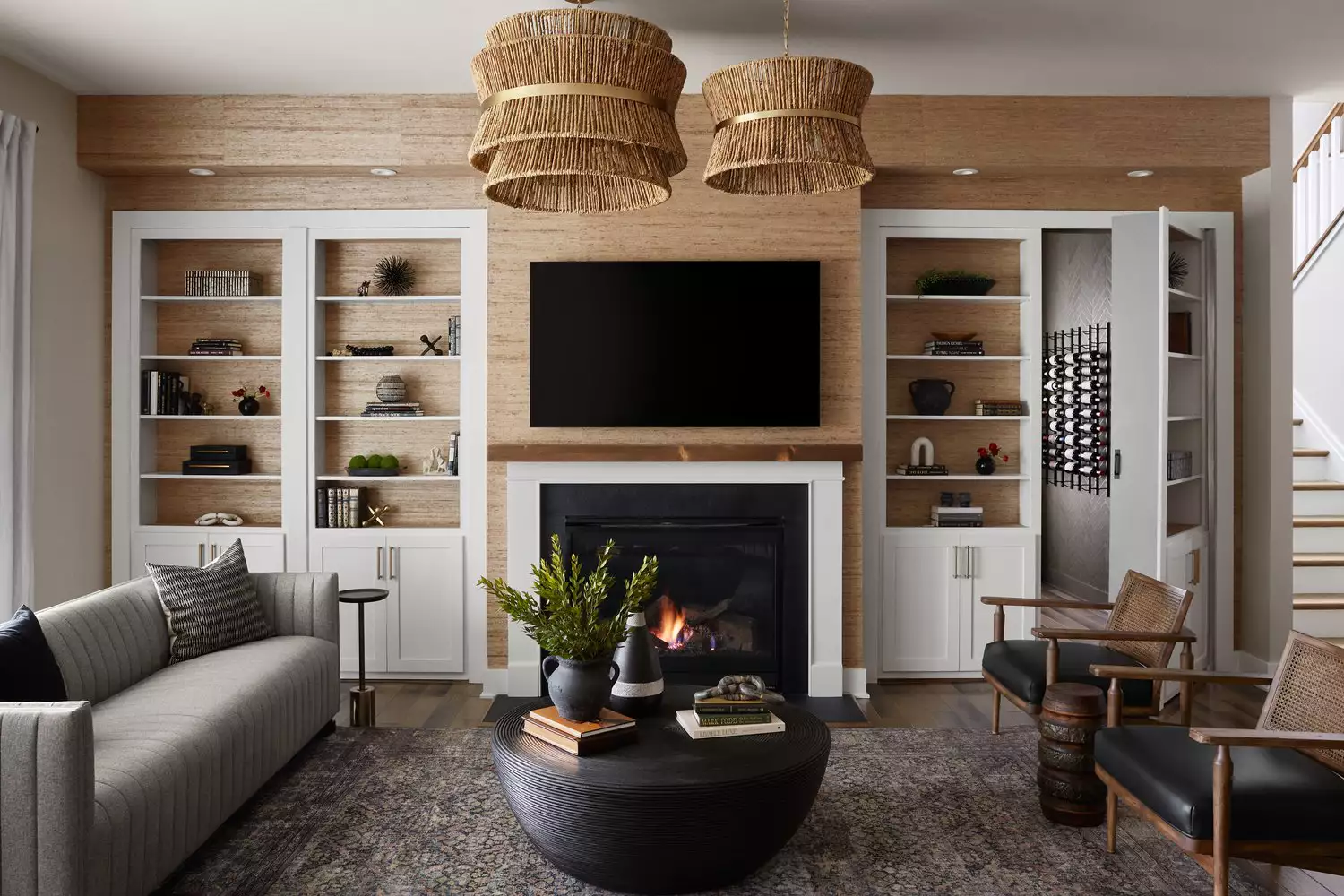
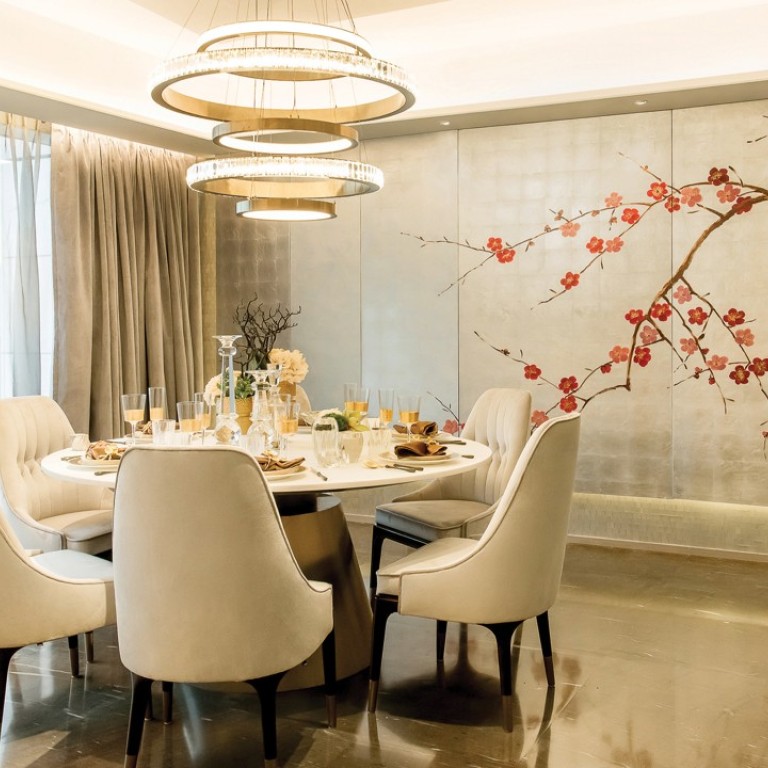
Lighting also plays a significant role in manipulating vertical perception. In tall spaces, pendant lights or chandeliers can be used to ground the room and make it feel more intimate. The height at which these fixtures hang, ideally a few inches above the heads of the tallest occupants, can transform a very tall room into a warm and welcoming environment. For rooms with low ceilings, recessed ceiling lighting is preferable over hanging fixtures. Smaller, pinpoint recessed lights are recommended over larger can lights, which can create an oppressive spotlight effect. Directing these lights towards the sides of the room rather than straight down can also help to widen and open up the space.
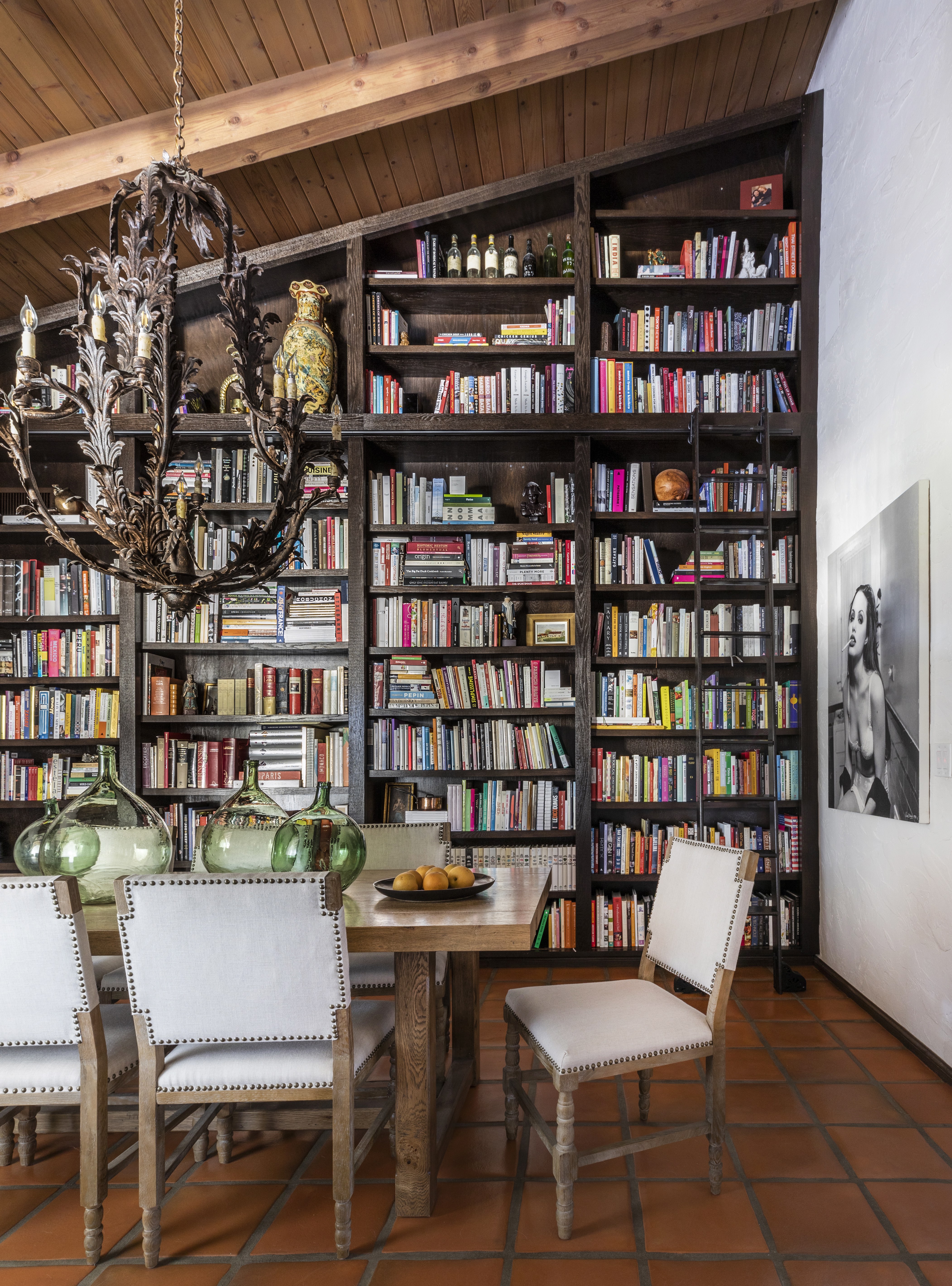
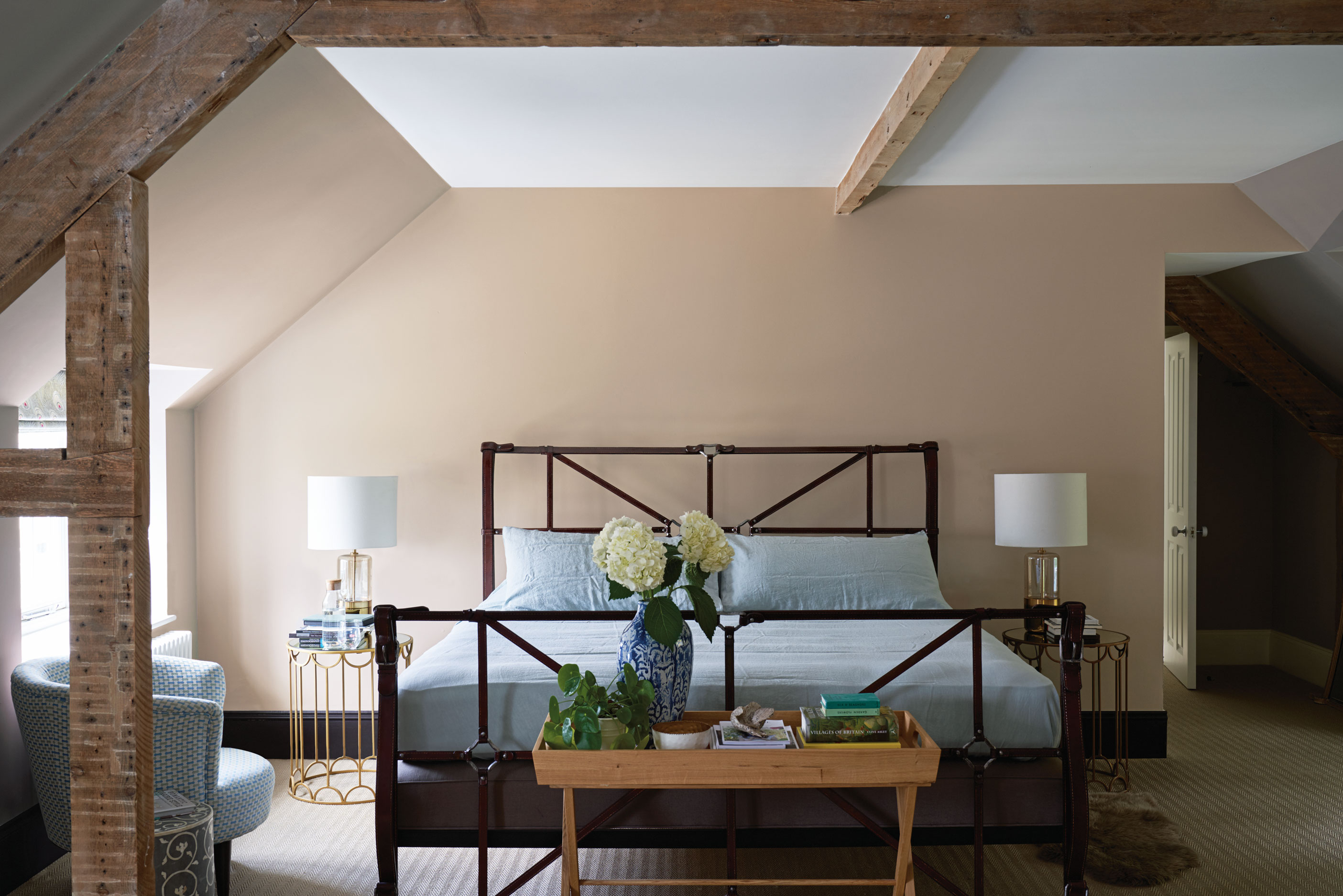
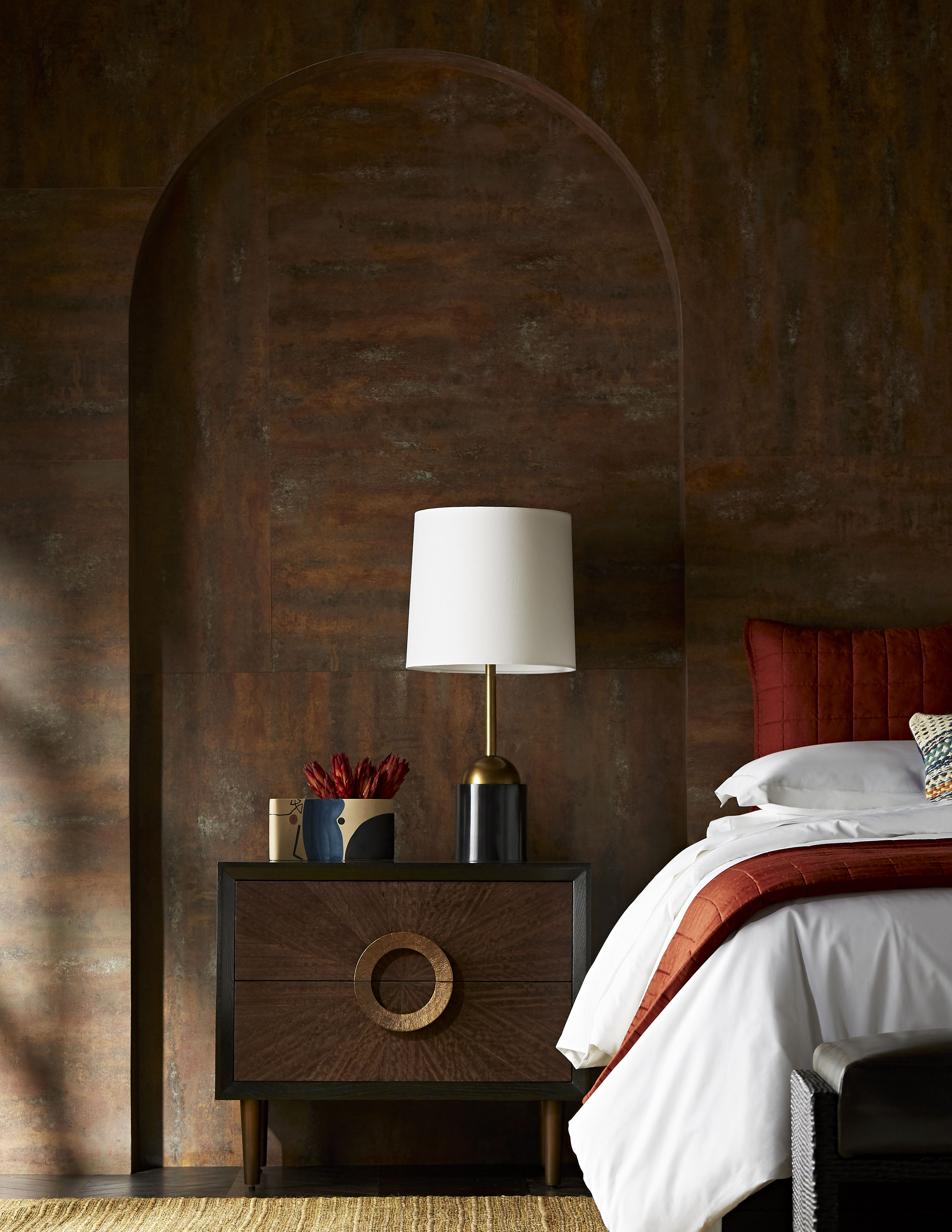
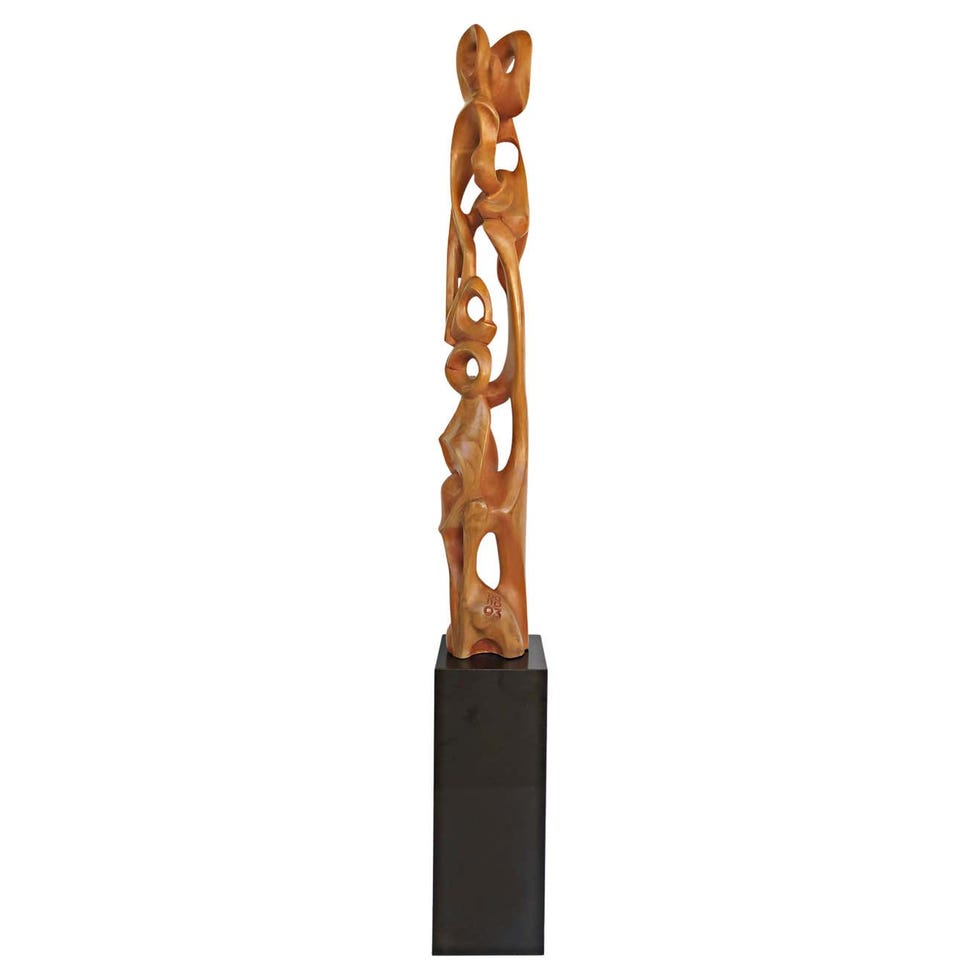
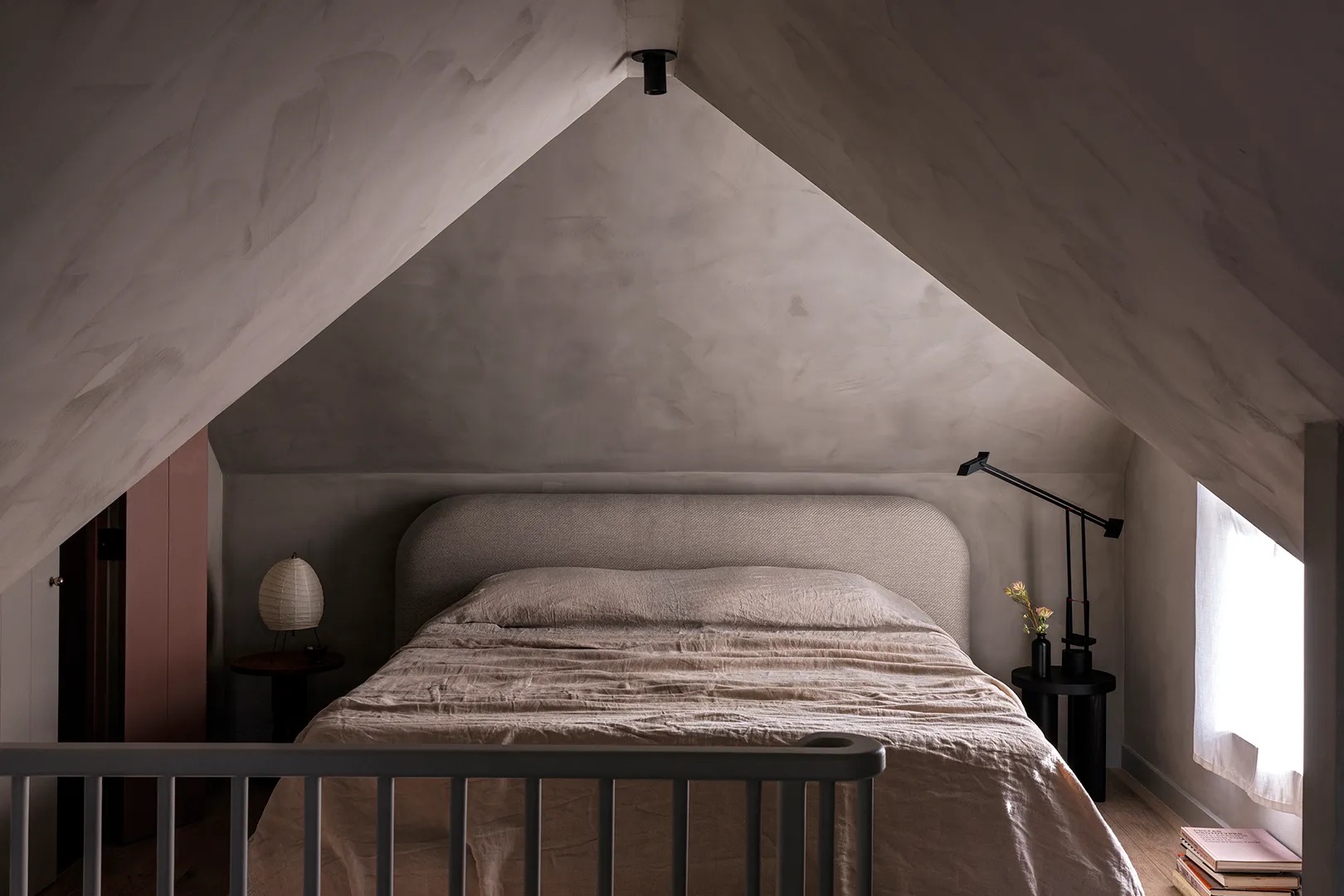
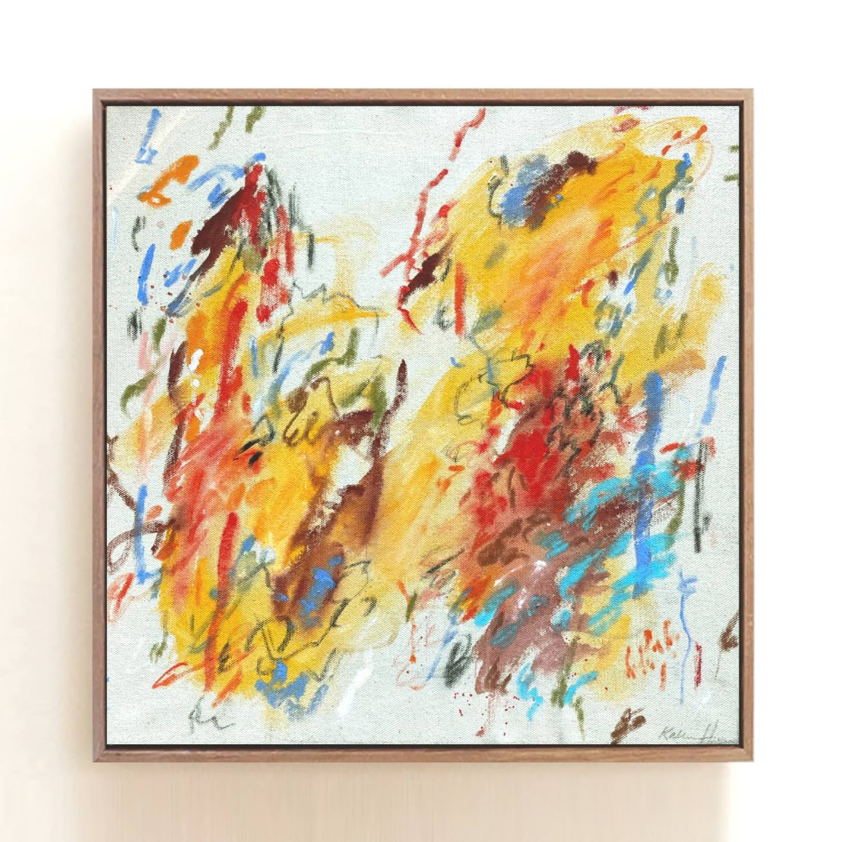
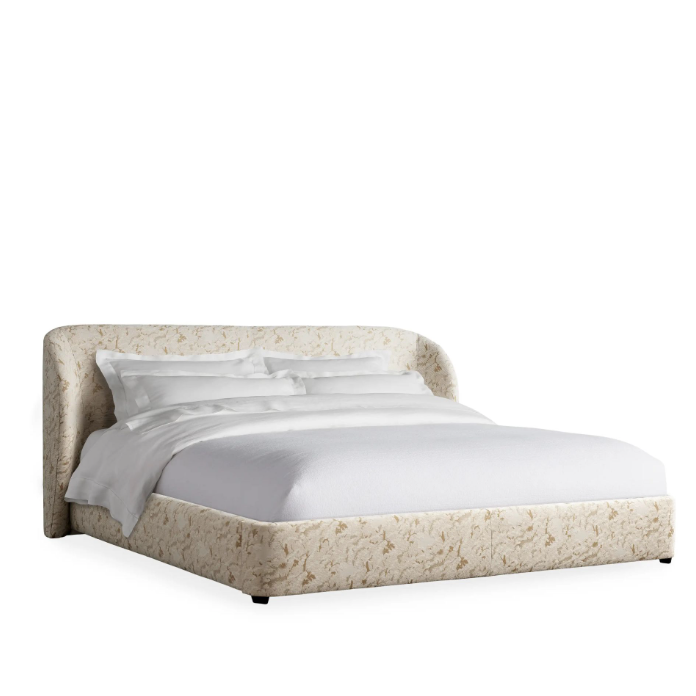
Furthermore, vertical elements can be leveraged to add drama and functional storage. In bedrooms, even those with low ceilings, dramatic effects can be achieved by playing with scale and proportion, such as incorporating tall, architectural headboards or platform beds. These statement pieces can be balanced with substantial bedside chests and either hanging pendant lamps or very tall table lamps. Art can also be used creatively; a super wide, extra-tall piece positioned over a simple sofa can establish a perfect balance between the furniture and the room's architecture. For storage, custom cabinets built all the way to the ceiling, or tall furniture pieces that reach close to the ceiling, can visually open up a space while maximizing storage capacity. This approach is more effective than using shorter cabinets and attempting to add storage baskets on top. Finally, vertical furnishings can be particularly useful in rooms without spectacular views, as they draw attention upwards and inward, rather than outwards. Strategic use of height in furnishings allows a space to be filled without feeling overcrowded, demonstrating how thoughtful design can make a room both functional and aesthetically pleasing.
#InteriorDesign #HomeDecor #VerticalLines #SpaceMaximization #LightingDesign #FurnitureArrangement #DesignTips #ArchitecturalElements #RoomScale #InteriorDesign #HomeDecor #VerticalLines #SpaceMaximization #LightingDesign #FurnitureArrangement #DesignTips #ArchitecturalElements #RoomScale
0 комментариев всего
 Комментариев пока нет
Вам также может понравиться
The subtle 'vertical decorating' technique designers use to make small rooms look bigger and brighter

Looks Like Bold Stripes Will Have Their Moment in 2026

How to Decorate a Room with a High Ceiling, According to Designers
The One Design Feature You're Overlooking That Will Instantly Elevate Any Room
Designer-Approved Tips to Make the Most of High Ceilings

7 tricks design experts use to make a bedroom ceiling seem higher
The One Design Feature You're Overlooking That Can Instantly Elevate Any Room

How to make your ceiling light up the room

12 easy changes you can make to your living room to instantly elevate how it looks and feels

7 Things Designers Immediately Notice When They Enter A Room
The Ceiling: The Forgotten Plane
Structural Columns Don’t Have To Get In The Way: These 7 Designs Prove It

How to Fake Taller Ceilings in Your Home (Even If They're Low), According to Designers

How to See a Structural Column as an 'Oh-Wow' Moment, Rather Than an Obstacle
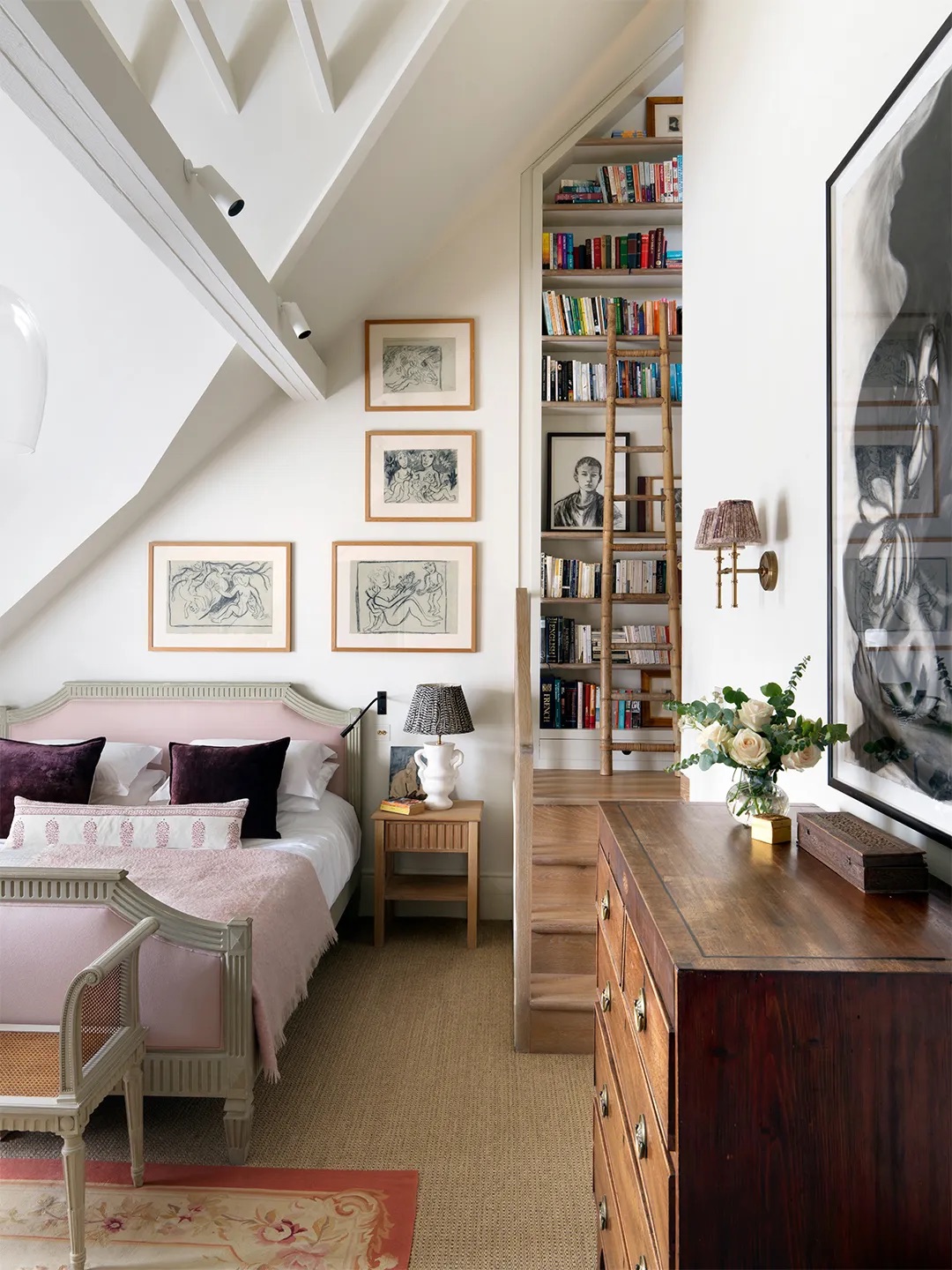
Awkward Rooflines Are No Match for These Clever Solutions

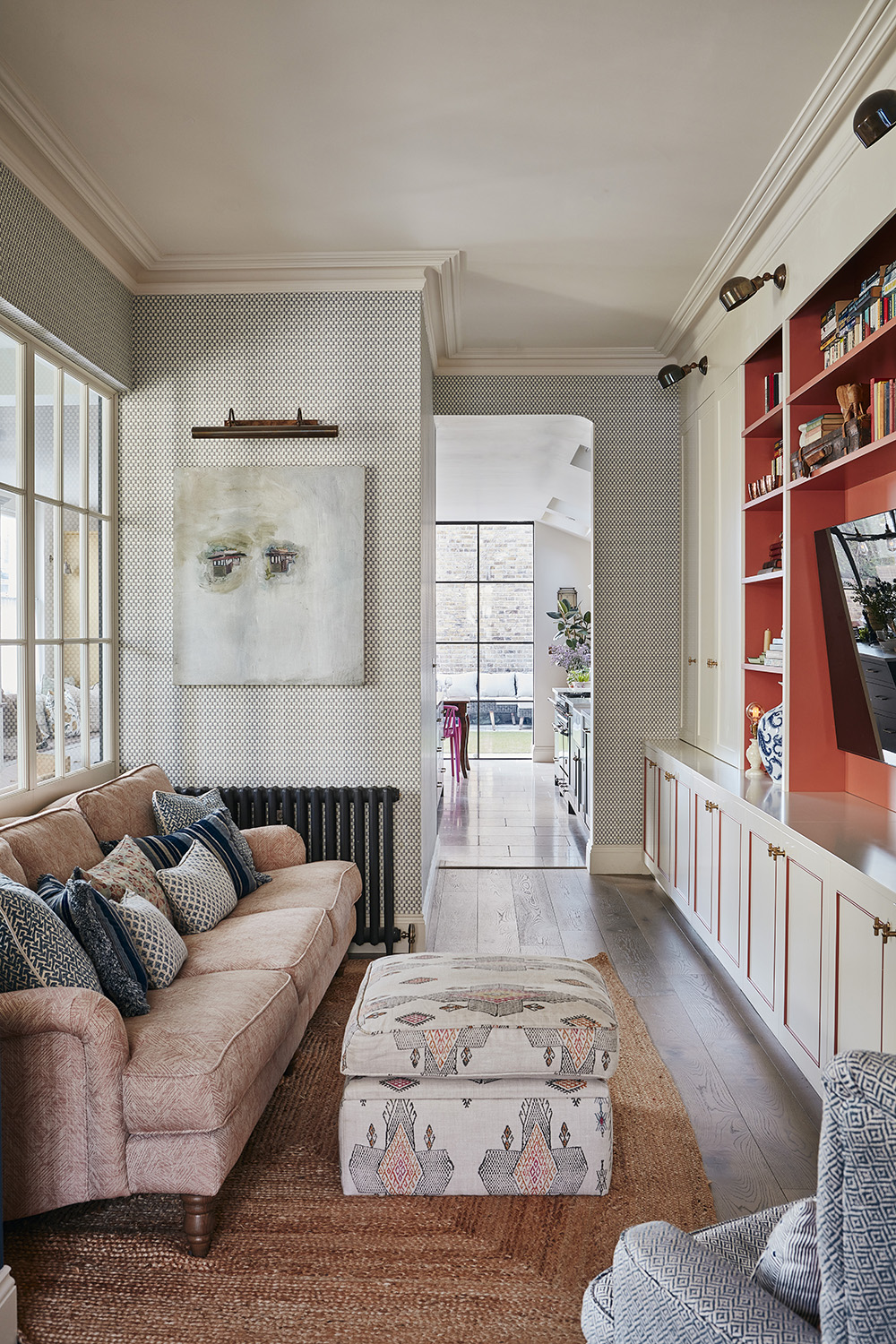
How to make small spaces look bigger
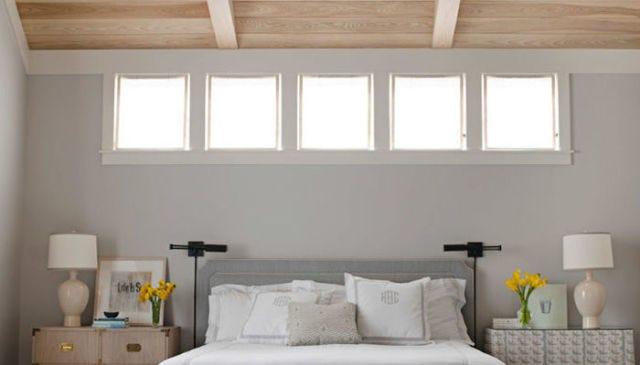
11 Pro Tricks to Make It Look Like You Have High Ceilings
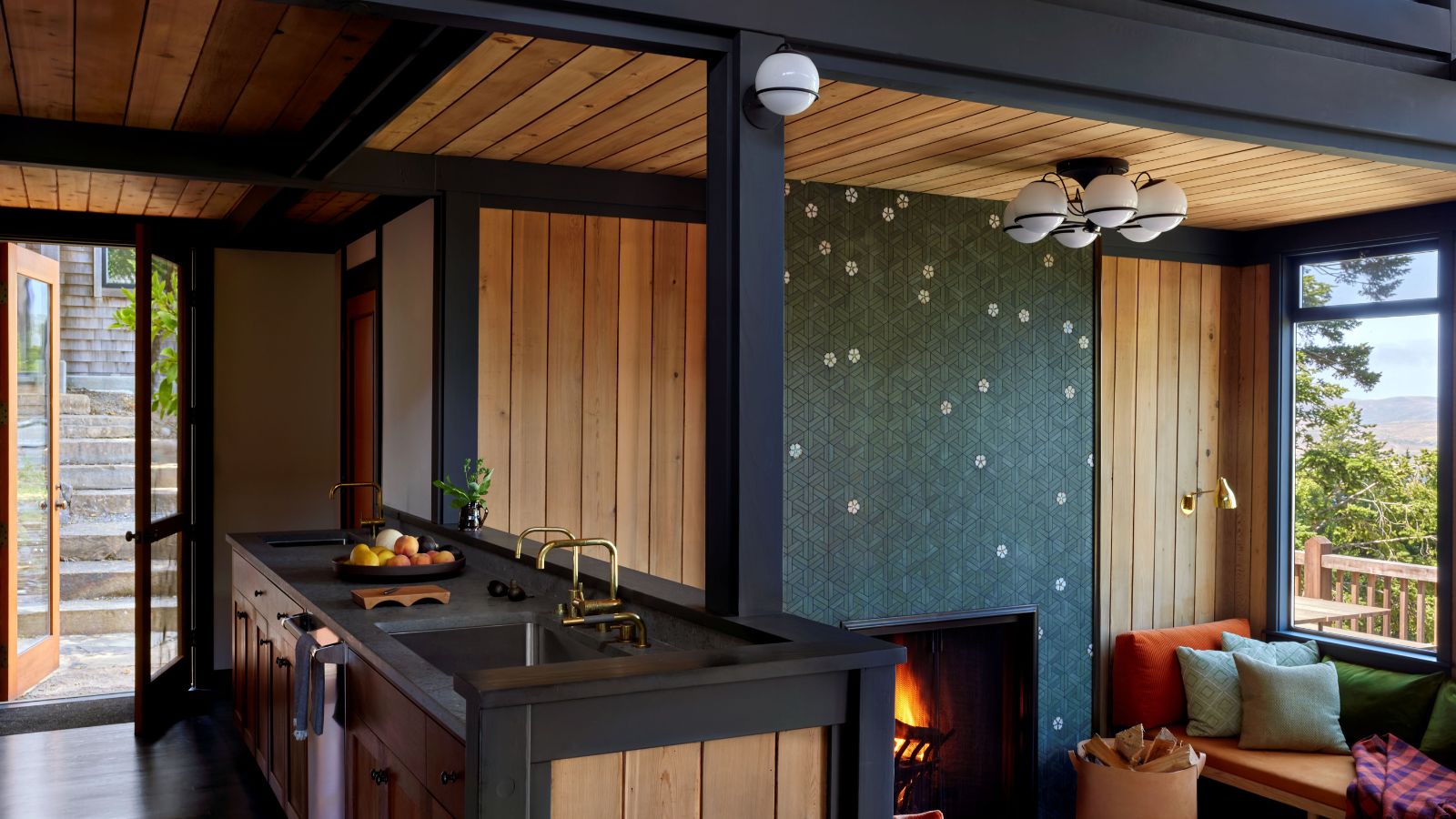
Designers definitely approve of this statement trend that elevates a cozy room

10 Items That Make Your Home Look WAY More Expensive
27 Tall Wall Decor Ideas to Make a Massive Blank Wall Look Intentional Instead of Awkward