1/7
7 tricks design experts use to make a bedroom ceiling seem higher
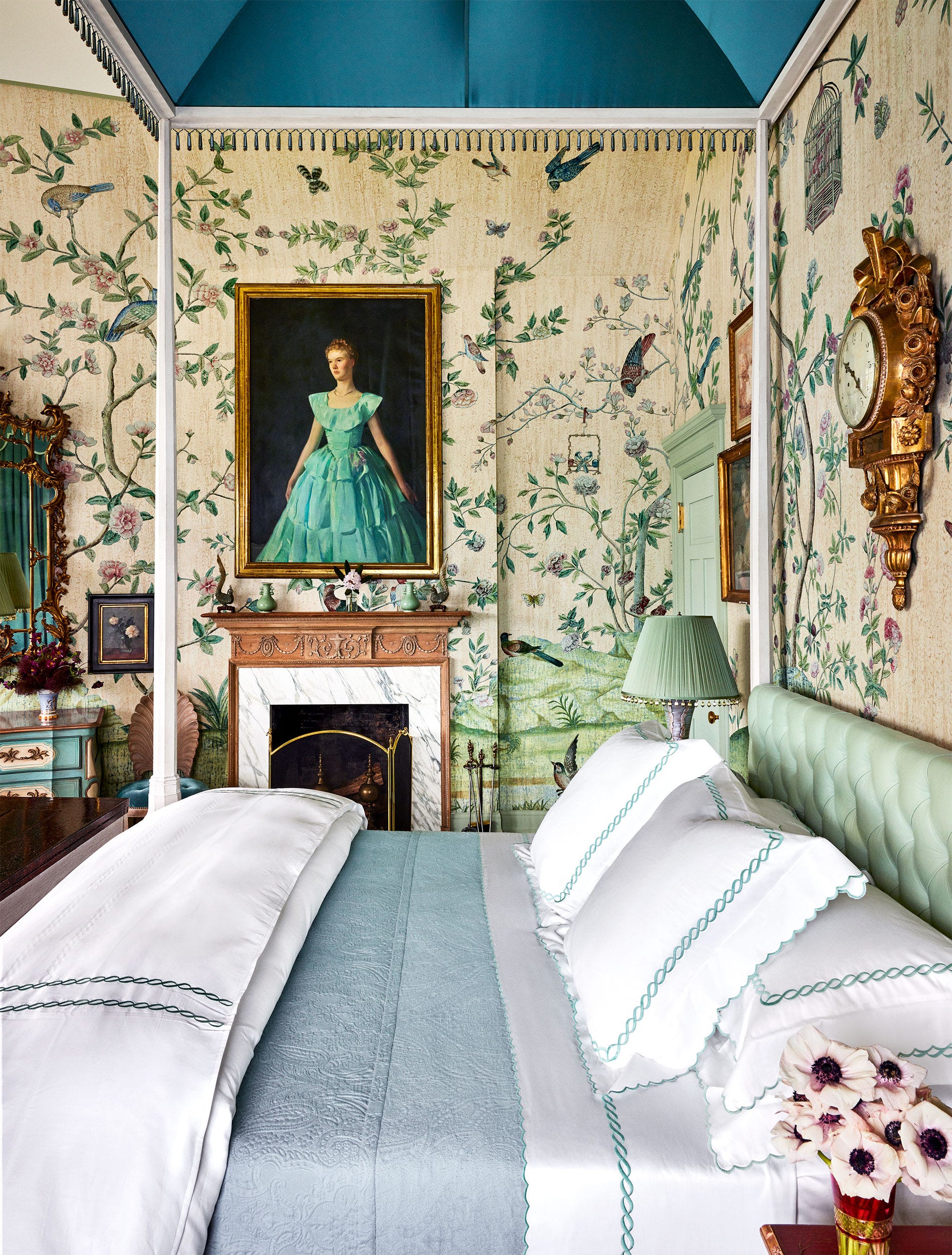
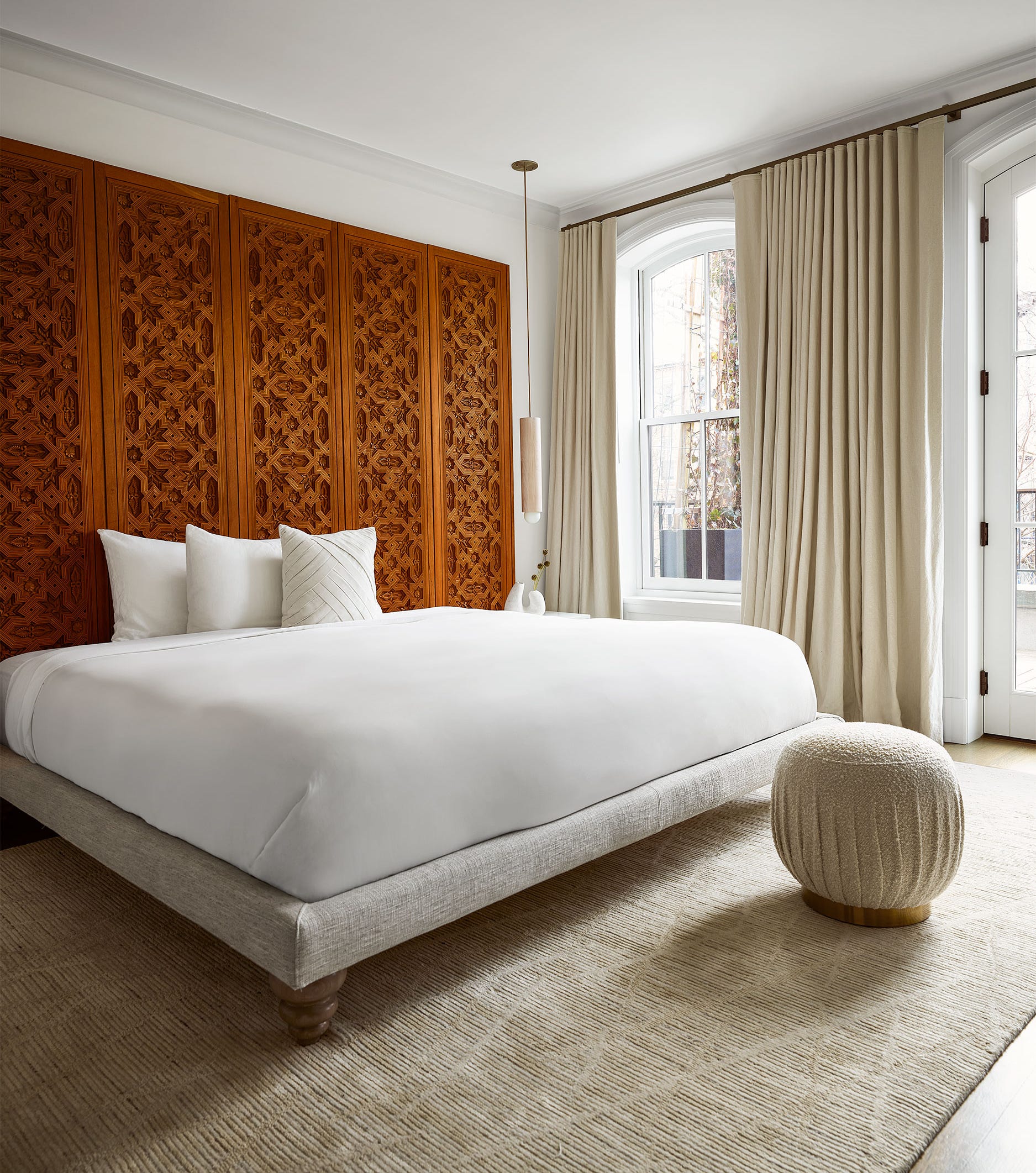
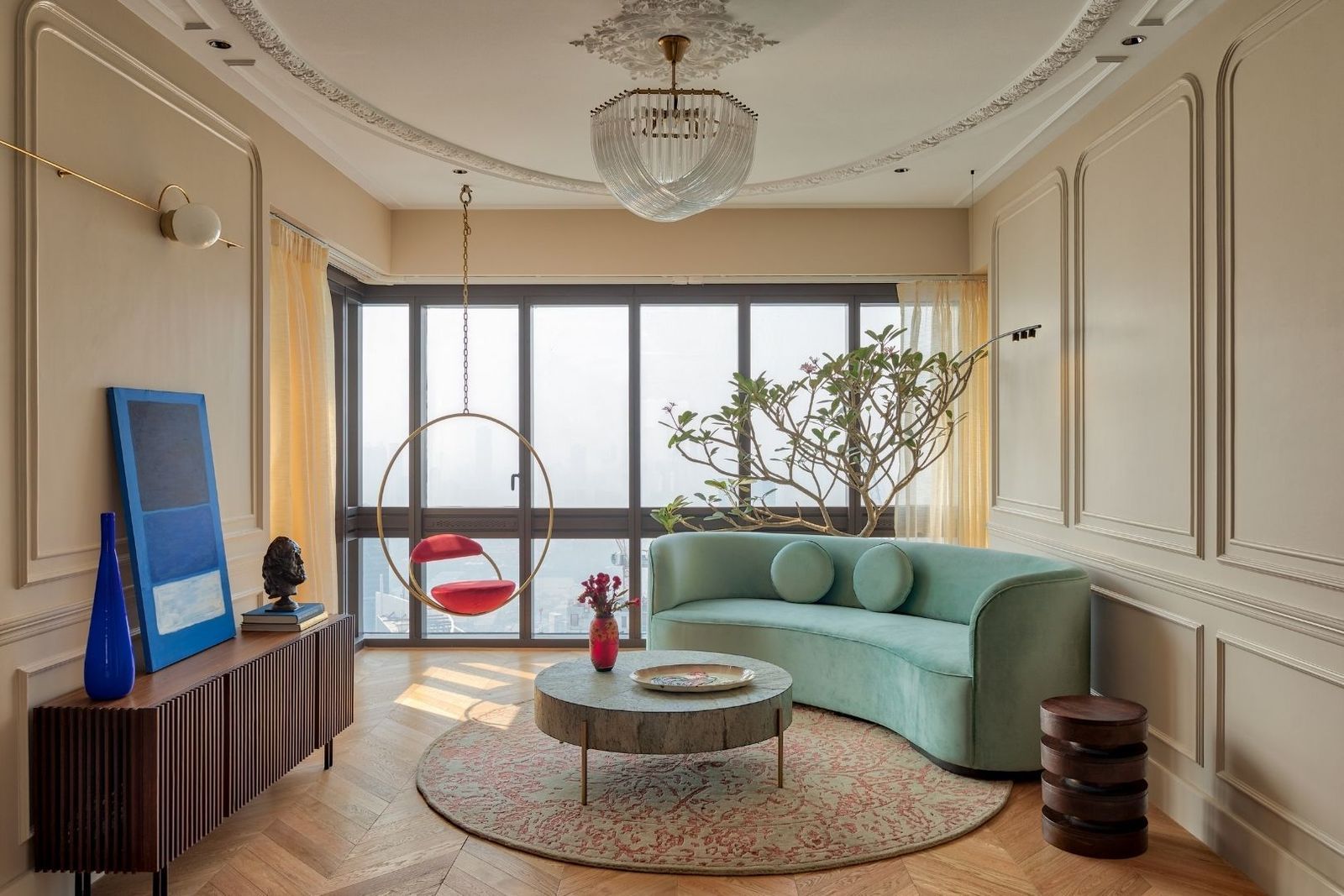
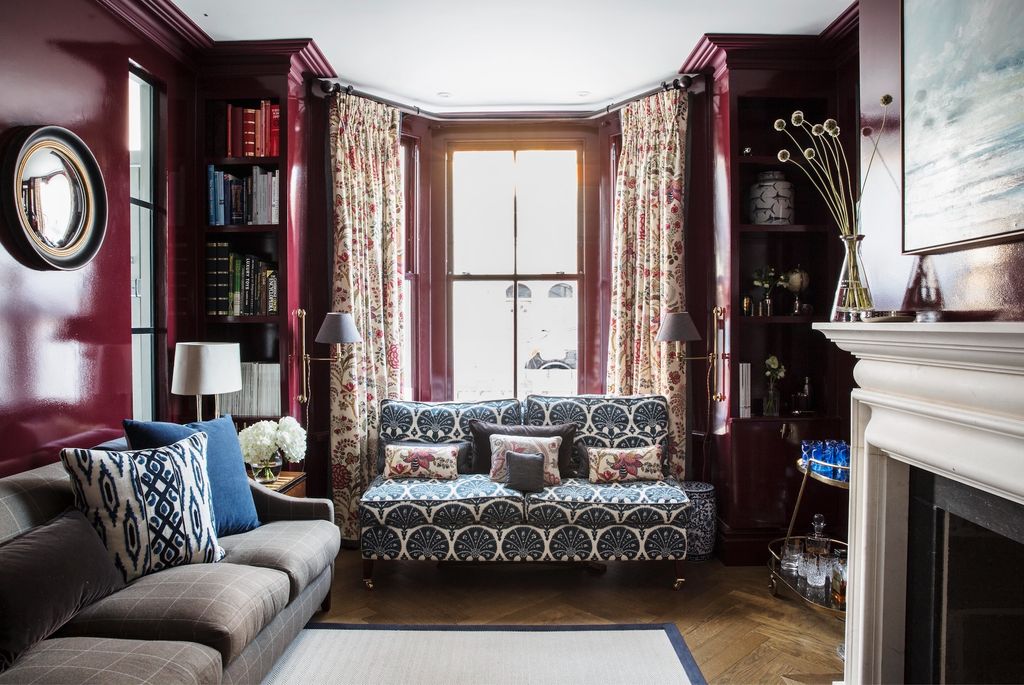
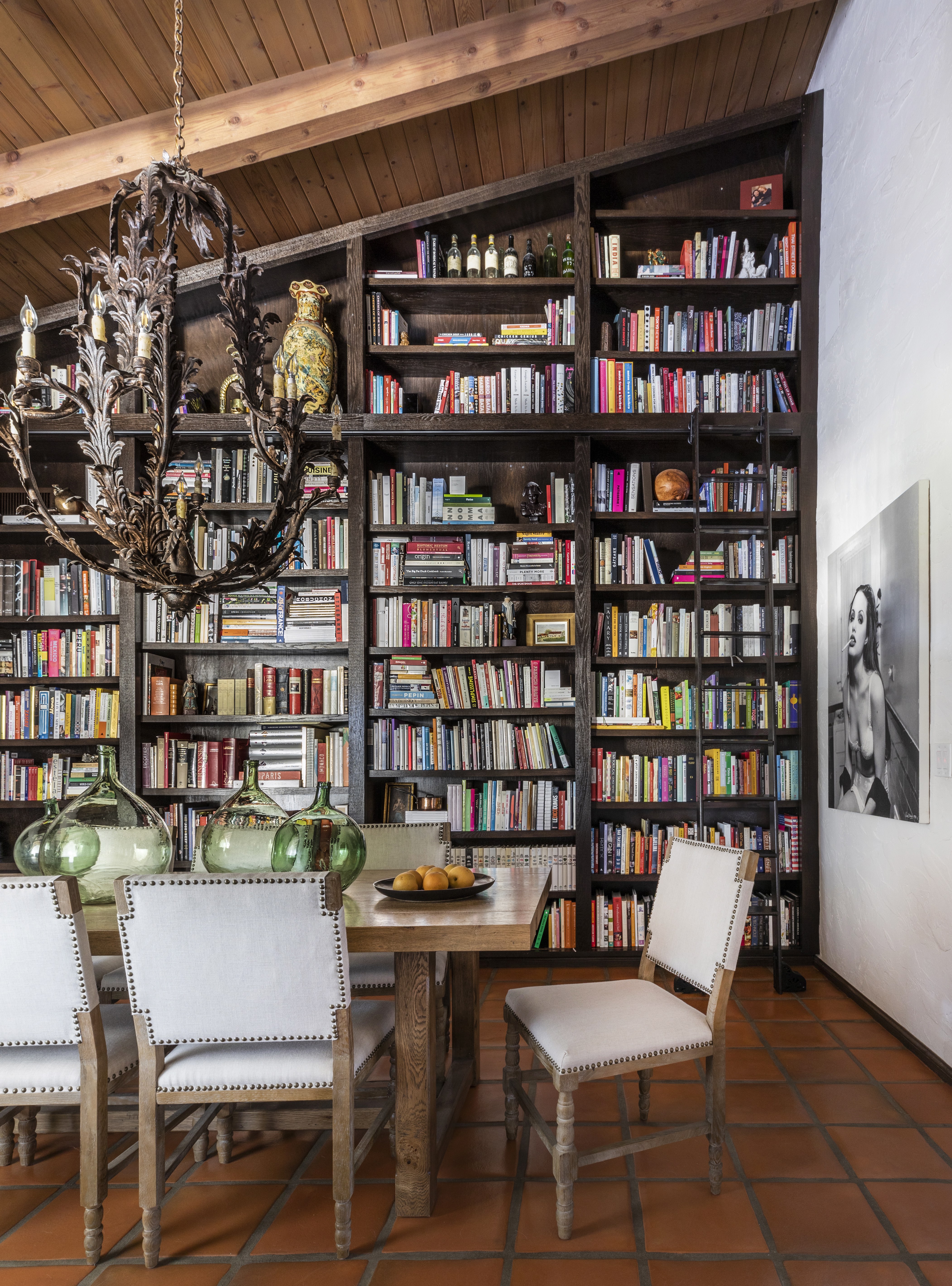
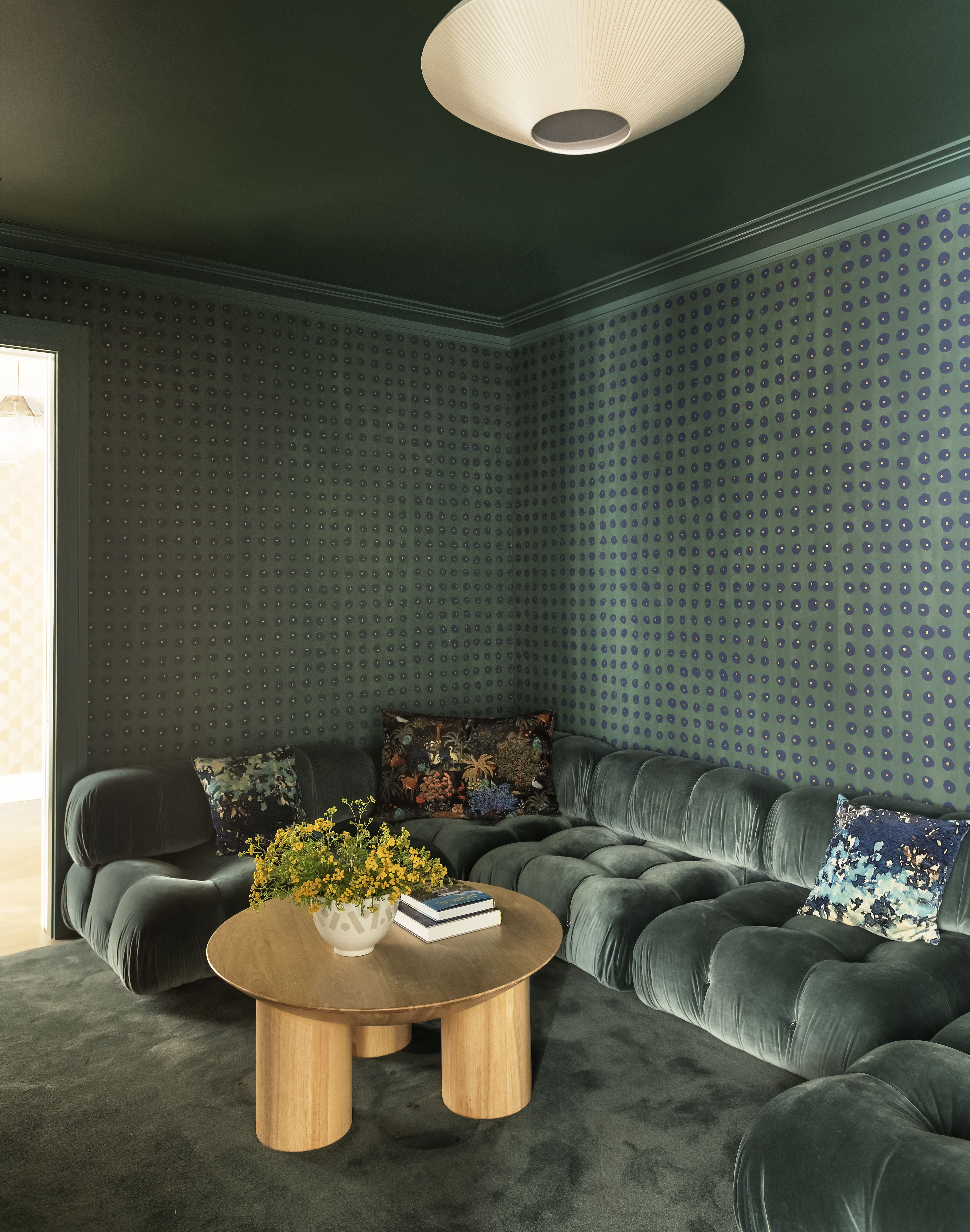
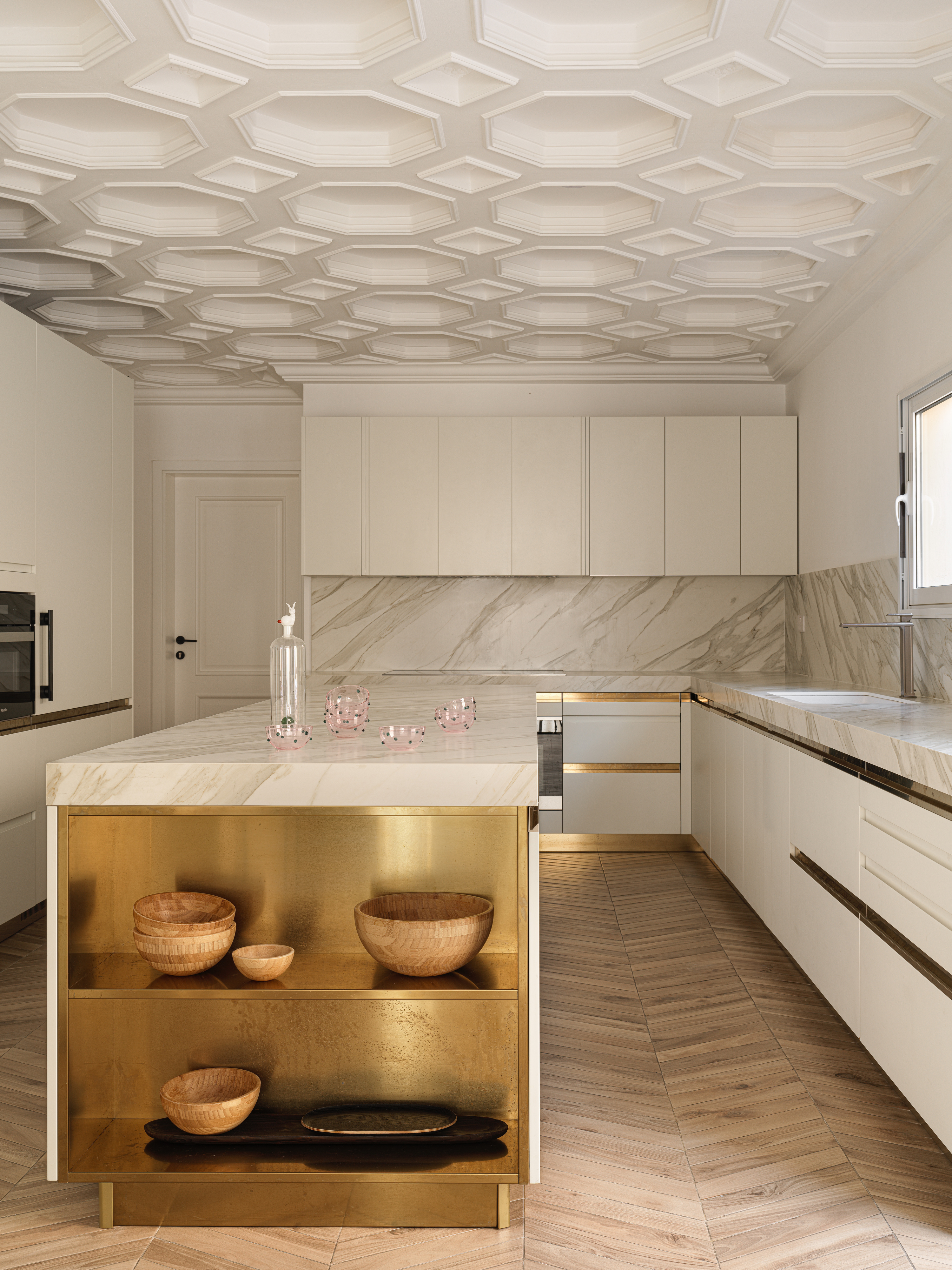
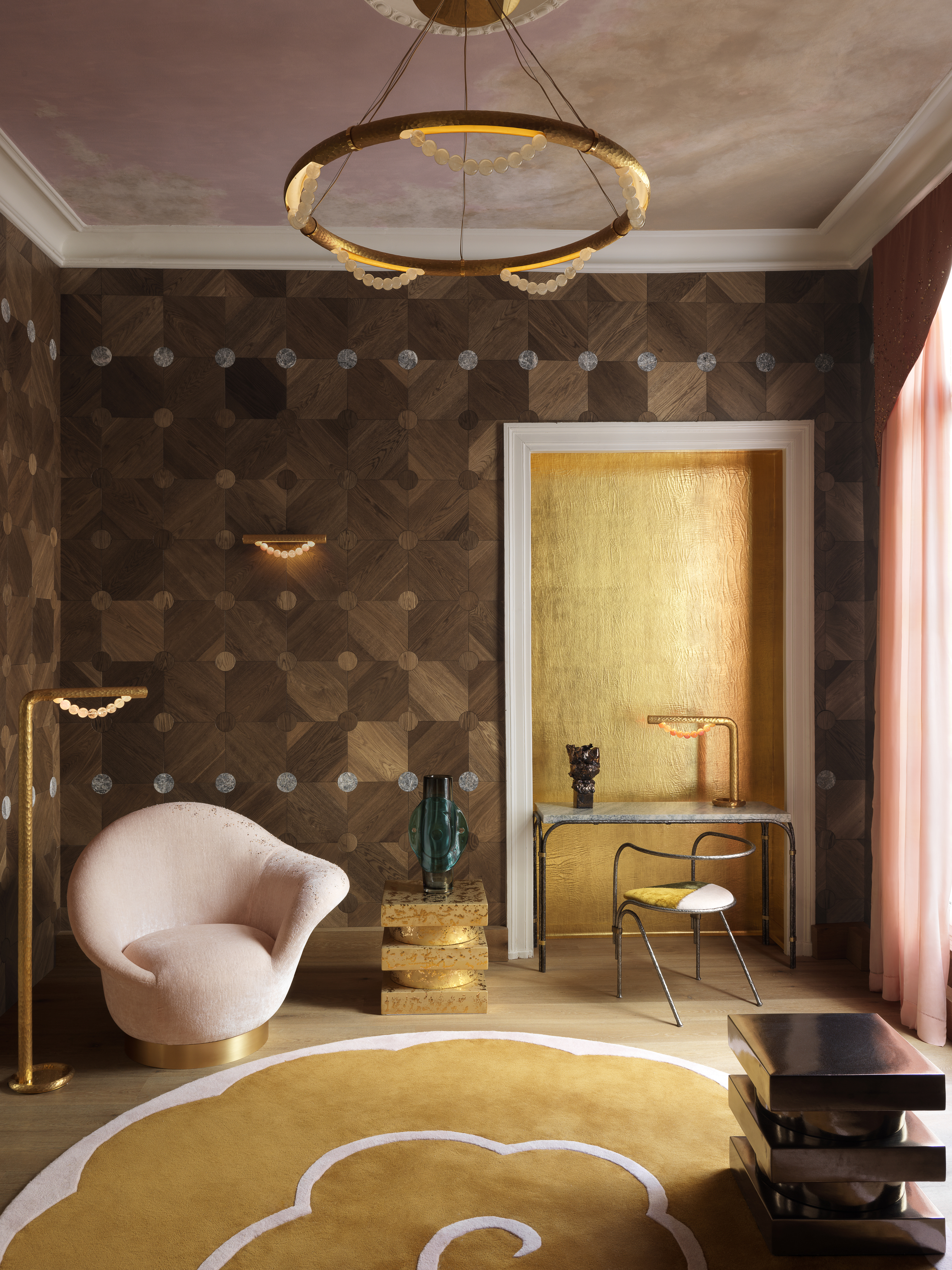
Achieving a sense of increased height in a bedroom with low ceilings can significantly enhance the room's overall feel, making it appear calmer, less cluttered, and brighter. Interior design experts employ several clever techniques to create this illusion. One fundamental approach involves the strategic use of color. Painting the ceiling a brilliant white is a primary method, as it reflects light and visually expands the space upwards. If a cozier wall color is desired, pairing a soft, muted tone with a stark white ceiling creates a pleasing contrast that still emphasizes height. For a minimalist aesthetic, painting both walls and ceiling white transforms the room into a light-filled expanse, though adding pops of color through soft furnishings is recommended to prevent sterility.
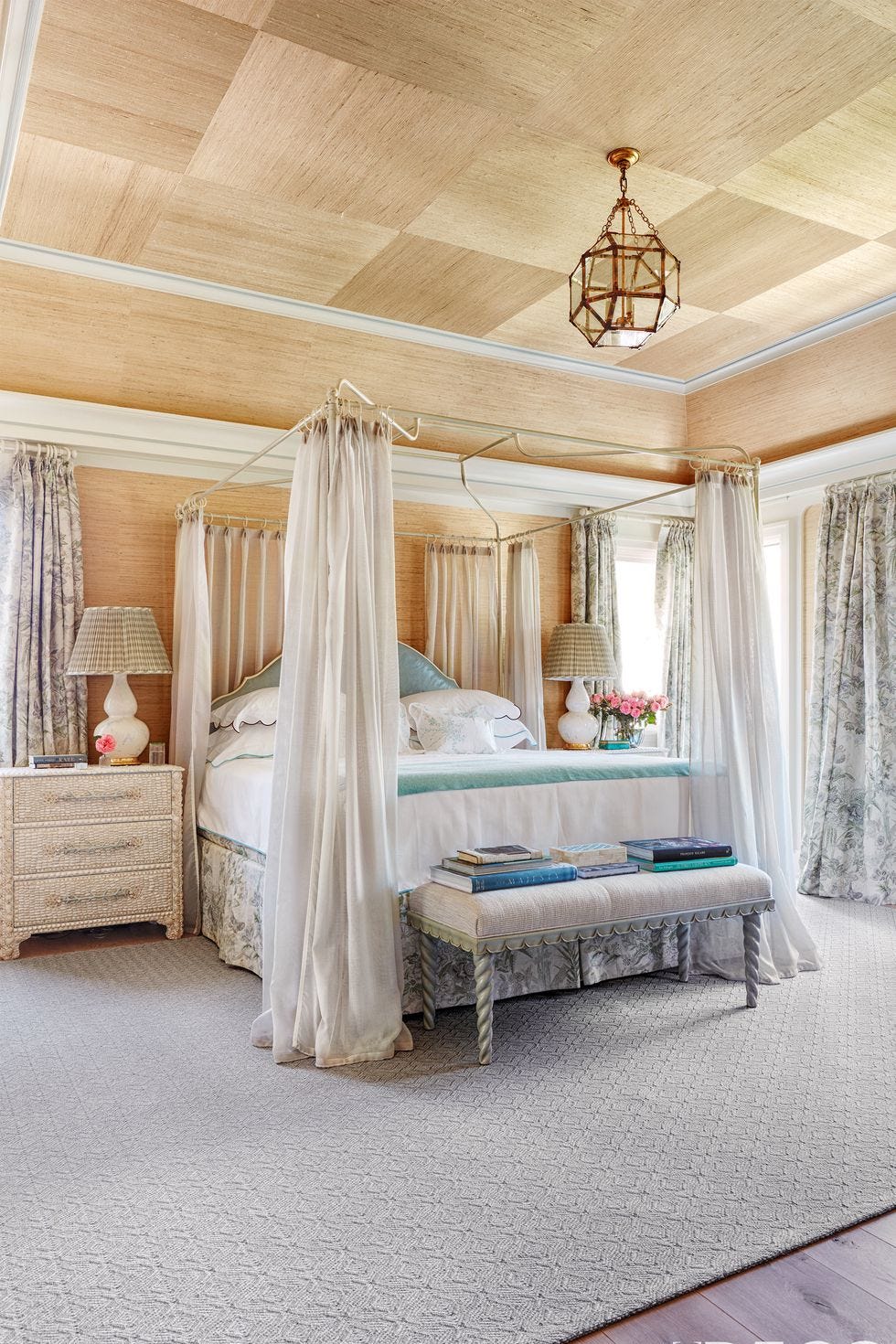
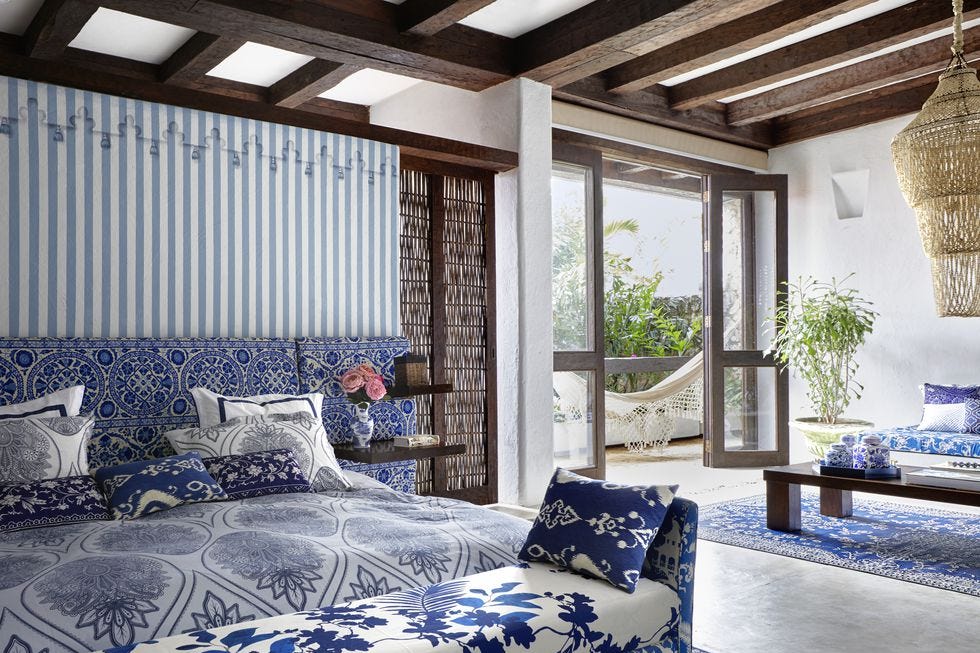
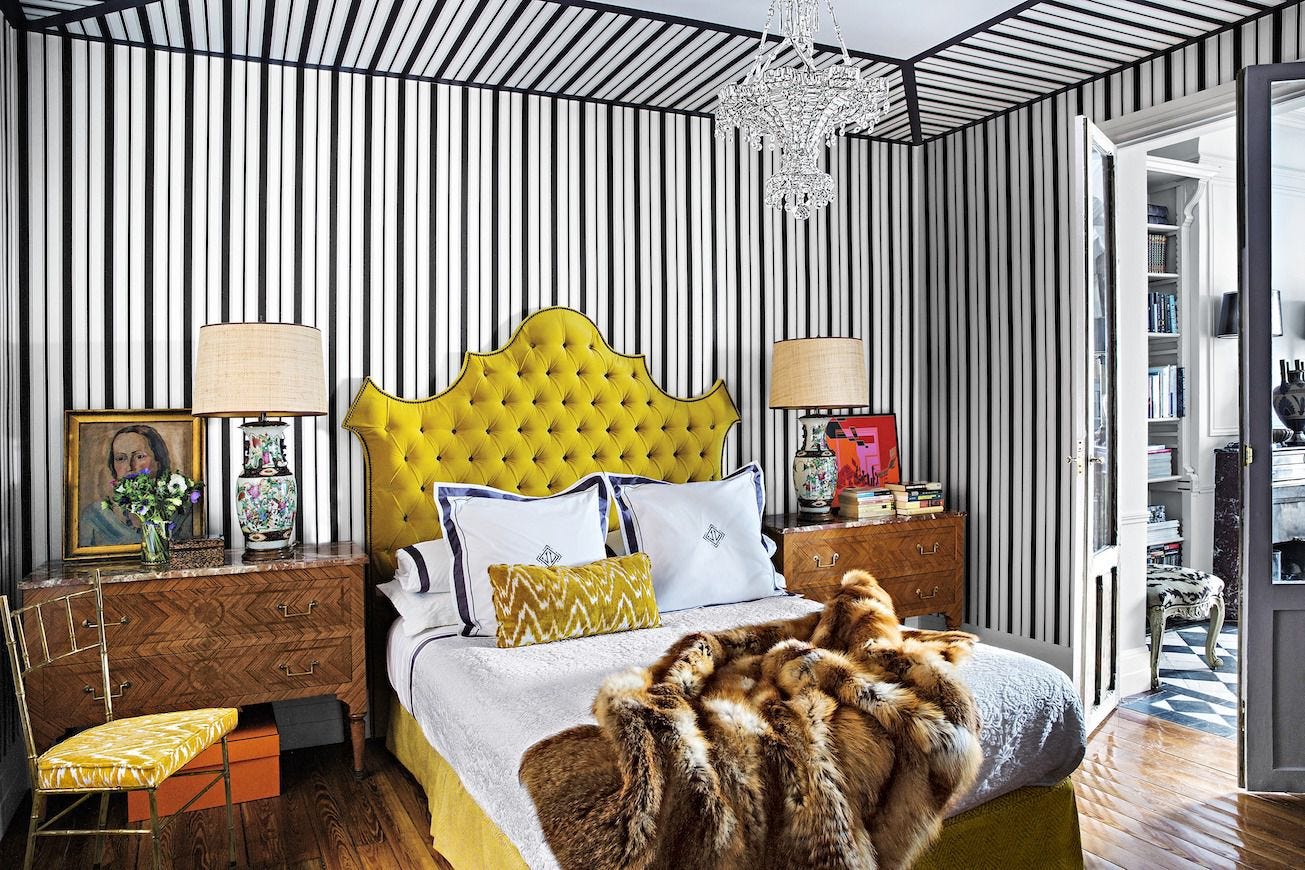
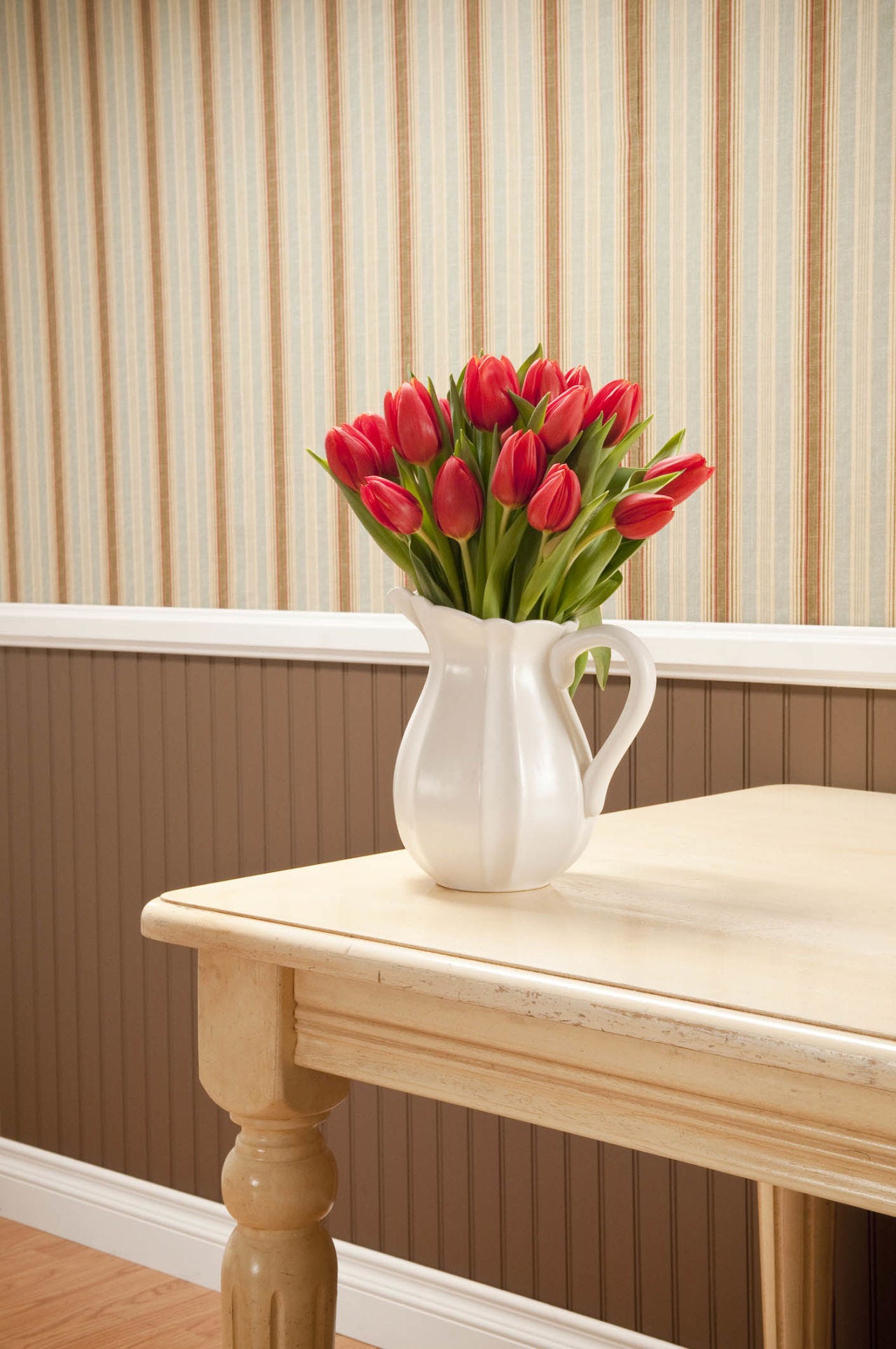
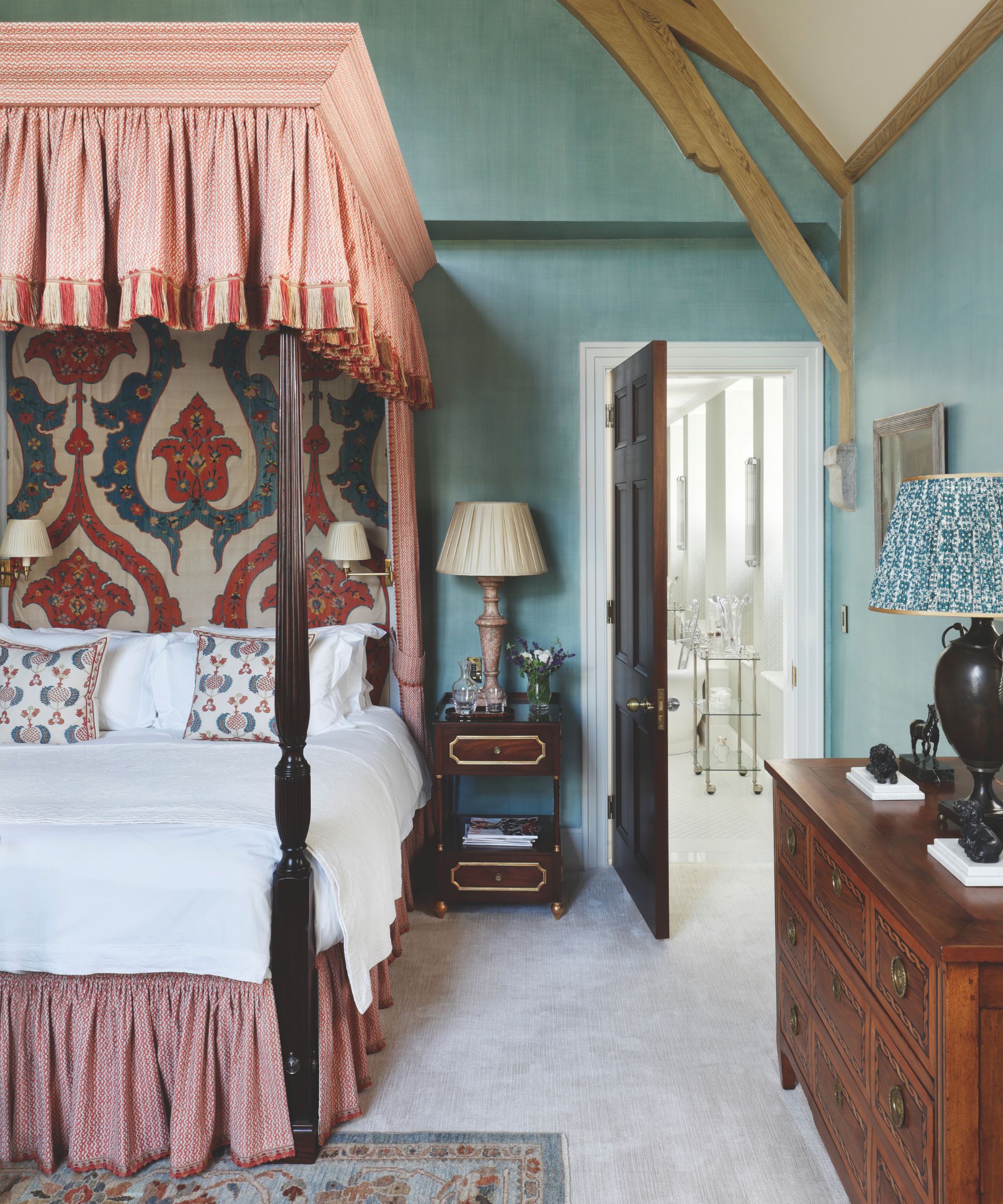
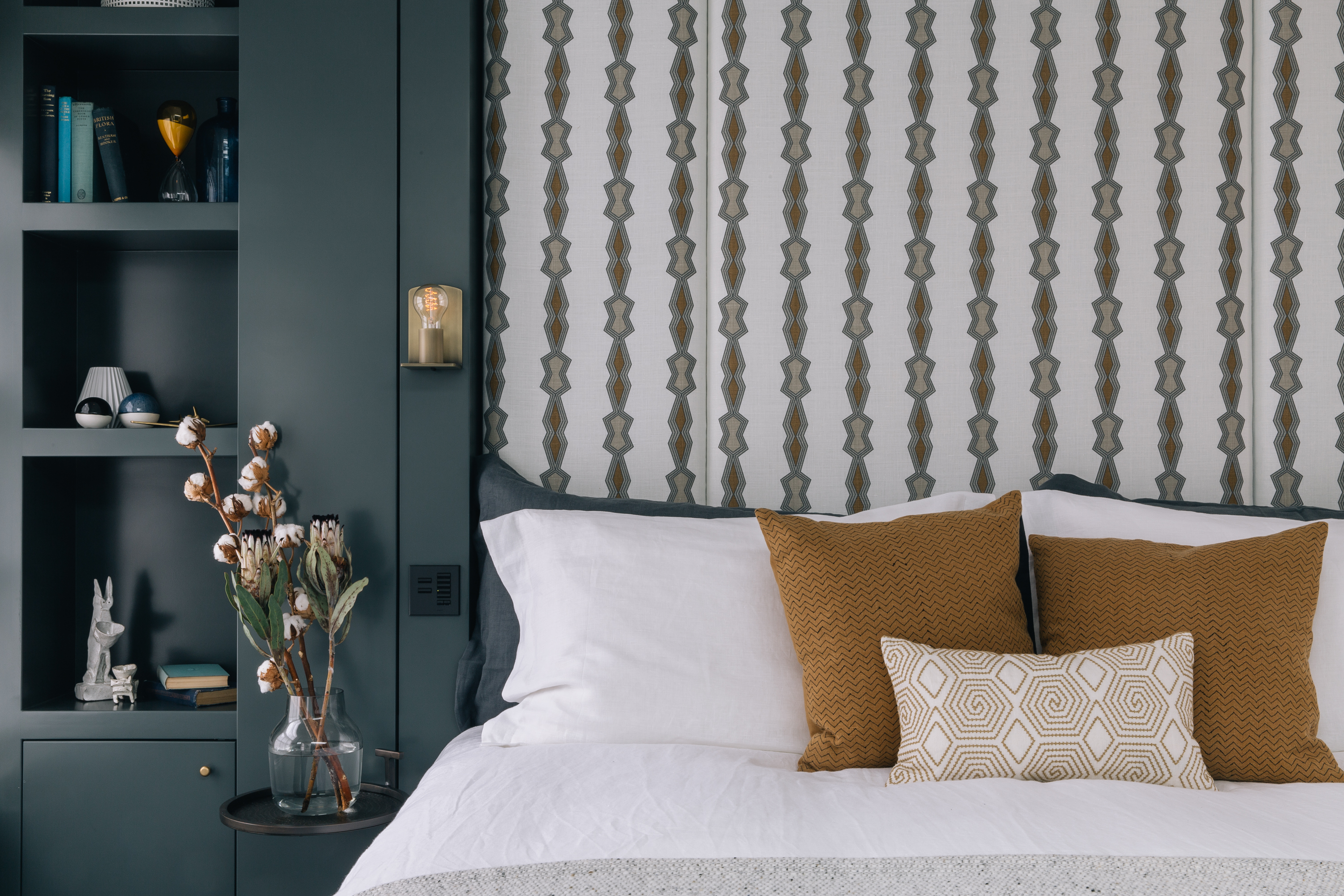
Another effective visual trick involves incorporating vertical elements. Vertically striped wallpaper is a straightforward way to draw the eye upwards, creating an impression of extra height. This doesn't necessarily require bold stripes; even subtle floral or modern vertical patterns can achieve the desired effect. Clara Ewart, Head of Design at Kitesgrove, notes that vertical lines lift the eye and create the illusion of height, making them ideal for rooms with low ceilings. This approach can be applied to an entire room or even a single accent wall, such as behind a bed, to simulate a headboard that extends the perceived height.
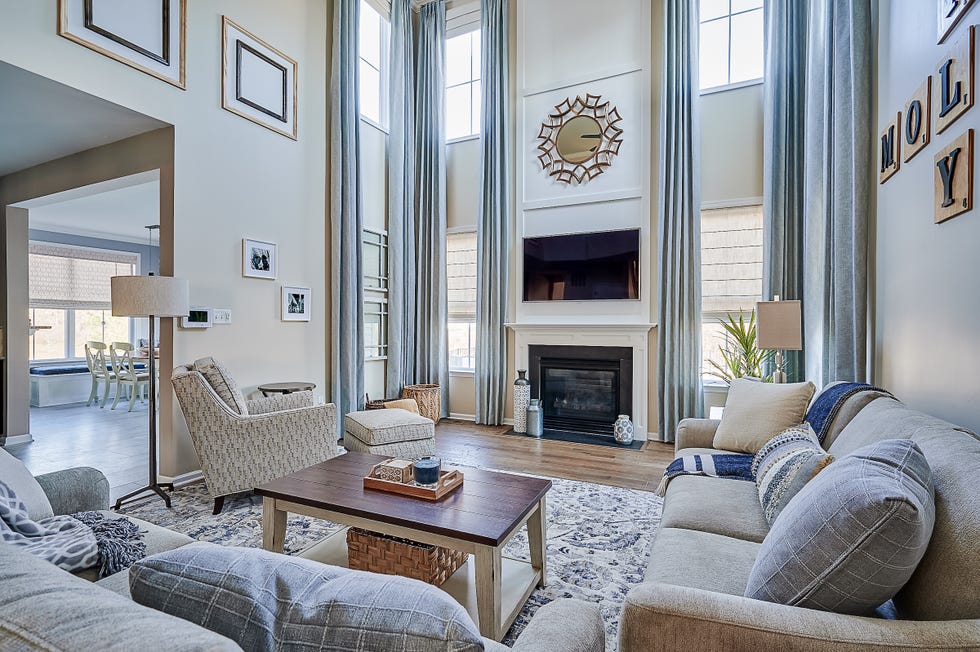
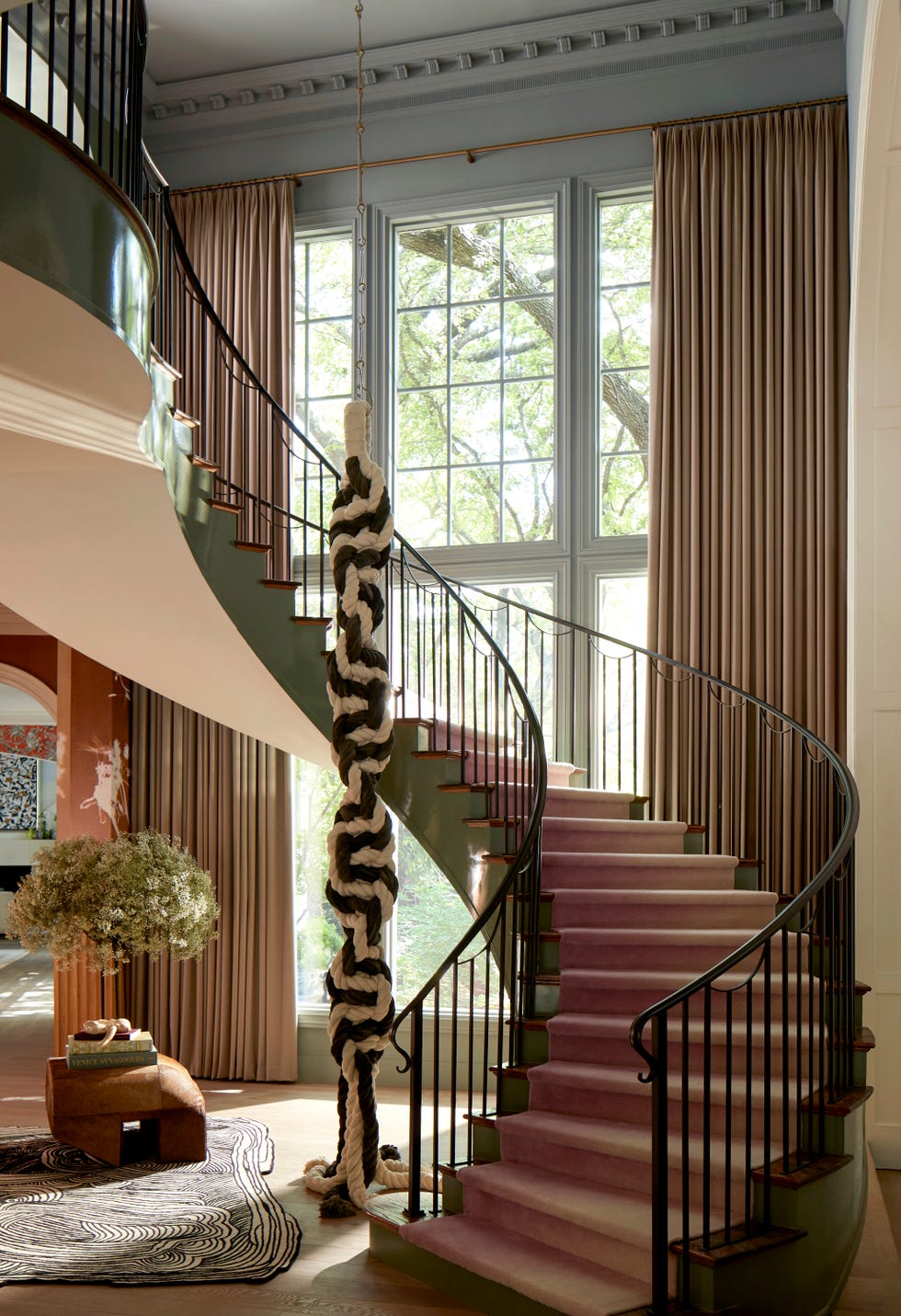
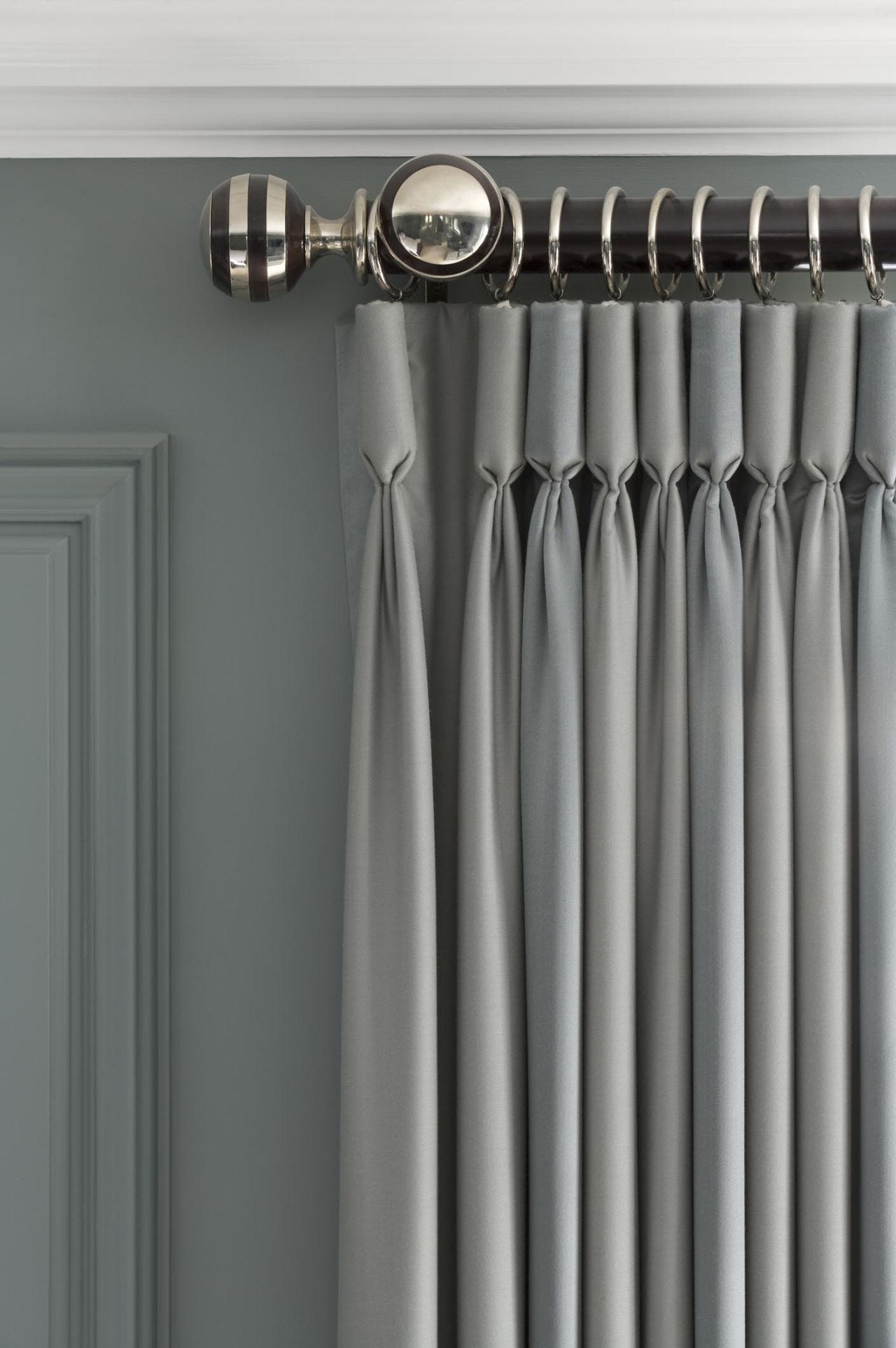
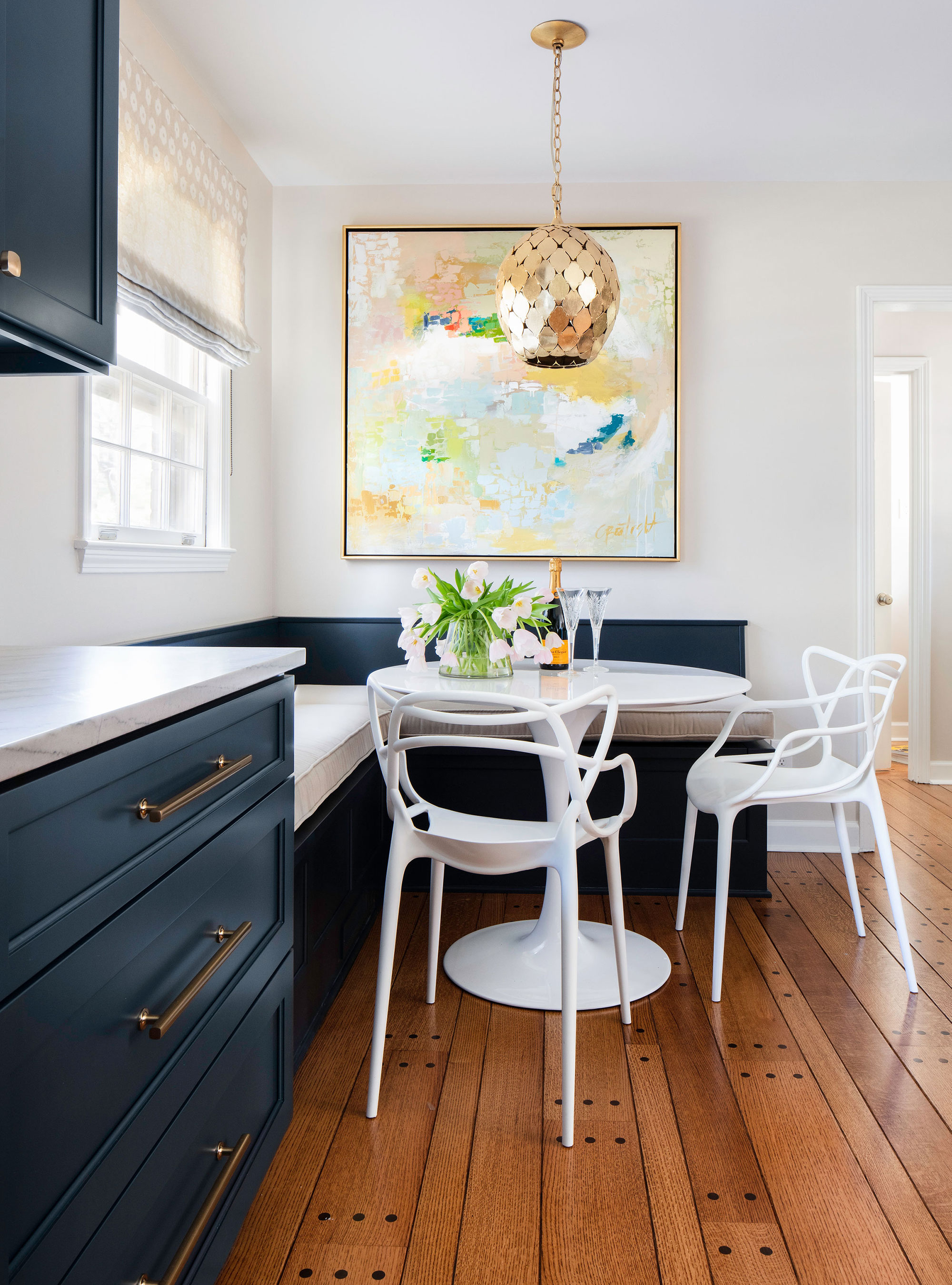
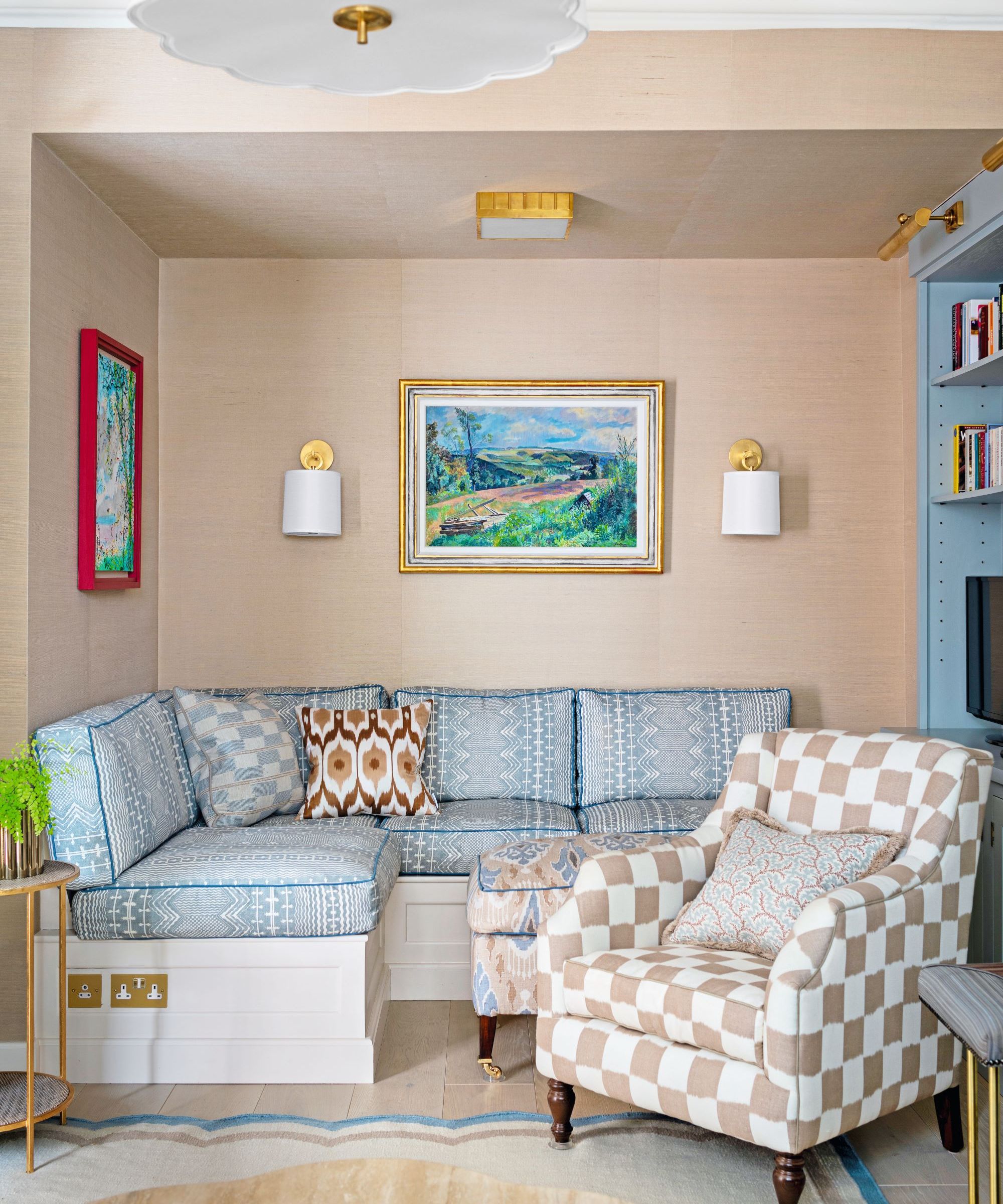
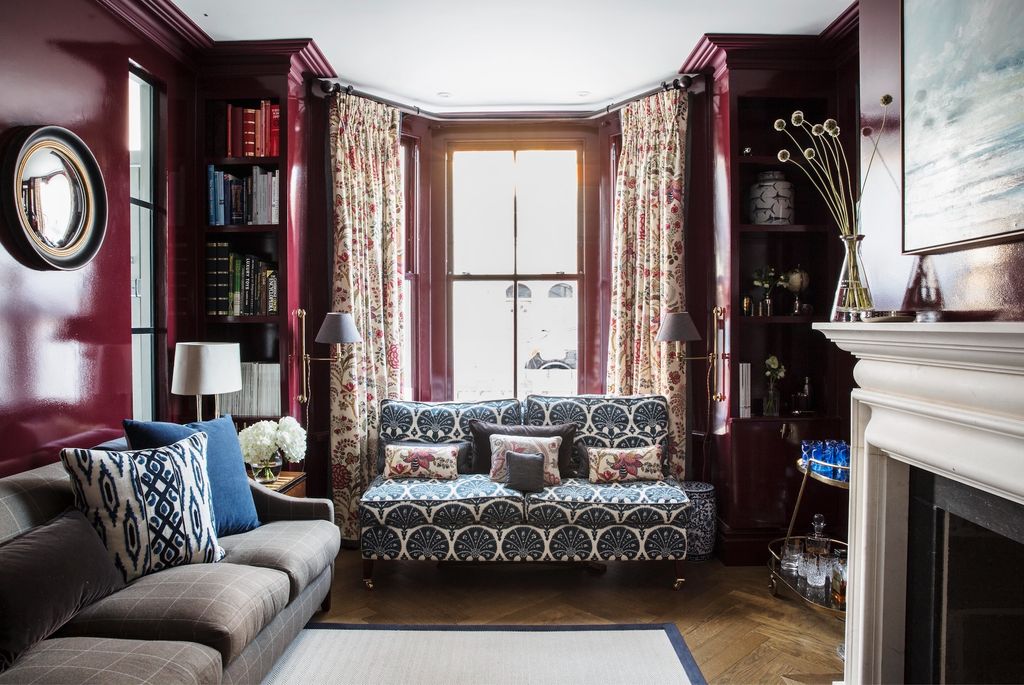
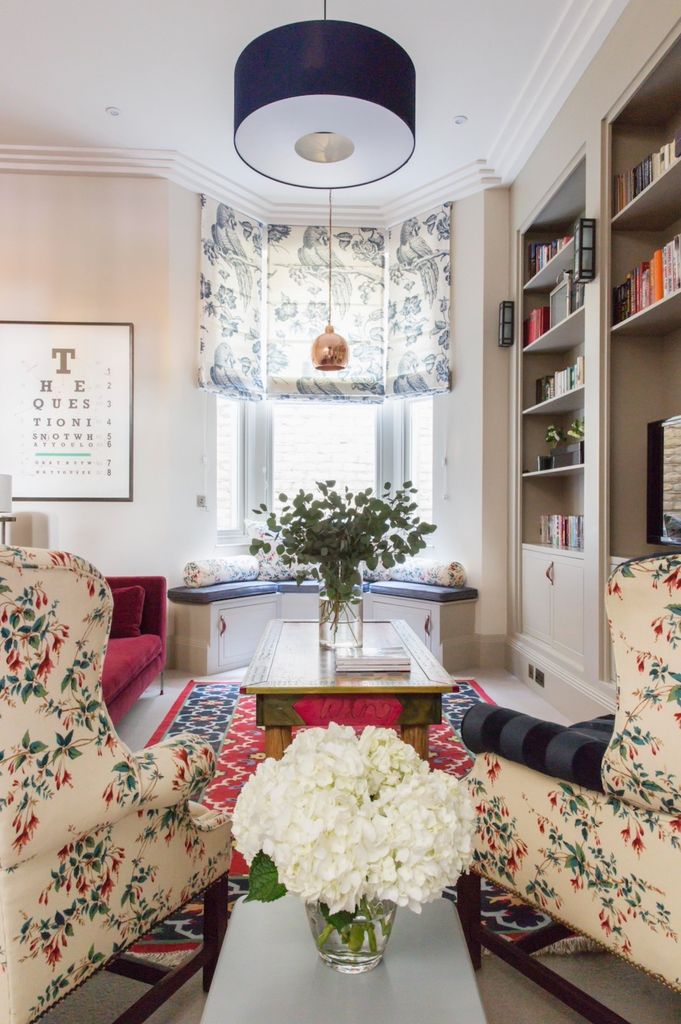
Lighting and décor also play crucial roles in this optical illusion. Utilizing tall table lamps, particularly on bedside tables, helps frame the bed and draws attention to the vertical dimension of the room, as explained by Laura Hadad of Arteriors London. Choosing lamps with white shades and light or metallic bases can further accentuate this effect, especially in darker schemes. Similarly, hanging full-length drapes allows the eye to flow upwards, contributing to the sense of height. Patterned or colorful drapes that gently contrast with the wall treatment can enhance this upward movement. Penny Morrison, a London-based interior designer, suggests that using patterns on rugs and carpets below eye level can also make ceilings feel higher by directing focus downwards, allowing the upper, plainer parts of the room to appear more spacious.
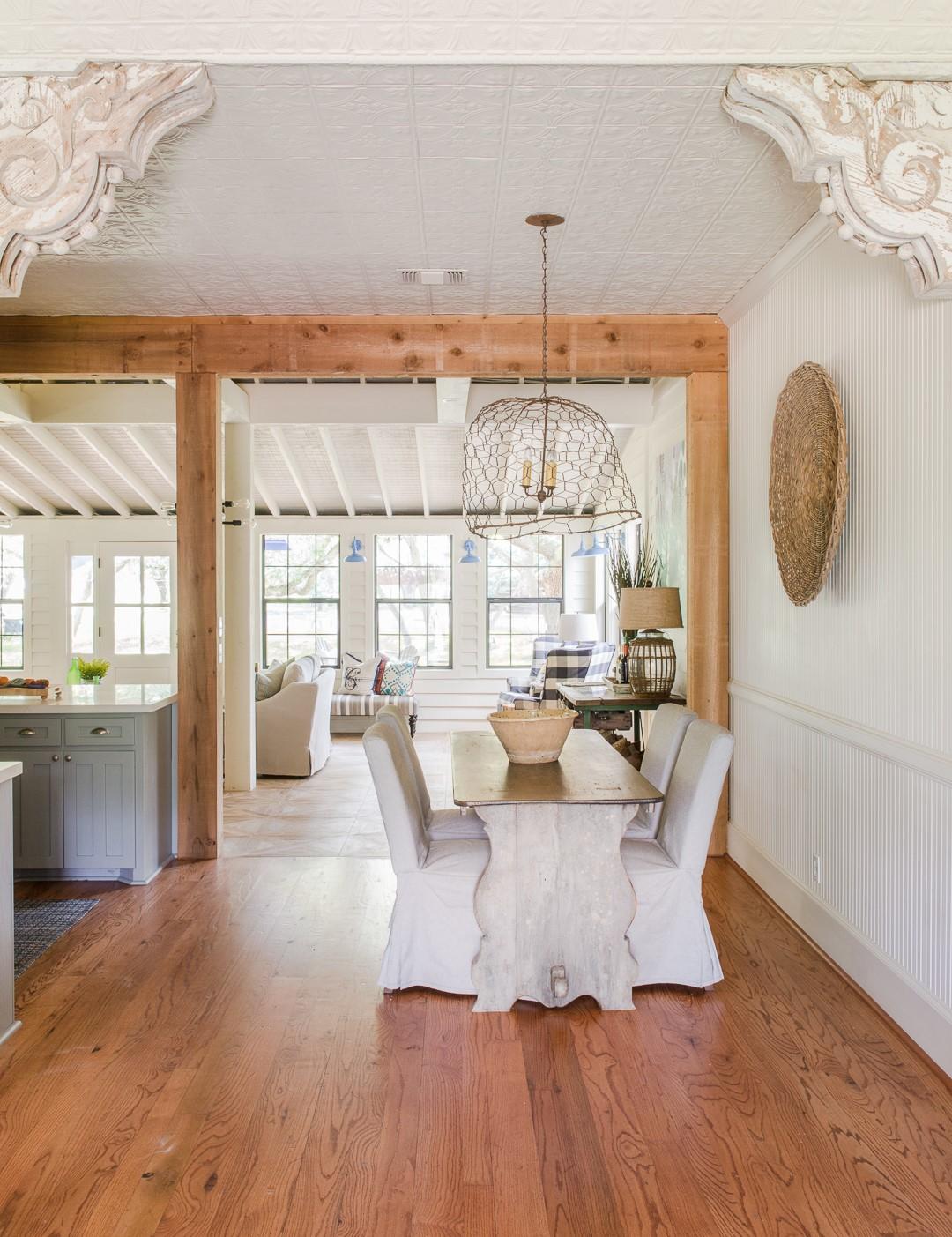
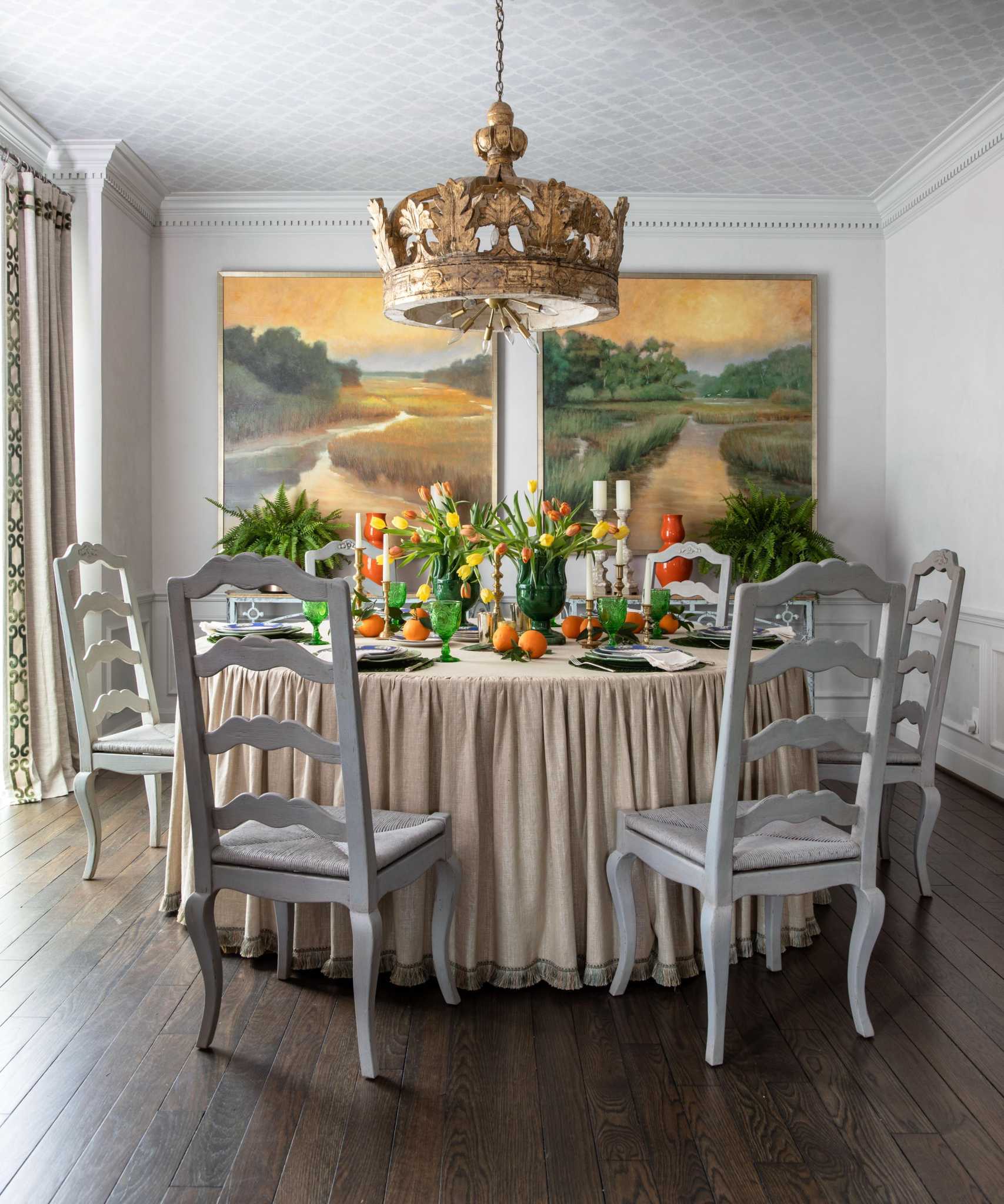
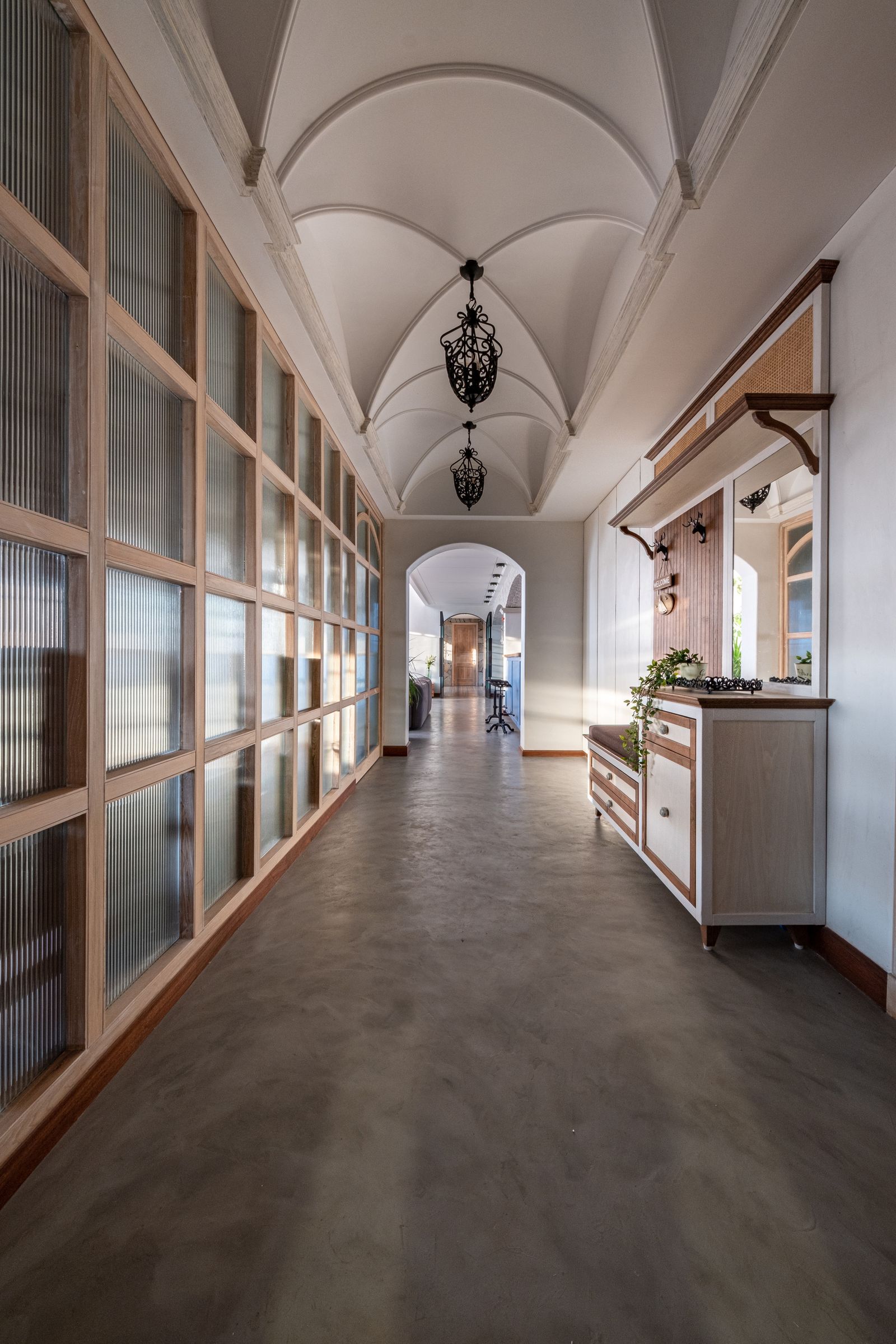
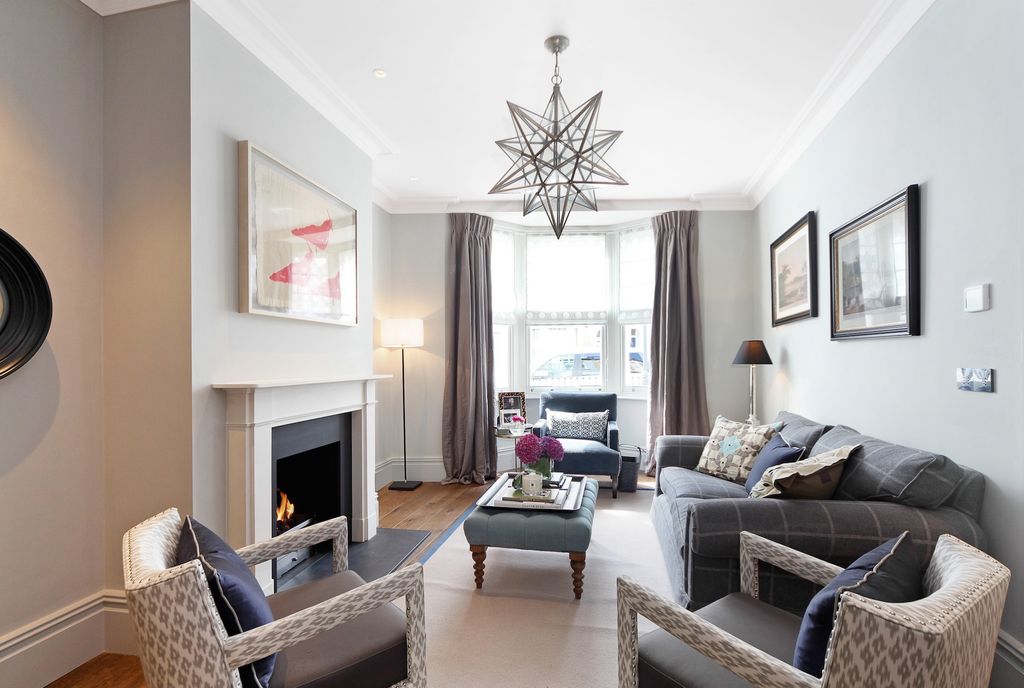
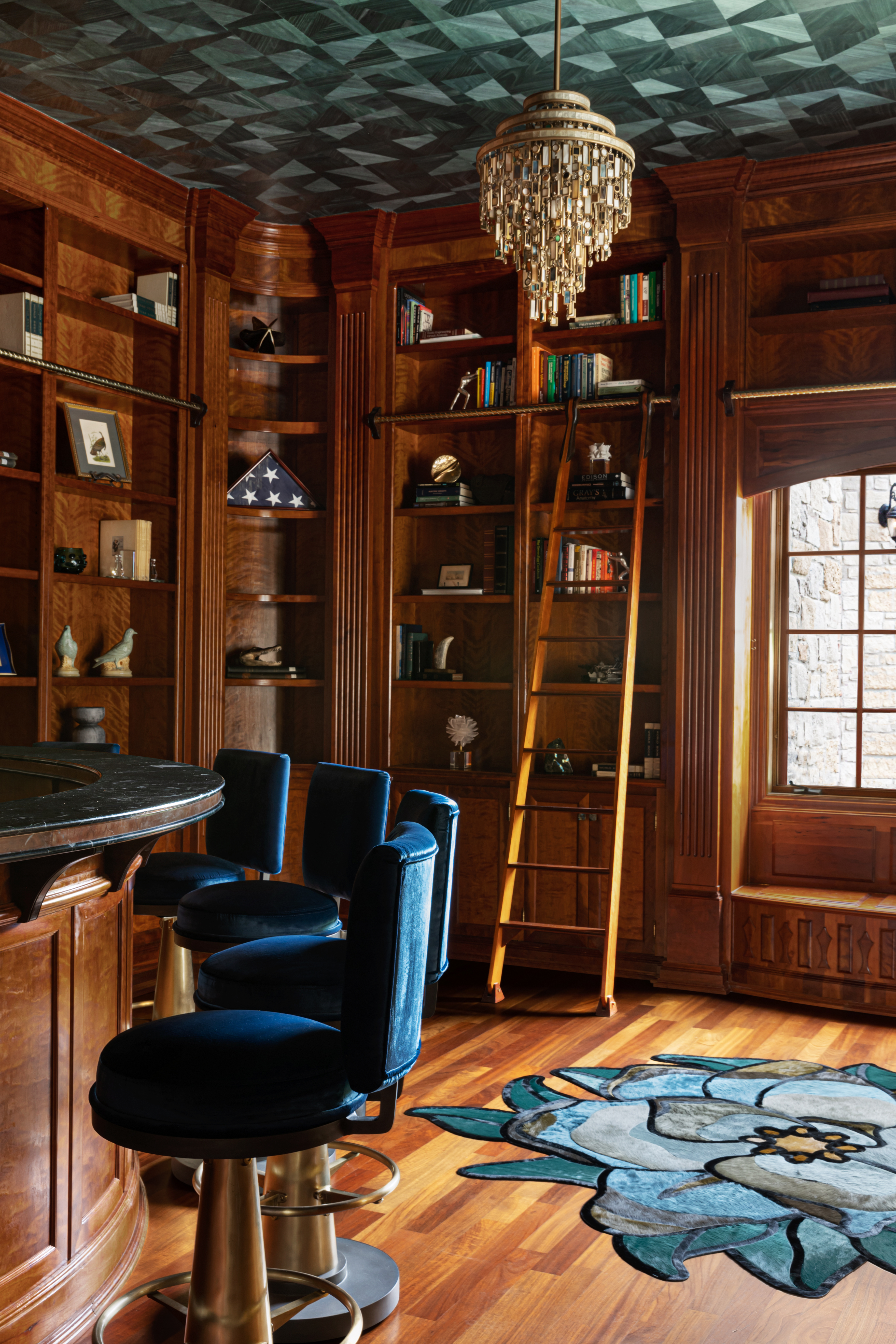
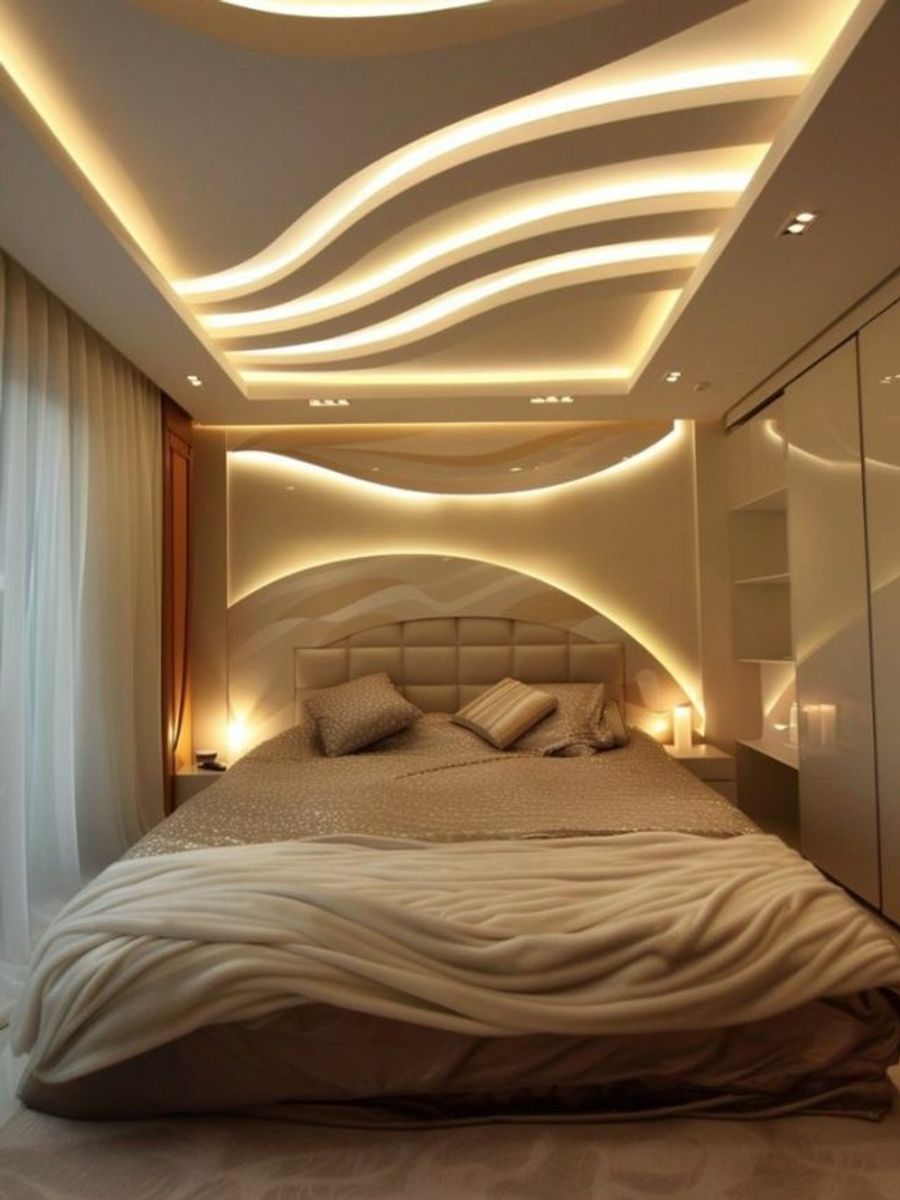
Careful consideration of lighting fixtures is also important. Overhead lighting in low-ceilinged rooms can visually drag the ceiling down if fixtures are bulky or hung too low. Opting for glass ceiling lights, which are less visually obtrusive and reflect light, or layering lighting with table and wall lamps in the lower parts of the room, can circumvent this issue. Lastly, dividing the room horizontally with color can be highly effective. This involves using a deeper shade on the lower portion of the walls, such as a painted wainscoting or paneling, and a progressively lighter shade on the upper walls and ceiling. For instance, using a deep color to ground the scheme and then transitioning to a slightly paler shade on the ceiling than on the upper walls, creates a subtle yet powerful illusion of increased height, making the ceiling appear taller than it is.
#BedroomDesign #LowCeilingSolutions #InteriorDesignTips #SmallSpaceDecorating #VerticalElements #LightingTechniques #ColorPsychology #HomeImprovement #DesignIllusions #BedroomDesign #LowCeilingSolutions #InteriorDesignTips #SmallSpaceDecorating #VerticalElements #LightingTechniques #ColorPsychology #HomeImprovement #DesignIllusions
0 comment in total
 No comments yet
You may also like
Designer-Approved Tips to Make the Most of High Ceilings

7 different interior designers on ingenious ways they use paint to easily elevate a room
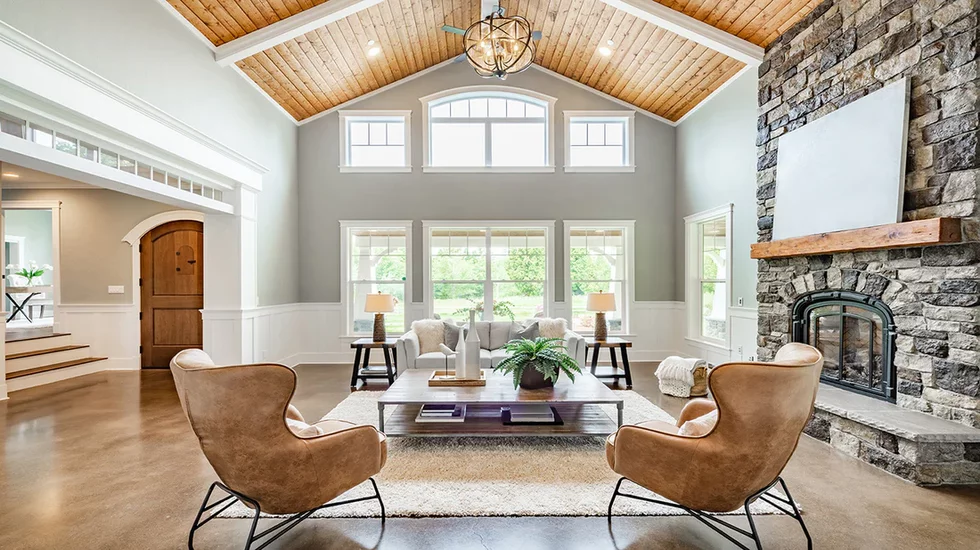
8 ways to elevate your living room, kitchen, bathroom, and bedroom

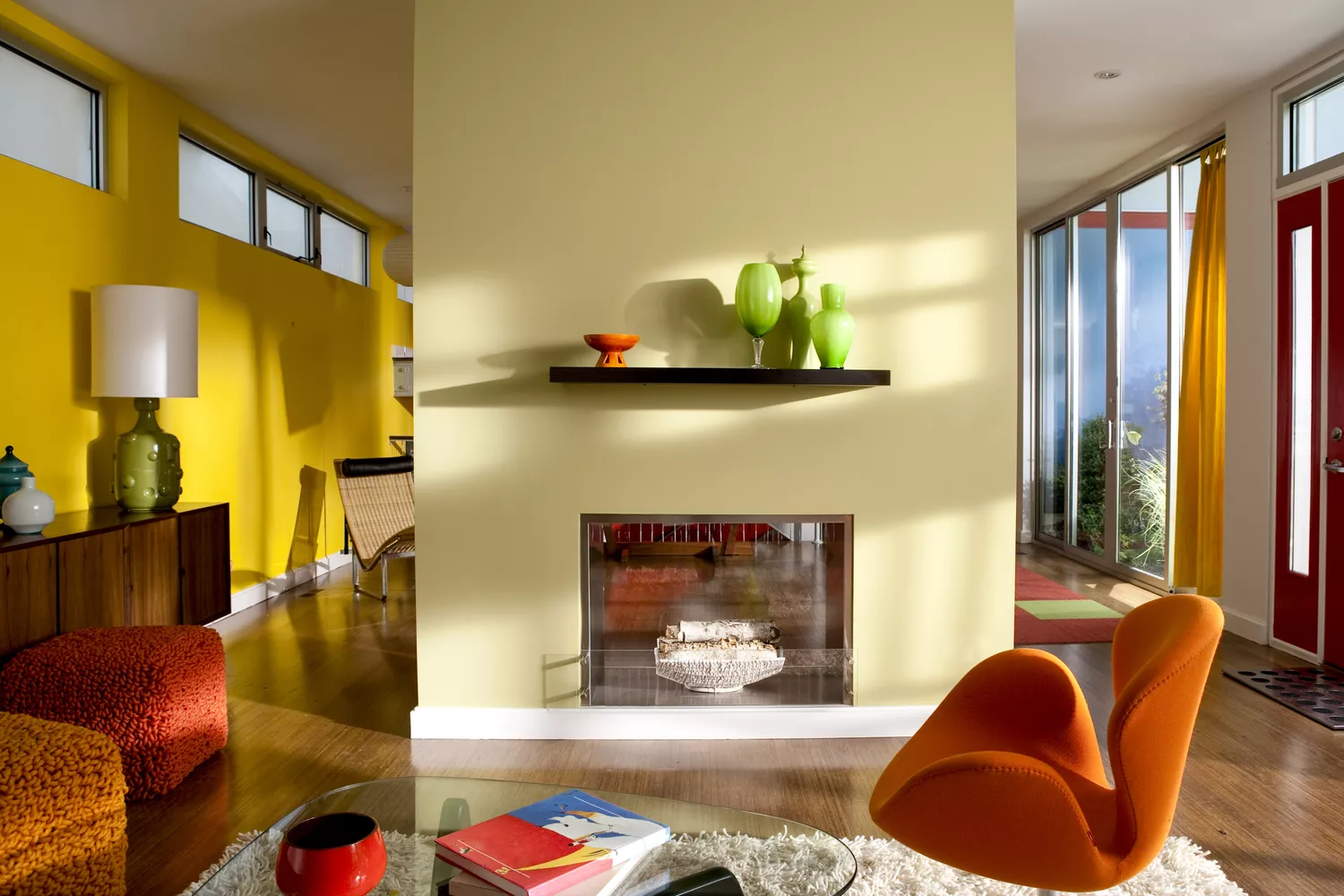
Does Your Room Feel Like It's Missing Something? Here Are 10 Designer-Approved Ways to Quickly Elevate the Space

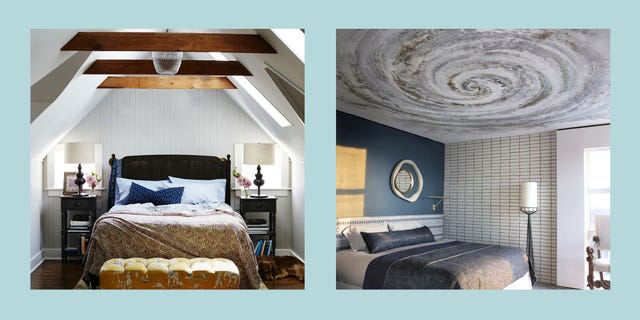
These Bedroom Ceilings are a Statement Focal Point
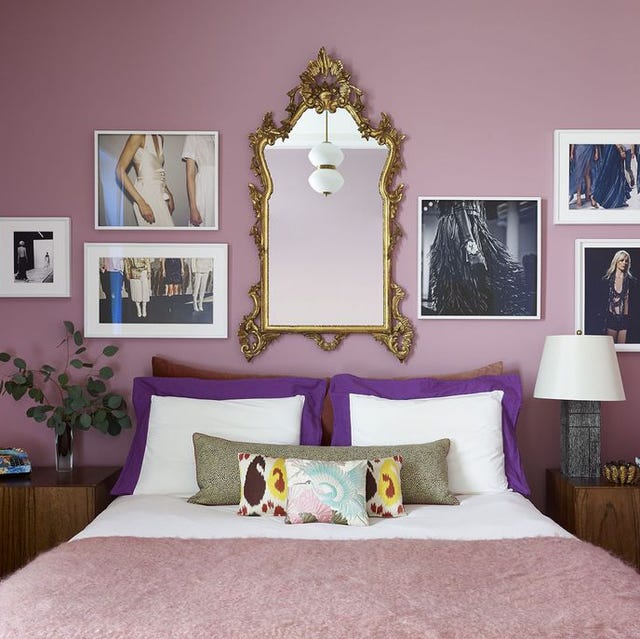
11 Clever Decor Ideas to Max Out That Above-Bed Space
Remember ceiling when decorating rooms
9 simple tricks to elevate your small living room according to an interior designer

How to Decorate a Room with a High Ceiling, According to Designers
Latest Bedroom False Ceiling Ideas for Your Dream Home
7 ceiling design ideas to add character to your home

The subtle 'vertical decorating' technique designers use to make small rooms look bigger and brighter
How to Fake Taller Ceilings in Your Home (Even If They're Low), According to Designers


When designing a room, don’t overlook your ceiling

10 things designers do to make rooms look bigger – strategies for success from the experts
Designers Are in Love With "Unexpected Ceilings" — This Creative Trend is Elevating Modern Spaces

11 Pro Tricks to Make It Look Like You Have High Ceilings
6 tricks designers use to instantly elevate a dining room
9 simple tricks to elevate your small living room according to an interior designer

5 Ways to Elevate Your Living Room