1/4
How to See a Structural Column as an 'Oh-Wow' Moment, Rather Than an Obstacle
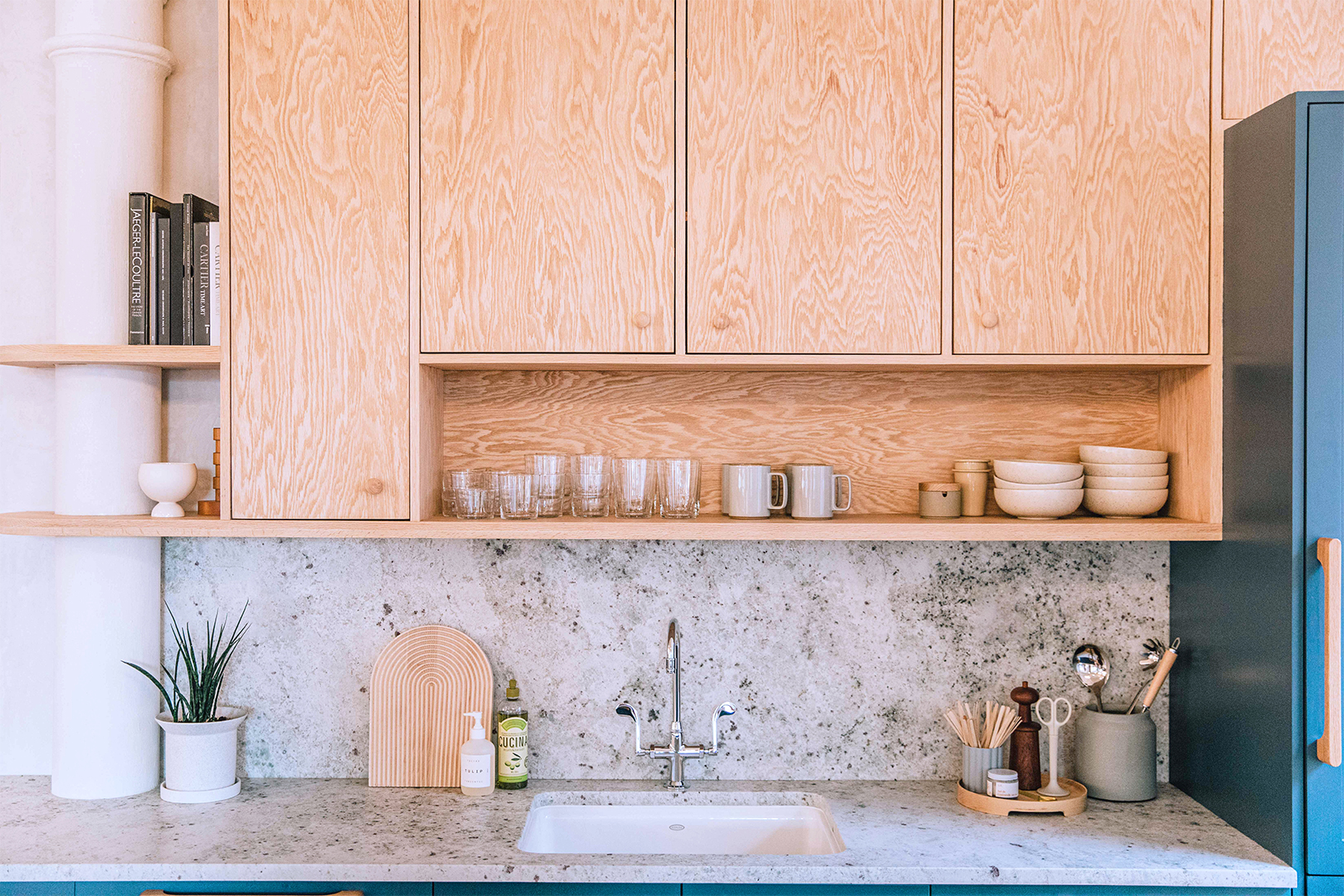
Structural columns, often perceived as inconvenient architectural elements, can be transformed into distinctive design features within a home. Instead of attempting to conceal them, interior designers are increasingly embracing these elements and integrating them purposefully into a space's aesthetic. The key lies in viewing them not as flaws to be hidden, but as opportunities for creative expression and functional enhancement.
One innovative approach is to adorn structural columns with faux floral installations. Michele Lorenz, principal at Ashby Collective, describes how a prominent concrete column in a high-rise condo was converted into a captivating focal point using freeze-dried florals, barnacles, and organic elements. This method effectively draws attention to the column, making it an artistic statement rather than an eyesore. Such an installation leverages the column's presence to introduce an unexpected, sculptural element, demonstrating that a perceived limitation can become a unique piece of art.
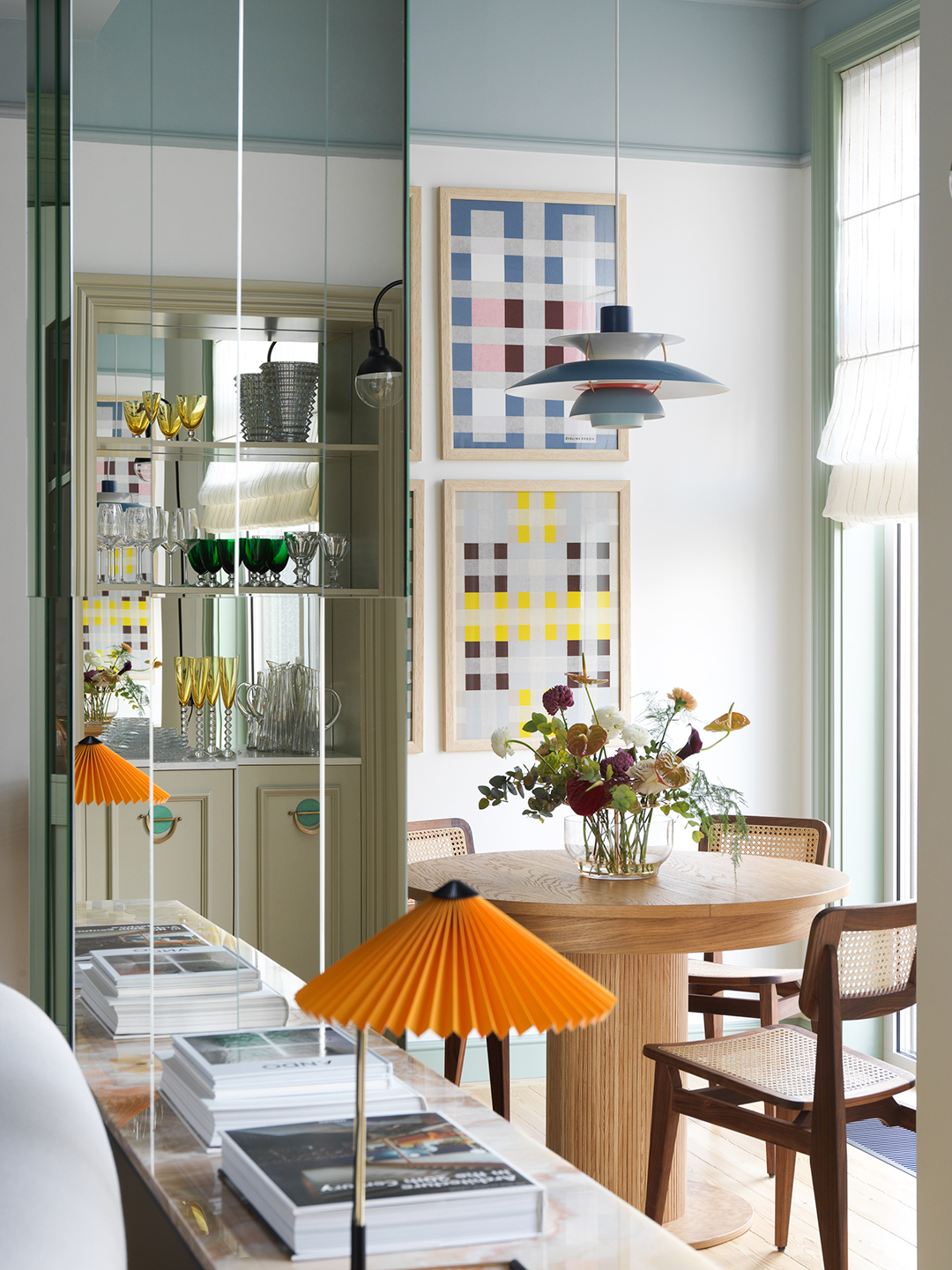
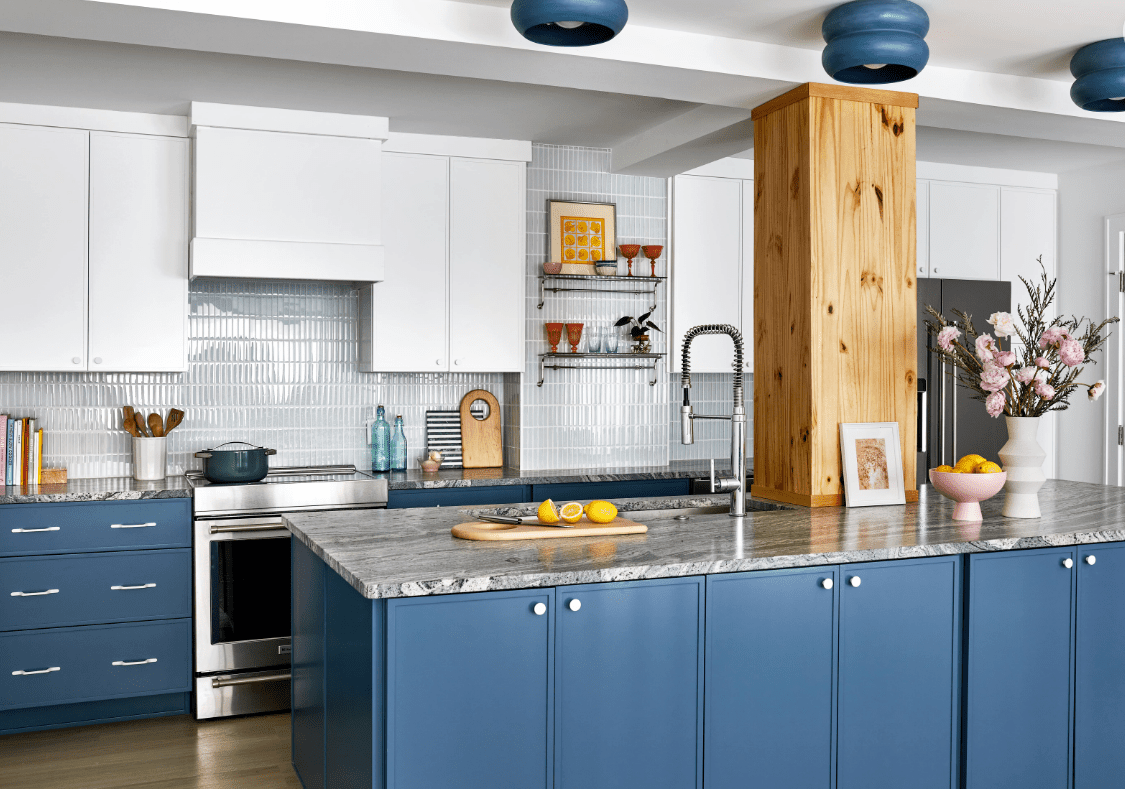
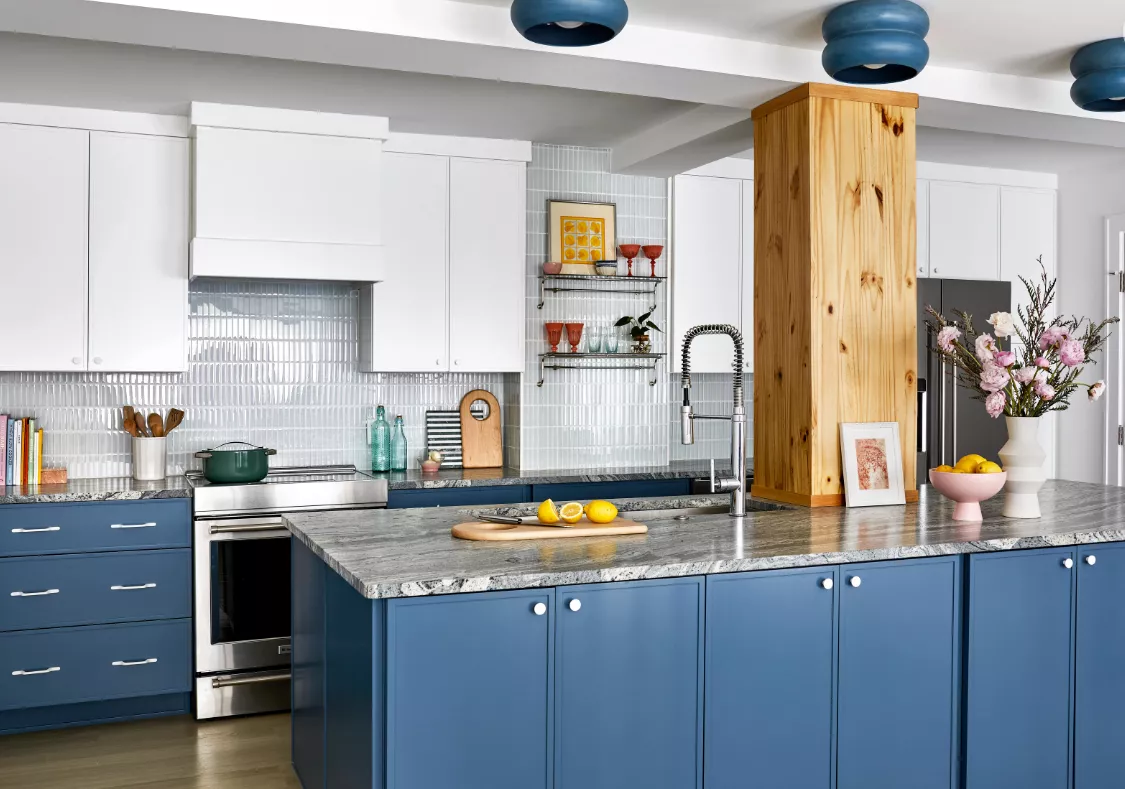
Another strategy involves wrapping columns in timber with metallic accents. Aizhana Kunayeva, founder of AKKA Interiors, explains how she utilized warm timber cladding and brushed brass detailing to celebrate structural columns as integral design elements. In an open-plan layout, these columns now serve as visual anchors, subtly defining different zones for living, dining, and reading without disrupting the overall spatial flow. Their rounded forms add softness, while the brass details complement other metallic elements in the room, elevating the space's sophistication.
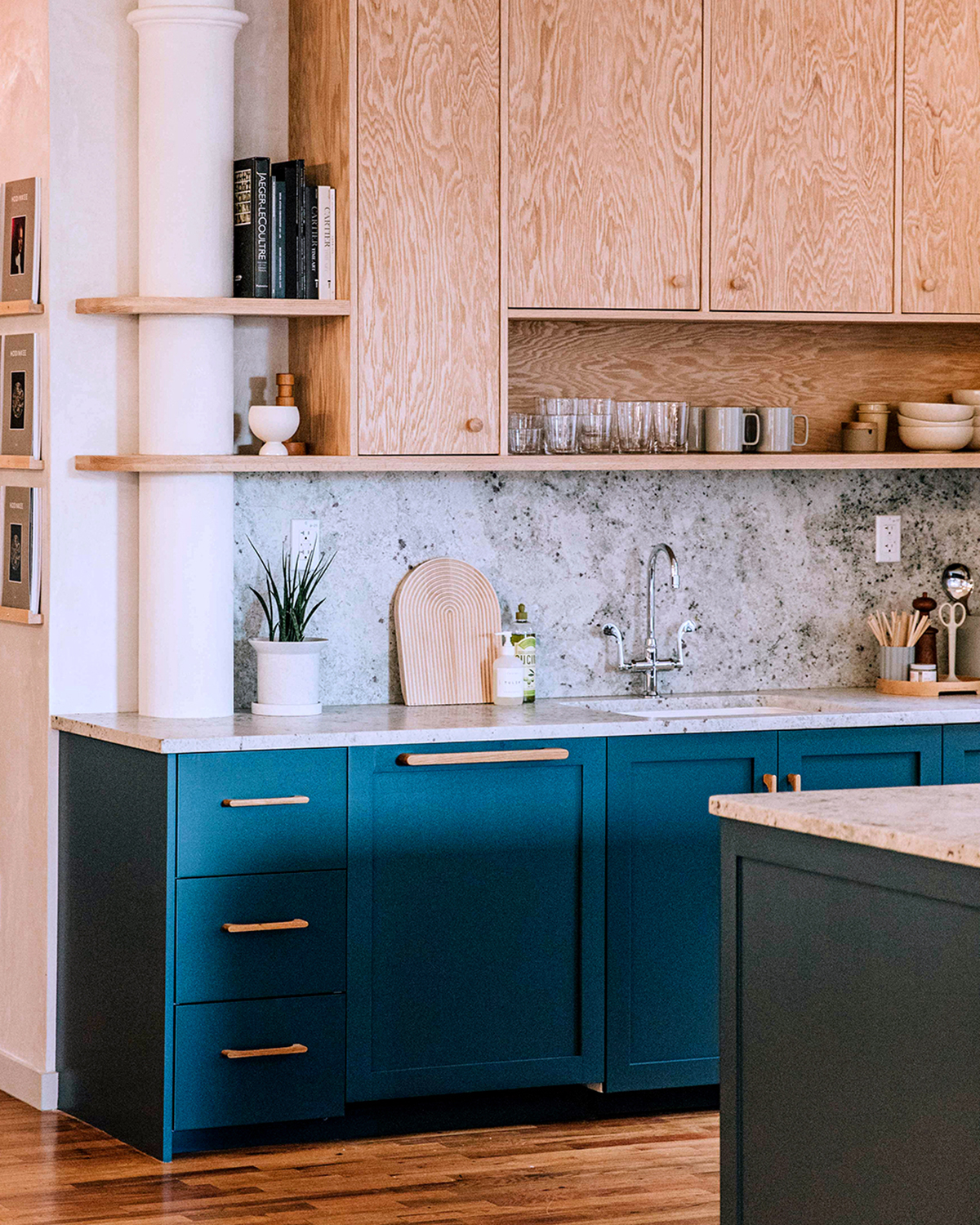
Giving a structural column a specific purpose can also integrate it seamlessly into a design. Karl Openshaw, creative director of BAYA Interiors, recounts a project where a column in front of a full-height window was transformed into a bespoke wrap-around bench. This not only softened the column's presence but also provided additional seating, contributing to the room's rhythm and overall spatial flow. By making the column functional, it becomes an intentional part of the design, enhancing usability and aesthetics simultaneously.
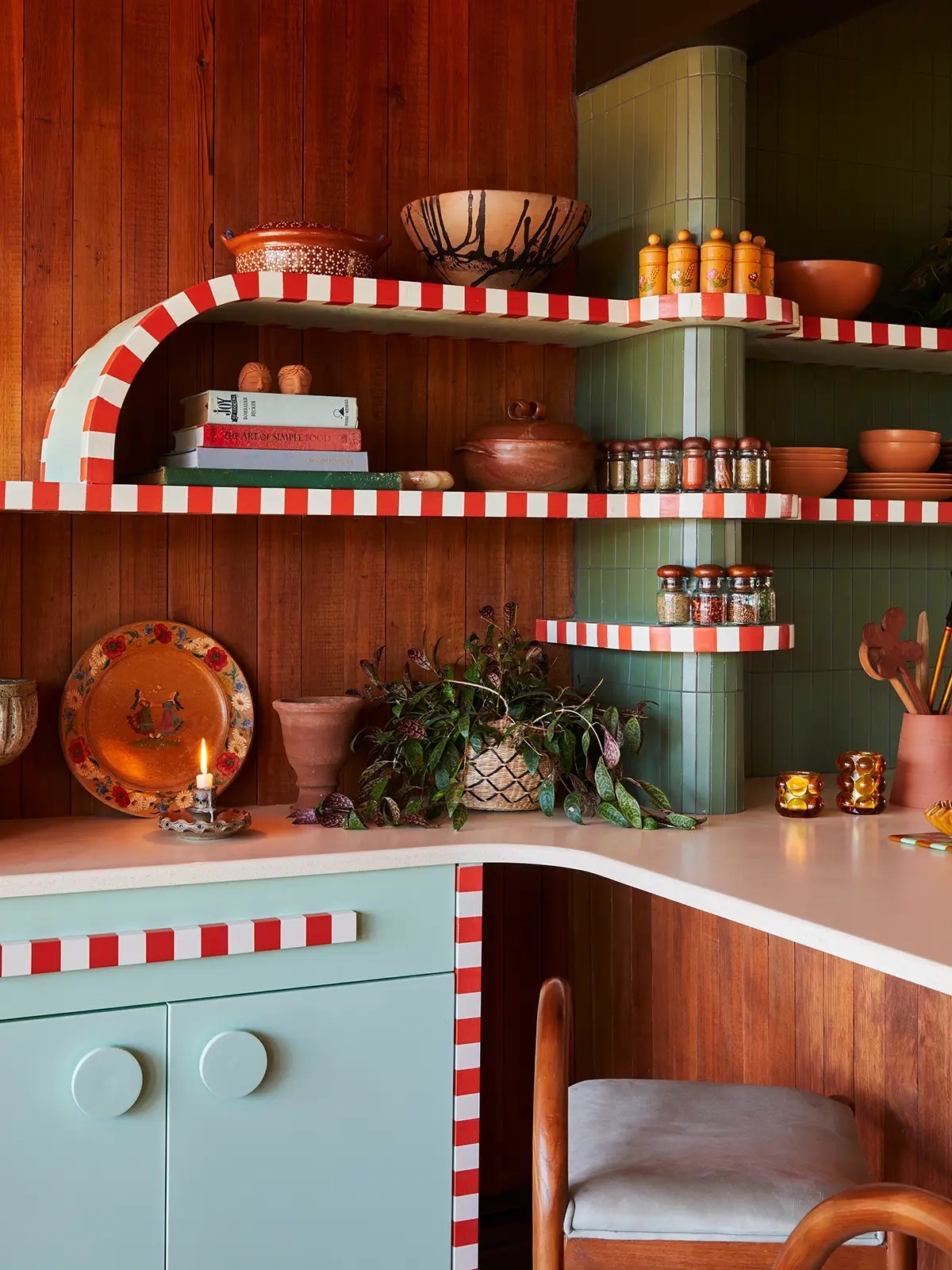
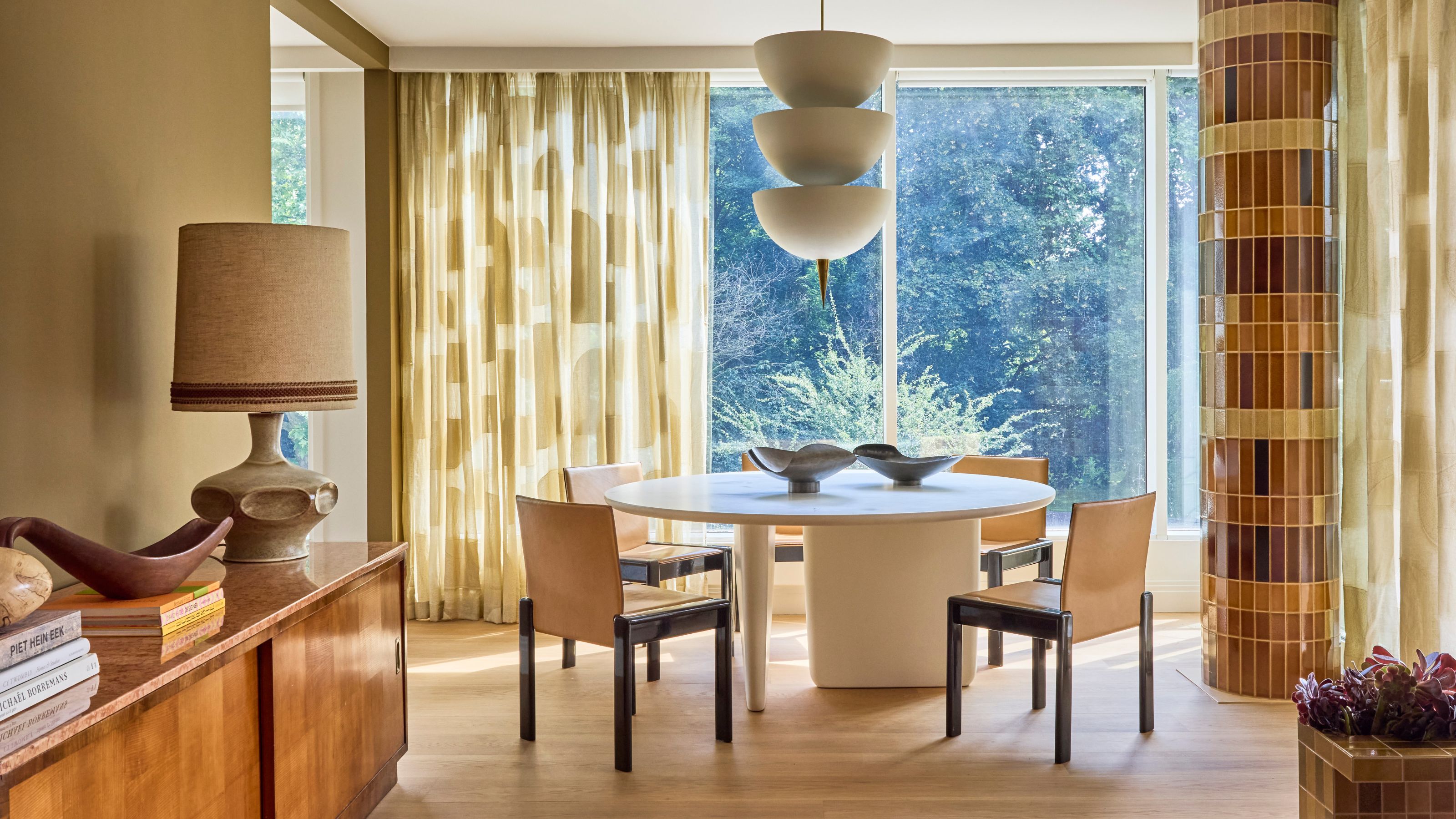
Finally, covering columns in colorful, textured tiles offers another visually impactful solution. As illustrated by Maddux Creative, tiling a structural column can turn it into a striking focal point. Glossy Zellige tiles, for instance, are particularly effective as they reflect light and add depth to curved surfaces, creating a dynamic sense of life and movement in the room as light conditions change. The choice of tall, skinny tiles ensures a smooth bend on curved surfaces, allowing for creative expression in pattern and color while making the column an 'oh wow' feature.
Ultimately, structural challenges, whether they involve awkward layouts or unavoidable pillars, often inspire the most creative design solutions. By prompting designers to think outside the box, these limitations can be transformed into unique opportunities for storytelling and creating striking, intentional design statements that enhance a home's character.
#InteriorDesign #HomeDecor #StructuralColumns #DesignSolutions #ArchitecturalFeatures #FocalPoint #CreativeDesign #SpacePlanning #DecorativeElements #InteriorDesign #HomeDecor #StructuralColumns #DesignSolutions #ArchitecturalFeatures #FocalPoint #CreativeDesign #SpacePlanning #DecorativeElements
0 comment in total
 No comments yet
You may also like
Structural Columns Don’t Have To Get In The Way: These 7 Designs Prove It

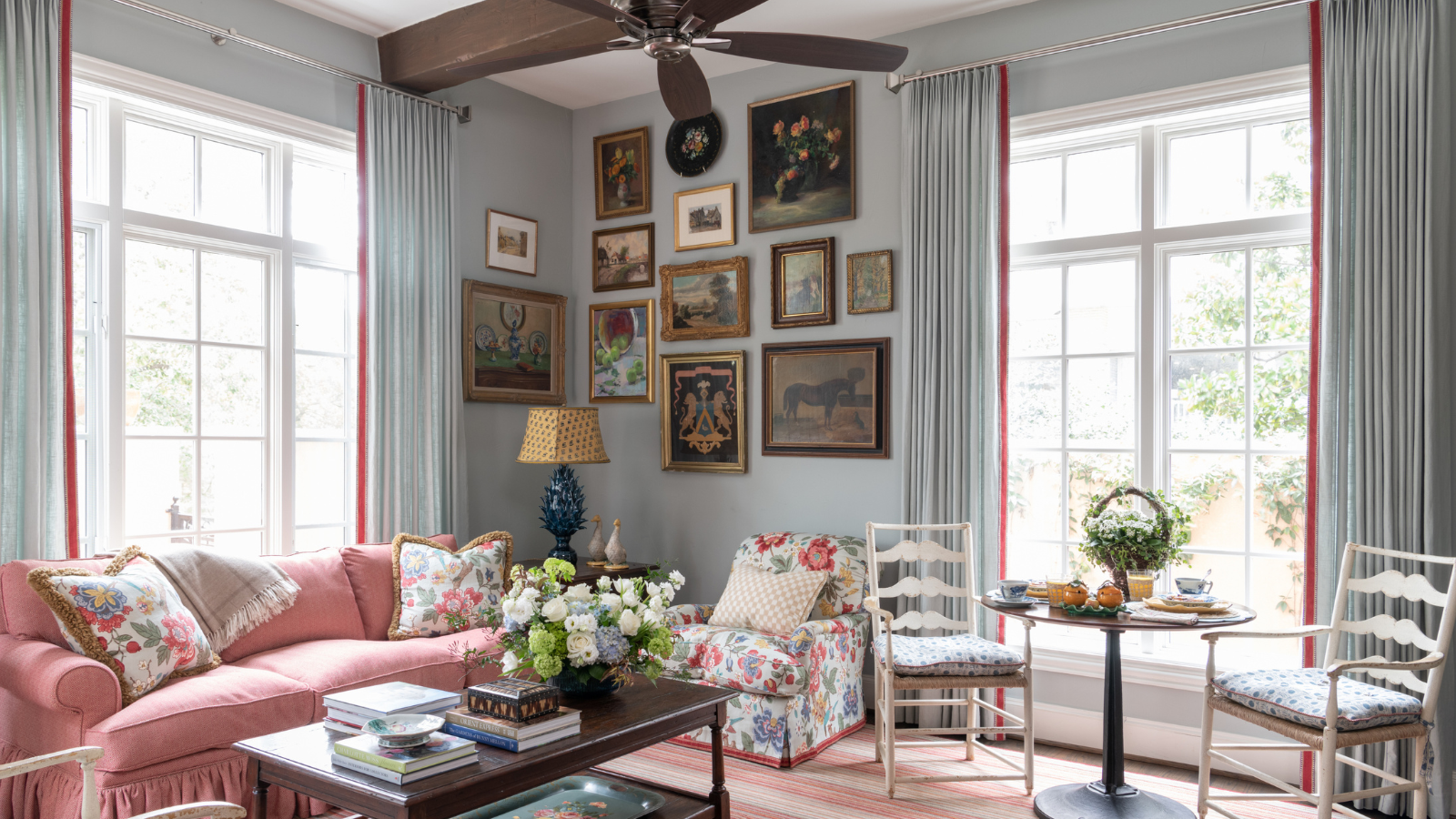
I thought I was over gallery walls, but this designer-approved hanging method has changed my mind – it makes awkward corners look 'softer, layered and lived-in'

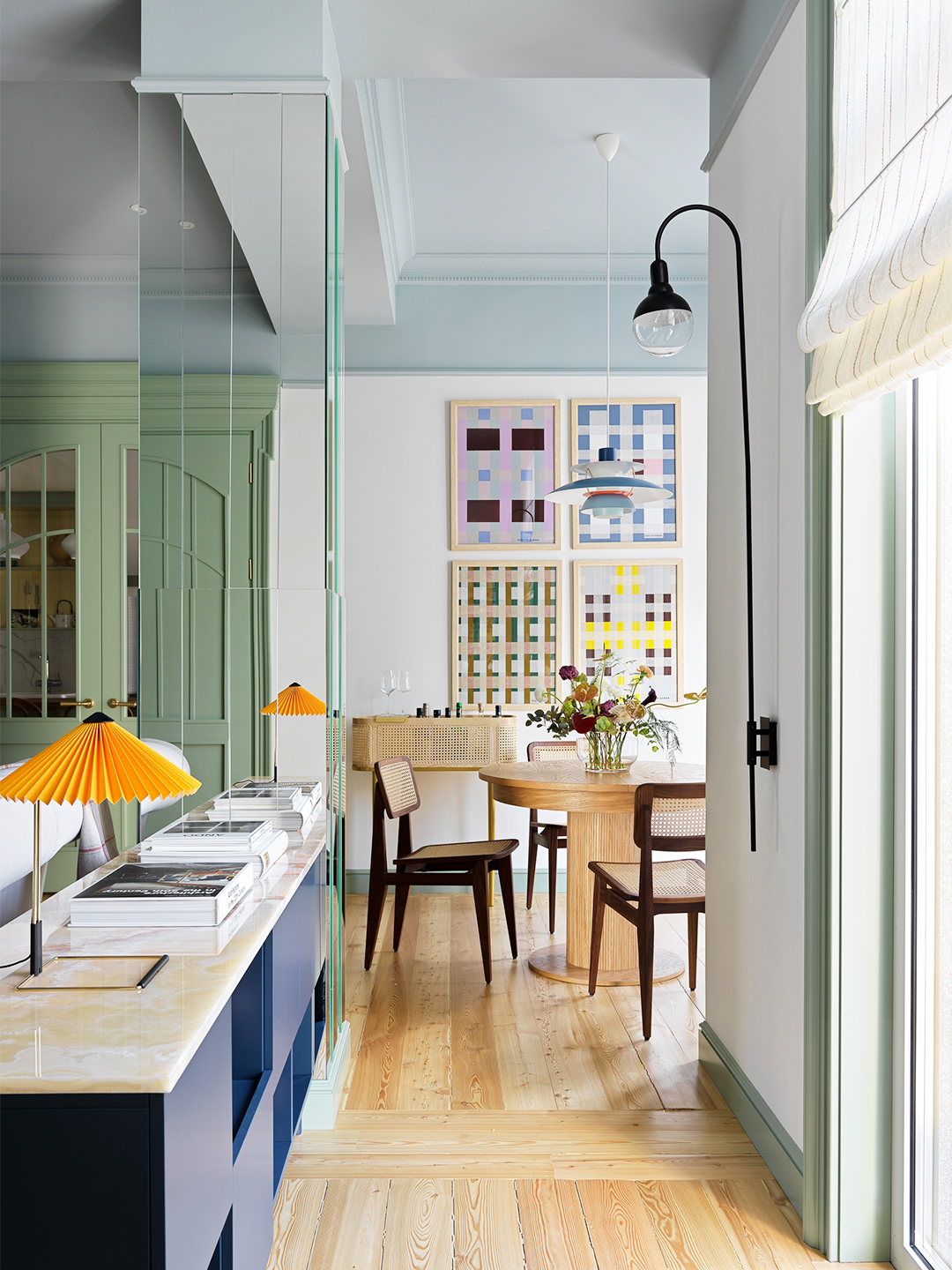
Covered in Mirrors, This Home’s Structural Column Is a Statement, Not a Hindrance

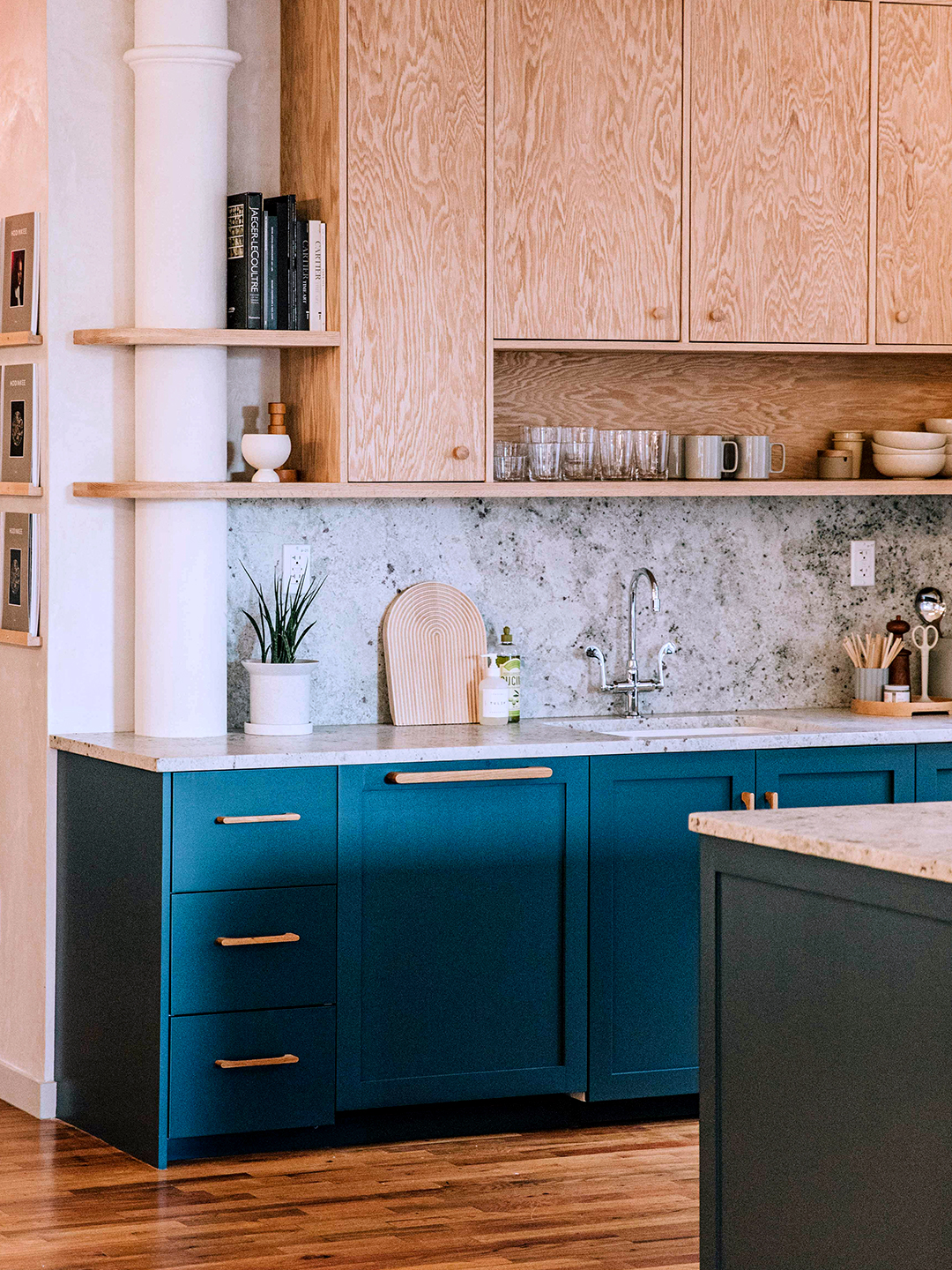
A Pesky Column Became the Star of This Kitchen’s Open Shelving

Clever design breathes calm and coherence into a fractured floor plan


Property Brothers: Drew Scott Shares The Key To Balancing Features In Your Home
Hate Your Interior Columns? Here's How Designers Would Decorate Around Them

"Cluttercore" Is Trending—Here's How to Make It Feel Intentional, According to Designers