1/10
What is zoning in interior design? Expert layout tips
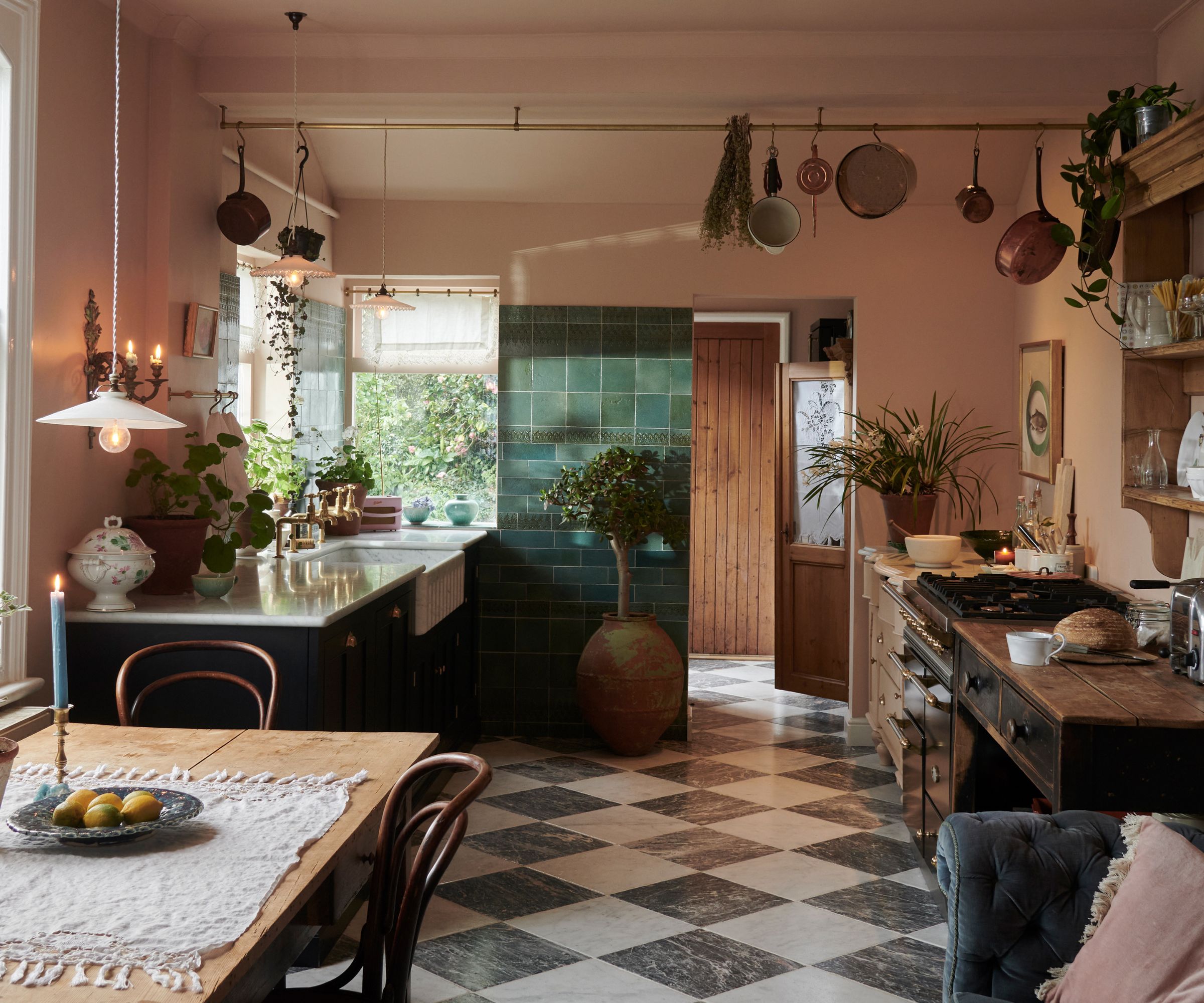
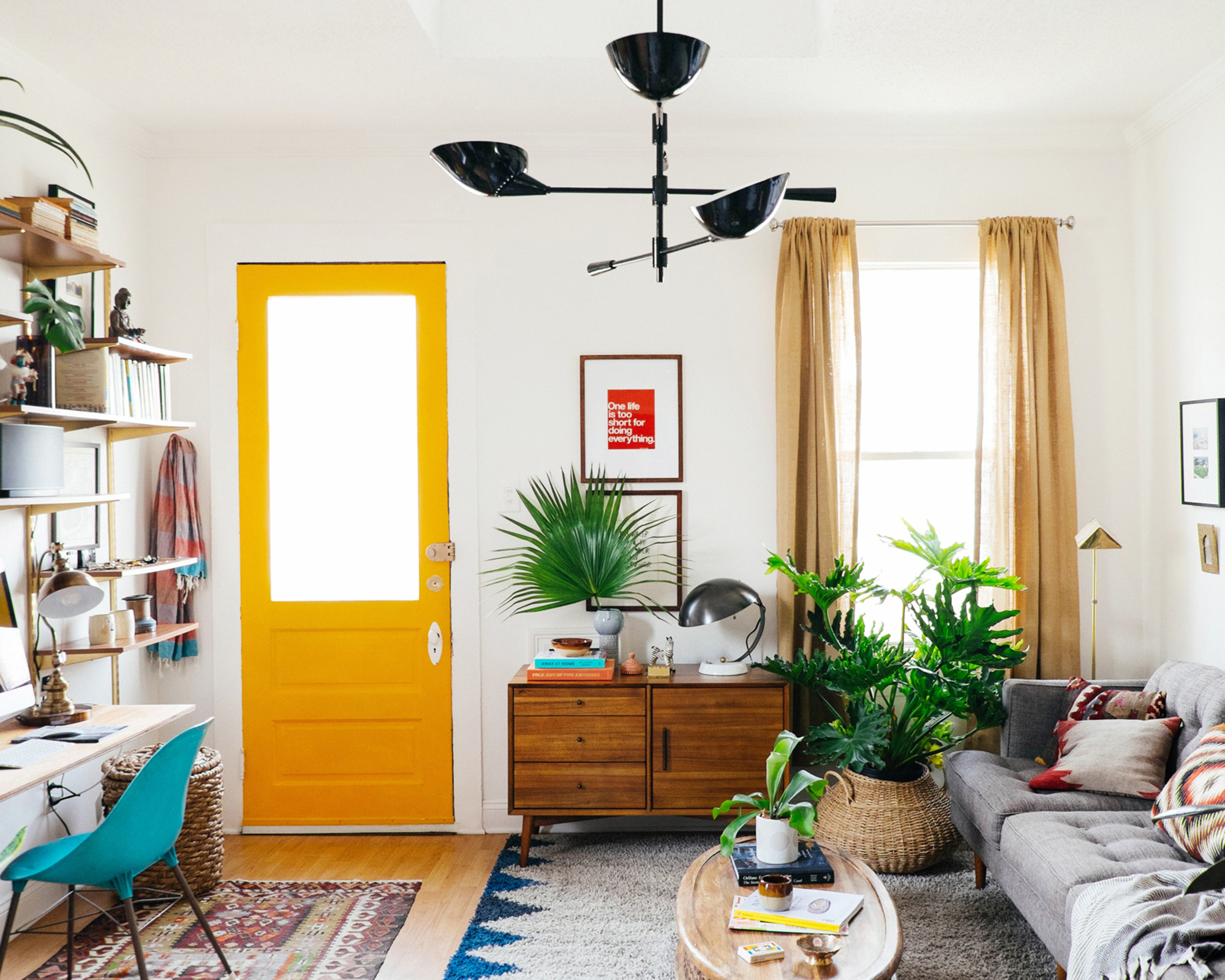
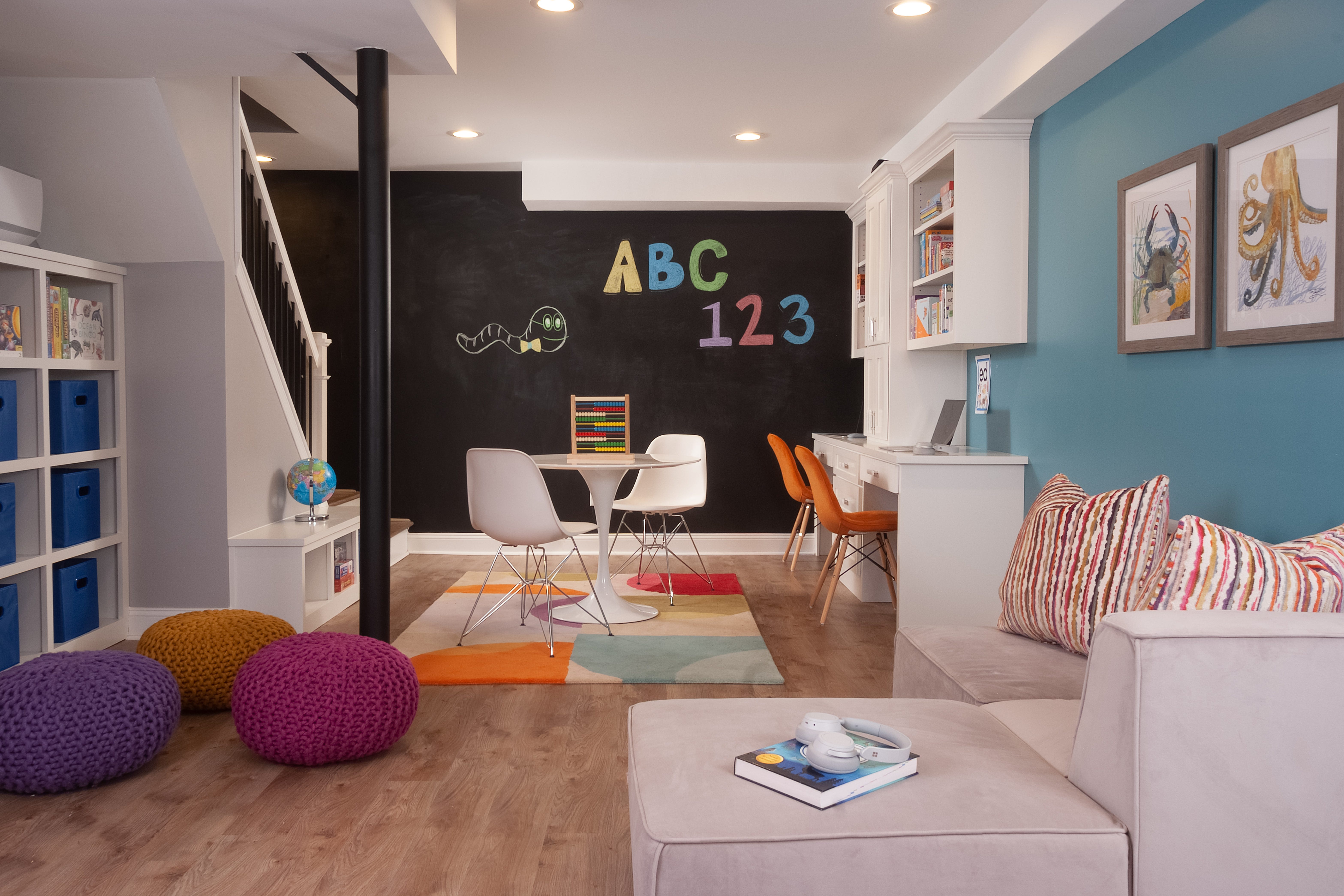
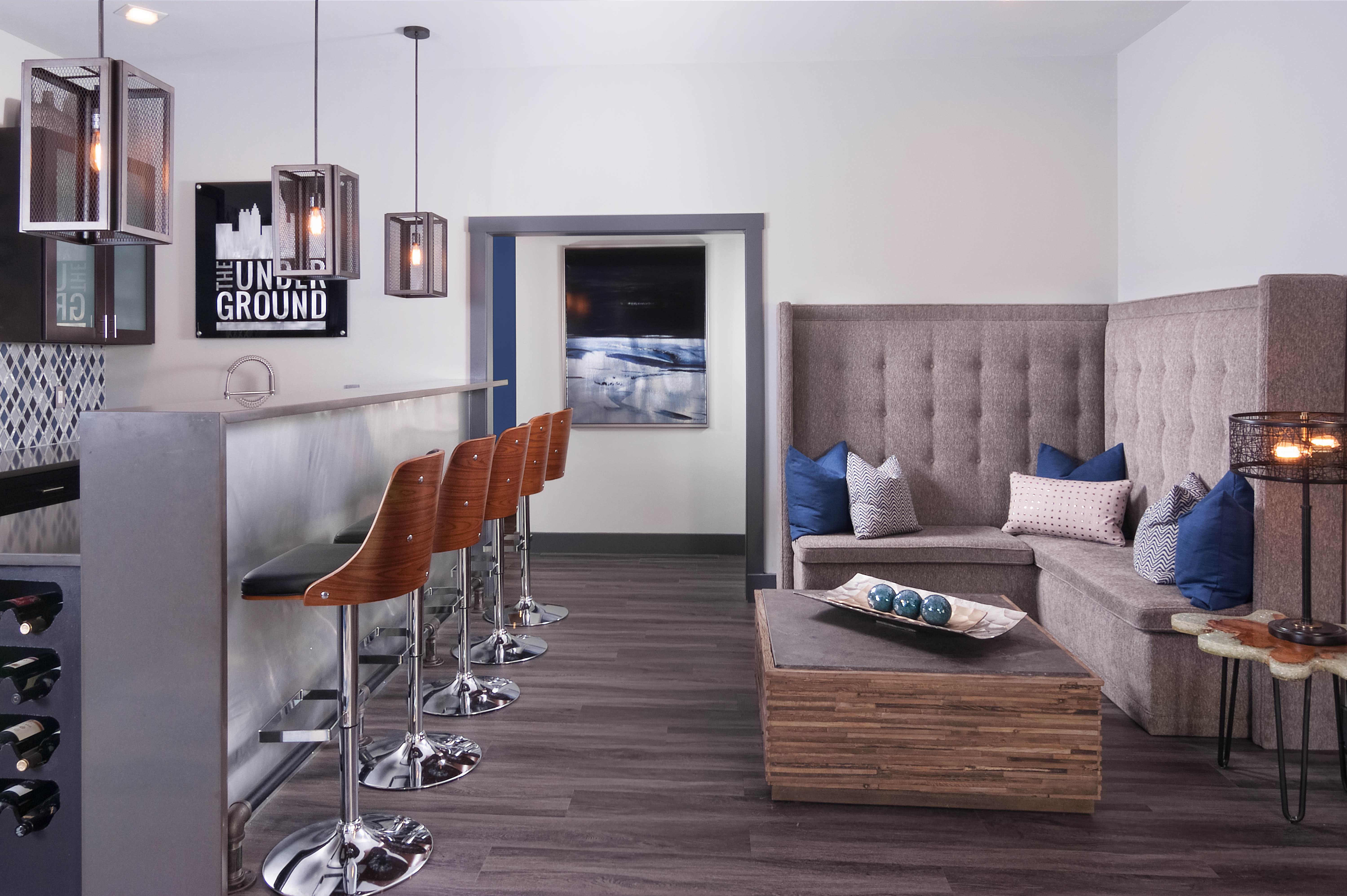
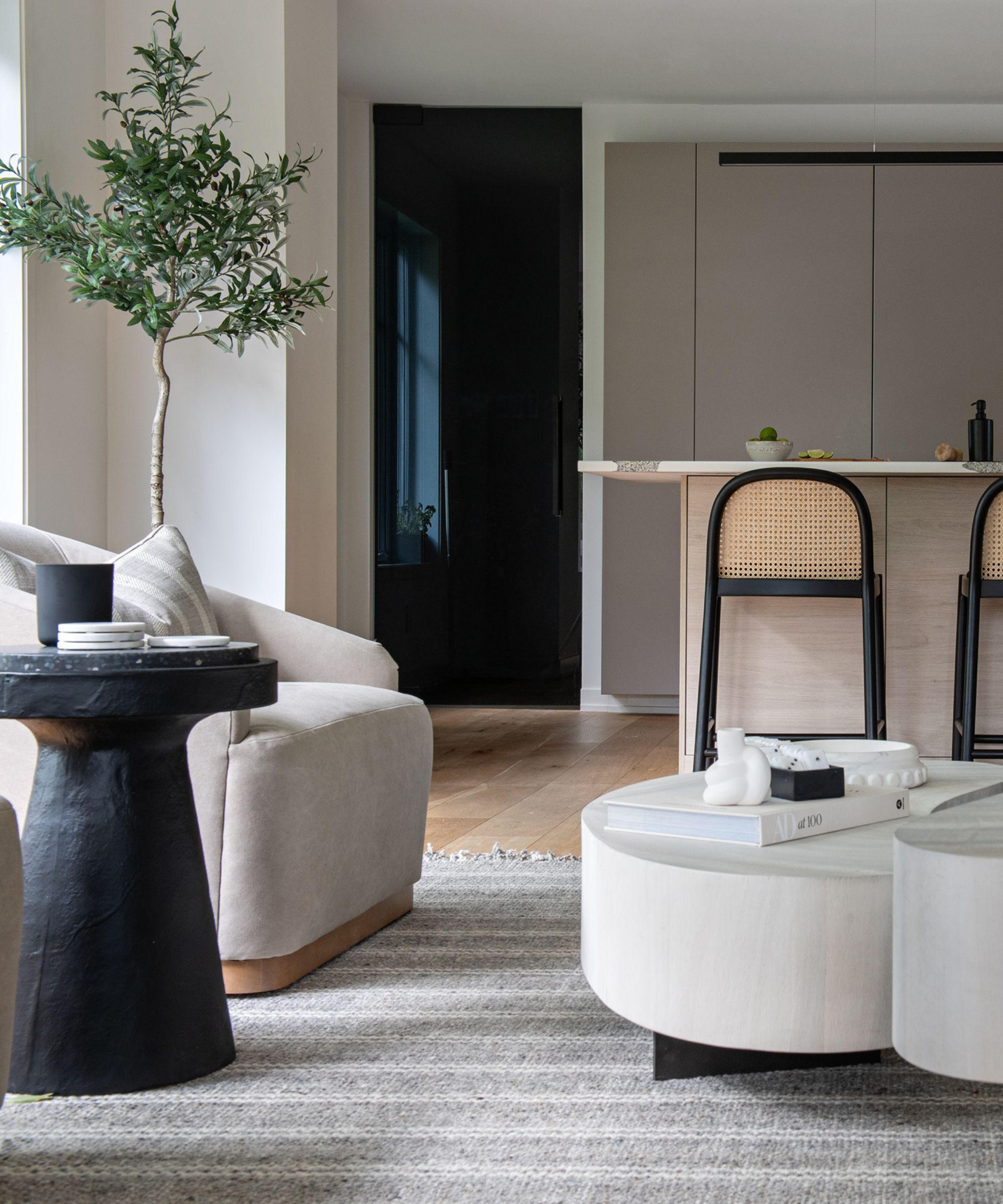
Zoning is a fundamental principle in interior design that involves intentionally dividing a space into distinct areas based on function, flow, and how people interact within the home. This approach brings clarity, comfort, and balance, making a home not only aesthetically pleasing but also highly functional for everyday life. While commonly associated with open-concept layouts, zoning is equally beneficial for individual rooms, regardless of their size or layout, helping to define specific functions like a reading nook in a bedroom or sectioning off a large family room. Interior designers emphasize that effective zoning considers how a space will be used and by whom, ensuring that the design supports daily routines and habits.
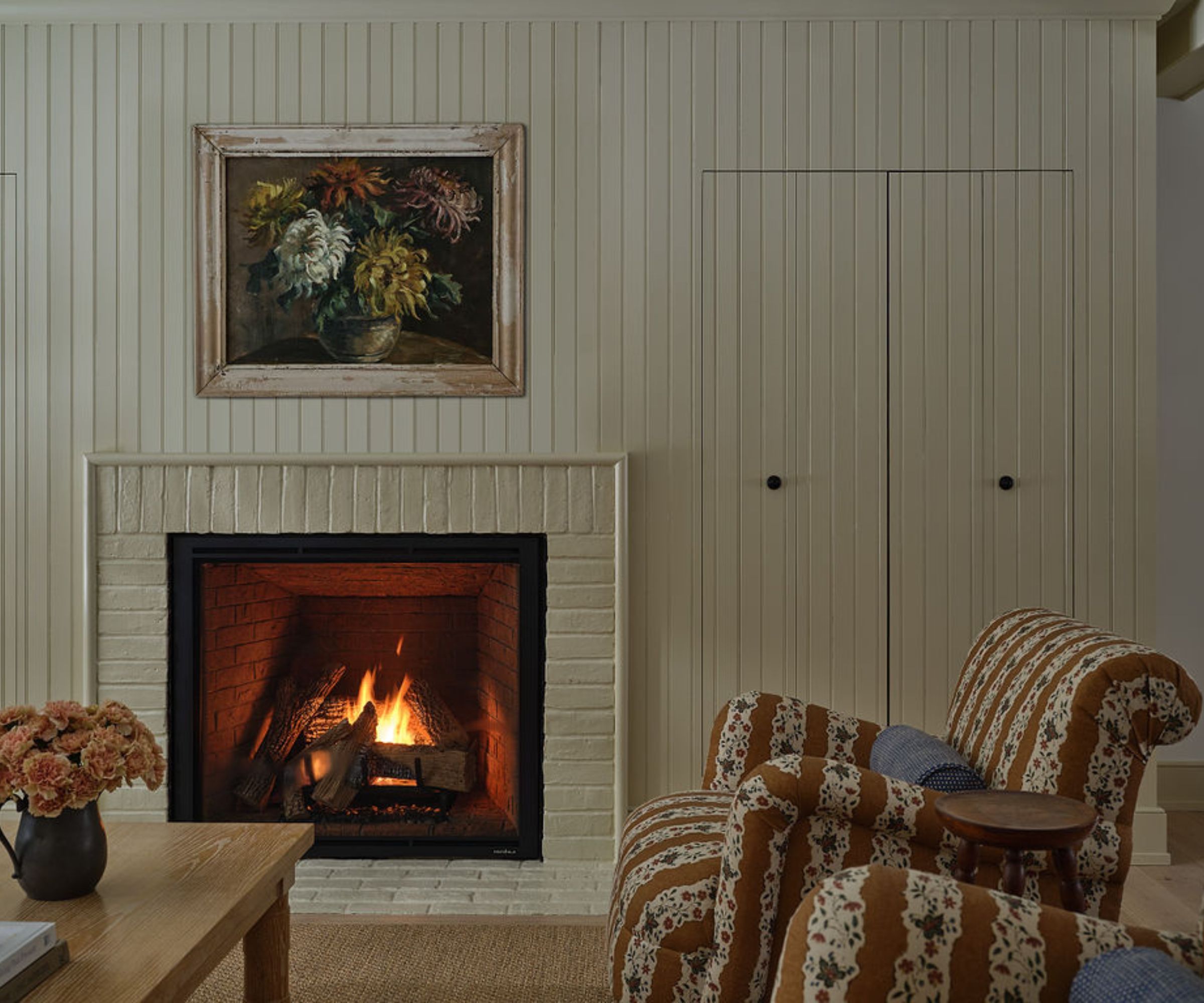
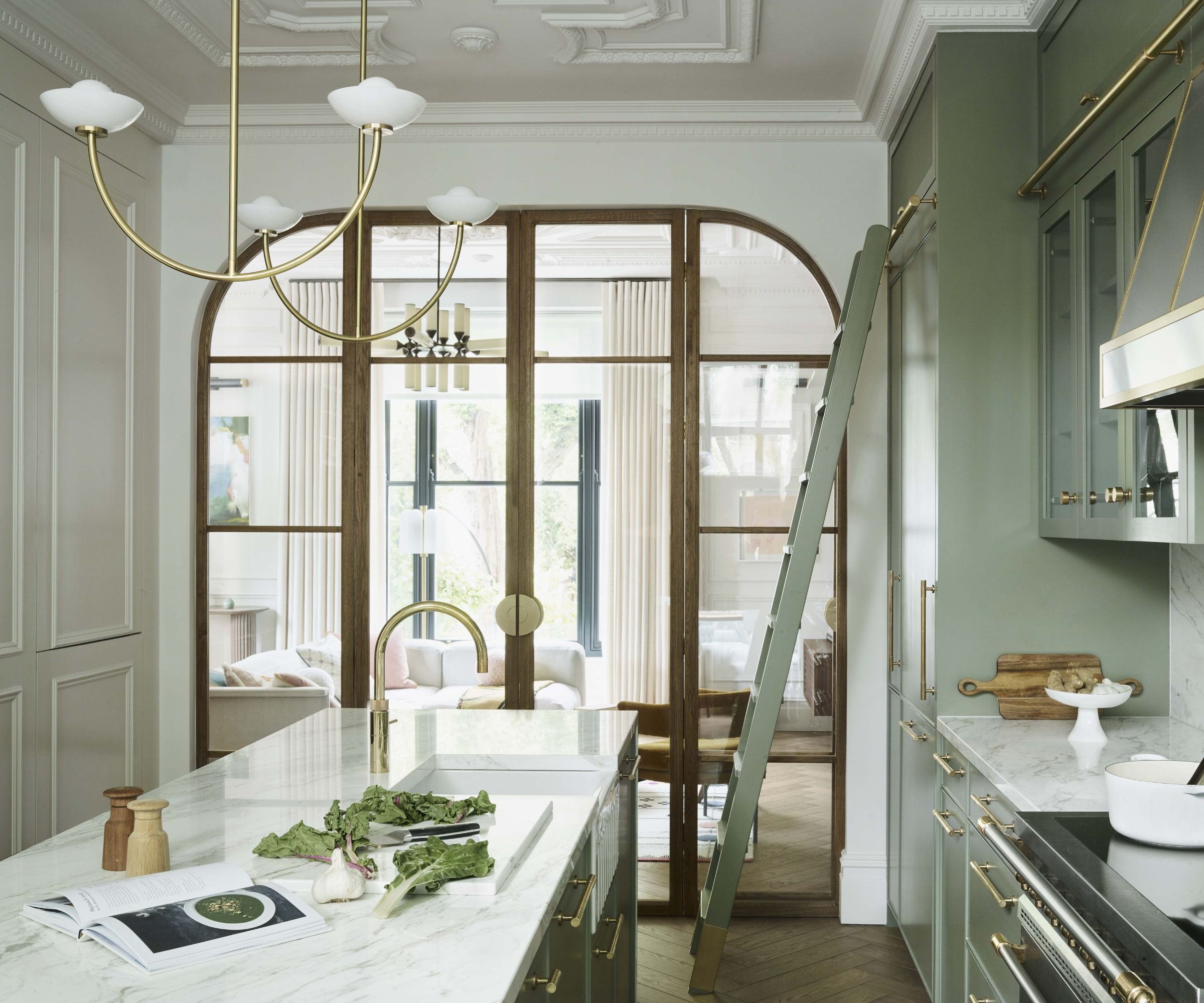
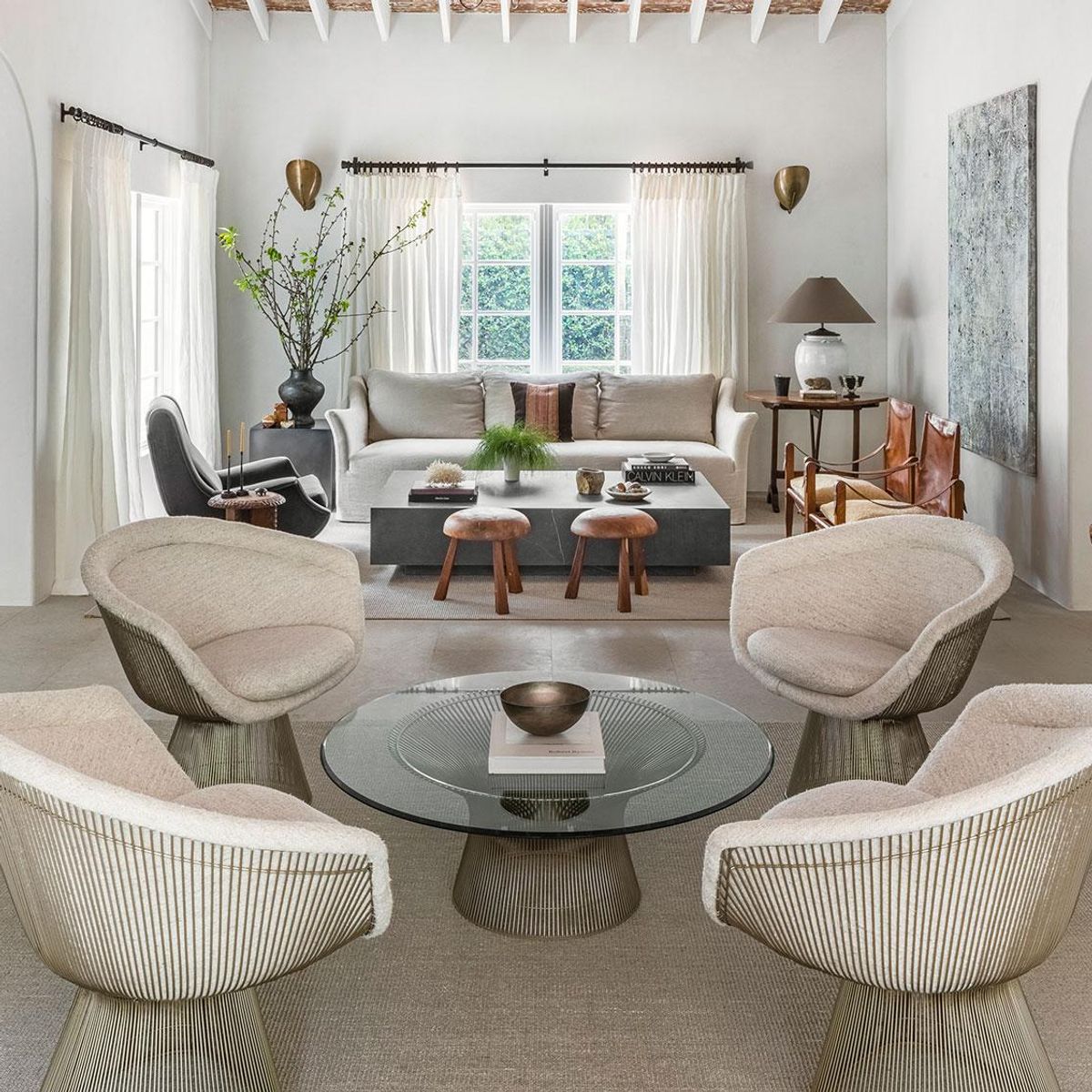
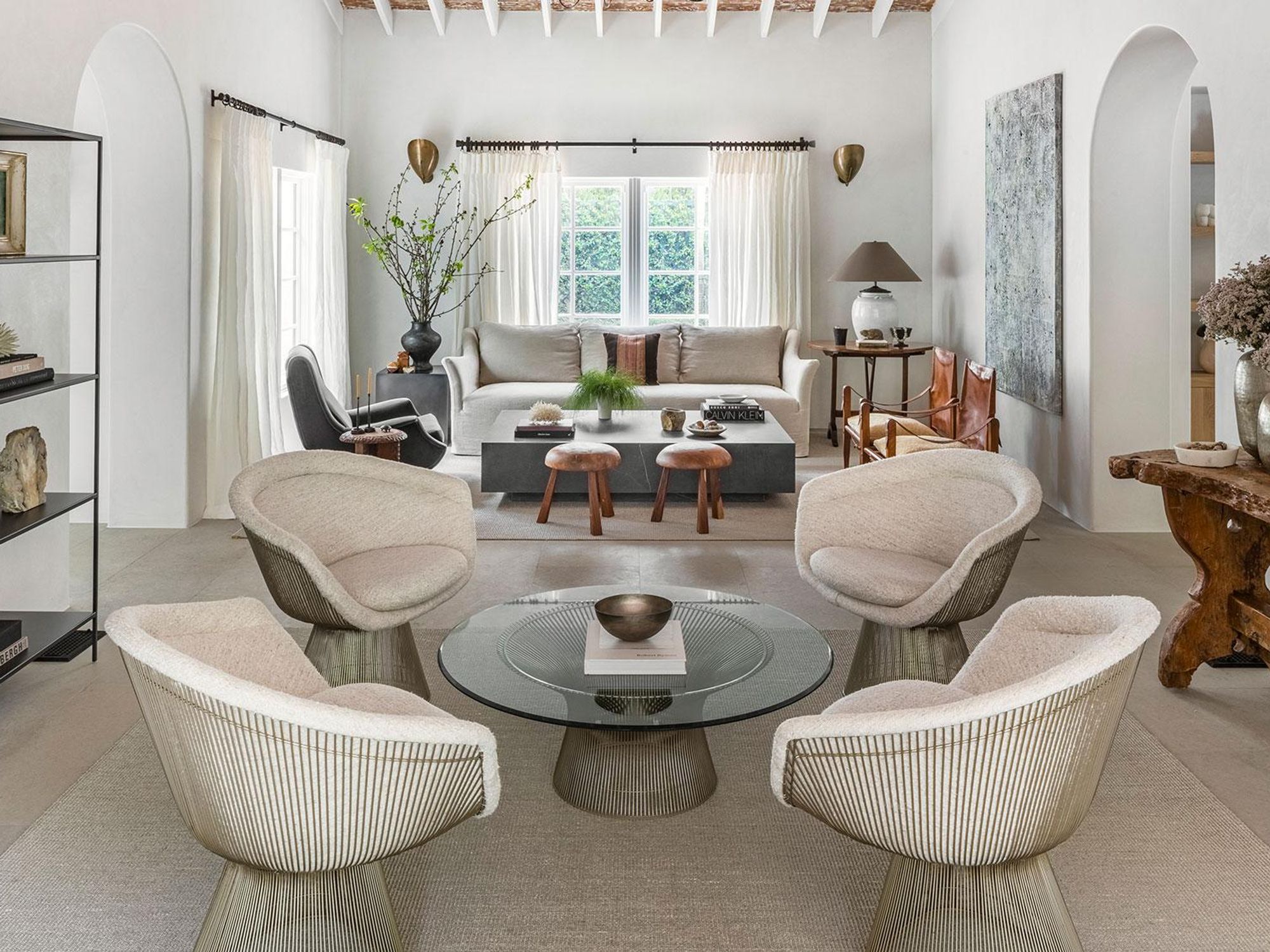
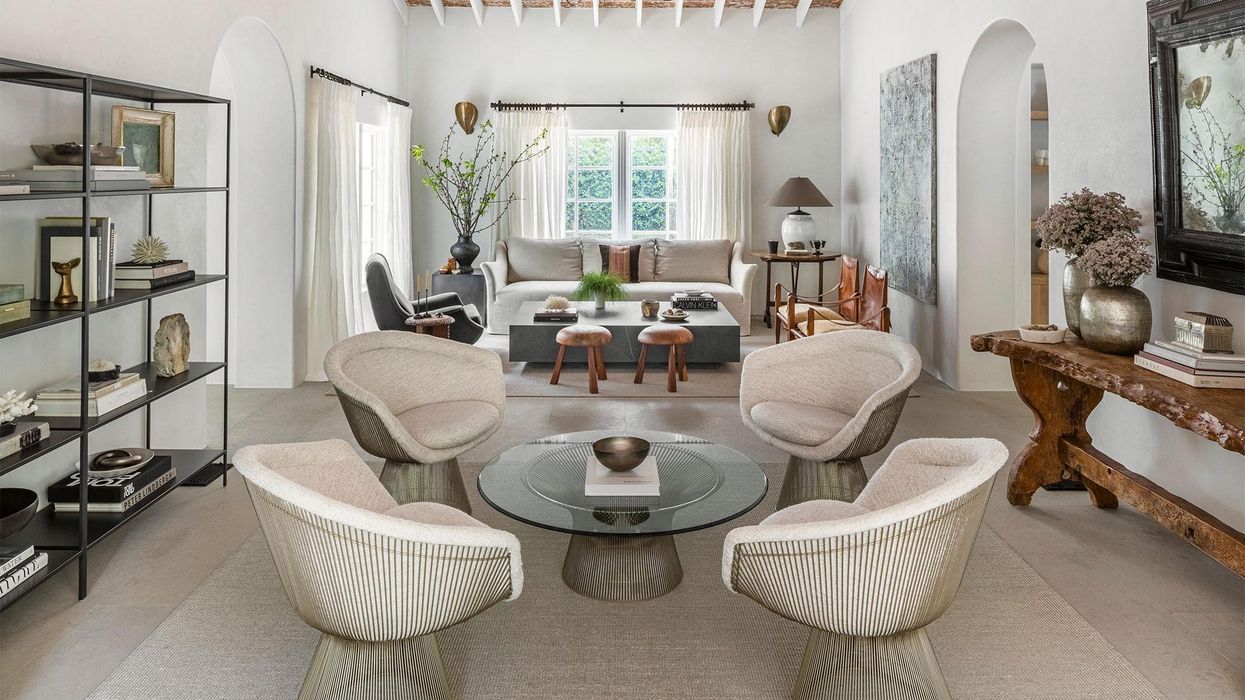
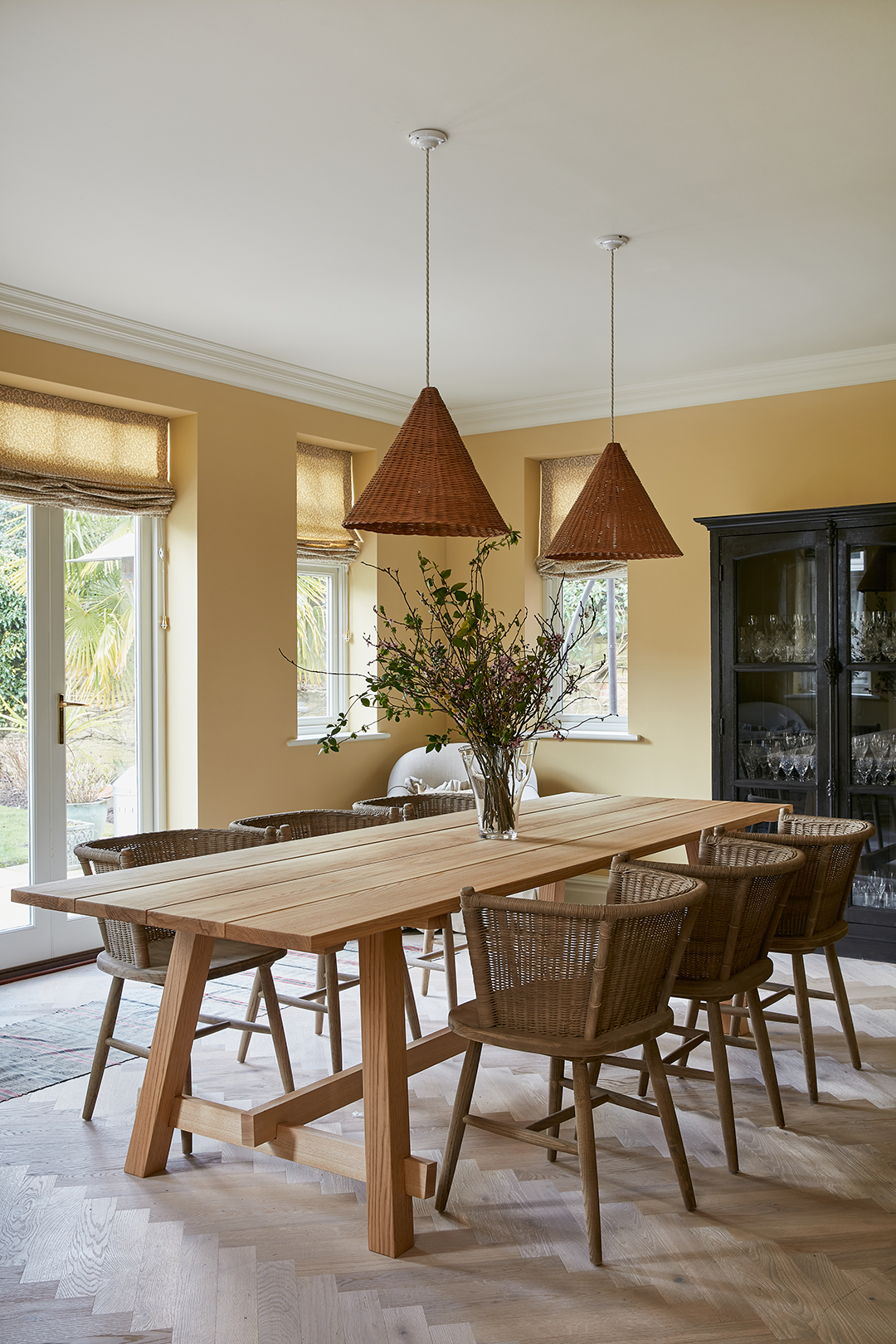
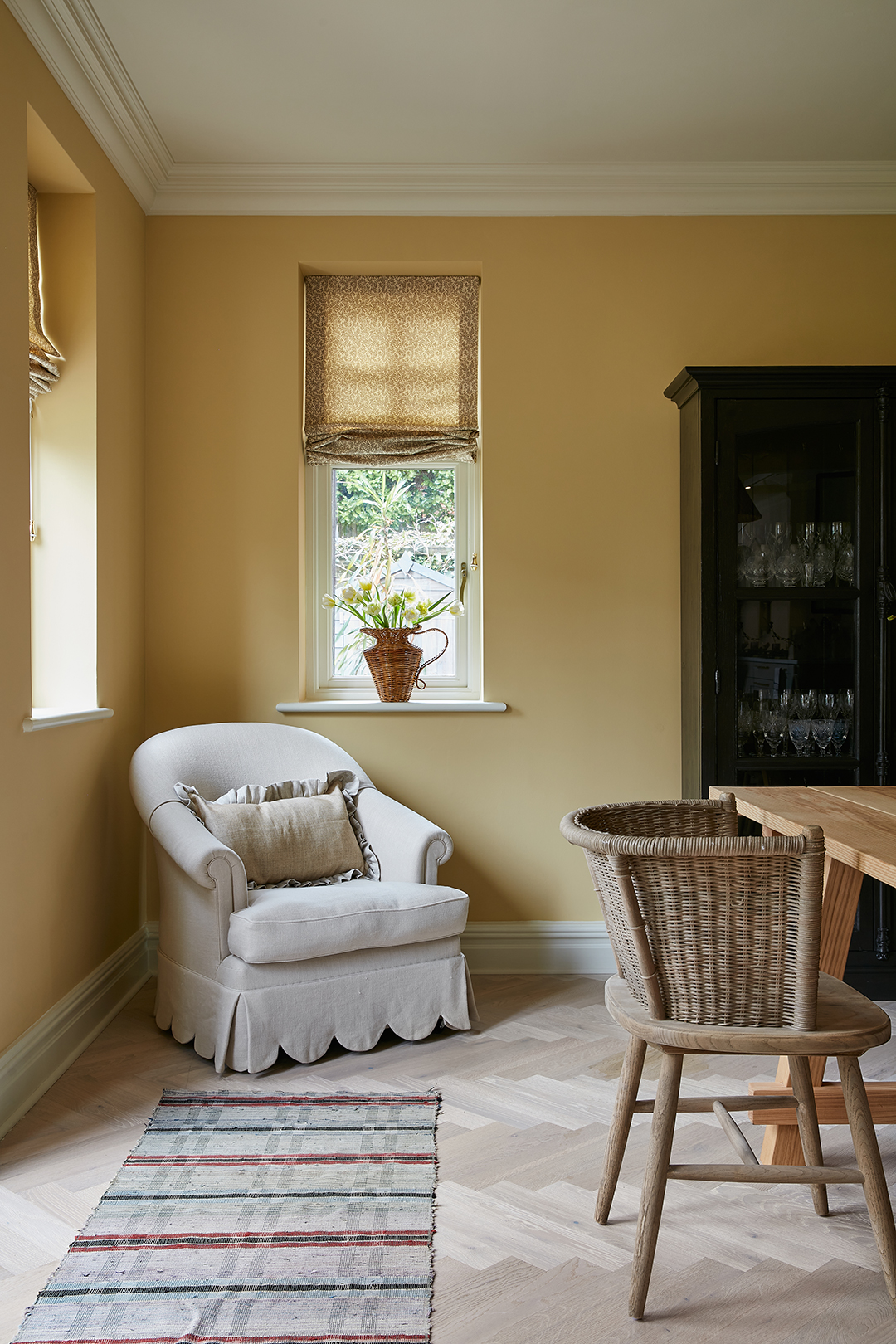
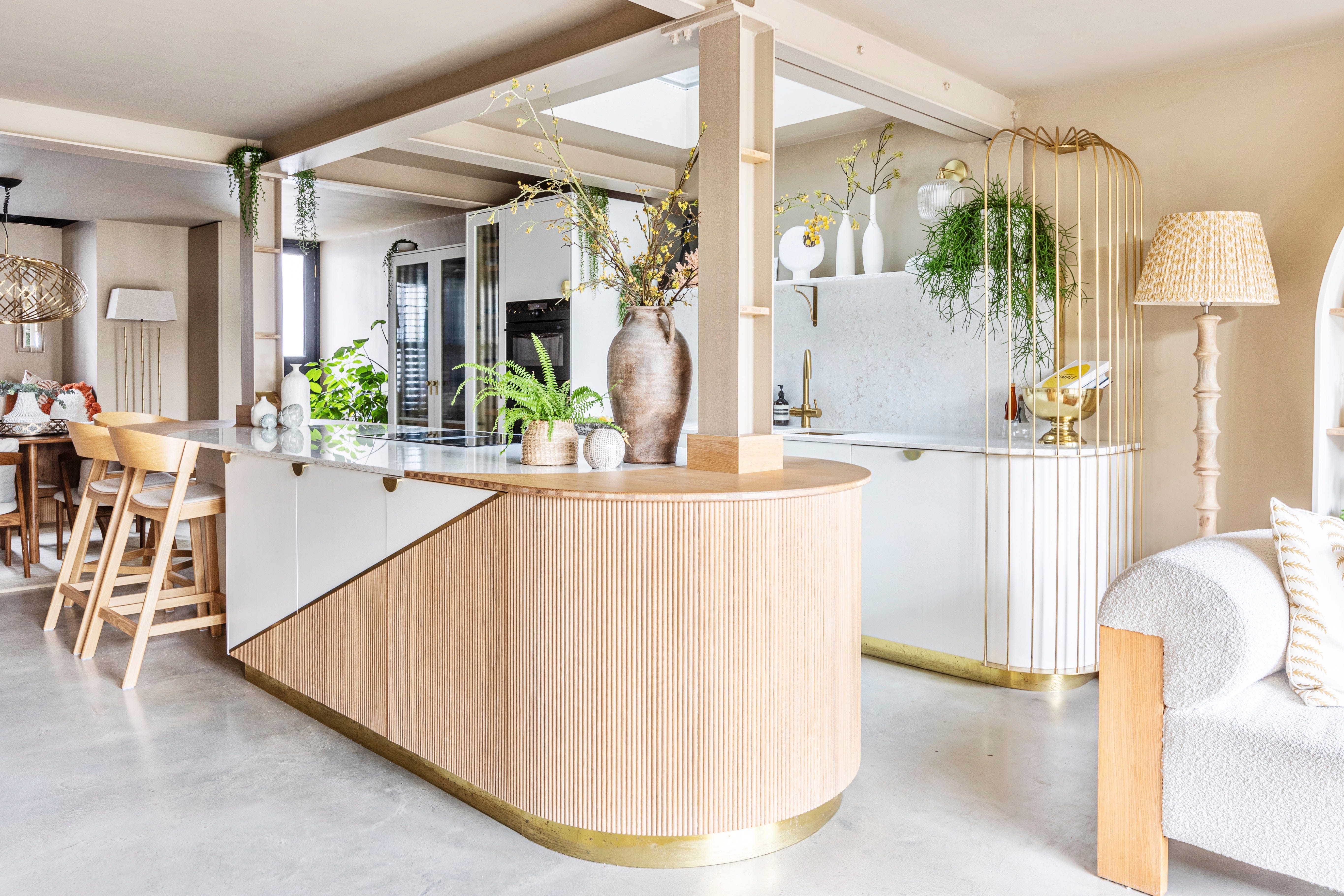
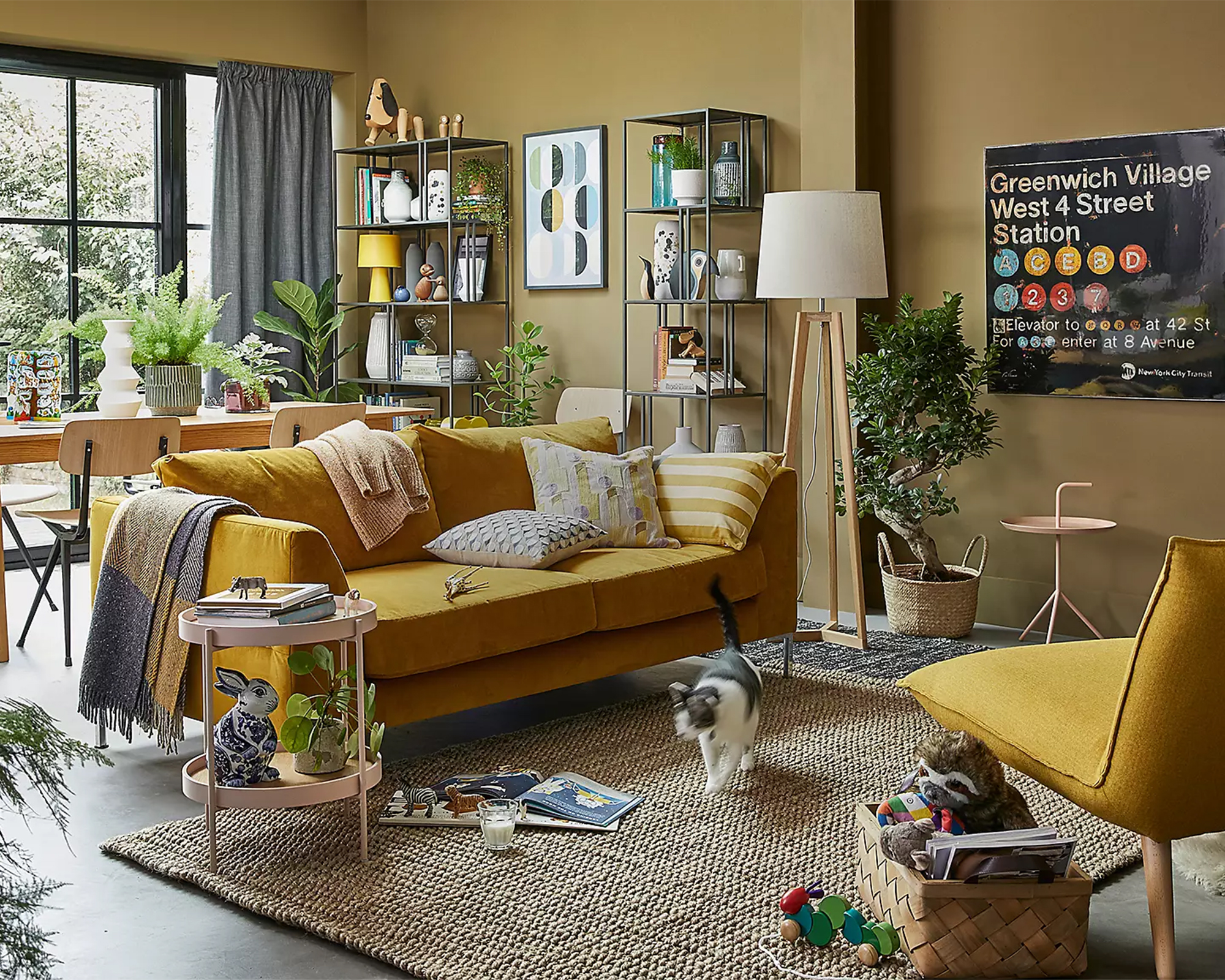
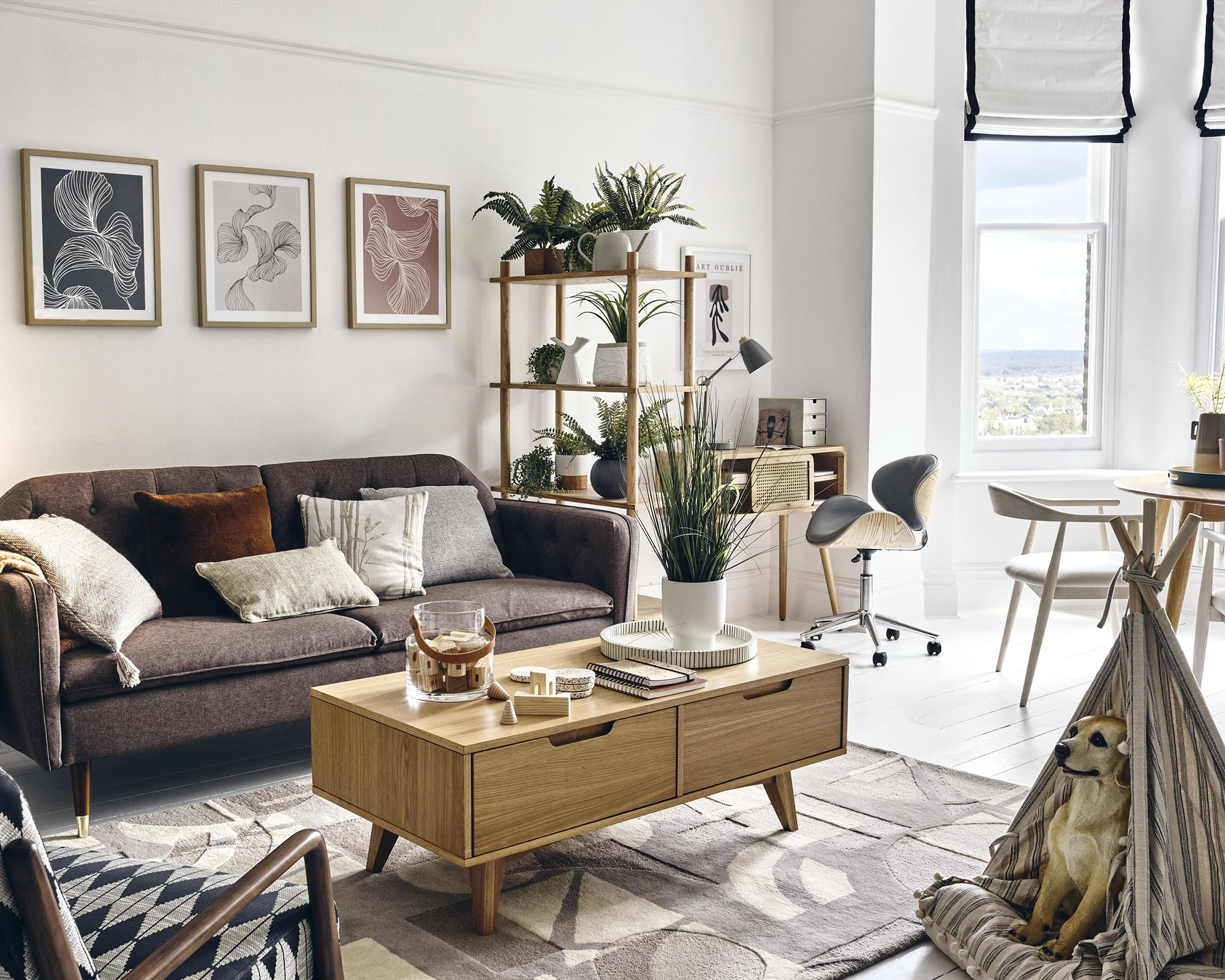
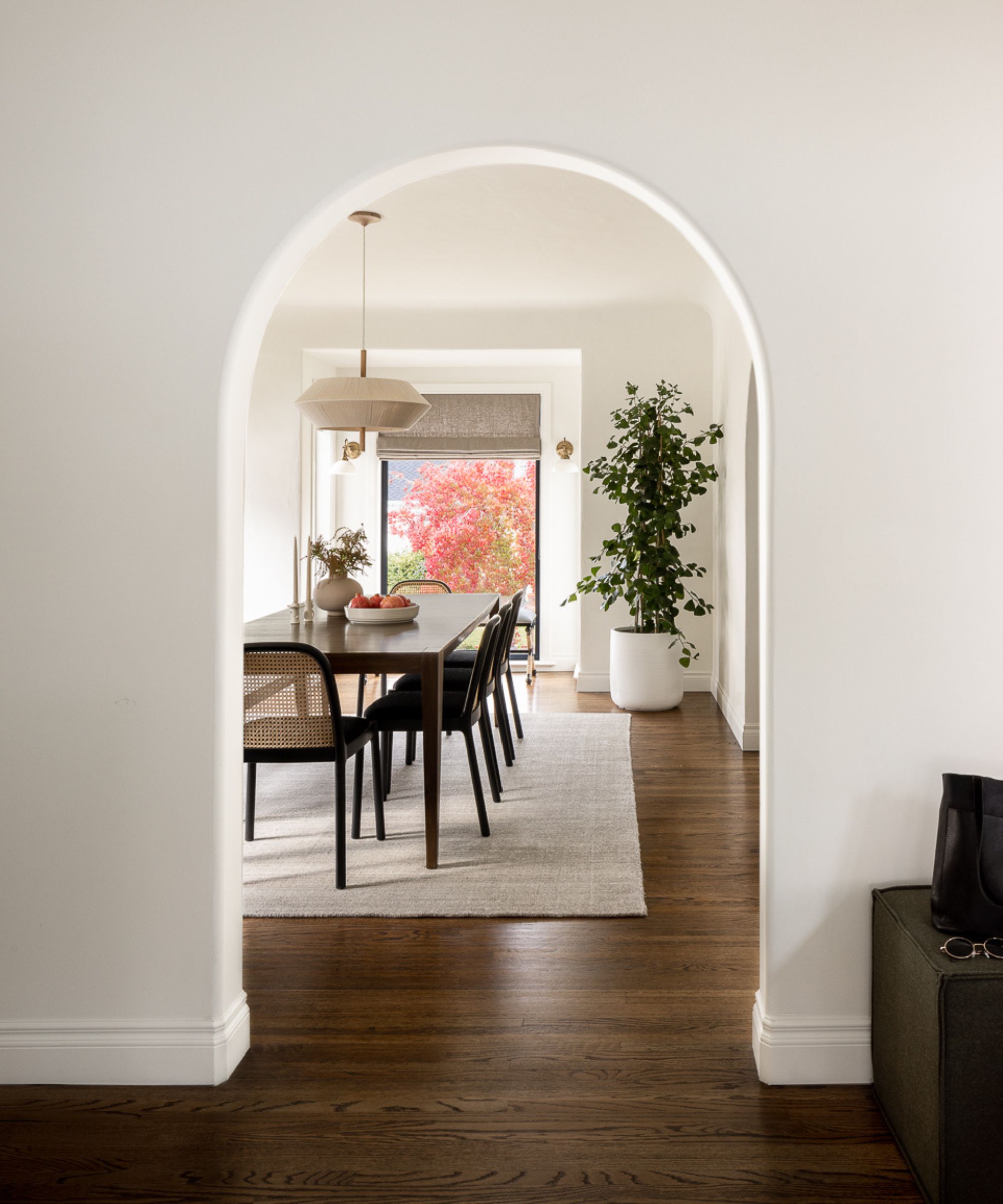
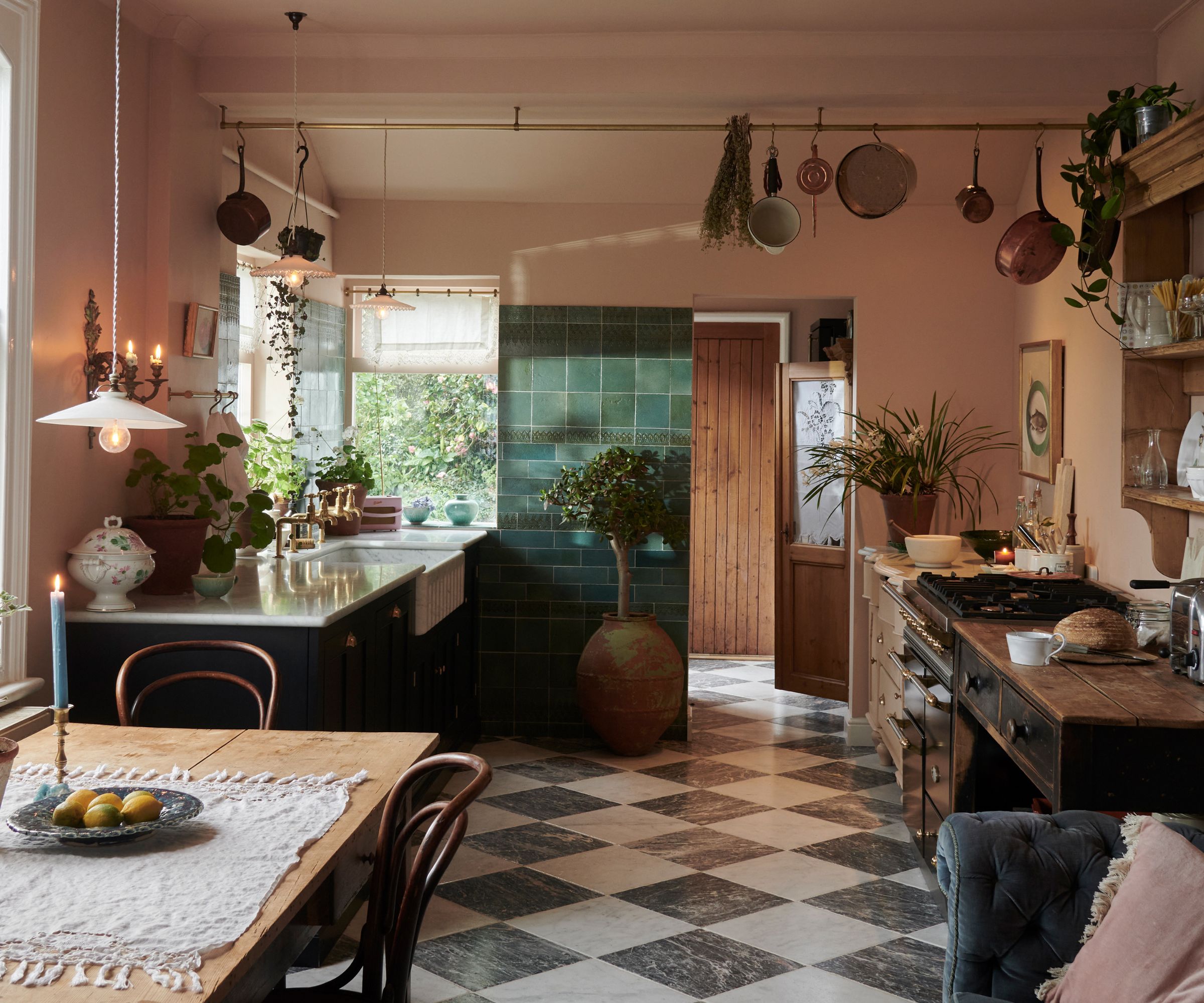
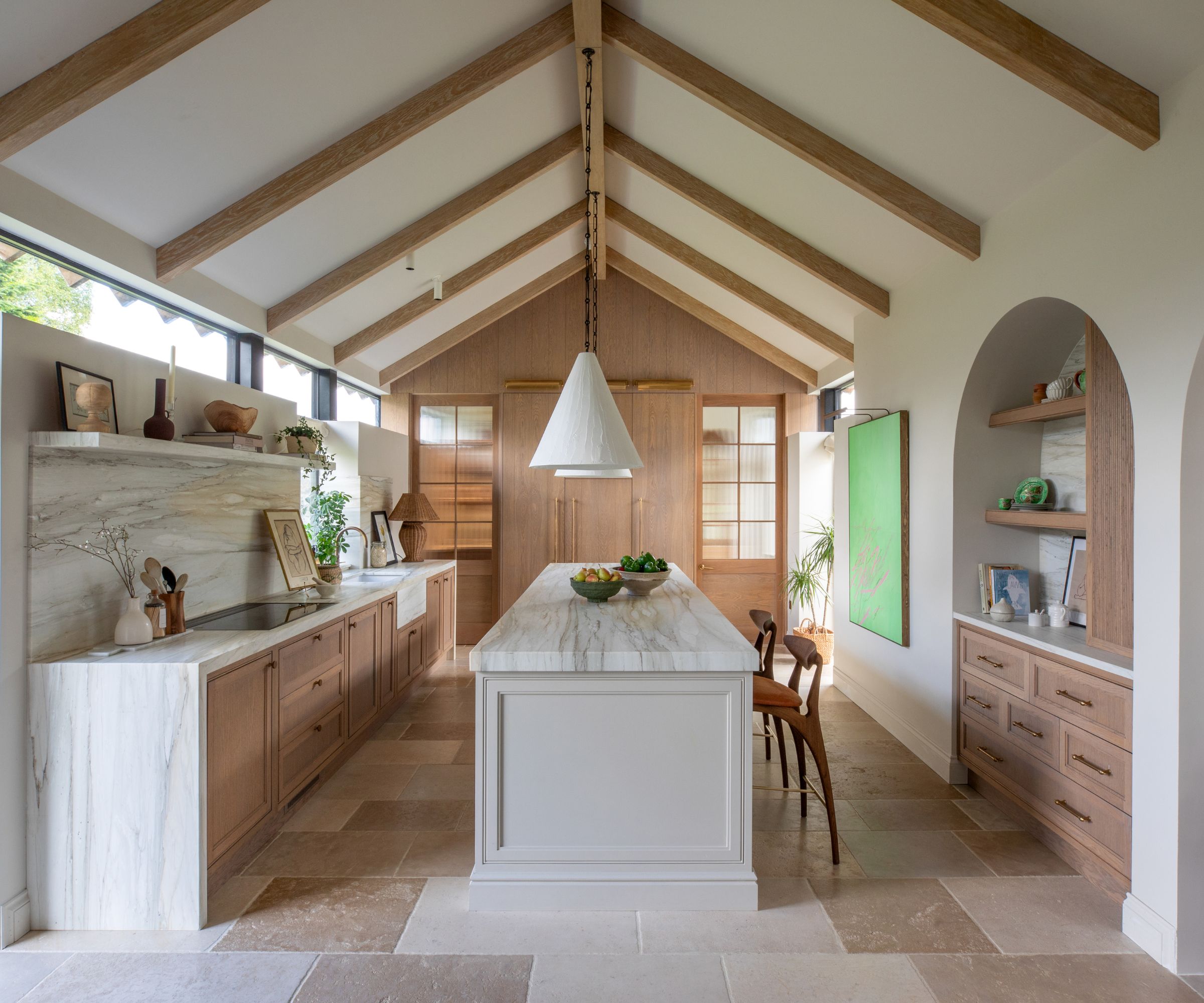
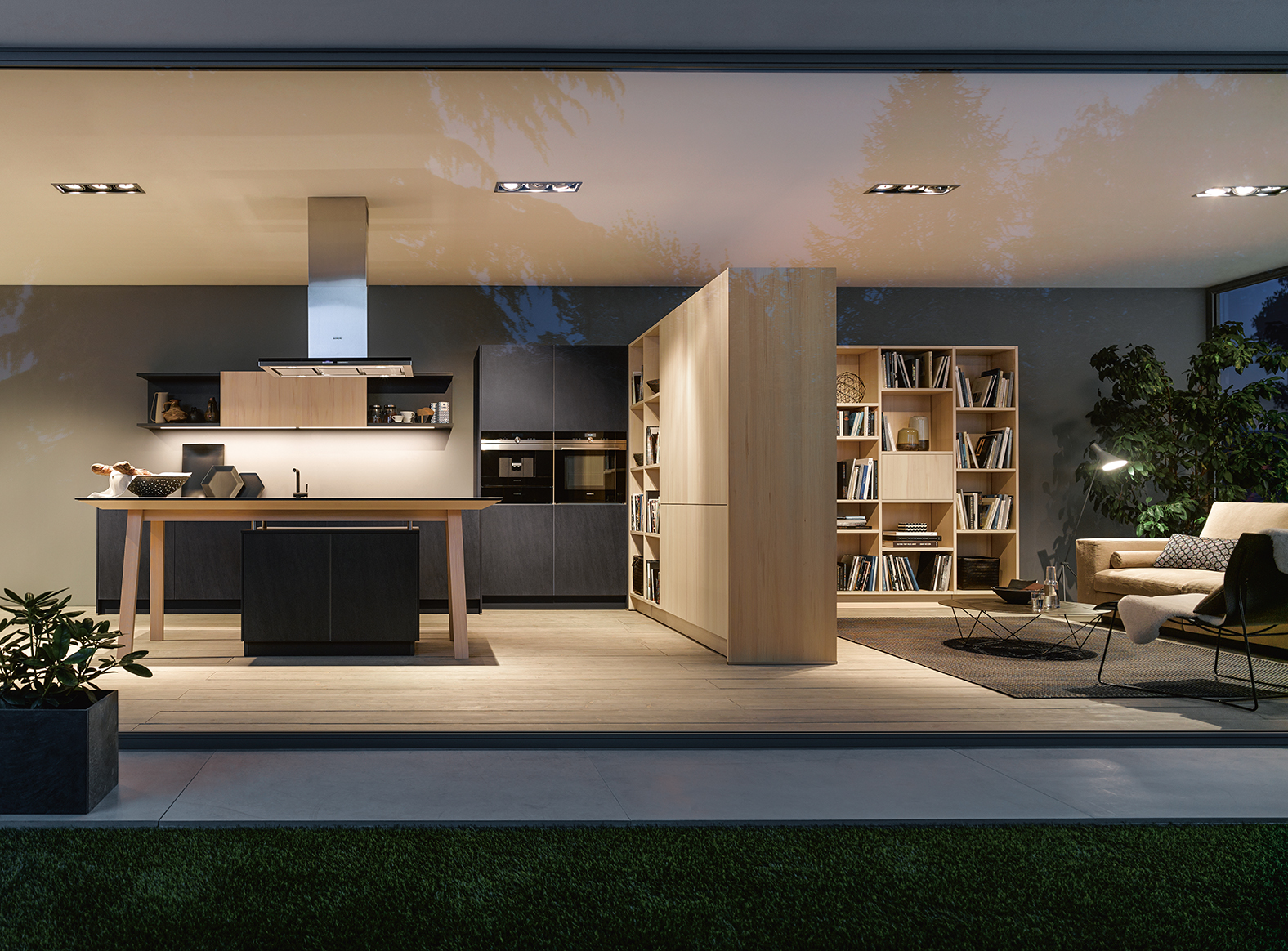
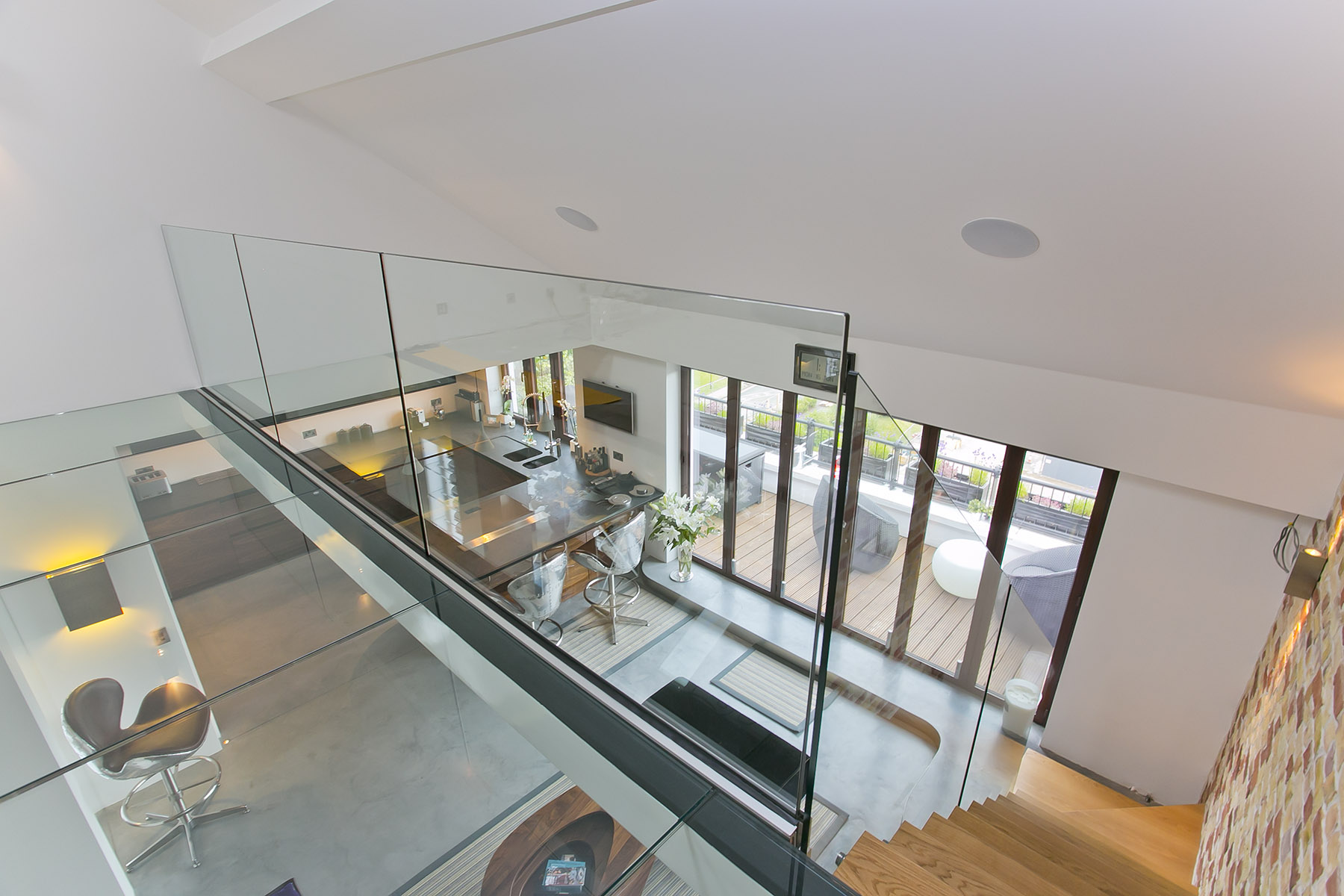
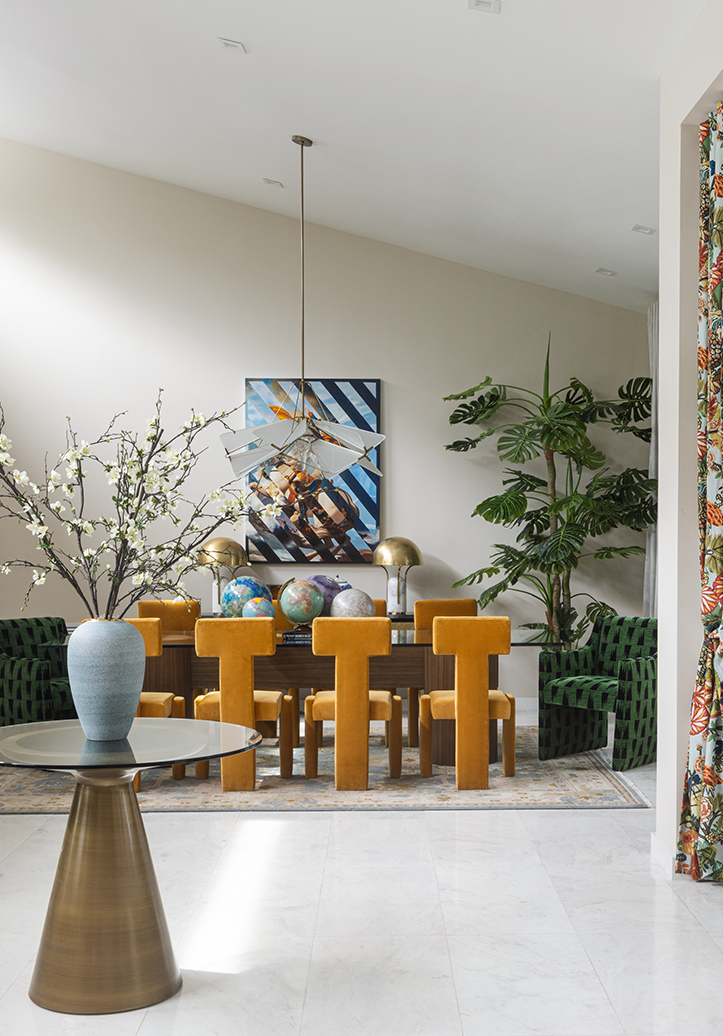
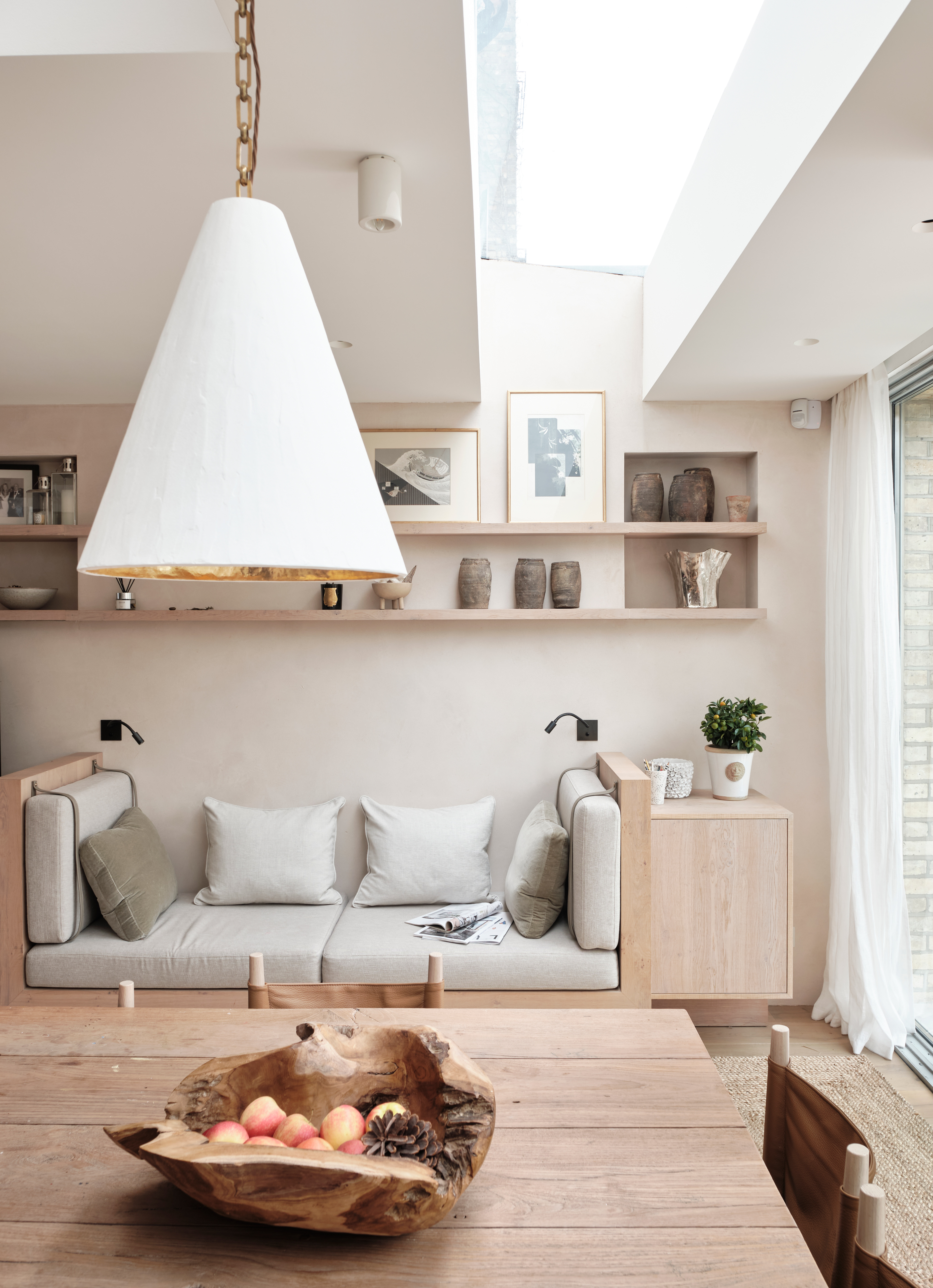
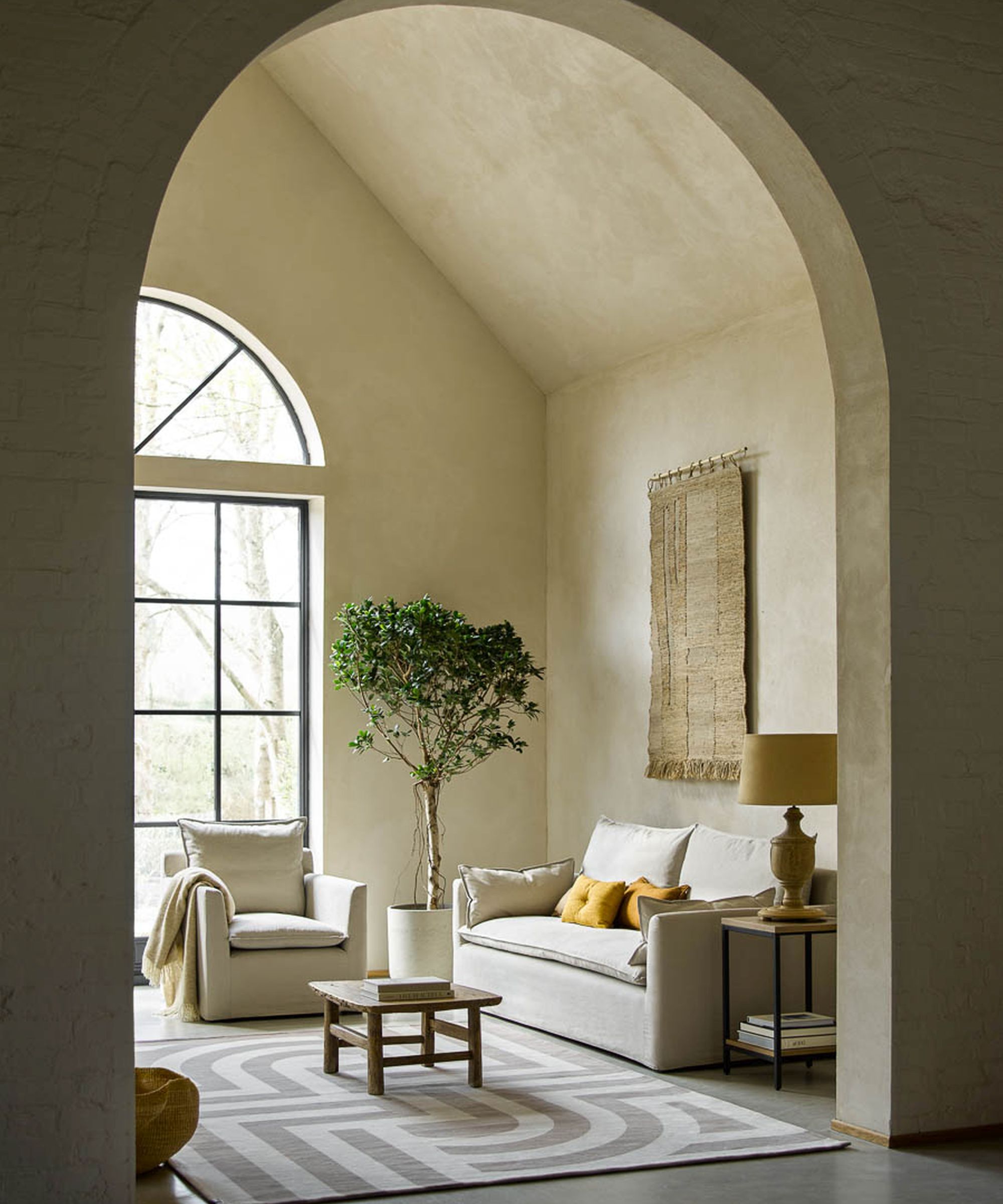
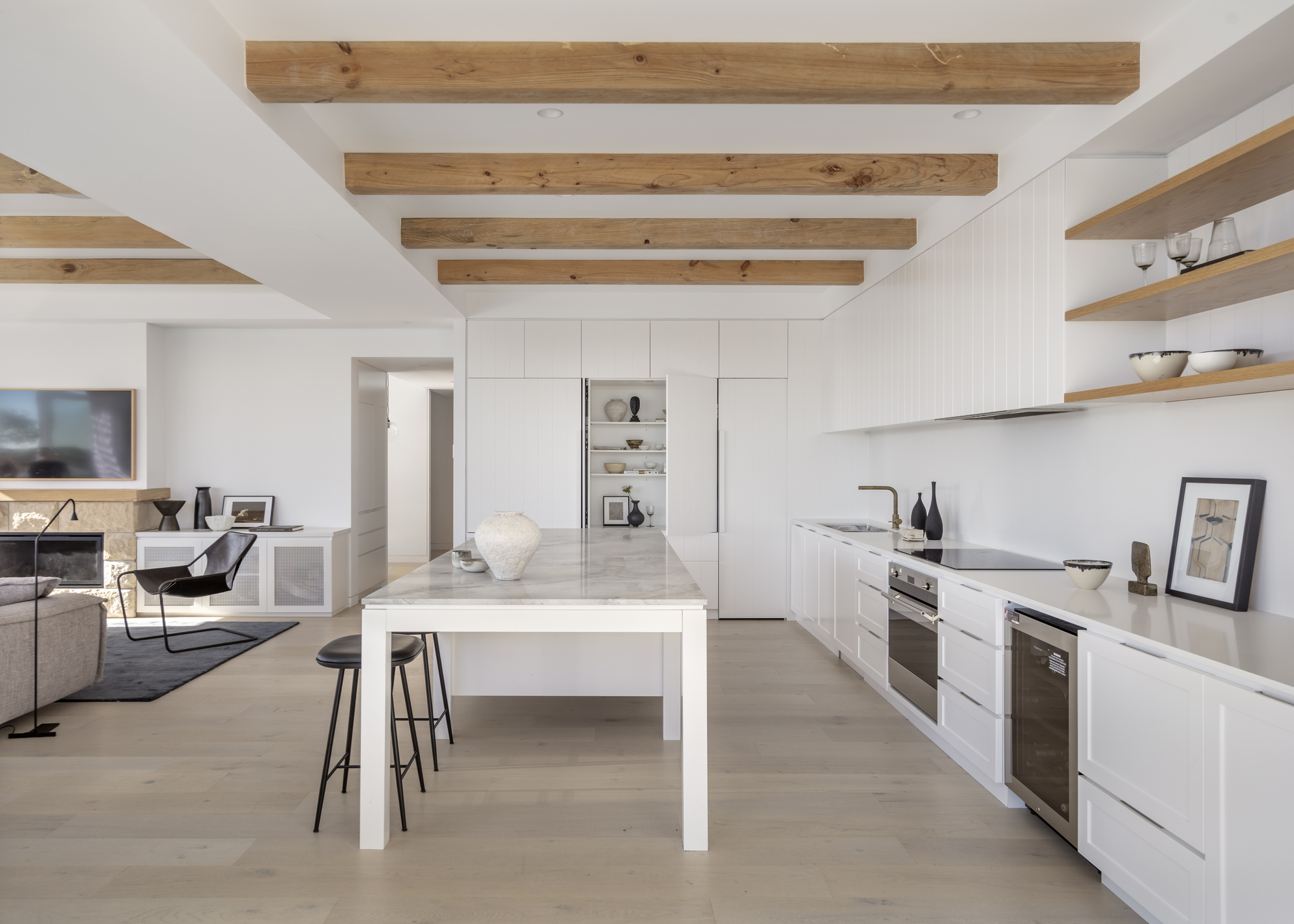
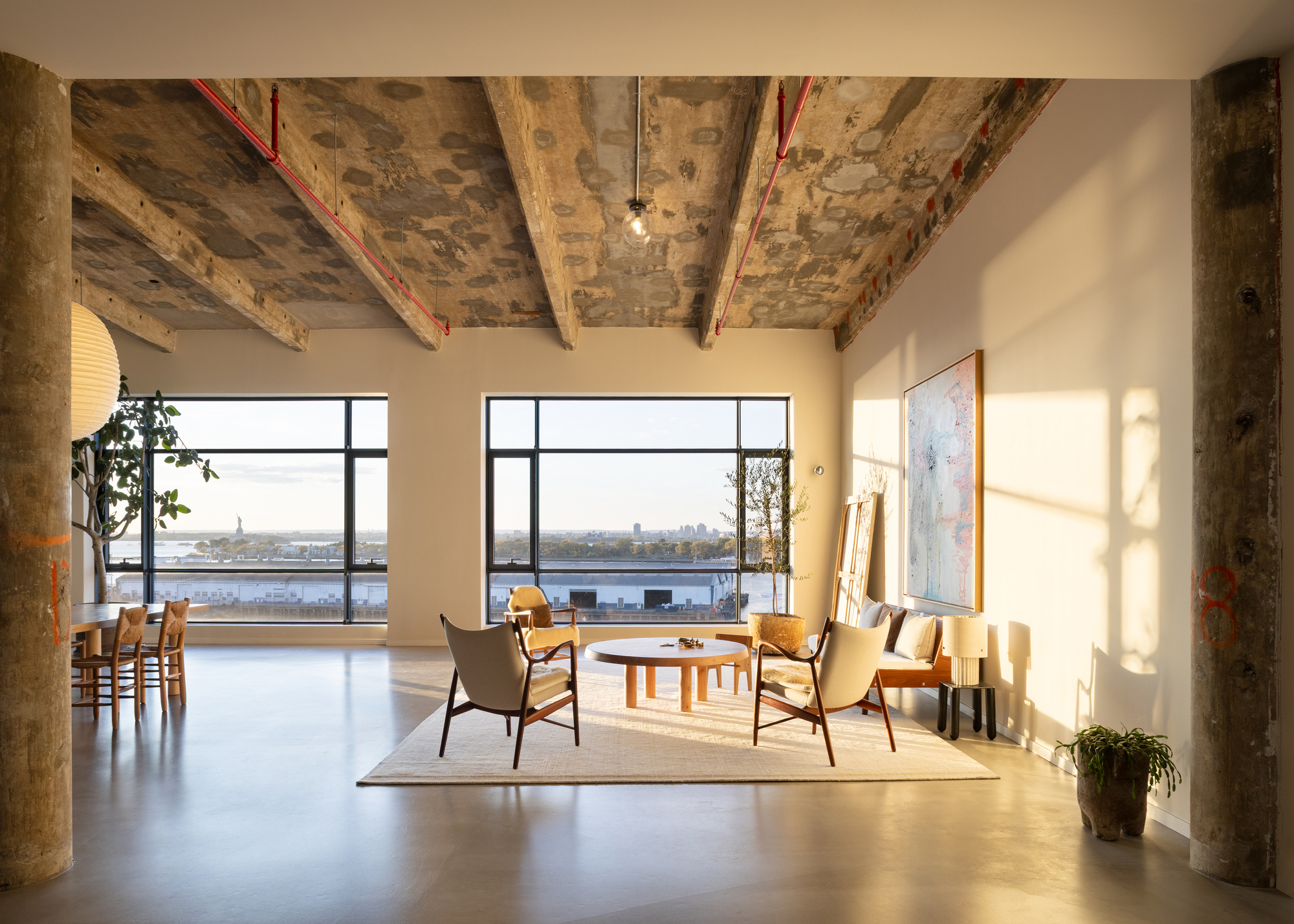
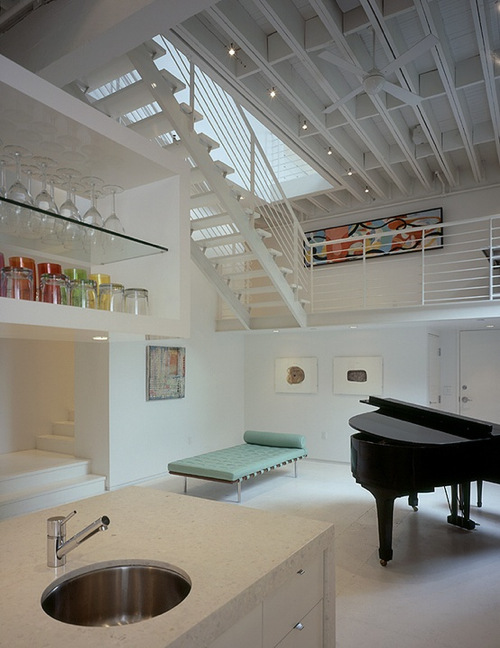
Several design elements contribute to successful zoning. Furniture placement is often the most powerful tool, as the orientation of pieces can naturally delineate areas without the need for physical walls. For example, placing a console table behind a sofa in an open layout defines zones, adds visual interest, and prevents a direct view of the sofa's back. Rugs are another effective element, grounding each zone visually and adding warmth. Lighting also plays a crucial role, defining areas and establishing specific moods through variations in brightness. Permanent architectural features like beams, columns, and built-ins provide a structural backbone for zoning, saving space and serving multiple purposes. Ultimately, almost any architectural or decor detail can be utilized to create distinct zones.
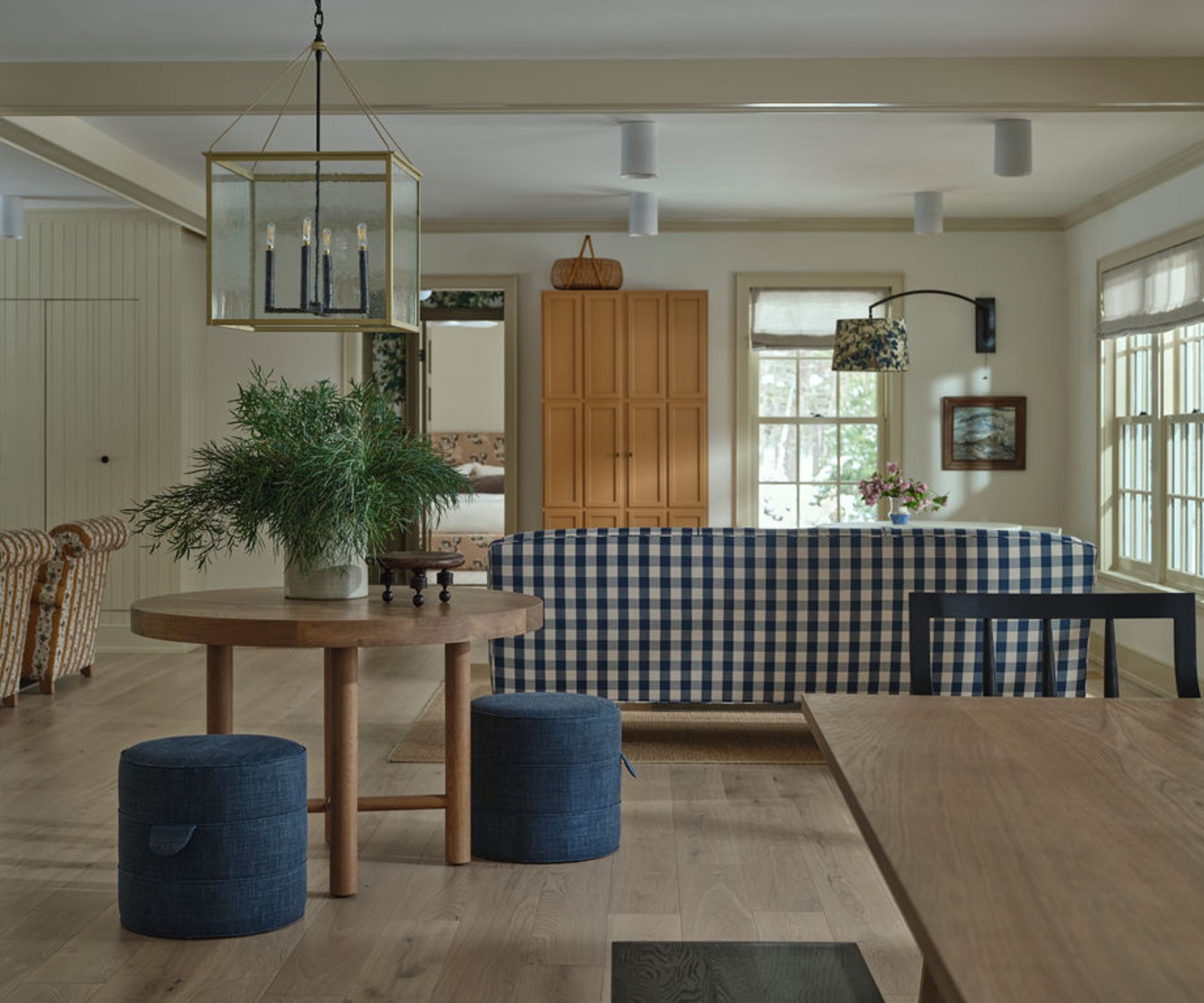
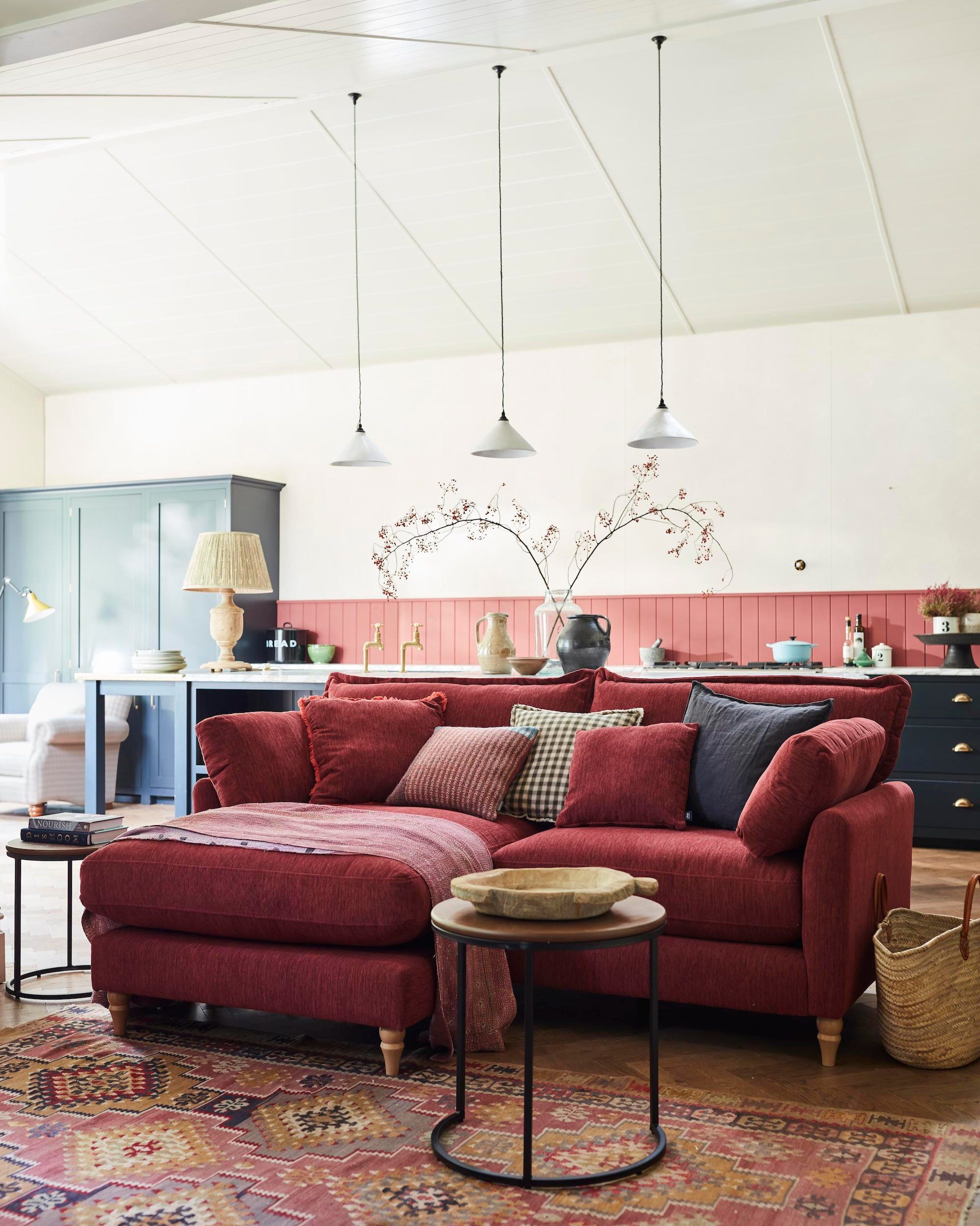
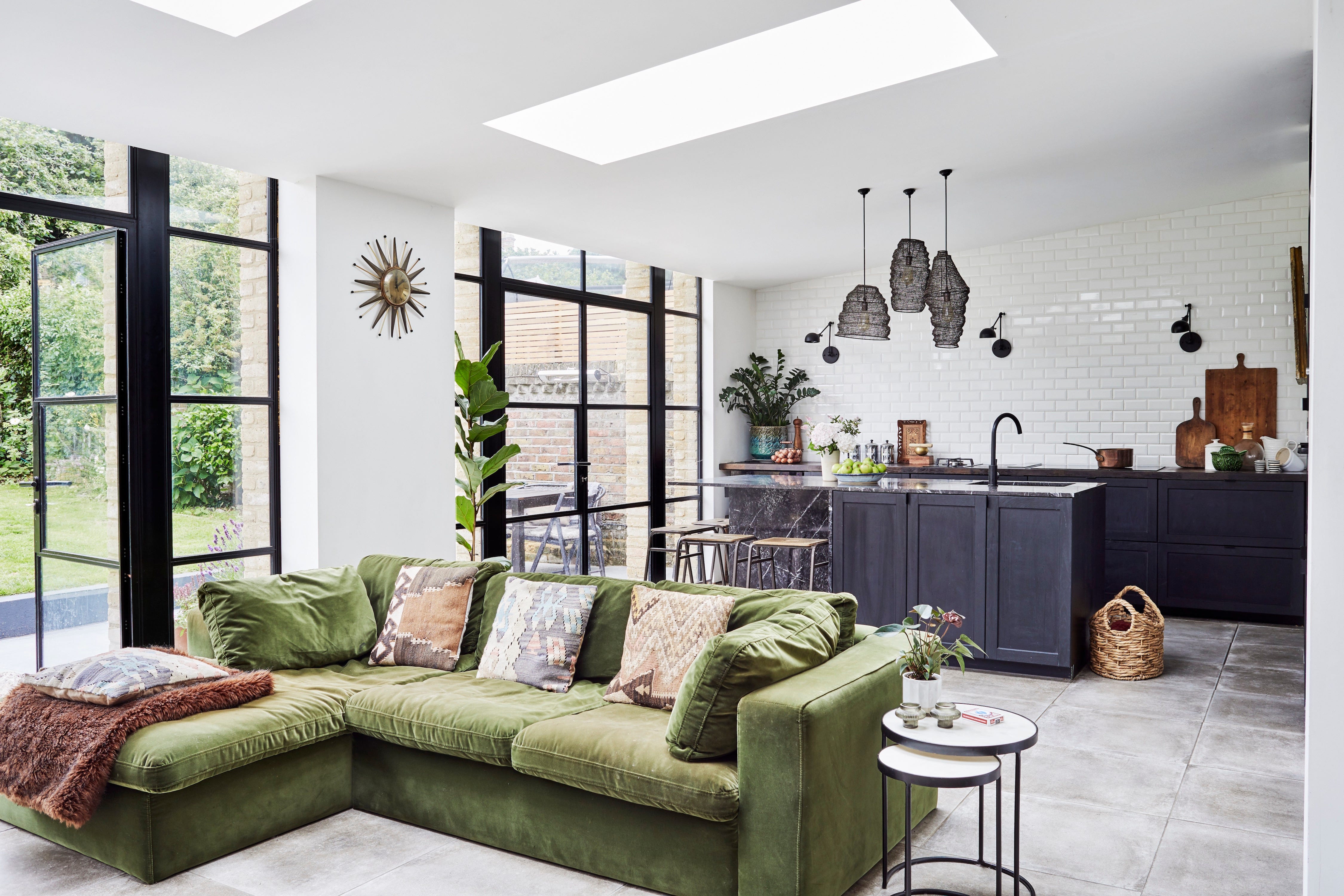
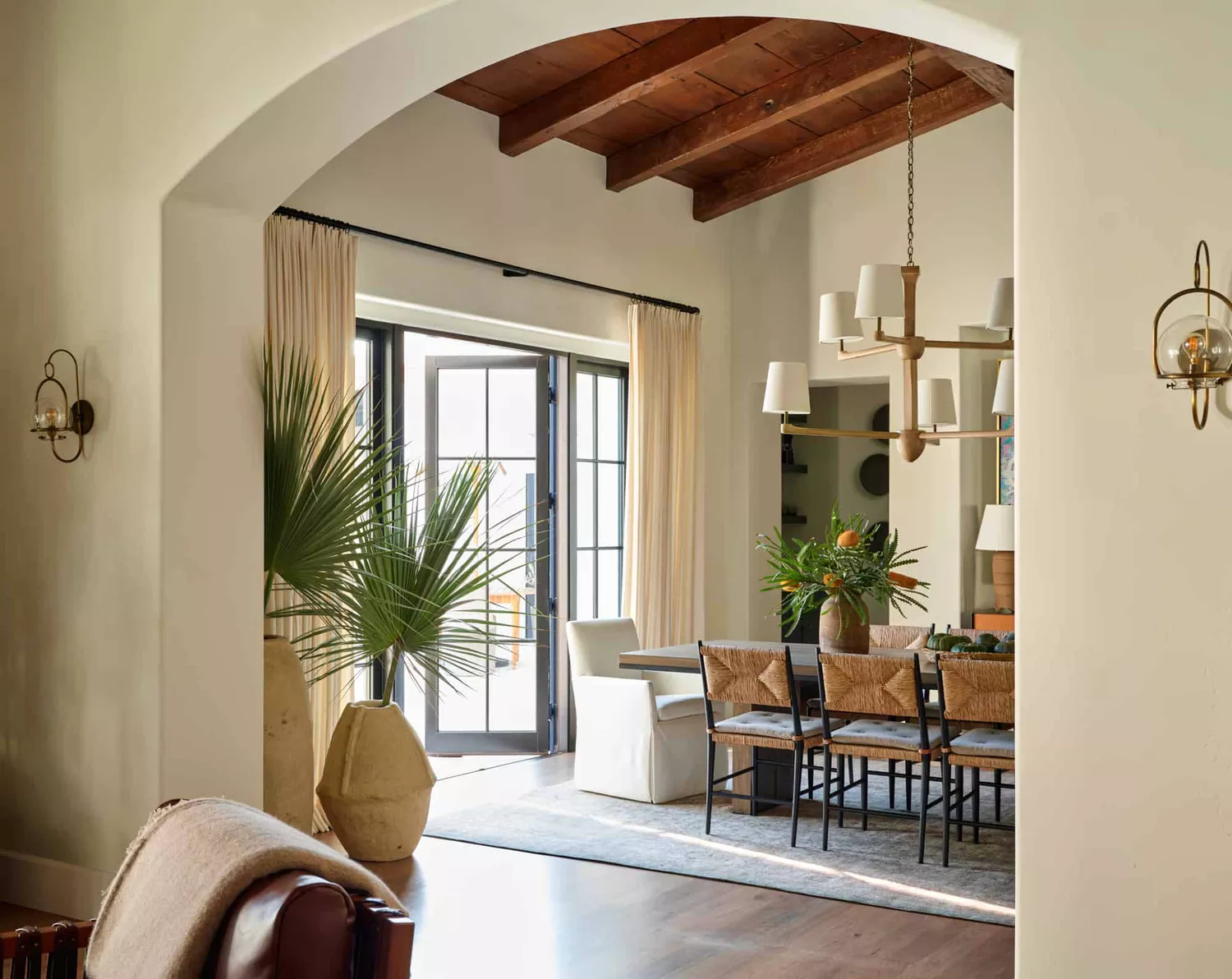
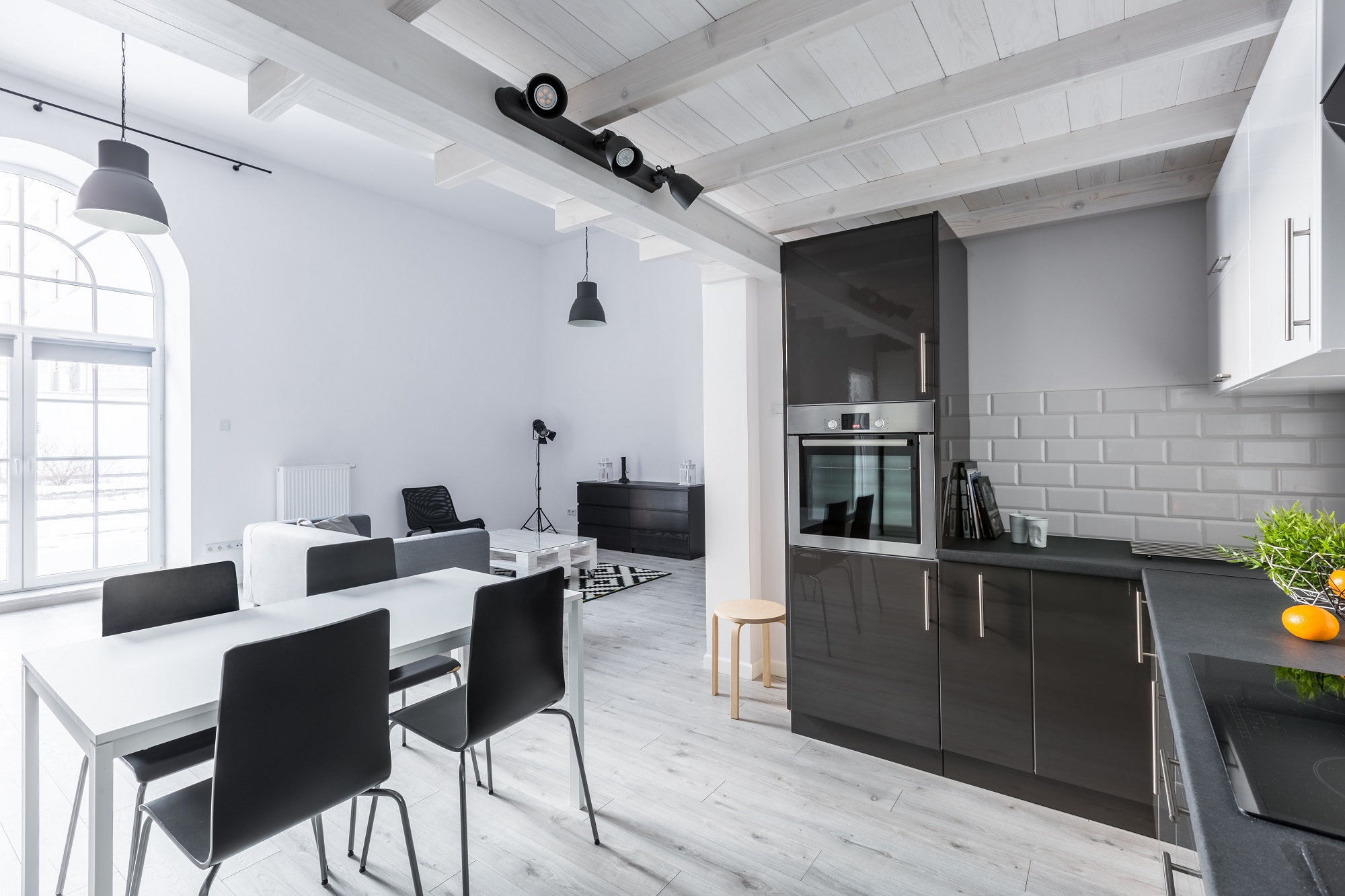
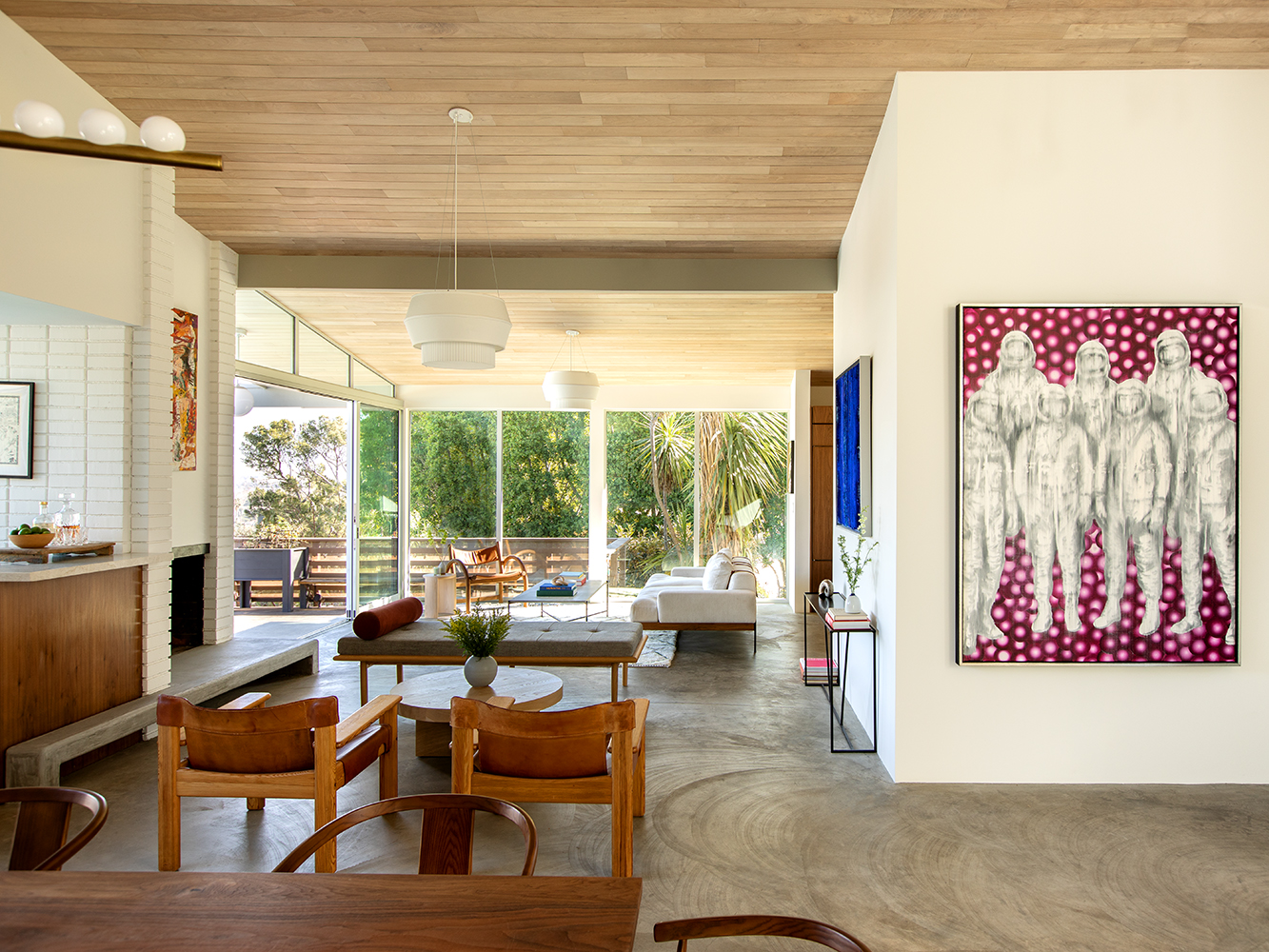
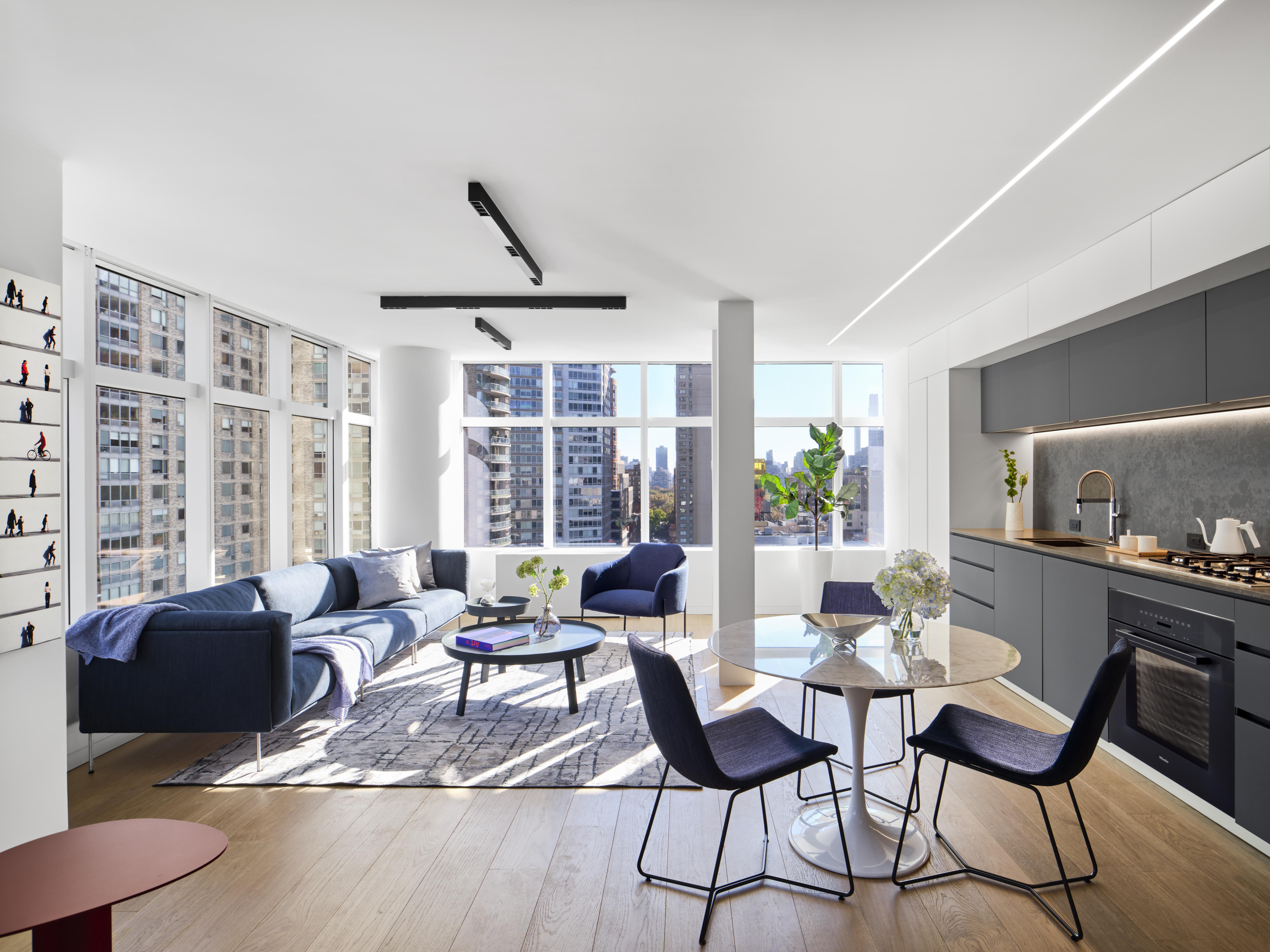
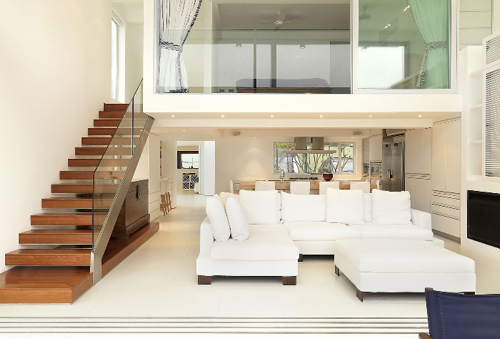
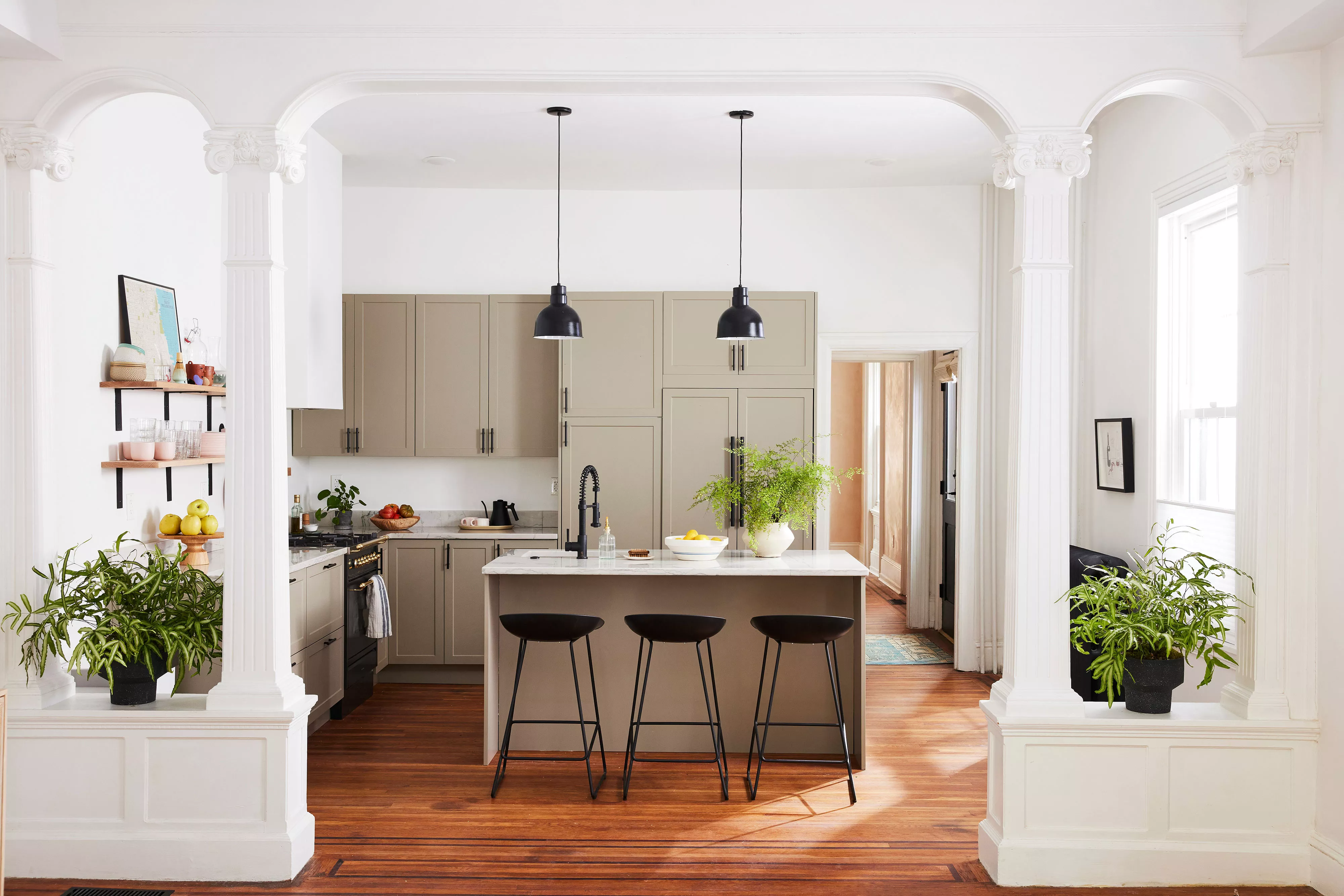
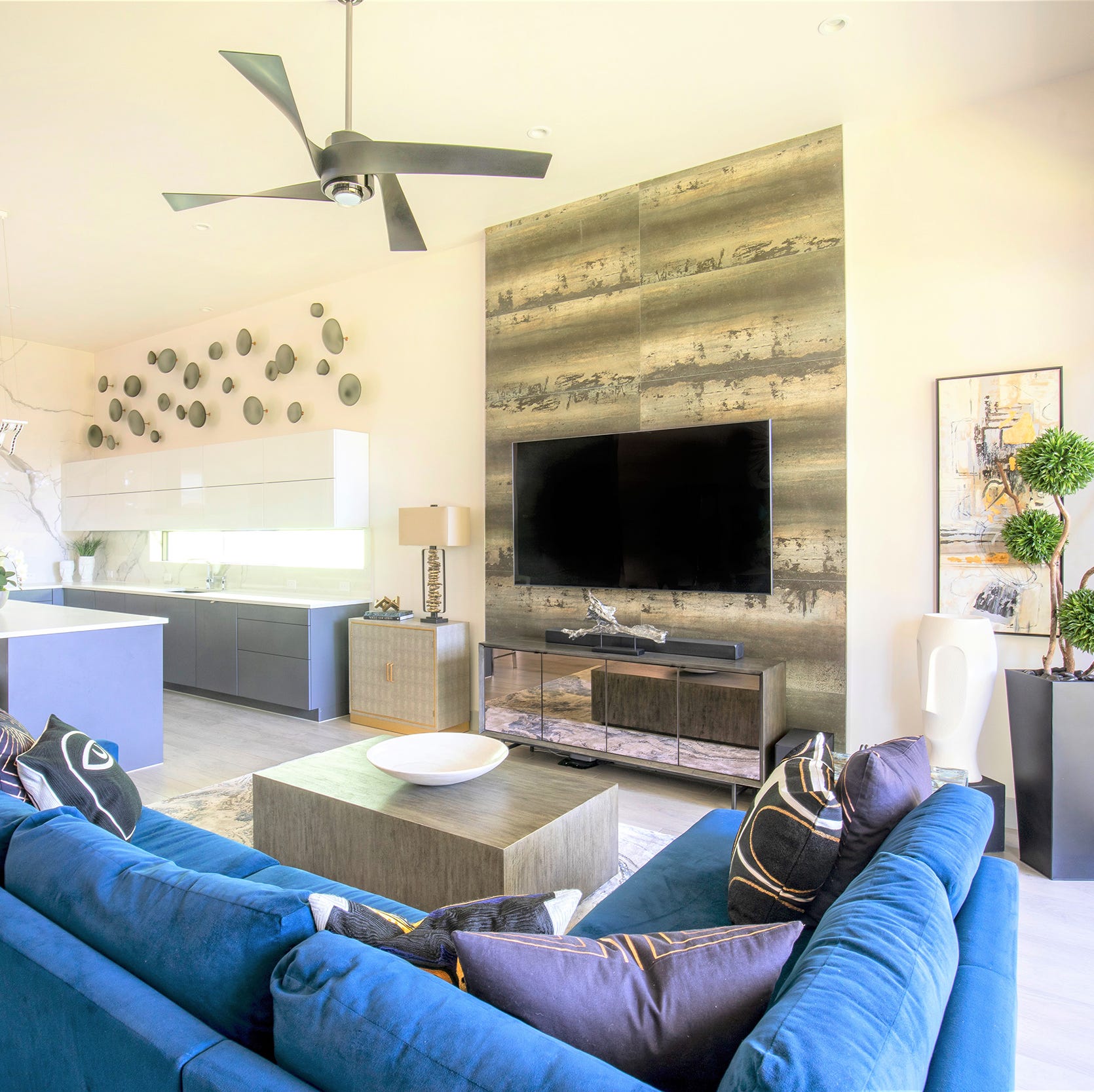
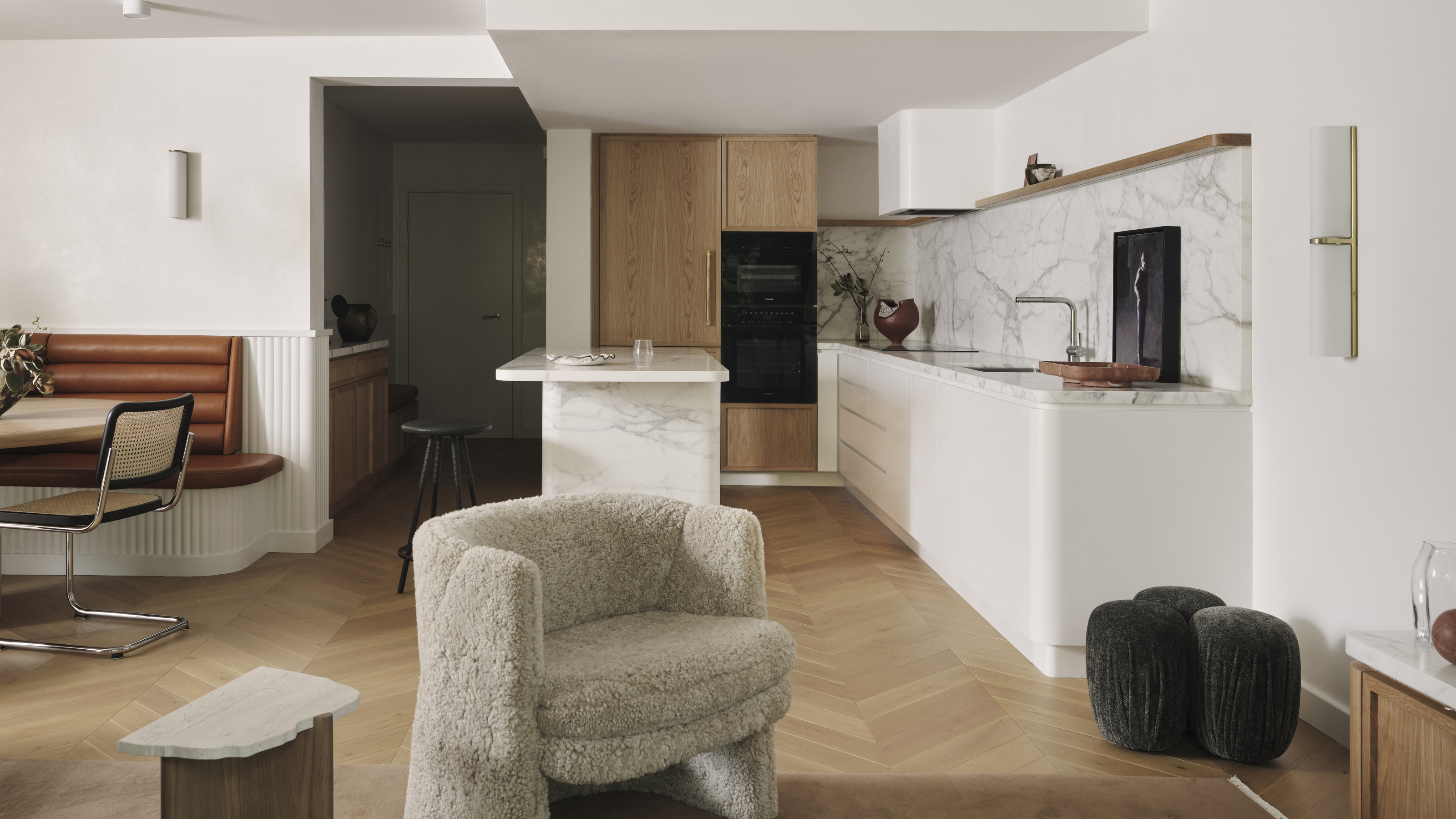
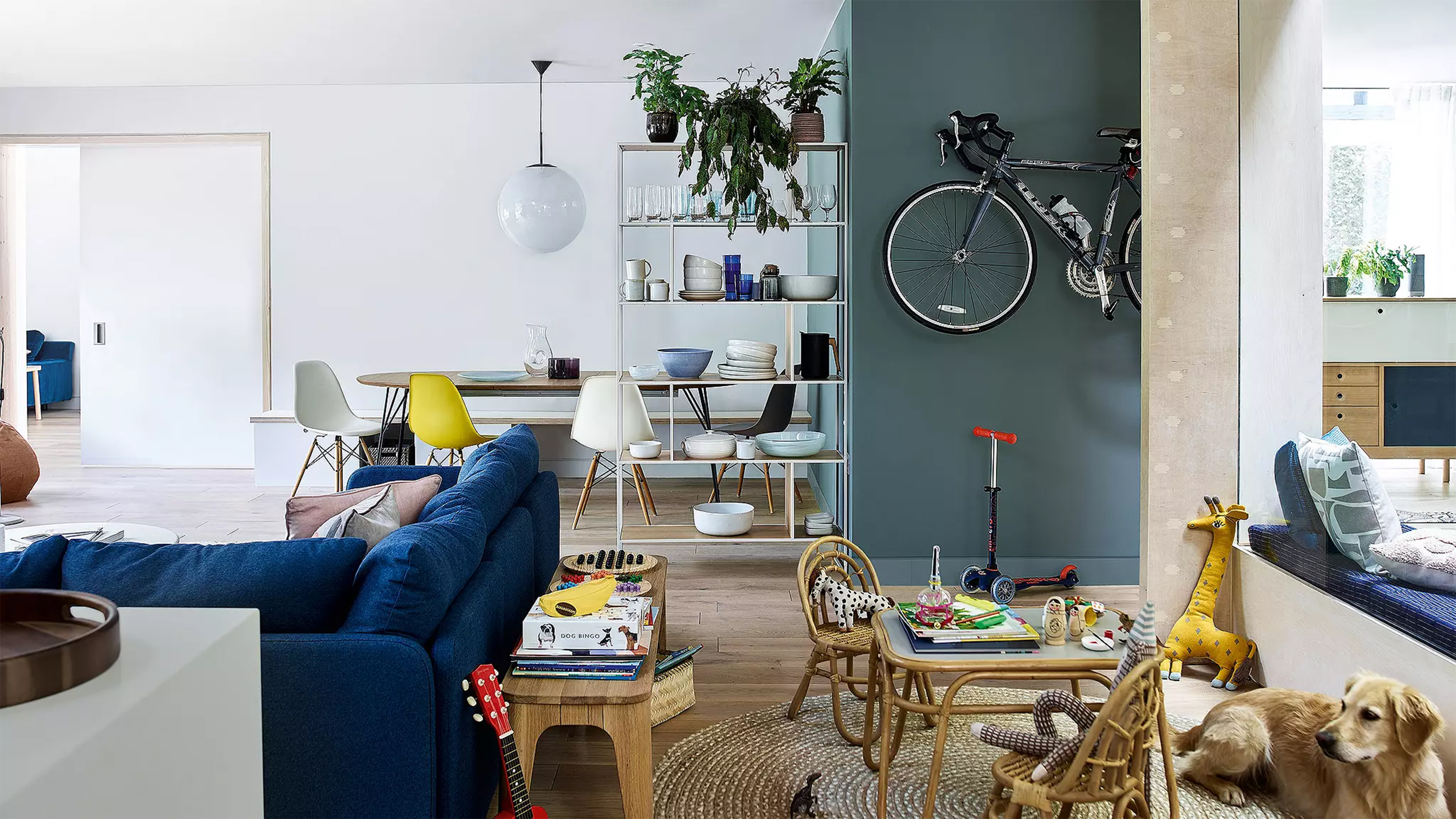
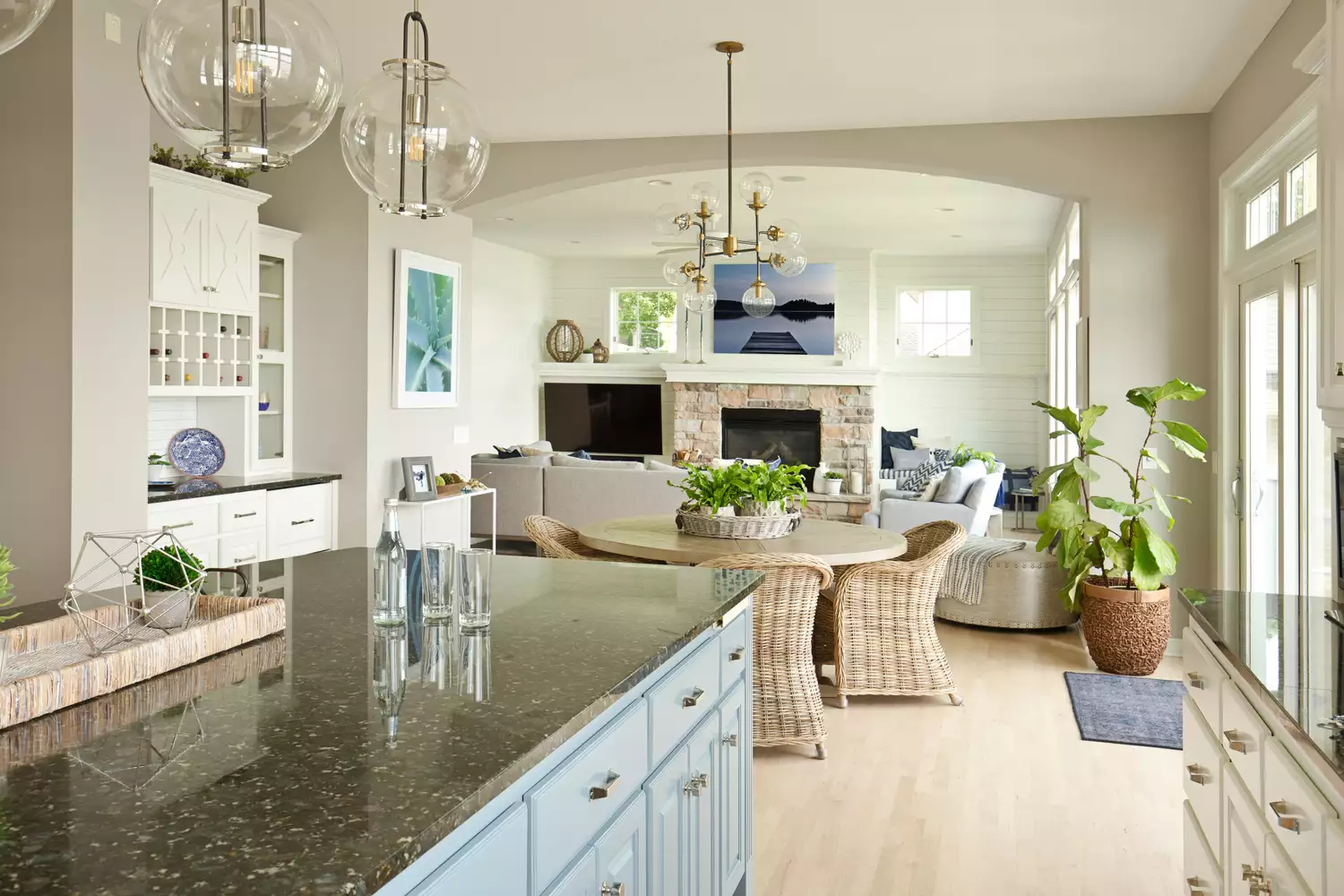
Zoning is particularly critical in open-concept layouts, which are popular for their natural light, openness, and sense of connection. Without thoughtful zoning, these spaces can feel undefined, chaotic, or overwhelming. Zoning establishes boundaries and creates sections for specific purposes within a single large room, such as a combined kitchen, dining, and living area. It guides movement through the home, defining where people gather, relax, or work. Effective zoning transforms a large open space into a series of intentional experiences rather than a single, oversized room. This is illustrated through examples like a Lake Geneva cottage where furniture clusters and architectural elements like trimmed openings and pilasters delineate living and dining spaces, while a consistent color palette maintains cohesion.
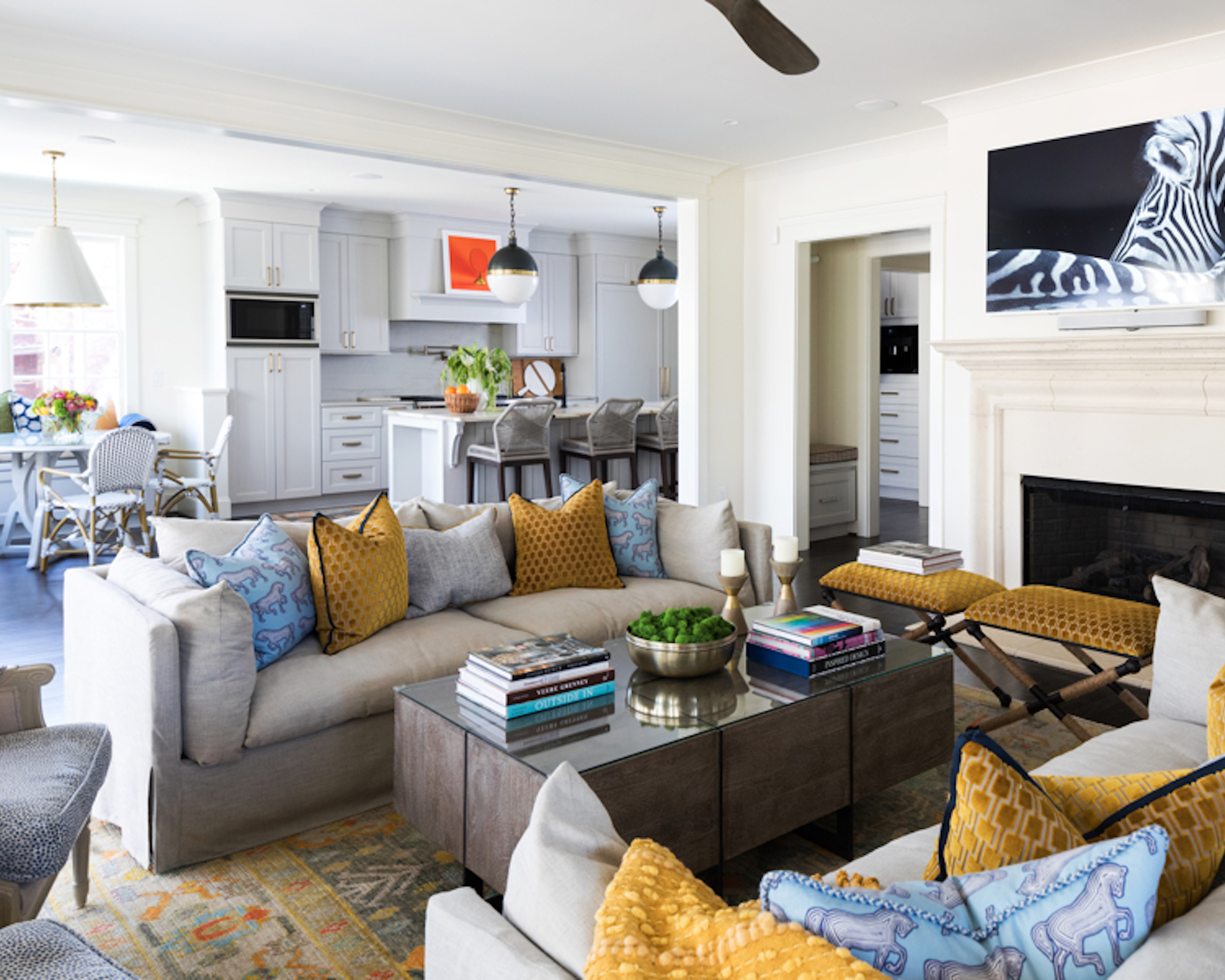
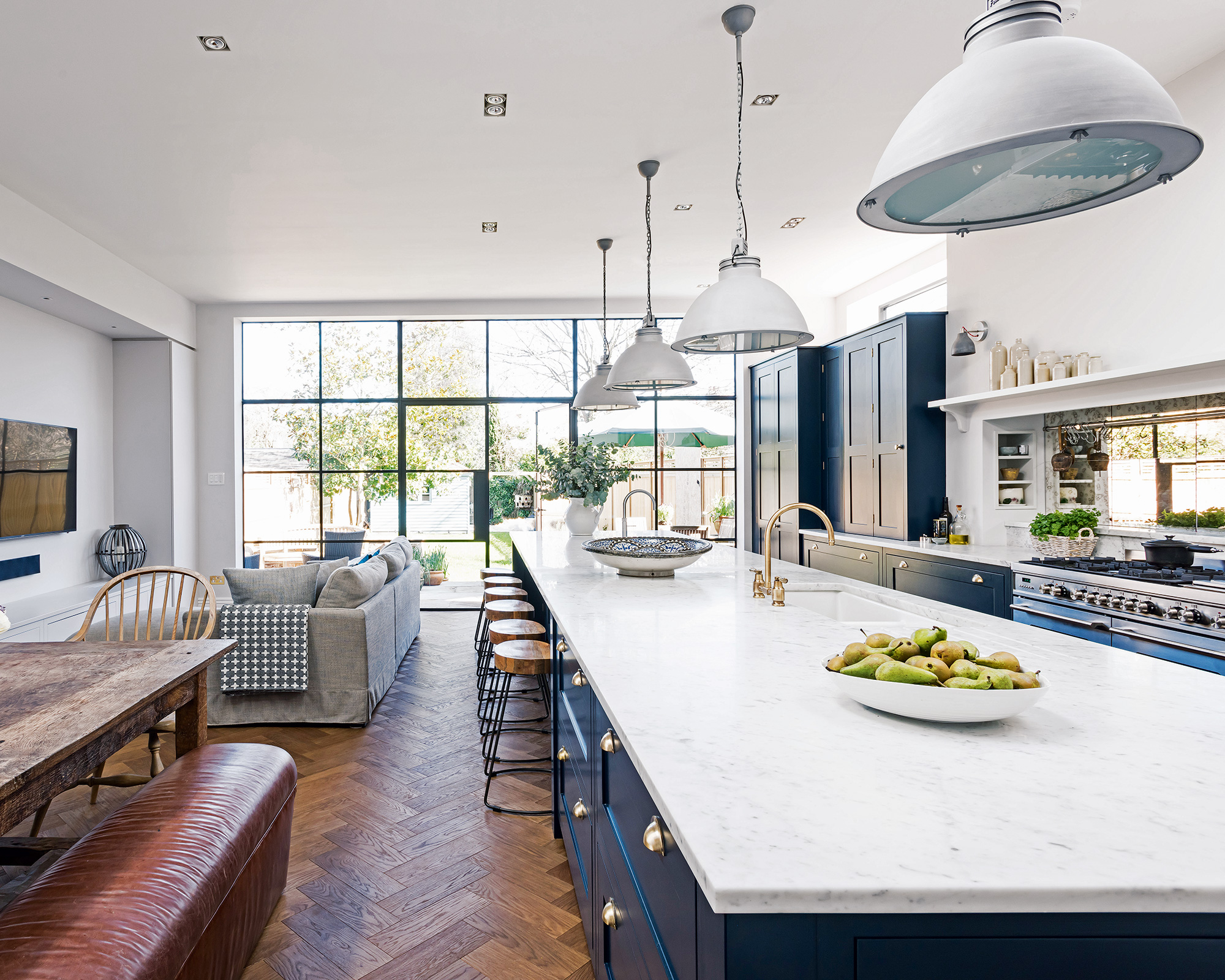
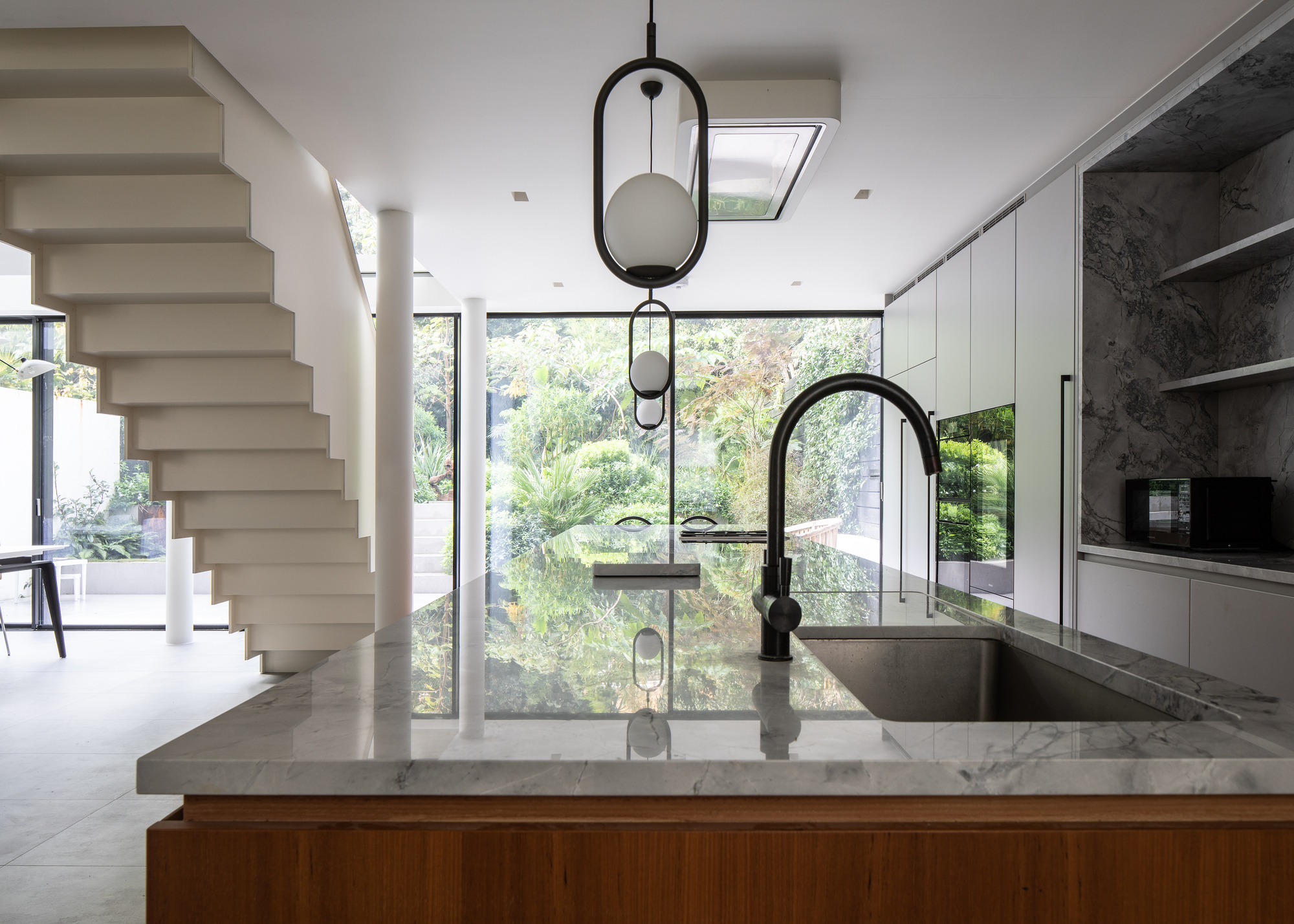
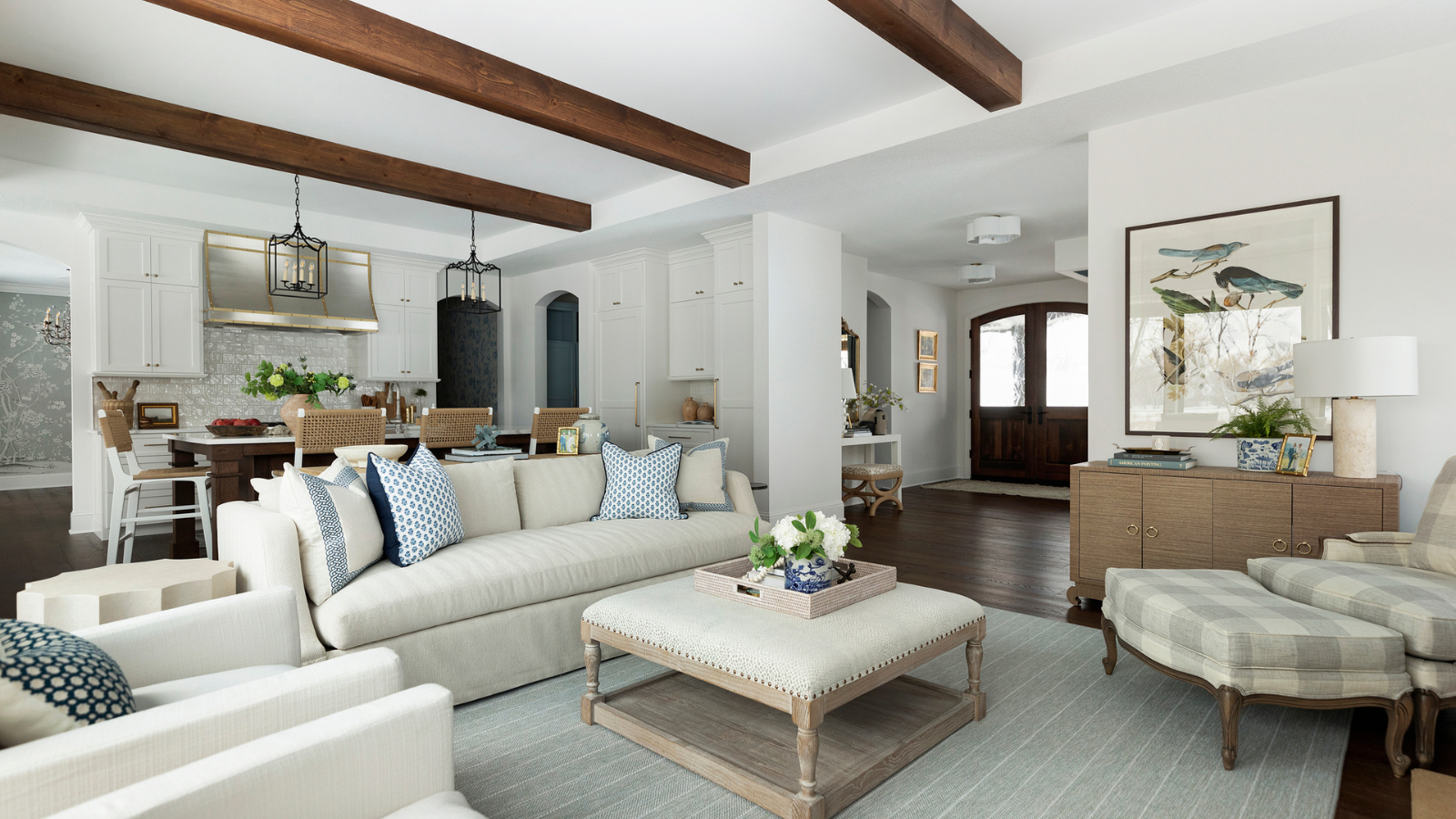
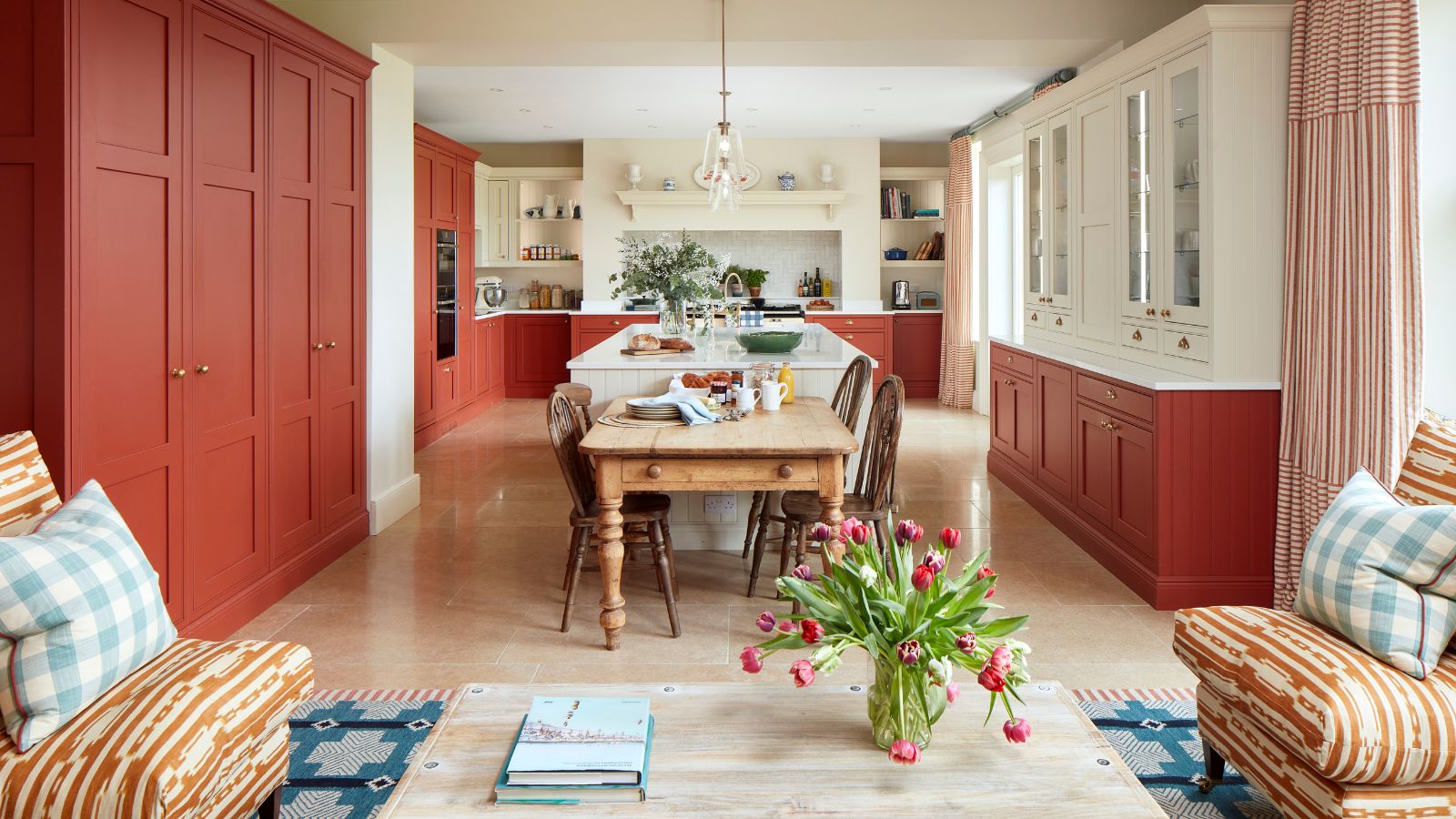
In another example, a great room featuring a kitchen, dining, and living space employs different design strategies. The kitchen is anchored by statement pendants, the dining area by a large table, and the living space by softer lighting and furniture placement, reinforced by subtle architectural setbacks. Even irregularly shaped or awkward spaces benefit significantly from zoning, as it helps maximize their potential and create logical, functional areas. A long, narrow living room can be divided into a lounge and a sitting area using furniture like daybeds and existing architectural features such as bay windows and fireplaces. Daybeds are highlighted as particularly helpful pieces, as they create a distinguished divide while encouraging flow between spaces.
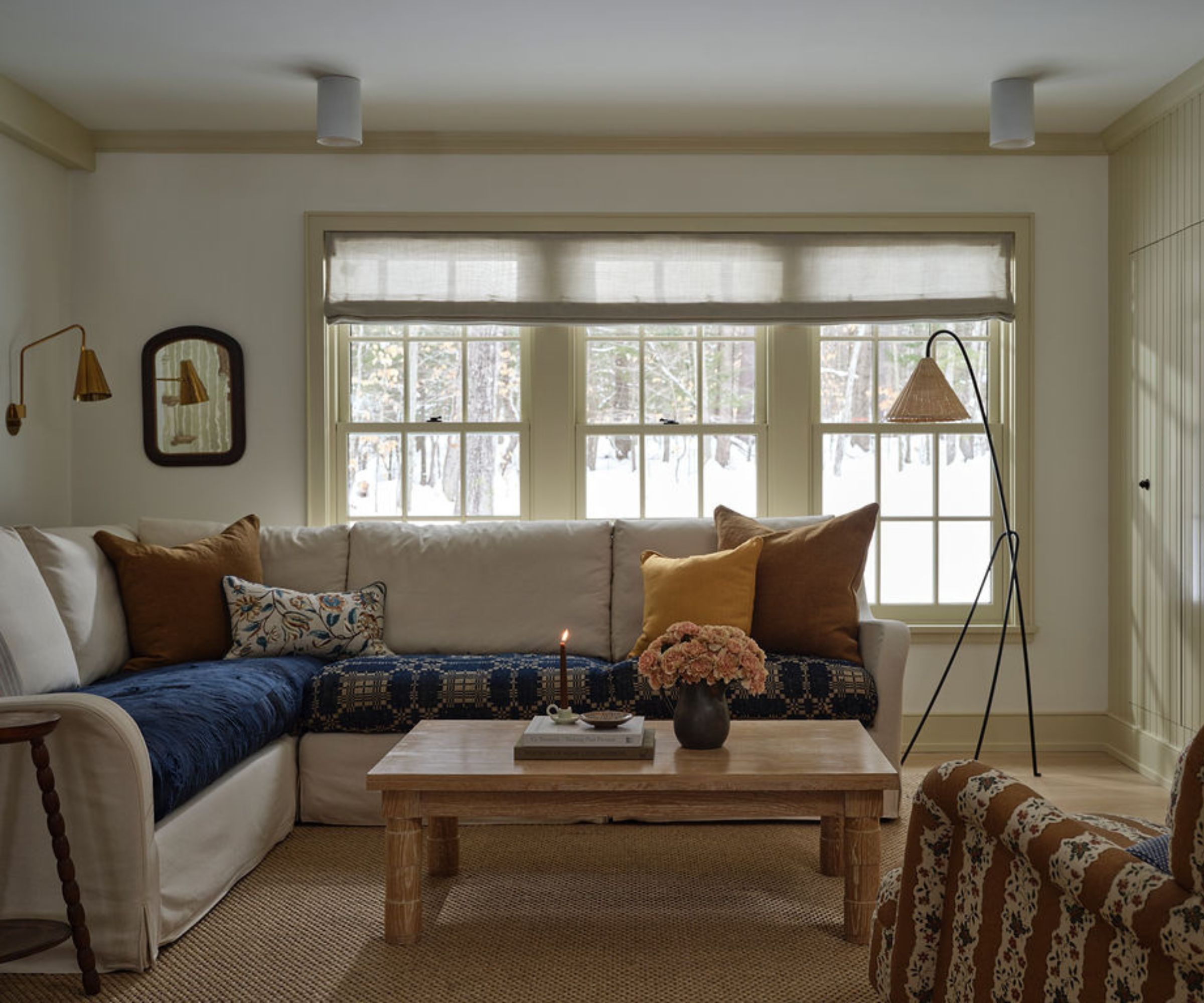
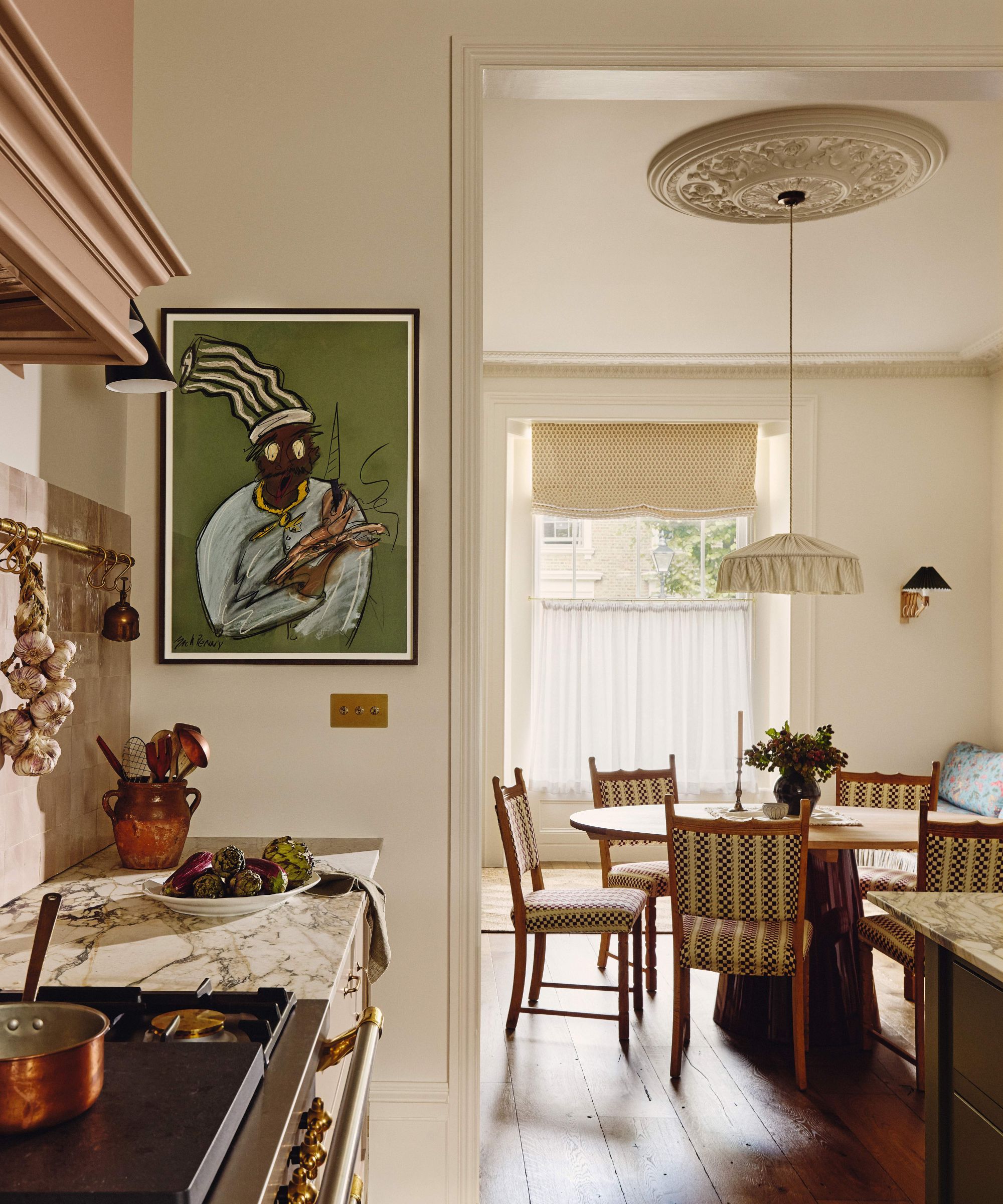
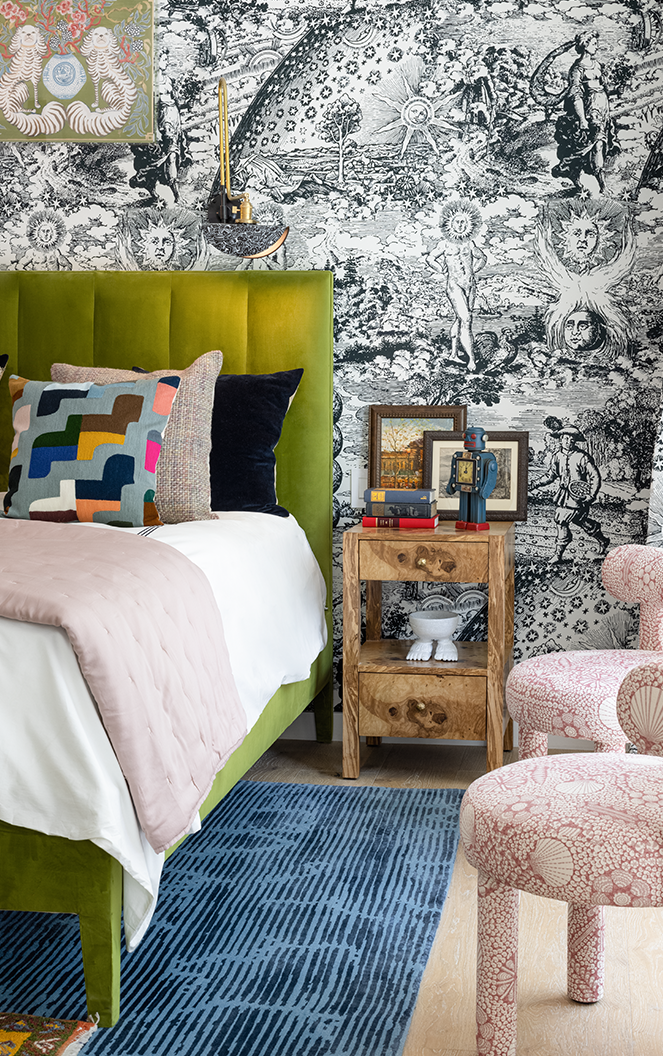
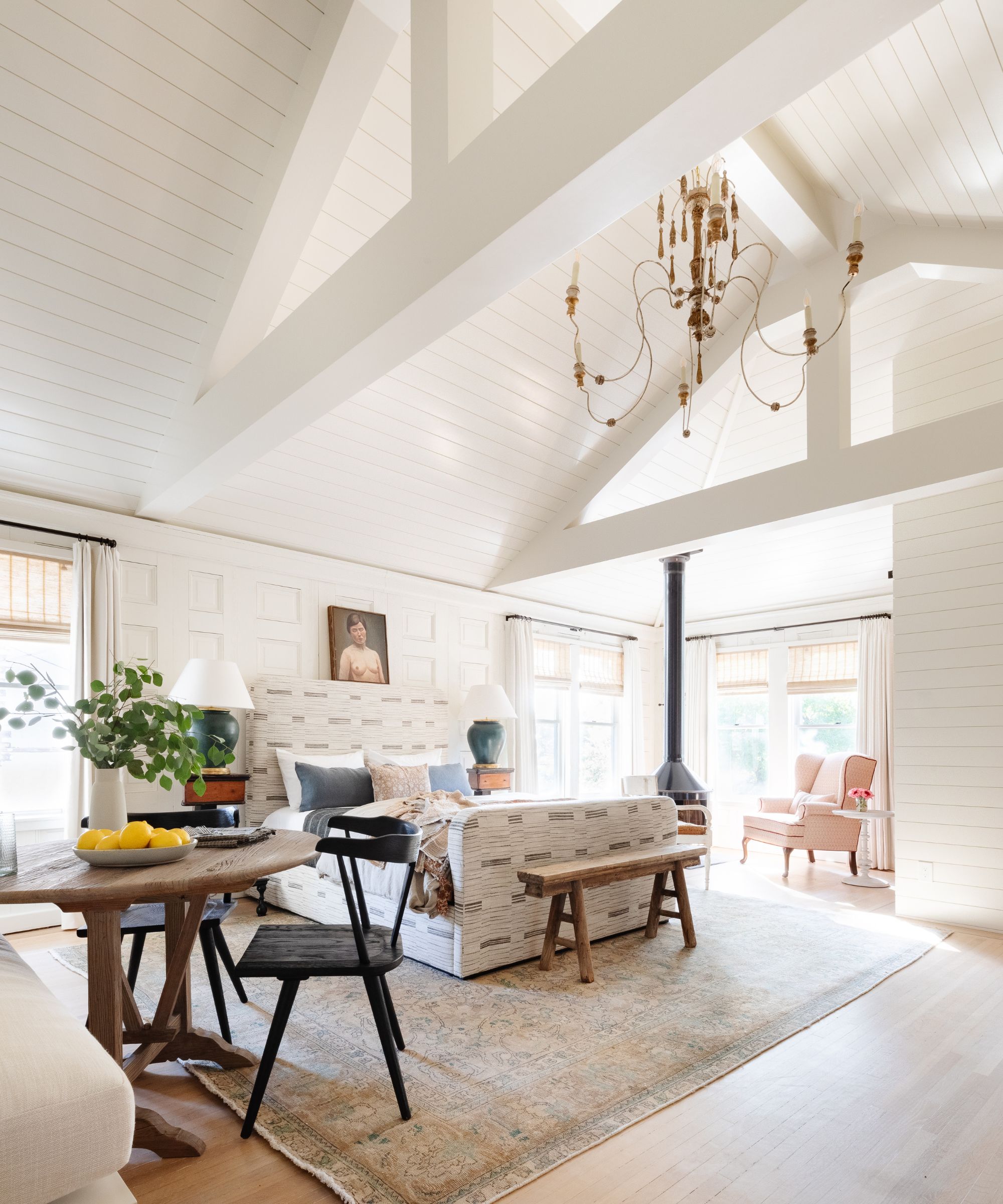
Beyond functionality, zoning profoundly impacts a space's atmosphere. Good zoning creates a sense of order and intentionality, leading to a calmer environment. It also establishes rhythm and flow, guiding natural movement between different areas. While each zone can have its own atmosphere, similar decor choices or color schemes help maintain connectivity and a cohesive overall scheme. Even in single, enclosed rooms, zoning can distinguish between multiple uses, such as separating a sleeping area from a sitting or dressing area. Common zoning mistakes include failing to plan zoning early in the design process, skipping layers of design elements like rugs and varied lighting, and using furniture of inappropriate scale, which can lead to cluttered, awkward, or imbalanced spaces. By prioritizing zoning from the outset, designers ensure that any space functions properly, supports its intended purpose, and creates a comfortable and harmonious environment.
#InteriorDesign #SpacePlanning #HomeLayout #OpenConcept #FunctionalDesign #FurniturePlacement #LightingDesign #ArchitecturalFeatures #HomeOrganization #InteriorDesign #SpacePlanning #HomeLayout #OpenConcept #FunctionalDesign #FurniturePlacement #LightingDesign #ArchitecturalFeatures #HomeOrganization
Há 0 comentários no total
 Ainda não há comentários
Você também pode gostar
Zoning in interior design is the layout trick you need to know – expert tips on creating a home that flows and functions
How a Designer Figured Out Different Purposes for the Redundant Rooms in This '90s Home

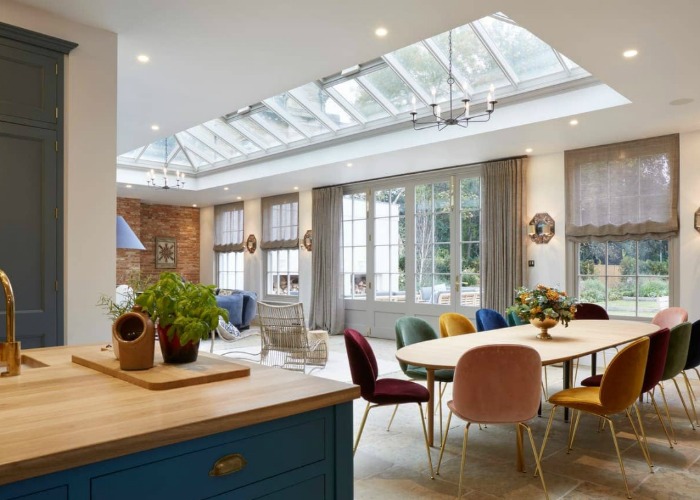
From atriums to mezzanines: 7 stylish ways to design your interior floor plan
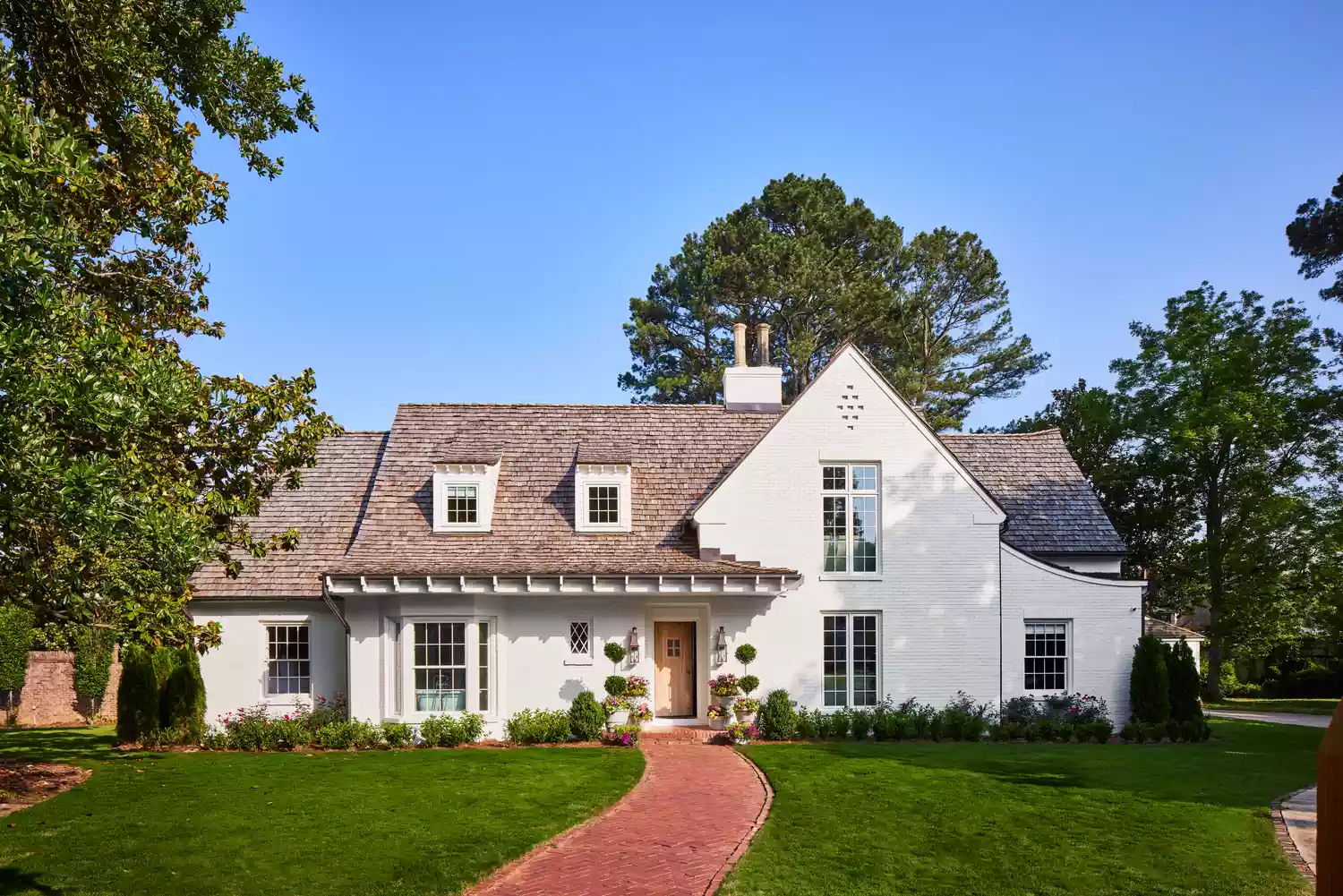
How To Choose The Right Floor Plan For Your Family
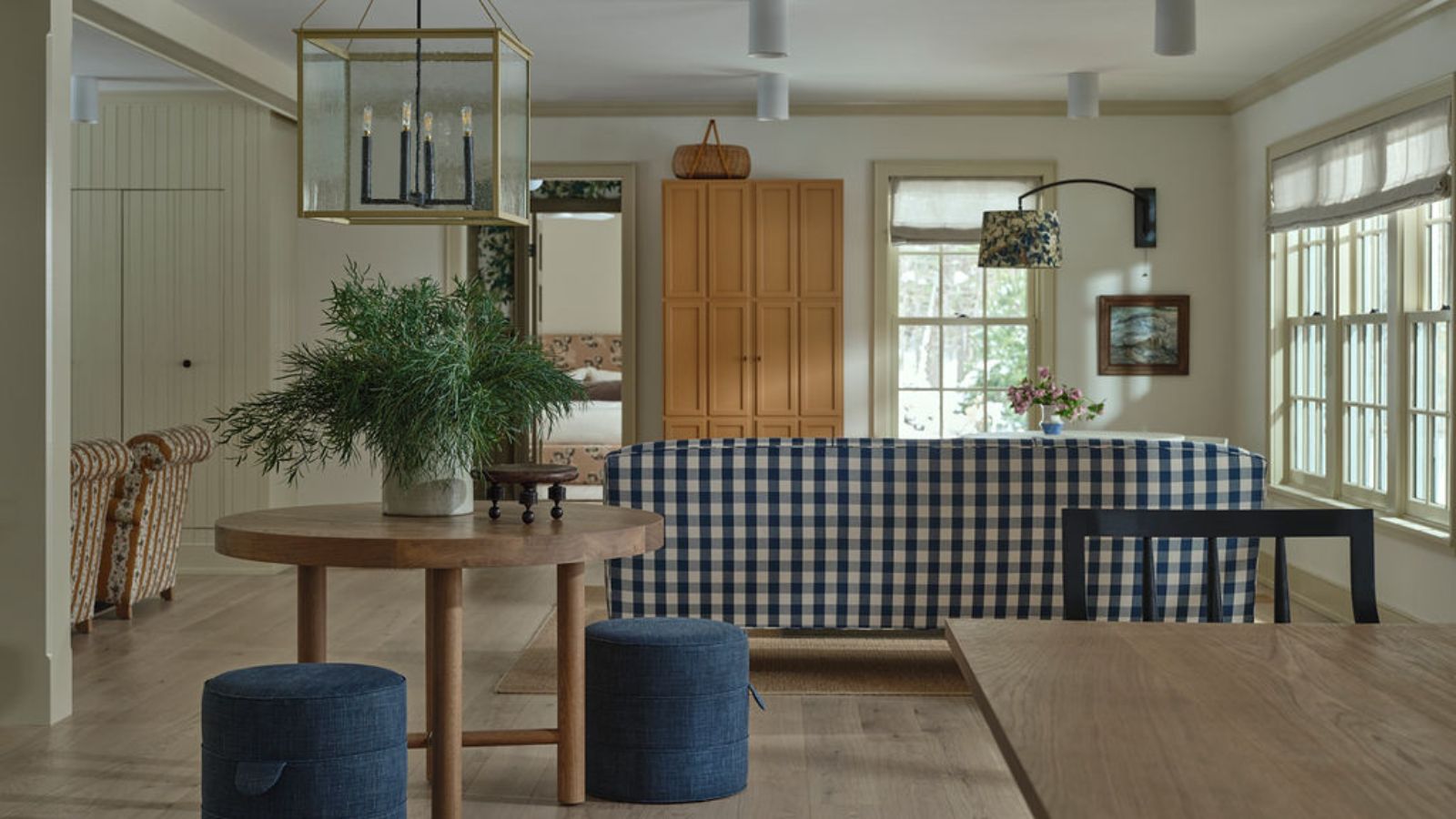
How the Back of a Couch Became a Defining Feature in This Open Plan Room, and Created a Cozy Dining Space
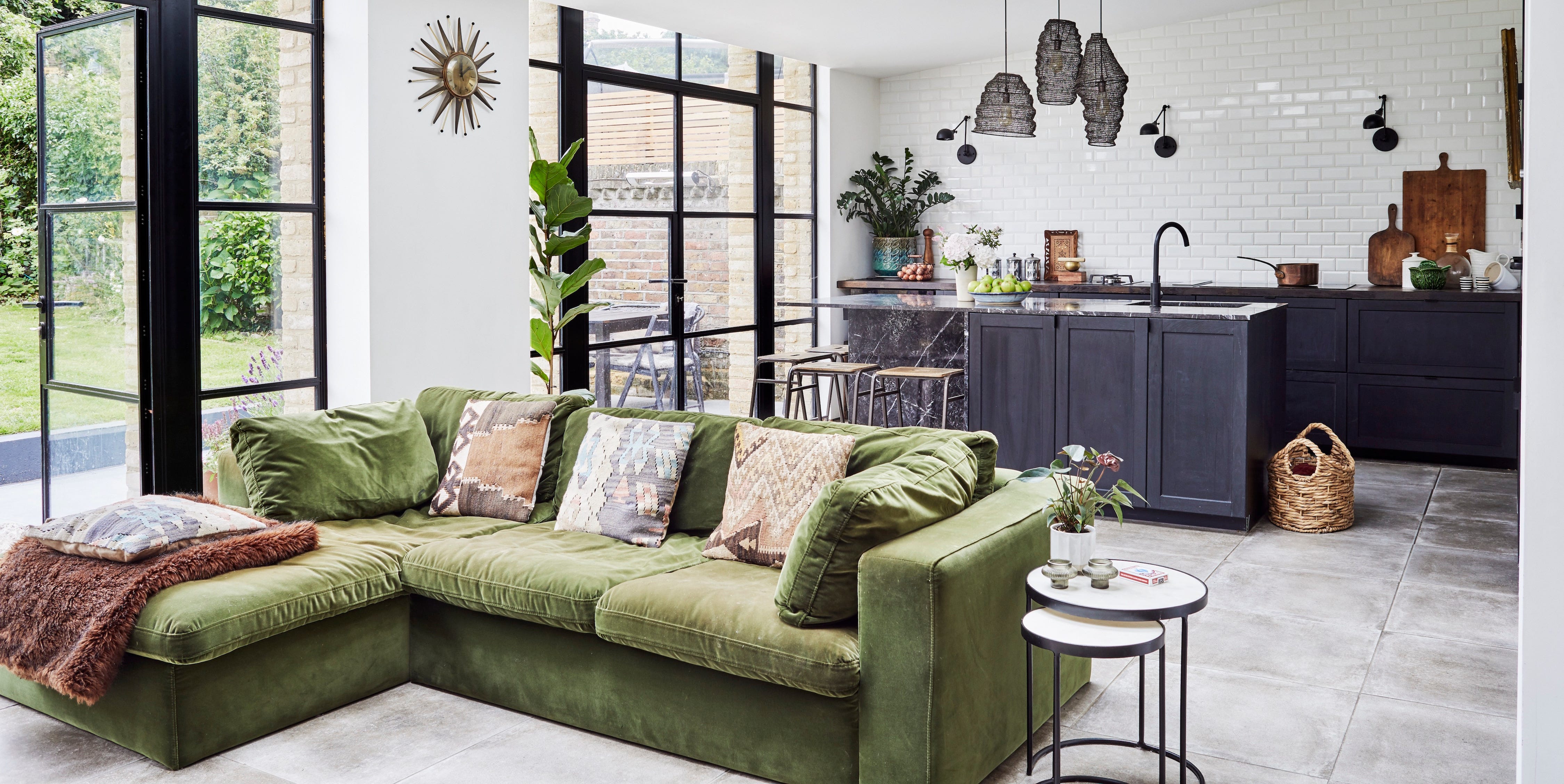
11 bright ideas for an open-plan kitchen and living room

Closed Concept Is Back: Here's How to Breathe New Life Into the Design

How can you make an open-plan apartment feel cohesive? Follow these designer's furniture placement rules
So You Want To Undo Your Open-Concept Kitchen? Here’s How To Make Open Plan Feel More Defined
Are Closed-Concept Layouts Here to Stay? Everything You Need to Make It Work

The Secrets to a High-Functioning “Does It All” Room

Here's Why Your Open Plan Layout Isn't Actually Working — 5 Mistakes You're Probably Making and How to Fix Them


Why Dining Rooms Are Disappearing From American Homes

11 open plan living room ideas – seamless and stylish spaces

Emphasis in Interior Design —How to Create a Focal Point
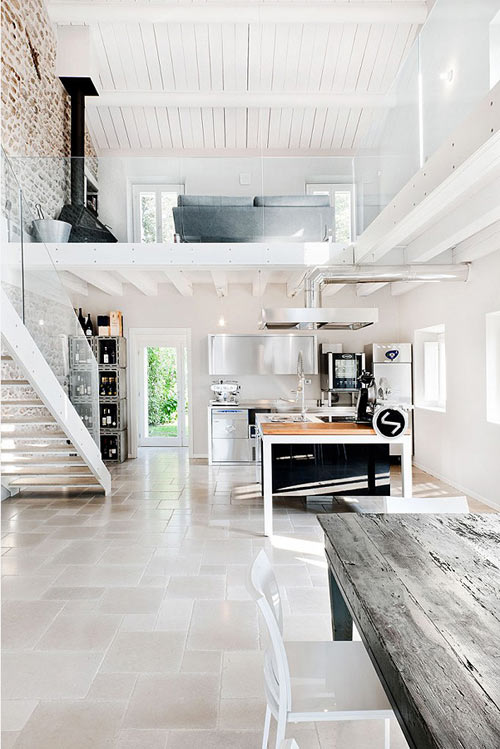
Open Concept Interior Architecture Ideas: 12 Lofty Mezzanines

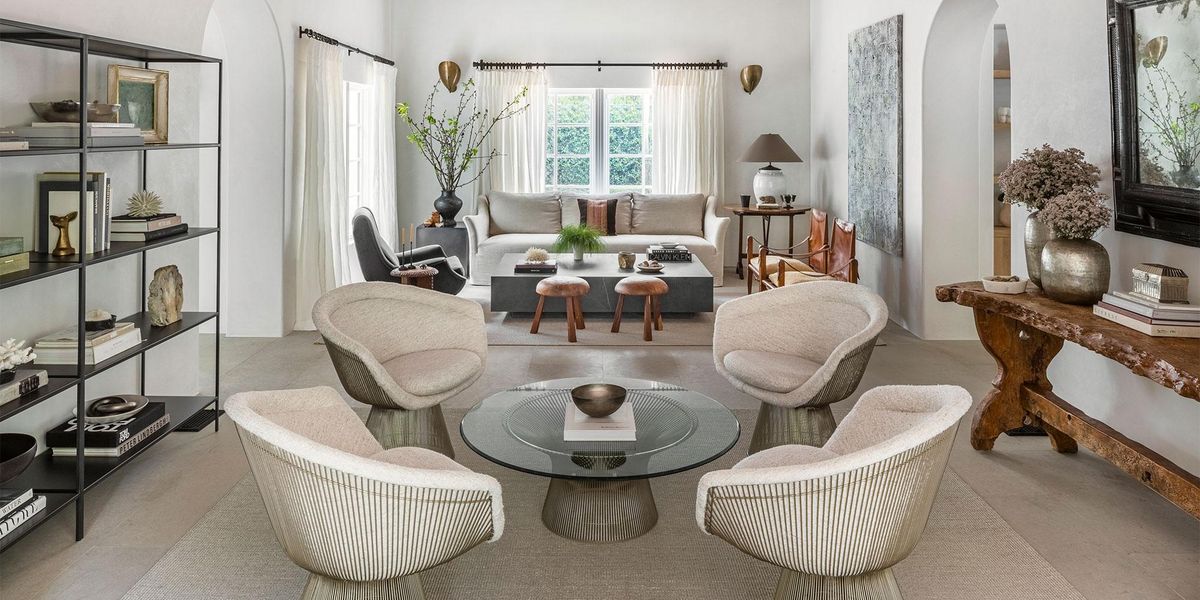
Found: A Creative New Way to Utilize Rugs
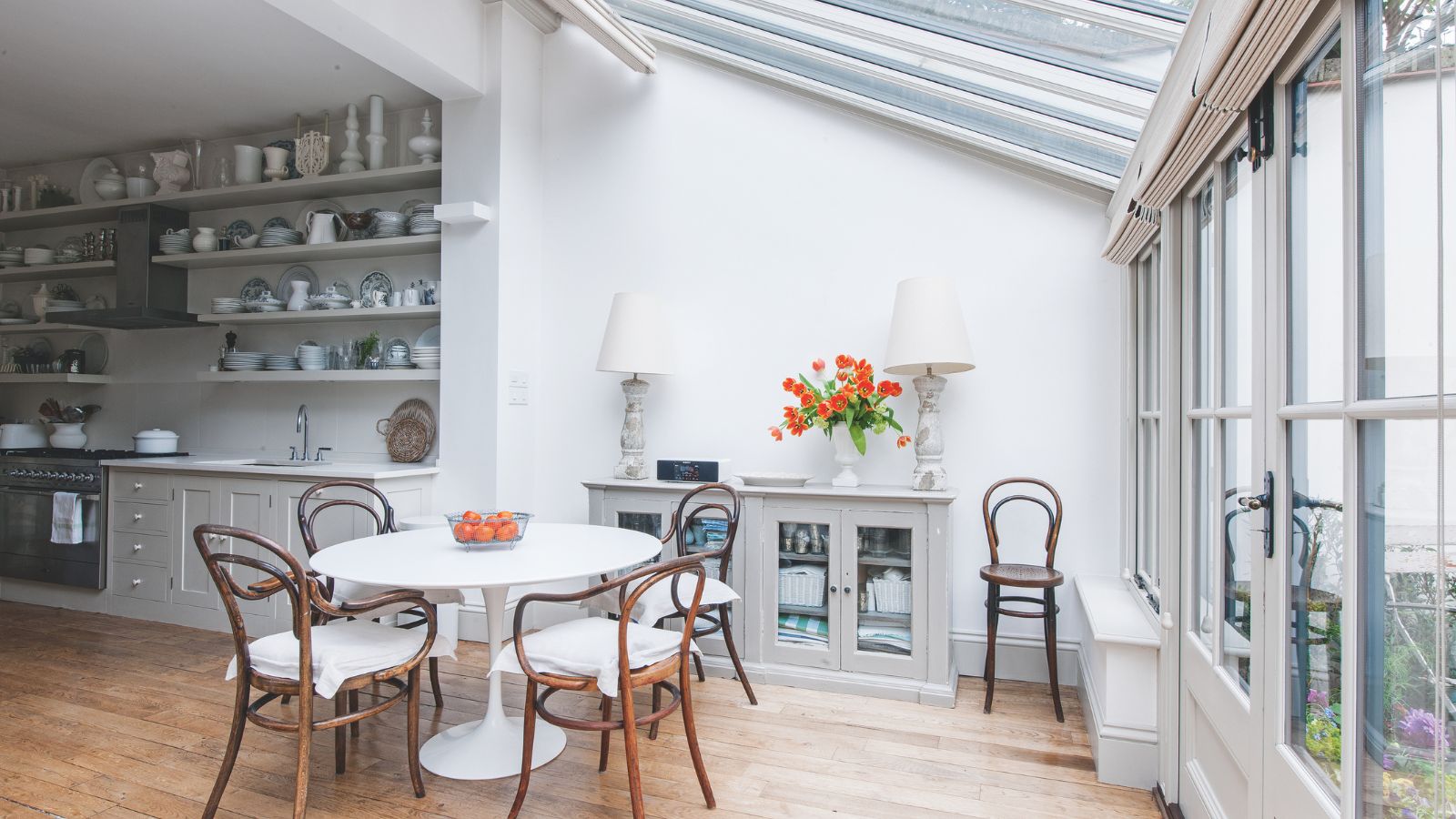
Is open plan going out of style? Experts weigh on whether this once-loved layout is starting to date
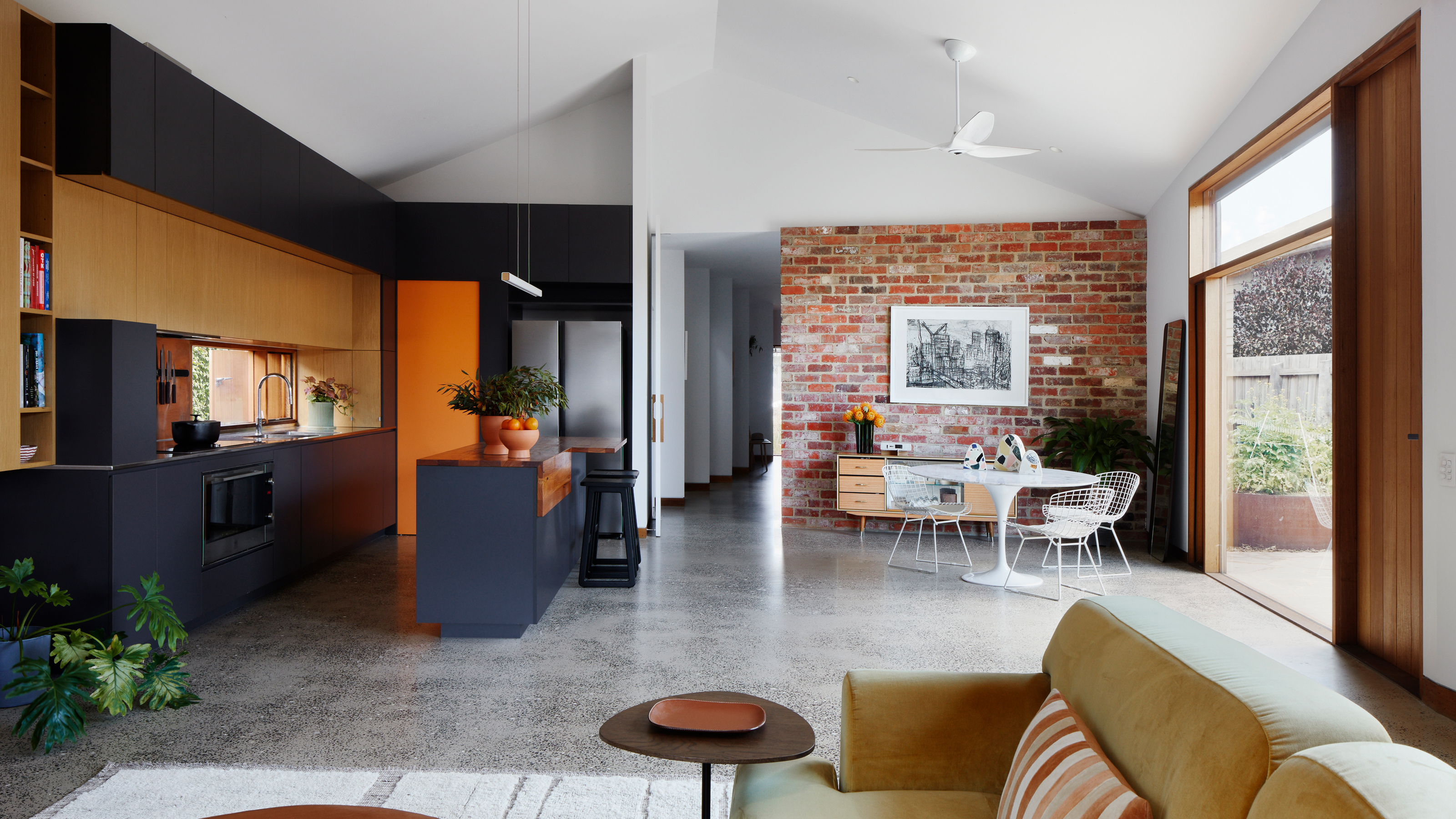
Are Open Concept Floor Plans Still in Style? Here's Why Designers are Opting Against This Once-Loved Layout
Are Open Concept Floor Plans Going Out of Style? We Asked Designers and They All Agreed