The Architect as Writer: Expanding the Discipline Beyond Buildings
The field of architecture extends beyond physical construction, encompassing a rich history of written expression that shapes its conceptualization, communication, and critique. From ancient treatises to modern manifestos, writing has served as a crucial tool for codifying principles, projecting ideals, and legitimizing architecture as a distinct discipline. Historical figures such as Vitruvius, Alberti, and Palladio utilized written works to establish foundational theories, influencing centuries of architectural thought. Vitruvius’s “De Architectura”, for instance, outlined abstract yet actionable principles (firmitas, utilitas, venustas) that provided a framework for understanding the built environment. This tradition continued with Renaissance architects like Leon Battista Alberti, whose “De Re Aedificatoria” further formalized architectural language and visual composition.
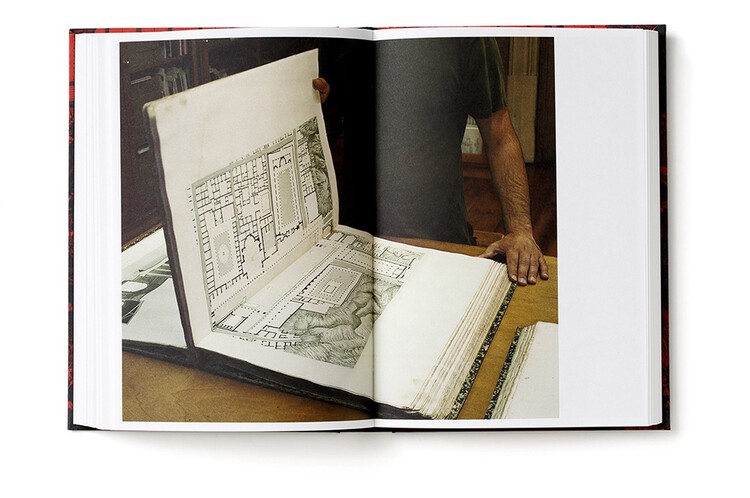
The advent of the printing press significantly democratized architectural knowledge, allowing theories to disseminate across regions and generations. André Tavares, in “The Anatomy of the Architectural Book,” highlights how architectural books are not merely vehicles for ideas but constructions in their own right, where layout and graphic language mirror spatial organization. This perspective posits writing, editing, and printing as operative tools, integral to architectural labor, often preceding or running parallel to physical building.
Modernity saw architects increasingly using manifestos and essays to challenge established norms and envision new architectural possibilities. Le Corbusier’s “Vers une architecture” exemplified this, consolidating essays into a coherent vision for a machine-age architecture that prioritized efficiency and standardization over historical ornamentation. This work profoundly influenced 20th-century architecture, framing not just aesthetic preferences but a new ethical stance for architects as cultural agents. The mid-20th century further intensified this trend, with radical architectural collectives like Archizoom and Superstudio employing manifestos as a form of spatial practice. Their speculative texts and “paper architectures” critiqued consumer society and modernist failures, envisioning mutable, ironic, and even absurd architectural futures, often accompanied by iconic drawings that stimulated debate rather than proposing literal constructions.
The critical and political dimensions of architectural writing are further explored through figures like Beatriz Colomina, who argues that architecture is inseparable from its representations in magazines and editorial platforms, viewing print culture as a space where architecture is actively shaped. Keller Easterling extends this by focusing on systems and infrastructure, demonstrating how policies, economics, and technology produce space, and how written analyses of these systems constitute a form of design intervention. Léopold Lambert exemplifies writing as a political weapon, using publications like “The Funambulist” and “Weaponized Architecture” to expose the inherent violence and political instrumentality of architecture, advocating for social change through critique rather than construction.
Architectural criticism and editing also play a pivotal role. Influential women like Esther McCoy and Ada Louise Huxtable pioneered public architectural criticism, shaping discourse and legitimizing the field for a broader audience. Jane Jacobs, though not an architect, radically transformed urban planning discussions with “The Death and Life of Great American Cities,” empowering communities against top-down development. Contemporary platforms such as e-flux Architecture, KoozArch, and Real Review continue to foster interdisciplinary discourse, circulating ideas across diverse geographies and languages. The act of writing in architecture is thus presented as a generative and transformative endeavor, capable of moving people, expanding dialogues beyond technical confines, and engaging diverse publics in shaping architecture's present and future possibilities.
#ArchitecturalWriting #ArchitecturalTheory #ArchitecturalHistory #ArchitecturalCriticism #ArchitecturalPublications #ModernArchitecture #Manifestos #ArchitecturalEducation #DigitalPlatforms #ArchitecturalWriting #ArchitecturalTheory #ArchitecturalHistory #ArchitecturalCriticism #ArchitecturalPublications #ModernArchitecture #Manifestos #ArchitecturalEducation #DigitalPlatforms
0 comment in total
 No comments yet
You may also like
Building Knowledge, Not Just Structures: Redefining the Architect’s Role in Times of Uncertainty
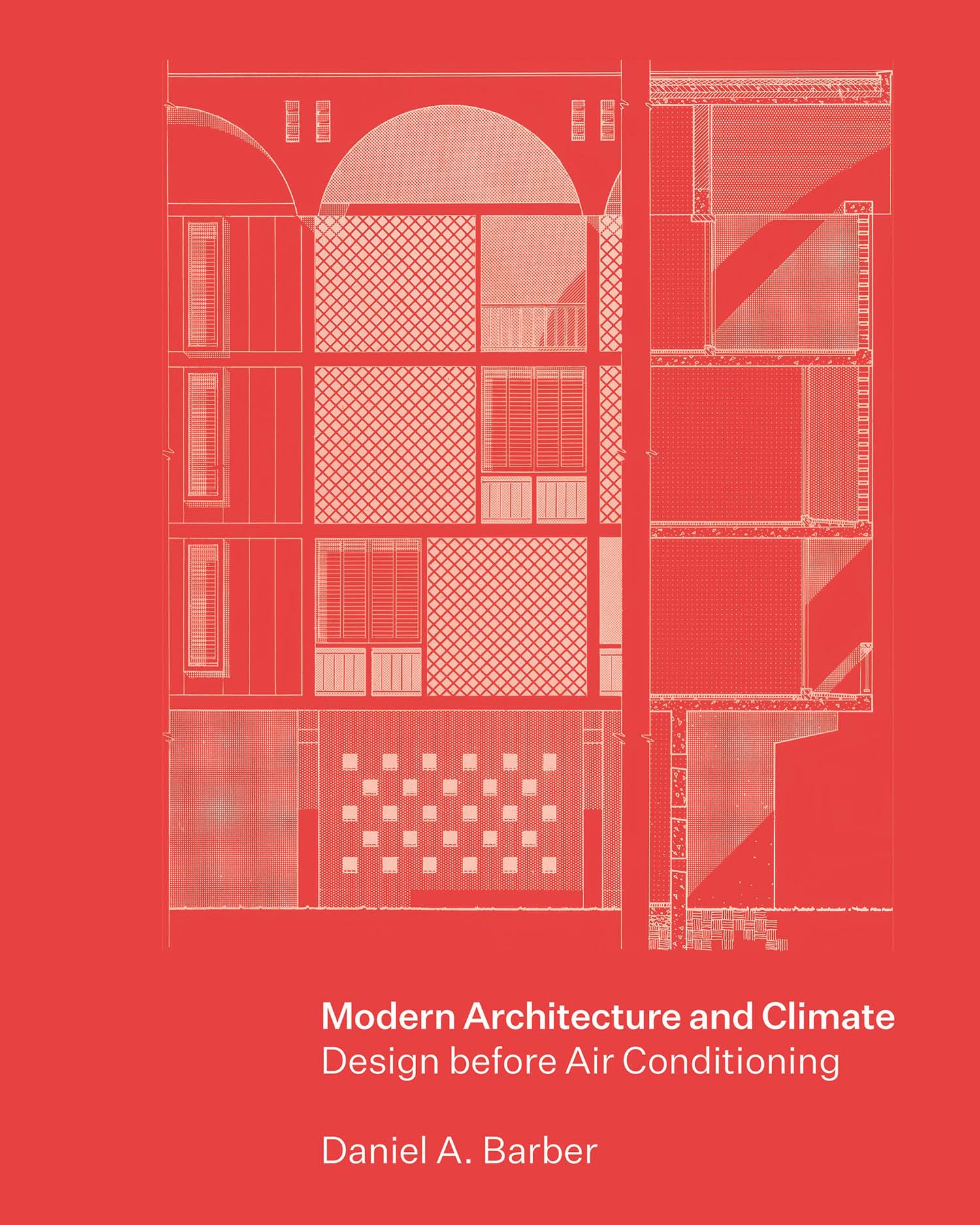
Book Review: Modern Architecture and Climate—Design before Air Conditioning

Graduate Architecture, Landscape Architecture, and Urban Design

How to Be a Better Architect Than Me
An Architect’s Life in a Diehard Profession


The Plan and the Prompt: How AI Is Rewiring Design and Practice

Designing Beyond Buildings: An Architect’s Strategic Shift


Architecture And Design With OPB Columnist-In-Residence Randy Gragg
7 Awe-Inspiring Modern Libraries That Bend the Genre


Architect's Notebook: A Progression of the Imagination


New Talent: Seven Innovative Design Studios to Watch
How ‘Architect’ Became a Protected Title in the United States

Whatever Happened to “The Architects’ Architect”?
Decorating Houses With Edith Wharton: On Interior Design as Art and Literary Practice
Books for Architectural Design Inspirations

17 Essential Architectural Styles Everyone Should Know

Interactive floor plan: Artist studio, Australia

15 Best Architecture and Design Firms in the USA

How Architectural Theory Distances People from Design

The outsider: how a land-based architect brought fresh ideas to 56m Virtuosity