1/5
Book Review: Modern Architecture and Climate—Design before Air Conditioning
This review discusses Daniel A. Barber's book, "Modern Architecture and Climate: Design before Air Conditioning" (Princeton University Press, 2020), which builds upon Reyner Banham's earlier work, "The Architecture of the Well-Tempered Environment." Barber's book offers a comprehensive historical account of how designers adapted modernist architecture to various climate conditions from the mid-1930s to the 1960s, a period predating the widespread adoption of mechanical air conditioning. The work highlights a climate-adapted architectural approach that minimized reliance on fossil fuels for cooling.
The book is structured into two main sections. The first part explores formal design innovations aimed at keeping buildings cool. It begins with an analysis of Le Corbusier's work, focusing on his 1931 Barcelona proposal, which featured climate-adapted elements like internal courtyards and rudimentary brise soleils. The discussion then moves to the contributions of modernist architects in Brazil, including Oscar Niemeyer, Lucio Costa, and the Roberto brothers, whose designs demonstrated sophisticated and adjustable climate-responsive solutions. The final chapter in this section examines American architects working internationally, with a notable example being Josep Lluis Sert's design for the embassy and diplomatic compound in Baghdad, which integrated climate and culture in its architectural response.
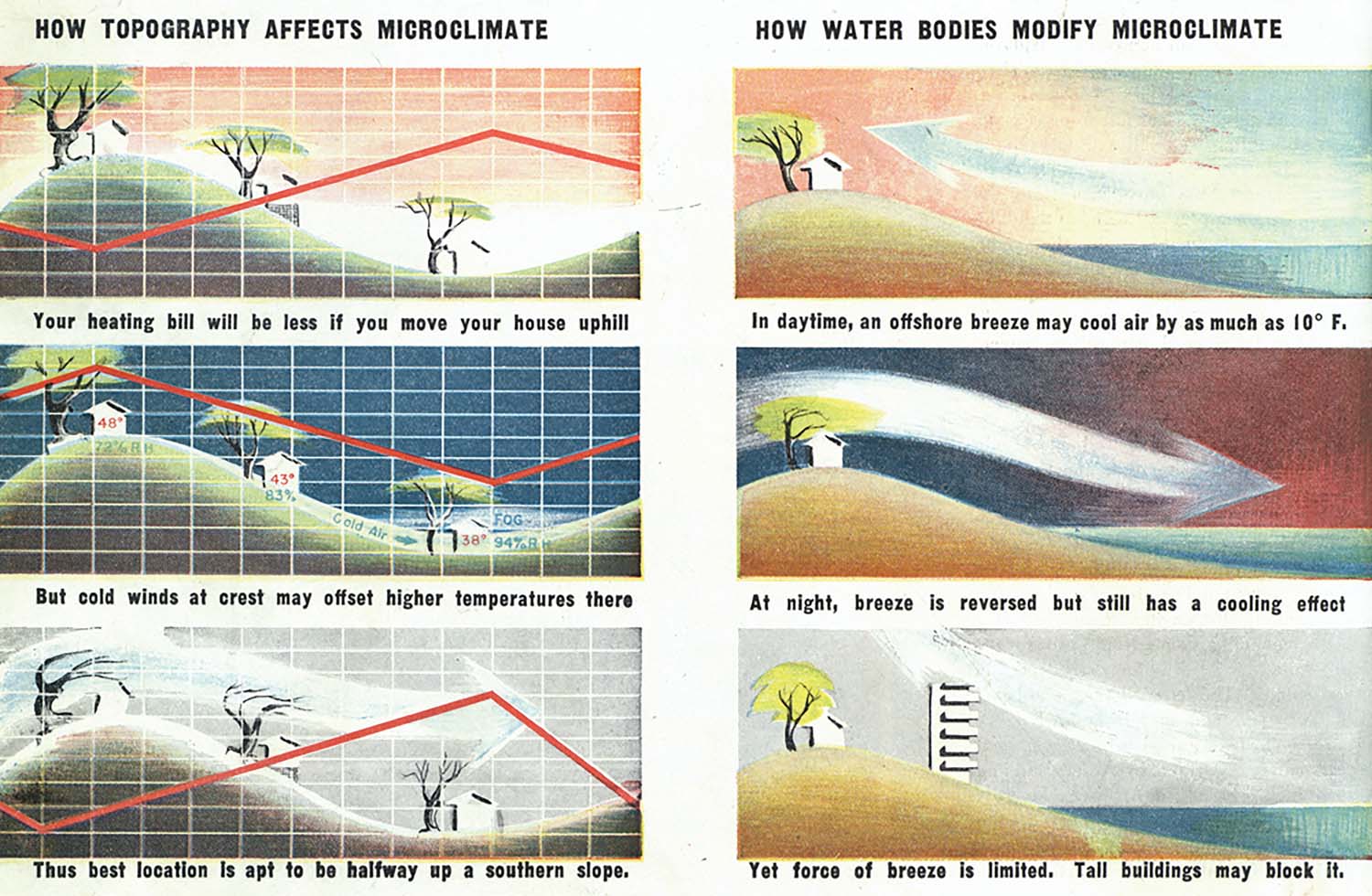
The second part of the book chronicles efforts to apply scientific understanding of weather and climate to maintain livable interior conditions. It details the pioneering research of the Olgyay brothers, who introduced the concept of "bioclimatic architecture." Their work at the Princeton Architectural Laboratory set benchmarks for measuring climate effects on building form and promoted architectural design as a tool for climate tempering. The book also identifies ASHRAE as a significant influence, arguing that its standardization of comfort conditions contributed to the dominance of mechanical ventilation and the marginalization of more nuanced, pre-air conditioning solutions.
A central theme of Barber's work is the impact of uniform interior temperature and humidity standards on architectural practice and environmental sustainability. The review notes that the triumph of the fossil fuel economy following World War II led to mechanical air conditioning systems largely replacing earlier, climate-sensitive architectural strategies. This shift allowed architects to move away from the intensive understanding of local site conditions that had previously informed climate-responsive design. The book suggests that the assumptions underpinning the development of these ideal indoor climates were influenced by problematic social and historical contexts.
Overall, Barber's "Modern Architecture and Climate" is presented as a significant contribution to the history of architectural modernism. It underscores the environmental consequences of modern expectations for uniform interior conditions while also providing historical examples that challenge these assumptions. The book serves as an inspiring resource for reconsidering the role of building form in mitigating climate extremes, offering valuable insights relevant to contemporary climate challenges.
#architecturalHistory #architecturalTheory #climate #climateCrisis #bookReview #modernArchitecture #sustainableDesign #buildingTechnology #environmentalDesign #architecturalHistory #architecturalTheory #climate #climateCrisis #bookReview #modernArchitecture #sustainableDesign #buildingTechnology #environmentalDesign
0 comment in total
 No comments yet
You may also like

Cooling Canvas: When Air Conditioning Meets Interior Design

Top 10 Examples of Most Sustainable Architecture in 2025

Climate responsive lessons from an architectural and ethnographic study of Hijazi traditional dwellings in Jeddah, Saudi Arabia
The Architect as Writer: Expanding the Discipline Beyond Buildings
Books for Architectural Design Inspirations

Reimagining Air Conditioning: Traditional Cooling Methods for the Future


Why buildings fail: damp can become dangerous

Are fleeting architectural fads marring SLO?

Back to Basics: Natural Ventilation and its Use in Different Contexts

Well-Being Through Biophilic Interiors


This is How People Dealt with Summer Heat Before Air Conditioning
17 Essential Architectural Styles Everyone Should Know


How to design for extreme temperatures
Why You Hate Contemporary Architecture

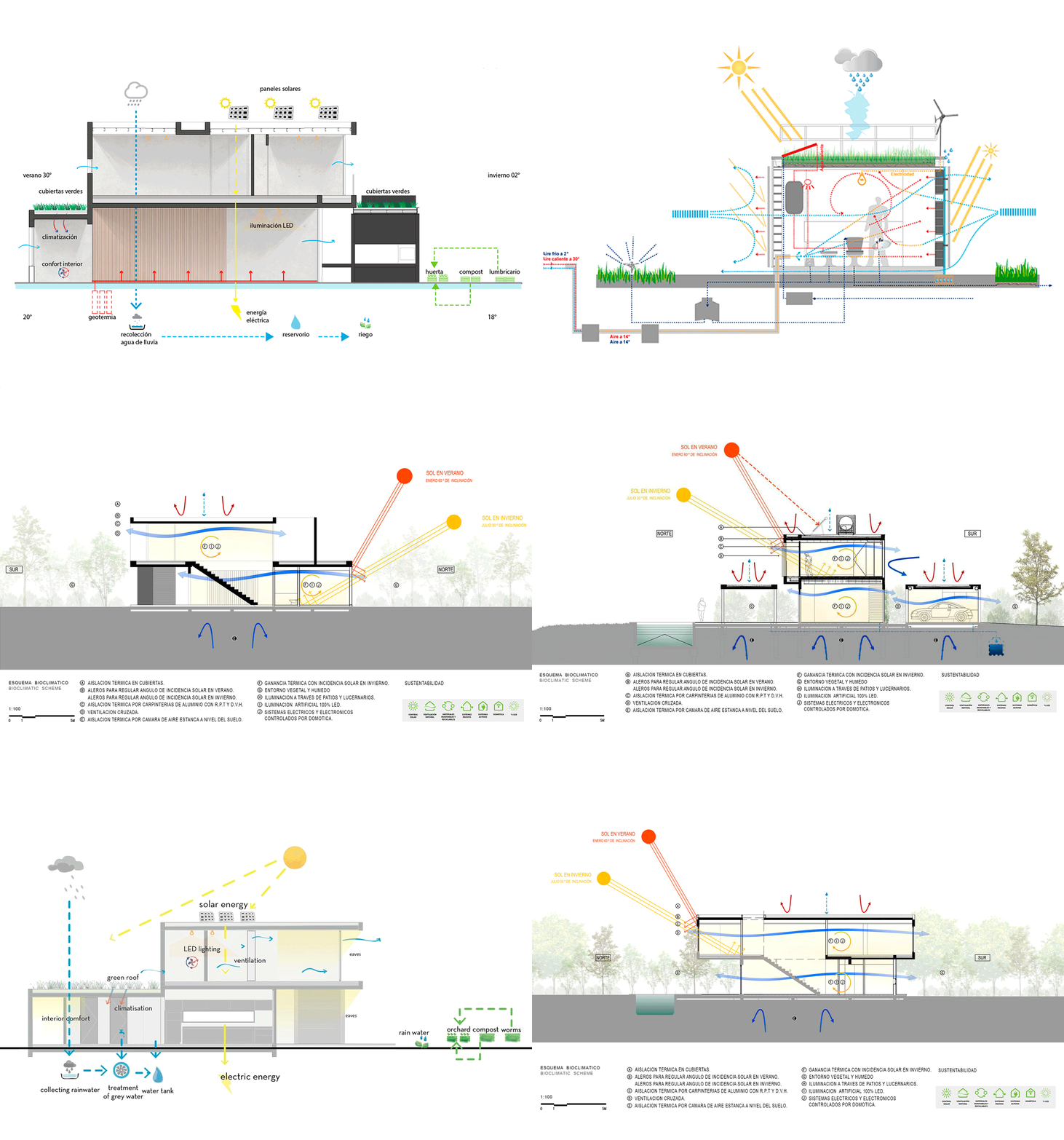
Bio-climatic Fixtures in Buenos Aires' Houses as Seen In Floor Plans and Layout

This Hexagonal Ceiling Tile System Rethinks Office Air

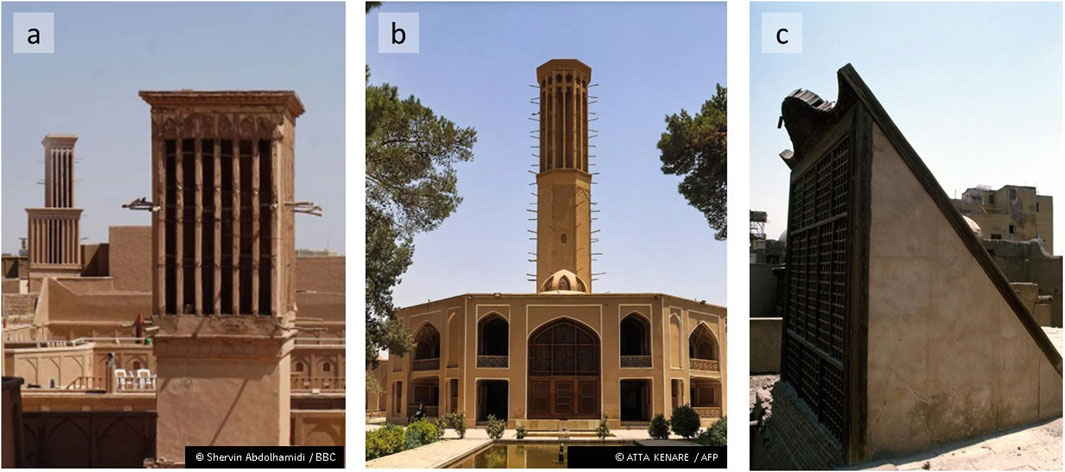
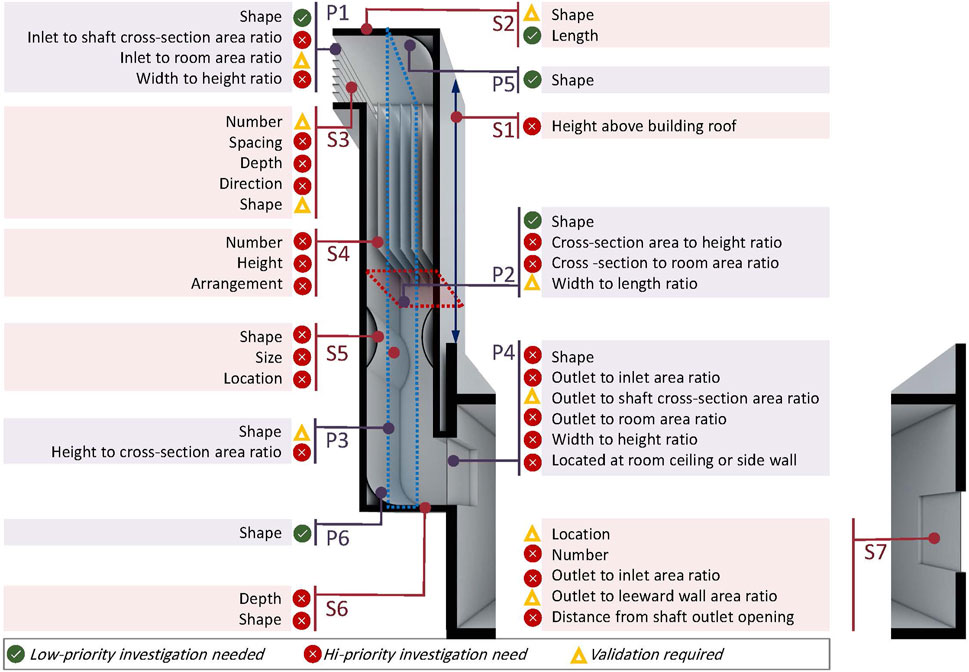
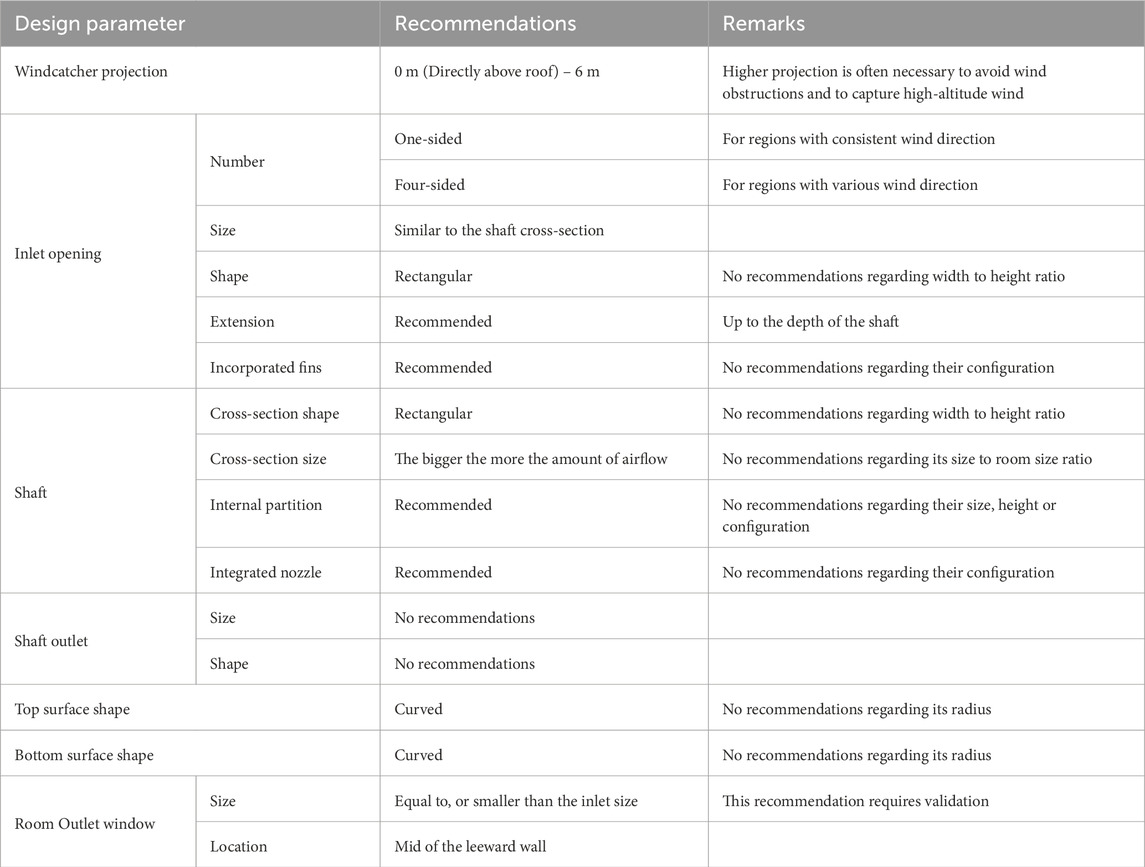
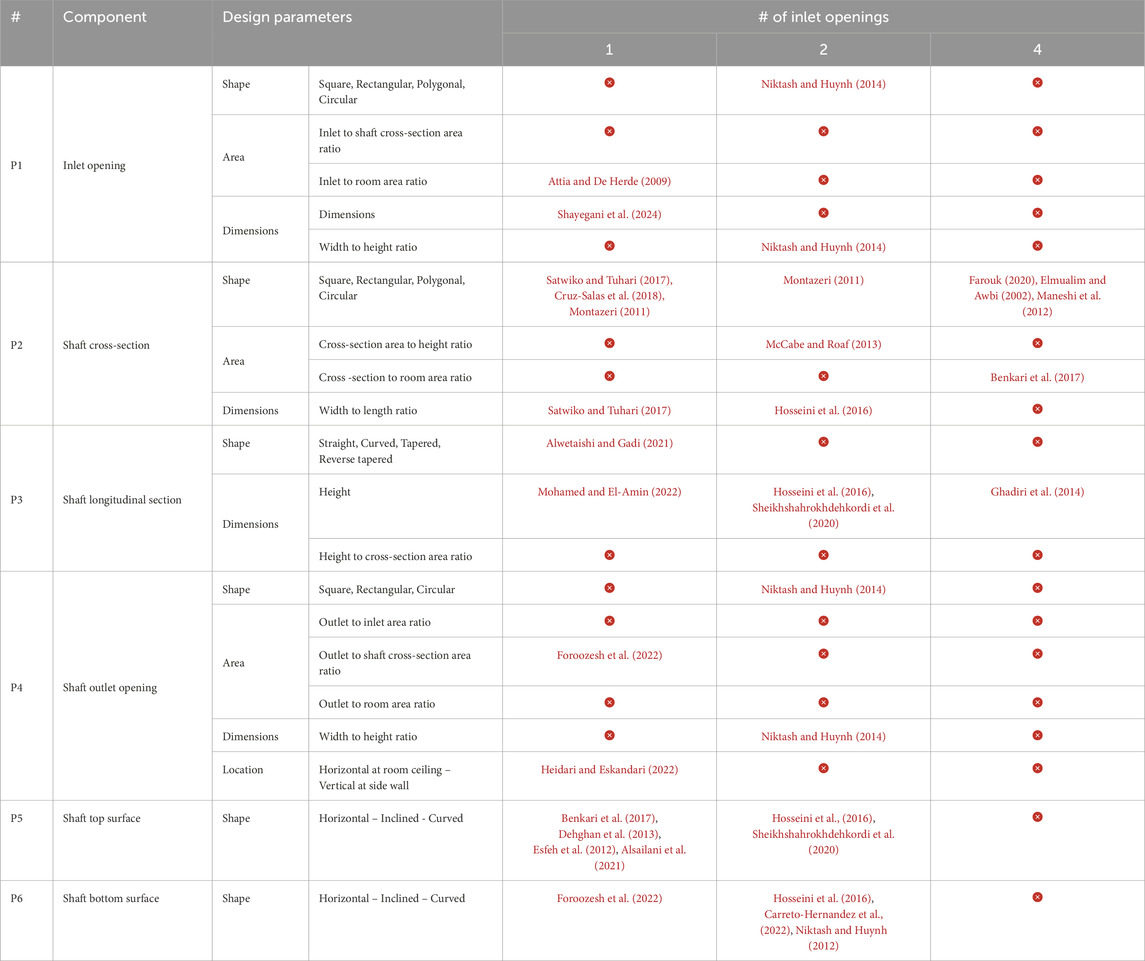
Roadmap to developing a geometrical design guide for windcatchers

Building with High Thermal Mass in a Hot, Humid Climate
Five Simple Rules For House Design That Drastically Lower Energy Costs

Architect Jeff Adams Designs a "Pretty Good House"