1/14
Architecture And Design With OPB Columnist-In-Residence Randy Gragg
This ongoing series features OPB's columnist-in-residence, Randy Gragg, an expert in architecture and urban planning, as he delves into the evolving design landscape of Portland and the broader state of Oregon. Gragg, formerly an architecture critic for The Oregonian and editor-in-chief at Portland Monthly, now serves as the executive director of the John Yeon Center for Architecture and the Landscape at the University of Oregon. Throughout 2016 and into early 2017, he explores various architectural and design topics, ranging from urban development to sustainable building practices.
The series highlights significant projects and discussions. In February 2017, Gragg revisits the Portland Aerial Tram, examining its transformation from a controversial project to an urban icon and a catalyst for development in the South Waterfront area. The January 2017 segment focuses on "Desert Rain," a residential property in Bend that achieved Living Building Challenge certification, showcasing high standards in energy efficiency, power generation, and water management as a model for sustainable living.
December's entry presents the Colonel James Nesmith Readiness Center in Dallas, Oregon, as an exemplar of military architecture, noting its modern design in contrast to older armories. In November, the blog discusses the global architecture firm Snohetta's impact on Portland's waterfront. While the firm faced a setback with the James Beard Market project, progress is noted on the Willamette Falls Riverwalk, with substantial funding raised for its initial phase. Snohetta is also engaging the public in the design process for this project.
October's discussion addresses a controversial loophole in Oregon's historic preservation laws, where a neighborhood, rather than individual homeowners, can be designated as historic, potentially imposing regulations on property owners without their consent. The specific case of the Eastmoreland neighborhood in Portland is highlighted, where an association sought to designate the entire area as historic.
In September, the article explores the innovative use of cross-laminated timber (CLT) in construction, exemplified by Albina Yard, a four-story building in Portland. This project is presented as a national pioneer in using CLT, emphasizing its benefits in terms of construction speed, earthquake resistance, and environmental sustainability. August's entry examines "Yard," a 21-story apartment tower near the Burnside Bridgehead, with architect Jeff Kovel explaining the design choices behind its distinctive form.
July features an analysis of Portland's infill development, with Gragg differentiating between effective and poorly designed projects. He particularly praises the Lower Burnside Lofts by architect Don Vallaster as an example of good infill design. Another July post discusses the rapid growth of Portland's skyline, with over 60 buildings exceeding 100 feet in height planned or under construction. Gragg interviews architects involved in three prominent new high-rises: Park Avenue West, the Cosmopolitan, and Indigo @ twelve|west.
April's segment compares urban planning strategies in Portland and San Francisco through an interview with Gil Kelley, a former director of Portland's Bureau of Planning and Sustainability, who later became San Francisco's citywide planning director. Another April entry introduces Snohetta's broader vision for reshaping Portland, including their work on the James Beard Public Market and the Willamette Falls Riverwalk, as well as a master plan for the Oregon Museum of Science and Industry.
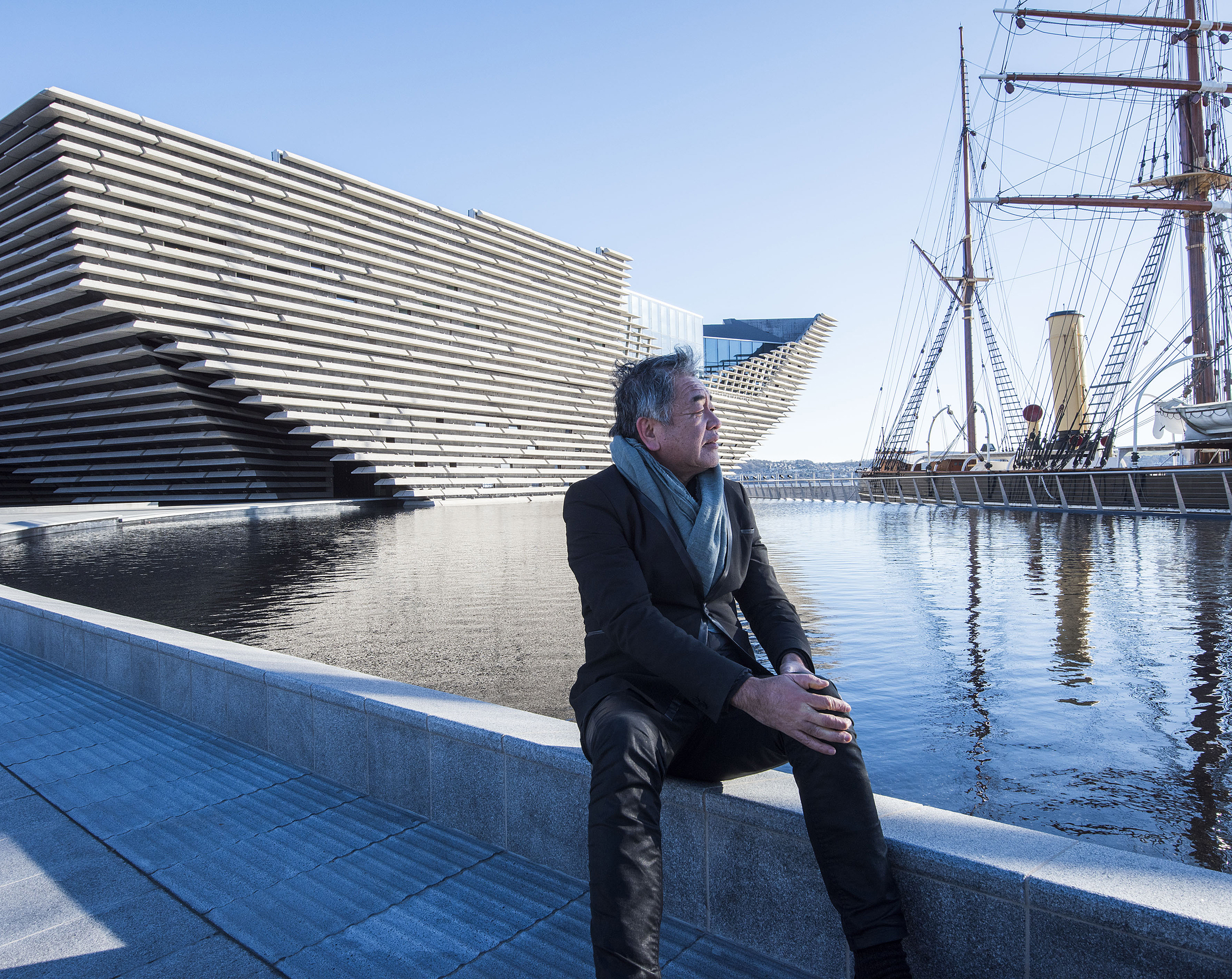
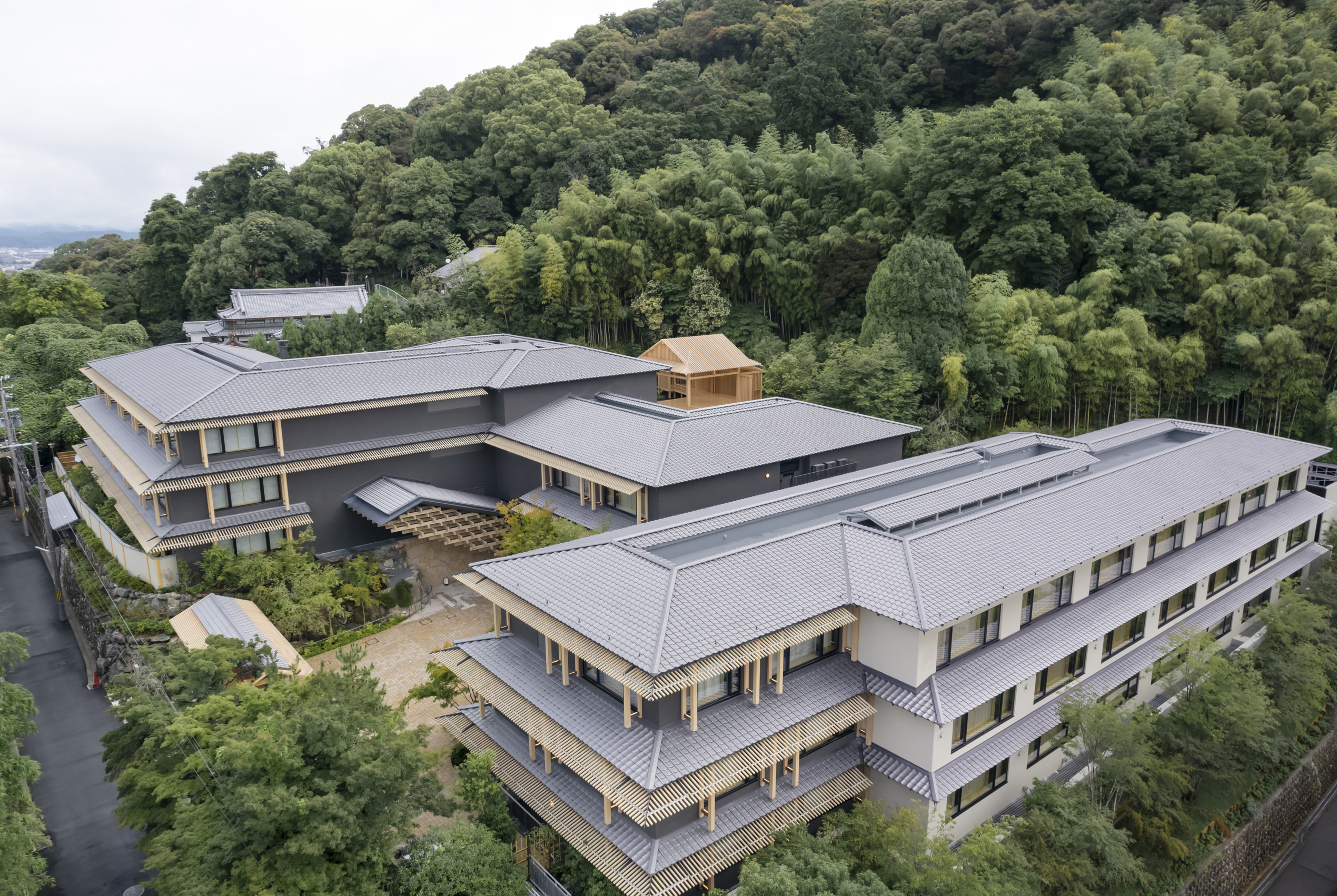
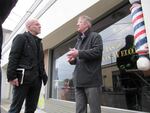
Finally, an earlier February post showcases internationally renowned architect Kengo Kuma's plans to transform the Portland Japanese Garden, aiming to create a unique village-like setting. The series also includes walk-and-talks with mayoral candidates Ted Wheeler and Jules Bailey, where they discuss Portland's architecture and urban functionality with Gragg, reflecting on what works and what does not in the city's built environment.
#architecture #design #urbanPlanning #PortlandOregon #sustainableBuilding #historicPreservation #construction #development #RandyGragg #architecture #design #urbanPlanning #PortlandOregon #sustainableBuilding #historicPreservation #construction #development #RandyGragg
0 comment in total
 No comments yet
You may also like
Architecture and design features and interviews | CLADglobal.com - Embracing nature
Giants and Rising Talent Kicks Off With a Talk by Tom Kundig


Call for Entries

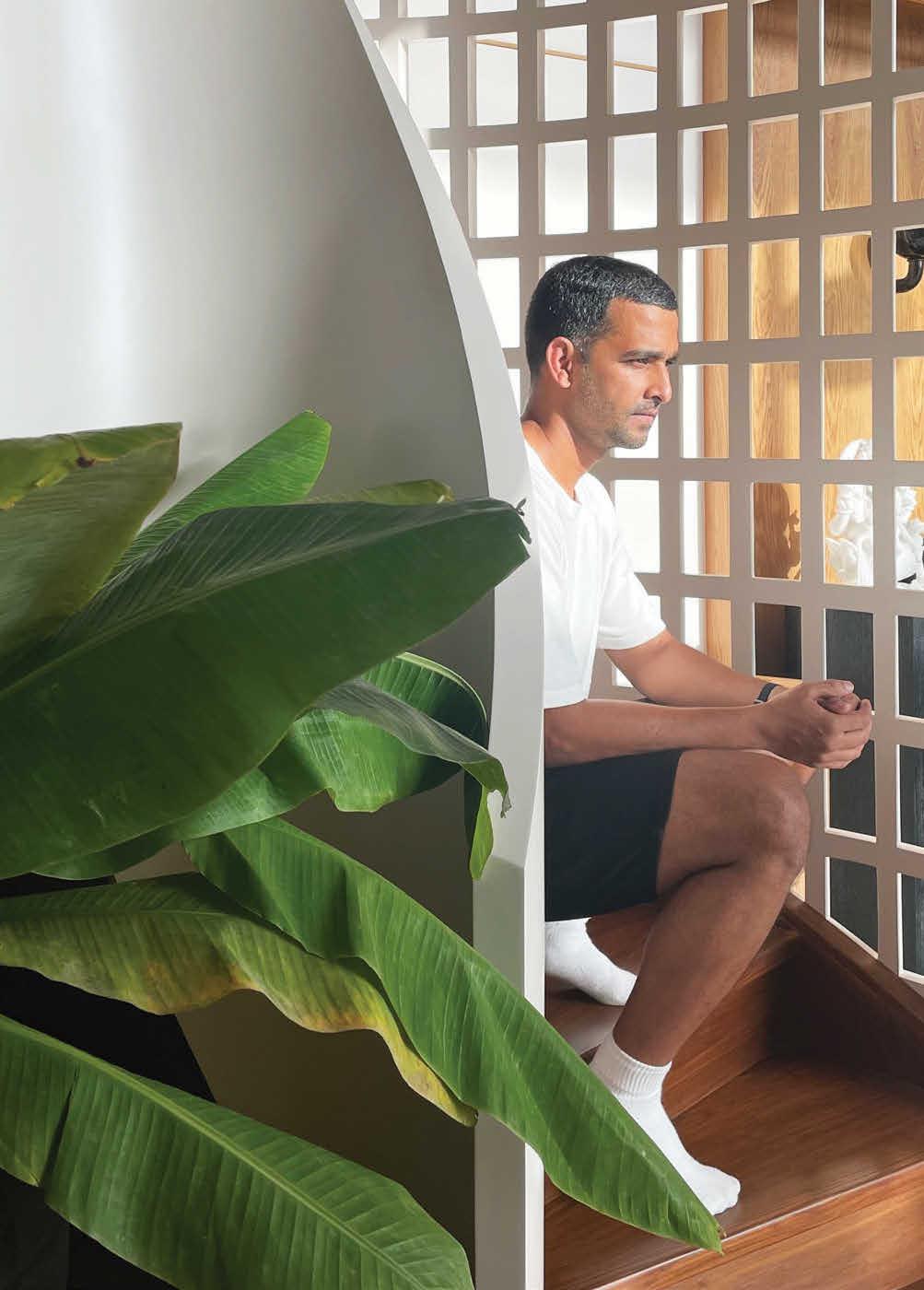
Getting candid with Mangesh Lungare INTERIOR AND ARCHITECTURAL DESIGNER | Livingetc India - home
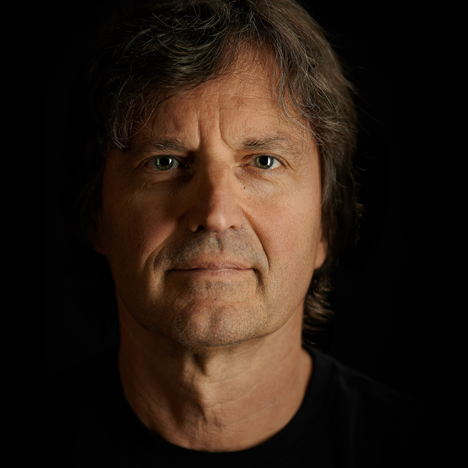
Tom Kundig talks about designing his steel product collection
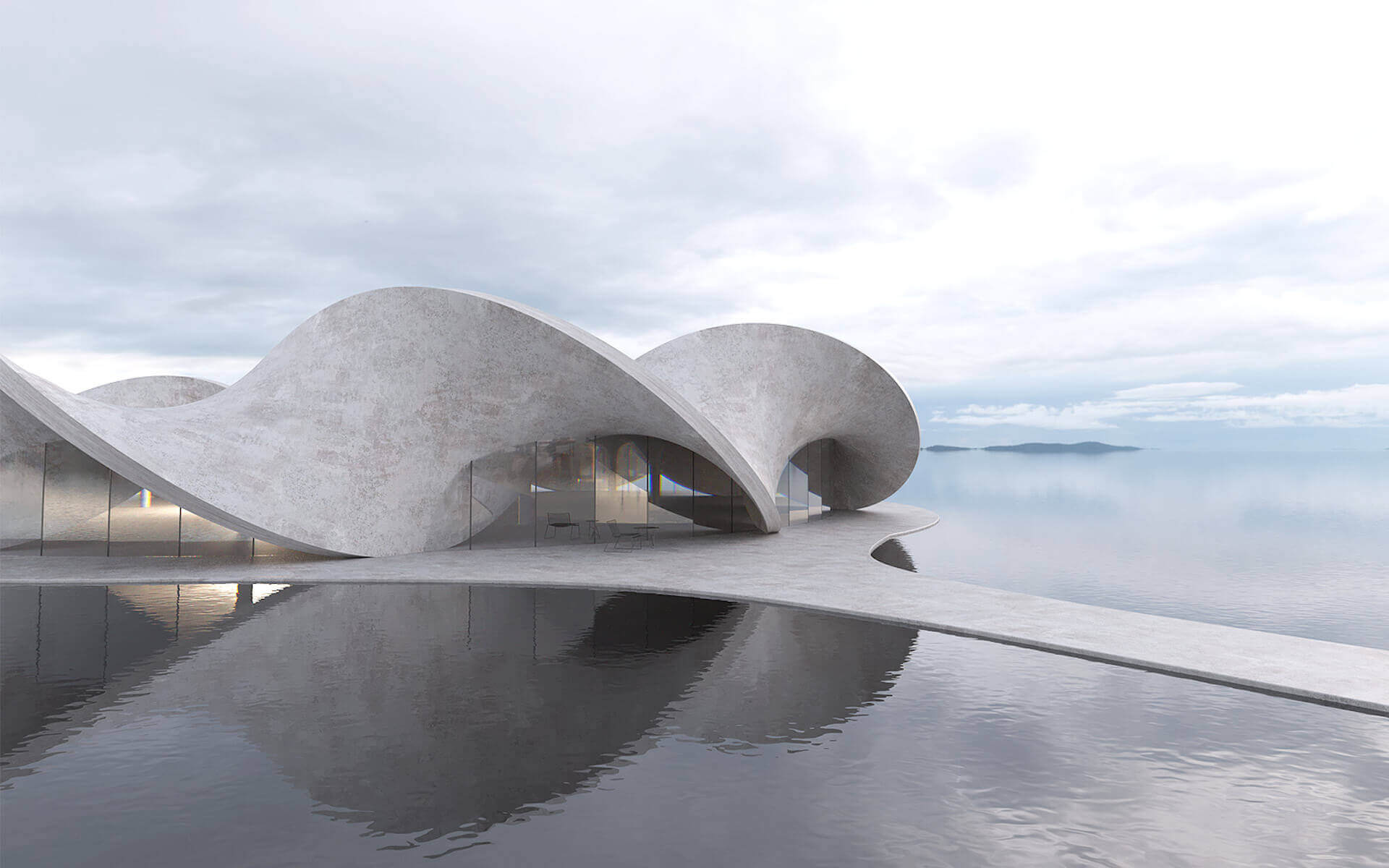
How Antony Gibbon is pushing the boundaries of architectural design


The real stories behind those TV home makeover shows: New design podcast dishes on why they're harmful

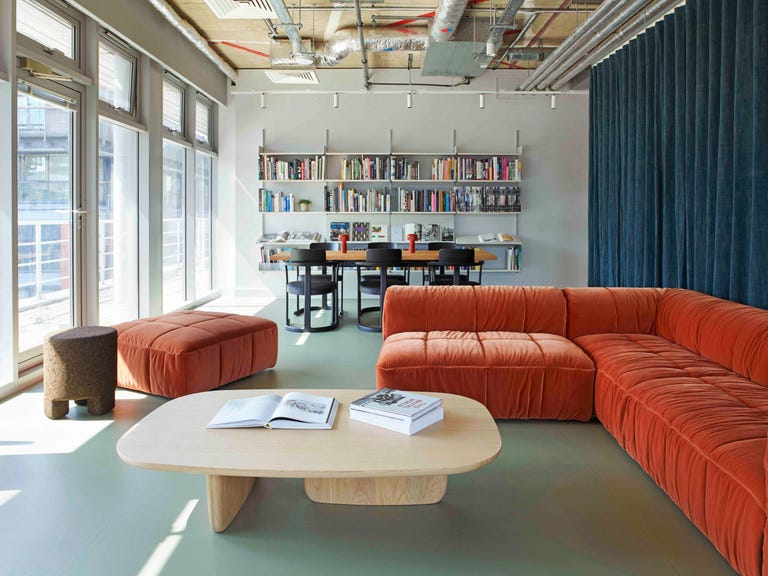
Universal Design Studio: the practice quietly shaping the way we live, work, shop and eat

10 Questions With… BoND’s Noam Dvir and Daniel Rauchwerger
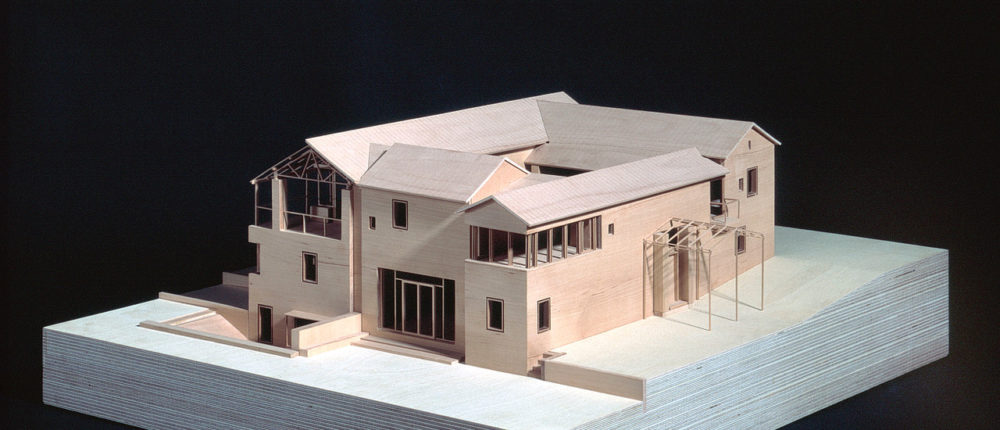
Whatever Happened to “The Architects’ Architect”?
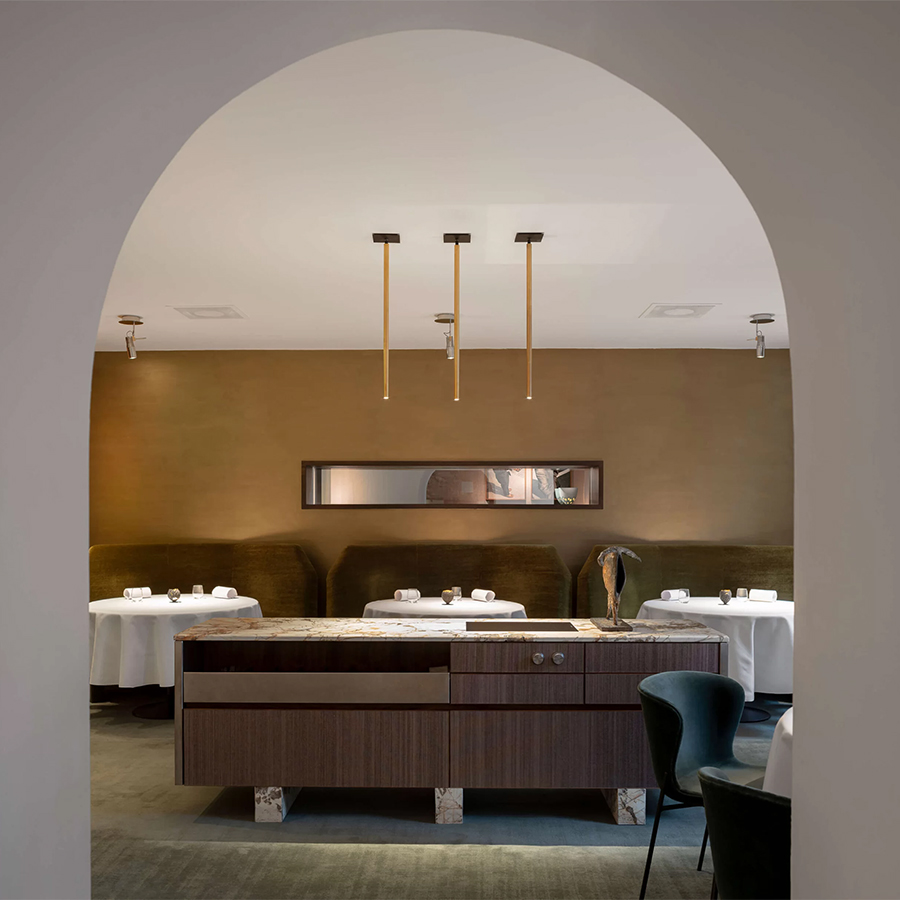
Design Talk With Architect And Interior Designer Maria MacVeigh

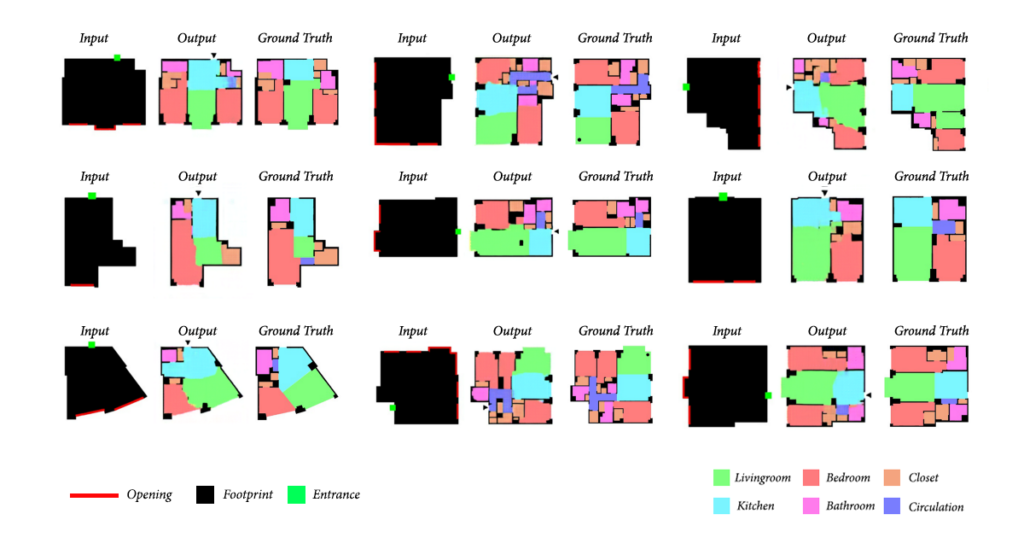
ArchiGAN: a Generative Stack for Apartment Building Design | NVIDIA Technical Blog

The Second Studio Podcast: Executive Architect and Design Architect Roles Explained

10 Questions With… Jobe Corral Architects

What are your tips for getting published?

Gabor Design Build brings creativity, communication to remodeling projects
F5: Tom Kundig Talks a Seal Sculpture, His Cowboy Hat, a Pencil + More


Architecture and design features and interviews | CLADglobal.com - Kengo Kuma
A Cool Interior Designer Talks Style, Inspiration & More
It’s epic: the bumper October 2025 issue of Wallpaper* is on sale now