1/12
How to Paint a Wall Mural Even If You’re Not an Artist
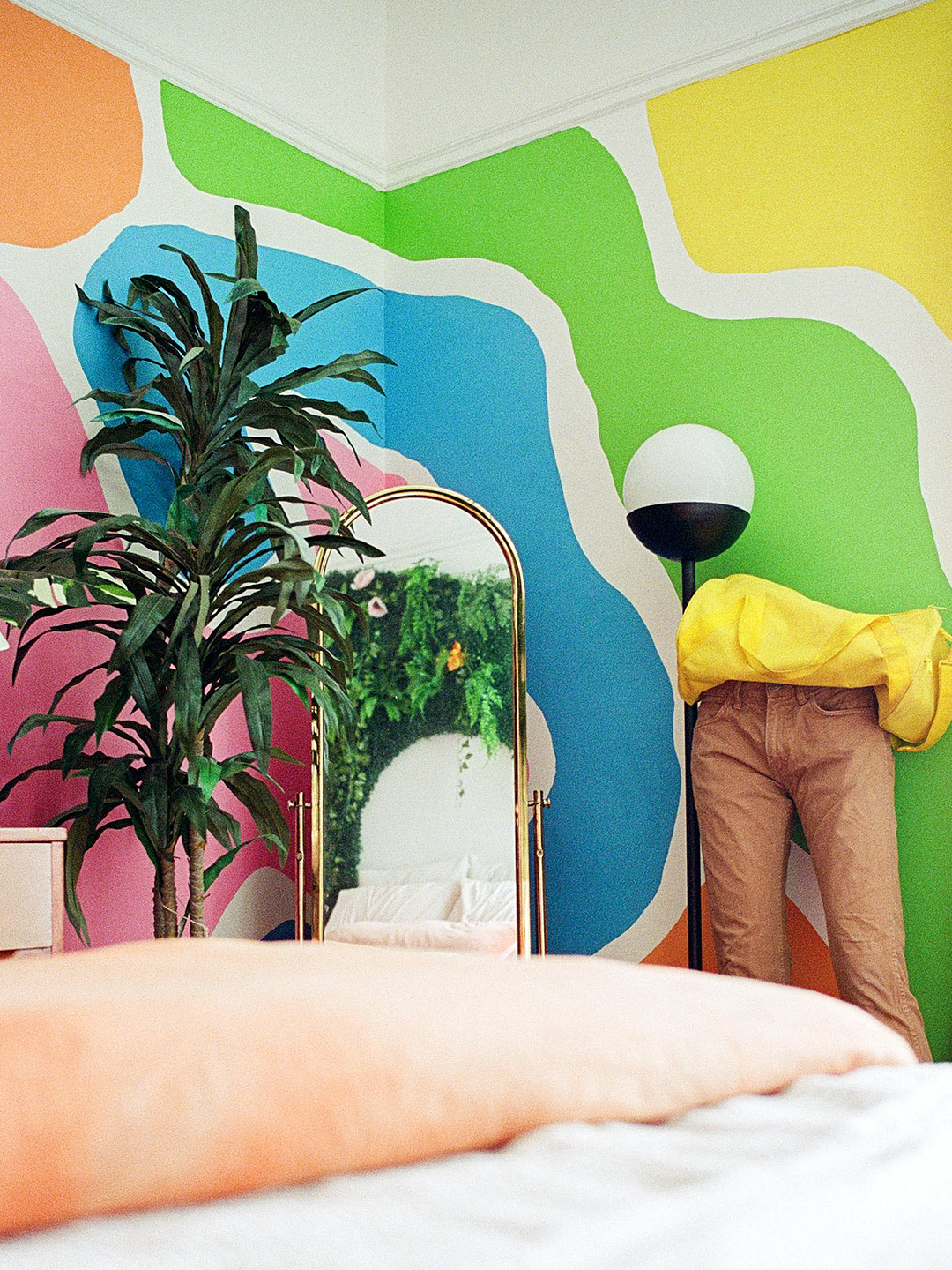
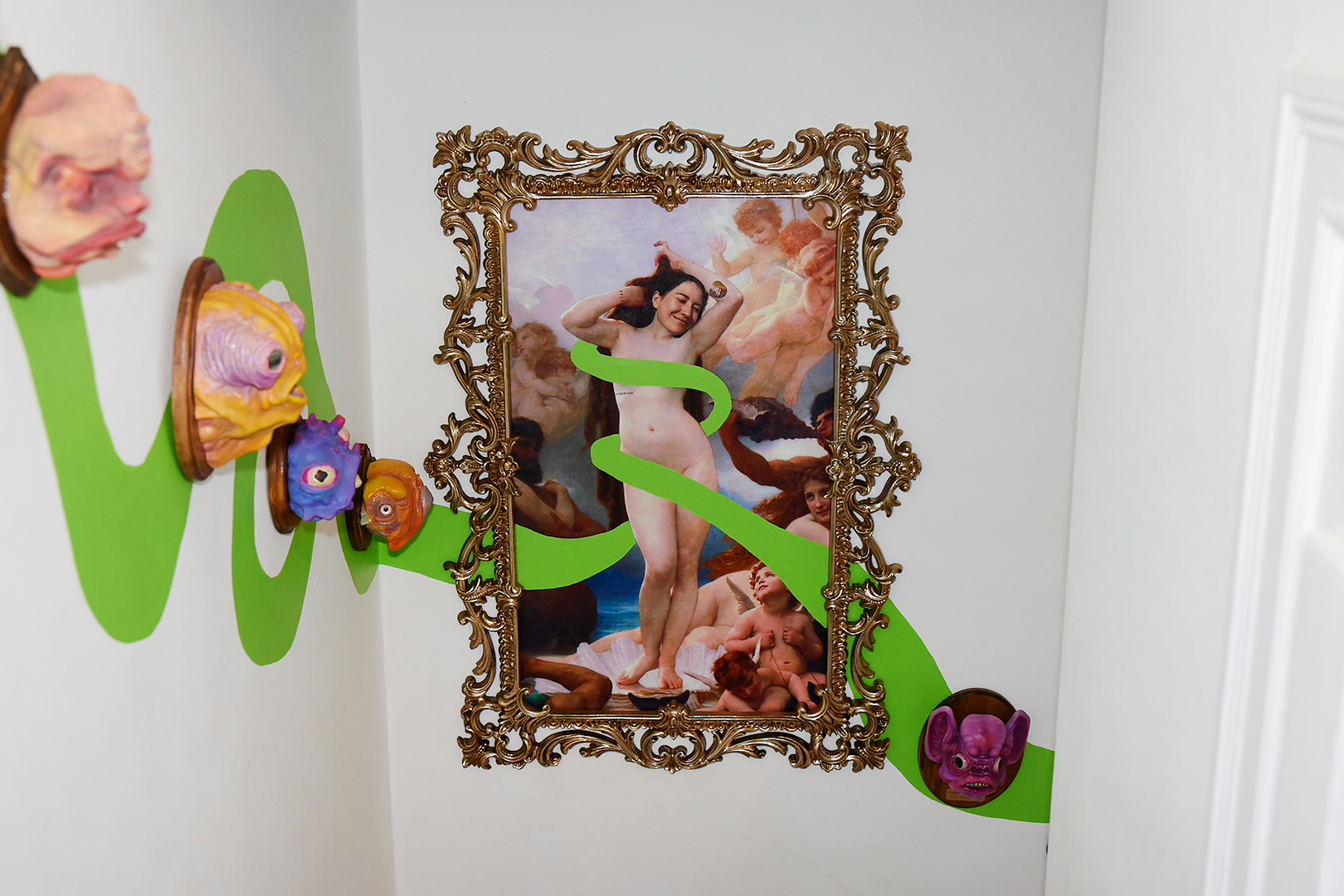
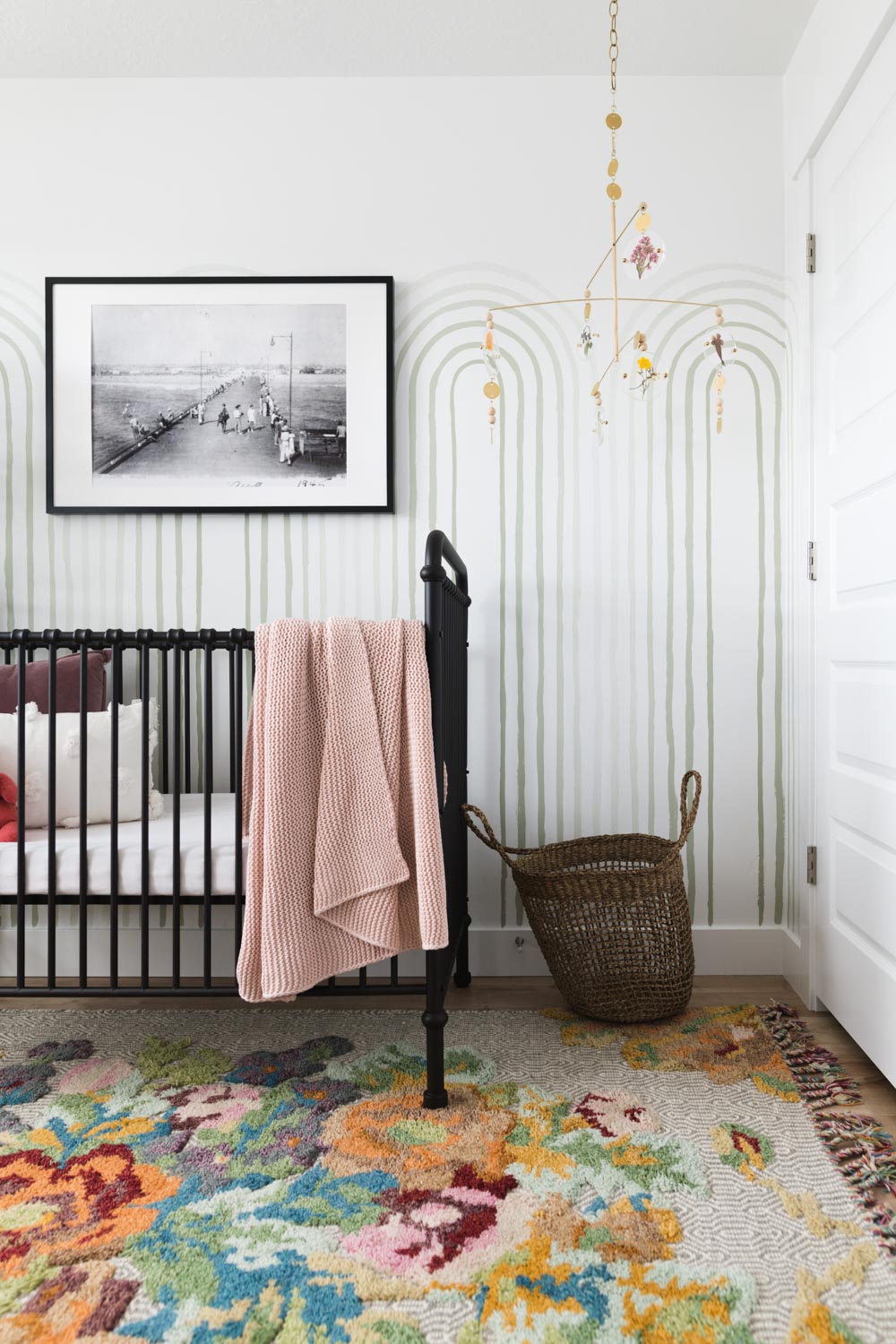
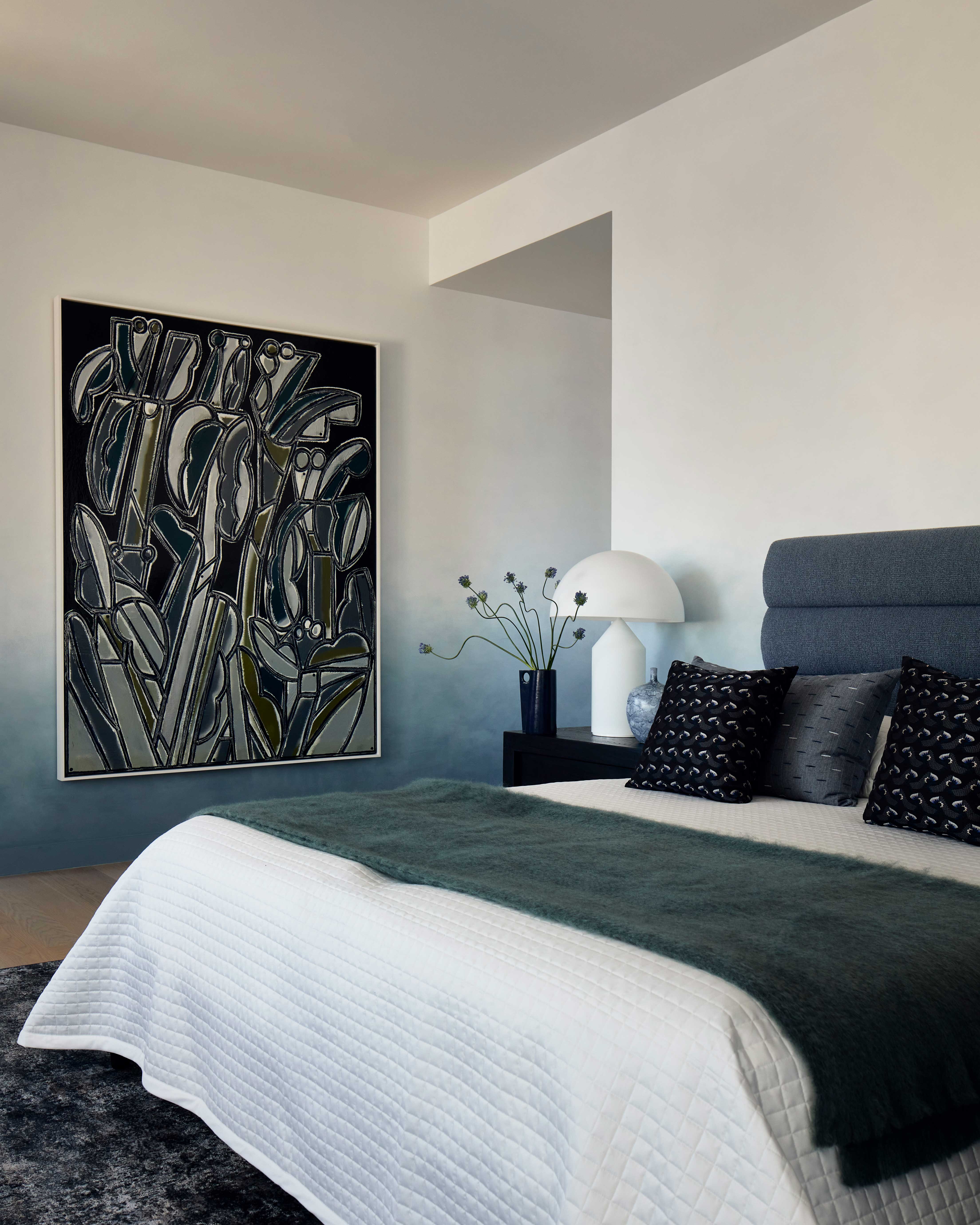
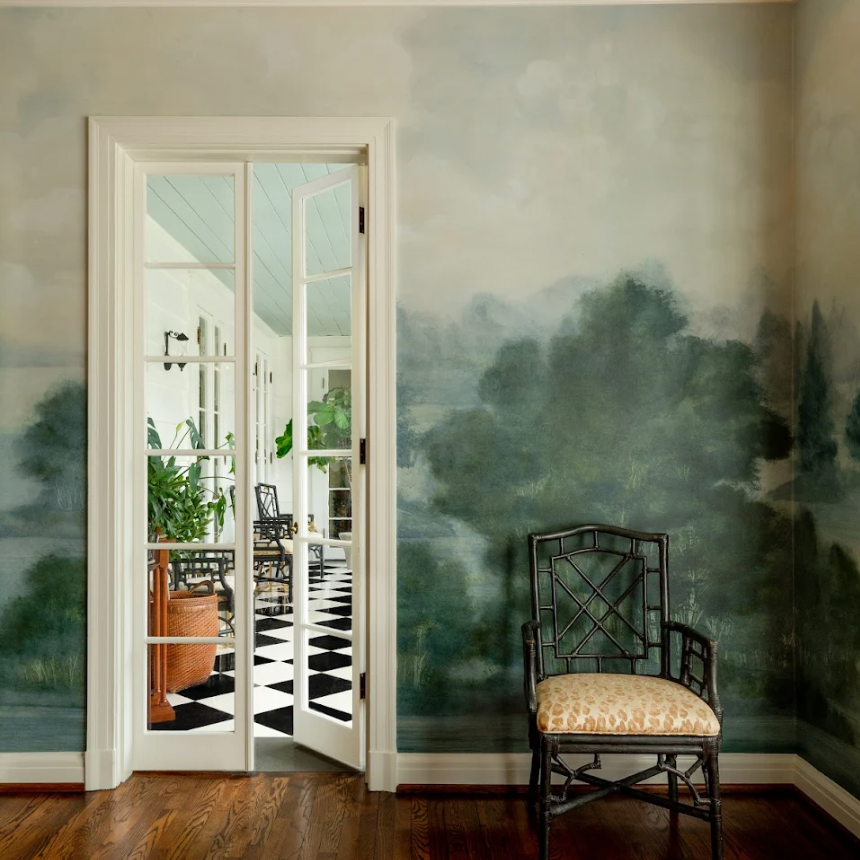
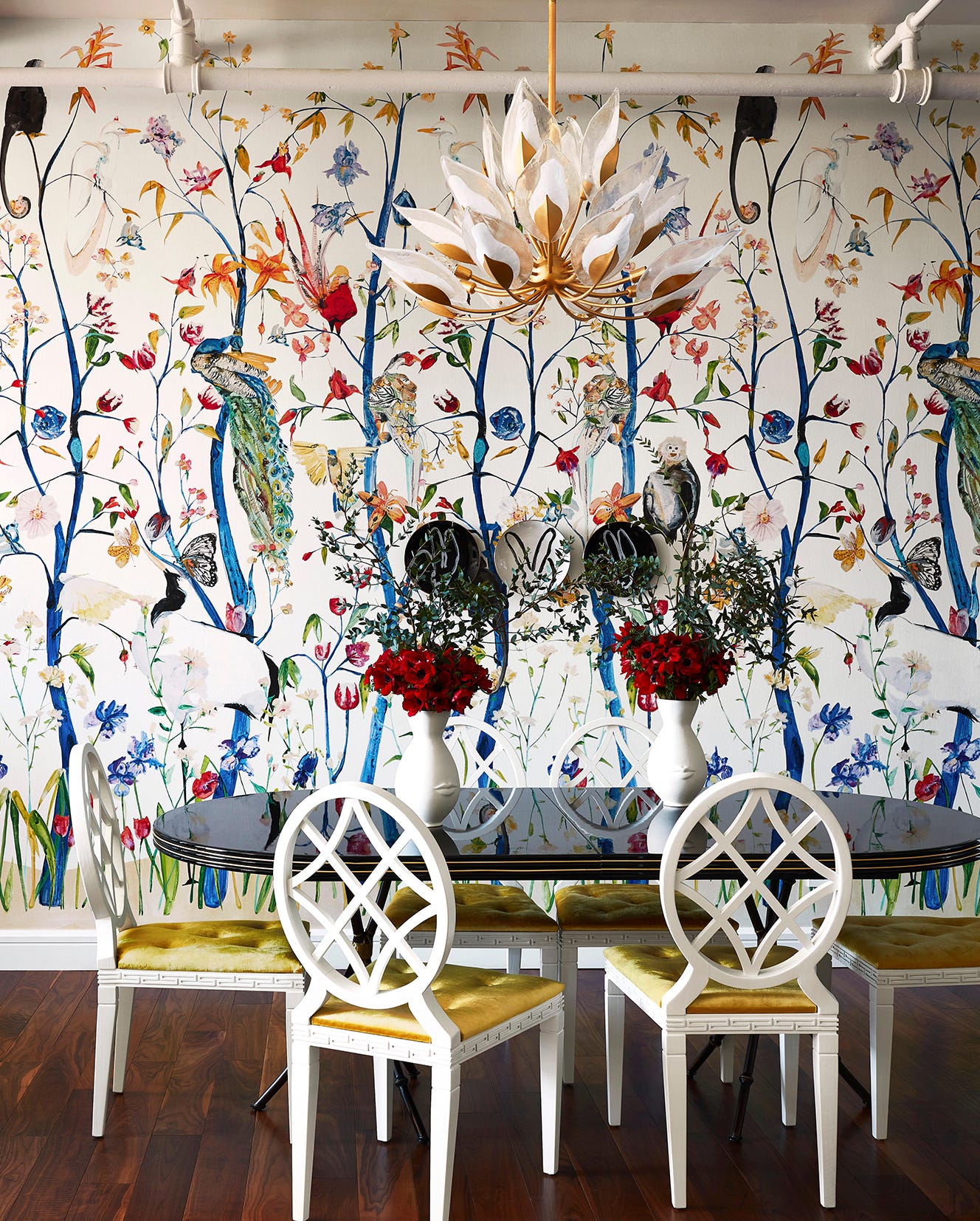
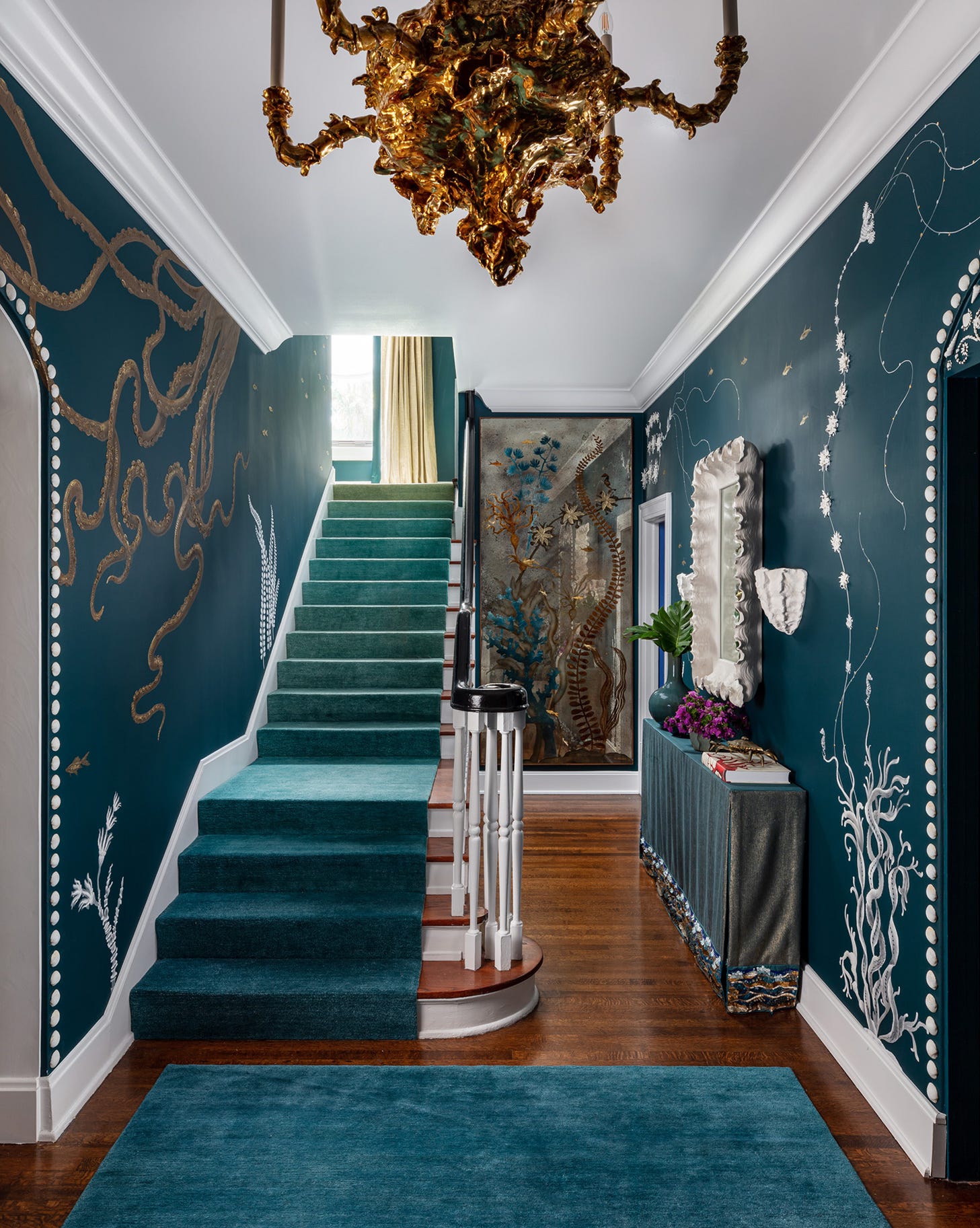
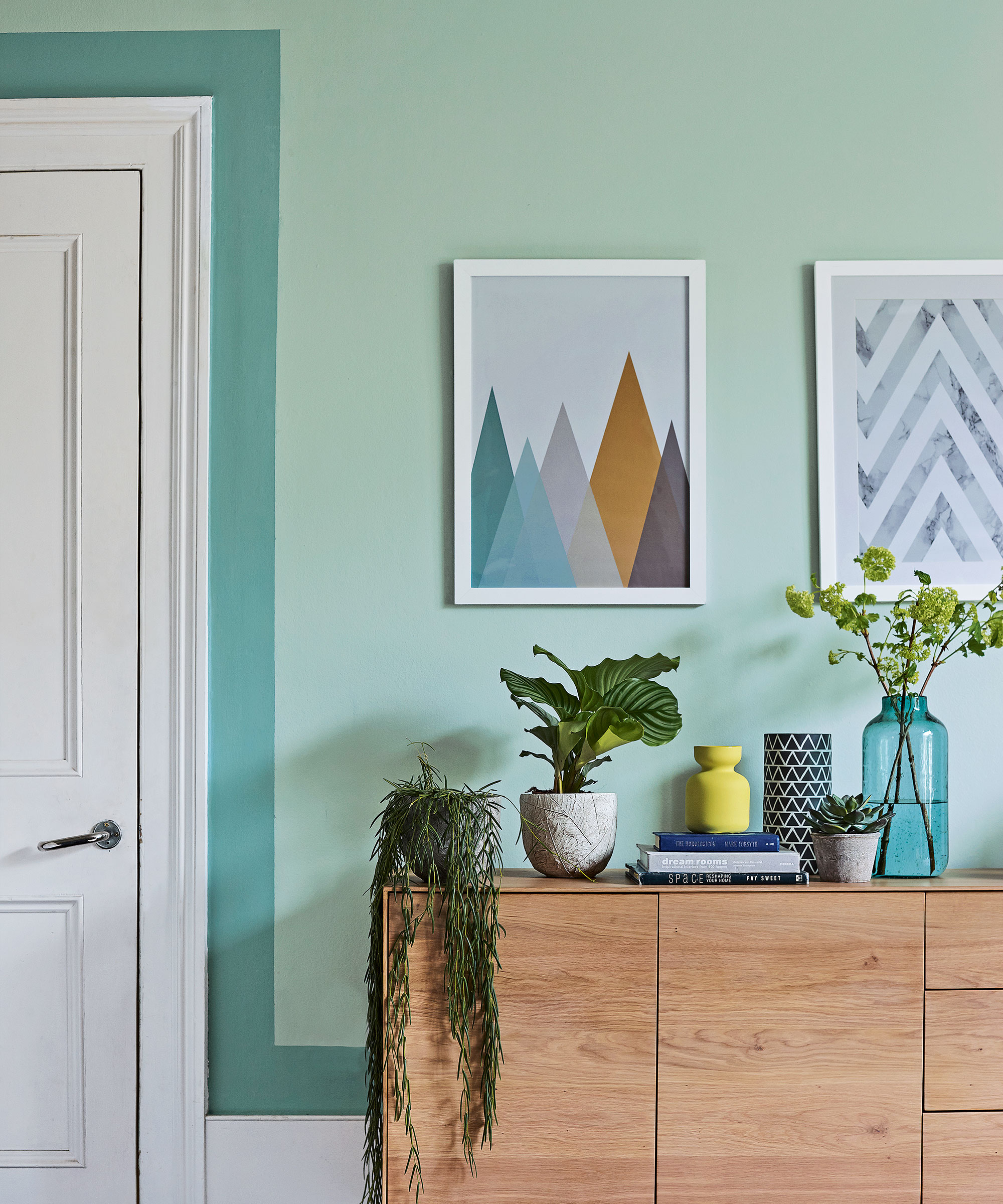
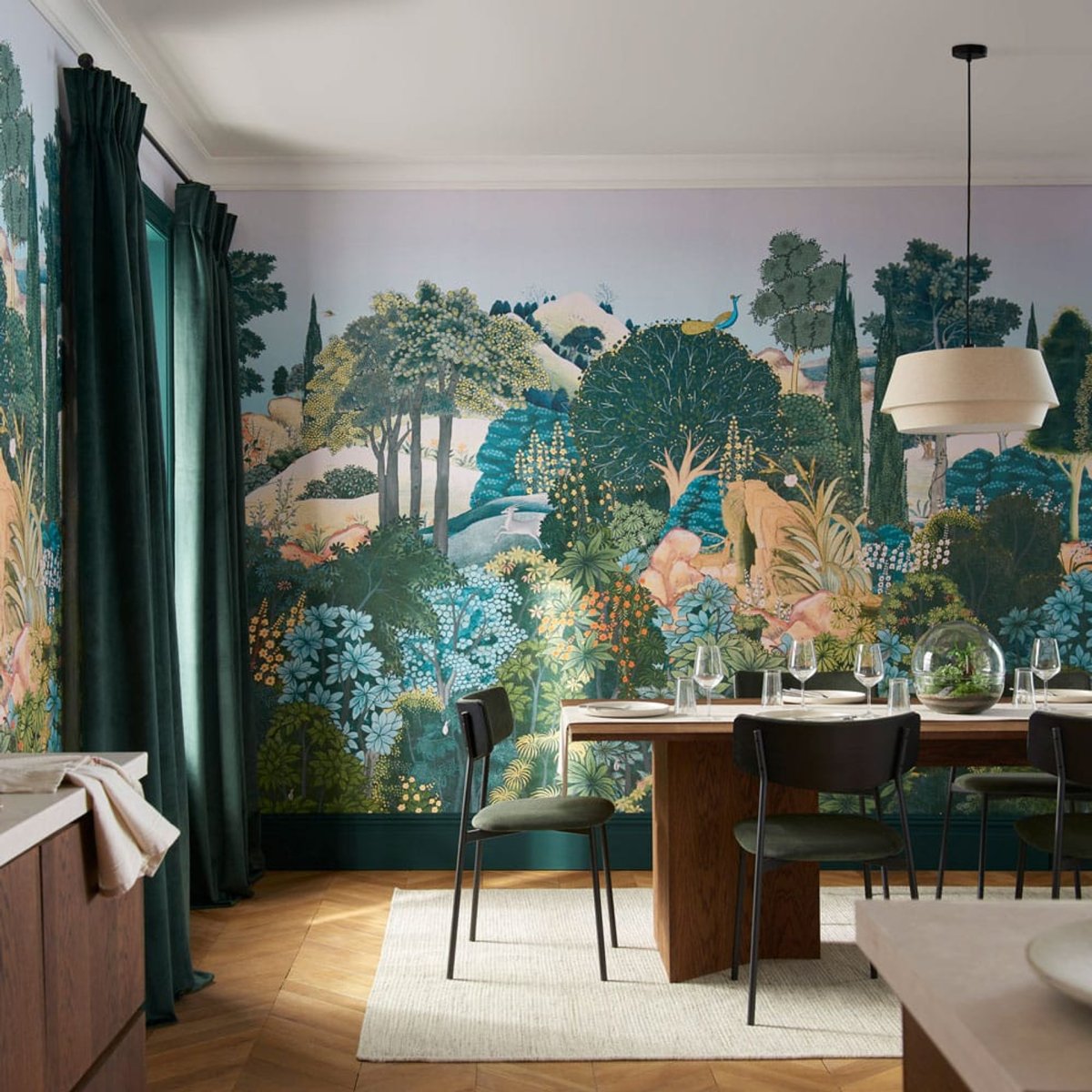
The trend of painting wall murals is gaining popularity, offering a unique and personalized way to transform large empty walls. These murals can significantly enhance a room's aesthetic appeal, acting as a focal point and adding visual interest. Professional artist Meg Solebello notes that murals can even create an illusion of space, making smaller rooms feel larger and more inviting. For those considering a DIY mural, the process is relatively low-stakes, as mistakes can be easily corrected with a fresh coat of paint.
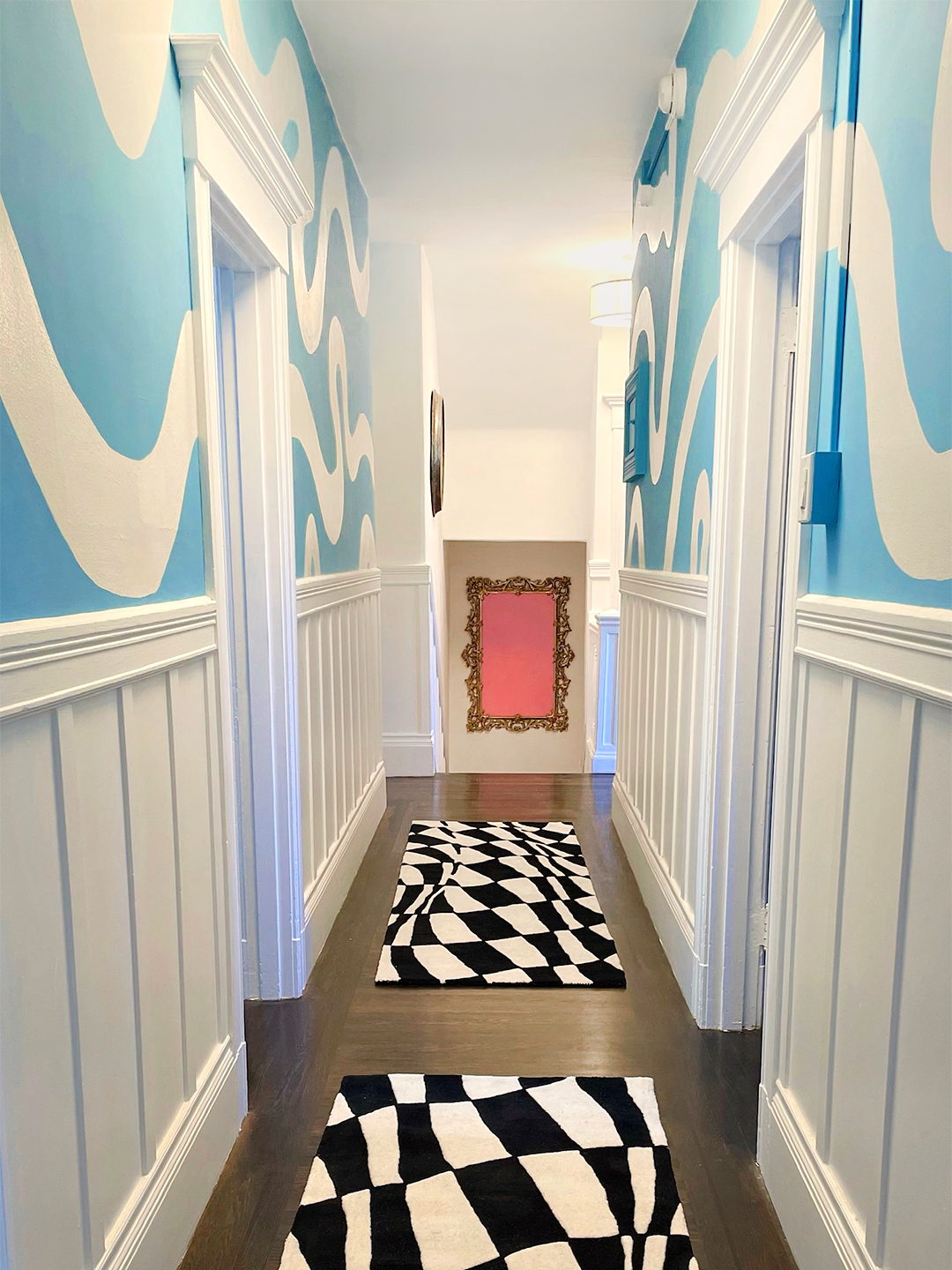
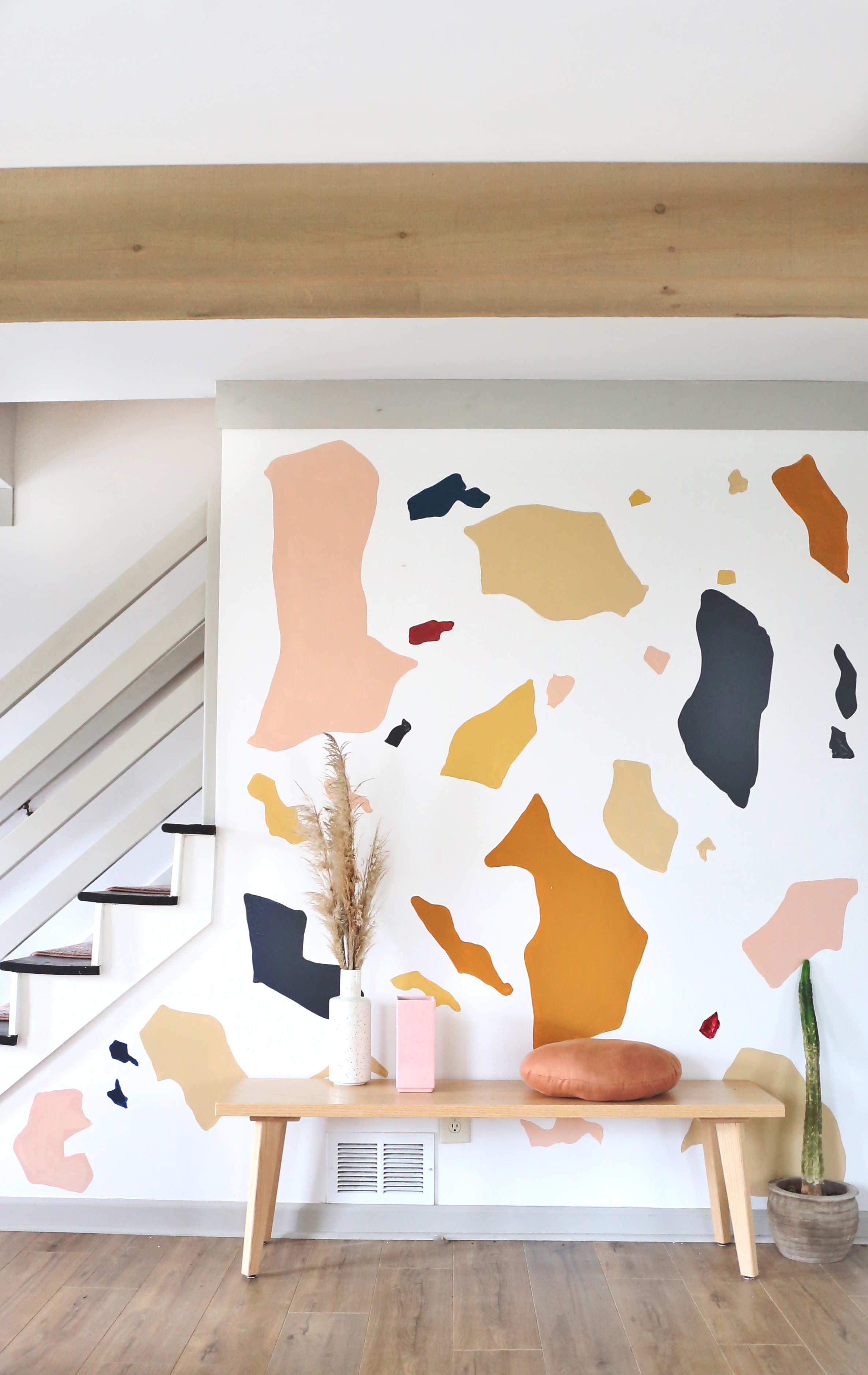
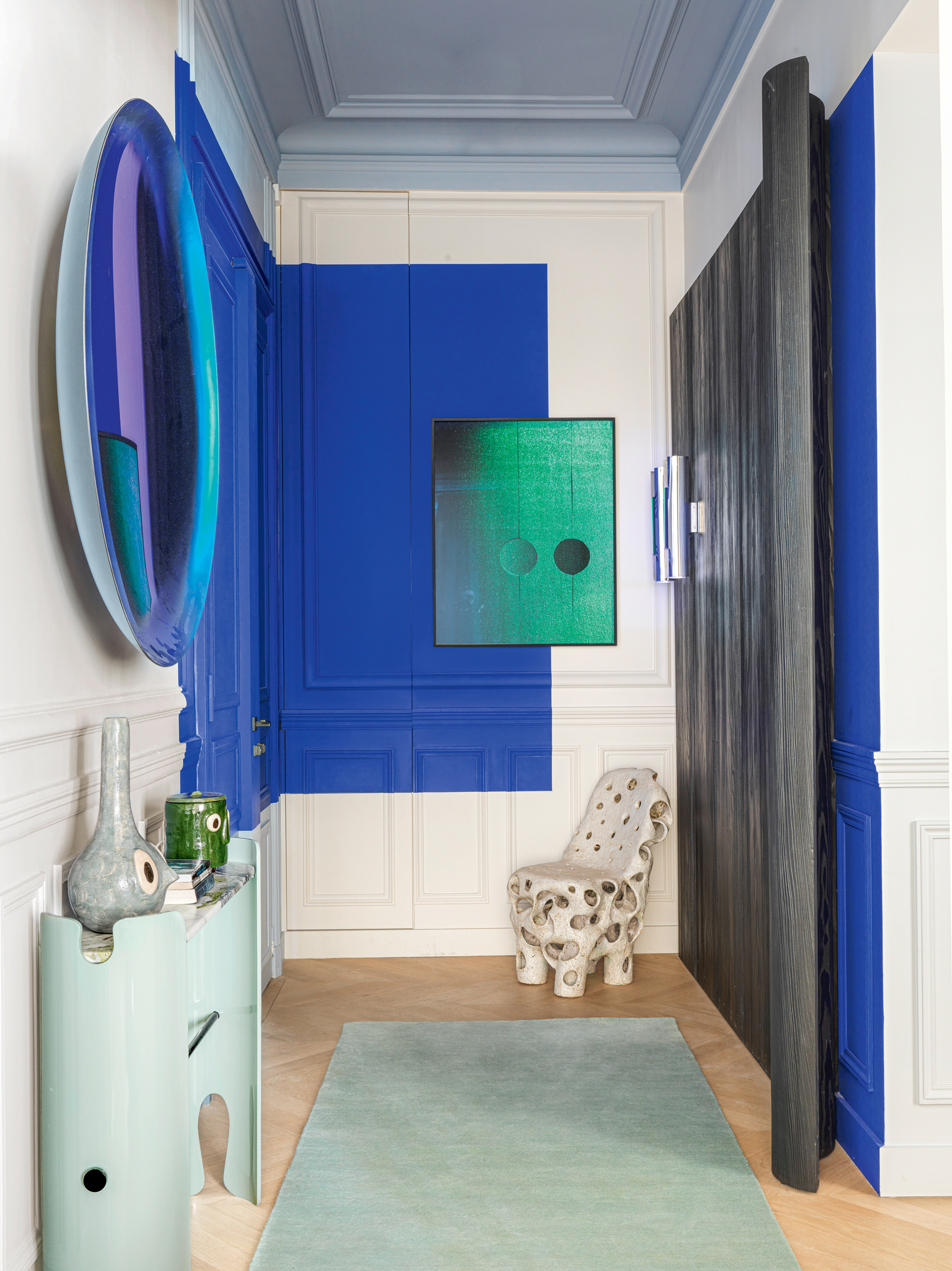
Before embarking on a mural project, it's crucial to evaluate the intended space. This involves considering the room's function, desired mood, logistical aspects, and furniture placement. Even rooms with limited natural light can benefit from a mural's ability to visually open up the area. Once the space is assessed, developing a design concept is the next step. Beginners might find simpler designs, such as geometric patterns, more manageable, especially when aided by tools like painter's tape for scaling shapes. Such designs are among the top trends for 2024, alongside wainscoting, stand-out kitchen islands, and bold accent colors.
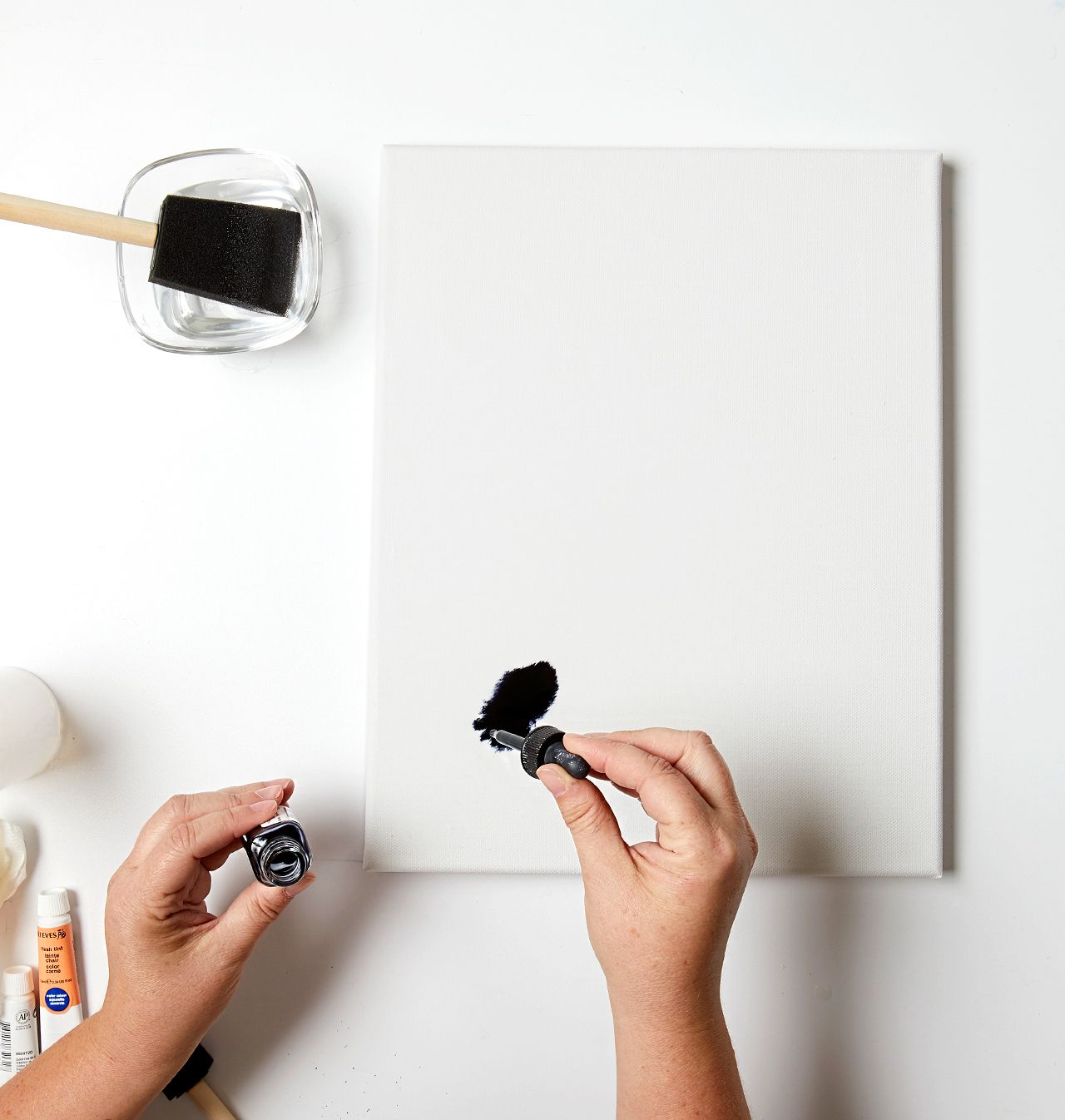
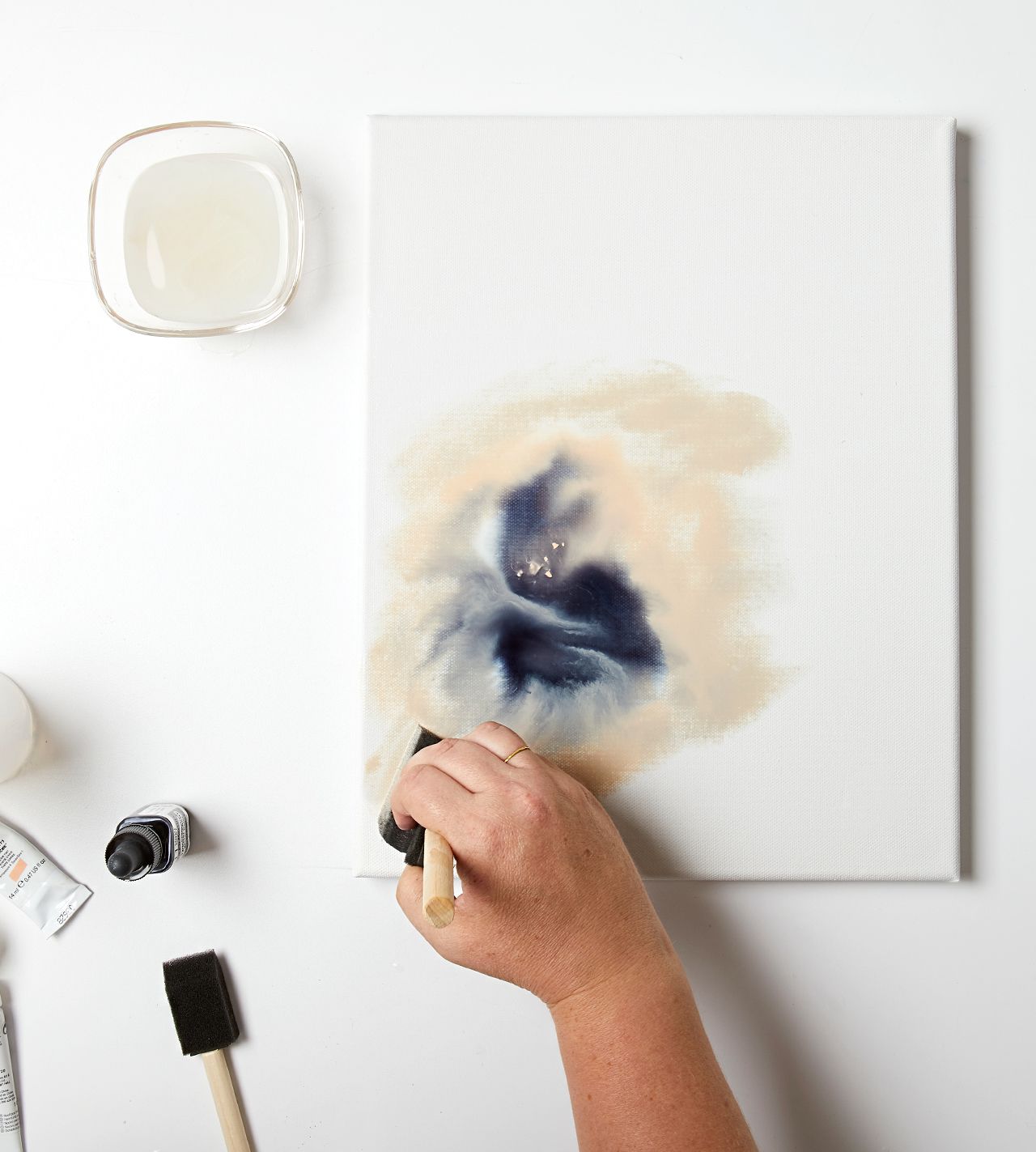
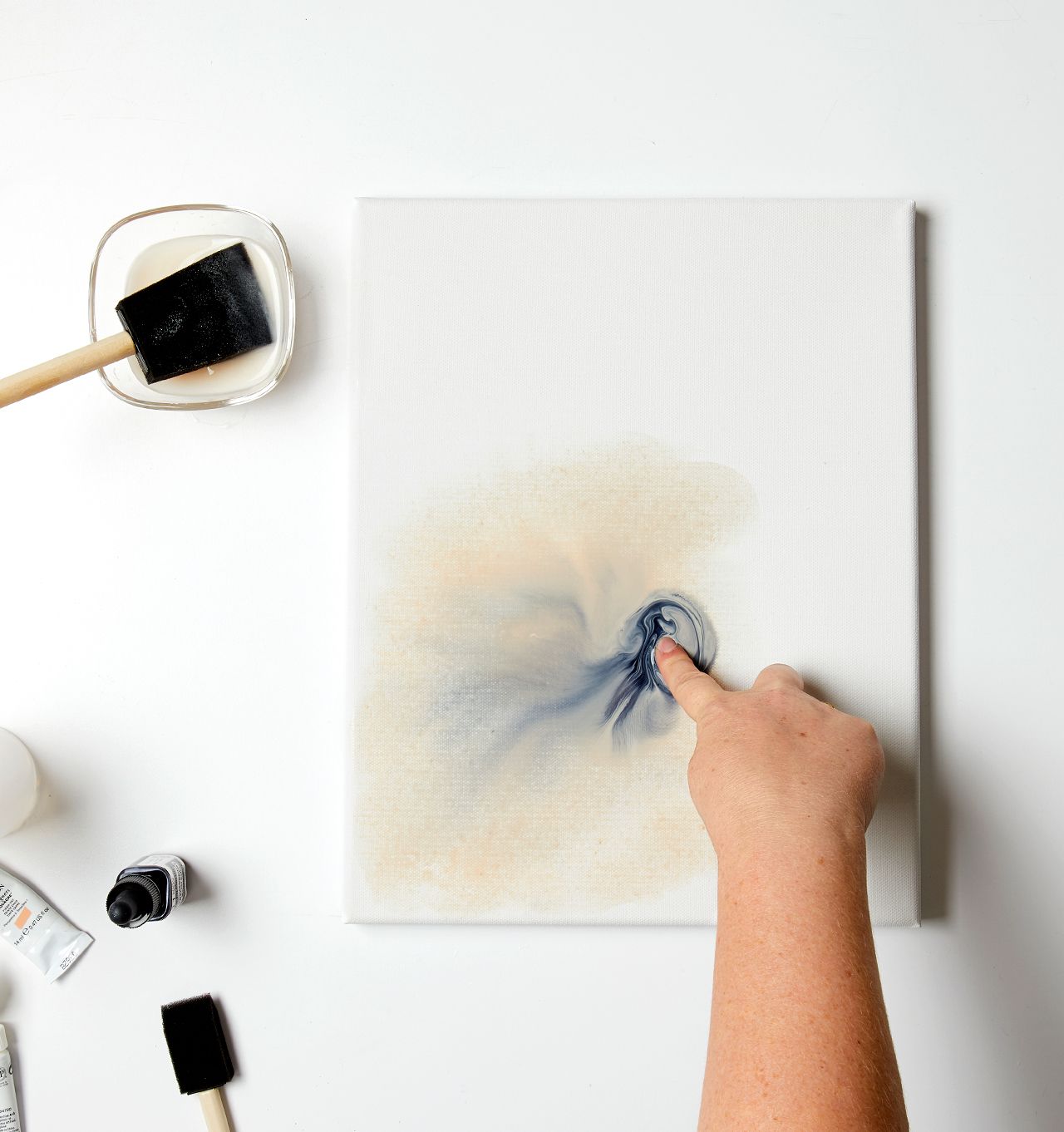
Practicing the design on a smaller canvas or paper is highly recommended before applying it to the wall. This allows artists to refine their concept and make necessary adjustments without committing to the larger surface immediately. Selecting a balanced color scheme is also vital, and testing paint swatches against the existing wall color helps ensure they complement each other and provide adequate contrast. Using a small canvas to test color combinations can further ensure harmonious integration.
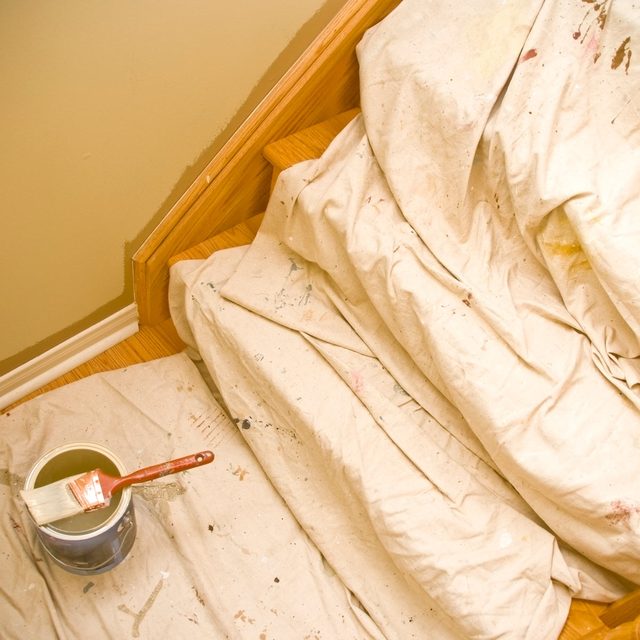
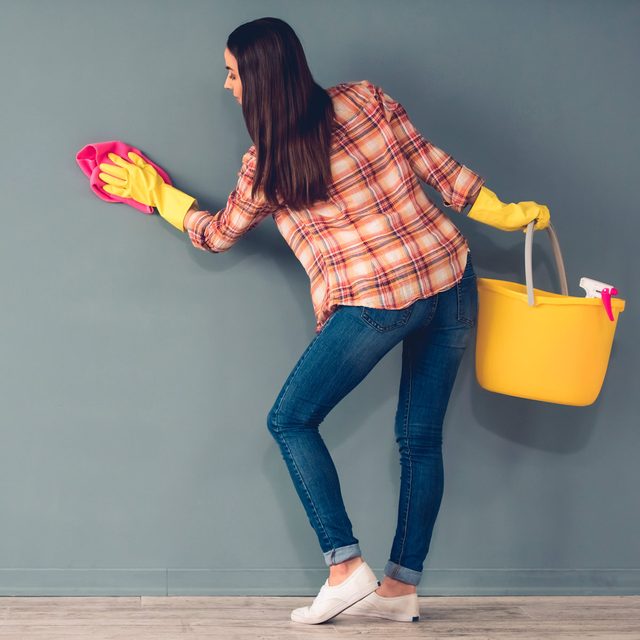
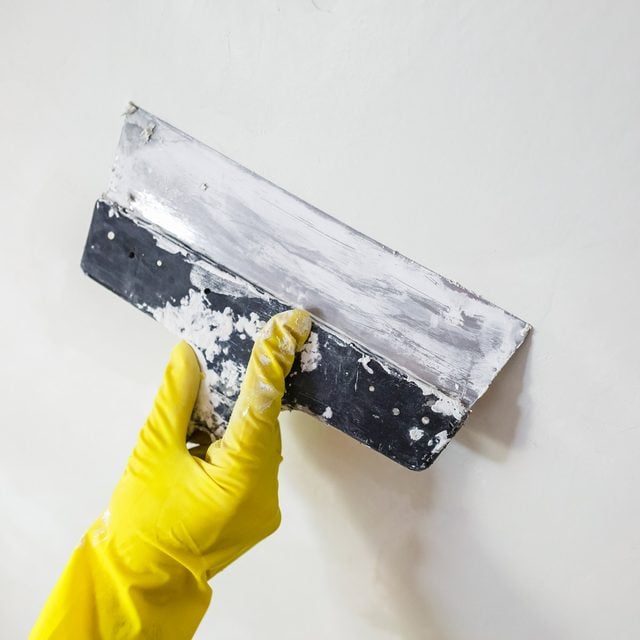
Gathering the right supplies is essential for a successful mural project. Investing in high-quality paints and brushes is advised, as they offer better coverage, durability, faster drying times, and cleaner lines. Other necessary items include sandpaper for smoothing textured walls, painter's tape for crisp edges, a mask for protection, and a roller for larger sections. A drop cloth is indispensable for protecting floors and furniture from paint splatters. Wall preparation is another critical step, involving thorough cleaning, smoothing any imperfections with spackle, sanding, and priming the surface to create an ideal canvas.
Scaling the design accurately onto the wall is crucial for achieving the desired visual impact. Artists can use methods like a grid system or projection to transfer the design precisely. White chalk is useful for outlining basic shapes, and painter's tape helps in creating clean, sharp lines. Throughout the painting process, it's important to enjoy the creative journey, embrace imperfections, and allow the mural to reflect personal style and imagination. Regular stepping back to evaluate the progress can help in making adjustments.
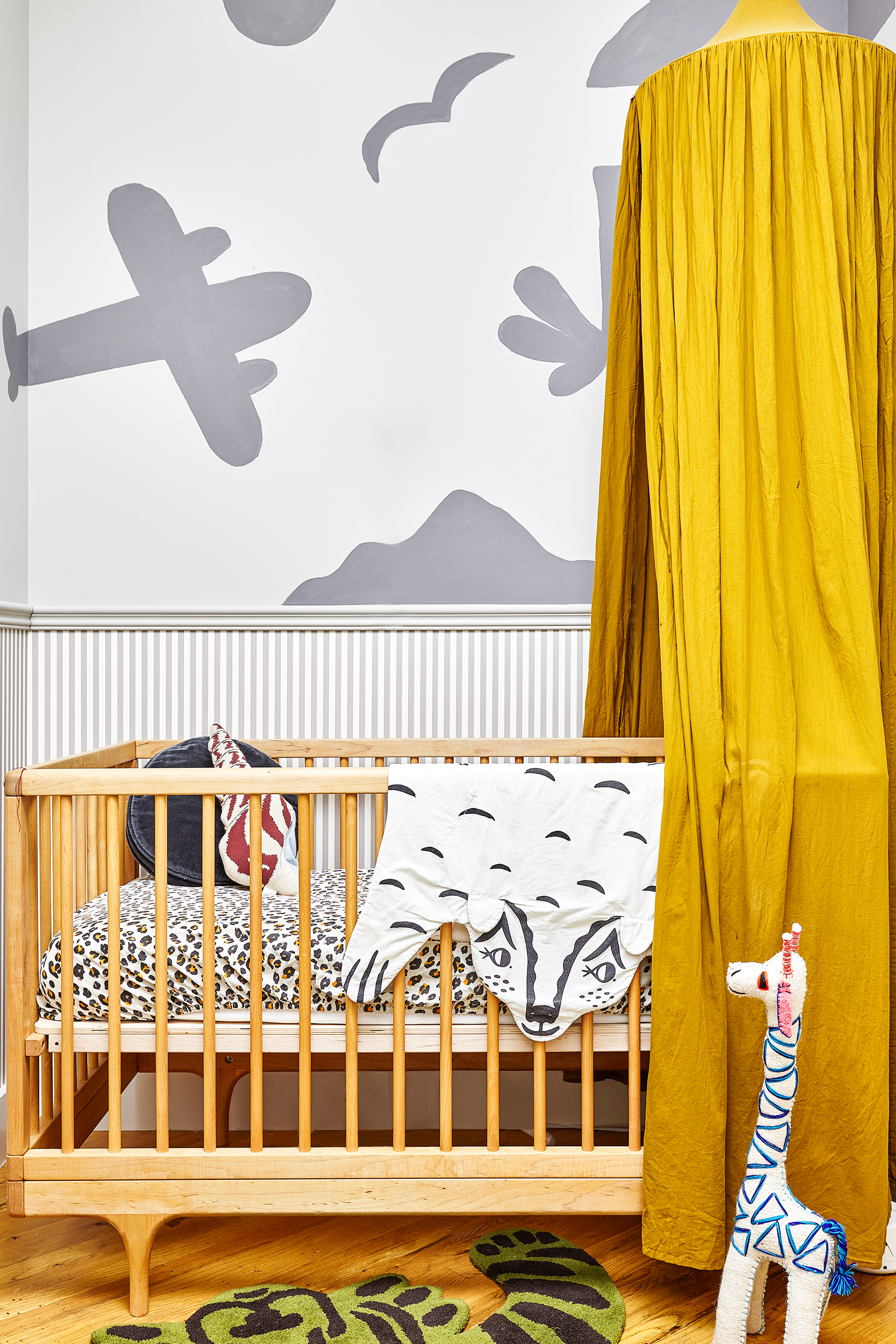
For those seeking a non-permanent solution, especially renters, creating a removable mural is an option. Artists have adapted by painting murals on alternative canvases like Masonite wallboard, polytab fabric, or pre-primed canvas, allowing the artwork to be moved. If freehand drawing feels daunting, stencils can simplify the process, particularly for intricate designs or children's rooms. Alternatively, mural-style wallpaper offers an easy way to achieve the look without painting. Finally, if time or skill is a constraint, hiring a professional artist is a worthwhile investment, transforming the wall into a unique, large-scale art piece.
#WallMural #DIYHomeDecor #InteriorDesign #PaintingTips #HomeImprovement #ArtisticExpression #WallDecor #CreativeProjects #HomeTrends #WallMural #DIYHomeDecor #InteriorDesign #PaintingTips #HomeImprovement #ArtisticExpression #WallDecor #CreativeProjects #HomeTrends
0 komentarzy łącznie
 Brak komentarzy jeszcze
Możesz również polubić
Everything You Need to Know About Mural Wall Painting

Painting Your Walls Freehand Is Incredibly Liberating

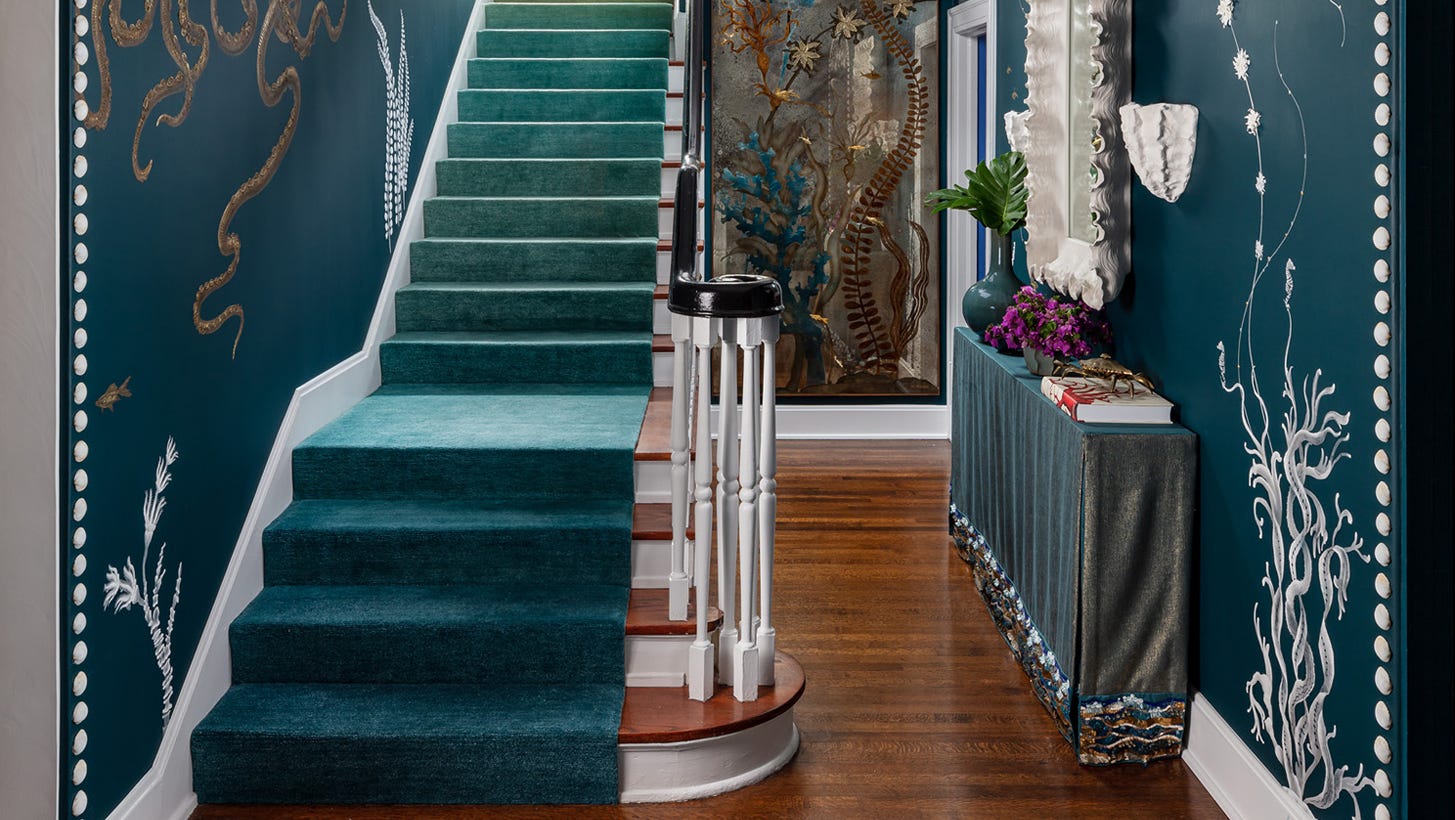
Are Wall Murals the New Wallpaper?

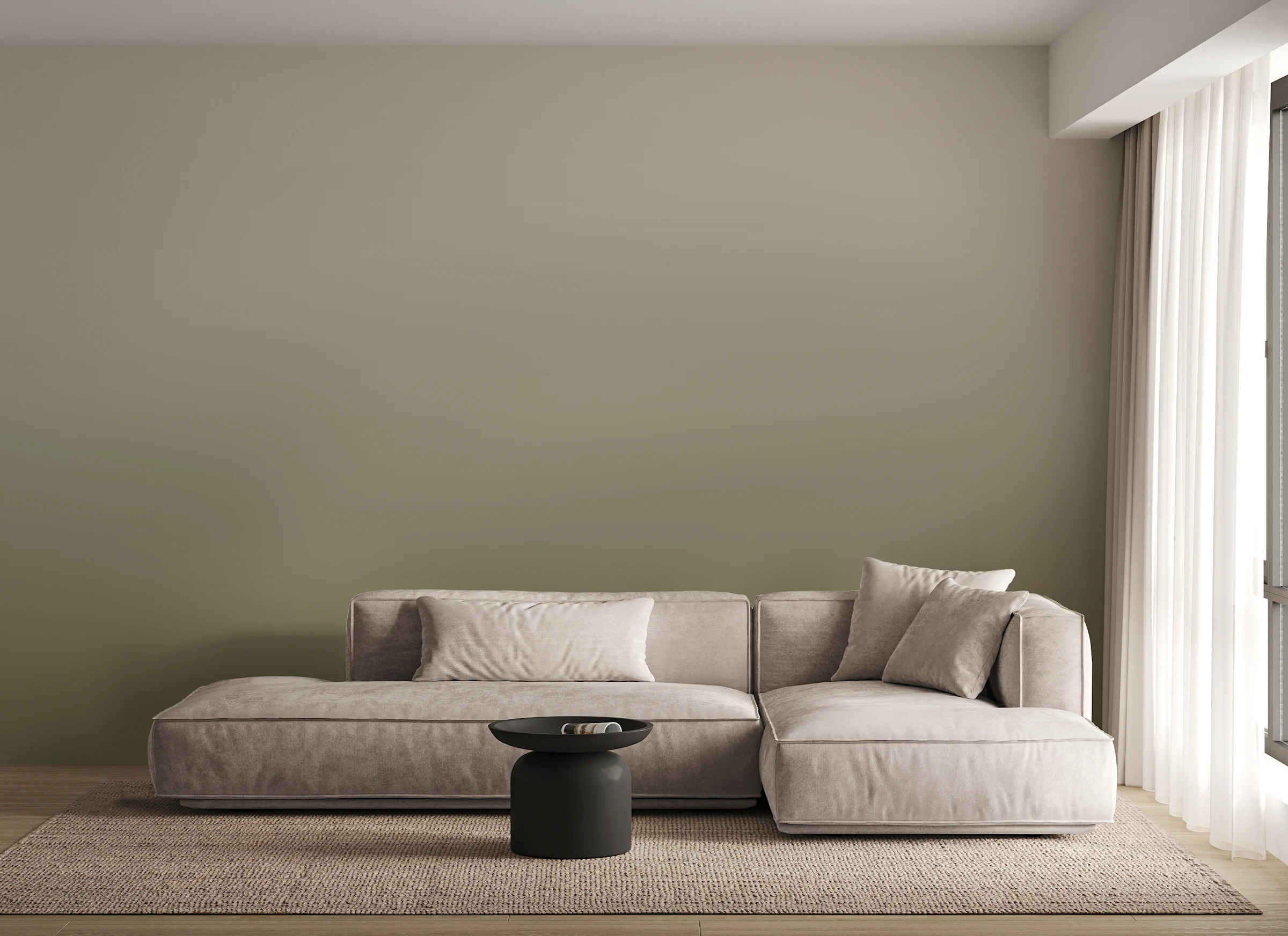
How to properly paint ombre walls for a gradual gradient, with a stress-free method for decorating novices

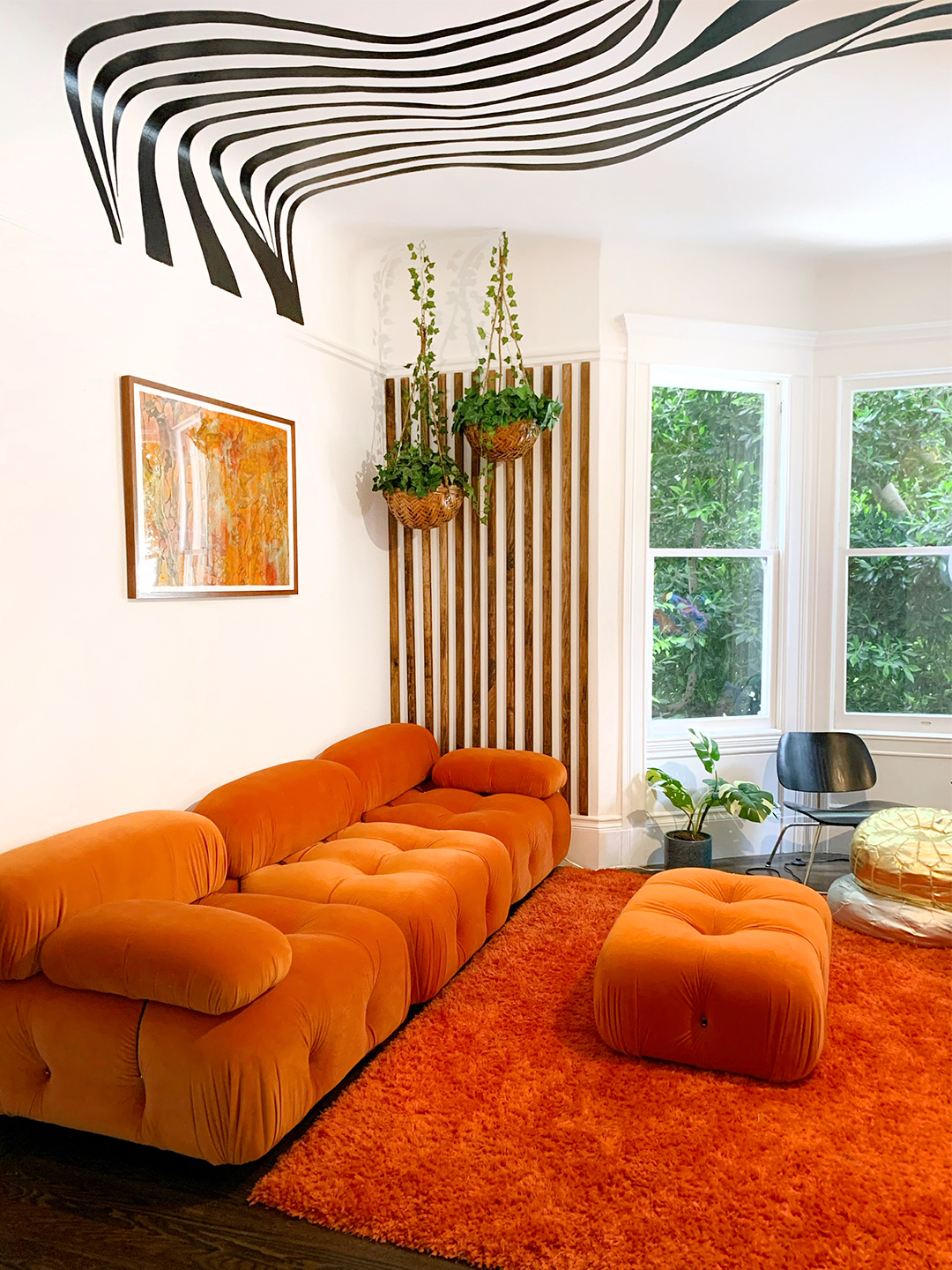
7 Wall Murals In, This DIYer’s Top Paint Tip Is to—Gasp!—Not Use Tape

4 DIY Muralists on How They Turned Bare Walls Into an Artistic Moment

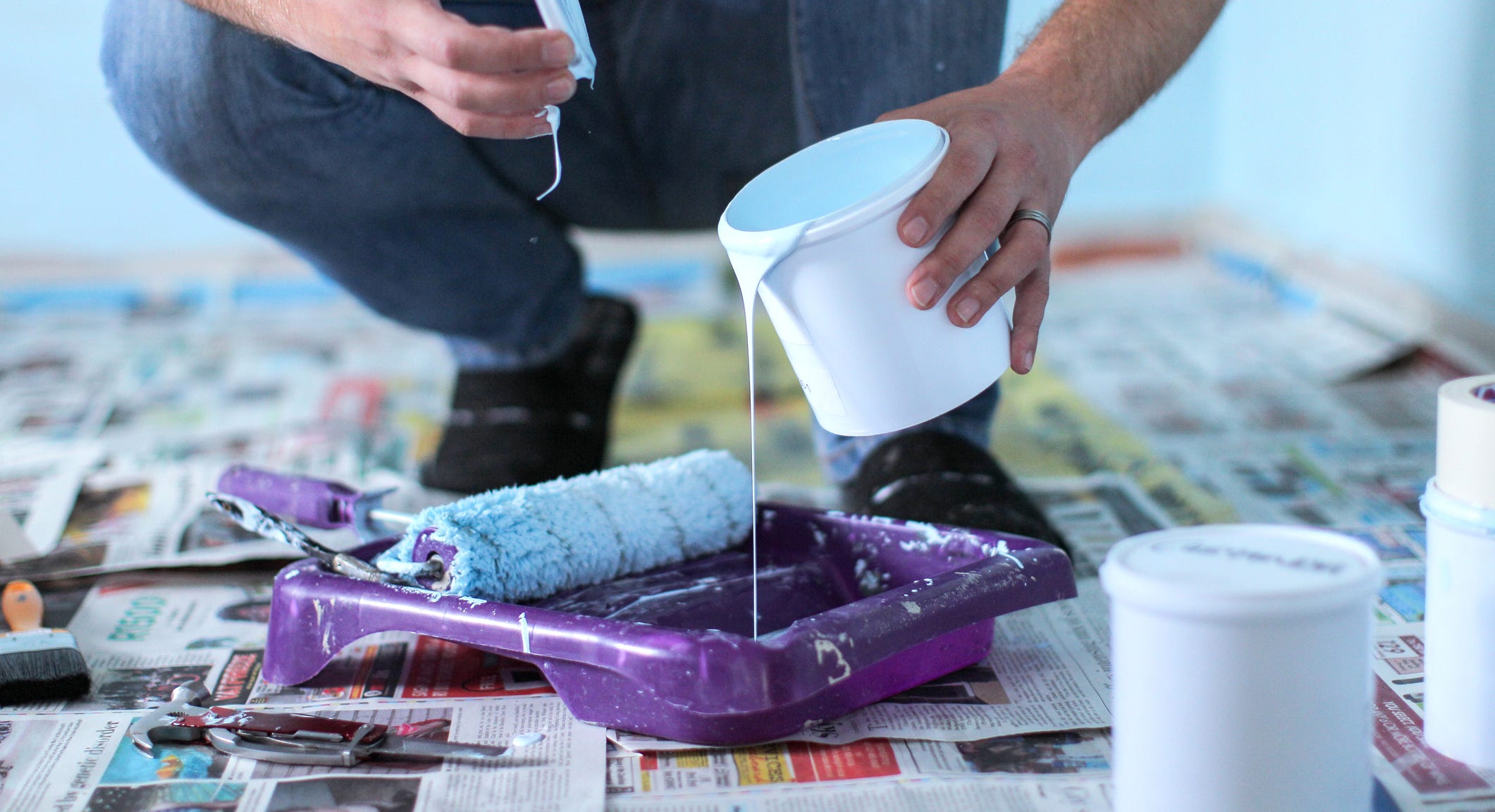
Why You Should Consider Hiring a Pro to Paint Your Walls
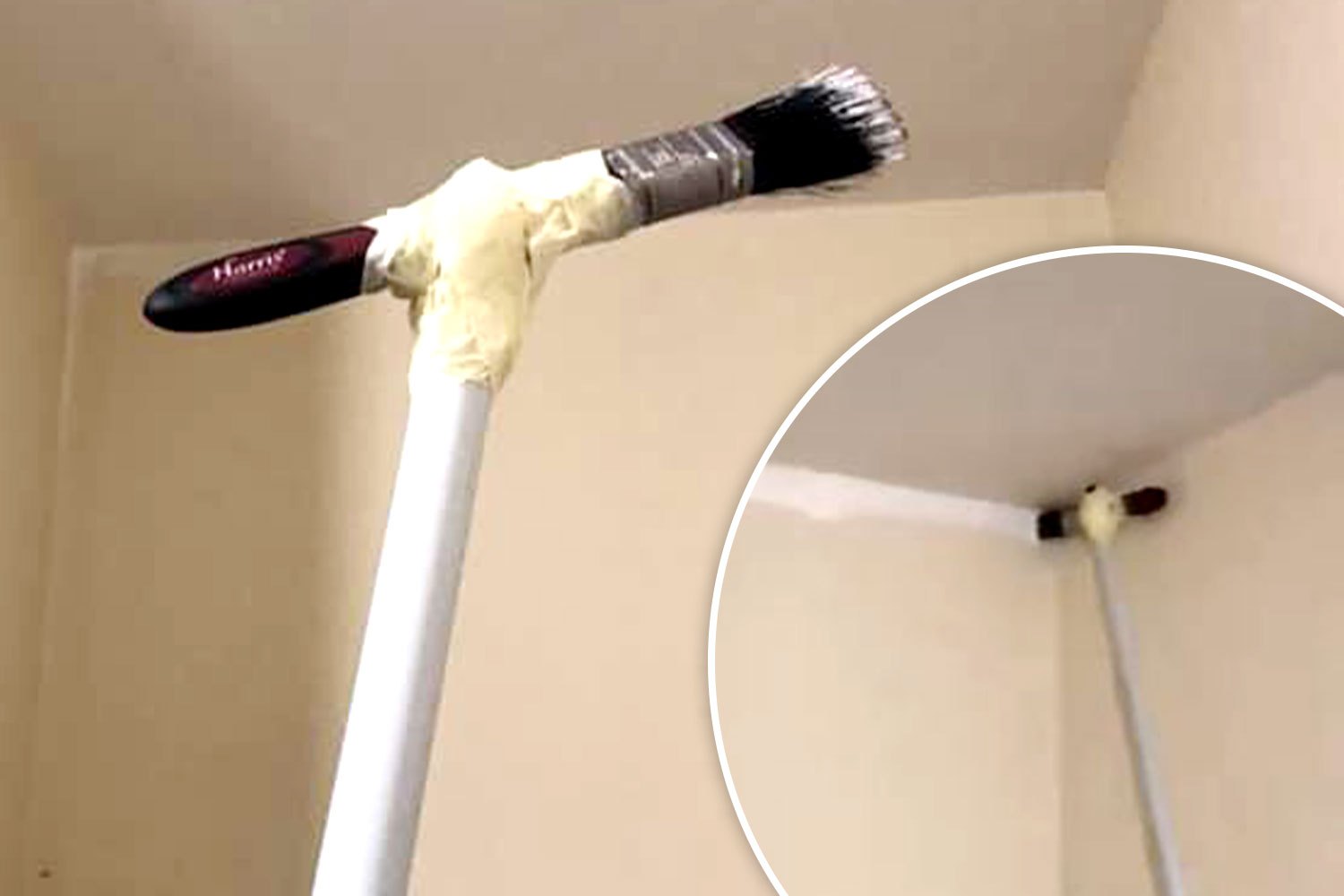
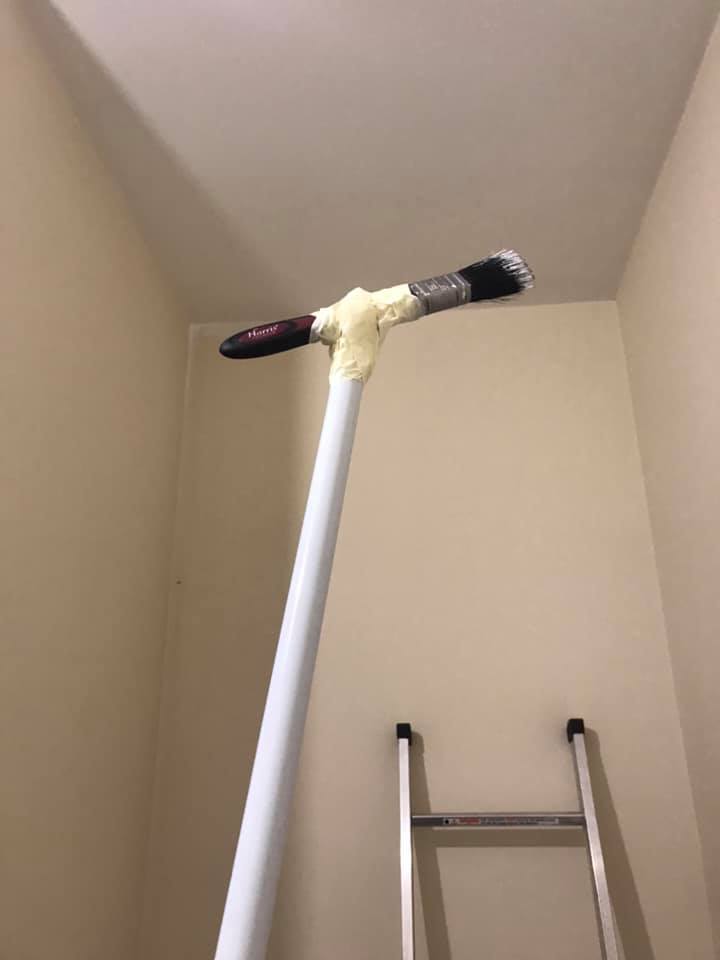
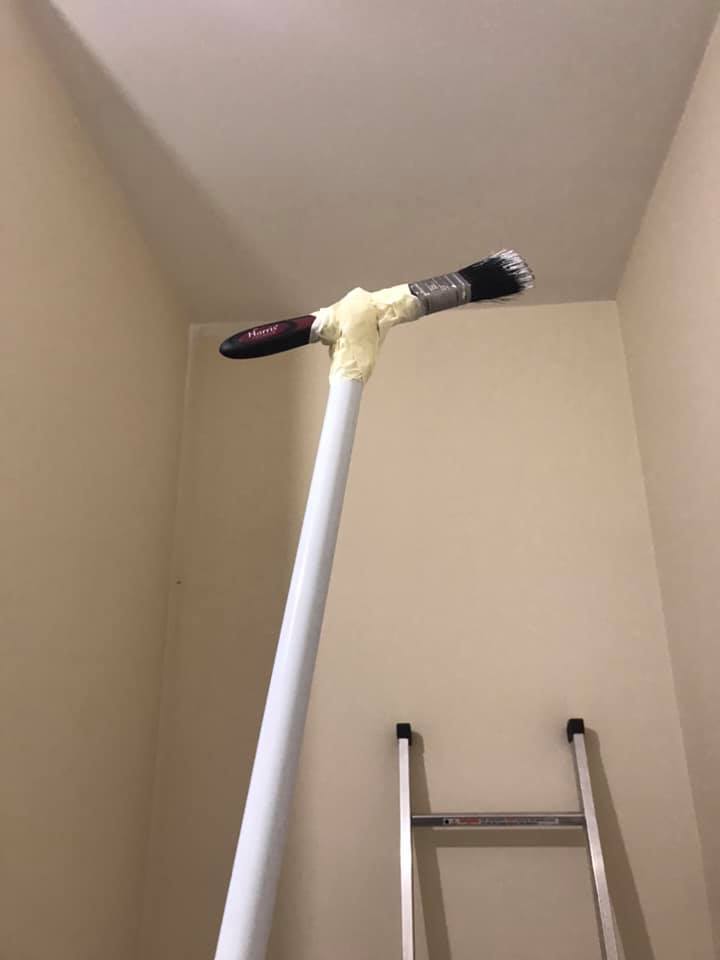
DIY fanatic shares the easy way she paints high ceiling corners WITHOUT having to balance on a ladder

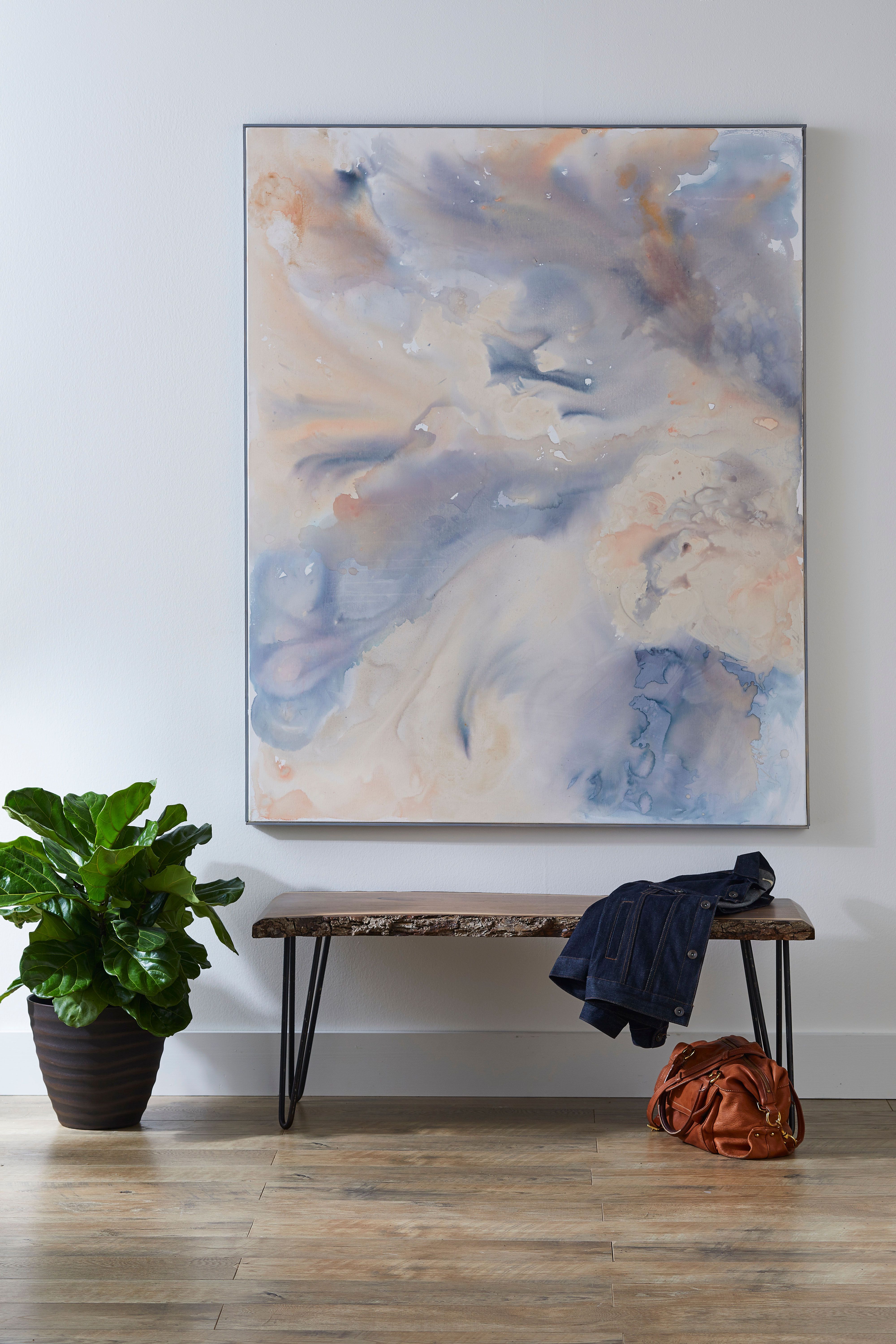
This DIY Watercolor Wall Art Is Perfect For Beginners

Why I’m Not Painting My Walls
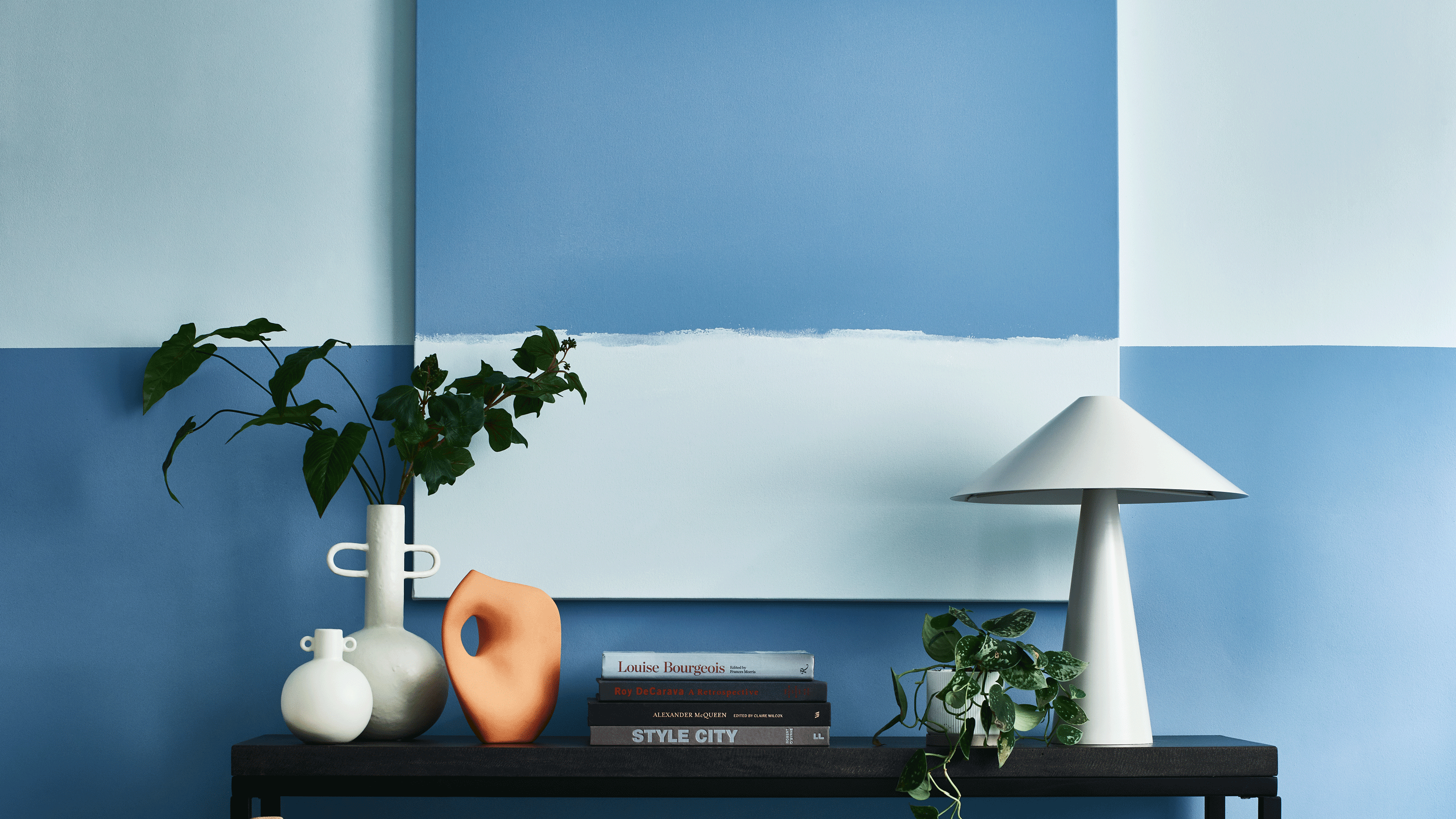
Can you paint over wallpaper? Experts explain how to make this time-saving hack work
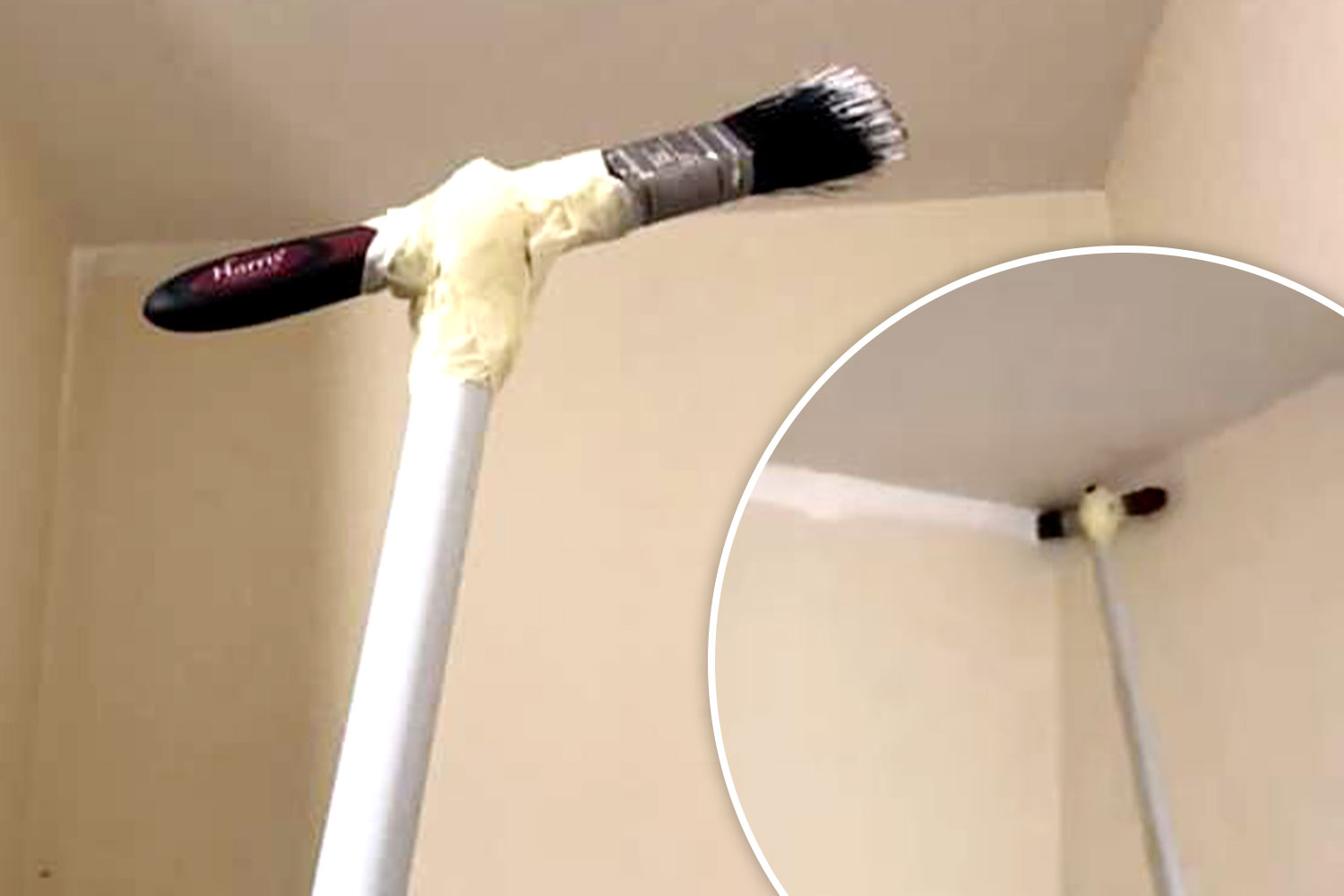
DIY fan shares easy way she paints high ceiling corners WITHOUT using a ladder
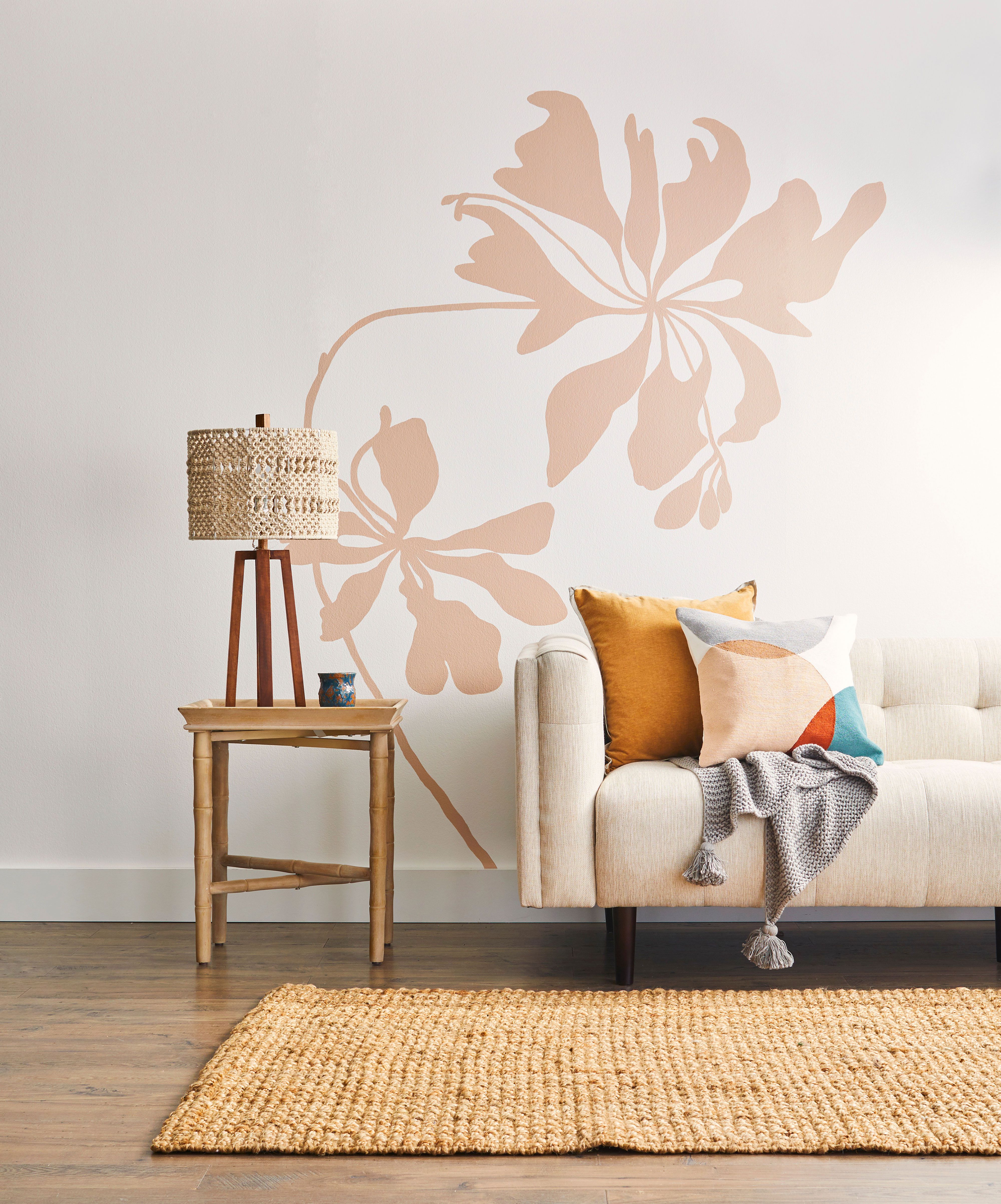
9 Painted Wall Mural Ideas to Brighten Any Room
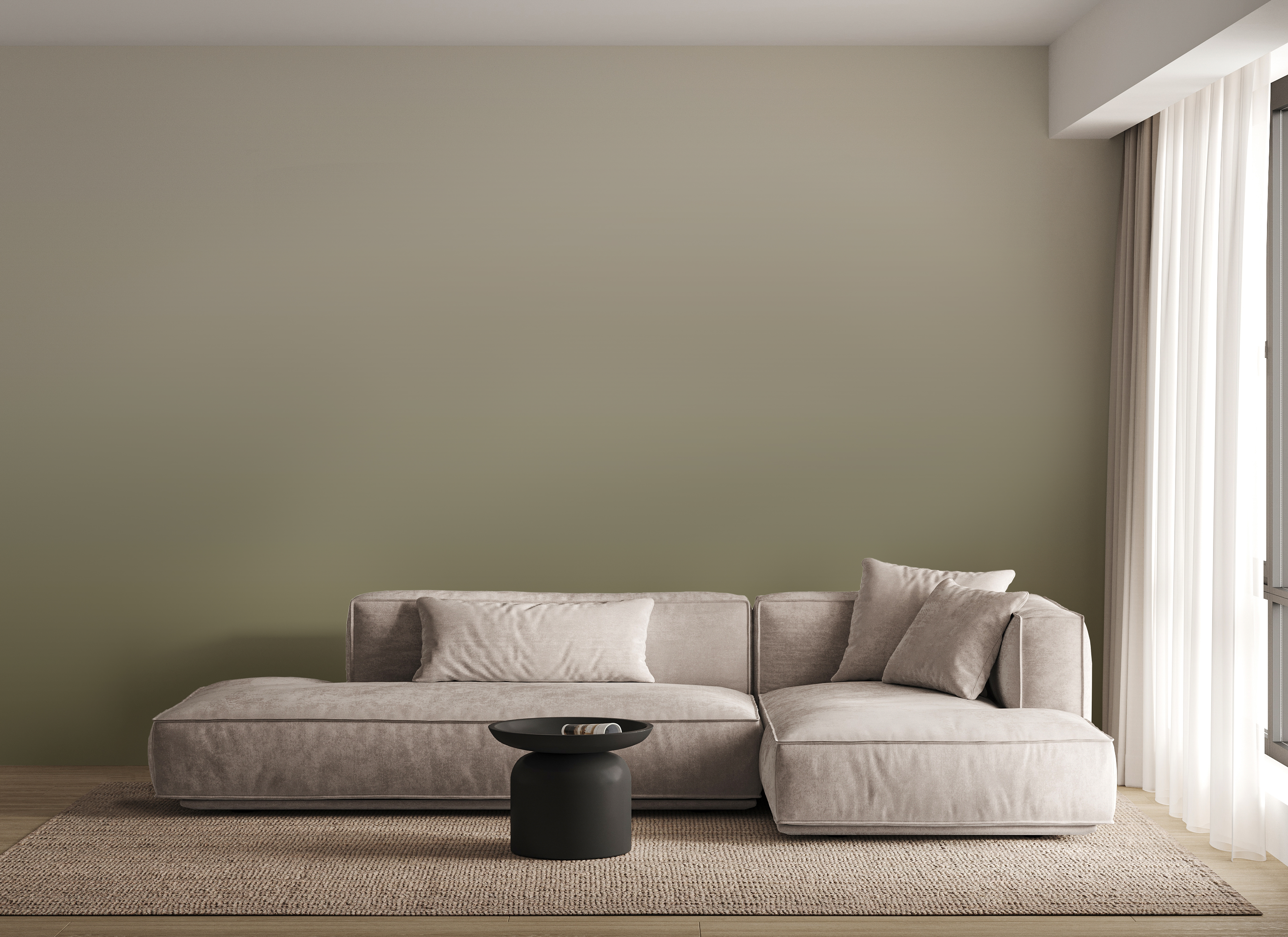
How to properly paint ombre walls for a gradual gradient, with a stress-free method for decorating novices

How to plaster a wall

This expert’s ‘BRB’ technique is something I'll forever use when painting wall paneling to avoid drips and paint build-up
You Don’t Need to Be a Gallerist to Source the Best Wall Art Online

19 wall art ideas that will transform your bare walls into a work of art

What are the best paint techniques for walls? 11 inventive effects that go beyond basic
Ditch the Wallpaper and Paint Your Pattern, Instead—How to Complete This Easy DIY