1/5
This DIY Watercolor Wall Art Is Perfect For Beginners
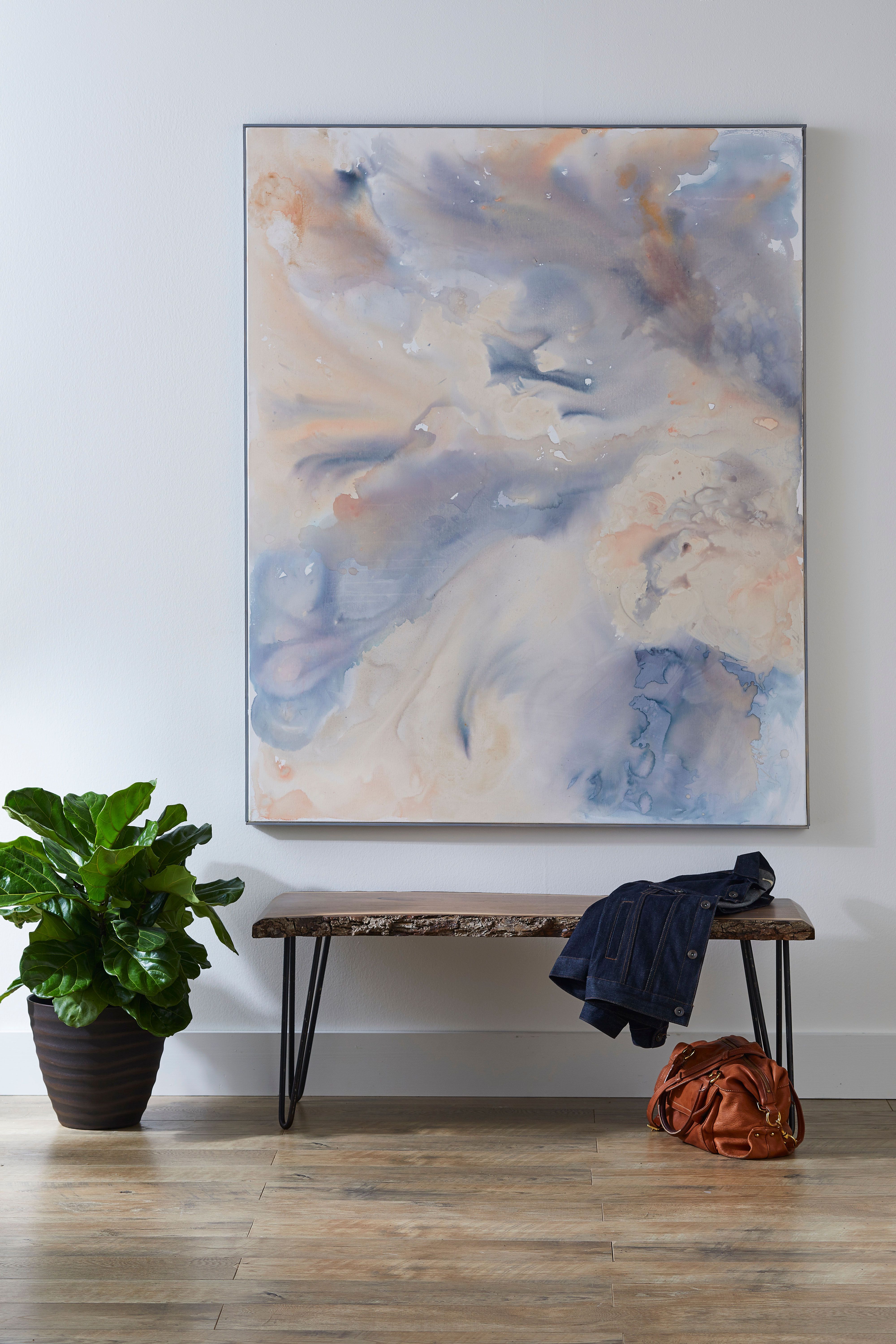
Creating large-scale abstract watercolor wall art is an achievable and rewarding DIY project, suitable even for those with minimal artistic experience. The process involves simple techniques that result in a modern, freeform swirling pattern, offering both ease of creation and forgiveness for imperfections. This guide outlines the necessary equipment, materials, and a step-by-step approach to complete the artwork, typically within an hour, excluding drying time.
To begin, gather a foam brush, an empty condiment bottle, a white canvas, watercolors (liquid or tube), and paper towels. The initial step involves saturating the blank canvas with water using a foam brush. For larger canvases, it is recommended to work in quadrants to prevent sections from drying prematurely. Following this, drops of watercolor paint are applied to the wet canvas. Gradually, more water is added to encourage the color to spread. A combination of liquid watercolors and tube watercolors can be used to achieve desired tones and effects. Once the initial color is applied, a second color can be introduced, with the edges blended using the foam brush to create a seamless transition. A practical tip is to use paper towels to blot any excess water or paint, helping to manage the spread and intensity of the colors.
The next phase focuses on creating the distinctive swirling patterns. Several techniques can be employed for this. Gently tilting the canvas allows colors to blend naturally. Pressing down on specific areas of the canvas can encourage the ink to pool, adding depth and texture. Another innovative method is to use an empty condiment bottle: squeezing it at an angle directs a puff of air, effectively blowing the ink around to form organic swirls. Additional colors and water can be incorporated until the desired texture and saturation are achieved. It is crucial to work across the canvas in quadrants, applying these techniques progressively. An important artistic consideration is to avoid over-manipulating the paint to maintain organic swirls and prevent colors from becoming muddy. This restraint ensures the artwork retains its natural, flowing aesthetic.
Once the painting is complete, the artwork should be allowed to dry on a flat surface overnight. Watercolors typically dry within a few hours, but an overnight period ensures complete dryness. For an enhanced and professional finish, the canvas can be framed using painted wood lattice strips. These strips are cut to fit each side of the canvas and then attached using a brad nailer. This optional step adds a polished touch to the finished piece. This DIY project offers an accessible way to personalize home decor with a unique, handmade abstract piece, demonstrating that impressive art can be created without extensive painting skills. The finished artwork serves as a vibrant and personal addition to any blank wall.
#DIYWallArt #WatercolorPainting #AbstractArt #HomeDecor #BeginnerFriendly #CanvasArt #CraftProject #InteriorDesign #CreativeProjects #DIYWallArt #WatercolorPainting #AbstractArt #HomeDecor #BeginnerFriendly #CanvasArt #CraftProject #InteriorDesign #CreativeProjects
0 comment in total
 No comments yet
You may also like
Everything You Need to Know About Mural Wall Painting

Should you display art in a bathroom? Here are some things to consider first

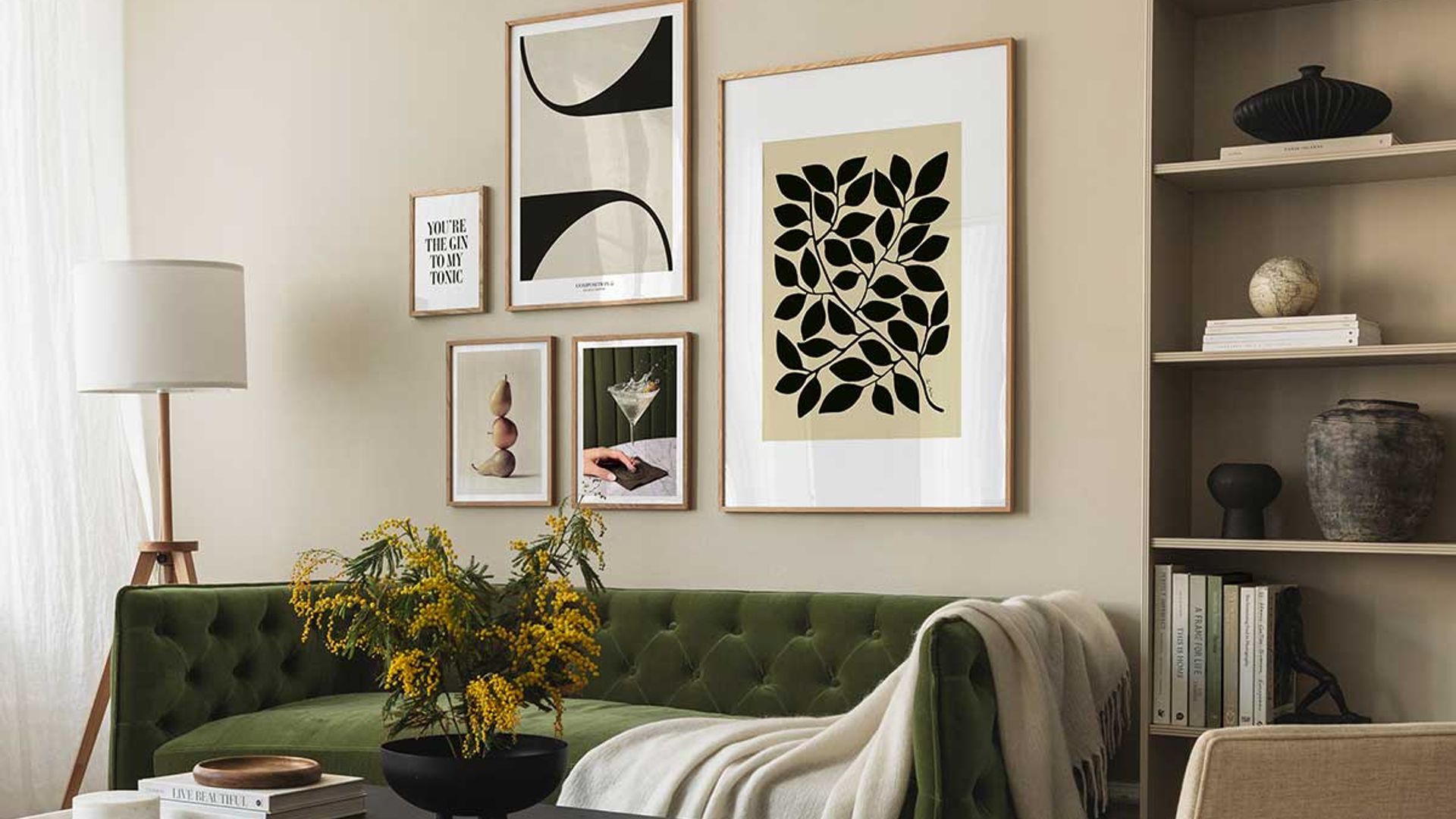
Where to buy the best wall art to create a spectacular gallery wall

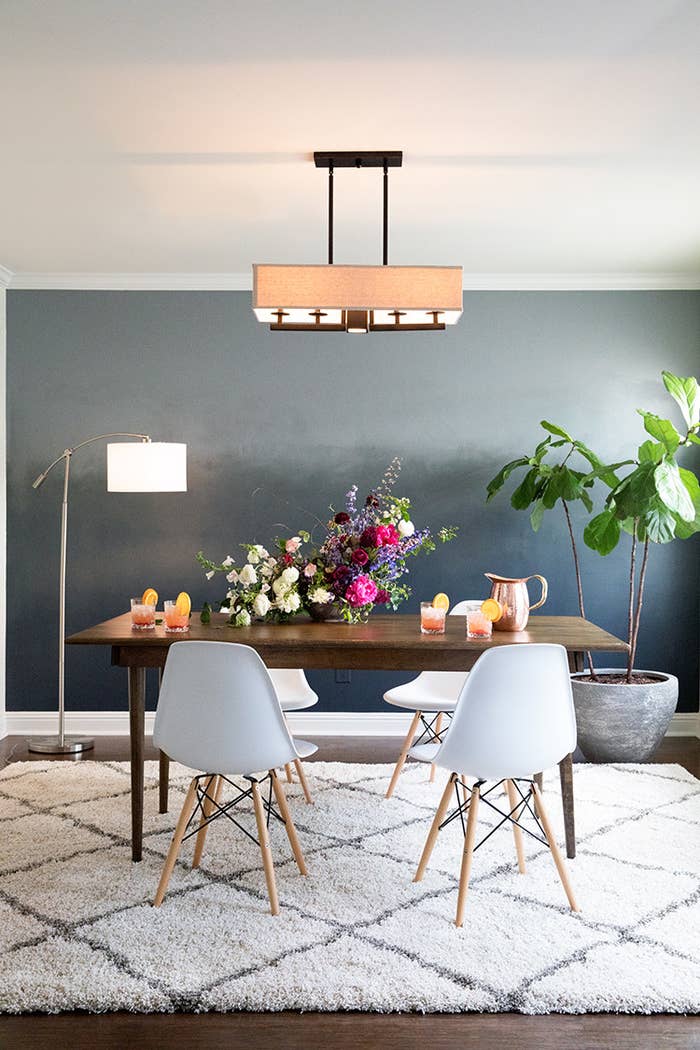
25 Ways To Transform Your Boring, Empty Walls Into Something You'll Actually Want To Look At
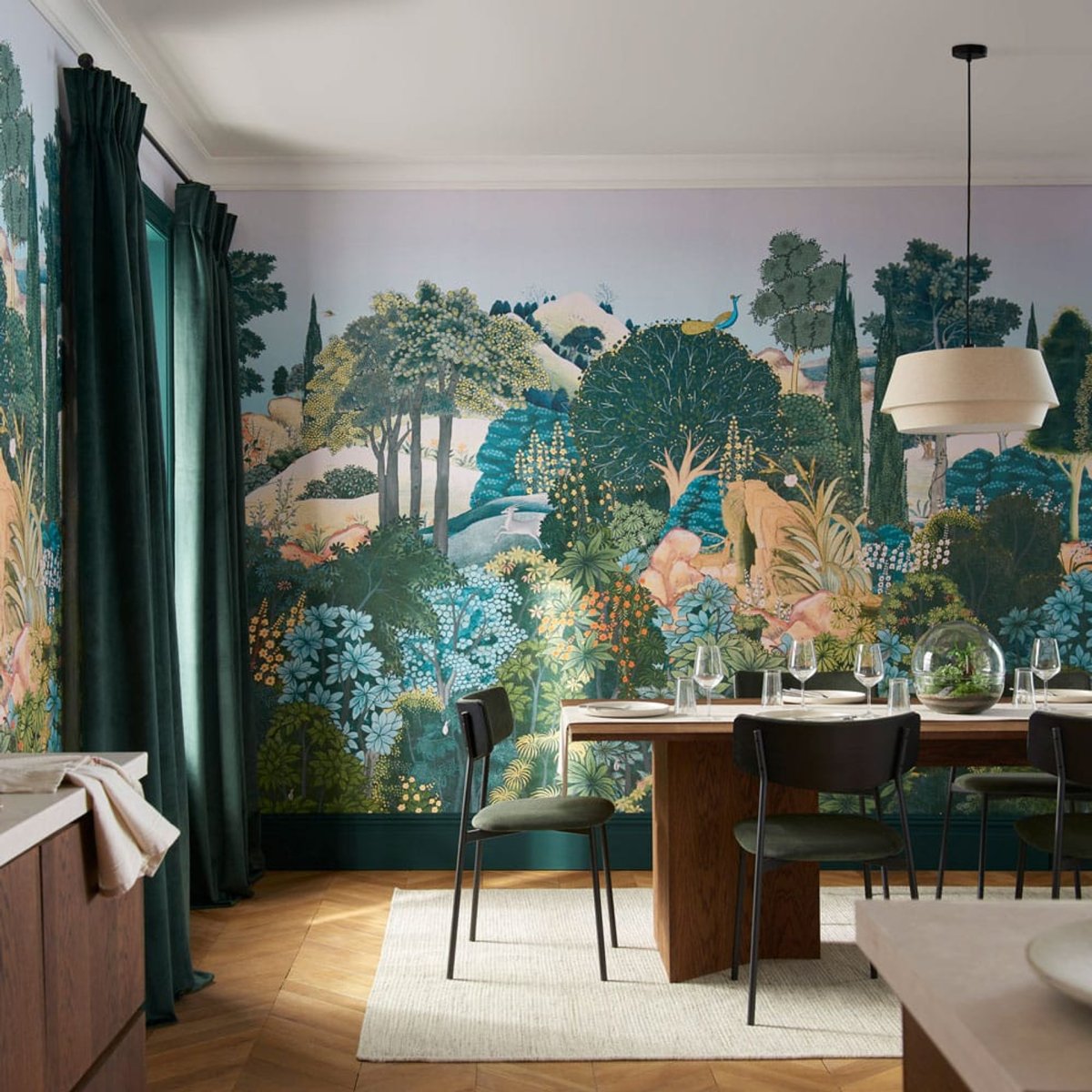
How to Paint a Wall Mural Even If You’re Not an Artist

Update your home with these paint tips!

9 Painted Wall Mural Ideas to Brighten Any Room
Design idea: Use paint for simple but great looking feature walls
7 Wall Murals In, This DIYer’s Top Paint Tip Is to—Gasp!—Not Use Tape

Woman Shares Budget-Friendly DIY For Luxurious Home Decor: 'This Is STUNNING!'
Curating art for the home is an art in itself

4 DIY Muralists on How They Turned Bare Walls Into an Artistic Moment

10 Designer-Approved Wall Art Trends of 2024
Skip Wallpaper in Favor of an (Almost) Free Painter’s Tape DIY
Don’t Let Your Fridge Get All the Good Kid Art—Here’s How to Display It Everywhere

How to quickly elevate your living room in under $100 - easy pick-me-ups the designers swear by

Painting Your Walls Freehand Is Incredibly Liberating
21 Wall Art Ideas That Will Give Your Home Some Major Personality
to create a gallery art wall - Ideas & Advice

34 Creative DIY Wall Art Ideas to Decorate Your Space