Why You Should Consider Hiring a Pro to Paint Your Walls
The decision to undertake a paint job as a do-it-yourself project versus hiring a professional involves several key considerations, primarily revolving around the individual's skill level, available tools, project complexity, and the extent of preparation required. Rick Watson, director of product information and technical services at Sherwin-Williams, emphasizes these factors as crucial determinants.
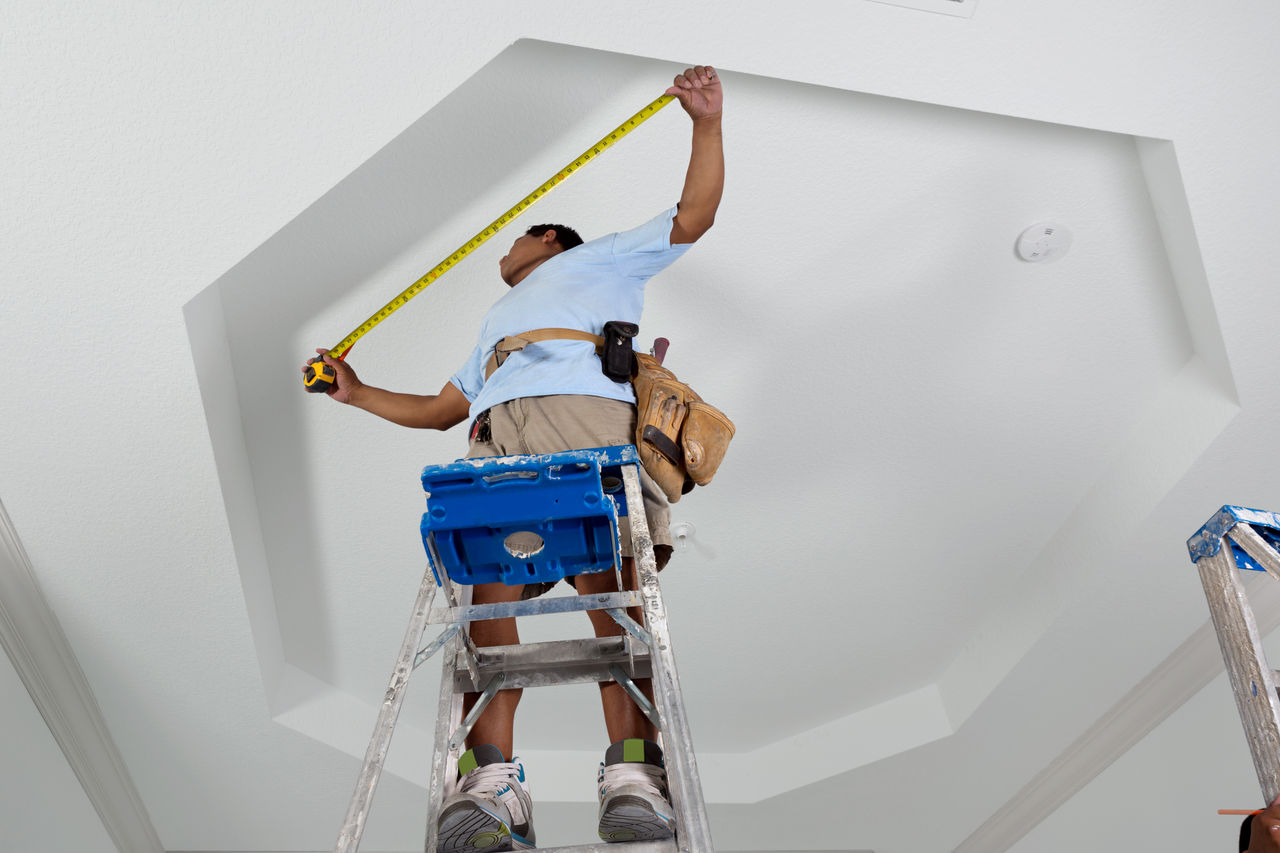
Several scenarios strongly suggest the need for professional painters. Safety is a paramount concern, especially when dealing with high ceilings or areas that cannot be comfortably reached with a stepladder. Attempting to paint such areas independently poses risks of injury, such as falls, and often leads to messy, suboptimal results due to strained reach. Furthermore, any ceiling exhibiting water damage, particularly if the texture is compromised, warrants professional intervention, potentially involving a drywall company before painting can commence.
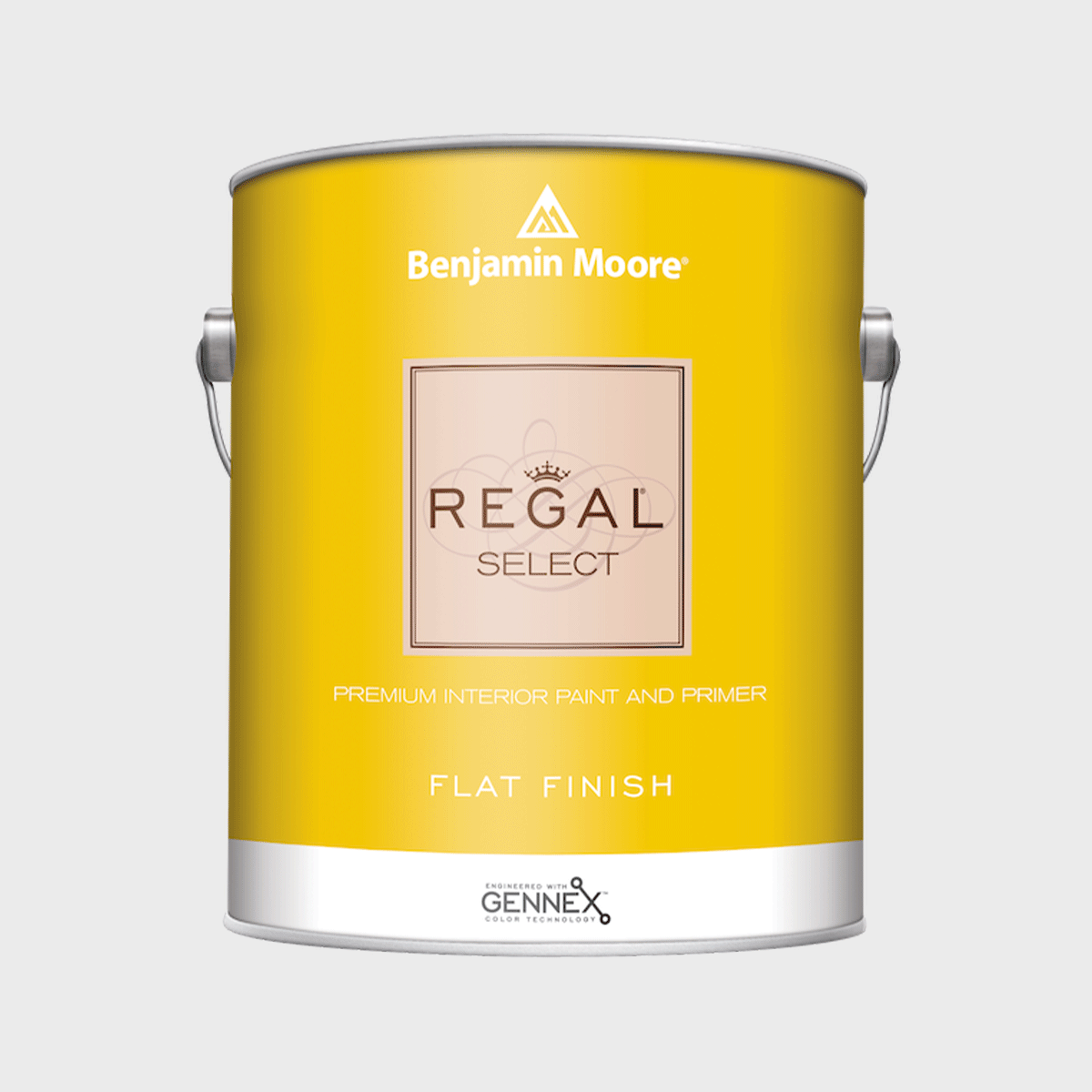
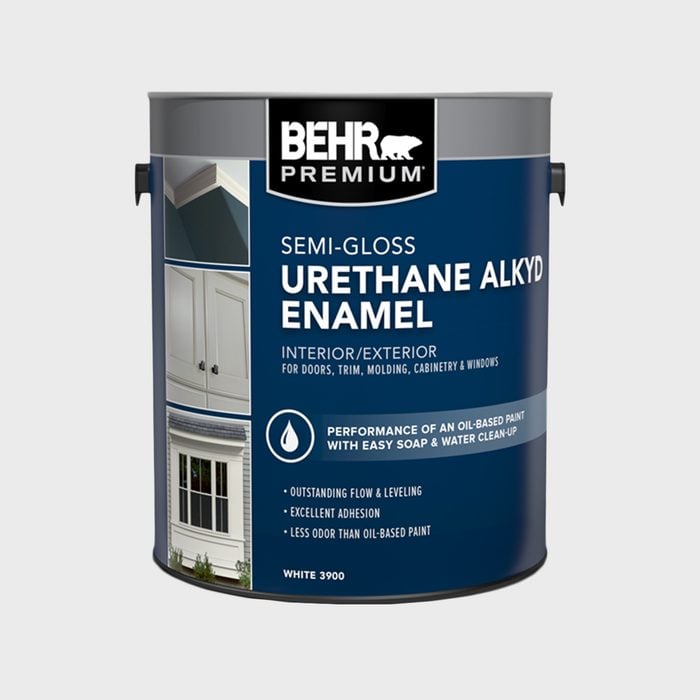
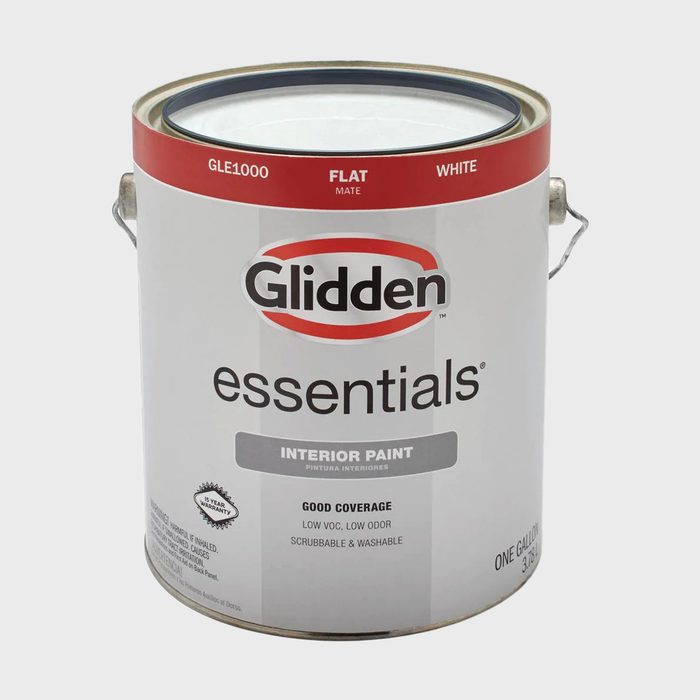
Specialty finishes, like lacquers and high-gloss paints, are another area where professional expertise is invaluable. These types of paints are typically spray-applied and demand a high level of skill to achieve a flawless finish. High-shine products are particularly unforgiving, accentuating even minor imperfections on surfaces. Watson advises against DIY application of these finishes, even for experienced painters, due to the high likelihood of visible marks. Instead, for DIY projects, flat or matte finishes are recommended as they are more tolerant of minor surface irregularities.
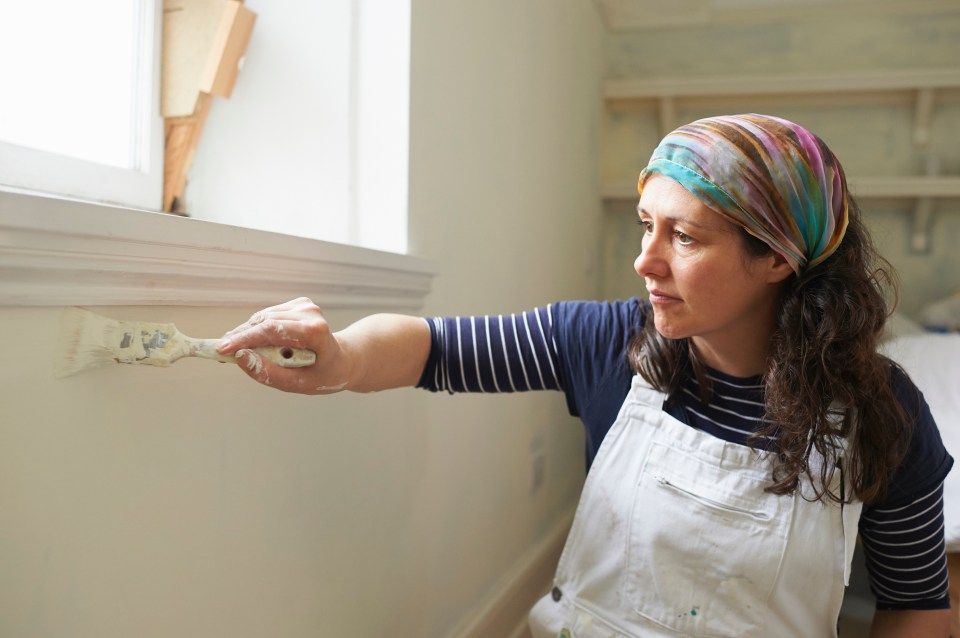
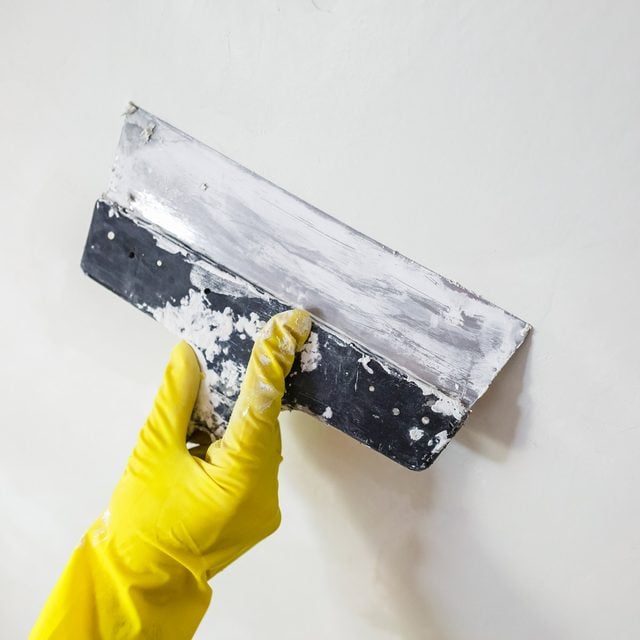
Wall condition also plays a significant role in this decision. While minor dings and nicks can be addressed by a DIY enthusiast, major holes or extensive damage to drywall necessitate professional repair before painting. Proper surface preparation is critical for the longevity and appearance of the paint job. Another critical situation arises when stripping old paint, especially in homes built over 40 years ago, which may contain lead-based paint. Disturbing lead paint through sanding or scraping can release harmful lead particles, posing serious health risks including lead poisoning. In such cases, professionals equipped with the necessary safety protocols and expertise are essential. Stripping old paint is often necessary because paint adheres best to a properly prepared surface; new paint applied over poorly prepared old layers will not last as long or look as good.
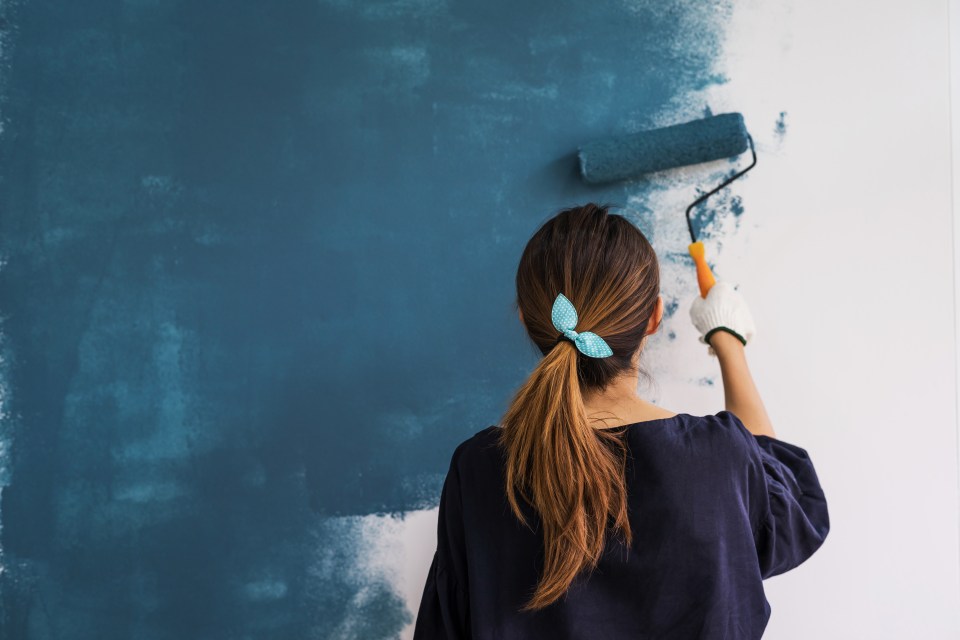
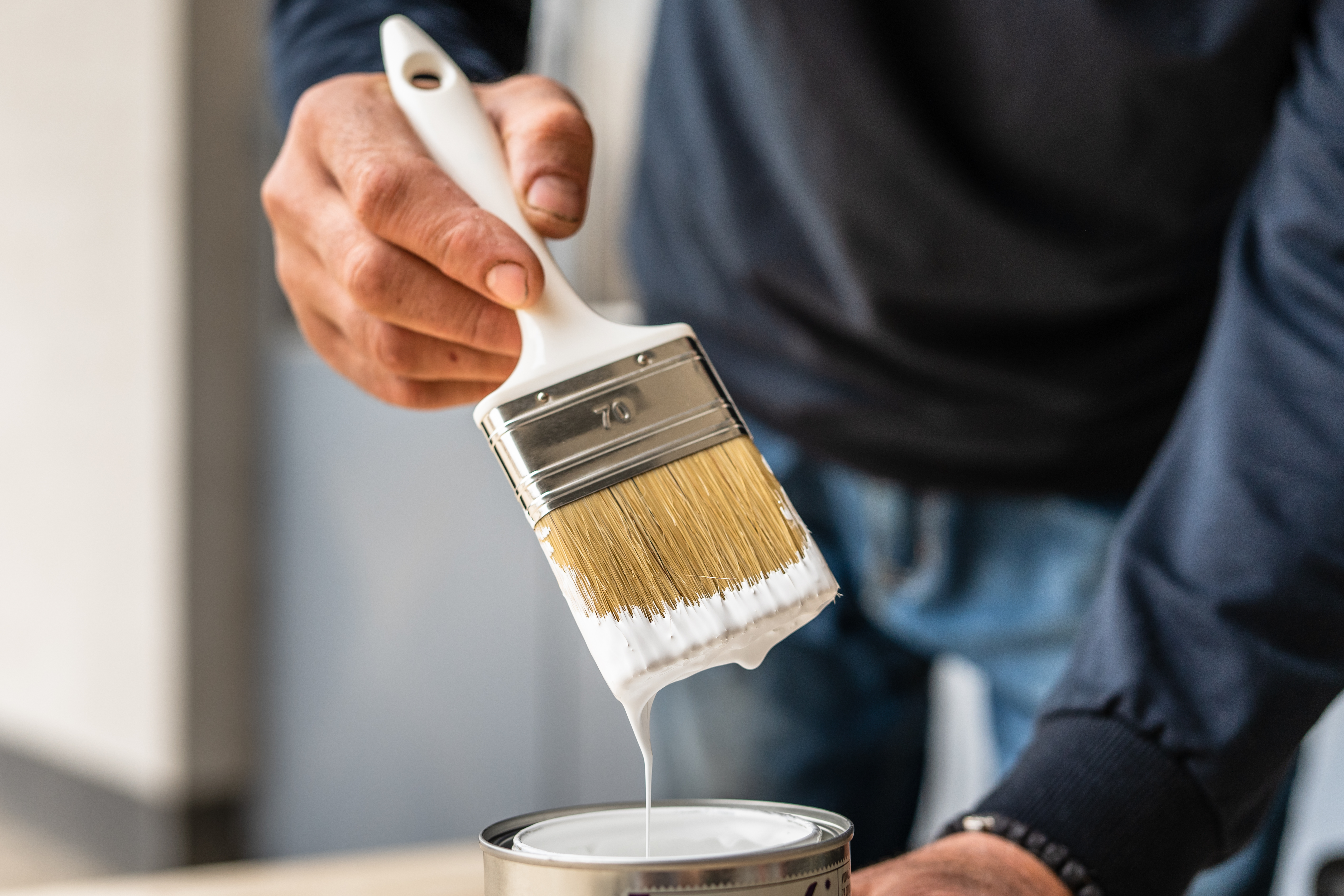
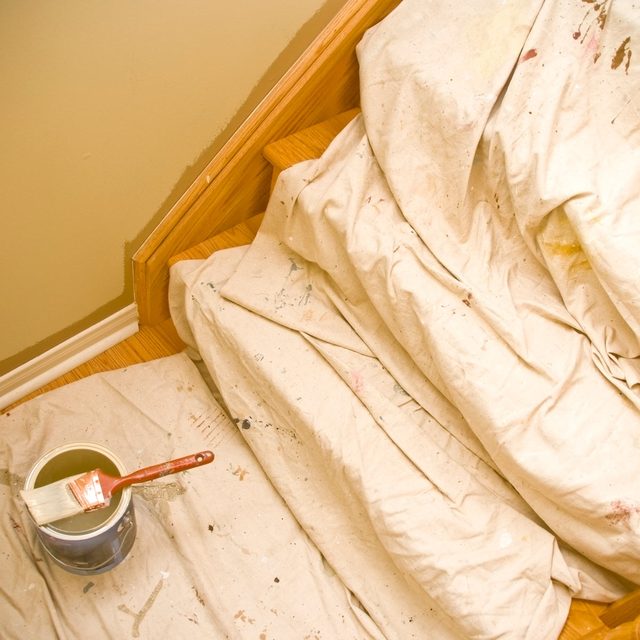
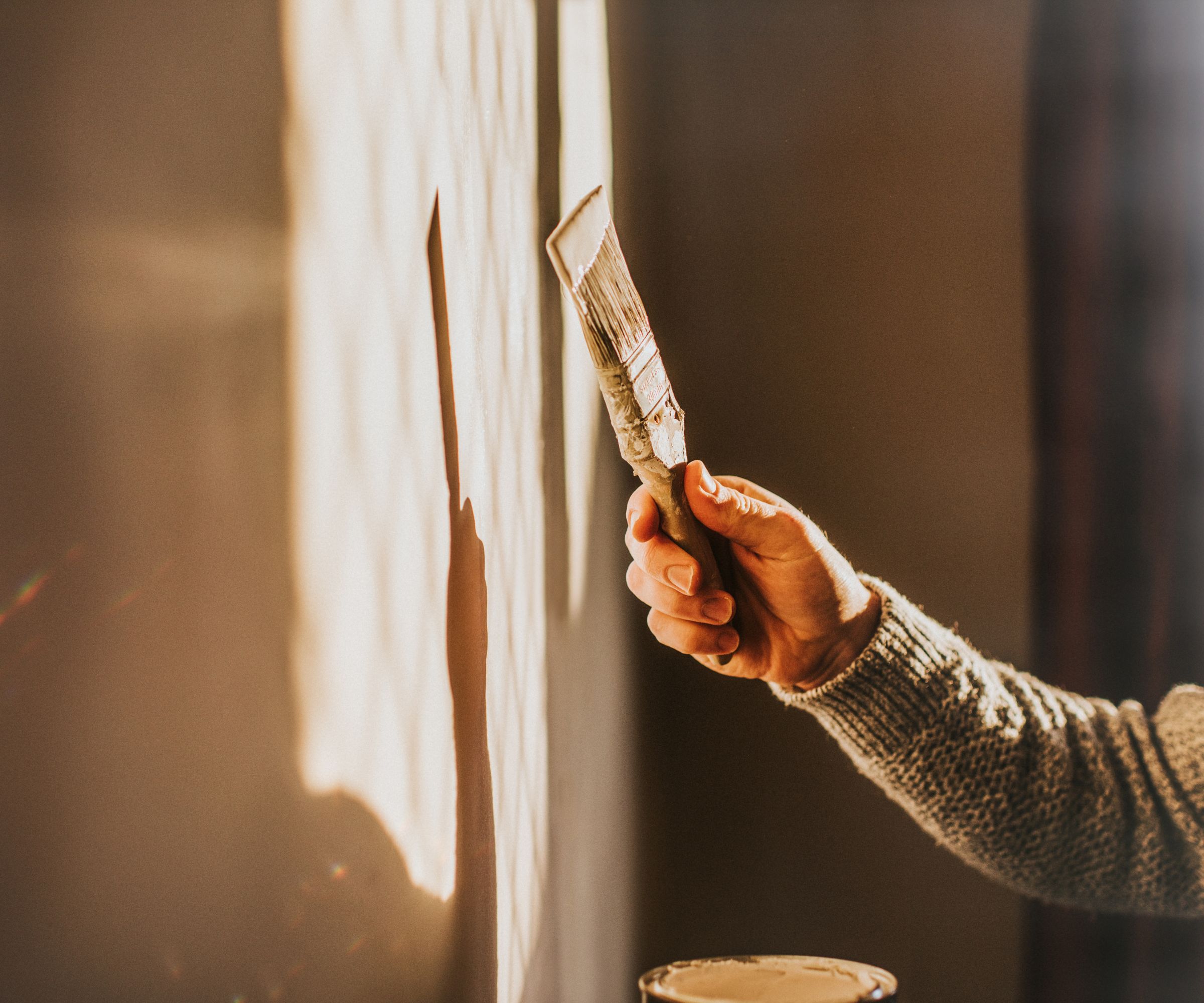
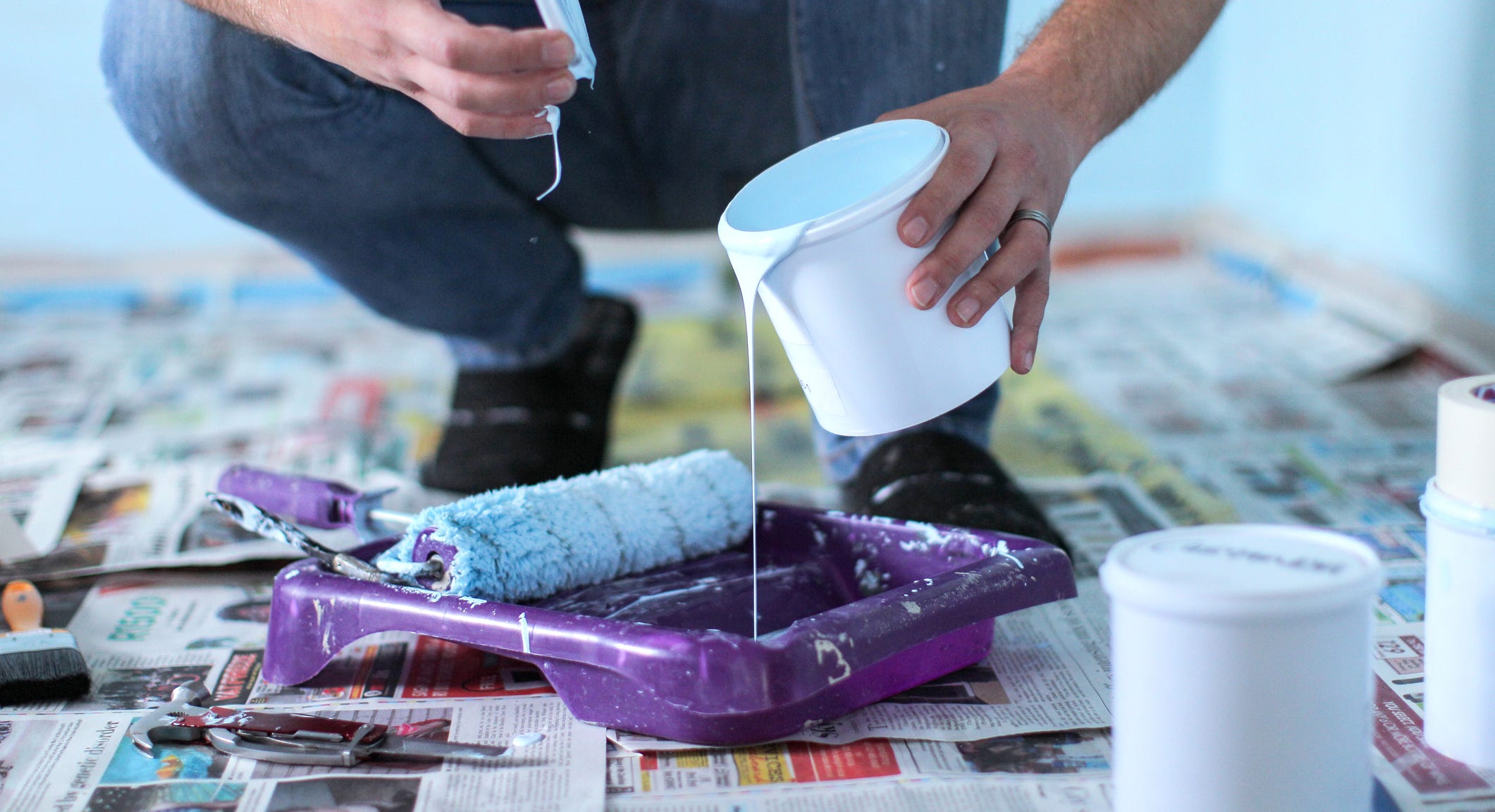
Conversely, a DIY approach is suitable for simpler projects where walls are in good condition and only a color change or minor touch-ups are needed. Repainting a child's room or addressing small areas are examples of tasks that can be managed without professional help. Even in DIY scenarios, investing in quality tools is crucial. Using inexpensive rollers with premium paint can compromise the final outcome, as the quality of application tools significantly impacts the finish. Watson highlights that with proper equipment, a DIY paint job can achieve results comparable to professional work for straightforward tasks.
In essence, the choice between DIY and professional painting hinges on a careful assessment of the project's complexity, the condition of the surfaces, the type of paint finish desired, and safety considerations.
#HomeImprovement #PaintingTips #DIYProjects #ProfessionalPainters #HomeRenovation #InteriorDesign #LeadPaintSafety #PaintFinishes #SurfacePreparation #HomeImprovement #PaintingTips #DIYProjects #ProfessionalPainters #HomeRenovation #InteriorDesign #LeadPaintSafety #PaintFinishes #SurfacePreparation
0 comment in total
 No comments yet
You may also like
I’m a paint expert - the £1.25 buy pros swear by for a flawless finish on walls

Everything You Need to Know About Mural Wall Painting

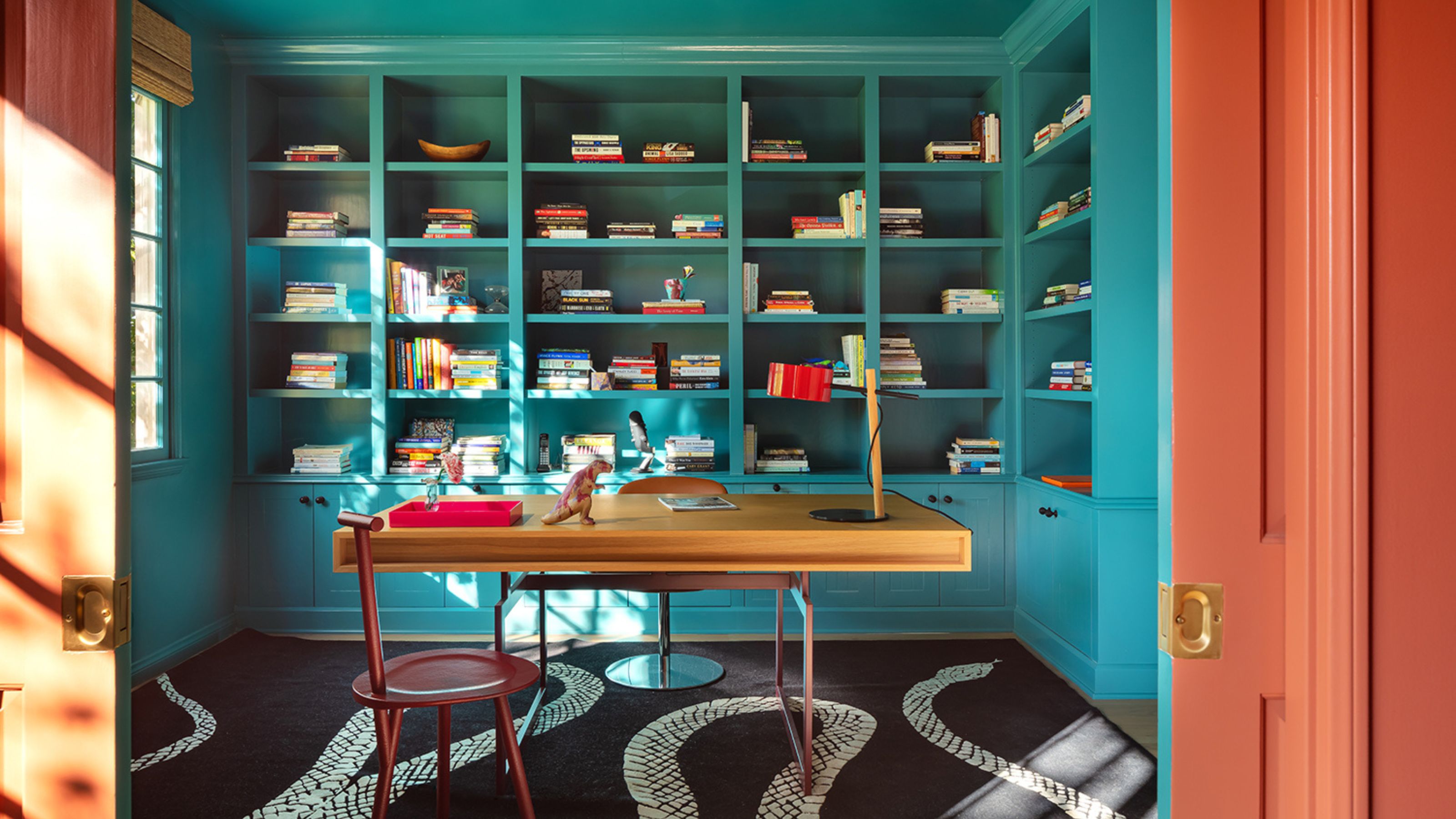
Should You Paint Ceilings and Walls the Same Color? Experts Give Their Verdict

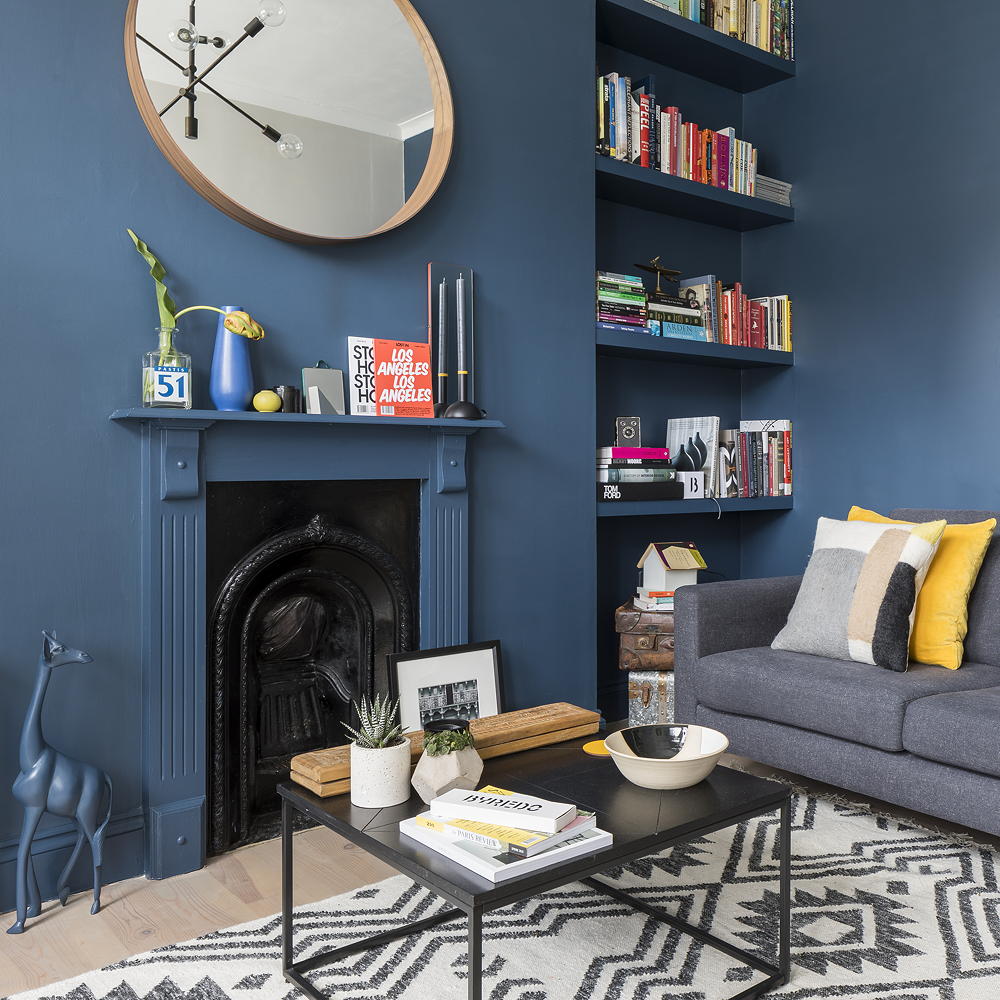
An interior expert reveals the one thing you should never do when painting your walls

BBB Tip: When to call a professional painter
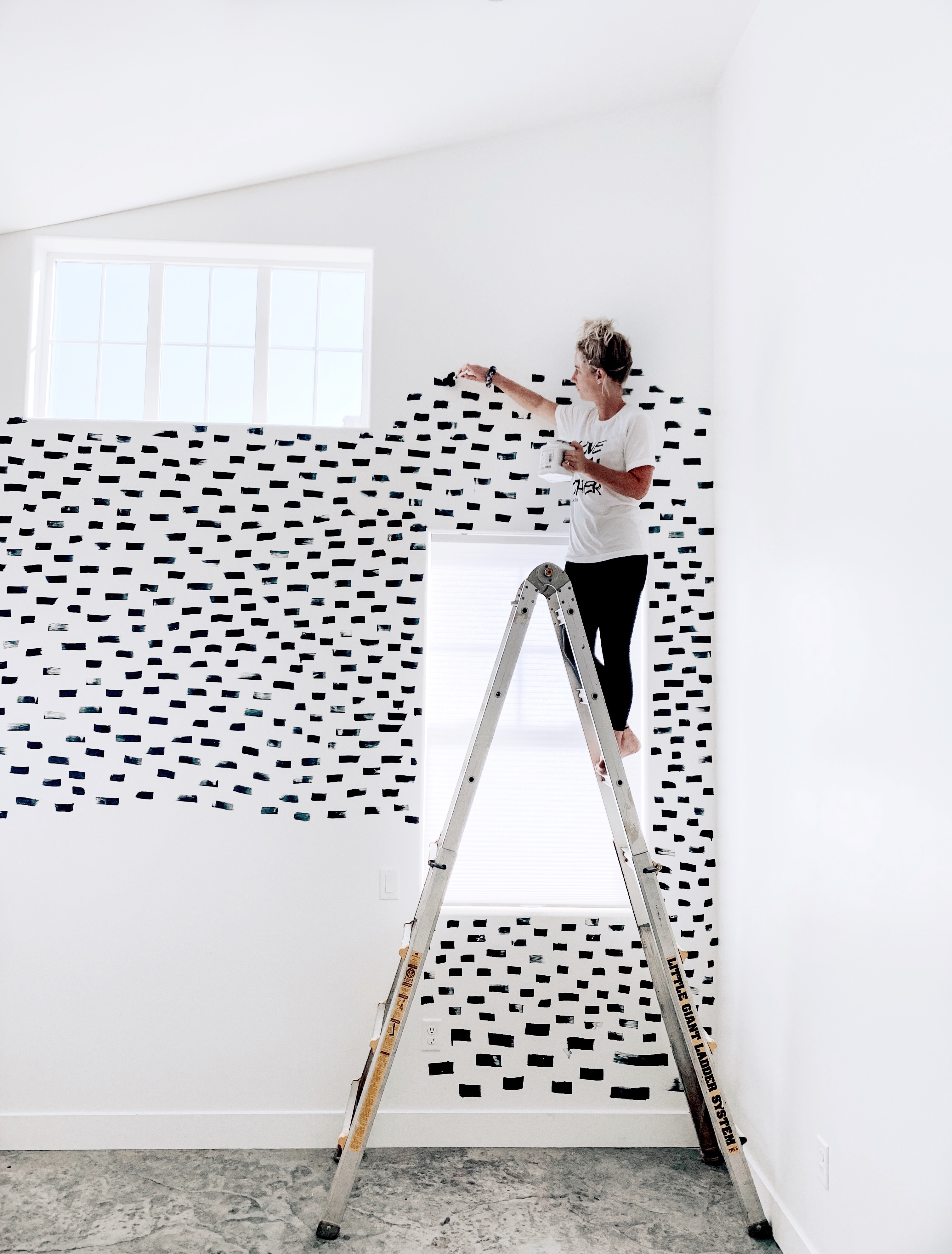
Painting Your Walls Freehand Is Incredibly Liberating

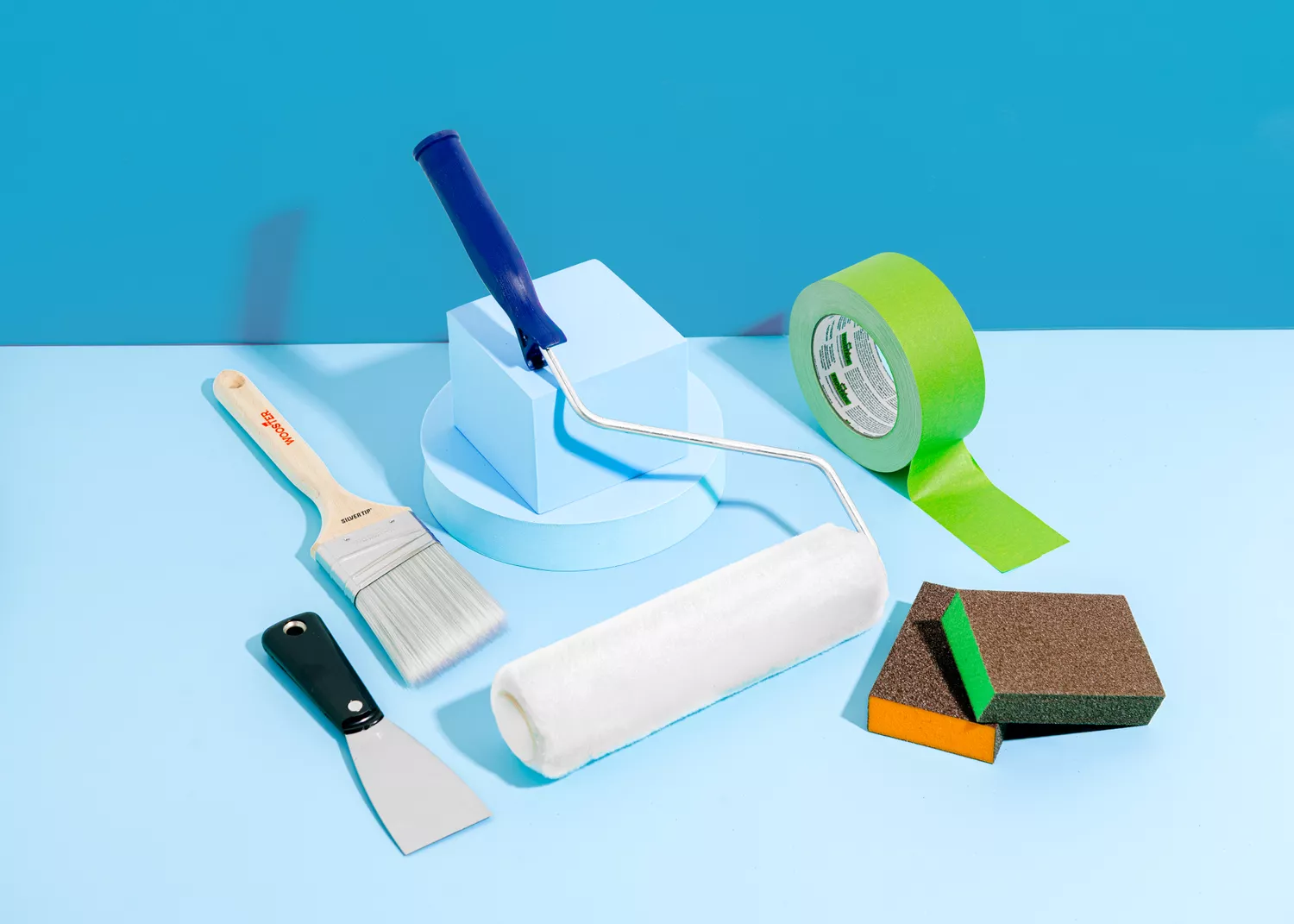
Painting Your Walls? Here Are 16 Tools You Need for a Professional-Looking Job—and 7 You Don't

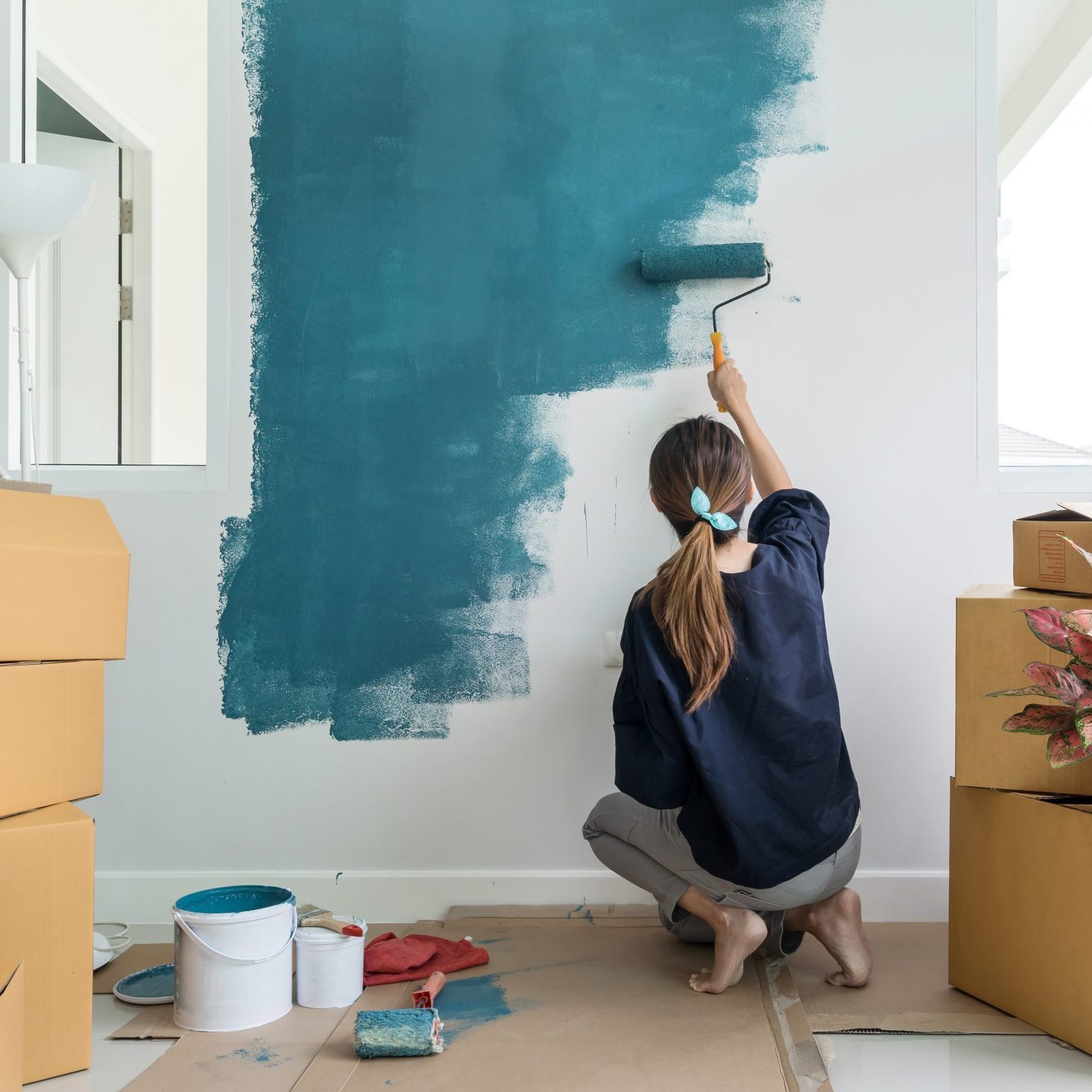
9 Best Paints for Interior Walls
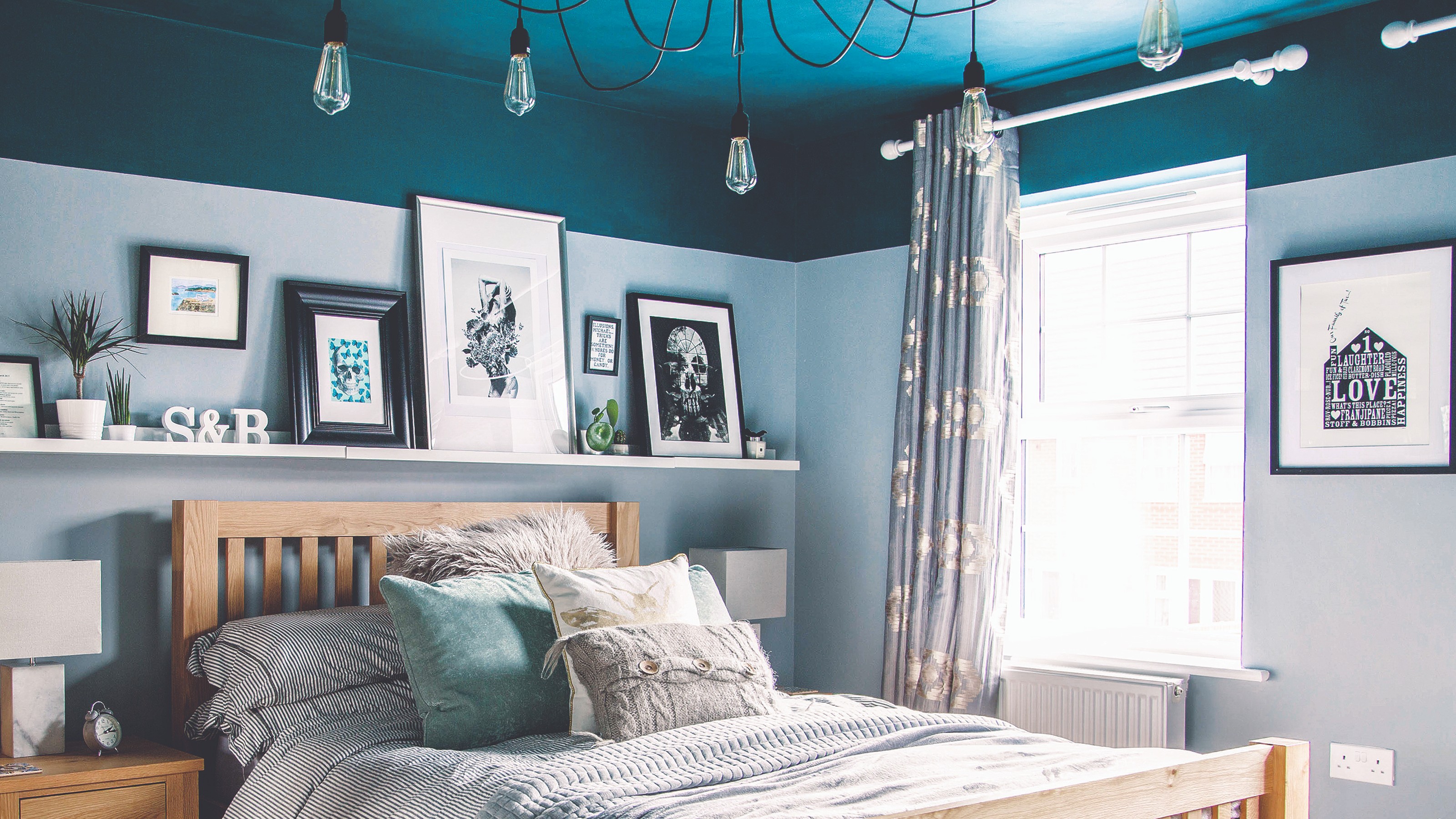
Should you paint your ceiling a different colour to the walls? Experts explain why everyone should consider it
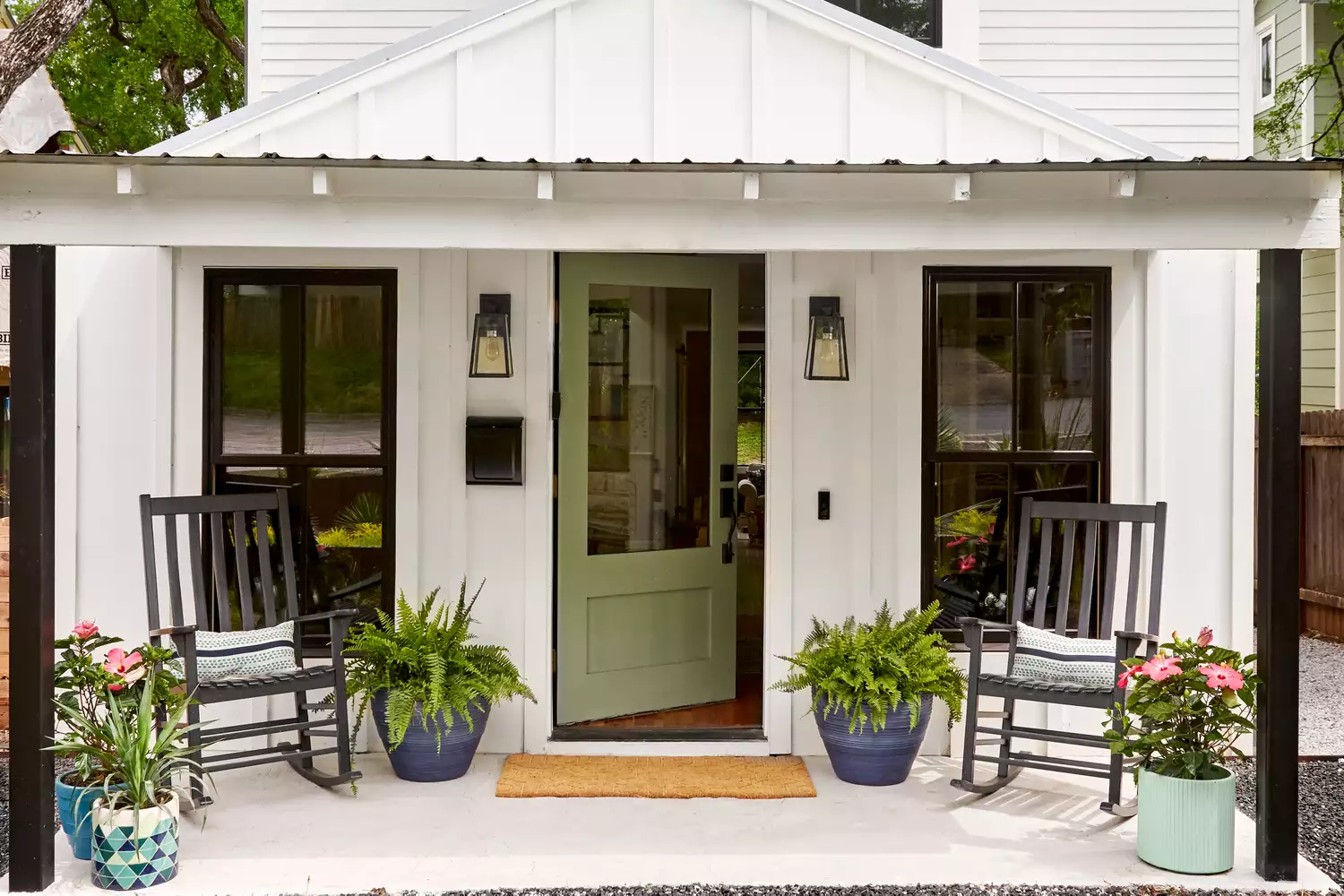
You Should Paint Your Home's Exterior Right Now, a Pro Says—Here's Why

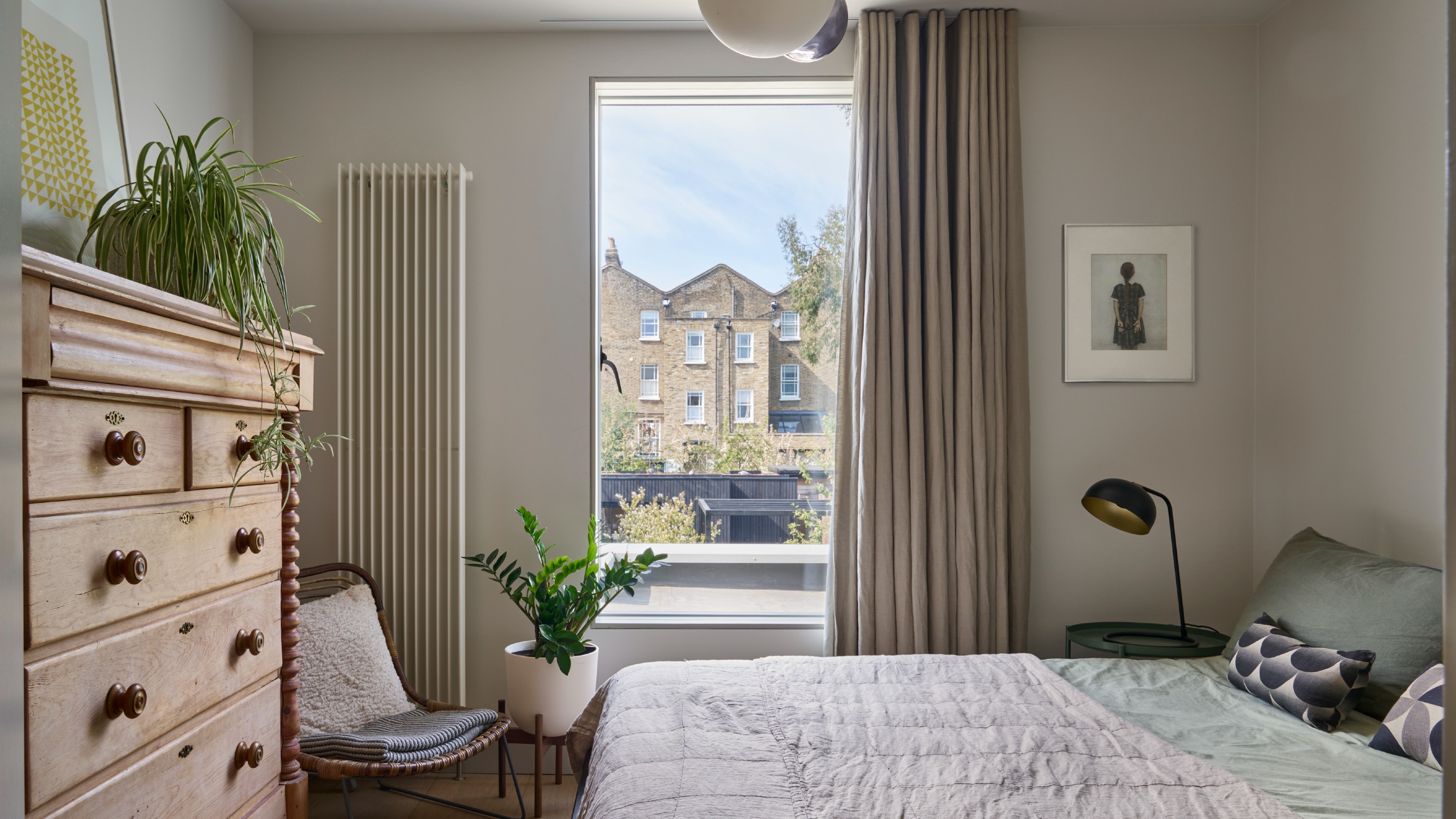
Hate your new home's walls? You need a holding paint colour
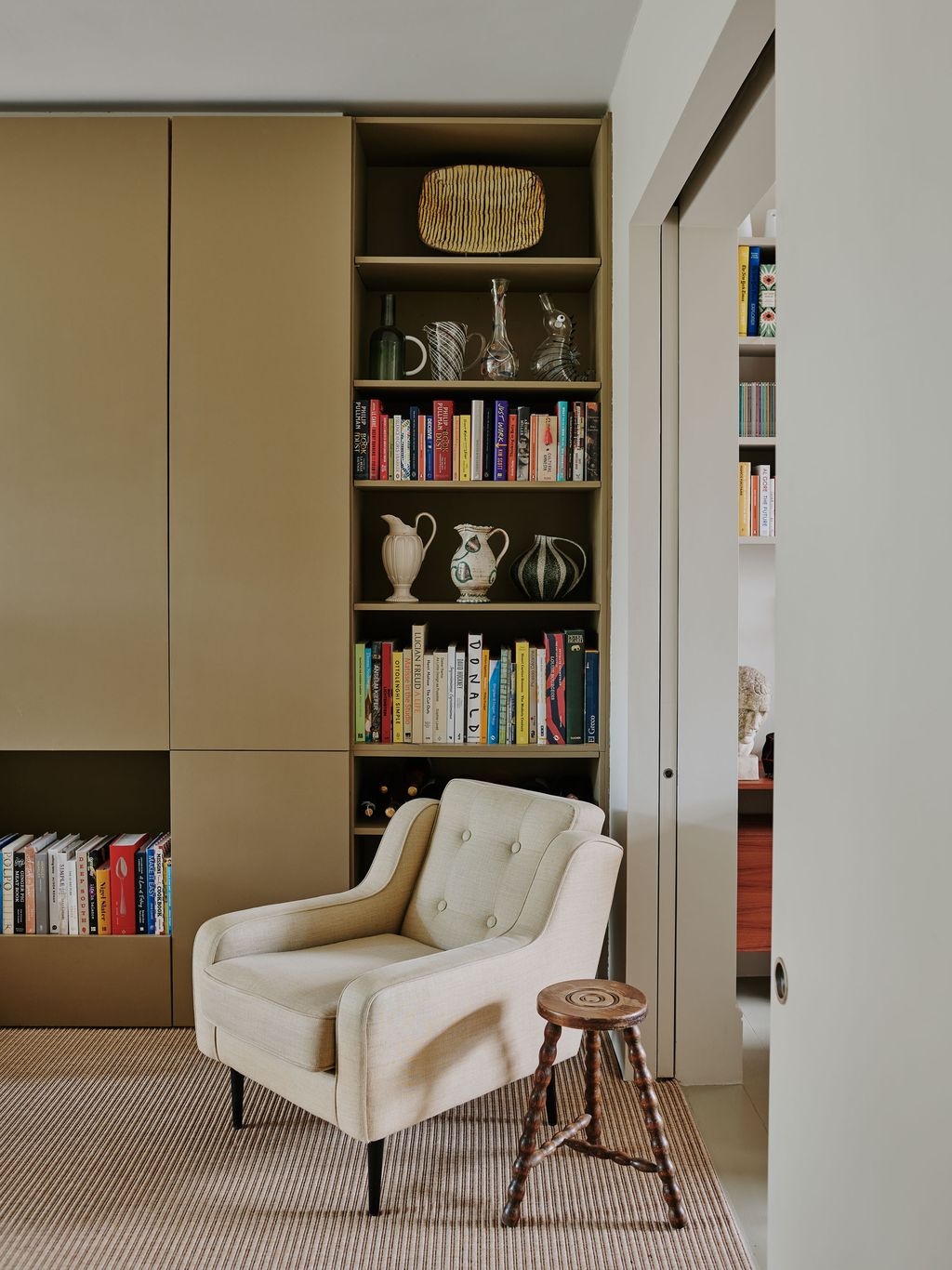
How to choose the best wall colour for your art
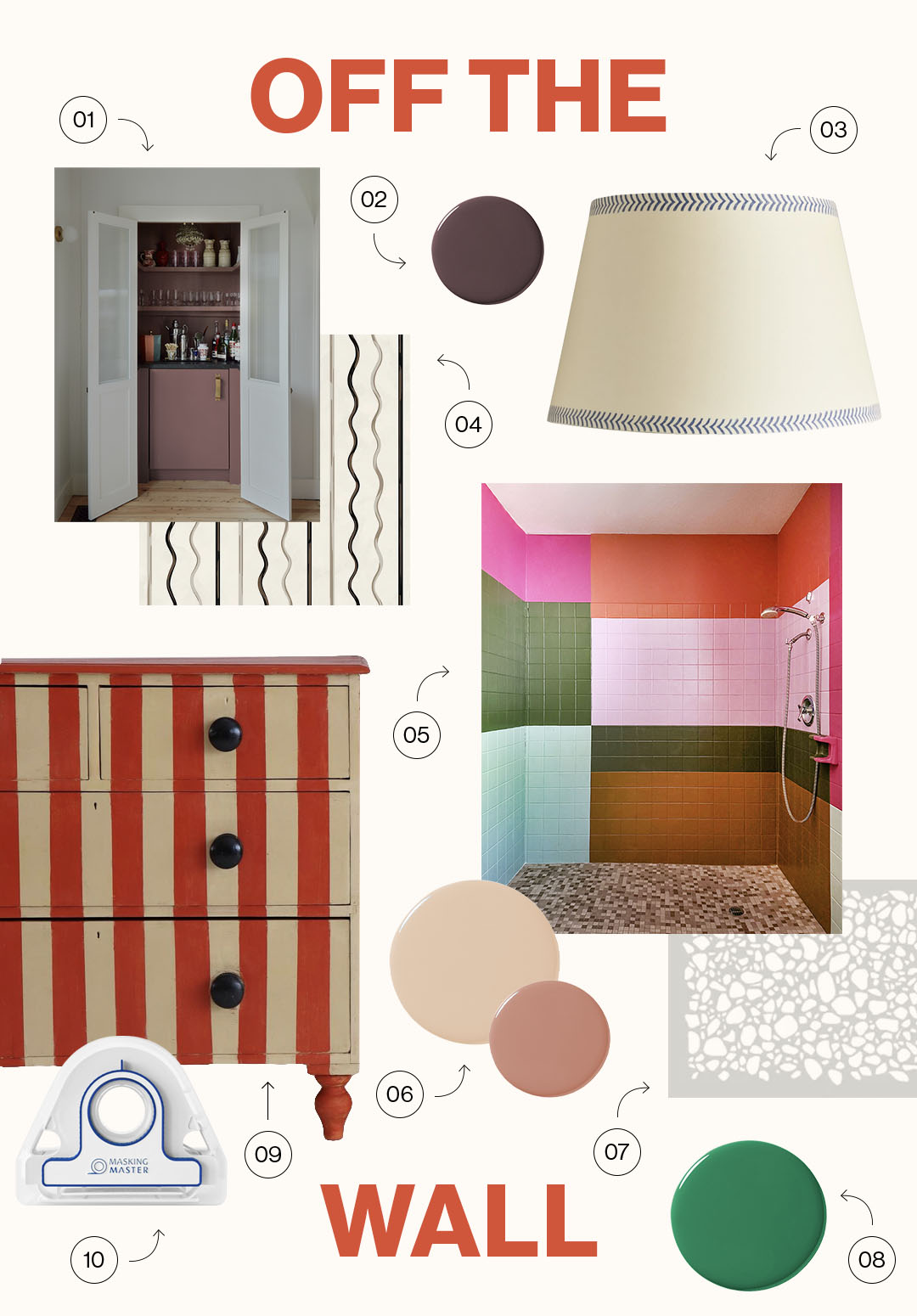
Why I’m Not Painting My Walls

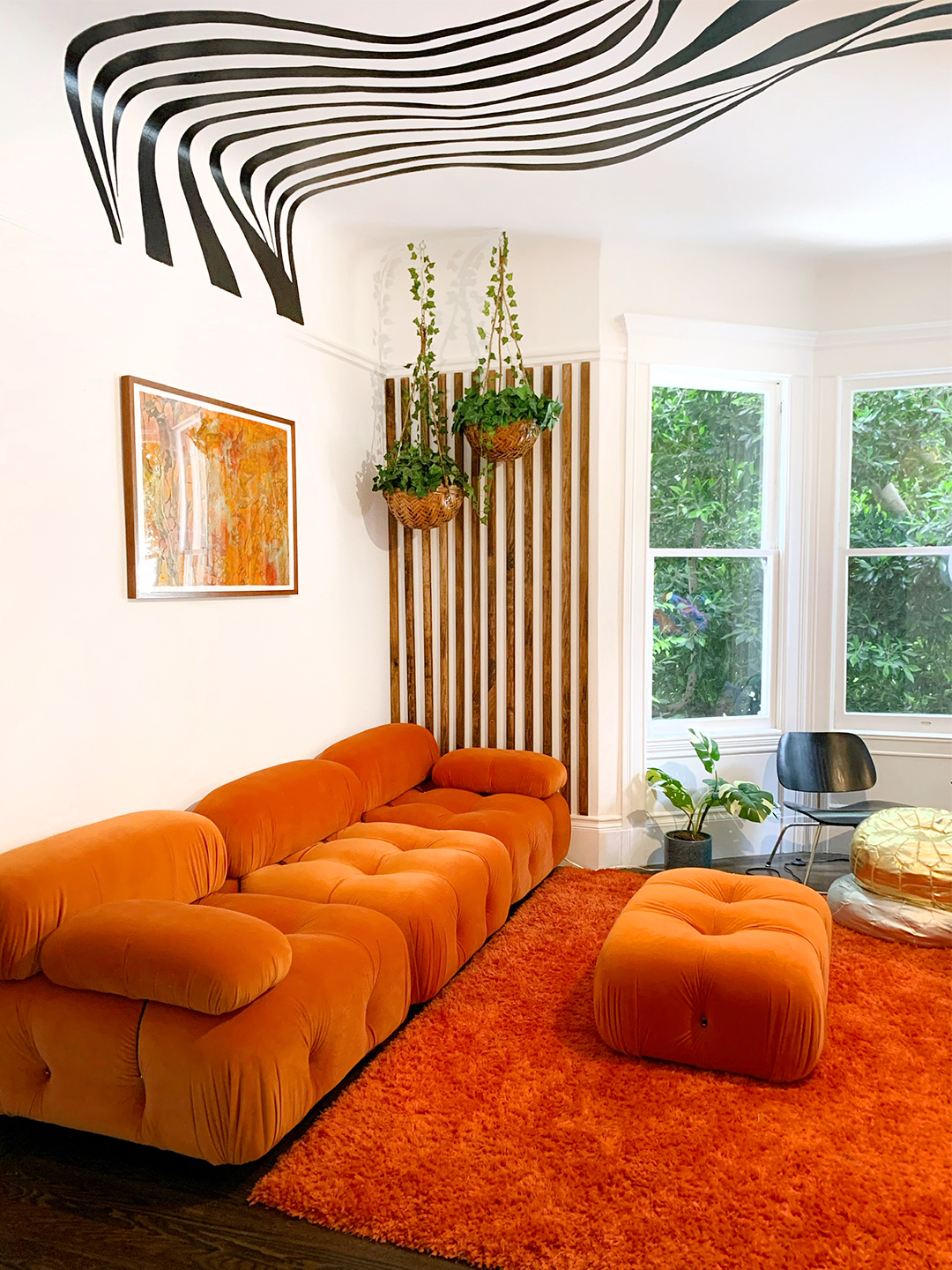
7 Wall Murals In, This DIYer’s Top Paint Tip Is to—Gasp!—Not Use Tape
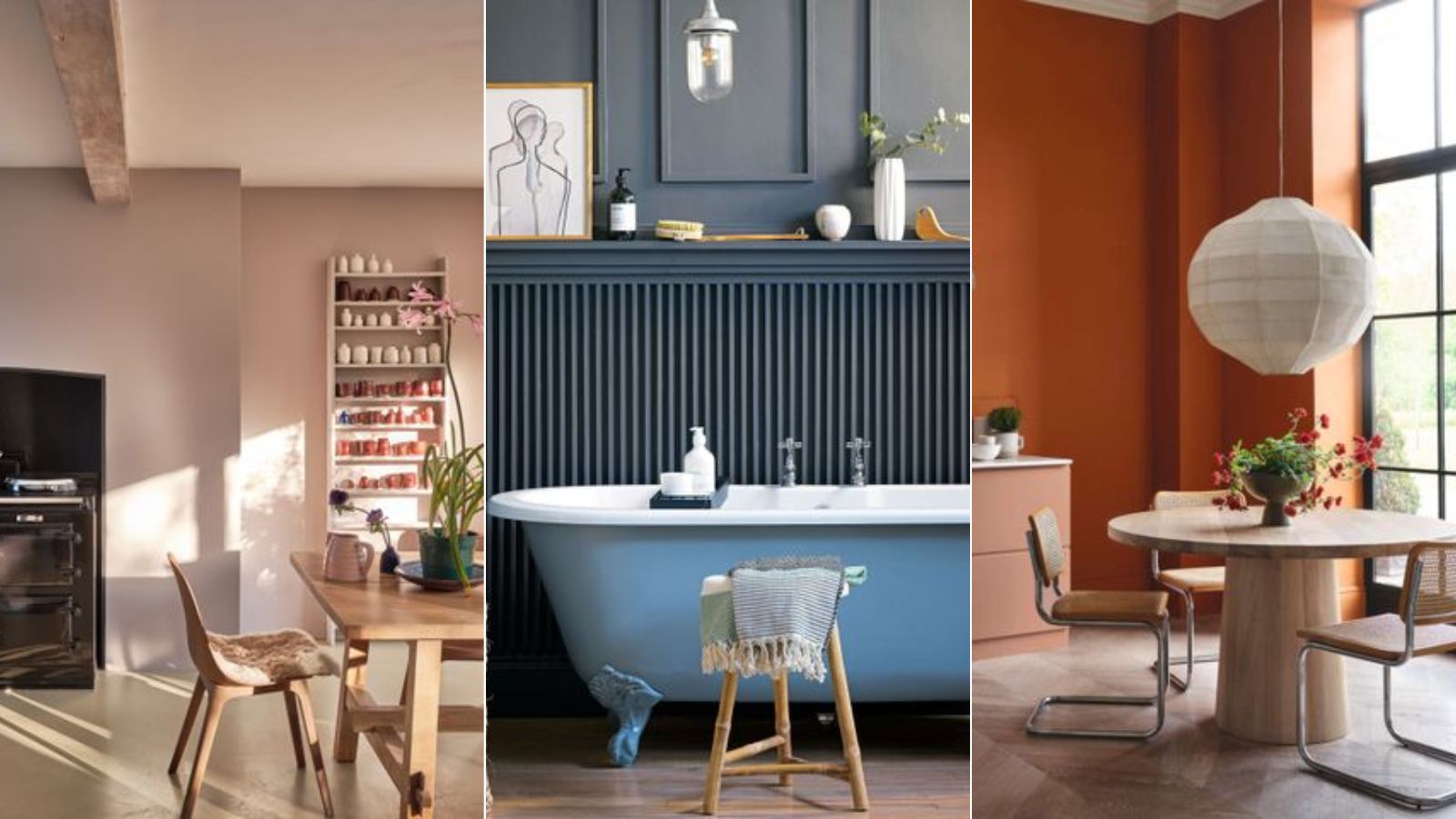
How to prolong the life of your paint job, according to painters and decorators


You Don’t Need to Be a Gallerist to Source the Best Wall Art Online


How to Paint a Wall Mural Even If You’re Not an Artist

The best paints for streak-free coverage, from Dulux to Farrow & Ball

12 top interior painting tips from experts – for a flawless, fabulous finish

5 factors to consider before choosing exterior wall paint