1/5
How to prolong the life of your paint job, according to painters and decorators
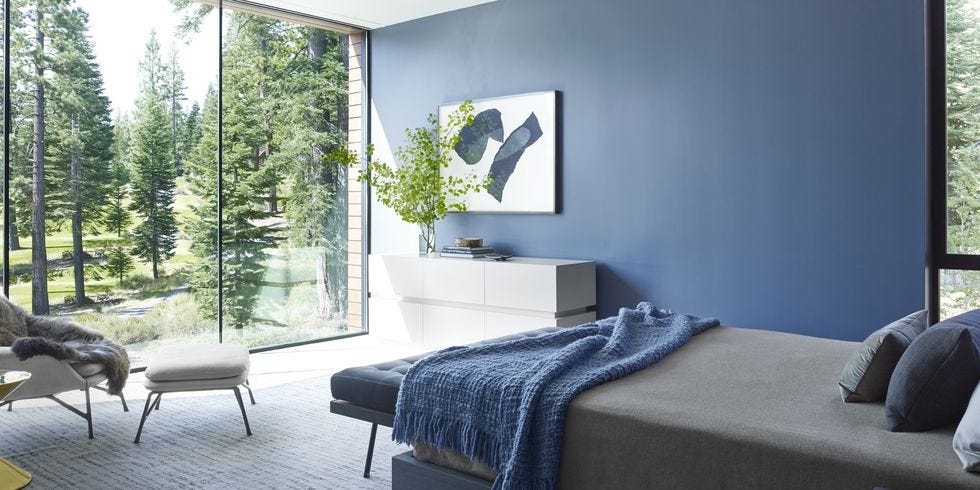
Maintaining the aesthetic appeal of your walls is essential for the overall appearance of a home, and understanding how to prolong a paint job's life ensures walls remain vibrant and fresh. Walls can become stained, scuffed, or faded over time, making it crucial to know when to repaint and how to keep them looking their best. Expert painters and decorators emphasize that a fresh coat of paint is not merely an aesthetic upgrade but an investment in the home's well-being.
Several key practices contribute to the longevity of a paint job. Promptly repairing cracks, holes, or other imperfections and touching up paint prevents further damage and discoloration. Proper surface preparation, including cleaning, sanding, and priming, is a crucial factor, as well-prepared surfaces hold paint better and are less prone to peeling or cracking. The quality of paint also significantly impacts its durability; higher-quality paints are often more resilient and last longer, making them a recommended investment to extend the time between repaints. For interior paints, matte or flat finishes are preferred for walls, while semi-gloss and satin are recommended for trims, as high-quality options in these finishes offer better durability, longevity, and ease of cleaning.
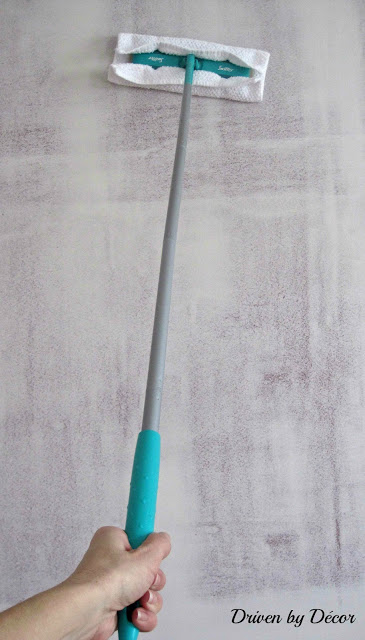
Adequate ventilation during and after painting is essential to prevent moisture buildup, which can damage paintwork. Additionally, methods to reduce humidity, such as using a dehumidifier, can help preserve paint. Regular cleaning of walls with a mild detergent solution or a mixture of warm water and dish soap removes dust and grime. For tougher stains, a water and white vinegar mixture can be effective, delaying the need for repainting, though testing on an inconspicuous area is advised to prevent damage.
Beyond maintenance practices, several factors influence how often walls need repainting. Wall material plays a role: smooth walls may require repainting every 3-4 years, while textured surfaces like stucco or brick might need it every 2-3 years because porous surfaces absorb dirt and stains more easily. The type and quality of paint are also critical; high-quality formulations with better durability and stain resistance, such as latex paints lasting 5-7 years and oil-based paints enduring 7-10 years, can extend paint life. Matte finishes might need more frequent repainting due to their lower washability compared to satin or semi-gloss. Dark or bold colors also tend to show wear and fading more prominently, potentially requiring more regular touch-ups.
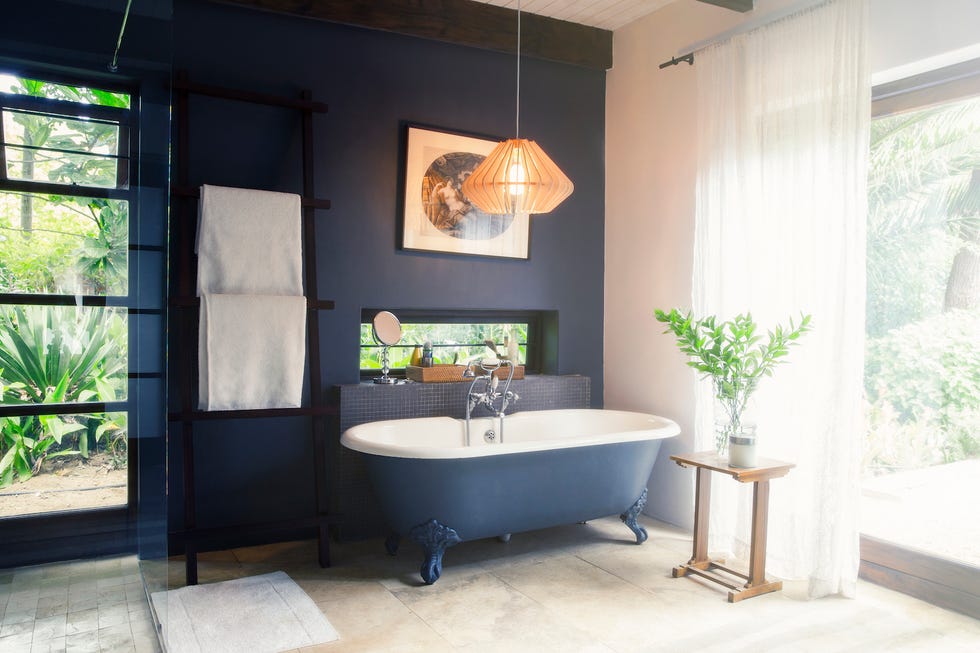
Environmental elements also affect paint longevity. Walls exposed to direct sunlight may fade faster, necessitating repainting every 3-5 years. High humidity can cause paint to peel or blister, with moisture-prone areas like bathrooms and kitchens often requiring repainting every 3-4 years. Frequent temperature fluctuations and inadequate ventilation can undermine paint adhesion, leading to cracks and peeling sooner.
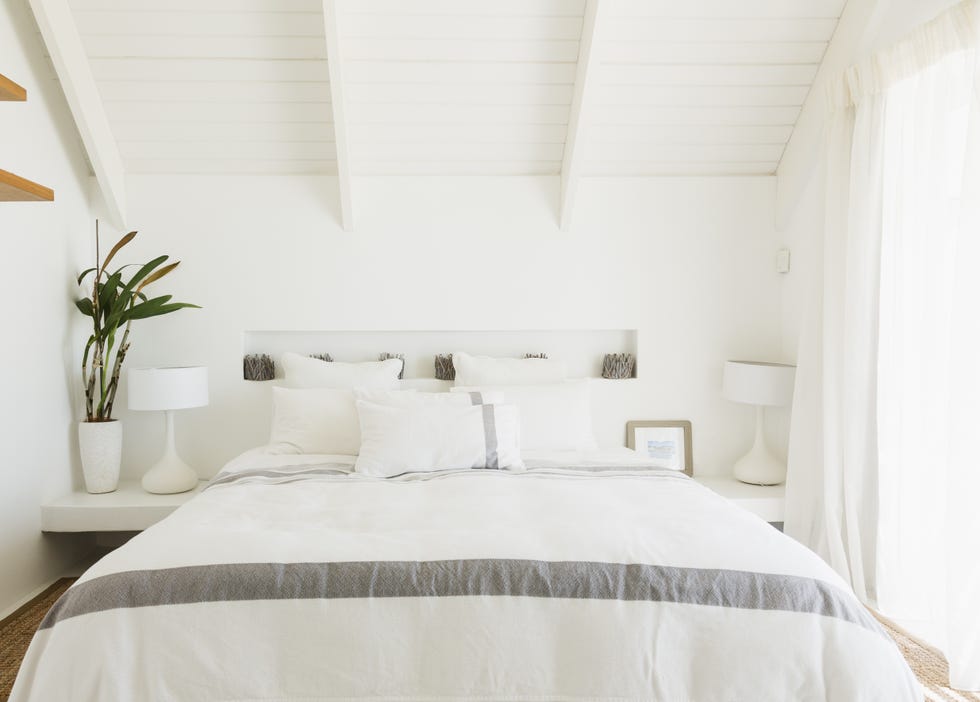
The function and traffic flow of a room are significant considerations. High-traffic areas such as hallways, entryways, and living rooms typically accumulate more scuffs, stains, and fading, often needing repainting every 2-3 years. Kitchens and bathrooms also require frequent repainting (every 3-4 years) due to humidity, cooking fumes, and moisture. Living and dining rooms with moderate traffic can usually go 5-7 years between repaints, with adjustments for pets or children. Low-traffic spaces like bedrooms can last 5-7 years, or even up to 10 years if no decor changes are made. However, children’s bedrooms often need repainting every 2-3 years due to faster growth, changing tastes, and more scuffs or marks. For tailored advice, consulting a painting professional is recommended based on specific home needs and conditions.
Other considerations include baseboards and trim, where weather and climate, particularly hot weather and salt exposure, can impact their luster, suggesting professional consultation. Ceiling paint generally lasts longer than wall paint, with a professionally done job potentially lasting up to 10 years, recommending repainting every other time walls are painted. Signs indicating a need to repaint include faded or discolored paint, scuffs, marks, stains, bubbling or peeling paint (which can also indicate moisture issues), and a chalky or powdery finish, all suggesting the paint is nearing its end. Proactive maintenance, rather than waiting for desperate conditions, leverages painting as an inexpensive and effective way to refresh spaces.
#PaintMaintenance #HomeImprovement #InteriorPainting #WallCare #PaintLongevity #SurfacePreparation #PaintQuality #RoomFunctionality #HumidityControl #PaintMaintenance #HomeImprovement #InteriorPainting #WallCare #PaintLongevity #SurfacePreparation #PaintQuality #RoomFunctionality #HumidityControl
0 comment in total
 No comments yet
You may also like
12 top interior painting tips from experts – for a flawless, fabulous finish
How to achieve an antique finish with paint– 4 crafting tips to fake a well-loved piece
10 mistakes to avoid when painting wooden furniture, according to experts
Story from Arizona Painting Company: 5 tips to keep your home’s new paint looking great
I’m a paint expert - the £1.25 buy pros swear by for a flawless finish on walls

Understanding paint finishes

Story from Arizona Painting Company: Avoid these 6 common mistakes when storing leftover paint
5 Timeless Paint Colors That Will NEVER Go Out of Style, According to Designers

How often to paint a house – and three things that impact longevity
Paint Maintenance and Touch-Up Tips
Paint finishes – a guide for every room
The best exterior paints to transform a rundown garden in a weekend

How Long Wall Paint Lasts—and How to Know If Yours Has Gone Bad, According to Painting Pros

These Master Tips Will Help You Avoid Choosing The Wrong Type Of Paint
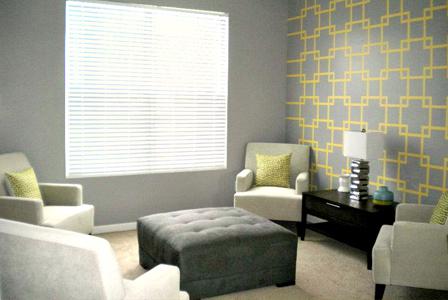
Update your home with these paint tips!

Tip: Leave the Finish Alone
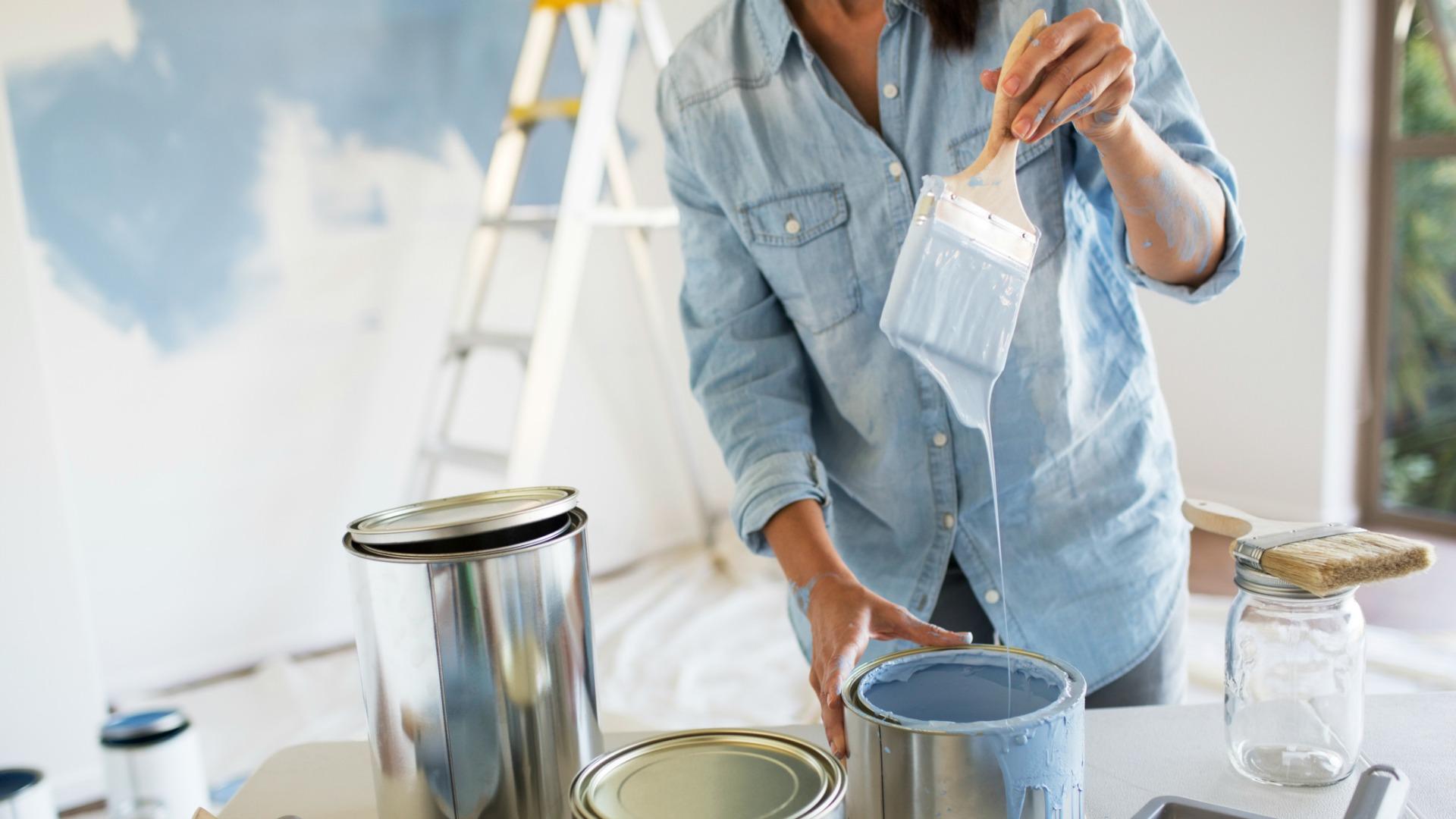
These hacks are all you'll need for your next home painting project

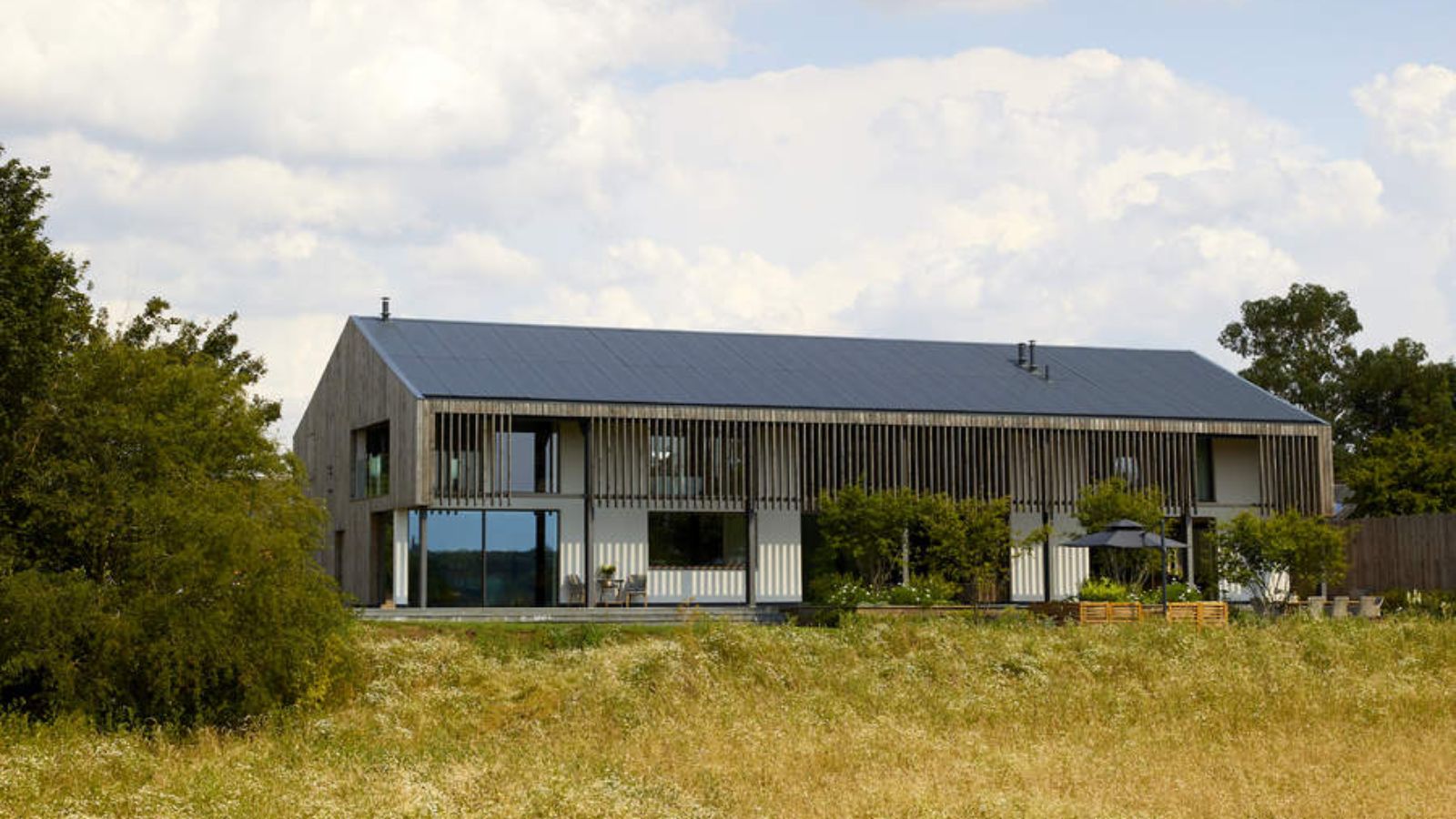
The best time to paint a house exterior, according to pros
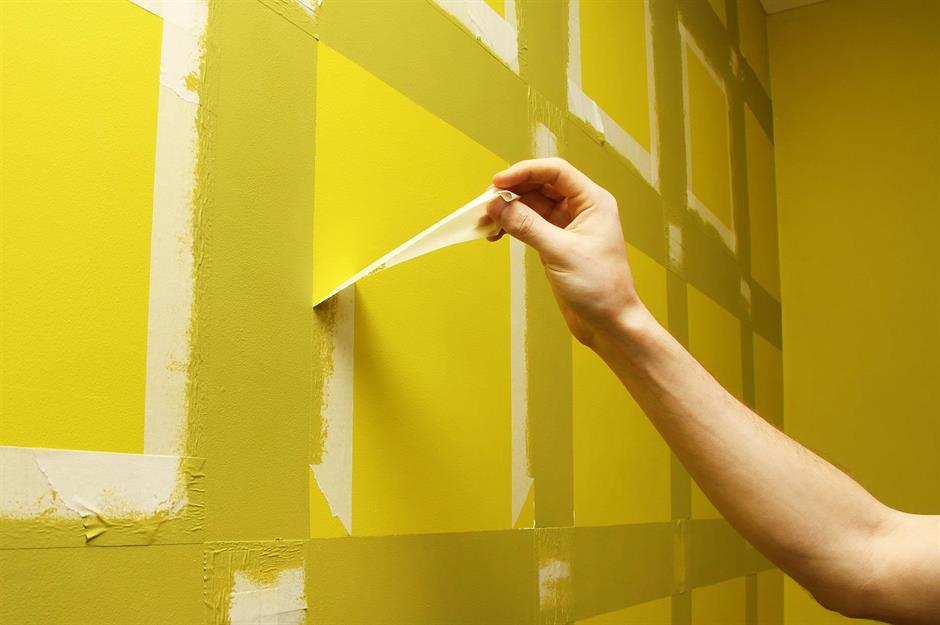
The ultimate DIY hacks | loveproperty.com

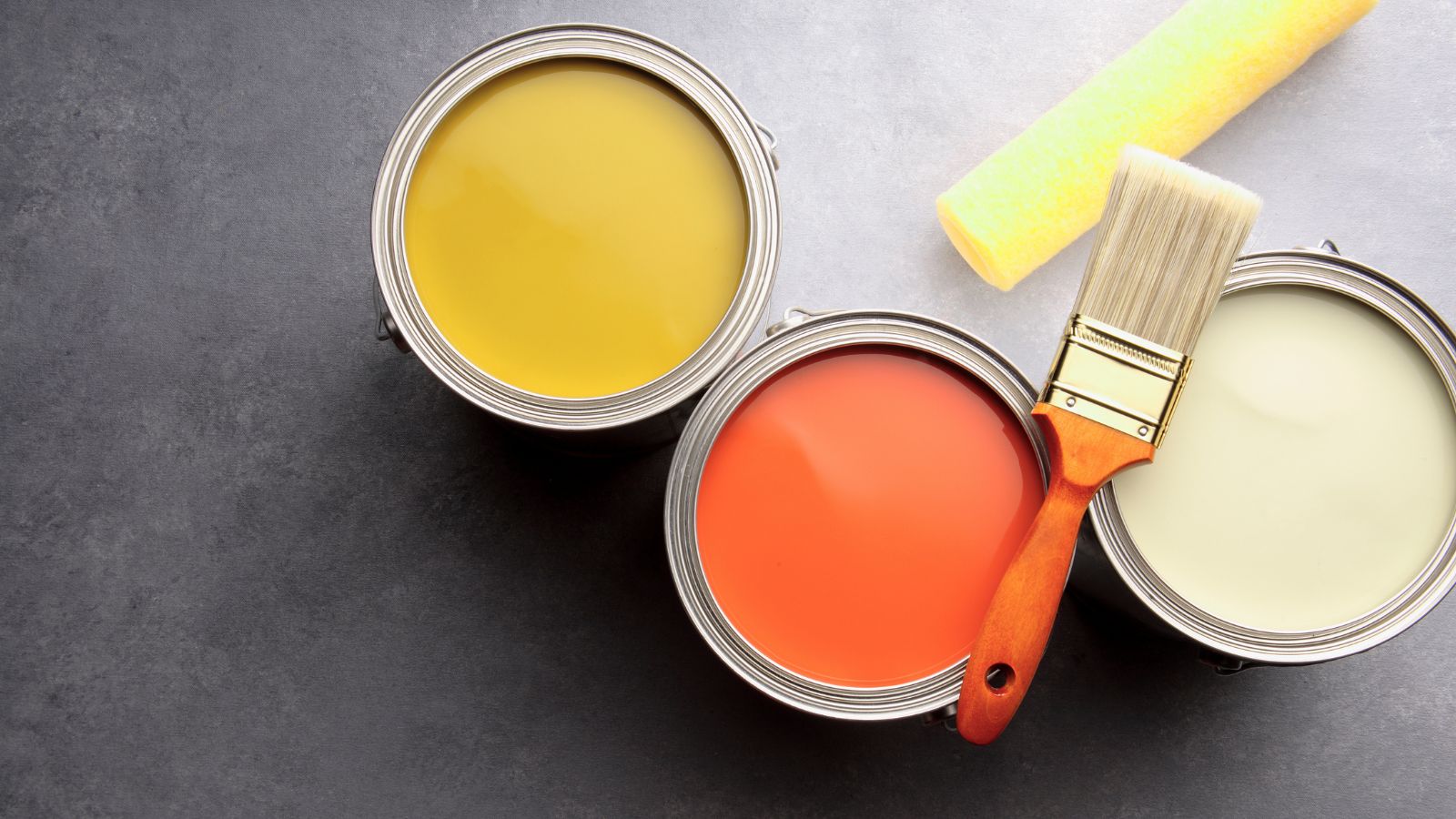
Professional painters reveal how to make paint dry faster – without compromising on quality