How to properly paint ombre walls for a gradual gradient, with a stress-free method for decorating novices
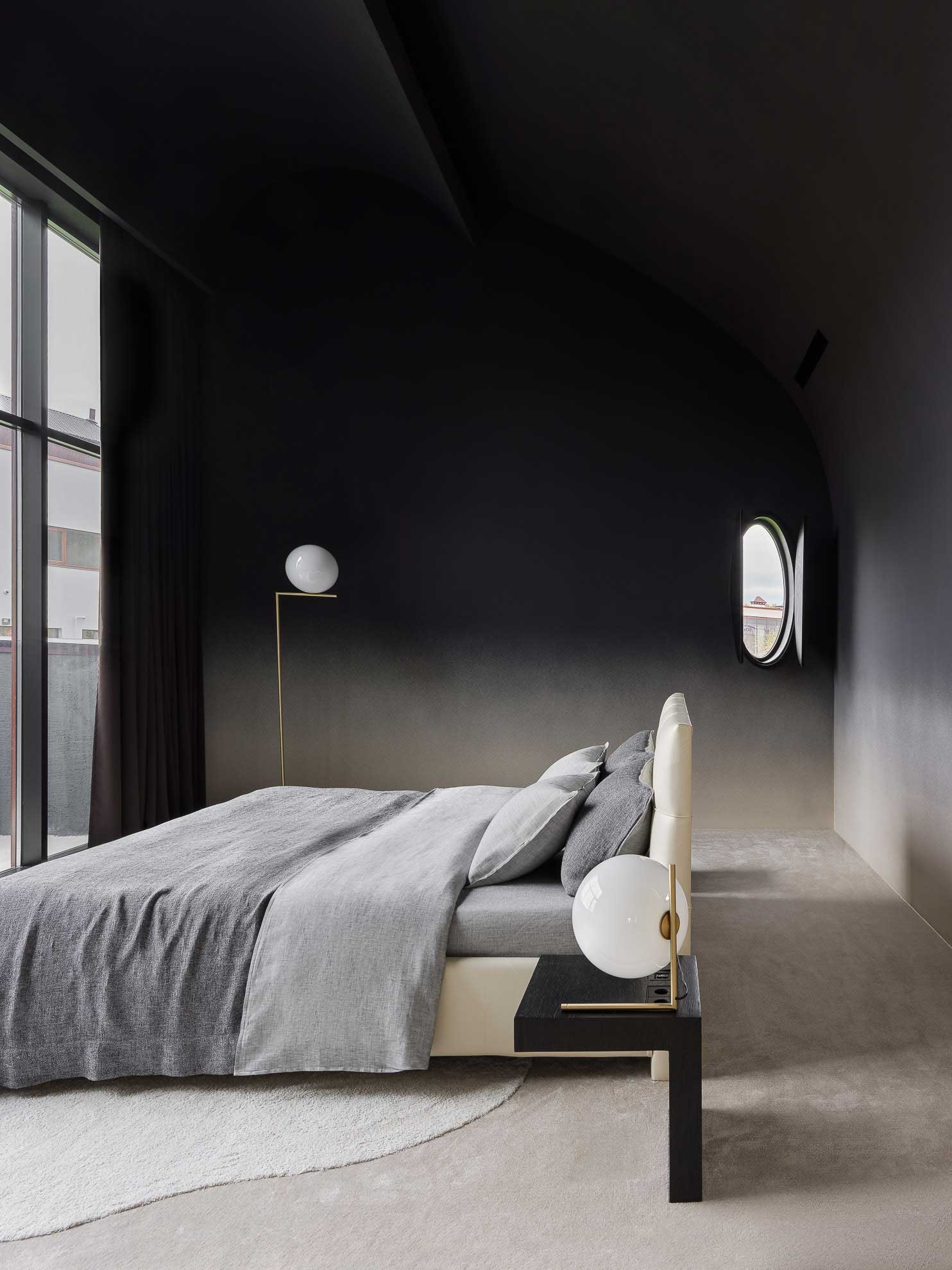
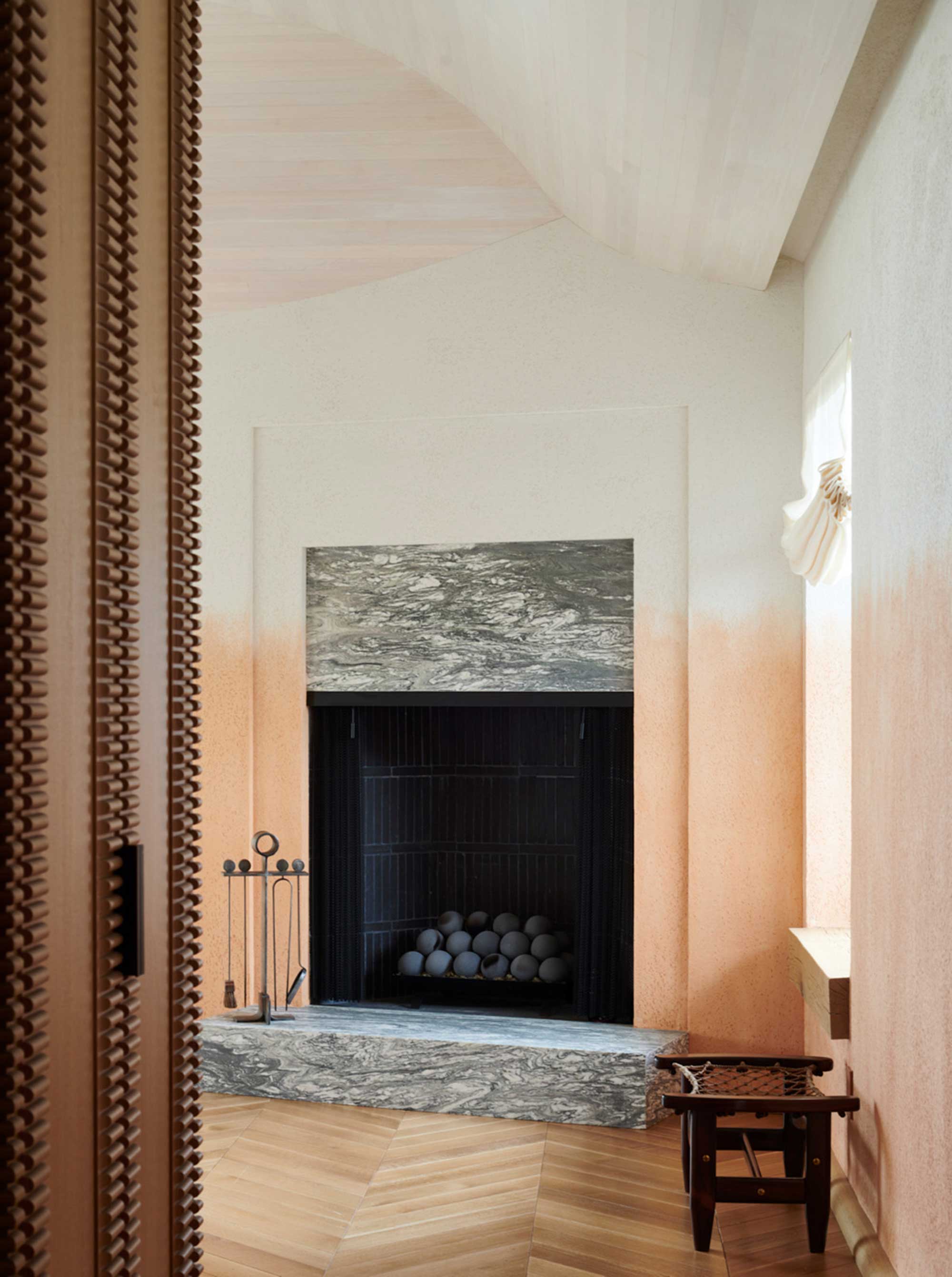
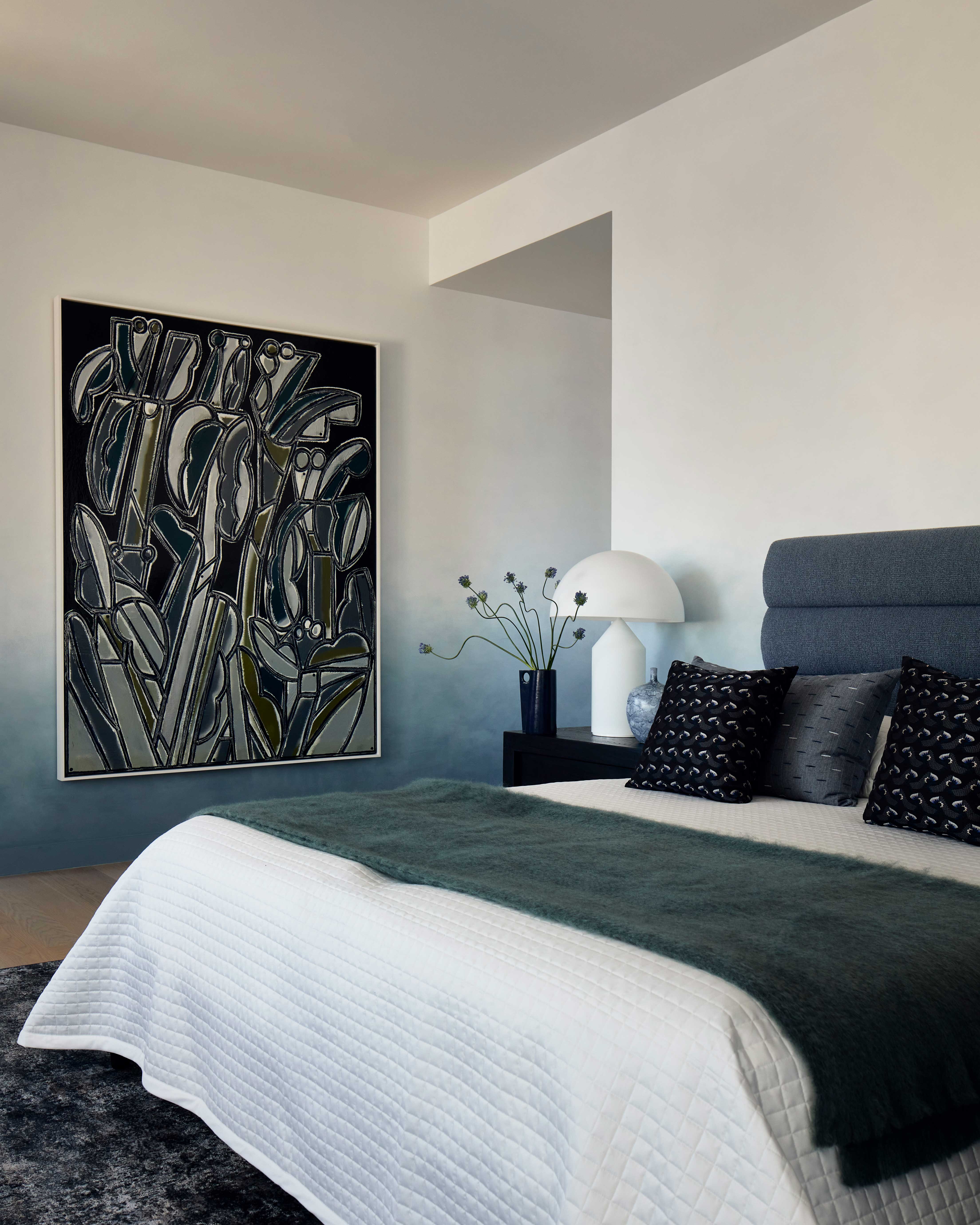
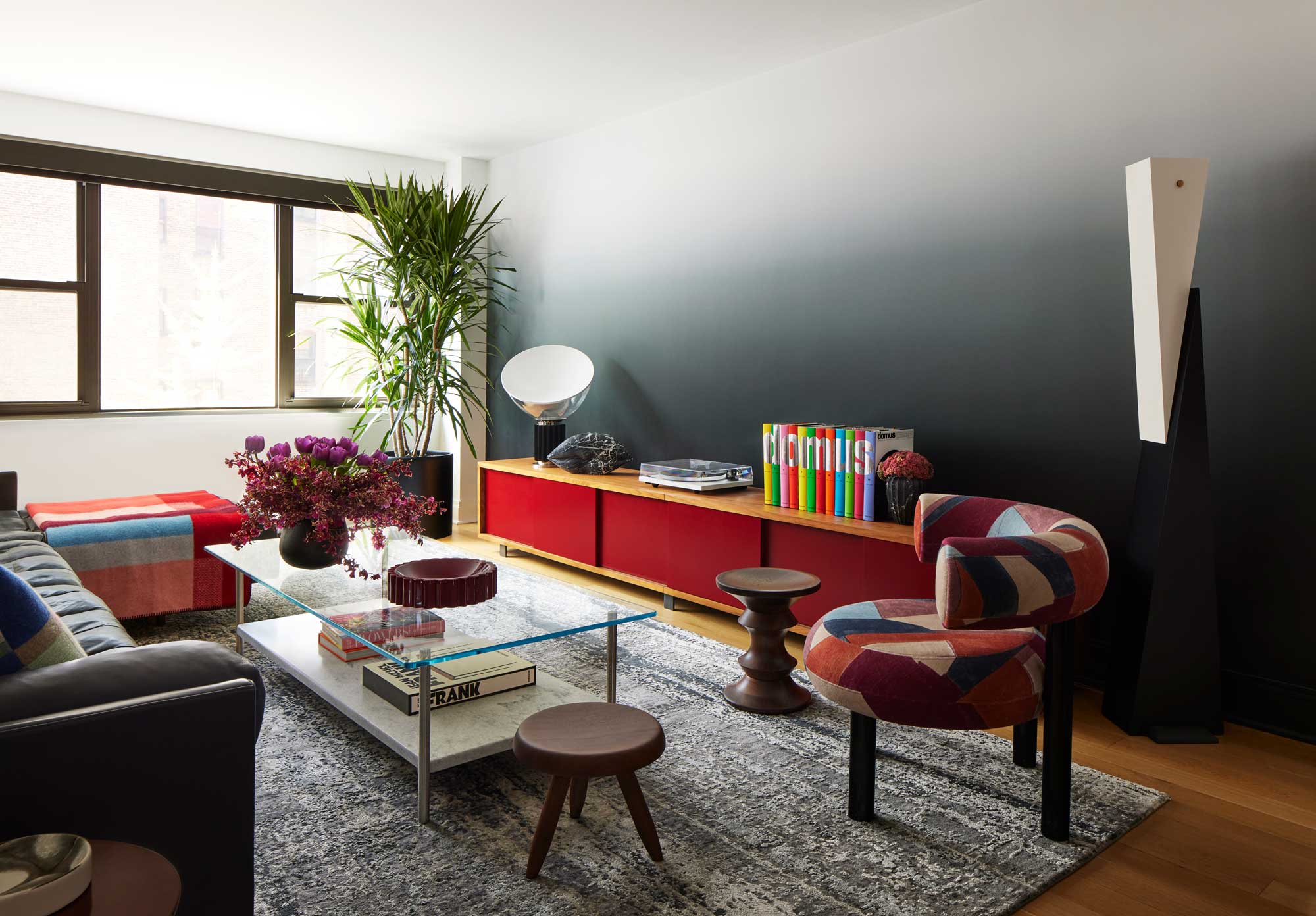
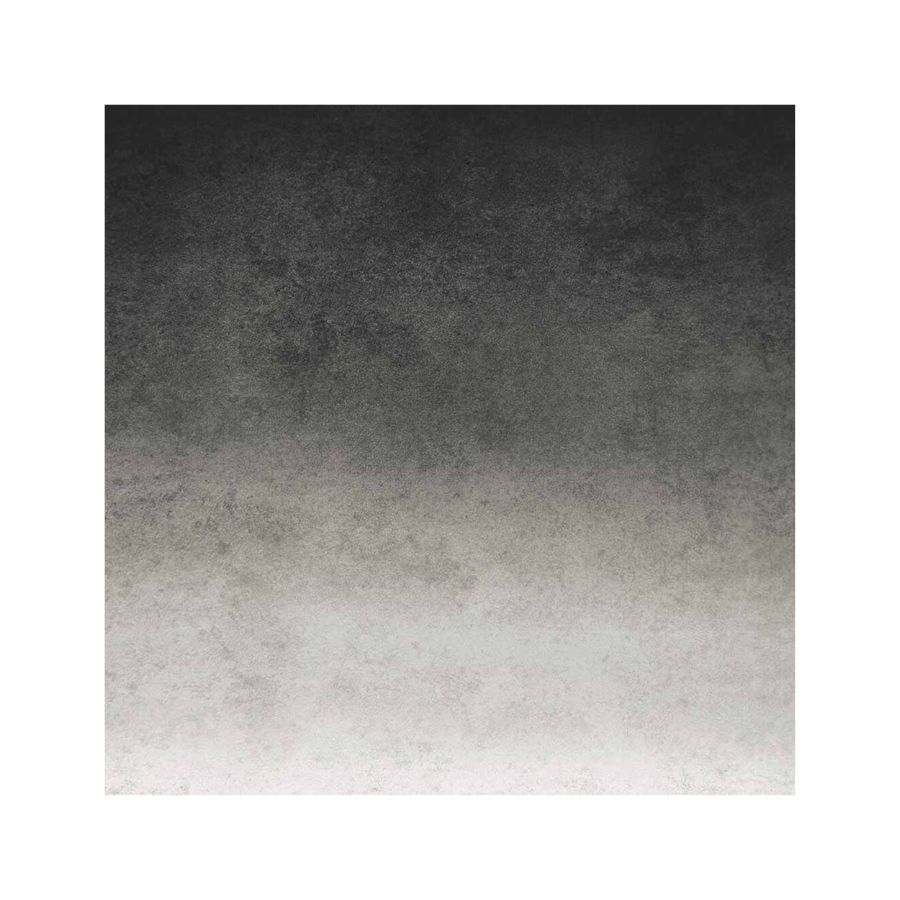
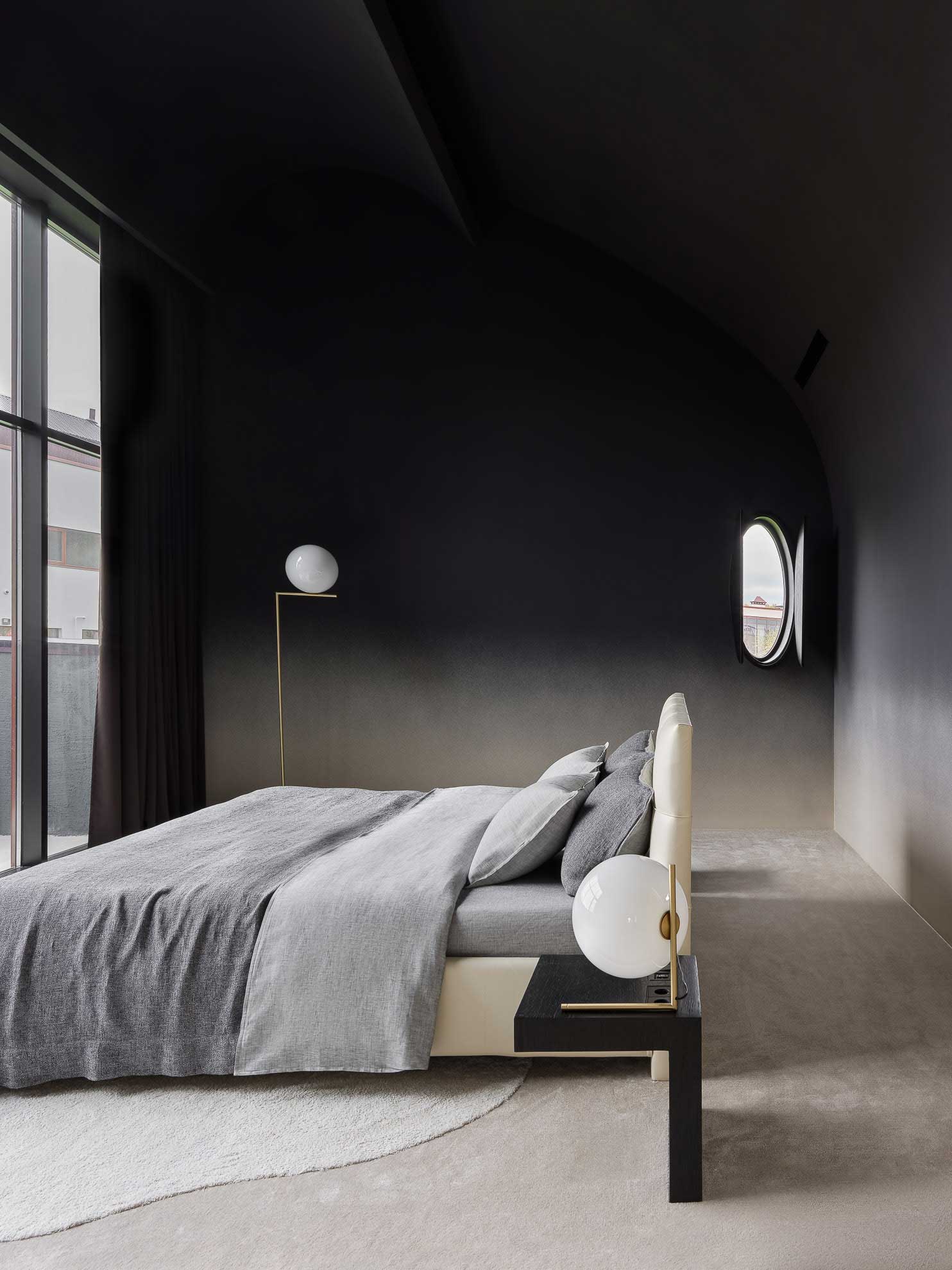
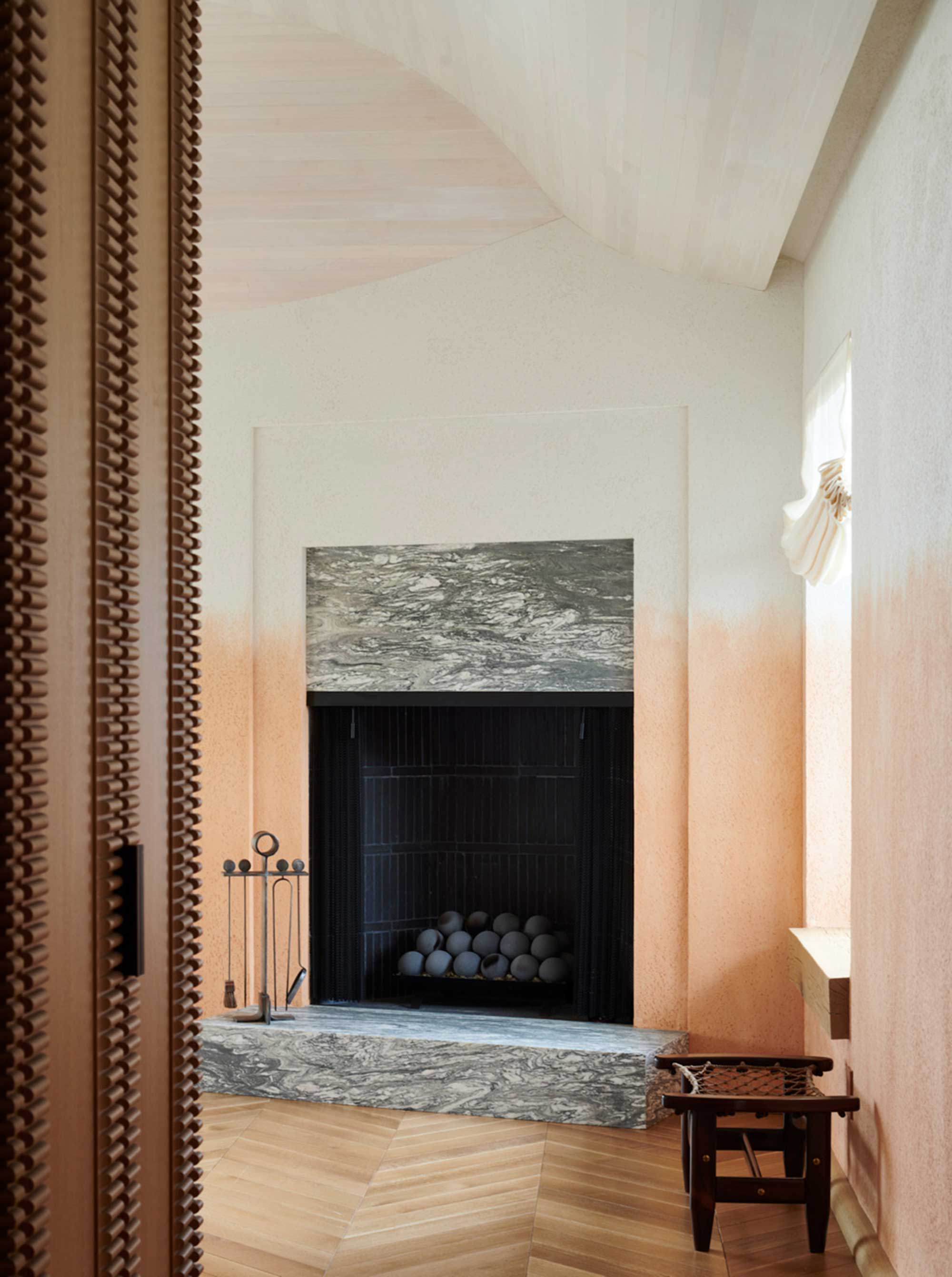
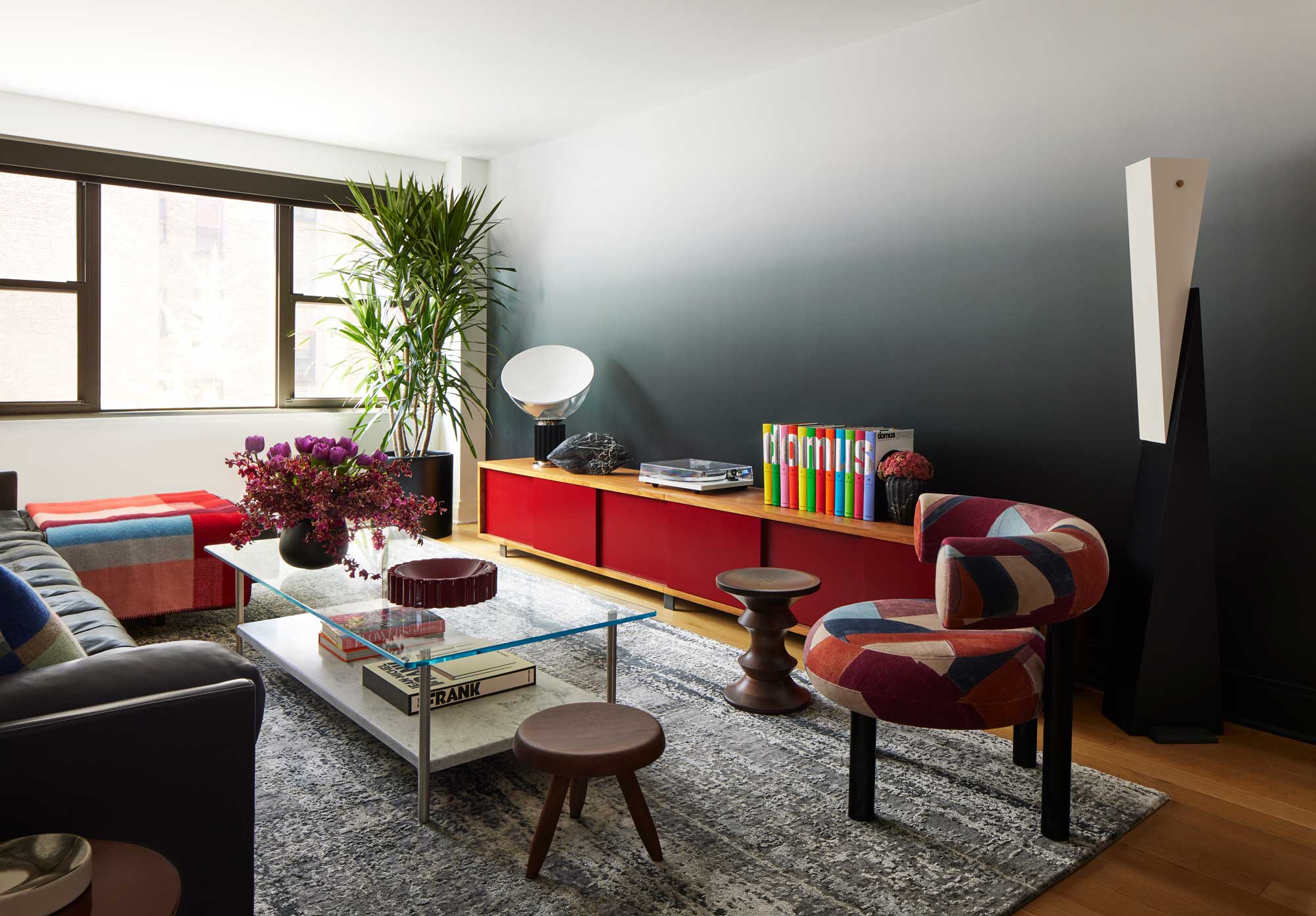
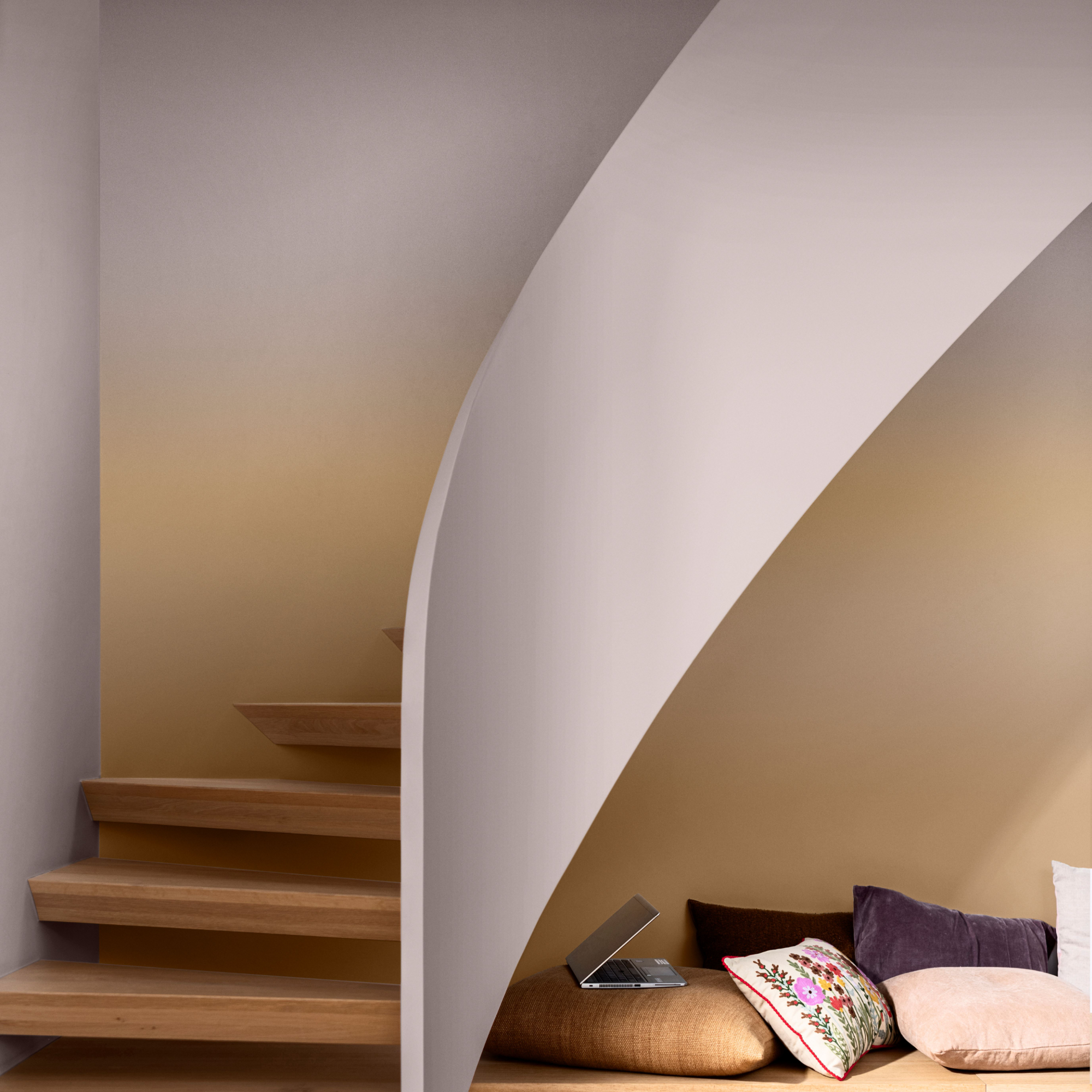
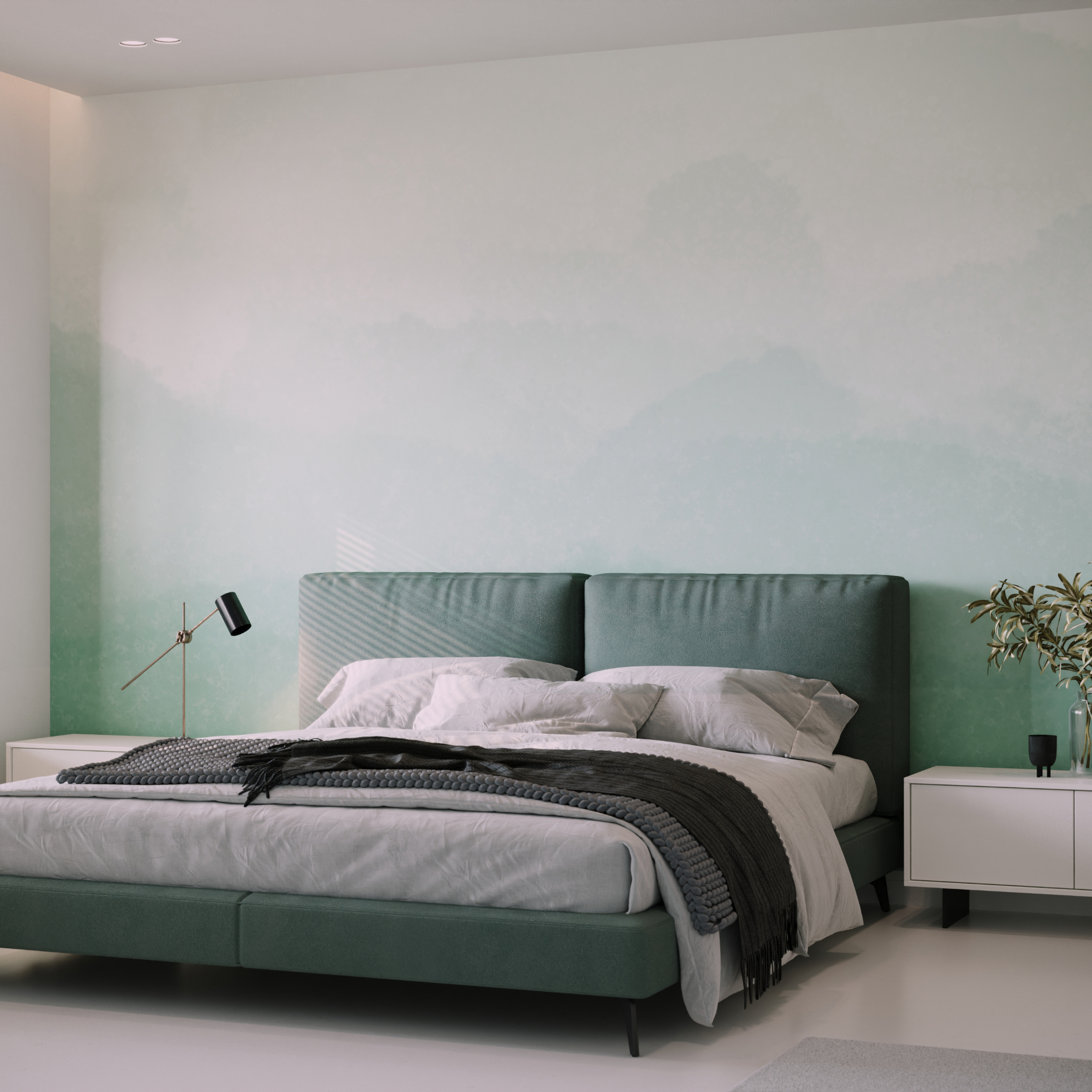
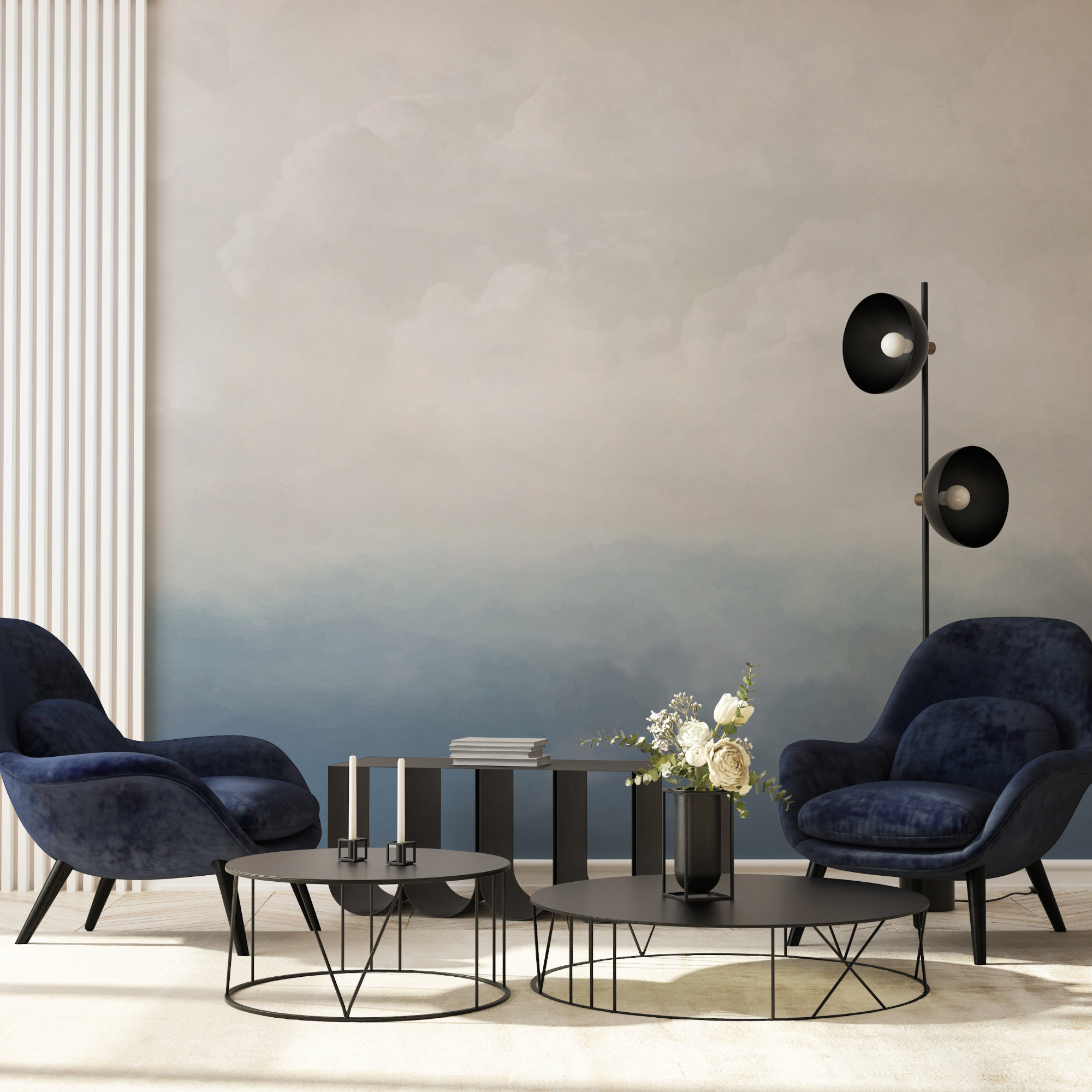
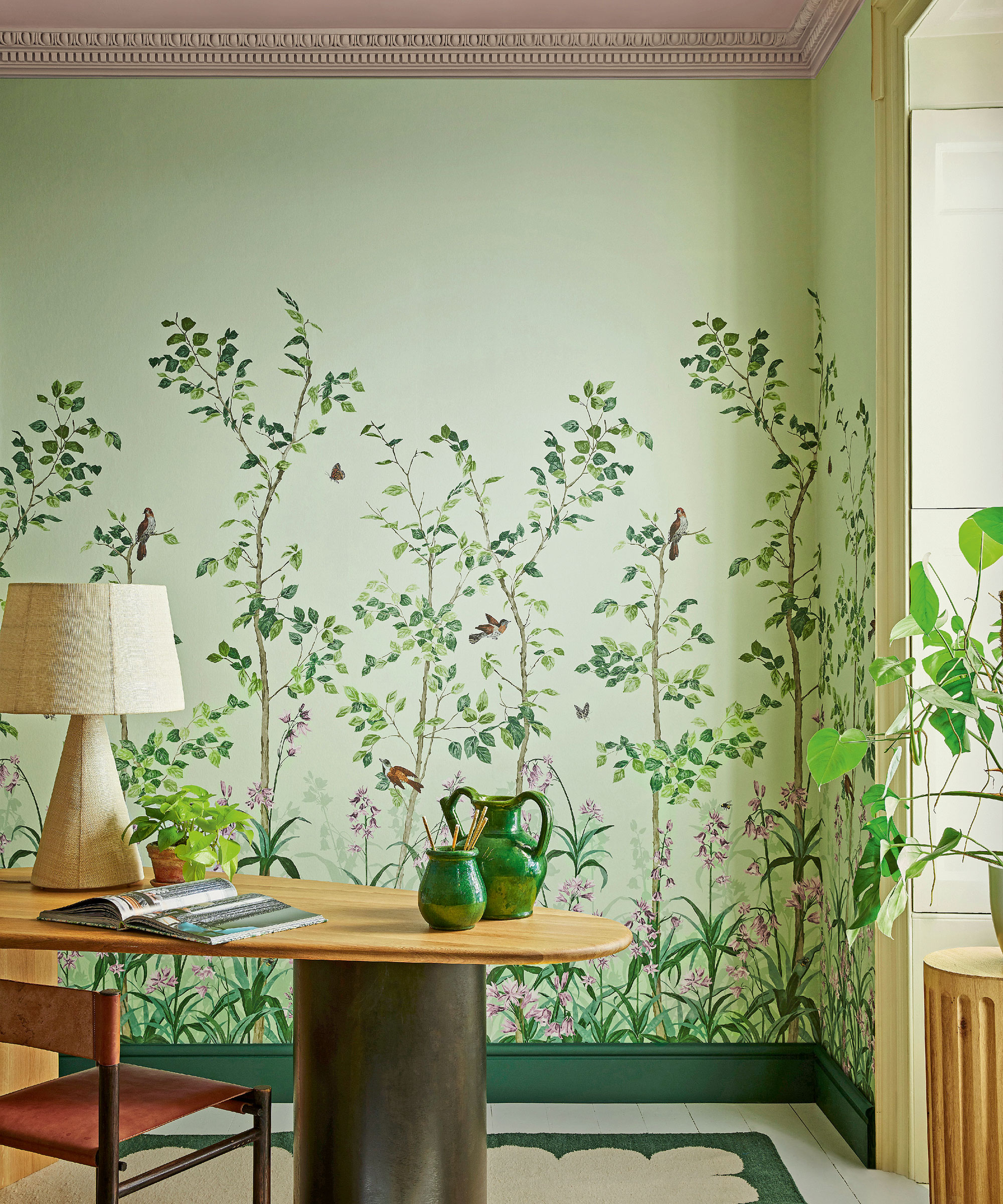
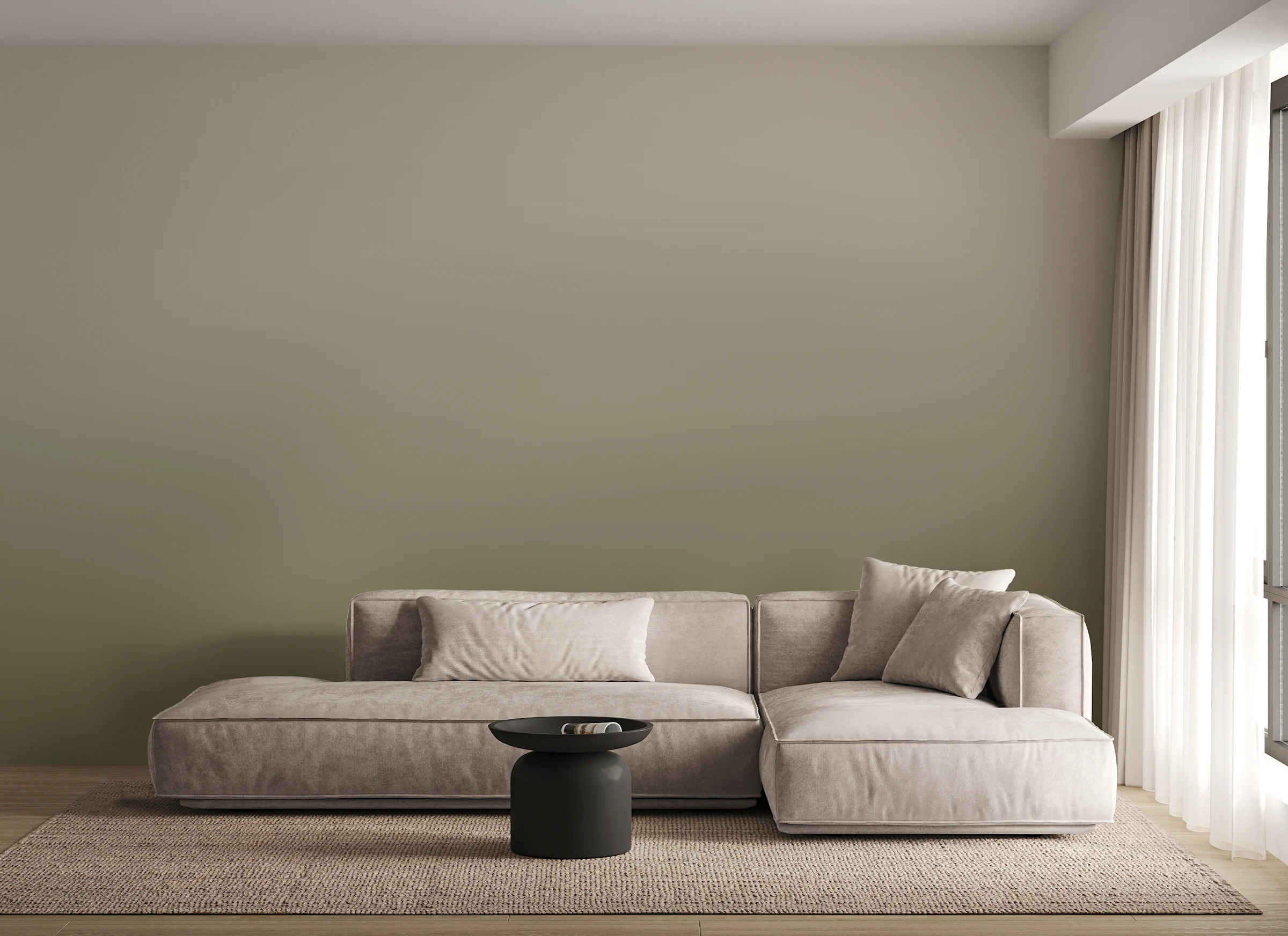
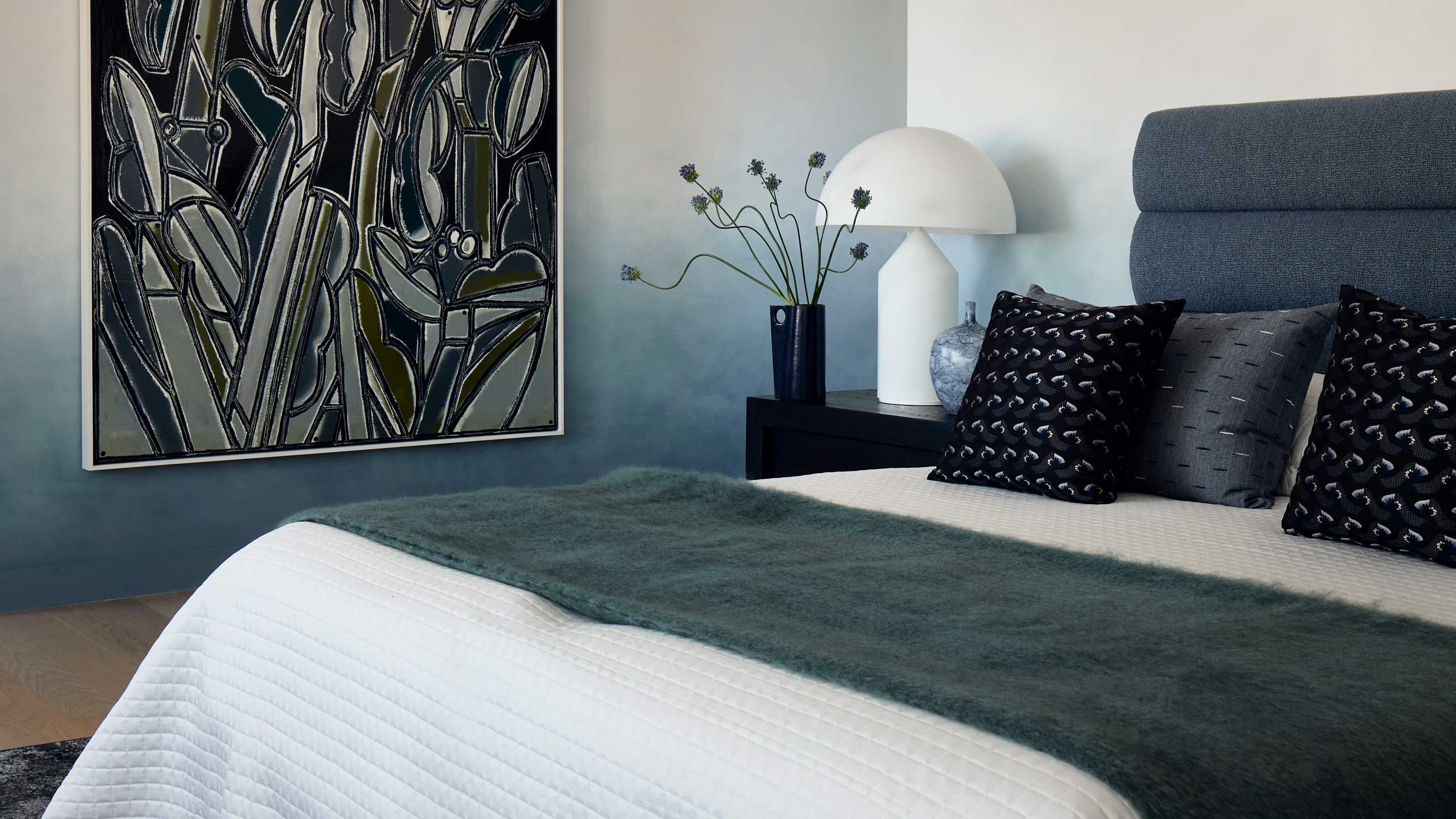
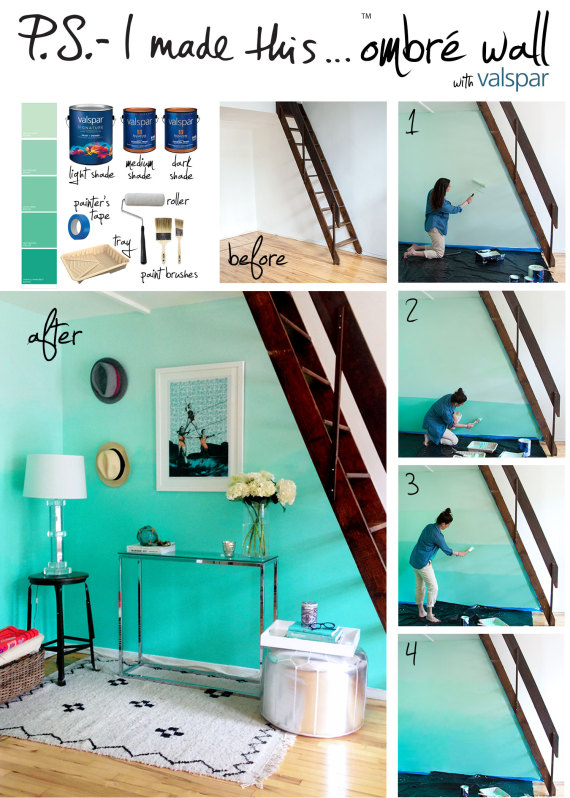
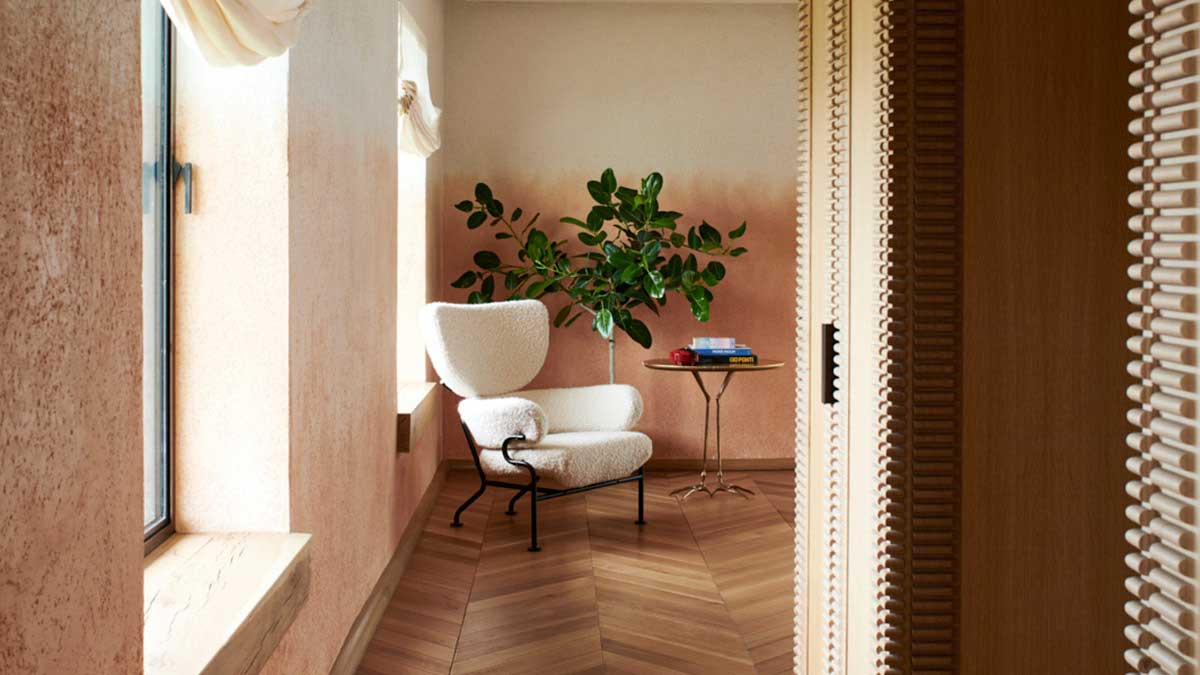
Ombre walls, a popular home decorating trend, can be achieved with a gradual gradient of colors, making them an excellent accent wall choice. This technique, while visually impactful, requires careful execution to ensure a smooth transition between hues. Painting ombre walls involves selecting a base color and a complementary lighter shade, which can be derived by adding white to the base or choosing a slightly lighter, related tone. A common approach involves sectioning the wall into horizontal strips and applying progressively lighter shades, blending them wet-on-wet at the seams to create a seamless gradient. This method minimizes harsh lines and promotes a soft, diffused effect.
Professional insights suggest using an eggshell finish for durability and ease of cleaning, as well as considering the room's natural light and existing decor when selecting colors. Darker colors tend to anchor a space and provide depth, while lighter shades open it up. The tools required typically include two different shades of paint, painting tape, several paint rollers, a brush, and a spray bottle for water. The process begins with preparing the wall by cleaning and taping off the edges. The darkest color is applied first to the bottom section, followed by the lighter shade on the top section. The crucial step is to blend the wet paints where they meet, often using a clean, damp roller or brush, and misting the paint with water to keep it workable. Repeating this blending process ensures a smooth transition, and additional coats may be necessary to achieve the desired opacity and gradient intensity.
Another technique, recommended by interior designer Dennis Kalian, focuses on creating a misty effect by using the same color but diluting it with water for the top section. This method simplifies color selection and blending. It involves painting the bottom third of the wall with the undiluted paint, followed by a middle section with paint diluted by 25%, and the top third with paint diluted by 50%. Each section is blended while wet, and a dry roller can be used to further smooth transitions. This technique, particularly suitable for beginners, reduces the complexity of color matching and ensures a harmonious gradient. Proper ventilation and working quickly are essential for successful blending, as paint dries rapidly.
#OmbreWalls #AccentWall #WallPainting #HomeDecor #DIYPainting #GradientEffect #InteriorDesign #PaintingTechniques #OmbreWalls #AccentWall #WallPainting #HomeDecor #DIYPainting #GradientEffect #InteriorDesign #PaintingTechniques
0 comment in total
 No comments yet
You may also like
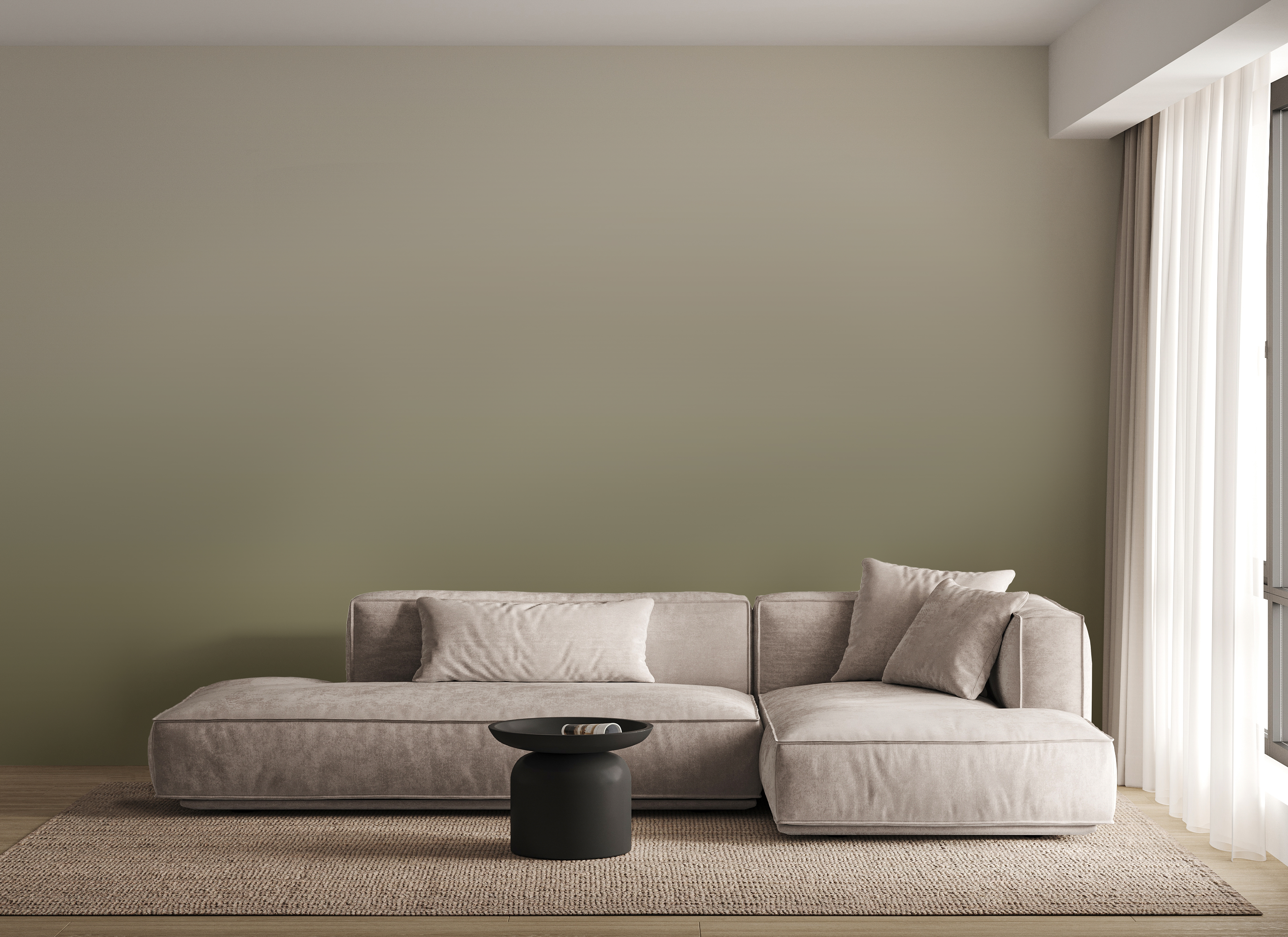
How to properly paint ombre walls for a gradual gradient, with a stress-free method for decorating novices

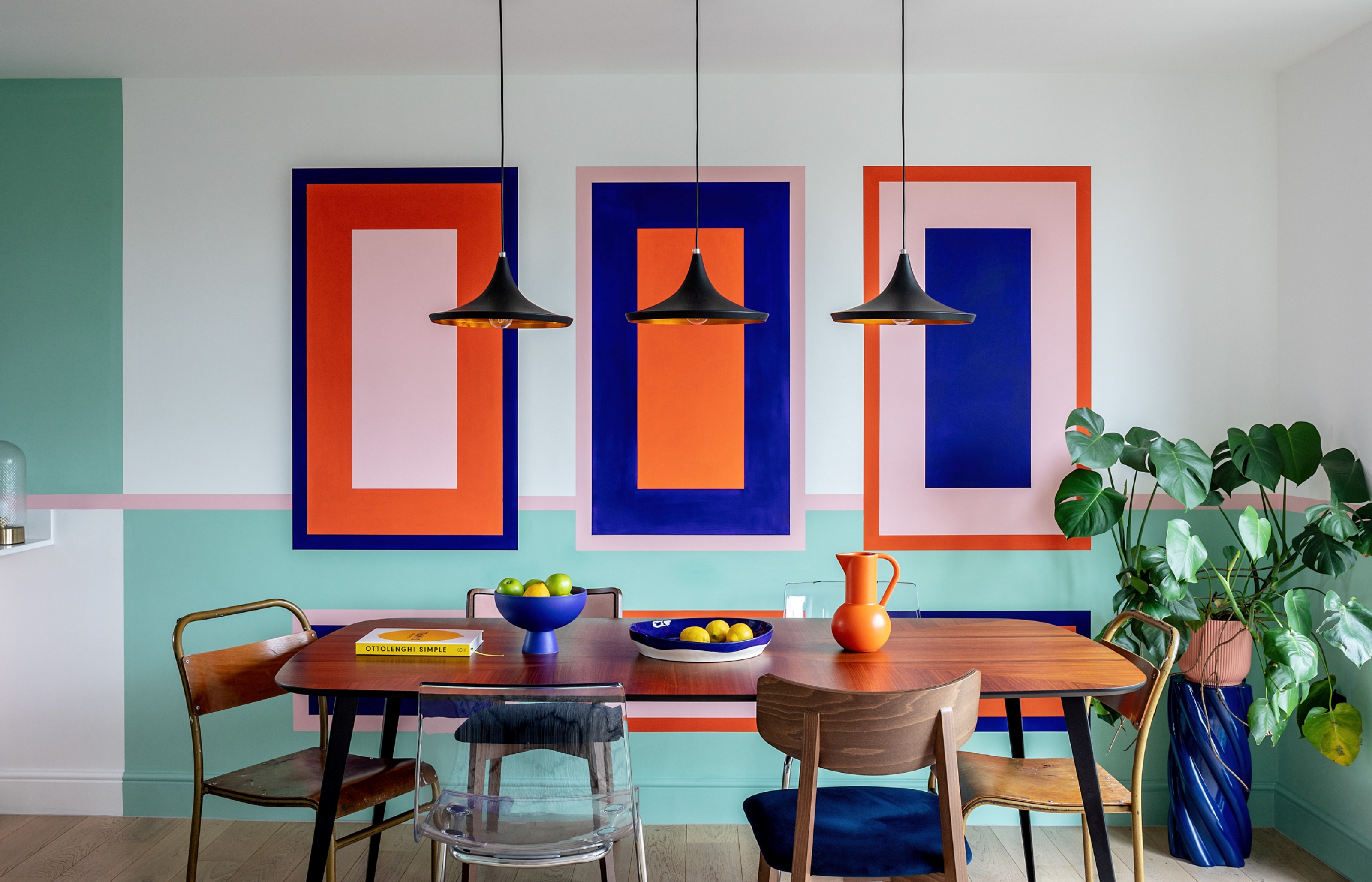
Hand-Painted Borders and Trims Are the Antidote to Dated Accent Walls — Here's How to Make it Look Good
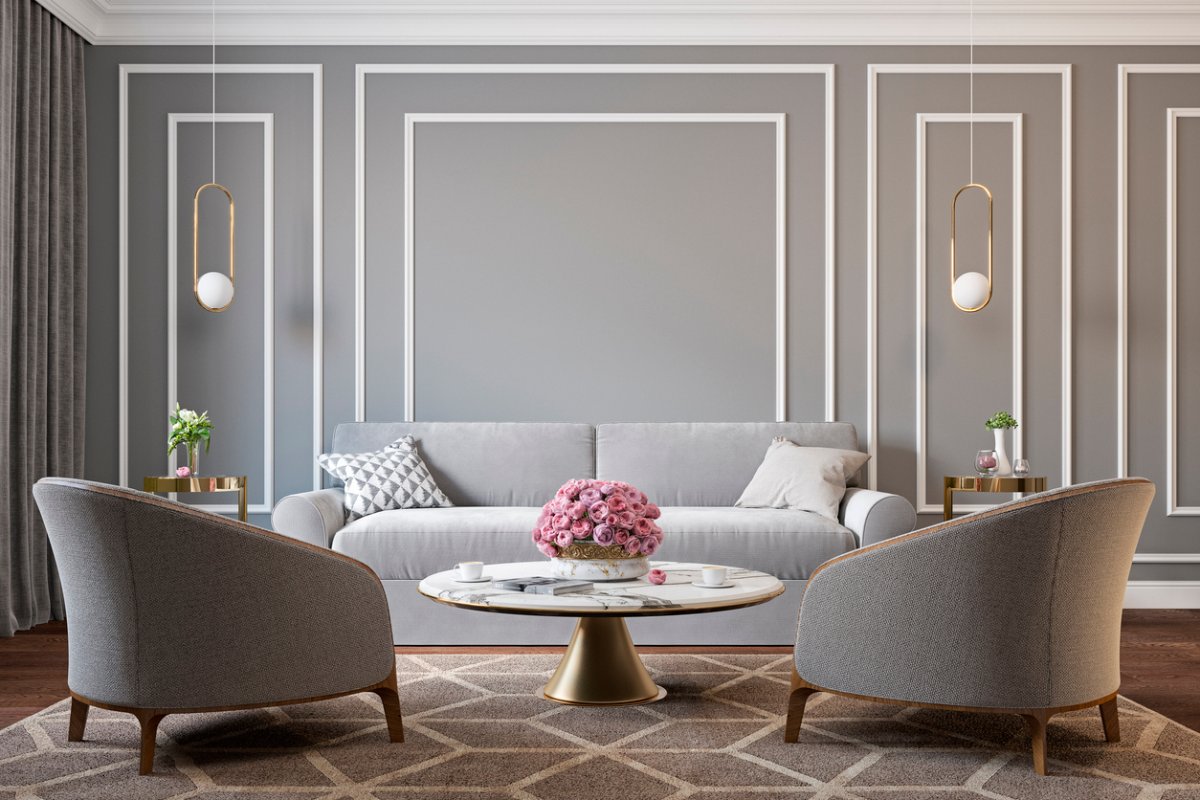
5 Classic Wall and Trim Color Combinations—and 5 for Rule-Breakers Only

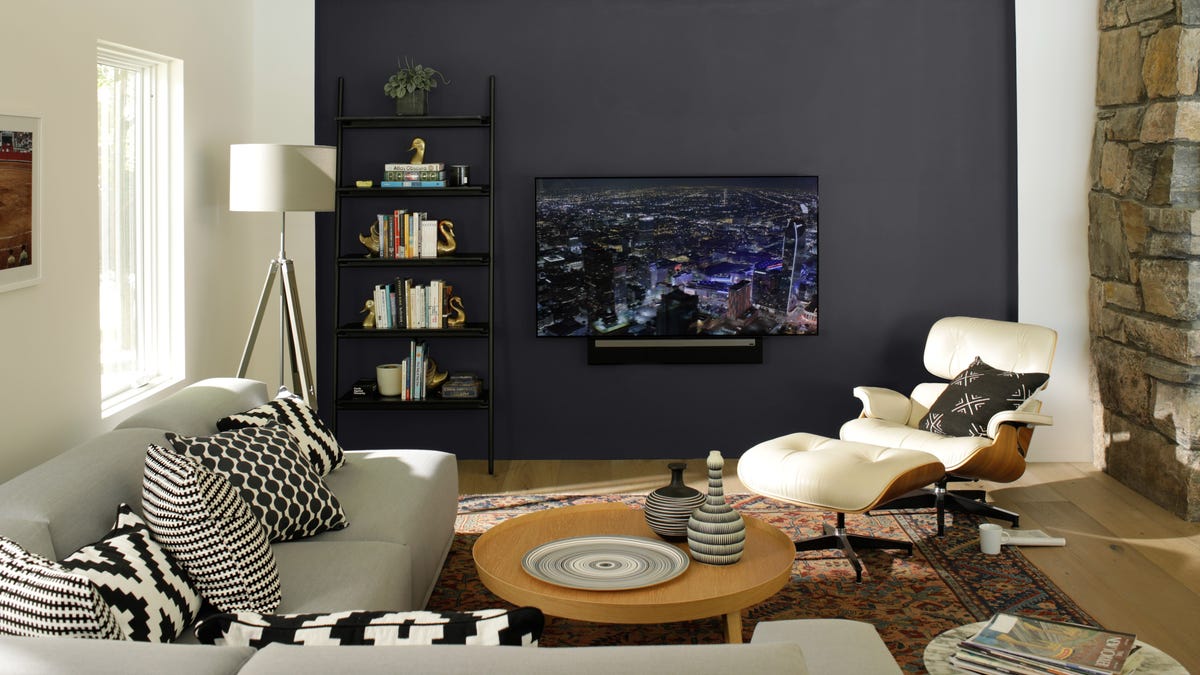
Story from Wallauer Paint & Design: Interior paint plans to spruce up any indoor space
This surprising color trend is having a comeback
We're enchanted by this paint trend that looks like 'something we adore seeing in nature'
Professional painters explain how to paint OSB – without uneven bumps, peeling paint, or rough textures

An easy guide to the charming scalloped walls trend

Painting Your Walls Freehand Is Incredibly Liberating

Color Capping Is the Surprising Interior Design Trend Everyone Will Be Trying in 2026
This expert’s ‘BRB’ technique is something I'll forever use when painting wall paneling to avoid drips and paint build-up
10 paint tricks for low ceilings that will make your room's "fifth wall" feel higher and more impressive
How To Create An Ombre Wall
What are the best paint techniques for walls? 11 inventive effects that go beyond basic
How to make dark, moody walls work at home

How to texture a wall – 5 expert methods for intriguing wall textures
Ombre walls are having a moment – these 5 rooms have the best, most elevated versions of them
Staircase paint ideas – 17 colorful designs to upgrade your stairs

How to paint stripes on a wall - the expert guide to creating show stopping decor
Interior hack: Expert shares how to create ‘popular’ scalloped wall trend