Story from Wallauer Paint & Design: Interior paint plans to spruce up any indoor space
This blog post explores various interior painting strategies to refresh indoor spaces, particularly as fall approaches and people spend more time indoors. It emphasizes the importance of selecting high-quality paint products to ensure durability and prevent issues like fading, suggesting that a good paint job should last for an extended period. The article then delves into several specific painting techniques and color schemes, offering practical advice for homeowners.
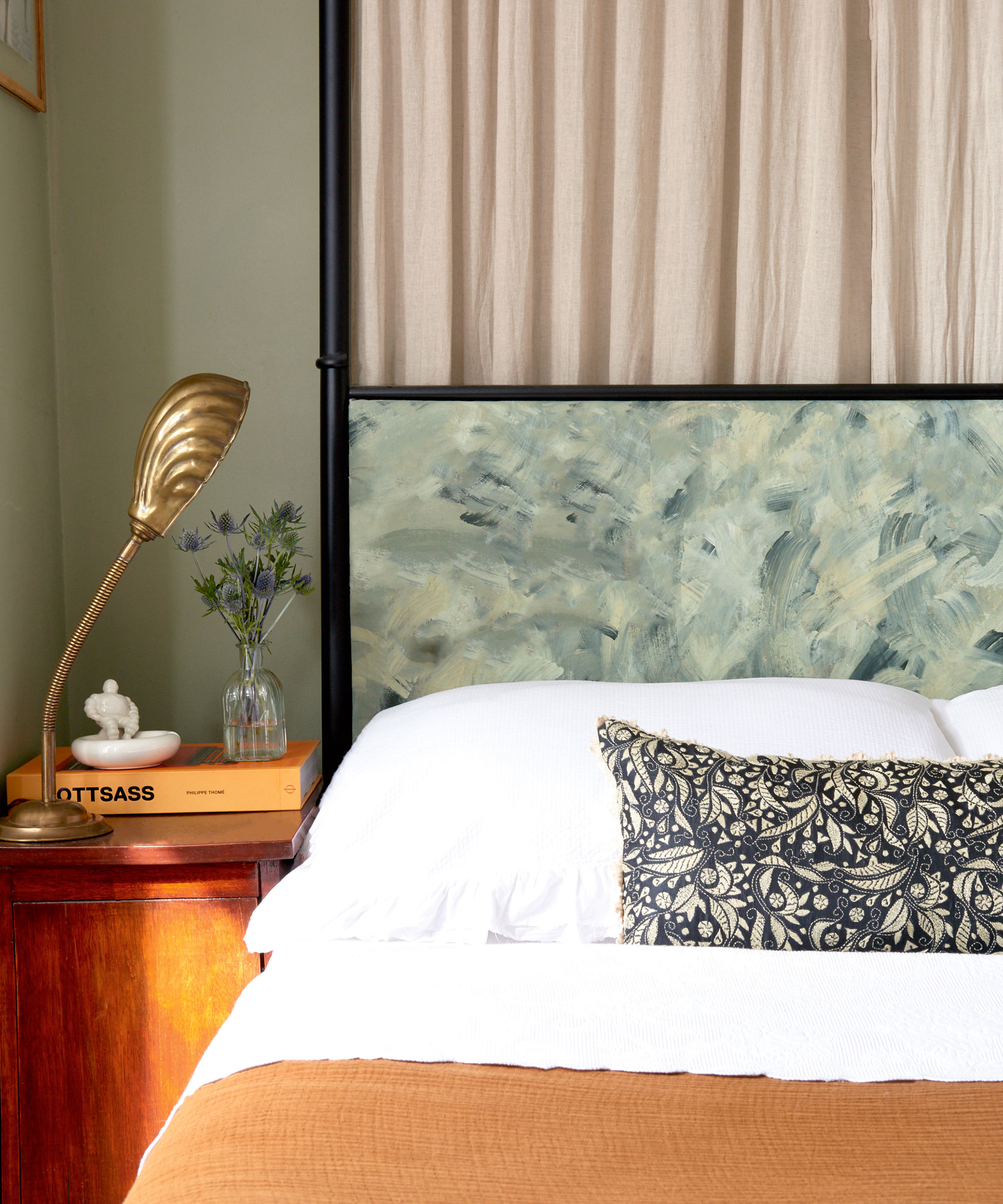
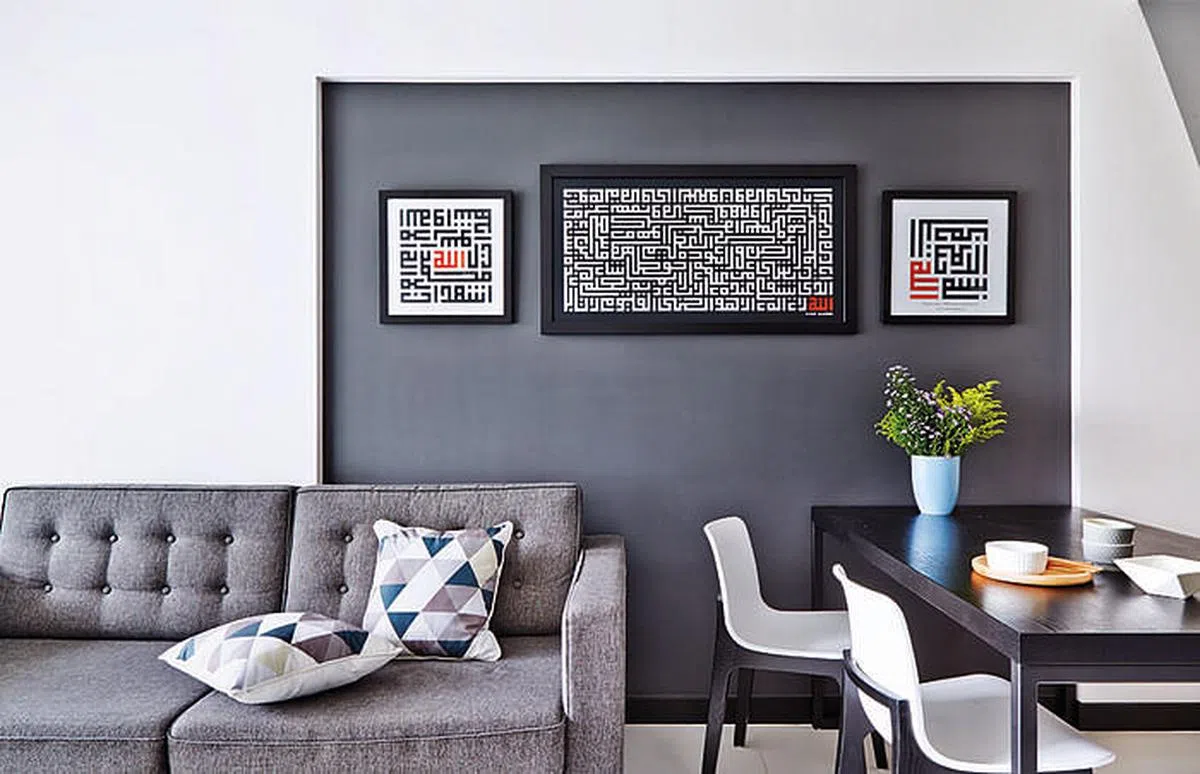
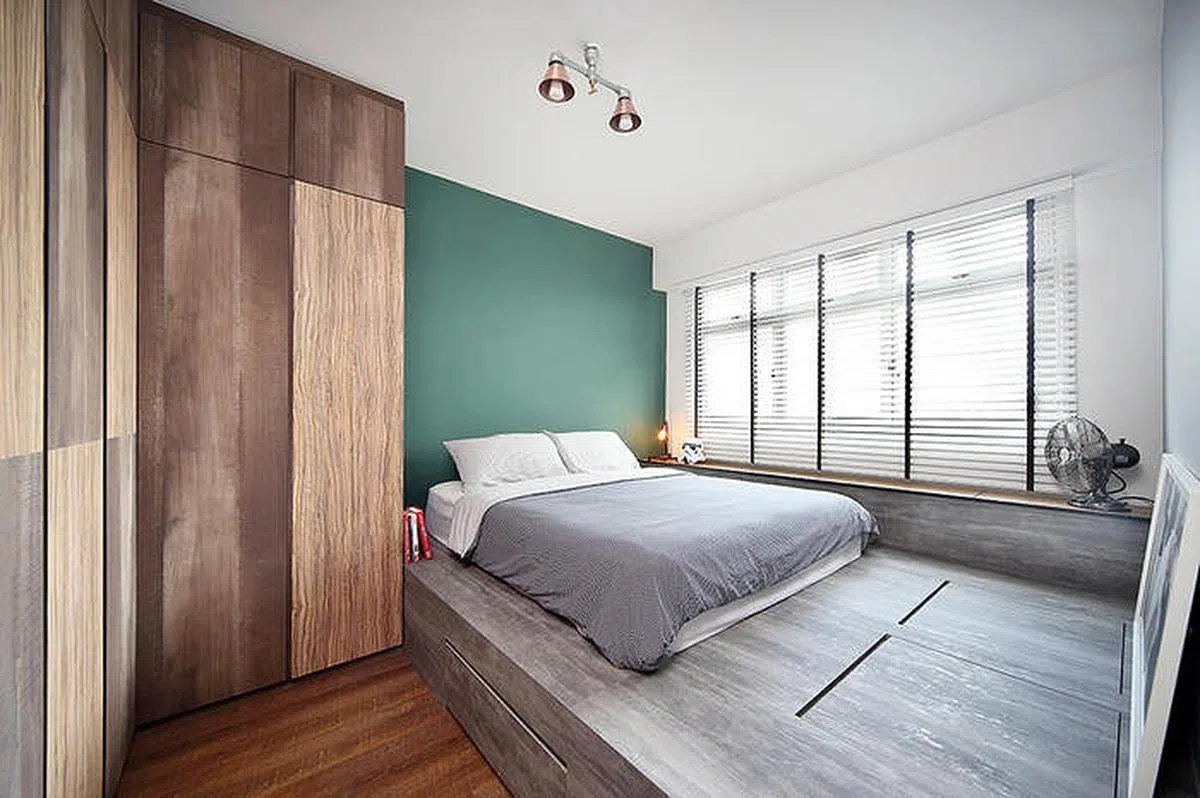
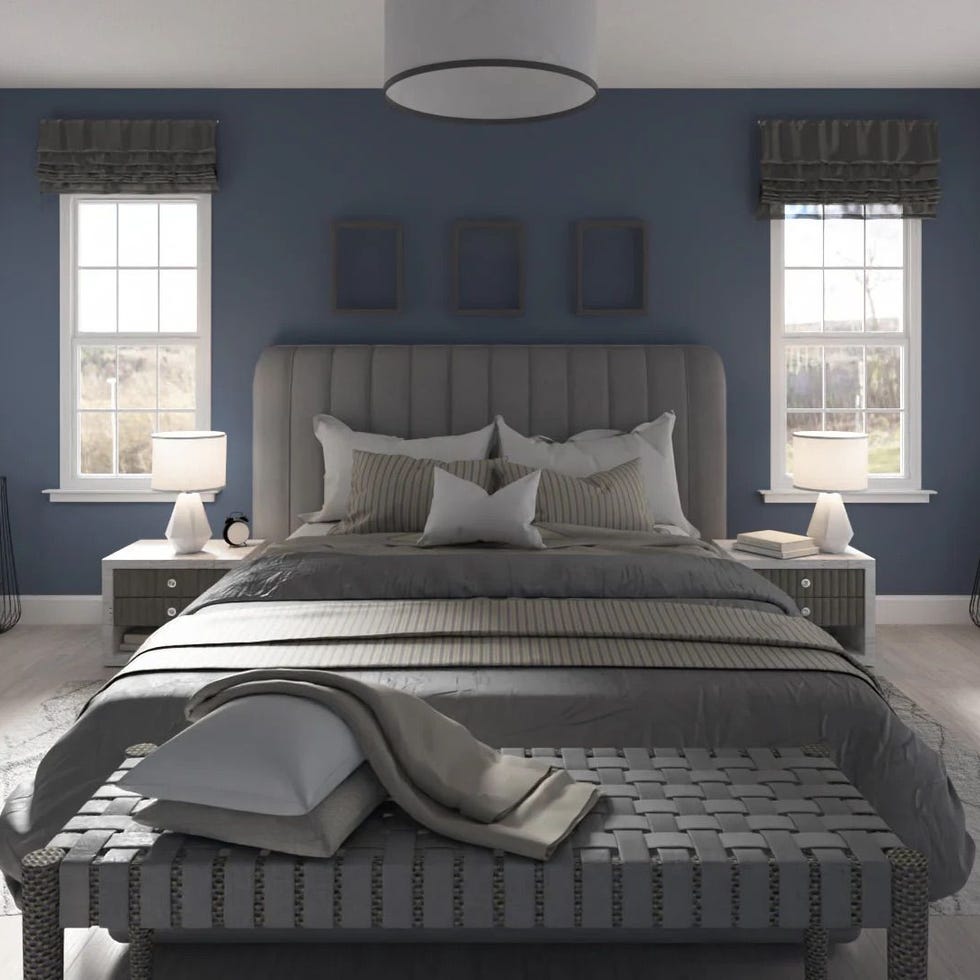
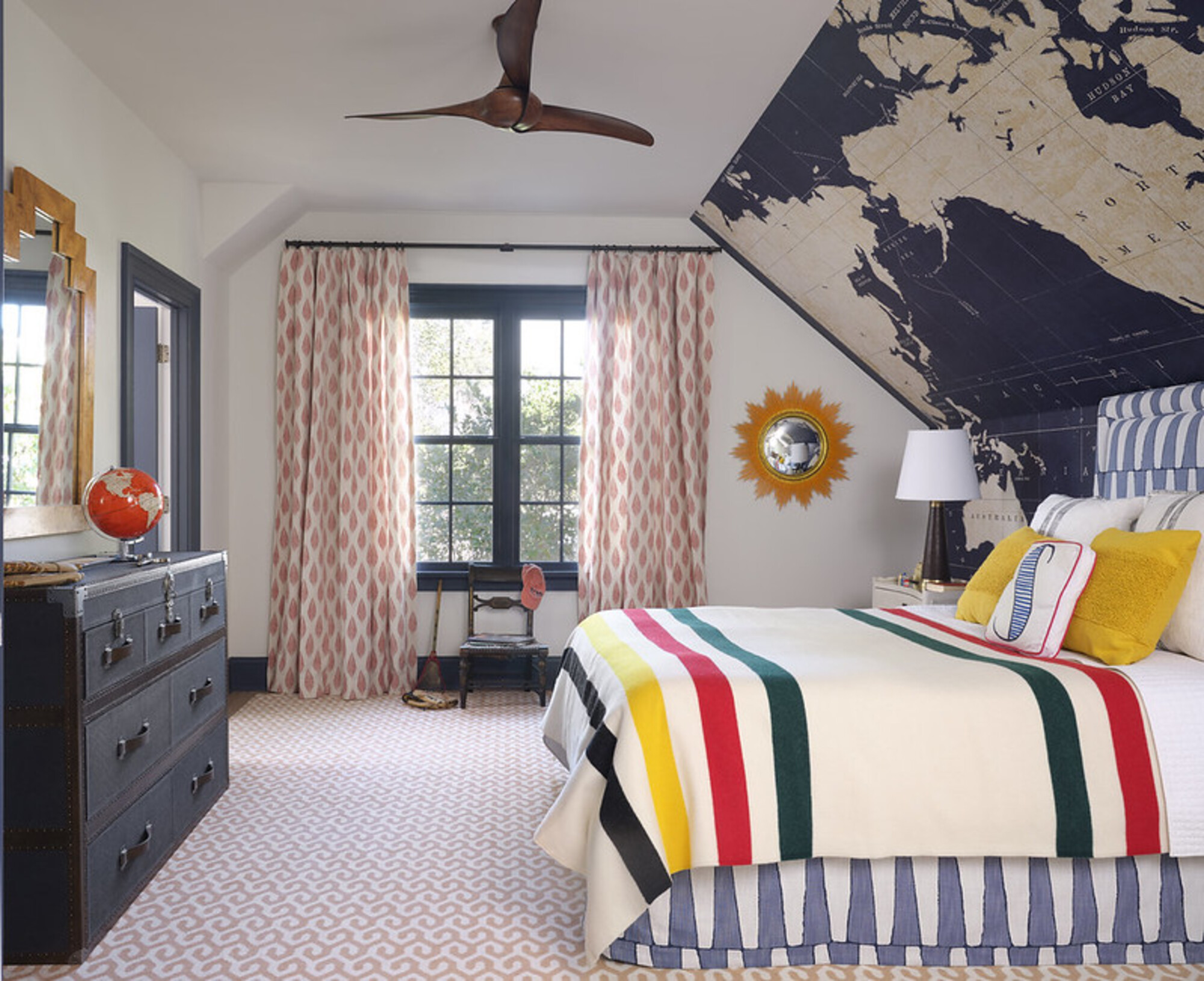
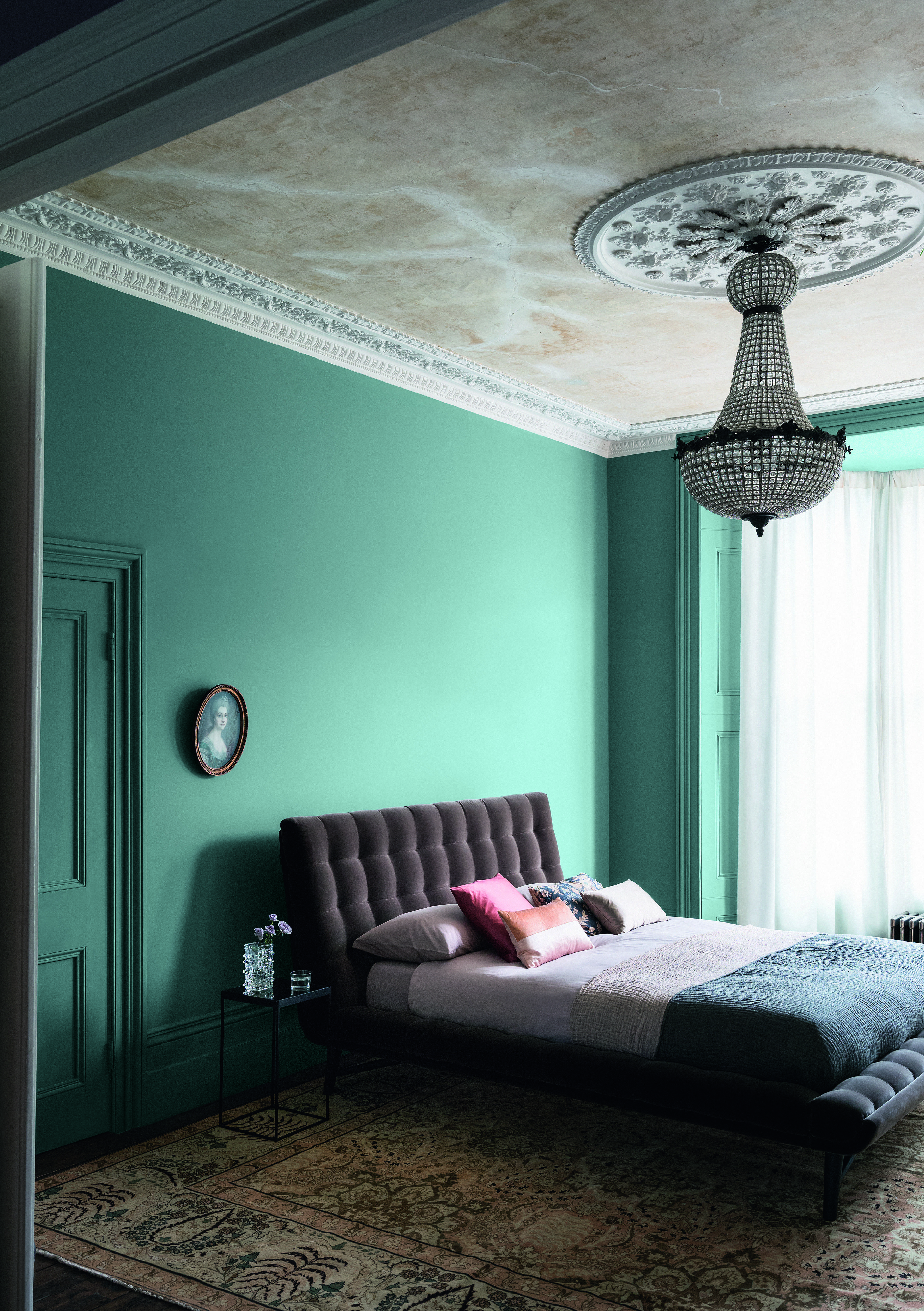
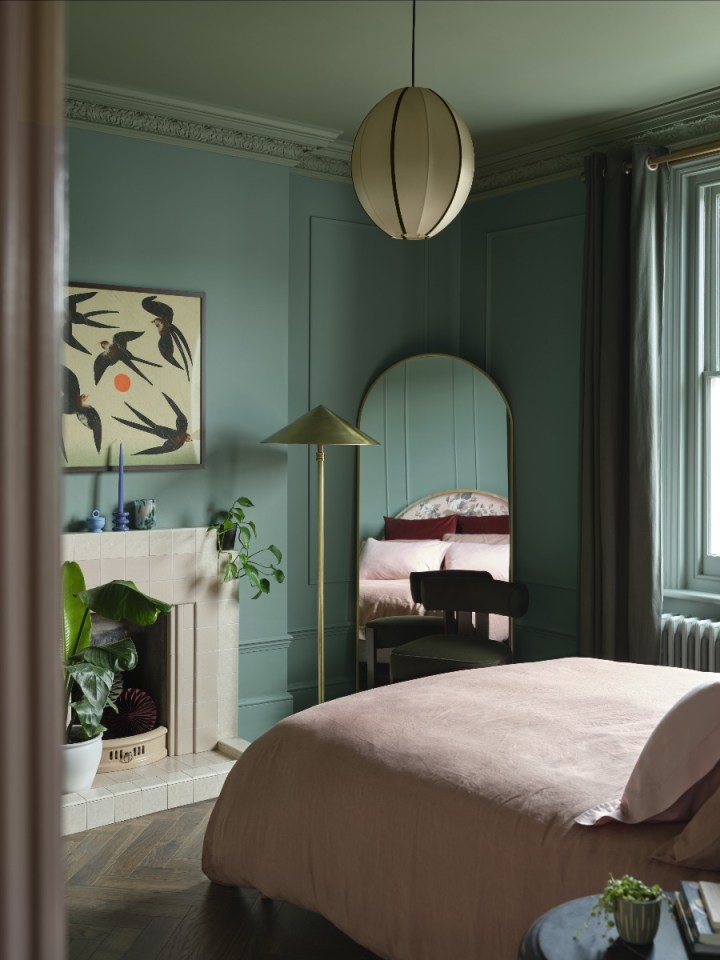

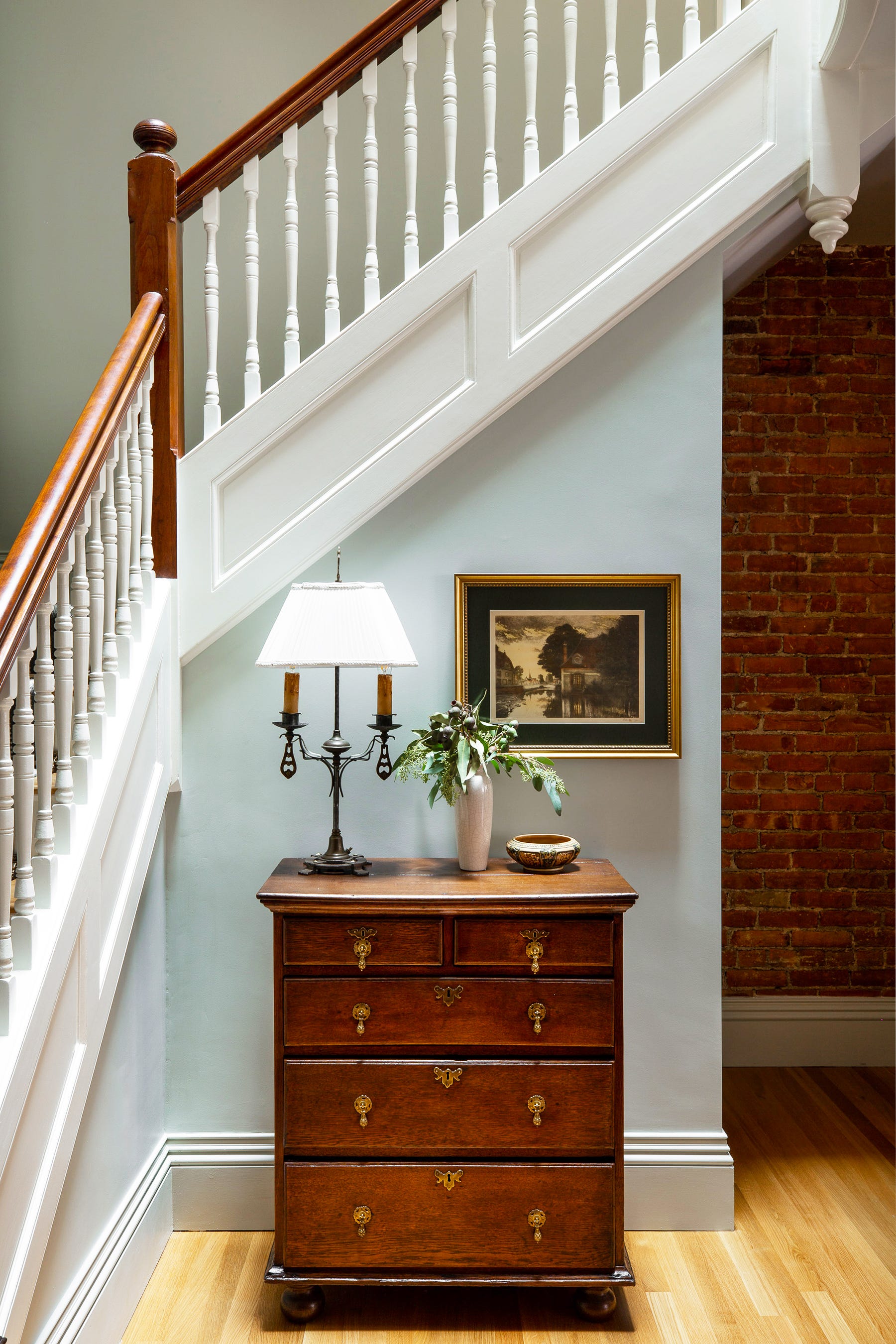
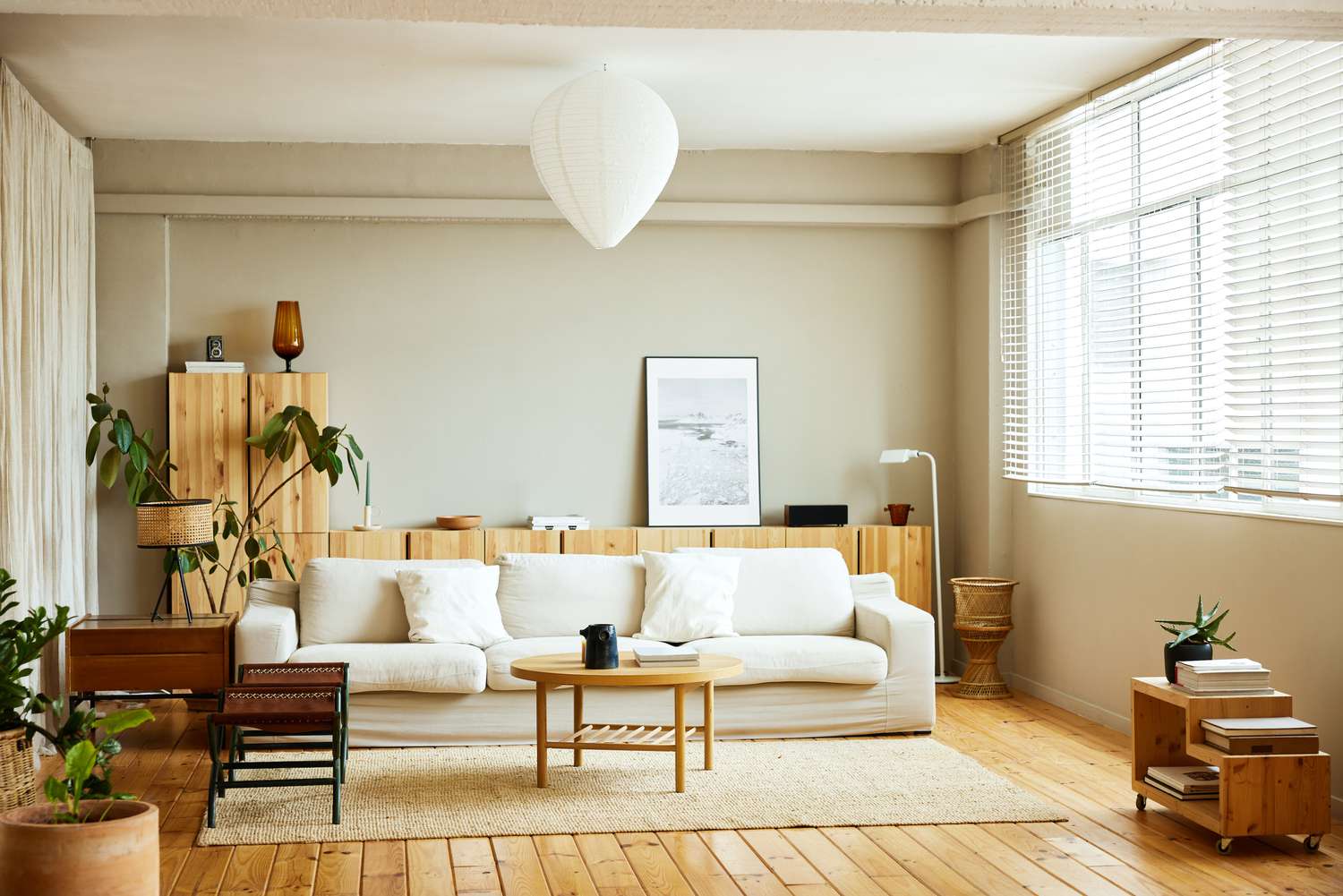
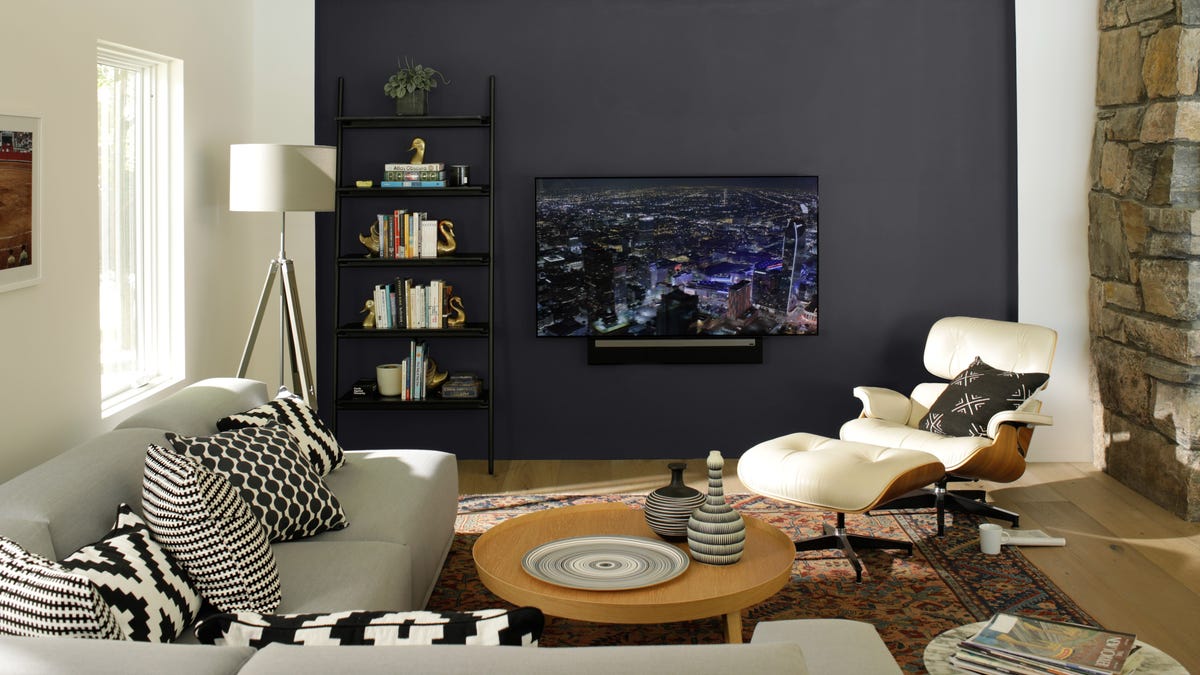
One prominent idea discussed is the use of accent walls. An accent wall involves painting a single wall in a room with a distinct, eye-catching color, while the remaining walls maintain a neutral shade. This method is highlighted as an effective way to incorporate trendy colors, such as Benjamin Moore’s “October Mist 1495,” a silver-green sage that was a 2022 color of the year, without fully committing to a potentially fleeting trend. Common locations for accent walls include behind a dining room table, where it can serve as a backdrop for art, or behind a home office desk or bed, adding a focal point to the room.
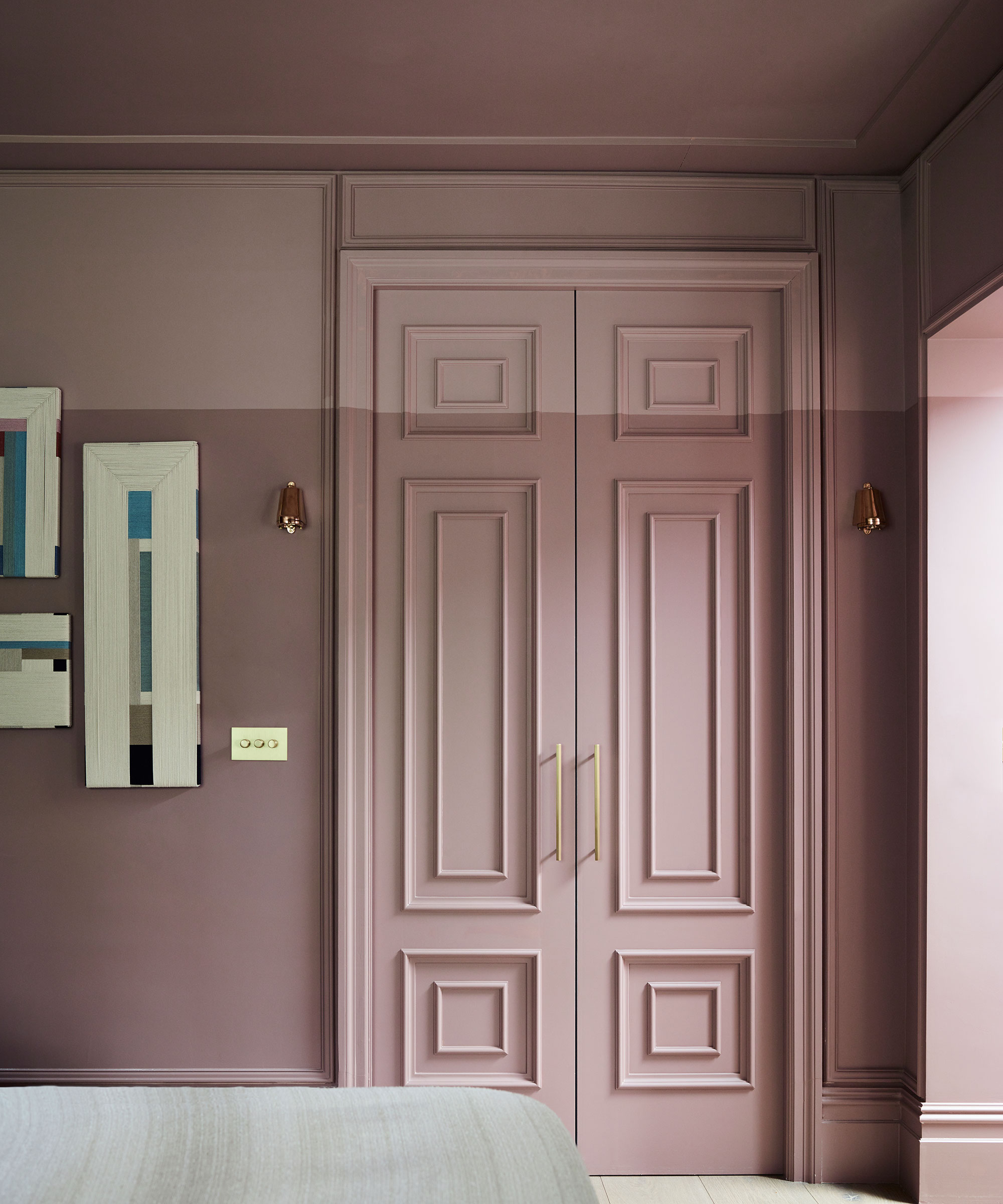
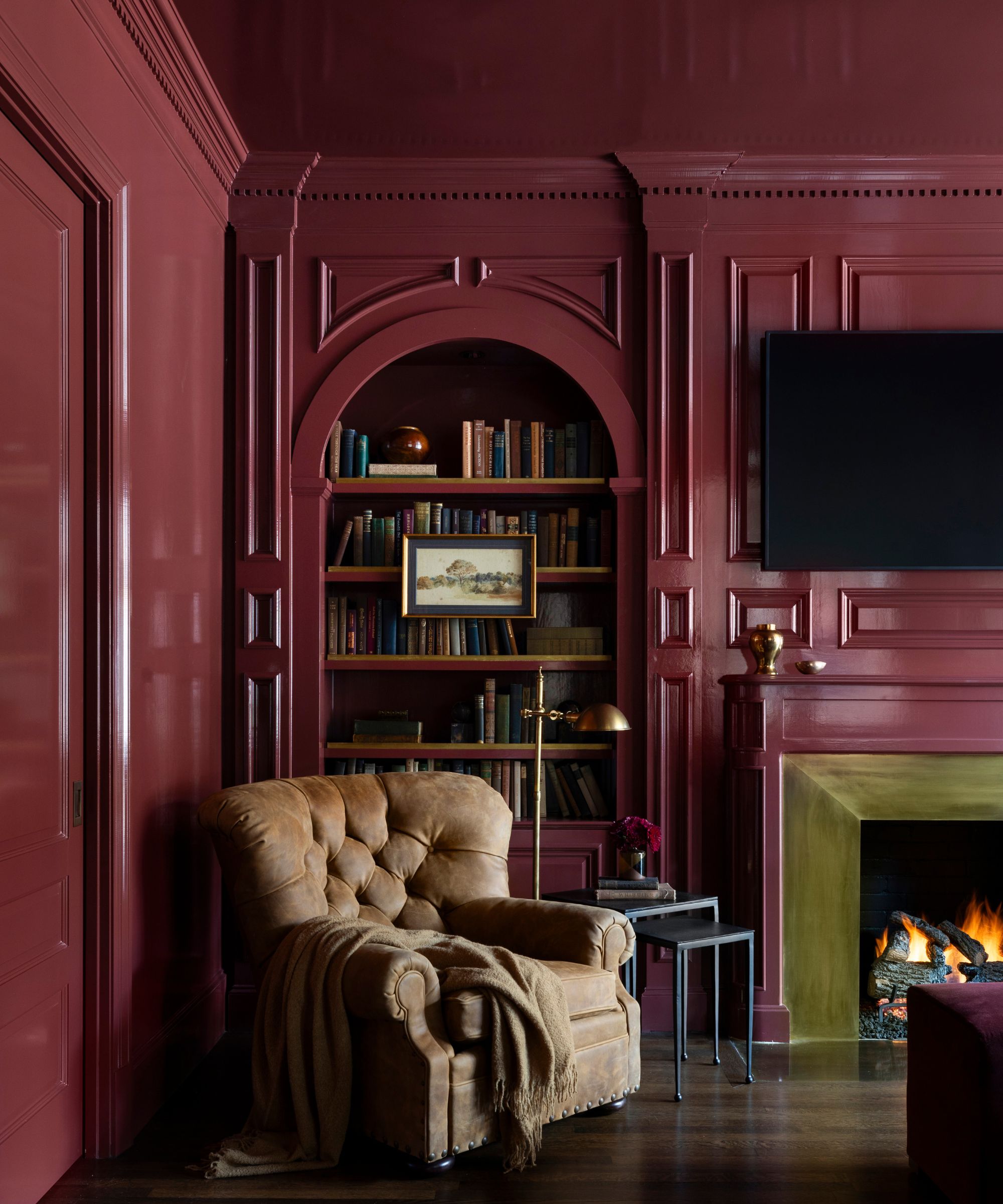
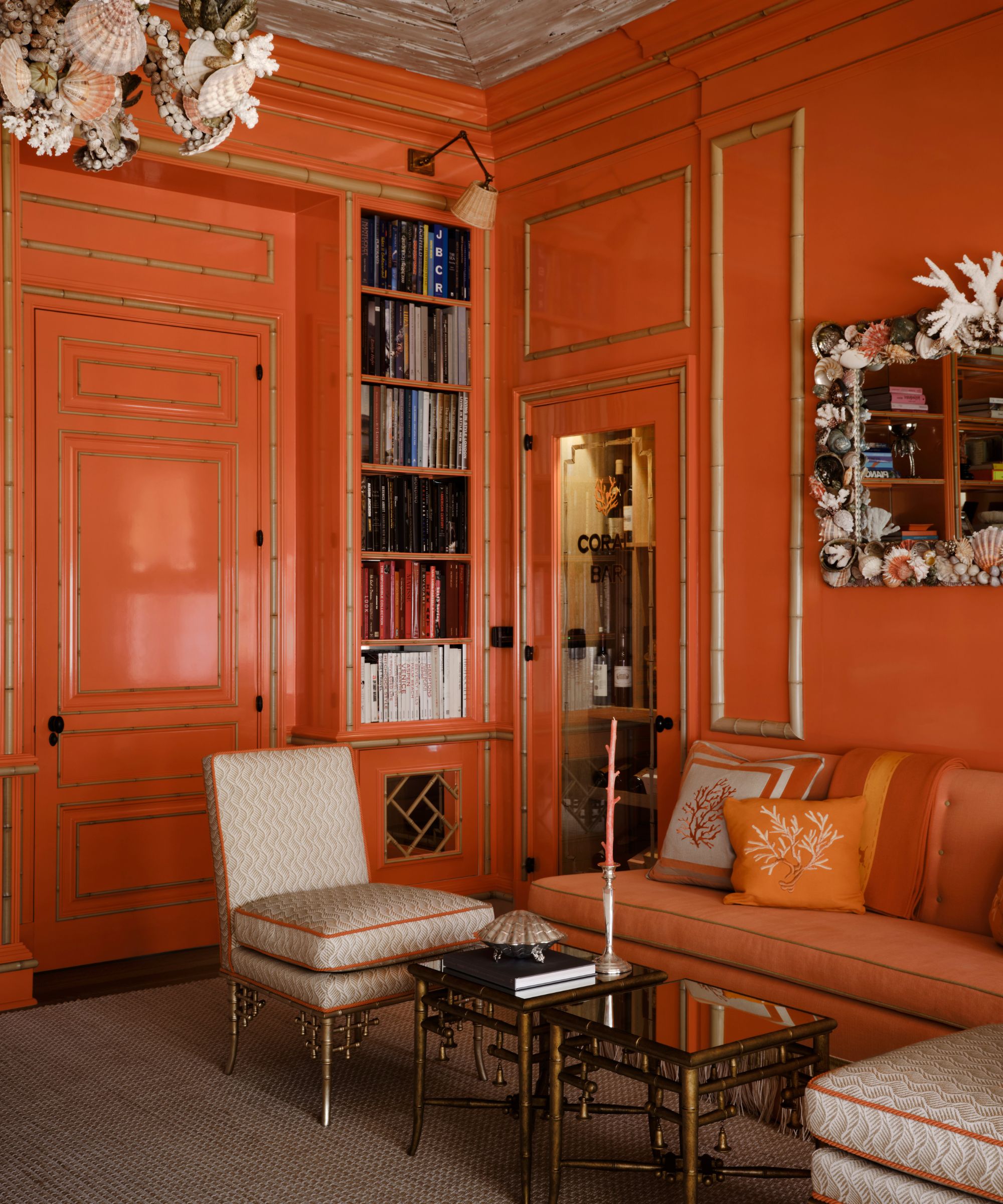
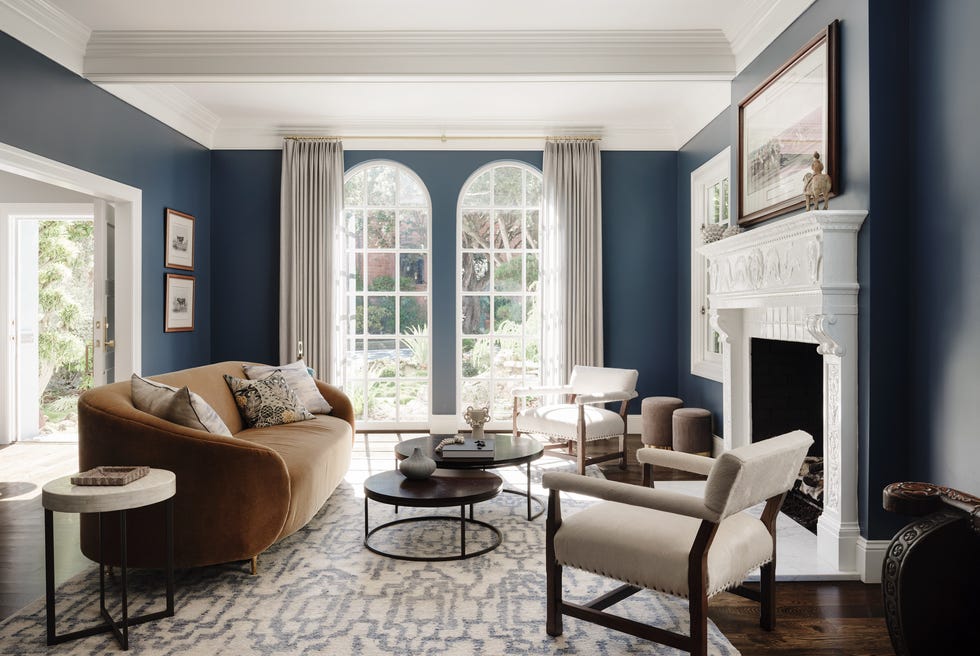
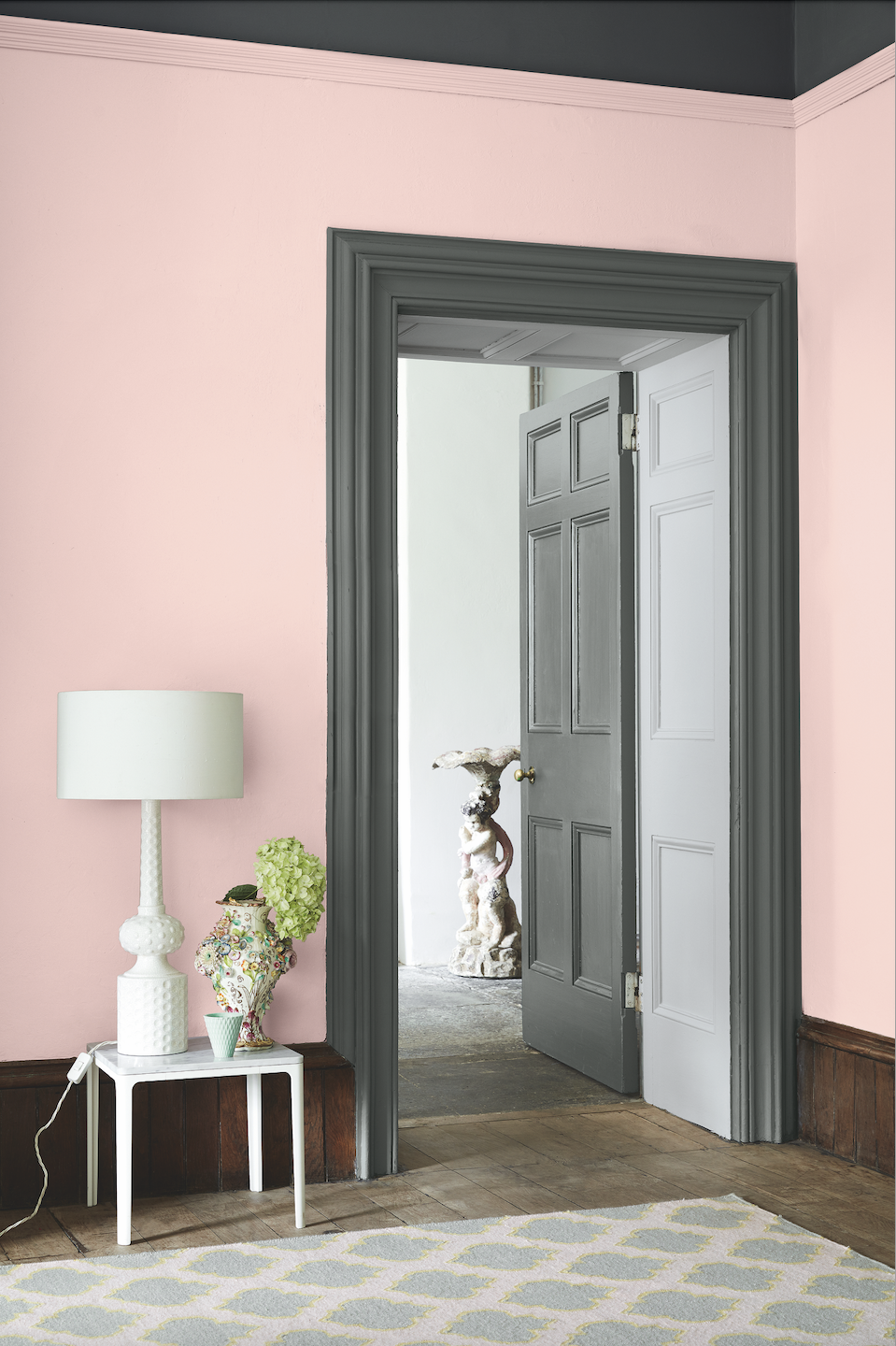
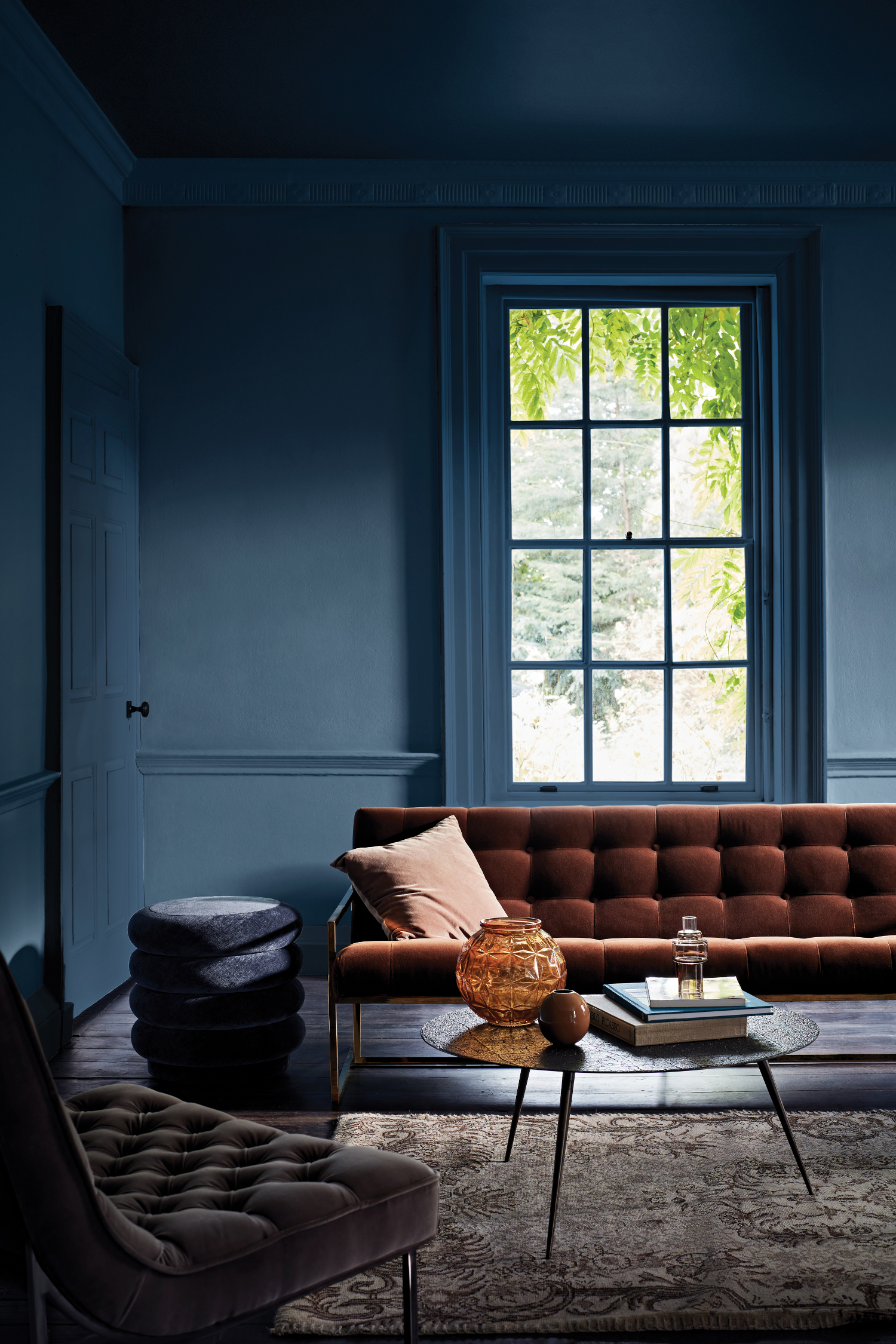
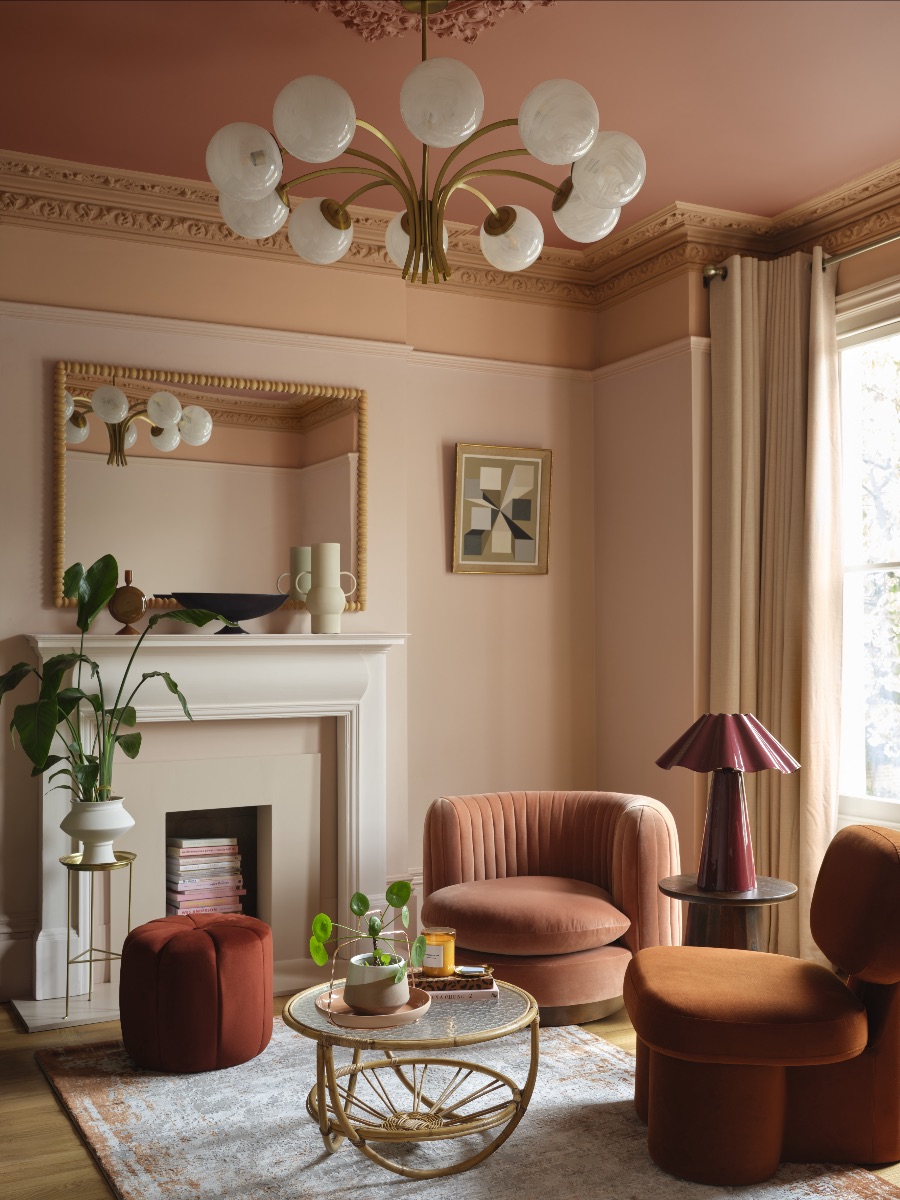
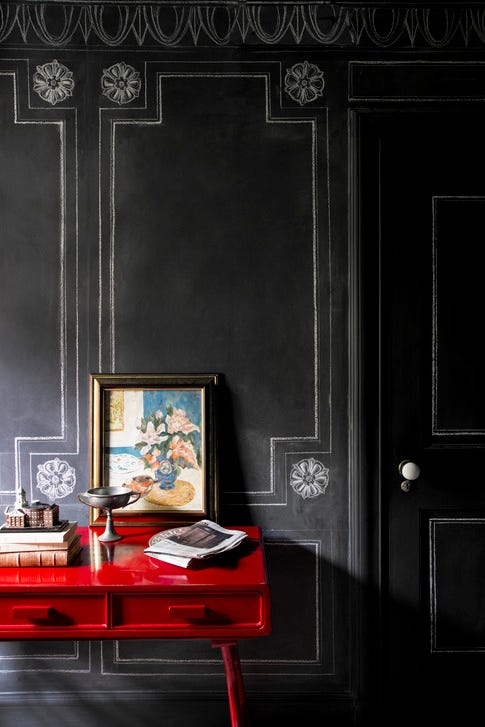
The article also introduces the concept of the “fifth-wall ceiling,” challenging the traditional notion that ceilings should always be white, cream, or ivory. It suggests that painting the ceiling a color different from the walls can create a surprising and impactful effect. For those aiming to cultivate a cozy ambiance, the recommendation is to opt for darker shades such as chocolate brown, soft black, or navy blue, which can make a room feel more intimate and enclosed.
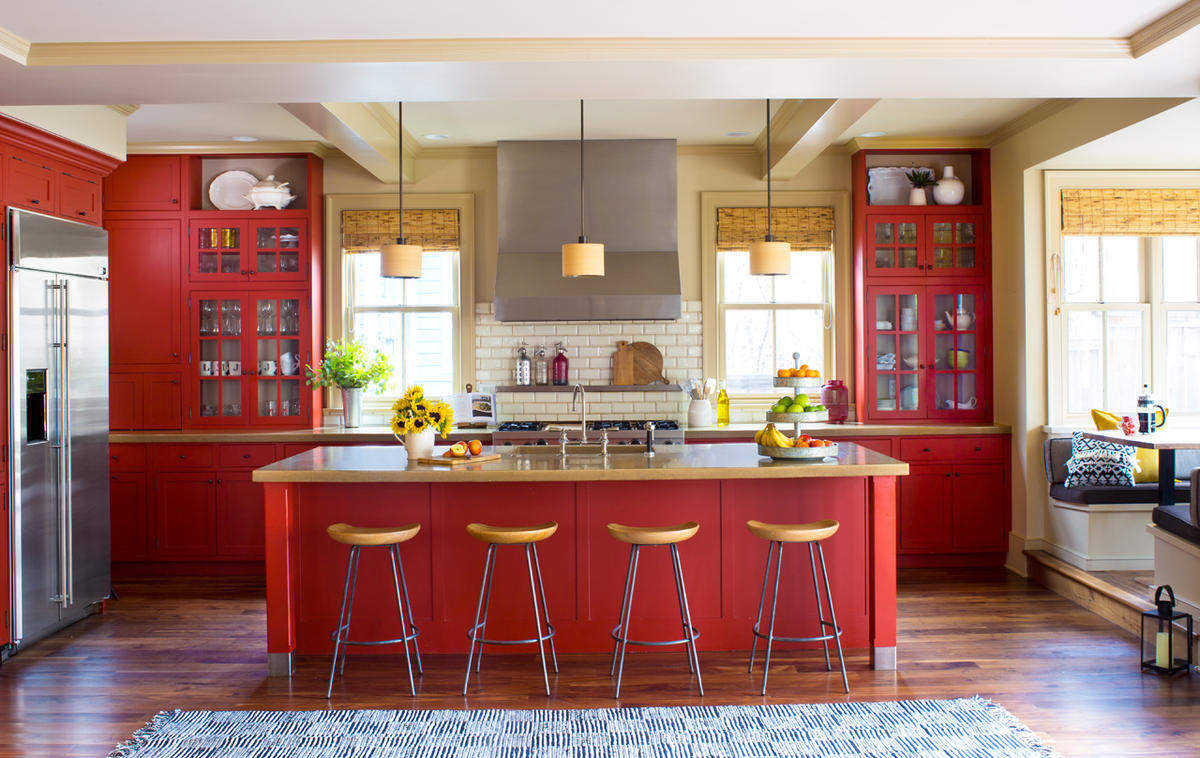
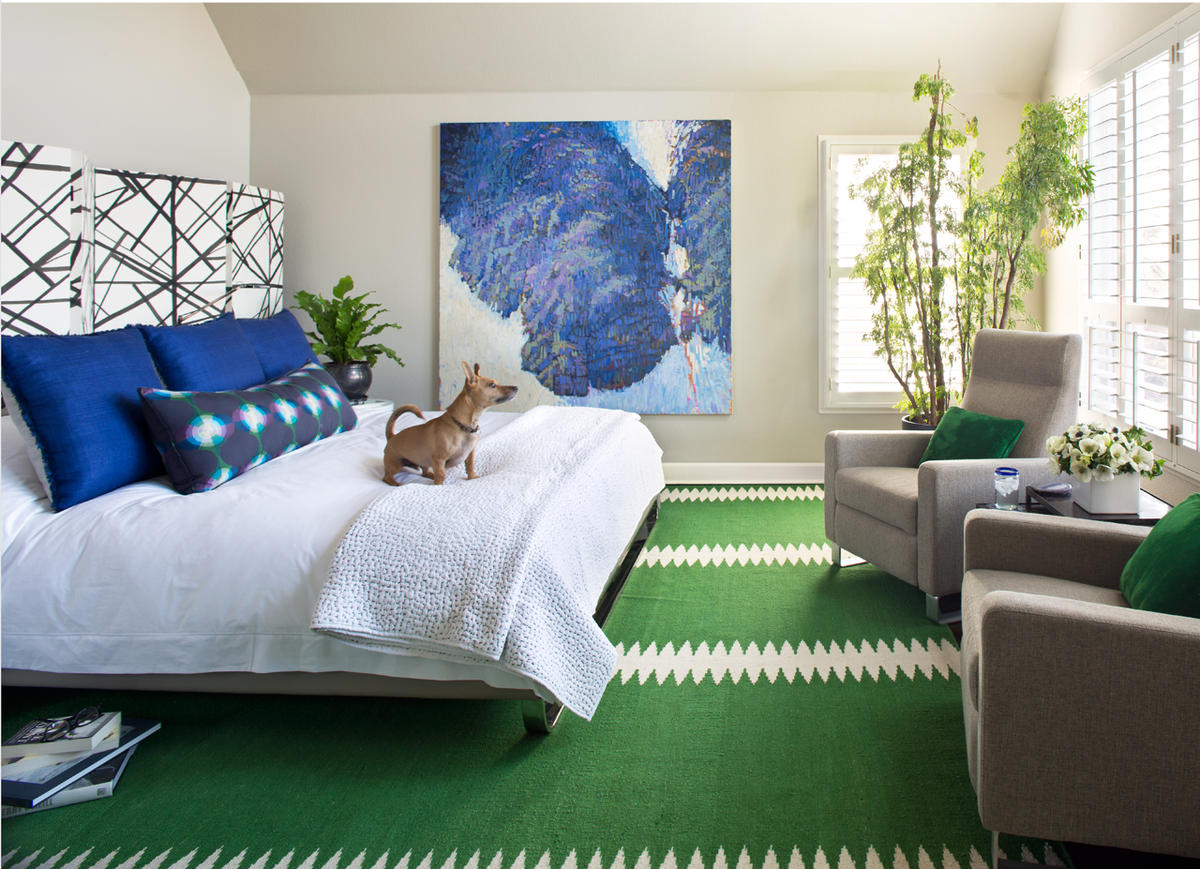
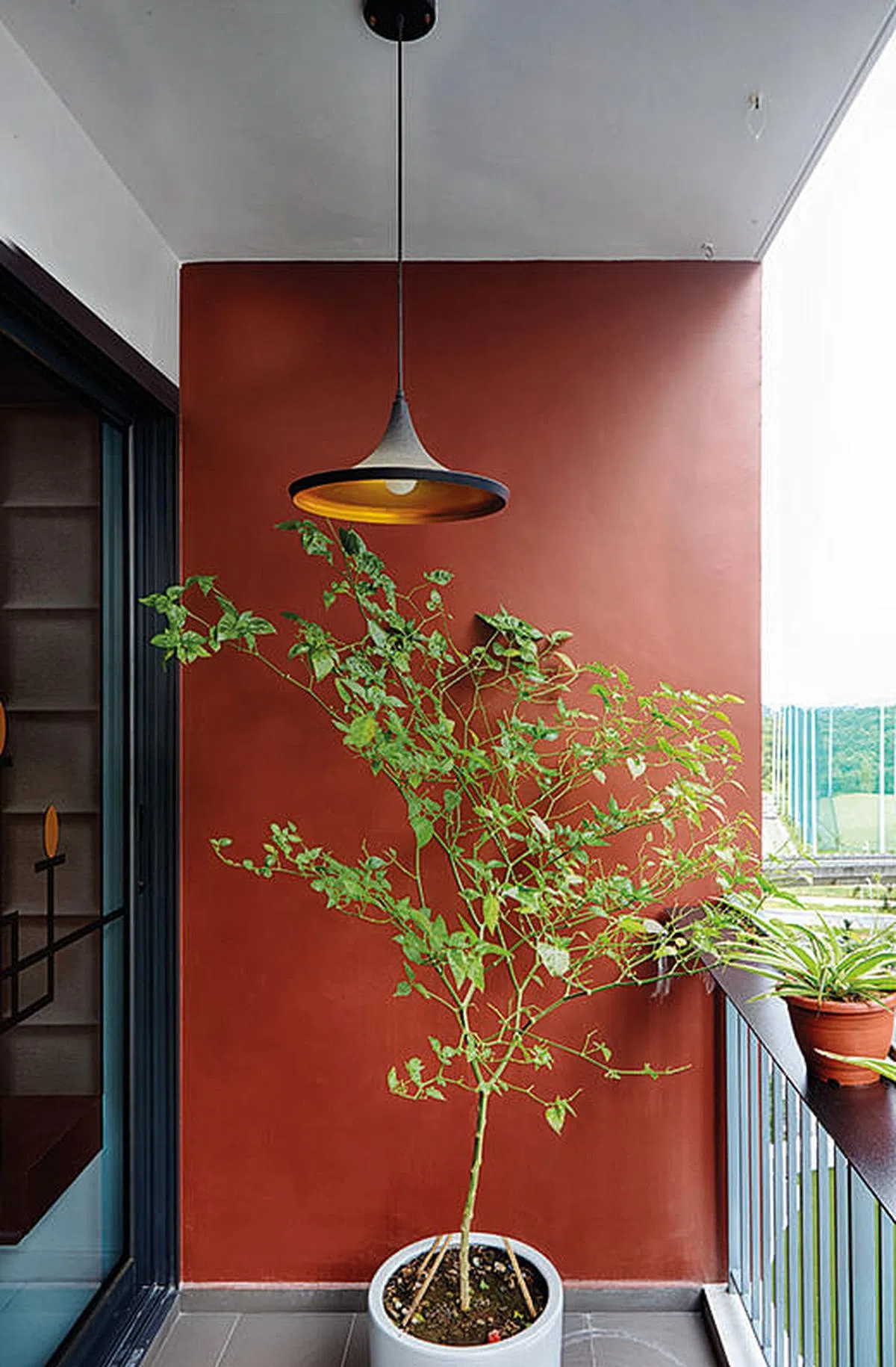
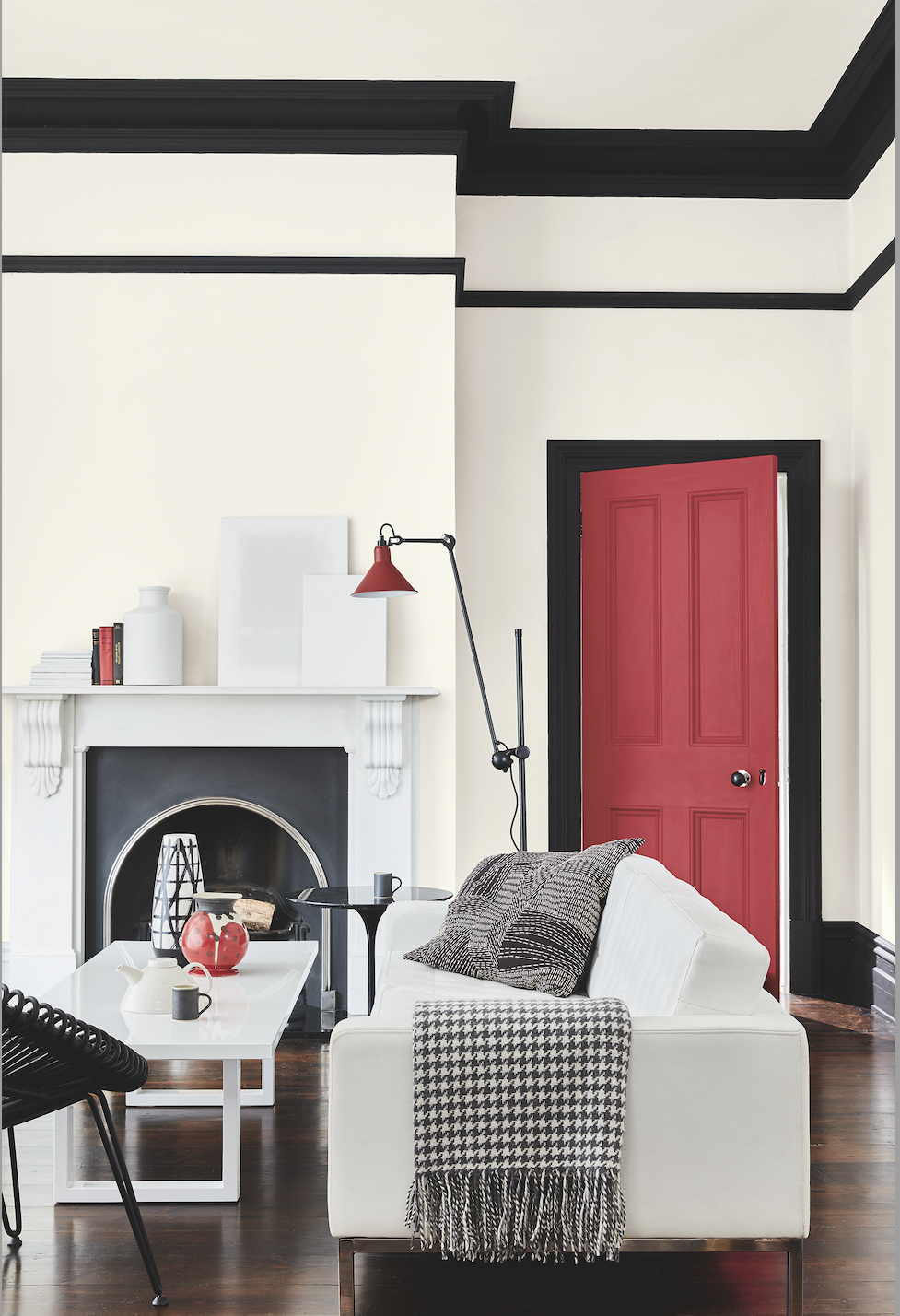
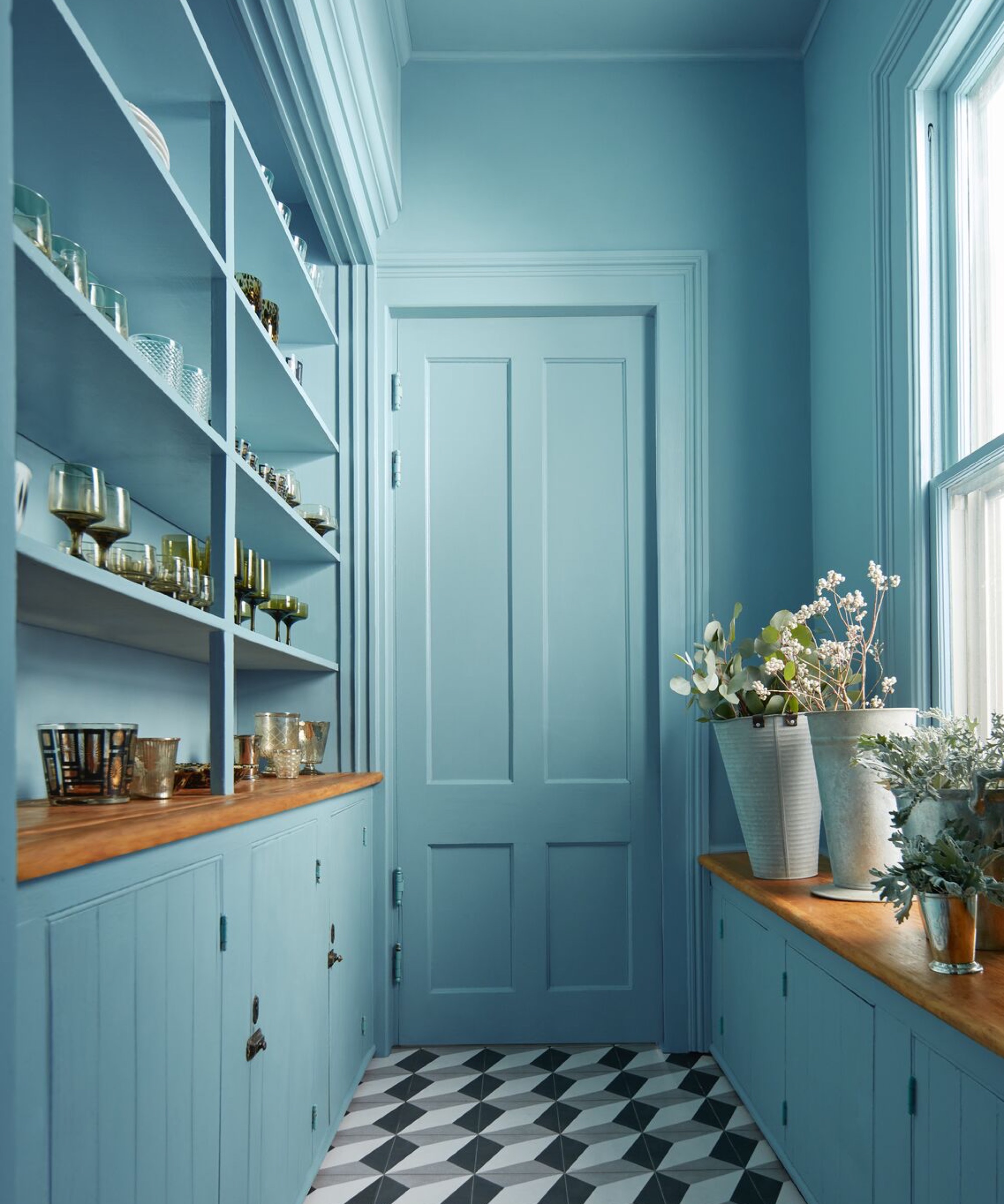


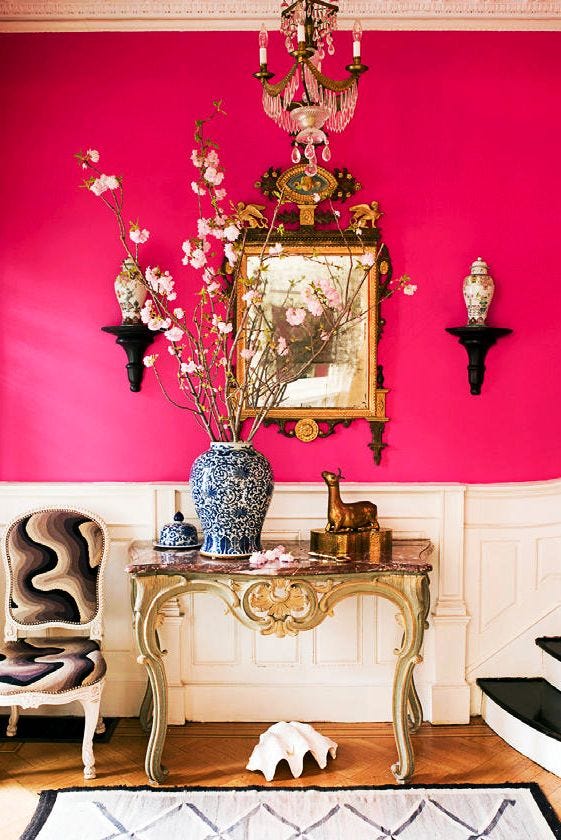
For color scheme selection, two main approaches are presented: complementary and monochromatic. The complementary color scheme involves using colors that are opposite each other on a color wheel, a tool originally invented by Isaac Newton and still widely used by artists and designers. Examples provided include cardinal red and icy blue, or bright blue and sunny yellow, which create vibrant contrasts. In contrast, the monochromatic color scheme focuses on using various shades of a single color throughout a home to create a cohesive and flowing aesthetic between rooms. For instance, if blue is the chosen color, one could incorporate shades ranging from cornflower blue to robin’s-egg blue, with secondary colors like white or slate gray to complete the look without creating abrupt shifts.
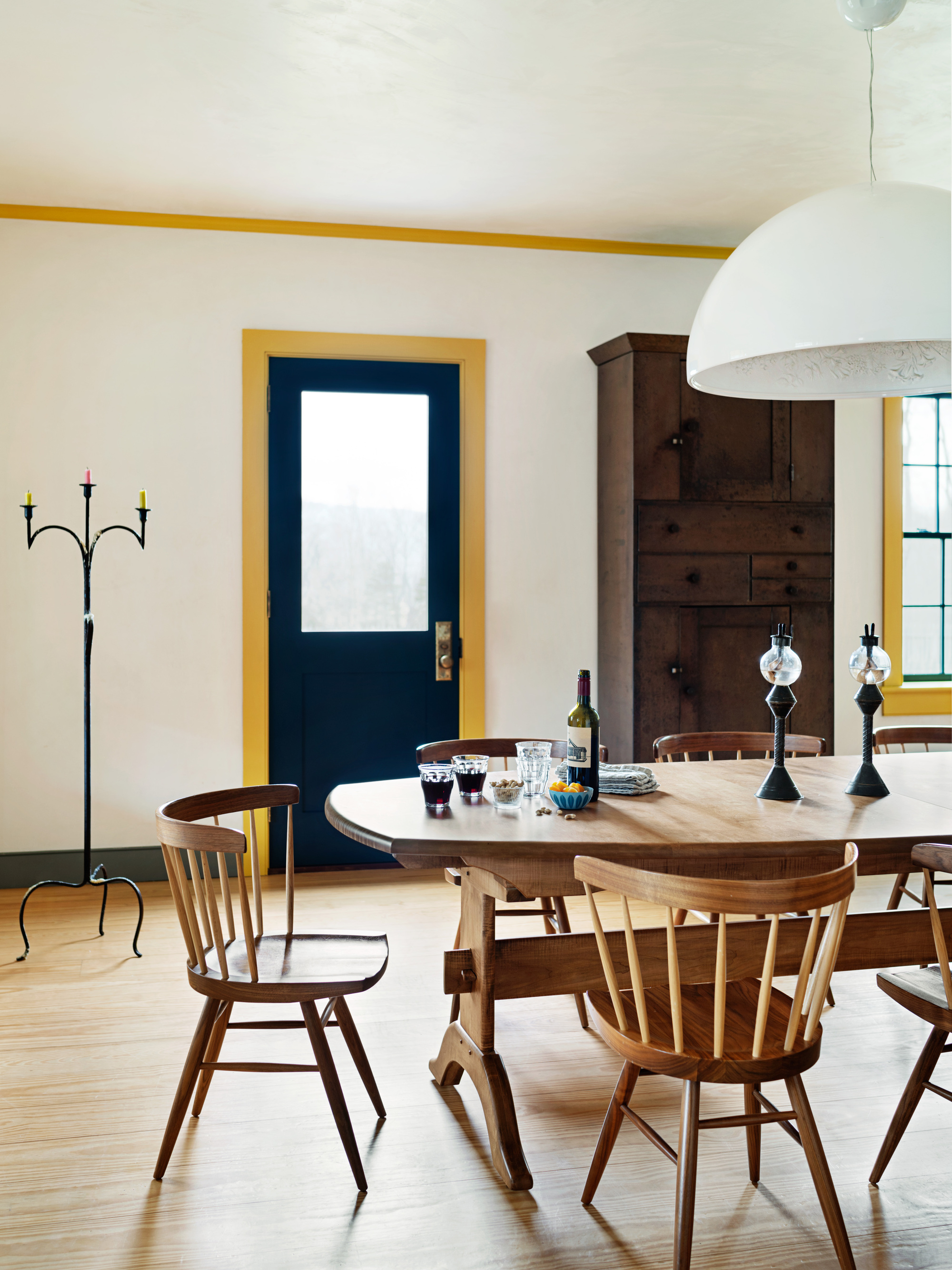
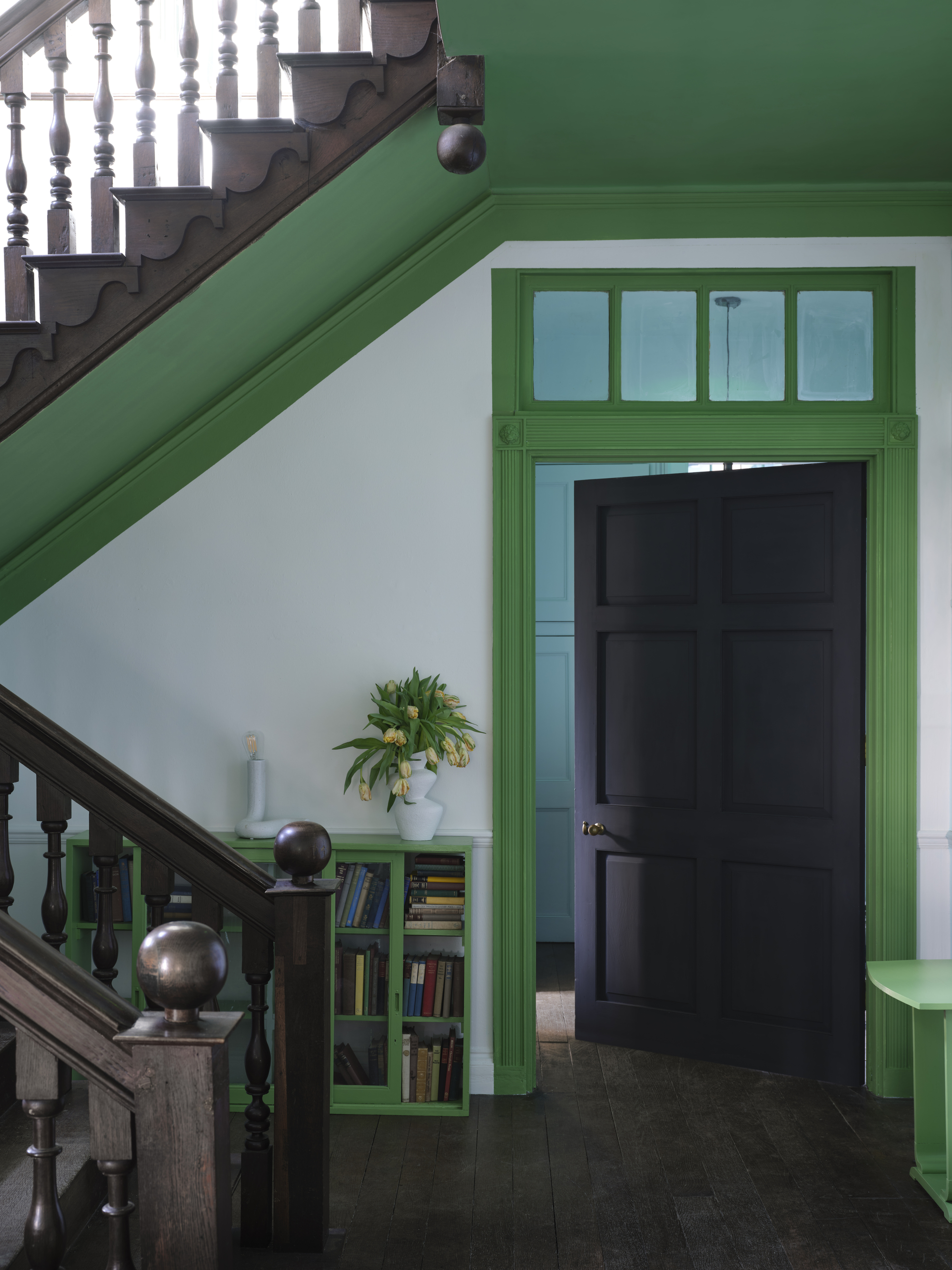
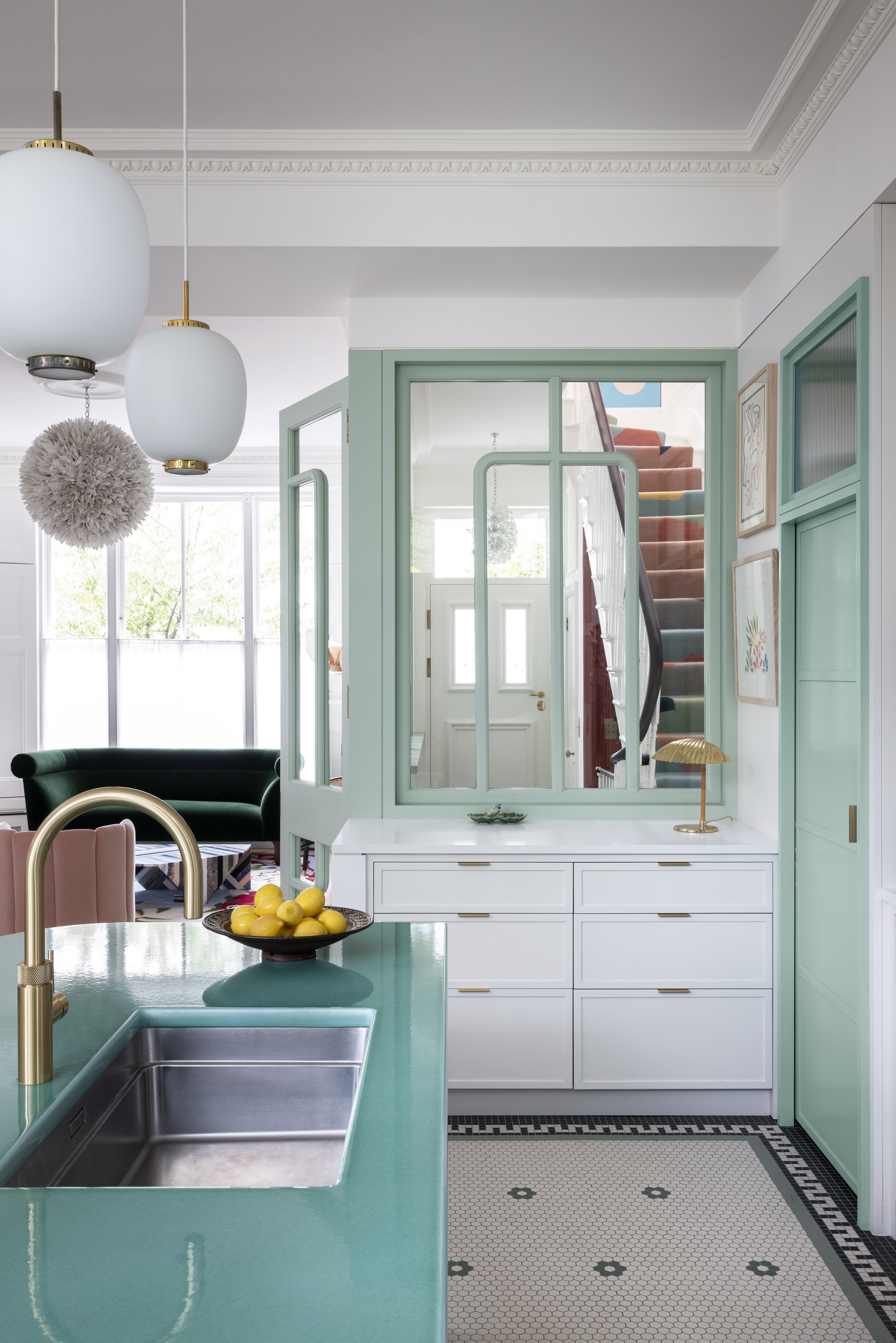
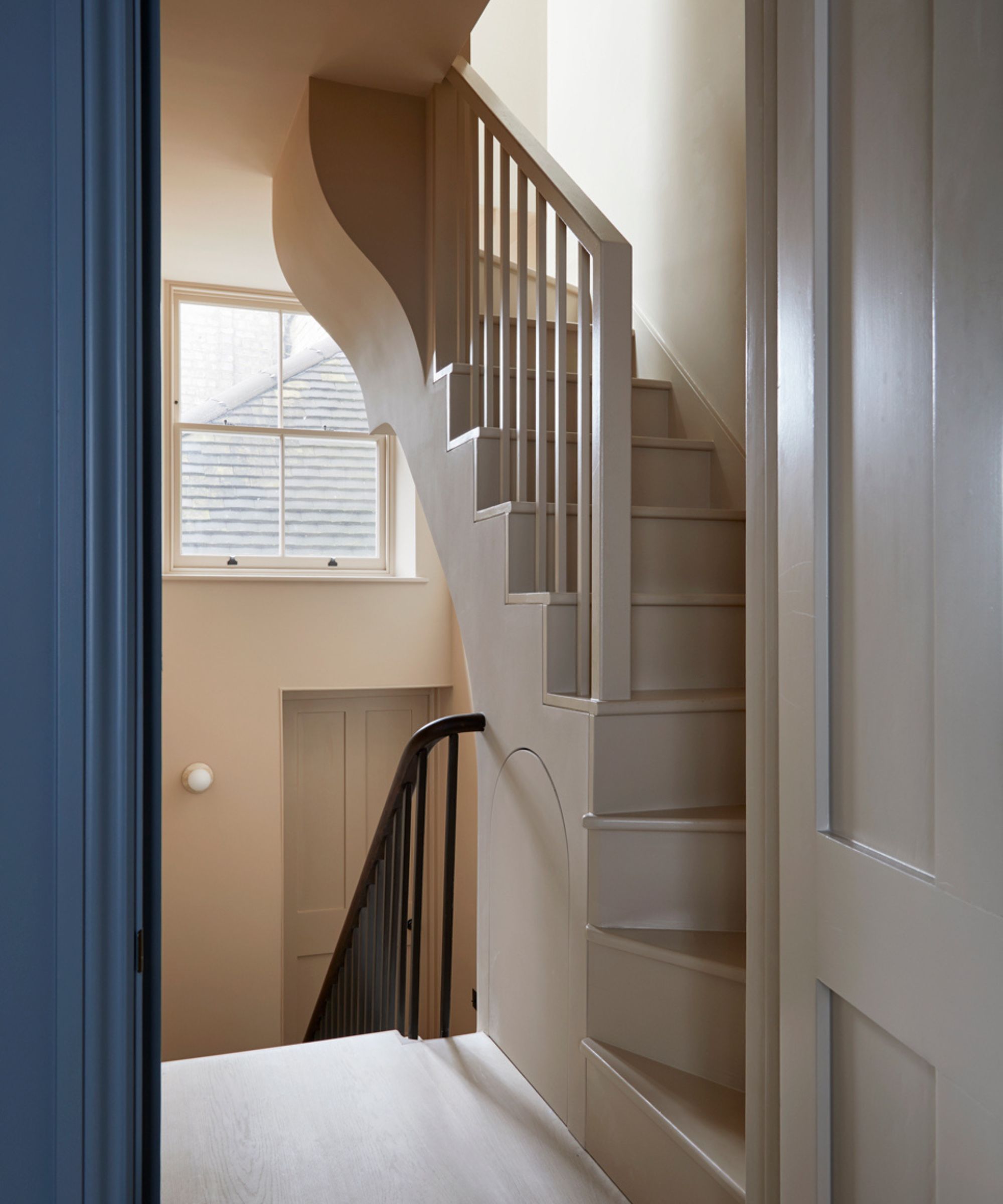
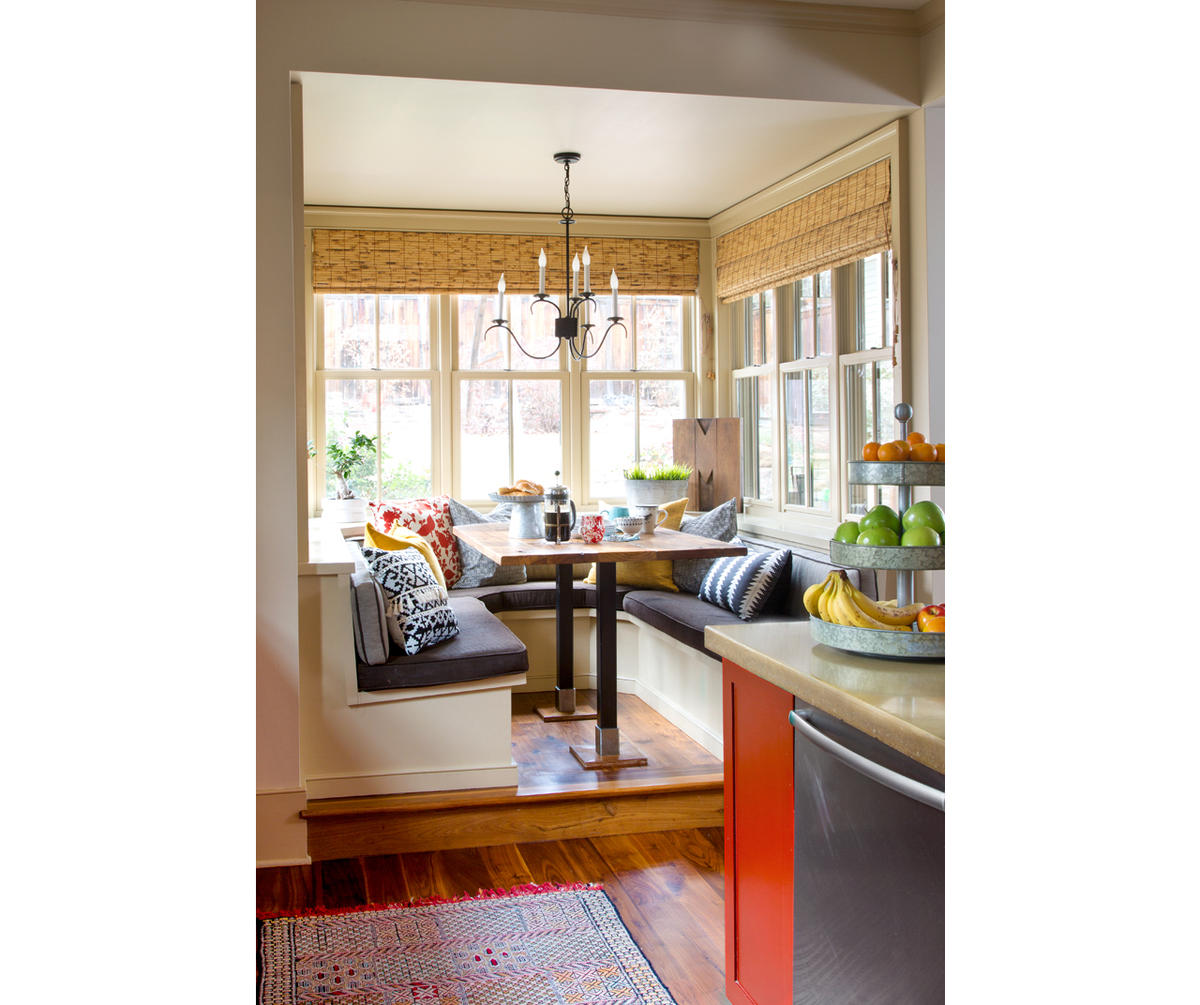
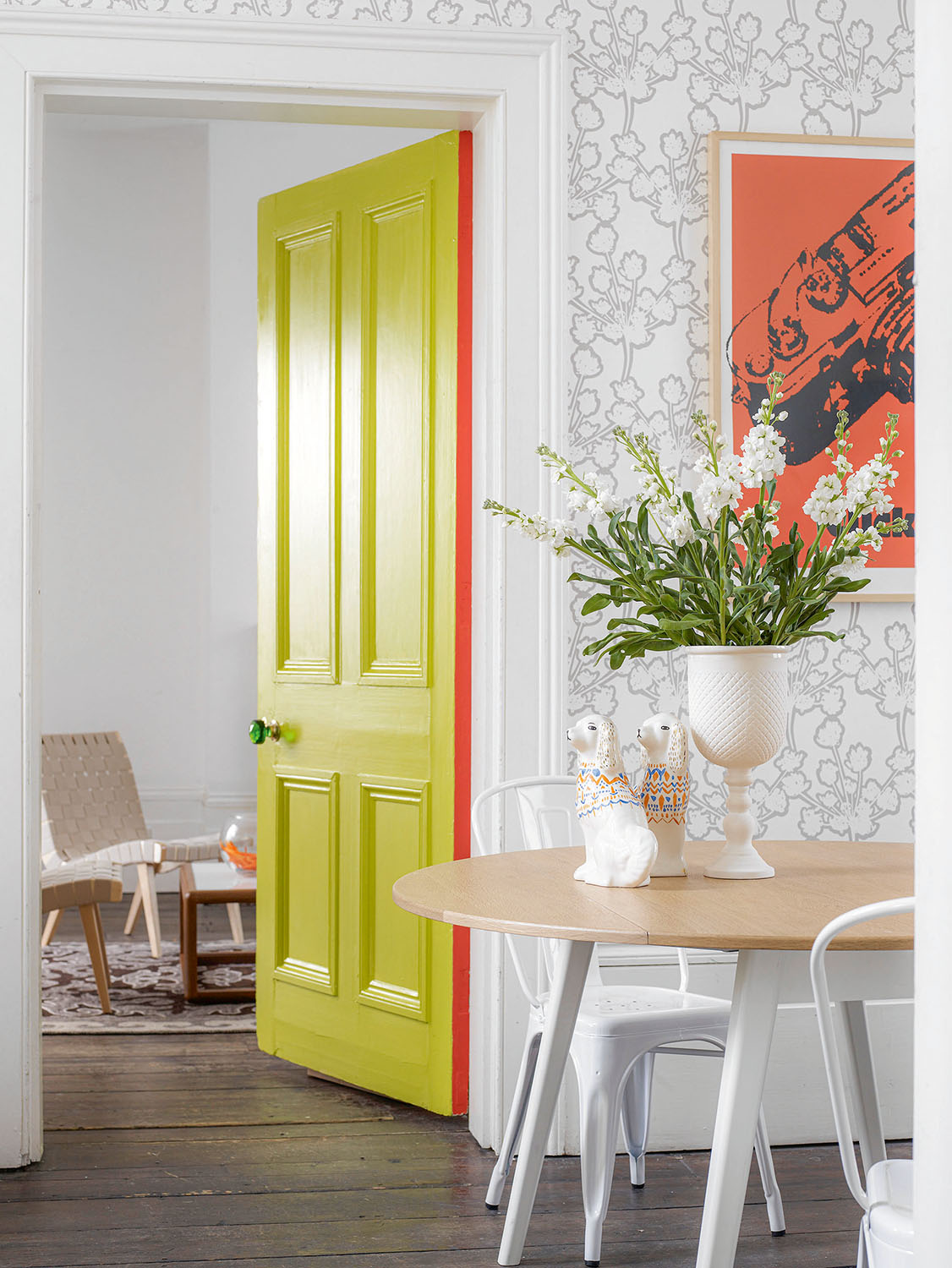
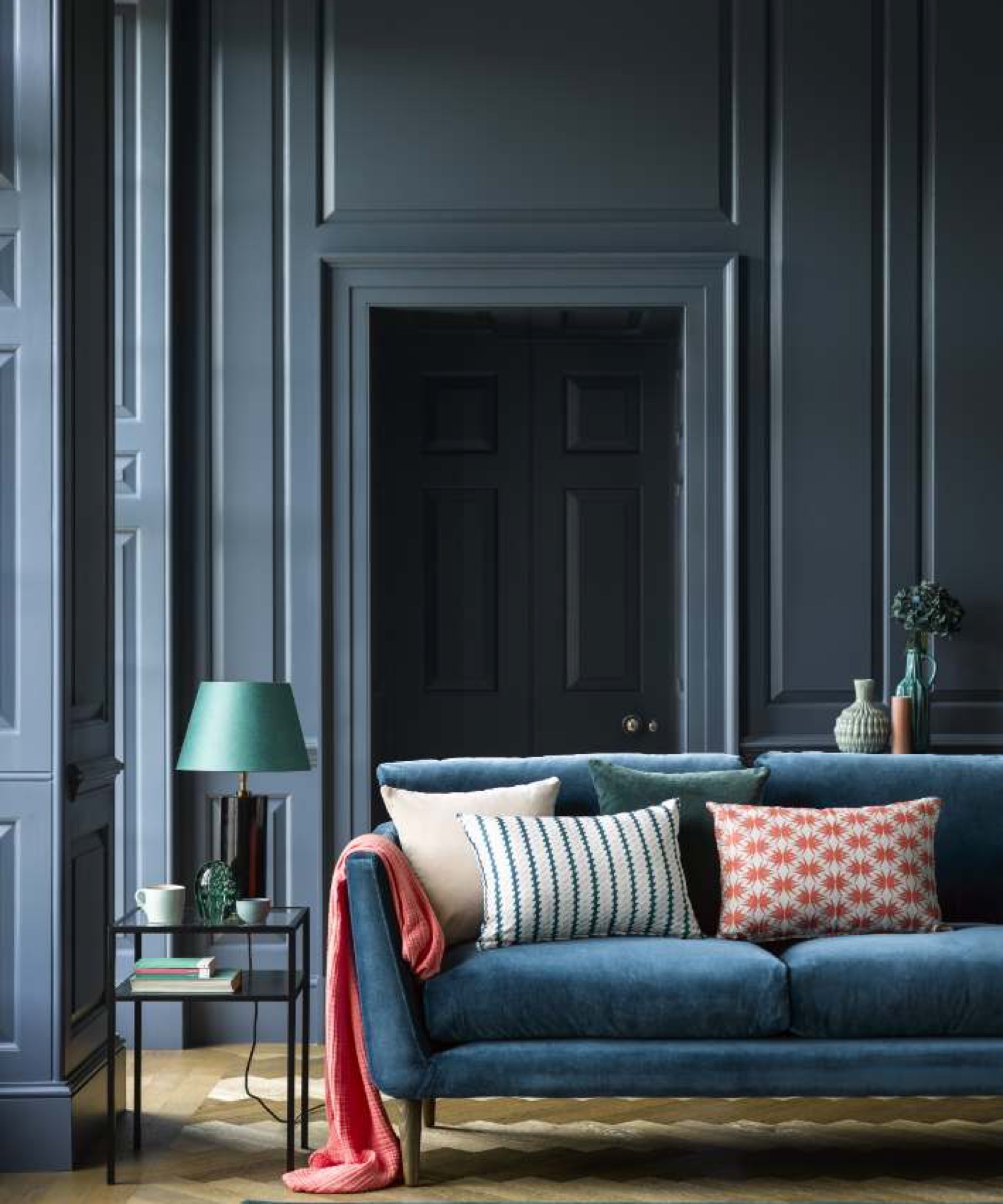
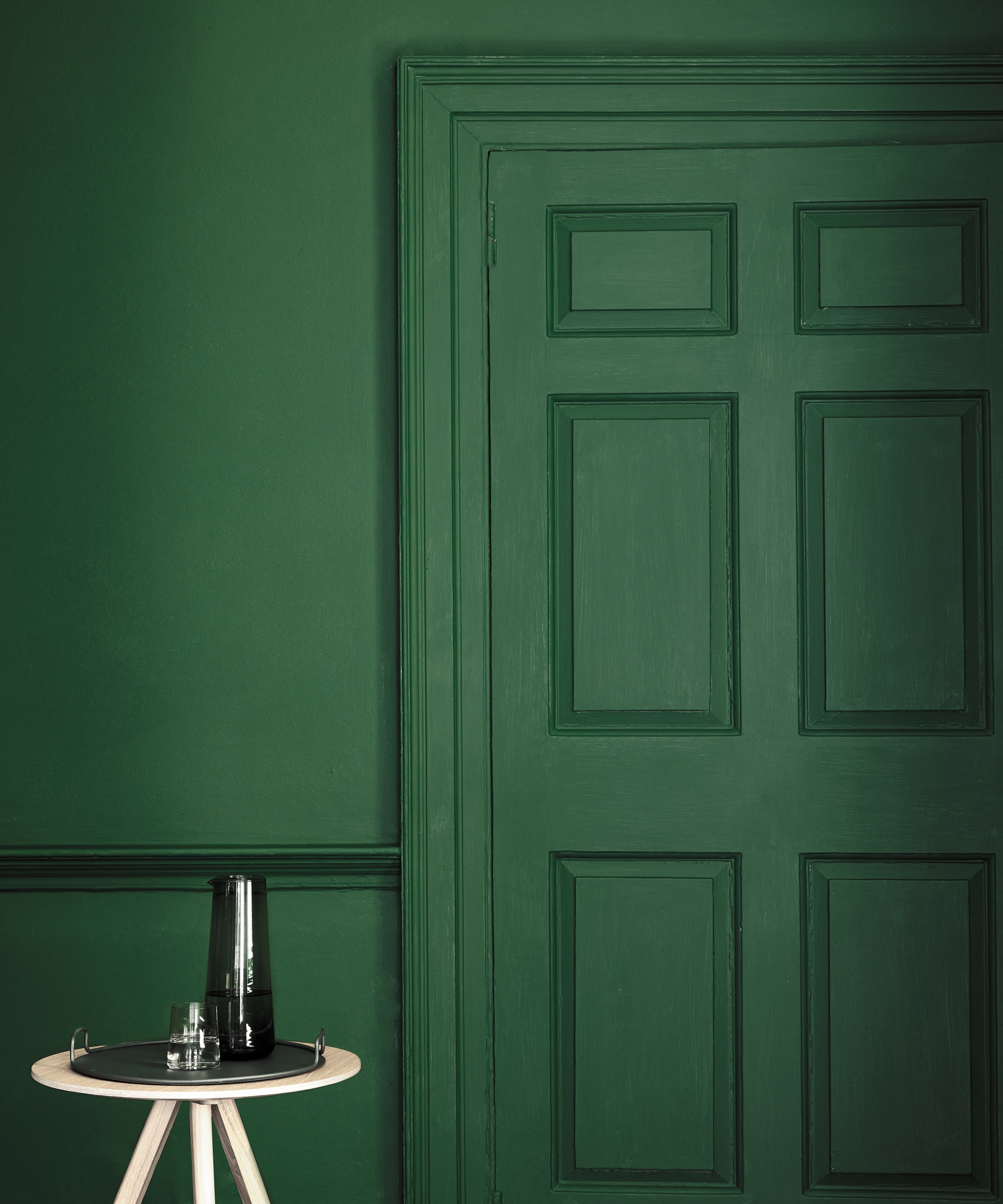
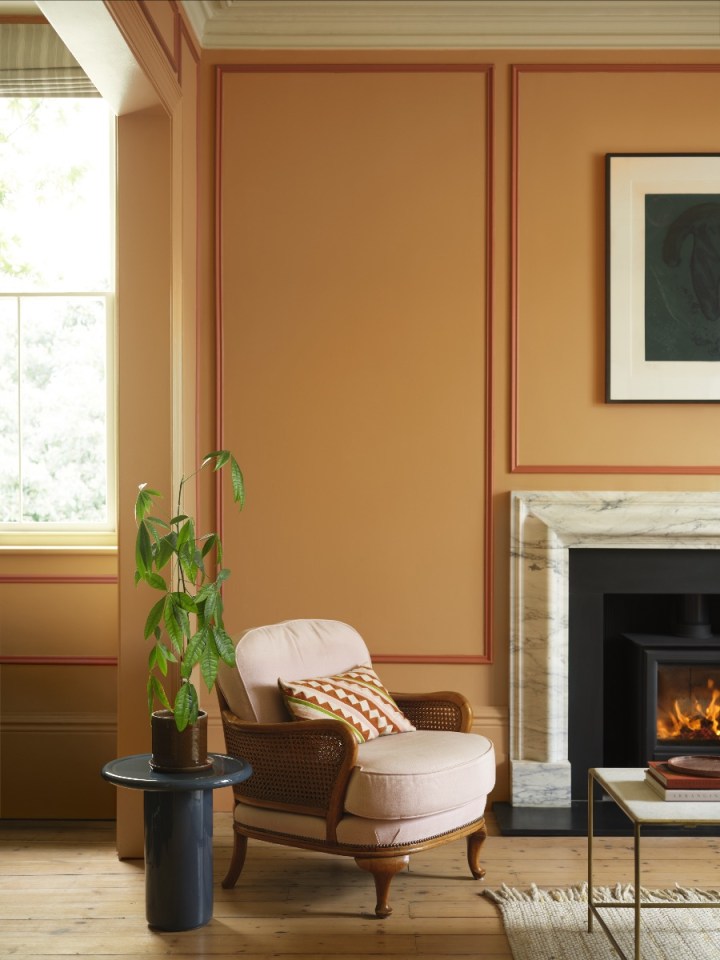
Finally, the blog post offers a tip for those who might find painting an entire room, ceiling, or even an accent wall overwhelming: trim paint. This technique involves applying paint only to windowsills, window frames, or door frames. This method is presented as an excellent way to highlight architectural details, such as crown molding, or to emphasize the clean lines of historical or modern homes. The article also suggests a creative twist inspired by exterior design: painting both sides of an interior door the same color, visualizing the impact of a cheerful yellow or serene blue door within a home environment.
The content explicitly states that it was not created by the editorial or news staff of USA TODAY Network, indicating it is sponsored content by Wallauer Paint & Design, a company that also offers additional painting tips and video tutorials on its website.
#InteriorPaint #HomeImprovement #ColorSchemes #AccentWalls #PaintingTips #HomeDecor #DIYHome #WallauerPaintAndDesign #InteriorPaint #HomeImprovement #ColorSchemes #AccentWalls #PaintingTips #HomeDecor #DIYHome #WallauerPaintAndDesign
0 comment in total
 No comments yet
You may also like
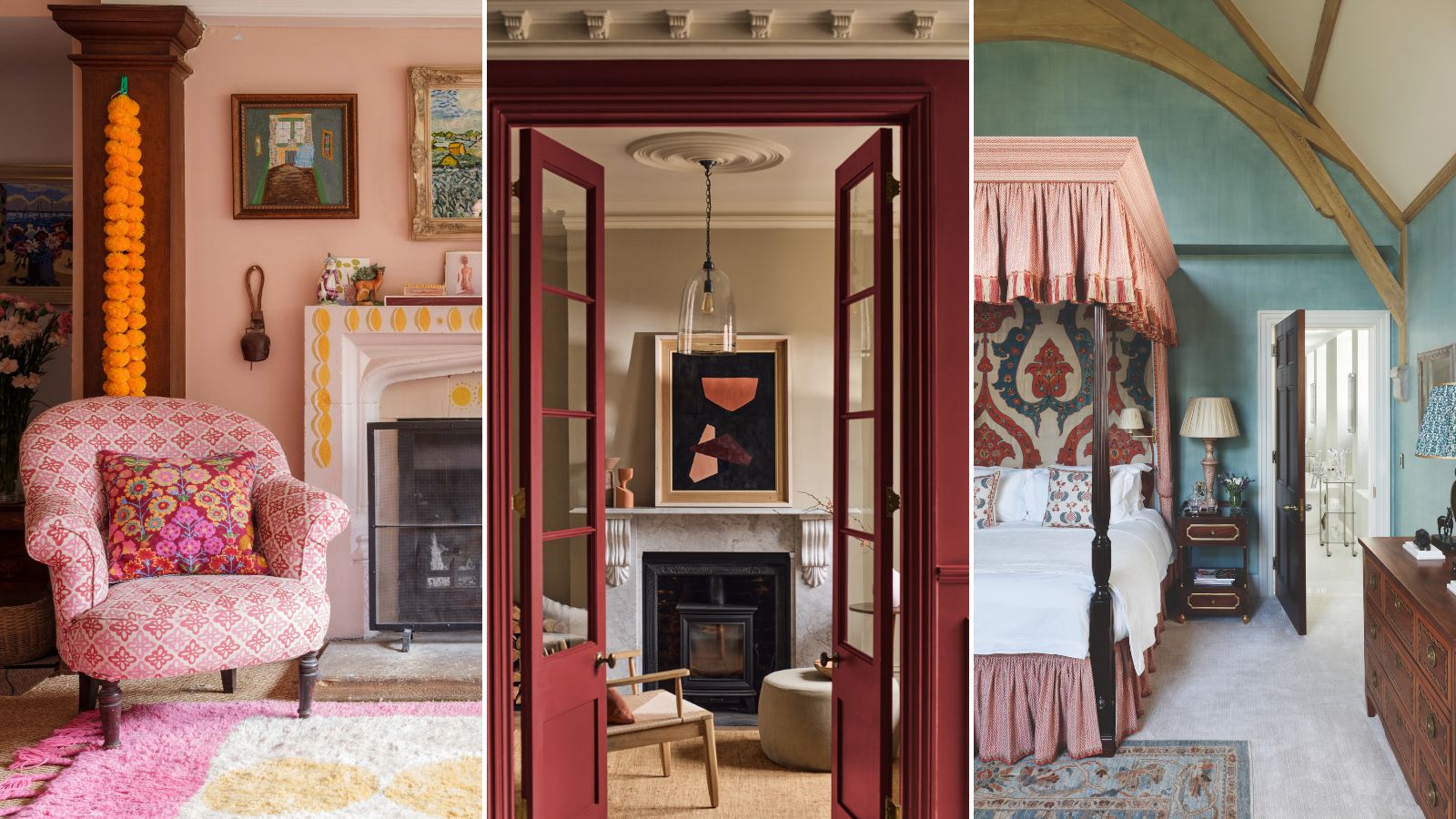
7 different interior designers on ingenious ways they use paint to easily elevate a room

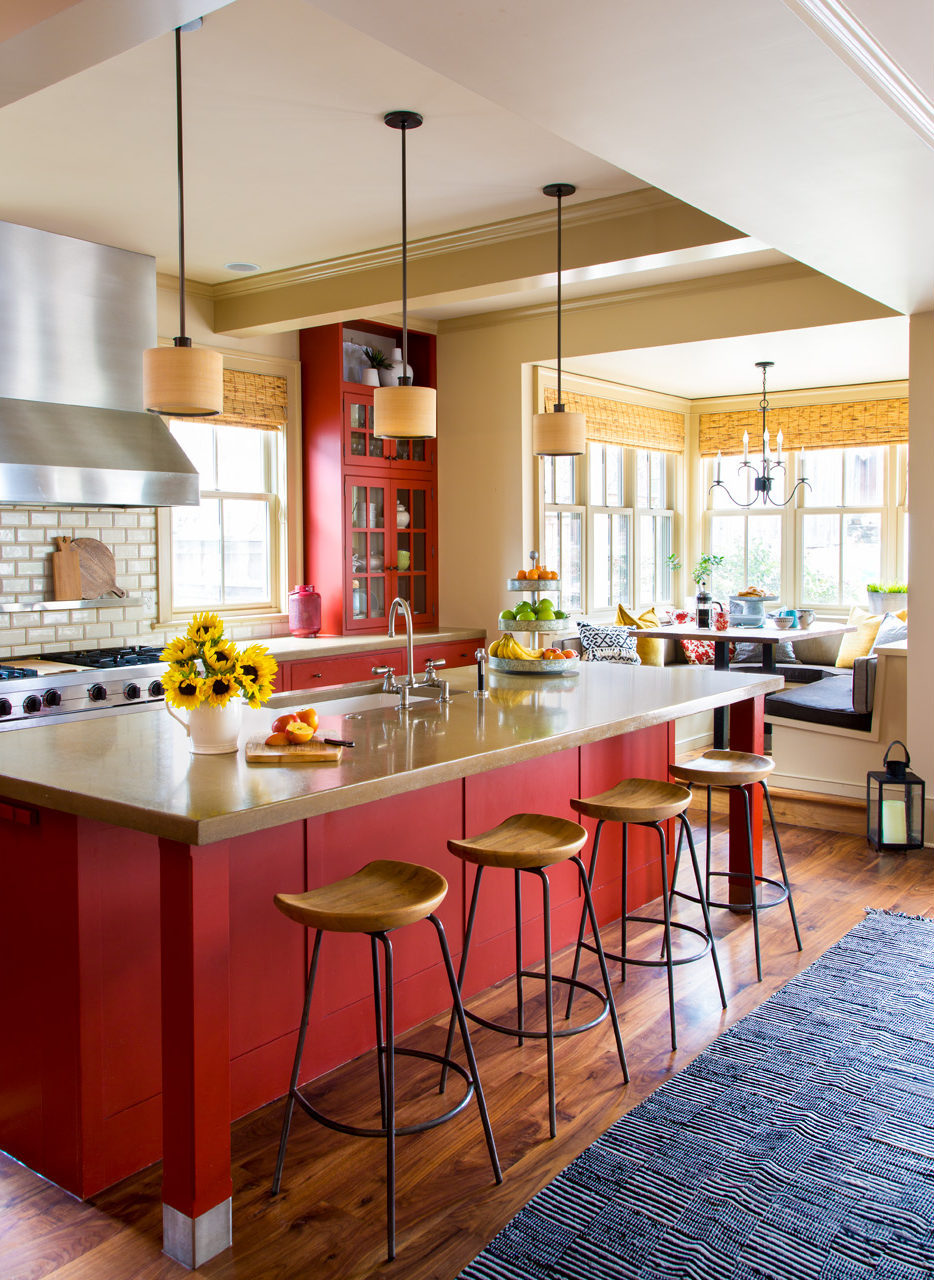
Four Gorgeous Front Range Rooms That Embrace Color

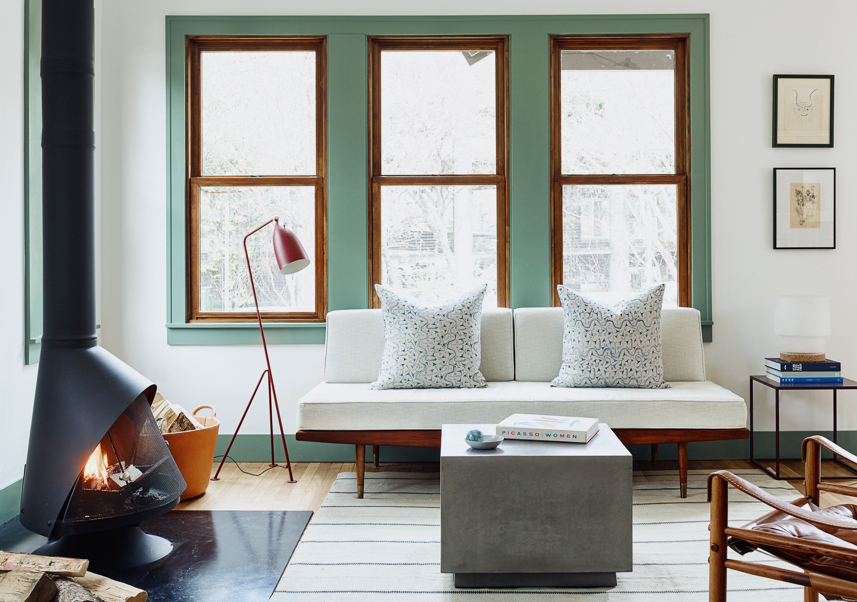
8 ideas for light walls with dark trim that capture this paint trend perfectly

The 5 Most Overused Paint Colors and What to Try Instead, According to Designers

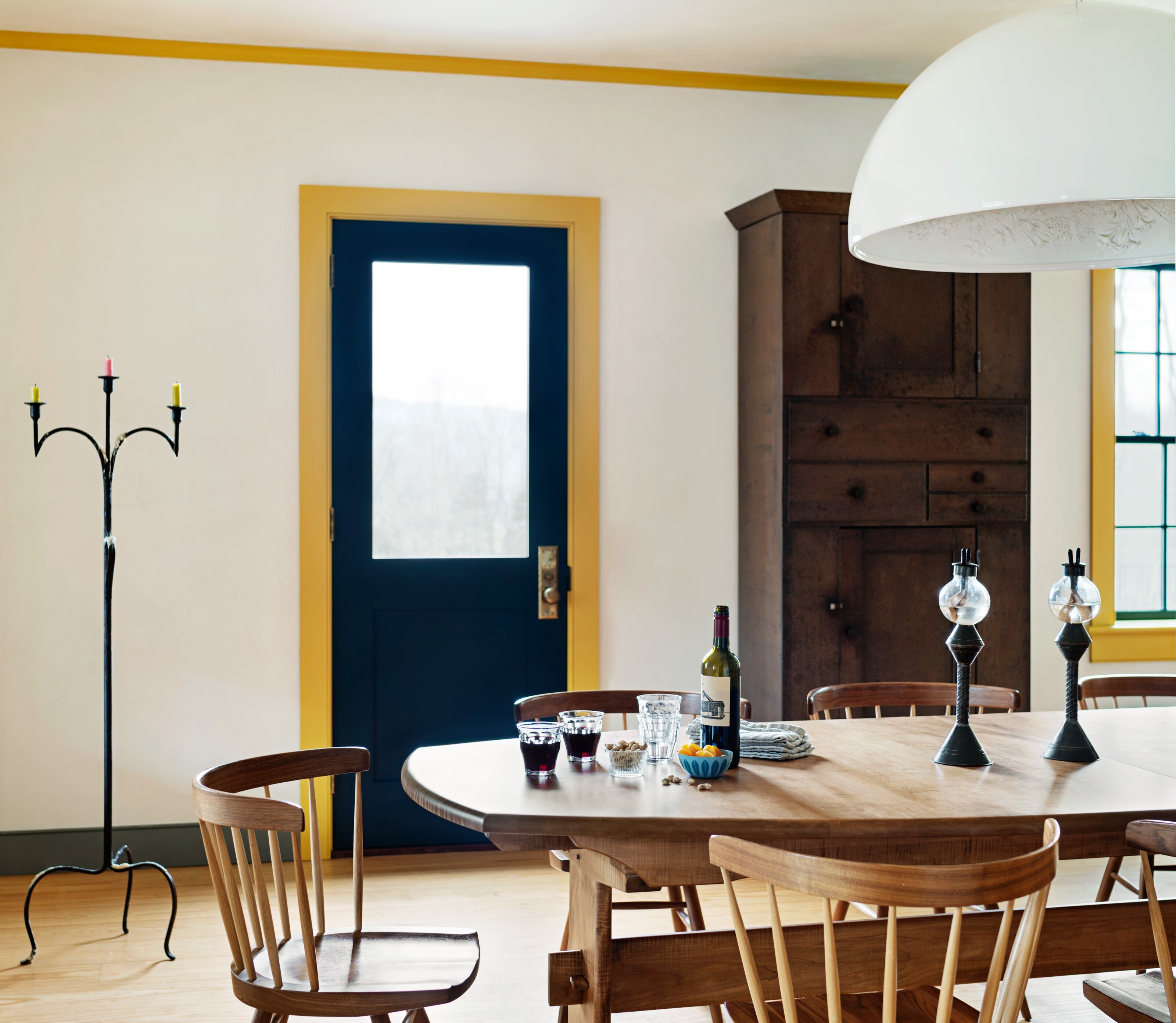
'It's the best way to make a home joyful' - this paint trend is the perfect idea to introduce color thoughtfully
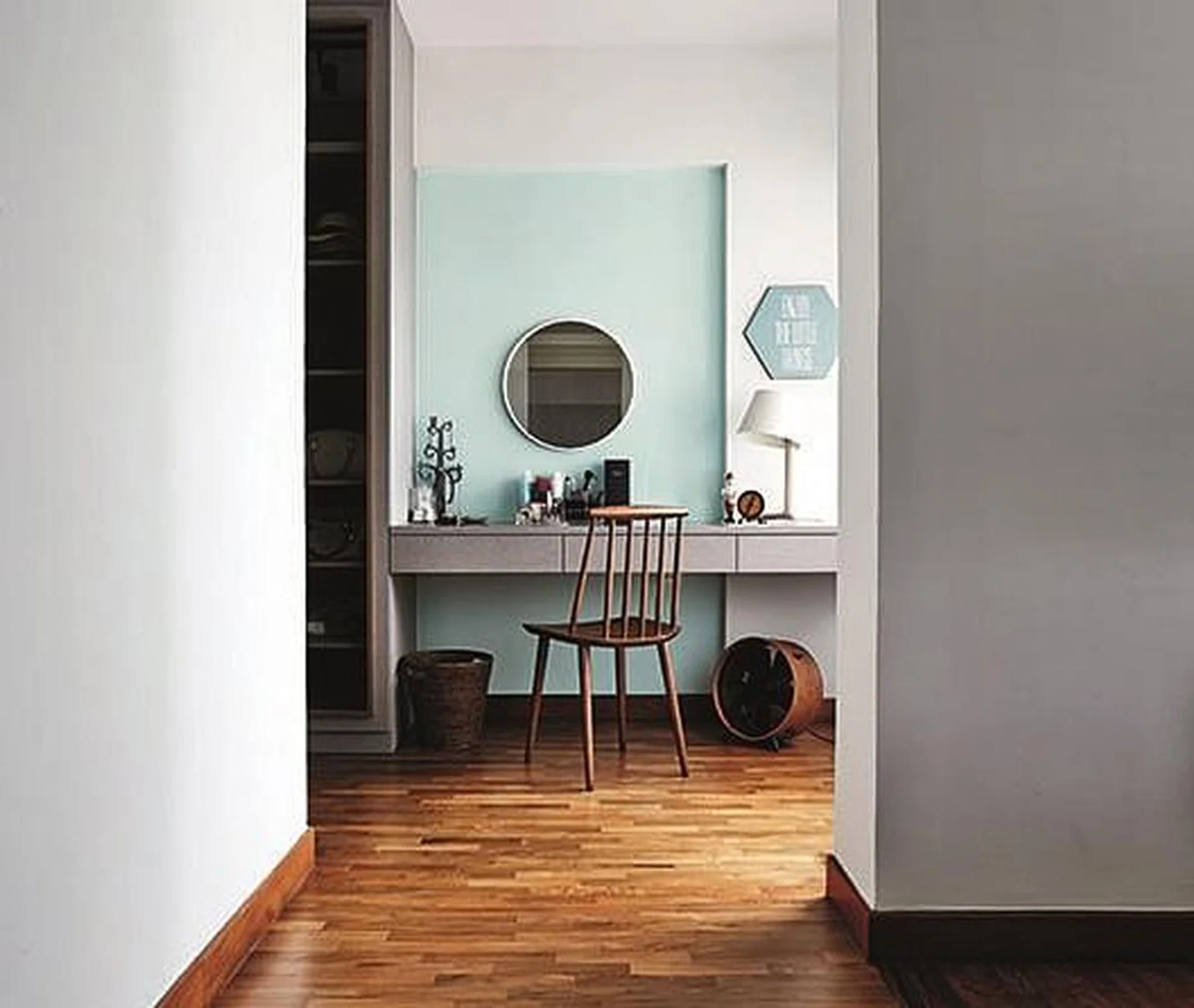
Design idea: Use paint for simple but great looking feature walls
Refresh Your Walls With These 8 Best Interior Paints

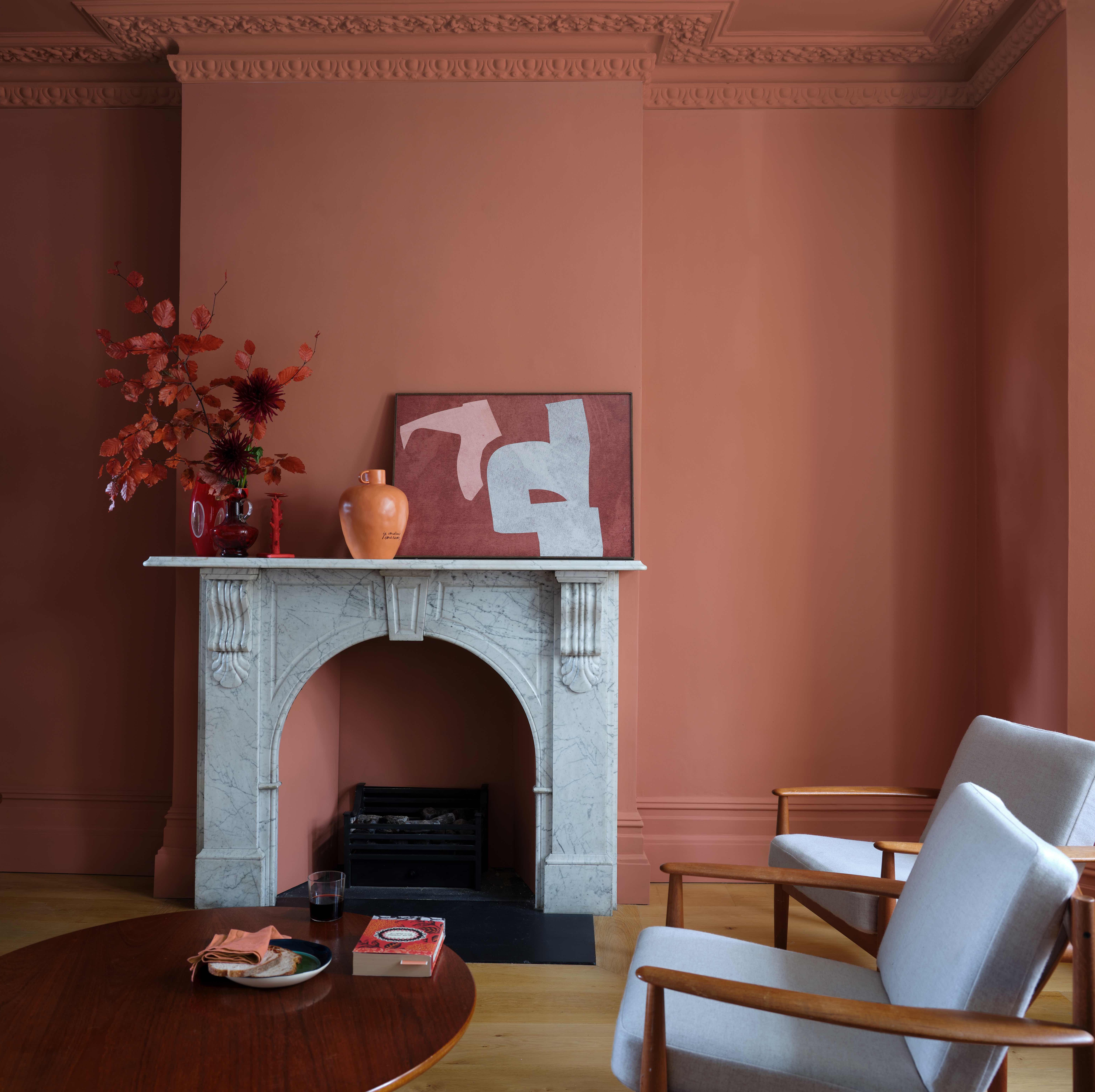
6 great ways to use colour drenching in your home
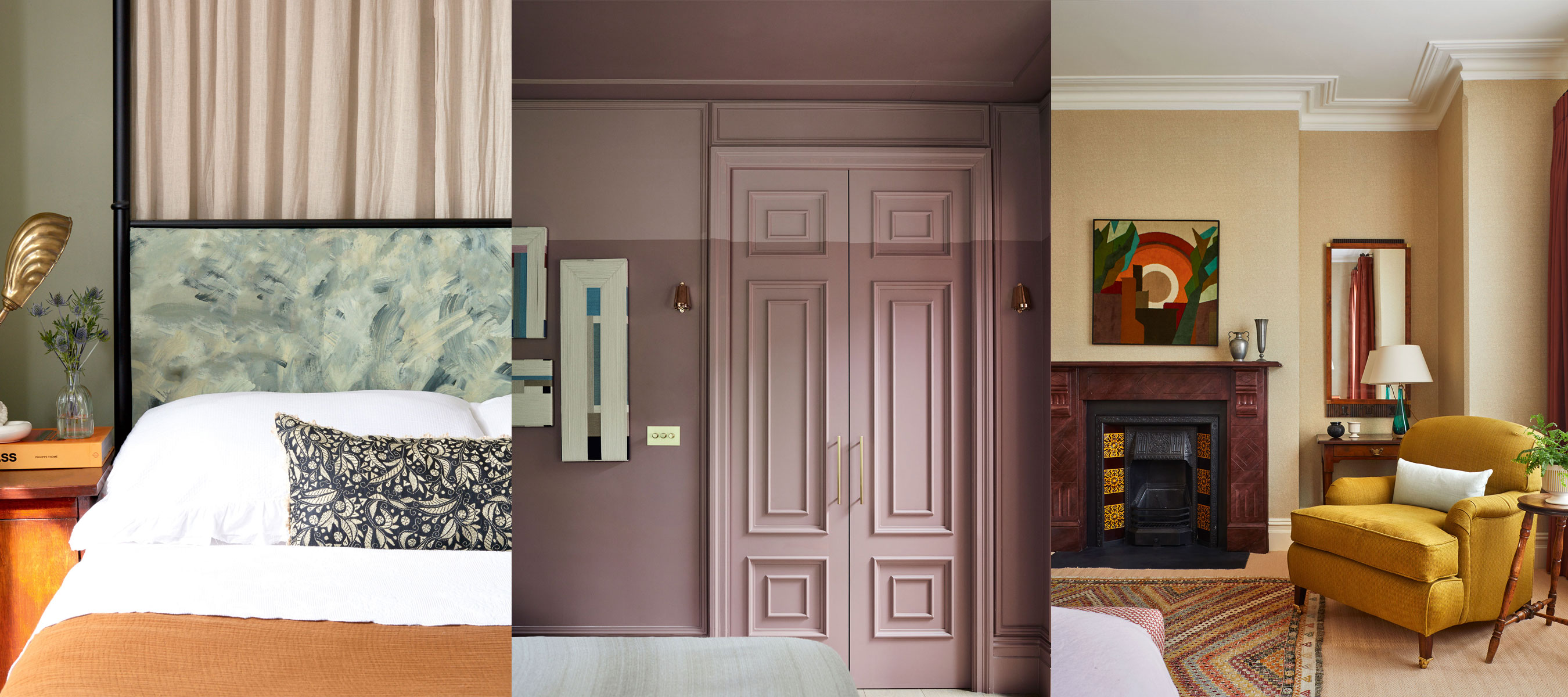
Paint tricks – 10 painting tips and techniques loved by the experts
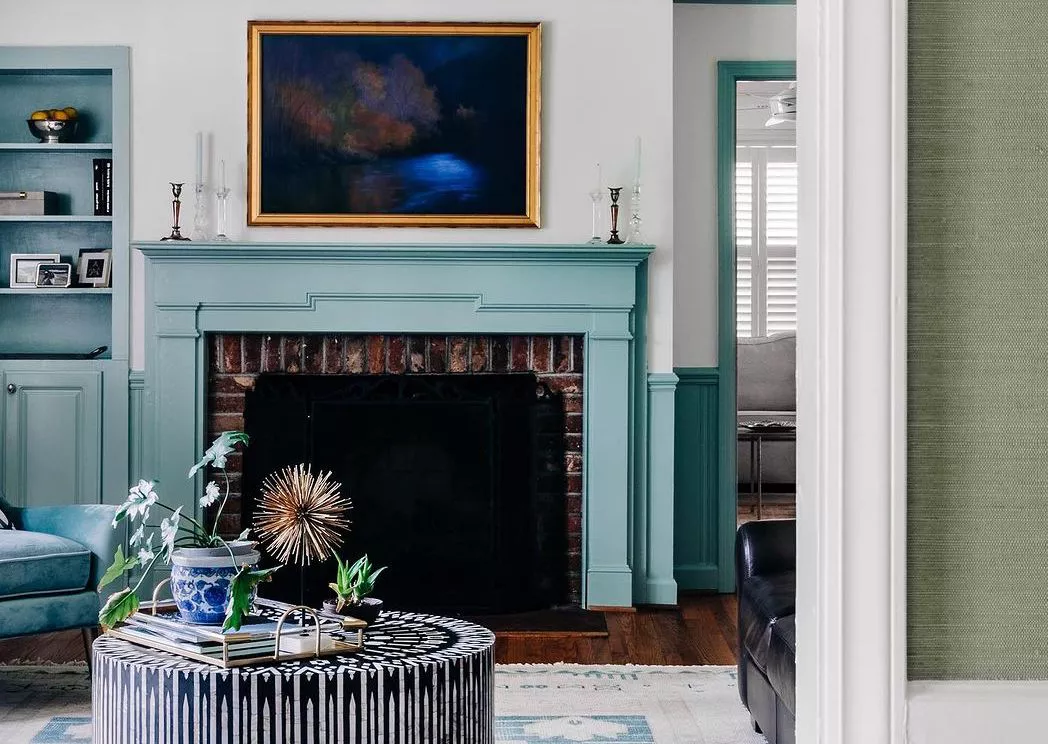
Should You Paint Trim Darker Than Walls? We Asked Designers If That Trend Will Last
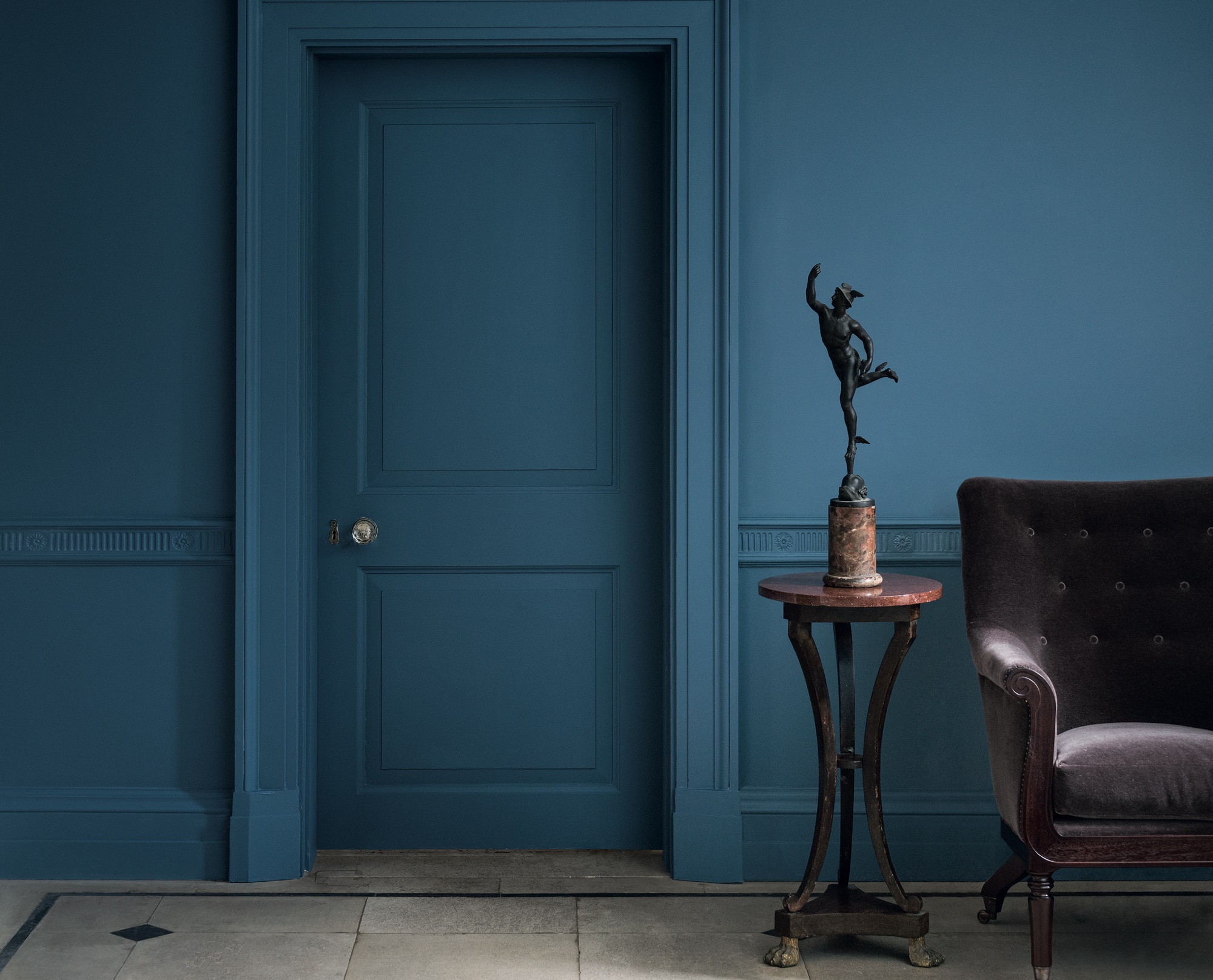
Should doors be painted the same color as walls? Expert advice on when to go all out and when to mix it up

Interior Paint

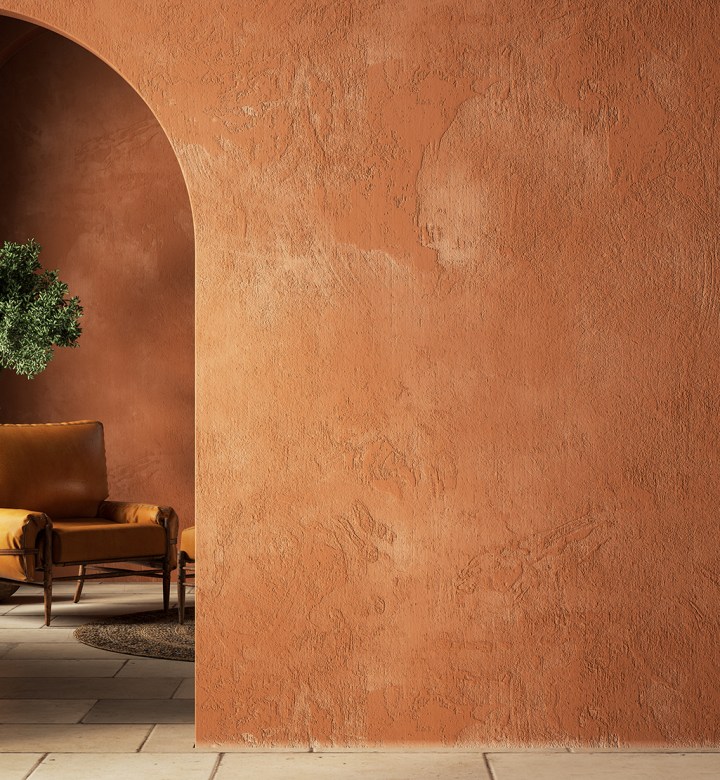
Color Drenching Might Be Everywhere, But My Mom’s Been Doing It Since the ’90s
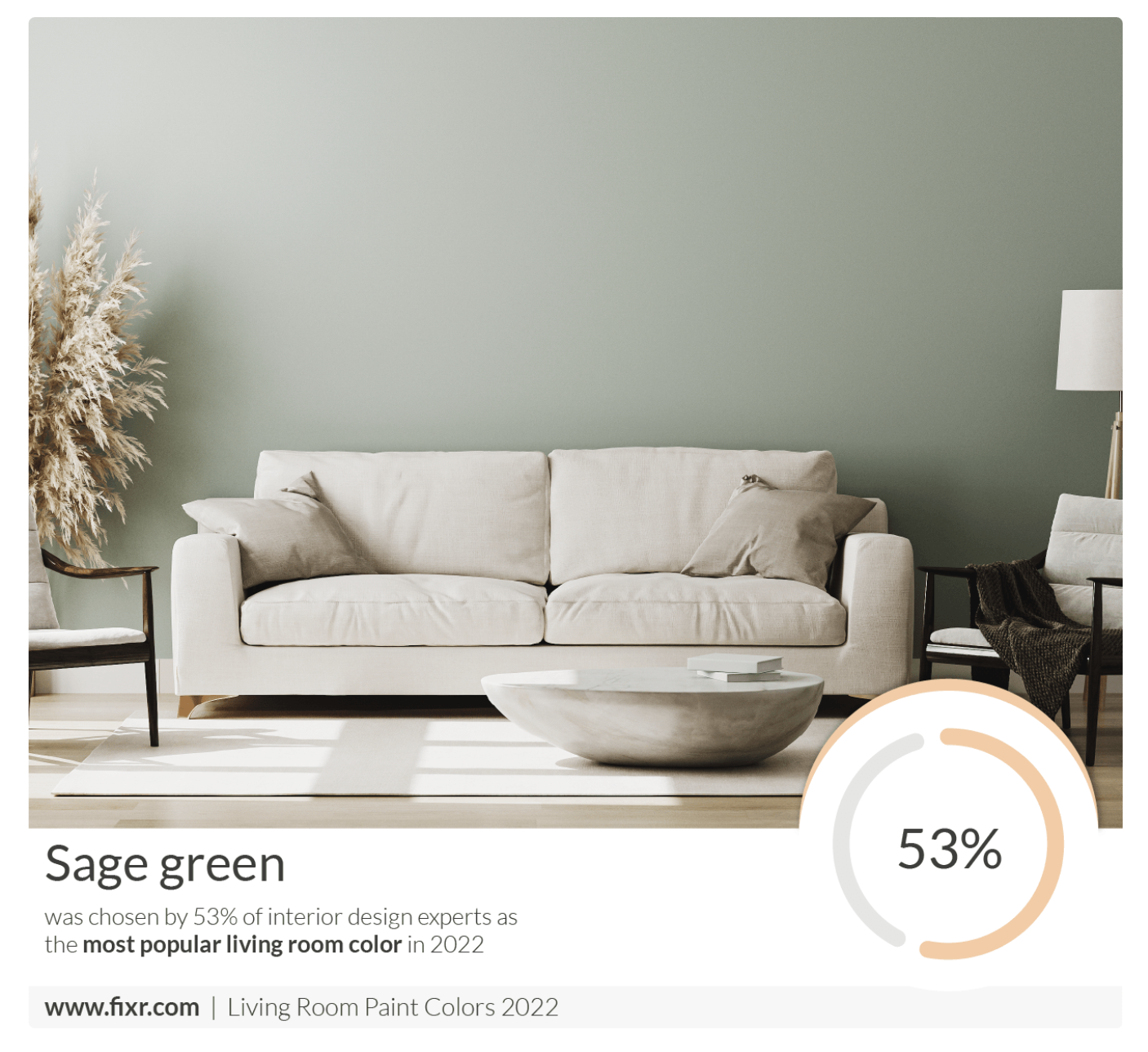
7 Popular Paint Colors for the Living Room
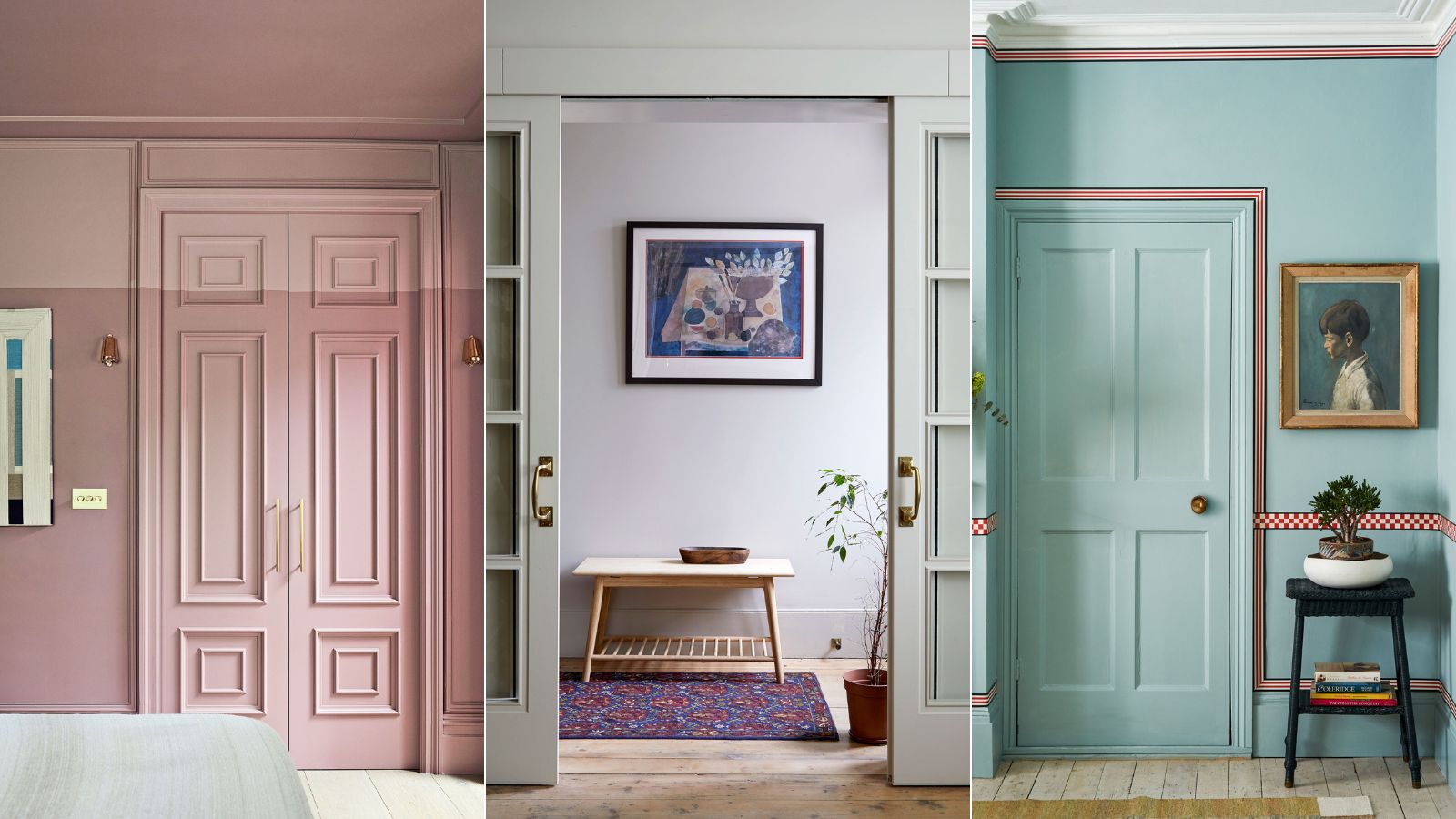
Should doors be painted the same color as walls? Yes, and here are 5 expert-approved reasons why
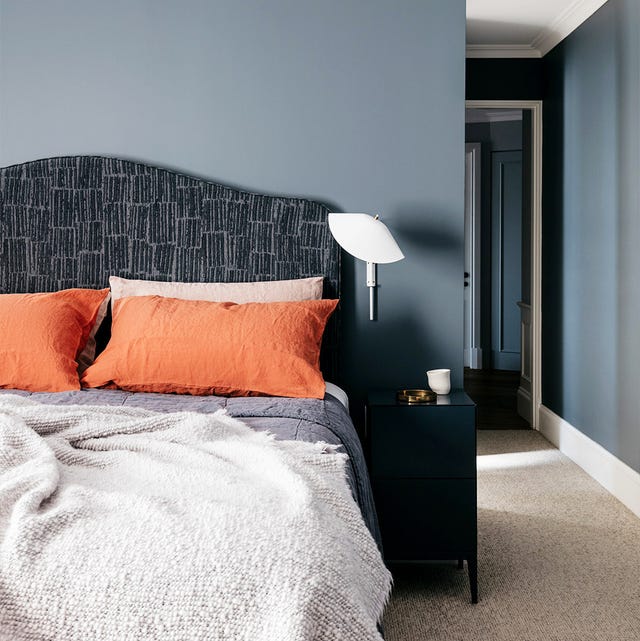
35 Paint Colors to Consider for Every Room in Your House

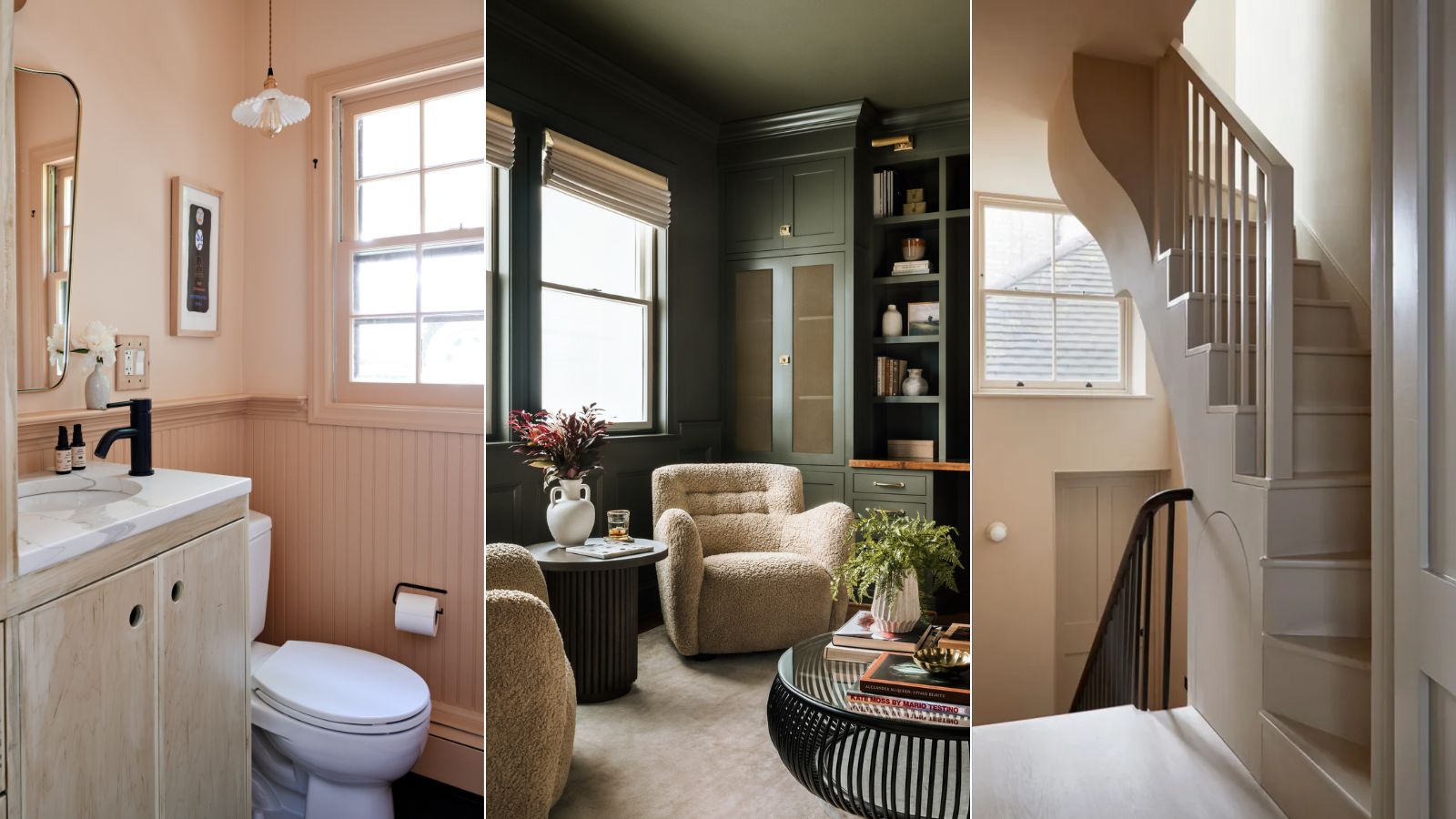
9 rooms that prove color drenching makes small spaces look bigger
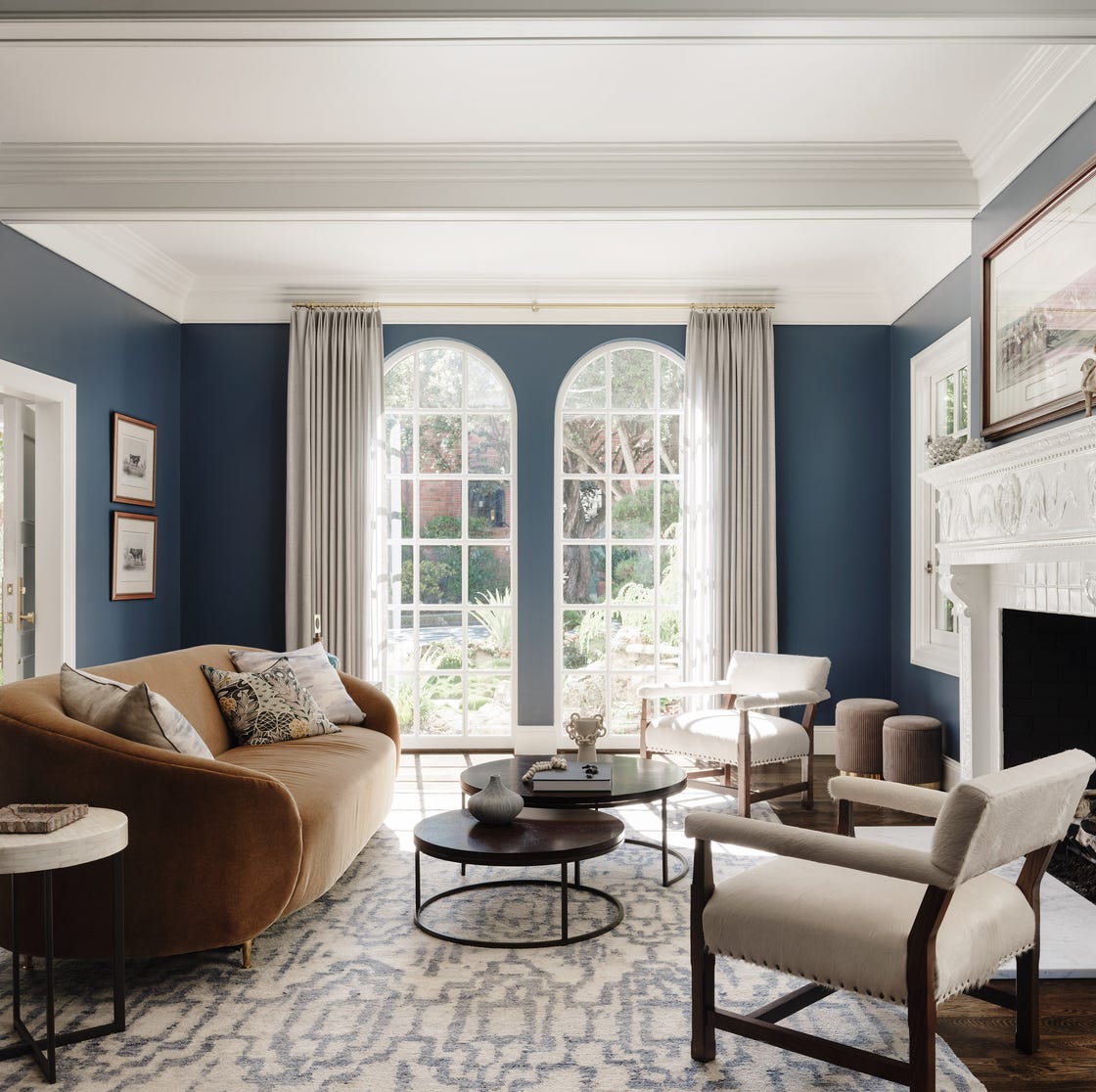
Lick Paint Will Transform the Mood in Your Home Through Color Psychology
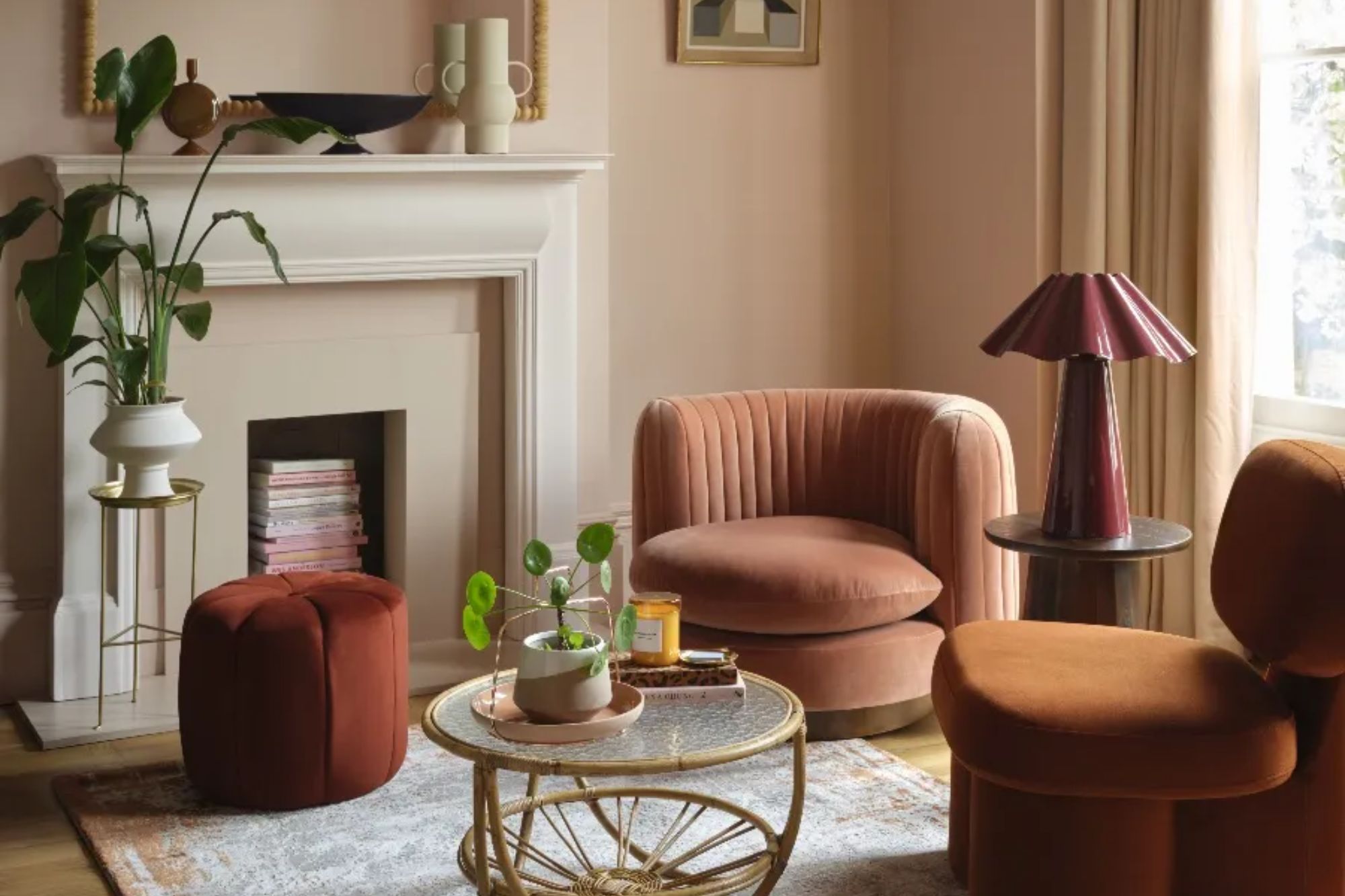
Interior designers reveal the home decor trend that will take over 2026 & why it's time to bin off accent walls

How to Choose the Best Paint Finish for Every Area of Your Home, From Kitchen Cabinets to Bathroom Walls