1/6
Everything You Need to Know About Mural Wall Painting
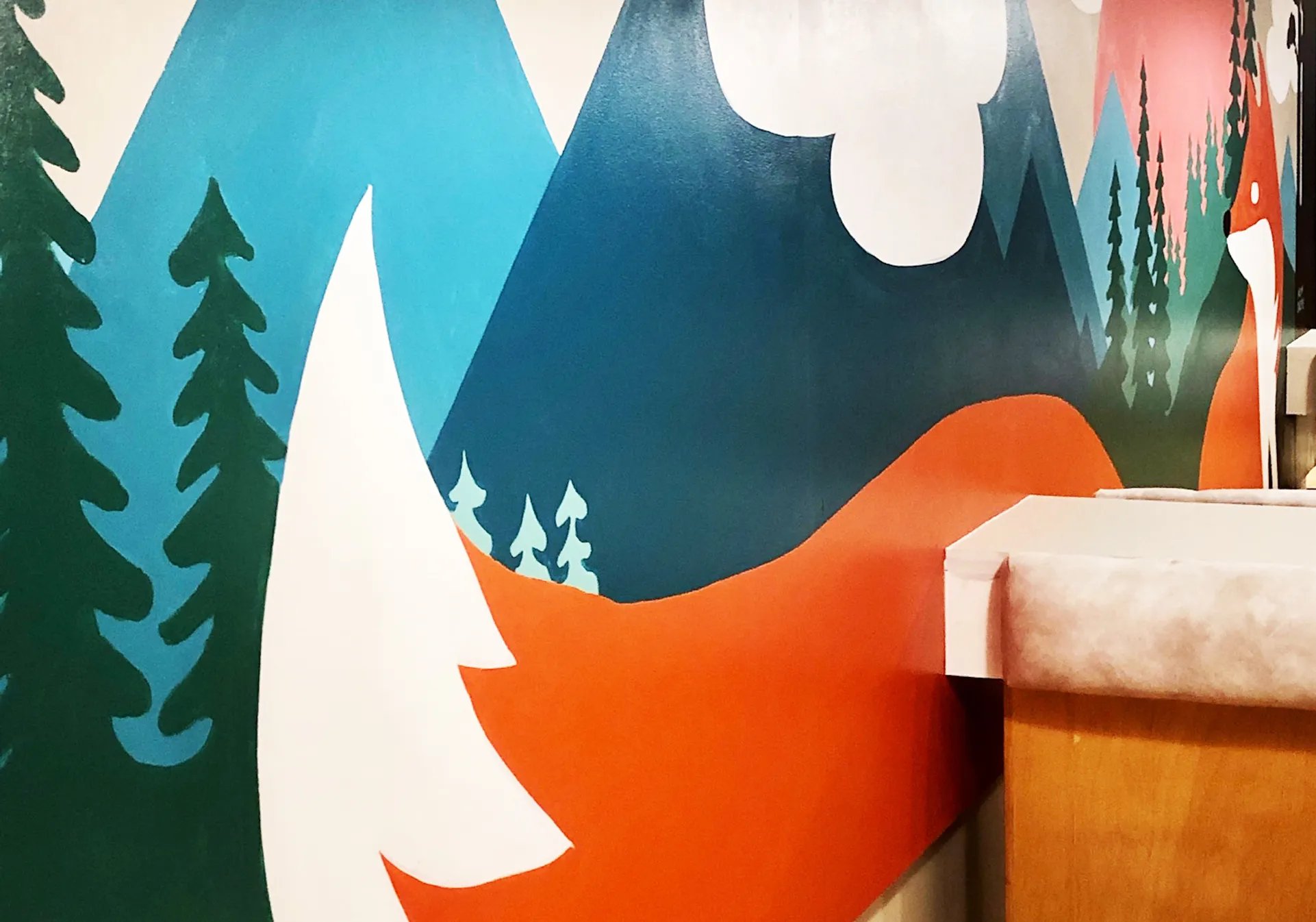
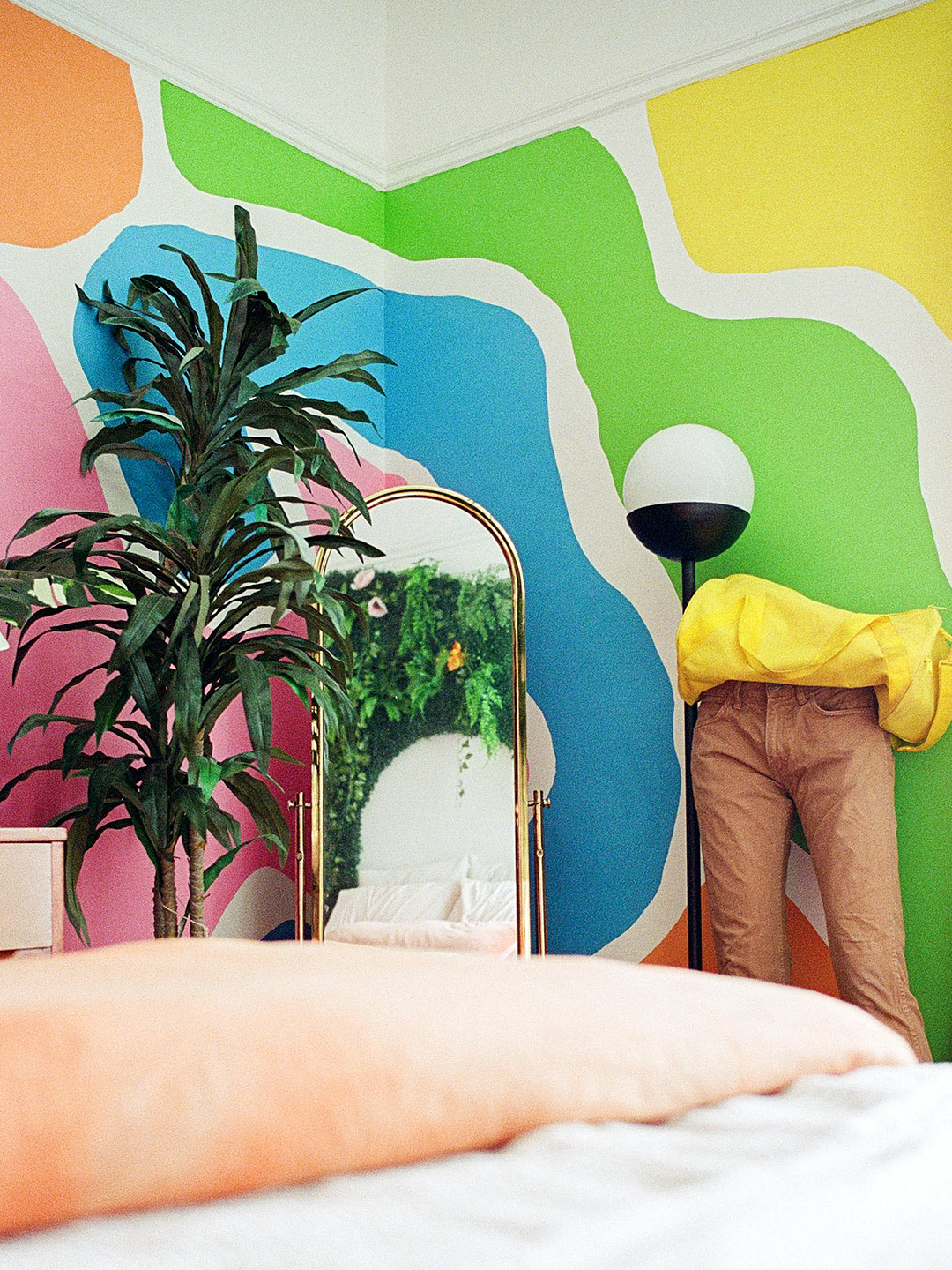
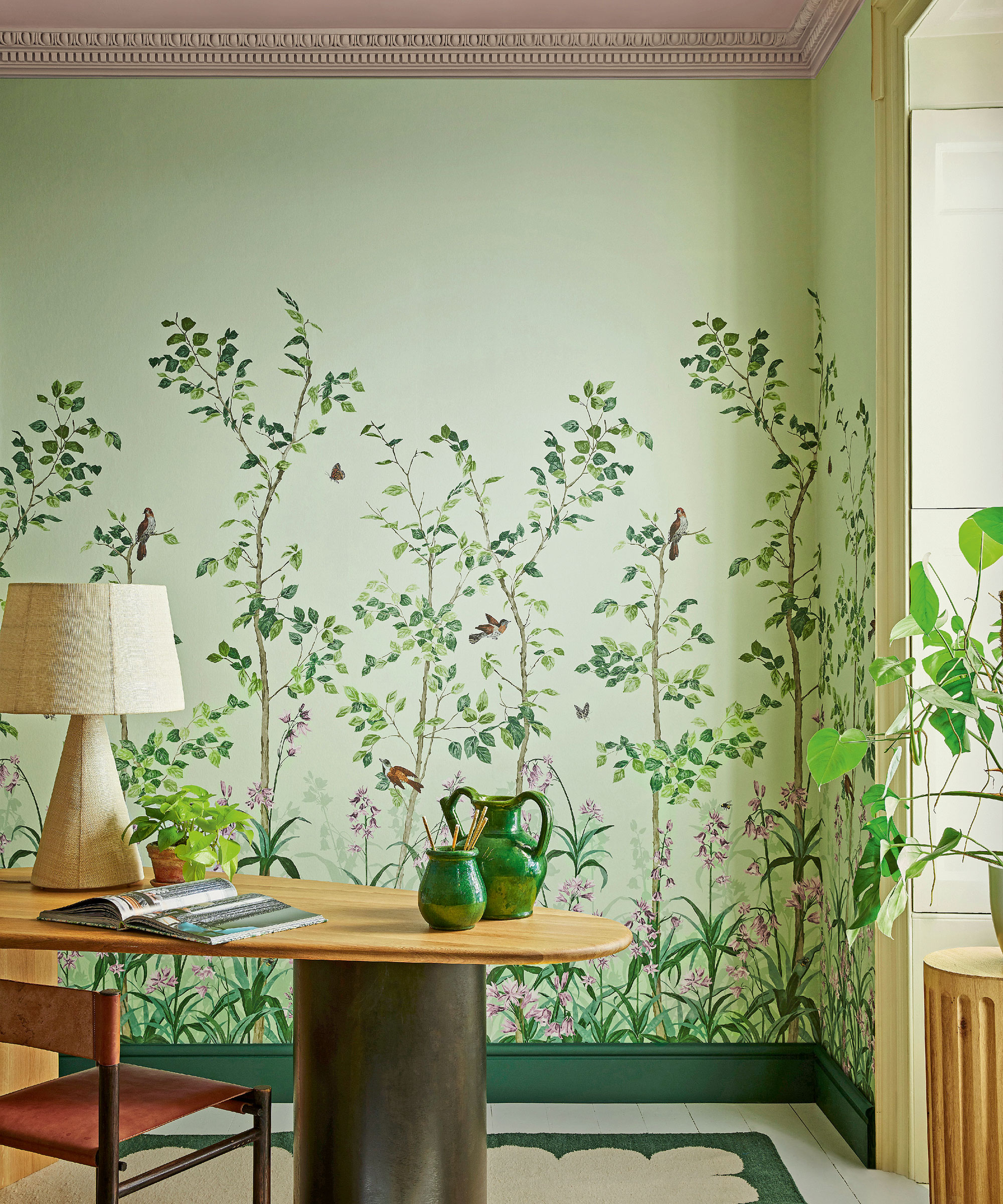
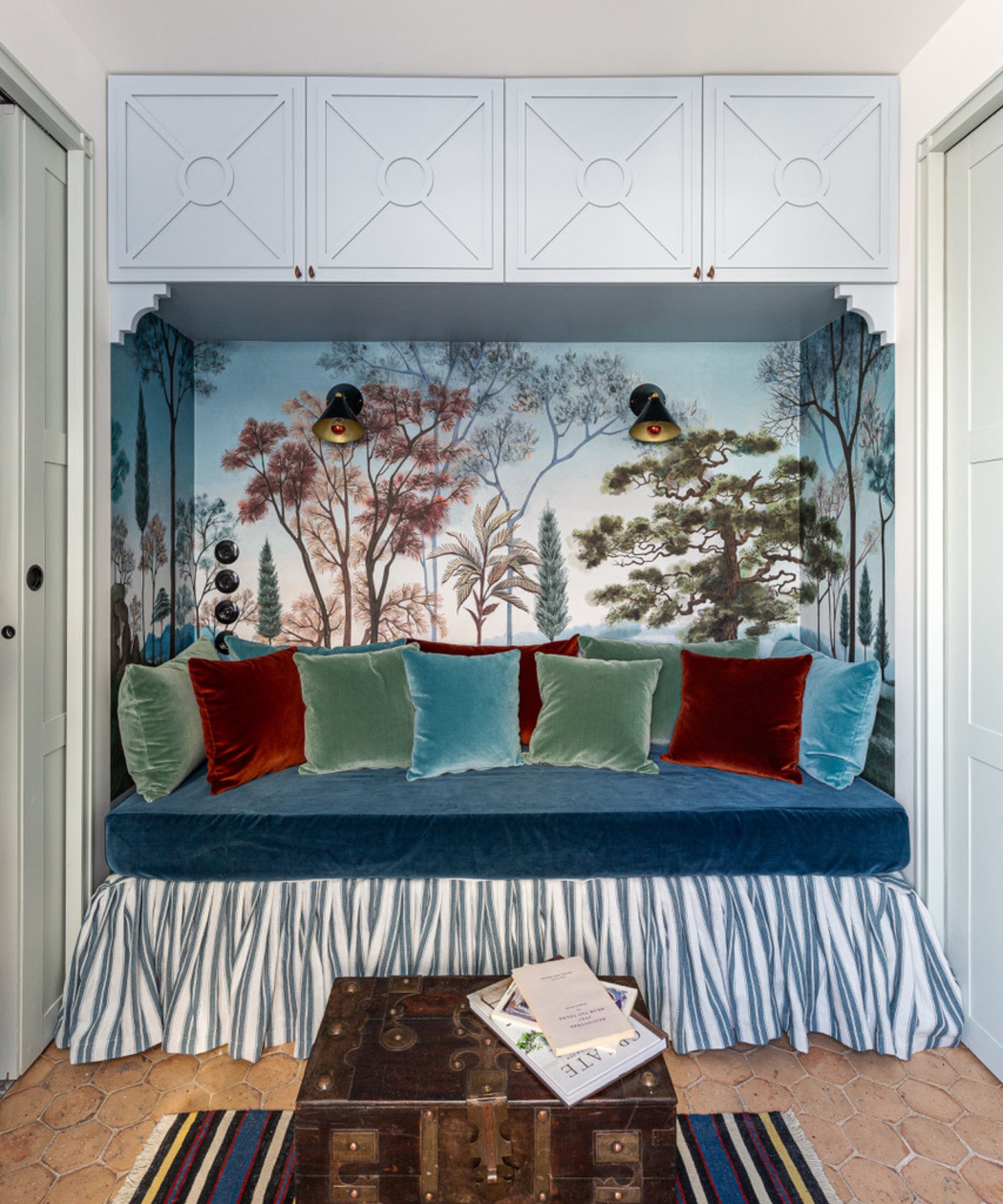
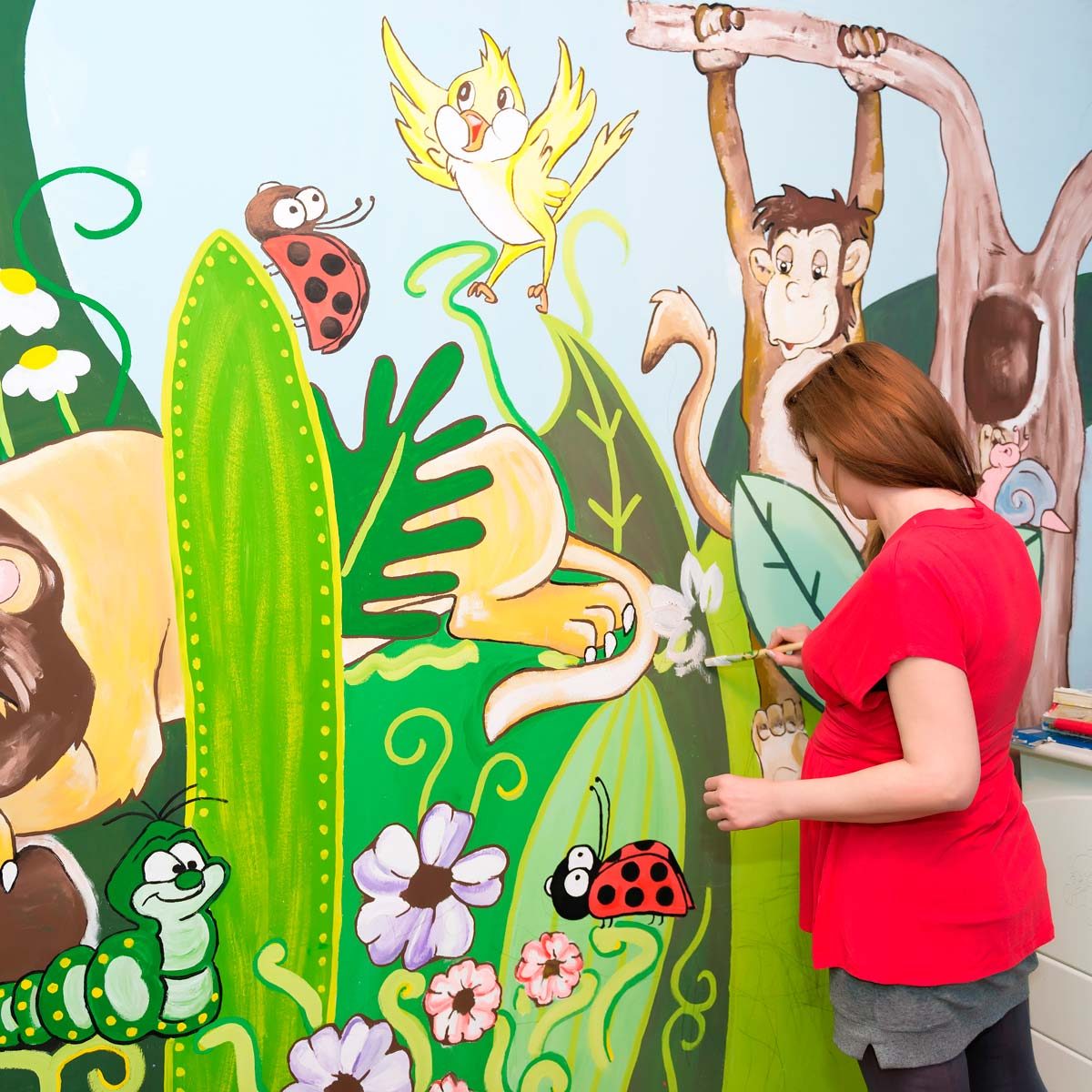
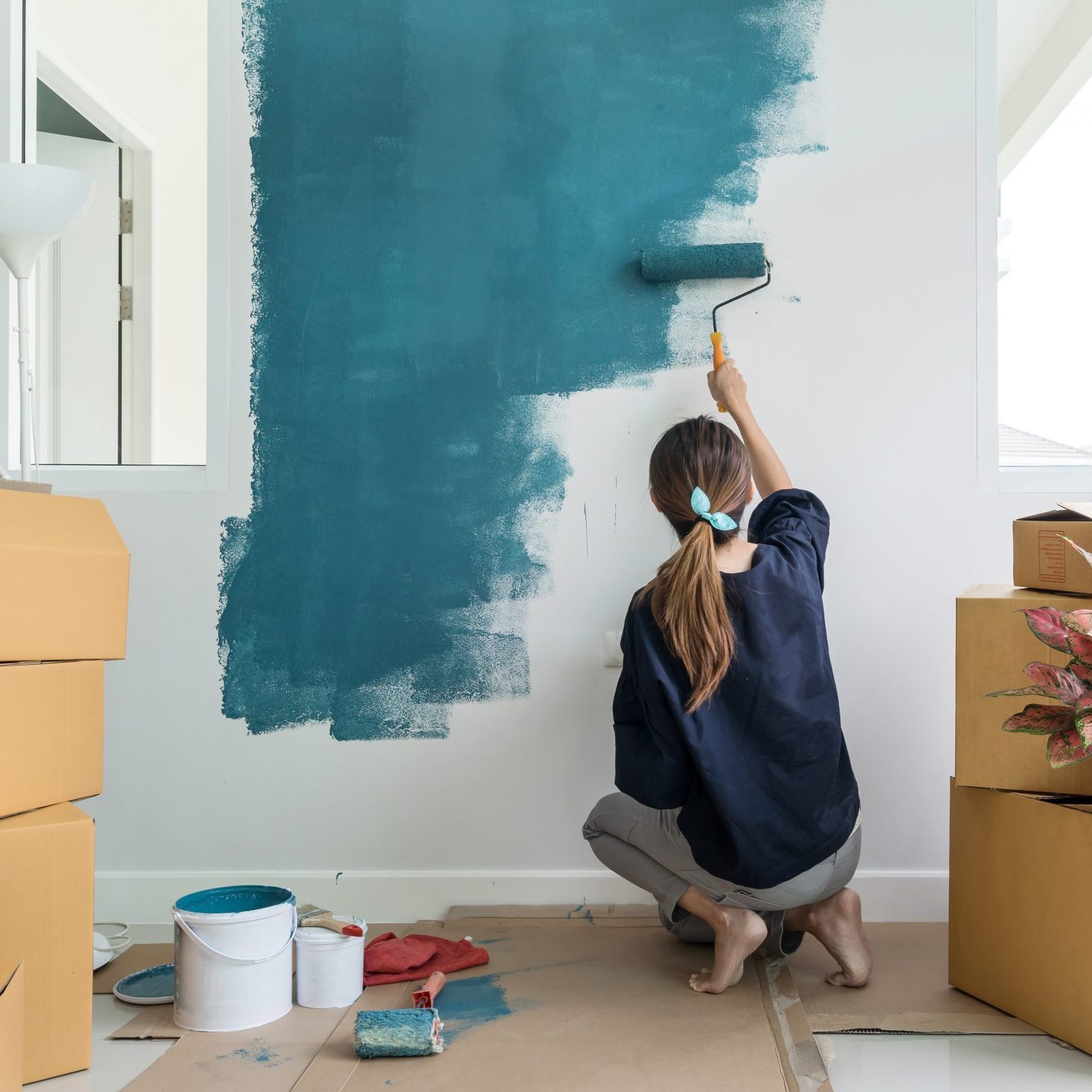
This article provides a comprehensive guide to painting a mural in your home, drawing on insights from professional mural artist Morgan Bricca of Morgan Mural Studios. It emphasizes that mural painting can be an enjoyable process, typically requiring between 10 to 20 hours to complete. The article outlines the necessary tools and materials, followed by a detailed seven-step process to transform a plain wall into a personalized work of art.
The first step, 'Choose Your Area and Protect Your Surroundings,' highlights the importance of selecting an appropriate wall and, crucially, protecting the surrounding area from paint. This involves covering floors, carpets, furniture, and baseboards with canvas or lined drop cloths and painter's tape, ensuring that paint cannot seep through. Old sheets are deemed inadequate for this purpose.
Next, 'Clean the Wall' emphasizes the need for a clean surface for optimal paint adhesion. A simple solution of soapy water and a sponge is recommended for general cleaning. For particularly dirty or greasy walls, an all-purpose cleaner and more vigorous scrubbing may be necessary.
'Prepare the Wall' is the third step, focusing on ensuring the wall's surface is smooth and free of imperfections. If the wall is already smooth, this step can be skipped. Otherwise, it involves patching holes, removing anchors, and sanding down any irregularities to achieve a flawless base for the mural.
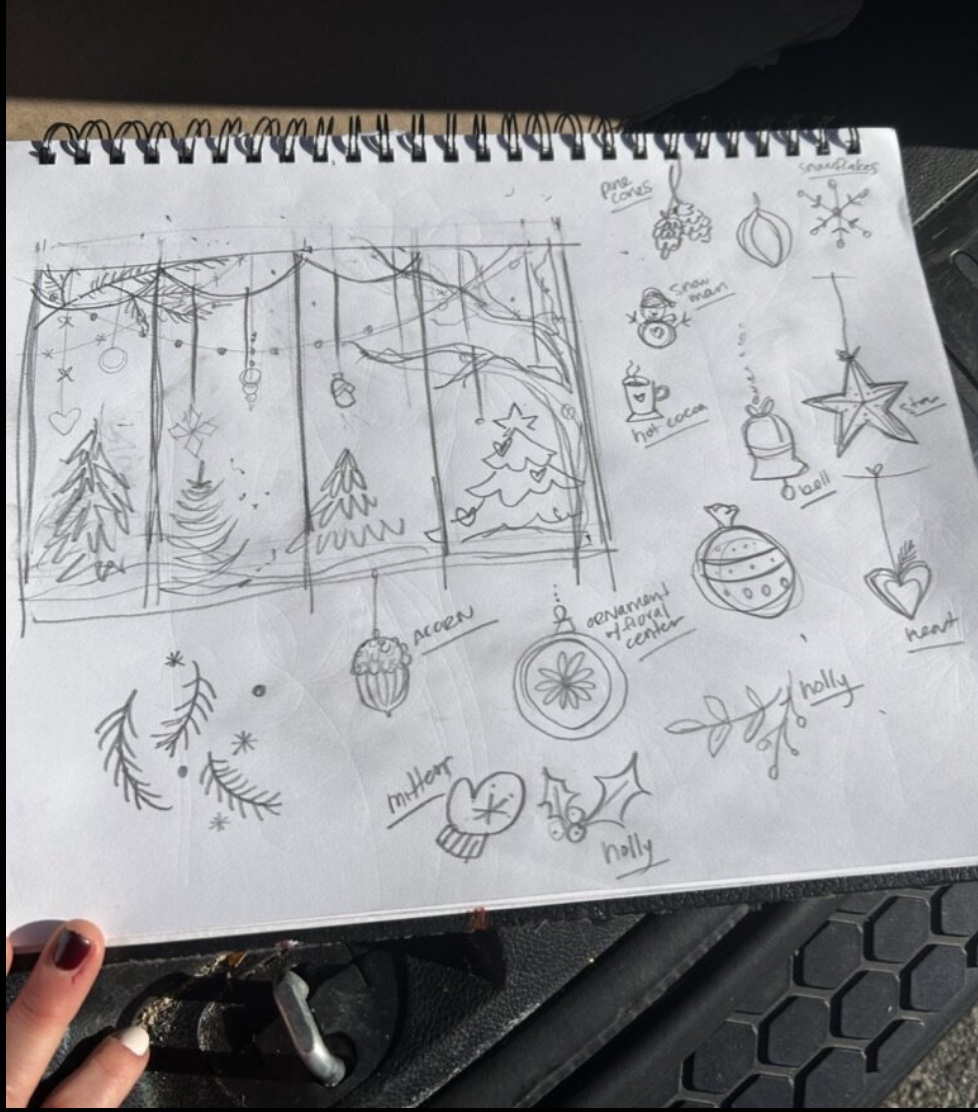
Step four, 'Prepare Your Design,' offers two primary methods for transferring a design to the wall. The grid method involves drawing a grid over the paper design and then replicating it on the wall using chalk or a watercolor pencil, avoiding regular pencils which might show through paint. Alternatively, a projector can be used to project the design onto the wall for easy tracing.
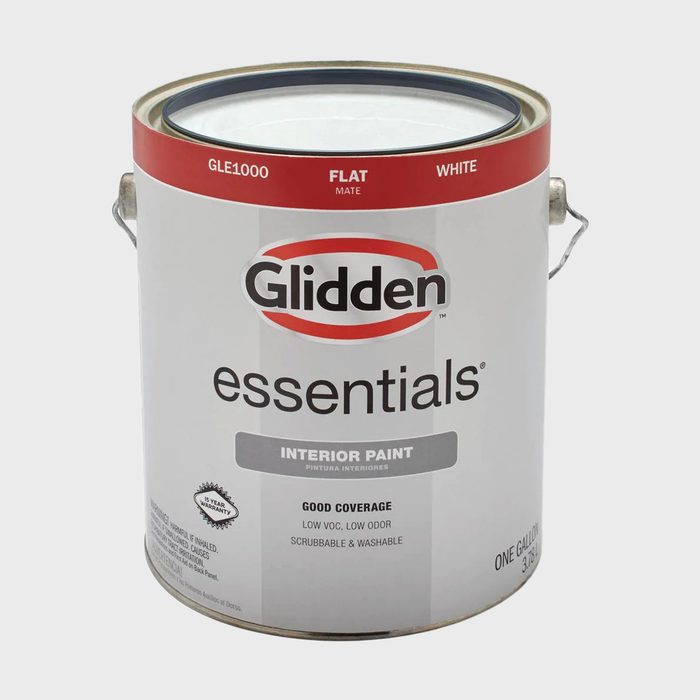
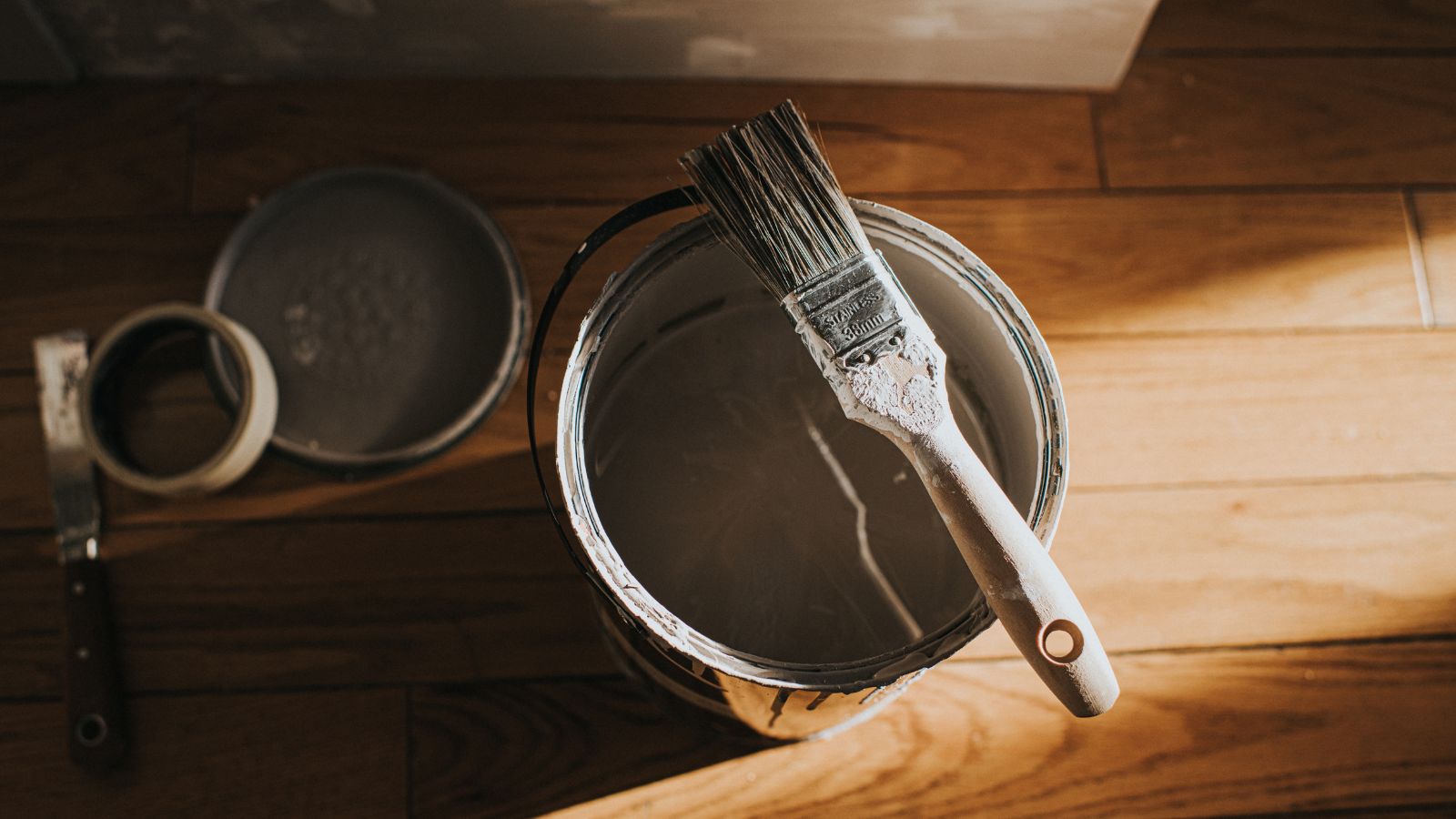
'Prepare Your Paints' is the fifth step, advising on brush selection and paint types. Bricca recommends using a 3-inch chip brush for most of the painting to save time, reserving smaller brushes for detailed work. Self-priming latex house paints are suggested for the main body of the mural, with water-based acrylic paints used for adding pops of color and highlighting details. Keeping soap and water handy for brush cleaning and using paint trays or plastic food containers for paint mixing are also recommended.
'Let’s Paint,' the sixth step, describes the actual painting process. Good ventilation is crucial to dissipate paint fumes. Mural painting is described as a layering process, starting with a base layer using latex paints, followed by acrylic paints for details. A minimum of two to three coats of paint per layer is suggested, with adequate drying time between coats. Paints typically dry quickly, but checking manufacturer instructions is advised.
The final step, 'Completing Your Wall Mural Painting,' stresses the importance of periodically stepping back to view the mural from a distance, allowing for corrections and ensuring aesthetic appeal from all angles. The article concludes with Bricca's reassuring advice that there are no mistakes in mural painting, as any unwanted elements can simply be painted over. After painting, proper storage of tools and materials is necessary, and it's essential to prevent anything from touching the mural until the paint is fully cured, which can take anywhere from a week to a month depending on environmental conditions.
#MuralPainting #DIYHomeDecor #WallArt #InteriorDesign #PaintingTips #HomeImprovement #ArtisticExpression #HomeDecoration #MuralPainting #DIYHomeDecor #WallArt #InteriorDesign #PaintingTips #HomeImprovement #ArtisticExpression #HomeDecoration
0 comment in total
 No comments yet
You may also like
How to Paint a Wall Mural Even If You’re Not an Artist

Are Wall Murals the New Wallpaper?

8 Paint Mistakes That Make Your House Look Dingy (and How to Fix Them)
How to paint a room and give it a refresh
7 Wall Murals In, This DIYer’s Top Paint Tip Is to—Gasp!—Not Use Tape

How to paint stripes on a wall - the expert guide to creating show stopping decor

How to clean walls before painting – expert tips and tricks

This British Paint Trend Is Set to Take Over 2026

Wall mural ideas – 10 stunning looks for totally unique walls
9 Painted Wall Mural Ideas to Brighten Any Room

What are the best paint techniques for walls? 11 inventive effects that go beyond basic
Designers say mural wallpaper is the only acceptable way to do an accent wall in 2025 – here are the best ones I've found
A guide to wall finishes: wallpaper, plaster, and more
How to choose the best wall colour for your art
9 Best Paints for Interior Walls
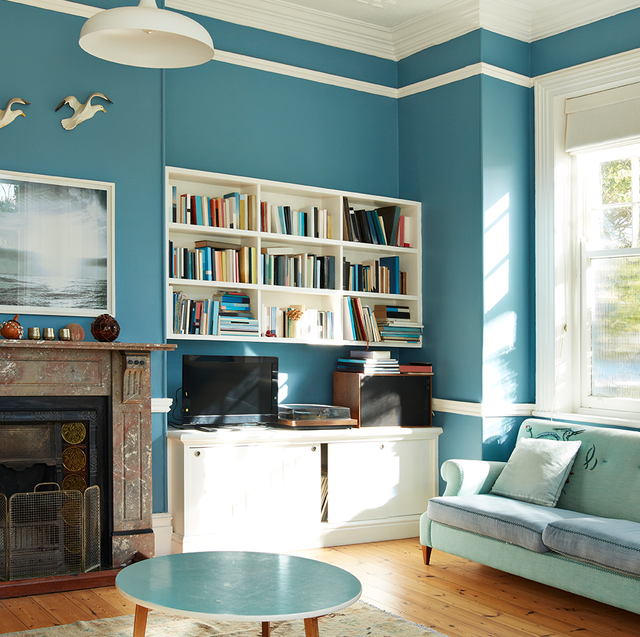
The best paints for streak-free coverage, from Dulux to Farrow & Ball

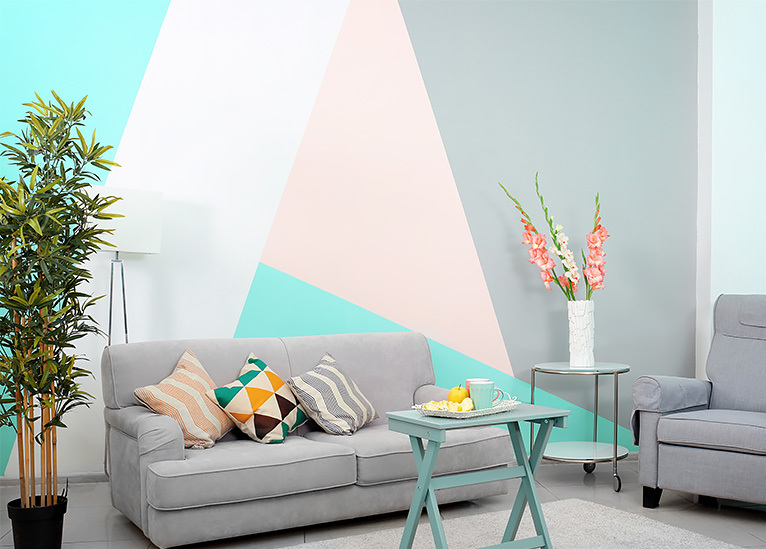
Feature Wall Designs, Wallpaper and Paint Ideas
How to texture a wall – 5 expert methods for intriguing wall textures
How to hang paintings: Everything you need to know
10 Designer-Approved Wall Art Trends of 2024