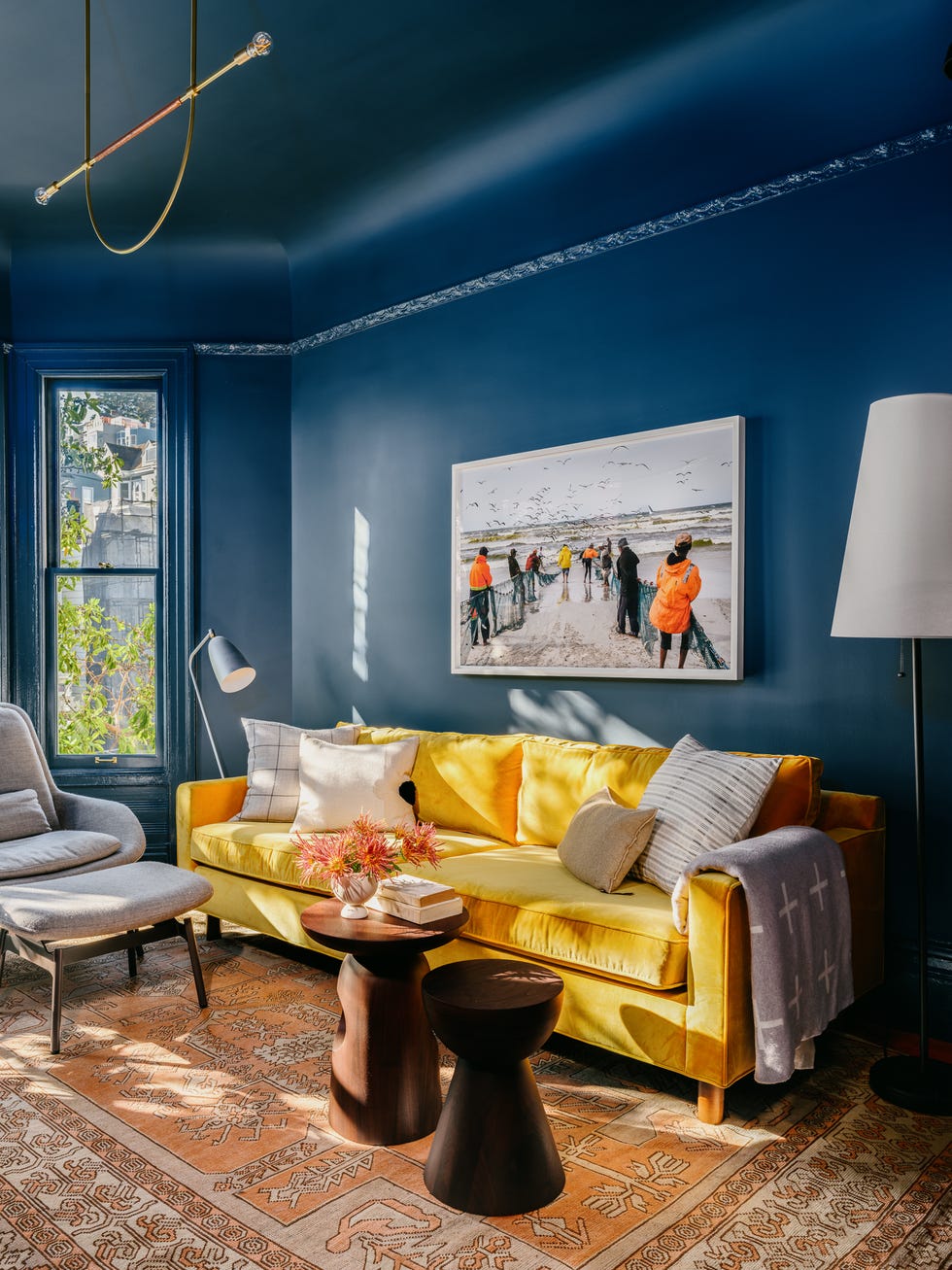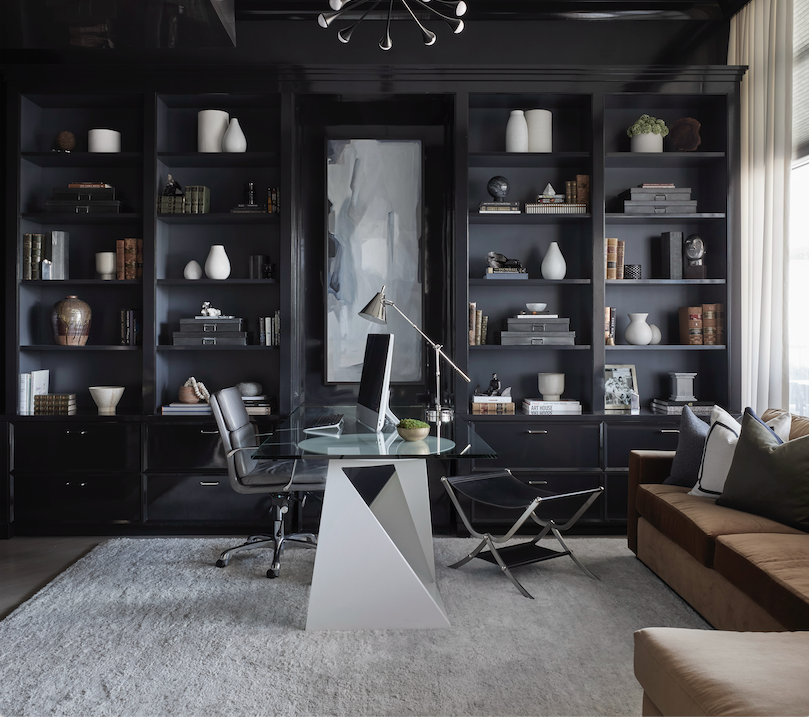
How to paint a room and give it a refresh
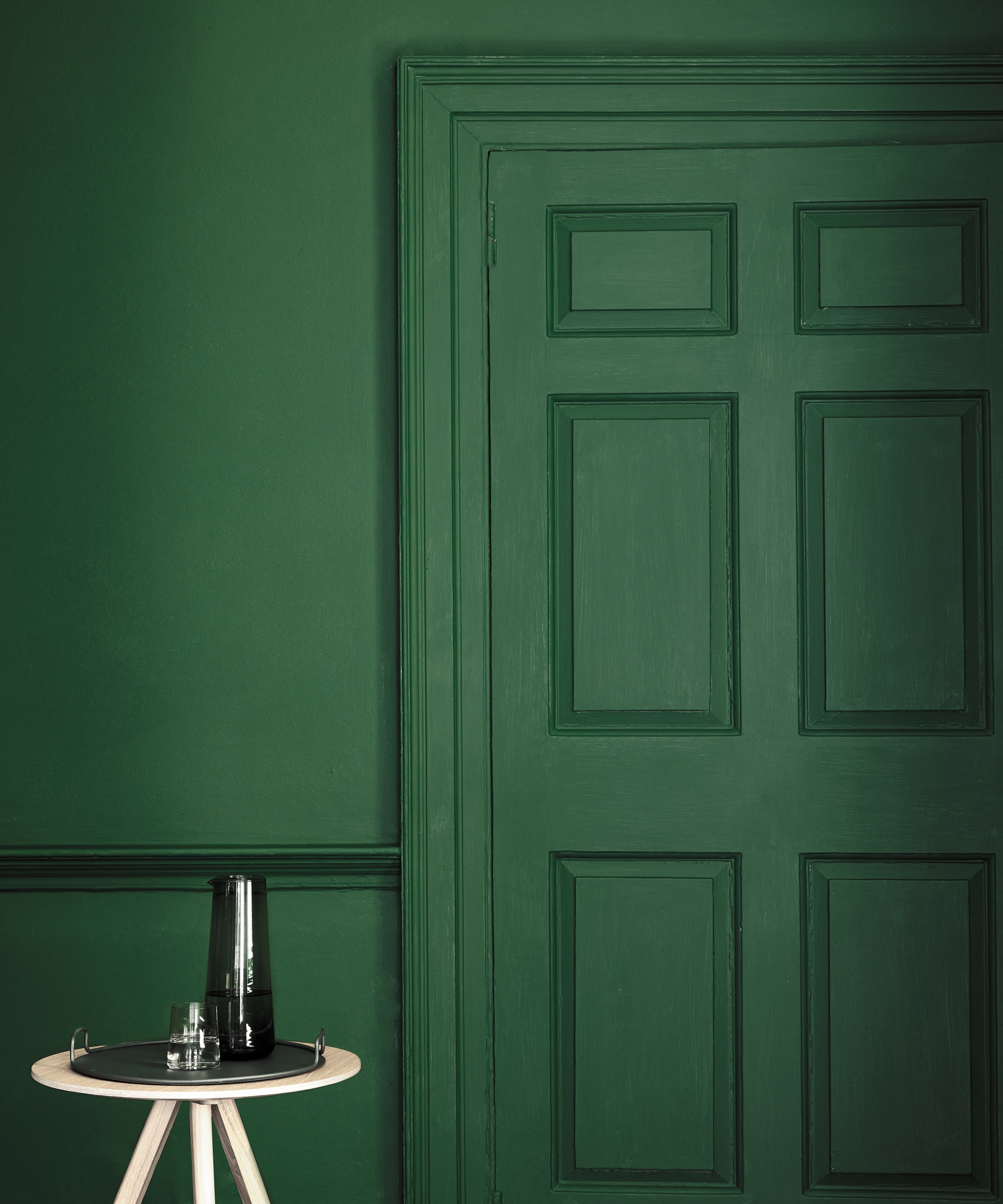
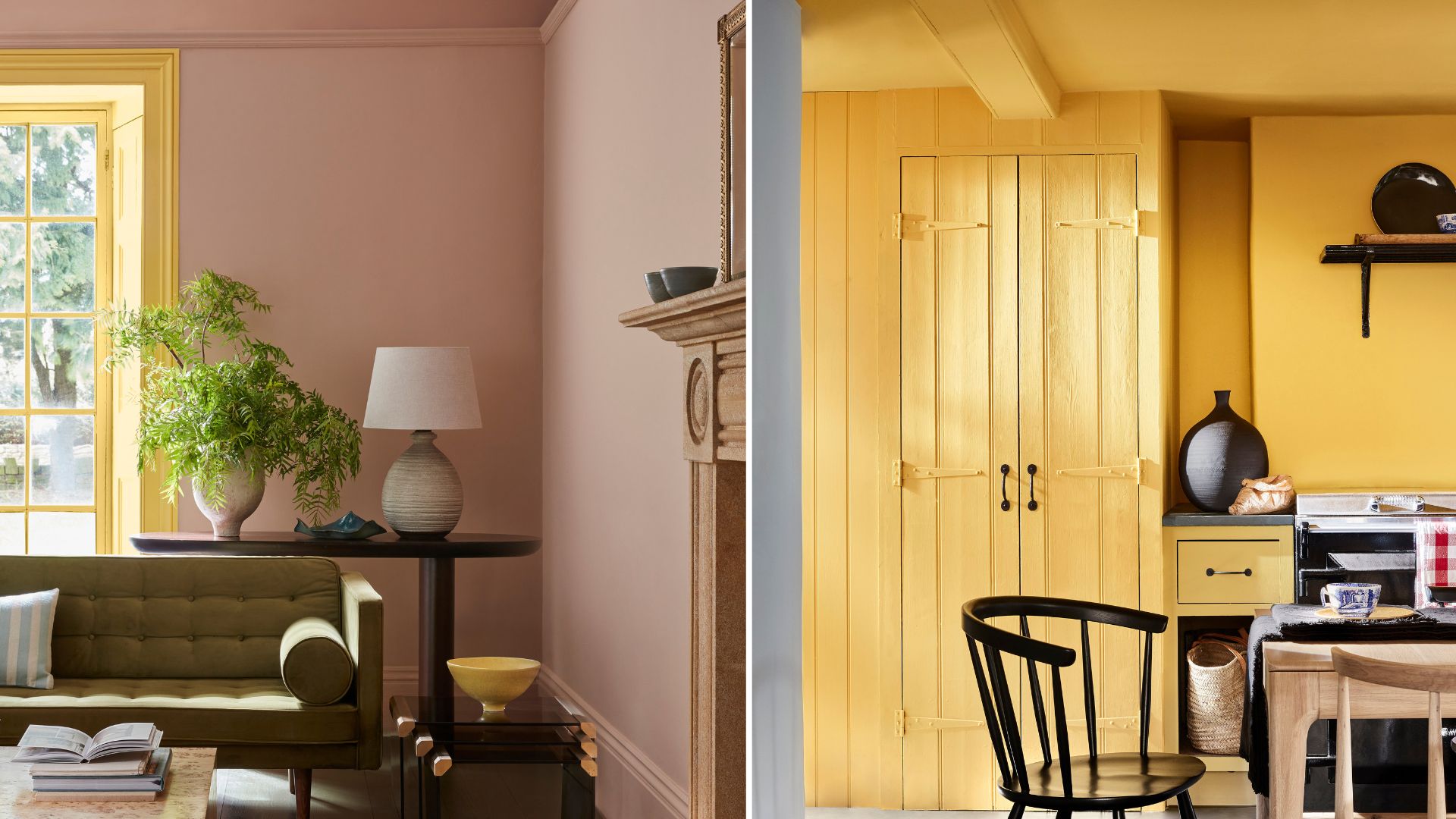
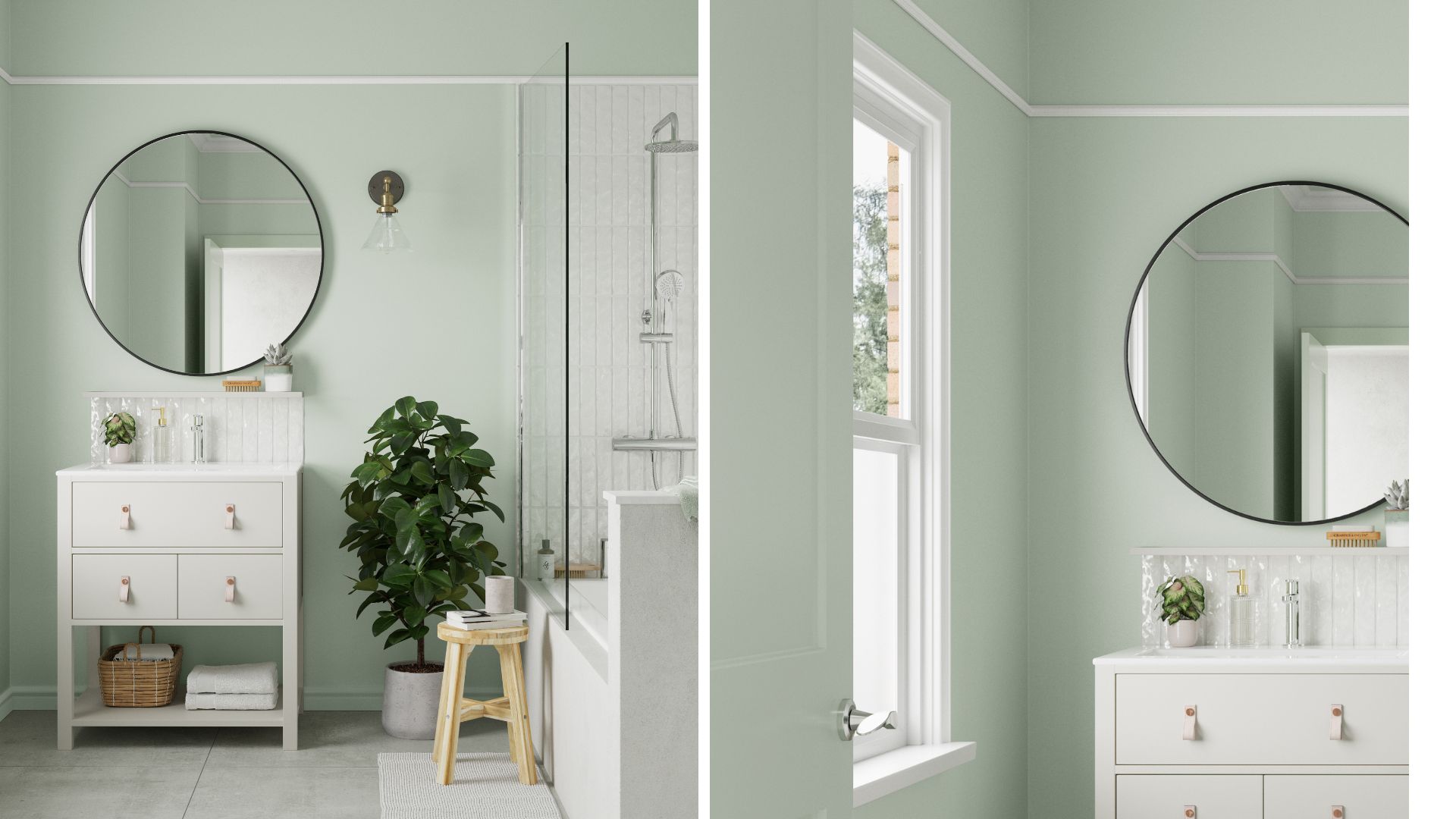
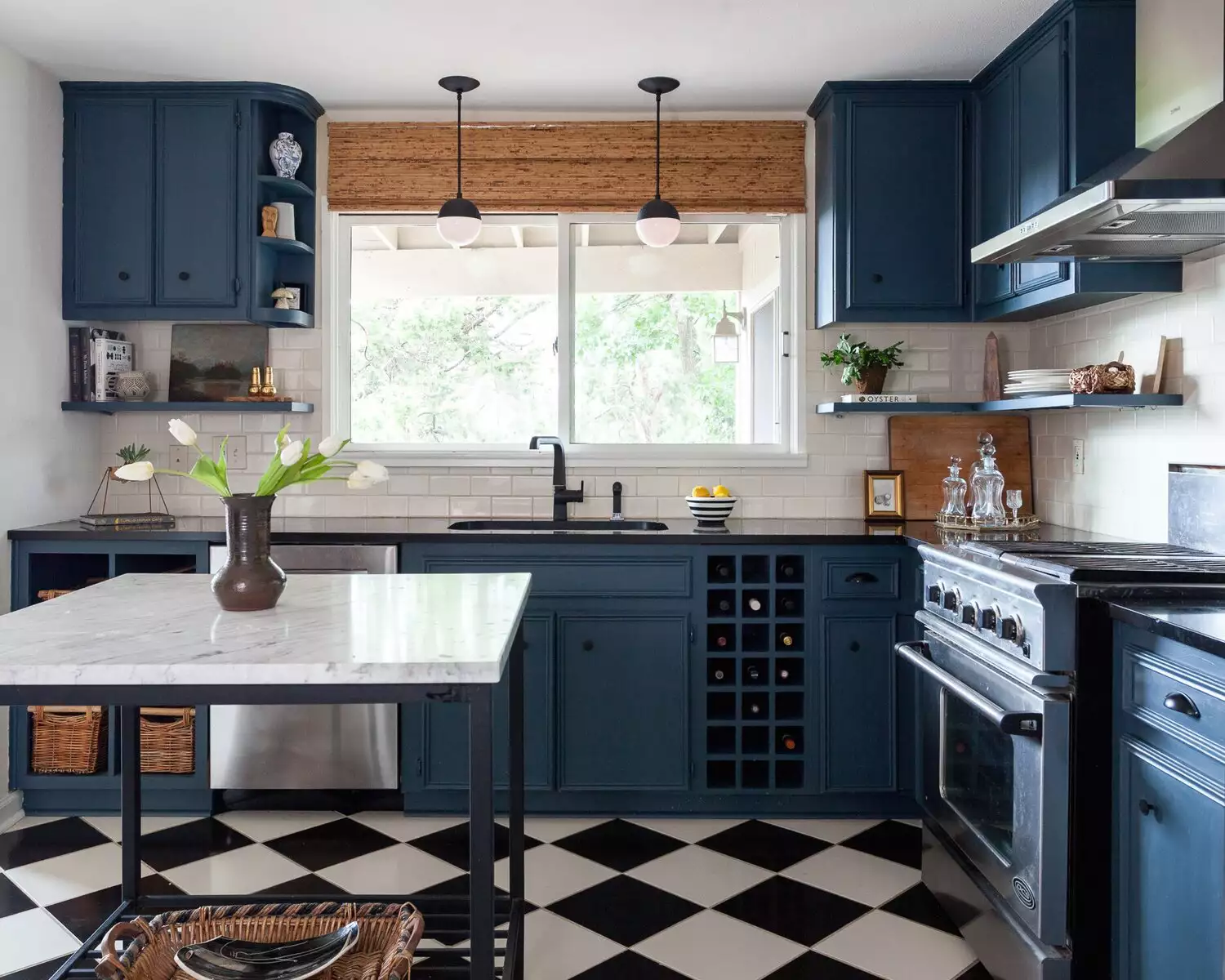
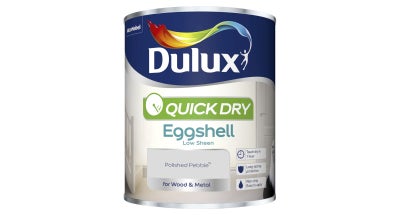
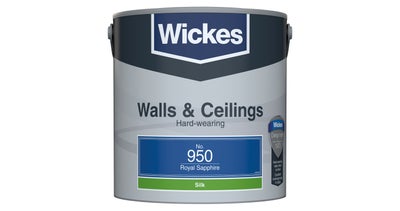
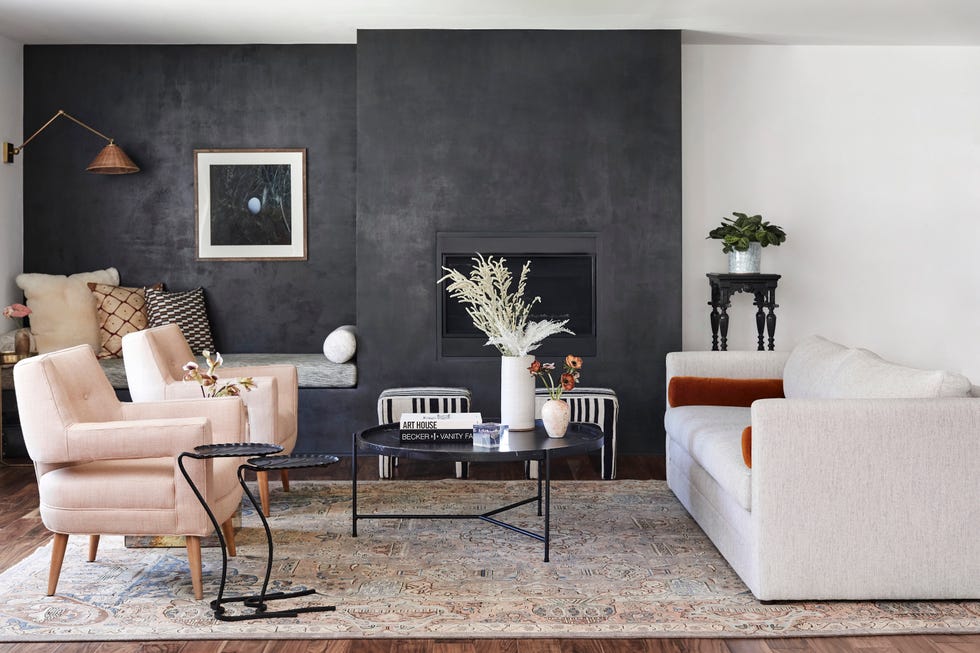
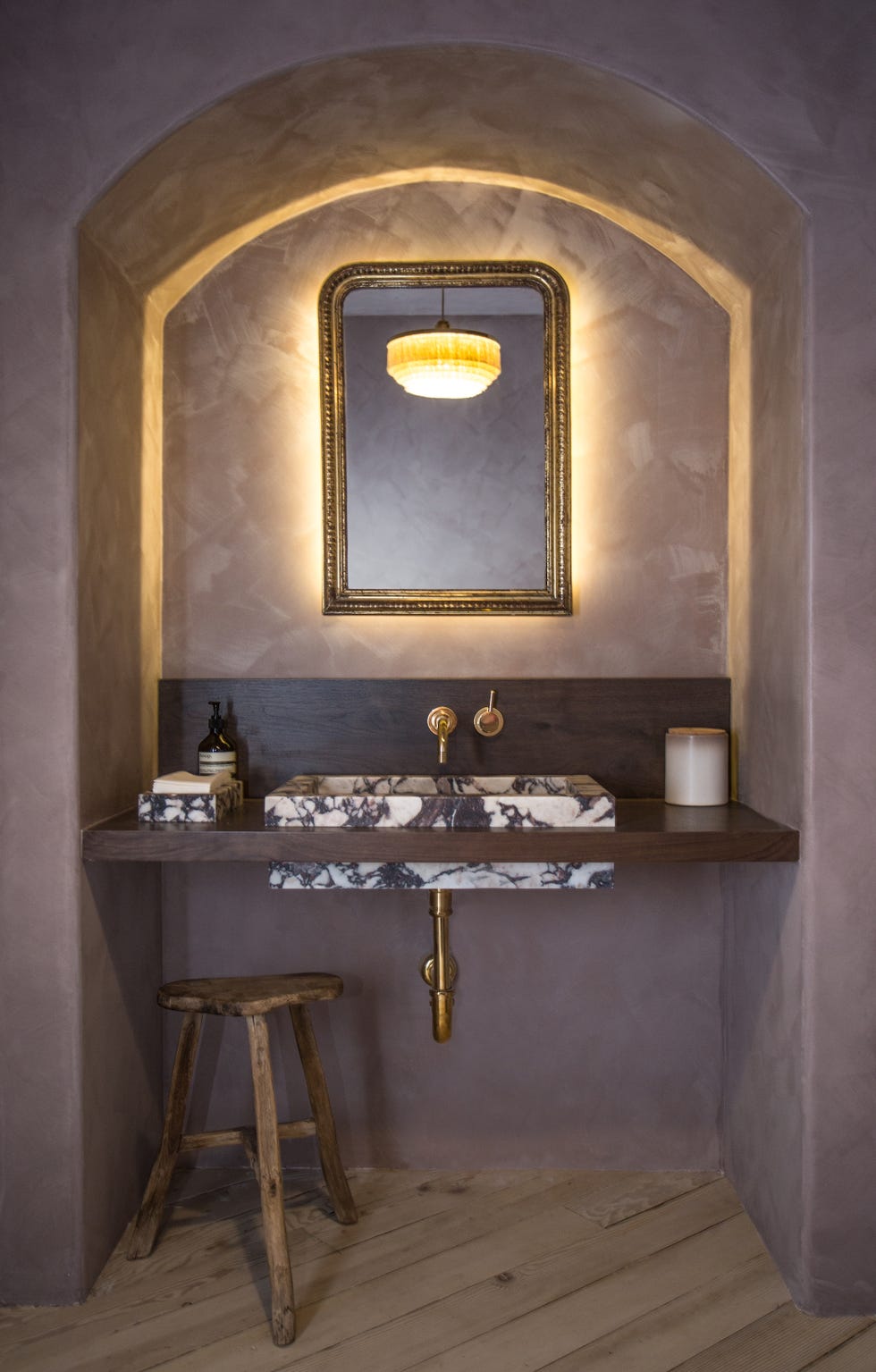
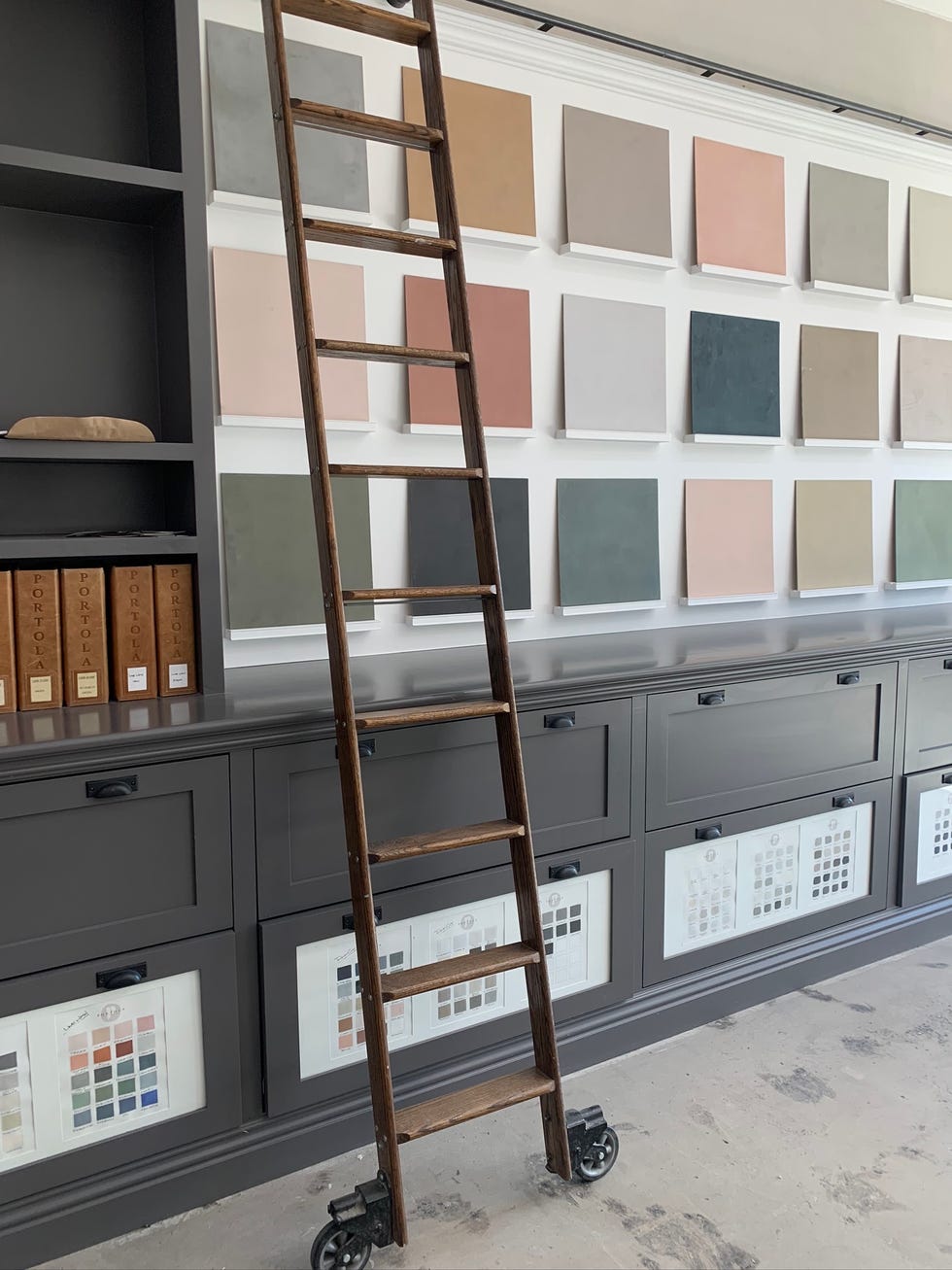
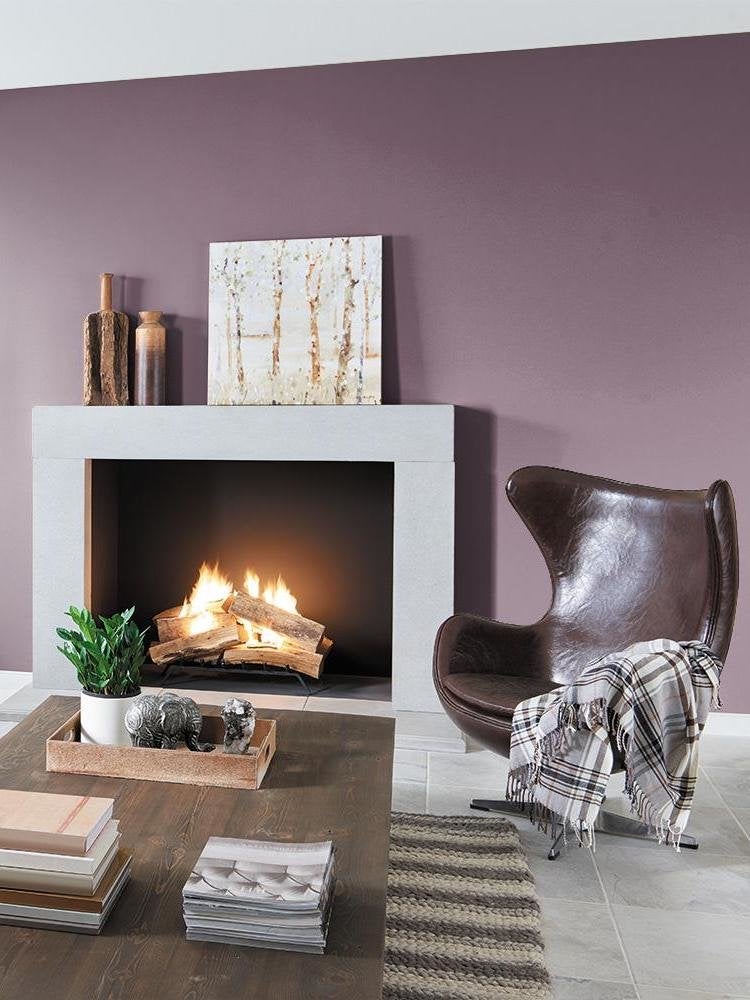
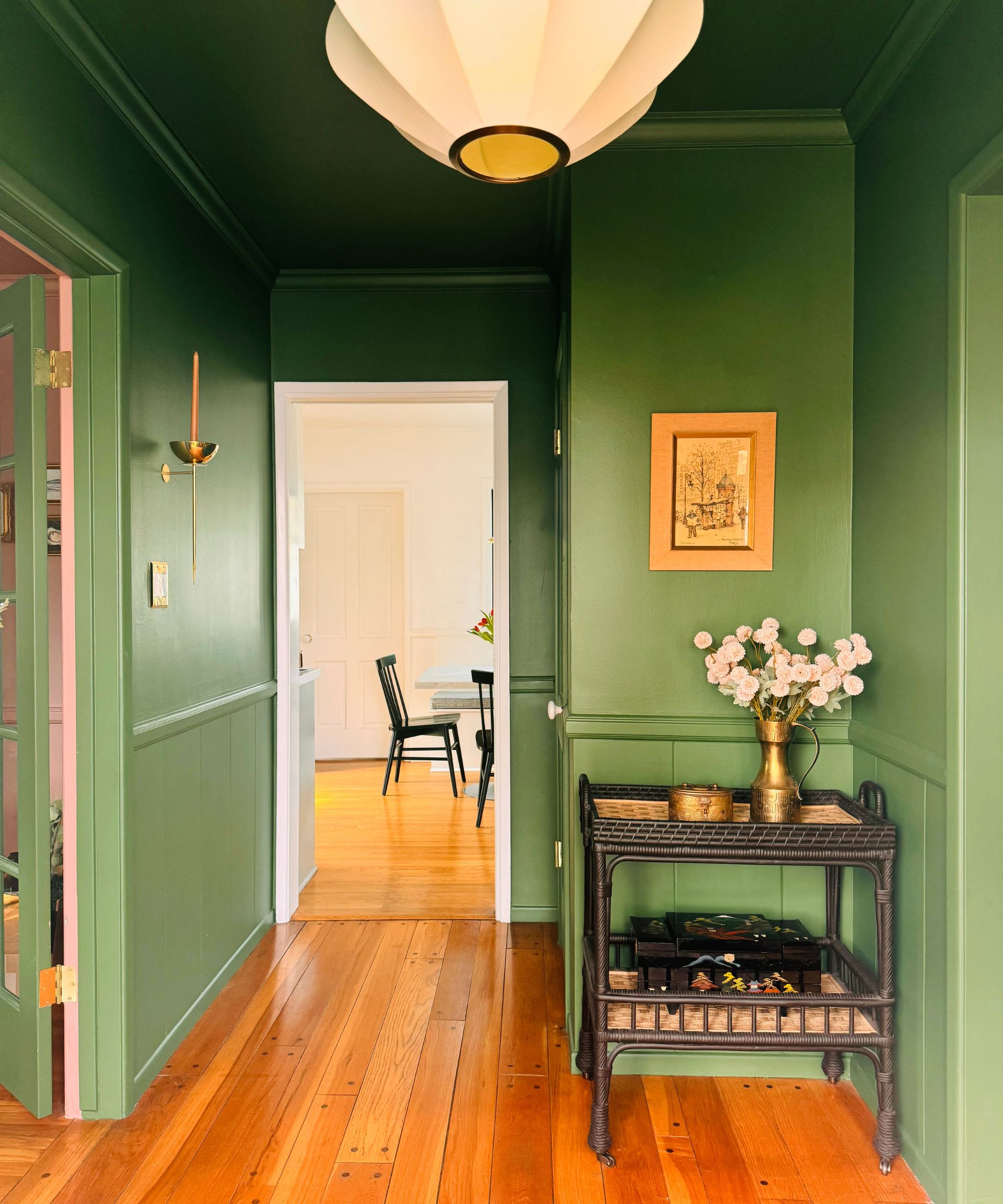
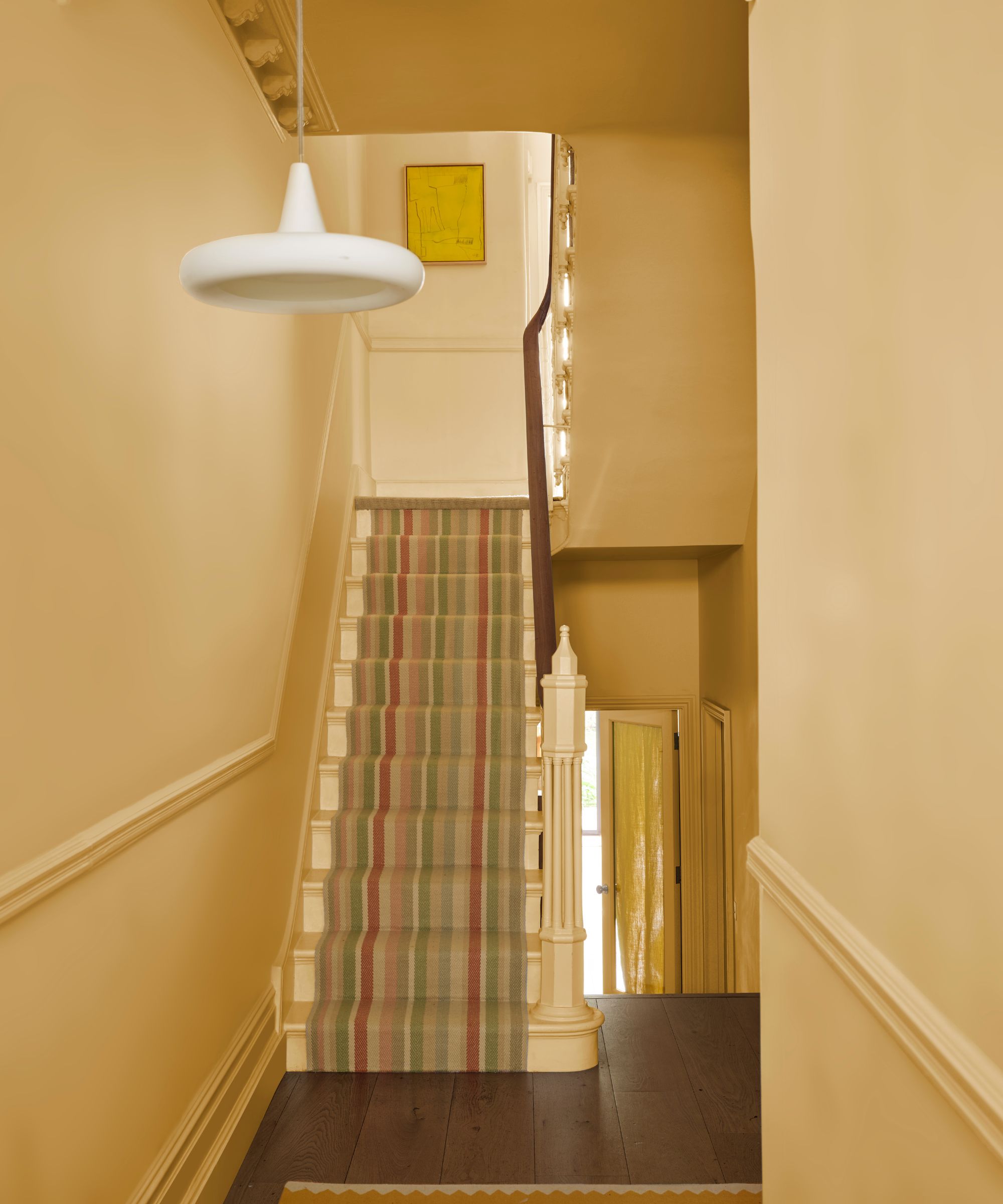
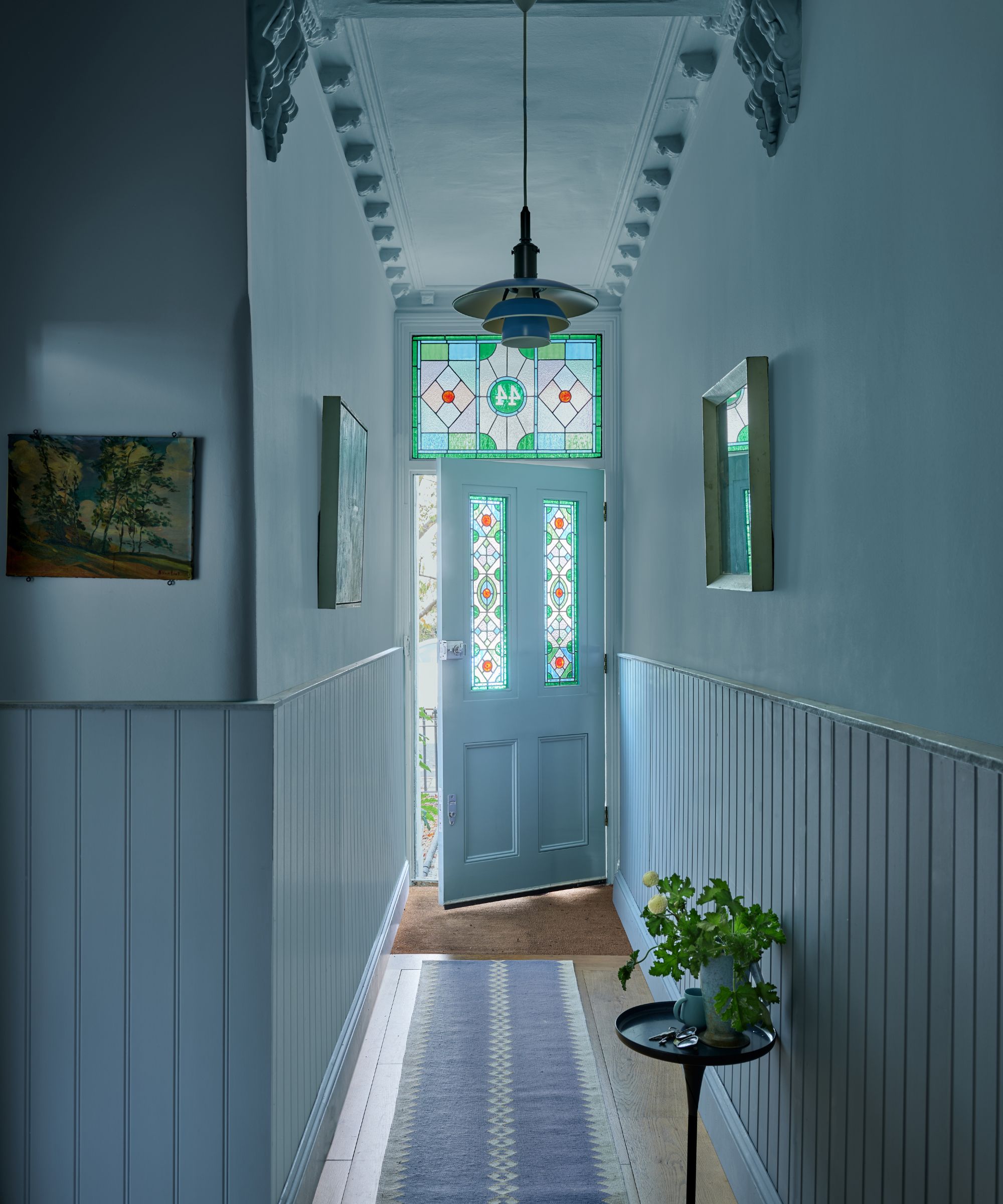
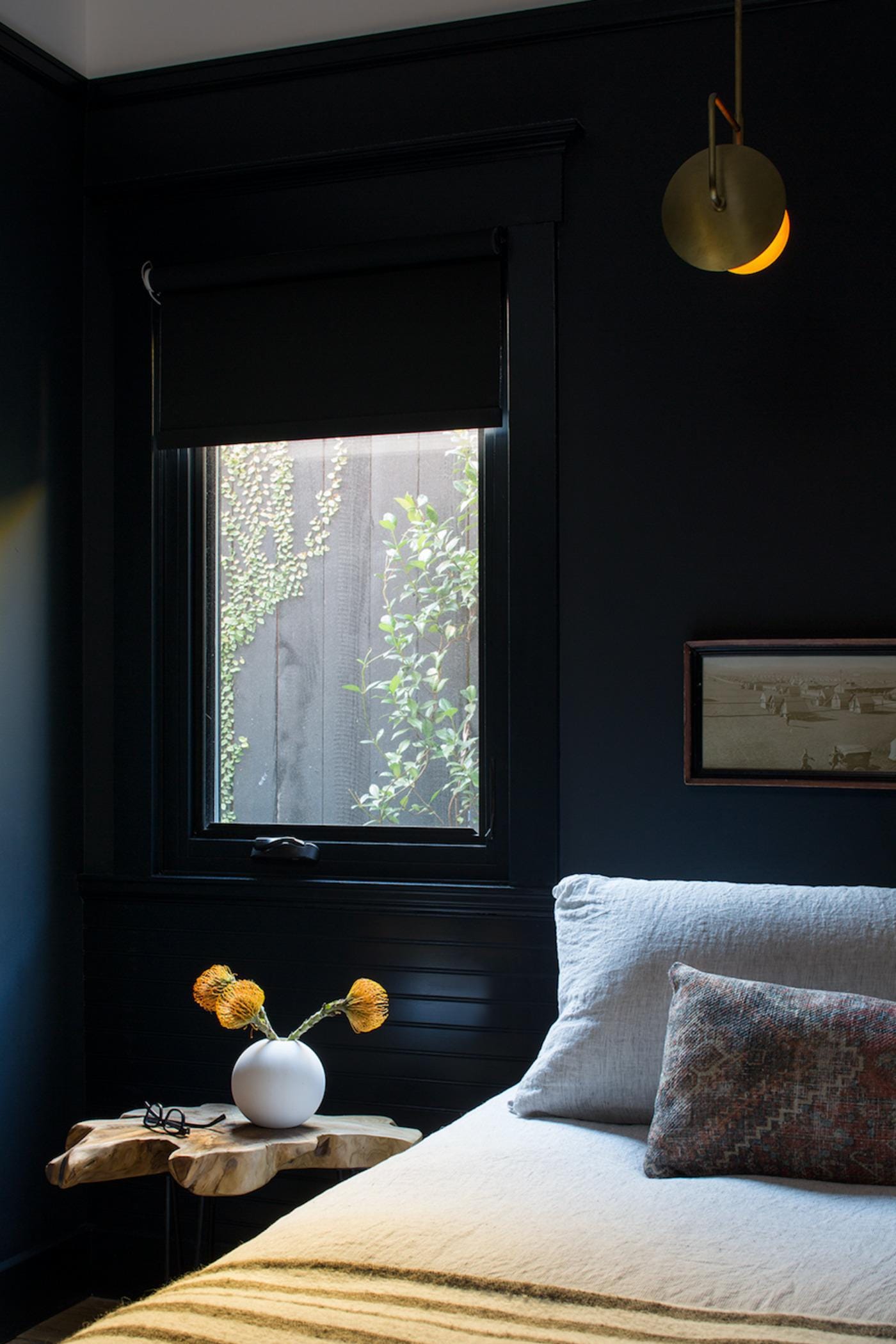
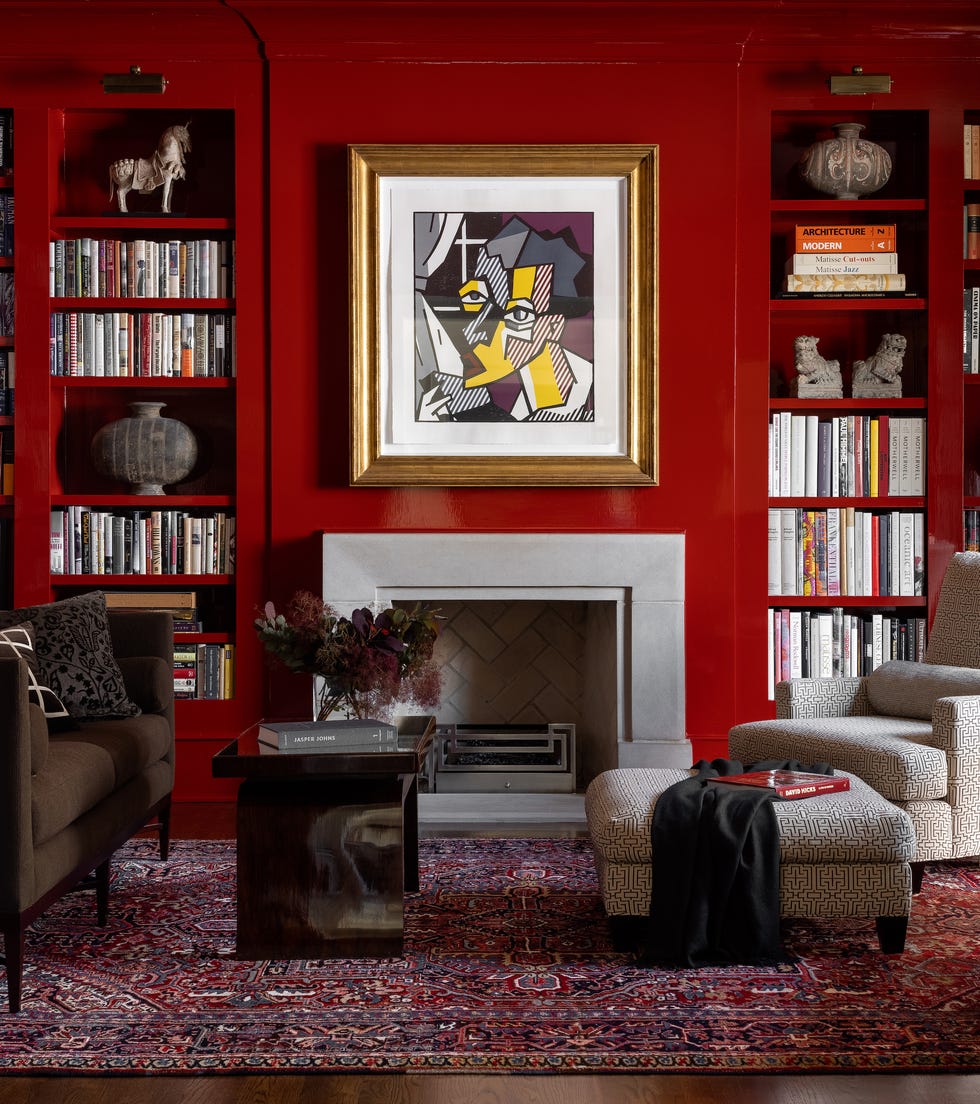
Painting a room can seem daunting for a novice, but with proper planning, tools, and technique, it's an accessible DIY project. The process begins with meticulous planning, which involves selecting the right paint color, considering ceiling and trim finishes, determining primer needs, identifying existing wall paint types, and calculating the required paint quantity. Color choice is crucial for setting a room's mood; it is recommended to test three different samples of a chosen hue on the wall to observe how it appears under varying lighting conditions, sheen, and coverage. For walls, an eggshell finish is suggested for its washability, while ceilings typically benefit from an ultra-flat white paint to conceal imperfections. Trim, conversely, should use a higher quality semi-gloss paint. The article emphasizes the importance of primer, noting that it improves adhesion, blocks stains, and creates an even surface, especially for porous materials like drywall. However, it cautions against all-in-one paint-and-primer products, advising specific primers for different surfaces and previous paint treatments. A critical step is identifying whether existing paint is water-based or oil-based, as applying water-based paint over oil-based paint can lead to peeling unless a bonding primer is used after sanding. Calculating paint needs accurately prevents waste and ensures sufficient supply, with guidance provided on using product coverage rates and online calculators. Certain colors, like red and yellow, often require more coats.
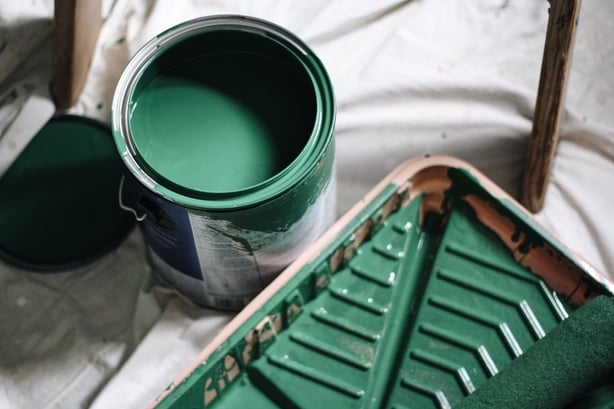
Once planning is complete, the next phase is room preparation. This involves gathering essential tools such as brushes, rollers, drop cloths, painter's tape, paint trays, putty knives, filling compound, and sandpaper. A key tip for rollers is to spray them with a hose outdoors to remove loose fibers before use. Furniture should be moved or covered, and floors protected with canvas or plastic-backed drop cloths. Obstacles like light fixtures and switch plates must be removed, and any wall anomalies scraped and filled with putty, then sanded smooth after drying. Masking surfaces not intended for paint is crucial; a masking tool or careful manual application in short increments helps prevent paint bleeding.
With the room prepped, the painting process begins. Paint for ceilings and walls should be poured into trays or buckets in manageable quantities. Ceilings are painted first, starting with cutting in around edges with an angle sash brush, followed by rolling the main area. Trim and baseboards are next, utilizing a small bucket of paint and an angle brush. The "cutting in" technique involves painting areas too tight for a roller with a brush, ensuring a wet edge is maintained as painting progresses. Rolling out the rest of the walls involves loading the roller, transferring paint to the wall, and then spreading it evenly with steady pressure. Additional coats can be applied while walls are slightly wet to the touch, with latex paints drying faster than oil-based ones. Proper ventilation is essential during drying, with recommendations for maintaining room humidity and temperature.
The final stage is cleaning up. Painter's tape should be removed carefully once paint is dry to the touch, scoring the edge with a razor to prevent peeling paint. Brushes and rollers are washed until the water runs clear. Leftover paint should be properly sealed and stored in a climate-stable area for future touch-ups. The newly painted room requires 24 to 48 hours to dry completely before reintroducing artwork, drapery, fixtures, and furniture. Adhering to these steps ensures a professional-looking finish and minimizes potential mishaps.
#RoomPainting #DIYHomeImprovement #InteriorDesign #PaintSelection #WallPreparation #PaintingTechniques #HomeRefresh #PaintTools #CleaningTips #RoomPainting #DIYHomeImprovement #InteriorDesign #PaintSelection #WallPreparation #PaintingTechniques #HomeRefresh #PaintTools #CleaningTips
0 comment in total
 No comments yet
You may also like

How to use paint to change the size and shape of your room


Update your home with these paint tips!


How to make a room look bigger with paint: 10 expert tips


Craig Phillips’ 8 tips on the best ways to refresh your home with a lick of paint

New Year New Paint: Give Your Room a Makeover

35 Paint Colors to Consider for Every Room in Your House

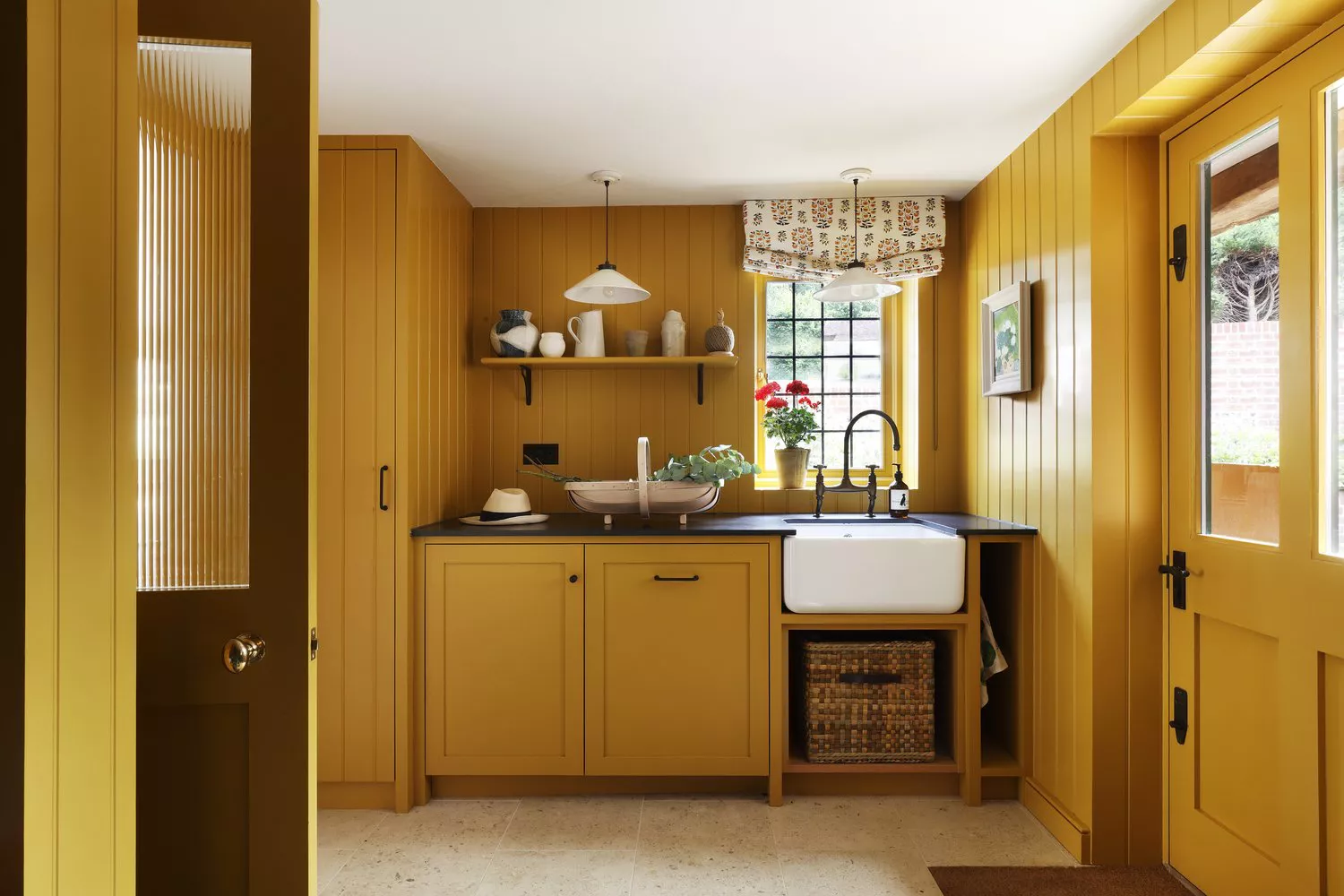
These Easy DIYs Prove That Paint Can Transform Any Room Without Breaking the Bank

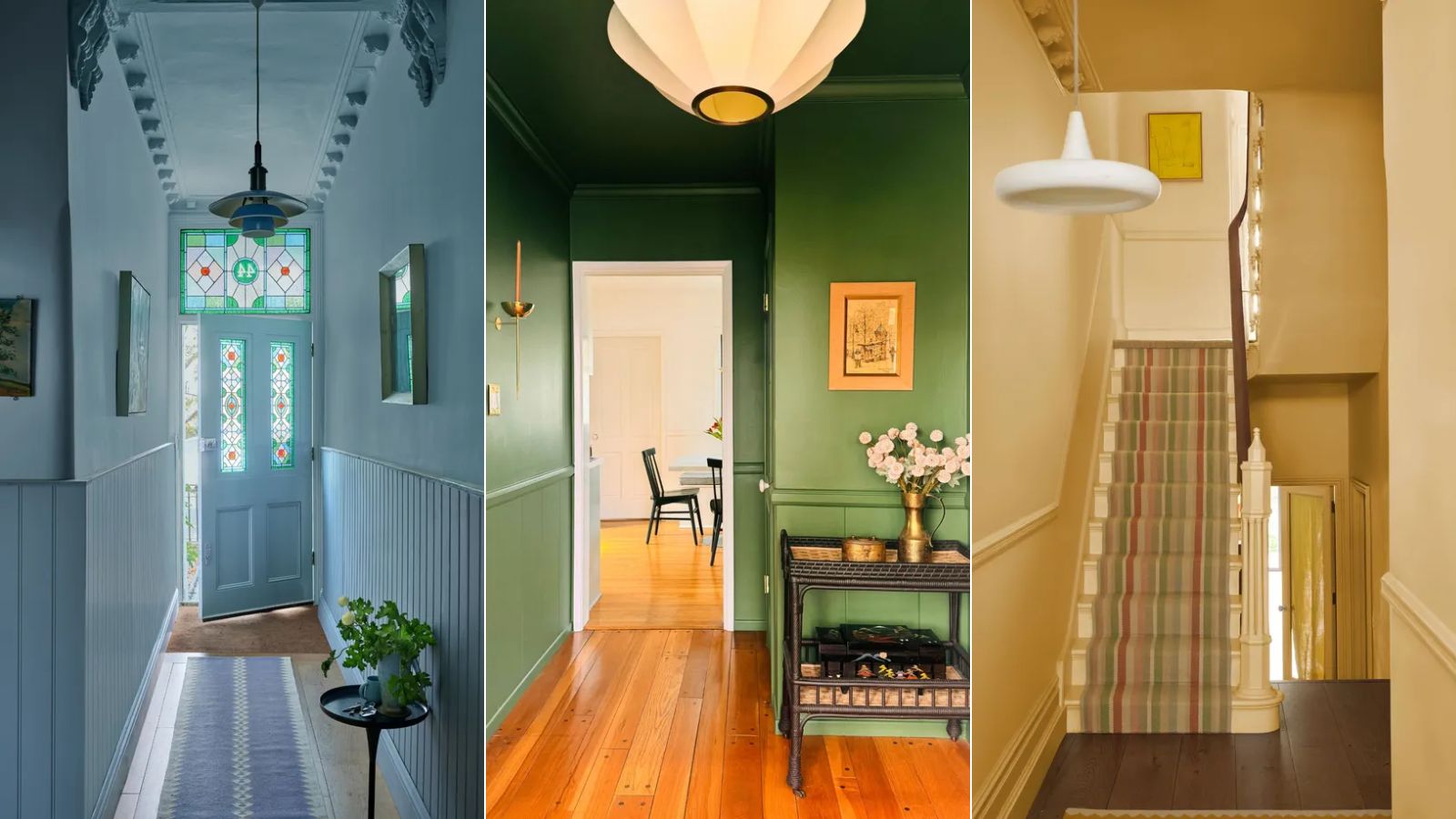
If you color drench any room make it this one


Paint ideas for your home – 36 ways to turn every room into a beautiful space bursting with character

46 Best Bedroom Paint Colors in Every Shade of the Rainbow

Understanding paint finishes

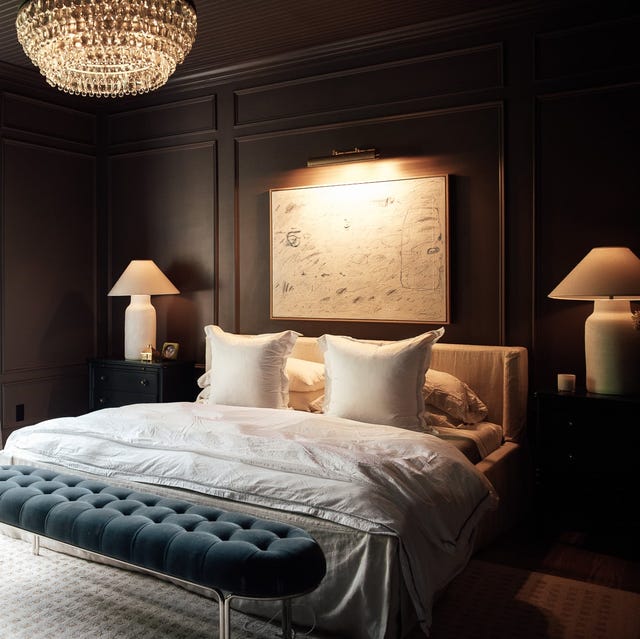
We've Rounded Up the Best Bedroom Paint Colors — No Matter Your Style


Painting hacks: How to transform your home with paint
Paint tricks – 10 painting tips and techniques loved by the experts
This Paint Brand Will Transform Your Room In A Day


The Color Drenching Paint Trend Isn't Going Anywhere

How to transform your rooms with colour drenching
Should doors be painted the same color as walls? Yes, and here are 5 expert-approved reasons why

14 Paint Colors That Can Make a Room Feel Instantly Cozy


How To Choose The Right Paint Color For Your Home, According To An Interior Design Expert