How to clean walls before painting – expert tips and tricks
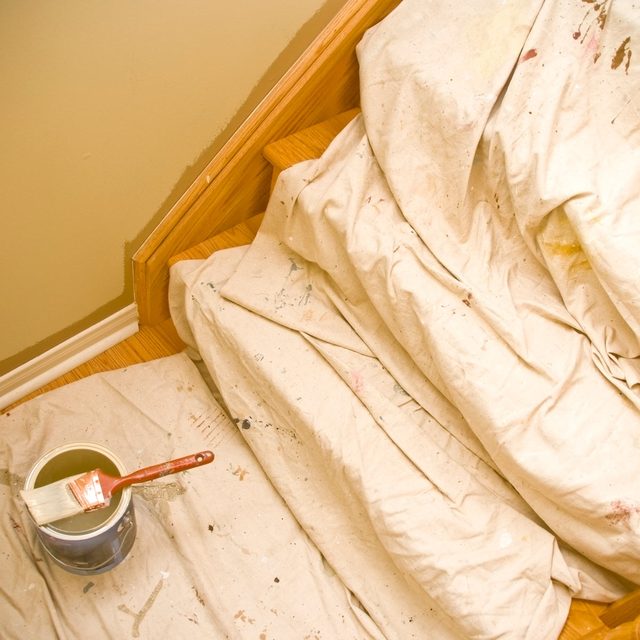
Cleaning walls thoroughly before painting is a crucial step to achieve a professional-looking finish and ensure paint adhesion. This preparation prevents common issues like bubbling paint and paint not sticking properly. Experts emphasize that while it's an essential task, it doesn't need to be overly complicated.
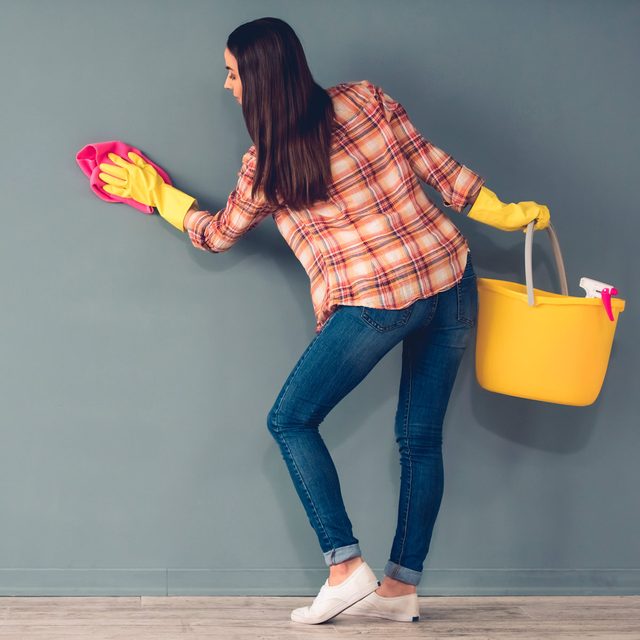
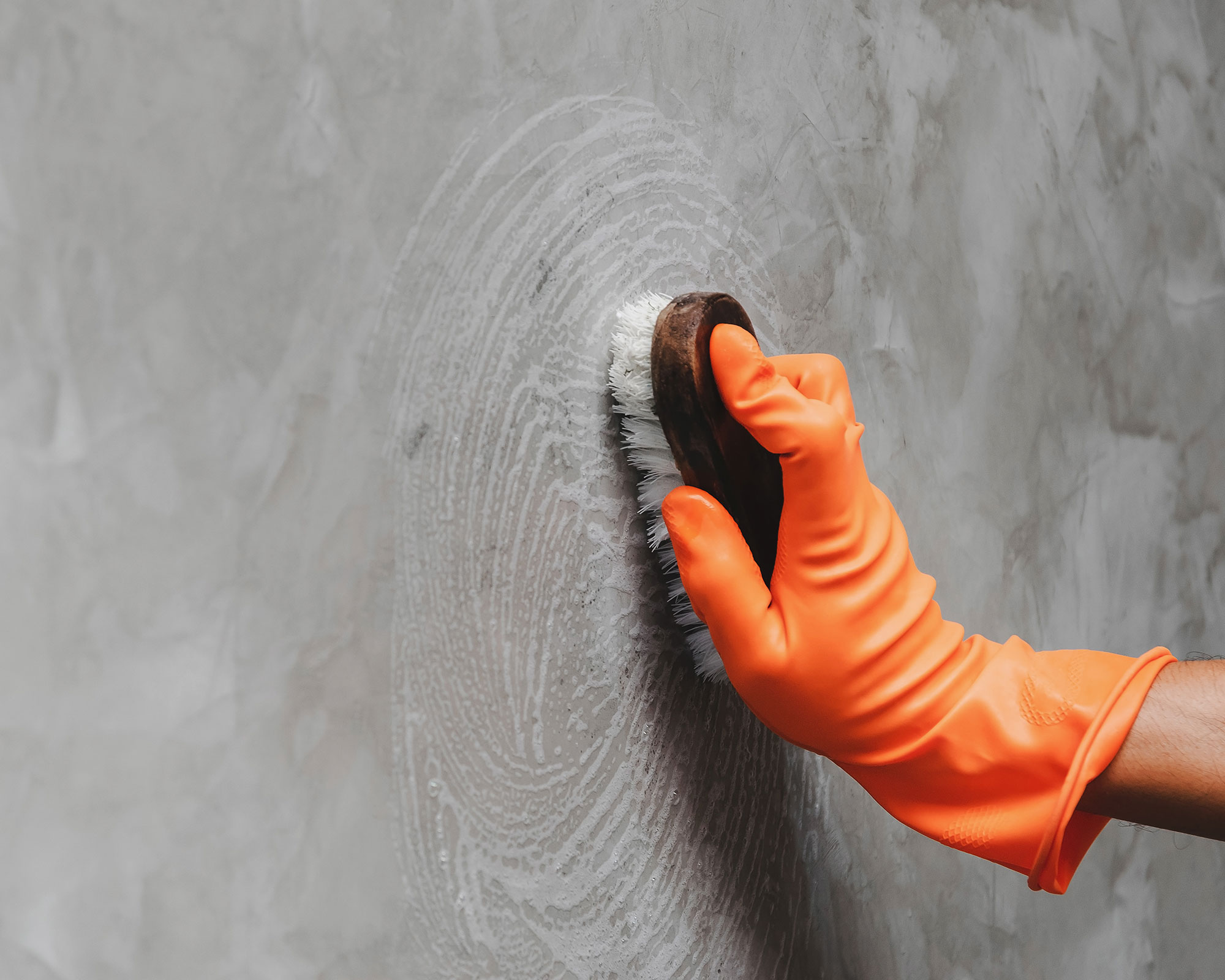
The process begins with the removal of dust and cobwebs. Dry materials such as dust and dirt can hinder paint adhesion, making it important to use a duster or a soft brush to clear all surfaces, including upper corners and baseboards. Once dry debris is removed, walls should be wiped down. A common and effective method involves using warm water mixed with mild dish soap. This solution should be applied with circular motions, taking care not to oversaturate the walls. After washing, the walls must be thoroughly rinsed with clean water and then allowed to dry completely before any painting begins. Insufficient drying can negatively impact the paint's bond and appearance.
For more stubborn stains, particularly grease in kitchens or crayon marks in children's rooms, a stronger cleaning agent may be necessary. Trisodium phosphate (TSP) or a phosphate-free alternative is recommended for these situations. When using TSP, it is imperative to follow the manufacturer's instructions for personal protective equipment (PPE) and to ensure complete removal of the product from the walls. Rinse-free TSP options are available, but if using a regular TSP solution, a thorough rinse is critical to avoid compromising the paint job. A common mistake is not fully removing the TSP, which can lead to issues with paint adhesion.
After cleaning the walls, it is advisable to clean the entire room. Vacuuming helps remove any dust or debris that may have fallen during the wall cleaning process, preventing it from being kicked up and settling into wet paint. This step also contributes to a cleaner environment for painting and minimizes post-painting cleanup. Skipping the cleaning step can lead to a less than ideal finish, as dirt and debris in wall pores can ruin the paint job and prevent primer or paint from properly sealing the surface. This can also lead to issues like bubbling paint due to temperature changes. Additionally, keeping walls dusted regularly even after painting can help maintain the pristine look of the paint.
#WallCleaning #PaintingPreparation #HomeMaintenance #DIYPainting #InteriorDesignTips #SurfacePreparation #PaintAdhesion #CleaningTips #WallCleaning #PaintingPreparation #HomeMaintenance #DIYPainting #InteriorDesignTips #SurfacePreparation #PaintAdhesion #CleaningTips
0 comment in total
 No comments yet
You may also like
This expert’s ‘BRB’ technique is something I'll forever use when painting wall paneling to avoid drips and paint build-up

12 top interior painting tips from experts – for a flawless, fabulous finish
Can you paint over wallpaper? Experts explain how to make this time-saving hack work

How to paint a room and give it a refresh
Everything You Need to Know About Mural Wall Painting

How to remove wallpaper - expert-approved steps to prevent damage and ensure a smooth finish
How to clean walls – the best ways to get rid of marks and scuffs
The Best Wallpaper Removers of 2025 for Updating Your Home’s Interior

A Stress-Free Way to Remove Wallpaper

The Right Way to Clean Painted Walls, From Matte to Gloss Finishes

How to fix peeling paint in 4 steps – and reasons why your paint is crumbling
6 painting mistakes that are making your walls look 'dirtier' – and what you should be doing instead
How To Clean Painted Walls Without Ruining Them
How to prolong the life of your paint job, according to painters and decorators
7 Wall Murals In, This DIYer’s Top Paint Tip Is to—Gasp!—Not Use Tape

The best paints for streak-free coverage, from Dulux to Farrow & Ball

20 Essential Painting Tools for Your Next Project, According to Painting Pros
I’m a paint expert - the £1.25 buy pros swear by for a flawless finish on walls

How to Prepare Interior Woodwork For Painting

Paint Maintenance and Touch-Up Tips