1/5
Discover The Art of Layering Rugs Like an Interior Designer
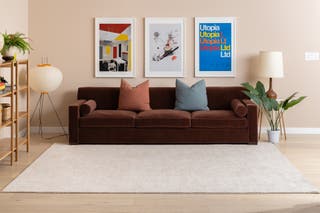
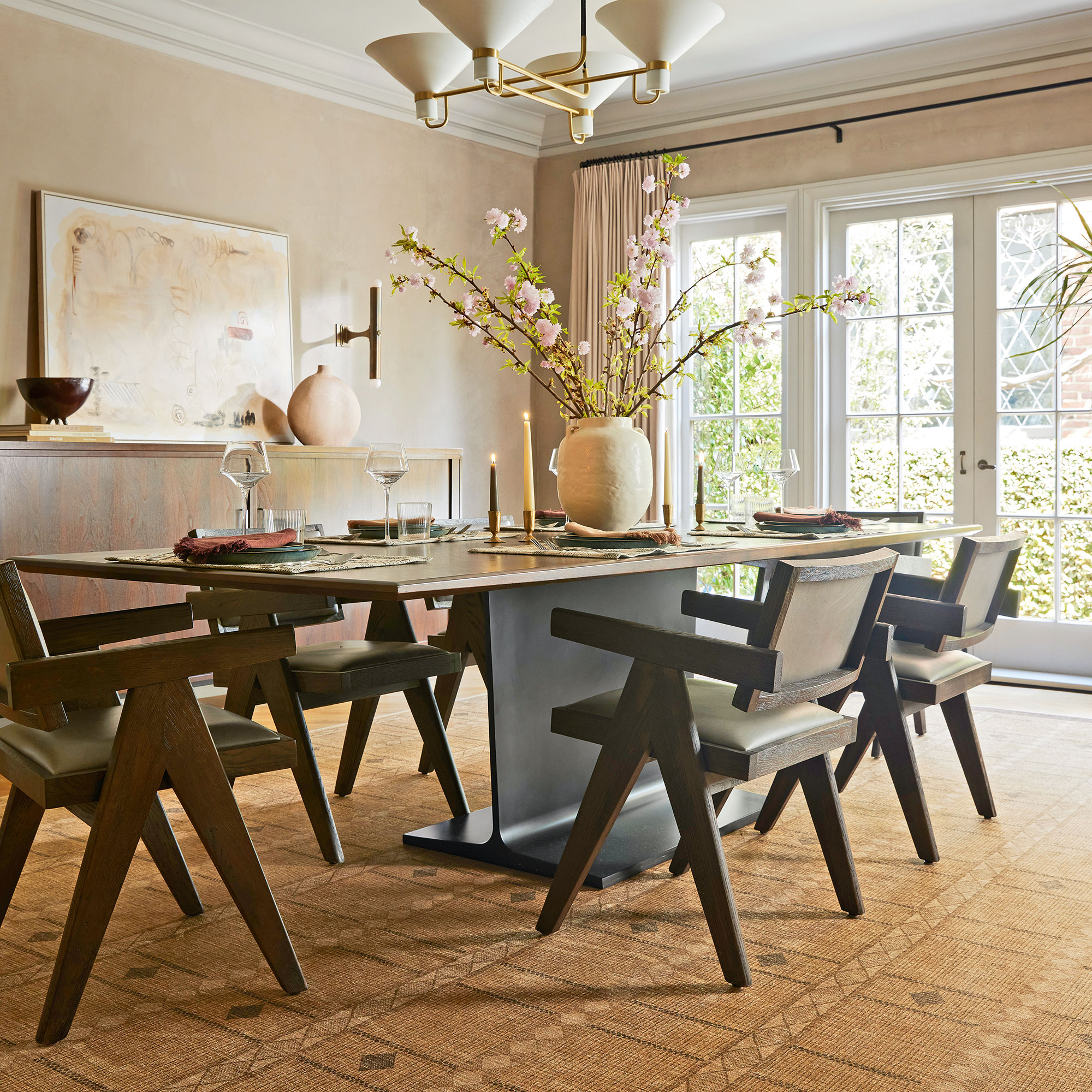
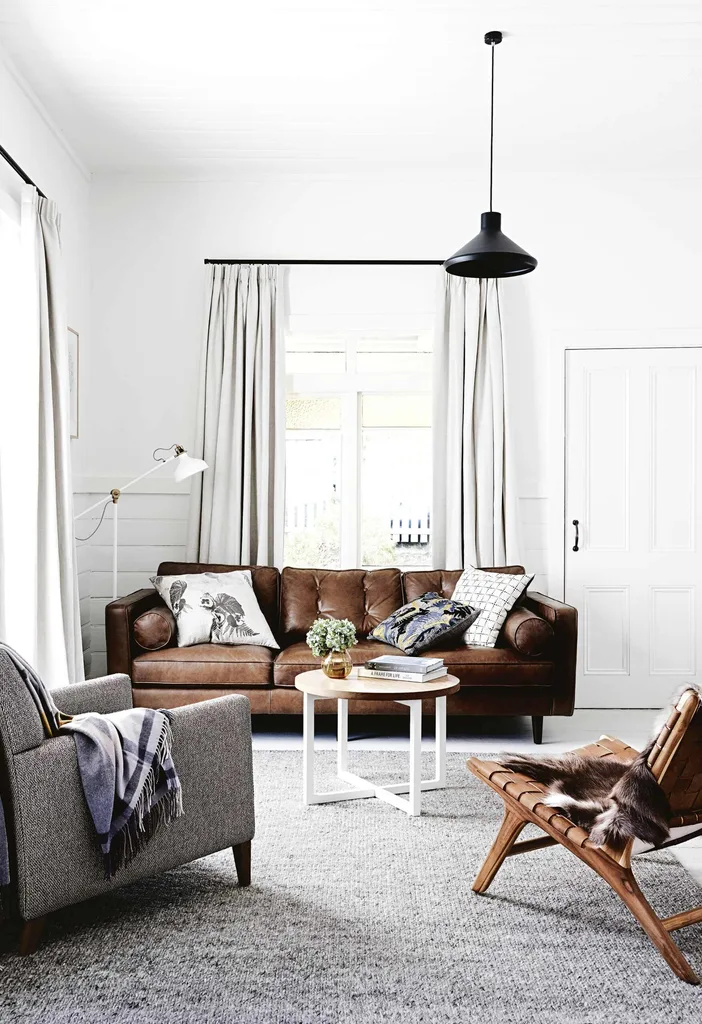
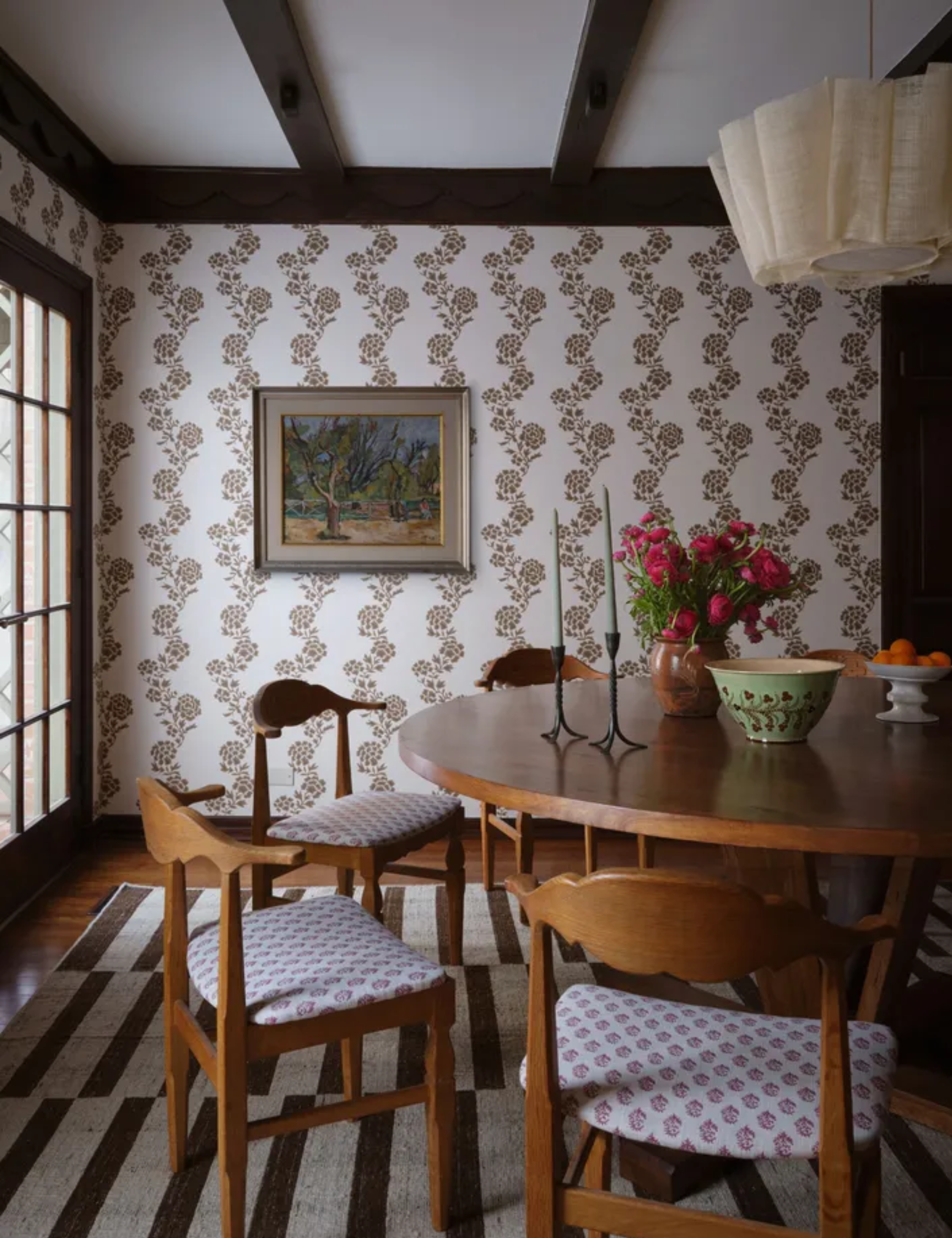
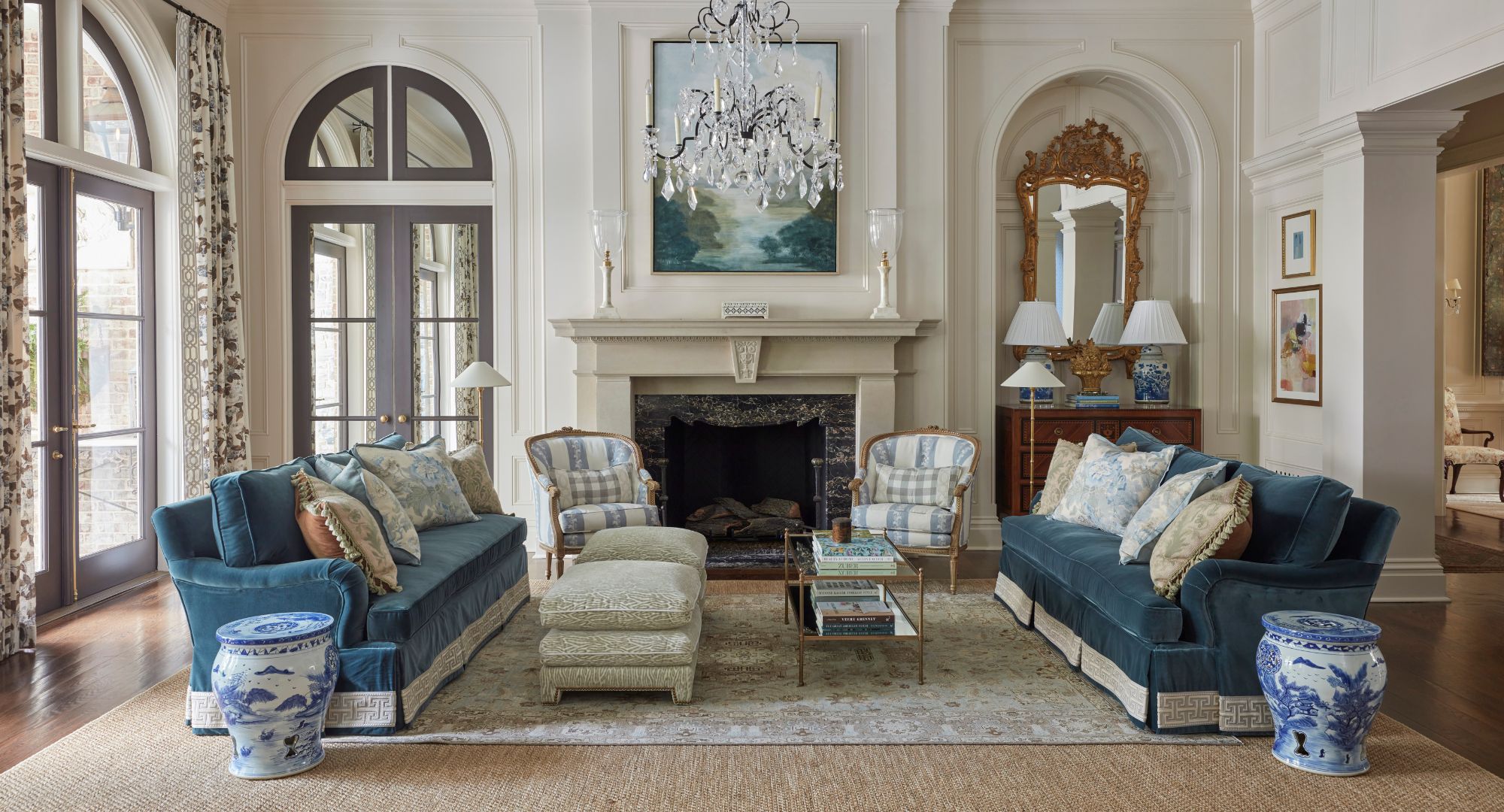
The practice of layering rugs in home decor, a technique that enhances warmth, visual interest, and comfort in a space, has gained significant traction among interior designers. While seemingly a modern trend, rug layering has historical roots in traditional interiors, where it served practical purposes such as providing warmth and protection, and showcasing craftsmanship. Today, it has evolved into a versatile decorating choice that allows for creative play with texture, pattern, and proportion, adding personality and depth to a room.
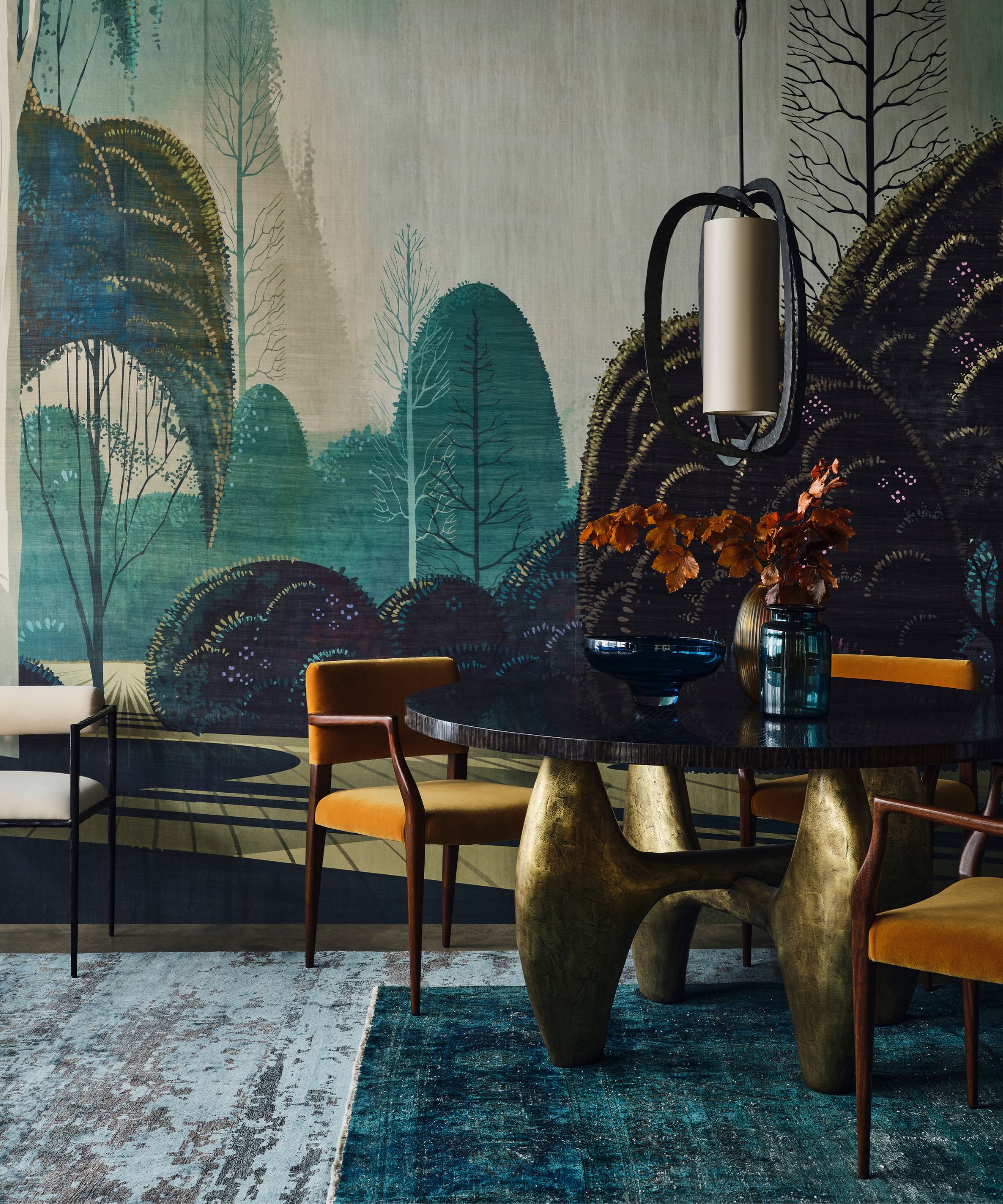
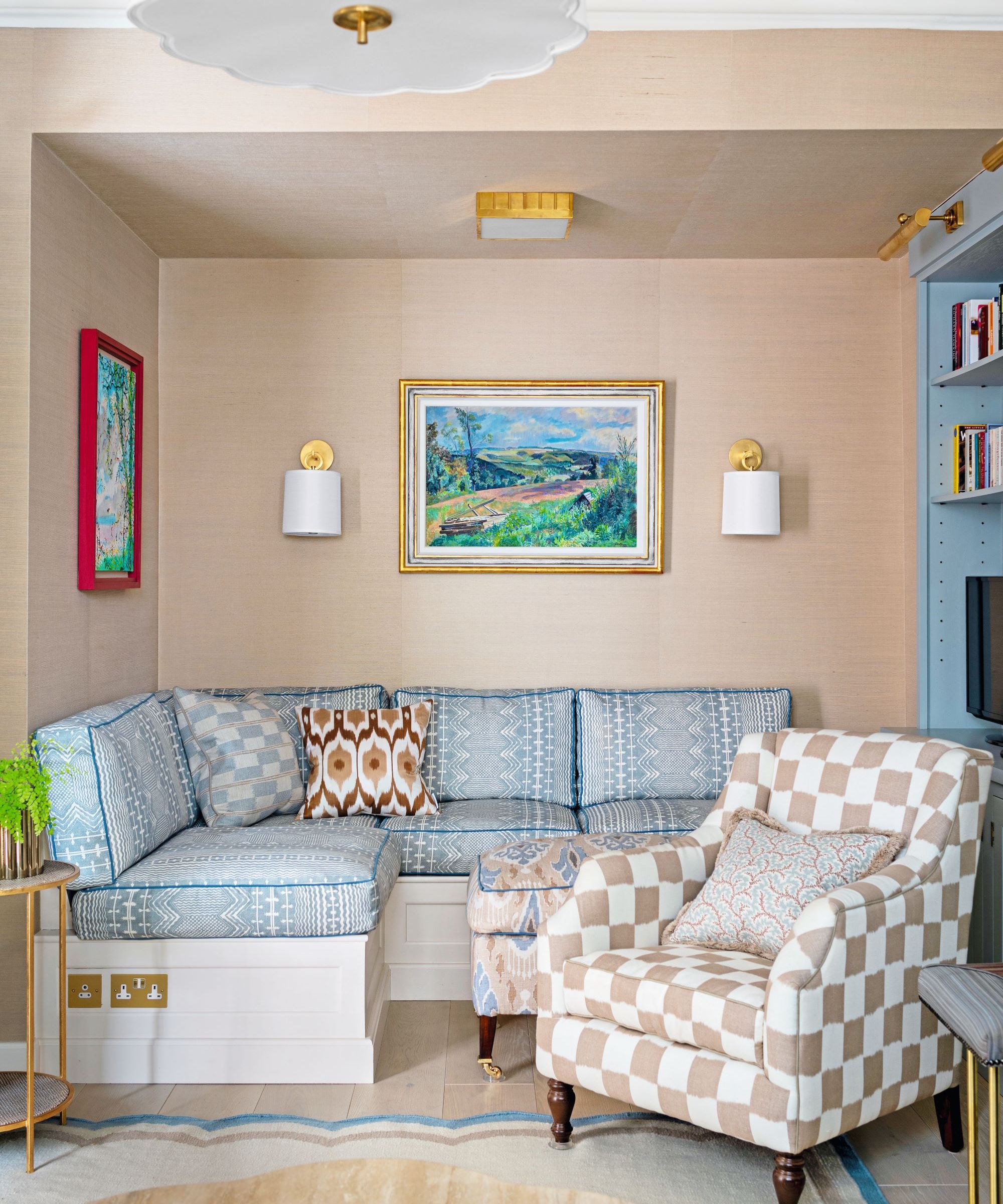
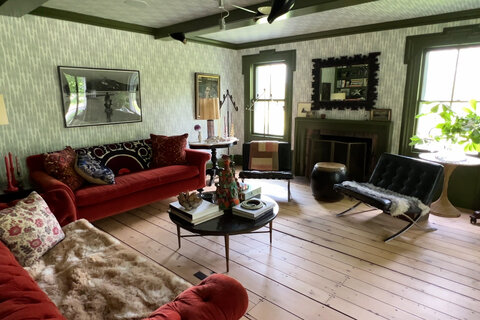
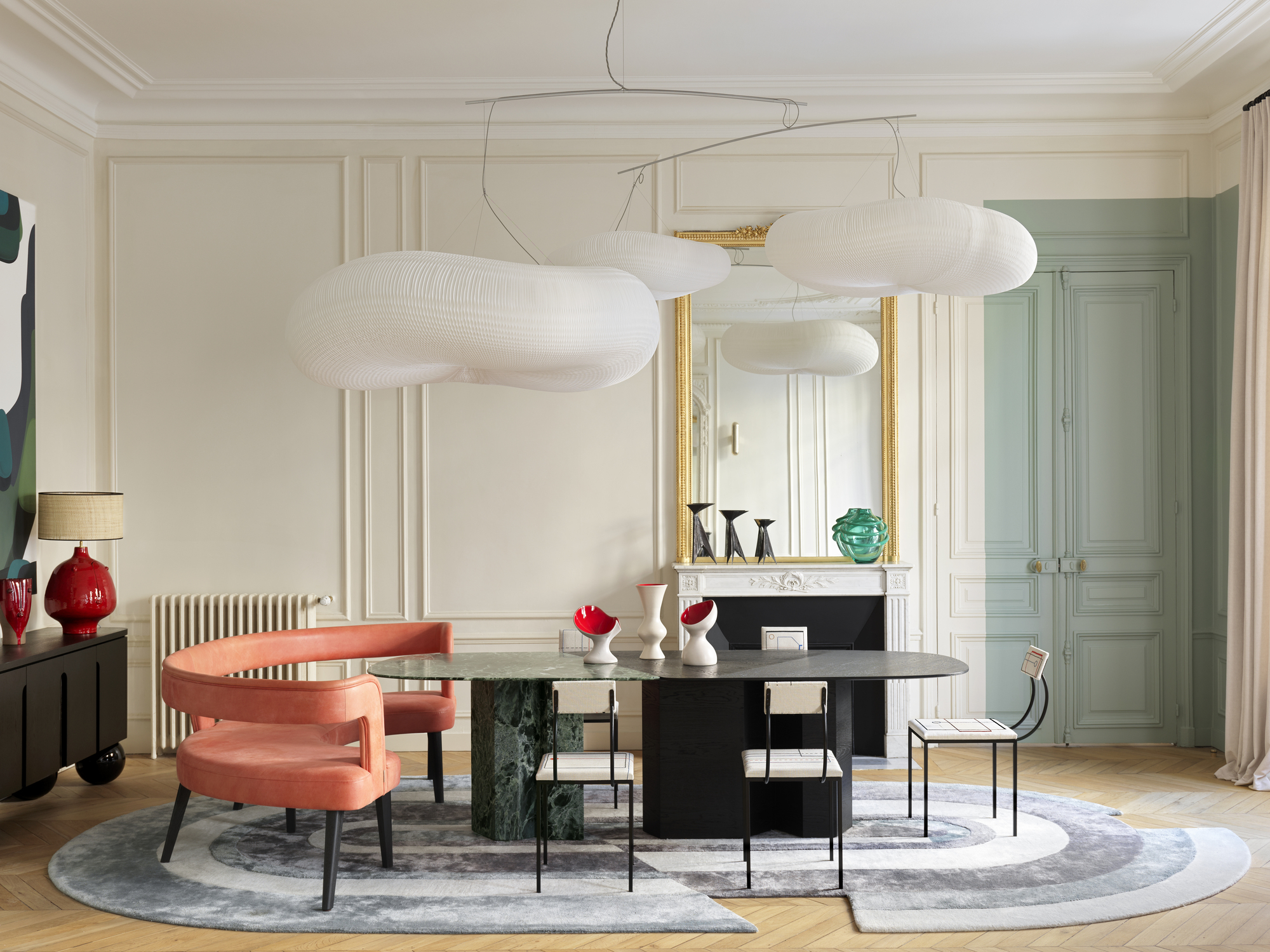
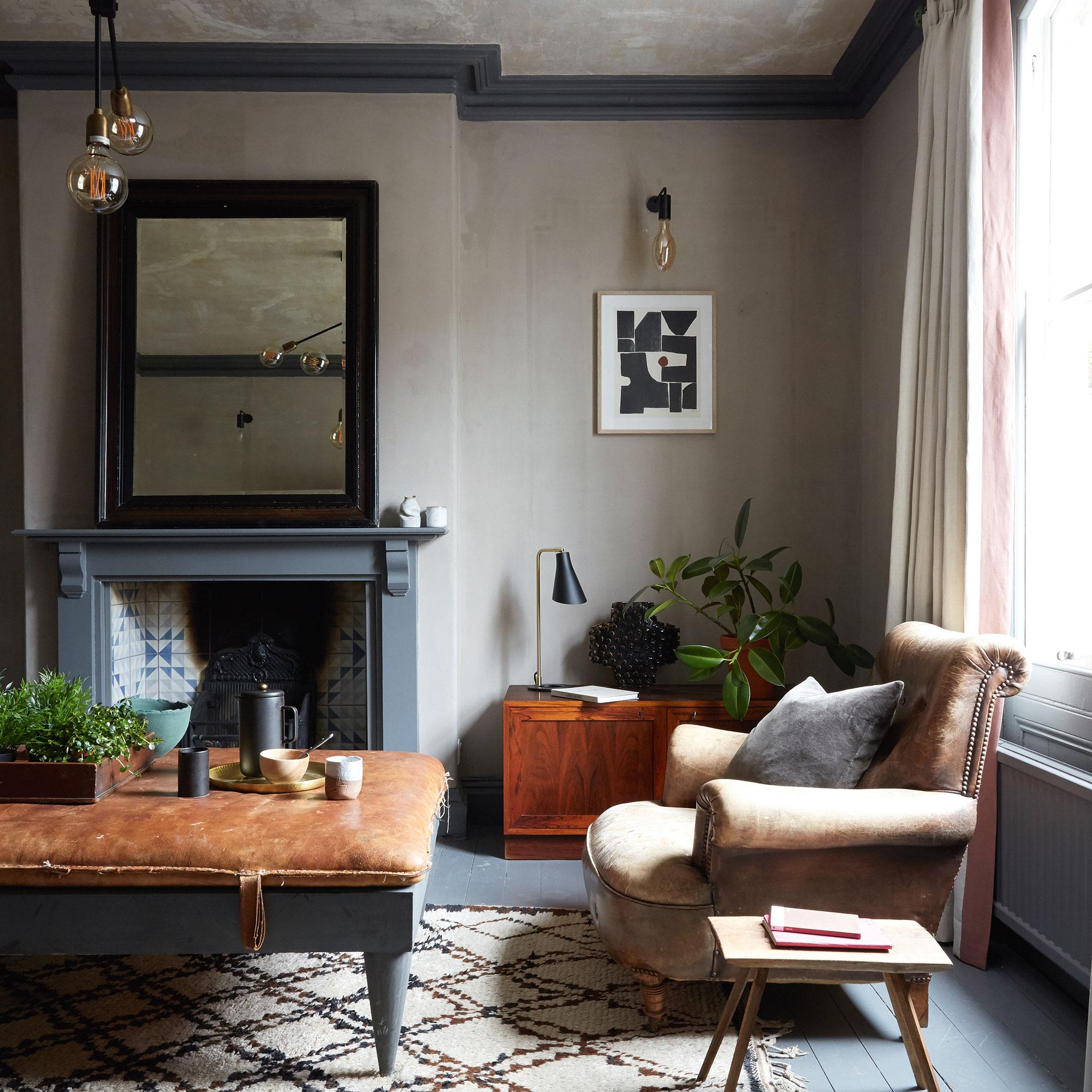
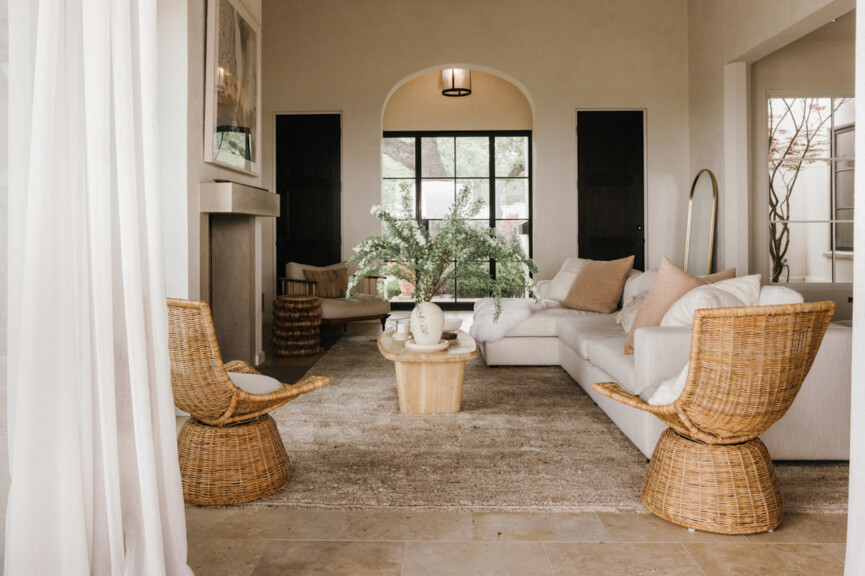
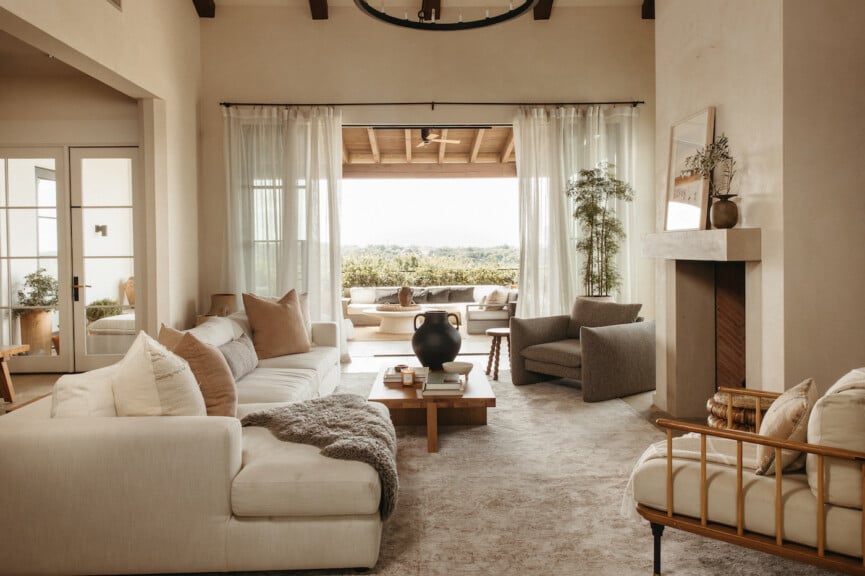

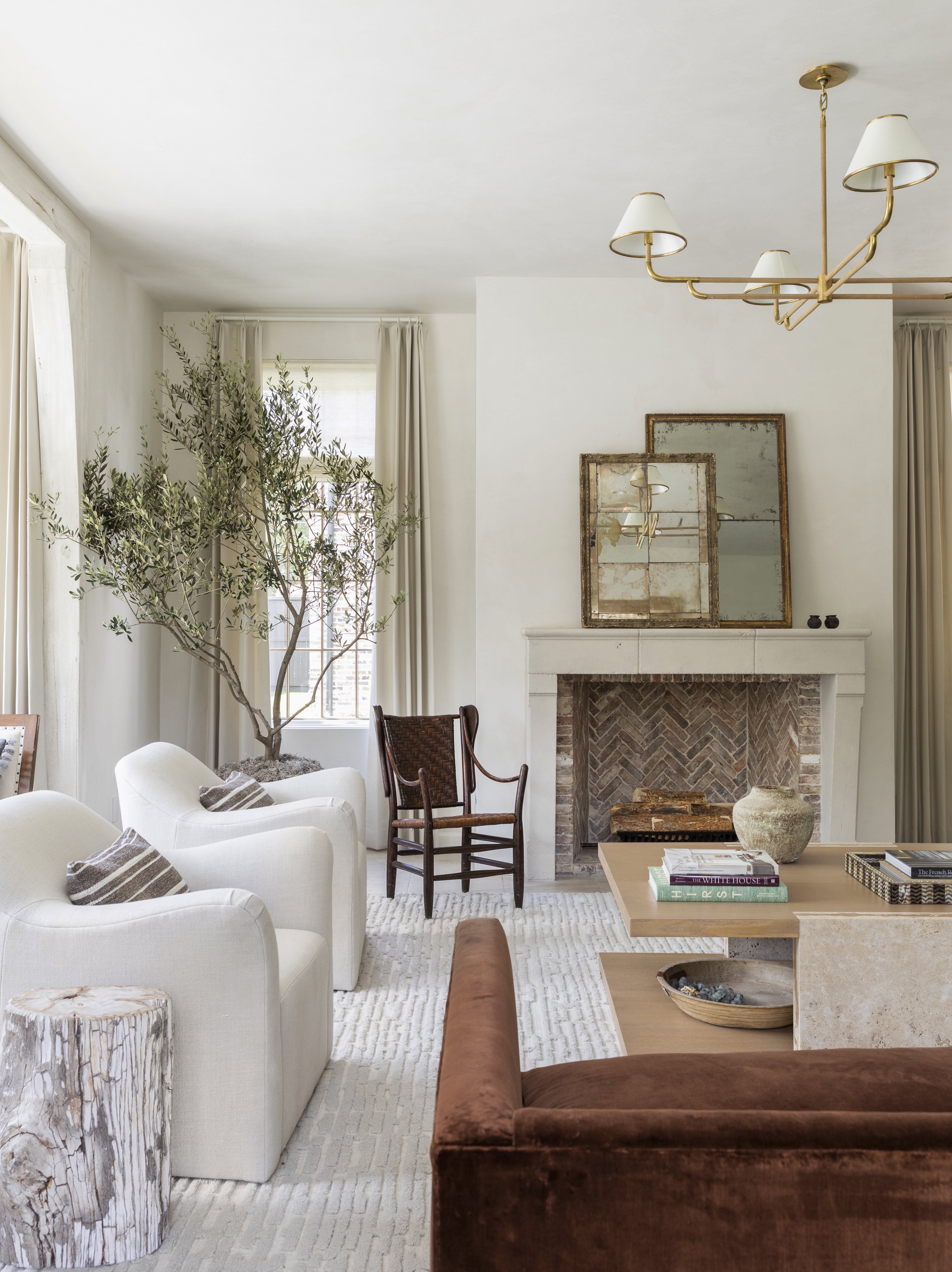
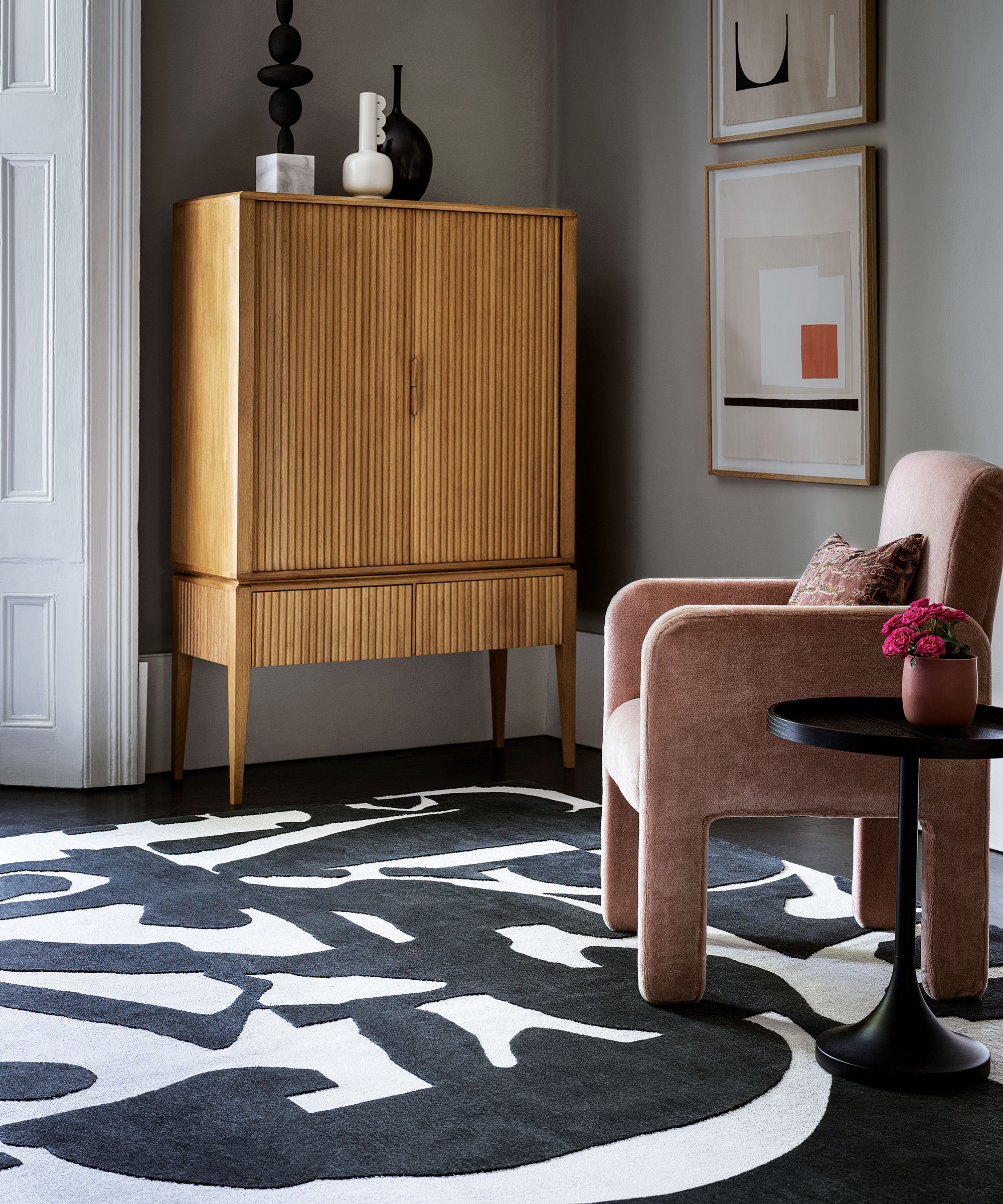
Expert designers view rug layering as a powerful tool to introduce a 'lived-in' aesthetic and define different zones within larger spaces, creating 'rooms within a room.' This method is particularly effective for demarcating seating or dining areas and making expansive rooms feel more intimate and thoughtfully designed. A key aspect of successful rug layering involves combining different textures, such as a flatweave rug as the base with a soft, high-pile rug on top, to create an elevated tactile experience.
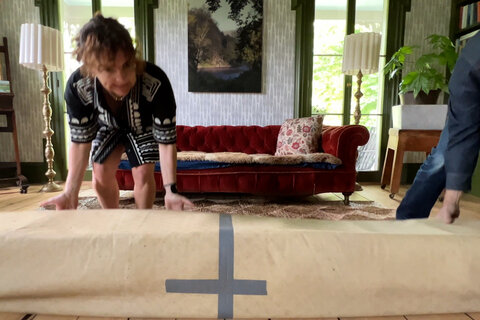
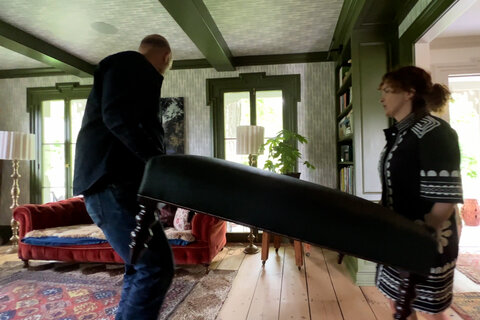
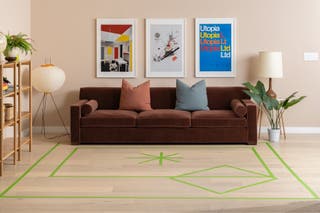
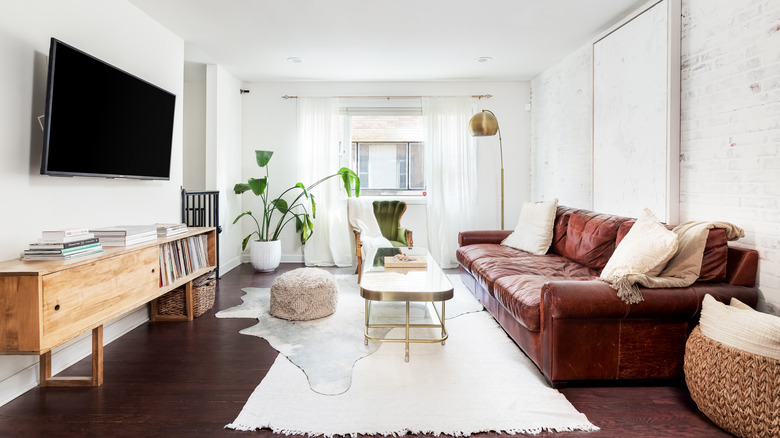
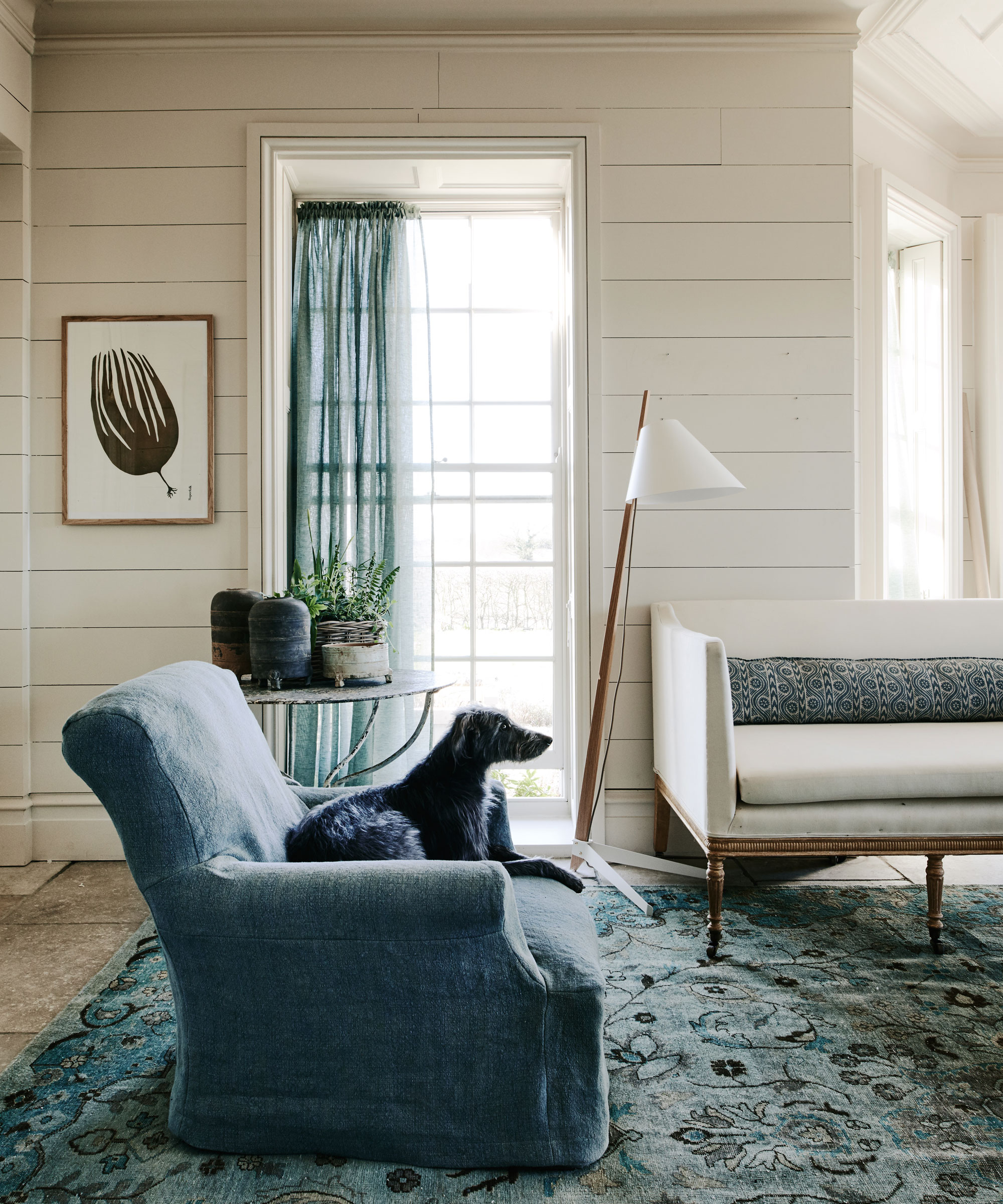
When implementing rug layering, there is no single 'right' way, as the approach depends on the desired look and feel. A neat, centered stack of rugs can convey a polished and formal ambiance, whereas overlapping rugs off-center contributes to a more relaxed aesthetic. Designers recommend using a larger, neutral base rug, at least one-third larger than the top rug, to ensure the layering appears deliberate and well-framed. The number of layered rugs should ideally be limited to two or three to prevent the space from becoming overwhelmed.
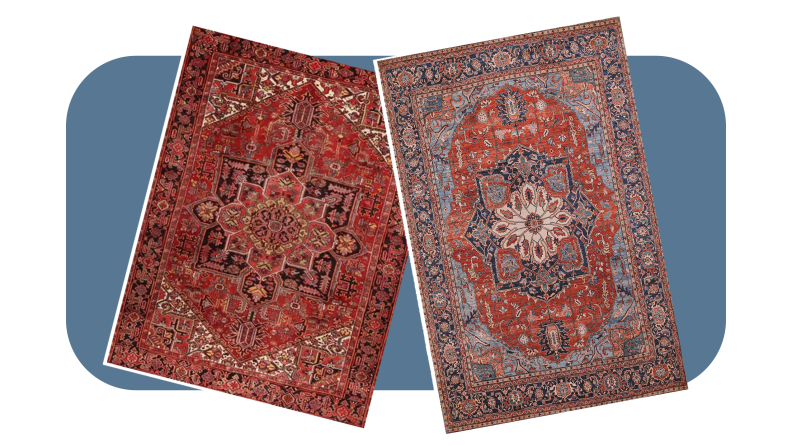
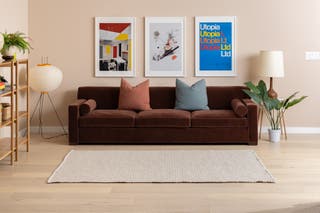
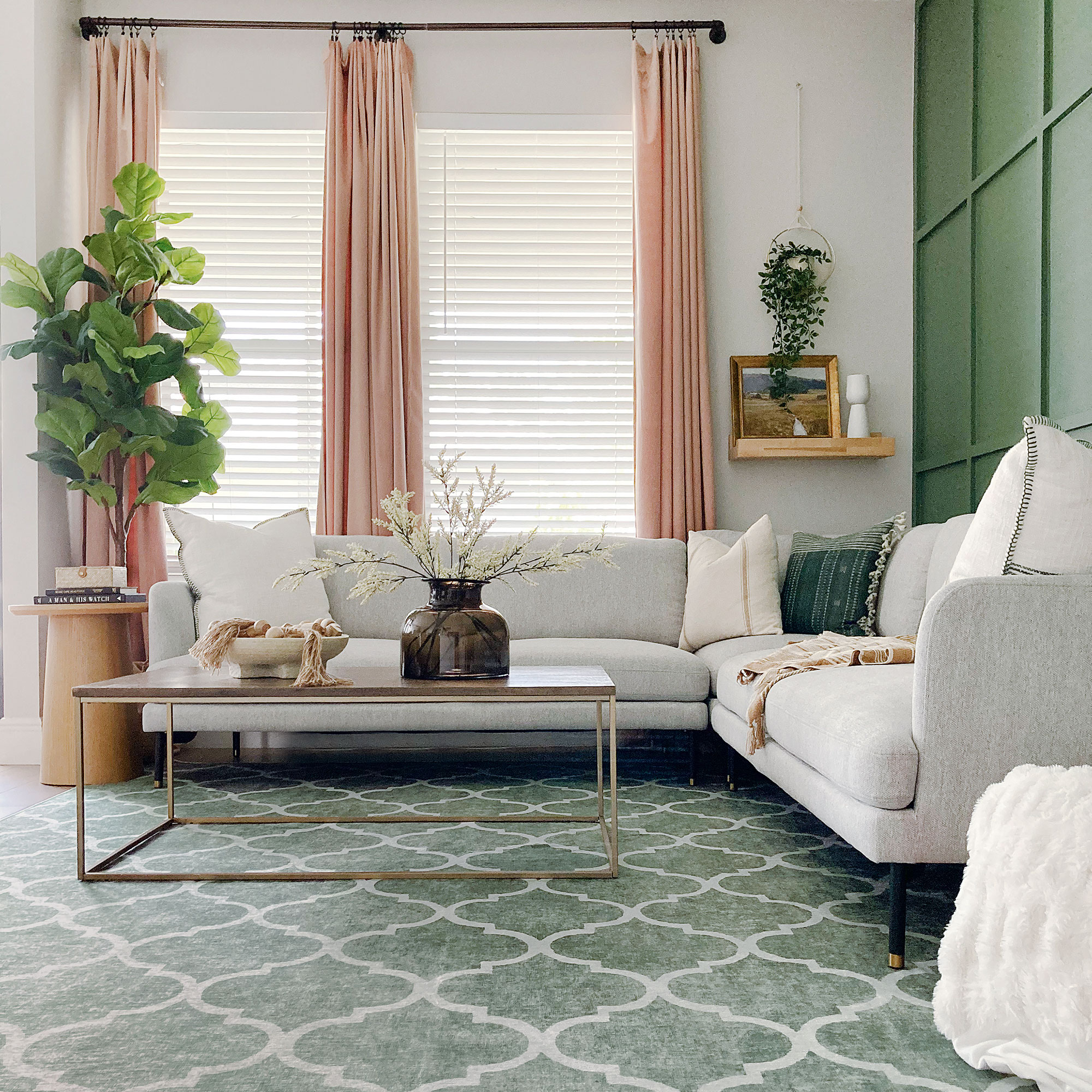
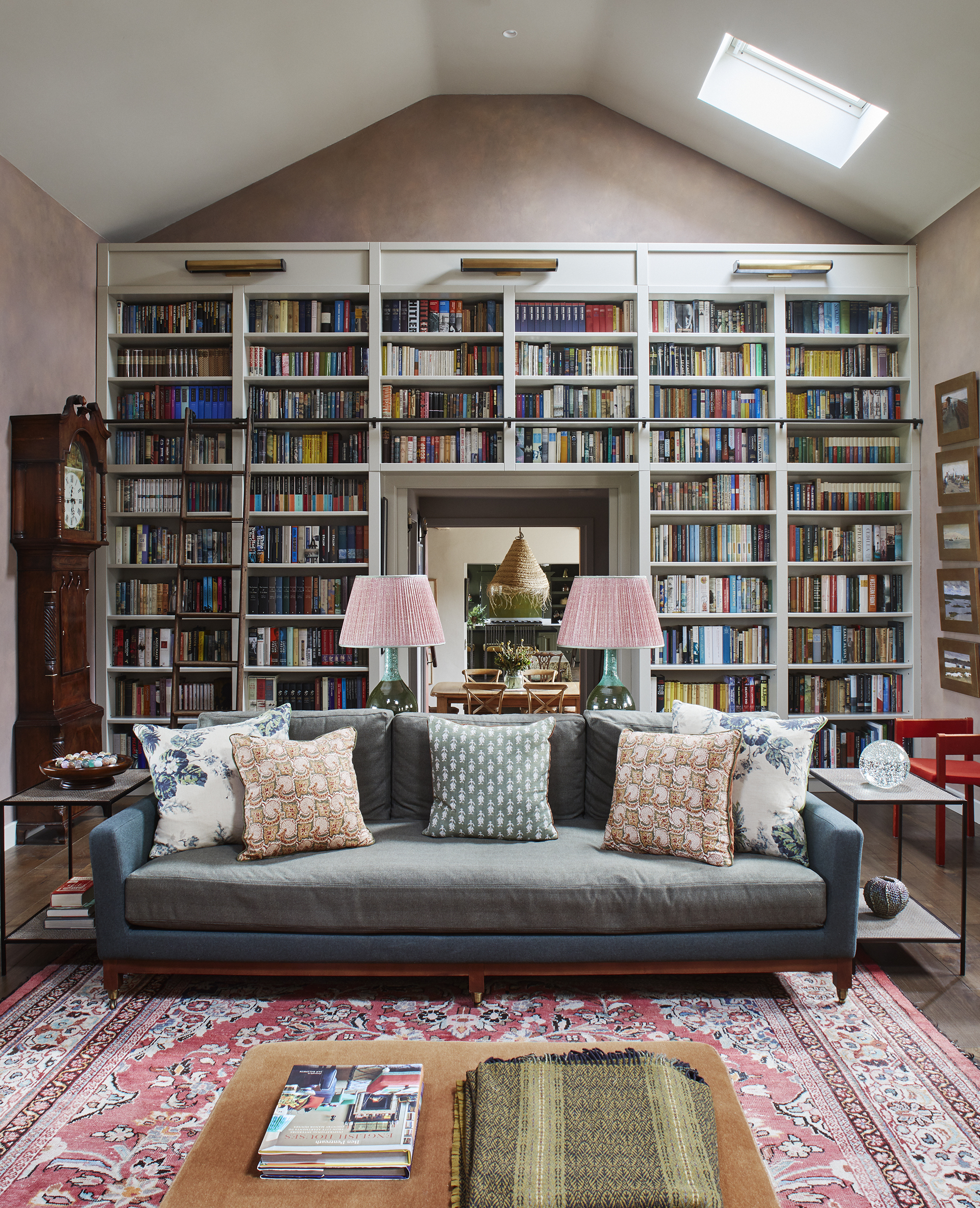
Careful consideration of colors and patterns is crucial to ensure that the rugs complement each other rather than clash, avoiding a cluttered appearance. A common strategy involves selecting a grounded, neutral base rug and then adding a smaller, statement rug on top, with colors and patterns harmonizing with the existing decor. It is also important to secure layered rugs with a non-slip pad, especially in high-traffic areas, to prevent hazards.
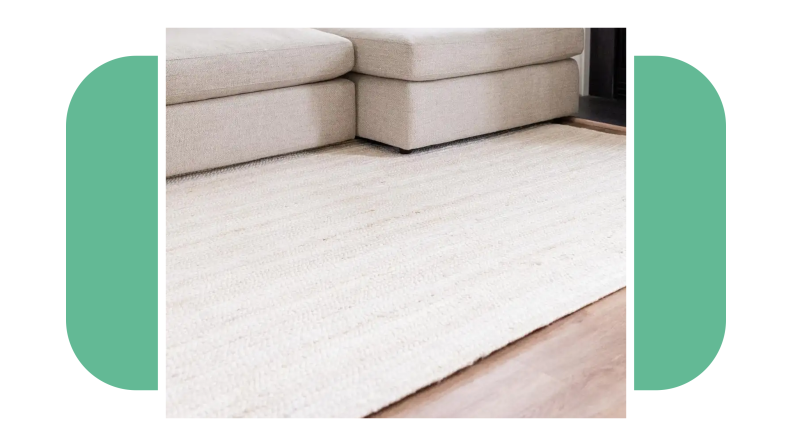
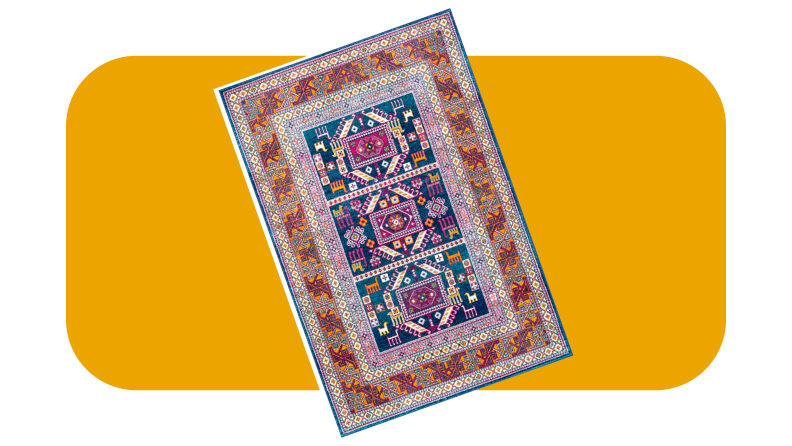
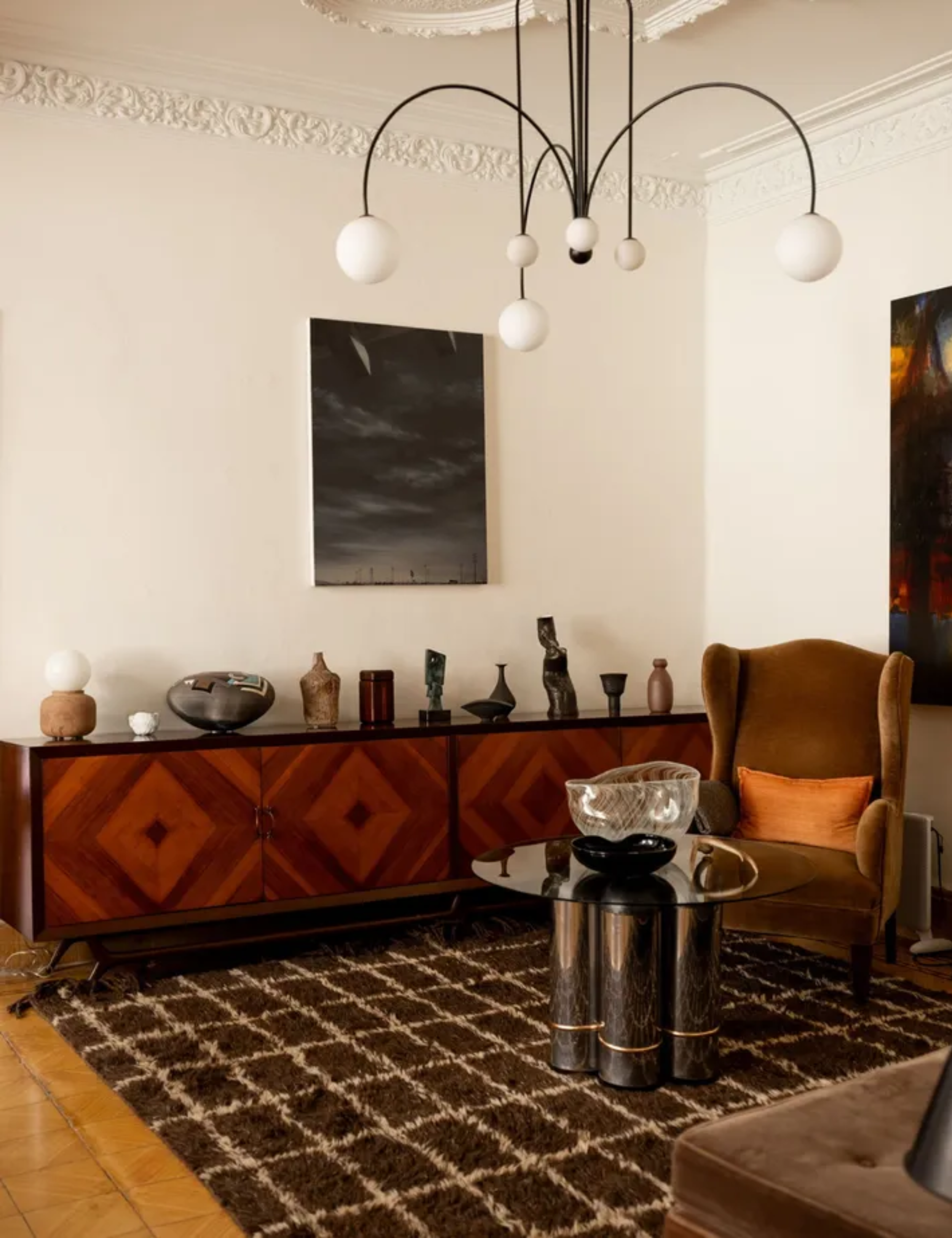
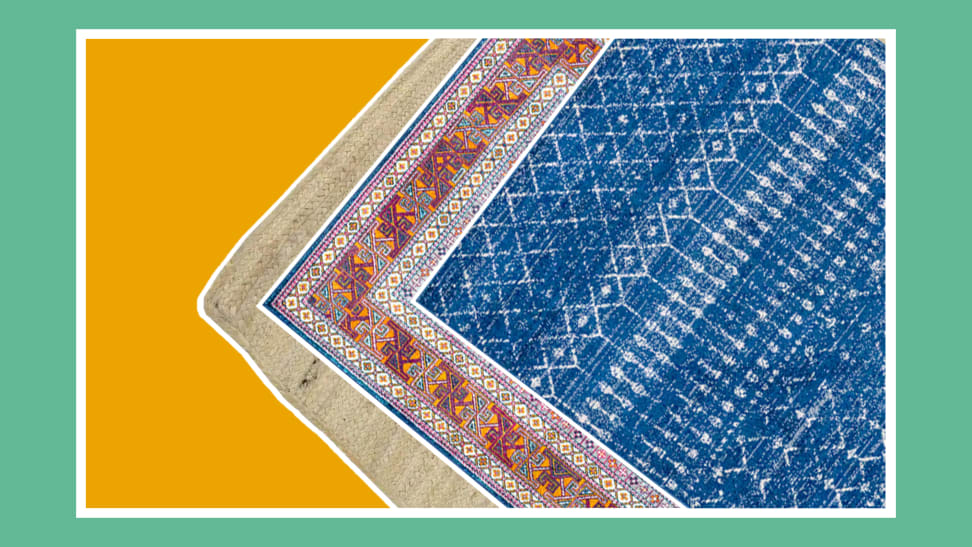
Choosing the right type of rug for layering is also essential. Designers frequently suggest pairing a large natural fiber base rug, such as jute, sisal, or hemp, with a smaller patterned wool or vintage rug for a timeless look. Combining flatweaves with plush or tufted rugs can add dimension and tactile interest. Techniques for layering include aligning rugs for a symmetrical look, placing the top rug off-center for a more effortless feel, or angling the top rug diagonally to cover more floor space and elongate the room. Additionally, mixing and matching rug shapes can further enhance visual interest and depth.
#RugLayering #InteriorDesign #HomeDecor #DesignTrends #TextileStyling #RoomAesthetics #DesignerTips #HomeImprovement #RugLayering #InteriorDesign #HomeDecor #DesignTrends #TextileStyling #RoomAesthetics #DesignerTips #HomeImprovement
0 opmerkingen in totaal
 Nog geen opmerkingen
Dit vindt u mogelijk ook leuk
This is how to layer rugs, according to interior designers


Room Feel Snug? It Might Be Your Rug. | Reviews by Wirecutter
The Power of Texture in Interior Design – 6 Ways Designers Use It to Shape the Look (and Feel) of Every Room
HGTV Star Leanne Ford's Expert Tips For Layering Rugs Like A Pro
4 expert design tips for layering rugs the right way

Three design experts share their secrets for finding a new rug and carpet
Should All of Your Furniture Legs Be on the Rug? Designers Say There's a Right Answer

12 easy changes you can make to your living room to instantly elevate how it looks and feels
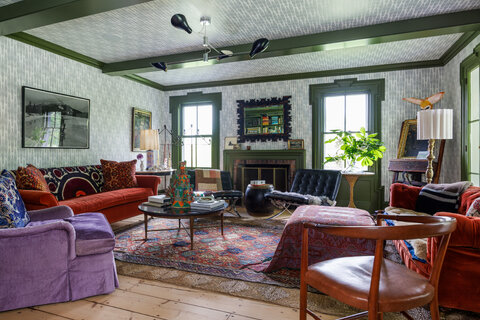
How to Layer Rugs (Published 2023)
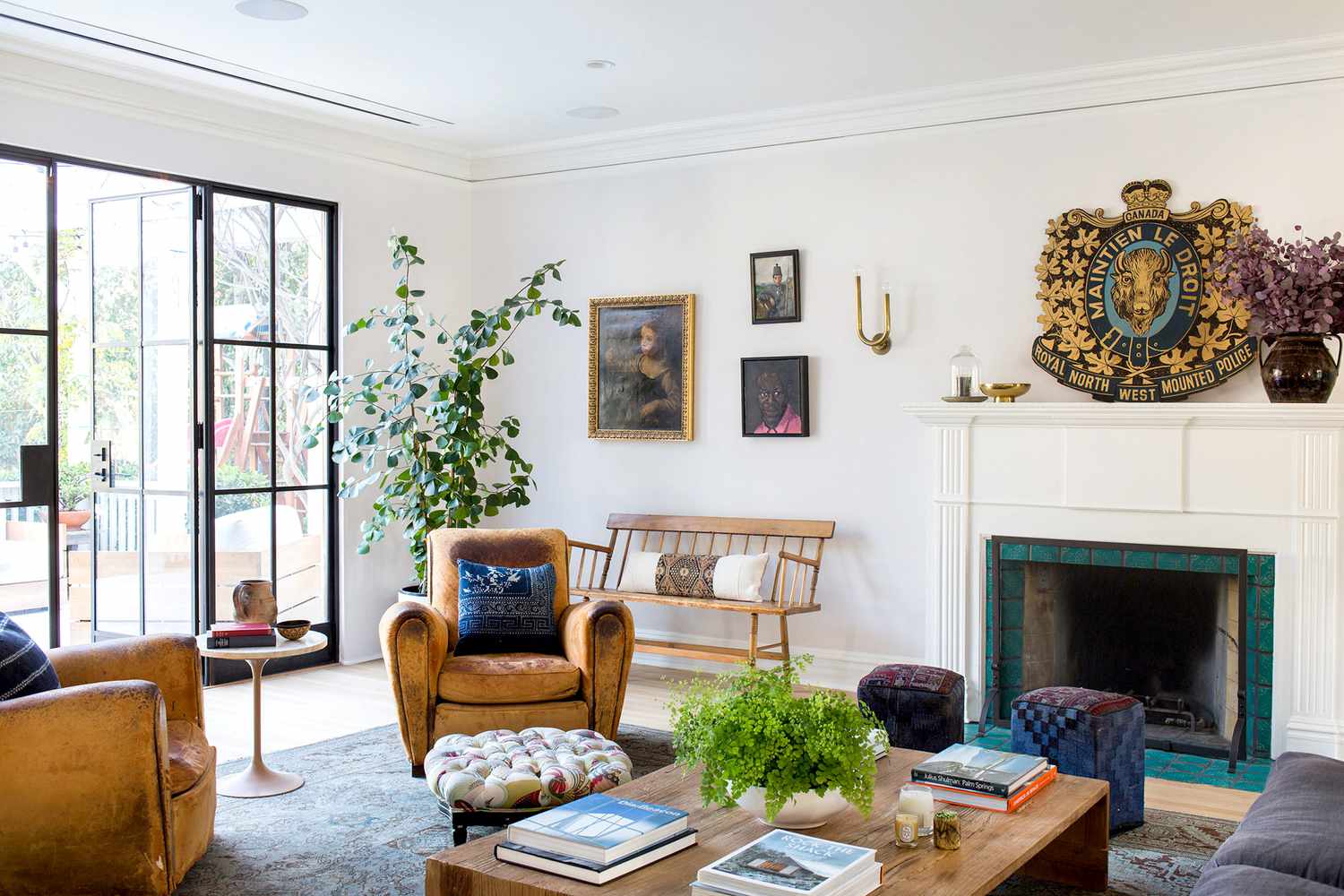
How to Decorate a Living Room From Start to Finish, According to Interior Designers

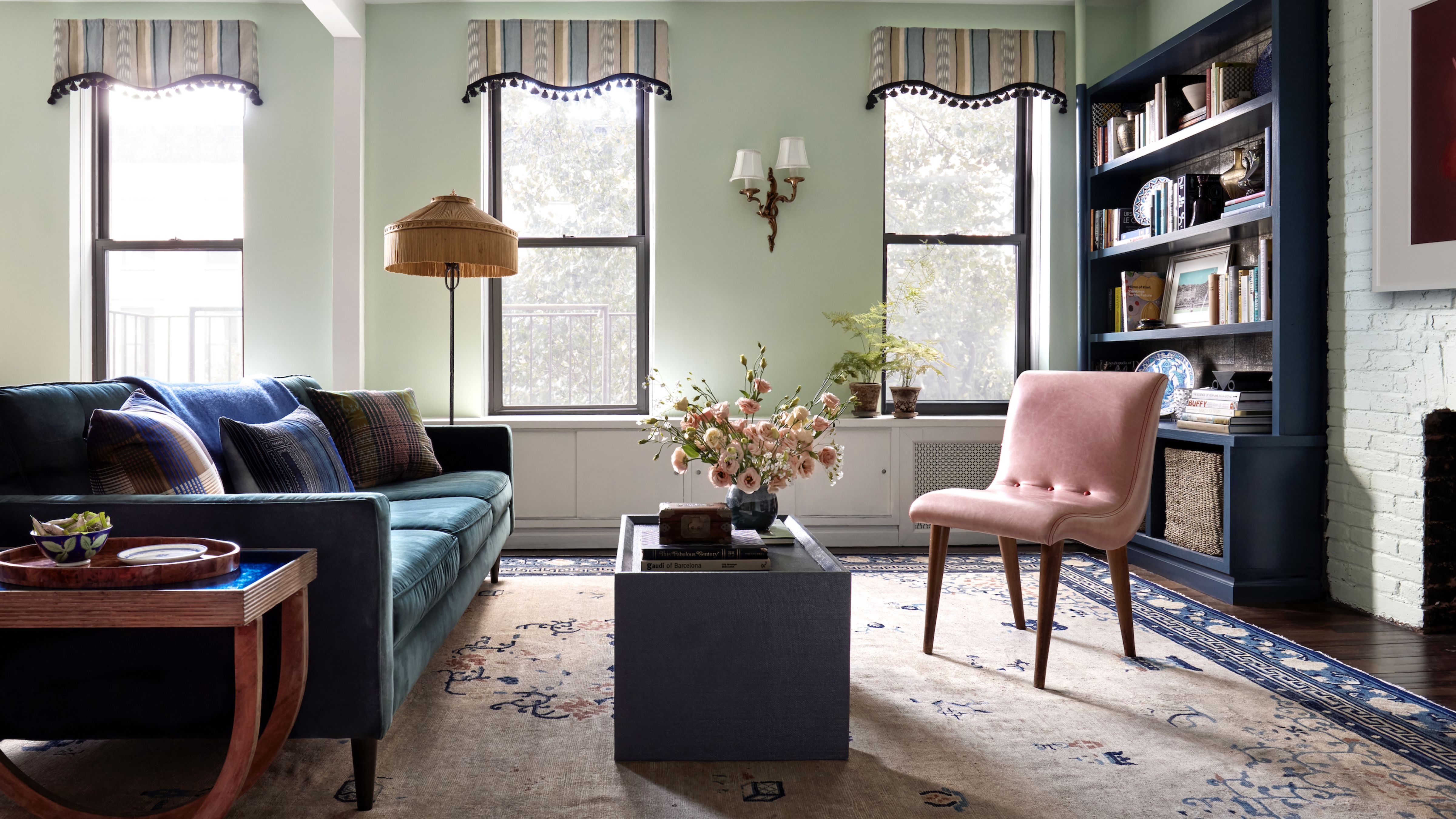
5 Ways Designers Use Scale to Make Rooms Feel Right
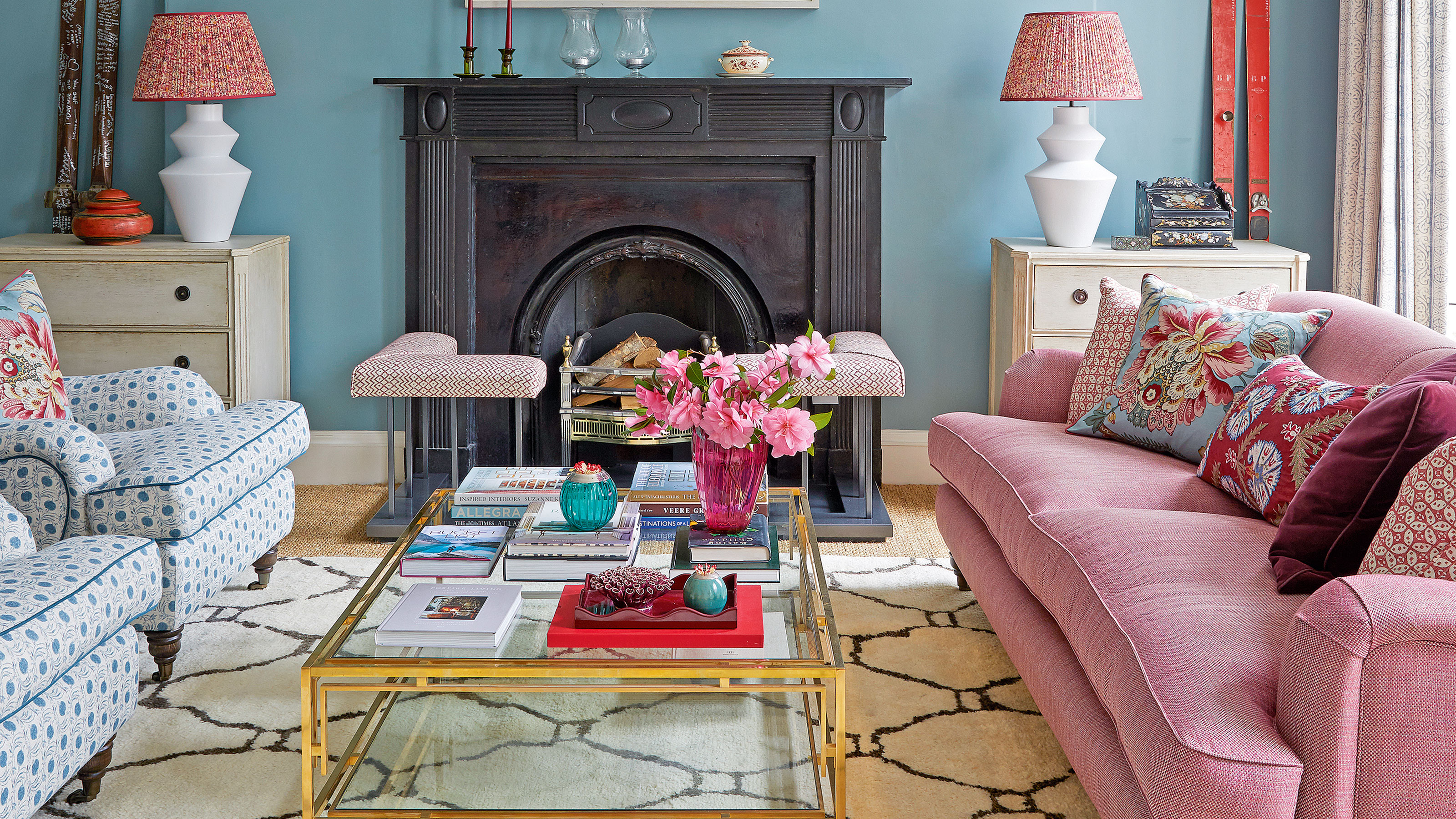
The ideal area rug sizes for a living room – 5 expert rules to follow
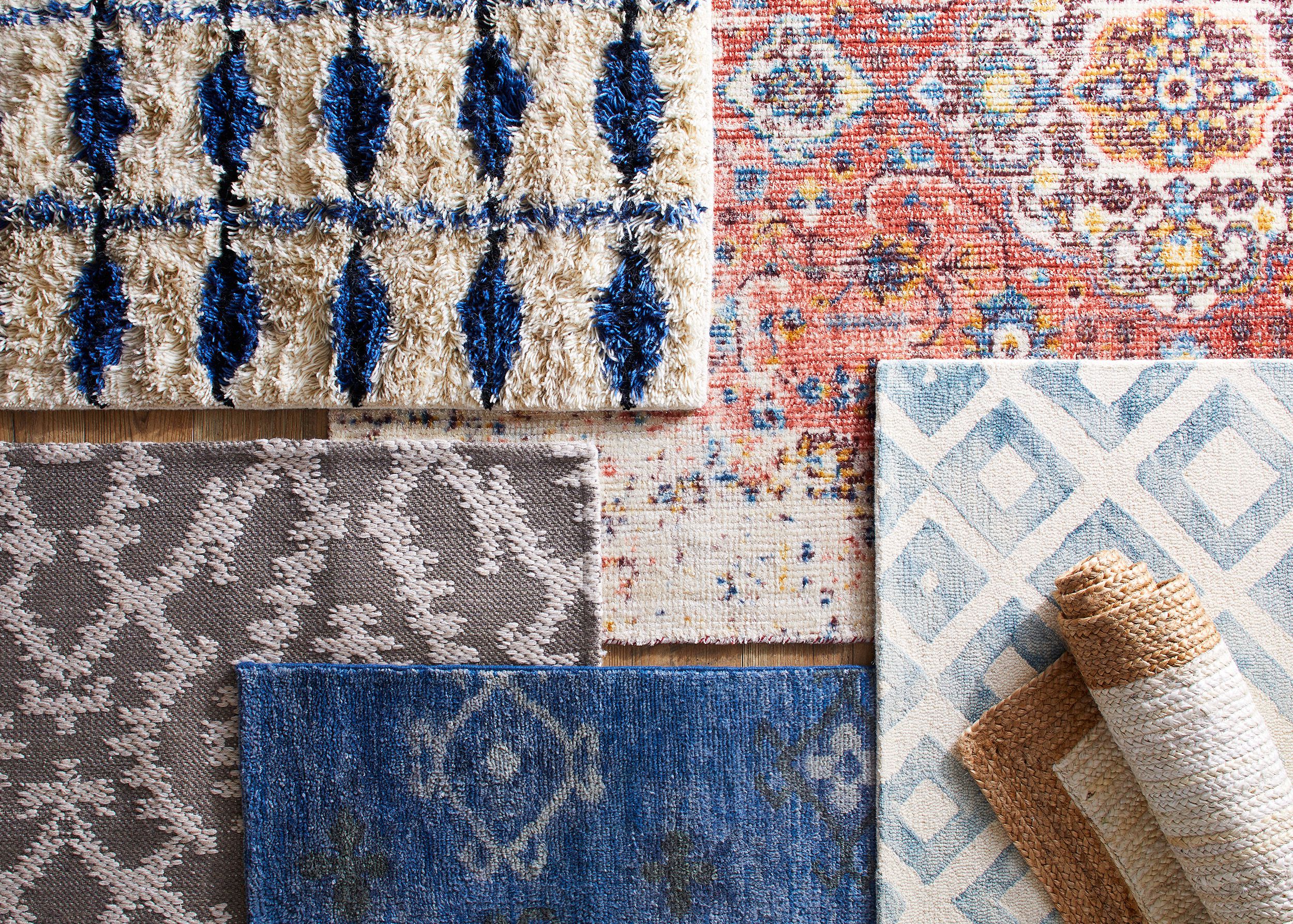
How to Layer Rugs to Add Style to a Space, According to Design Pros

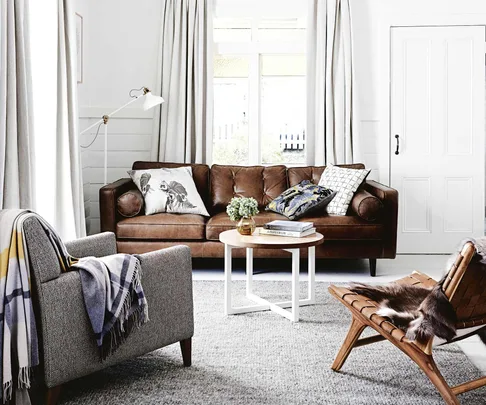
How to layer materials and add texture to your home decor

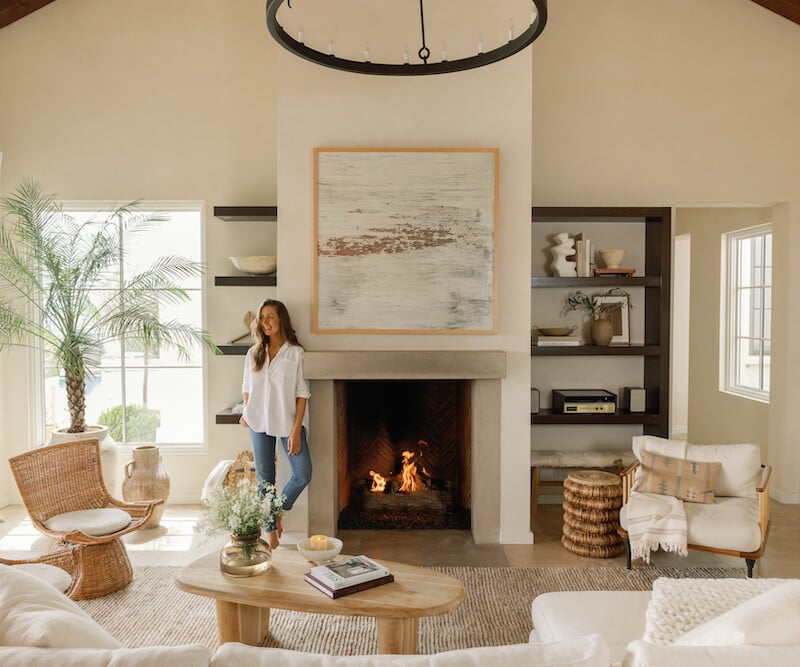
Designers Say This Is the #1 Living Room Mistake Everyone Makes

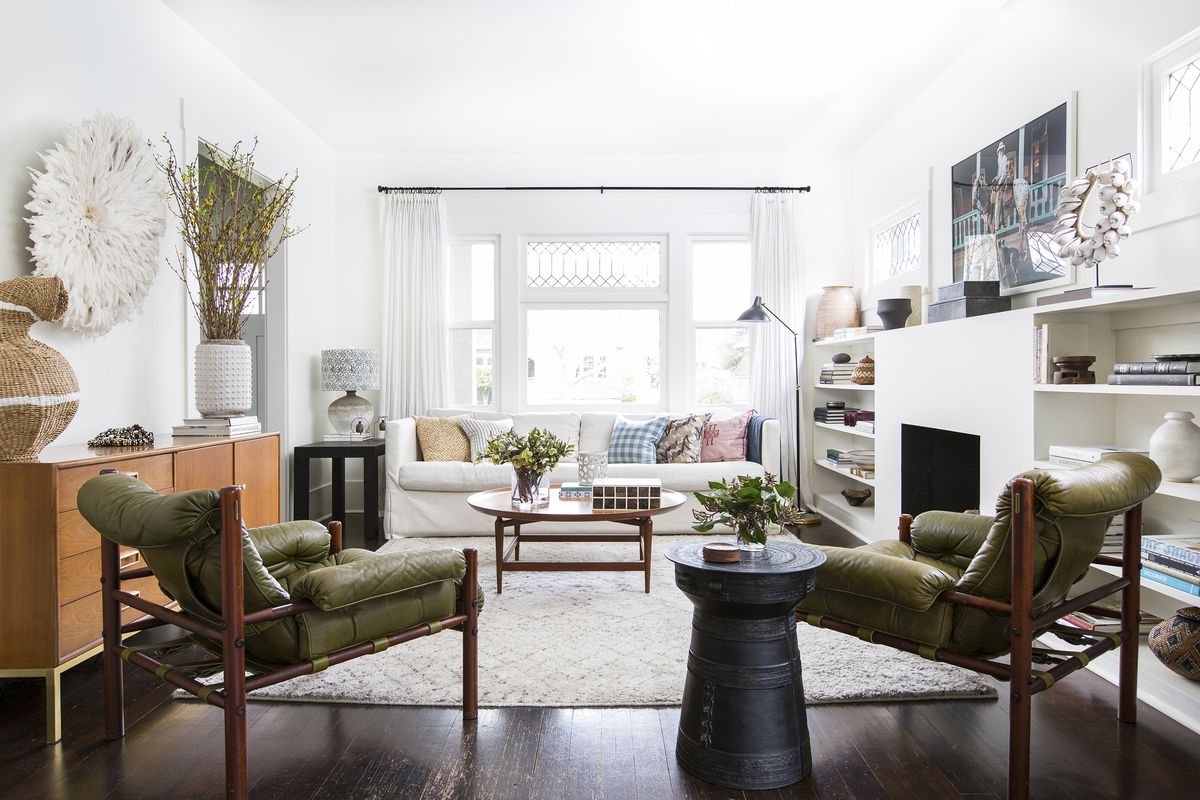
How to design the perfect living room
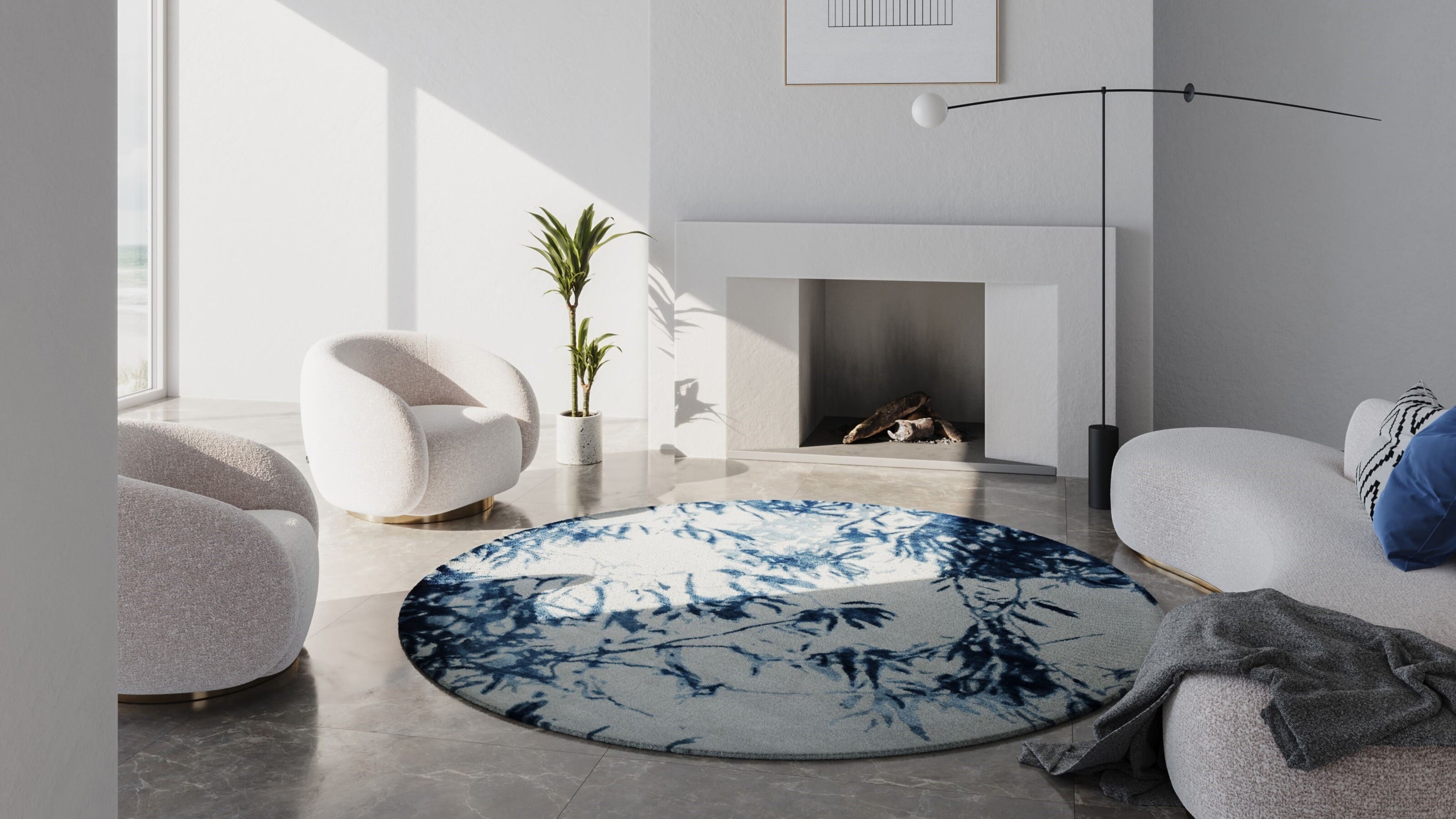
'They're not for every room' – designers say they'll never use a round rug in these 5 spaces, and neither should you
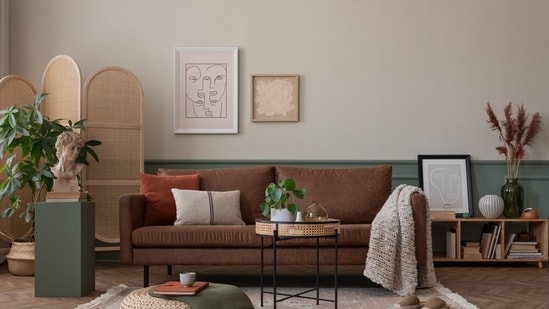
Is your home feeling lifeless? 5 layering hacks to make the interiors warm and inviting | Hindustan Times


How Much Should You Spend on an Area Rug?

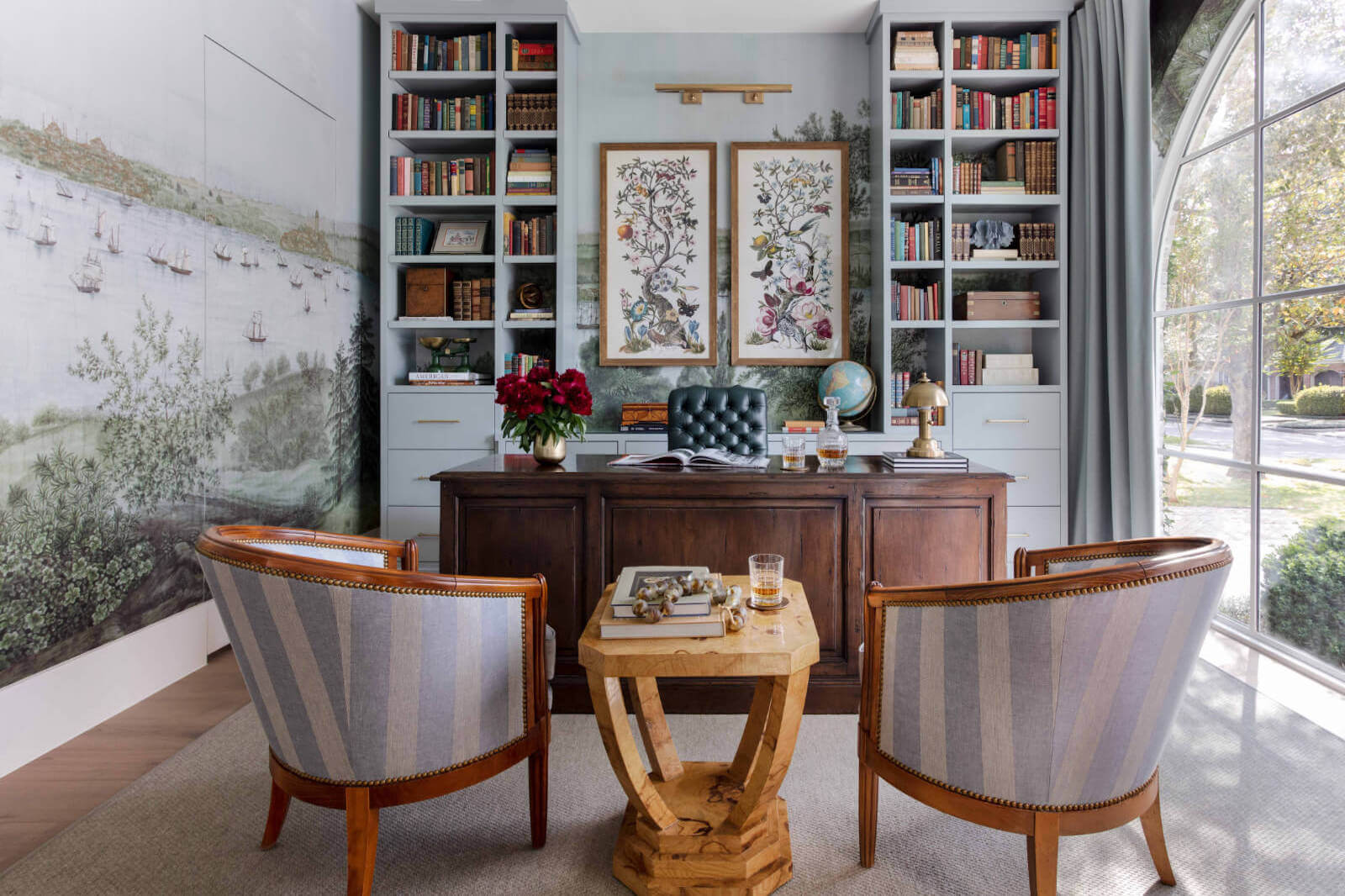
Interior Design Tips: The Dos and Don’ts of Layering