1/11
Rhythm in interior design - 11 ways to use this clever technique for rooms that look professionally done
Rhythm in interior design is a fundamental concept that creates visual harmony and flow within a space, guiding the eye in a pleasing and organized manner. Chad Dorsey of Chad Dorsey Design describes it as a “visual and mental harmony” that avoids abrupt transitions, while Jessica Davis of Atelier Davis likens it to a musical drum beat, emphasizing the use of repetitive elements to tie a space together. The goal is to organize decor and furnishings with a pattern that maintains visual interest and continuity.

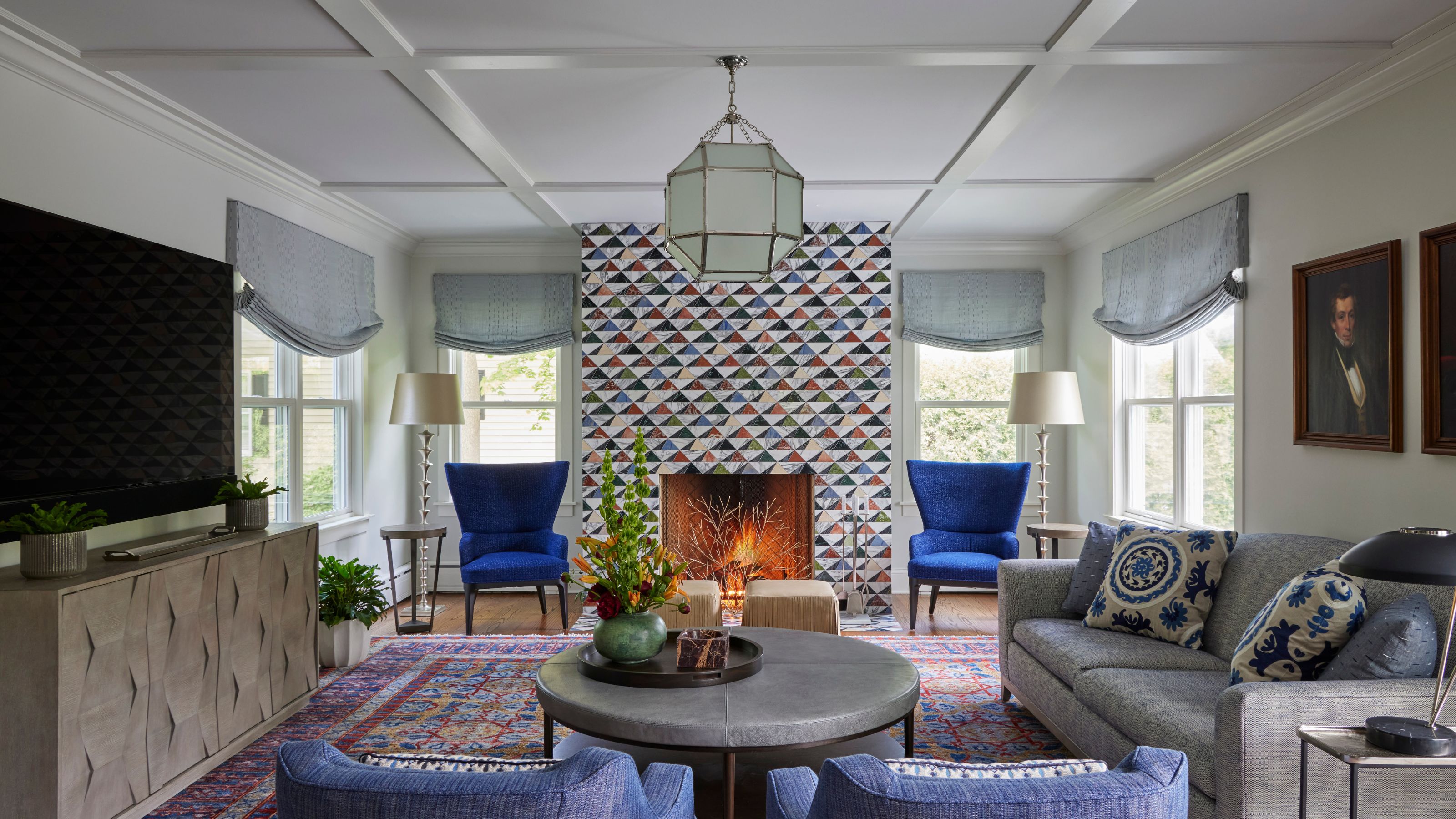
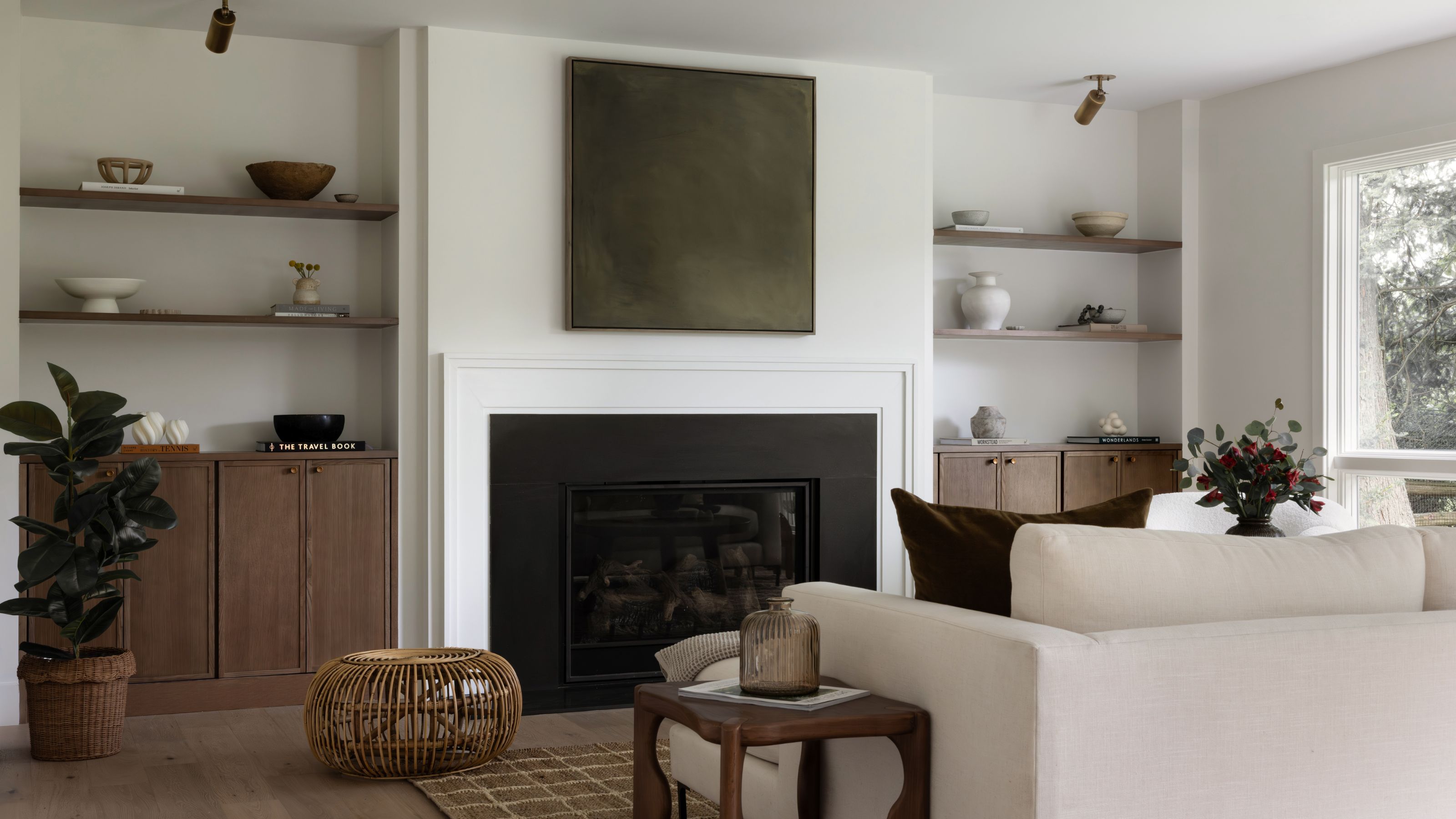
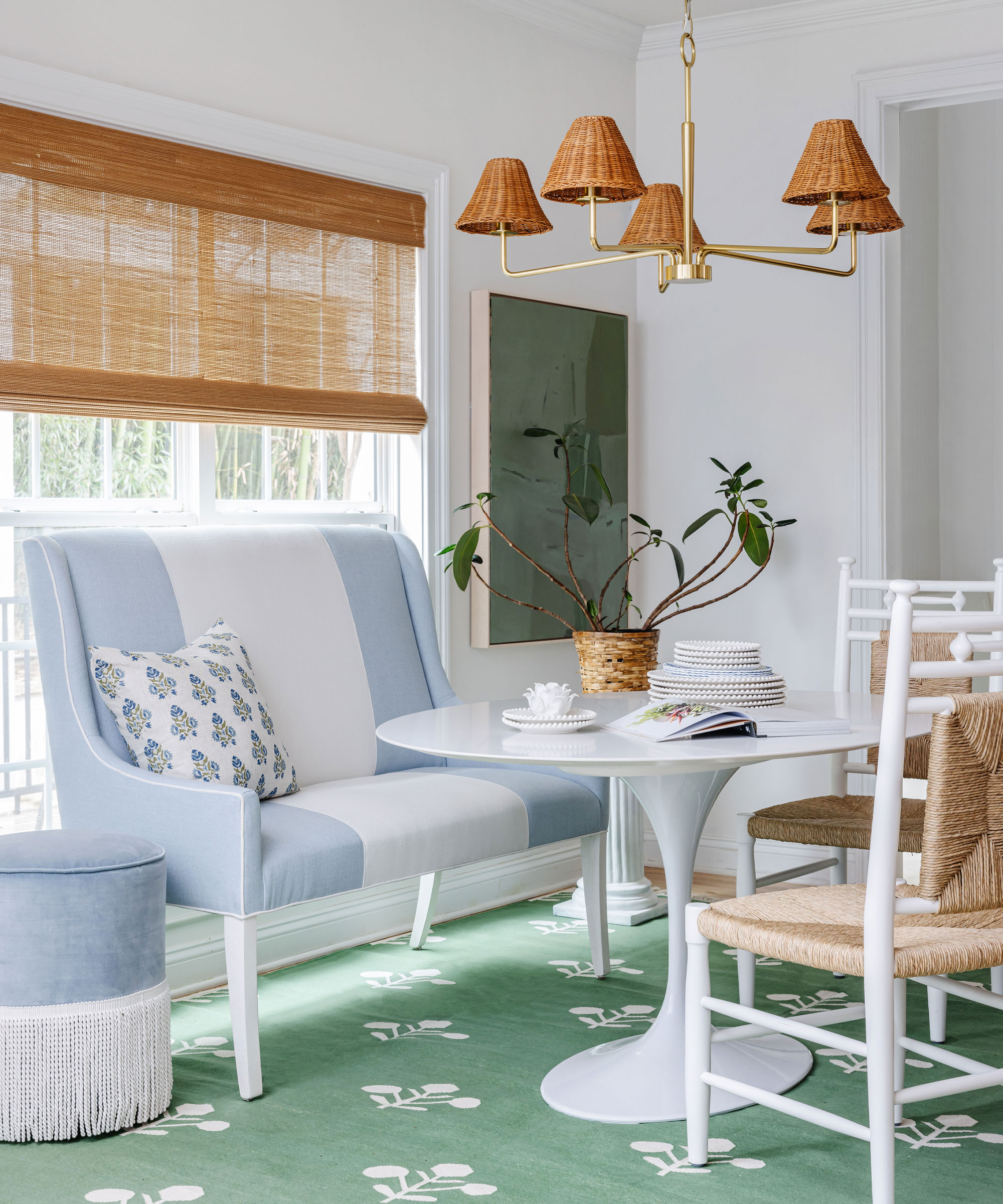
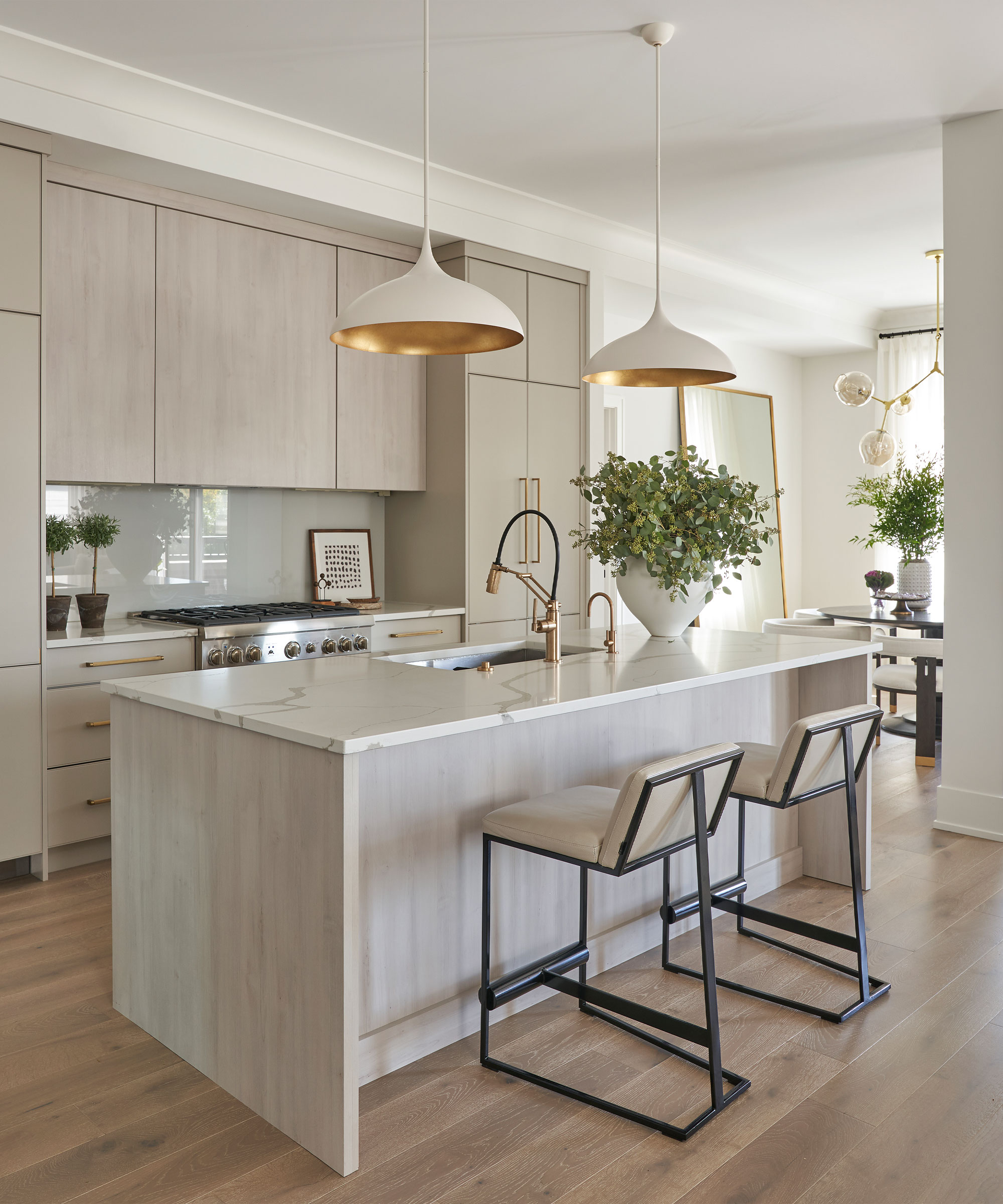
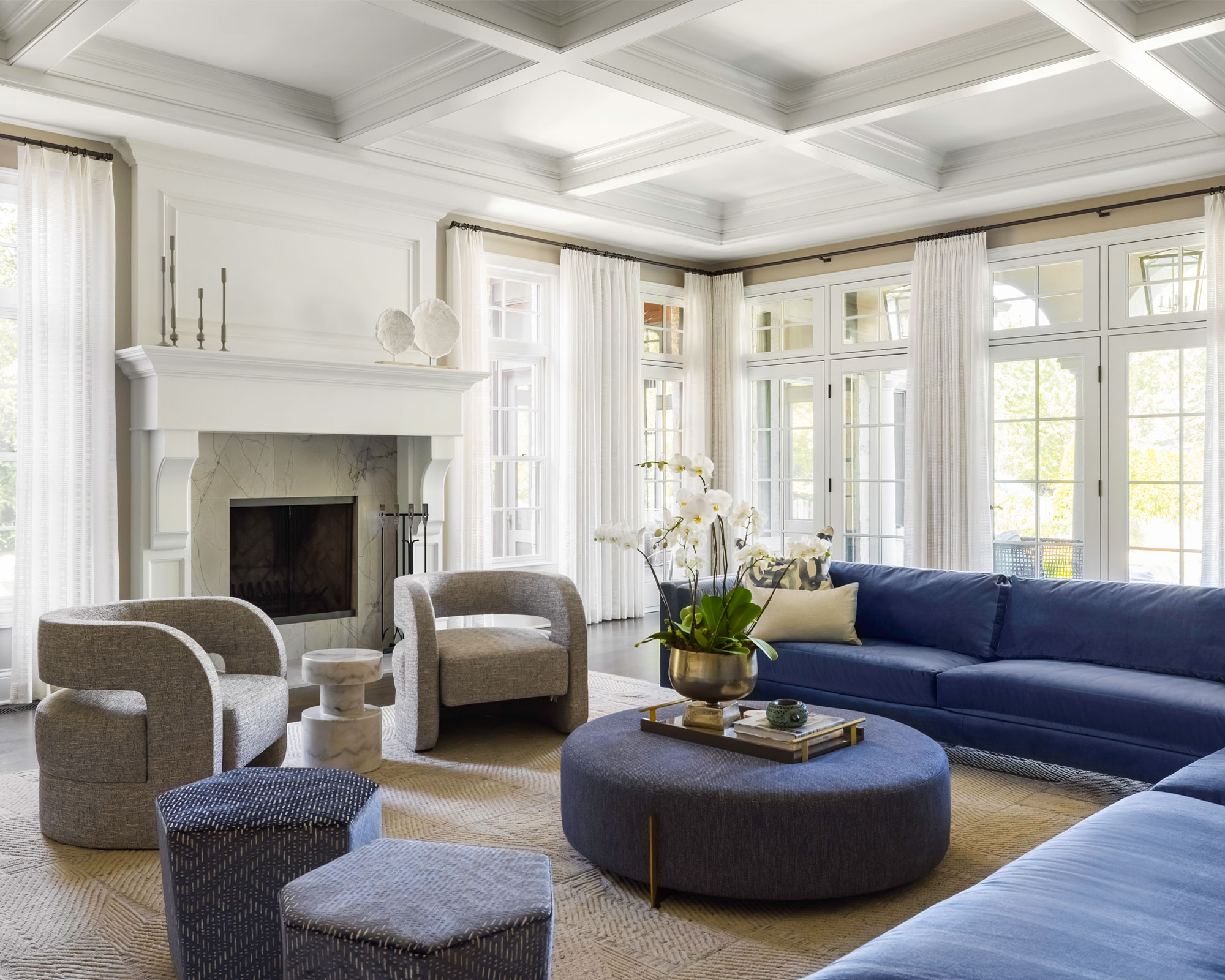
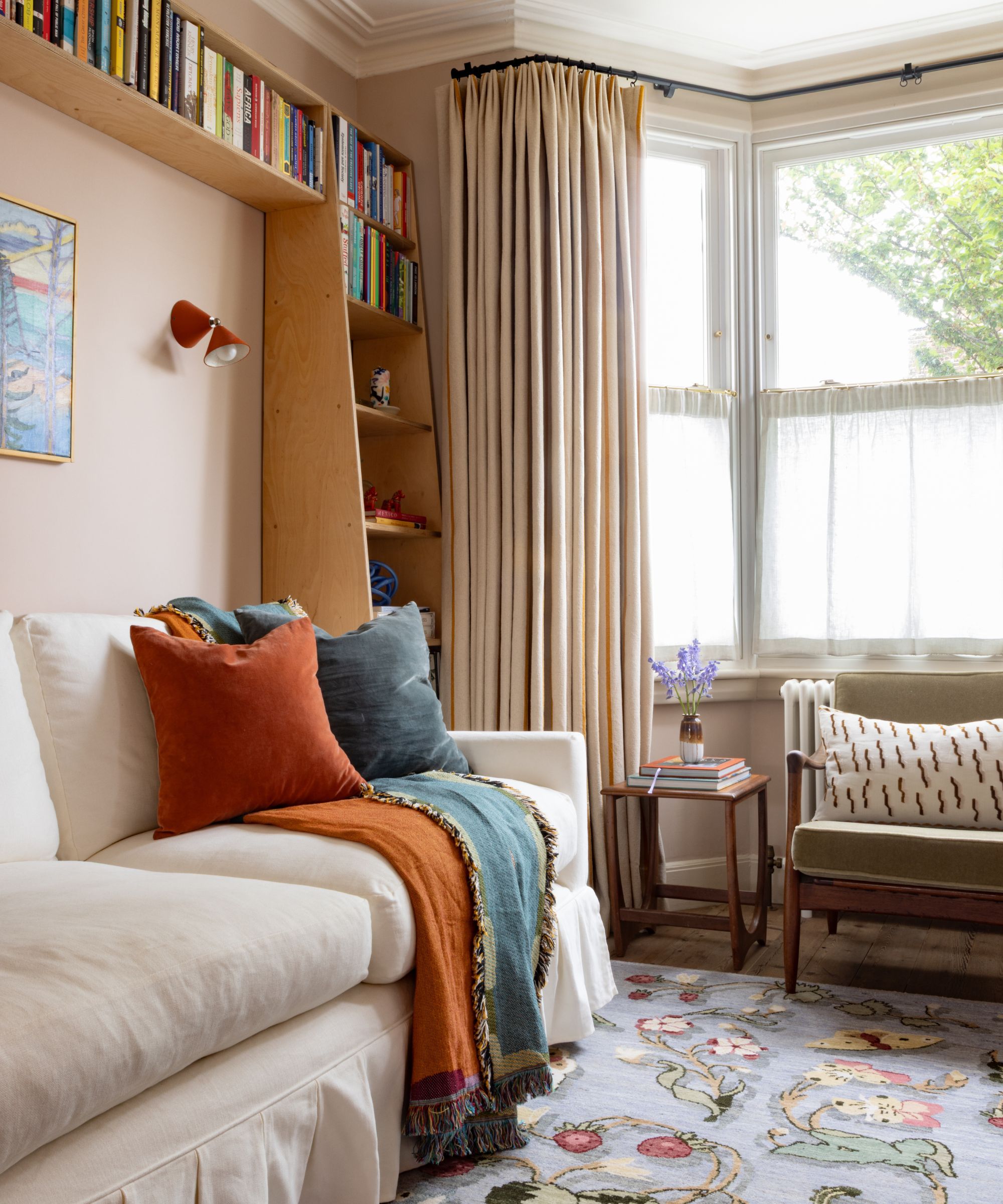
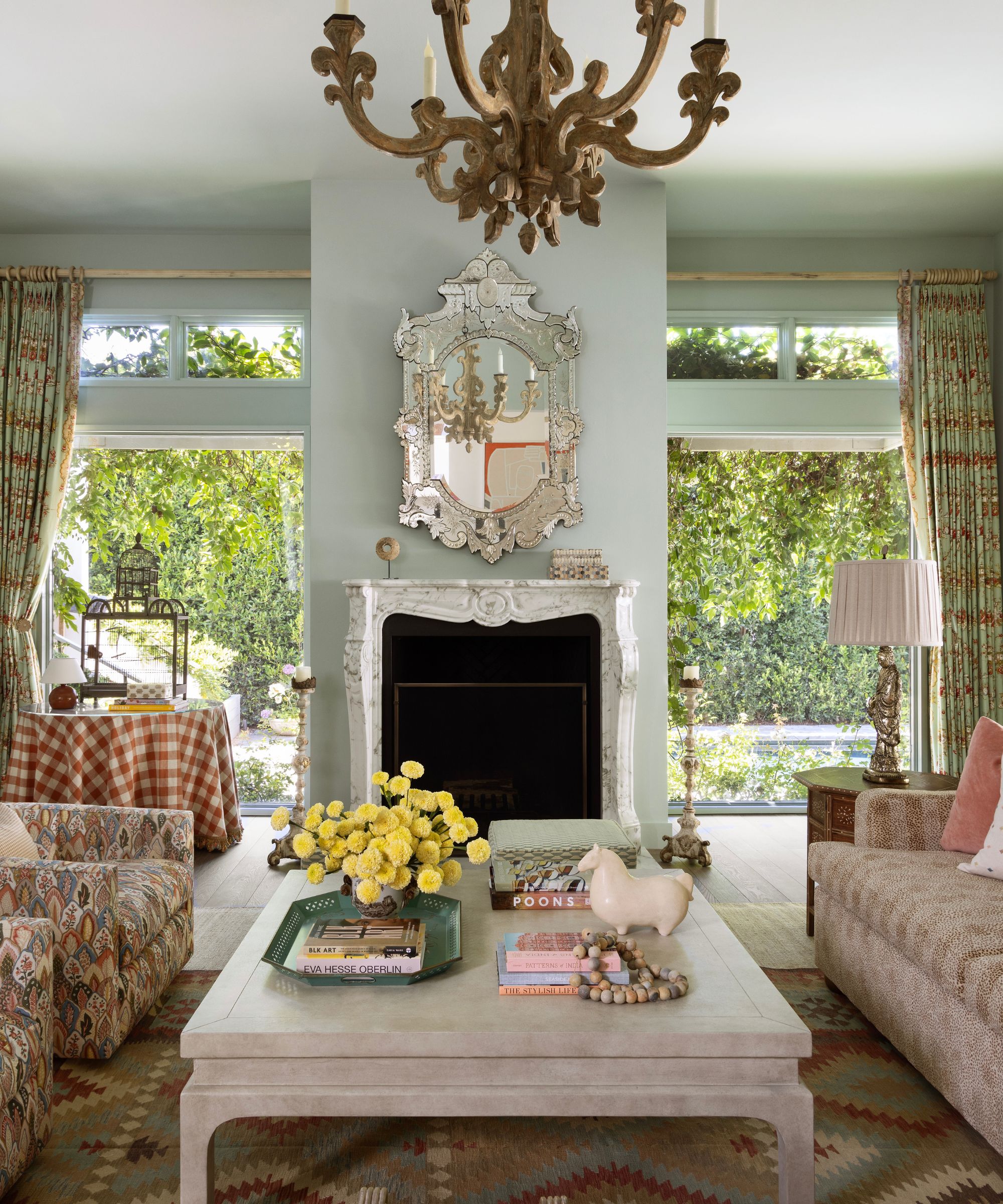
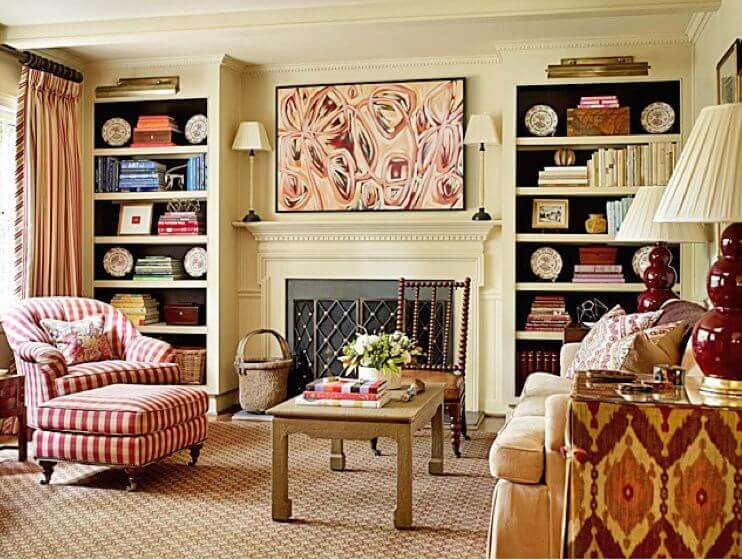
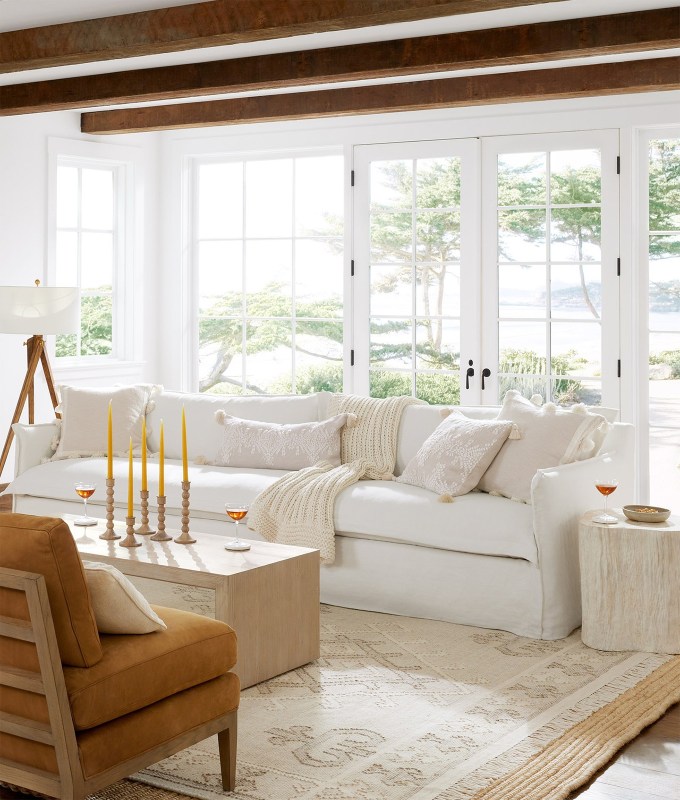
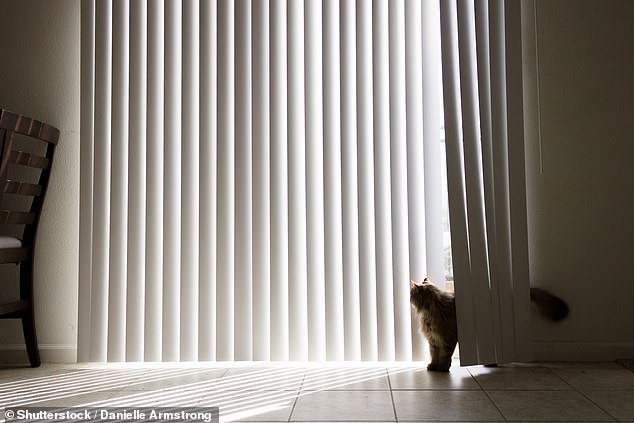
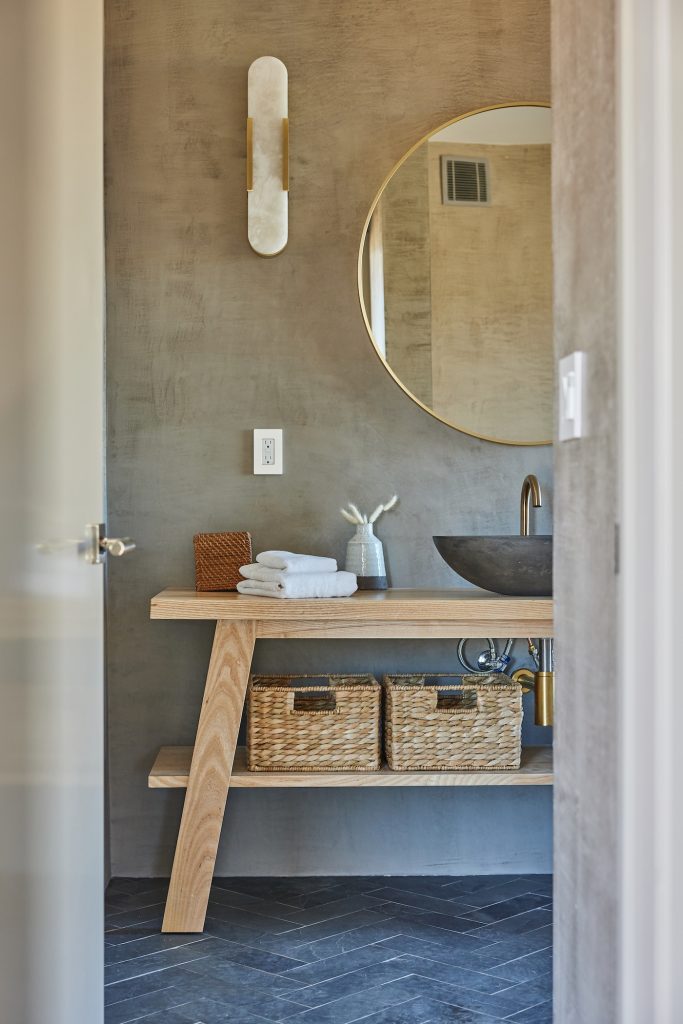
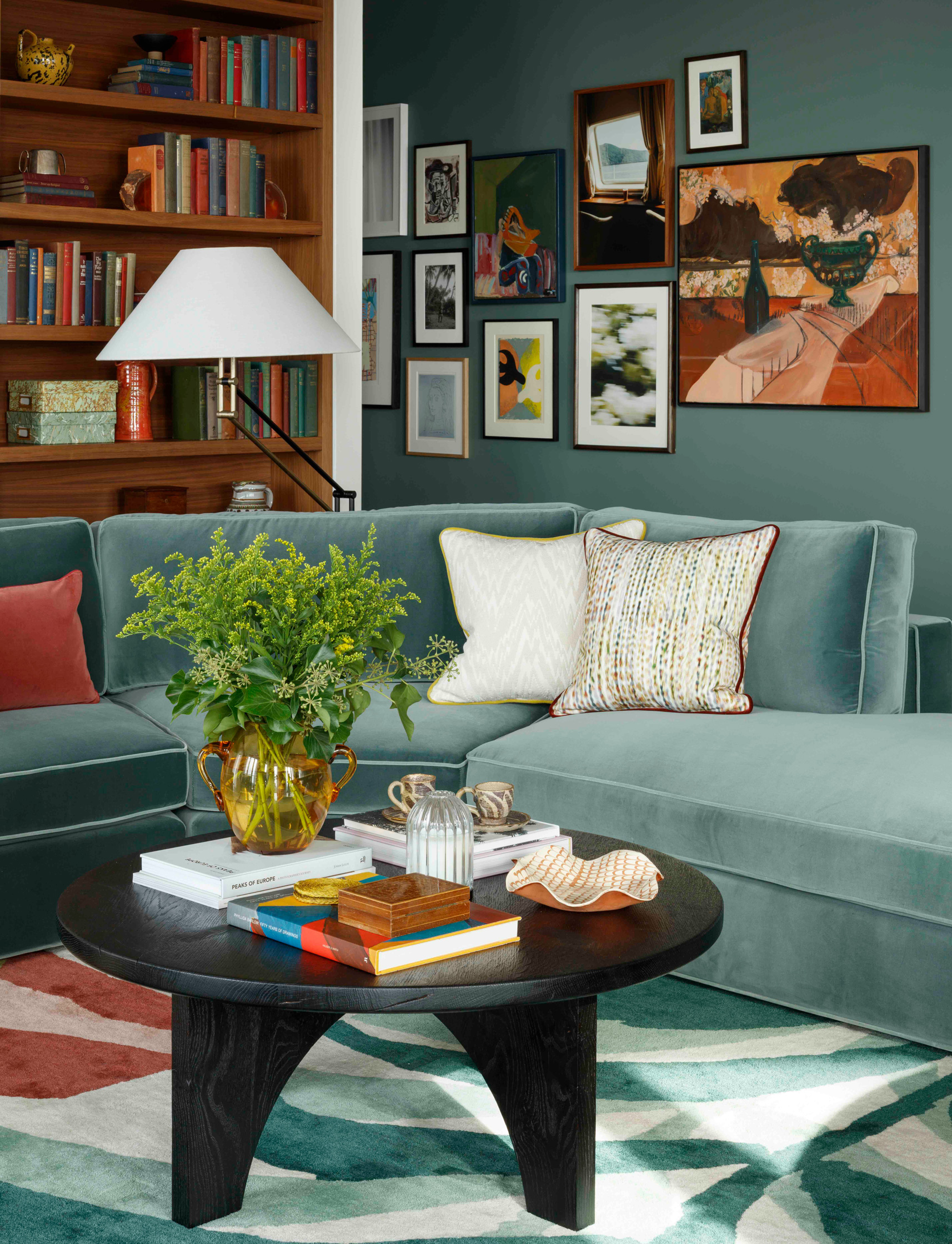
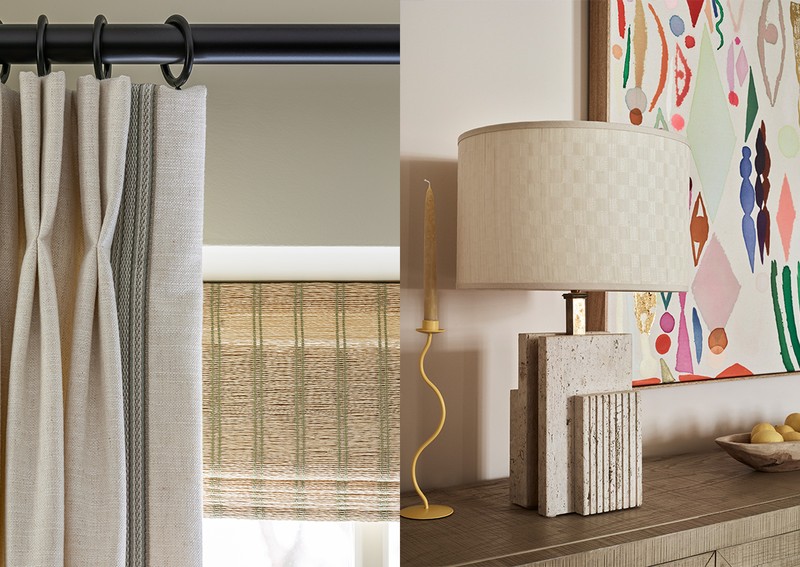
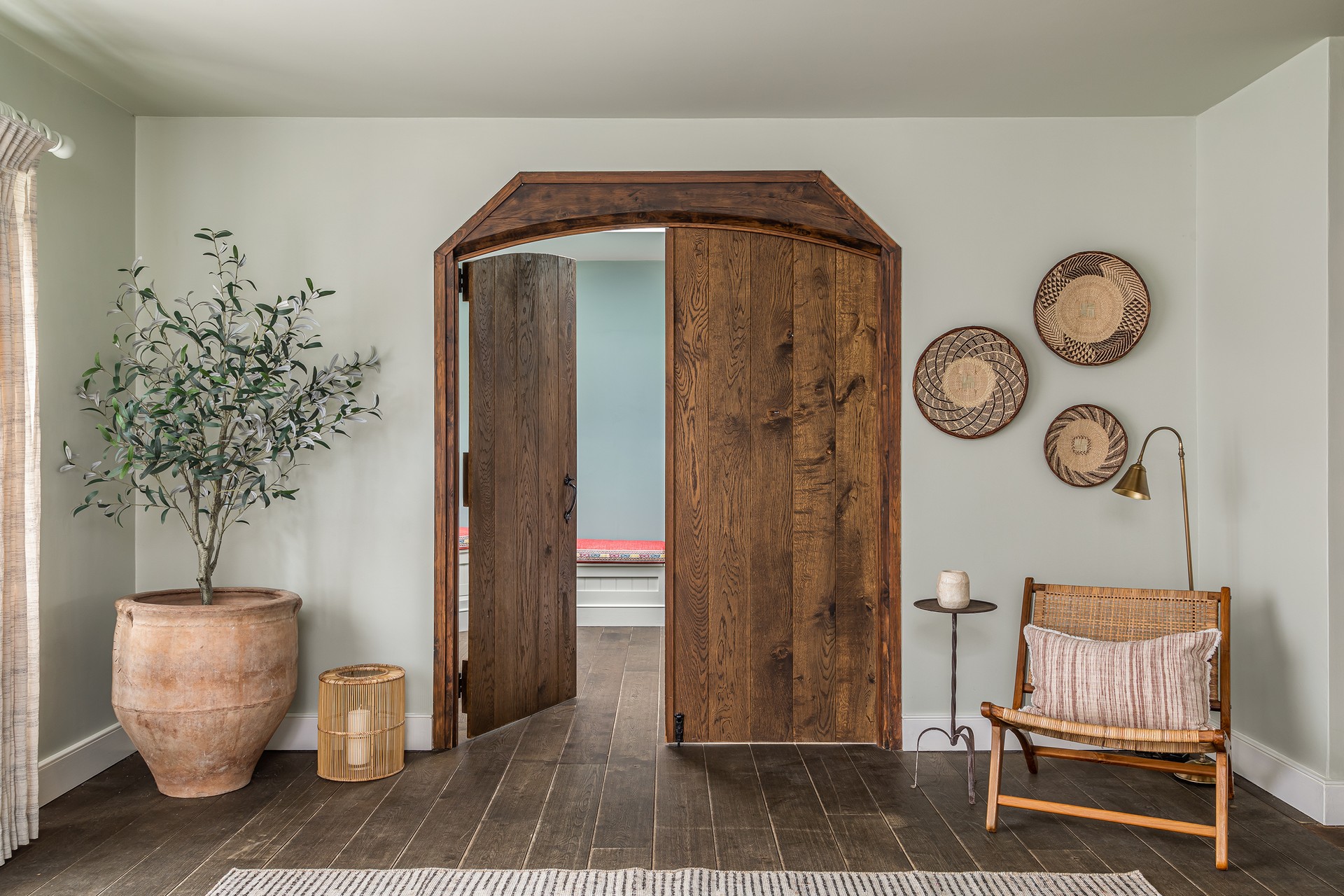
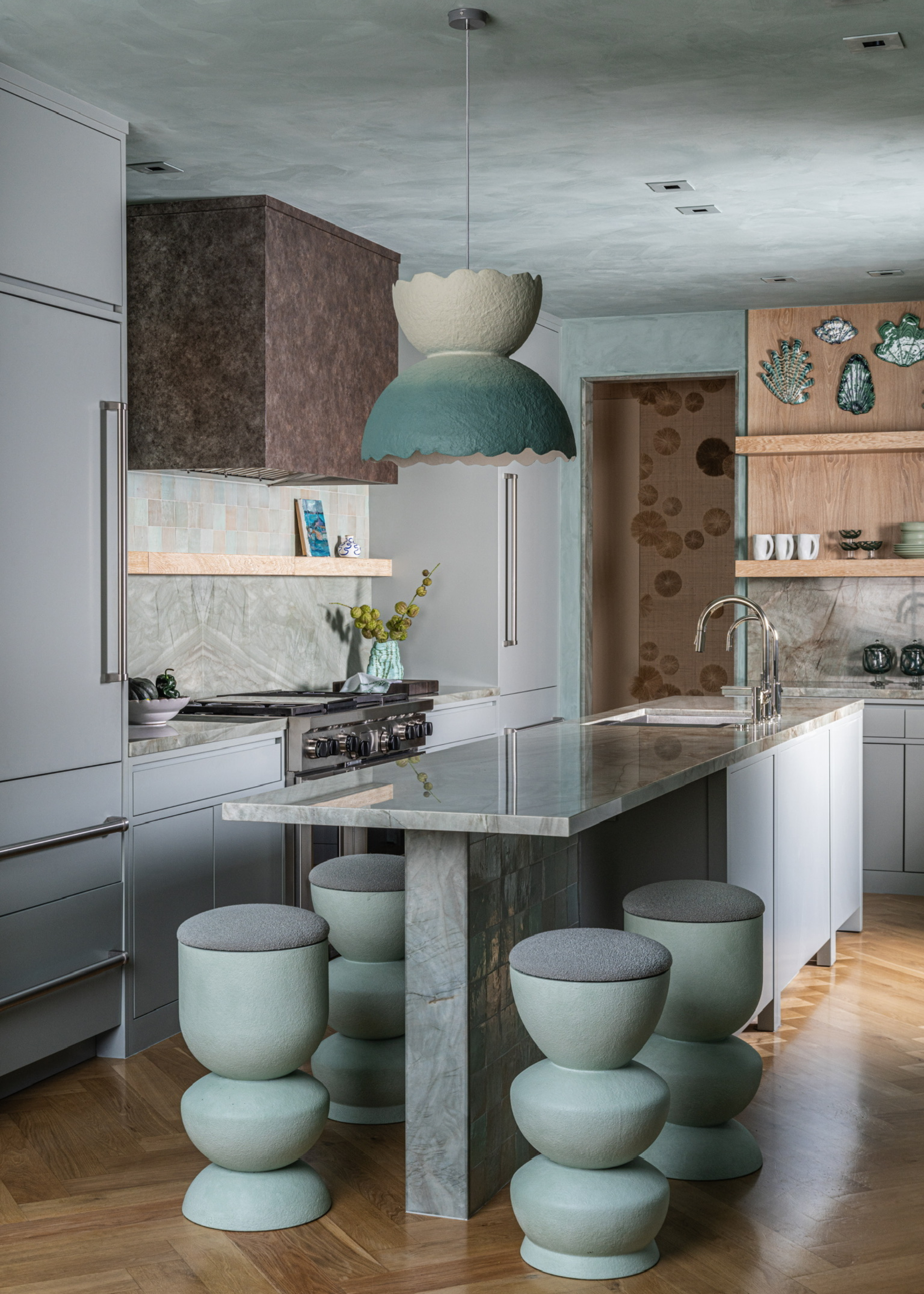
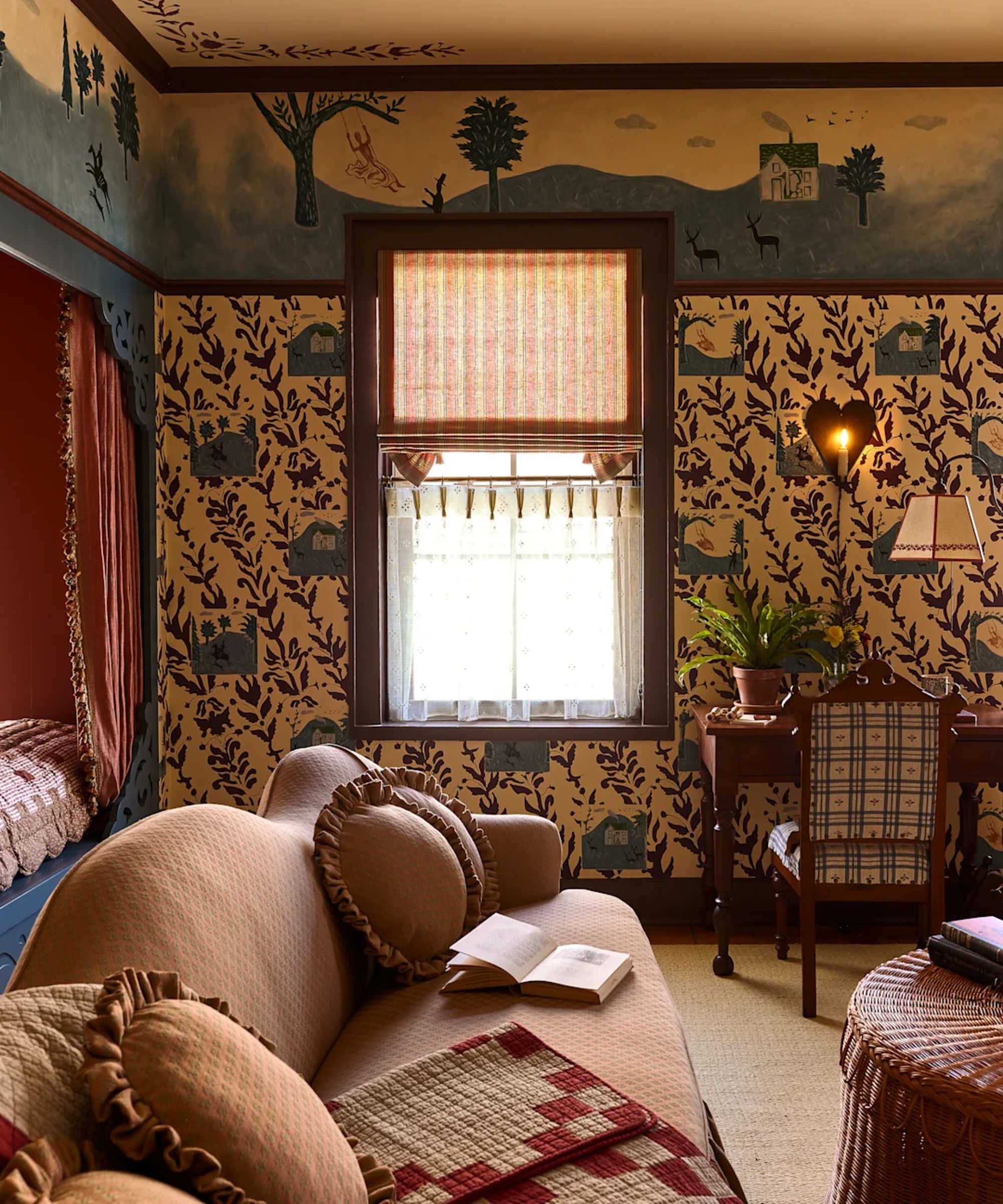
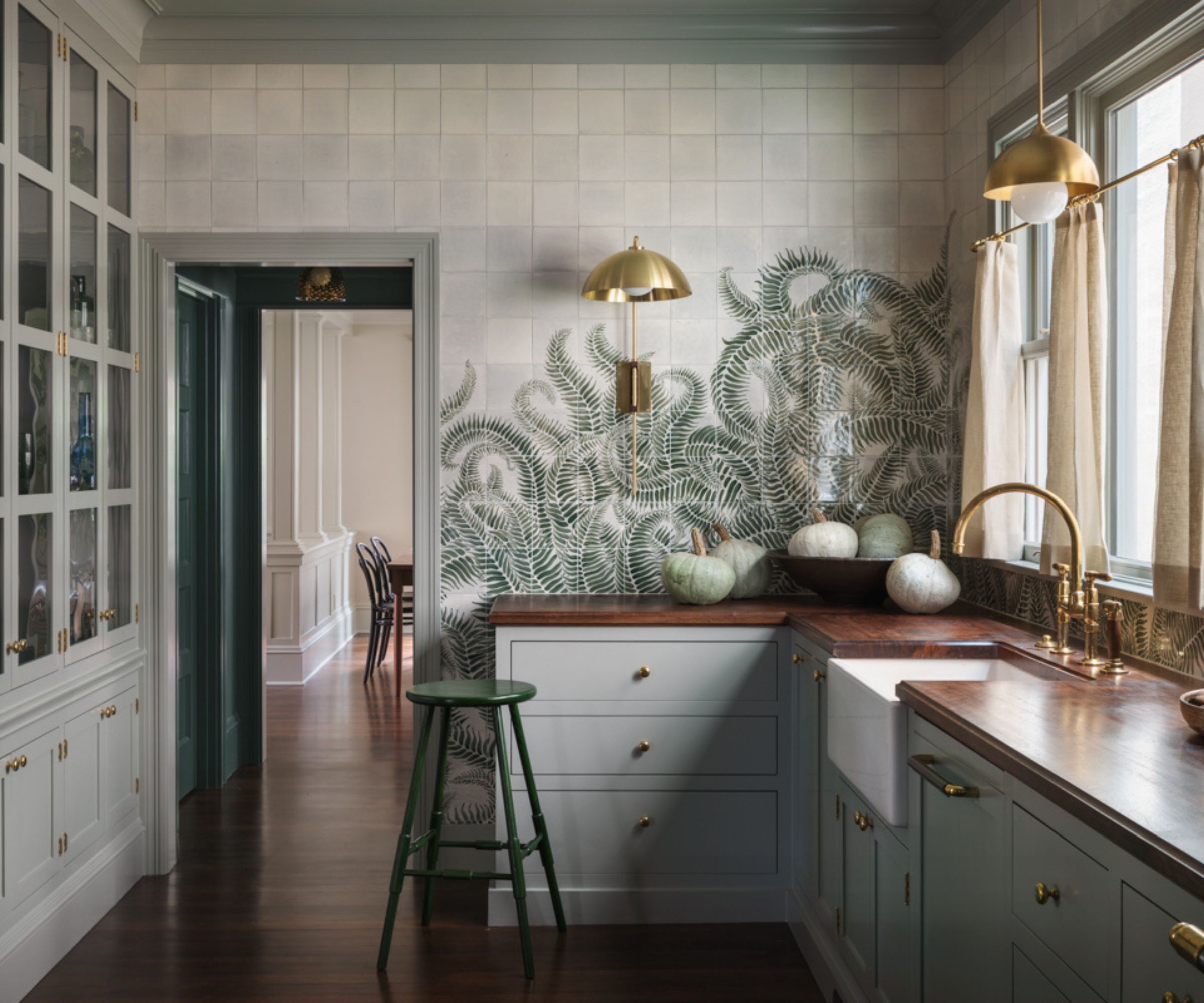
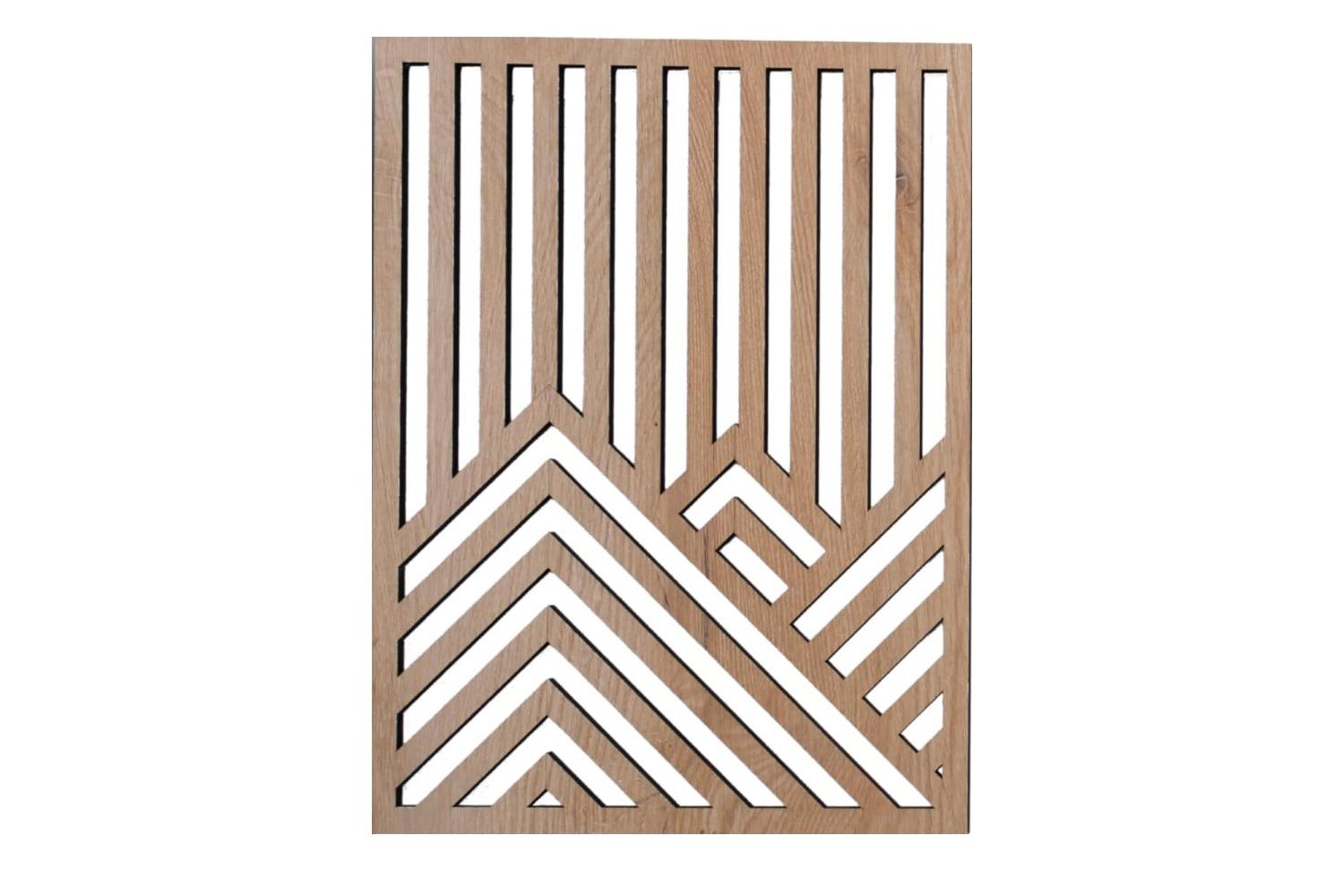

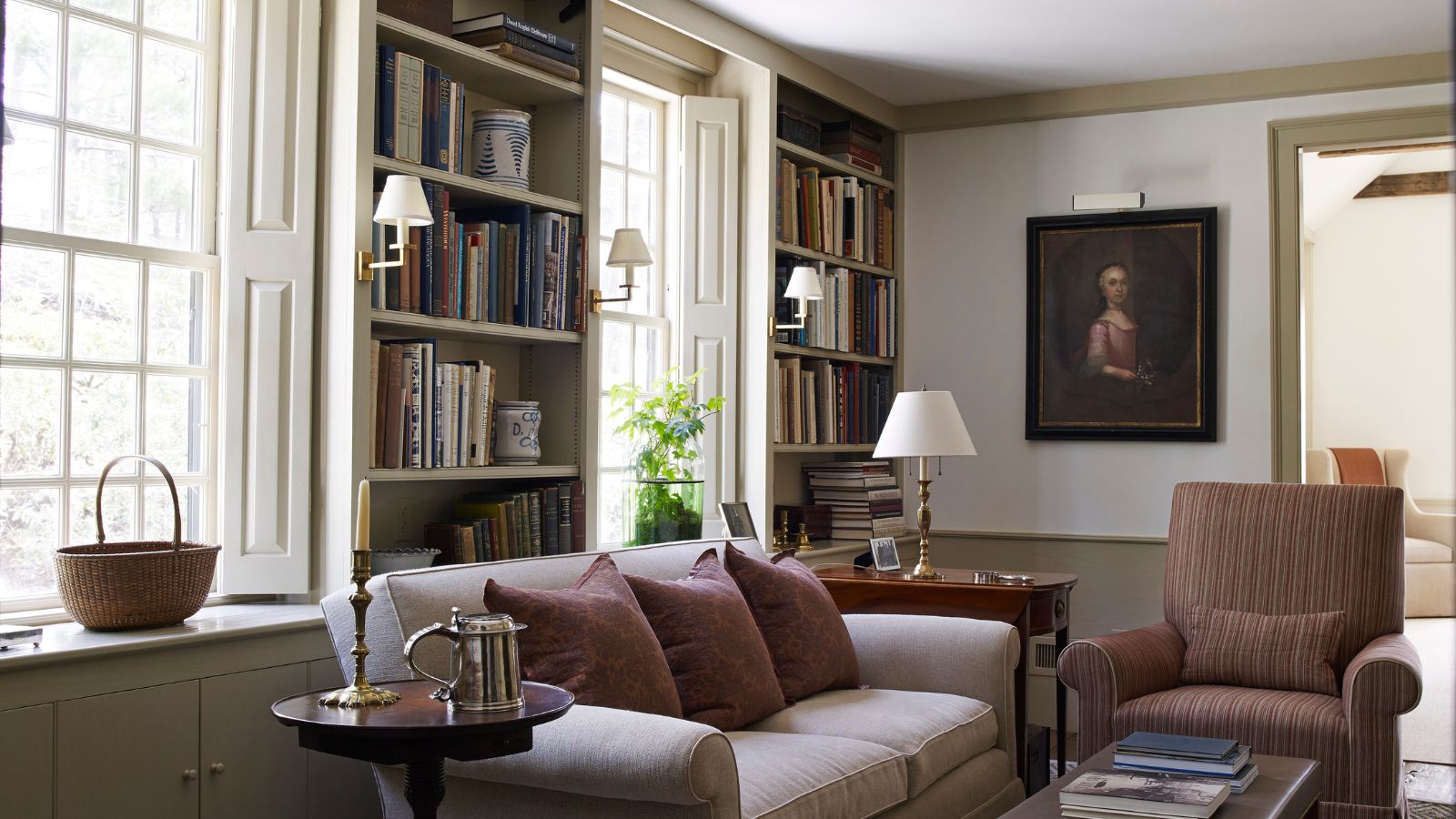
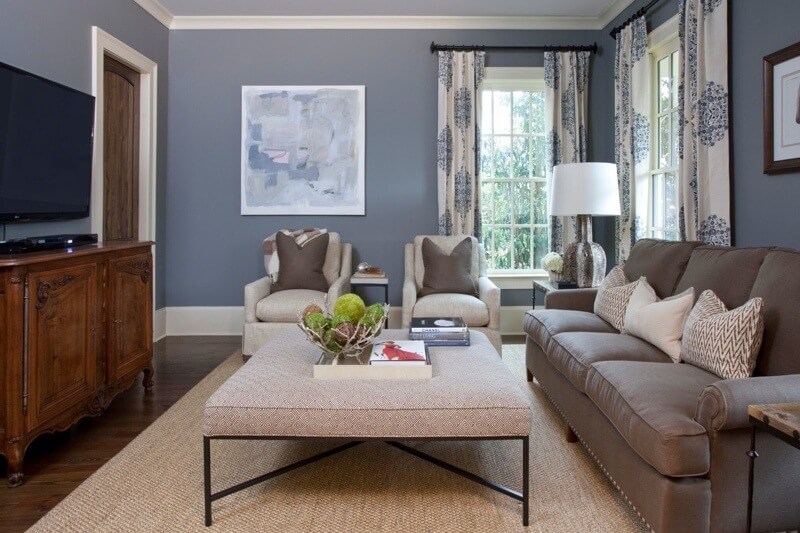
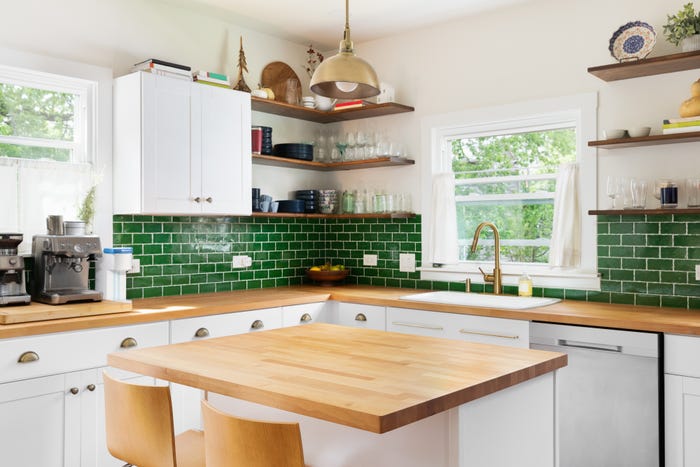
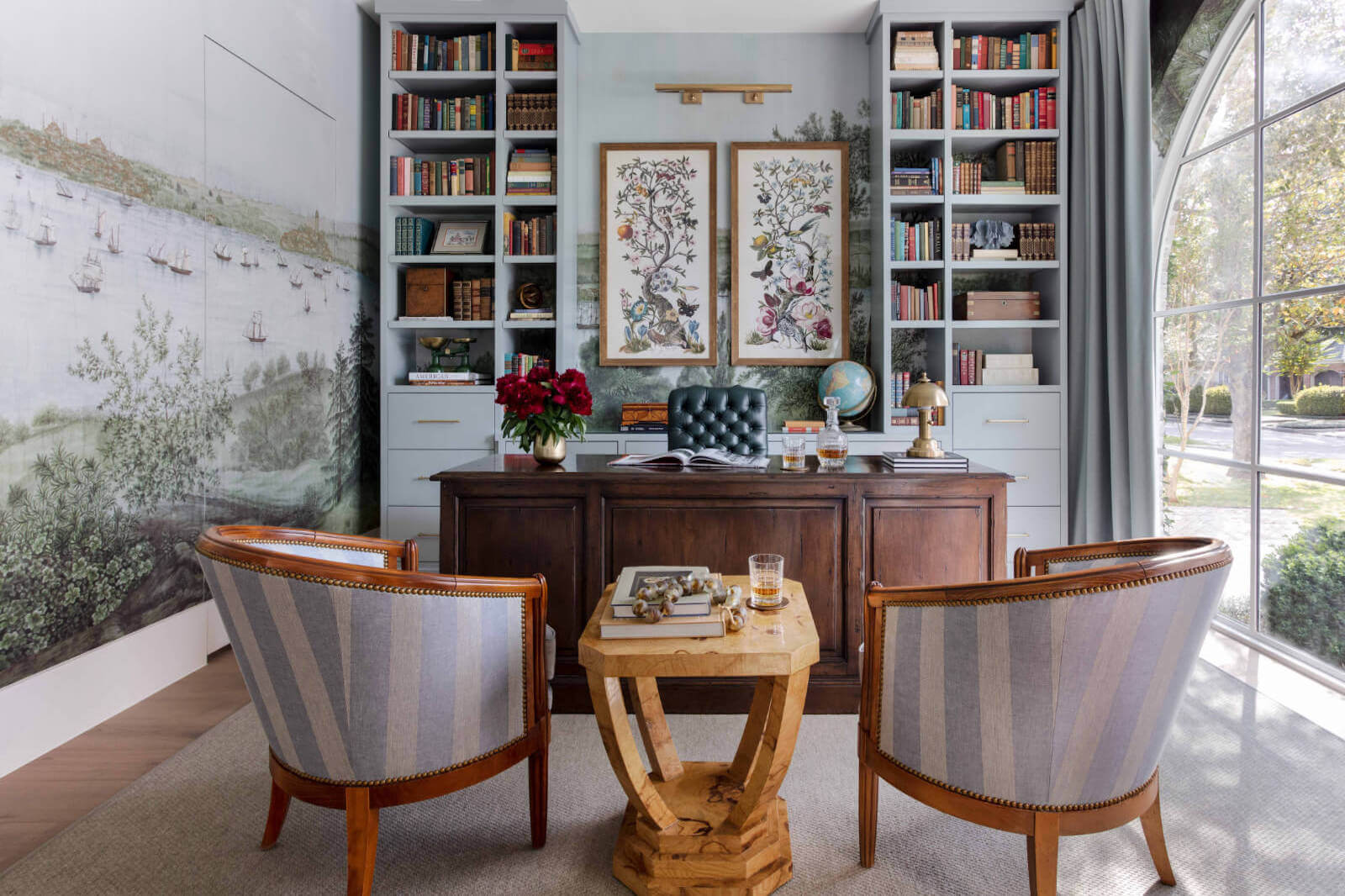
There are five basic principles of rhythm in interior design: repetition, radiation, contrast, gradation, and transition. Repetition is the most straightforward, involving the consistent use of shapes, colors, materials, or textures to establish continuity and stability. For example, in a modern bedroom, repeating black tones in beams and wainscoting, contrasted with warm wood tones, creates a distinct sense of rhythm. To prevent monotony, designers can subtly alter repeated elements, introducing asymmetry. An example of this is a living room where cylindrical shapes are repeated in furniture legs and suspended pendants, but a single bold change, like a differently patterned chair, adds playful visual interest.
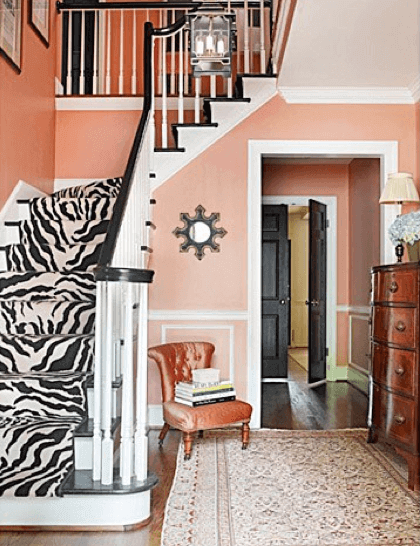
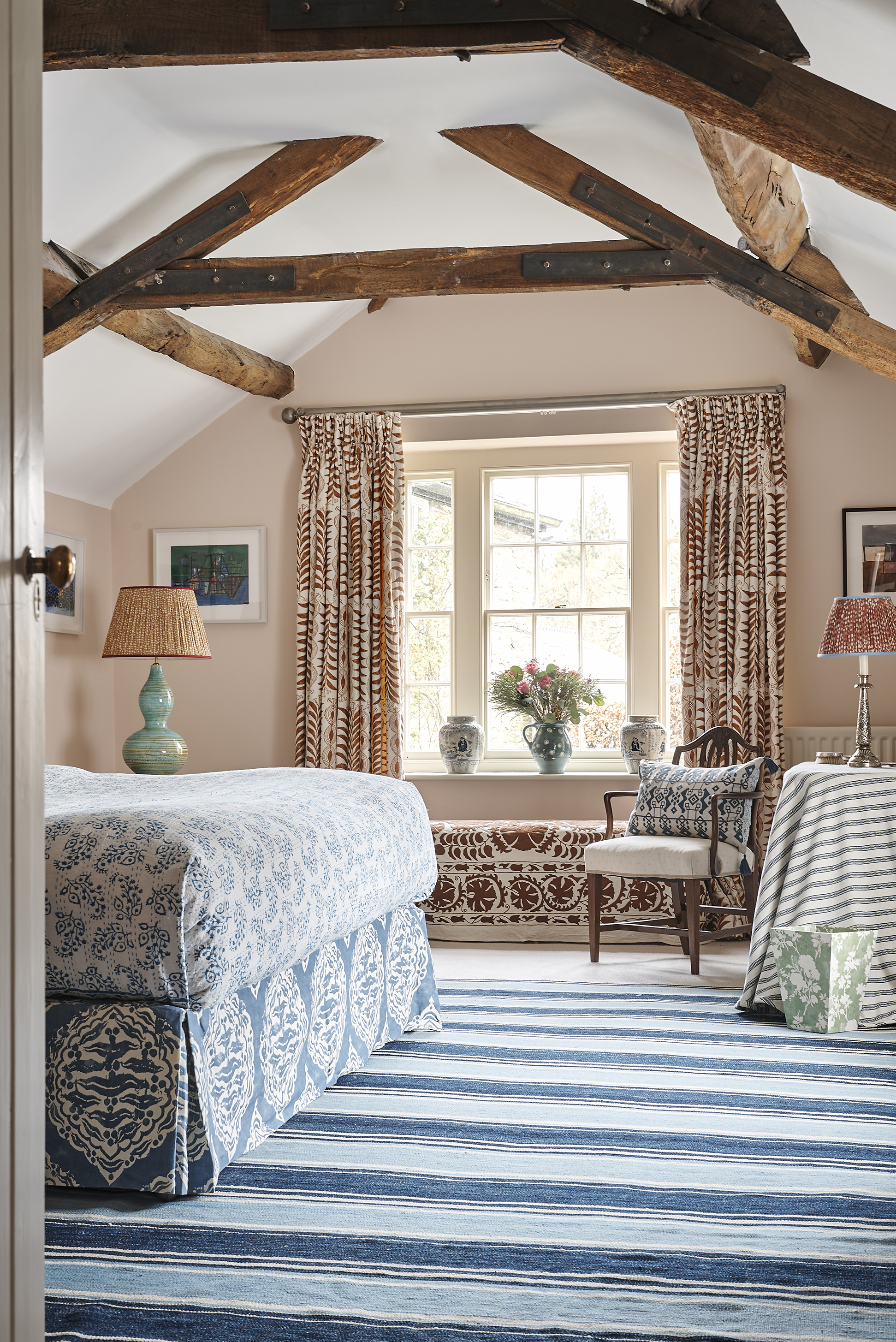
Radiation centers around a focal point, with design elements arranged to revolve around it, directing the viewer's eye. This is commonly seen in dining rooms with circular tables and chairs, where the radial symmetry reinforces a formal feel. Gradation, on the other hand, involves creating progression by repeating similar elements in varying scales or shades. This can manifest as decor arranged by height, or a gradual shift from light to dark colors. Staircases are natural examples of gradation, with their repeating steps guiding the eye upwards or downwards. Incorporating patterned runners or carpets further enhances this linear flow.
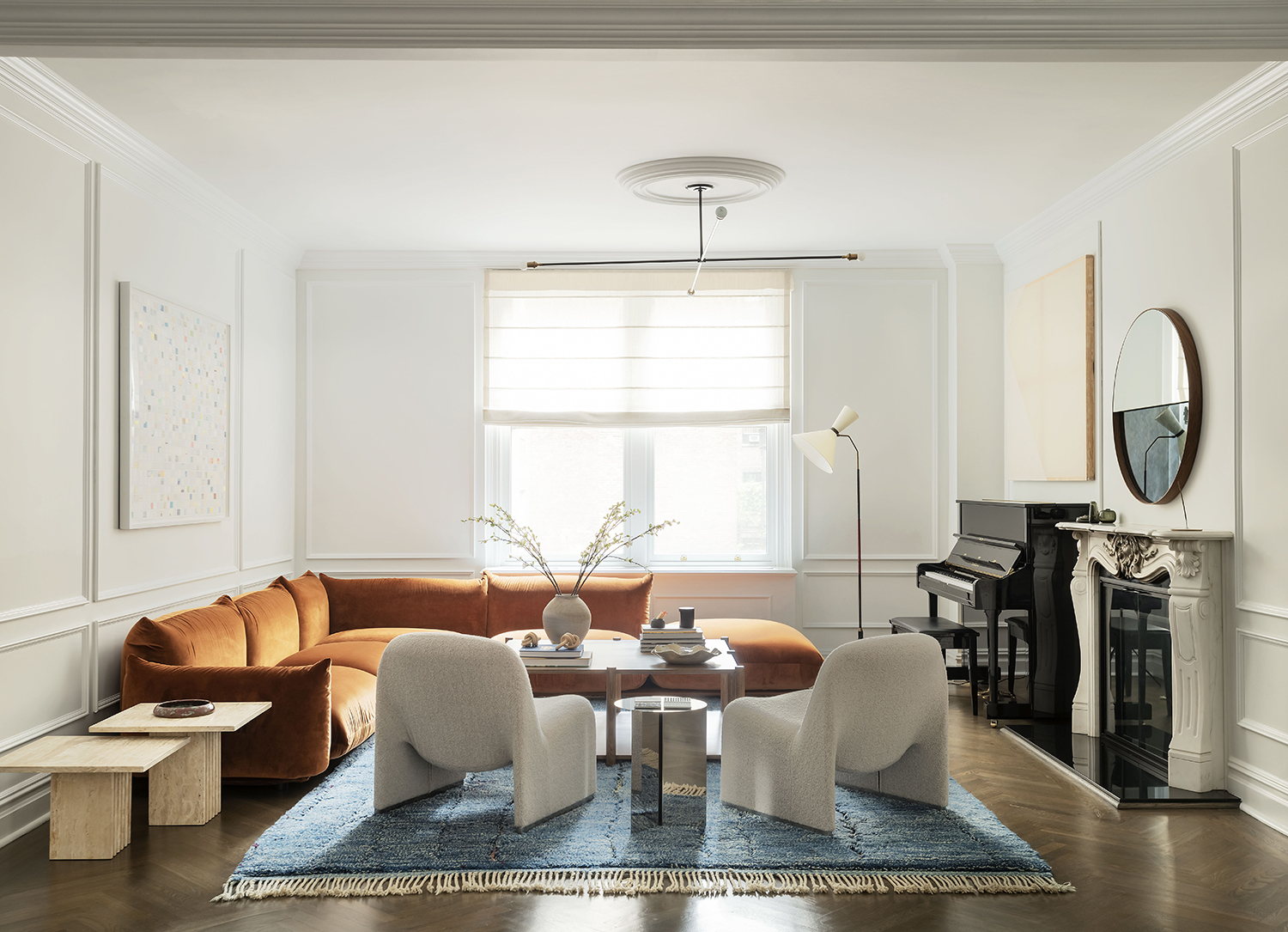
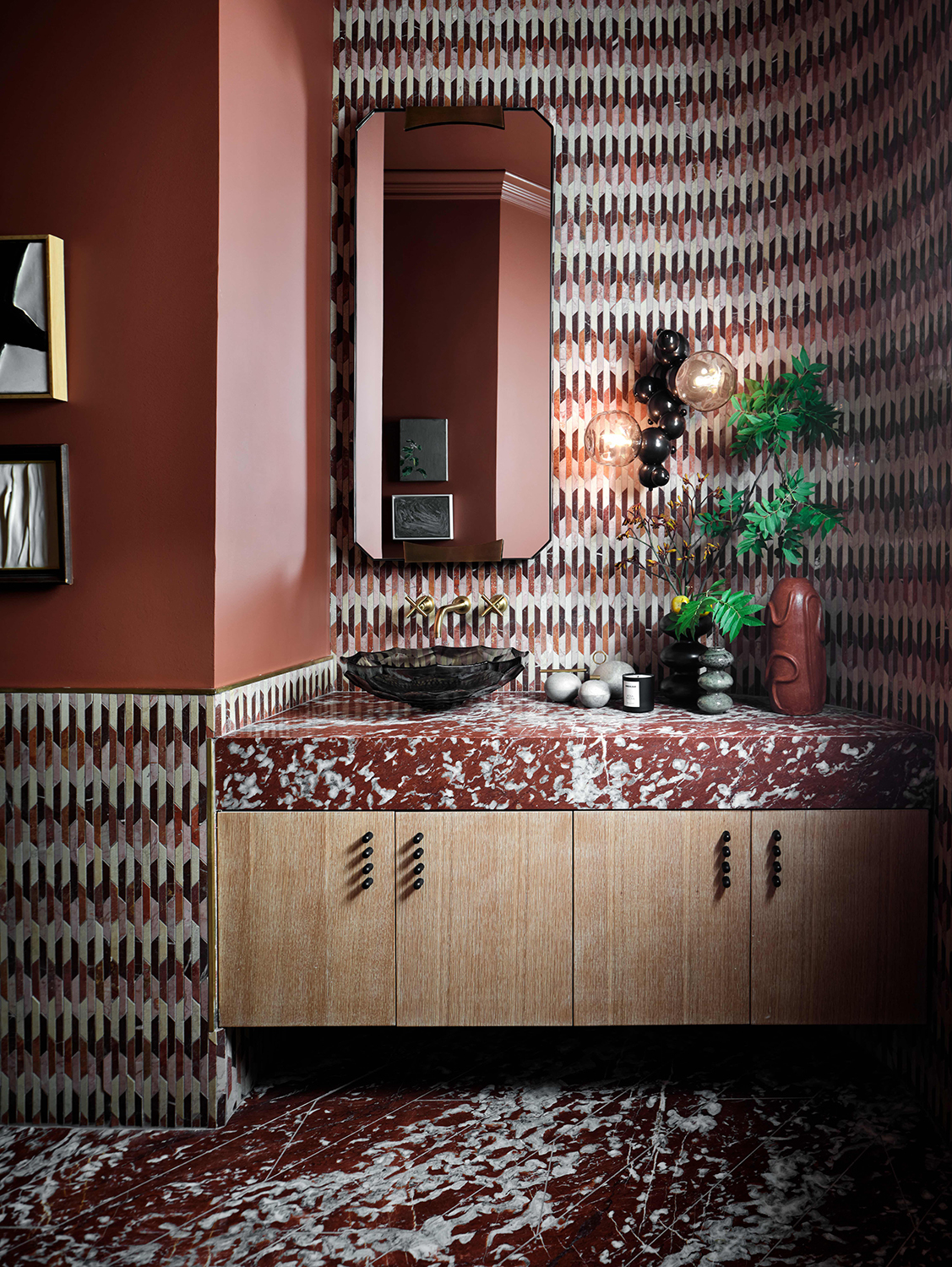
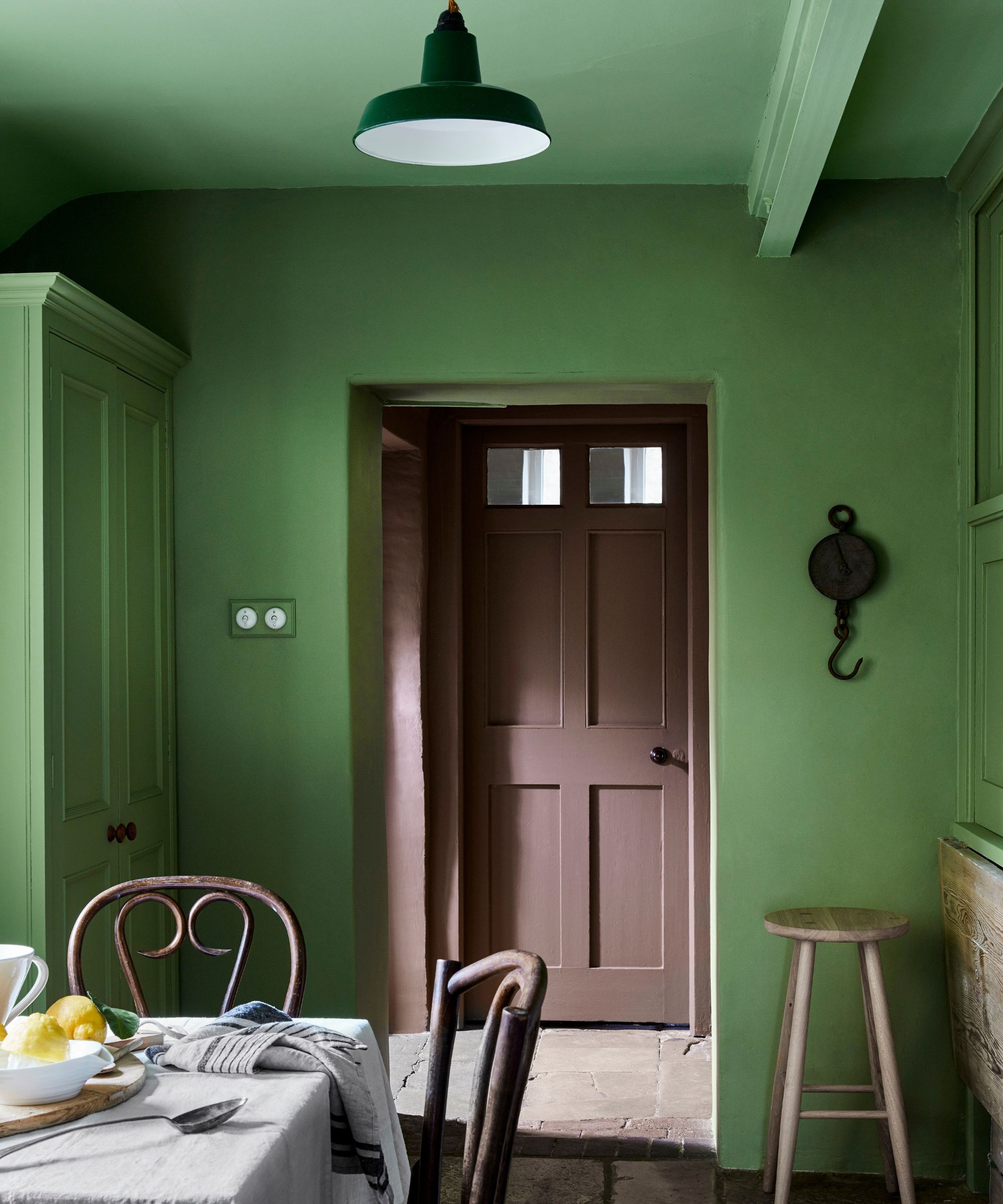
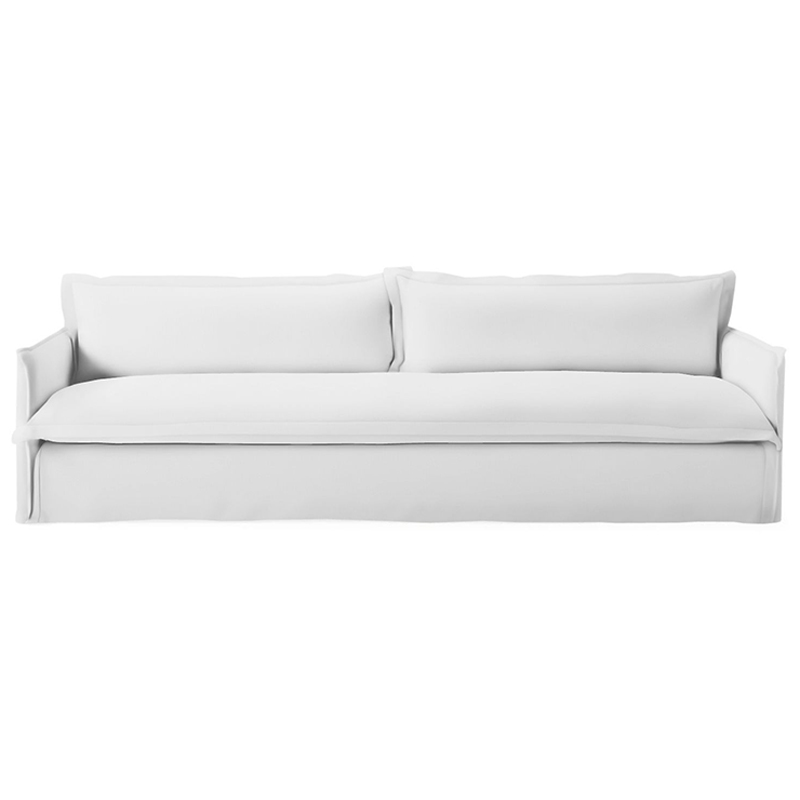
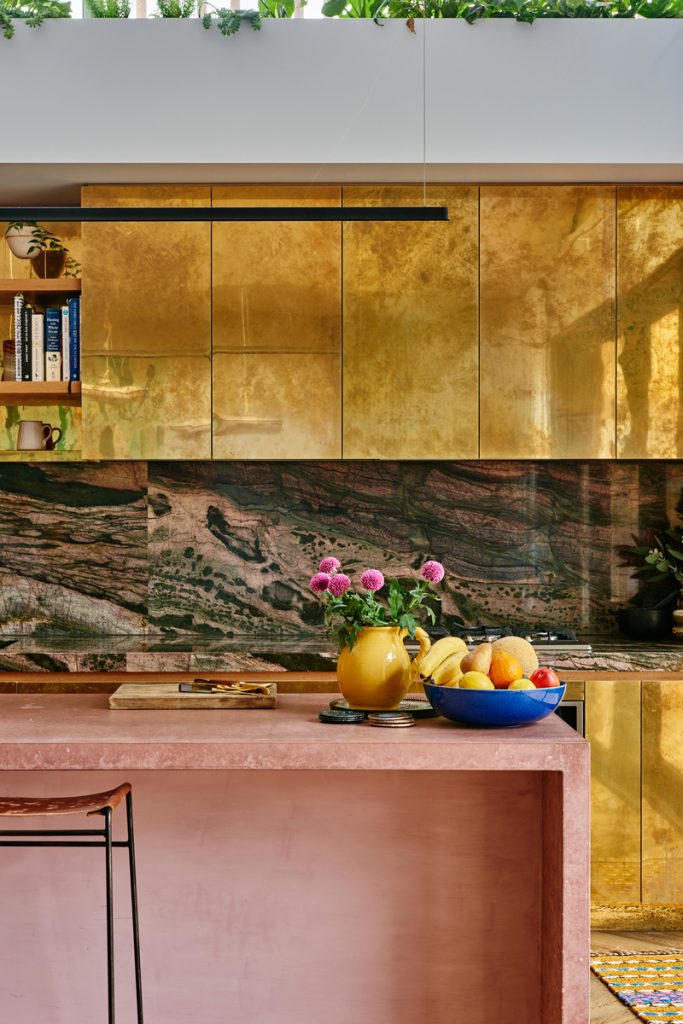
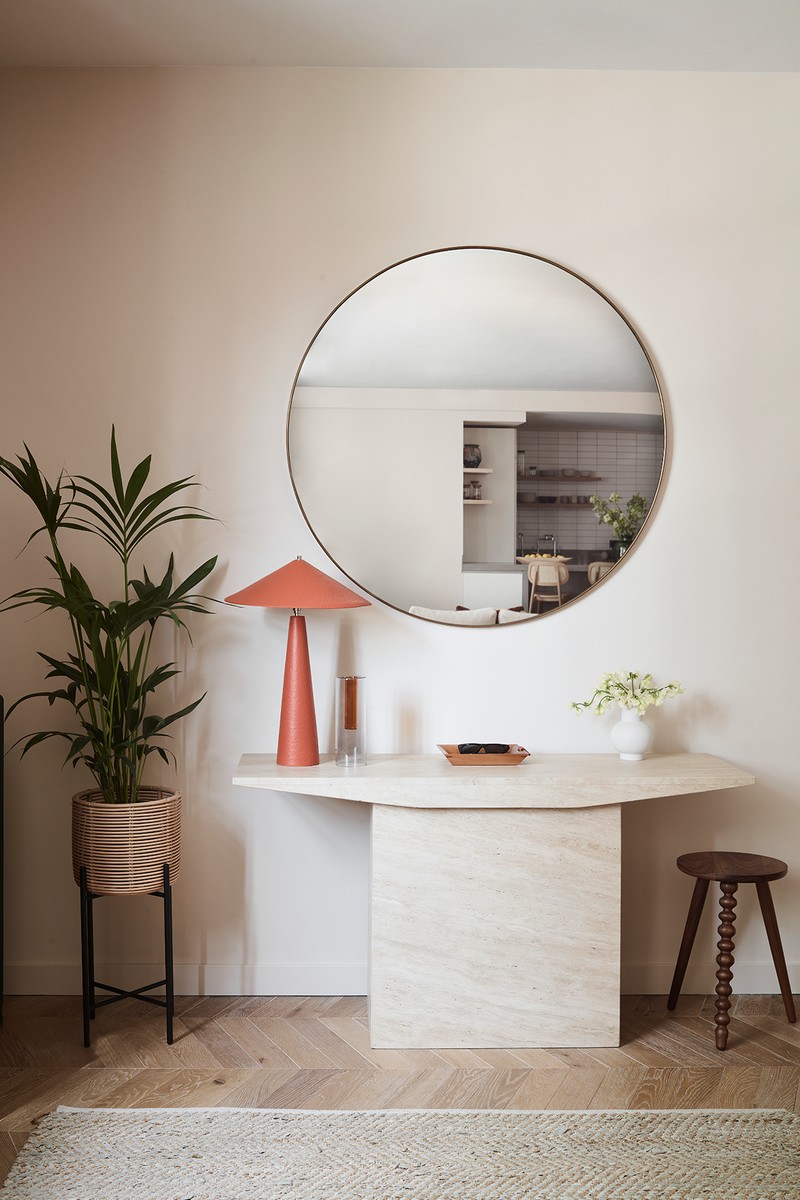
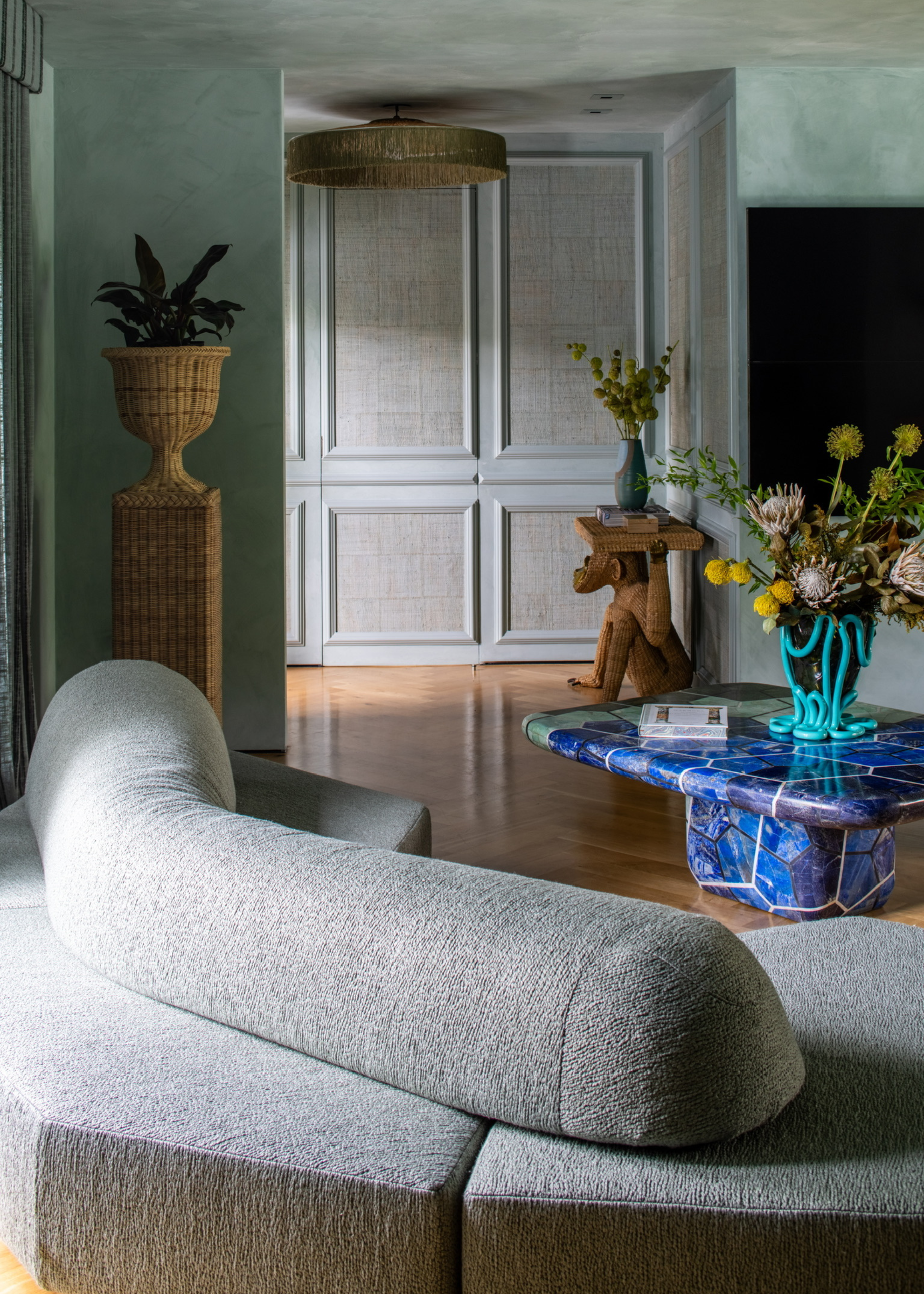
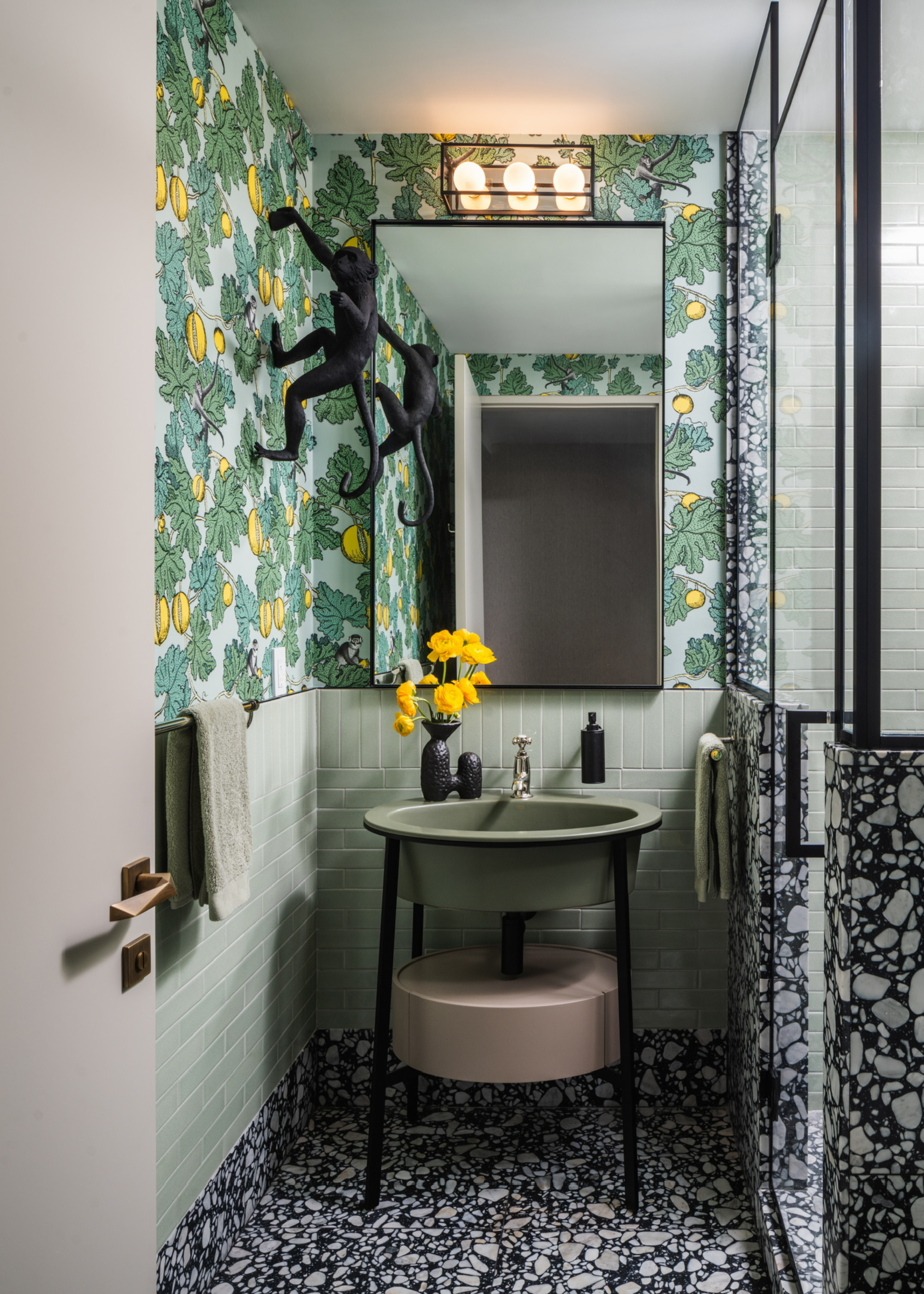
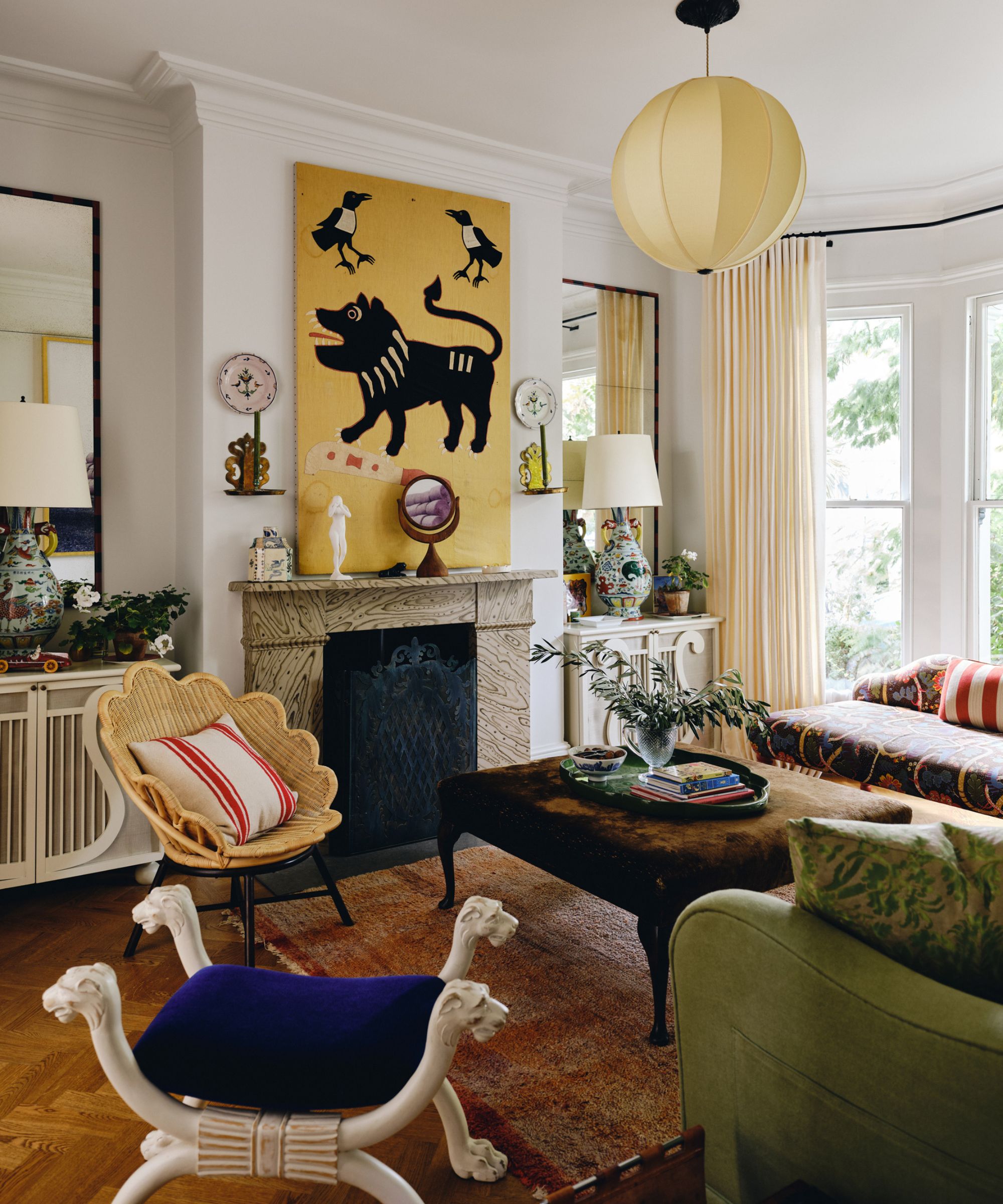
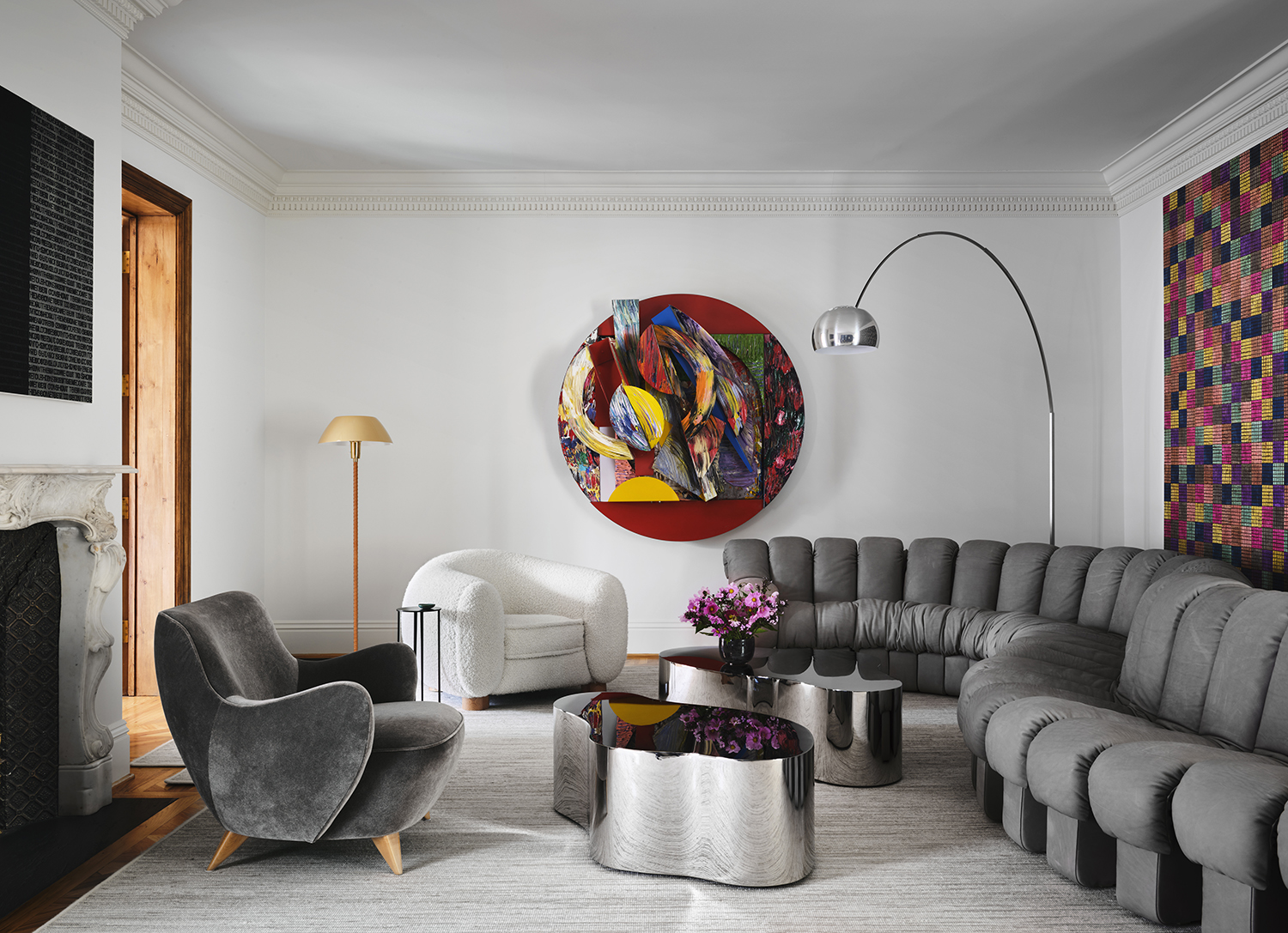
Transition focuses on defining a designated path, often through the use of leading design elements, particularly shapes, to guide the eye fluidly from one area of a room to another. Curved furniture, like a curved sofa, is effective in achieving soft transitions, especially in long, rectilinear spaces. Architectural features such as indoor arches, curved walls, and bow windows also facilitate smooth visual movement. Contrast creates rhythm by juxtaposing opposing design elements, such as two dominant colors, shapes, or textures, which helps the eye move between these extremes. Bold color combinations, like yellow and black in a powder room, demonstrate how contrast can generate visual interest and movement. The repetition of one of these contrasting elements, such as black, can provide visual rhythm, preventing the space from feeling overwhelming.
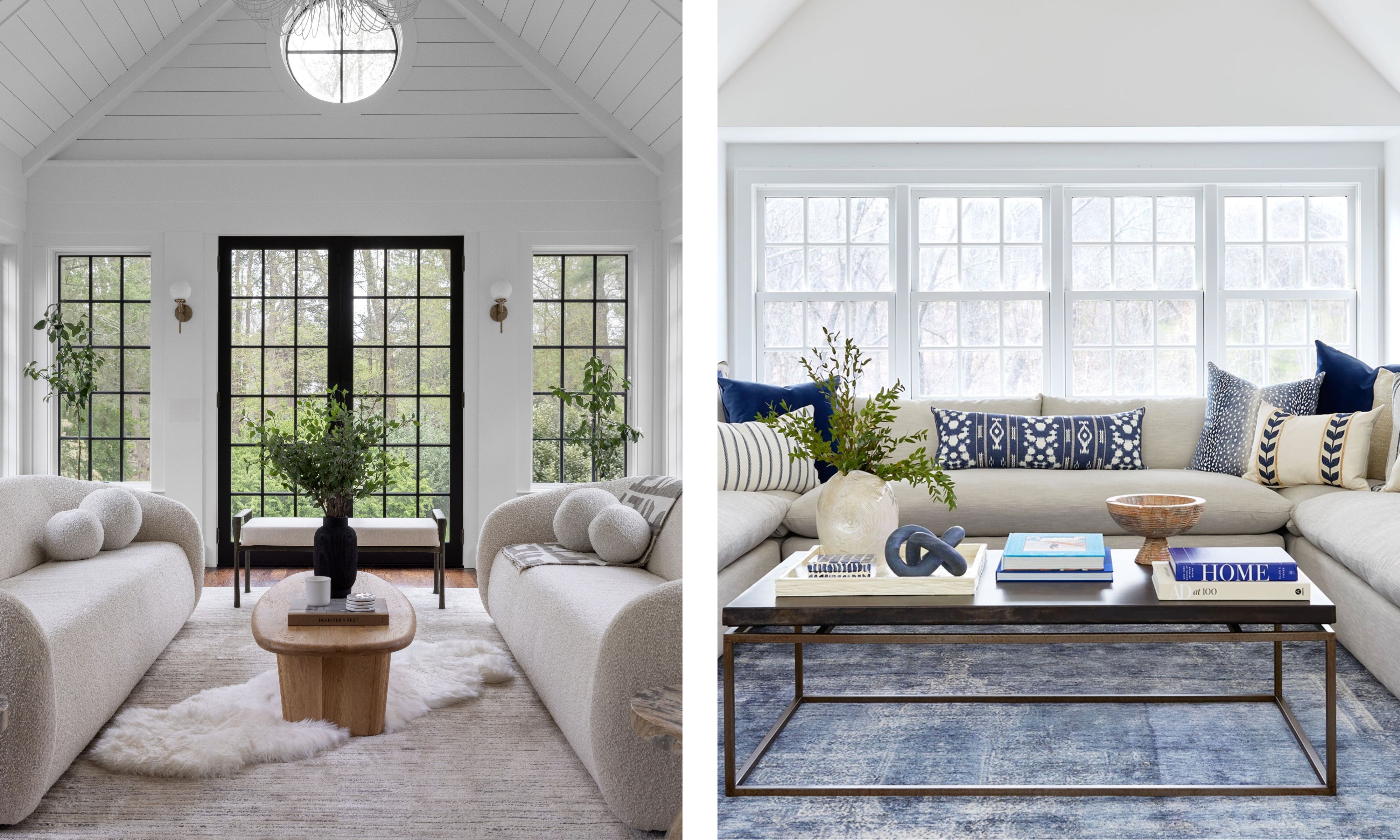
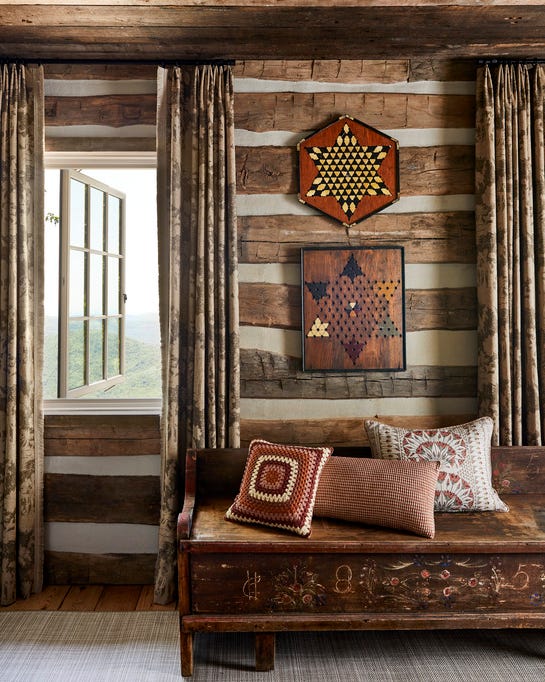
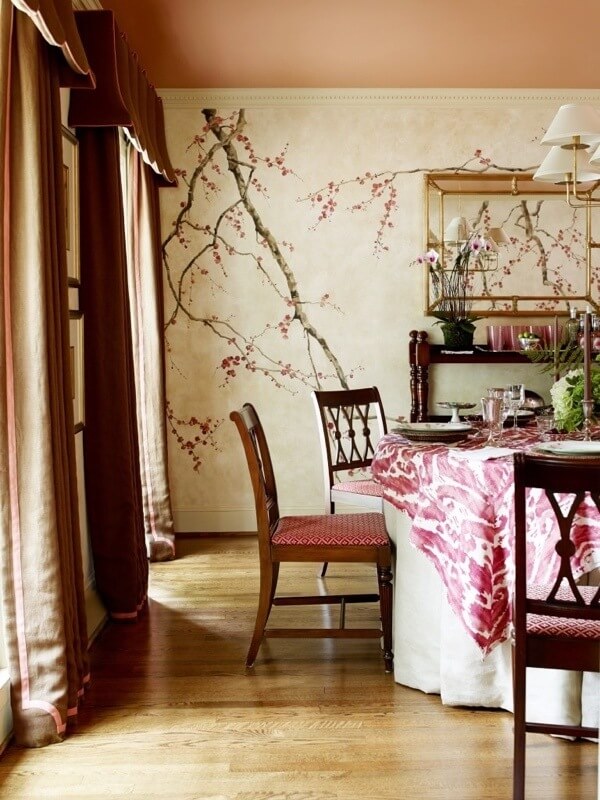
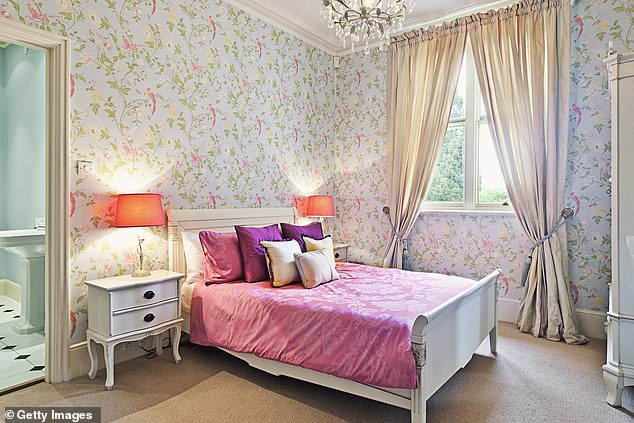
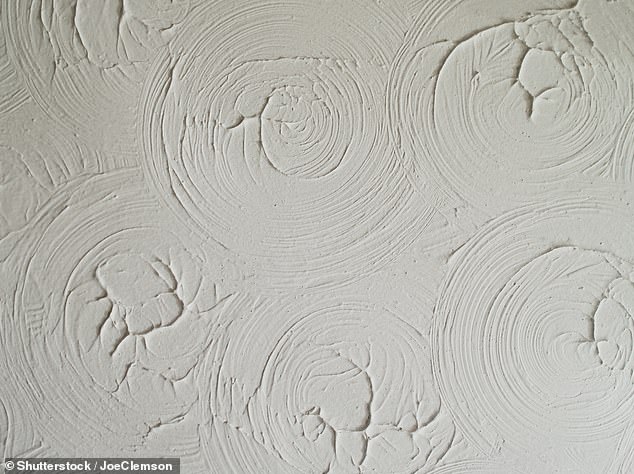
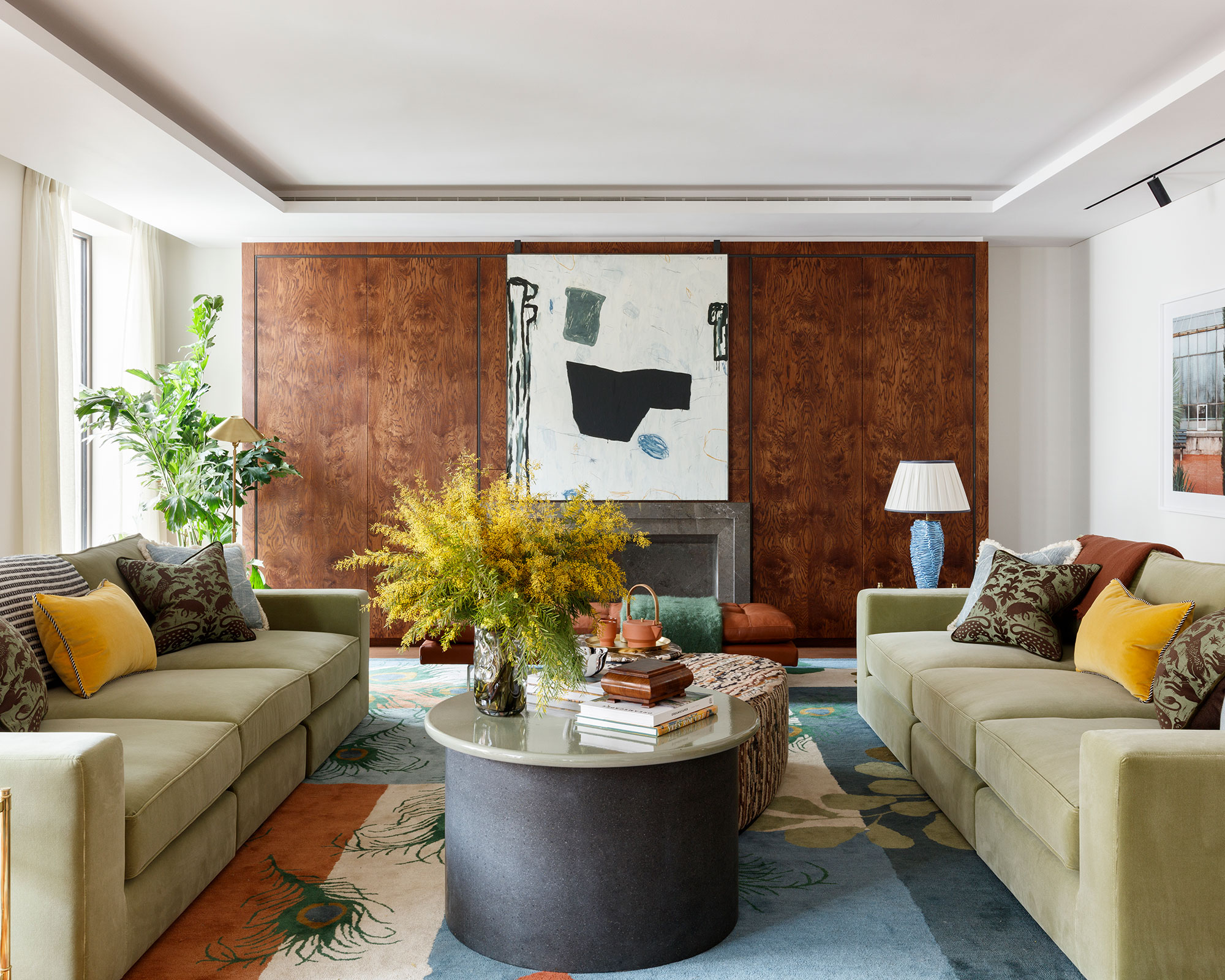
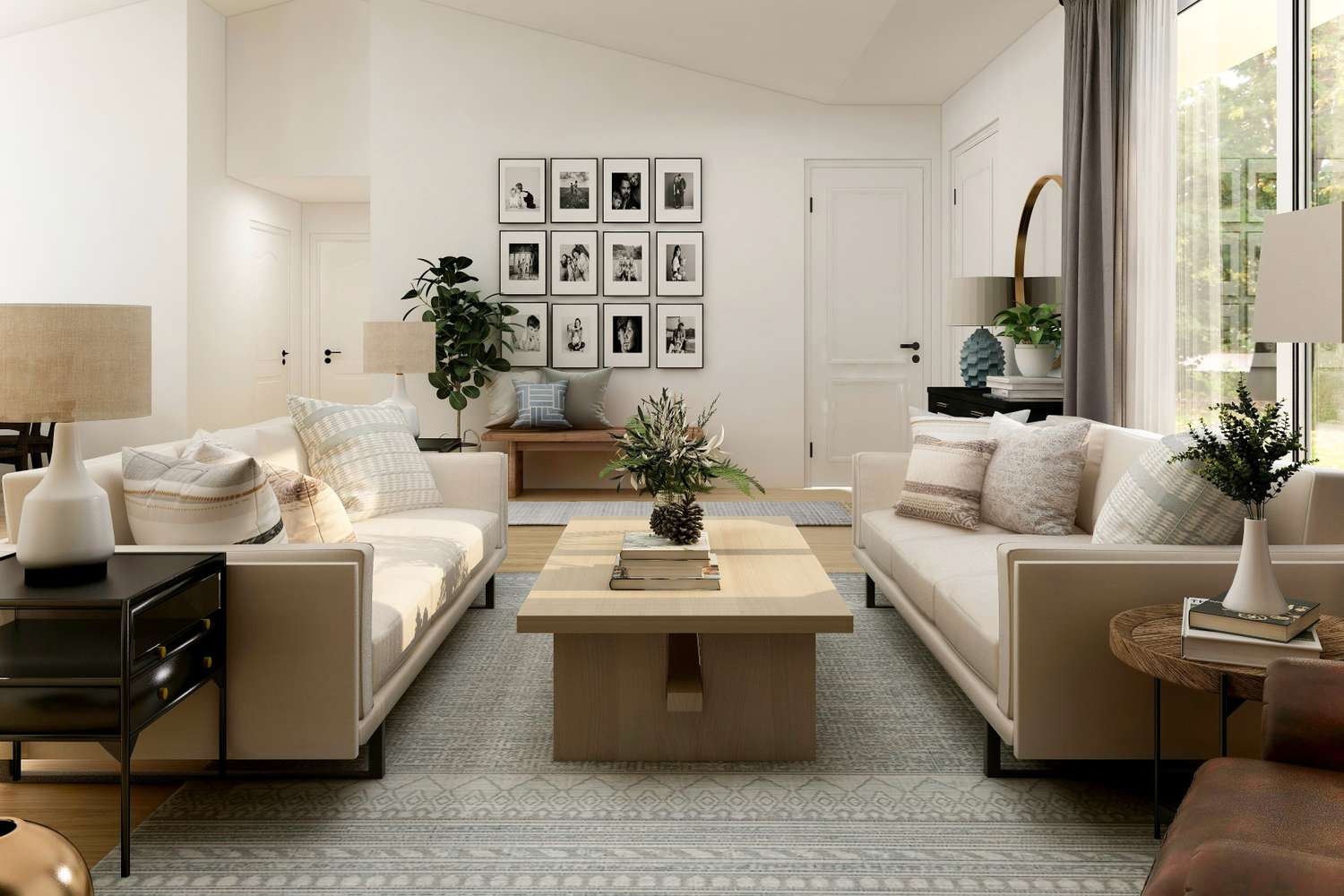
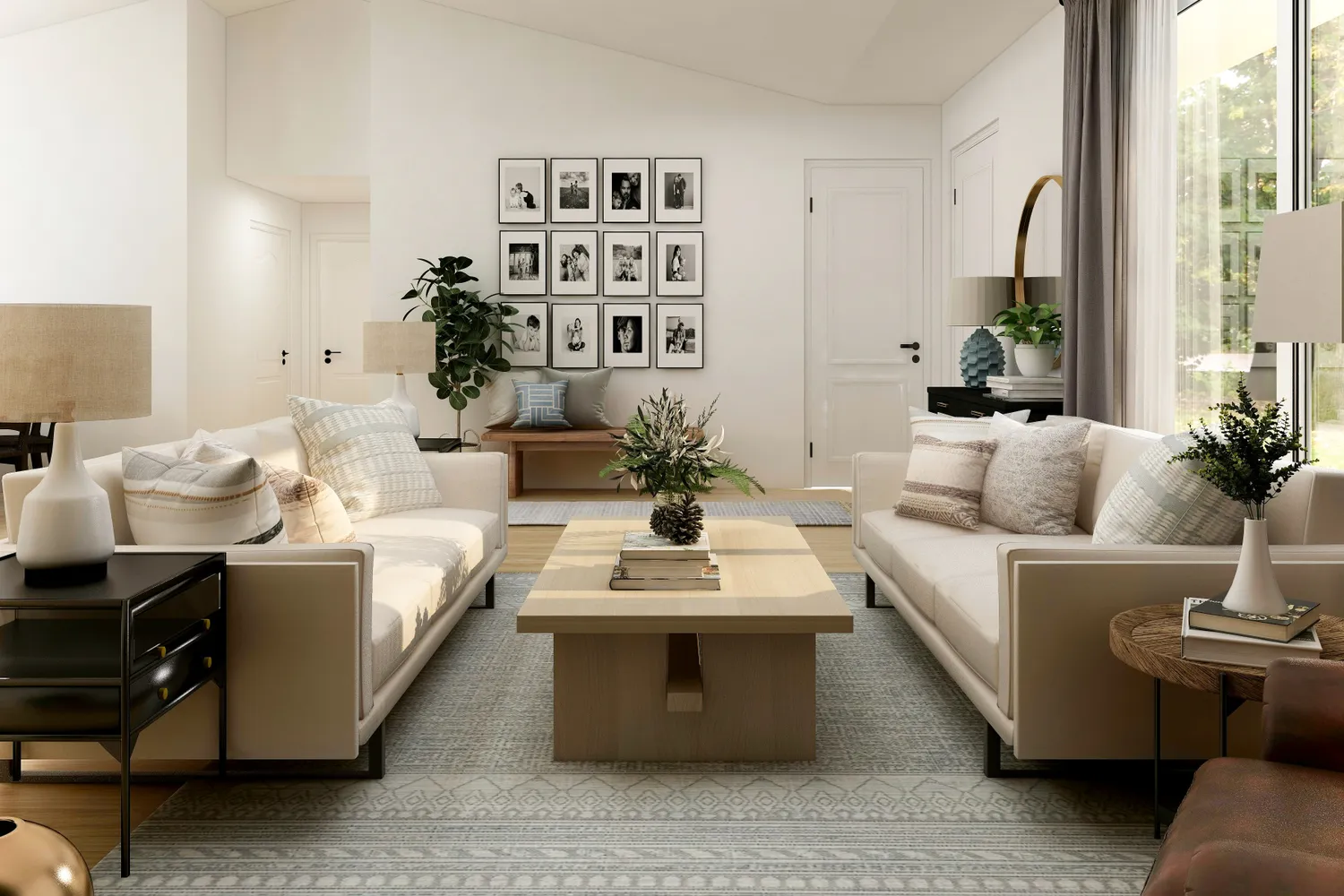
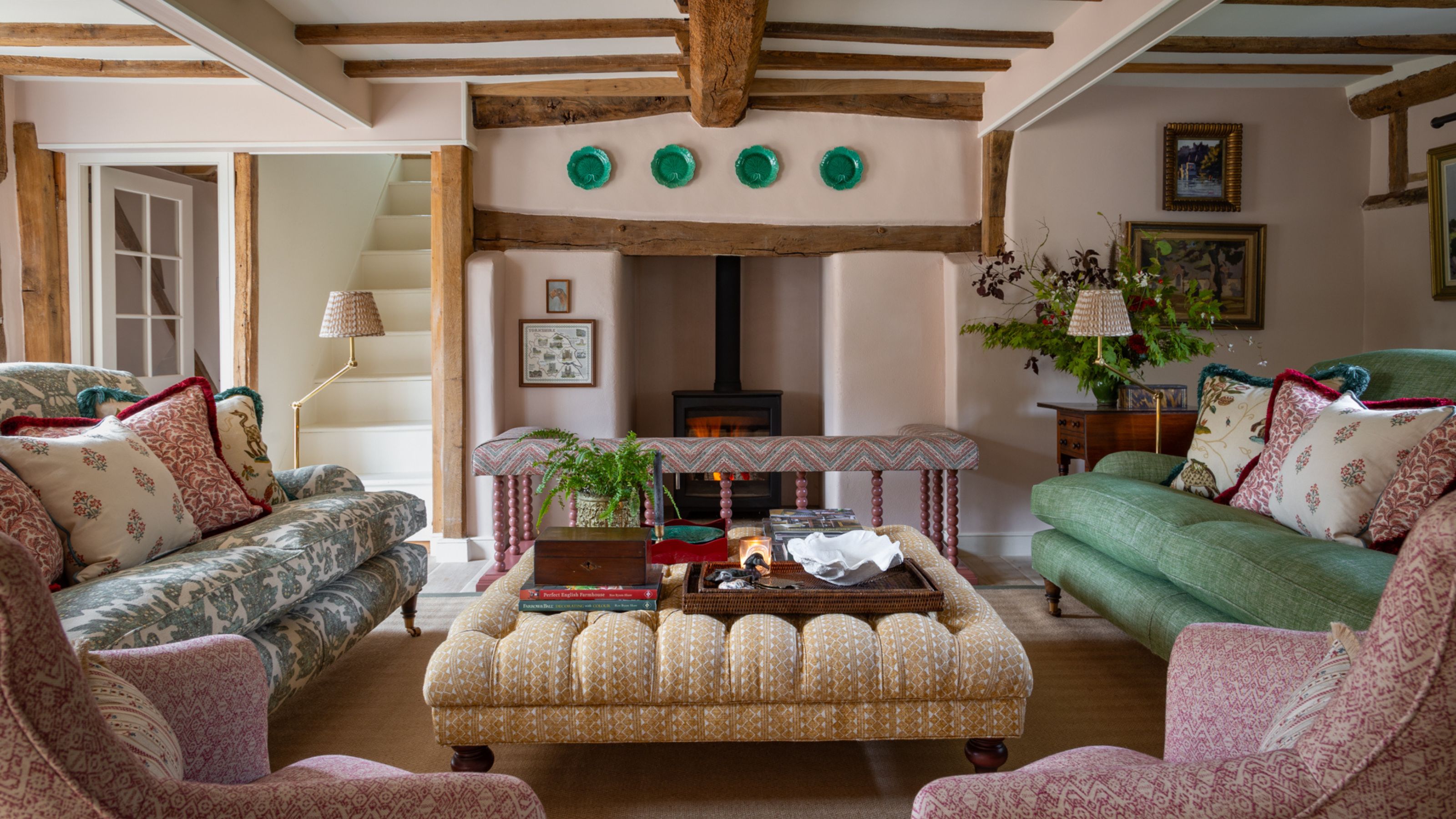
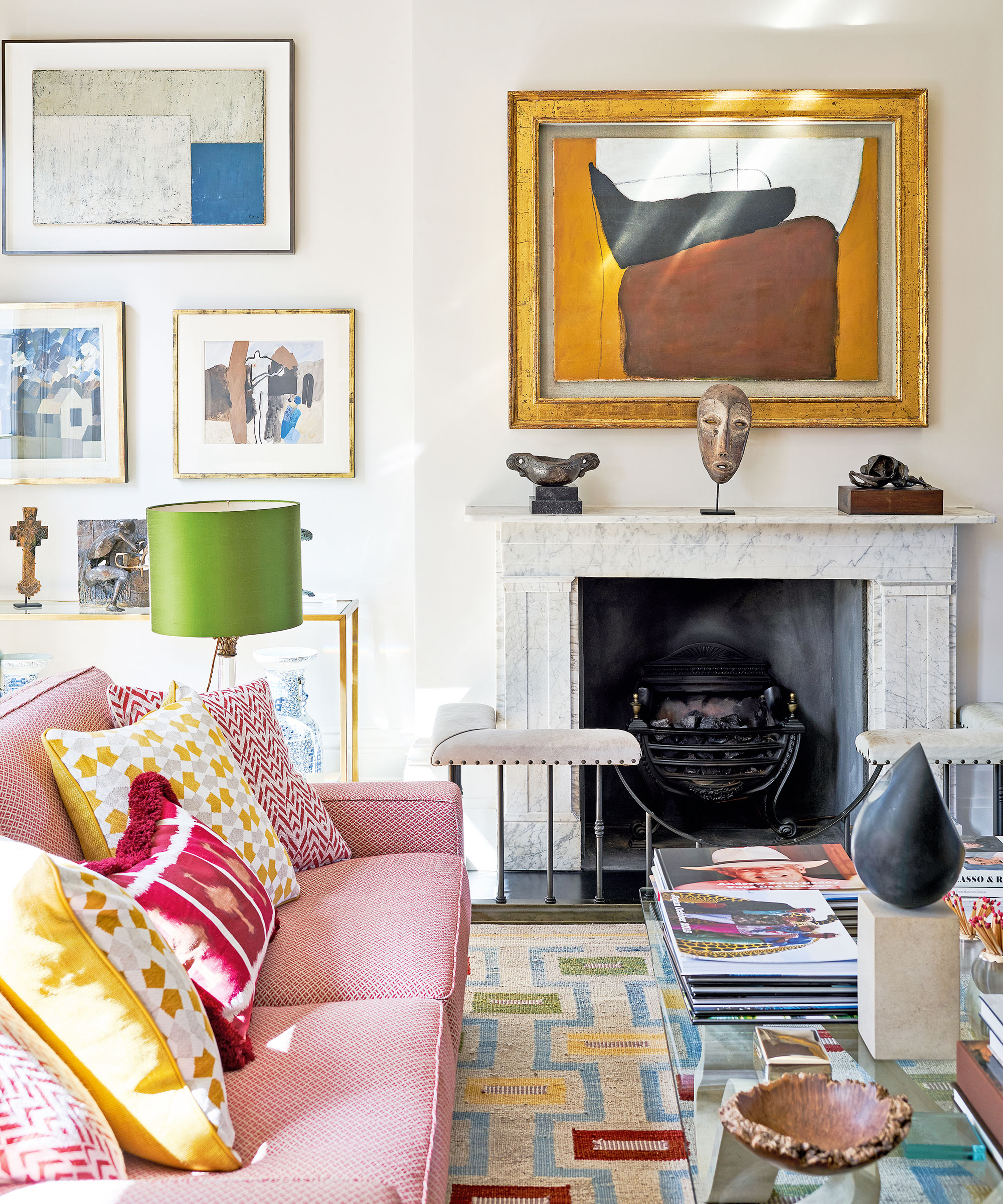
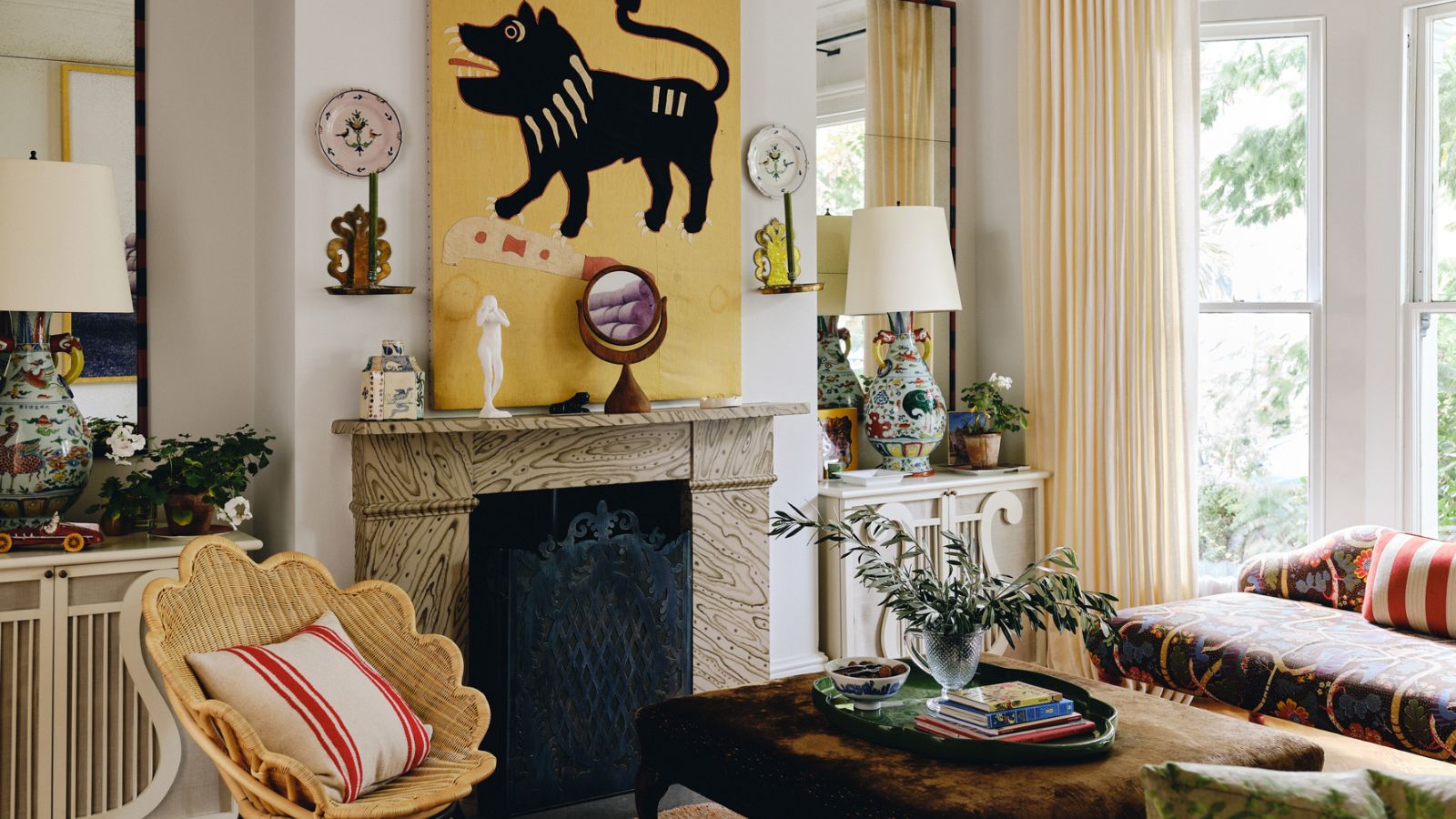
Expert designers often combine multiple types of rhythm to create depth and complexity while maintaining harmony. A living room might integrate gradation through varied-scale framed prints, contrast through moody walls against a white patterned ceiling, and repetition through linear shapes. This layering of principles contributes to a balanced interior. Furthermore, patterned prints, textiles, and decor can infuse dynamic flow into a scheme. When incorporating multiple complementary patterns, varying textures, finishes, and colors is crucial to prevent the space from appearing flat, ensuring the eye moves through the room in an engaging way. Designers utilize these techniques to ensure rooms are not only aesthetically pleasing but also possess a professional and cohesive feel.
#InteriorDesign #DesignPrinciples #HomeDecor #SpatialHarmony #VisualFlow #RepetitionInDesign #GradationDesign #DesignContrast #CurvedFurniture #InteriorDesign #DesignPrinciples #HomeDecor #SpatialHarmony #VisualFlow #RepetitionInDesign #GradationDesign #DesignContrast #CurvedFurniture
0 opmerkingen in totaal
 Nog geen opmerkingen
Dit vindt u mogelijk ook leuk
13 ways repetition in interior design can be used to create calmingly sophisticated rooms
6 'old-fashioned' decorating techniques that designers still swear by
From the Wrong Rug Size to Too-Short Curtains, Interior Designers Share Their Biggest Pet Peeves

We Asked Designers If Matching Furniture Looks Outdated, and They All Agreed

The Library: The Key Principles That Define a Well-Designed Home – And Why They Work

The ONLY Advice You Need to Mix Patterns Like a Pro!

I'm an interior designer. Here are 10 trends I won't be wasting money on in 2025.
"It's Like I'm On An HGTV Acid Trip": People Are Denouncing The Worst Home Design Features

How to create repetition in interior design – 7 ideas for decorating success
Interior Design Tips: The Dos and Don’ts of Layering
Mixing patterns and prints in interior design – a 12-step masterclass
'Your home isn't weird enough, and that's why it looks like everyone else's' – this one piece of advice got me out of an interior design rut and now I think everyone needs to try it too
The Differences Between an Interior Designer and an Interior Decorator
The 5 Rules of Decorating a Living Room in 2025 (Don’t Worry—They’ll Still Hold Up in 2030)

How To Add More Character & Interest To Your Home
Designers Say These 4 Decor Trends Are Super Outdated—Update Your Home With These 8 Finds Instead

Make Any Room Look Camera-Ready with These Easy Tricks from Stylists
Expert reveals the interior design trends that will make your home look dated
I Asked Interior Designers: 'How Do You Ensure a Room Isn't Boring?' These Are Their 5 Top Tips
7 Decor Pieces Designers Ditch for a Cleaner, More Cohesive Look