1/6
The Library: The Key Principles That Define a Well-Designed Home – And Why They Work
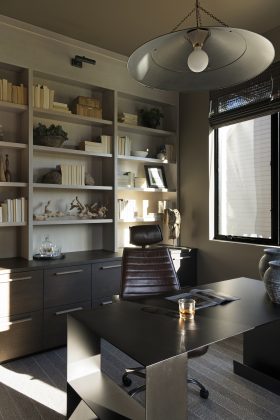
Successfully designing a room involves understanding fundamental interior design principles, which, while not rigid rules, provide a crucial foundation. Designer Sean Symington emphasizes that rules are meant to be bent or even broken to instill character and personalization, but grounding a scheme in core principles allows for freedom to layer personality and texture. The five key principles of interior design are balance, rhythm, emphasis, proportion and scale, and harmony.
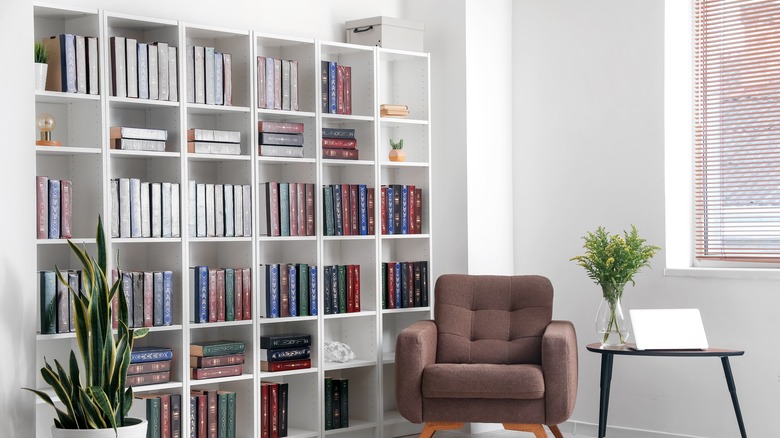
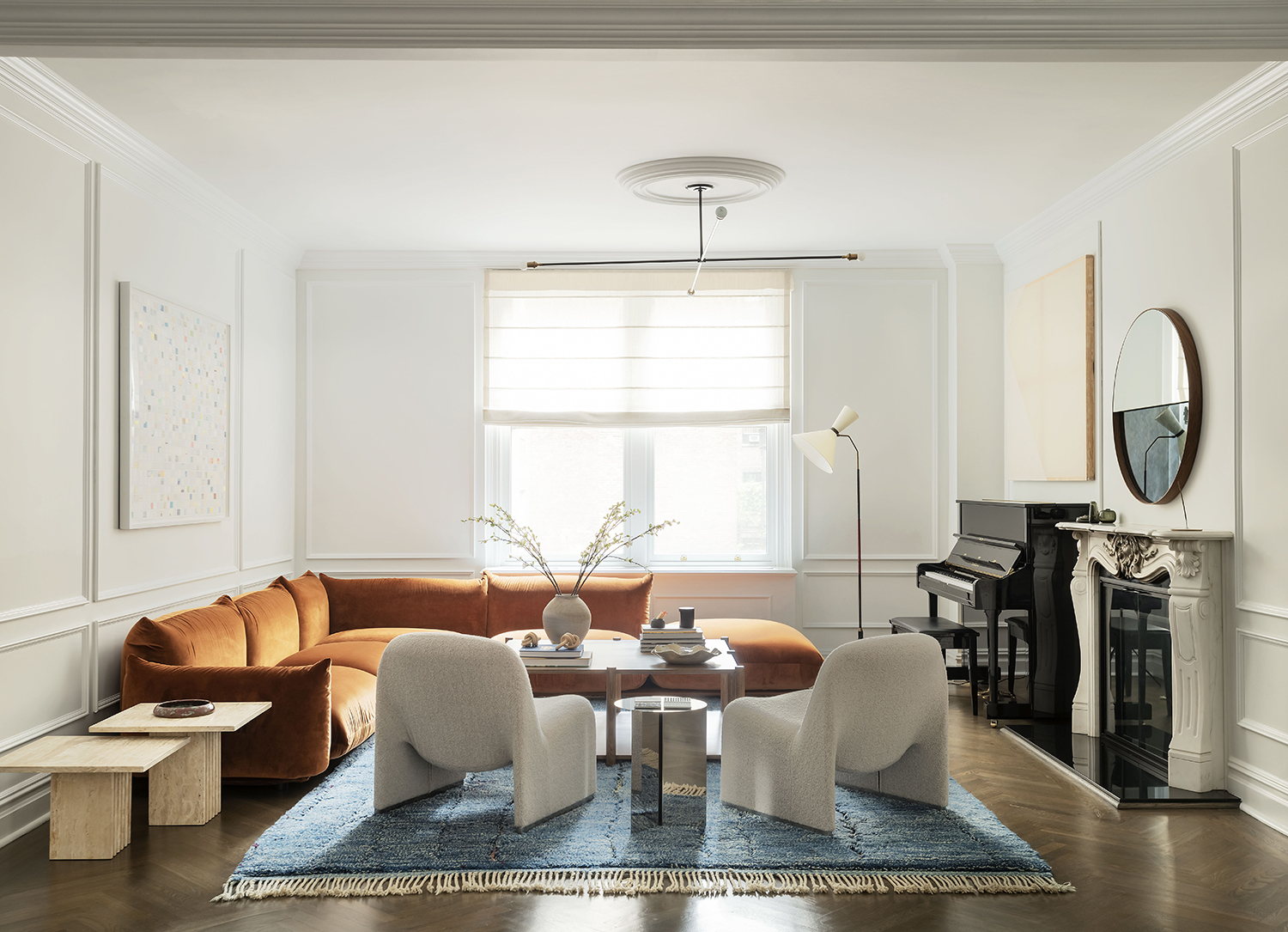
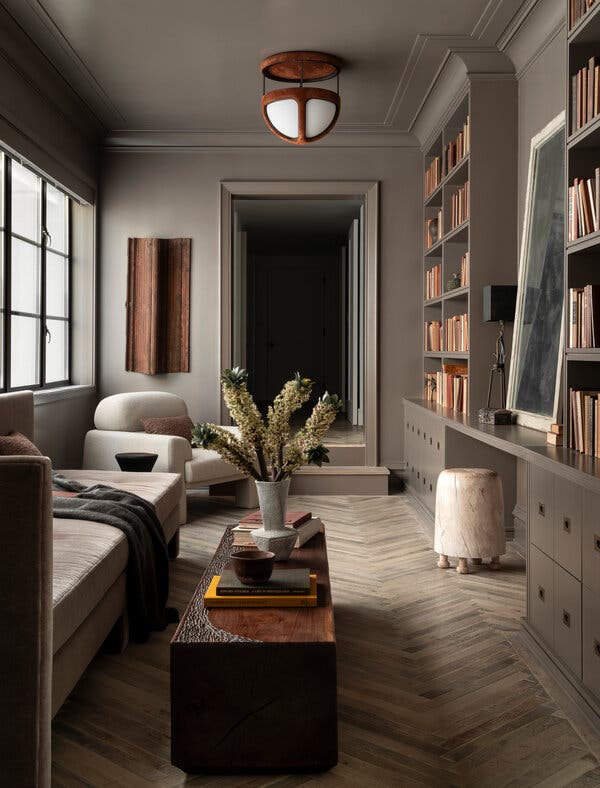
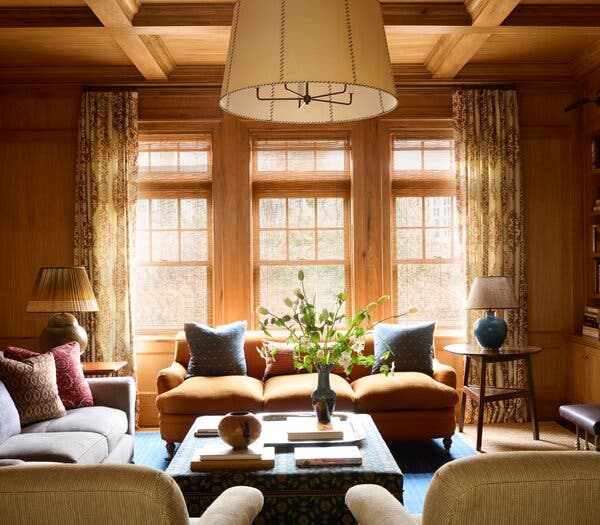
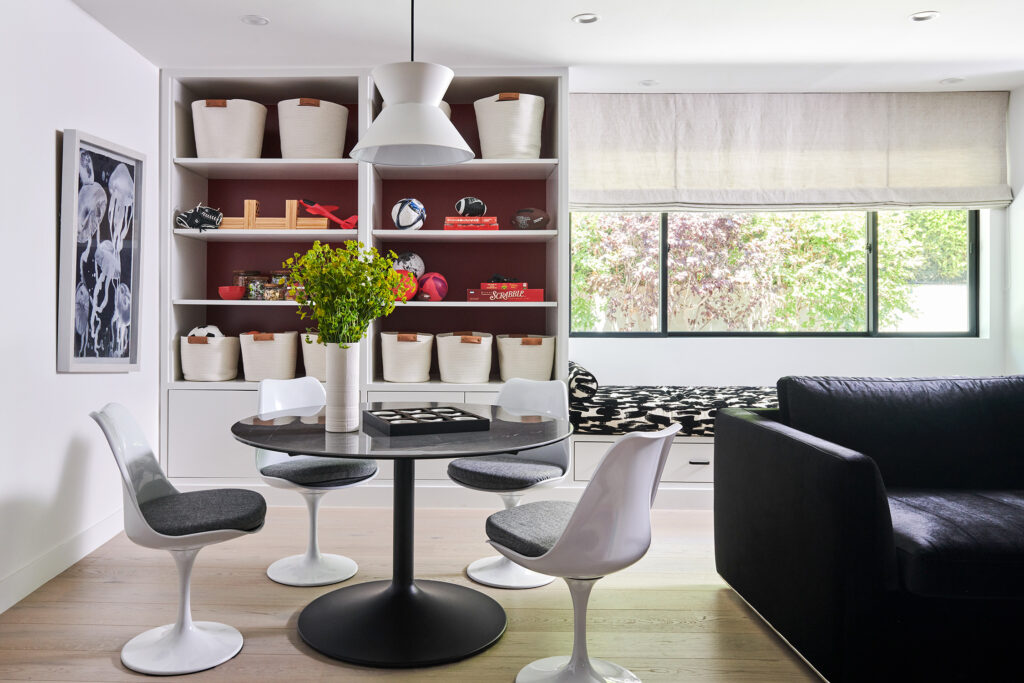
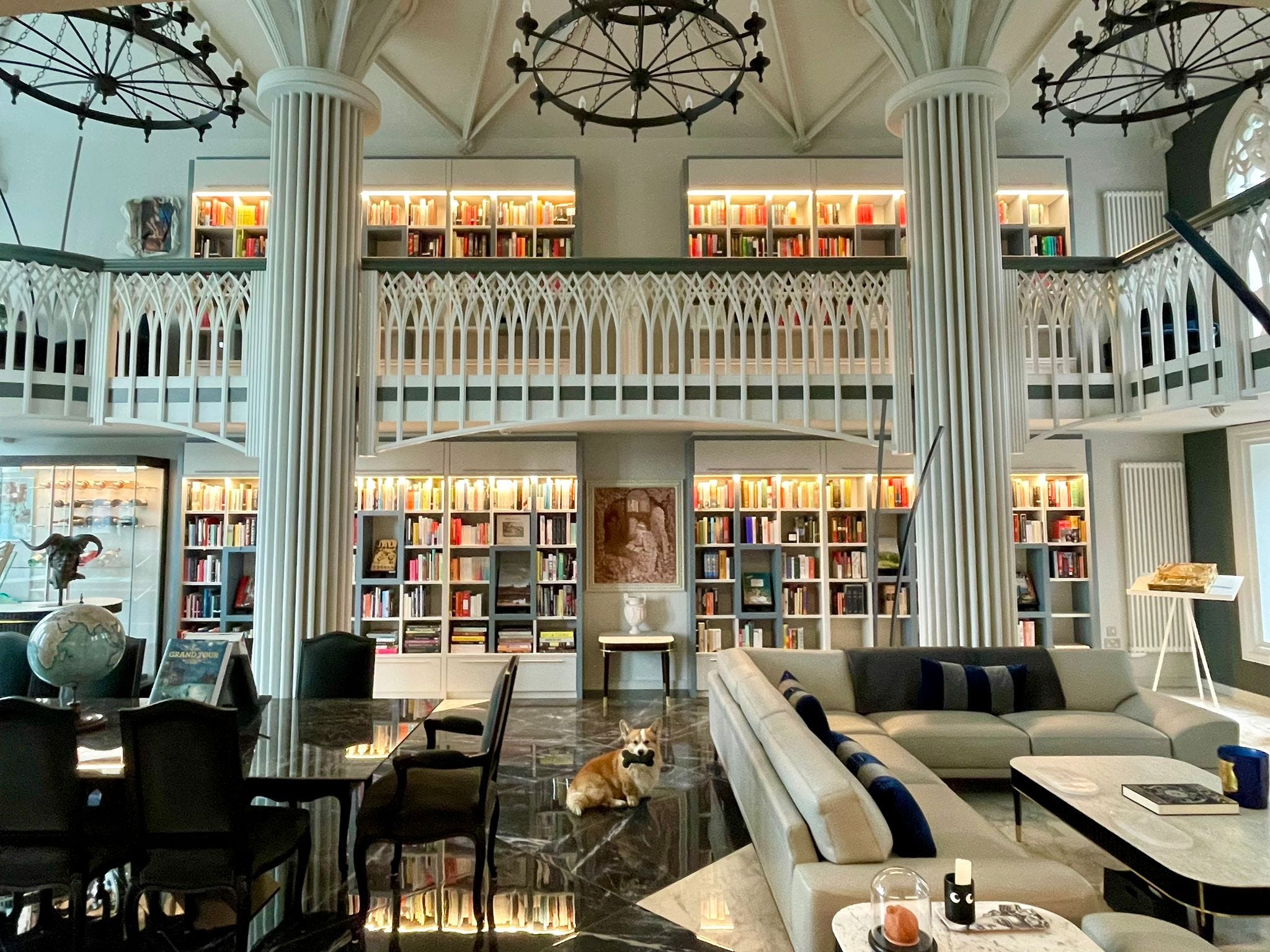
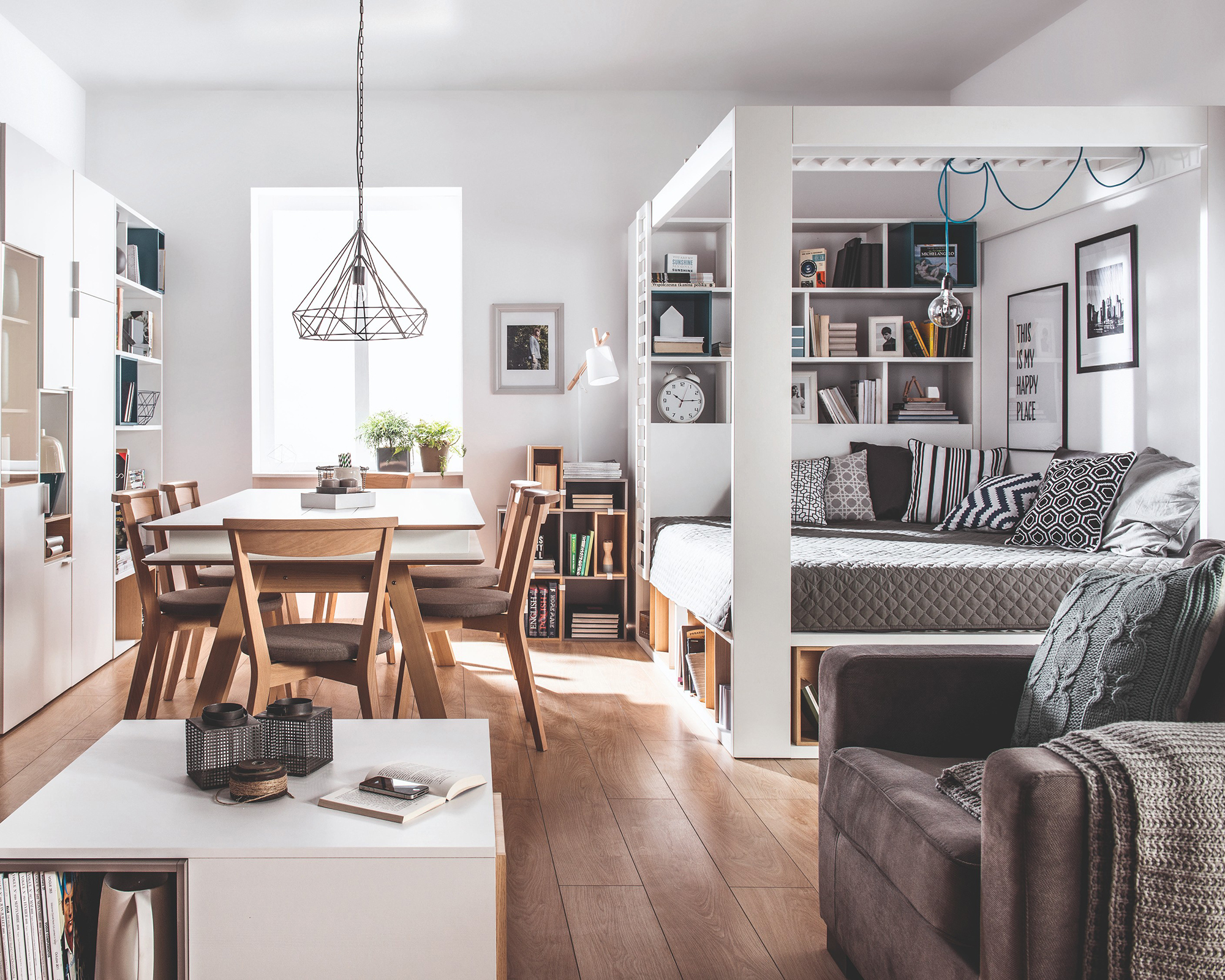
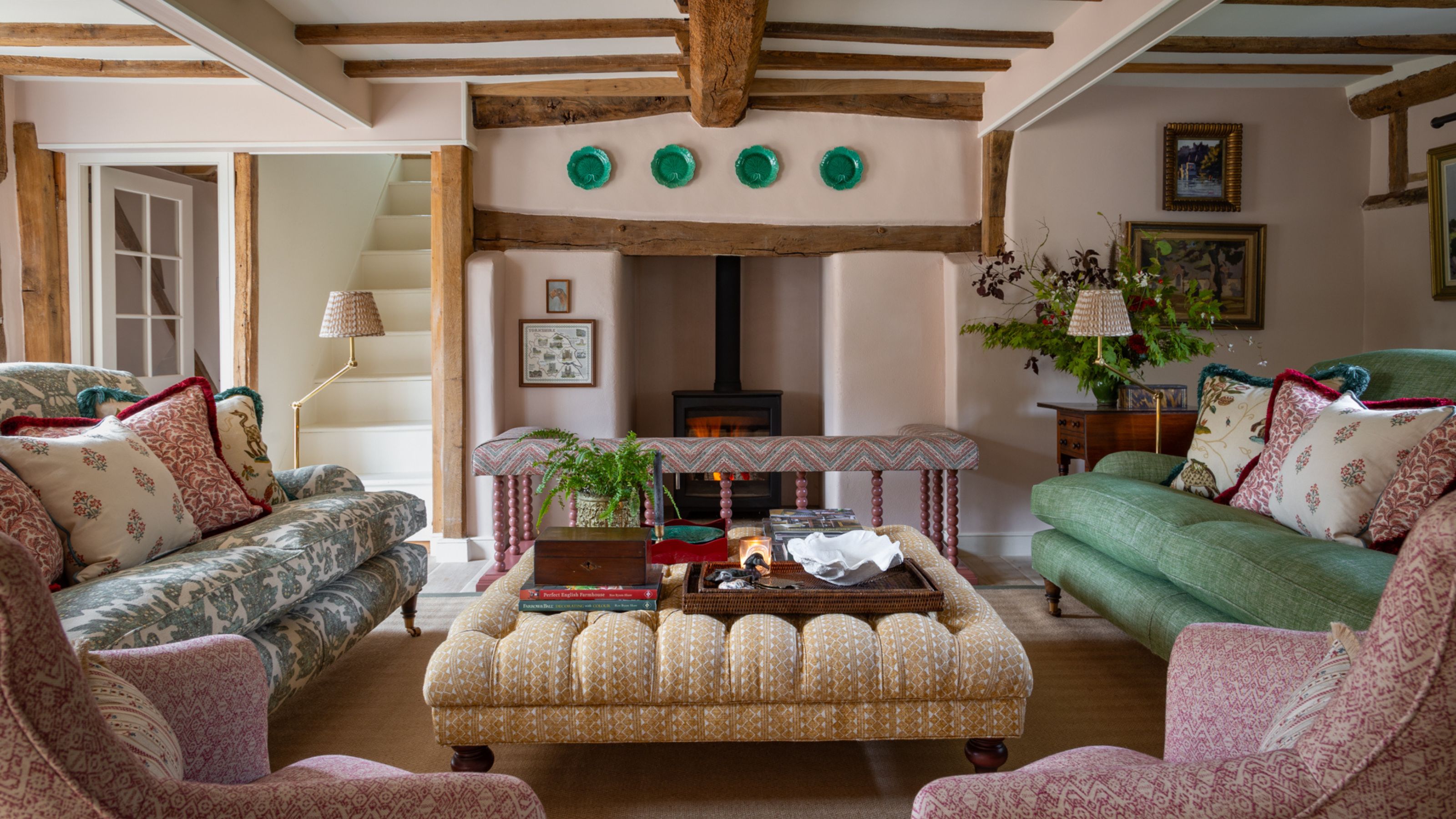
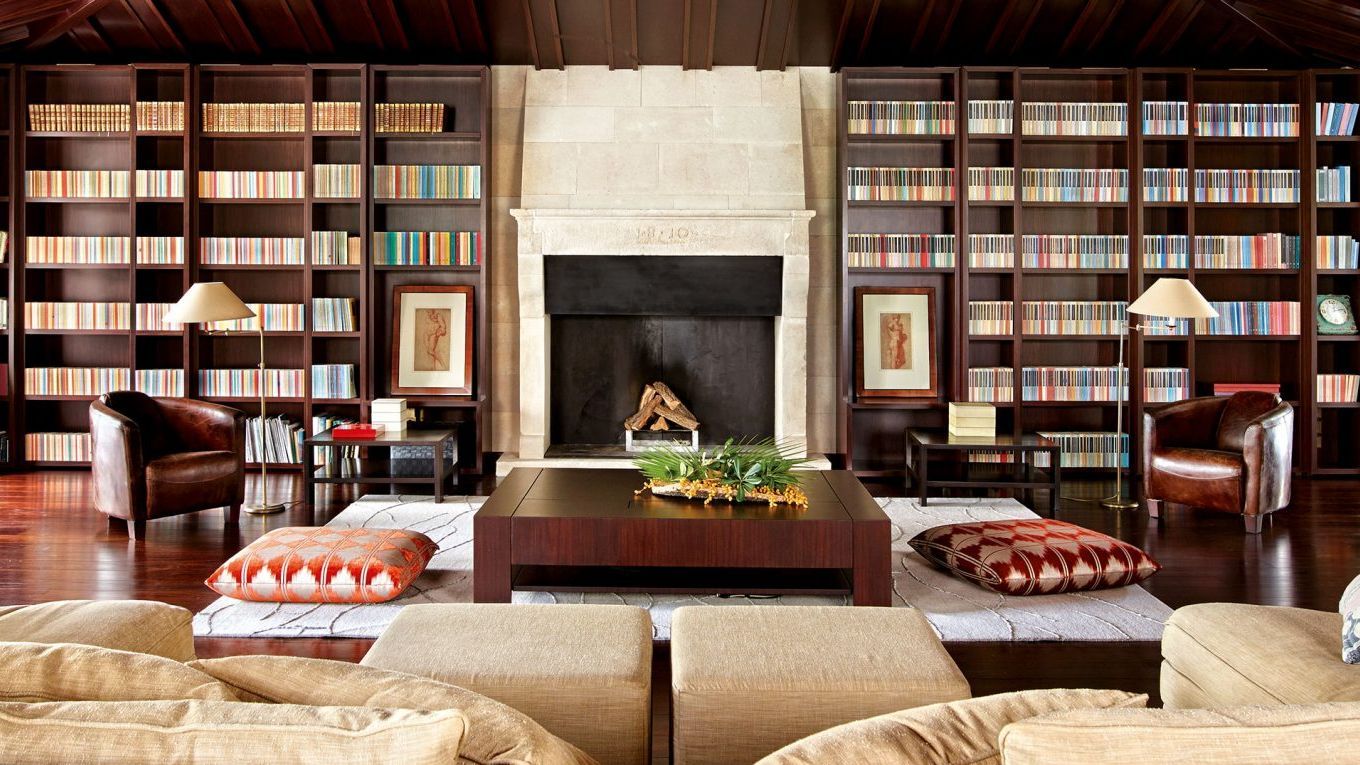
Balance ensures a space feels 'just right' and comfortable. There are three types: symmetrical, asymmetrical, and radial. Symmetrical balance, characterized by identical elements on either side of a central axis, creates a calm and orderly feel. While visually appealing, it benefits from subtle disruptions to prevent it from appearing flat. Asymmetrical balance uses different elements with equivalent visual weight to create a stylish, lived-in atmosphere. Radial balance, less common, centers around a circular focal point, drawing the eye inward, often seen in dining room arrangements or with curved furniture beneath a circular pendant light.
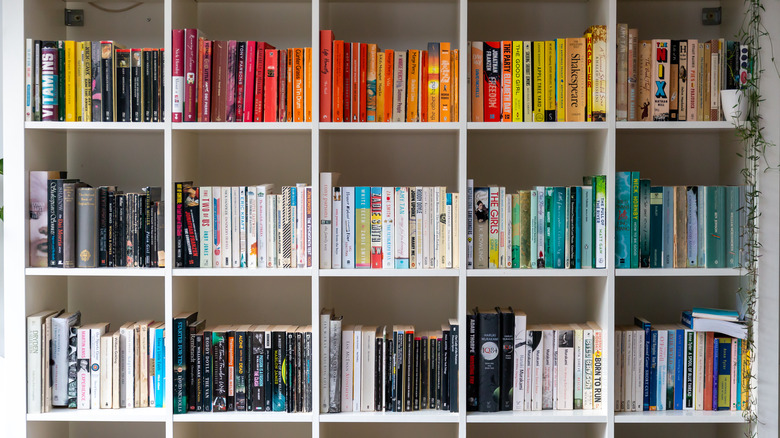
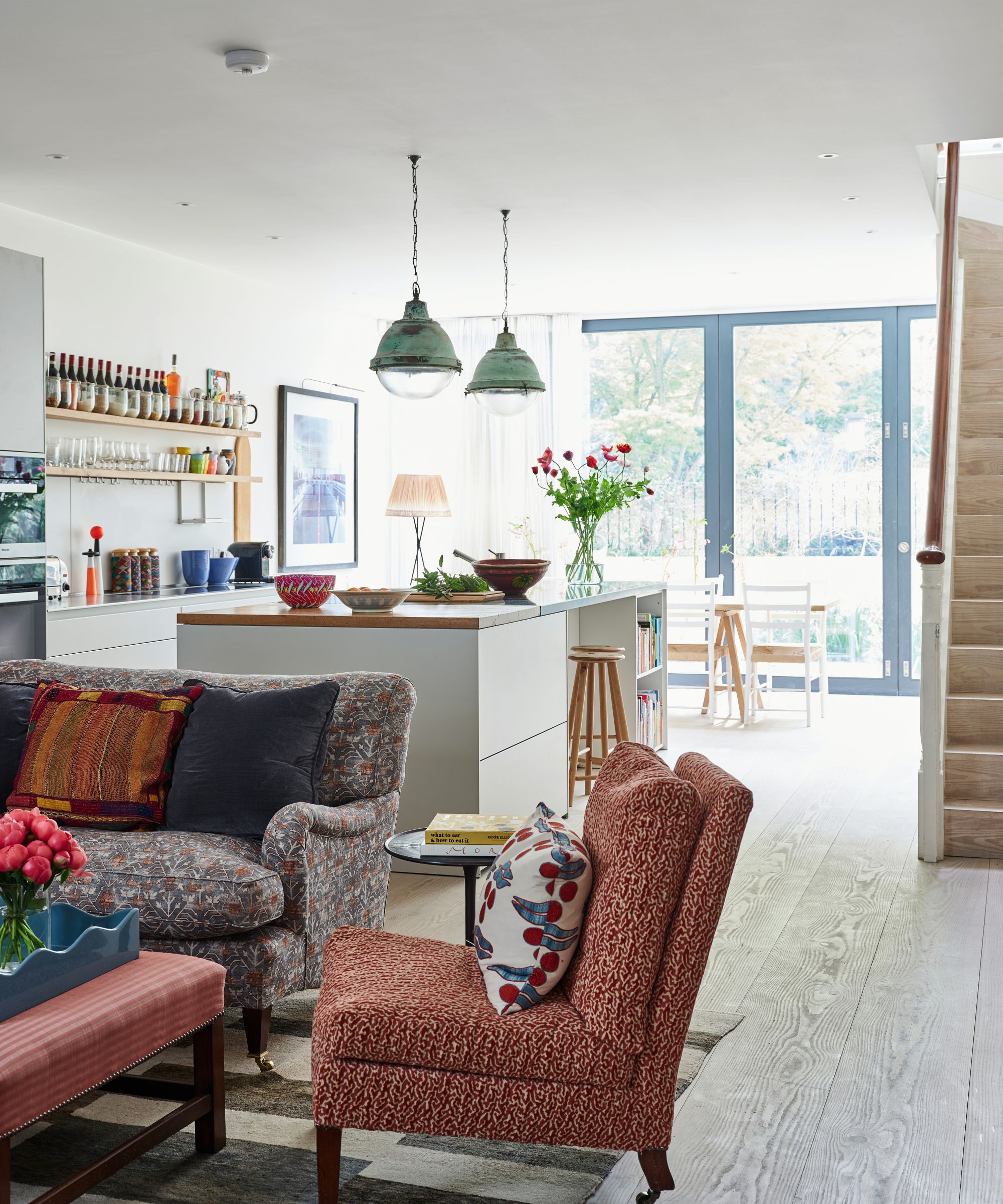
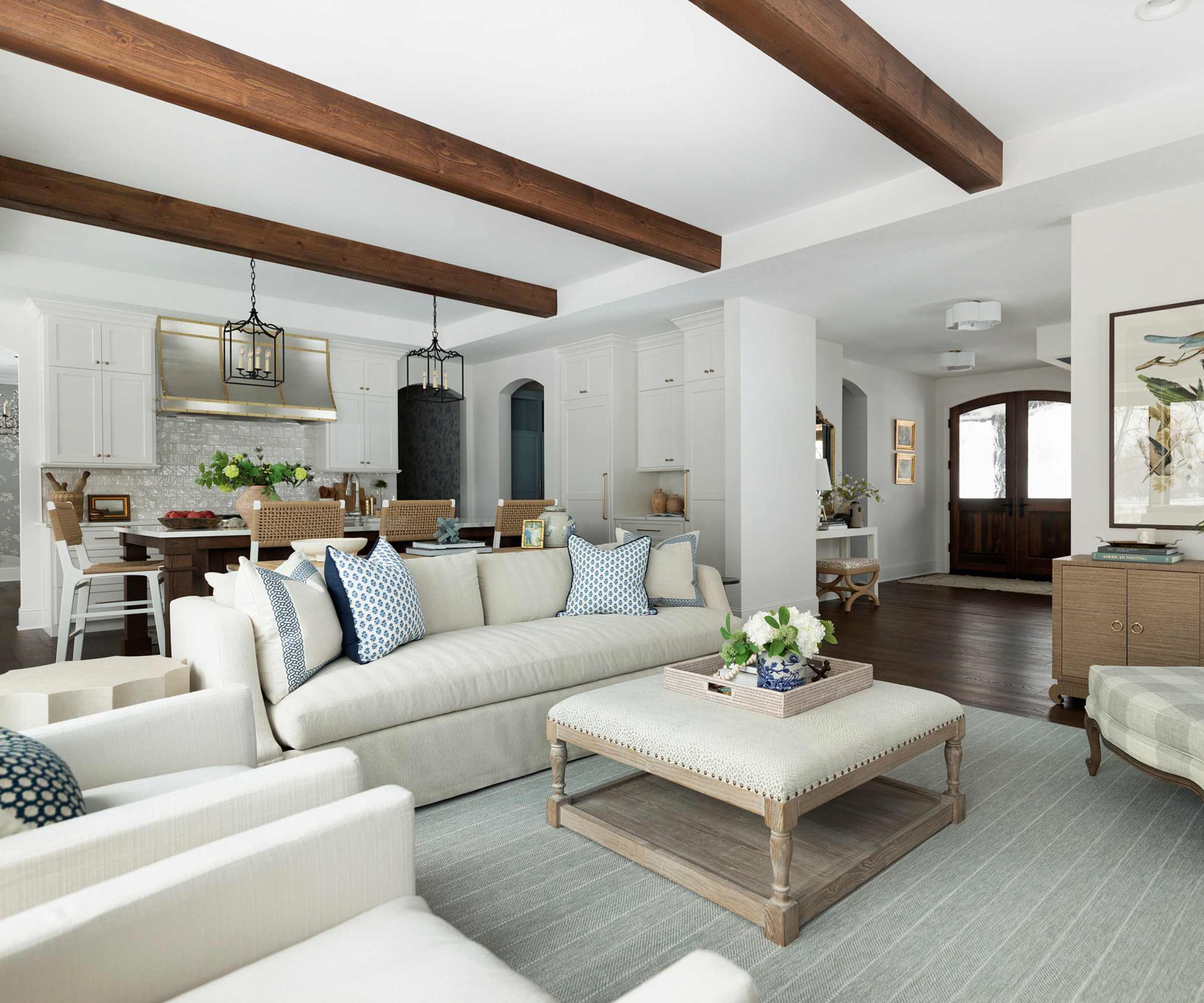

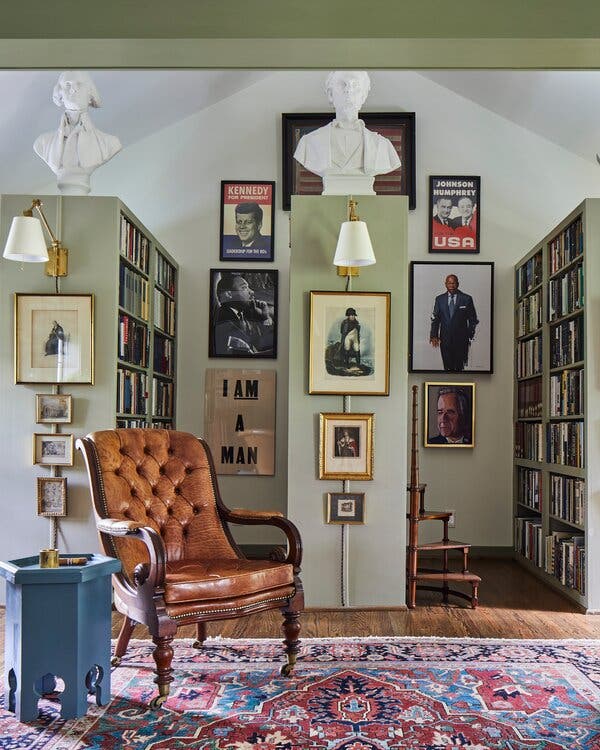
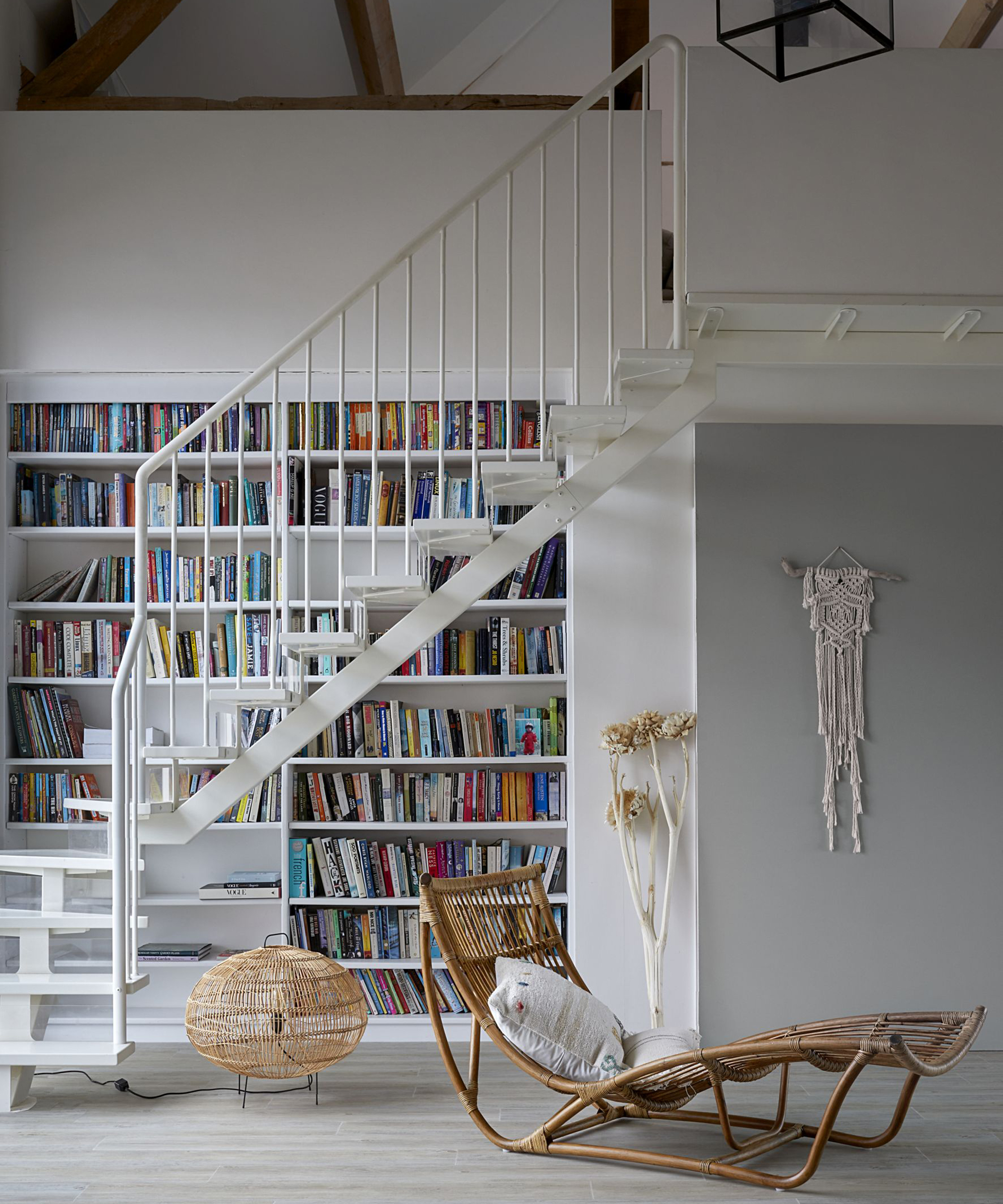
Rhythm in interior design refers to the visual 'beat' of a room, achieved through repetition and predictability of colors, patterns, and shapes, evenly spaced. Architectural features like ceiling beams or staircase steps can naturally create rhythm. Lighting choices, such as a row of identical pendant lights, or alternating elements like light and dark cushions, are simple ways to introduce rhythm. Progression, like a gallery wall arranged in a rising pattern up a staircase, also contributes to rhythm.
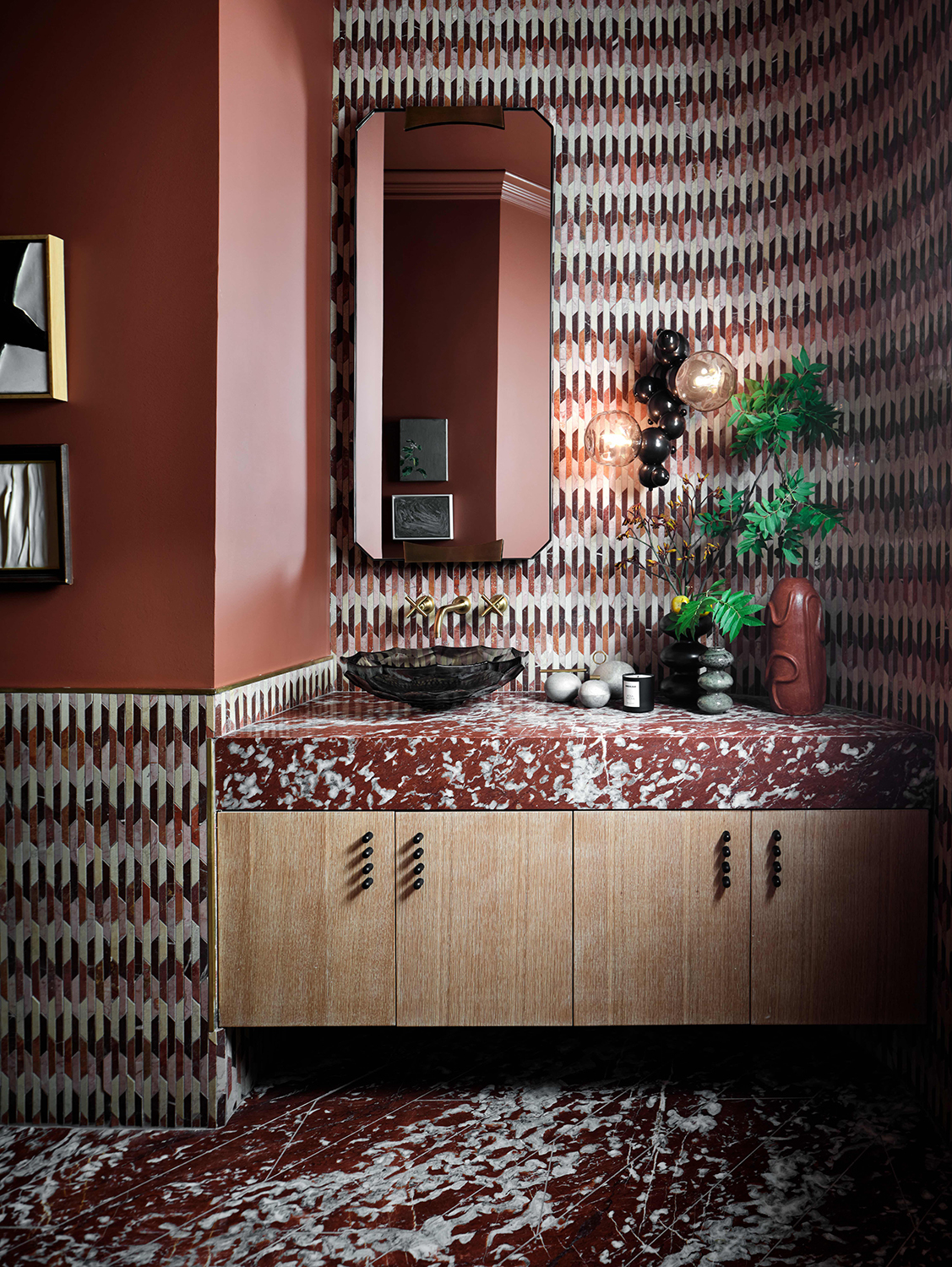
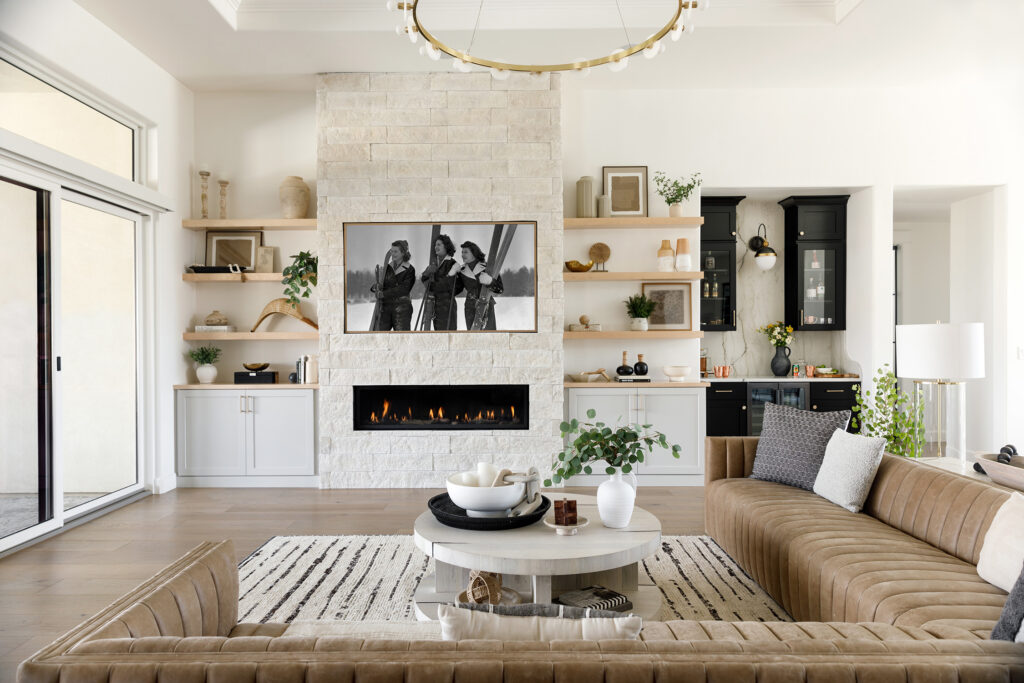
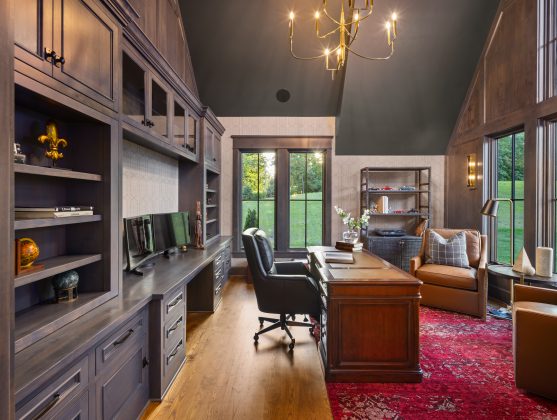
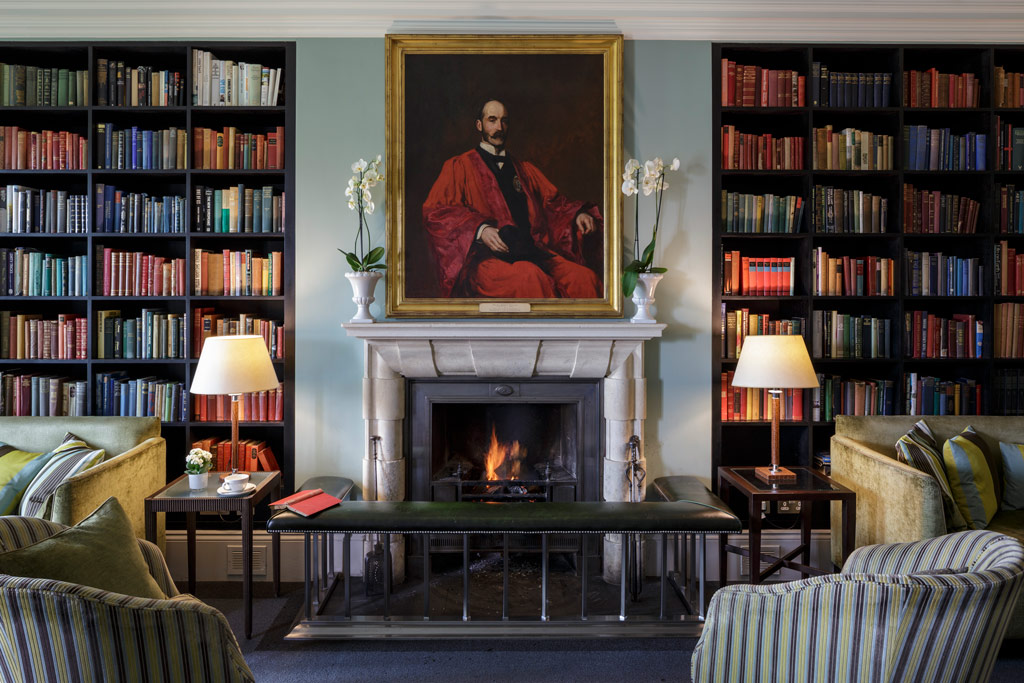
Emphasis is about creating a clear focal point that immediately draws the eye and makes a statement. This could be a dramatic fireplace, a large window, an oversized light fixture, or a feature wall. When executed effectively, emphasis provides a starting point for the eye and creates visual hierarchy, making the room feel intentional. Elizabeth Drake suggests asking what the space needs and where the 'wow' factor lies, often achieved through interesting color choices, unusual 'objets,' or unexpected installations like ceiling wallpaper. Rooms often have natural focal points in their architecture, but designers can also create them through large chandeliers, statement centerpieces, dominant furniture, or artwork.
Proportion and scale are fundamental to a successful scheme. Scale refers to the size of furniture or artwork, while proportion describes the relationship between these sizes. Using contrasting scales, such as a large piece of furniture or art in a small room, can make the space feel larger and more impactful, a technique employed by leading designers. If a room feels 'off,' it might be due to items being disproportionately sized or too many items of the same size creating clutter. Adjusting these elements can transform an awkward space into a balanced one.
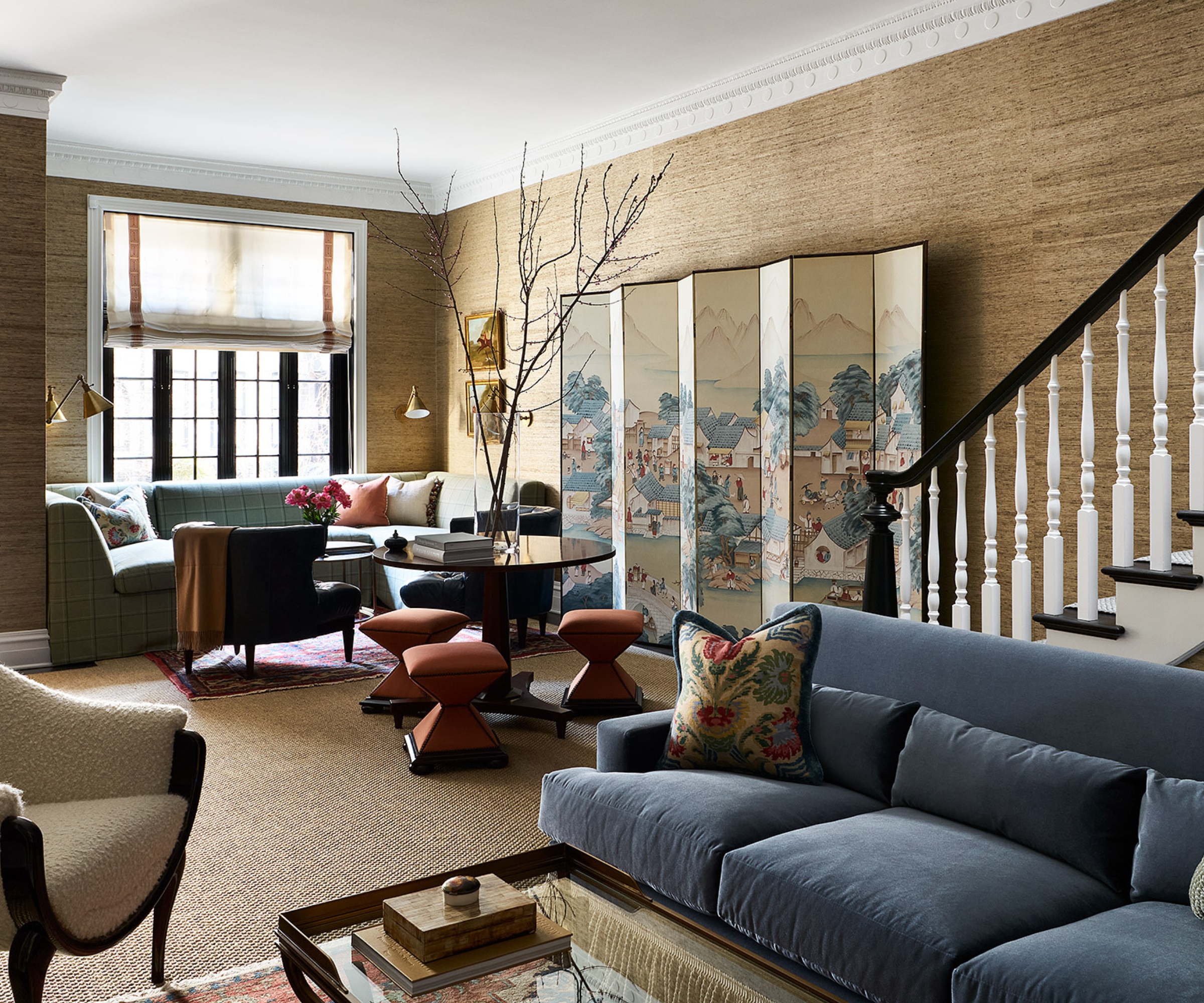
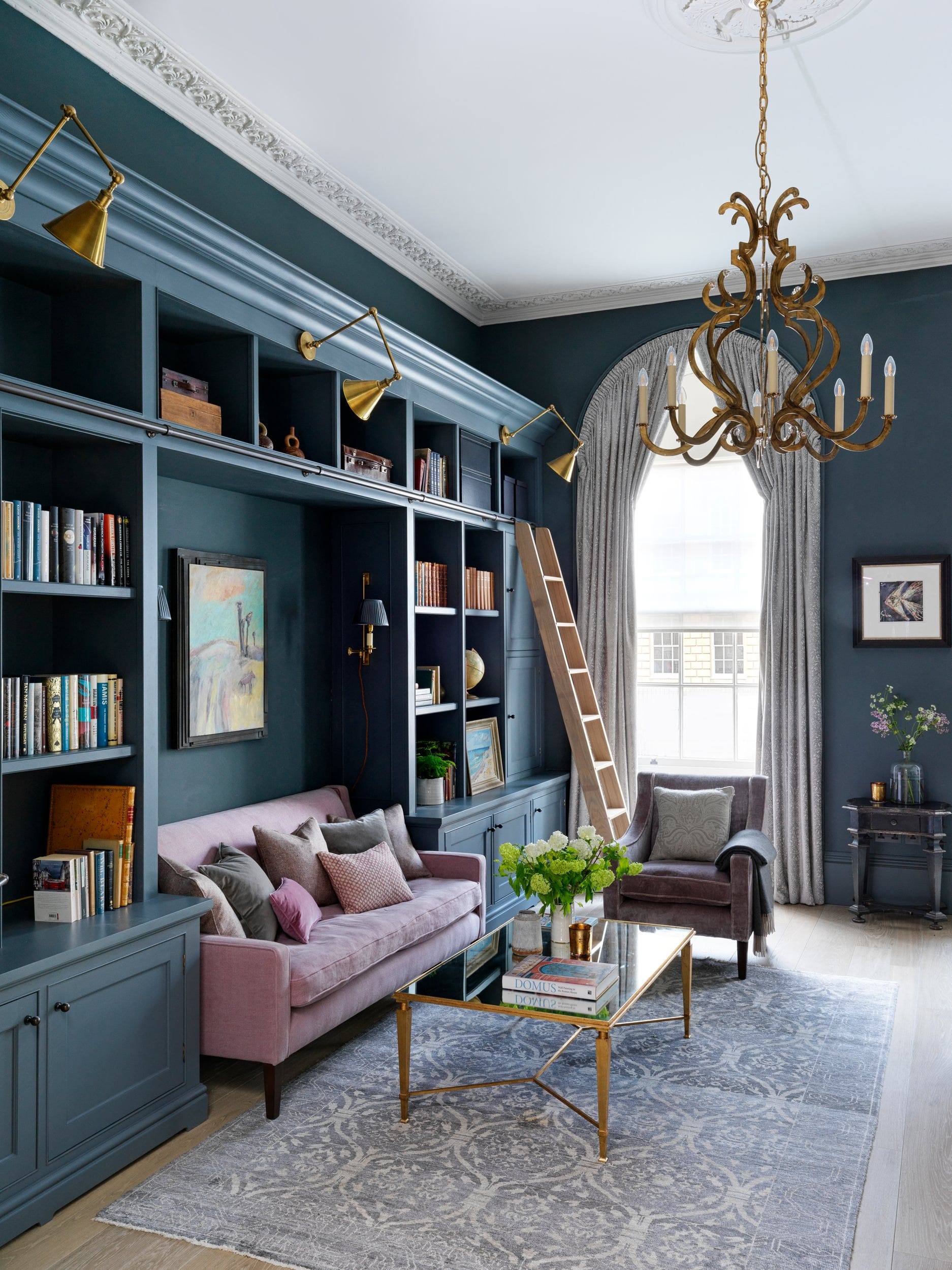
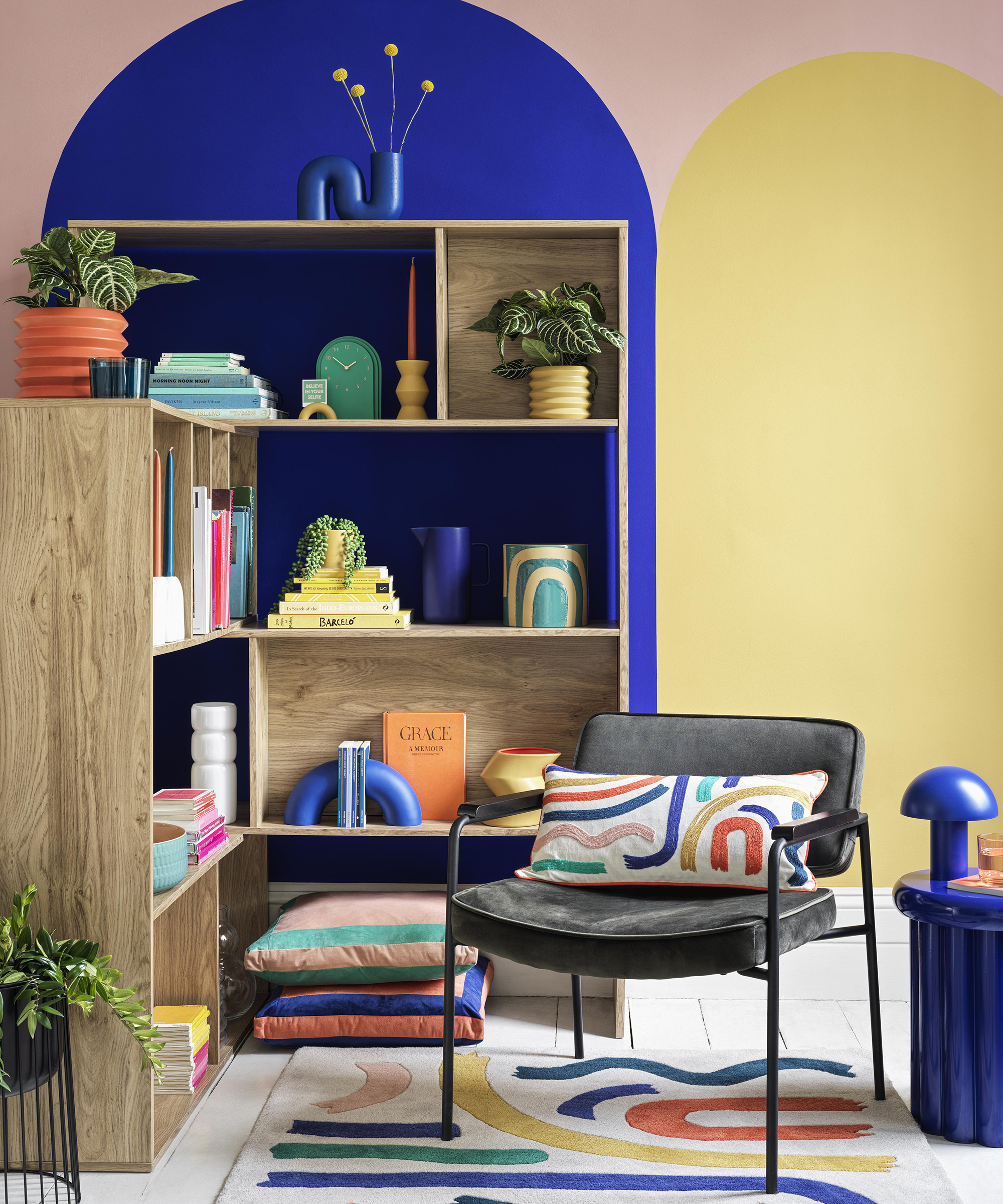
Harmony brings all the different elements of a design scheme together cohesively, avoiding chaos. This is achieved by maintaining a consistent theme through color, materials, and design styles—a 'red thread' throughout the home. Kristina Khersonsky highlights that harmony makes a room feel welcoming and settled, where all elements speak a shared design language. She also notes the importance of 'supporting actors'—quieter, simpler pieces that allow standout elements to shine. Harmony can be established through a consistent color palette, a clear design style, or uniform hardware. Painting walls and ceilings the same color is a quick way to create a cohesive and considered envelope. When harmony is present, the space feels unified and comfortable, with a flowing design language across rooms.
Additional guidance for interior design includes living in a space before decorating to understand its natural flow and light, always starting with a layout plan (potentially with professional help), prioritizing intentional balance where no single element overpowers another, ensuring ample storage to reduce clutter, and choosing appropriately sized rugs that extend under furniture to anchor the space and enhance flow. These principles, when understood and applied, enable individuals to make confident design decisions, creating spaces that are both beautiful and functional.
#InteriorDesign #HomeDecor #DesignPrinciples #Balance #Rhythm #Emphasis #ProportionAndScale #Harmony #DecoratingTips #InteriorDesign #HomeDecor #DesignPrinciples #Balance #Rhythm #Emphasis #ProportionAndScale #Harmony #DecoratingTips
0 comment in total
 No comments yet
You may also like
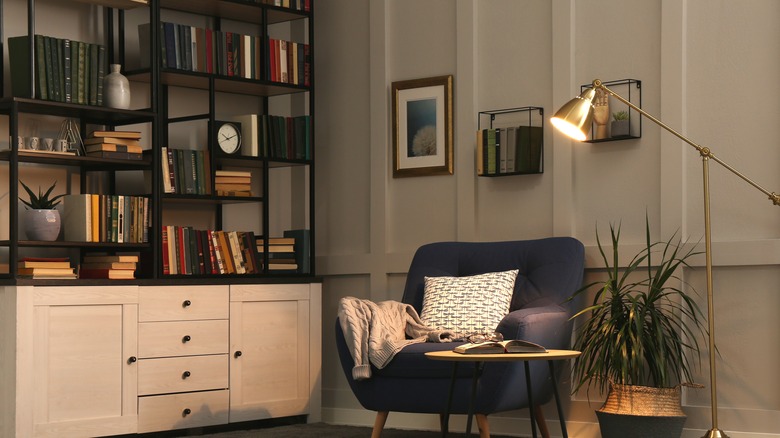
A Design Expert Tells Us How To Create The Perfect Home Library
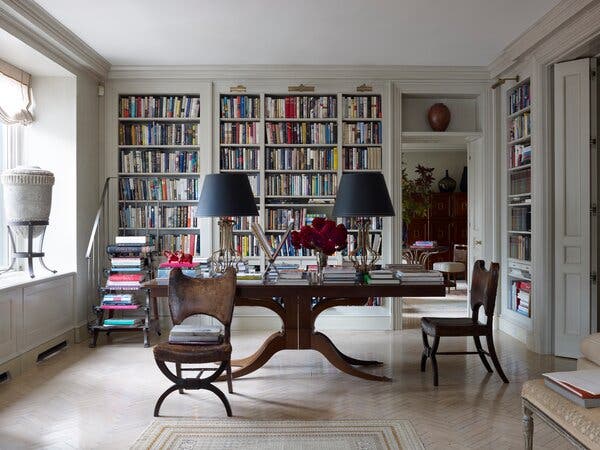
A Home Library Can Tell Your Life Story (Published 2024)
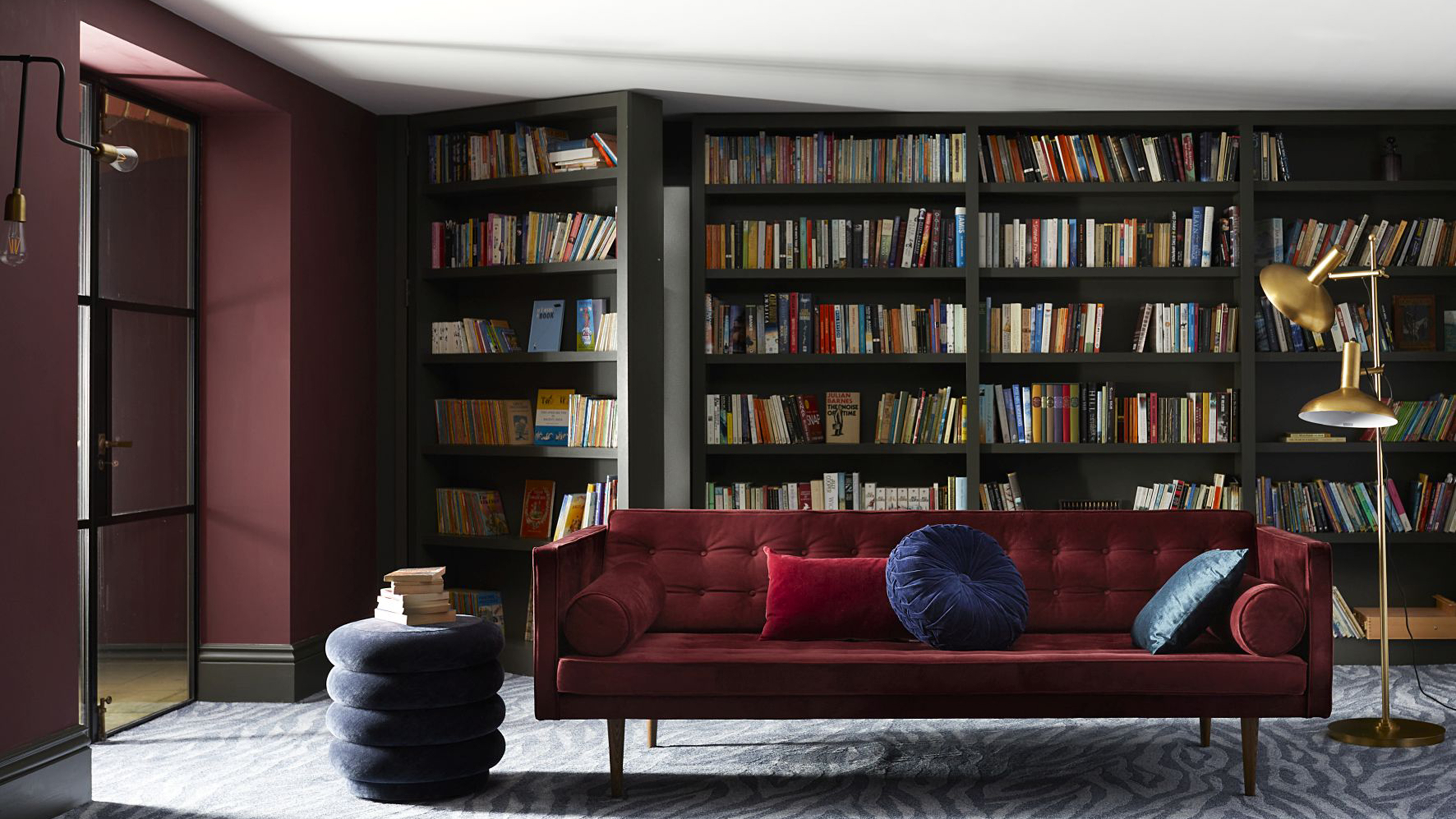
Home library ideas: 15 beautiful designs for bibliophiles and bookworms

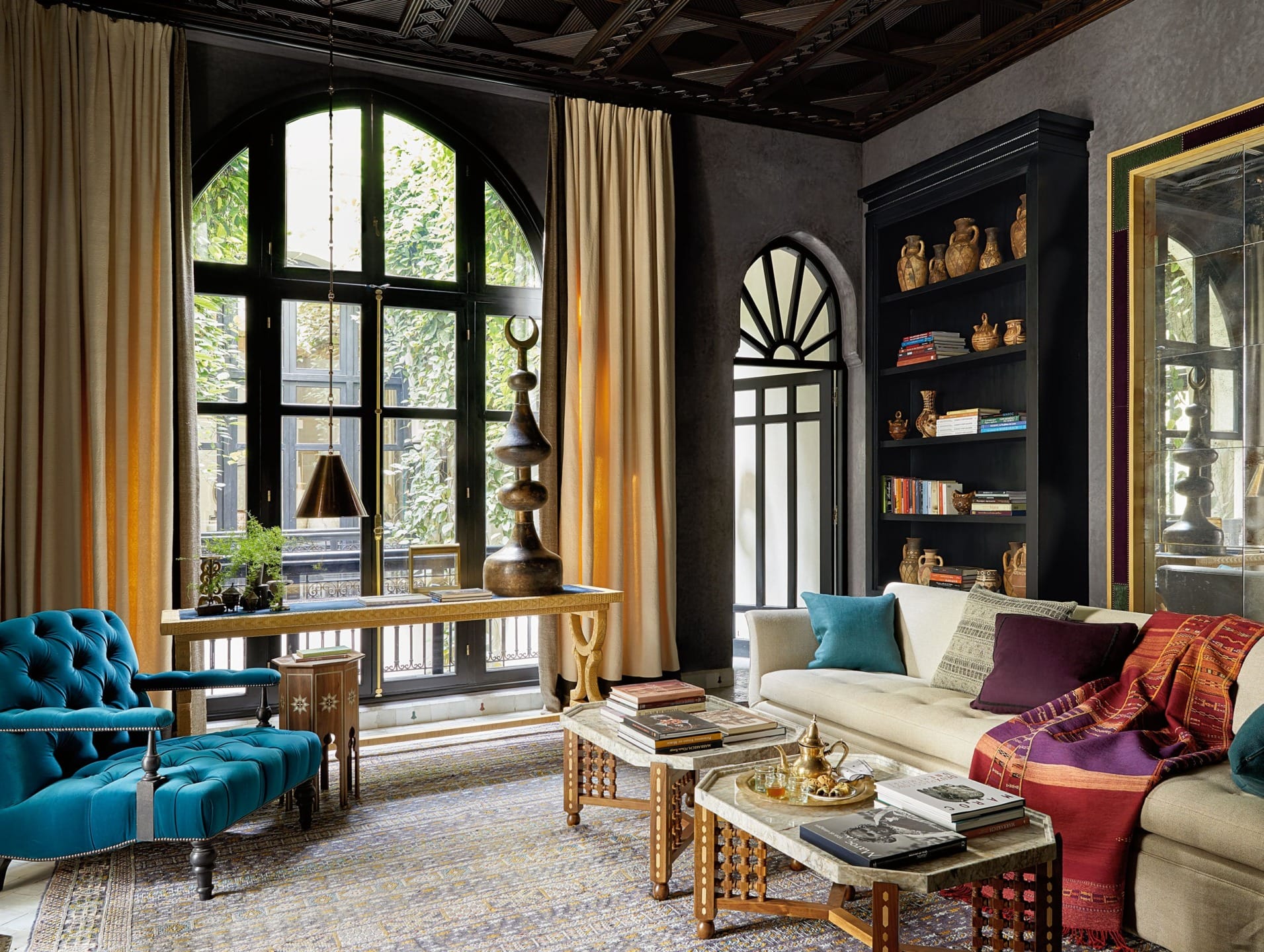
11 Chic Home Libraries Designed by Axel Vervoordt, Markham Roberts, Gil Schafer, and More


10 of the most incredible home libraries around the world

Design A Library To Discover The First Book That Belongs On Your Shelves

Home Libraries: Interiors Inspiration
How to use books for home decor and interior design

What is zoning in interior design? Expert layout tips
AD helps you design your home library

These 3 New Coffee Table Books Offer Up Design Inspo for Your Next Remodel

The best coffee table books to inspire your next home project


Matt Armato and Beau Ciolino talk interior design and DIY tips

This Is What Makes a Home Functional, According to Interior Designers
5 Libraries, Studies & Offices to Inspire Your Workspace

From the Archive: A Tour of Some of the World’s Most Elegant Home Libraries
13 ways repetition in interior design can be used to create calmingly sophisticated rooms

The most beautiful home libraries in Britain

Home library space: a bibliophile’s dream

Home Libraries Are All Over Cable News. Here’s Why They’ve Never Been Hotter