Popular Paint Colors That Are Decreasing Your Home's Value, According to Experts
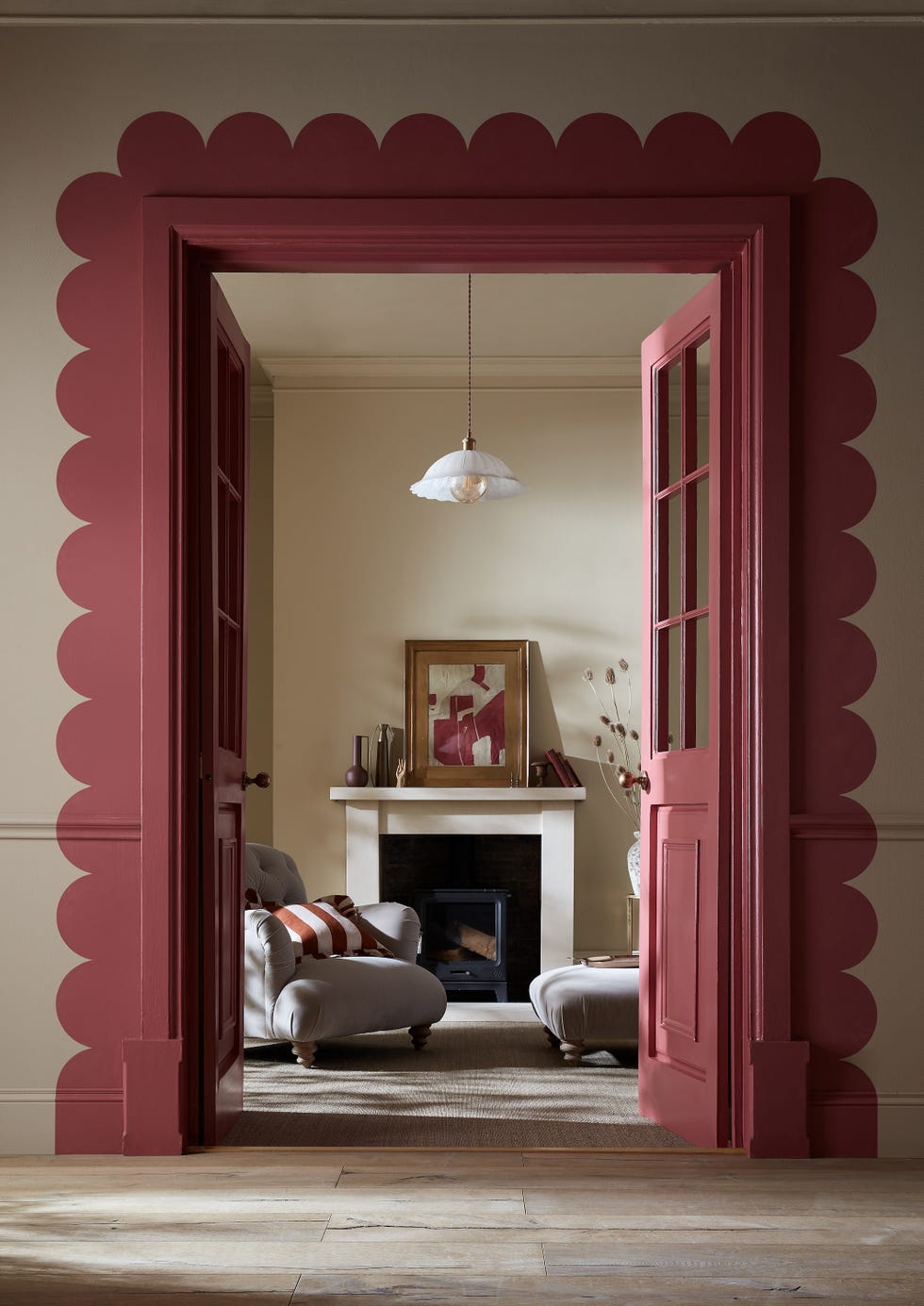
The exterior paint color of a home significantly impacts its curb appeal and market value. While a fresh coat of paint can enhance a home's appearance, selecting the wrong colors can inadvertently decrease its value. Experts advise choosing neutral paint colors to appeal to a broad range of potential buyers. The suitability of a paint color also depends on the home's location and architectural style. For instance, vibrant colors like pastel blues or coral might be acceptable in coastal or artsy urban areas, but they could be off-putting in traditional suburban neighborhoods. When considering a paint job, homeowners should think about the long-term implications of their color choice. Dark colors absorb more UV rays, making them prone to premature fading and peeling, which can make a home look less appealing over time. Therefore, exceedingly dark or bold colors are generally recommended for accents rather than the primary exterior color.
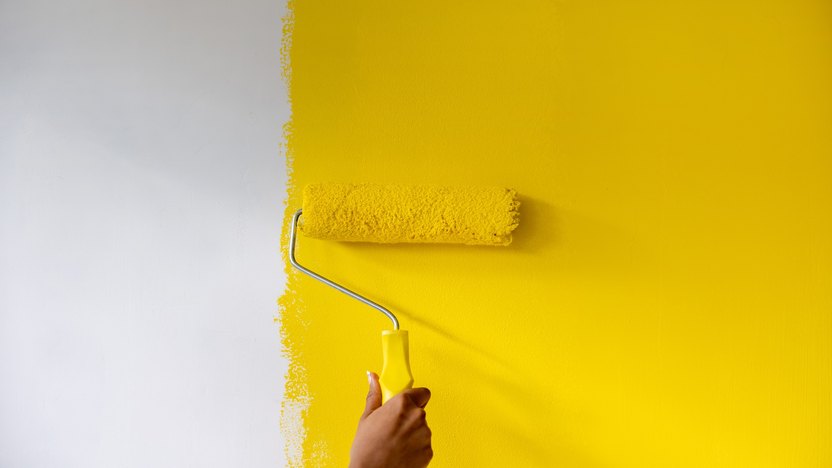
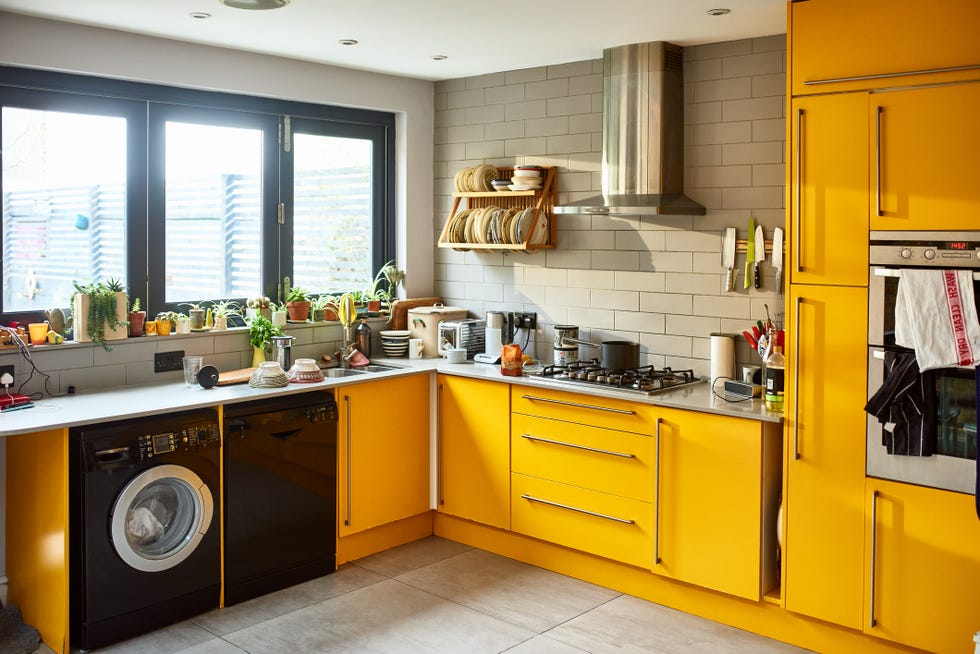
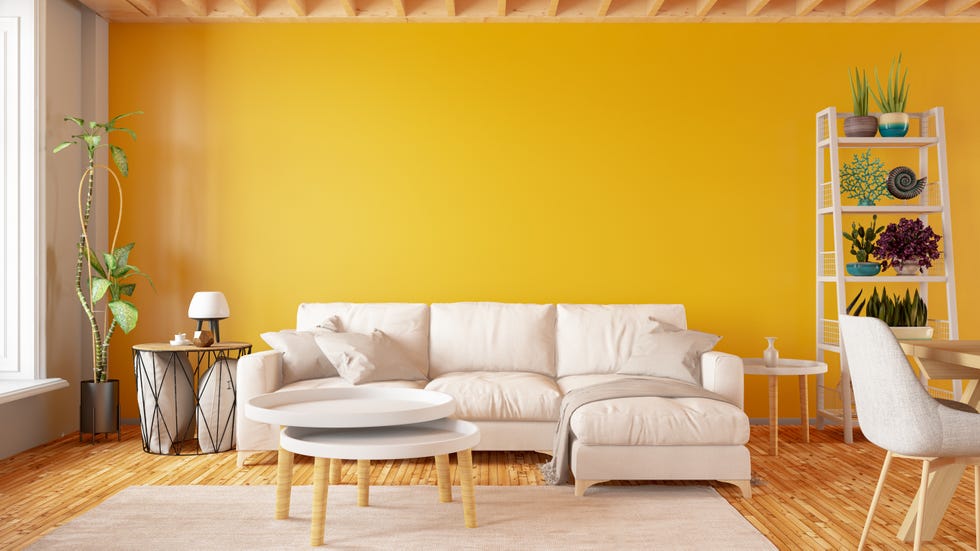
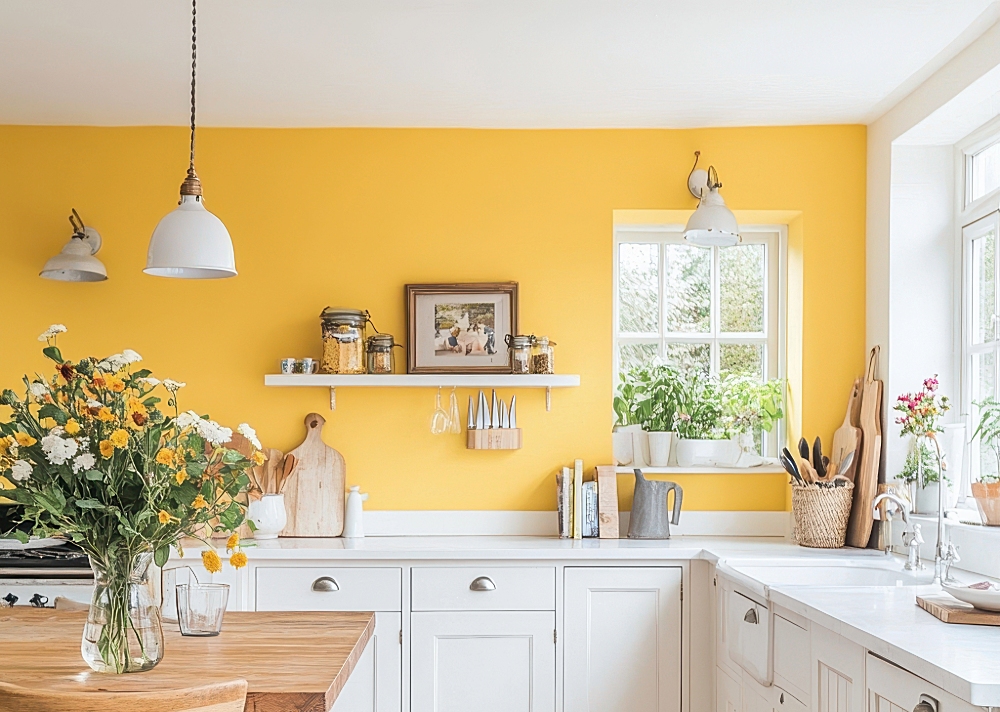
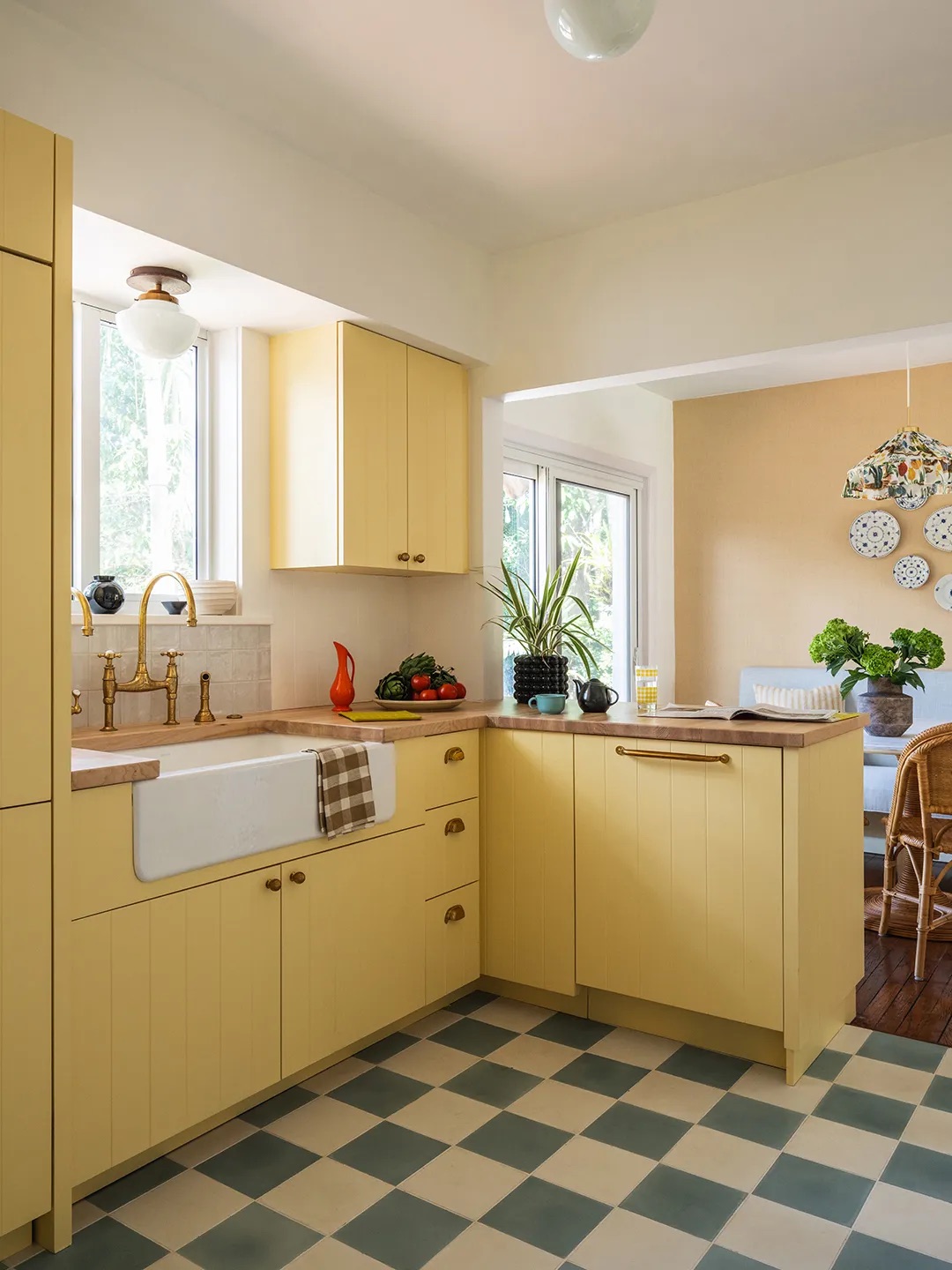
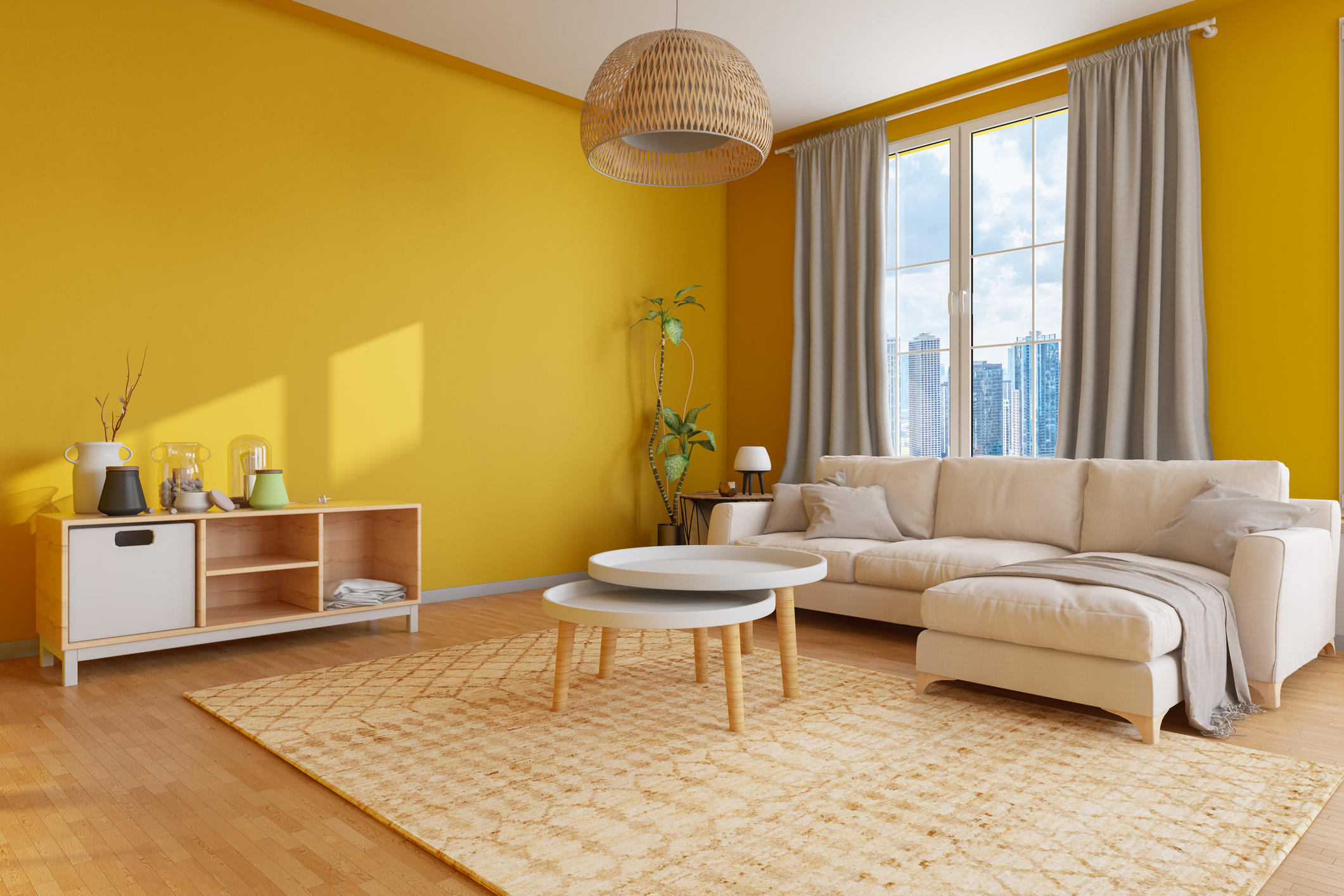
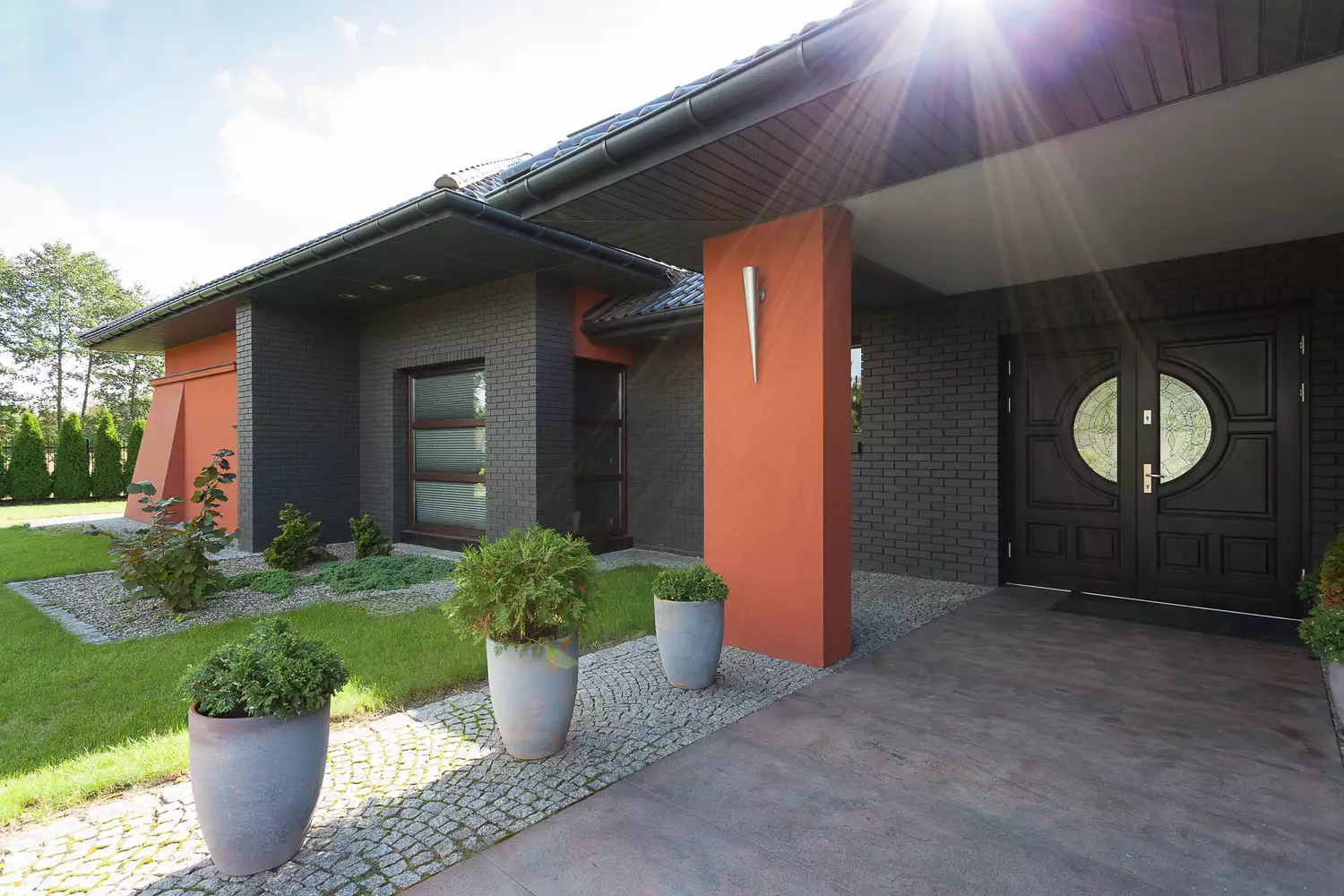
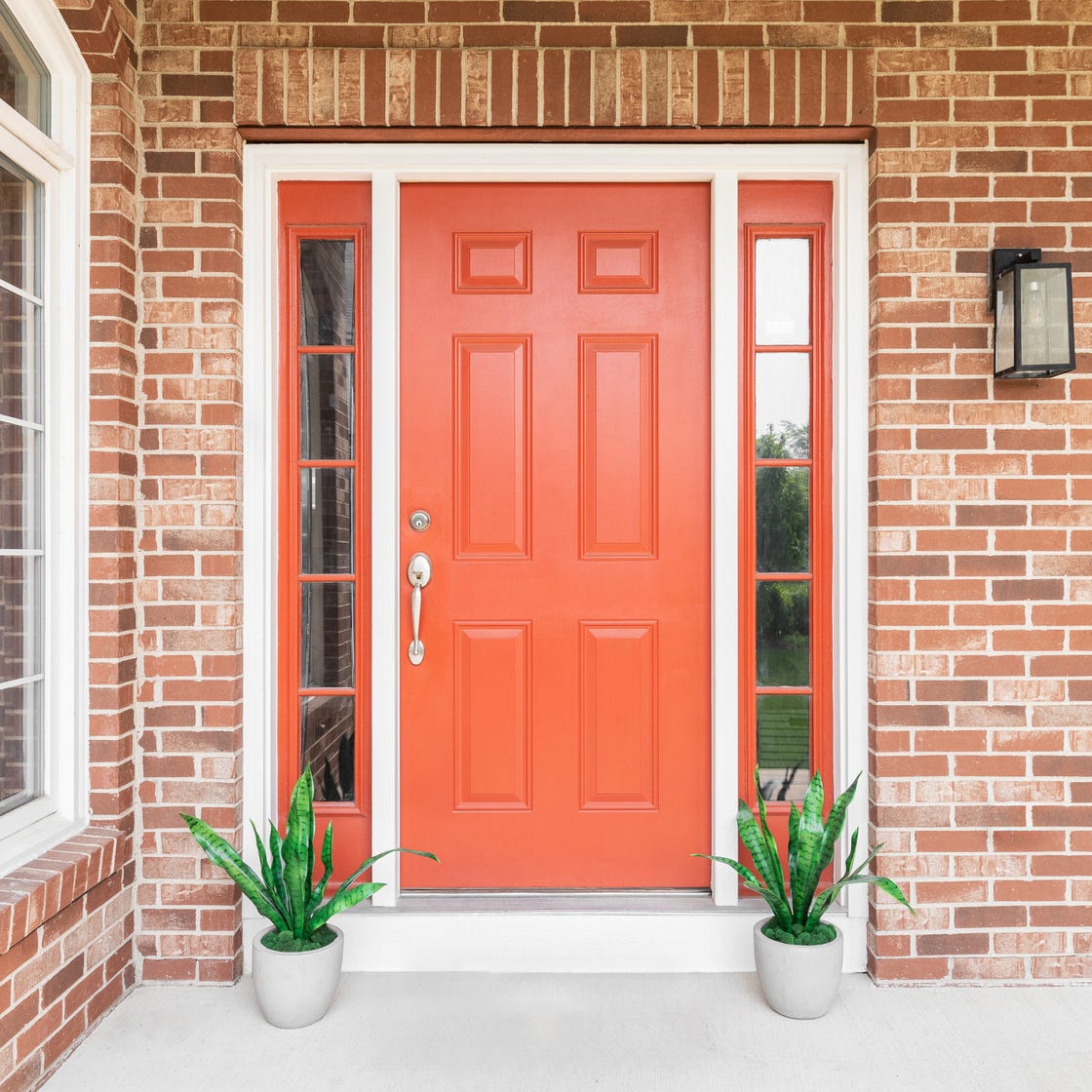
Trend-driven paint choices, such as an all-black house, may not suit every architectural style or neighborhood, potentially detracting from key features like intricate woodwork or unique windows. When selling a home, personal aesthetic preferences for bold or unconventional colors, like bright yellow or electric blue, should be set aside. Such distinctive colors can alienate potential buyers who might find them challenging or costly to repaint to their own taste. Research from Zillow indicates that homes with yellow exteriors have sold for an average of $3,408 less than comparable homes painted in different colors. Similarly, certain front door colors can negatively affect offers, with red, blue, or green front doors potentially leading to offers approximately $1,300 lower.
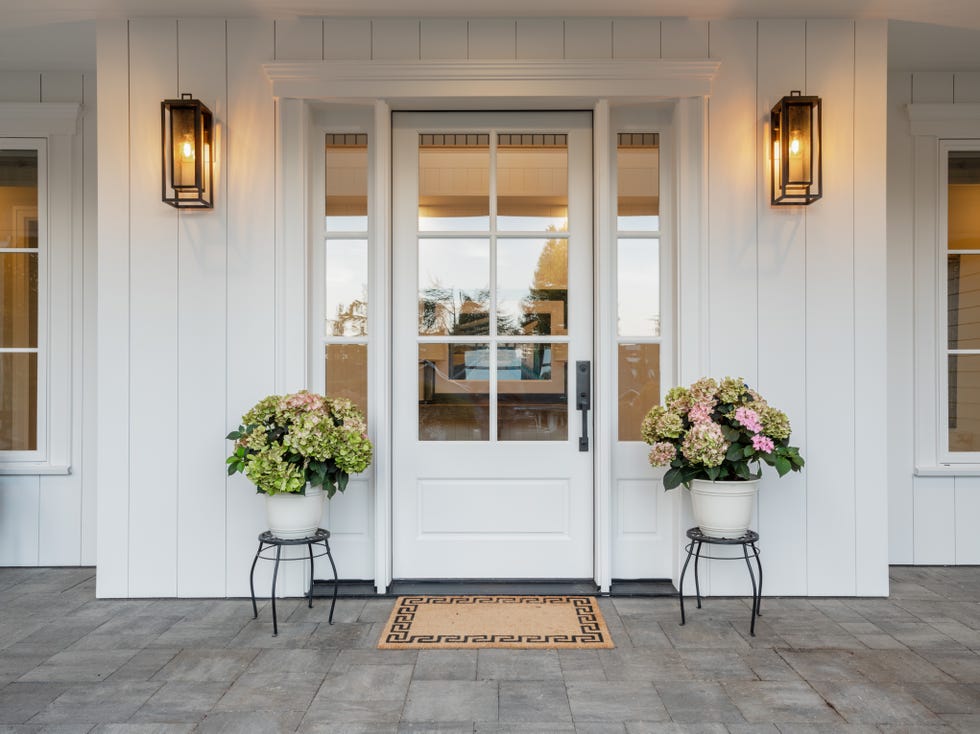
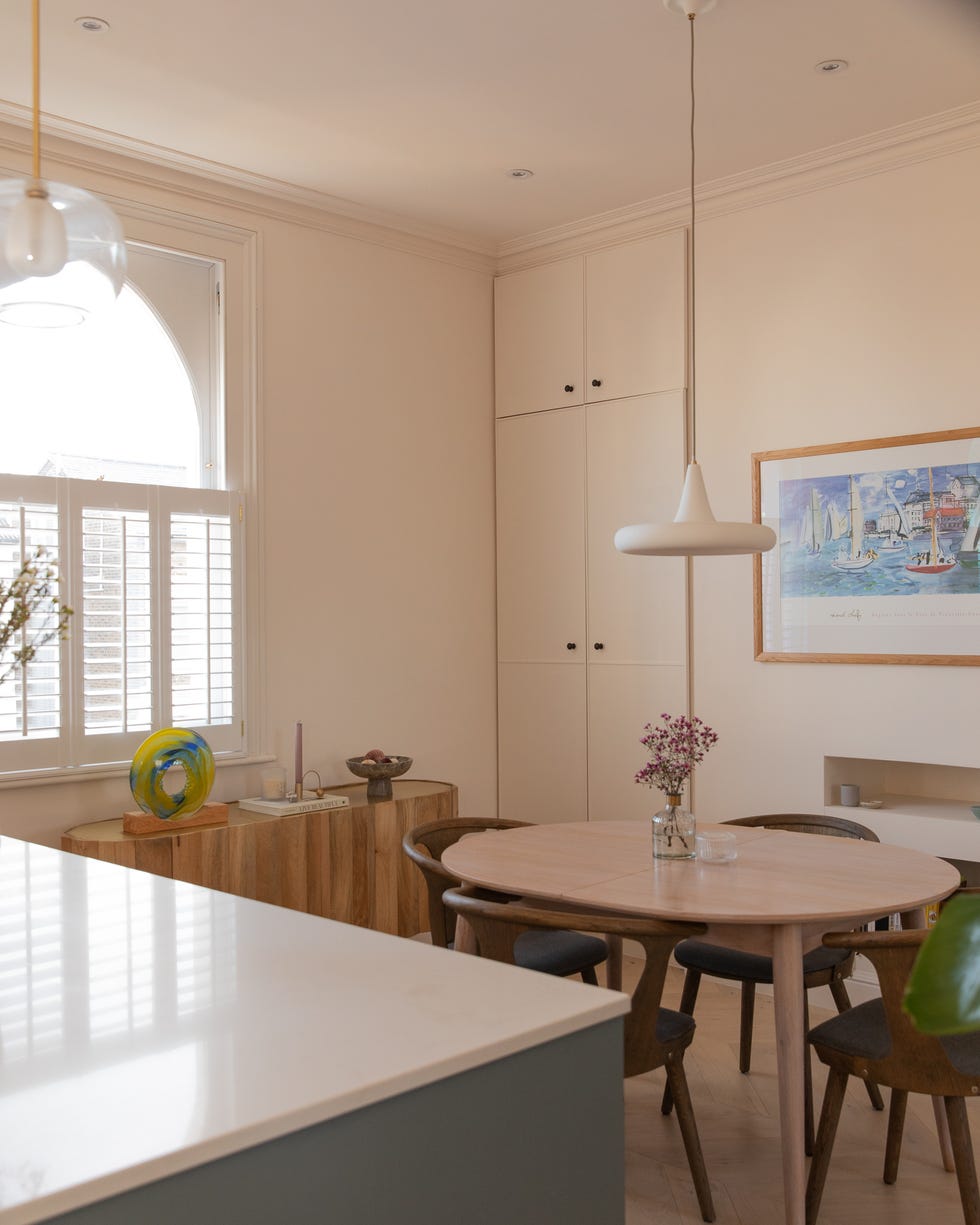
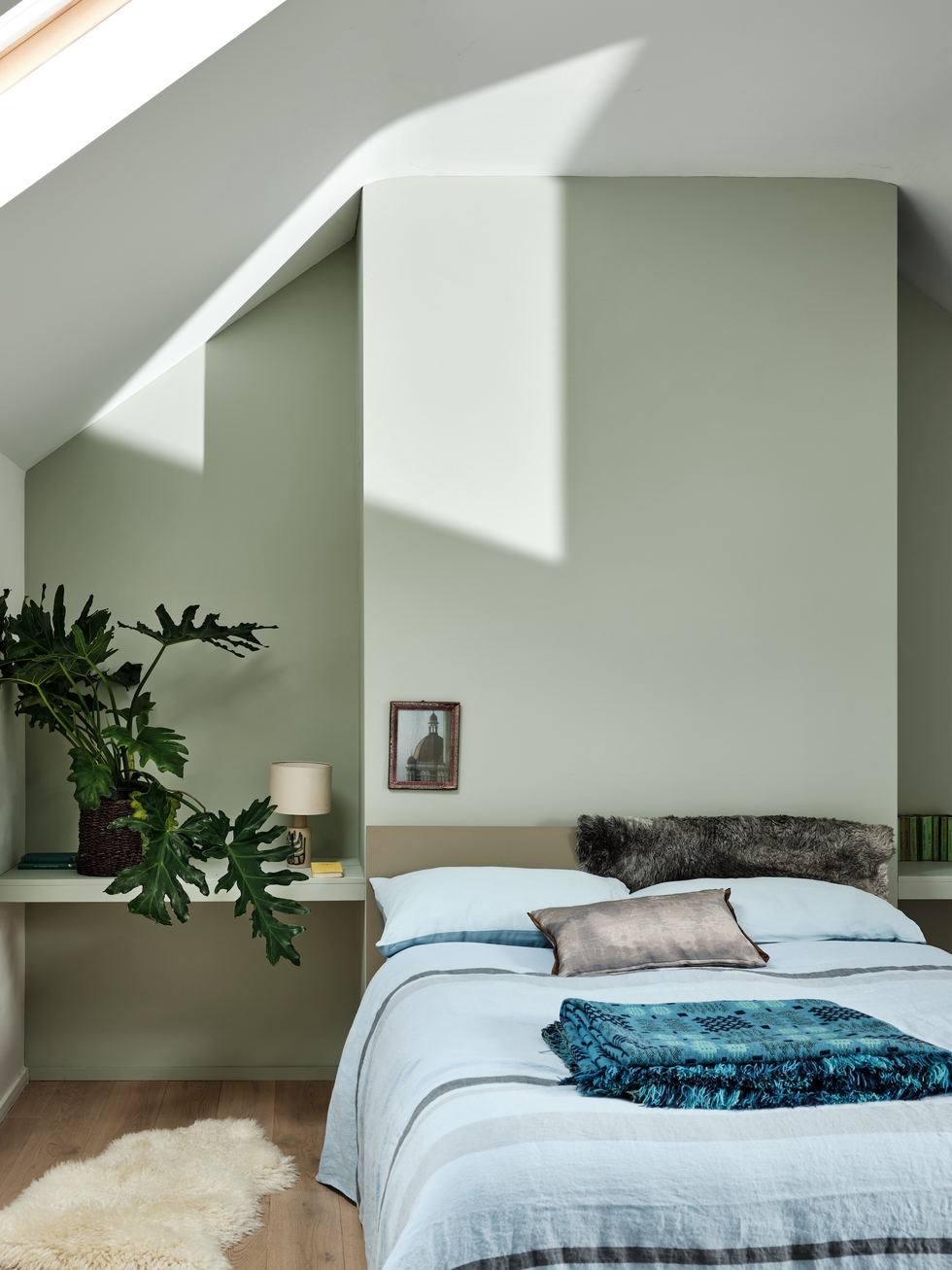
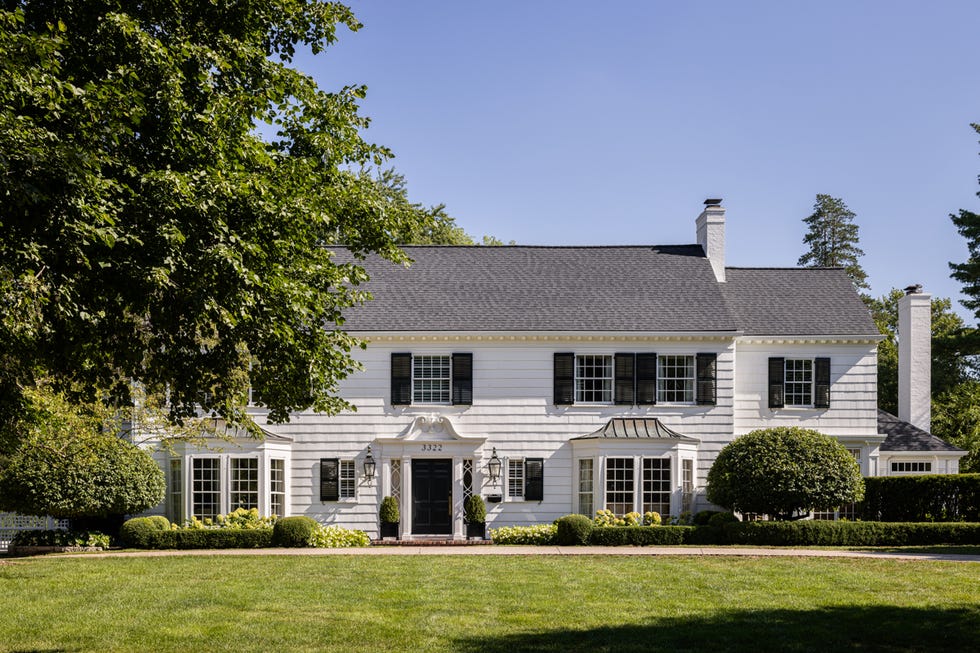
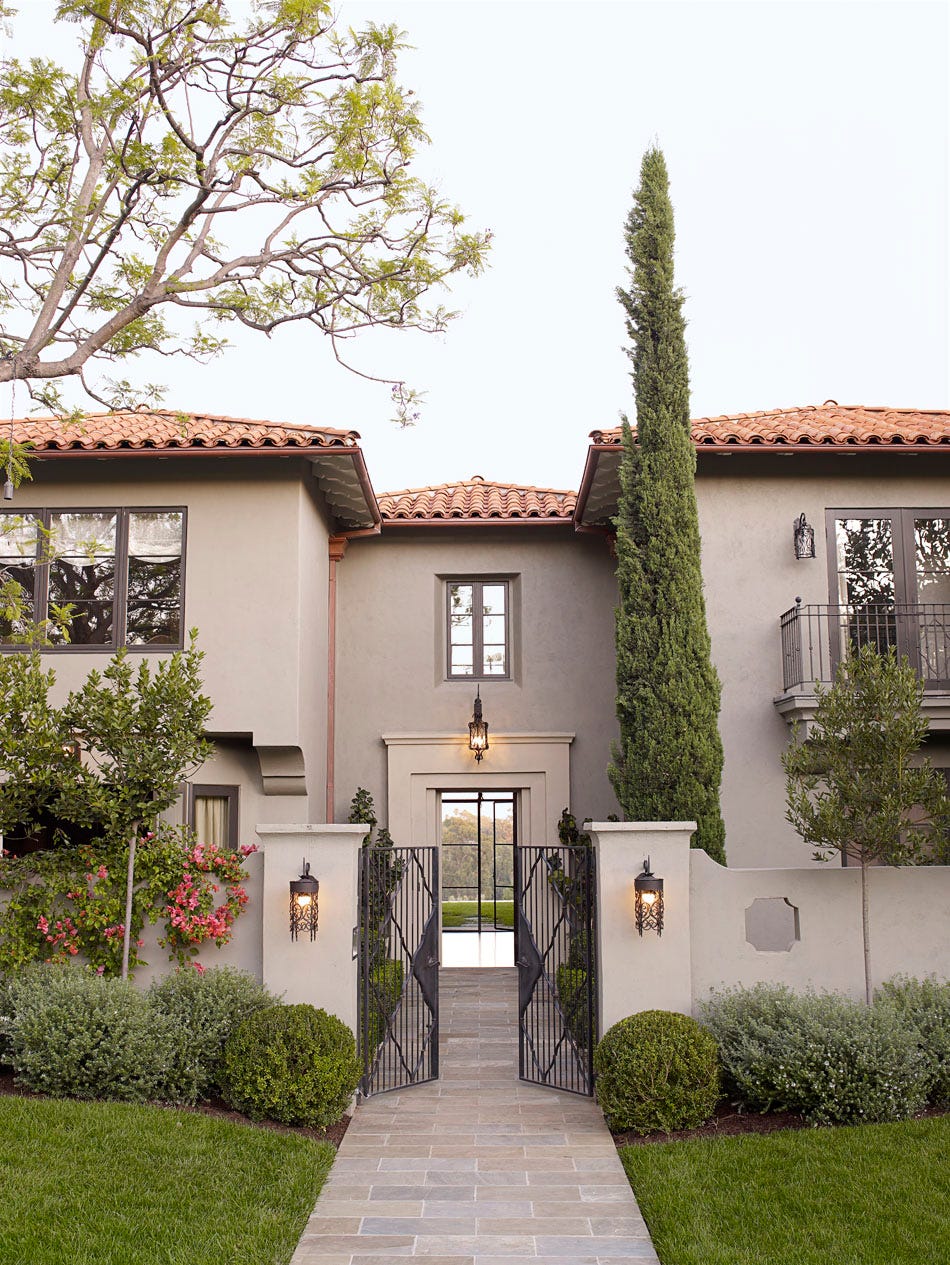
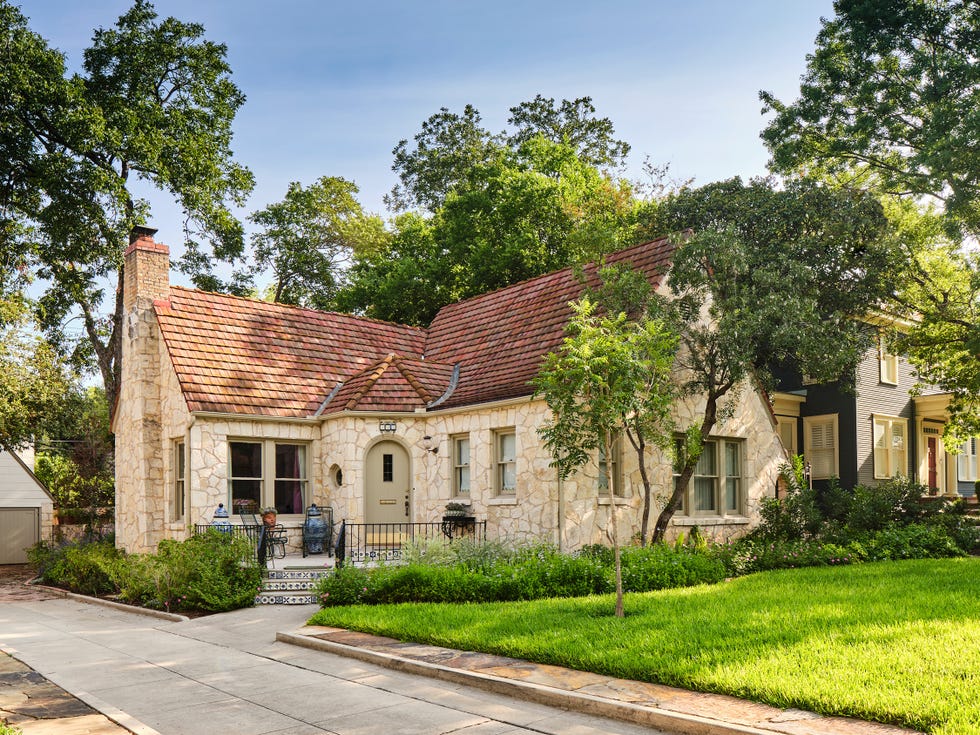
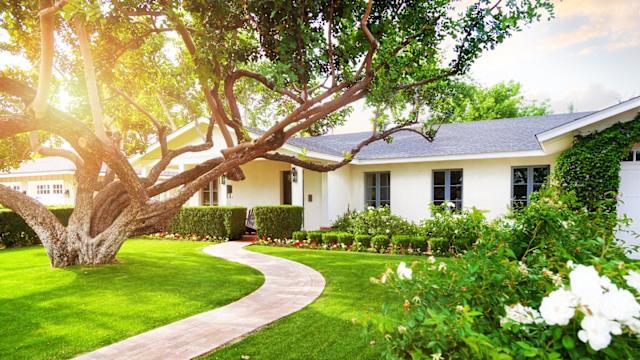
Conversely, neutral and classic colors tend to increase a home's curb appeal and value. Popular choices include white, light gray, beige, or “greige,” often combined with darker accent colors like dark gray, blue, or navy for shutters, trim, and front doors. This creates a cohesive and elegant look. White walls with black accents offer a crisp appearance, while natural greens with white trims complement homes situated in natural or heavily landscaped environments. Other buyer-friendly combinations include taupe and white, cream and brown, and gray and navy. The architectural style of the home also dictates appropriate color choices; lighter neutral tones suit various styles from Craftsman to Colonial, whereas Mediterranean homes benefit from warm tones like terra cotta or creamy beige.
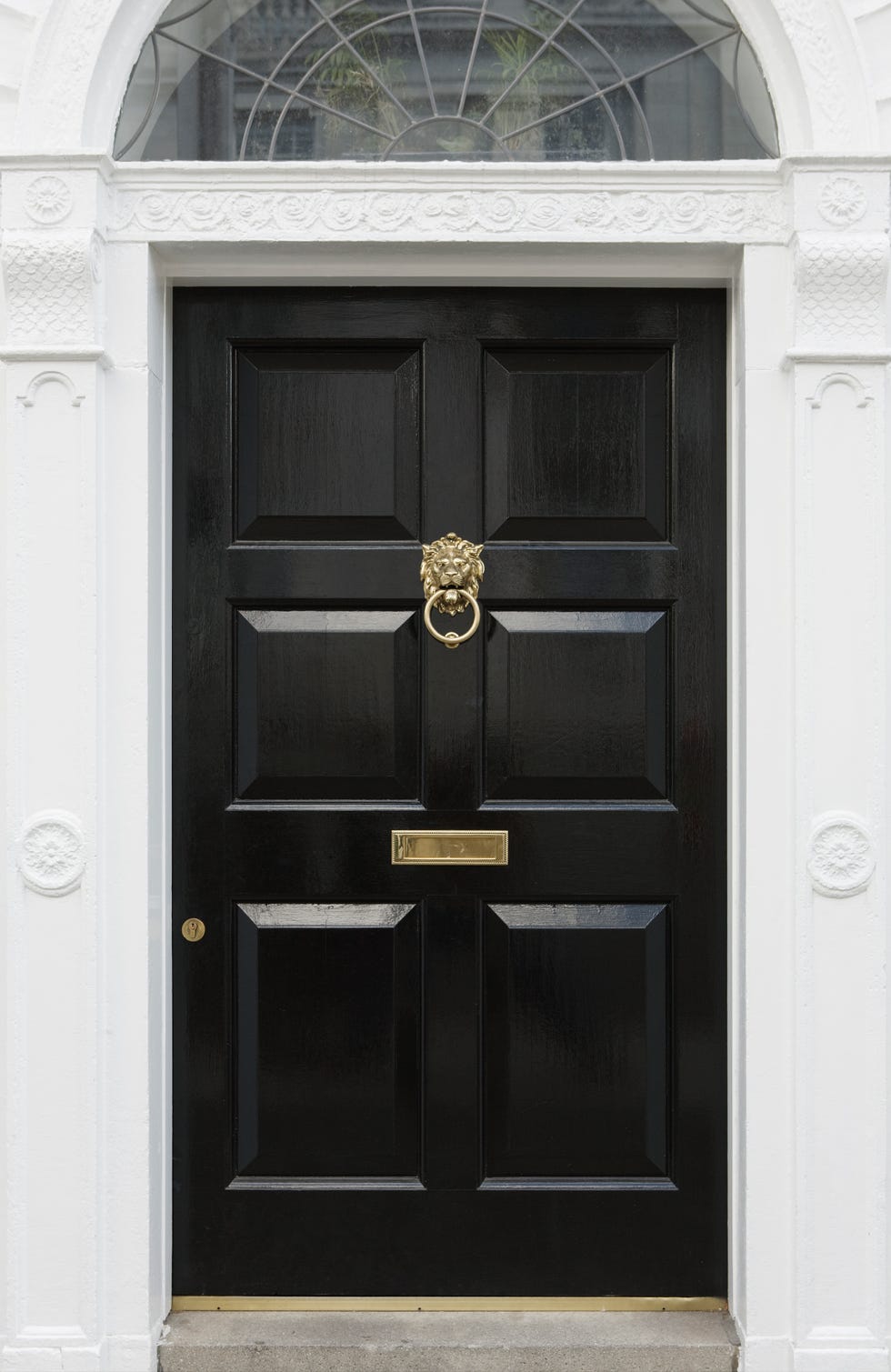
For front doors, black has been identified as a color that can significantly boost home value. Zillow research from 2022 found that homes with black front doors sold for about $6,450 more. Beyond paint, other exterior upgrades are crucial for increasing home value. These include maintaining a new roof, ensuring clean gutters and drains, landscaping, and installing outdoor lighting. These practical improvements not only complement a fresh paint job but also build buyer confidence by demonstrating that the home has been well-maintained. Choosing high-quality, weather-resistant exterior paint is also important to extend the longevity of the paint job and reduce the need for frequent touch-ups. Regular power washing can further help maintain the paint's freshness. Finally, small details such as new house numbers, sconces, and a refreshed mailbox can significantly contribute to overall curb appeal, signaling to potential buyers that the home is well-cared for.
#HomeImprovement #ExteriorPaint #HomeValue #CurbAppeal #PaintColors #RealEstate #HomeSelling #ArchitecturalStyle #HomeMaintenance #HomeImprovement #ExteriorPaint #HomeValue #CurbAppeal #PaintColors #RealEstate #HomeSelling #ArchitecturalStyle #HomeMaintenance
0 comment in total
 No comments yet
You may also like
Real Estate Experts Reveal the Paint Colors That Decrease Your Home Value—and Tricks for Finding the Perfect Hue
New Zillow Research Says These Paint Colors Can Help Sell Your Home

7 Paint Colours That Could Help You Sell Your Home For More

This Surprising Bedroom Paint Color Could Add $1,815 to Your Home’s Value

8 Surprising Colors That Will Decrease Your Home's Value, According to Experts
This Kitchen Color Might Be Trending, But It Could Hurt Your Resale Value
7 "Stylish" Decor Trends That Are Secretly Hurting Your Home’s Value, Real Estate Pros Say

7 Most Underrated Paint Colours, According To Colour Experts

This Popular Kitchen Color Can Actually Hurt a Home’s Sale Price
These 3 Paint Colors Can Add Up to $2,500 to Your Home's Sale Price, a New Report Says

Designers Say These 5 Paint Colors Can Dramatically BOOST Your Resale Value
'Potential buyers may see it as a DIY job gone wrong' – this popular interior trend may be devaluing your home
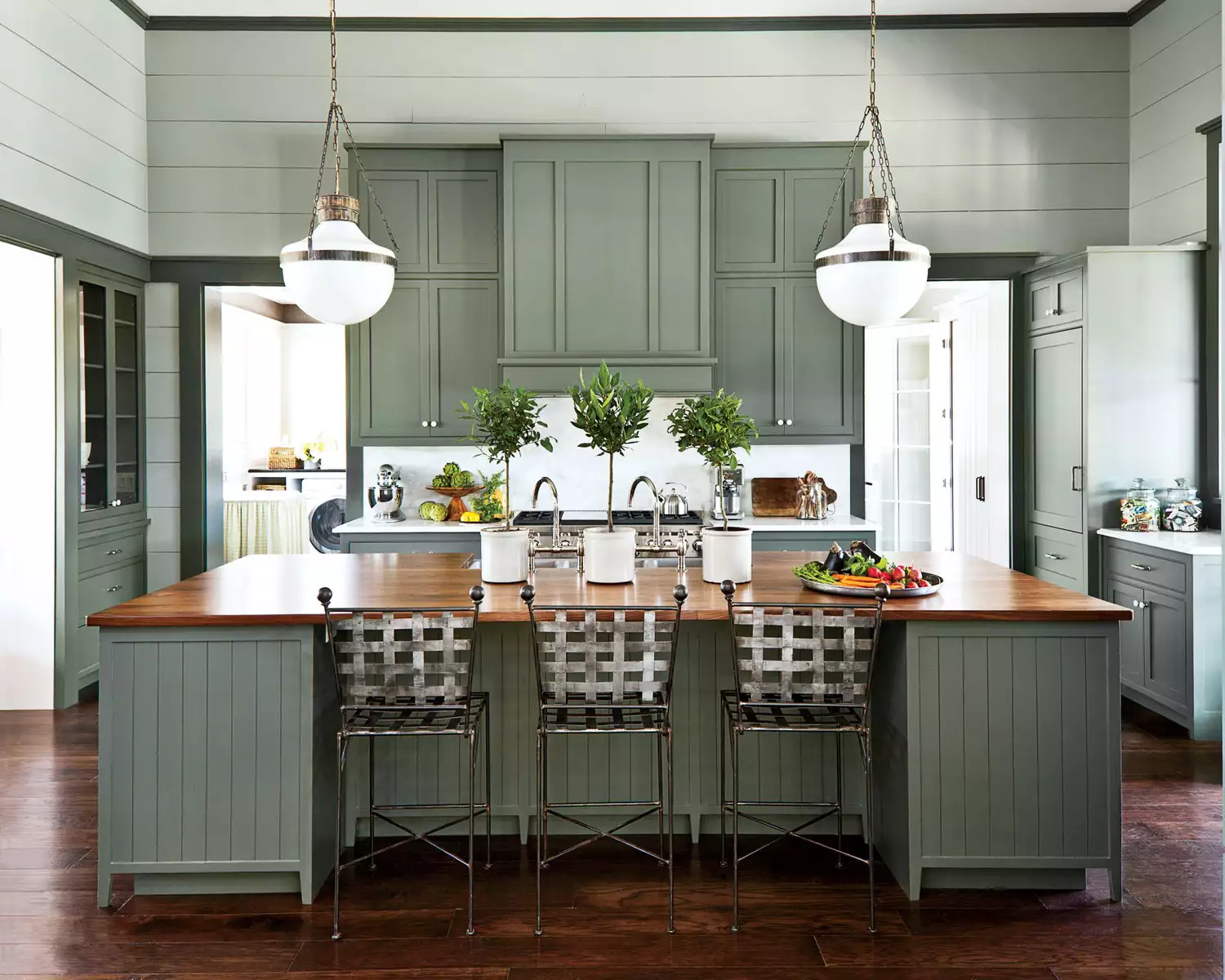
The Paint Colors That Might Be Making—Or Breaking—Your Home's Value, According To Zillow
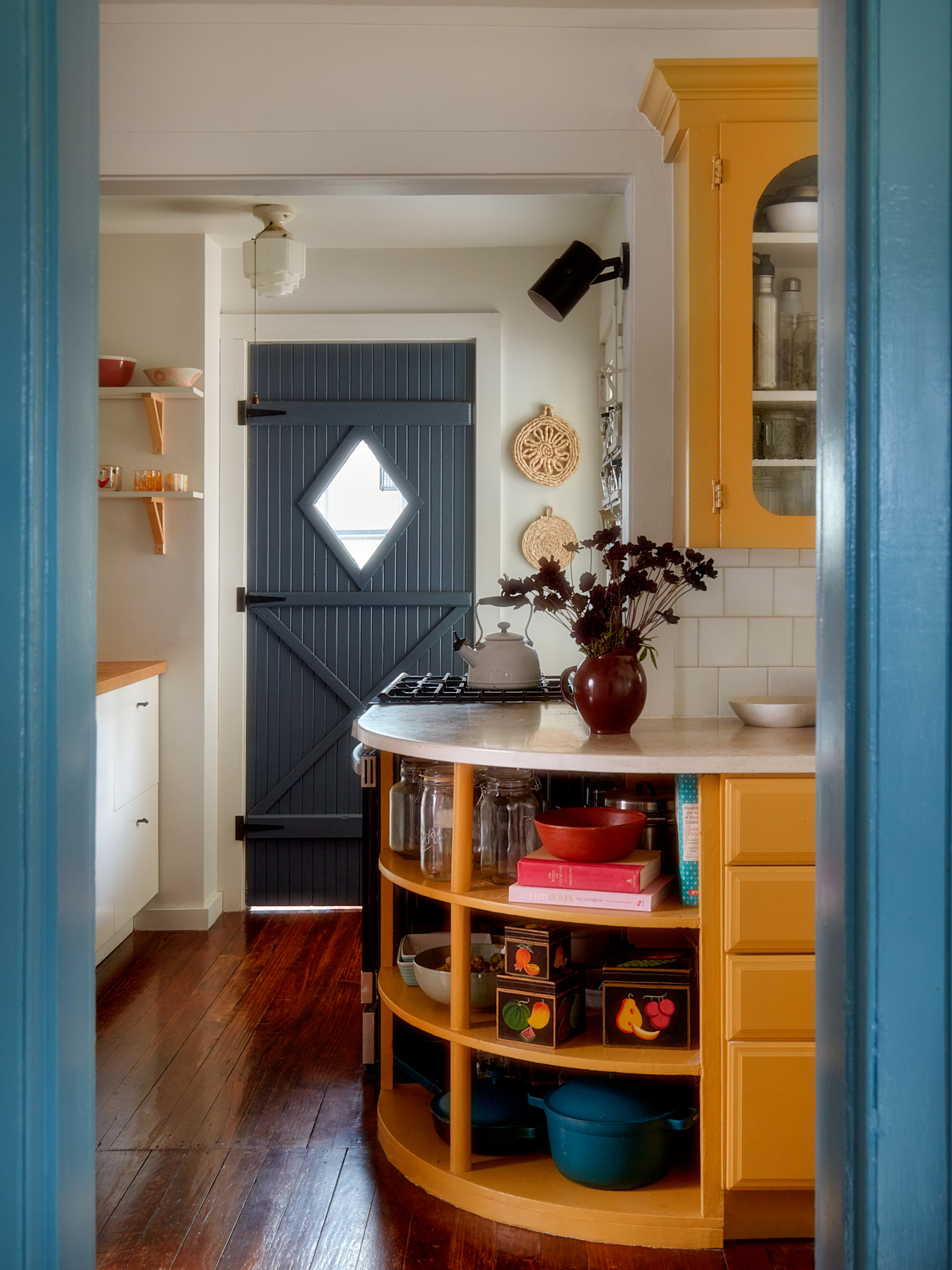
This Cheery Kitchen Color Could Hurt Your Home Value

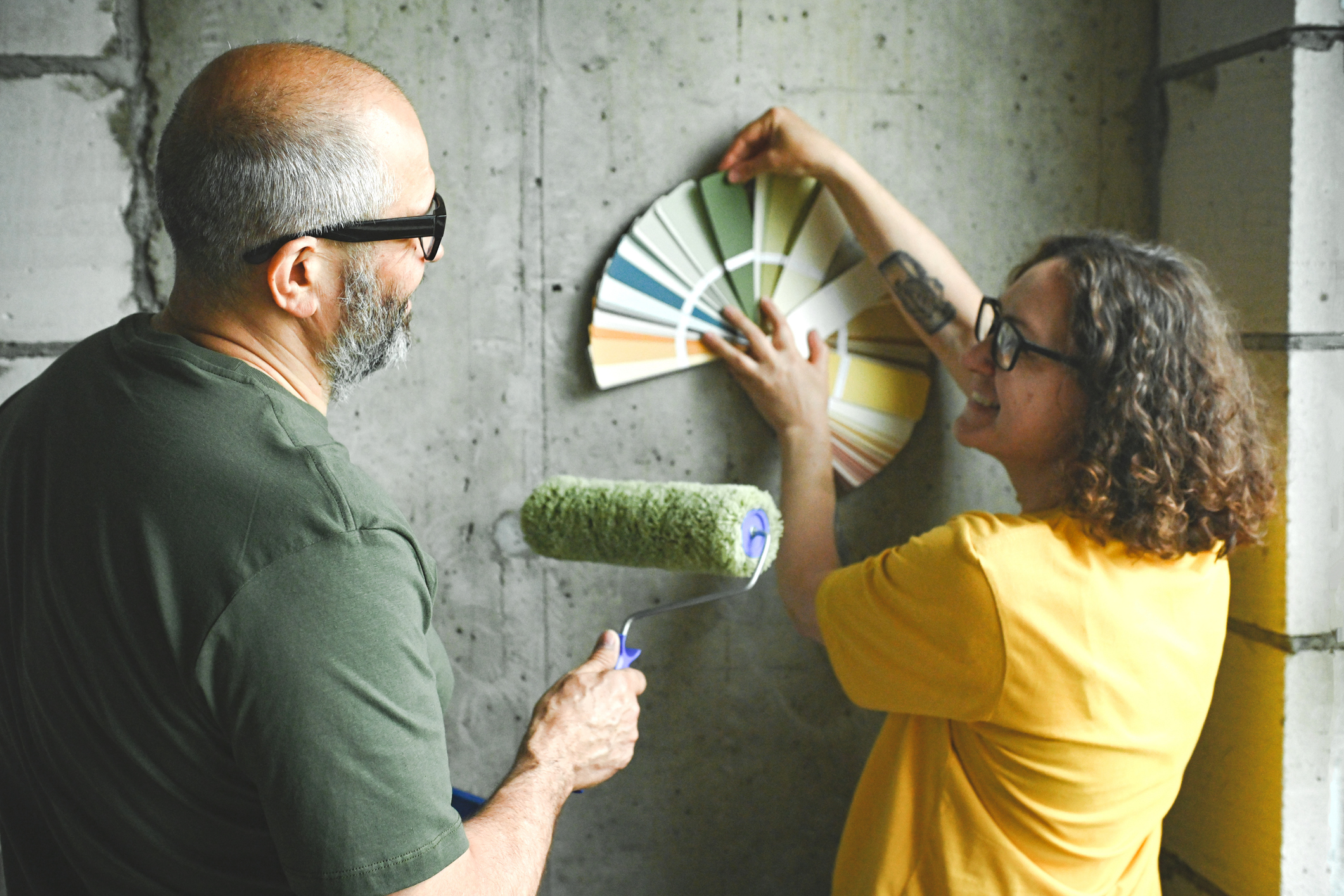
These Dark Interior Colors Can Sell Your House for More Money, According to Zillow
Are these 7 unlucky colours messing with your home's Vastu?

These Paint Colors Bring Hostility to Your Home, According to Experts
6 Paint Colors That Will Make Your House Sell for More Money

11 Paint Colors That INSTANTLY Make Your Home Look "Expensive," According to Designers
Move Over, White Kitchens—This Surprising Paint Color Will Increase Your Home’s Sale Price, New Zillow Report Says