1/7
How do I make my kitchen quieter? The tricks designers use to stop noise ruining an open-plan home
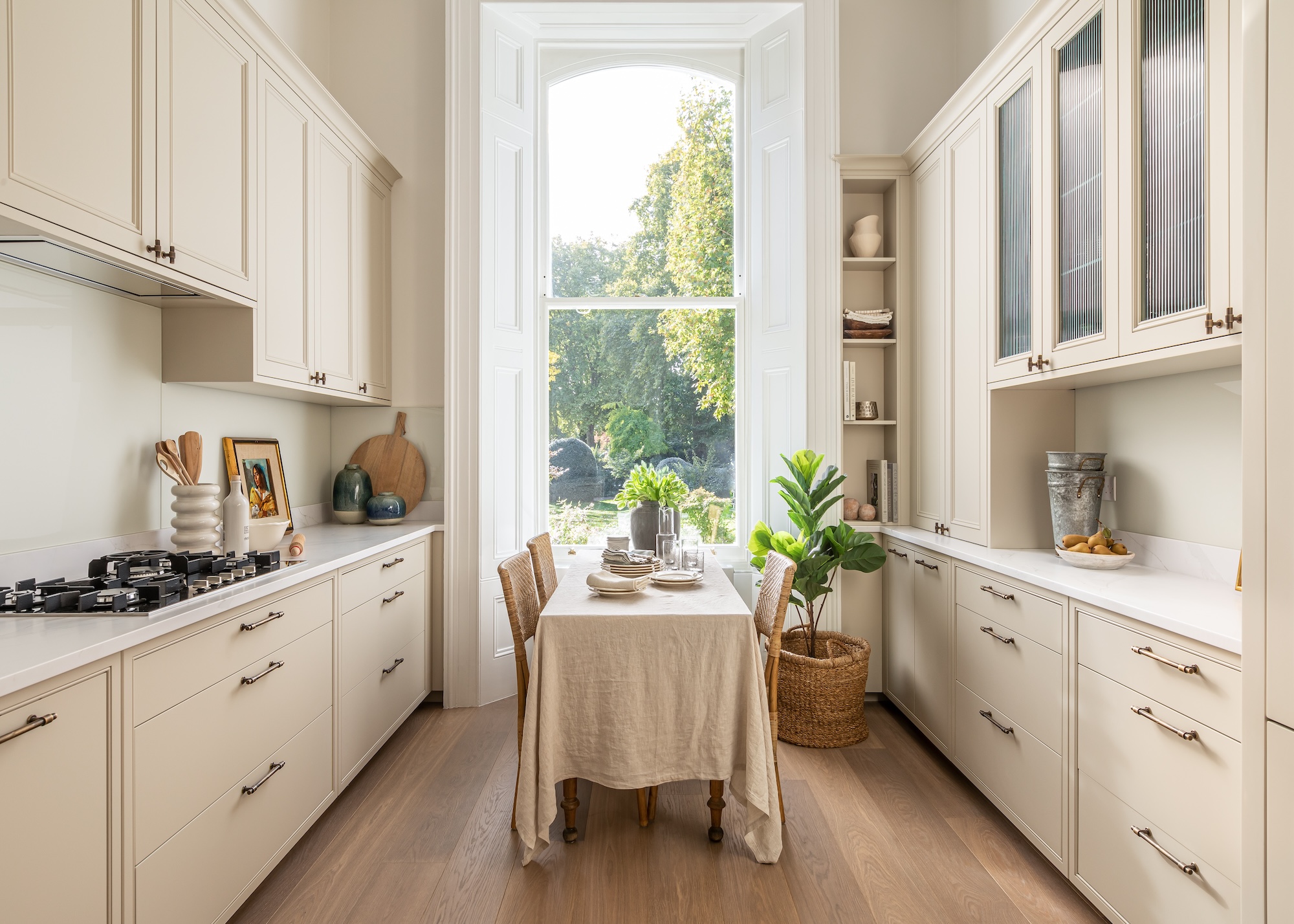
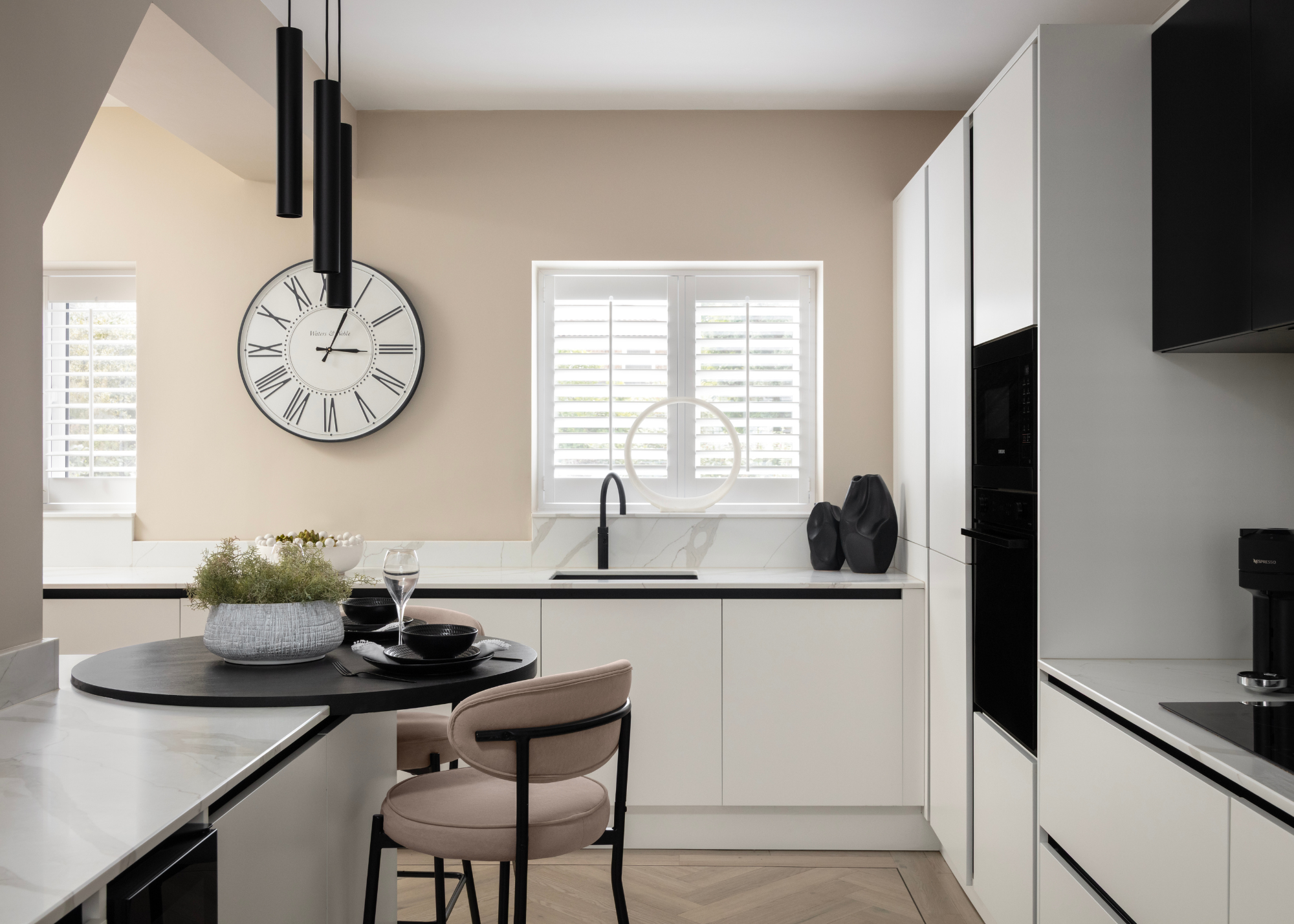
In modern homes, the kitchen has evolved into a versatile space, functioning not only for cooking and dining but also as a social hub for various activities. With the prevalence of open-plan living, noise from the kitchen can easily permeate other areas of the house, creating disturbances. To address this, designers employ several strategies to minimize noise in a modern kitchen.
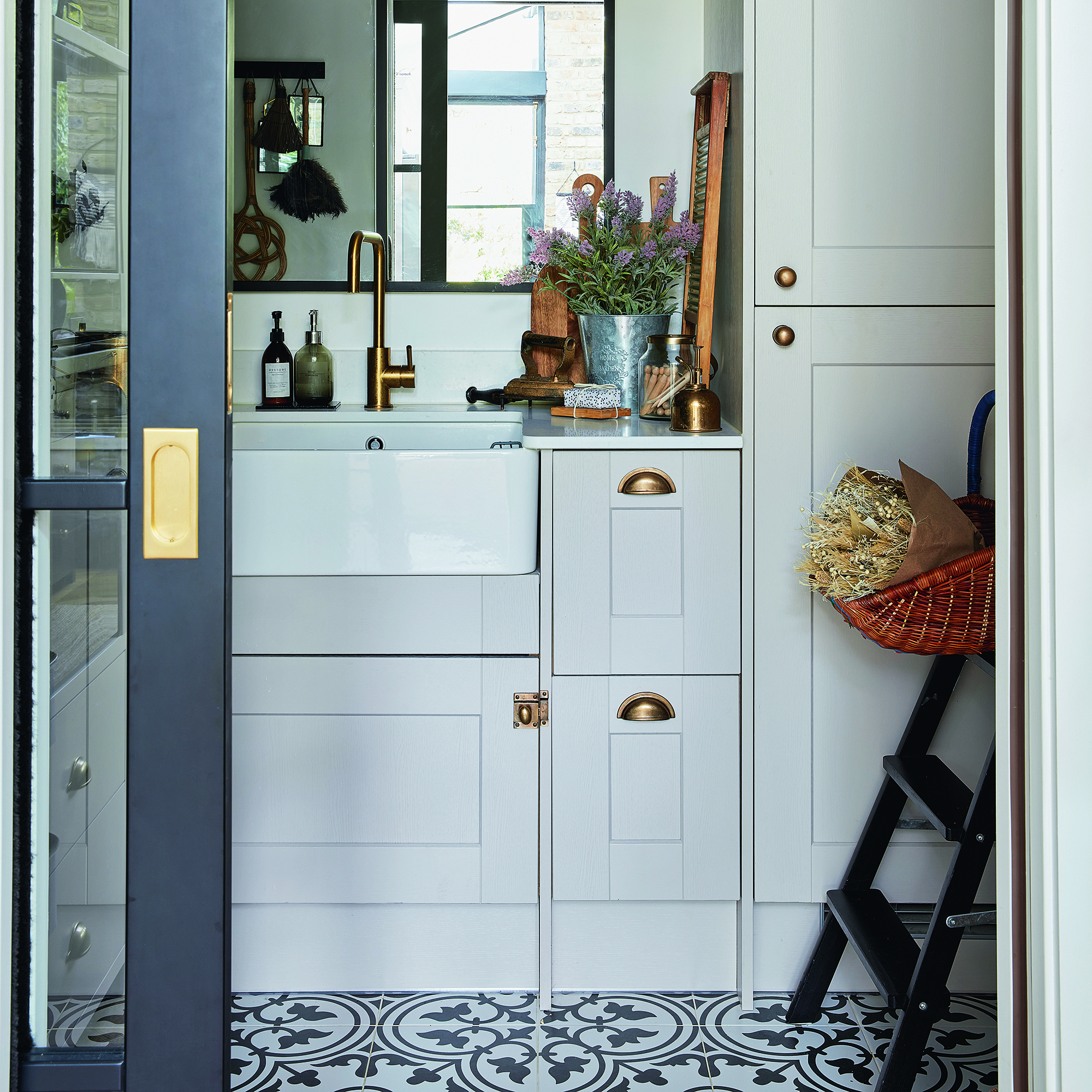
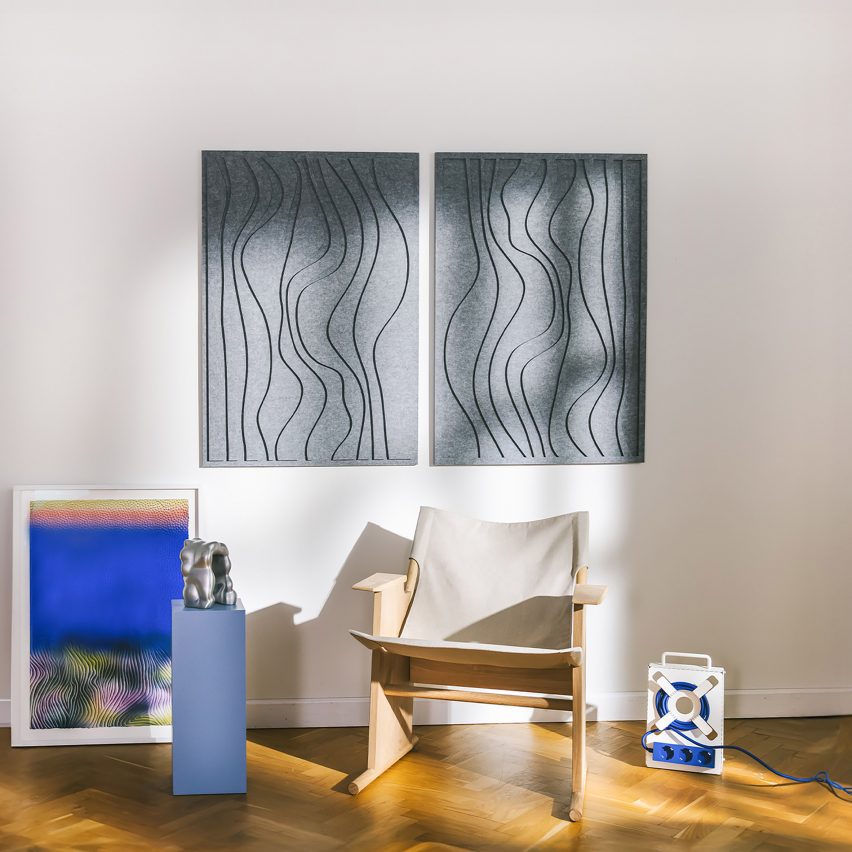
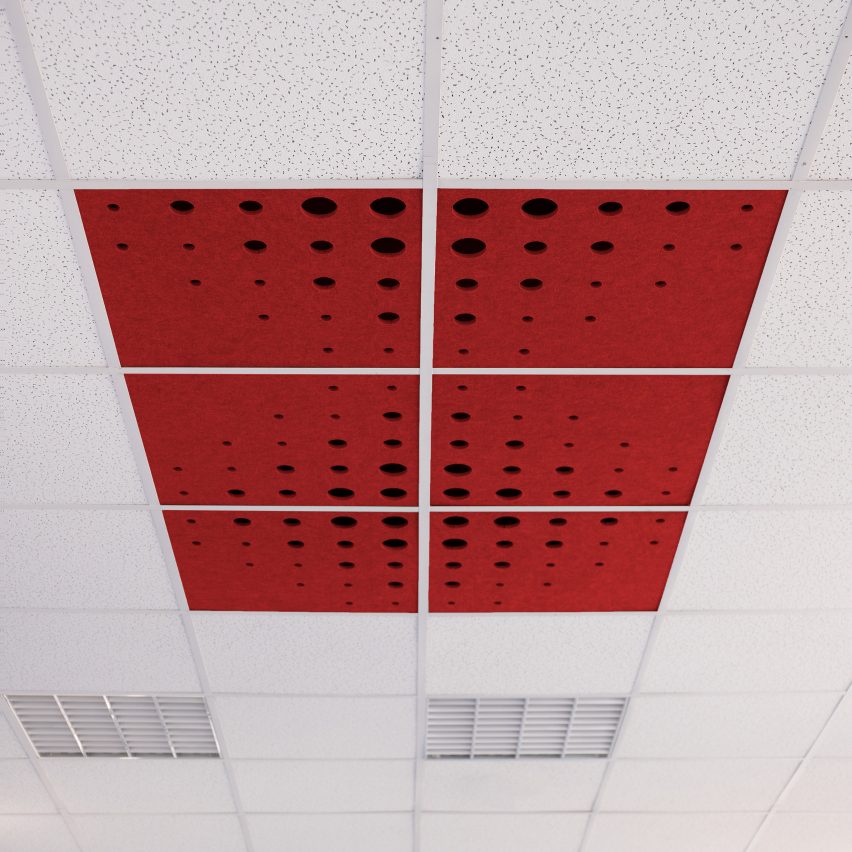
One effective approach is to relocate noisy appliances, such as washers and dryers, to a dedicated laundry room. If space allows for a separate laundry room, positioning these appliances away from the kitchen ensures a quieter environment, especially during meals or social gatherings. This placement is also practical for managing laundry closer to bedrooms, reducing the effort involved in transporting clothes and linens. In situations where space is limited, stacking appliances can maximize floor area, and the use of acoustic sound paneling on walls and doors further helps to isolate noise.
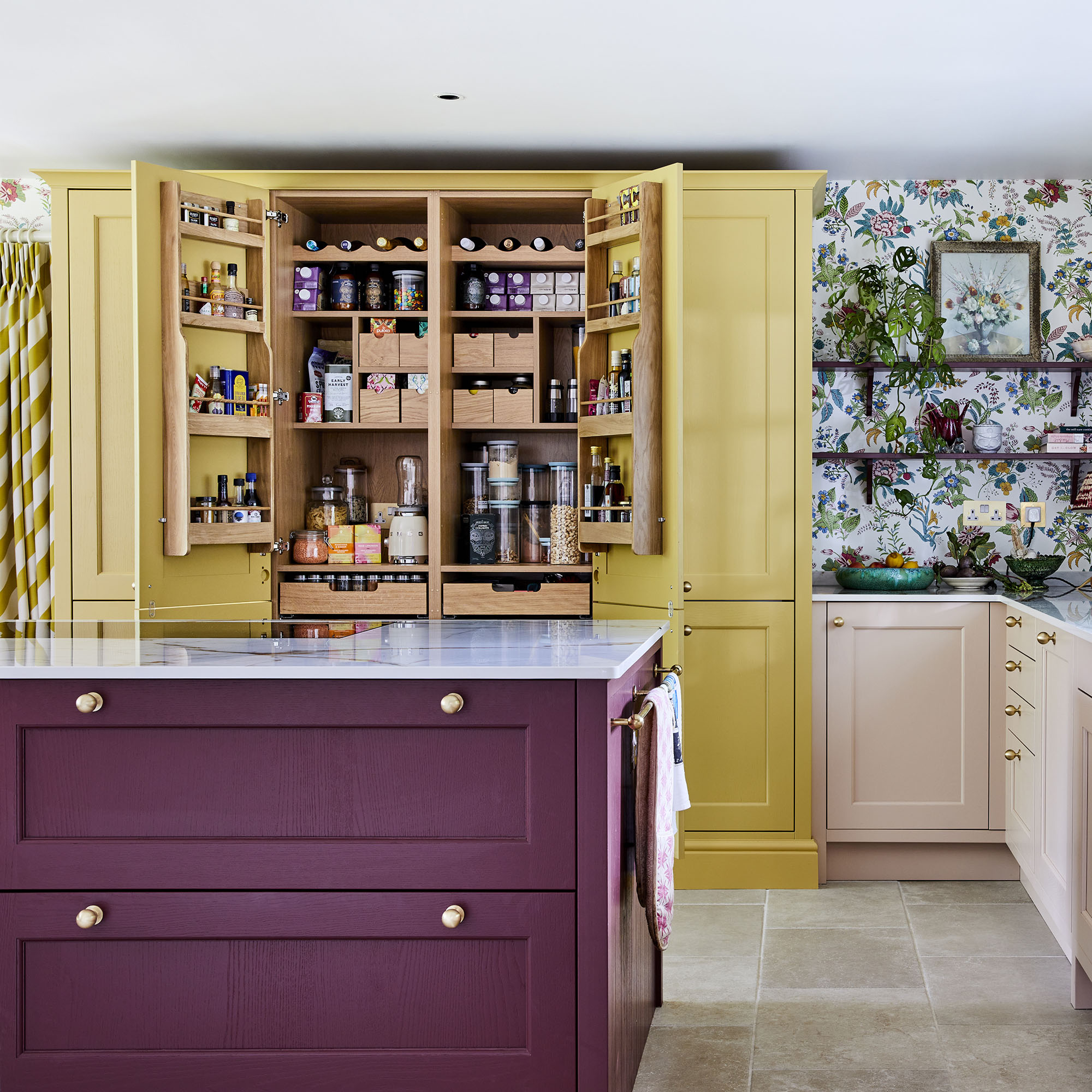

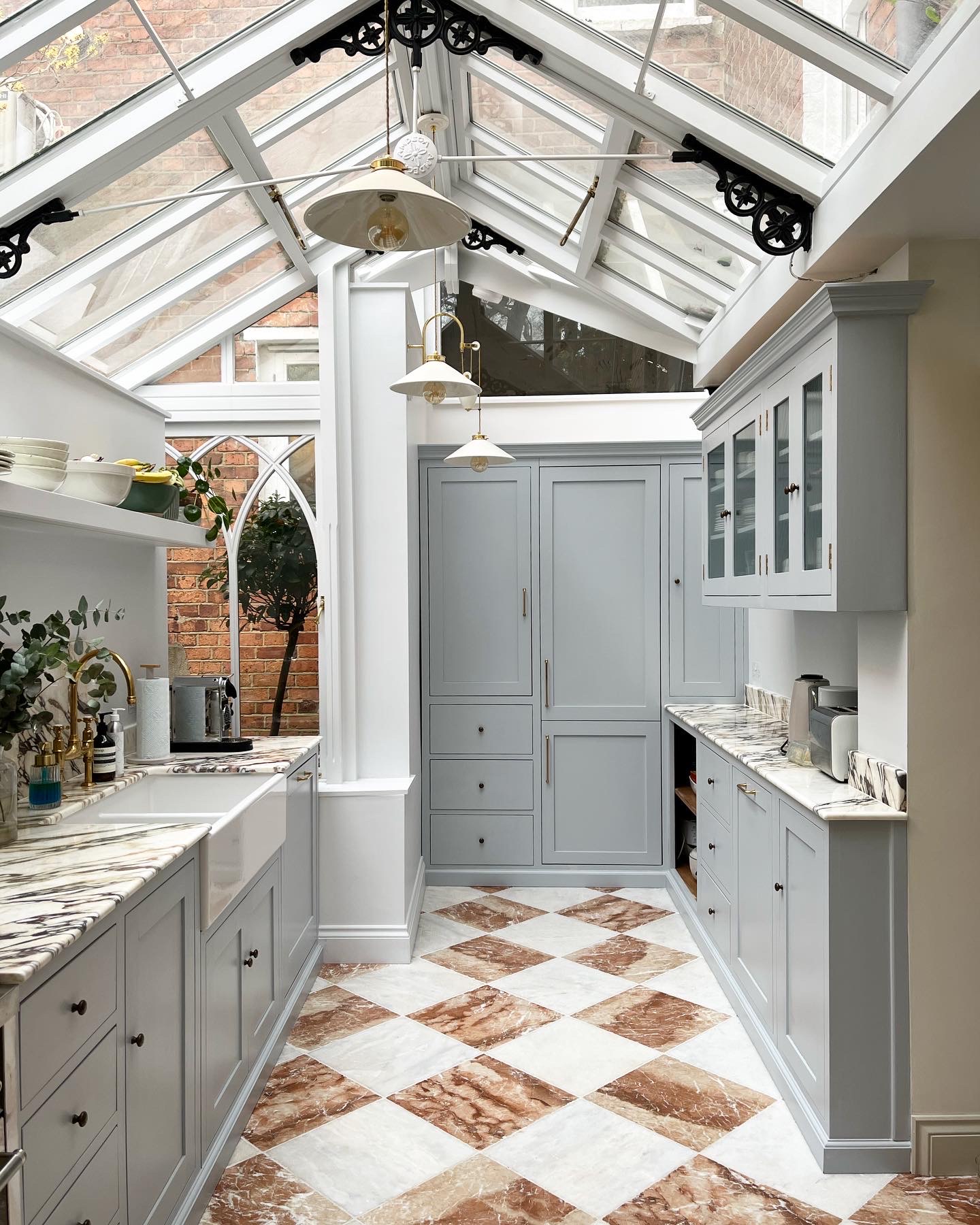
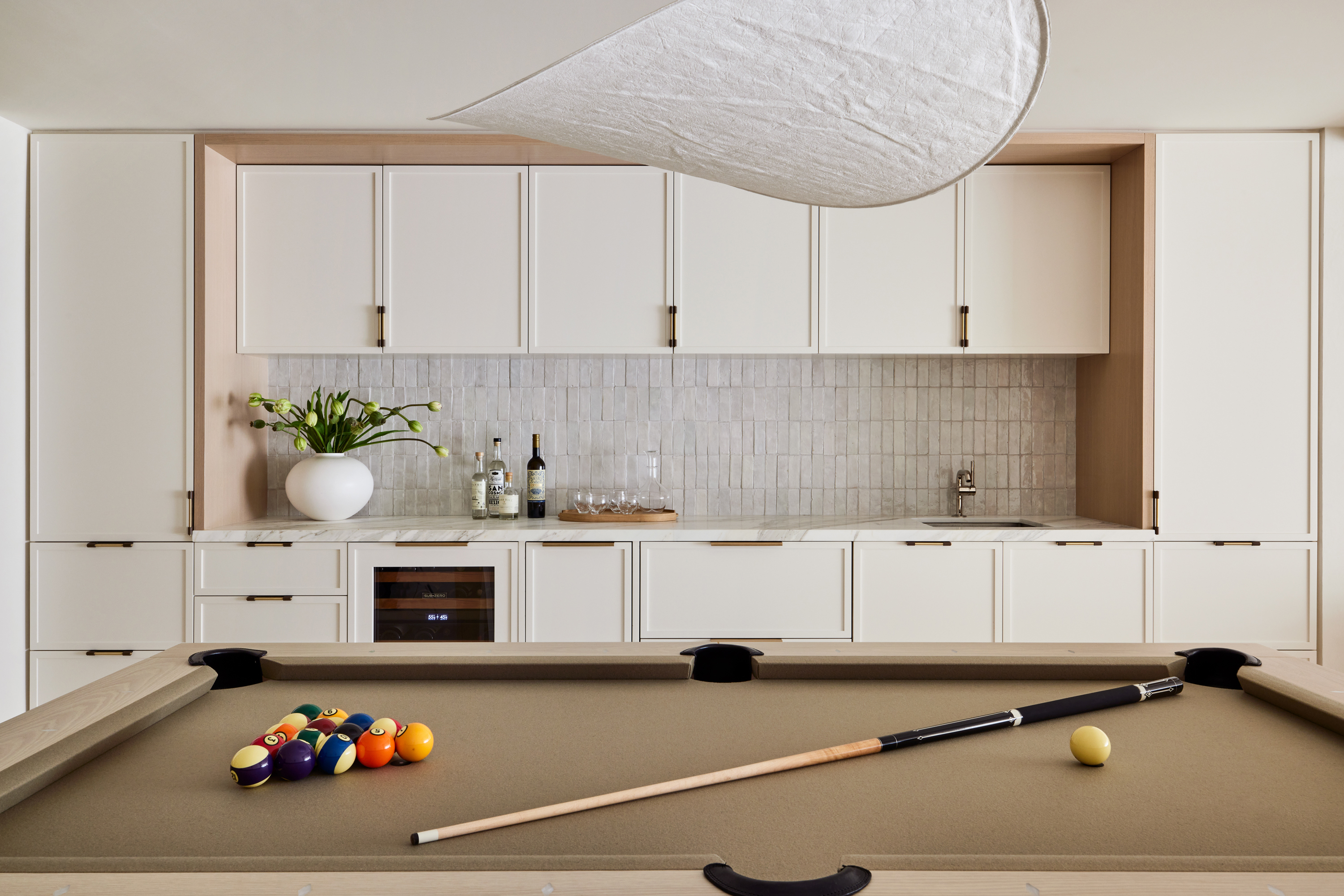
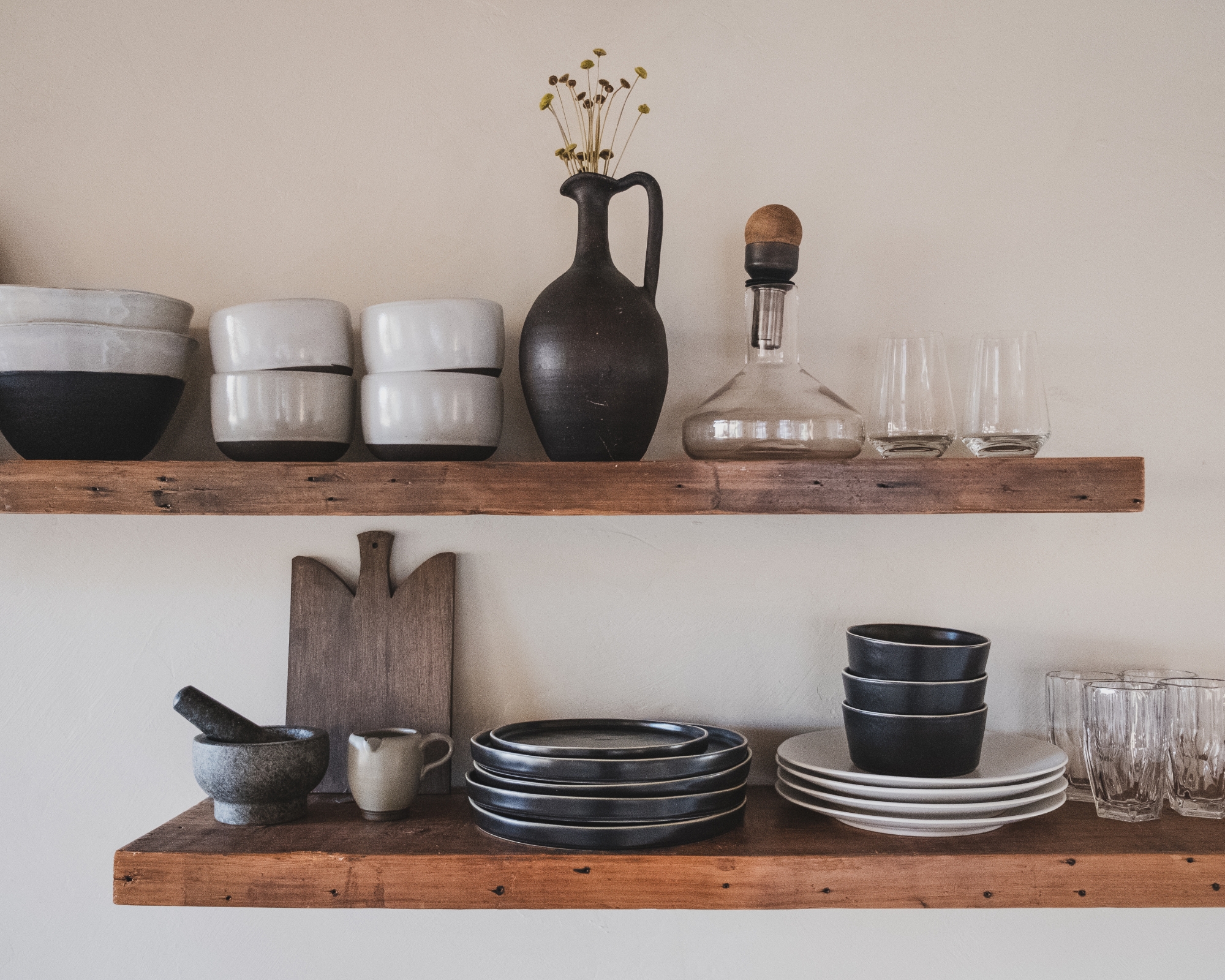
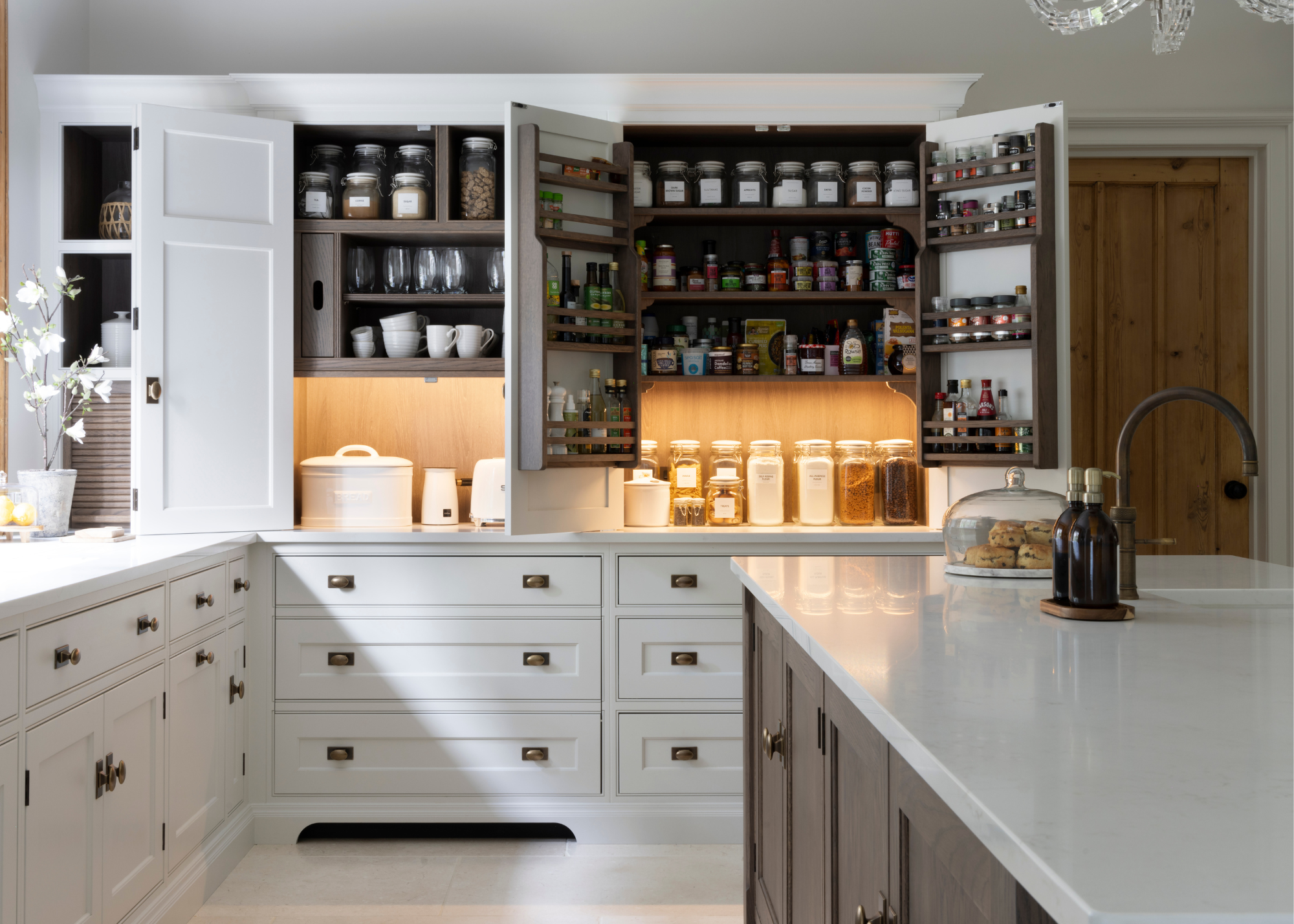
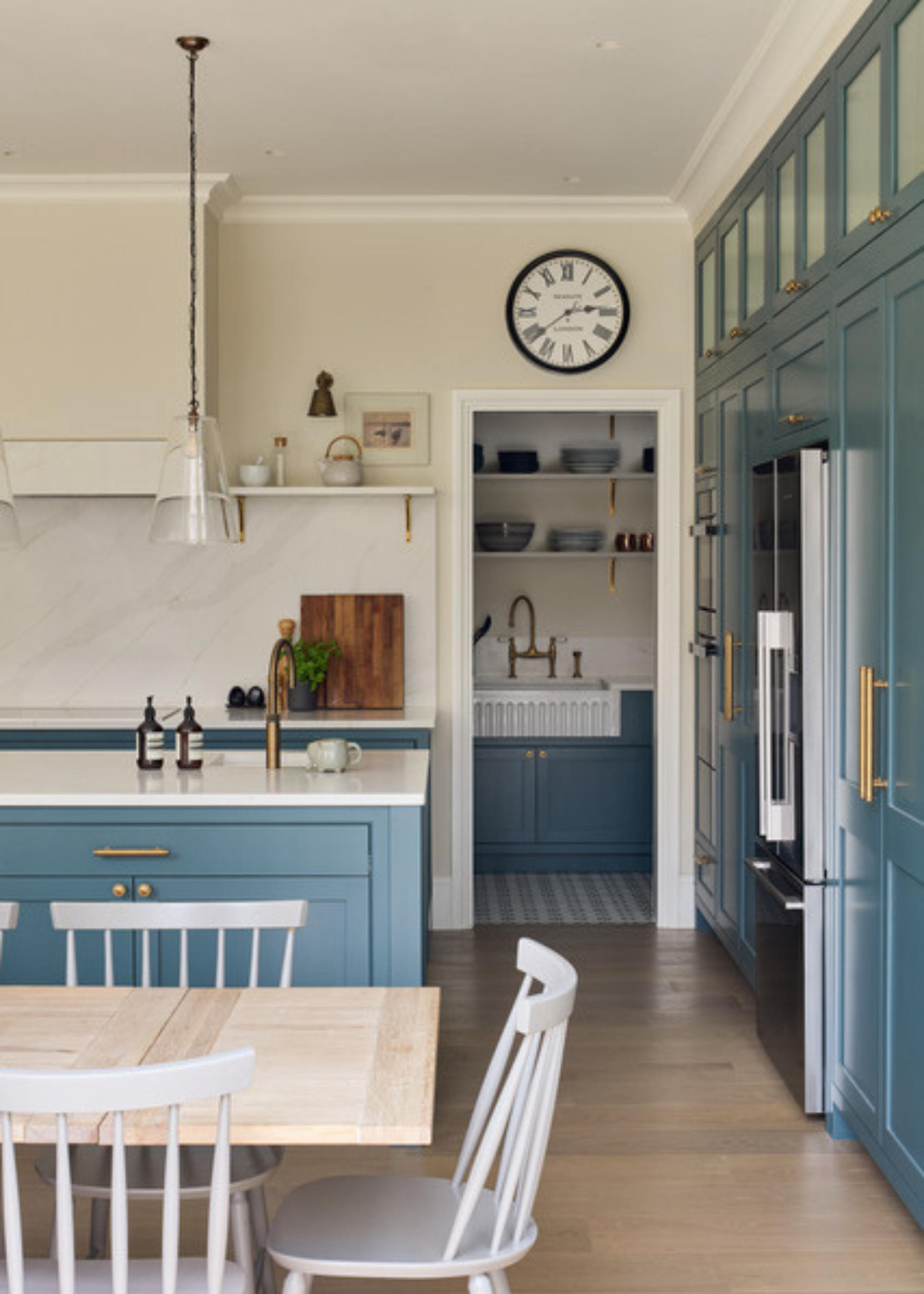
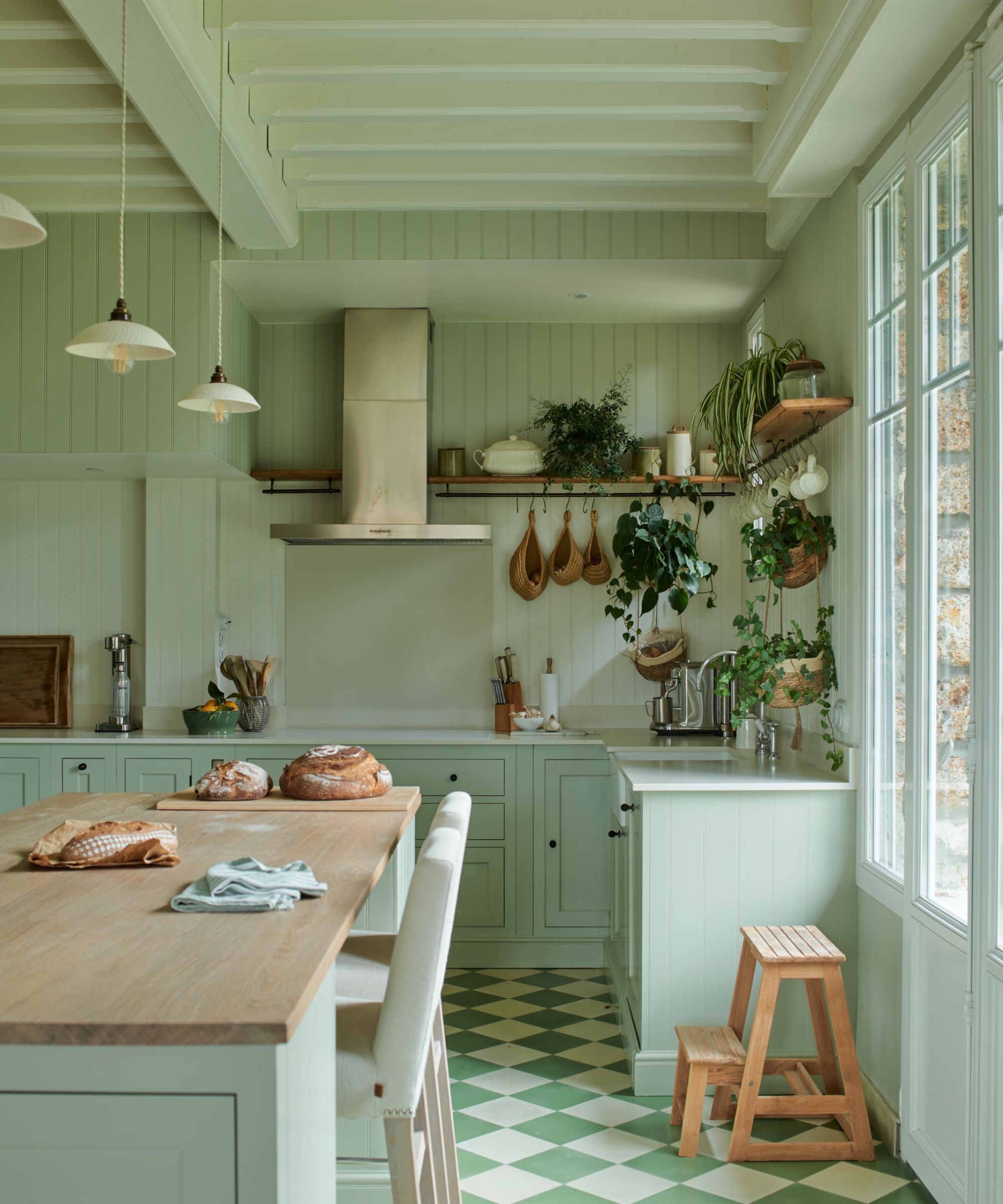
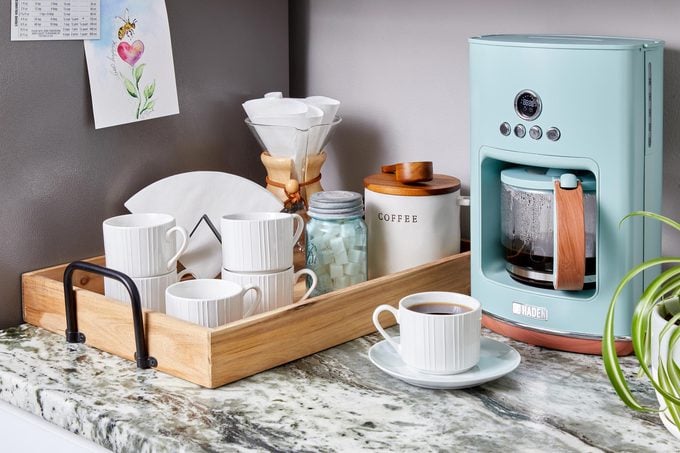
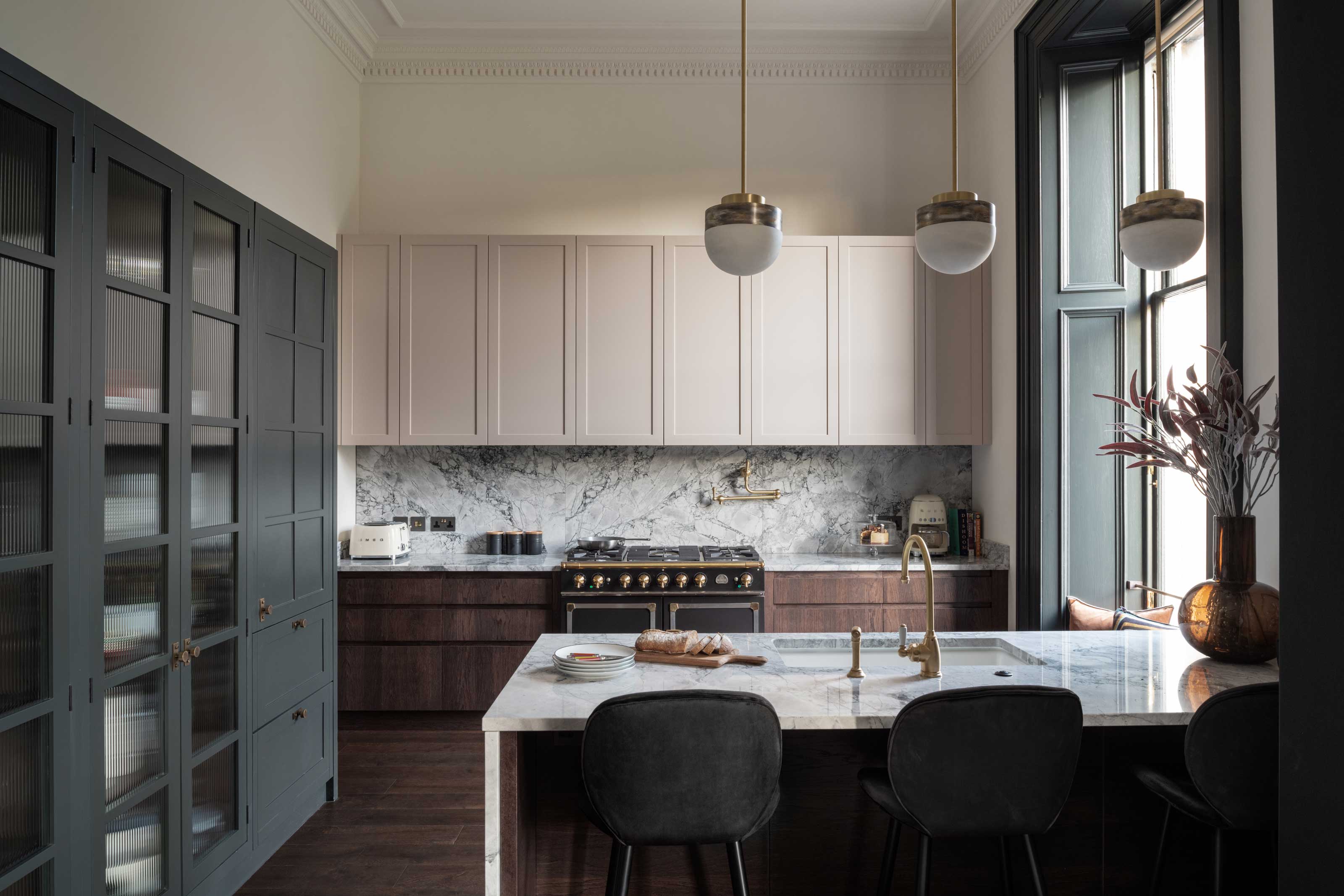
When a separate laundry room isn't feasible, integrating appliances behind built-in cupboard fronts and paneling is a viable solution. This method not only reduces noise but also contributes to a more cohesive and less industrial aesthetic in the kitchen. Checking the decibel noise rating of appliances, particularly dishwashers with their extended cycles, is also recommended. Smaller, noisier items like toasters, kettles, and coffee machines can be discreetly stored within cupboards or a pantry, with the surrounding wood acting as a natural sound dampener.
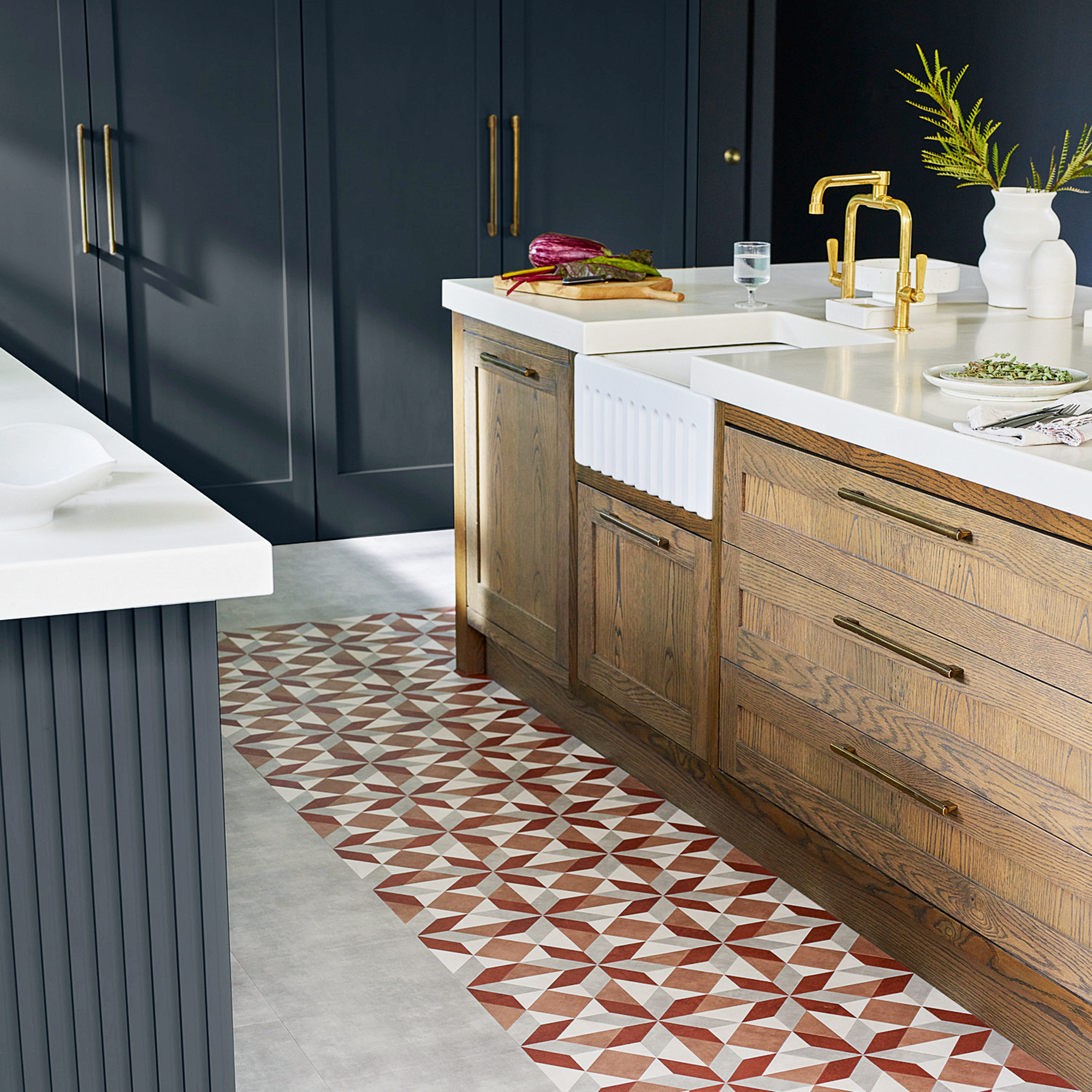
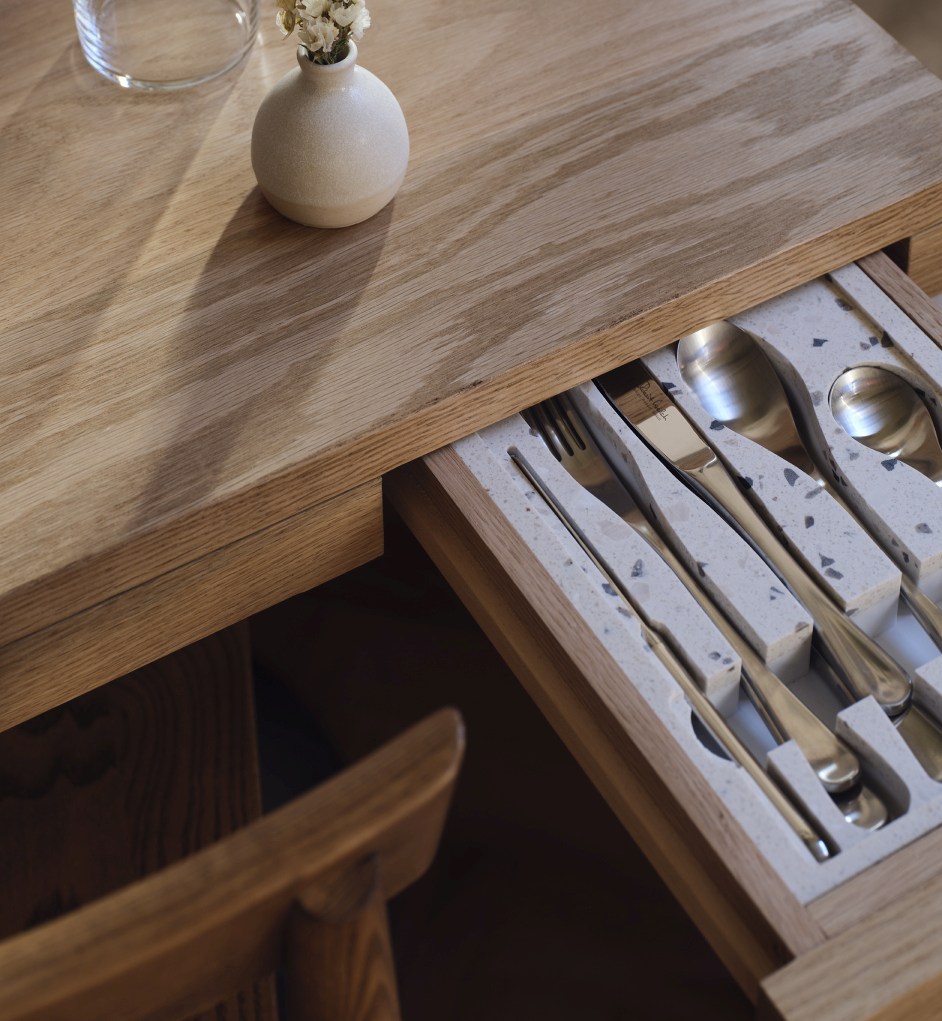
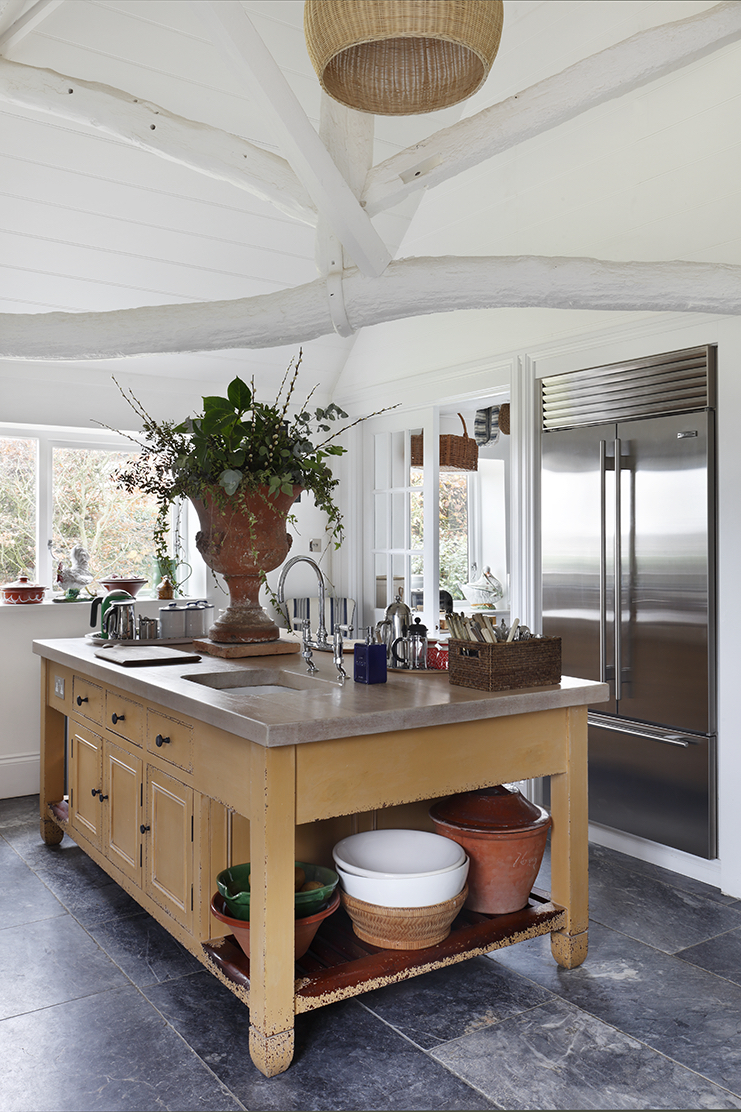
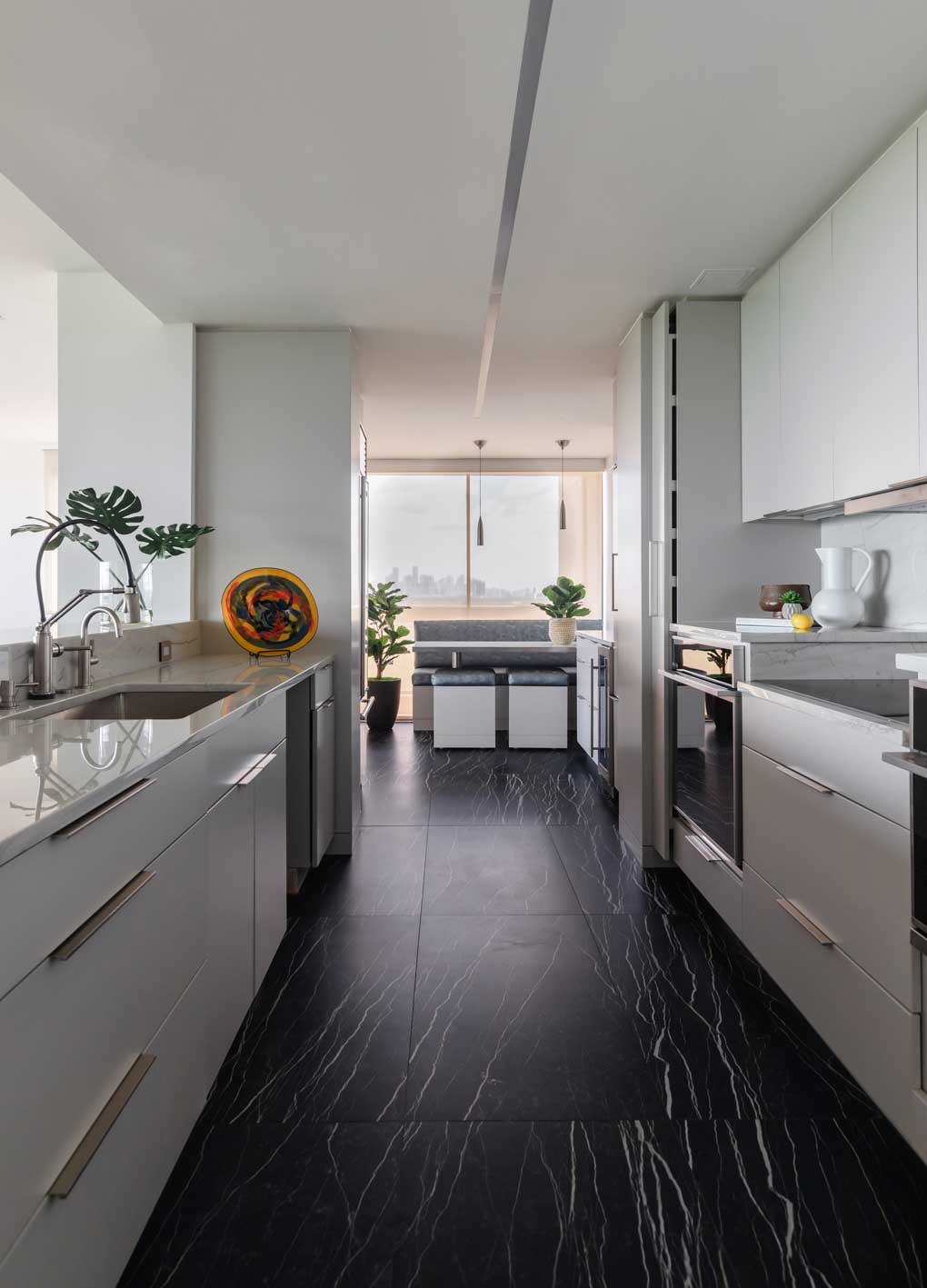
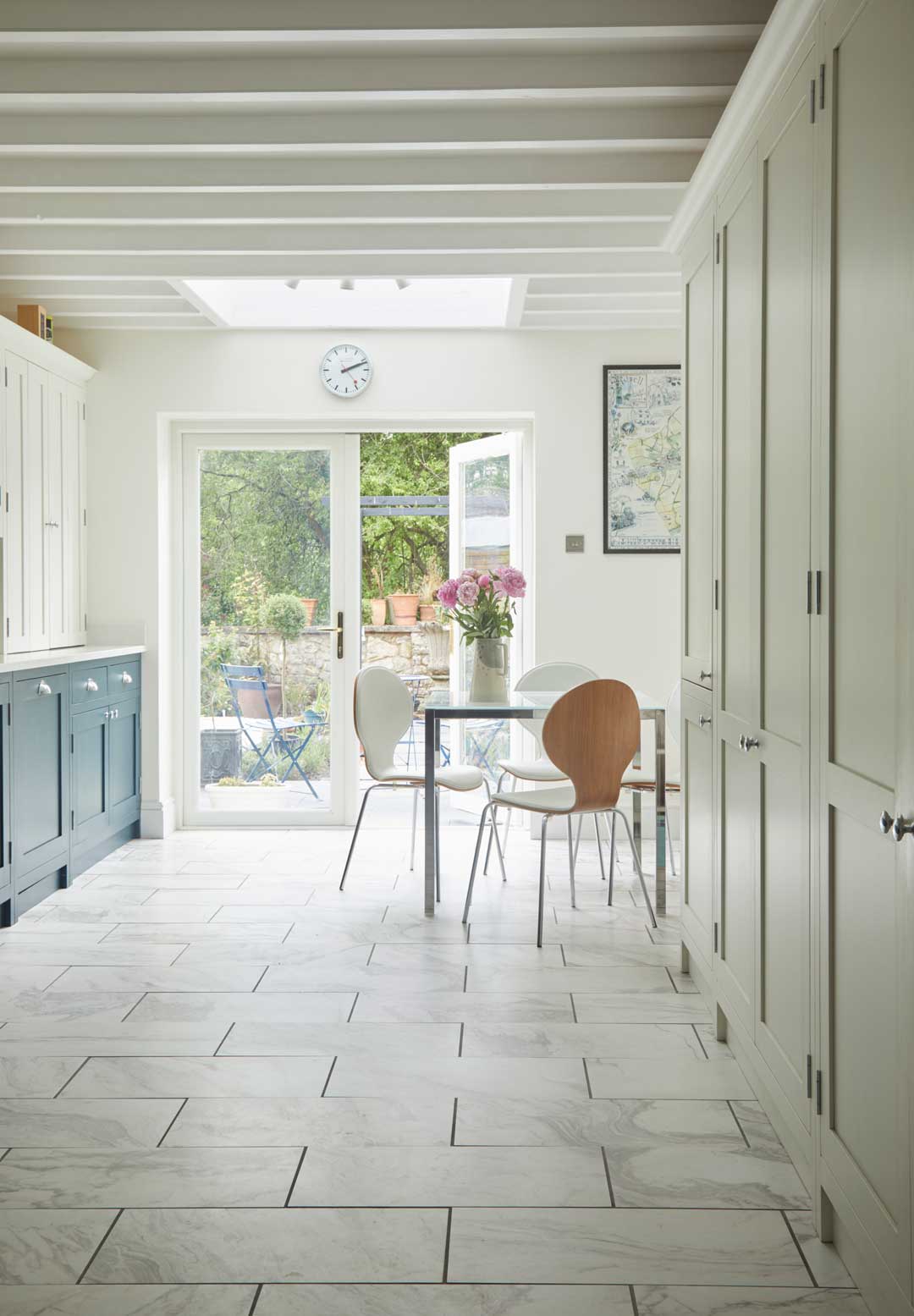
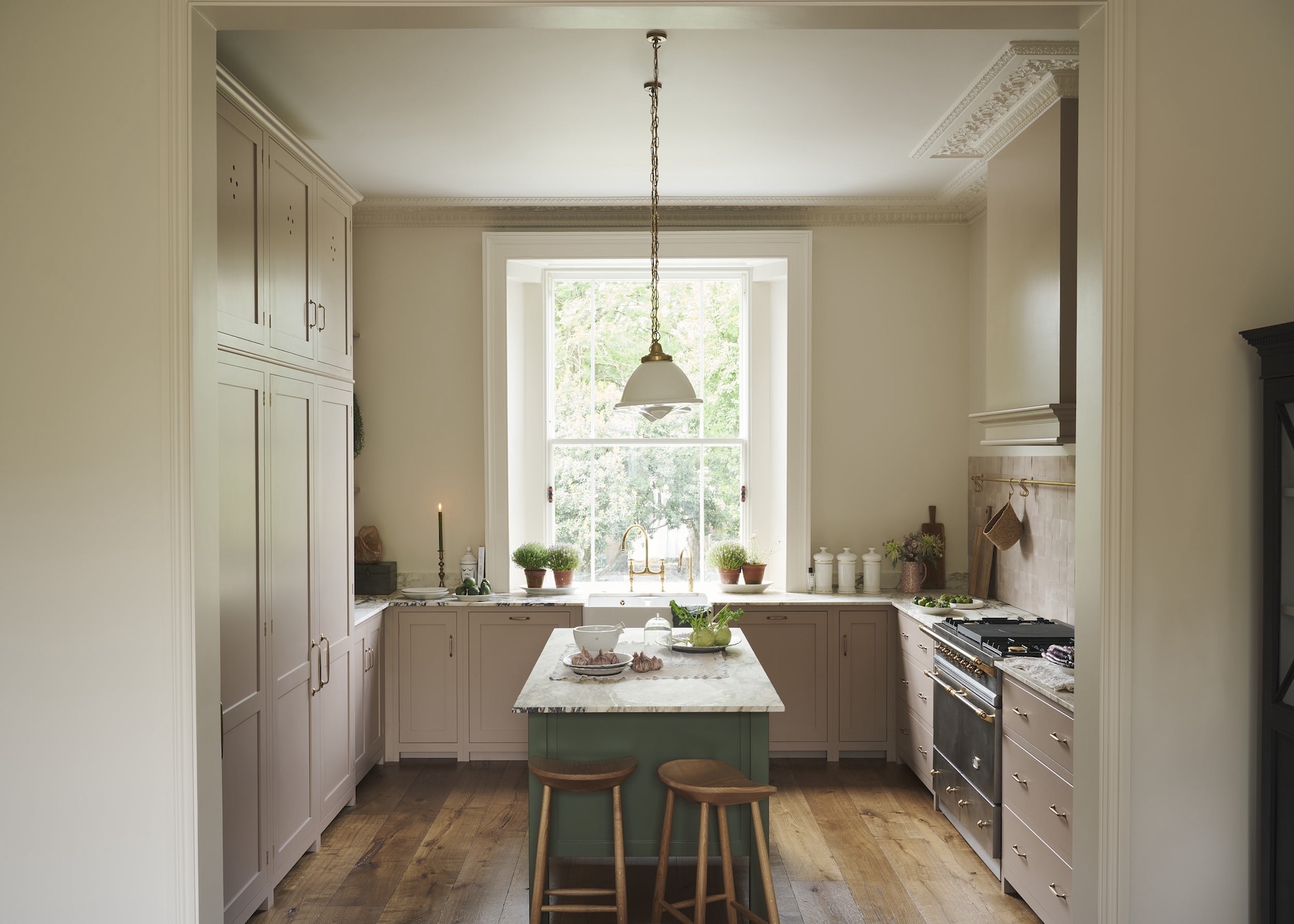
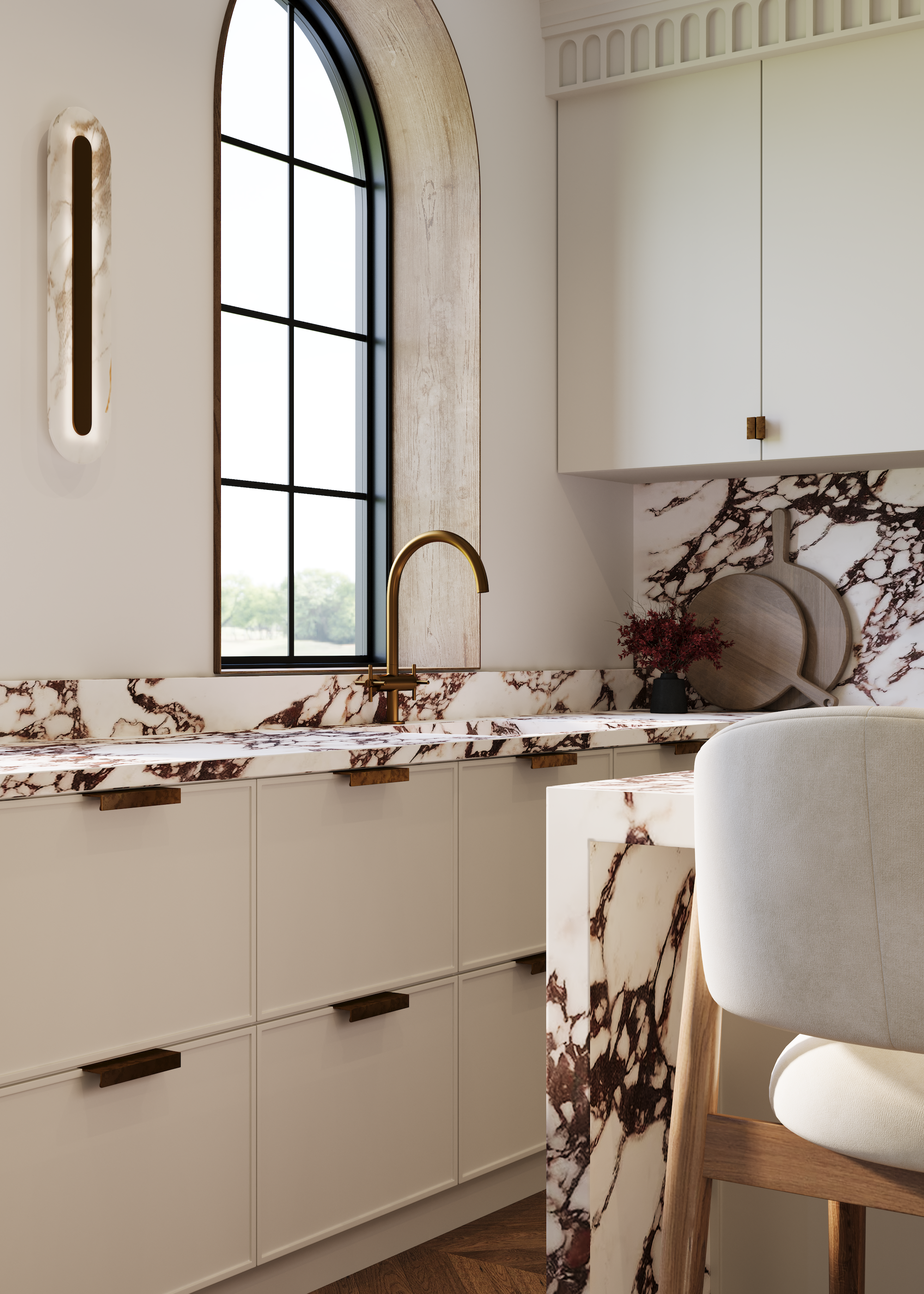
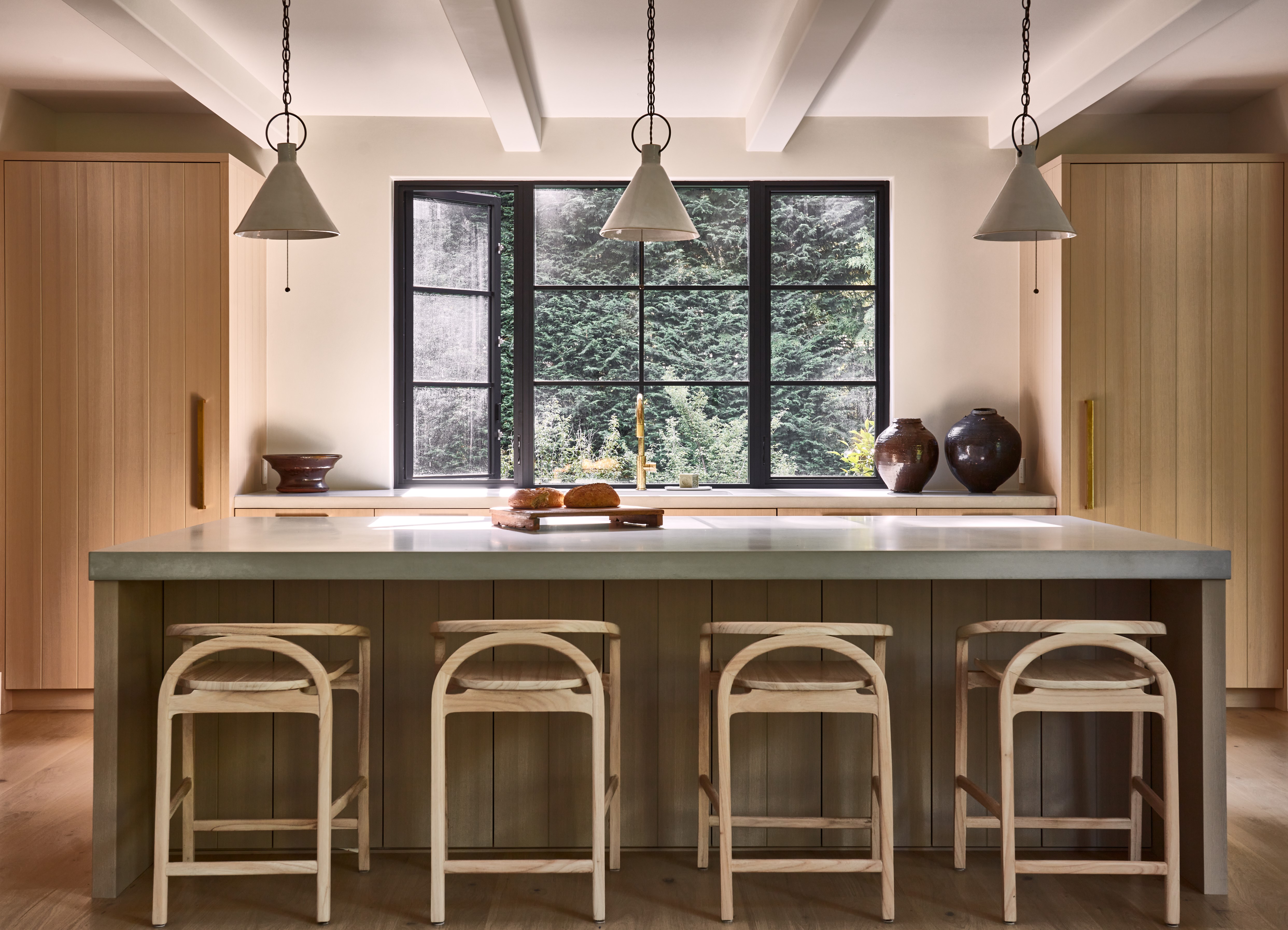
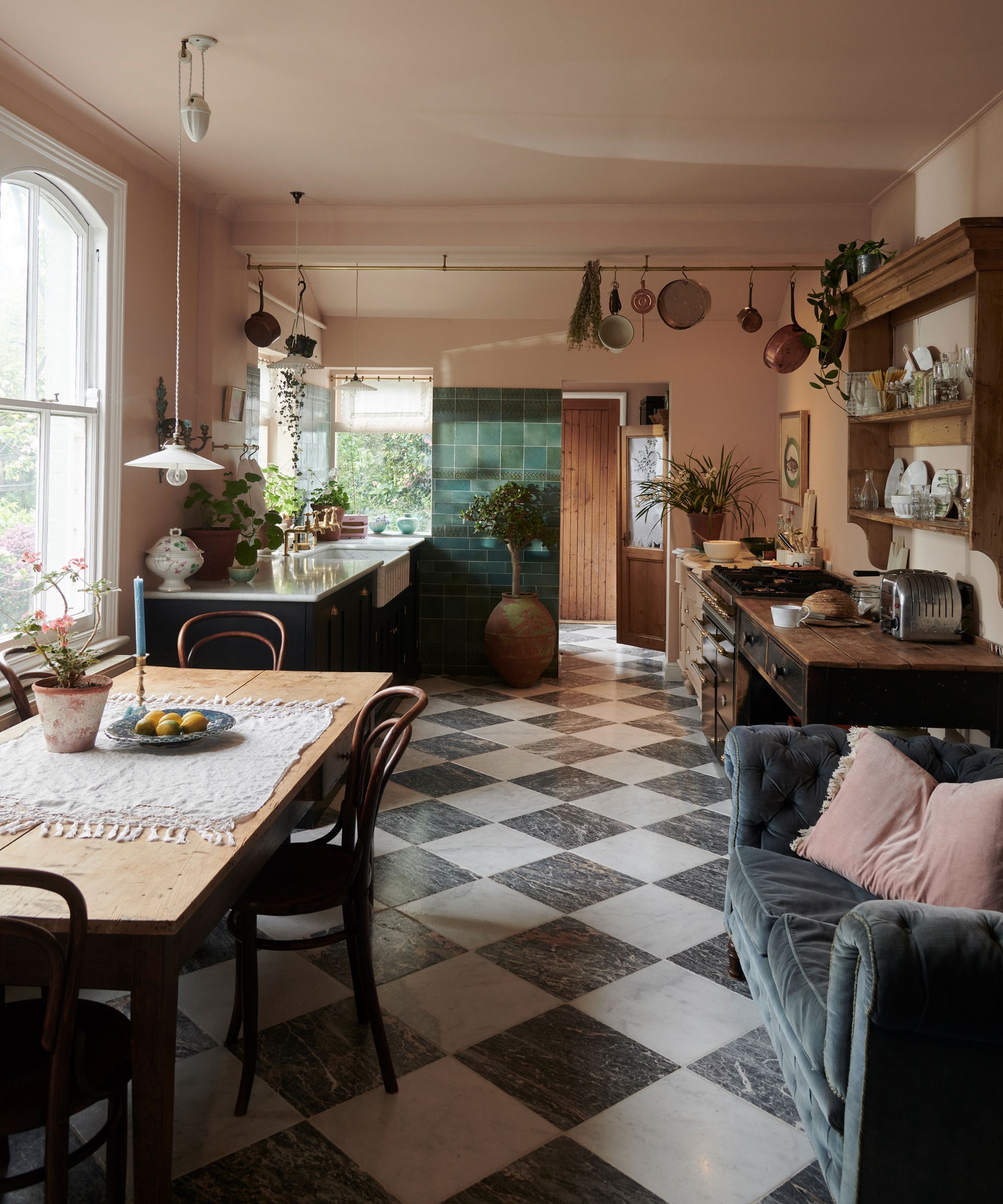
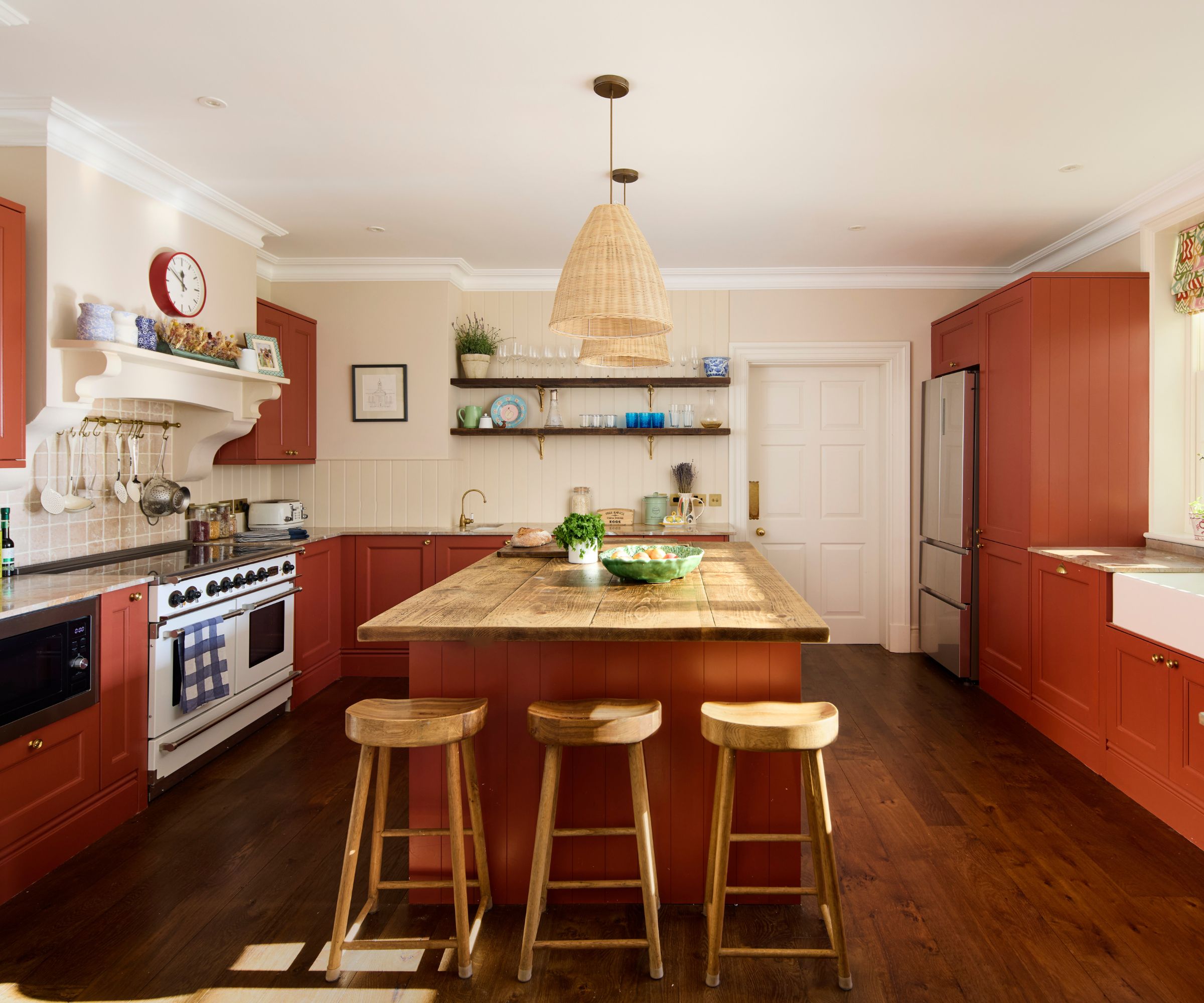
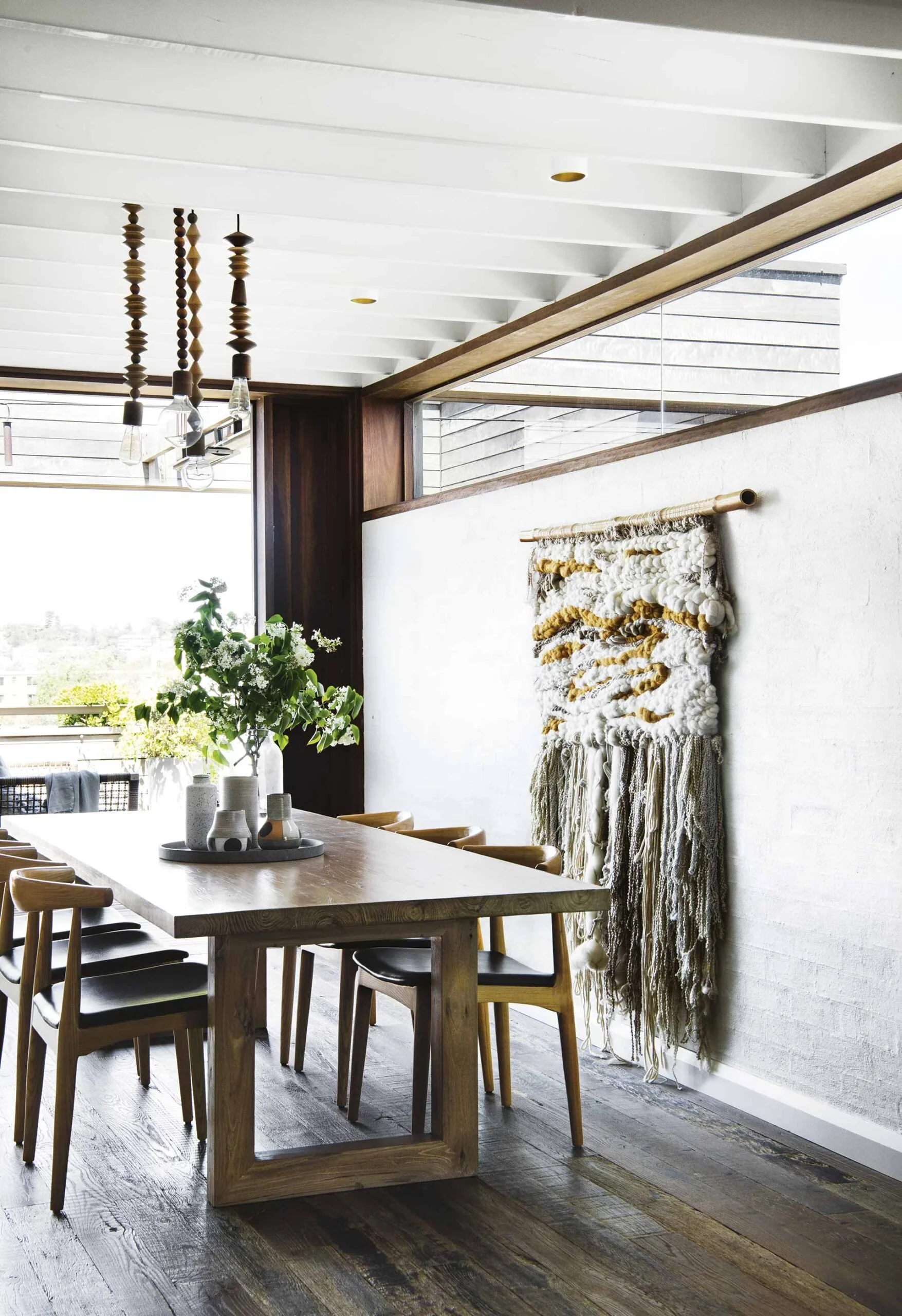
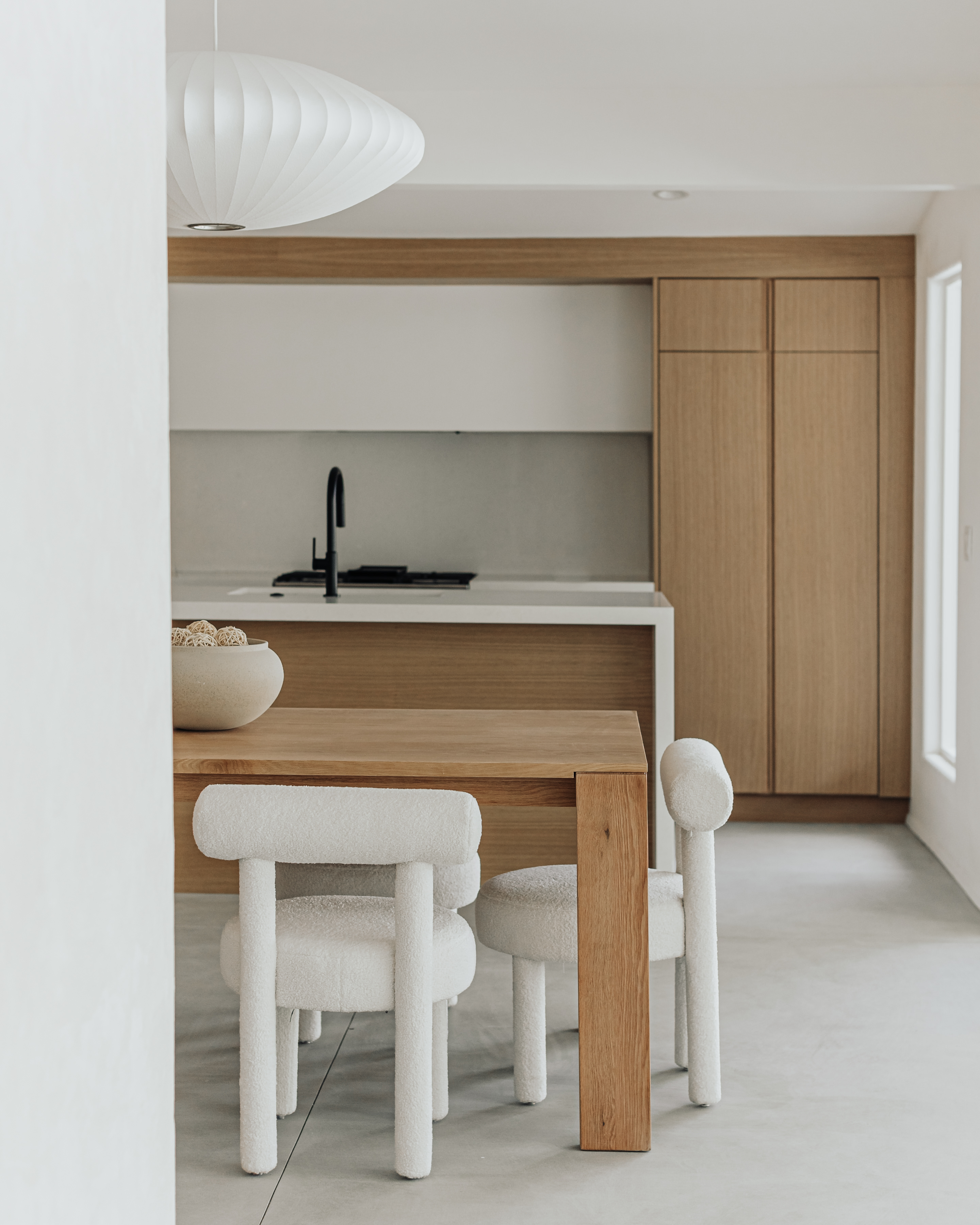
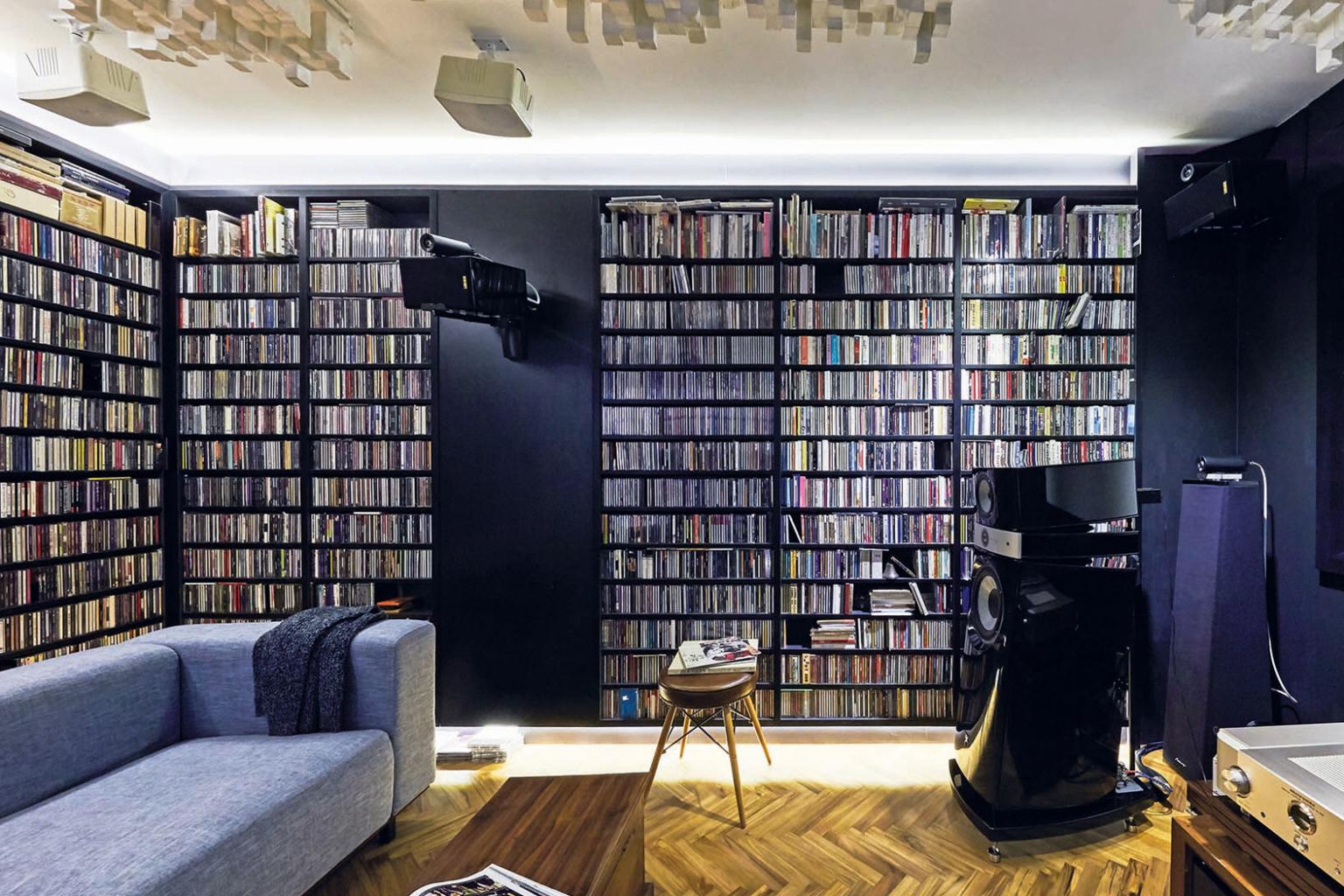
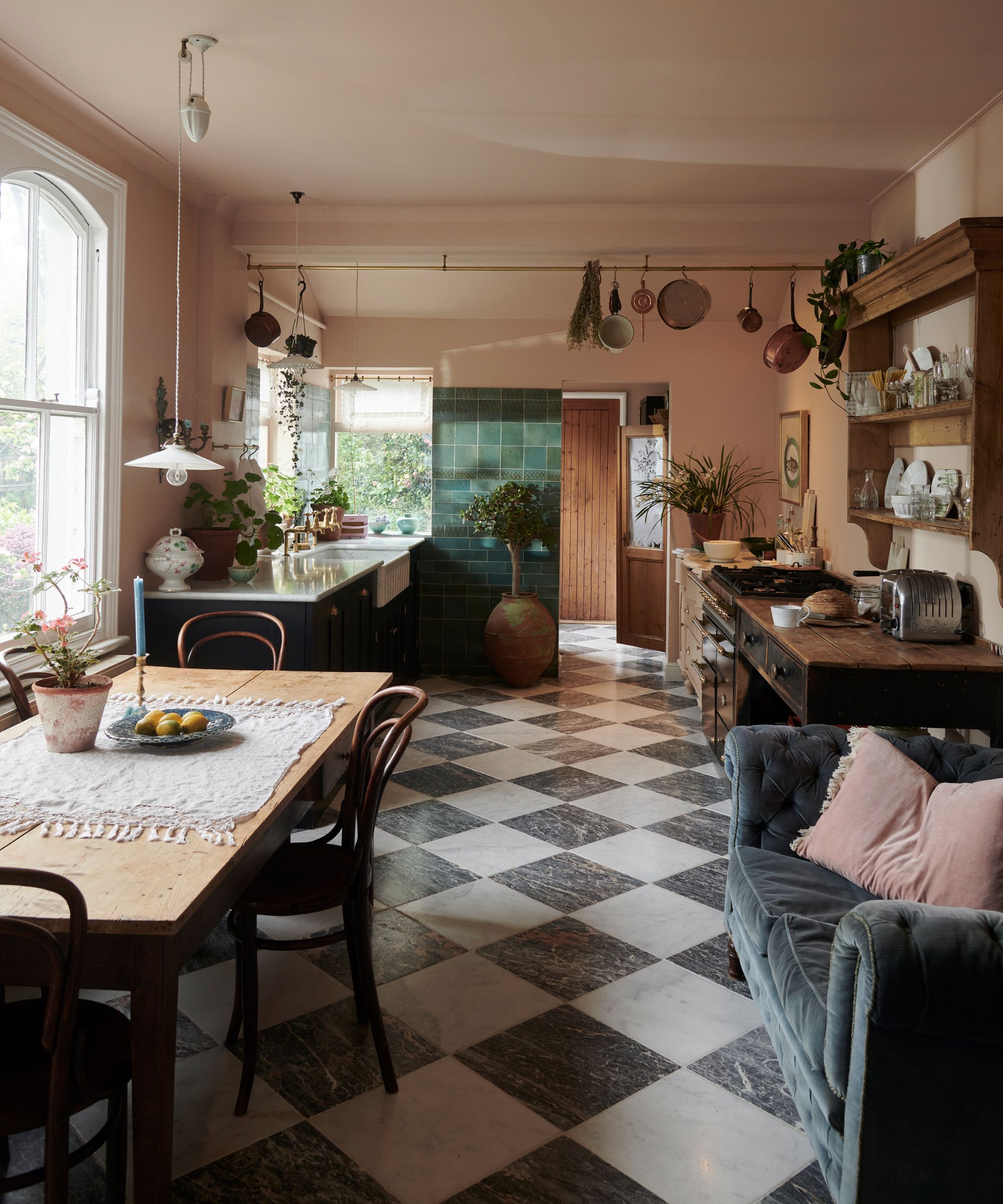
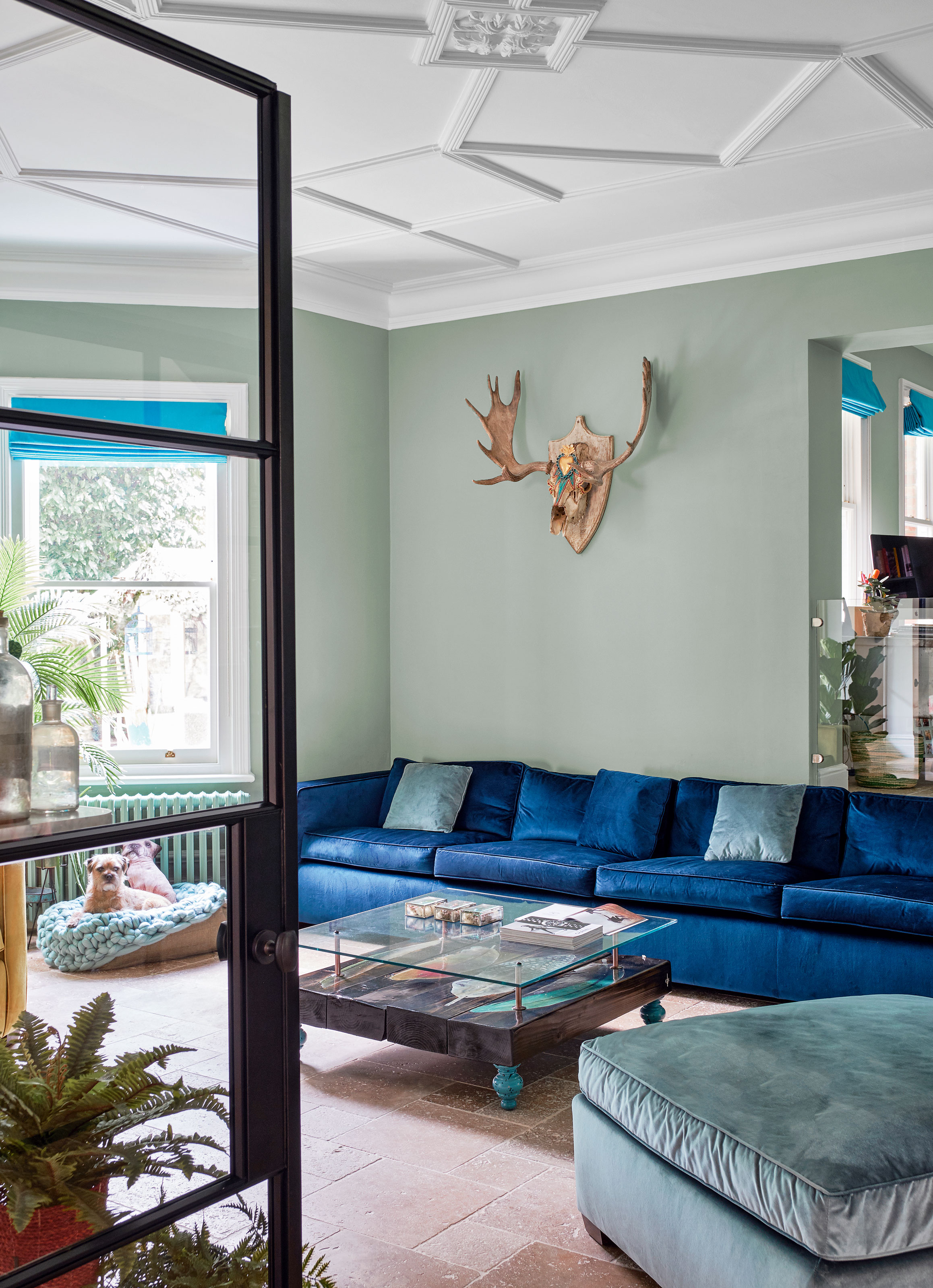
Material selection plays a crucial role in sound absorption. Hard surfaces like tiles and concrete tend to reflect sound, amplifying noise levels. Conversely, materials such as timber, rubber, and vinyl offer better sound insulation properties. Incorporating acoustically absorbent materials, like cork finishes on walls, can significantly reduce sound waves. Designers often draw inspiration from busy commercial spaces, opting for a mix of materials, such as wooden tables over metal or glass, and wooden floors over tiled ones, to improve sound acoustics.
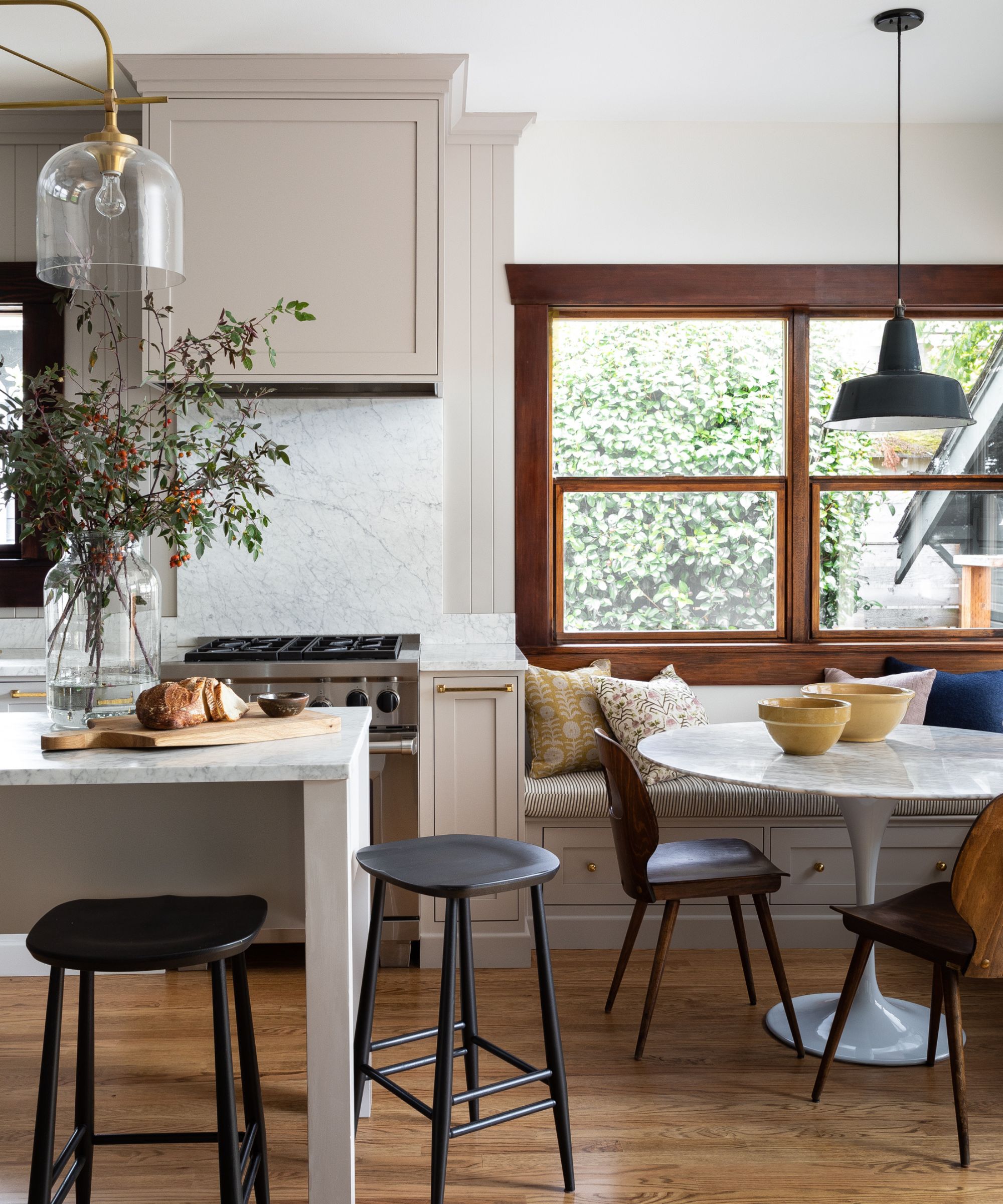
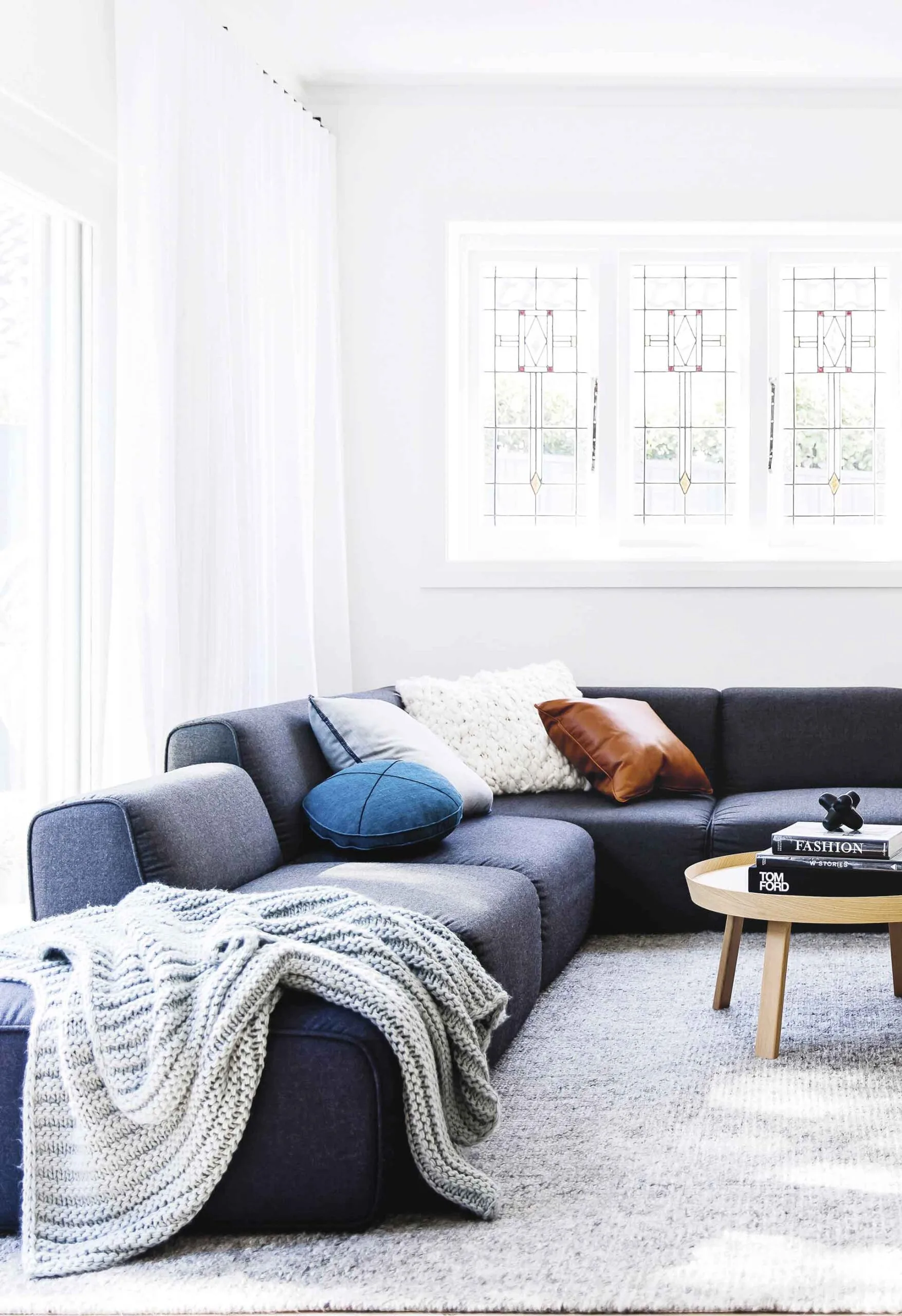
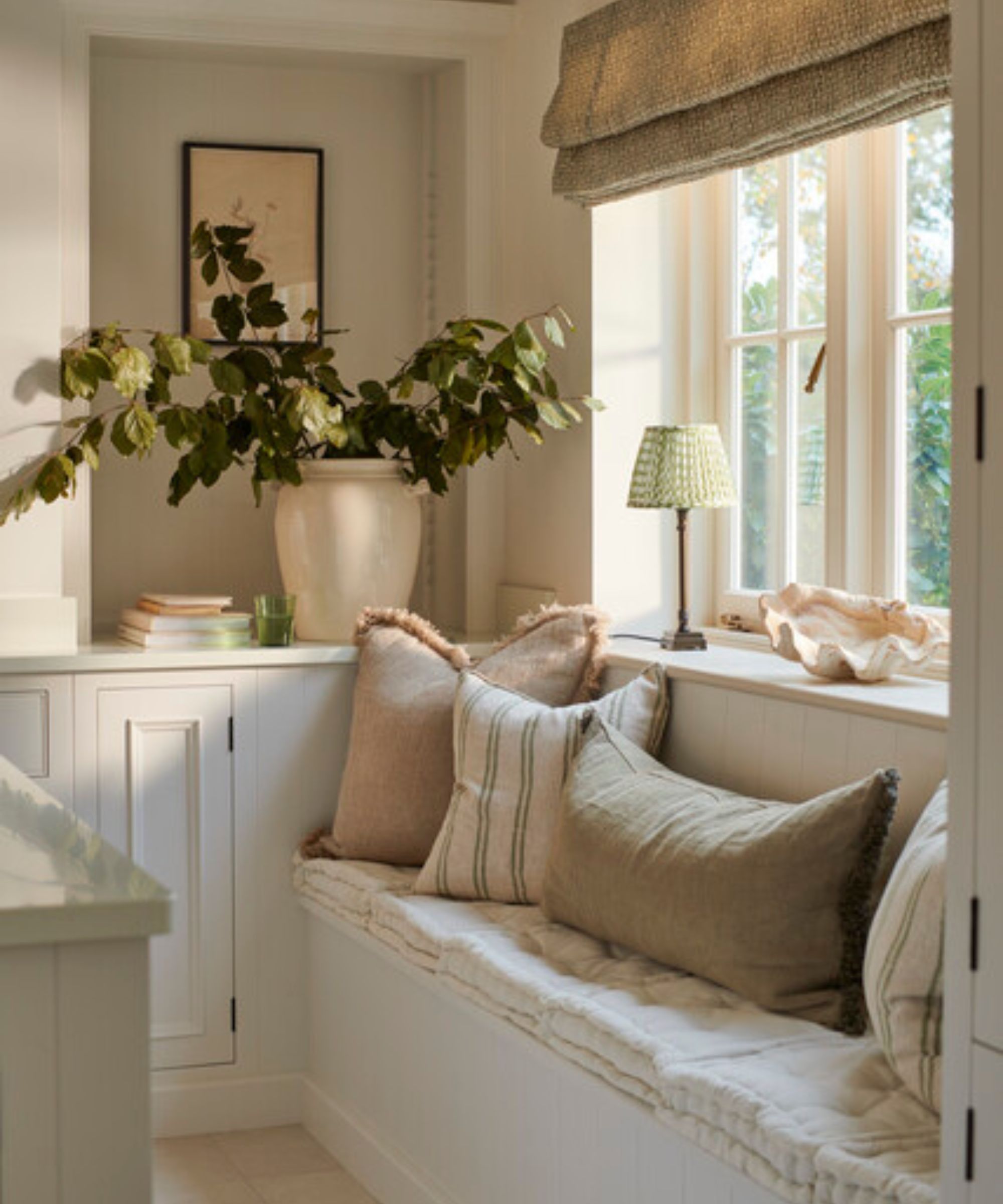
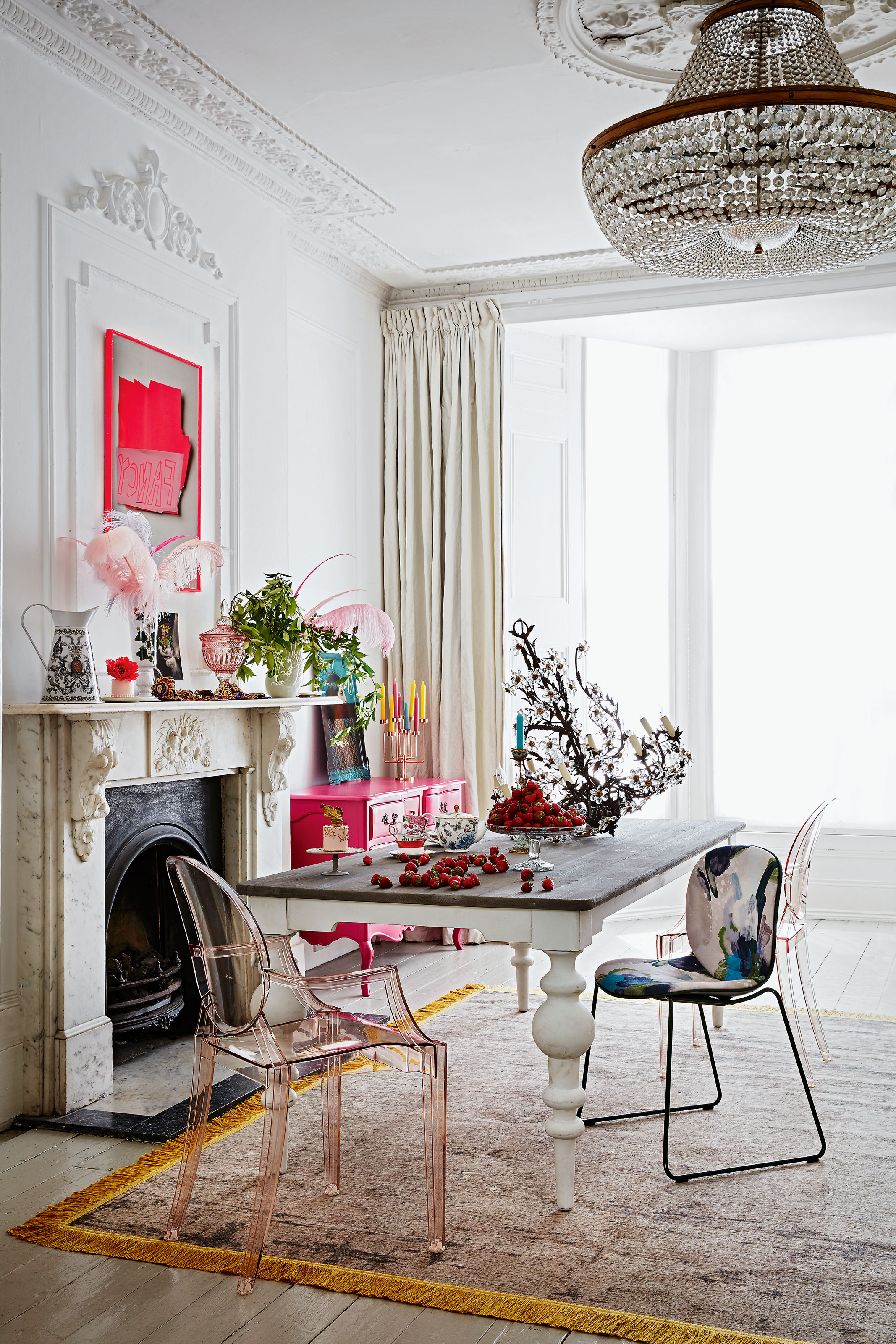
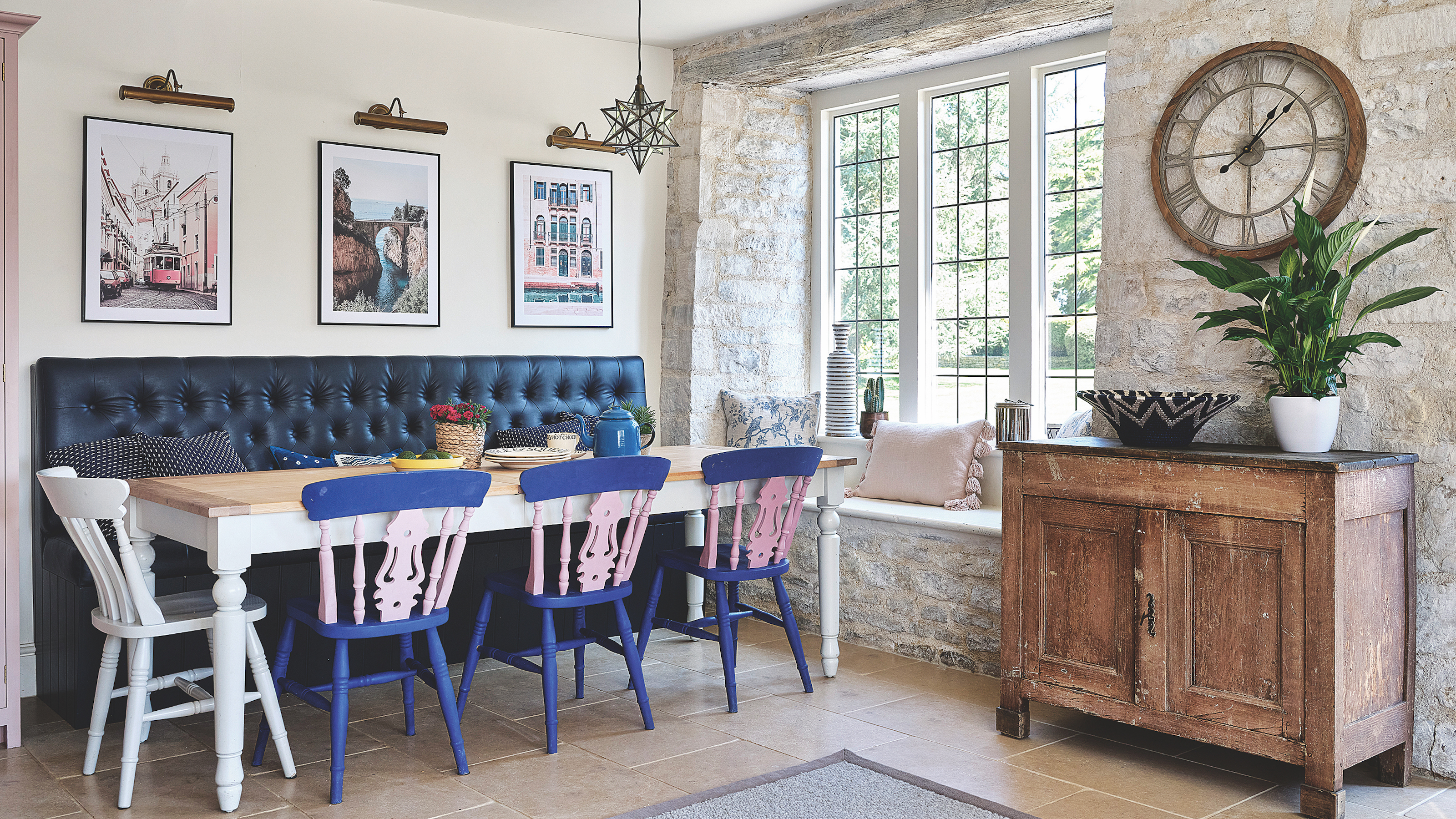
Adding fabric finishes is another method to enhance sound insulation. While care must be taken to position these away from cooking areas to prevent splashes, items like fabric window treatments, rugs, and runners can effectively absorb sound. Built-in banquette seating with upholstered elements offers a dual benefit: it reduces sound reverberation and provides a practical, aesthetically pleasing dining solution in open-plan kitchen-diners.
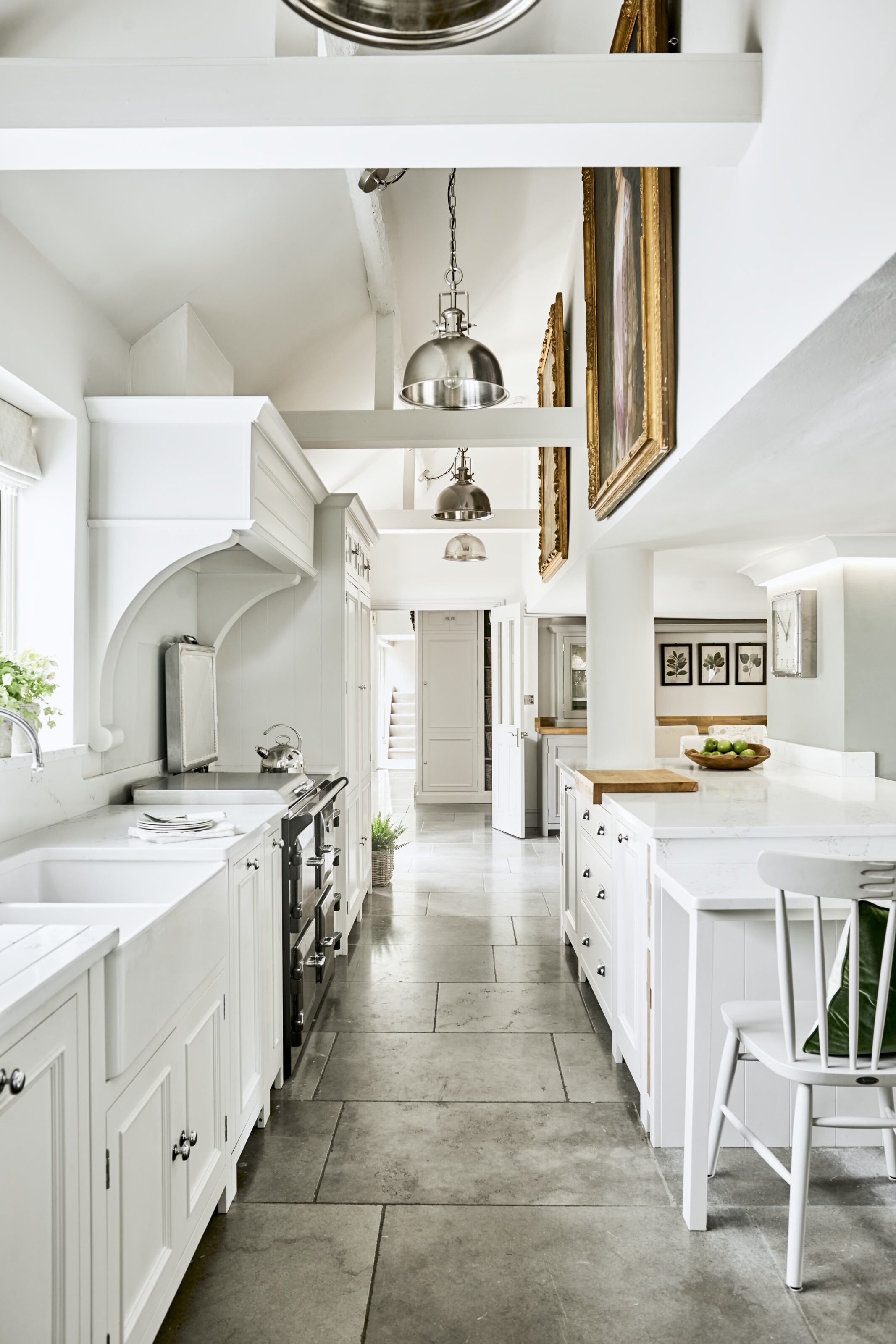
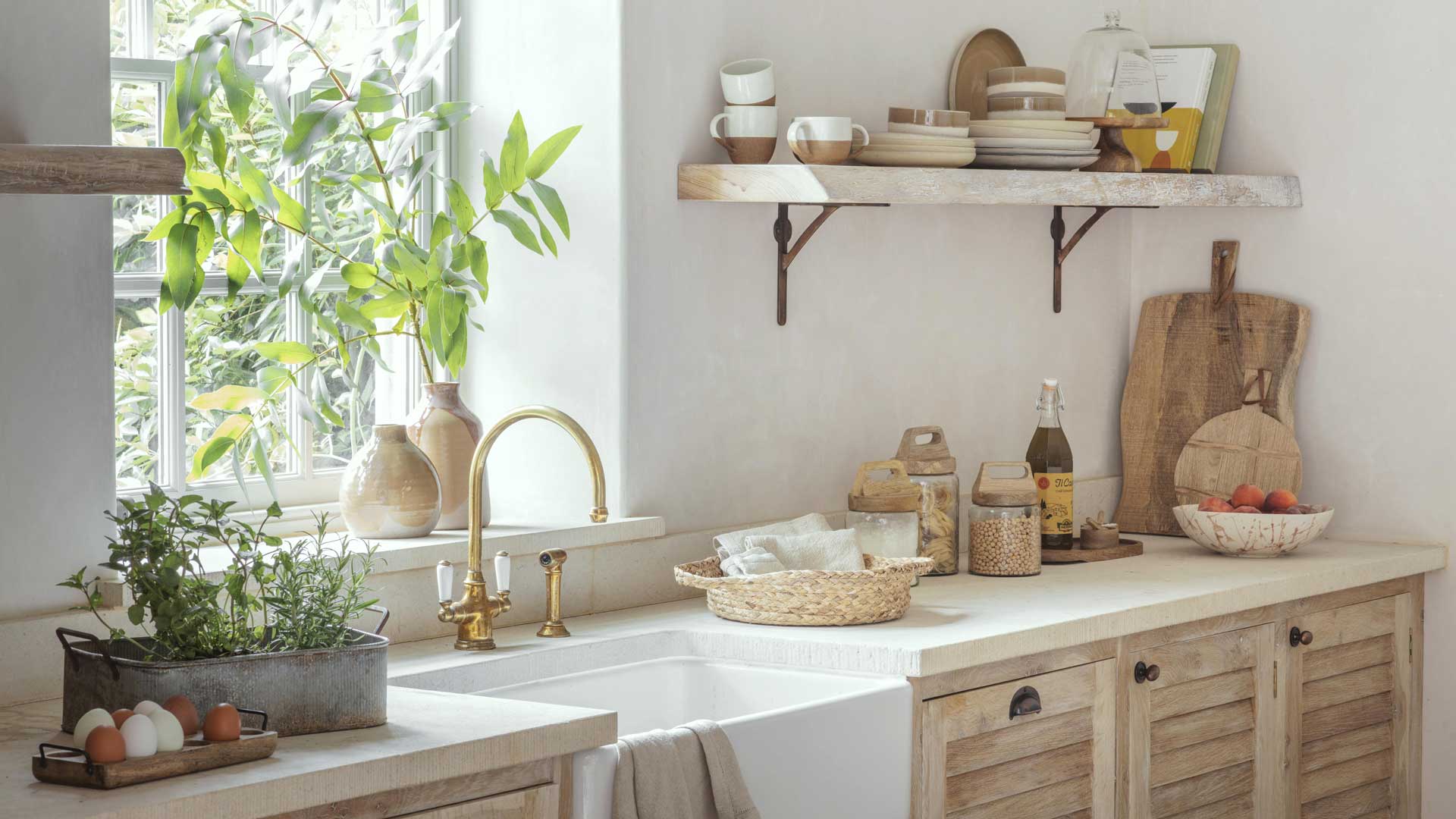
Internal glazing provides a way to maintain visual connectivity and natural light flow in an open-plan layout while mitigating noise. Double-glazed acoustic glass, in particular, offers superior soundproofing. Pocket doors are another flexible option, sliding into walls when not needed, allowing for both open and enclosed spaces. Finally, the choice of kitchen sink can impact noise levels. Ceramic fireclay sinks are naturally quieter than their stainless steel counterparts, and using a sink grid can further minimize the clang of pots and pans, contributing to a more peaceful kitchen environment.
#KitchenDesign #NoiseReduction #OpenPlanLiving #InteriorDesign #HomeImprovement #AcousticSolutions #AppliancePlacement #MaterialSelection #KitchenDesign #NoiseReduction #OpenPlanLiving #InteriorDesign #HomeImprovement #AcousticSolutions #AppliancePlacement #MaterialSelection
合計0件のコメント
 まだコメントはありません
あなたも好きかもしれません
How to soundproof your kitchen and stop noisy appliances disturbing your peace
10 Quiet Luxury Kitchen Ideas for Understated Elegance
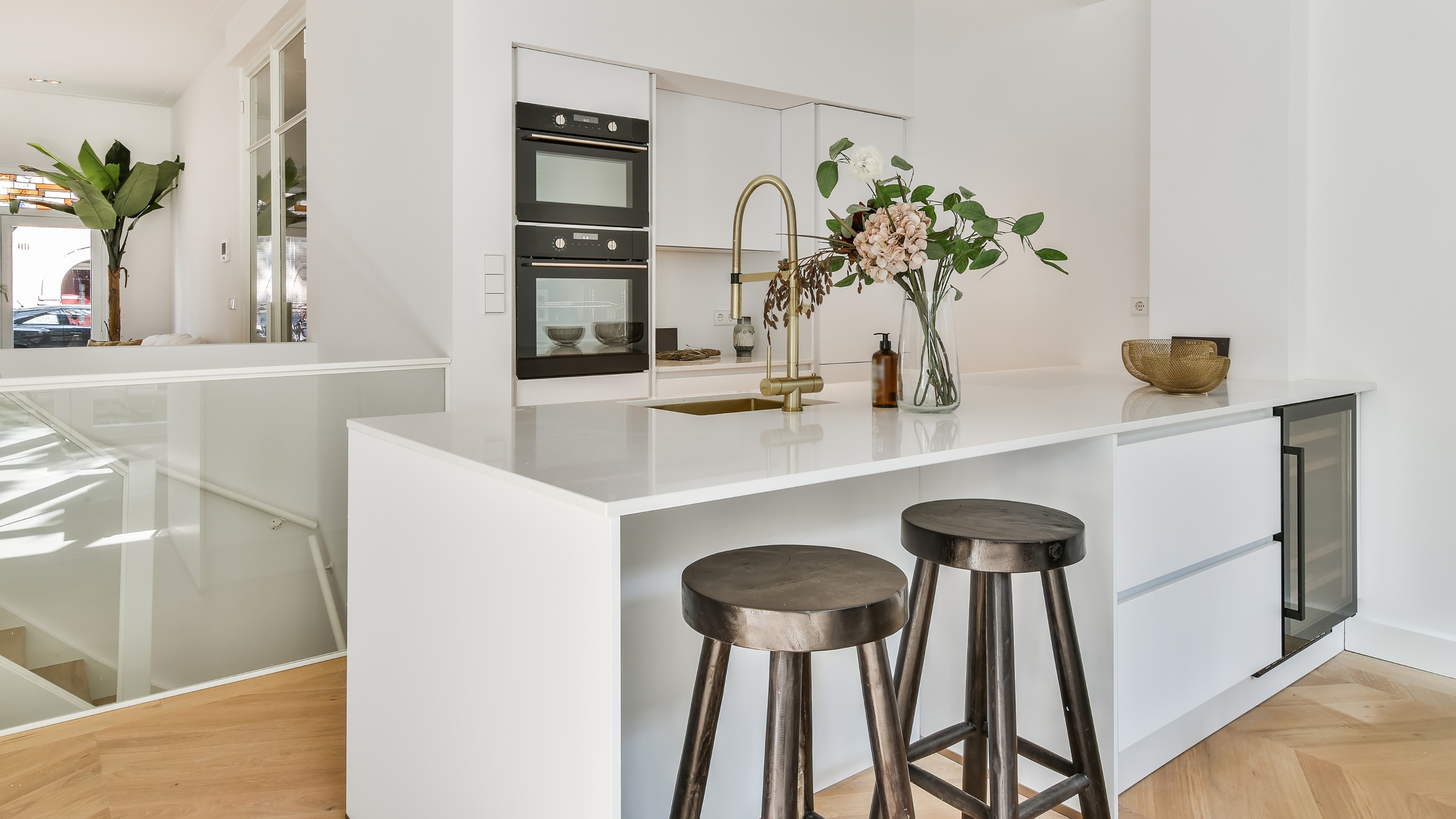
10 ways to declutter a small kitchen

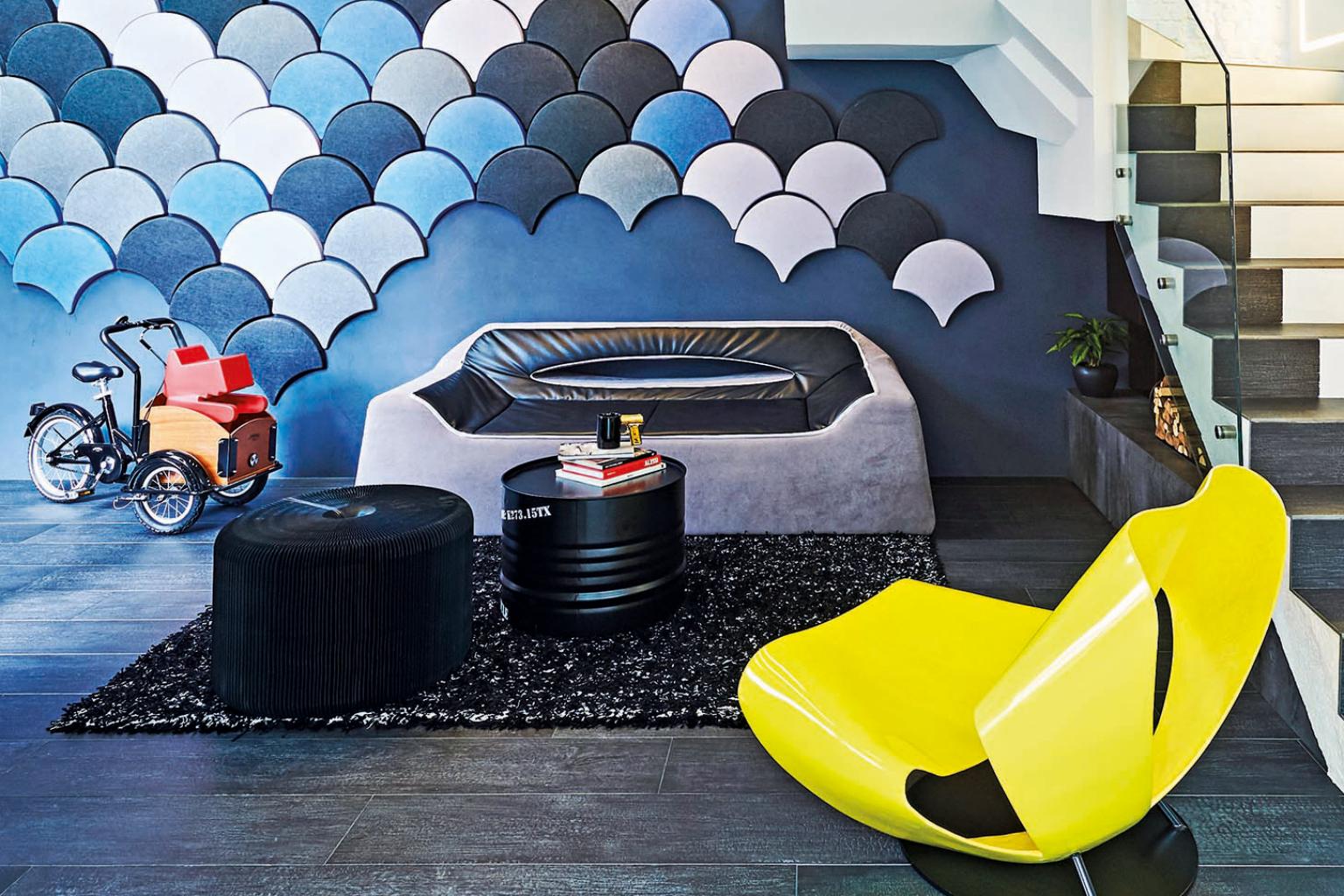
Soundproofing, proper acoustic treatment vital for a home

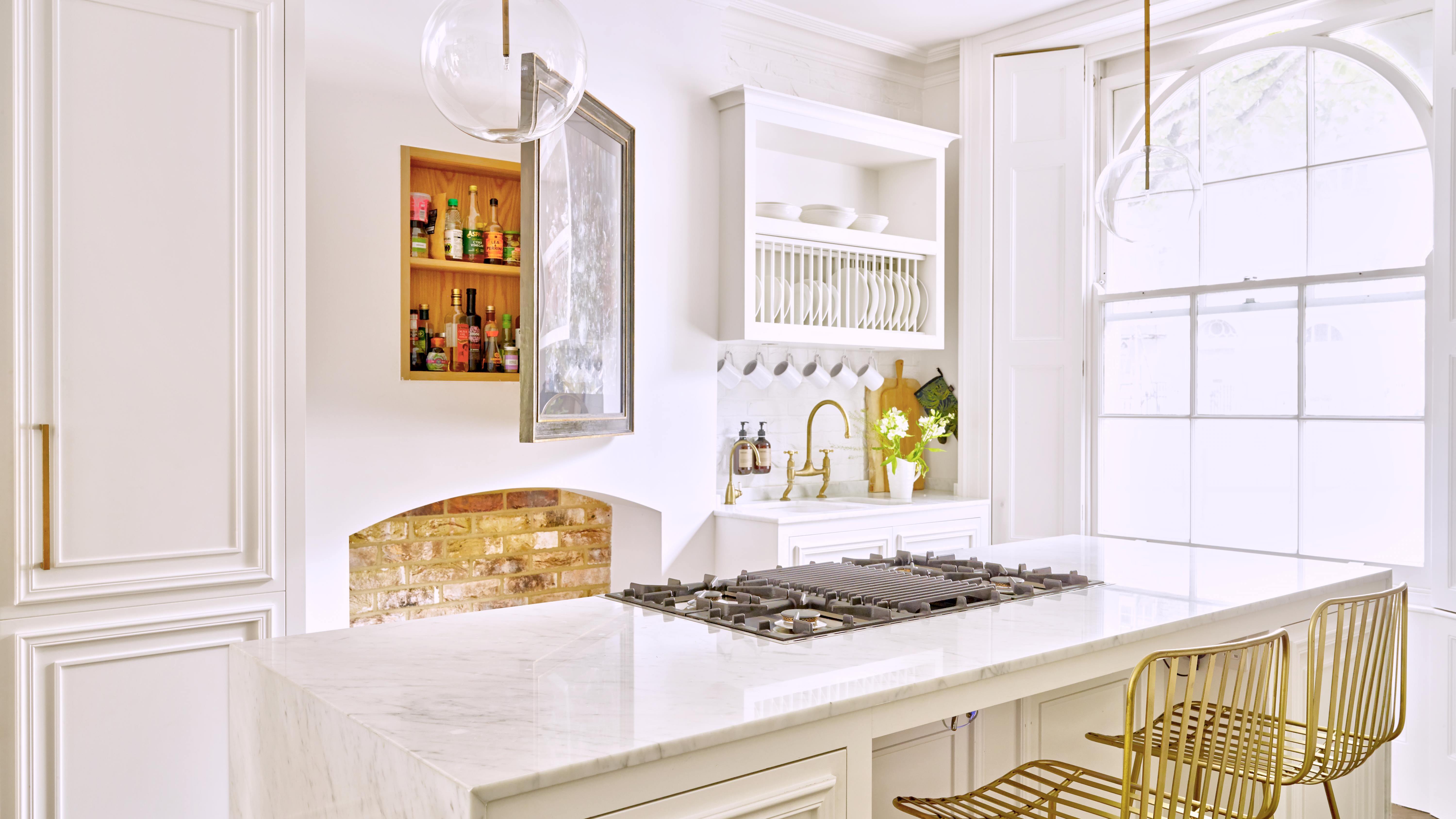
How to contain kitchen clutter
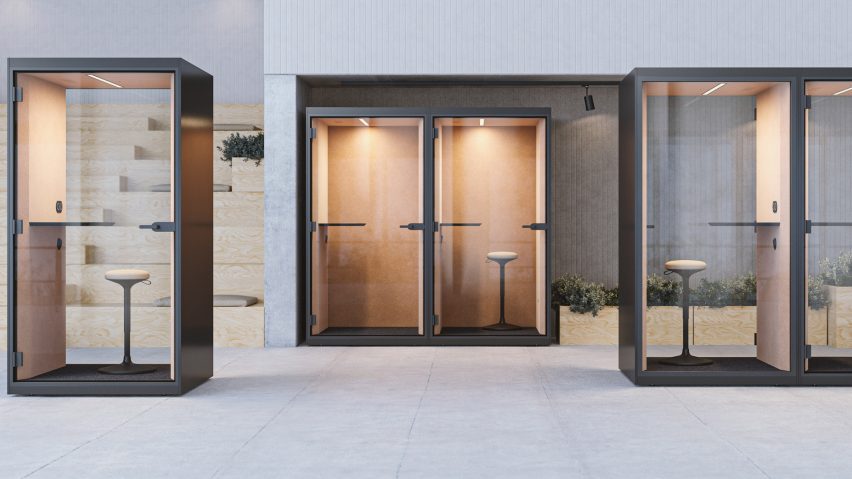
Eight acoustic items that help to quieten down lively interiors
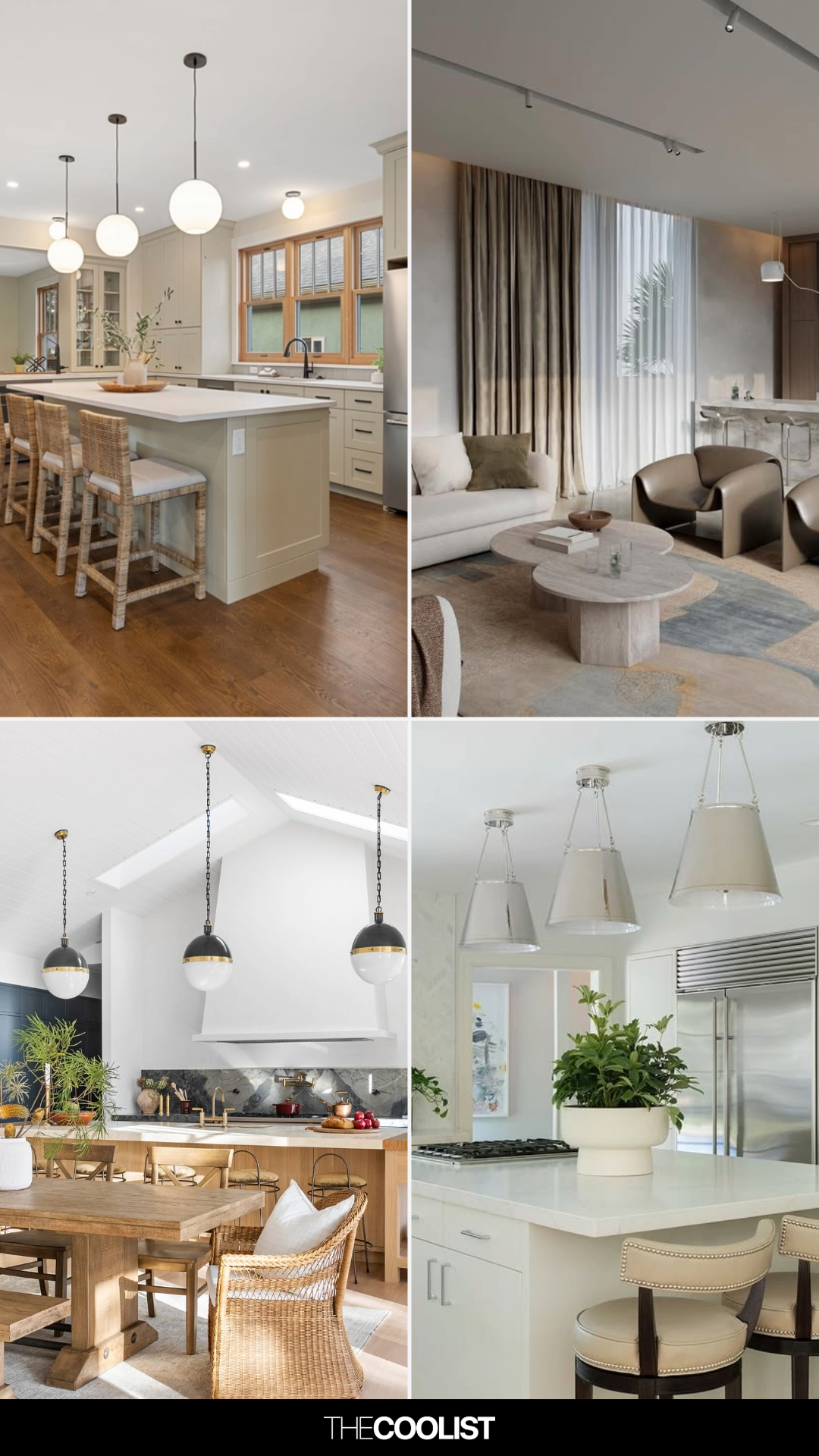
25 Open Kitchen Living Room Ideas You’ll Regret Skipping If Your Home Feels Loud and Busy

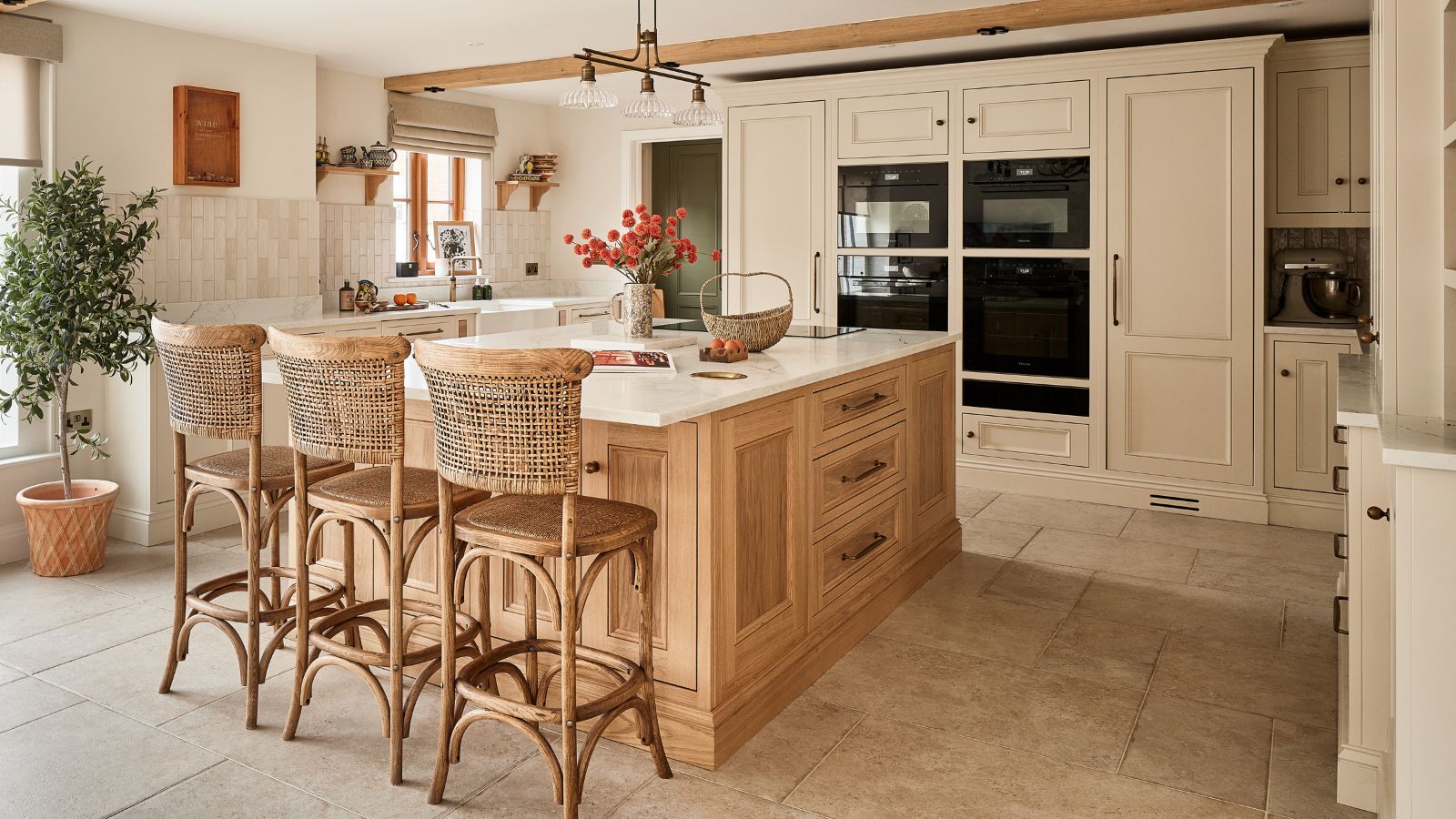
How can you make your kitchen more sociable? 10 tips from interior designers

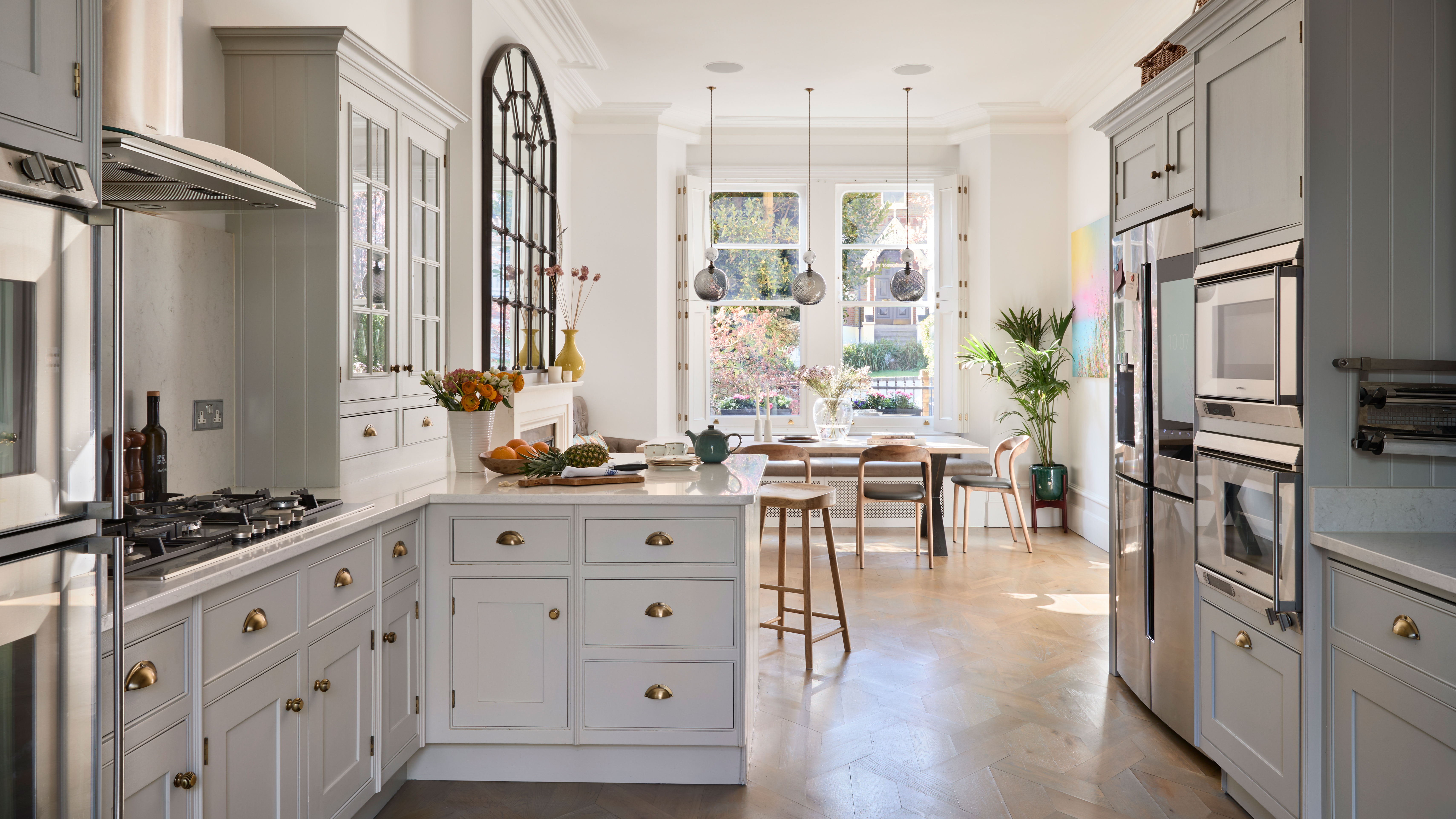
How to make a kitchen more relaxing – 12 designer tips to create a zen-like space

The sound of silence: Strategies to keep out the noise in condo suites
How to soundproof a room according to an expert

9 expert tips for soundproofing a room – how to sort acoustics while losing nothing of the aesthetics

Quiet, Please! How To Cut Noise Pollution At Home

Symmetry in kitchens — the trend designers love that creates a calming, clutter-free space
6 things to get rid of from your kitchen today so that you can embrace a more minimalist way of living
42 Kitchen Organization Ideas for a Clutter-Free Space

10 clever ways to stop a galley kitchen feeling claustrophobic

5 Stylish, Designer-Approved Ways to Create a 'Soft Kitchen'
5 Things Interior Designers Always Include in Eat-in Kitchens to Help Hide the Mess When Hosting
Cluttered Kitchen Counters Are a Non-Issue With This Clever Feature