1/8
5 Stylish, Designer-Approved Ways to Create a 'Soft Kitchen'
The concept of the 'soft kitchen' is gaining prominence in home design, signaling a significant shift from traditionally sterile and purely functional cooking areas to more inviting, comfortable, and lived-in spaces. This trend aims to blend the practicality of a kitchen with the warmth and coziness typically associated with living rooms, reflecting the evolving role of the kitchen as the central hub of a home where families gather, socialize, and even work.
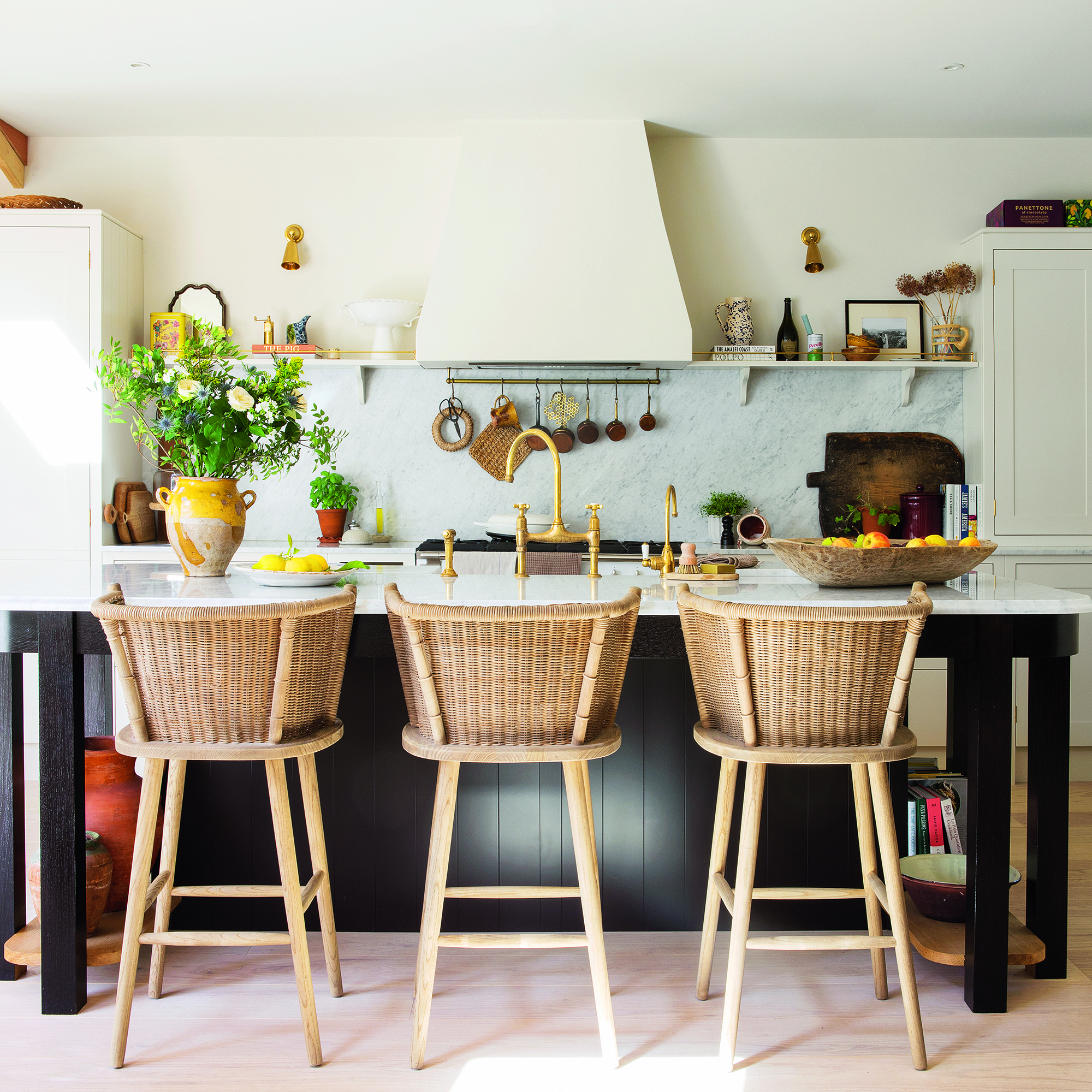
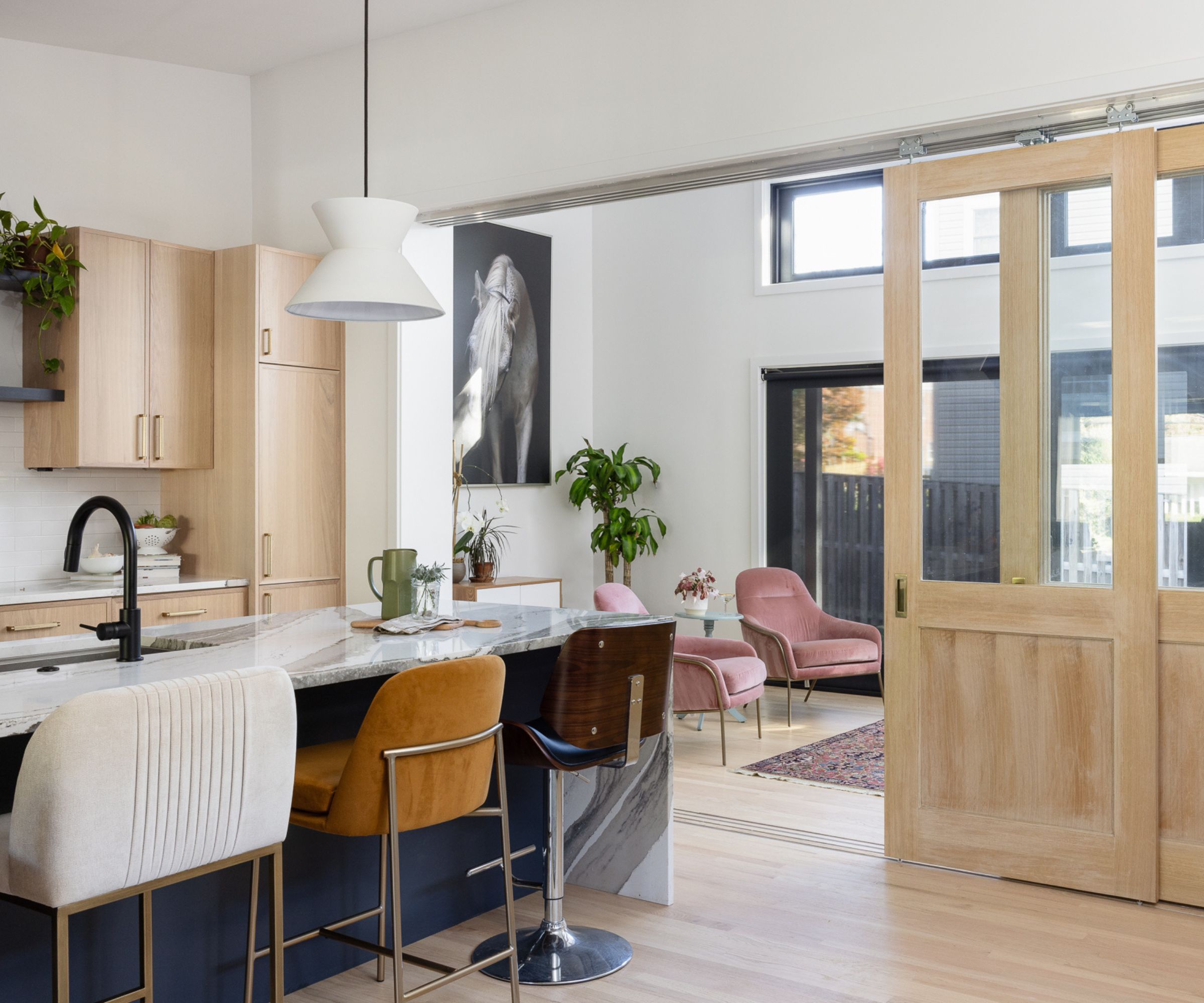
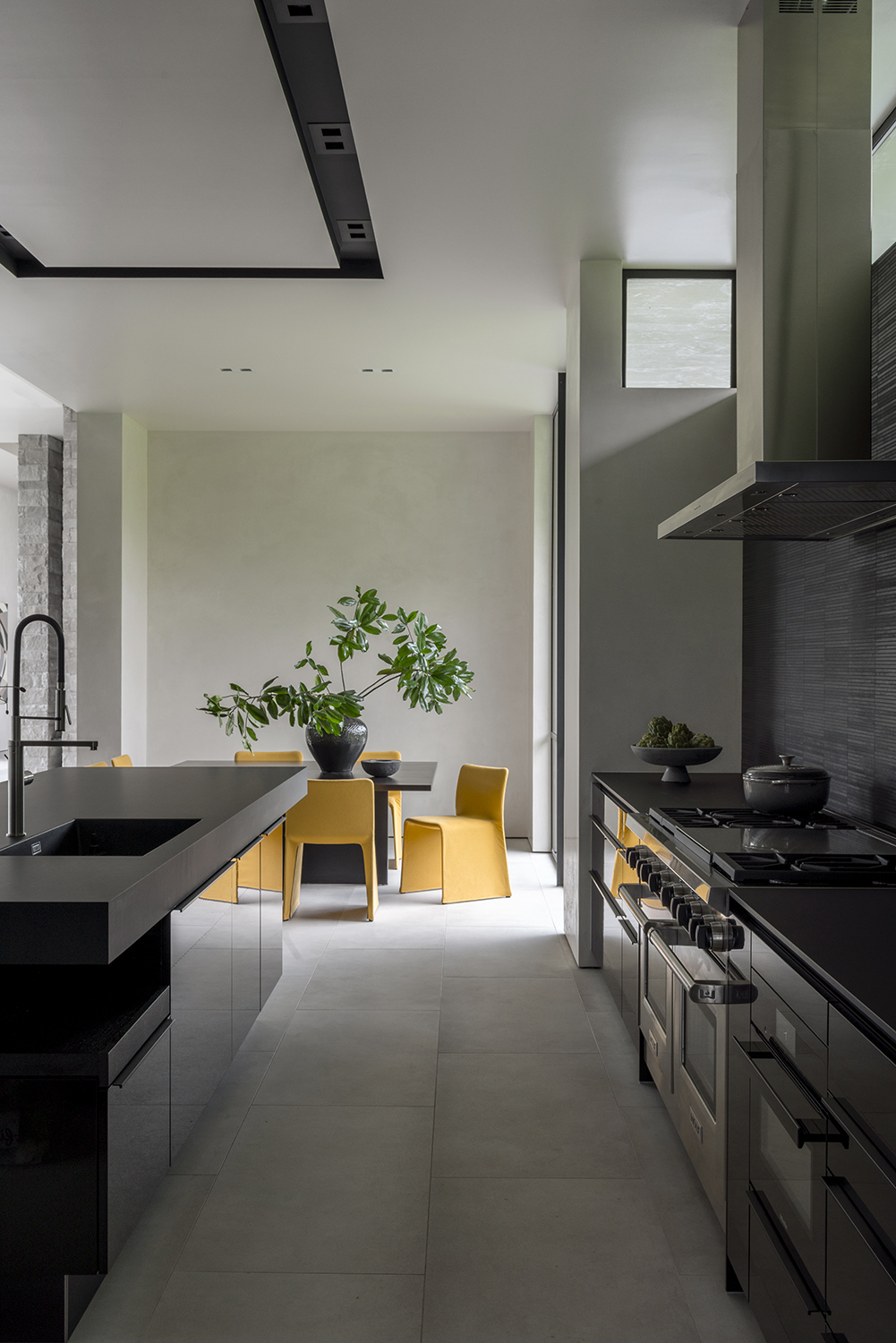
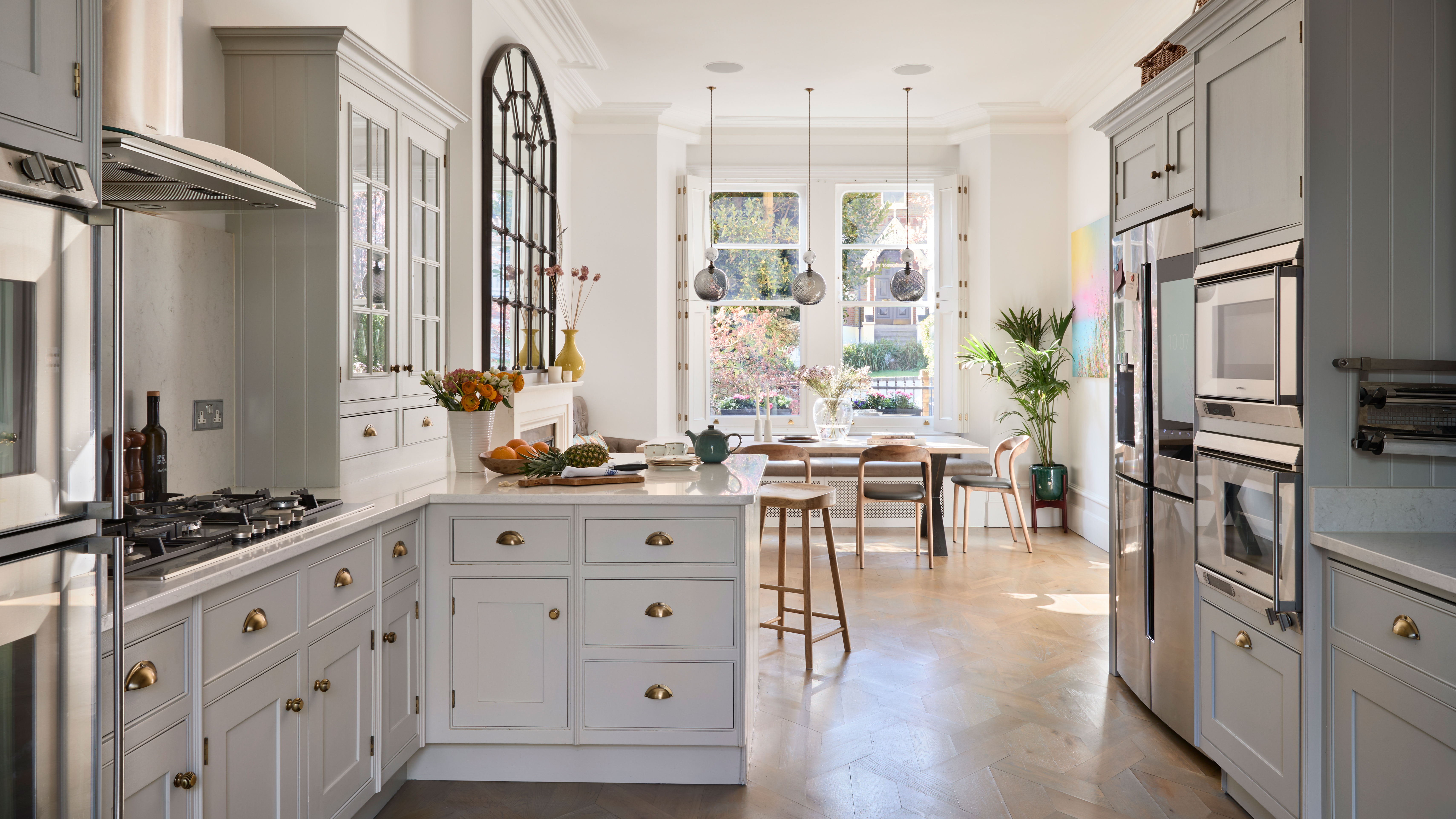
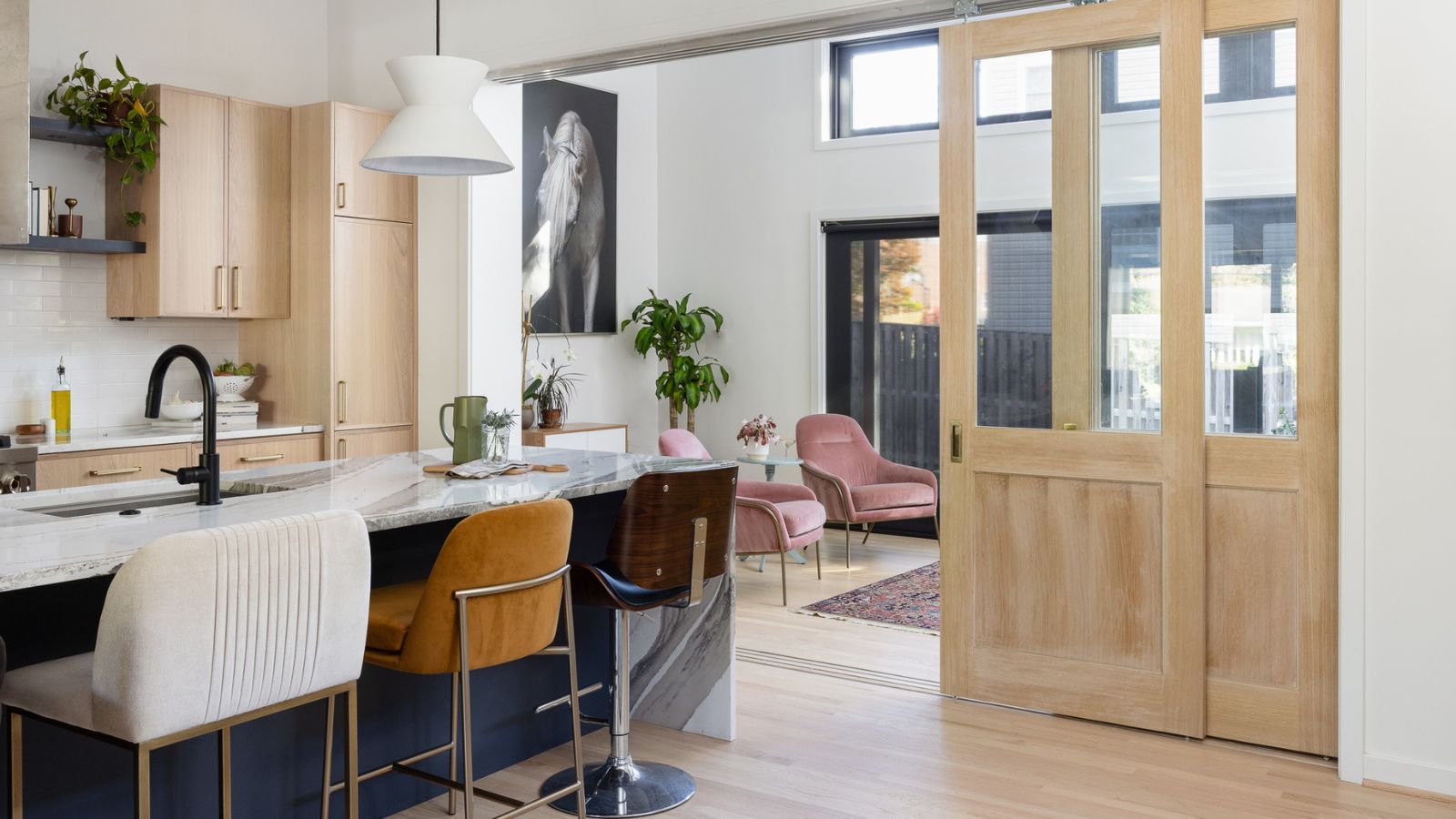
Interior designers are actively embracing and encouraging this movement, emphasizing the creation of kitchens that possess softer edges, warmer color palettes, and cozy decor. The appeal of the soft kitchen lies in its ability to foster a more relaxed and social environment, moving beyond just cooking, dining, and cleaning. Key to achieving this aesthetic is the integration of elements like throw cushions on seating, upholstered bar stools, and layered window treatments. Designers also advocate for strategies to conceal appliances to reduce a overtly utilitarian appearance, thereby enhancing the room's inviting quality.
Cath Beckett, co-founder of Yellow London, highlights that soft kitchens feel warmer and more relaxed, much like living spaces. This is achieved by focusing on comfort and character through natural materials, strategic color accents, and layered textures. Elements such as upholstered seating, colorful rugs, diverse lighting, and artwork contribute to a homey atmosphere. Michelle Murphy, founder of DEMI RYAN, notes that kitchens are no longer just work zones but are evolving into the heart of the home, requiring a balance between functionality and comfort. She observes a strong desire for spaces that feel personal and lived-in, moving away from the minimalist kitchens that sometimes felt sterile, towards designs rich in texture, warmth, and character, utilizing natural materials that age gracefully and finishes that encourage engagement.
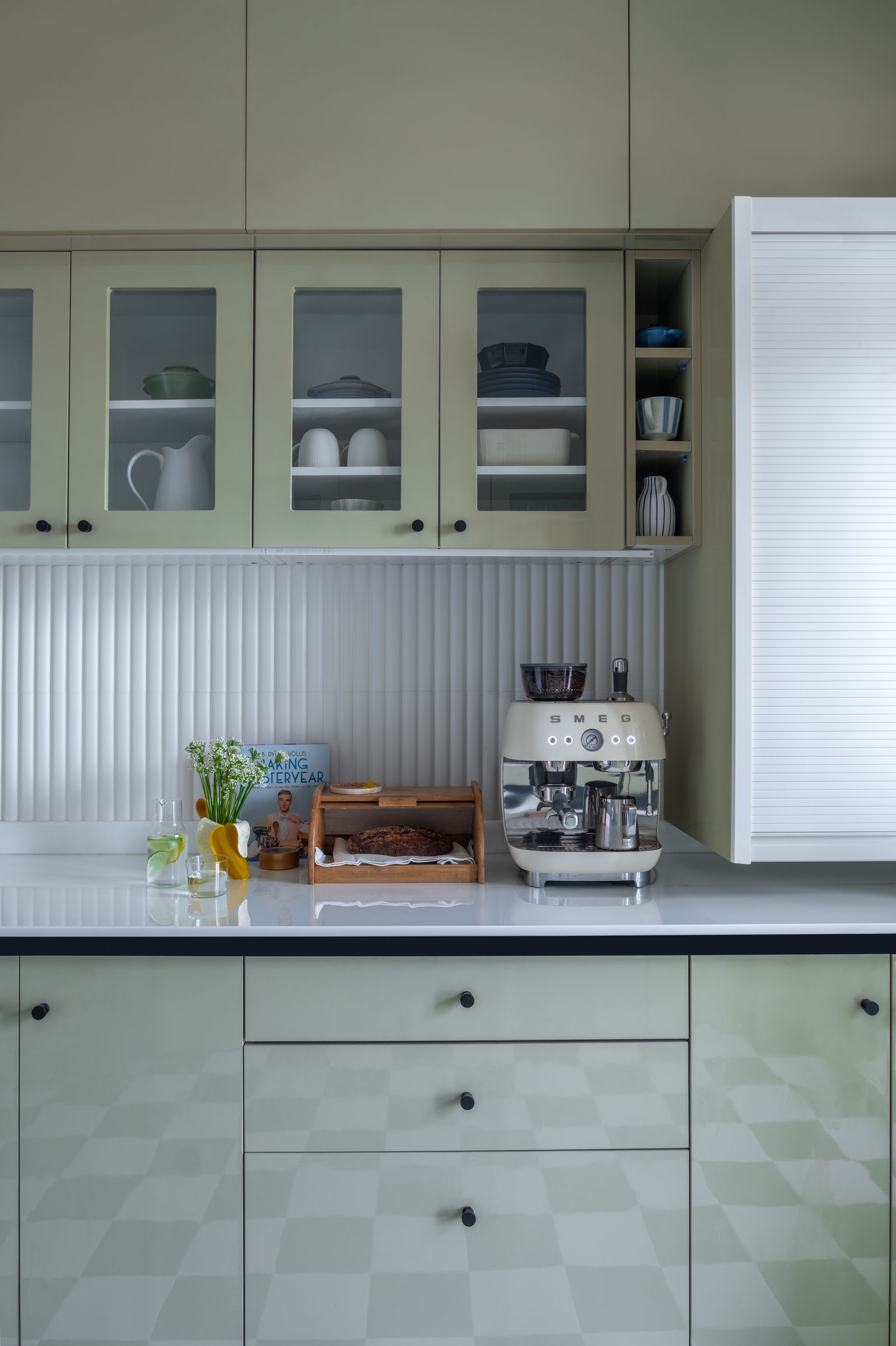
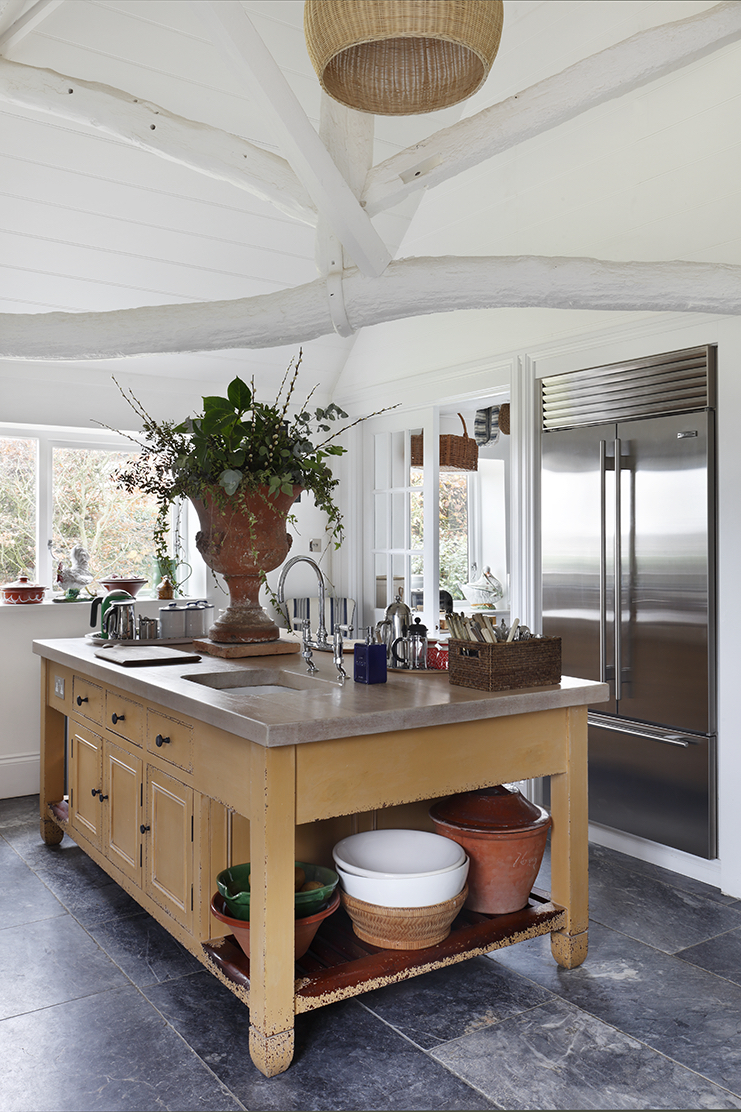
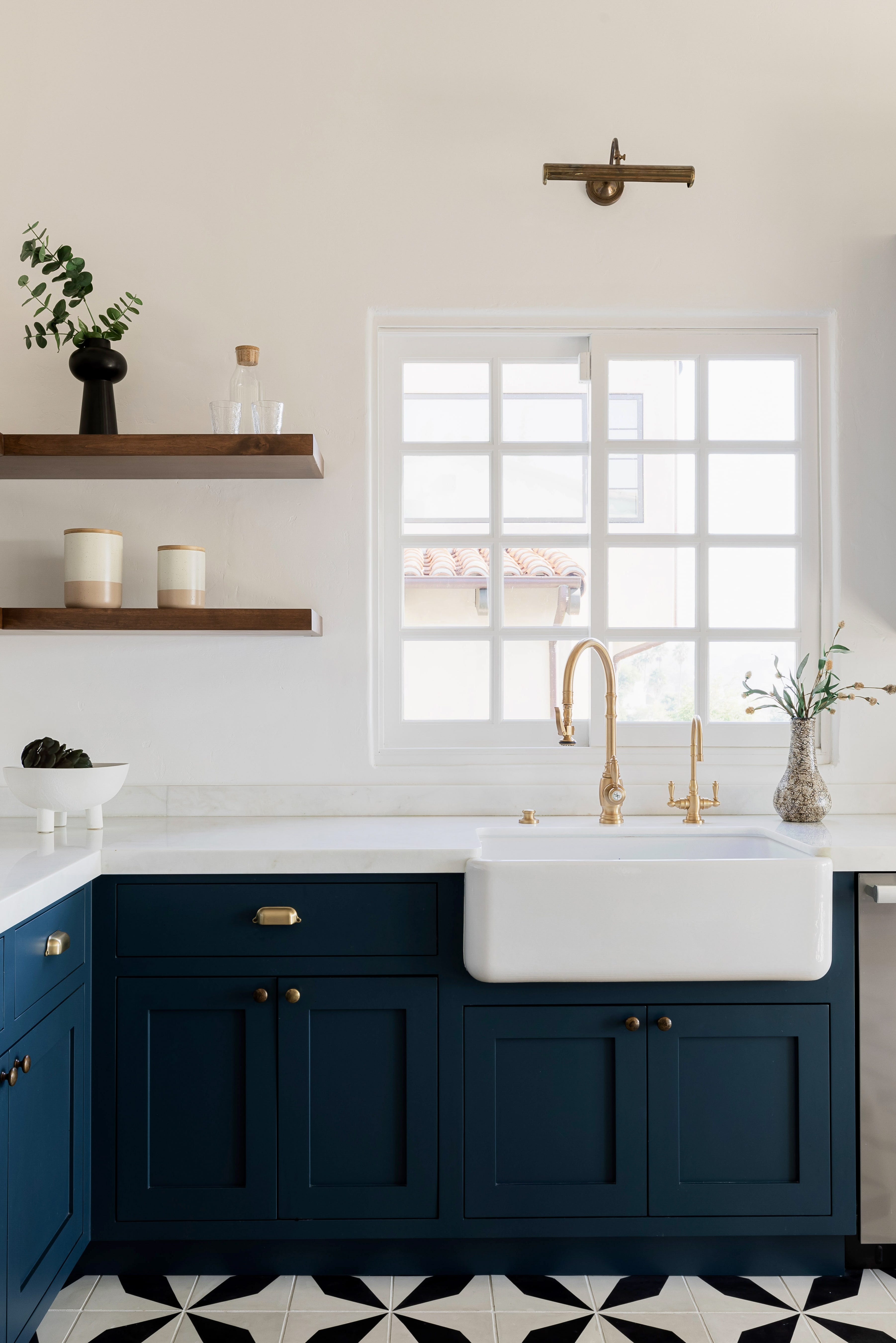
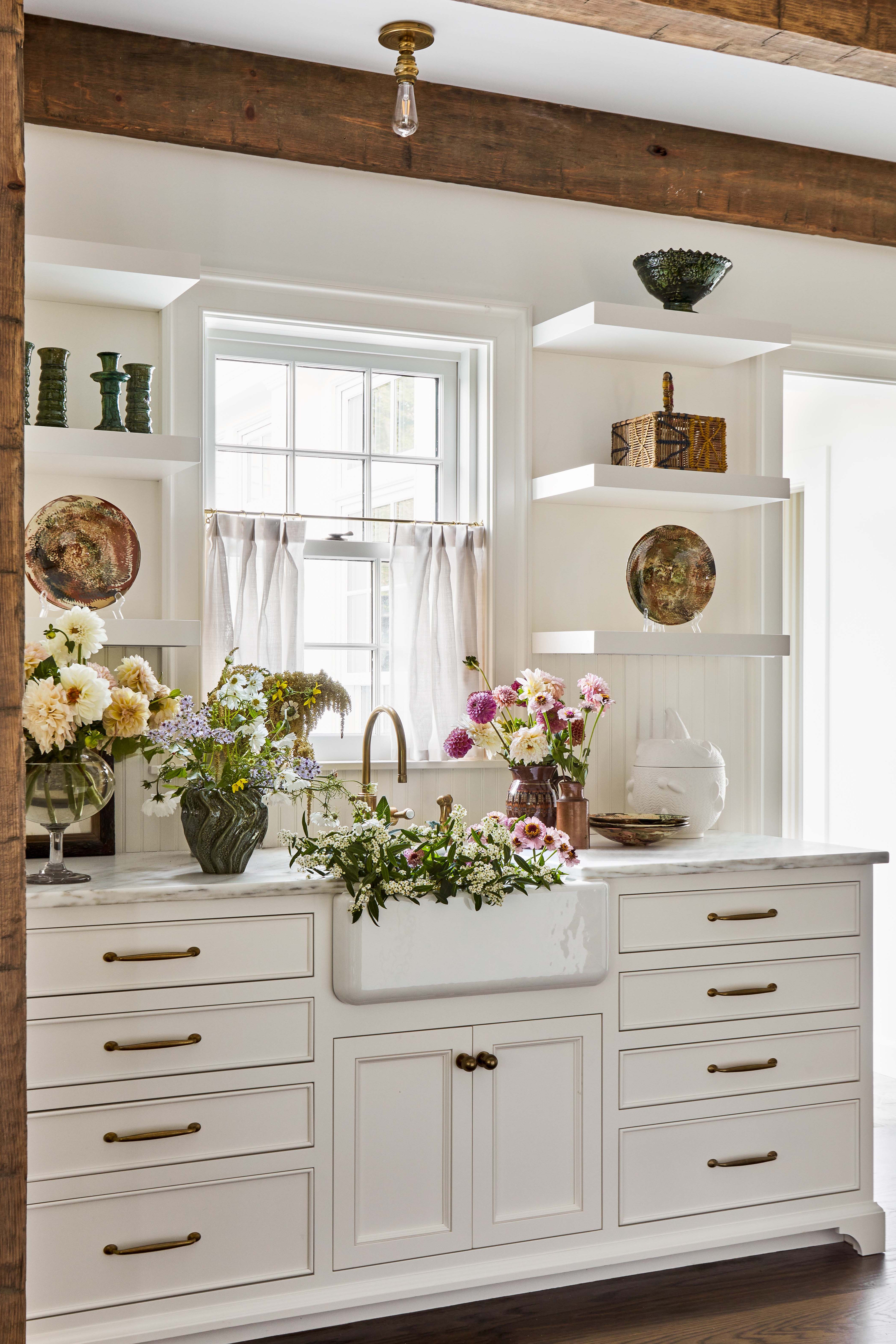
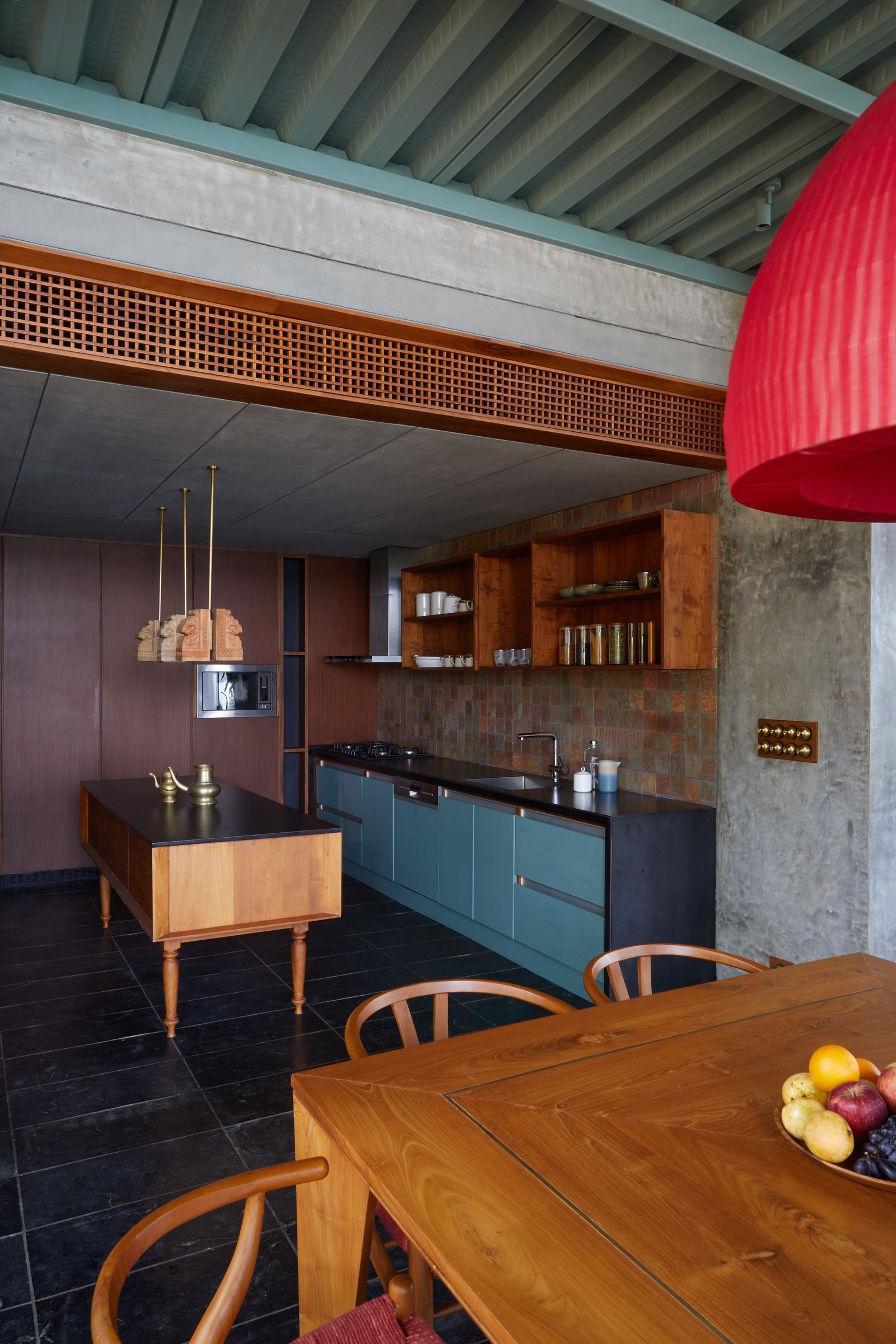
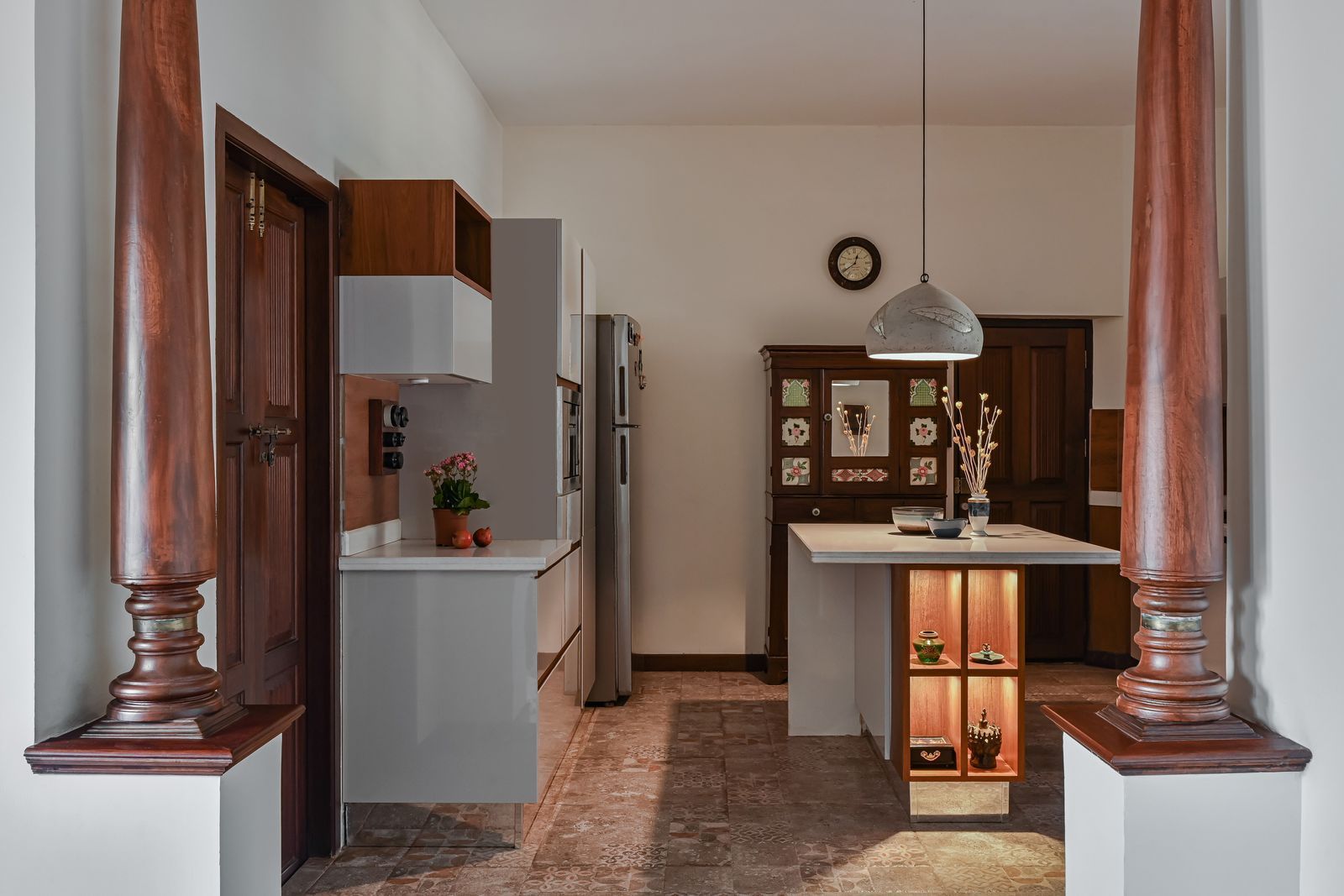
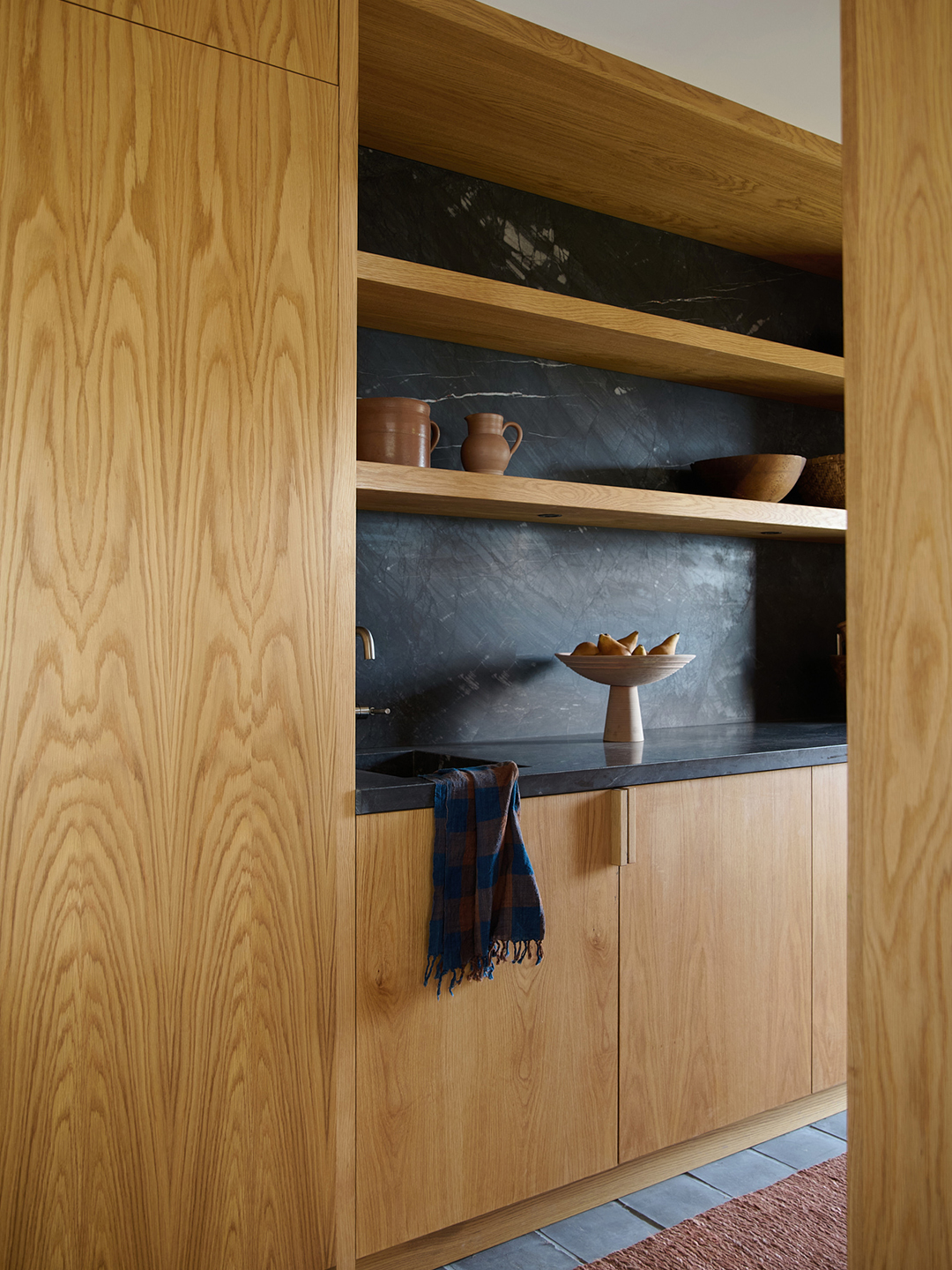
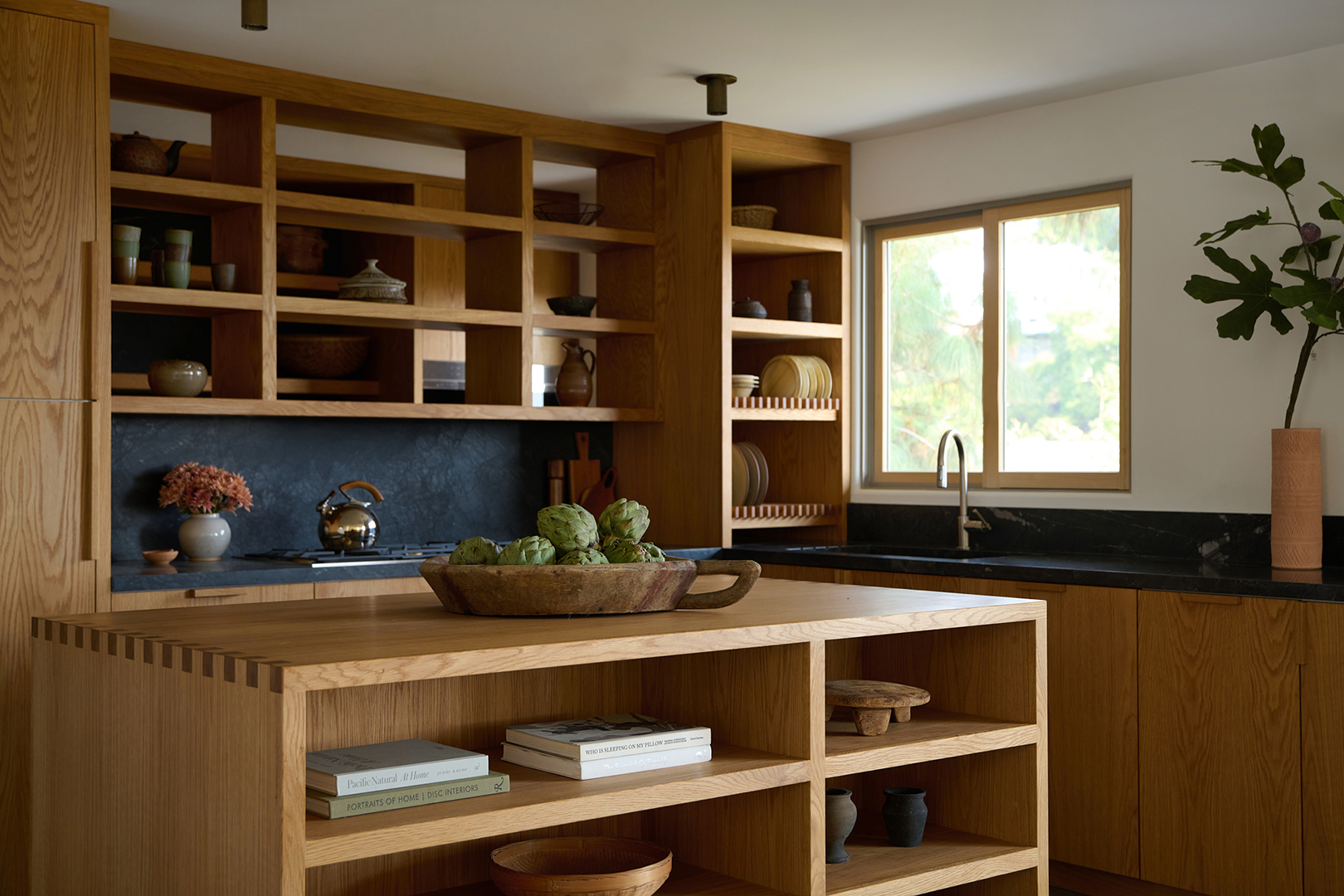
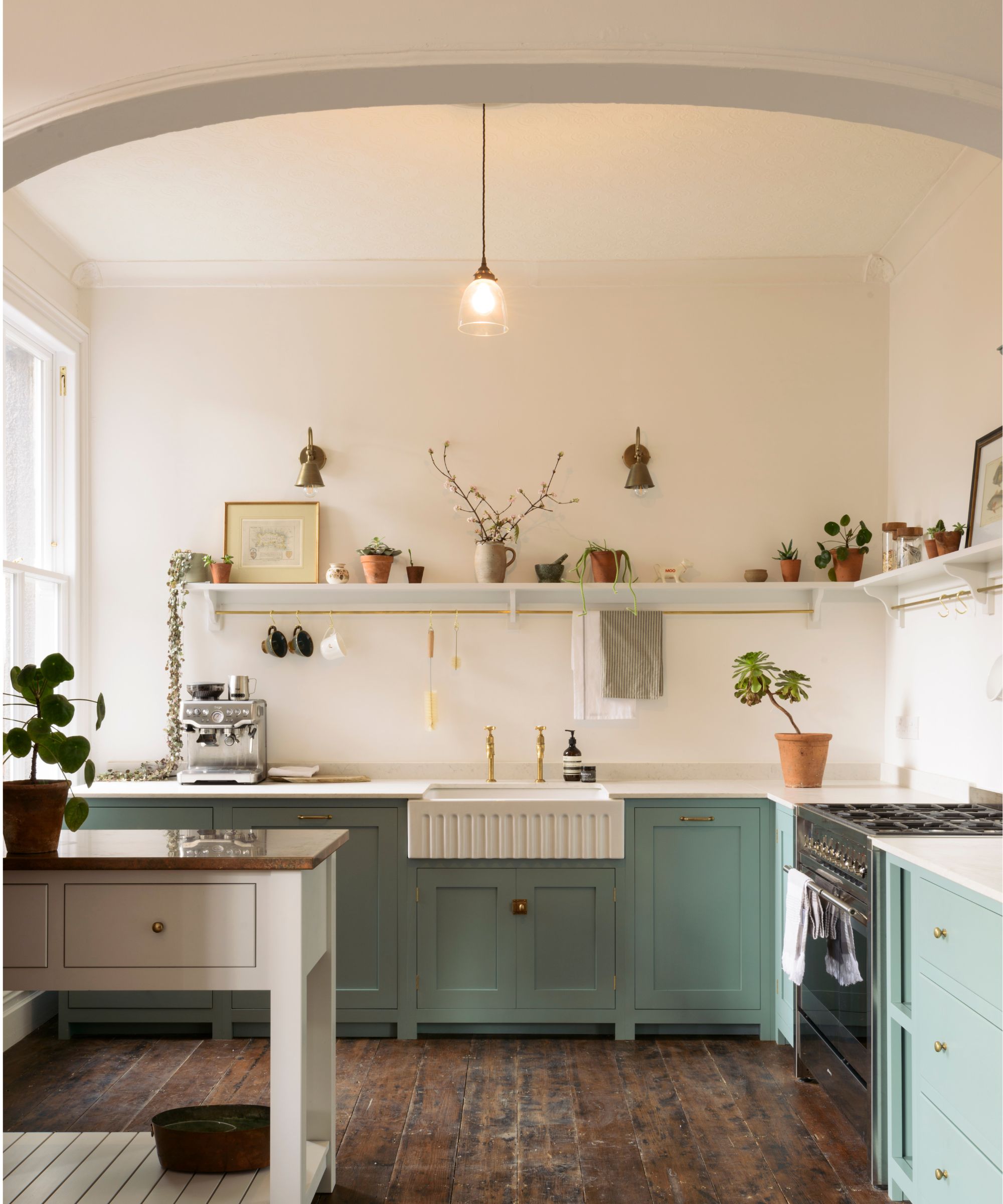
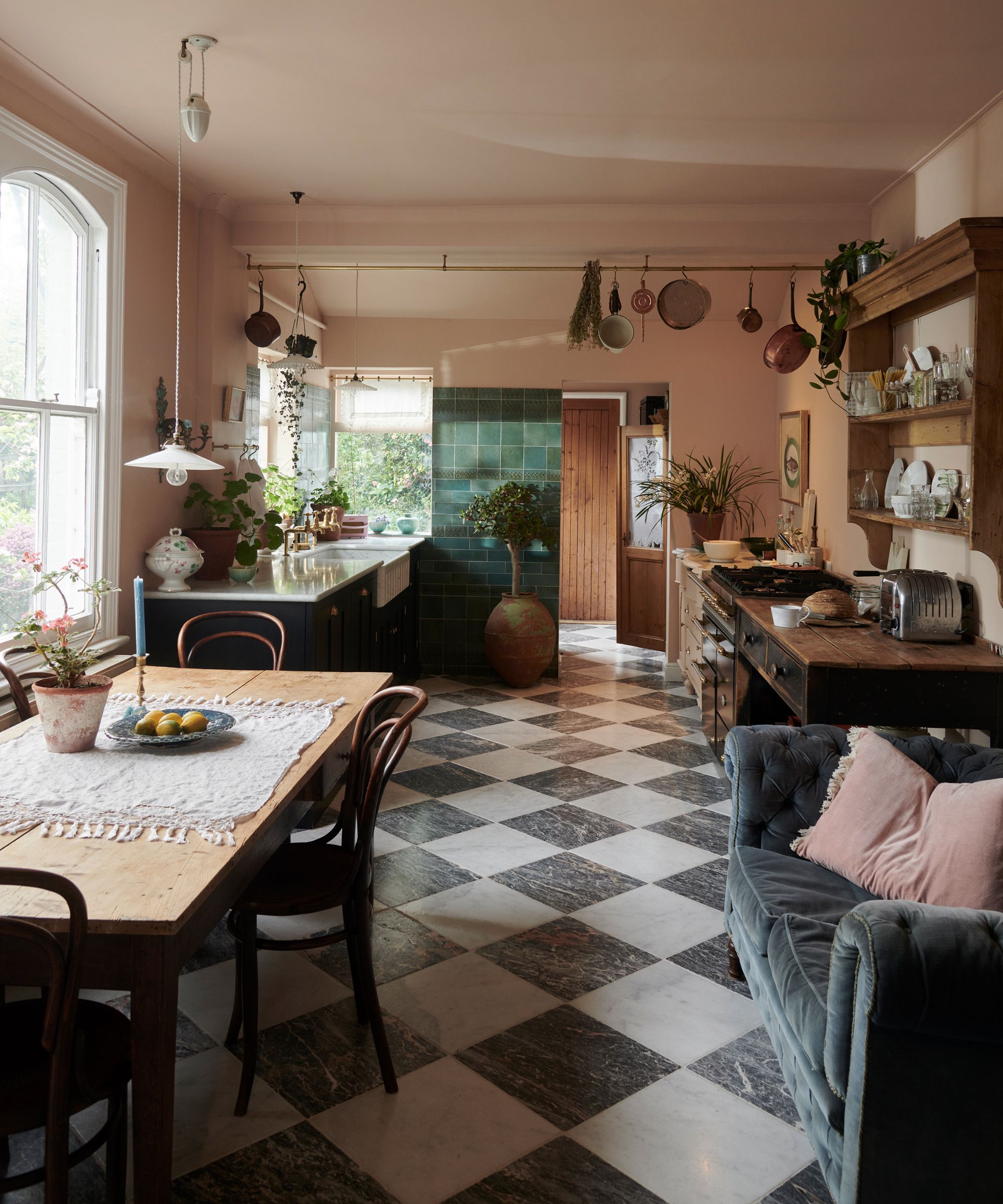
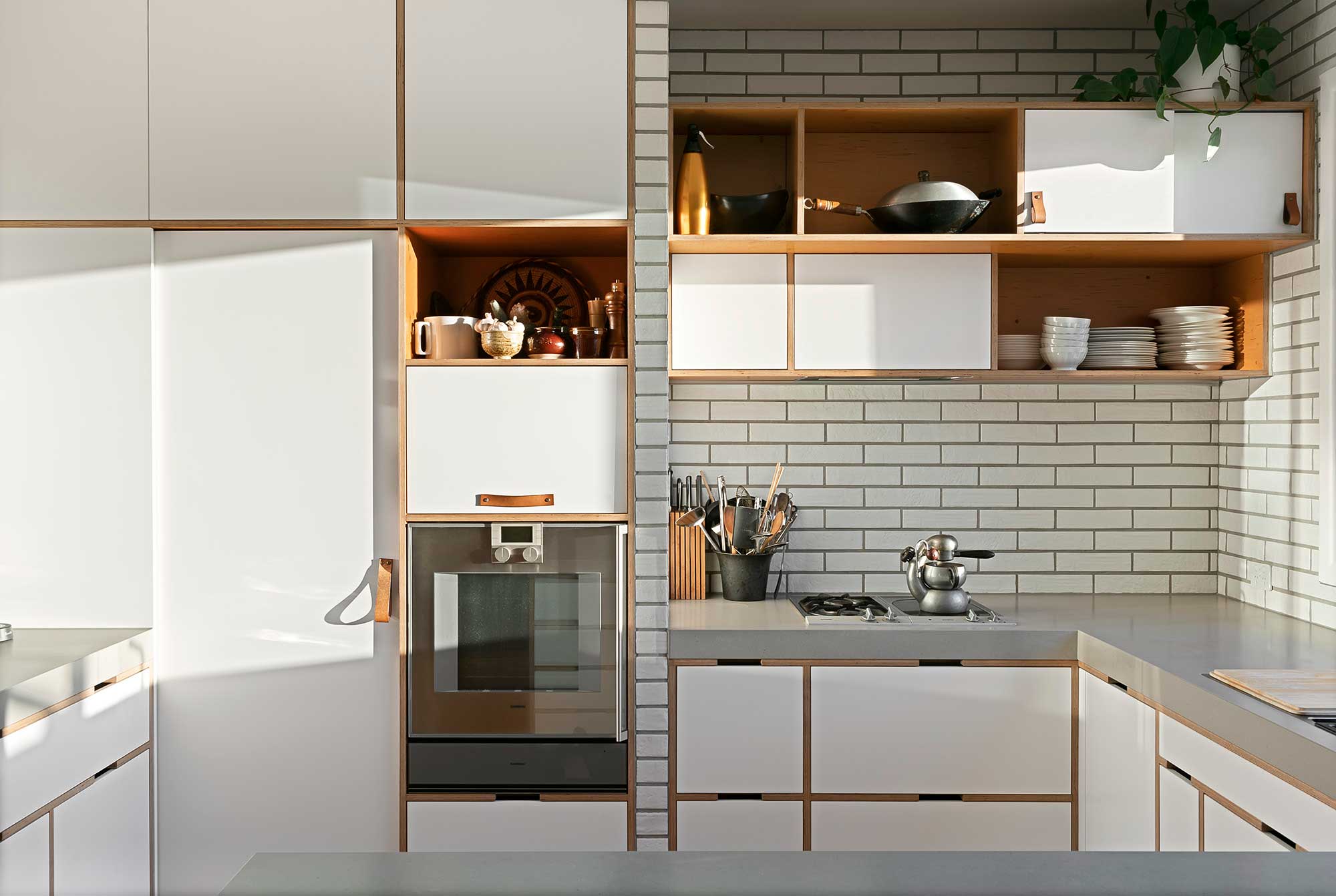
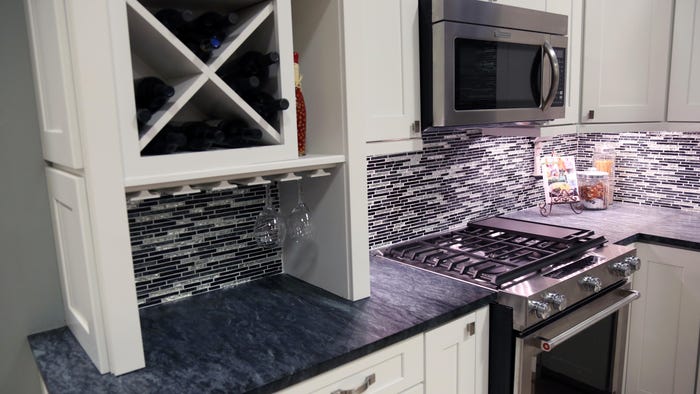
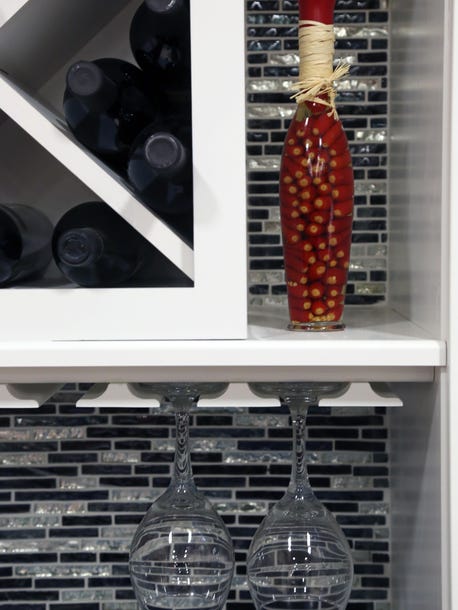
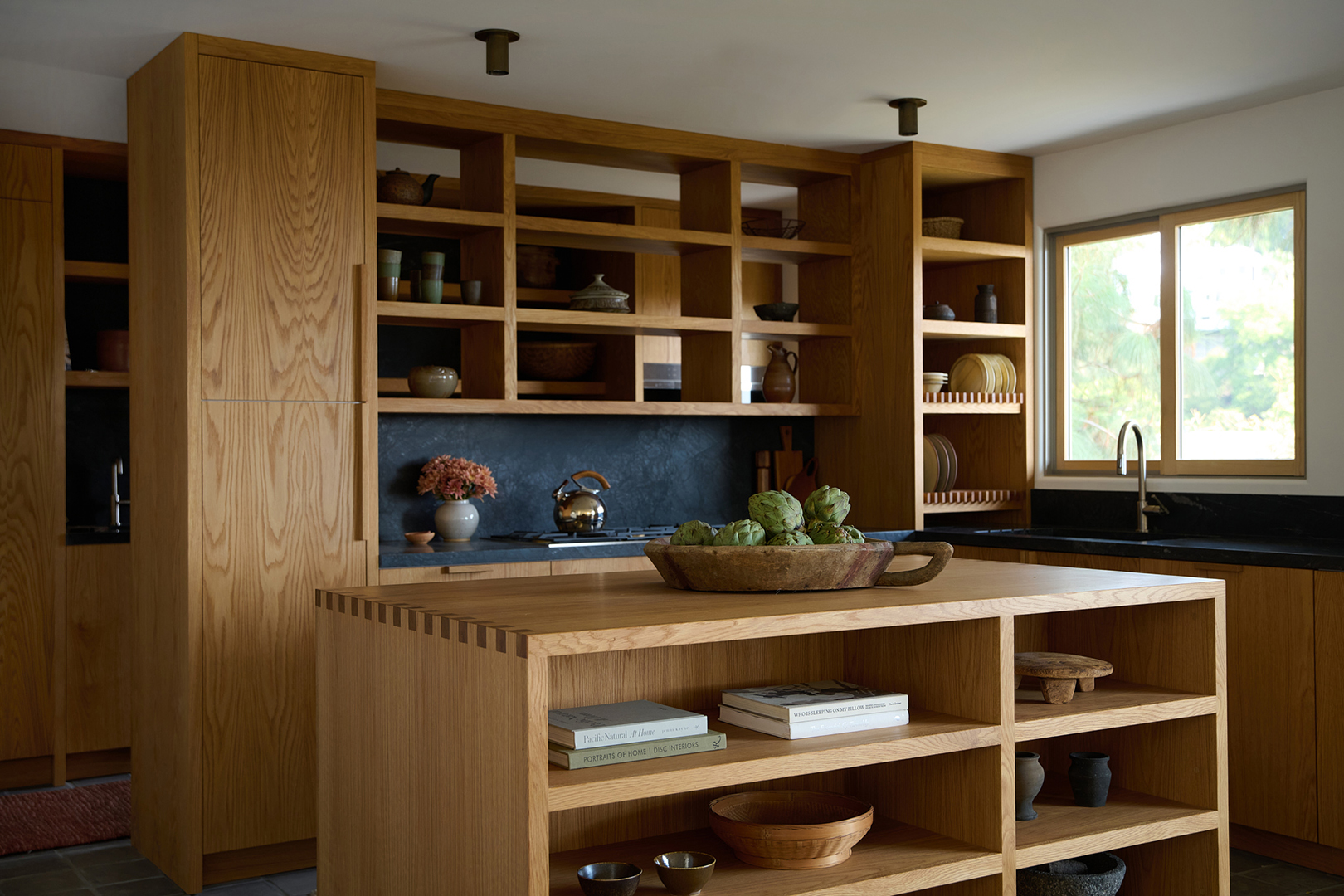
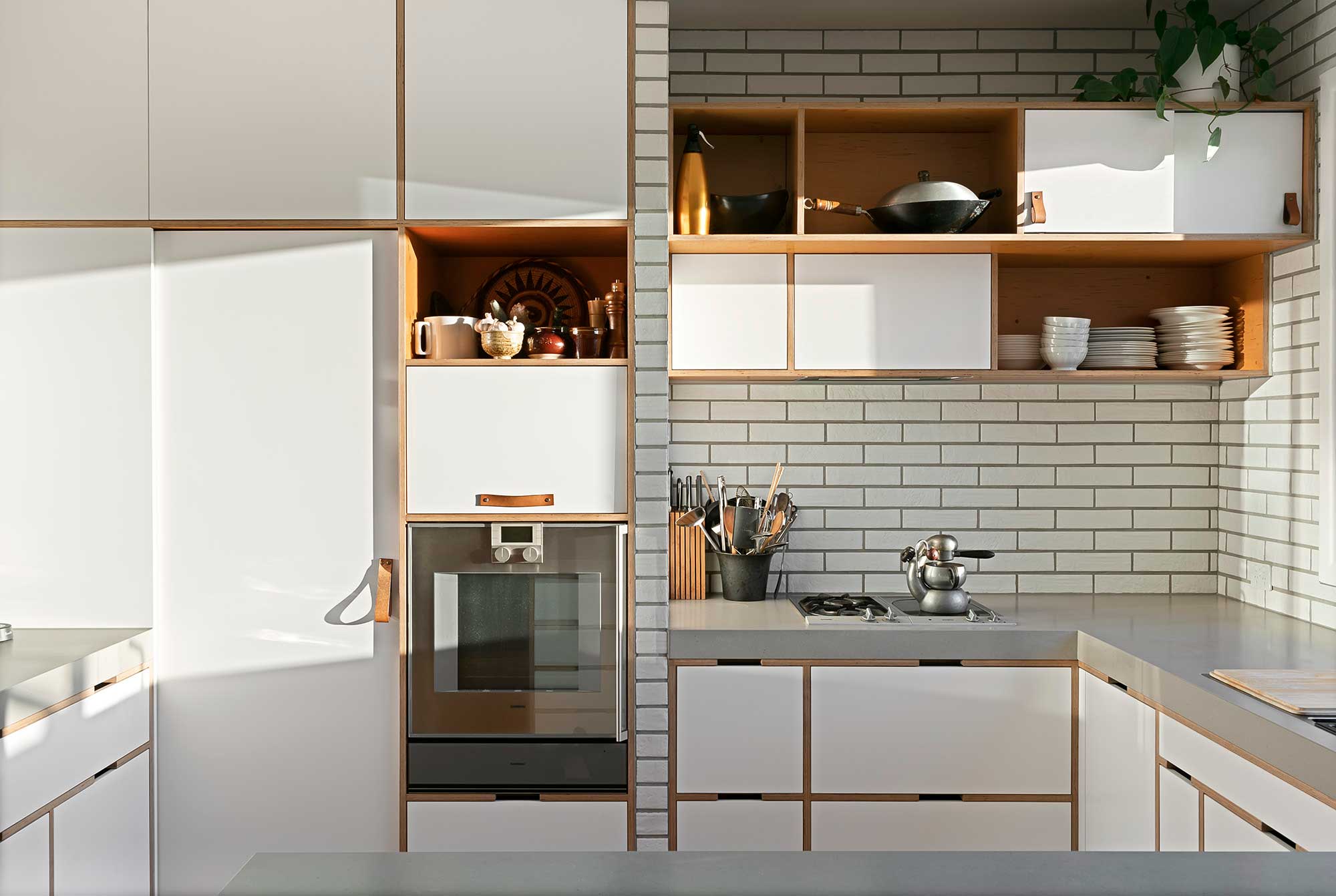
Creating a soft kitchen involves several accessible design strategies. One primary method is introducing decorative open storage. This transforms functional storage into a decorative element through open shelving, bookcases, and glazed display cabinets, allowing for the display of art, collected ceramics, and styled kitchenware. Michelle Murphy further suggests incorporating furniture-like islands or vintage pieces to disrupt the traditional uniformity of cabinetry. Anthropologie offers elegant gallery rail shelves for displaying art and stylish kitchenware, while Magnolia’s wooden plate racks and Anthropologie’s wall-mounted wine glass shelves provide both functionality and aesthetic appeal.
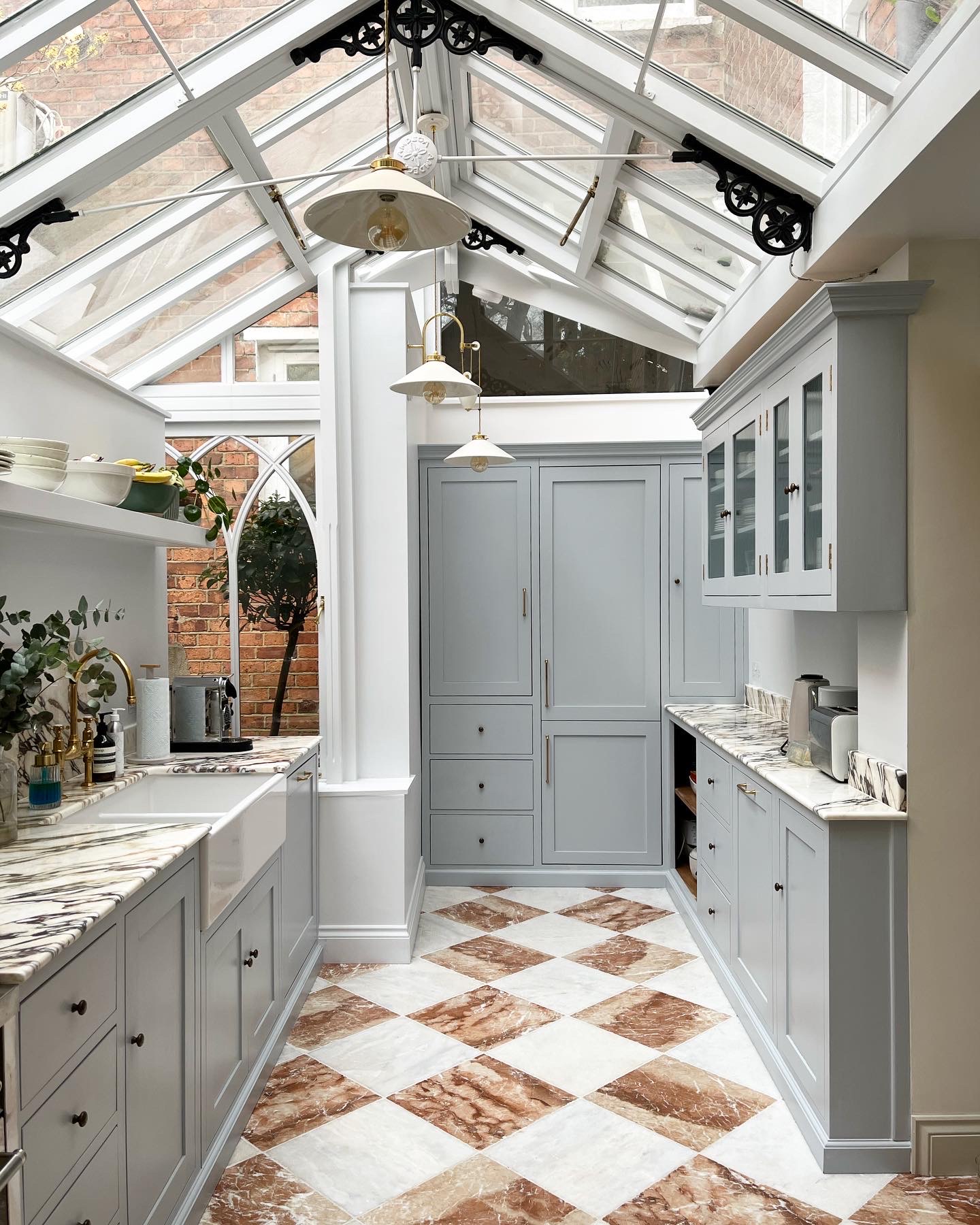
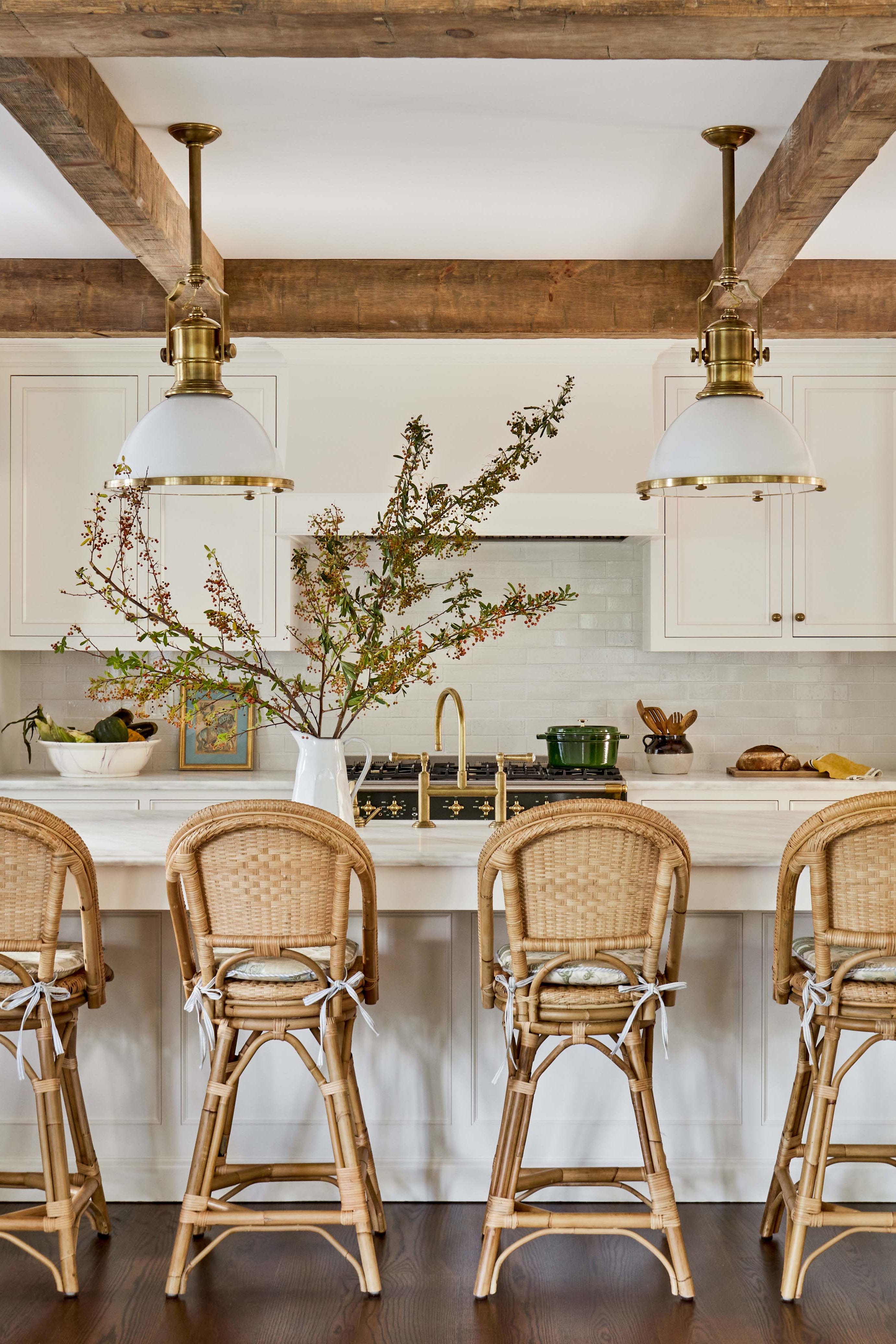
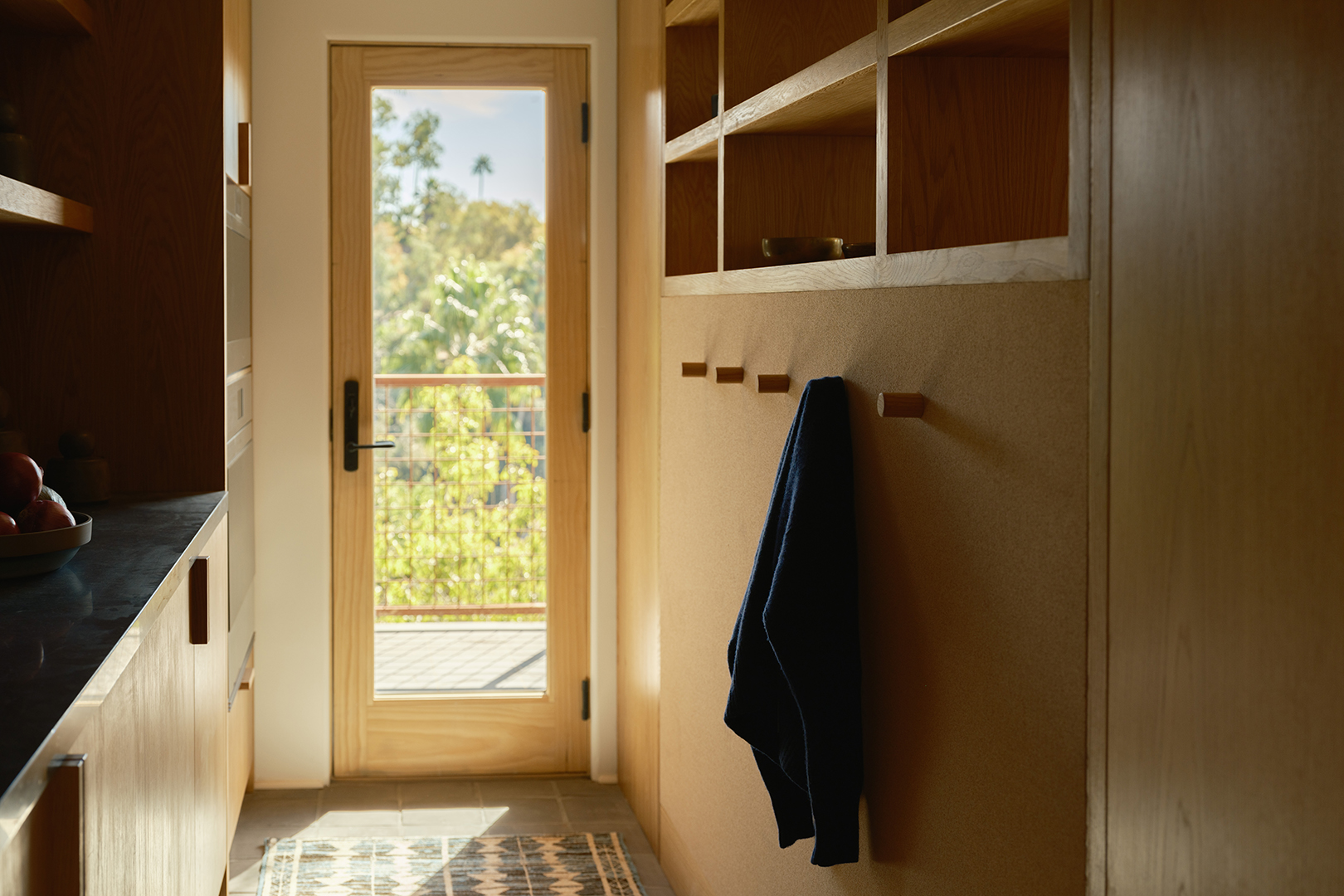
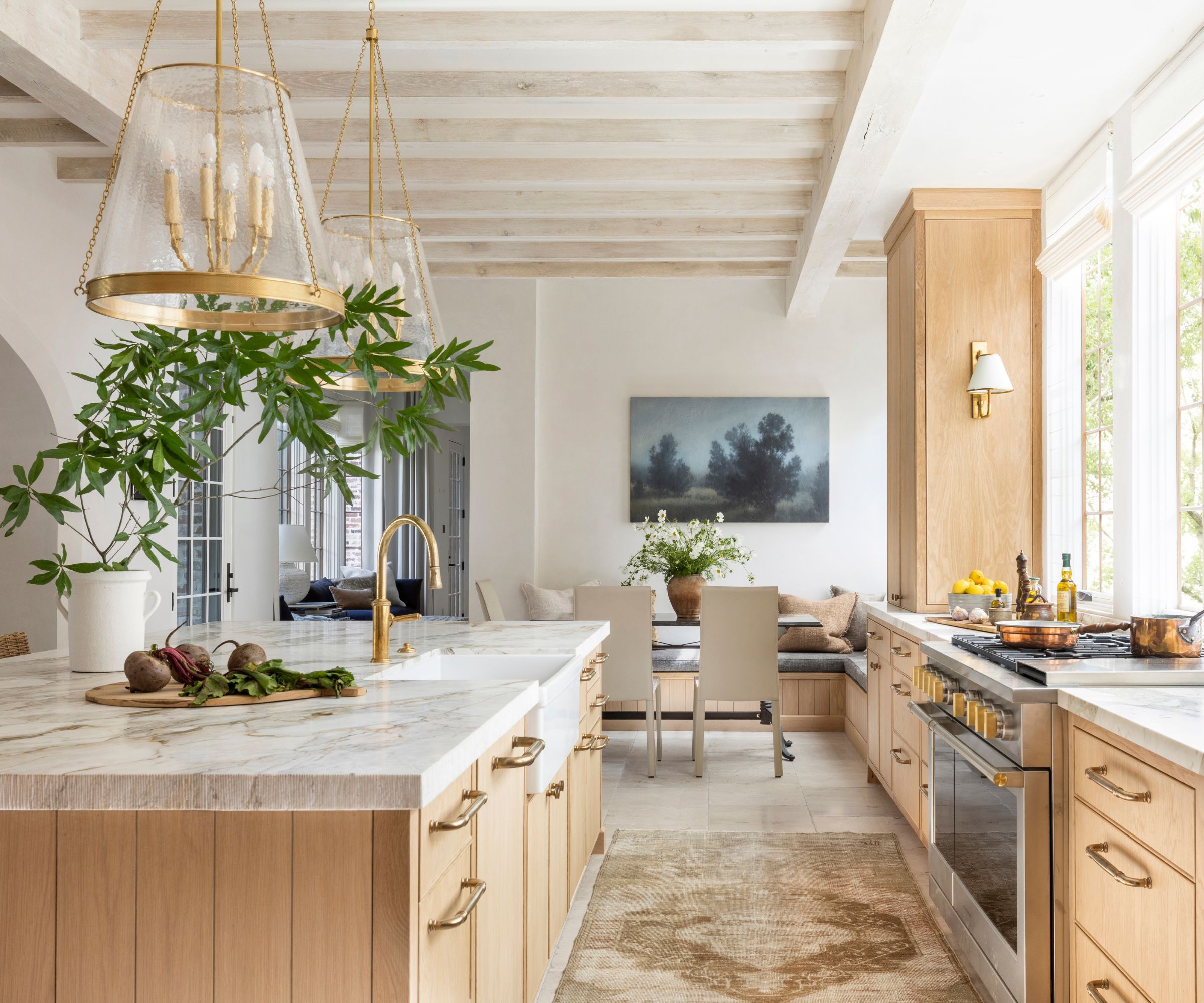
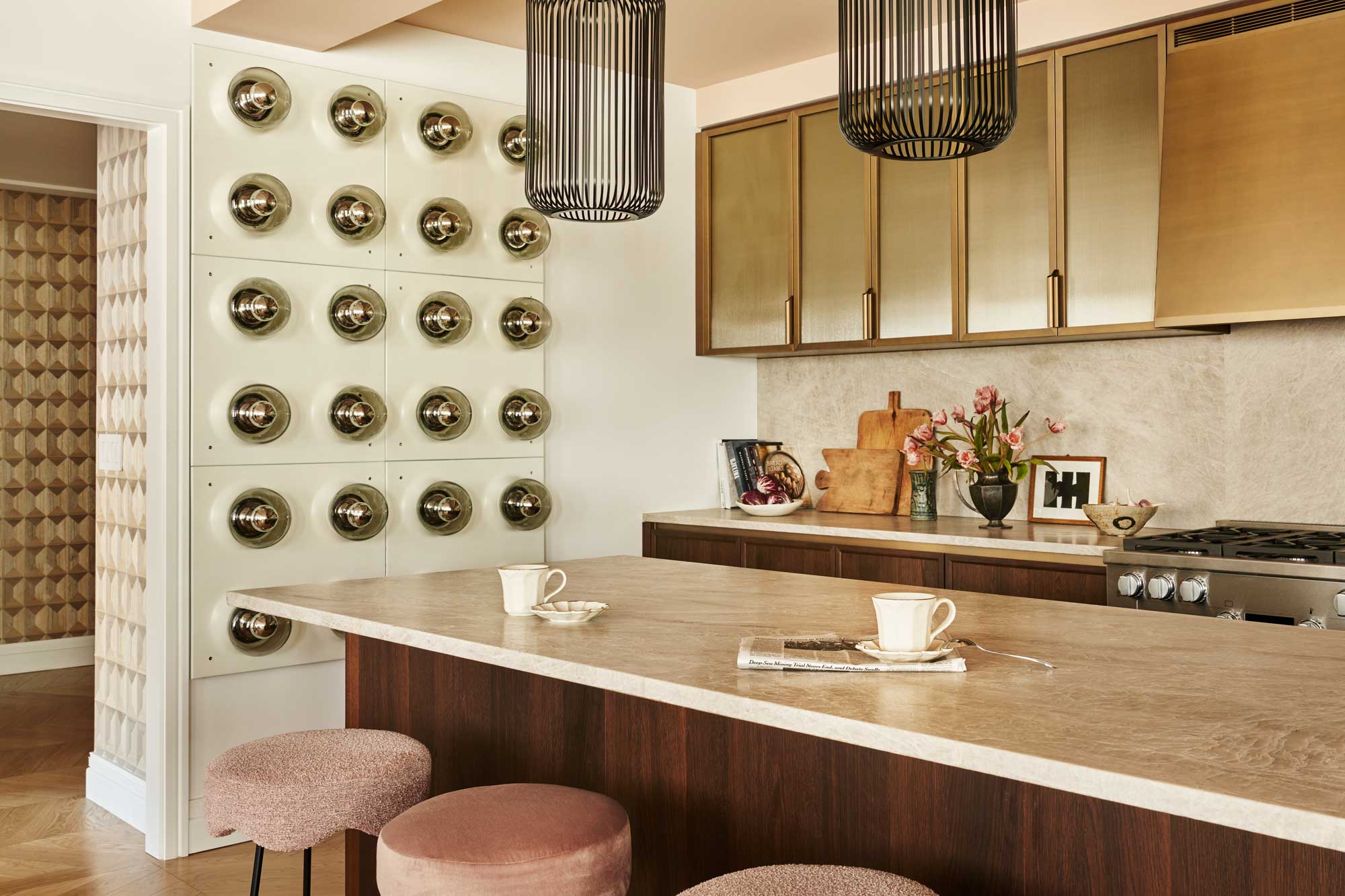
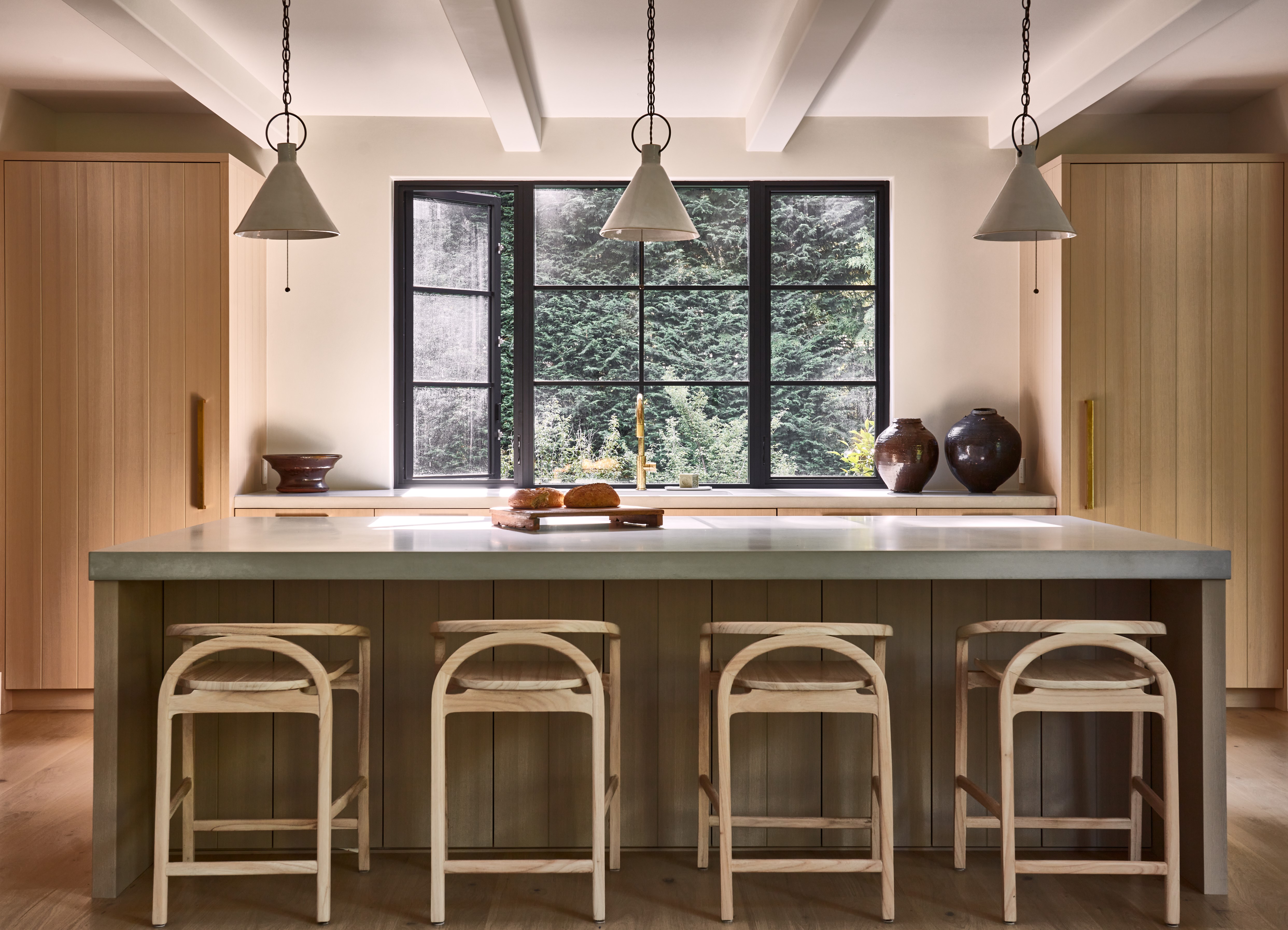
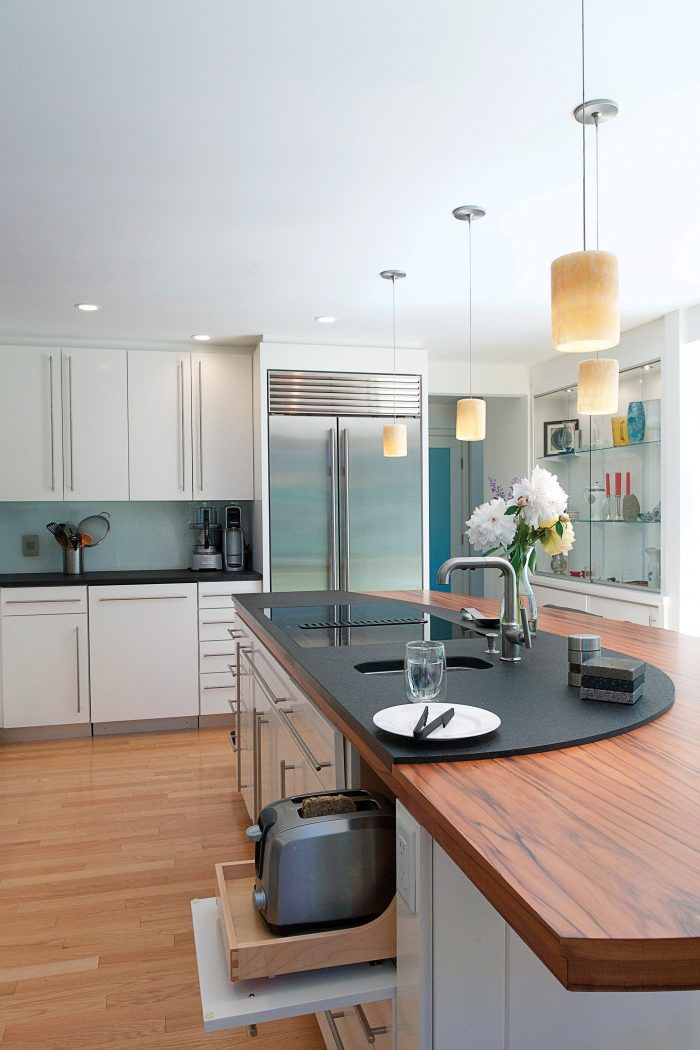
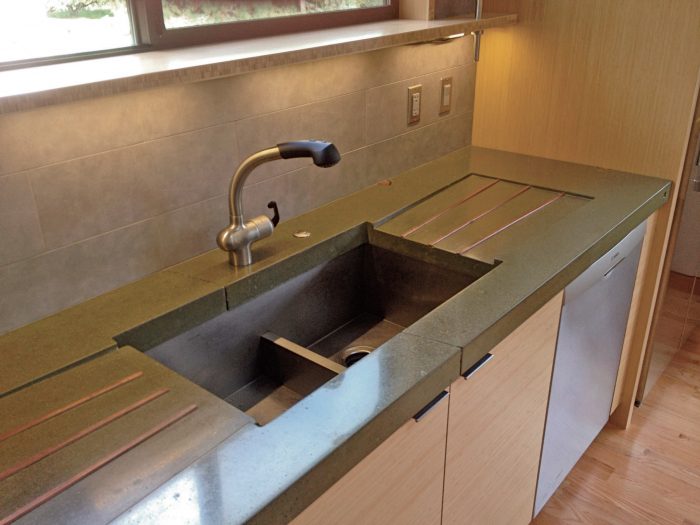
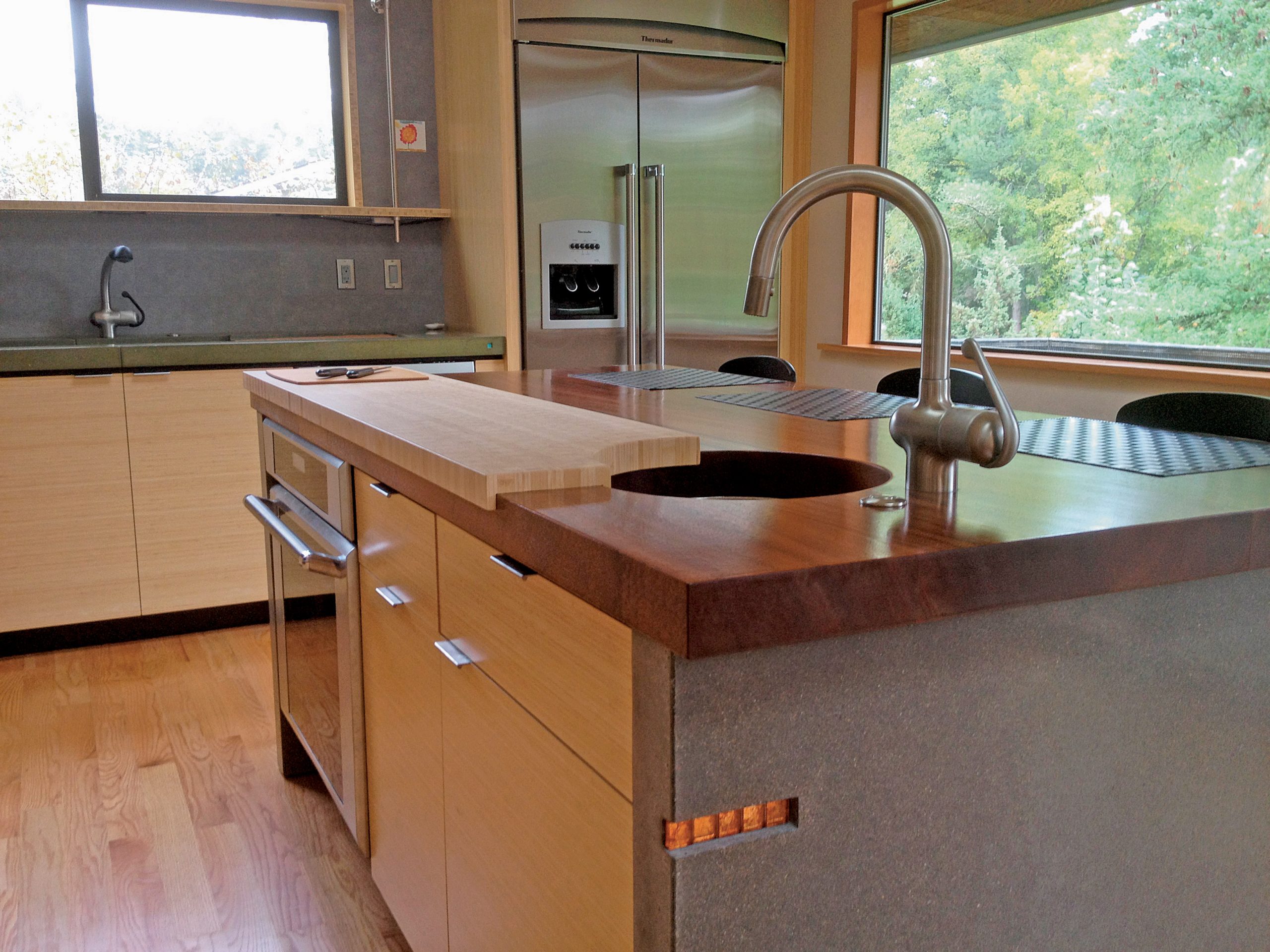
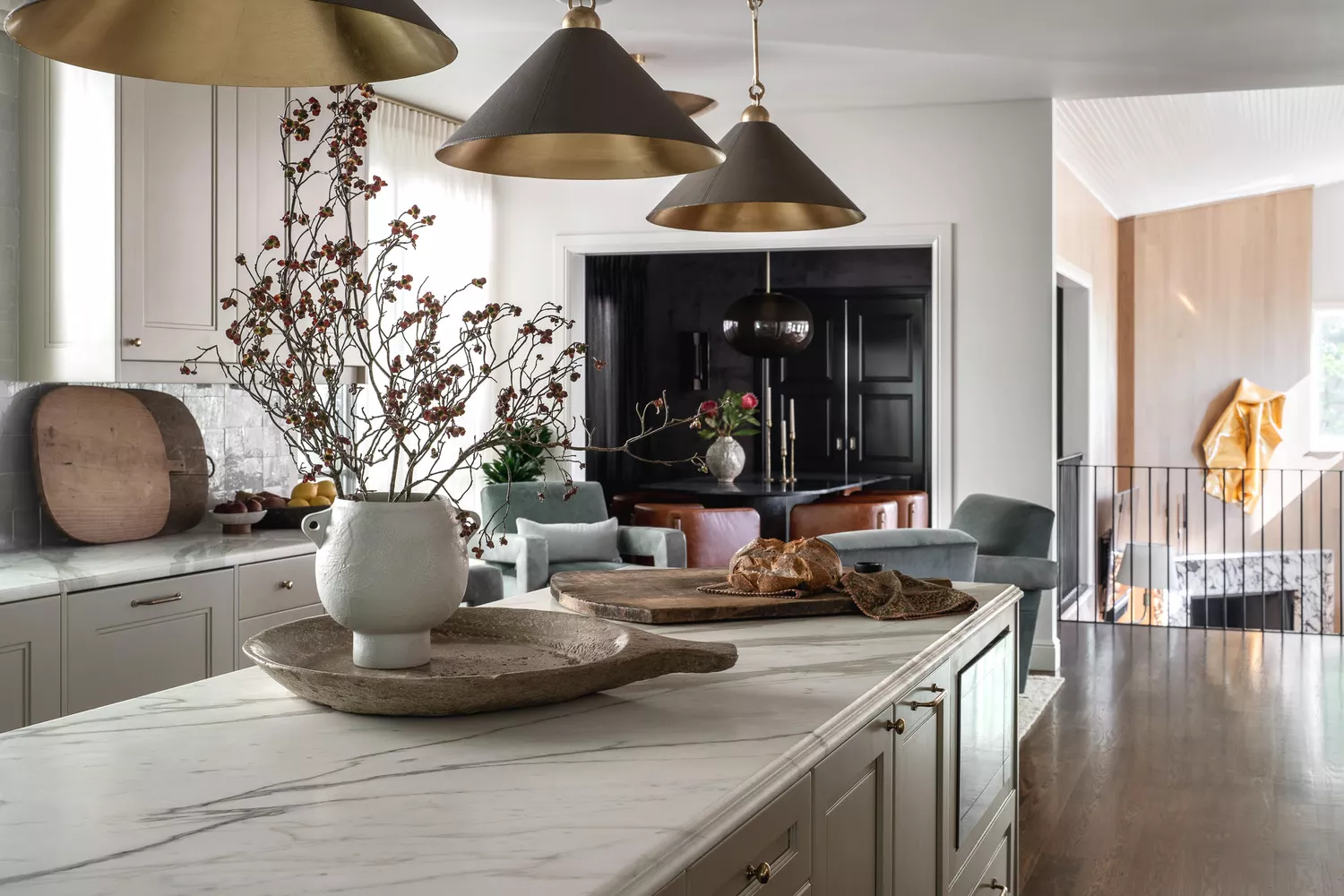
Another crucial aspect is decorating with warm, natural materials. Texture and material choices are paramount in crafting cozy and inviting schemes. Kathy Kuo recommends natural materials like reclaimed wood dining tables, antique brass hardware, and textural rattan lampshades to evoke a sense of rustic nostalgia. The use of rattan pendant lights and rustic wooden countertops on kitchen islands exemplifies how tactile materials can instantly make a kitchen feel softer and more inviting, moving away from a sterile ambiance.
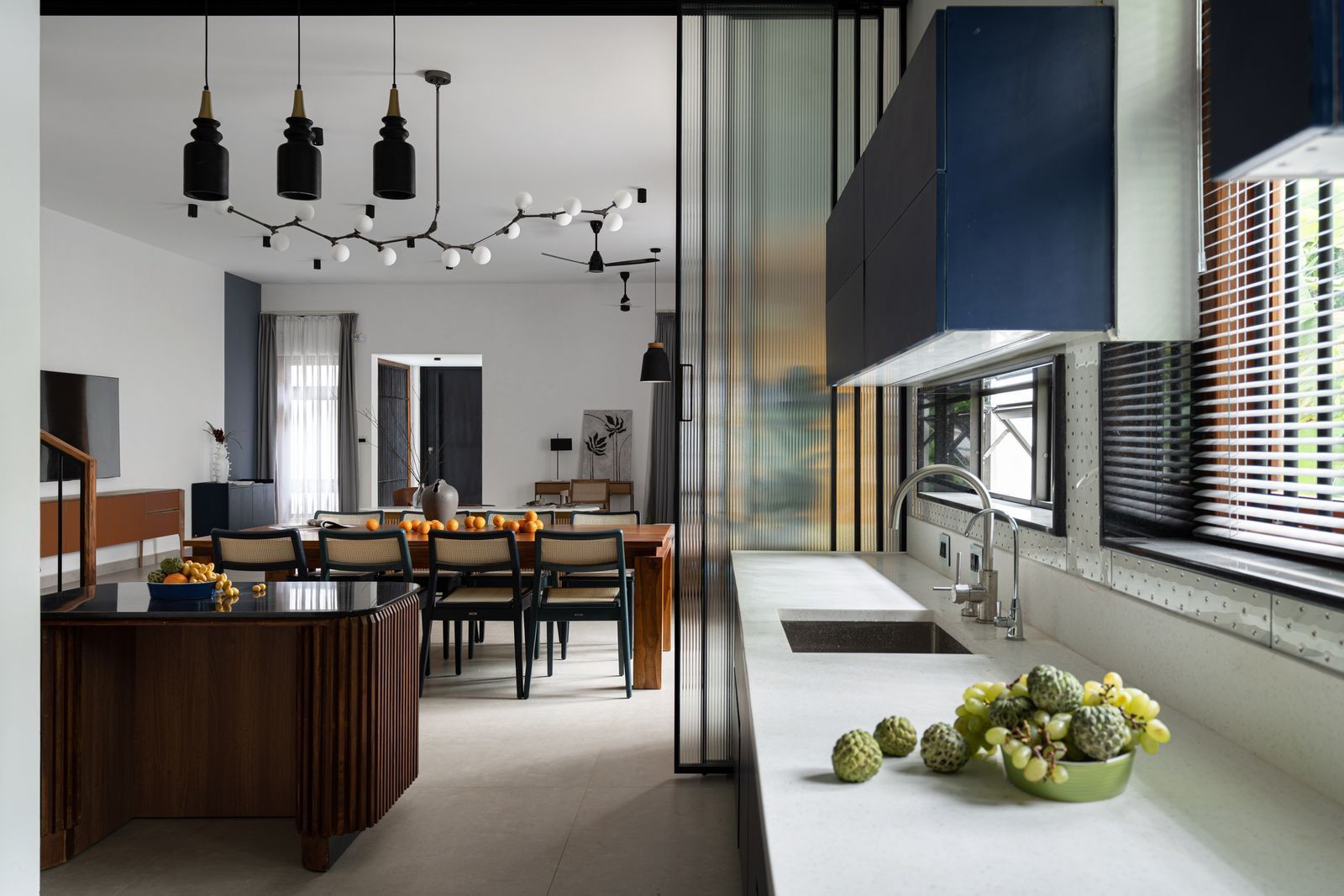
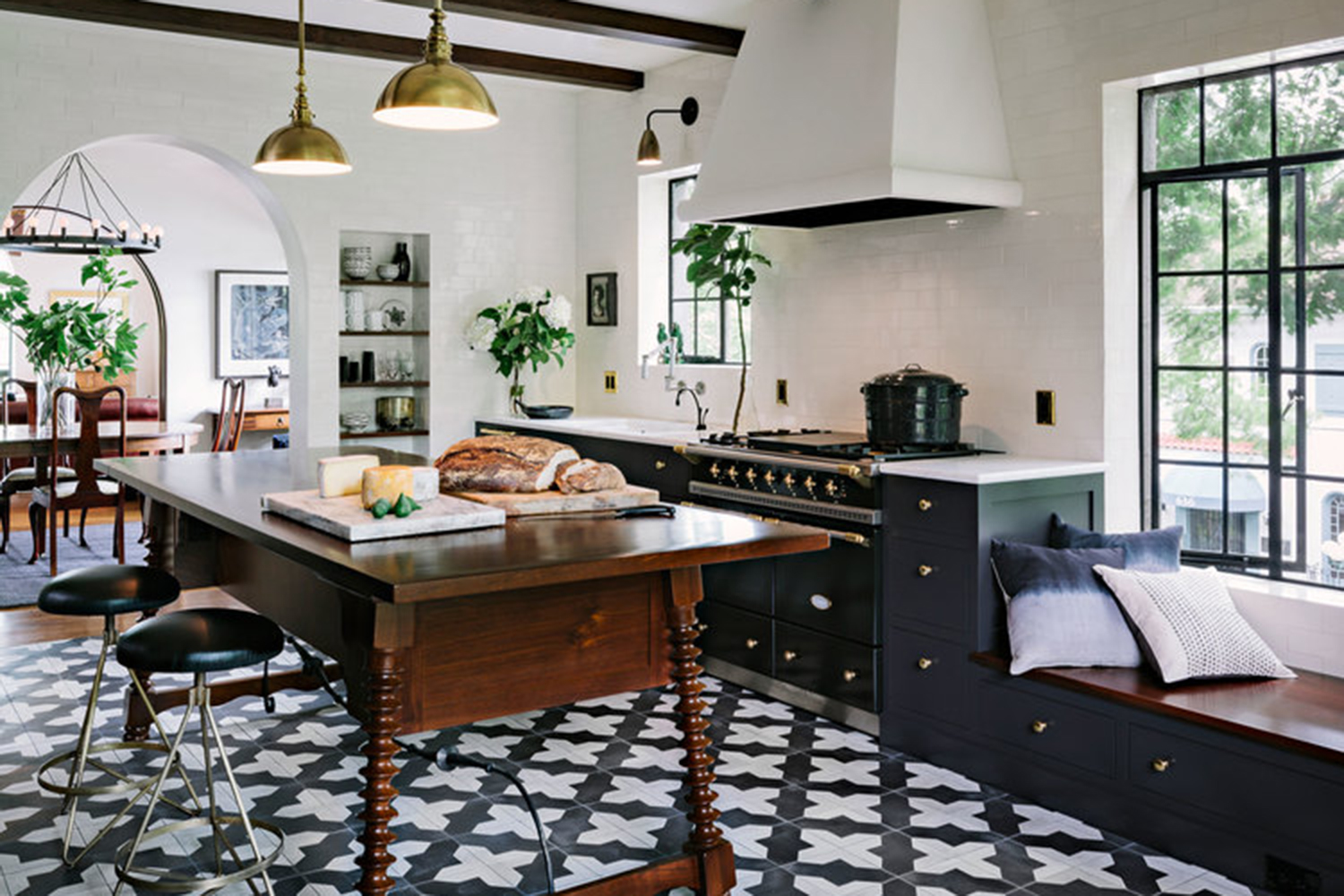
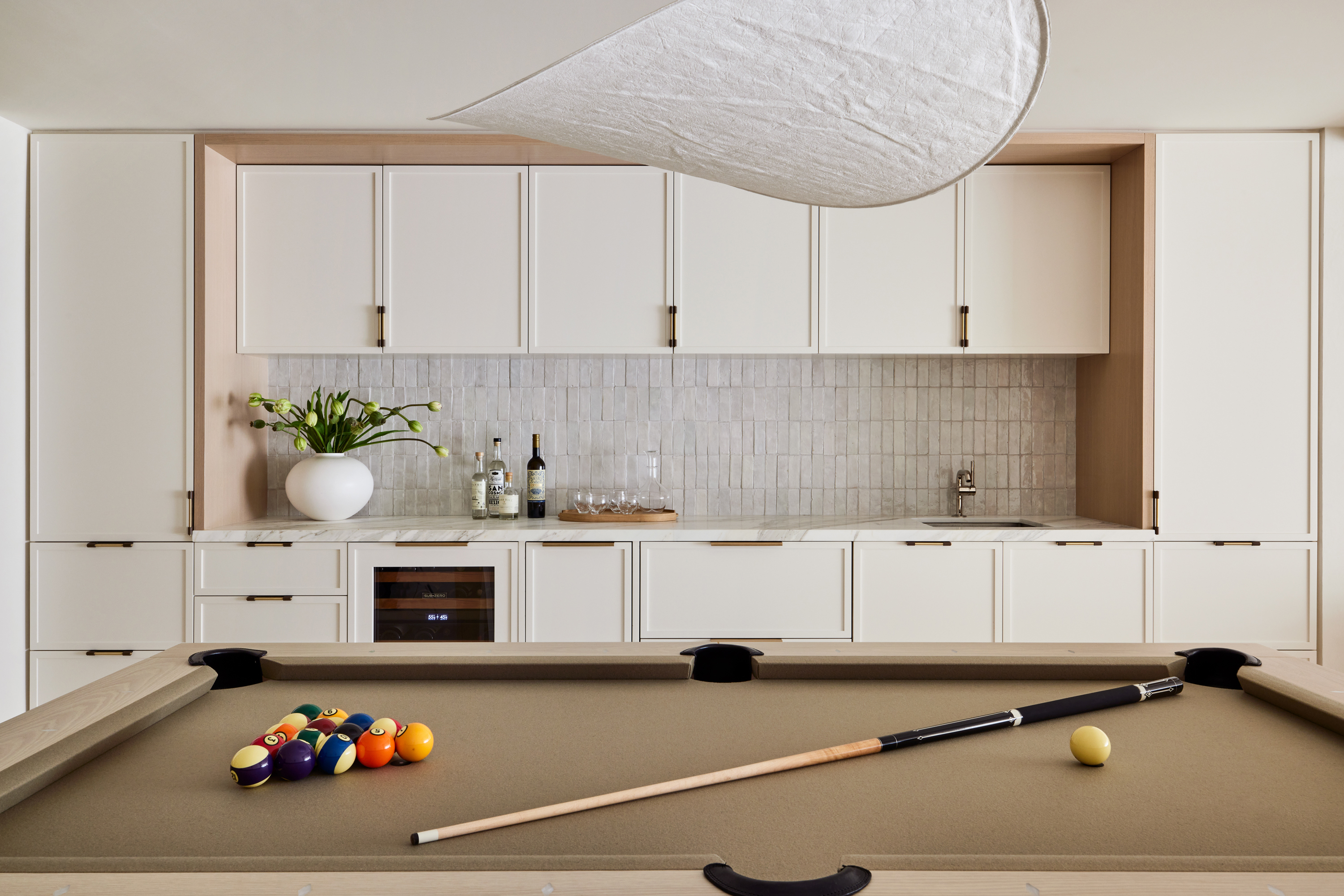
Layered lighting is also essential for establishing a soft kitchen atmosphere. A well-considered lighting scheme significantly influences the room’s ambiance. This includes incorporating warm task lighting, such as table lamps on counters or islands, and installing dimmer switches for adjustable light intensity. Decorating with candles further enhances the cozy feel. Tactile materials can also be integrated into lighting fixtures, such as fabric pendant lights or counter lamps, which create a living room-like coziness.
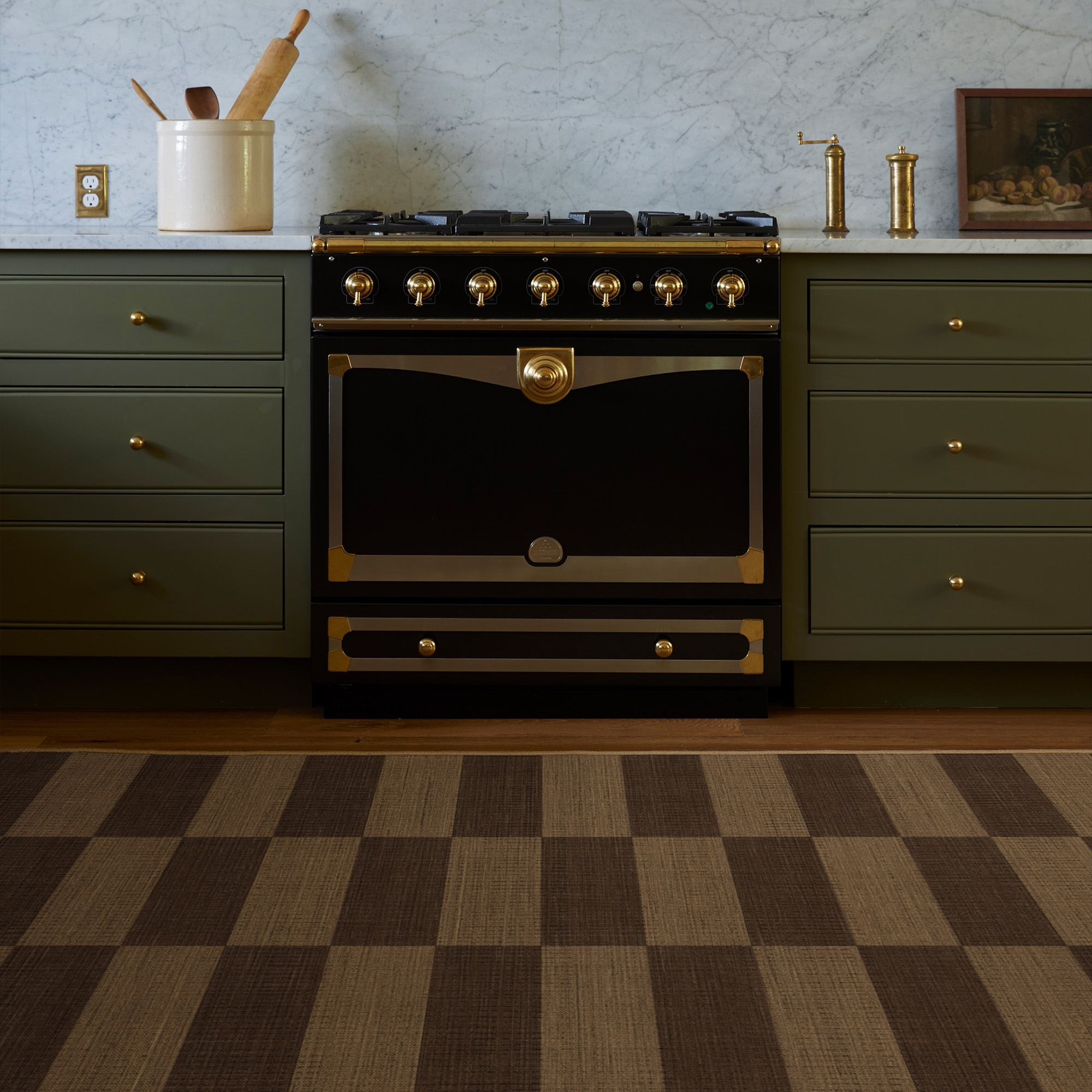
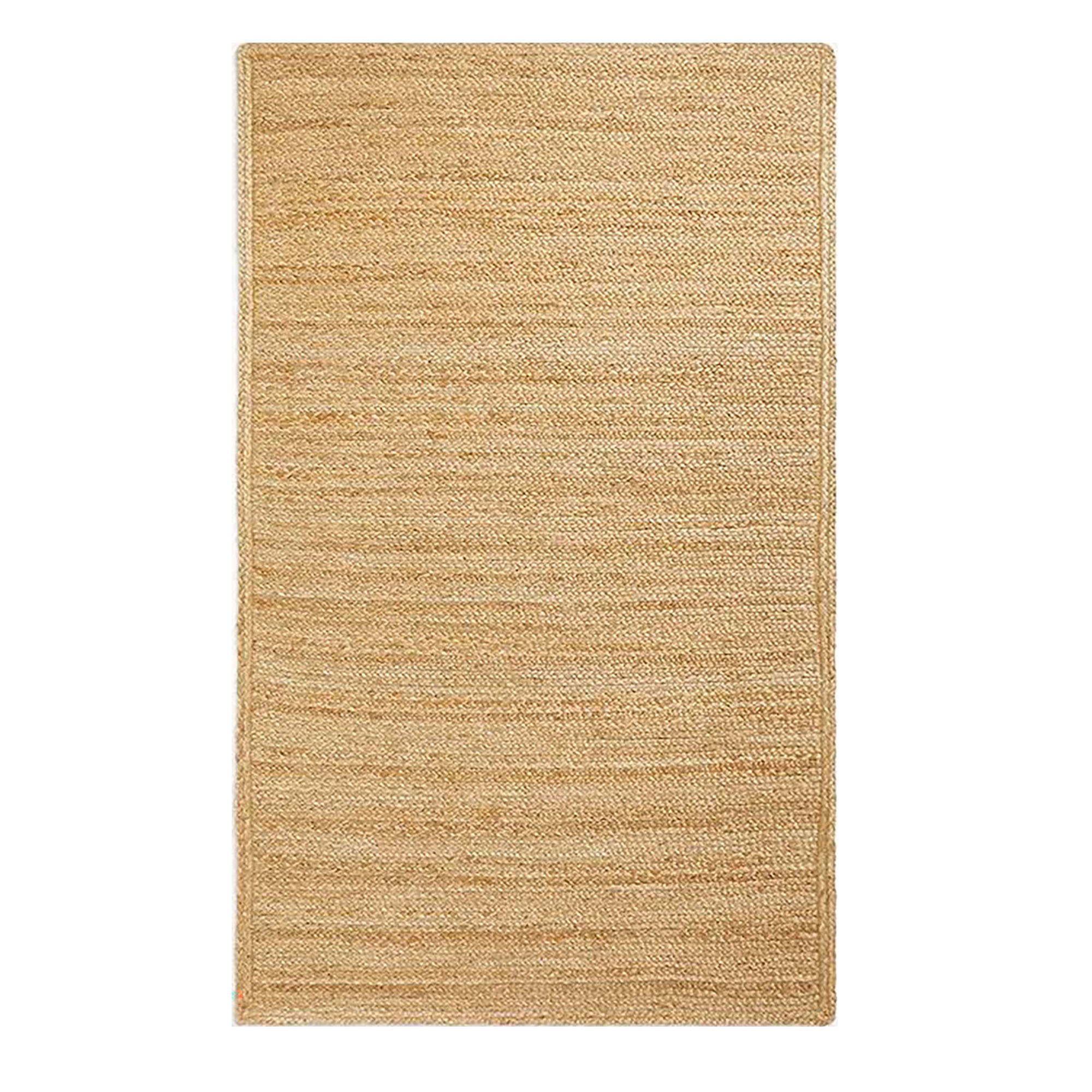
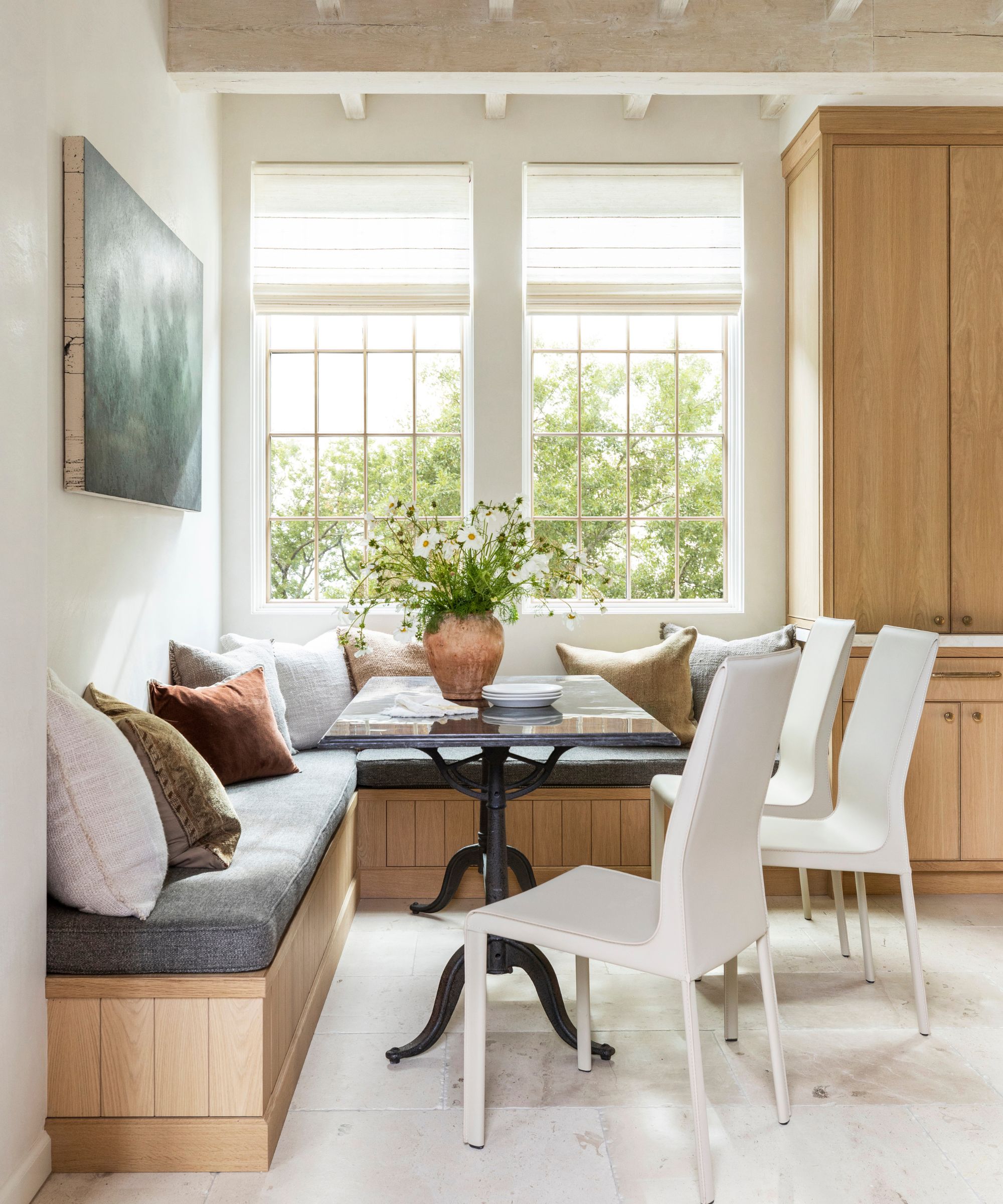
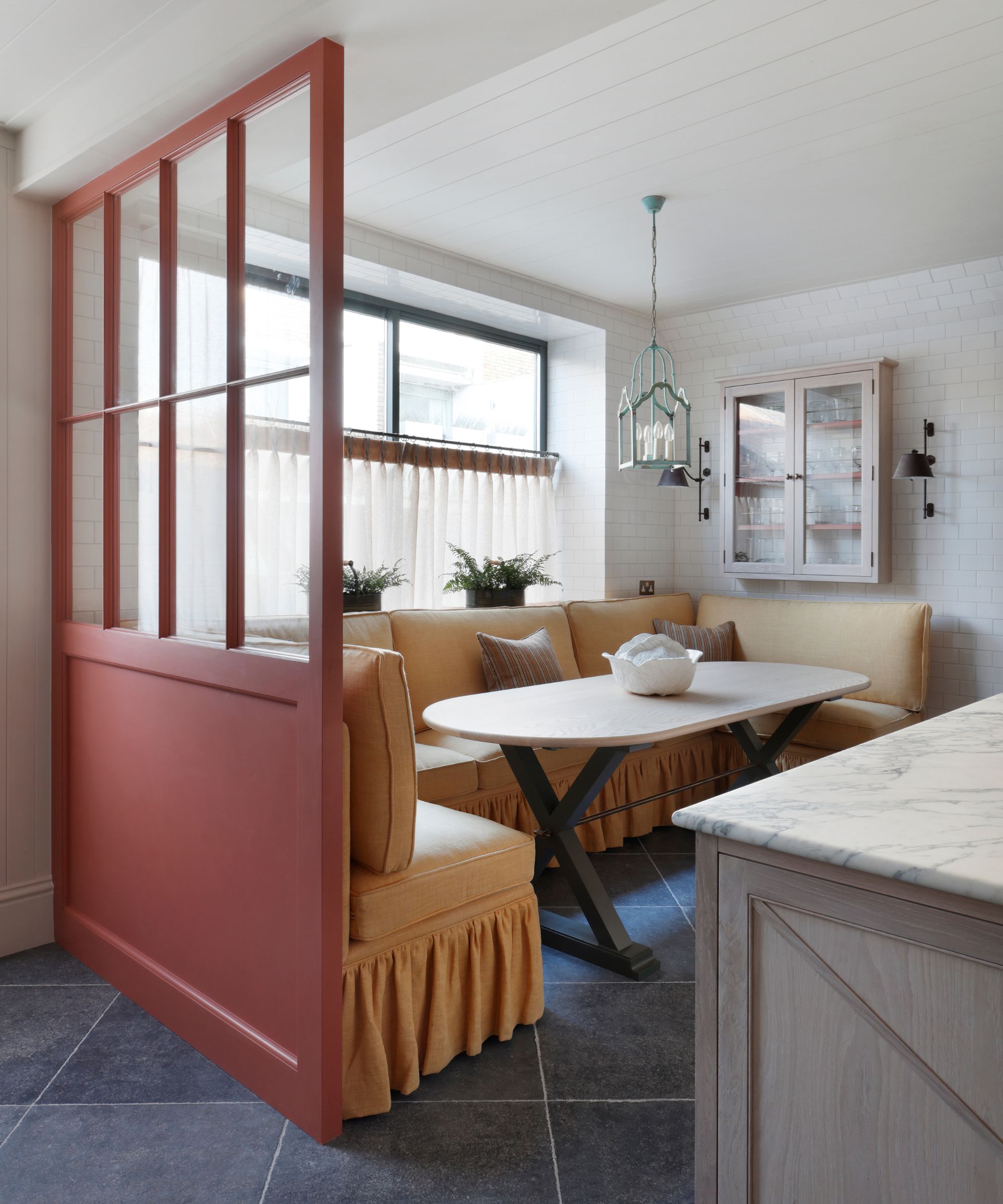
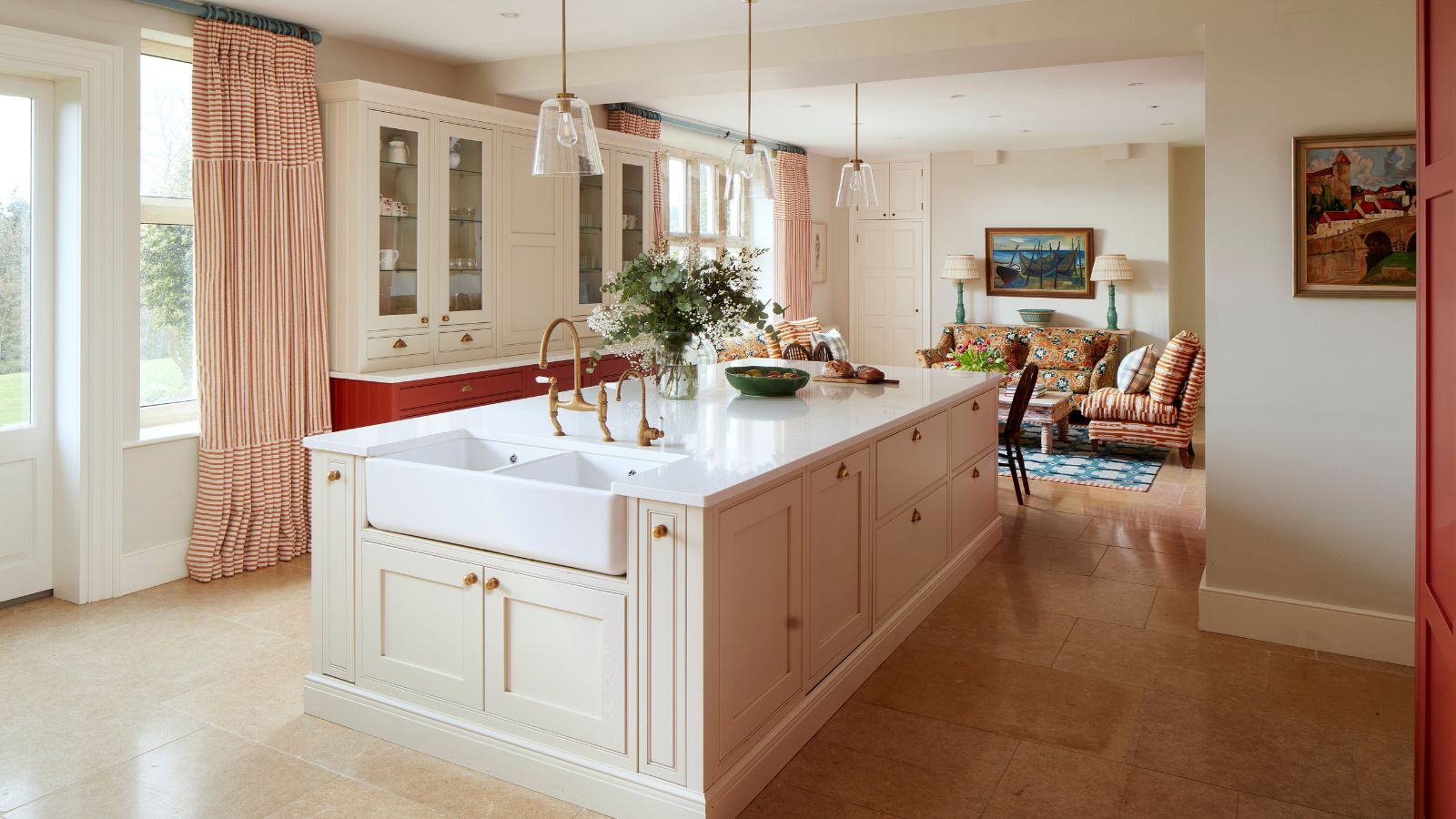
Incorporating cozy textiles is a direct way to soften a kitchen. Rugs, linens, curtains, and upholstered furniture seamlessly blend style and function. Kathy Kuo advises using soft runners in walkways, area rugs in breakfast nooks, plush seat cushions, throw pillows on benches, and floor-to-ceiling drapery or charming café curtains. Michelle suggests using textiles to introduce color or pattern, even something as simple as a kitchen rug or framed art, to instantly shift the mood.
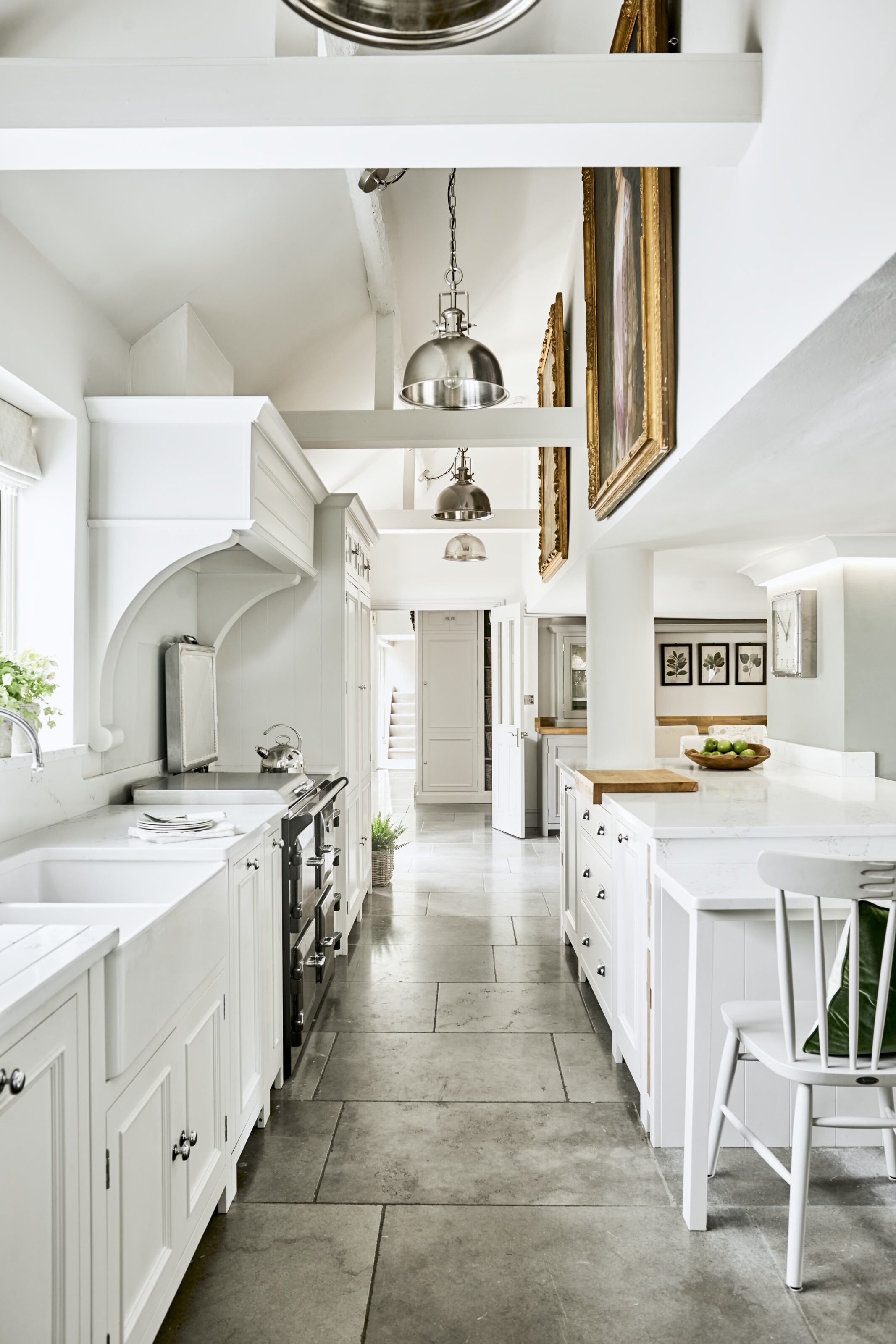
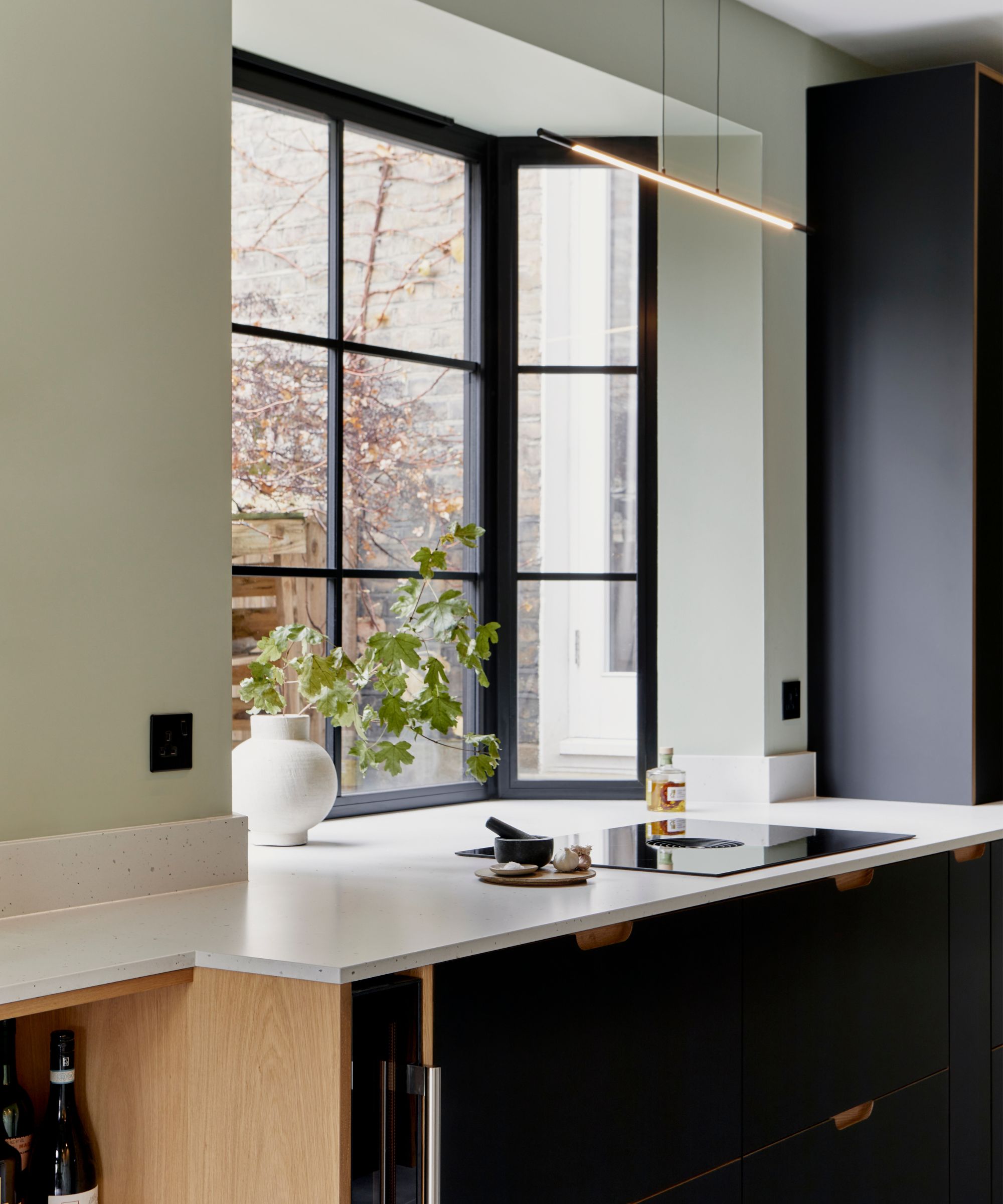
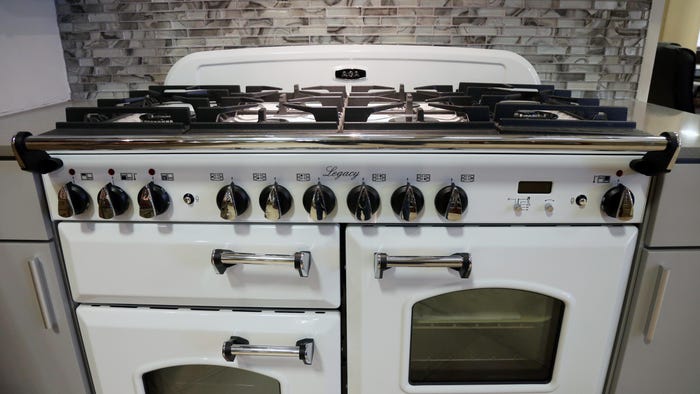
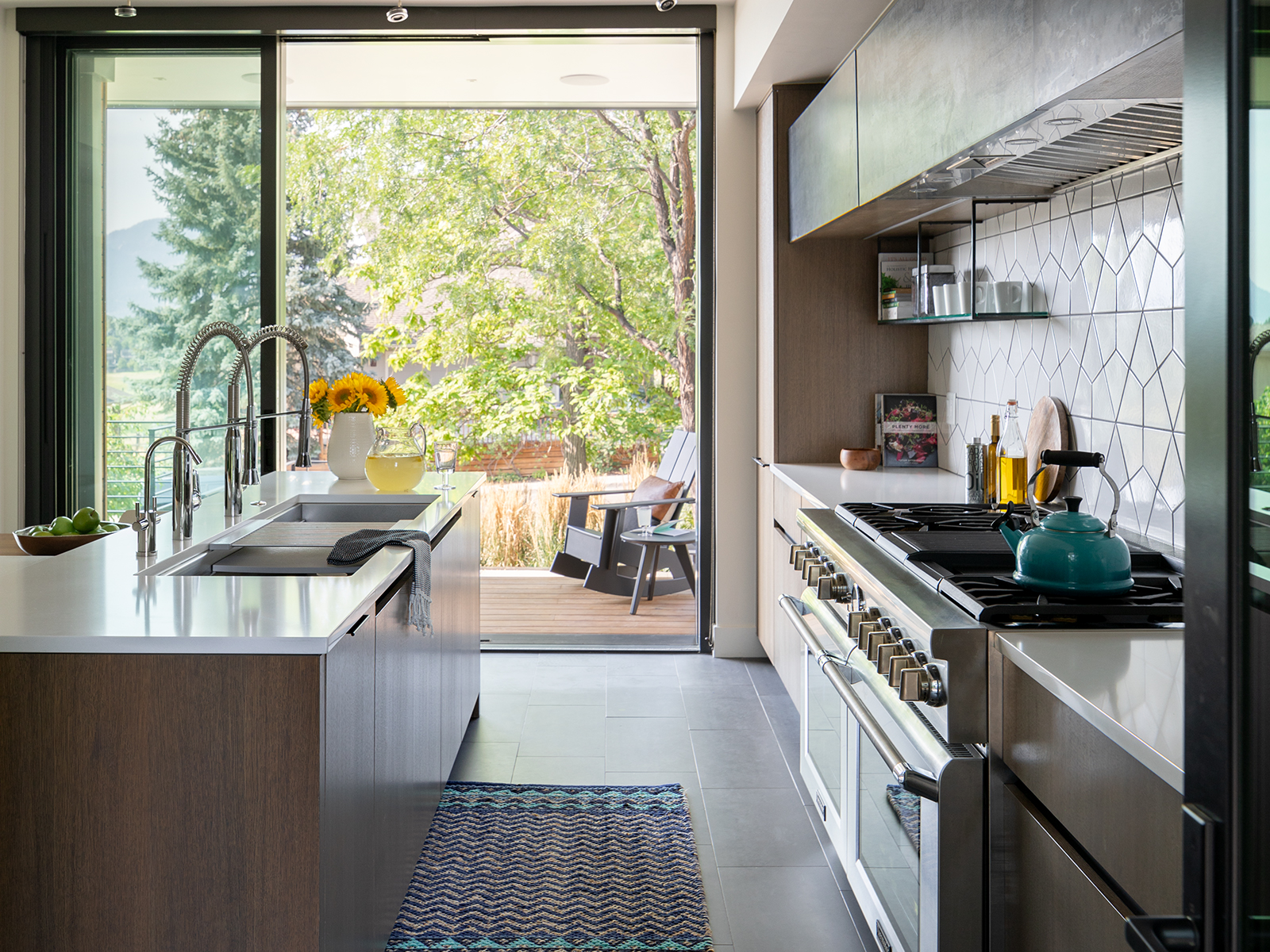
Finally, mixing in custom features and freestanding furniture helps remove harsh materials typically found in kitchens. Tom Wicksteed points to elements like decorated extractor housings, built-in banquette seating, low-level lighting, and soft furnishings such as armchairs. Swapping cold materials like steel for natural alternatives like wood instantly makes the kitchen more inviting. Freestanding furniture, such as a wooden kitchen island or a stylish pantry cabinet, can break up continuous built-ins, creating a more lived-in and personalized feel. The overall trend emphasizes evolving kitchens into extensions of living spaces, prioritizing comfort, personal character, and a welcoming atmosphere.
#SoftKitchen #KitchenDesign #HomeDecor #InteriorDesignTrends #NaturalMaterials #LayeredLighting #CozyInteriors #FunctionalSpaces #FreestandingFurniture #SoftKitchen #KitchenDesign #HomeDecor #InteriorDesignTrends #NaturalMaterials #LayeredLighting #CozyInteriors #FunctionalSpaces #FreestandingFurniture
0 comment in total
 No comments yet
You may also like
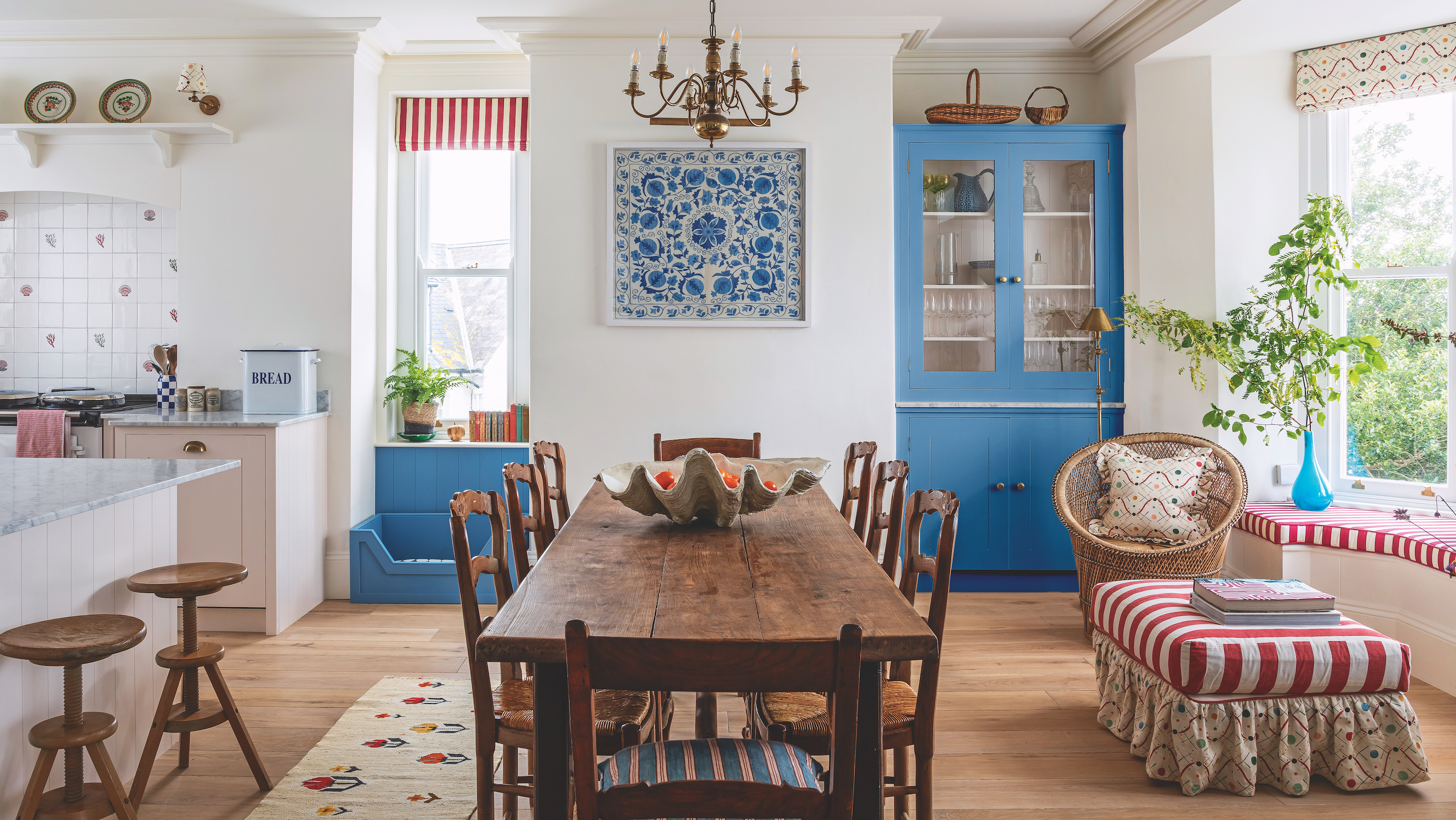
‘Soft kitchens’ are the latest way kitchen pros are making our spaces work harder - it’s the secret to an inviting design
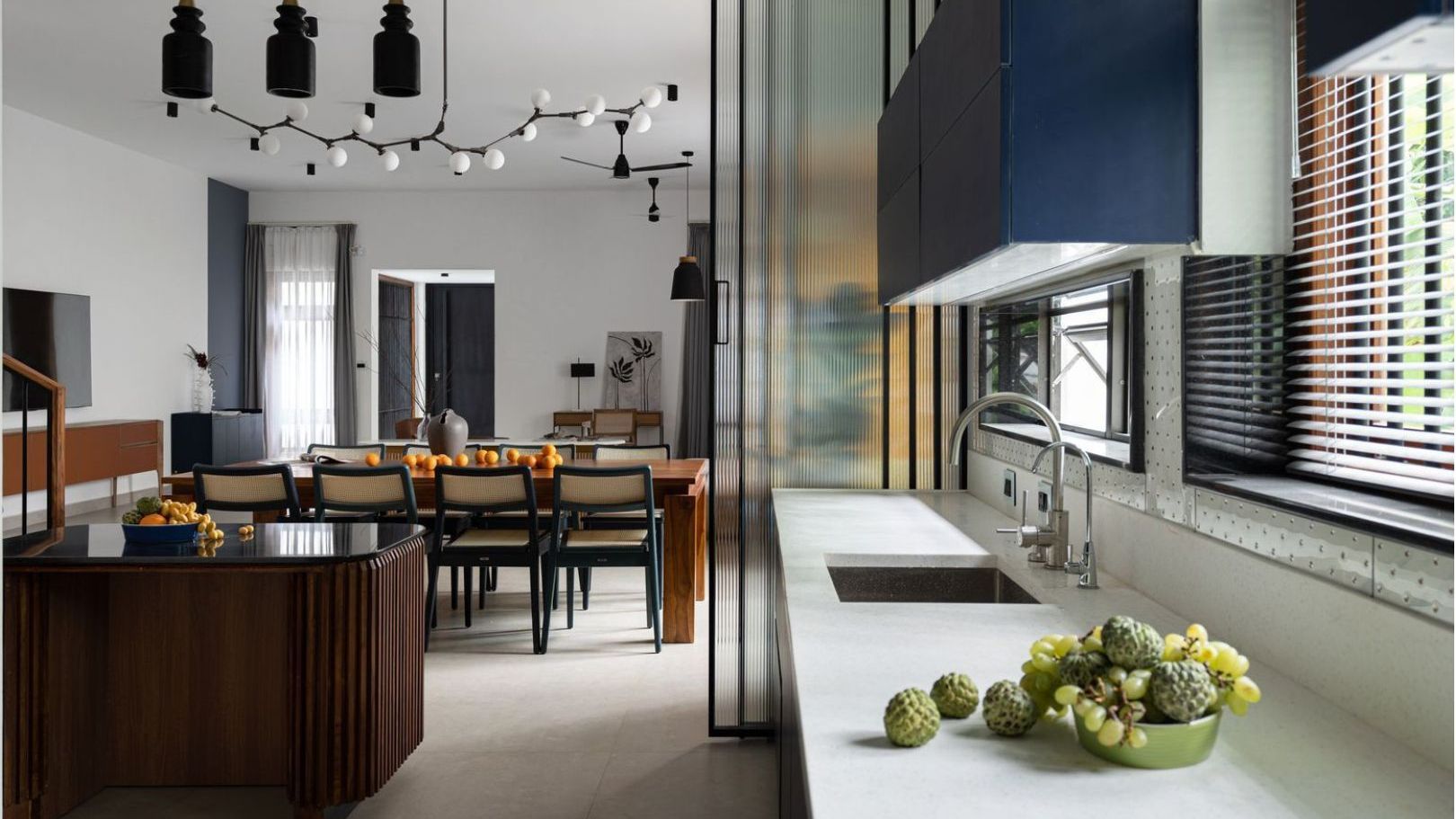
5 kitchen design ideas that will completely transform the heart of your home

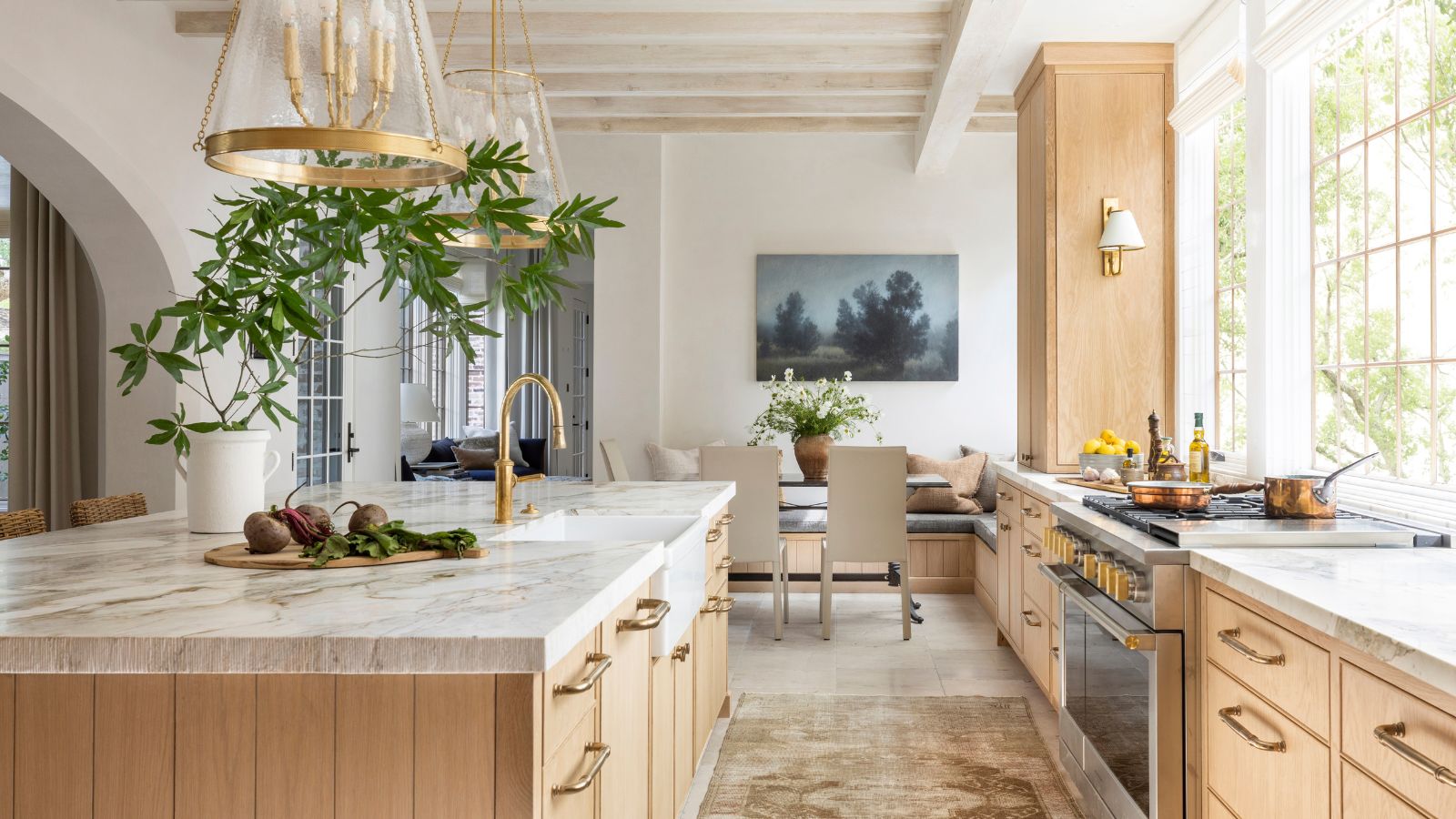
How can you add texture to a kitchen? This designer's kitchen is a lesson in adding tactile touches
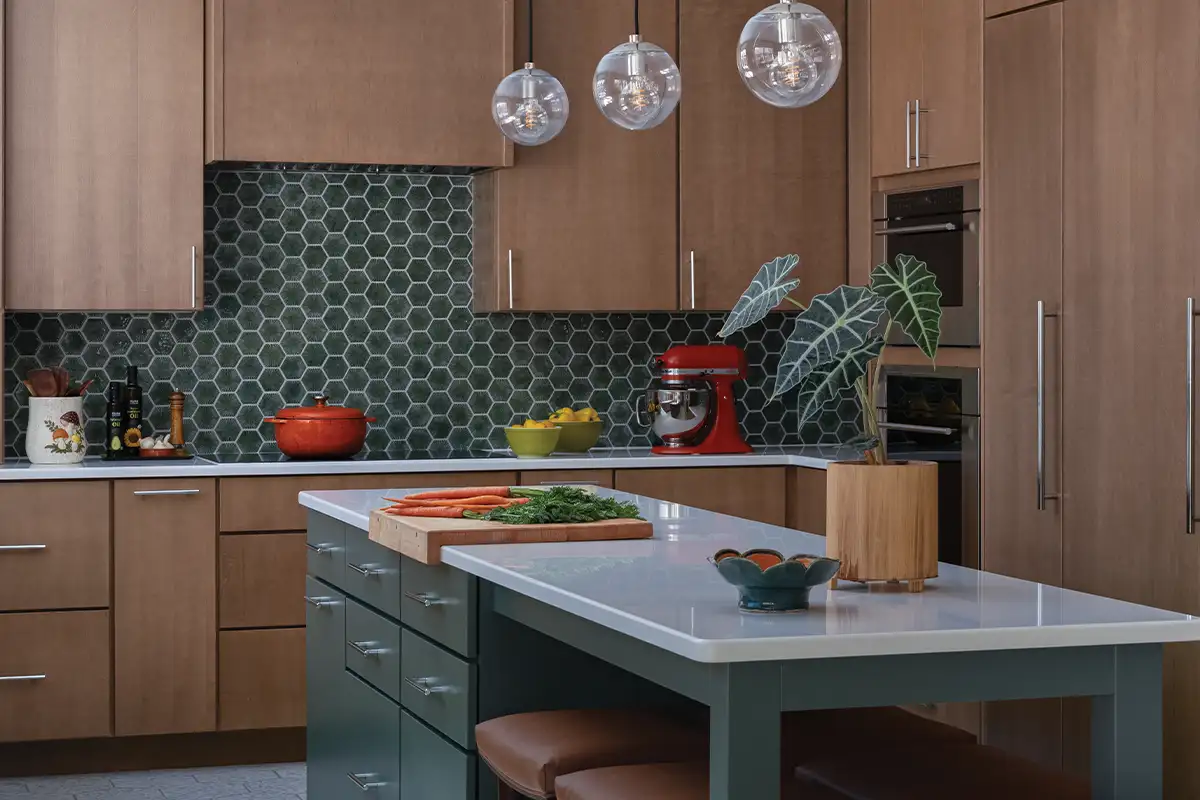
Get a Glimpse Inside 5 Stunning Kitchen Makeovers
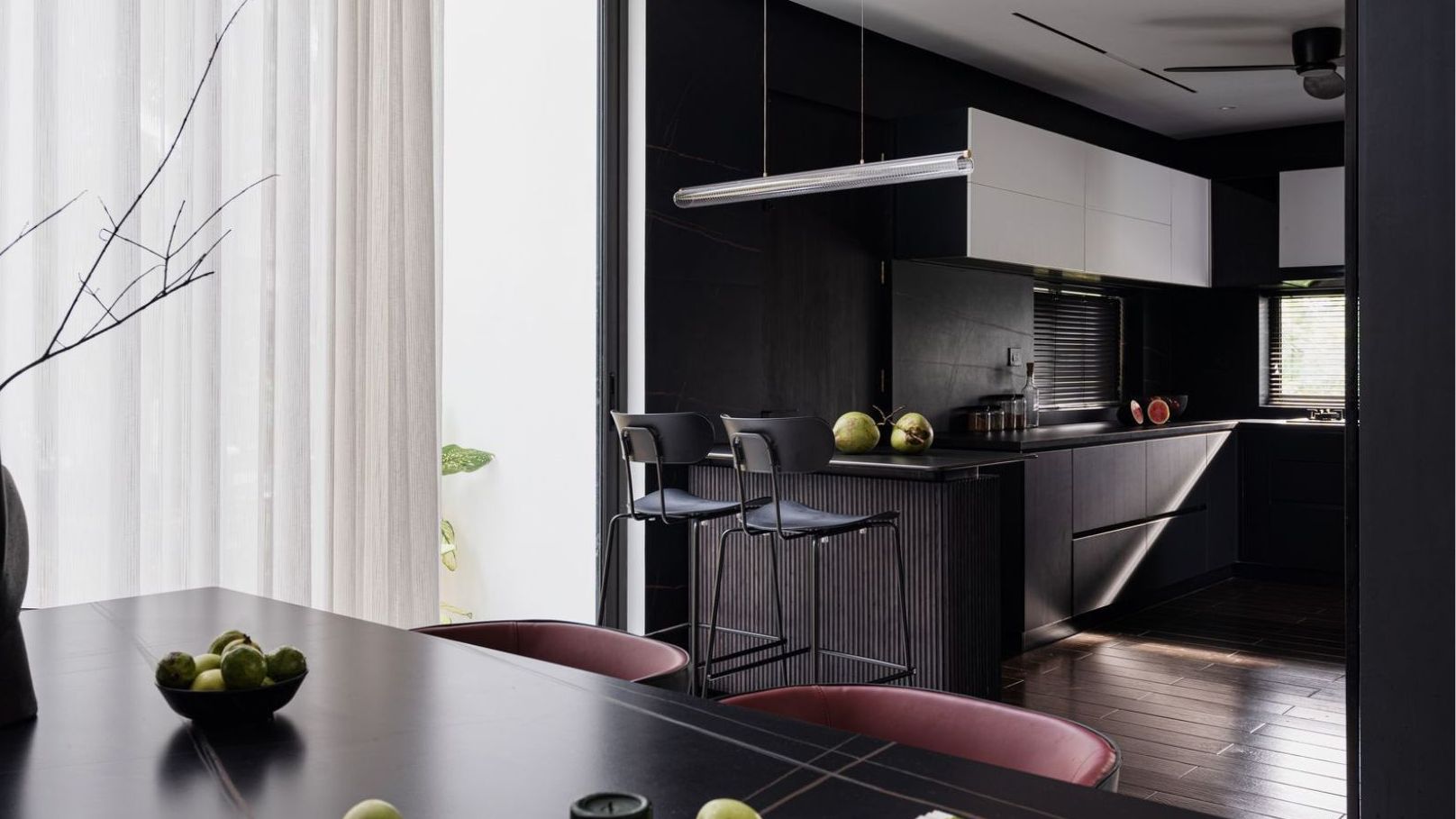
5 modern kitchen design ideas that are effortlessly stylish
How These Designers Created a Sense of Coziness in an Open-Concept Kitchen

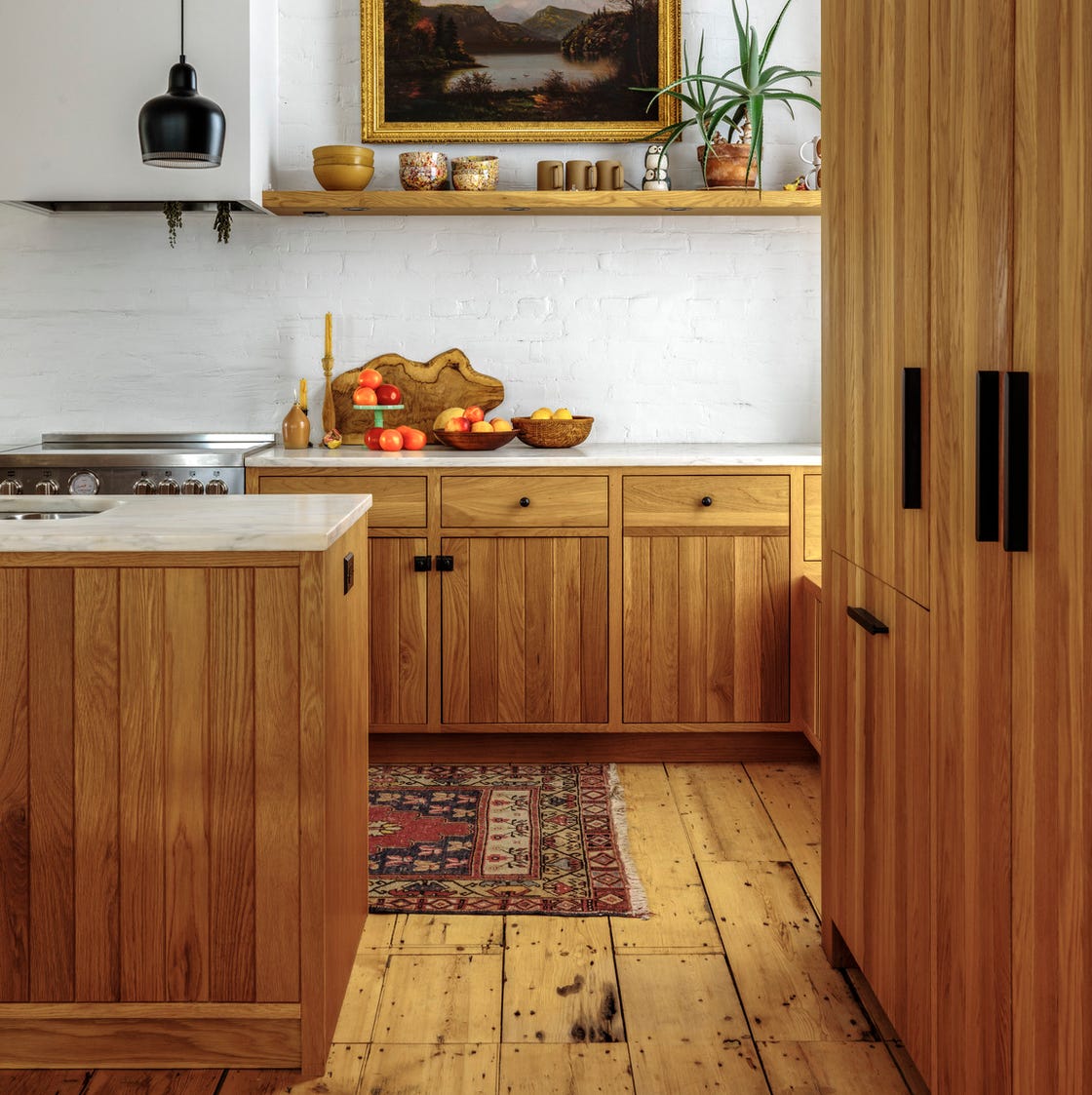
The Easiest Way To Make Your Kitchen Look RICH

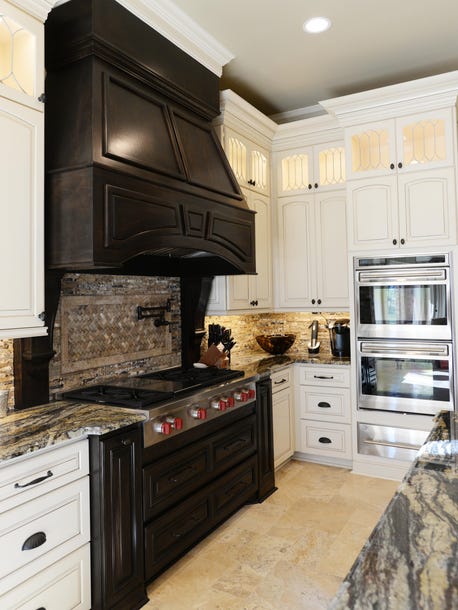
6 ways to a more luxurious kitchen
How to make a kitchen more relaxing – 12 designer tips to create a zen-like space
30 Gorgeous Décor Ideas to Make Your Kitchen More Inviting

What does the future of kitchens look like? I asked 6 designers what they think will be big in kitchen design in the next 10 years

Kitchen couture: here are five unique new-age designs


5 Ways to Master a Seamless Kitchen Design
How to Make a Small Kitchen Feel More Airy — 5 Designer-Approved Tricks to Enhance Light and Space

8 hacks the best designers use to make a kitchen more ergonomic – from the right layout to raising your appliances
Kitchen Design Solutions

For a Homey and Charming Kitchen Vibe, Designers Say to Choose This Aesthetic

5 Great Kitchen-Design Ideas That Will Transform Your Home
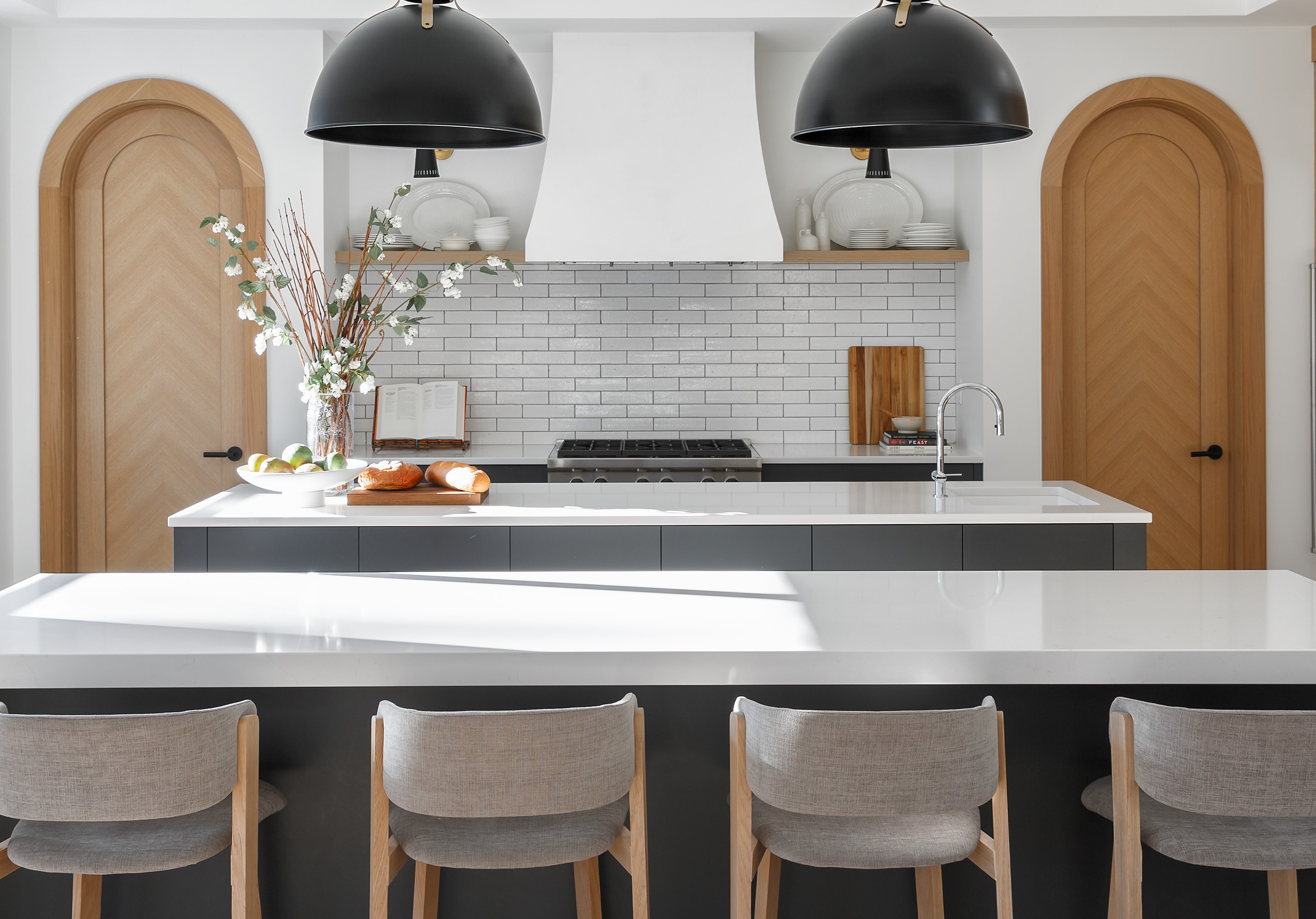
Symmetry in kitchens — the trend designers love that creates a calming, clutter-free space
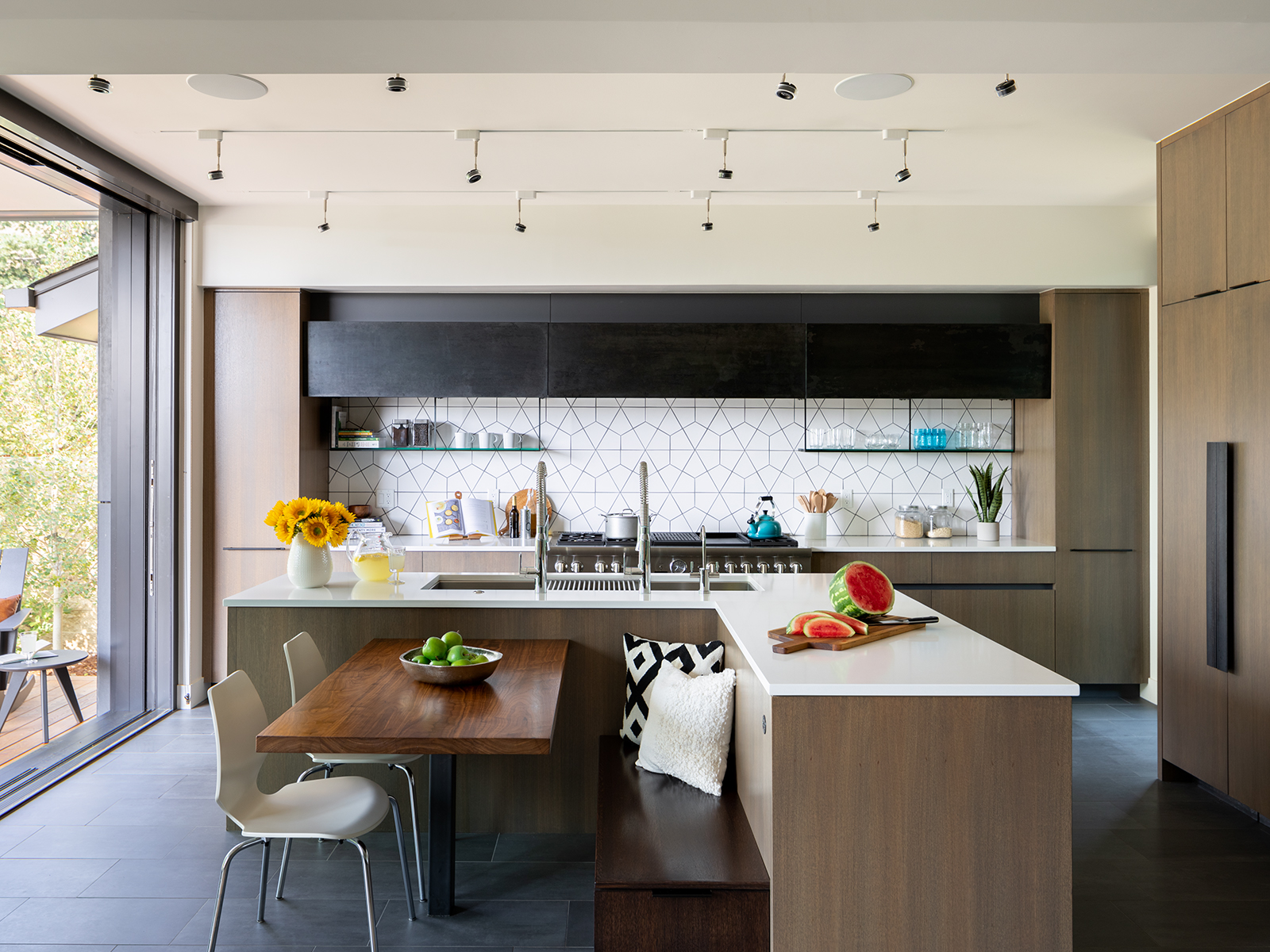
5 (Fresh!) Tips for a Minimalist Kitchen