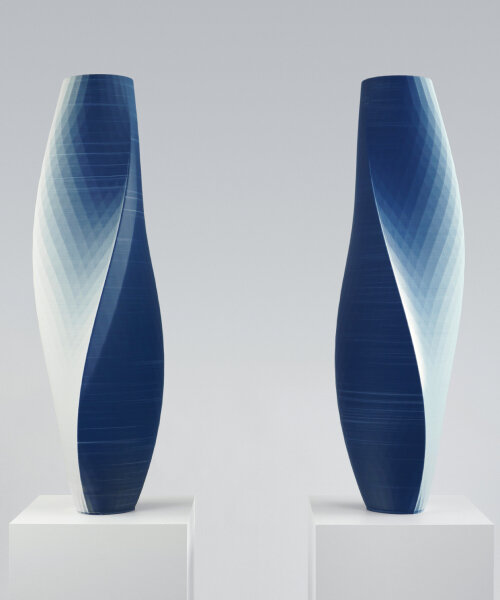
olivier van herpt’s 3D printer can form large-scale, white porcelain vases without collapsing
Dutch designer Olivier van Herpt has achieved a significant breakthrough in 3D printing large-scale porcelain objects, specifically vases, without encountering the common issues of cracking or collapsing during the firing process. This innovation addresses a long-standing challenge in ceramics, particularly with true white, hard-paste porcelain, which is known for its high shrinkage rate and tendency to deform at high temperatures.
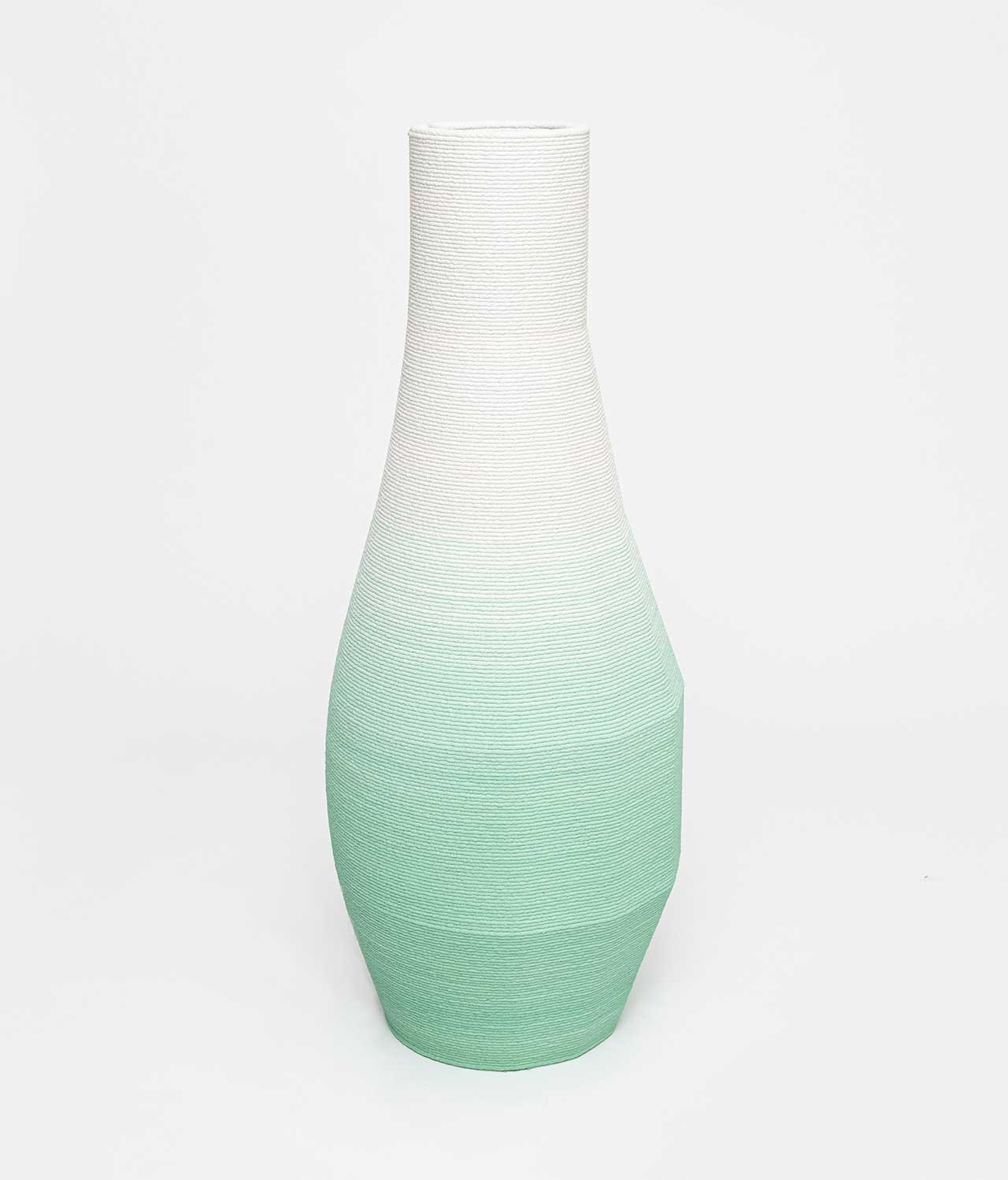
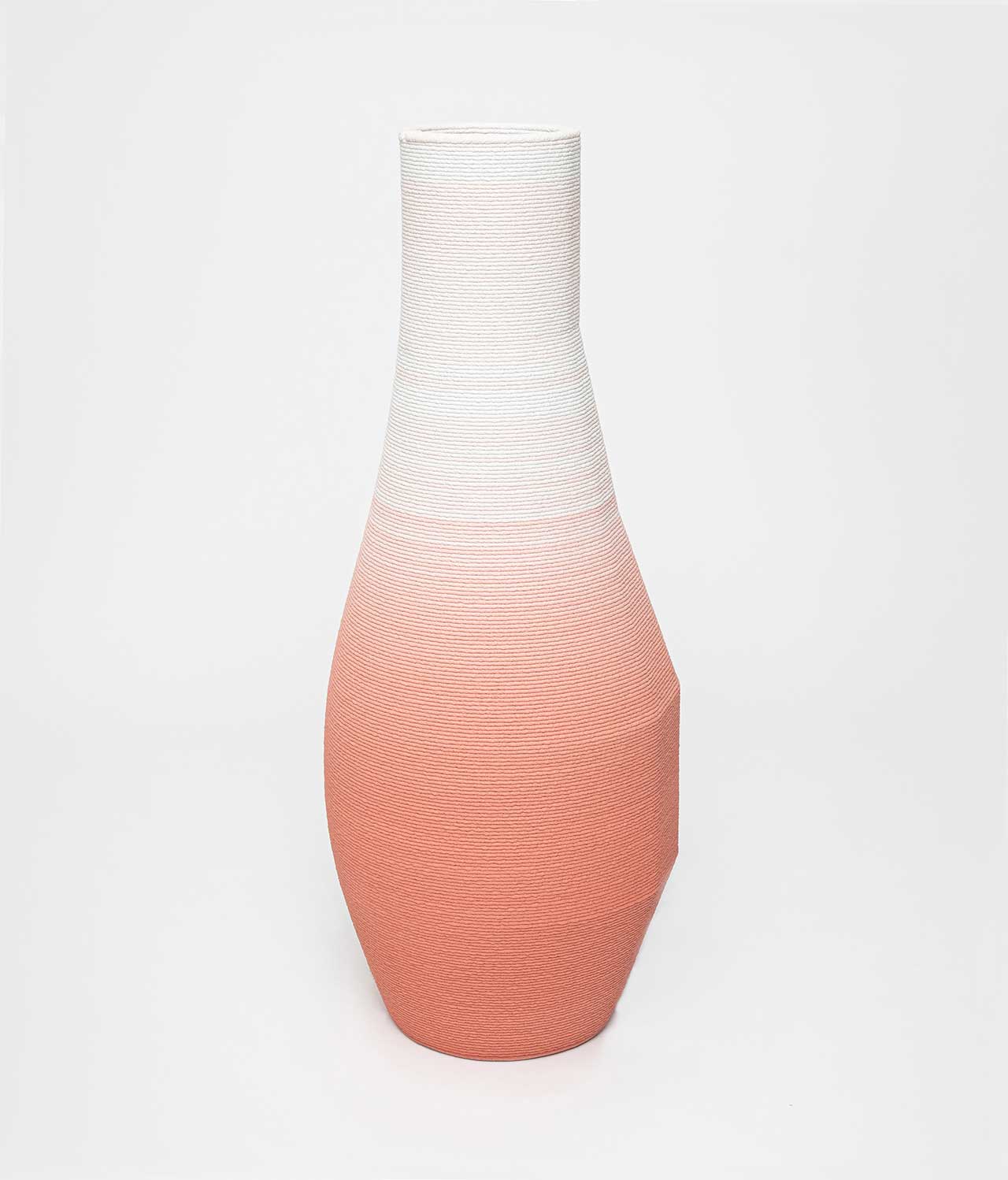
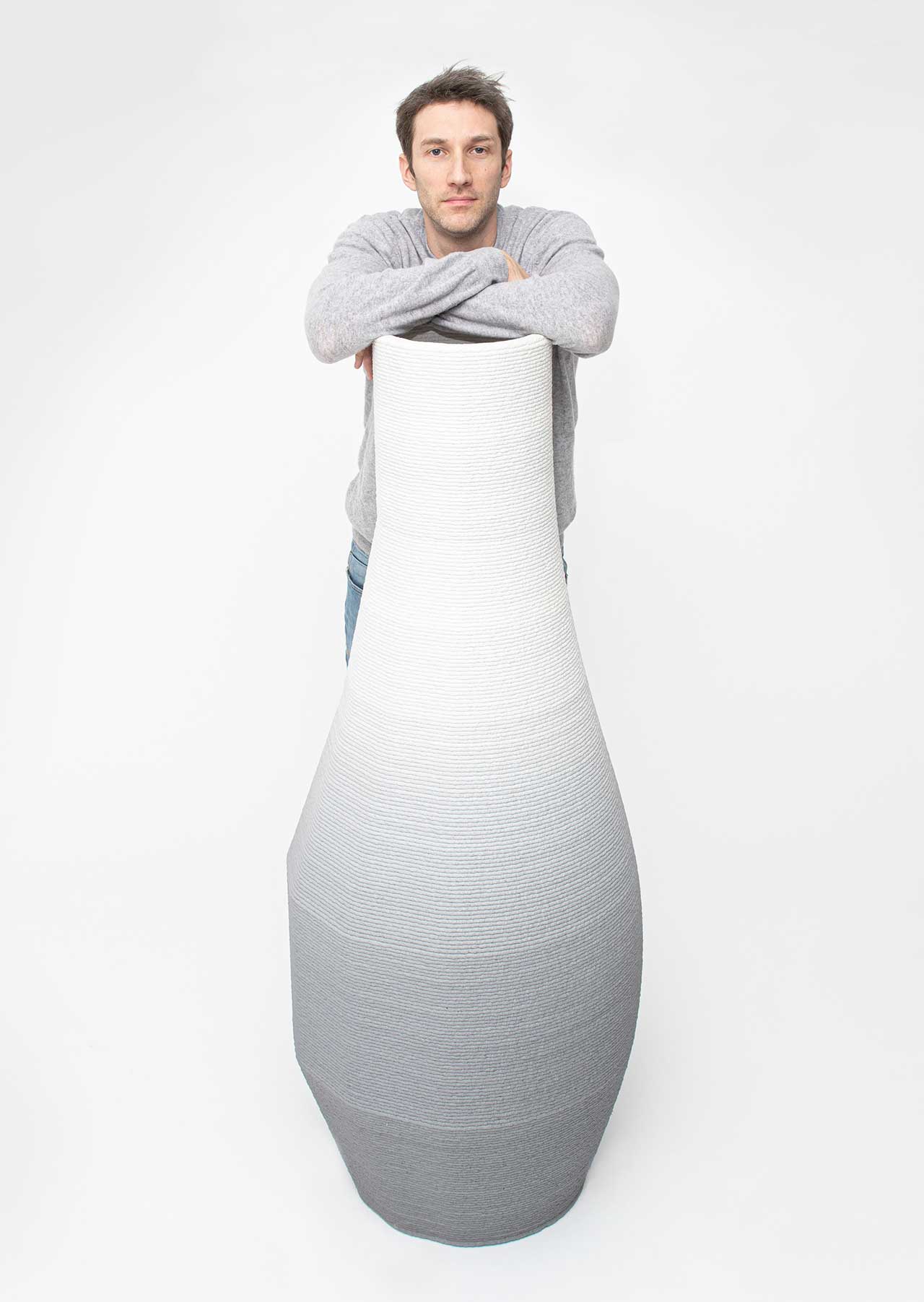
Van Herpt’s previous work in 3D printing porcelain vases and functional ceramics involved smaller scale pieces. However, his new technique, developed over four years since 2020, allows for the creation of delicate, lightweight, and intricate swerving vases that can stand over a meter tall. A key aspect of this advancement is the use of a custom-built 3D printer equipped with a thin nozzle, capable of extruding porcelain clay with precision that maintains structural integrity throughout the manufacturing cycle.
The resulting objects retain their form and do not exhibit cracks or deformations after being fired in the kiln. An exemplary series, titled ‘Dunes,’ showcases this new capability with large-scale, blue-and-white porcelain vases. The Kunstmuseum Den Haag has recognized the significance of this development by acquiring a pair of 'Dunes' vases for its permanent collection. Unlike traditional methods where color is applied post-firing, van Herpt integrates the coloring during the 3D printing process itself, ensuring a cohesive and durable finish.
One of the primary difficulties in working with pure white porcelain is its substantial shrinkage, which can be as much as 30 centimeters for large pieces, leading to instability and cracking. To counteract this, van Herpt implemented digitally controlled drying chambers, enabling precise environmental management to mitigate stress on the clay during drying. Furthermore, he developed and 3D printed thin, reusable saggars (protective containers) made of fired clay. These saggars are designed to encase the porcelain pieces within the kiln, ensuring even heat distribution and thereby preventing localized stress that could lead to cracks or collapse.
Traditional approaches to prevent porcelain from collapsing during firing involve mixing it with less fusible materials, which compromises the purity of the white porcelain, or limiting designs to more stable geometries. Van Herpt's method allows for complex, dynamic forms while preserving the pure composition of the porcelain. This control over the drying and firing environment, combined with his specialized 3D printer and the use of pure white porcelain, represents a significant step forward in ceramic manufacturing. The ability to produce tall, intricate, and robust porcelain objects without damage opens new possibilities for artistic expression and functional design in ceramics.
#3DPrinting #Porcelain #Ceramics #OlivierVanHerpt #LargeScalePrinting #VaseDesign #KunstmuseumDenHaag #AdditiveManufacturing #3DPrinting #Porcelain #Ceramics #OlivierVanHerpt #LargeScalePrinting #VaseDesign #KunstmuseumDenHaag #AdditiveManufacturing
合計0件のコメント
 まだコメントはありません
あなたも好きかもしれません
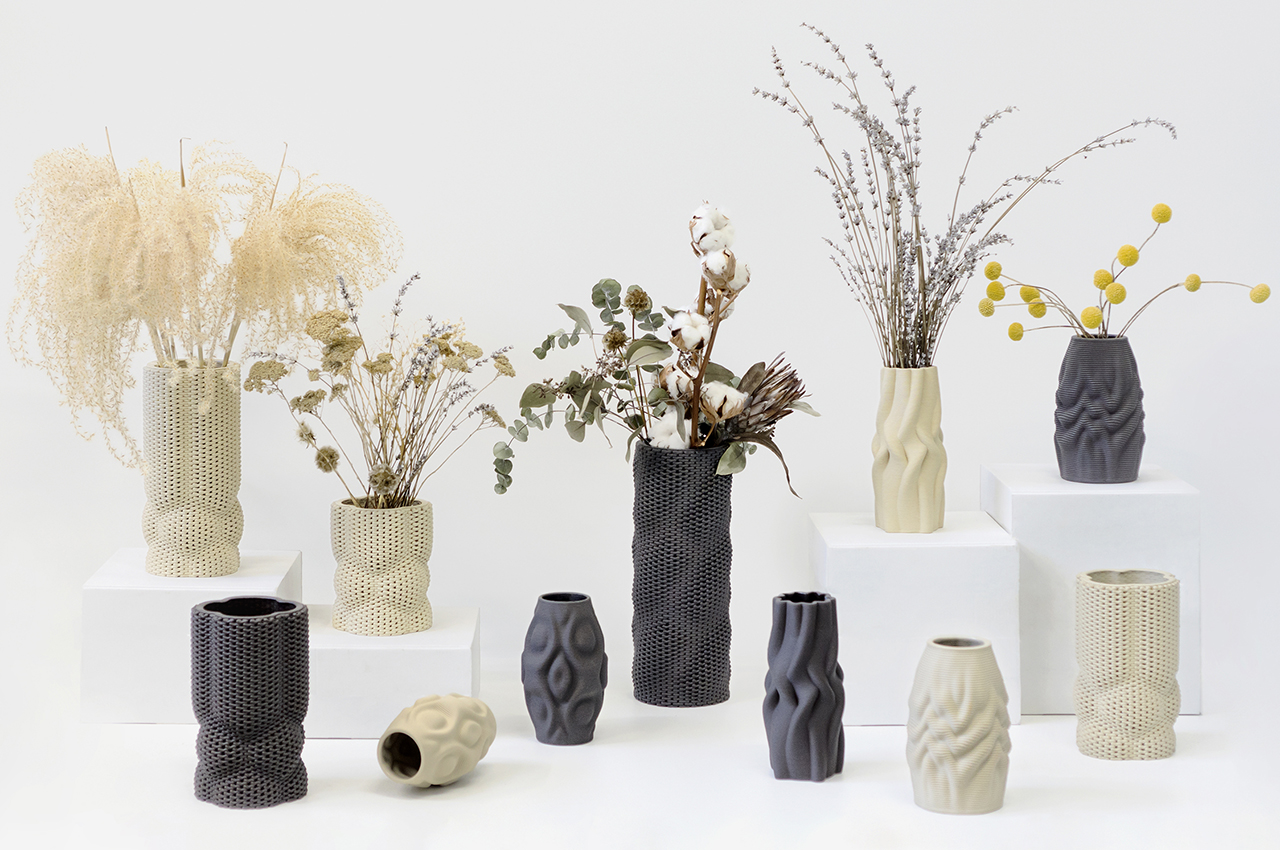
3D-Printed Ceramic Vases That Mimic Nature’s Patterns
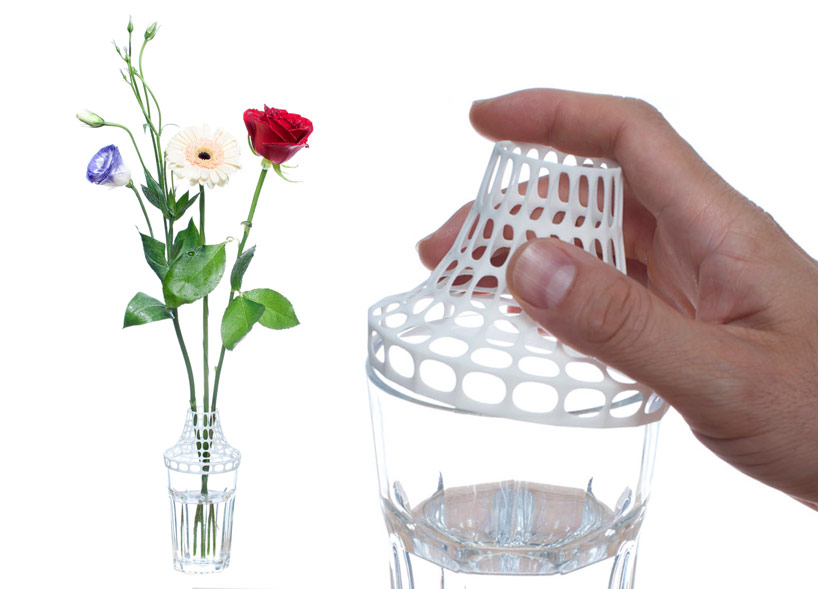
3D printed clip on vase modifies drinking glass
High-tech production creates a handcrafted look

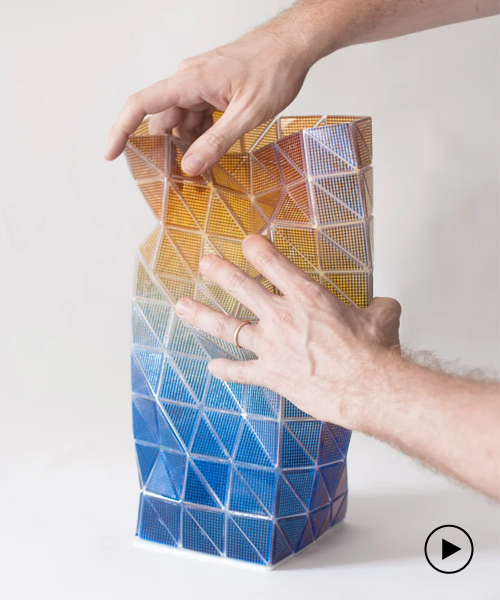
manipulate glass with the 'touch-me' vase collection by matteo silverio + stefano bullo
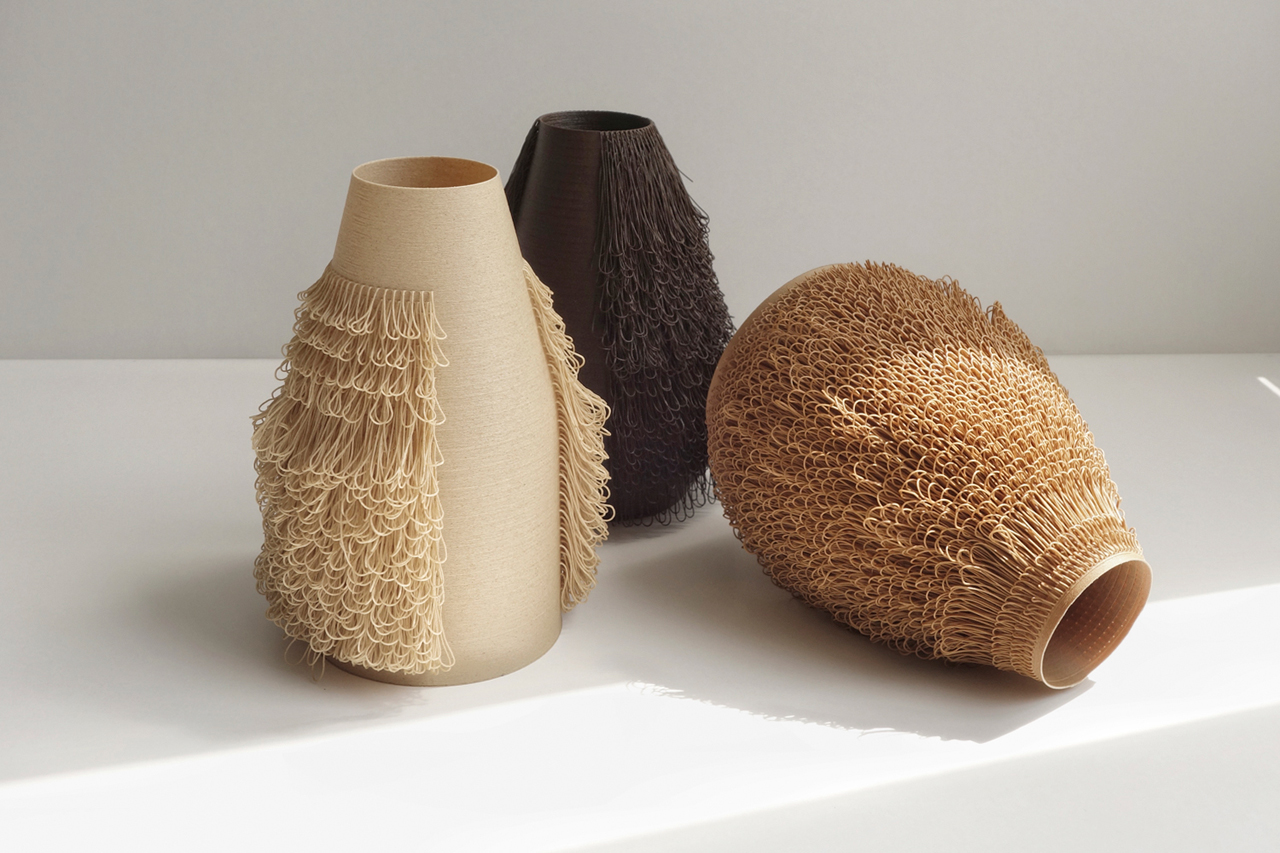
Poilu Vases Are 3D Printed with Implanted "Hair"
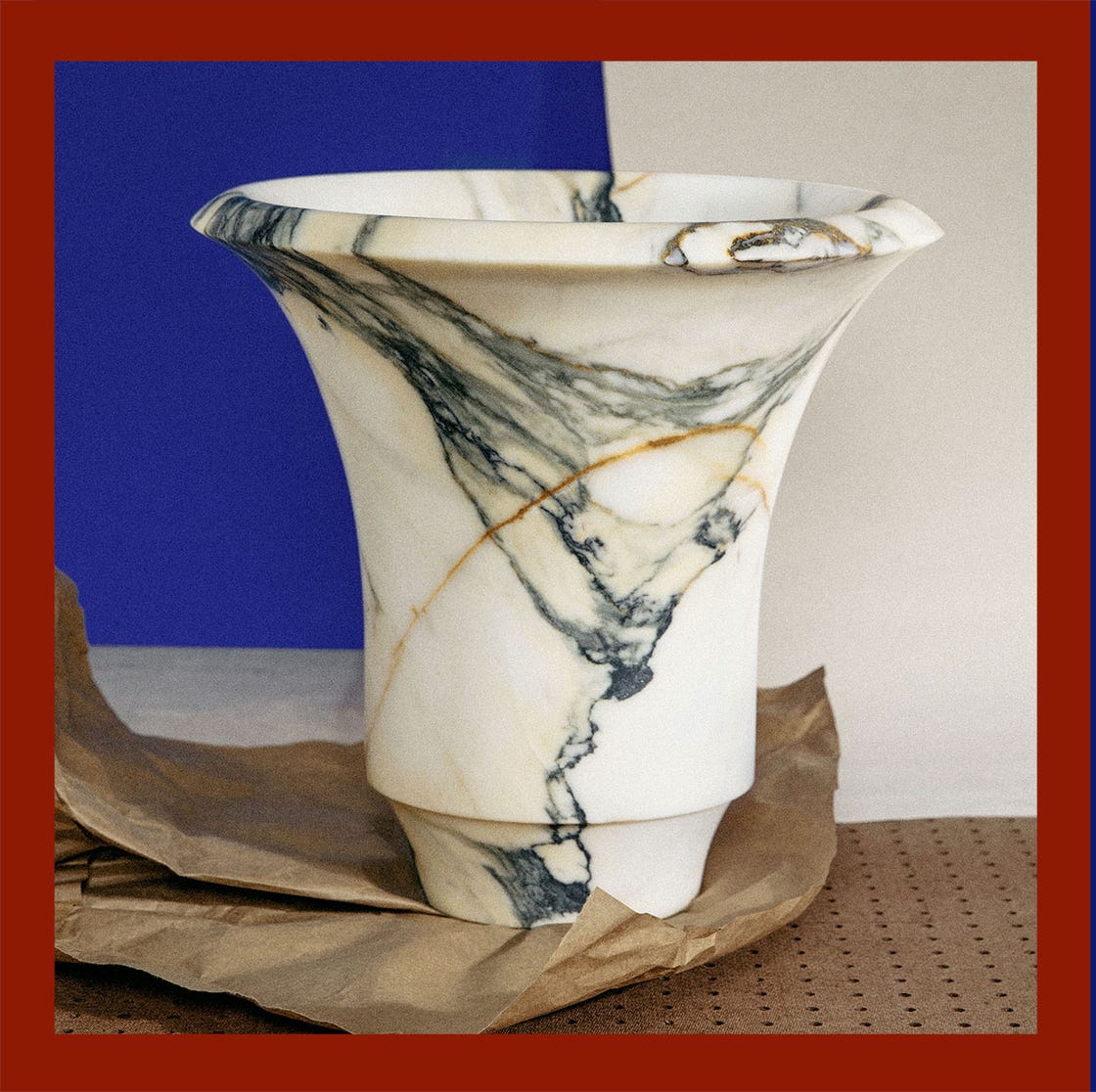
Expand Your Art Collection with These Gallery-Worthy Vessels
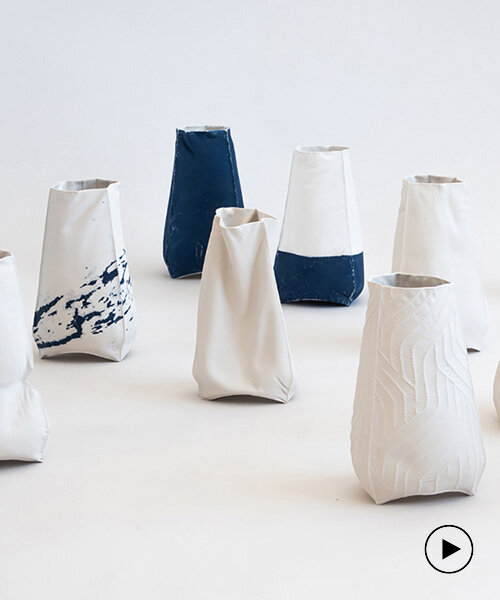
nir neria's porcelain fabric vases meld 3D printing and traditional craftsmanship
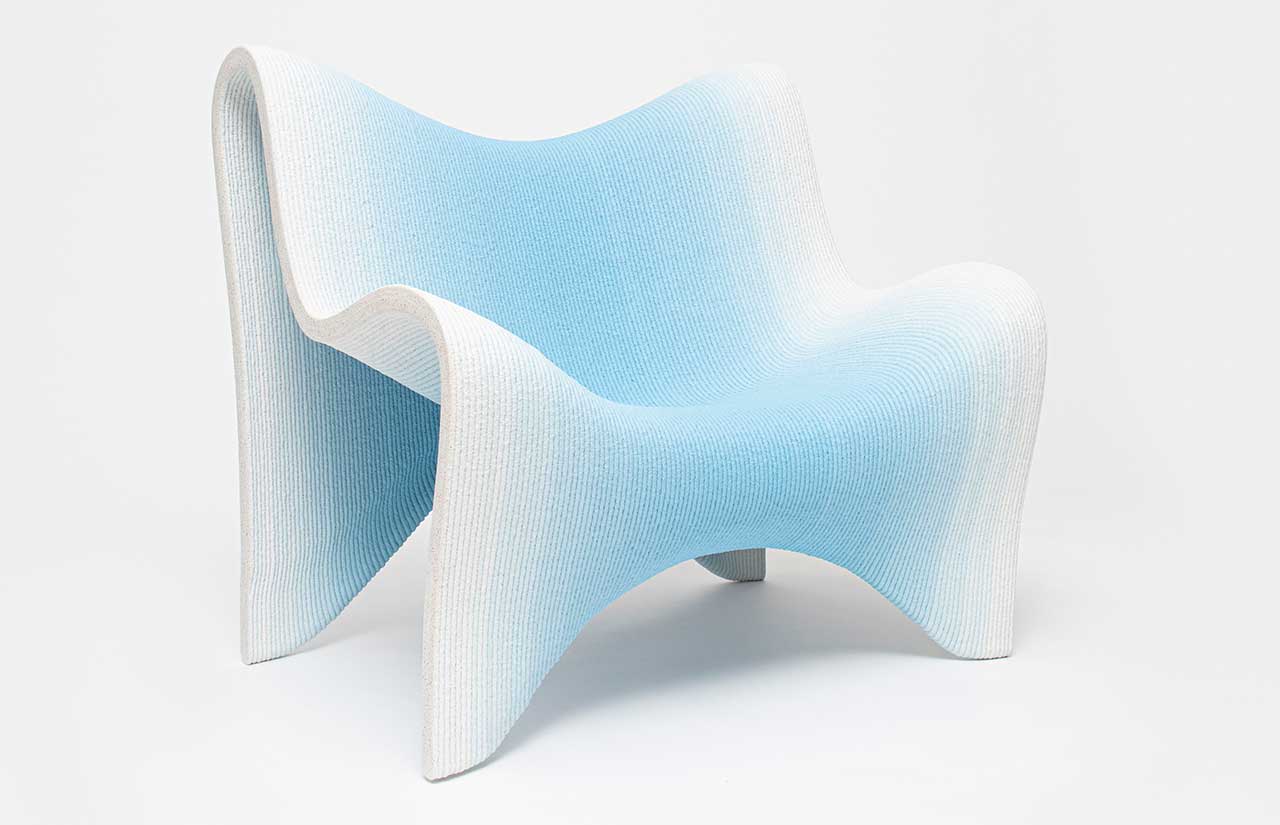
Philipp Aduatz Creates 3D-Printed Concrete Furniture and Vases
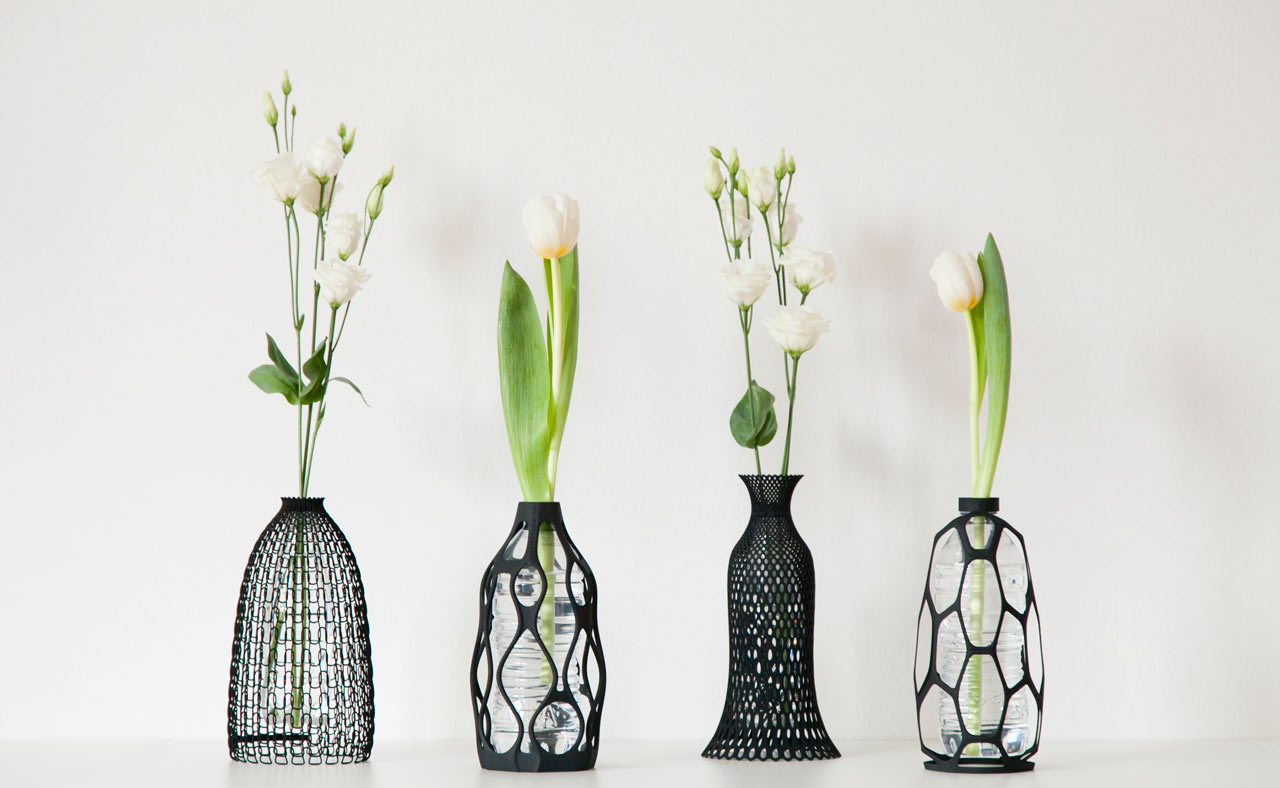
3D Printed Vases That Give New Life to Old Bottles
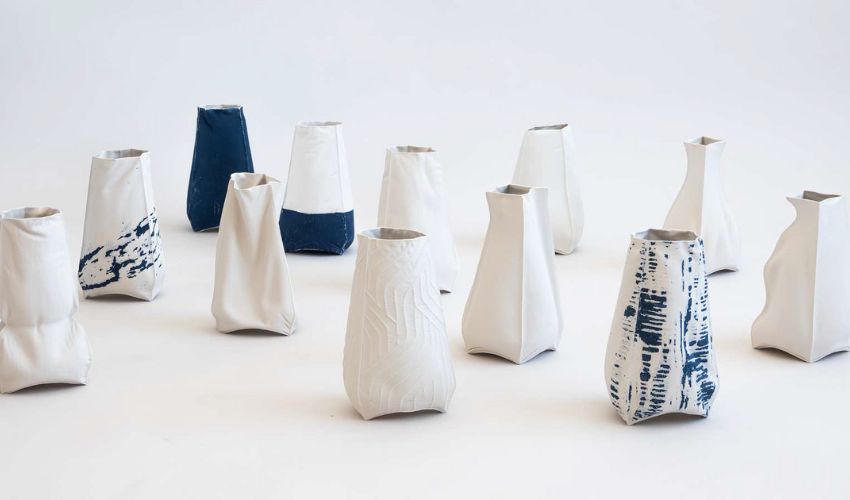
3D Printing and Fabrics: The Unique Design Process Behind the Forma Fabrica Vase Collection
Elevate your living space this spring with these designer vases

Entler Studio Expands Their Ceramic Repertoire With Planters + Tables
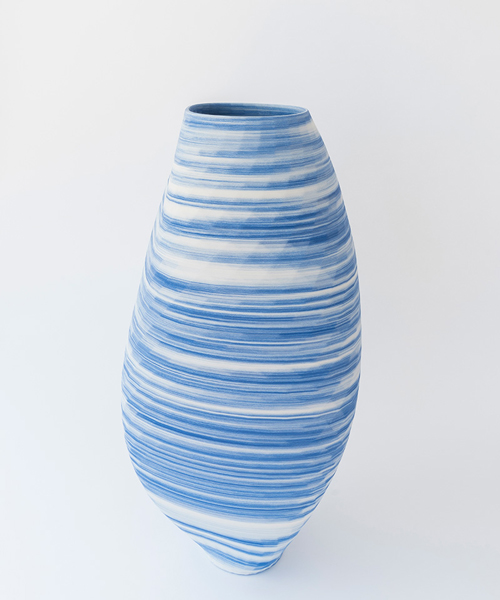
3D-printed porcelain vases by olivier van herpt in blue and white
Vessel to vessel: cutting-edge contemporary vases that transcend their function

Material Innovation At Its Best: Explore Design Standouts

Misshapen Glass Vases by Studio E.O Appear to Melt Atop Angular Stone Platforms

8 Beautiful Vases That Are True Works of Art, and Are Just As Investment-Worthy
Hand-Blown Vases That Feel Like Tiny Planets
Glass Vases That Look Like They're Growing Ice Crystals
Jolie Ngo’s Ceramics Are Made for Instagram (And That’s A Good Thing)