1/7
Performance-Based Design of Tall Timber Buildings Under Earthquake and Wind Multi-Hazard Loads: Past, Present, and Future
The rapid increase in urban populations and growing environmental concerns necessitate the development of sustainable and cost-effective building systems. Timber-based buildings, particularly those utilizing manufactured mass timber elements such as cross-laminated timber (CLT), laminated veneer lumber, and glued laminated timber (glulam), are emerging as a viable sustainable option. However, the lighter and more flexible nature of these structures renders them vulnerable to significant loads from earthquakes and wind. This article provides a comprehensive state-of-the-art review on performance-based design (PBD) considerations for tall timber and timber-based hybrid buildings, focusing on multi-hazard scenarios involving both earthquake and wind loads.
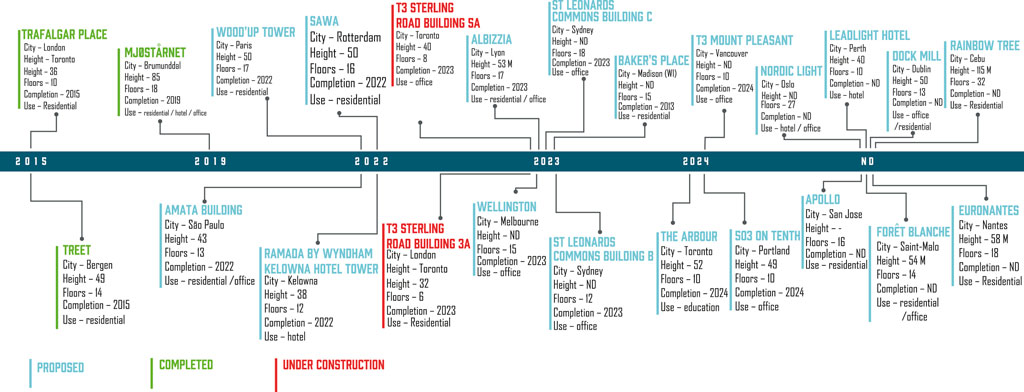
The review encompasses current practices and outlines future directions for hazard, response, and loss assessment within a multi-hazard PBD framework. Key areas of discussion include damping and energy dissipation devices, optimization under uncertainty, and the future role of surrogate and multi-fidelity modeling in PBD. Historically, the definition of a "tall building" has evolved, and for mass timber structures, this evolution is ongoing. The construction of tall timber buildings, as exemplified by projects like "Treet" in Norway, highlights the increasing adoption of timber in high-rise construction, yet also underscores the challenges associated with their vulnerability to wind loads due to limited overturning resistance and excessive vibration. Research indicates that buildings exceeding 10 stories often require stringent wind design to meet serviceability limits related to lateral drift and stiffness. Understanding damping in tall timber buildings is crucial, though current knowledge is limited. Field measurements show a decrease in damping with increasing building height, a trend also observed in steel and concrete structures, suggesting that some timber-building damping values fall within the range of these conventional materials. However, the high variability in timber building damping values points to a need for further investigation into influential factors.
The motivation for shifting towards PBD stems from the limitations of traditional prescriptive and force-based design codes, which often prioritize first-mode vibration and collapse prevention and are not entirely suitable for tall timber buildings with significant higher-mode contributions. Moreover, these conventional approaches may lead to irreparable damage and prolonged recovery times after severe seismic events. PBD offers a more suitable approach for tall timber and hybrid buildings that fall outside code-oriented practices, by allowing for the design to meet specific performance objectives under various load intensities. In wind engineering, a similar transition from prescriptive to PBD is evident.
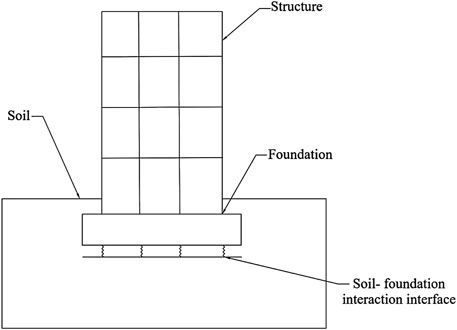
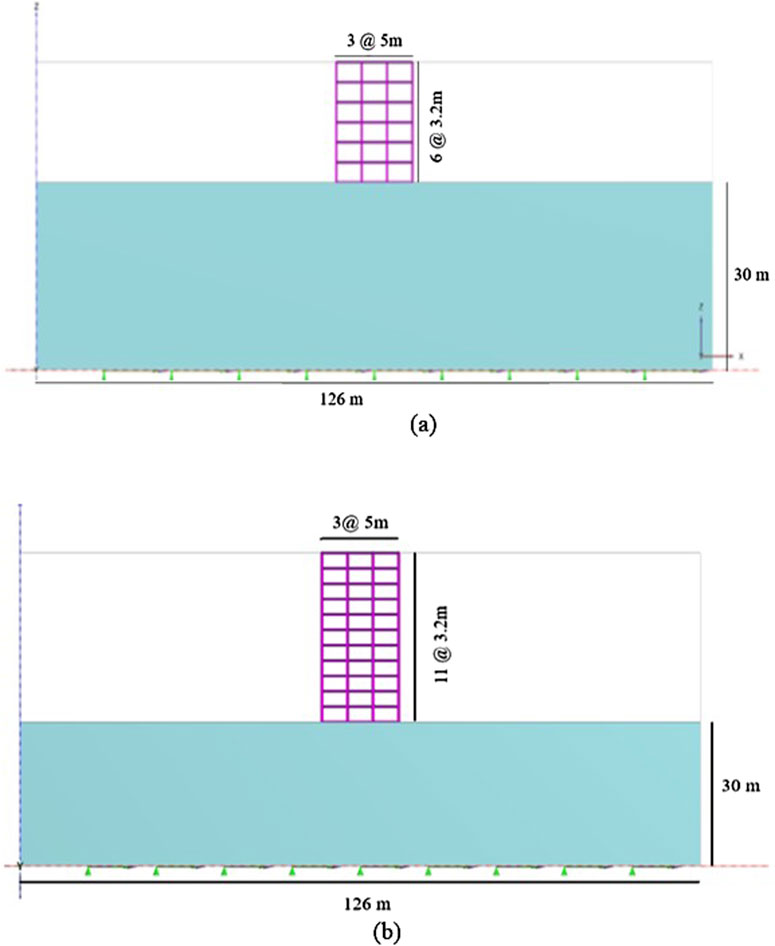
The proposed multi-hazard PBD framework for earthquake and wind loads integrates considerations for modeling, site-specific soil-structure interaction (SSI), energy dissipation devices, efficient optimization algorithms, and accurate damping quantification. Although SSI is known to impact the dynamic response of tall buildings and contribute to damping, its effect is largely overlooked in existing tall timber building design literature. Future analytical studies should incorporate SSI to more accurately predict building responses. Furthermore, advancements in computational tools and machine learning techniques, such as surrogate models and multi-fidelity models, are crucial for managing the computational intensity of PBD simulations, especially in preliminary design phases.
Energy dissipation devices are critical for mitigating the motions caused by earthquakes and wind. While traditional methods rely on mass and stiffness, these can lead to increased acceleration demands or reduced seismic energy dissipation. Supplemental energy dissipators, categorized into passive, active, semi-active, and hybrid systems, offer solutions. Viscoelastic dampers, for instance, are effective for both earthquake and wind loads. The placement and tuning of these devices for multi-hazard scenarios can be formulated as an optimization problem. Optimization under uncertainty, using techniques like reliability-based design optimization (RBDO) and robust design optimization (RDO), is essential for addressing the inherent uncertainties in demand and capacity. Topology optimization, which integrates aesthetics and structural factors, can also contribute to efficient and optimal layouts for tall timber buildings.
The PBD framework also emphasizes loss assessment, which has evolved from expert-driven approaches to detailed simulation-based models that quantify repair costs, downtime, and casualties. The concept of resiliency, focusing on post-earthquake recovery, is also gaining prominence. The integration of high-fidelity models with more computationally efficient low-fidelity models through multi-fidelity surrogate models, particularly in conjunction with physics-informed neural networks, represents a promising future direction for enhancing the accuracy and efficiency of PBD for tall timber buildings.
#TallTimberBuildings #PerformanceBasedDesign #EarthquakeEngineering #WindEngineering #MultiHazardDesign #DampingSystems #EnergyDissipation #OptimizationAlgorithms #ComputationalModeling #SustainableConstruction #TallTimberBuildings #PerformanceBasedDesign #EarthquakeEngineering #WindEngineering #MultiHazardDesign #DampingSystems #EnergyDissipation #OptimizationAlgorithms #ComputationalModeling #SustainableConstruction
0 commenti in totale
 Nessun commento ancora
Potresti anche gradire
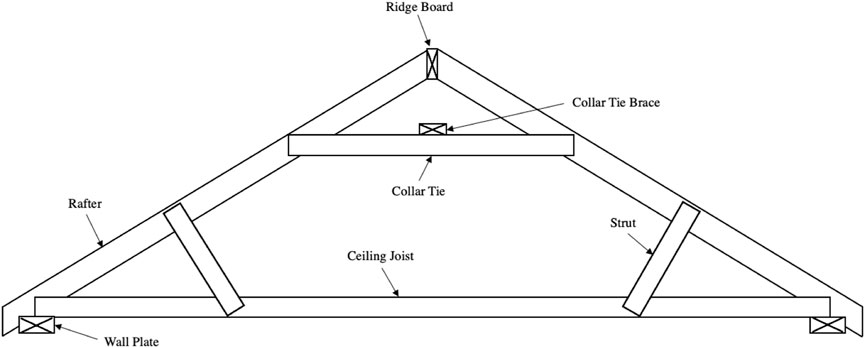
Design of stick-framed wood roofs under tornado wind loads
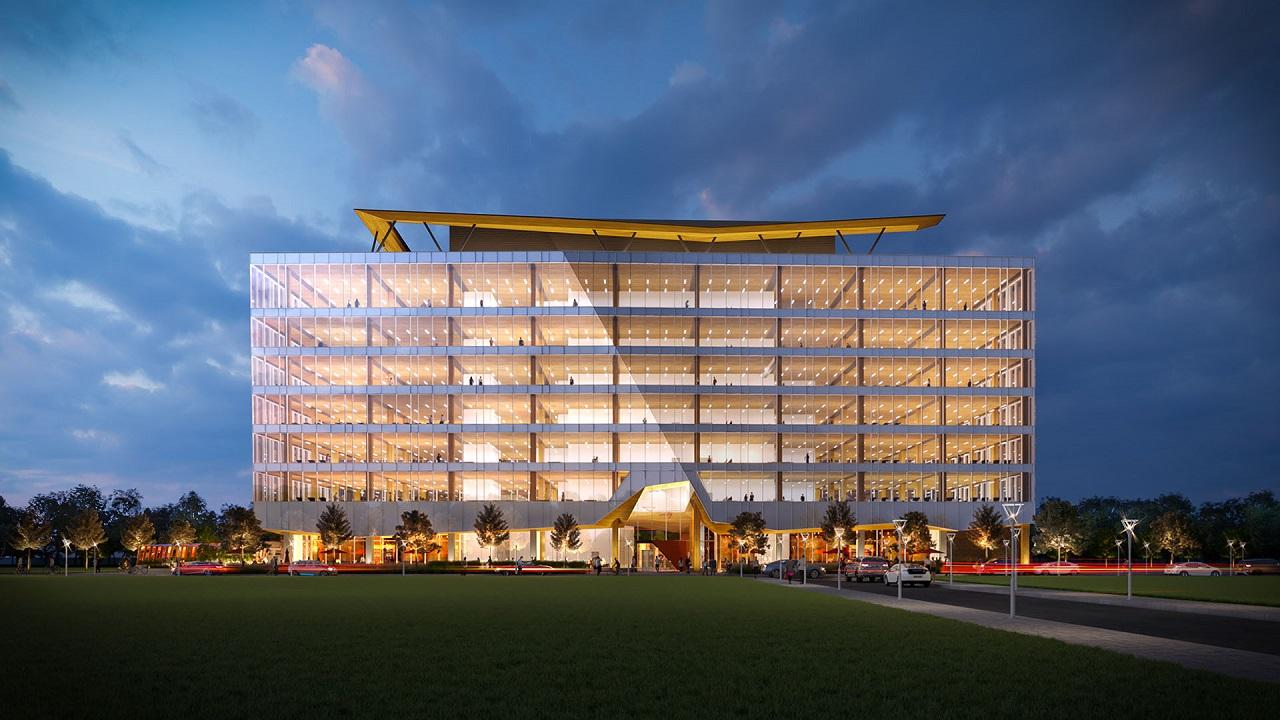
Mass Timber Primer

Taking the floor
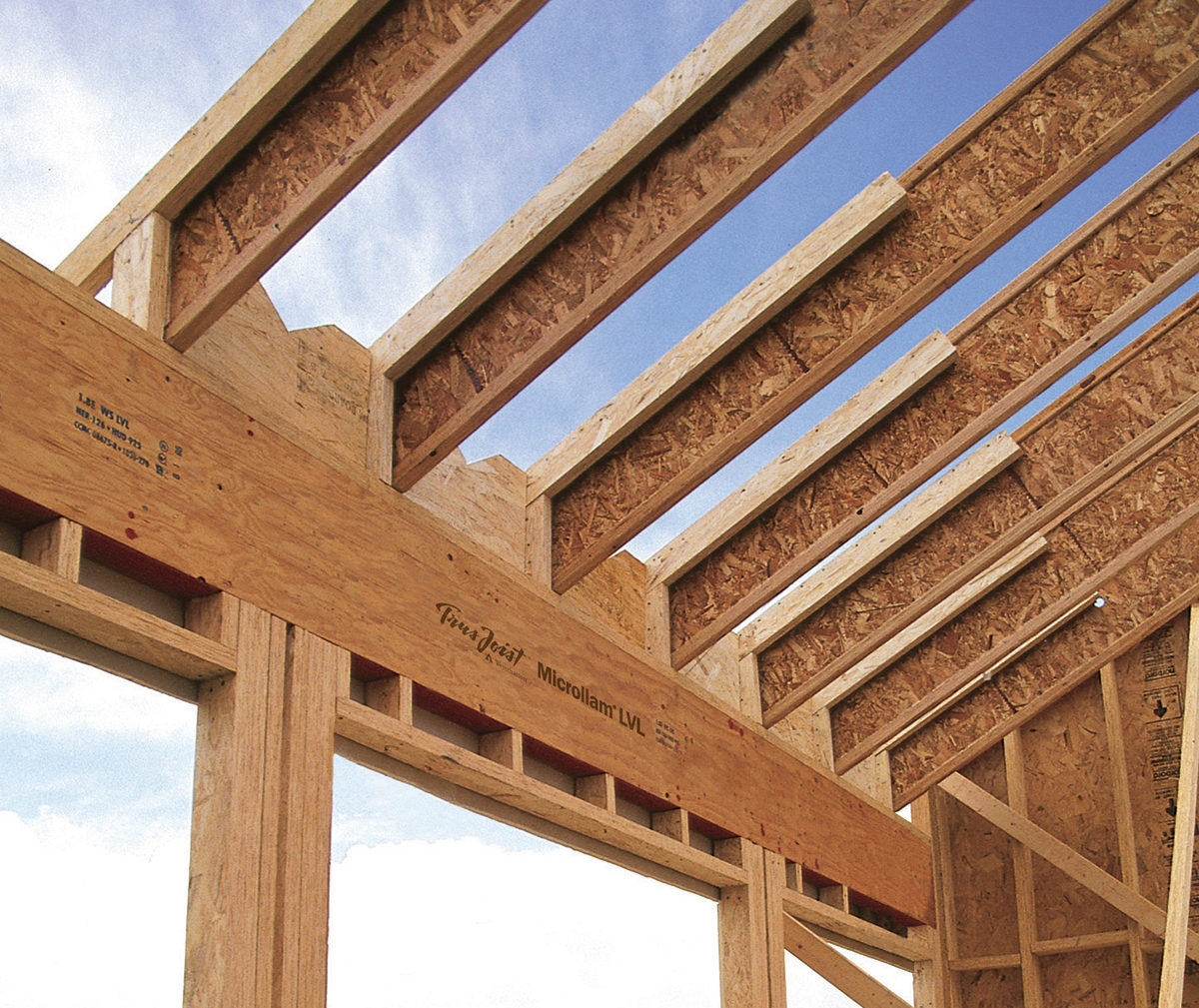
Examining some of the important factors when choosing products for ceilings and roofs

Development of a Full-Scale Structural Testing Program to Evaluate the Resistance of Australian Houses to Wind Loads
Enhancement of Himalayan irregular stone masonry buildings for resilient seismic design

Why buildings fail: damp can become dangerous

Framing Failures in Wood-Frame Hip Roofs under Extreme Wind Loads
Timber-concrete composite floor systems for tall buildings
Building a Fire-Resistant House
Coupling URM walls with RC walls ‒ EESD
Dynamic façades: Solving the High Performance Building Challenge without Design Compromise

Rubble Stone Masonry Buildings With Cement Mortar: Design Specifications in Seismic and Masonry Codes Worldwide
Seismic performances of reinforced concrete buildings with openings in unreinforced masonry infill walls: a soil–foundation–structure modelling approach
Rubble Stone Masonry Buildings with Cement Mortar: Base Shear Seismic Demand Comparison for Selected Countries Worldwide

How to design for extreme temperatures