1/2
6 Things You Should Never Use to Clean Wood Floors (Unless You Want to Ruin Them)
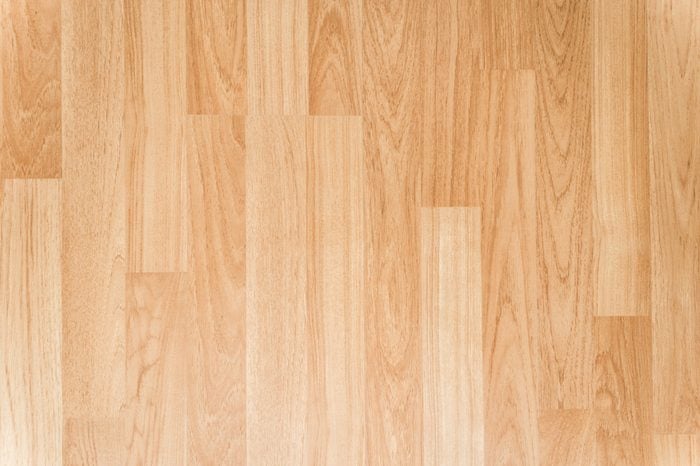
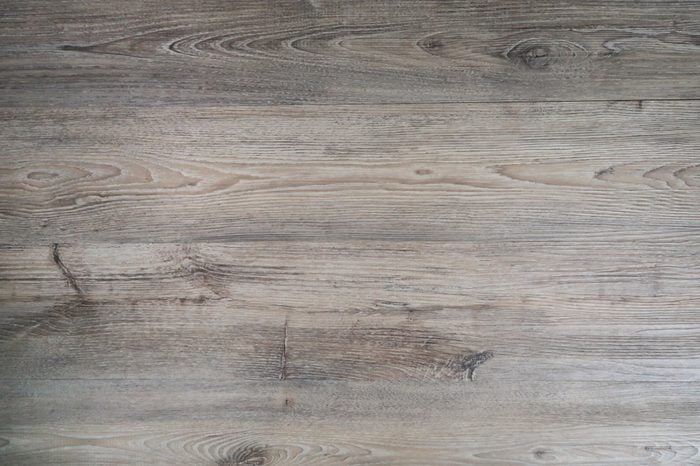
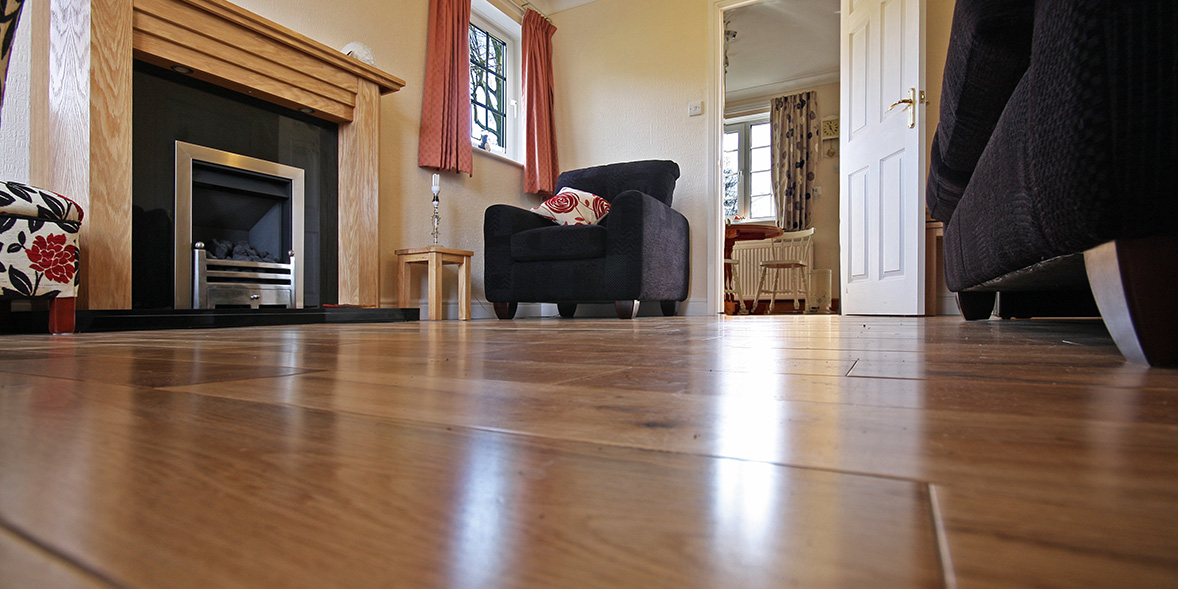
Wood flooring represents a significant financial investment and plays a crucial role in a home's aesthetic. Proper cleaning and maintenance are essential to preserve its appearance and longevity, especially given its susceptibility to dirt, grime, and dust from daily foot traffic. Cleaning experts emphasize that while hardwood floors are generally easy to maintain, common cleaning mistakes can lead to irreversible damage. These mistakes include using excessive amounts of water, harsh chemicals, abrasive tools, and cleaning solutions not specifically designed for wood surfaces. Such practices can scratch the surface, strip or dull the finish, and even cause warping, highlighting the importance of using appropriate cleaning methods and products.
Excessive water is a primary culprit in damaging wood floors. Wood, being a porous material, can absorb moisture even when sealed, leading to warping, streaking, and long-term damage if liquid is allowed to pool or remain on the surface for extended periods. Therefore, it is crucial to thoroughly wring out mops and cleaning cloths and dry the floors promptly after cleaning.
Harsh chemicals and abrasive cleaners are also strongly discouraged. Products containing ammonia or bleach can strip the protective finish of wood floors, leaving them dull and more vulnerable to scratches. These surface imperfections not only detract from the floor's visual appeal but also allow moisture to penetrate the wood, potentially leading to further degradation and even mold formation.
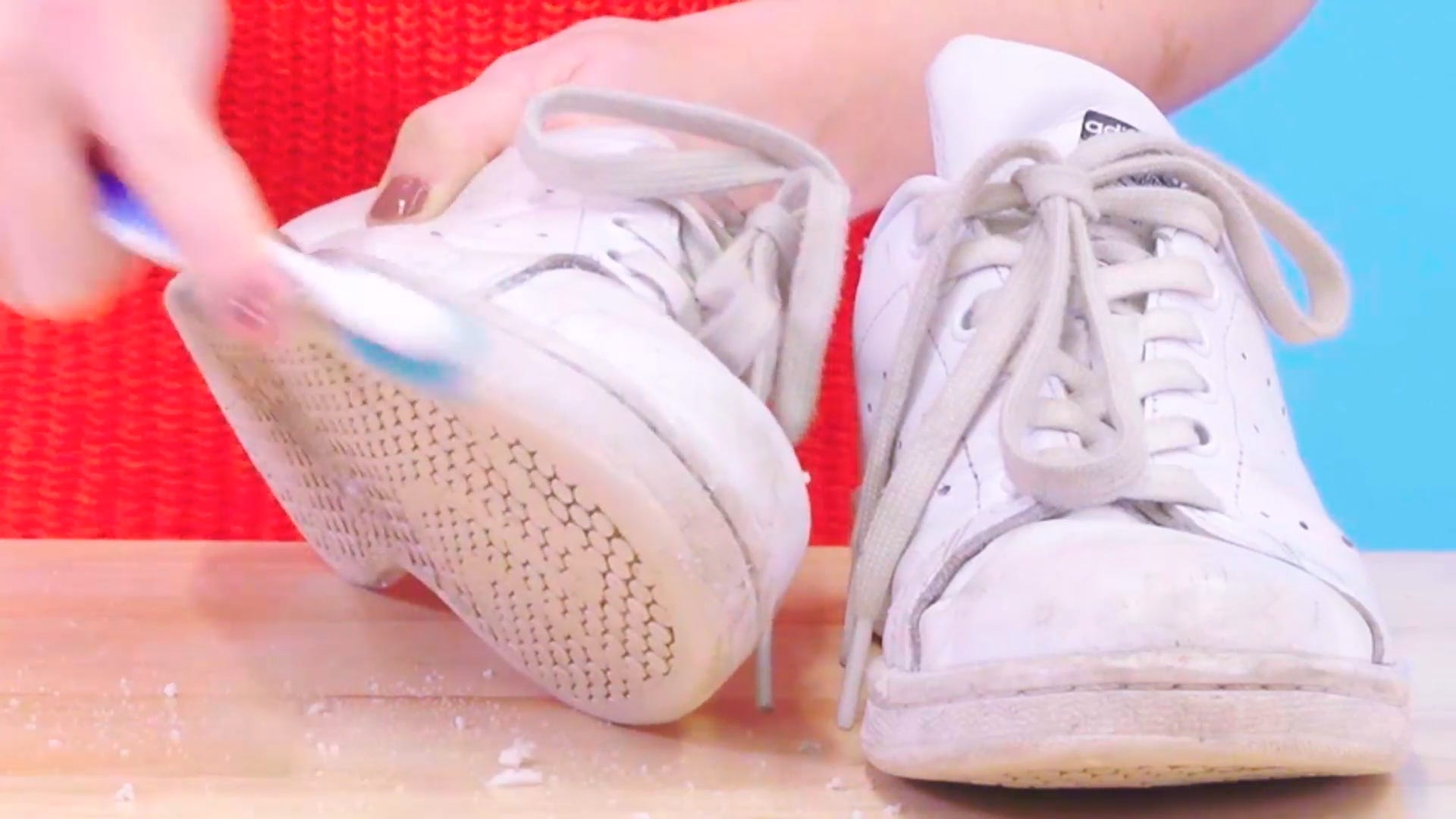
Abrasive tools like steel wool should never be used on wood flooring. These materials can cause difficult-to-repair scratch marks. Instead, soft cloths, microfiber mops, soft-bristled toothbrushes, or non-abrasive sponges are recommended. An additional risk with steel wool is that small fragments can break off and embed in the wood, causing rust stains if exposed to moisture.
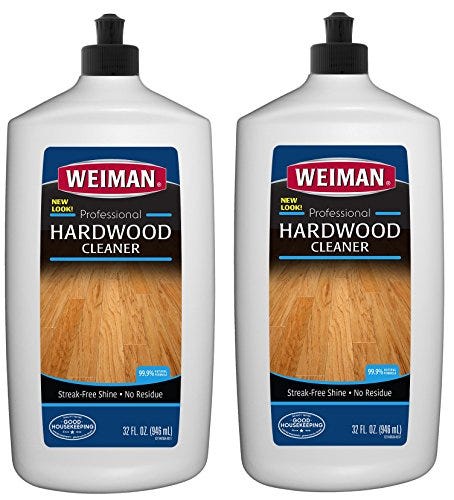
Using cleaning solutions not specifically formulated for wood floors can also be detrimental. Products intended for general cleaning may contain ingredients that leave a sticky residue or damage the wood's finish. It is always advisable to use cleaning agents explicitly designed for hardwood and to test any new product on an inconspicuous area first to observe its effects.
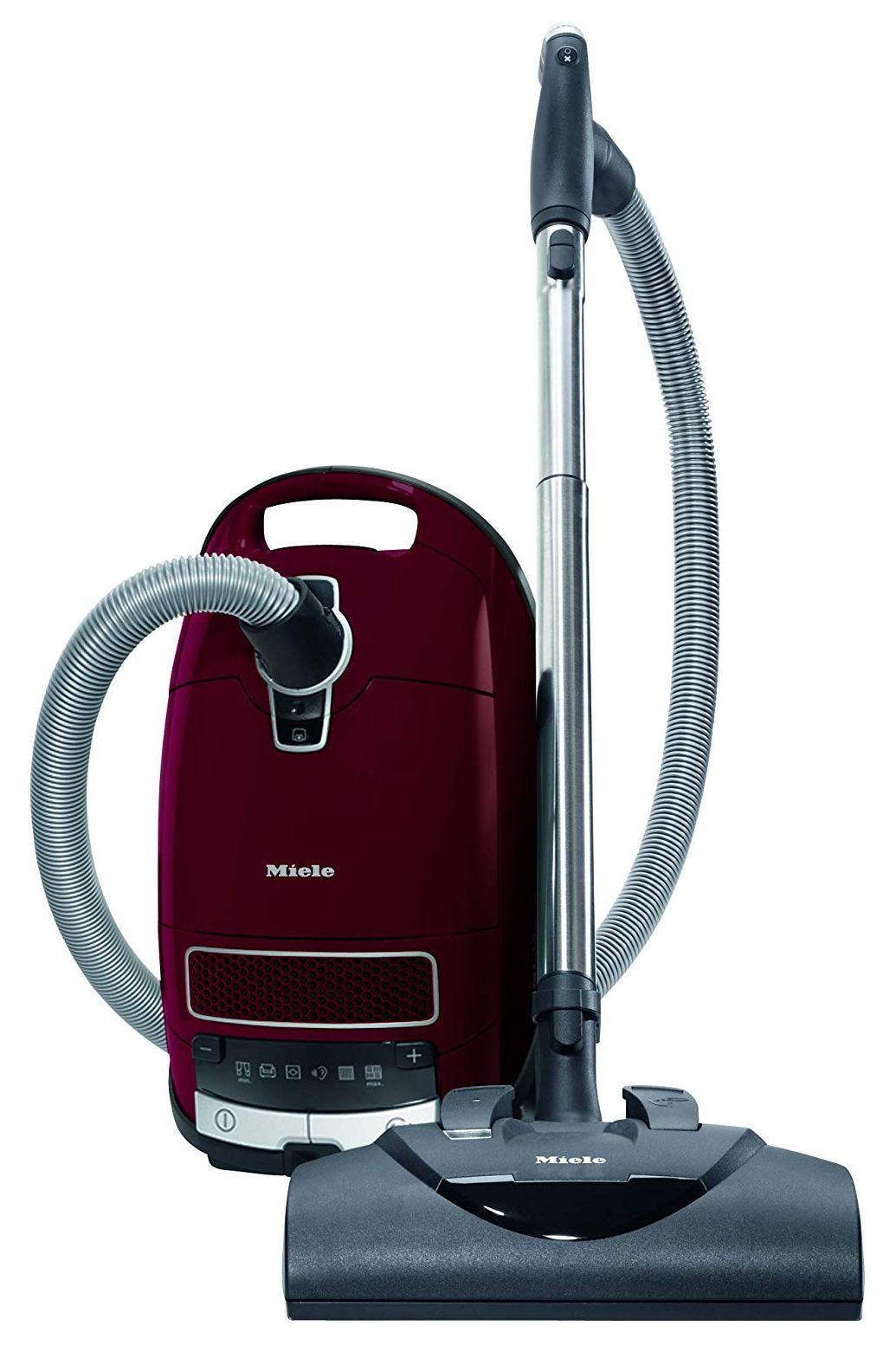
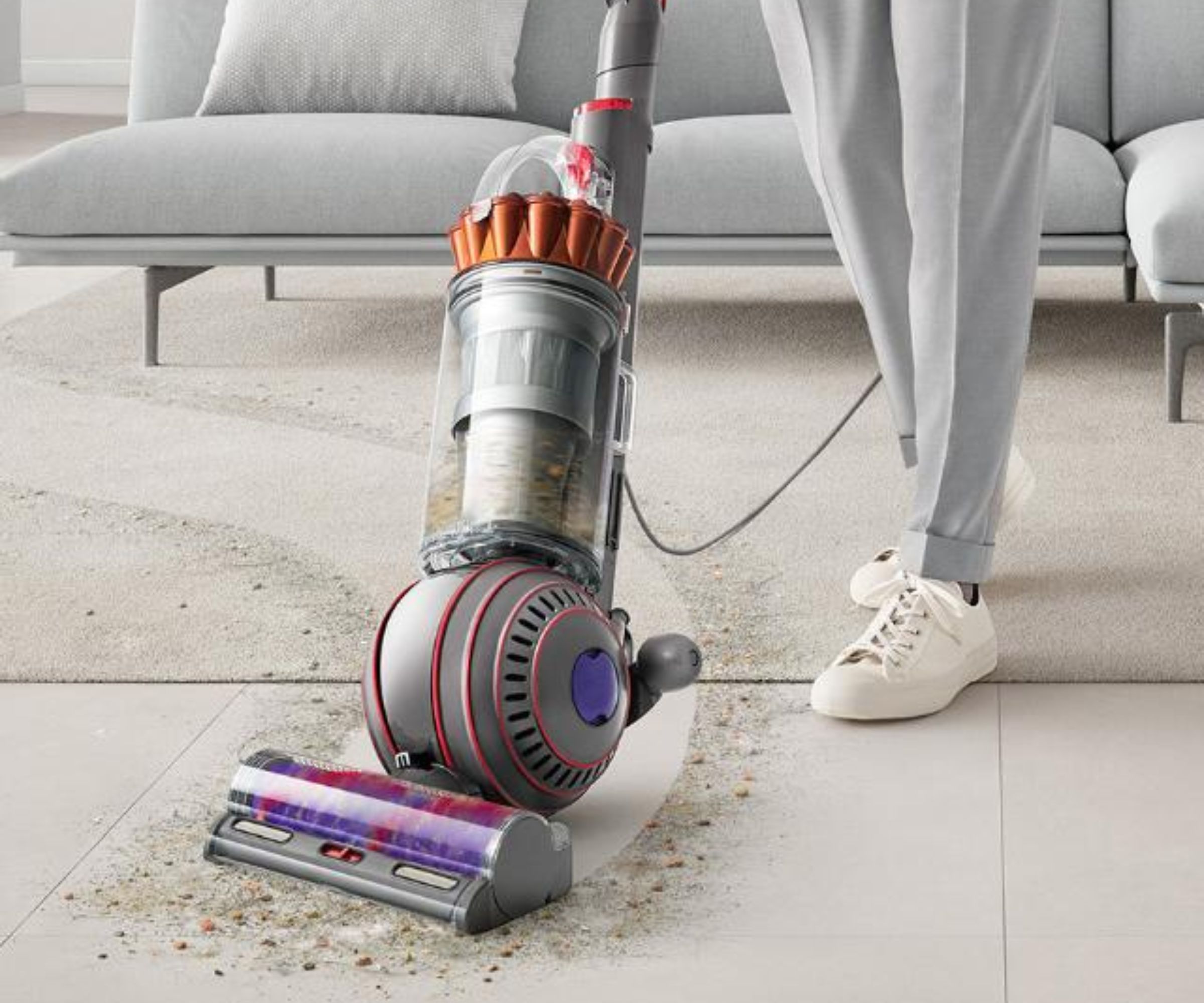
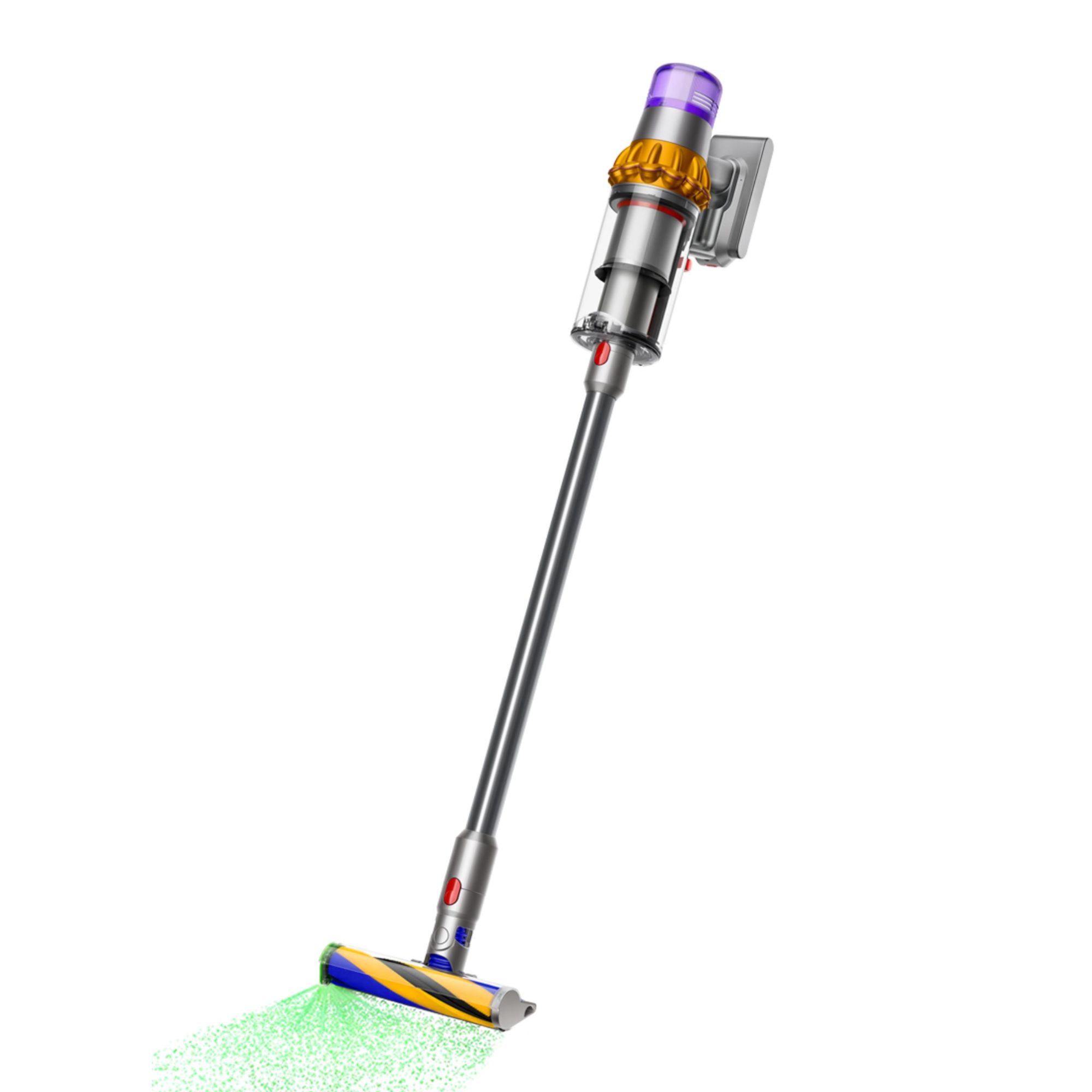
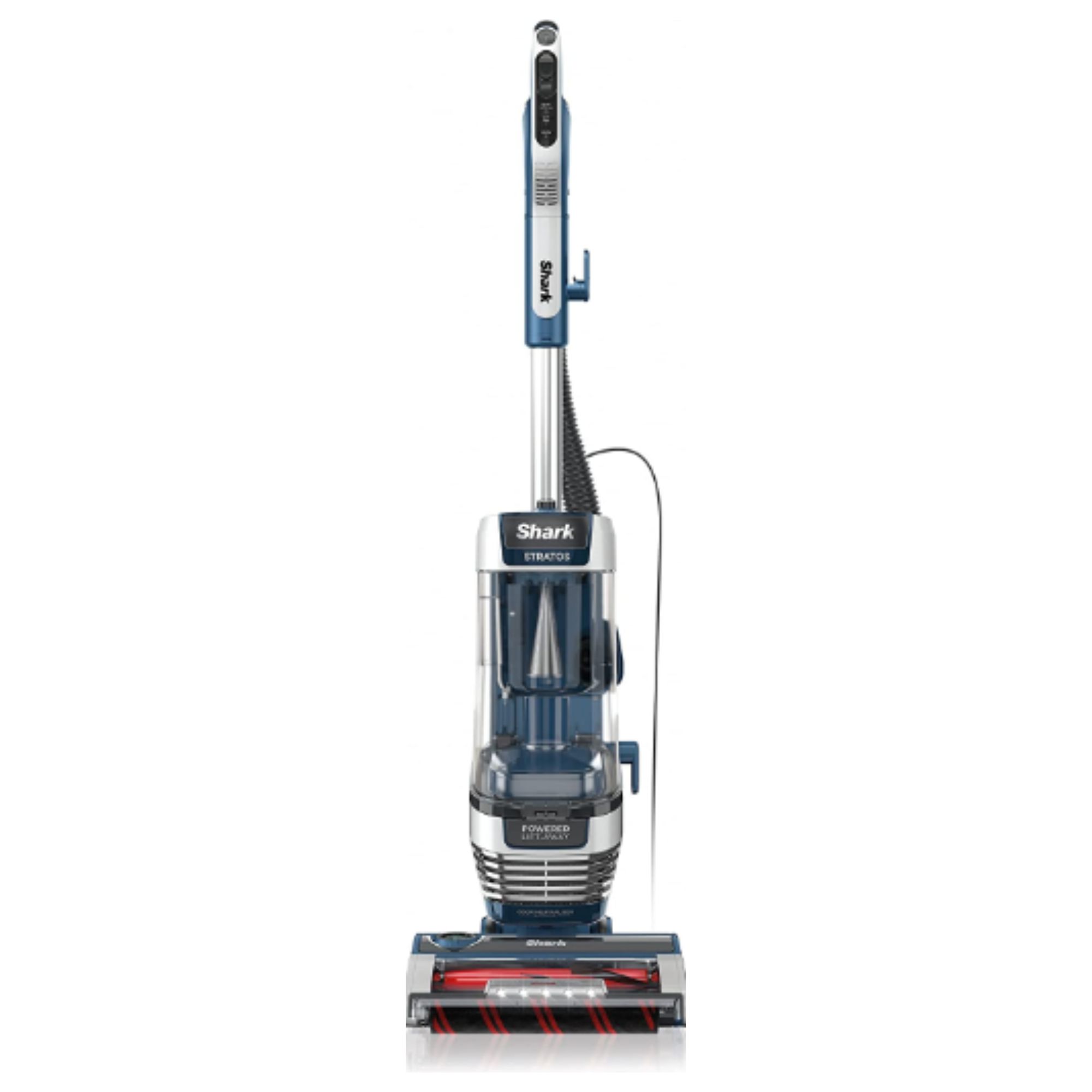
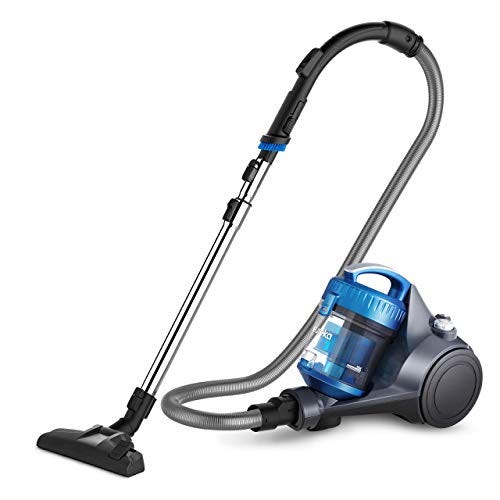
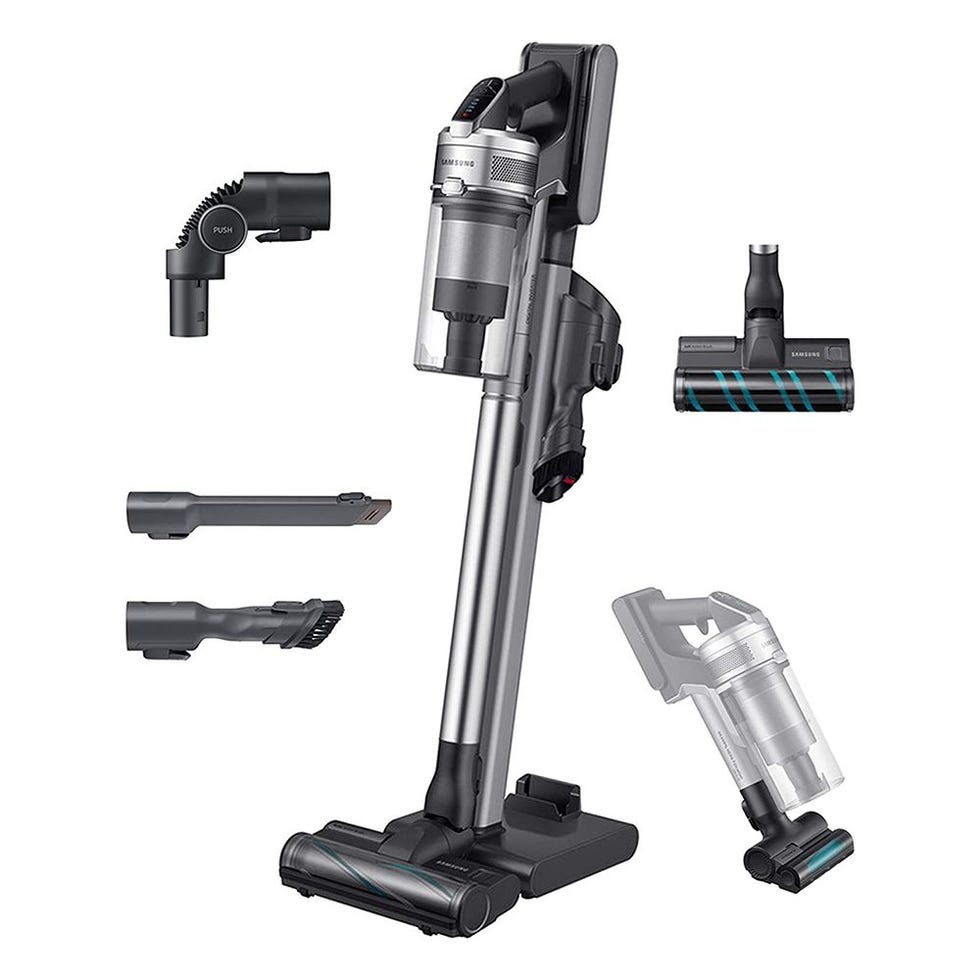
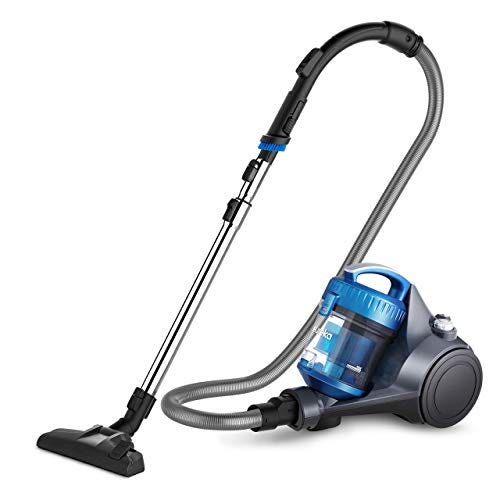
Mixing different types of cleaners is another practice to avoid. This can result in an ineffective or even harmful chemical reaction, posing risks to both the floor and the cleaner. Always read product labels carefully to understand their proper usage and compatibility. Finally, using the wrong vacuum attachment can inflict permanent damage. While sweeping or vacuuming is a vital first step to remove loose debris, attachments with beater bars can scratch the wood, and heavy vacuum wheels can cause dents. A soft brush attachment is recommended for safely vacuuming wood floors, ensuring that dirt and debris are removed without harming the surface.
#WoodFlooringCare #CleaningTips #HardwoodMaintenance #HomeCleaning #FloorCare #CleaningProducts #HomeImprovement #InteriorDesign #WoodFloorDamagePrevention #WoodFlooringCare #CleaningTips #HardwoodMaintenance #HomeCleaning #FloorCare #CleaningProducts #HomeImprovement #InteriorDesign #WoodFloorDamagePrevention
0 commenti in totale
 Nessun commento ancora
Potresti anche gradire
The One Way You Should NEVER Clean Laminate Floors

6 Vacuum cleaner mistakes to avoid – and why they aren’t cleaning your home

11 Reasons Hardwood Flooring Might Not Be Right for Your Home

5 Things You Should Never Use to Clean Vinyl Plank Flooring, Cleaning Pros Say
8 Things You Should Never Clean with a Swiffer

The 9 Best Vacuums for Hardwood Floors That Won’t Damage the Finish
5 Things You Should Never Use to Clean Wood Kitchen Cabinets (Unless You Want to Ruin Them)
8 items to never clean with bleach – according to cleaning professionals

6 things to never clean with rubbing alcohol around your home, and what to use instead
6 Things You Should Never Clean With All-Purpose Cleaner


I swear by this incredibly easy 5-step method for cleaning real wood floors
10 Top Hardwood Floor Cleaners To Keep Them Looking Like New

6 Things You Should Never Clean With All-Purpose Cleaner
13 Things You Should Never Clean with Windex
6 Things You Should Never Put in a Guest Bathroom

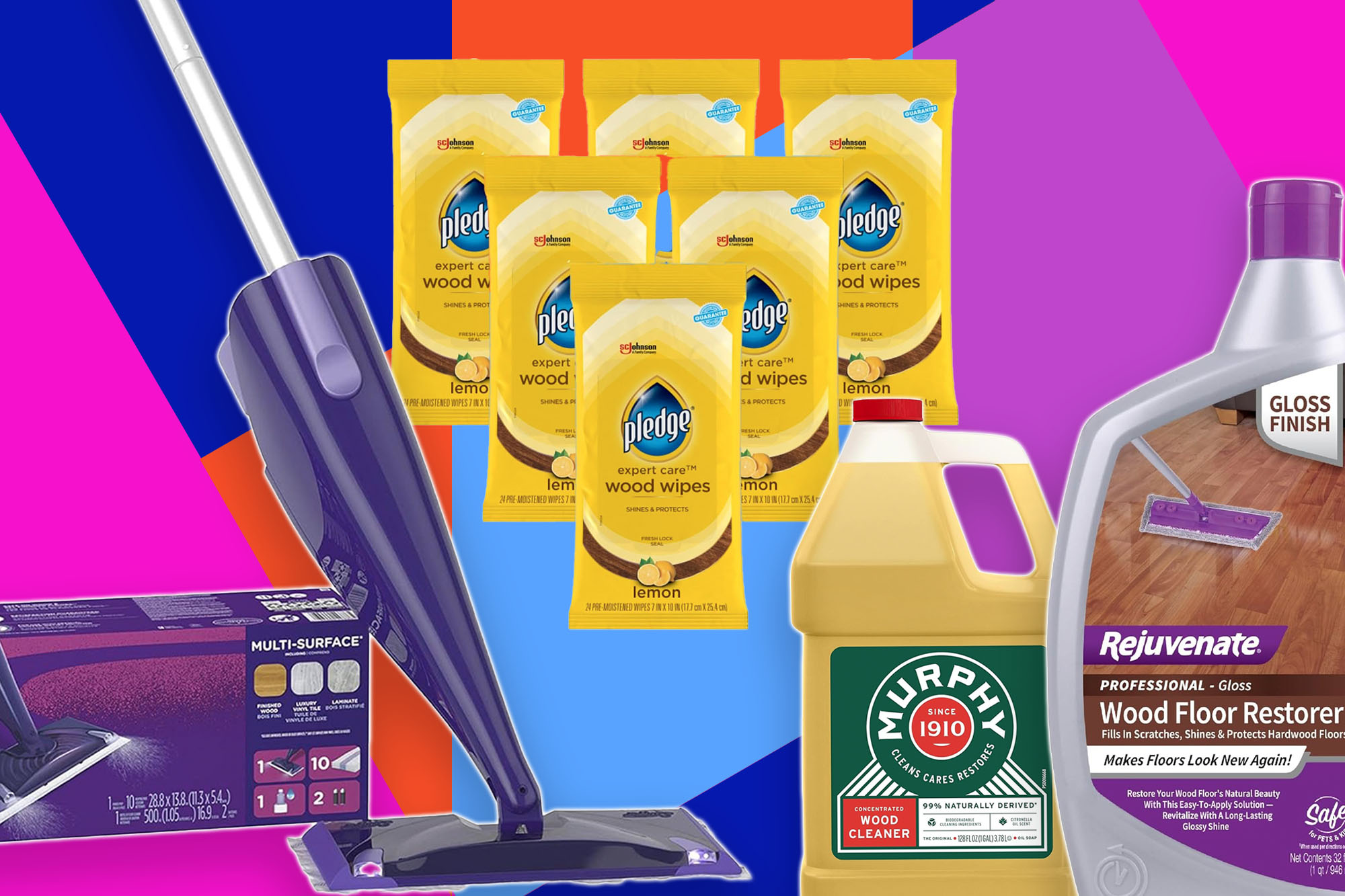
The 12 best hardwood floor cleaners of 2024, per expert testing
Experts warn against these 6 bathroom flooring mistakes - what to do instead
5 surfaces you shouldn't use a steam cleaner on
6 Things You Should Never Keep on Your Kitchen Counter

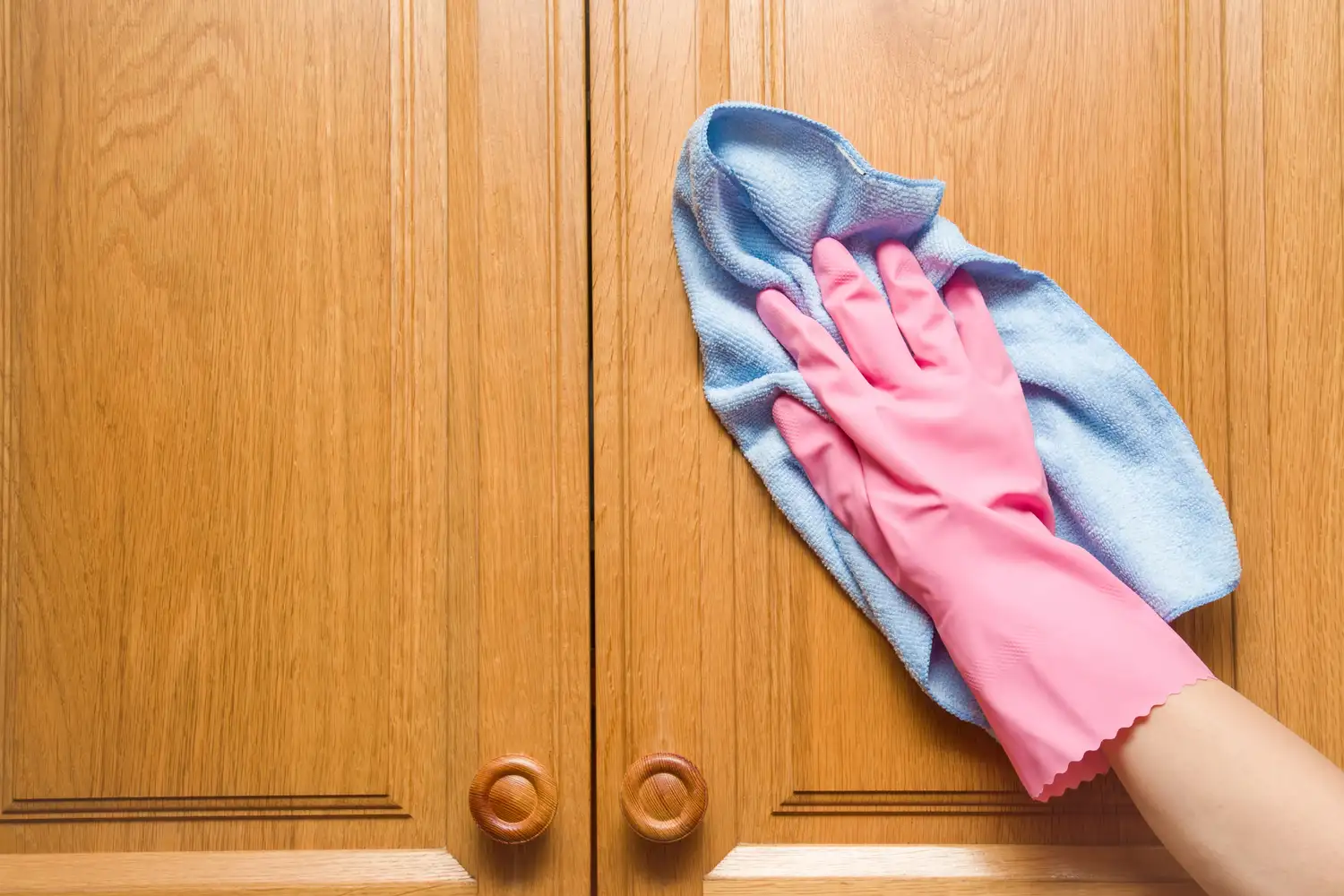
Never Use These 5 Cleaners on Wooden Kitchen Cabinets—You Could Ruin Them, Pros Warn