1/2
Is an OLED TV Okay for a Bright Room? Why It Works for Me, but You Might Want to Think Again
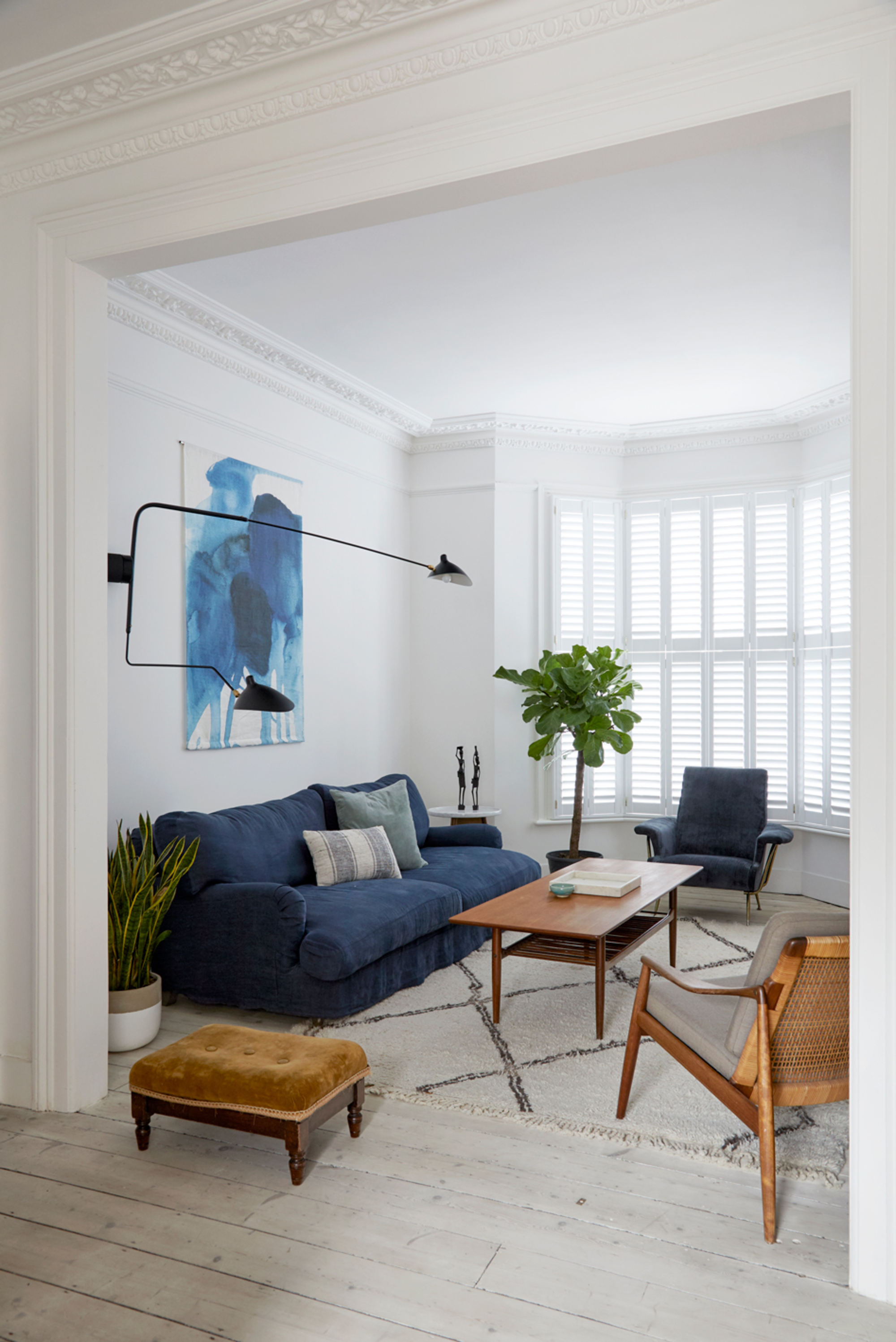
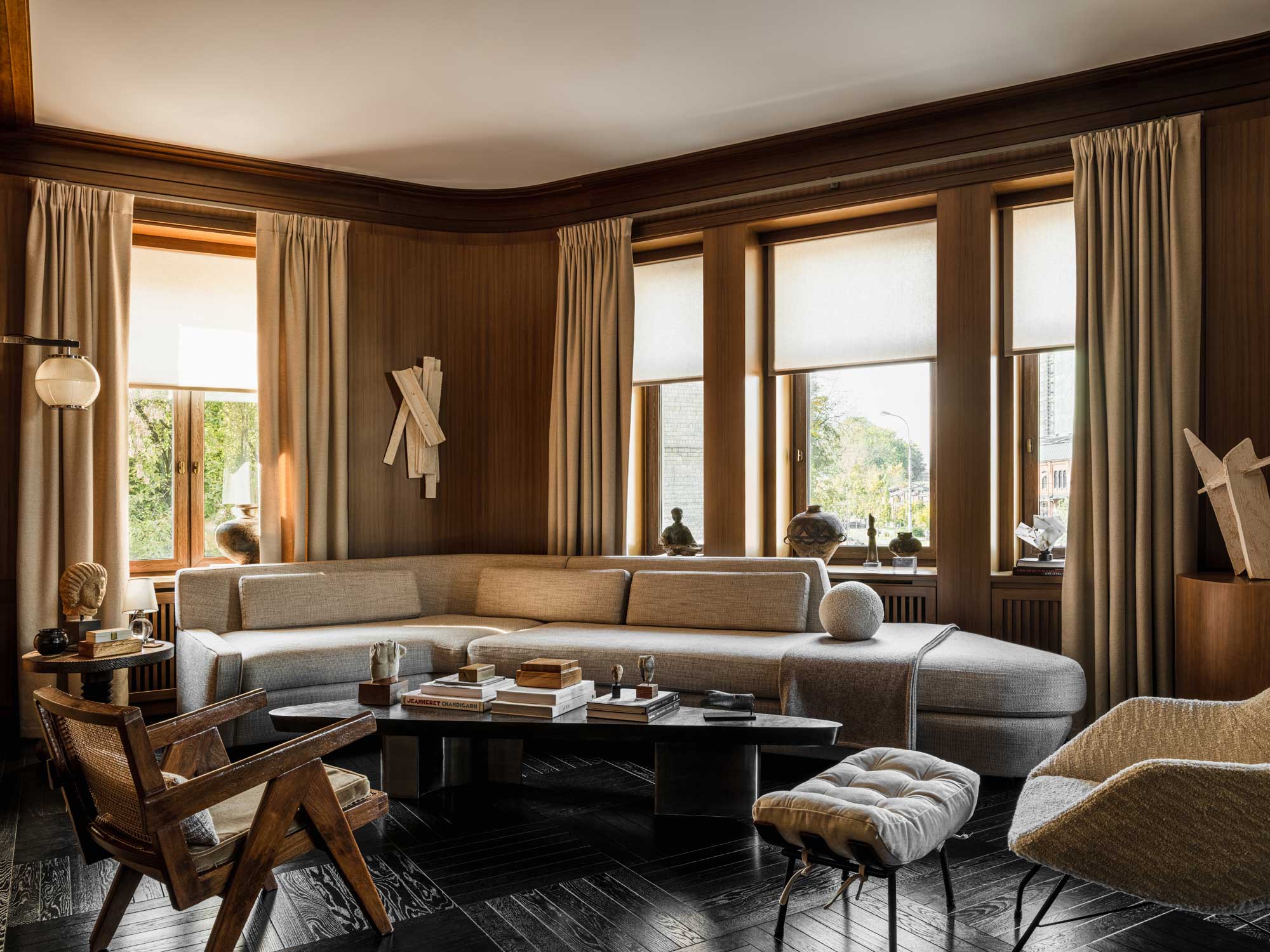
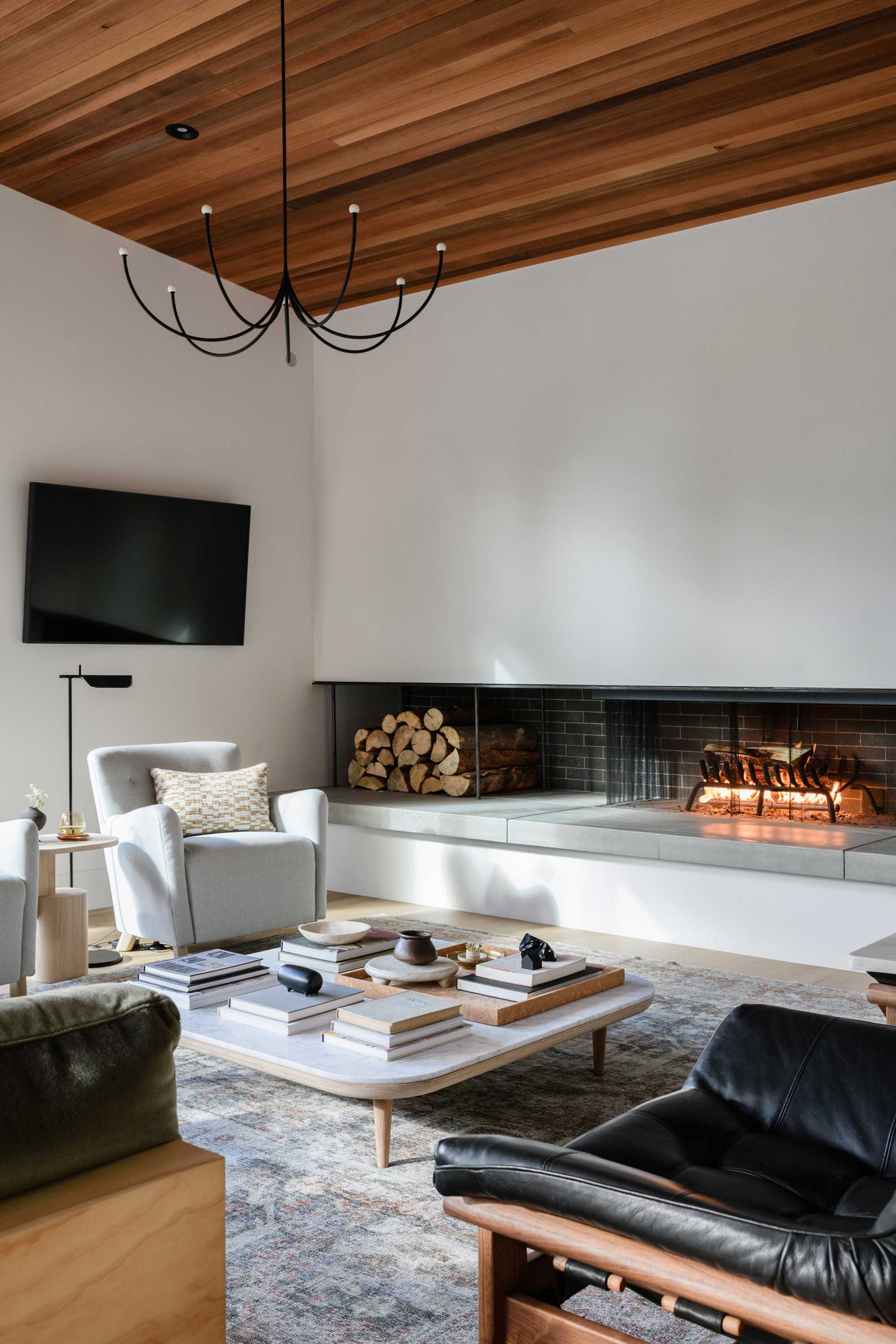
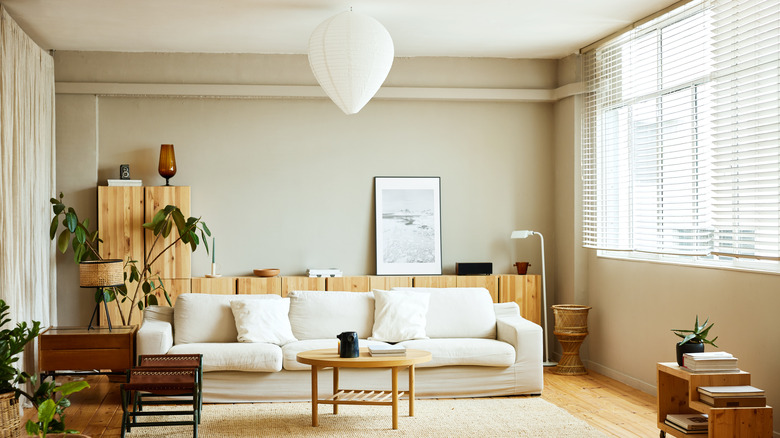
OLED TV technology has seen significant advancements, making the conventional wisdom that these TVs are unsuitable for bright rooms less clear-cut in 2024. Historically, OLED TVs struggled in well-lit environments because their pixels are individually lit, leading to lower peak brightness compared to LCD models that use a back panel for lighting. This made content harder to view in rooms with ample natural light. However, recent high-end OLED models have dramatically improved their brightness levels. For instance, the LG C4 OLED can achieve an impressive 1,049 nits, a substantial increase from just a few years ago when flagship OLED screens barely reached 650 nits. While Mini-LED TVs can still achieve brightness levels up to five times higher, the gap in performance for everyday viewing conditions has narrowed considerably, suggesting that for many, brightness is no longer a significant deterrent for OLED TVs in bright spaces.
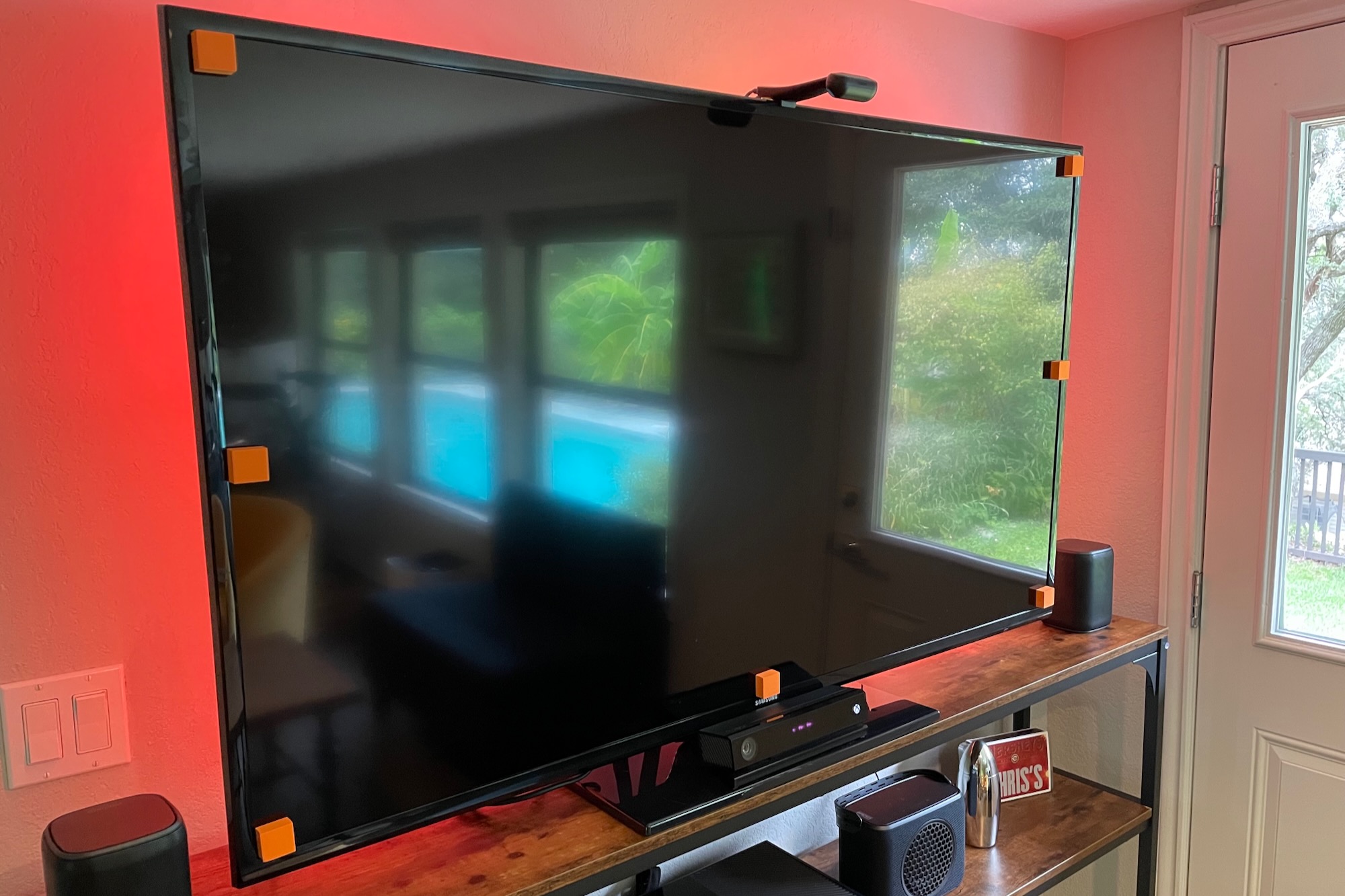
Despite these advancements in brightness, one persistent issue with OLED TVs in bright rooms is reflections, primarily due to the glass front panel. An older OLED model, like the LG BX, can cause noticeable reflections, especially on bright days, which can be distracting. This often necessitates drawing curtains or adjusting room lighting to mitigate the effect. Modern, top-tier OLED panels are now equipped with anti-reflective coatings designed to significantly reduce these reflections, offering a much-improved viewing experience. Therefore, when considering an OLED TV for a bright room, checking for models with advanced anti-reflective features is crucial.
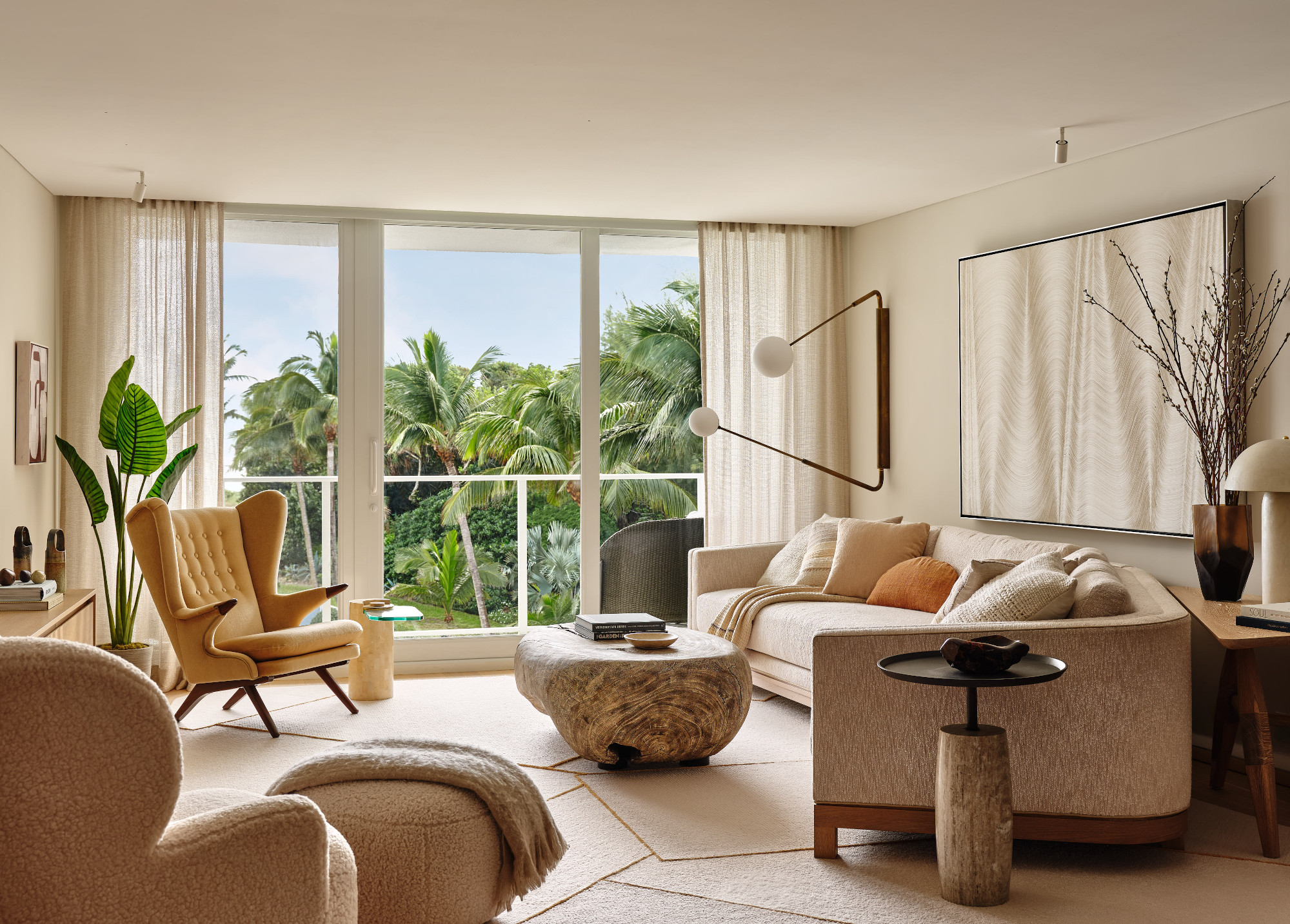
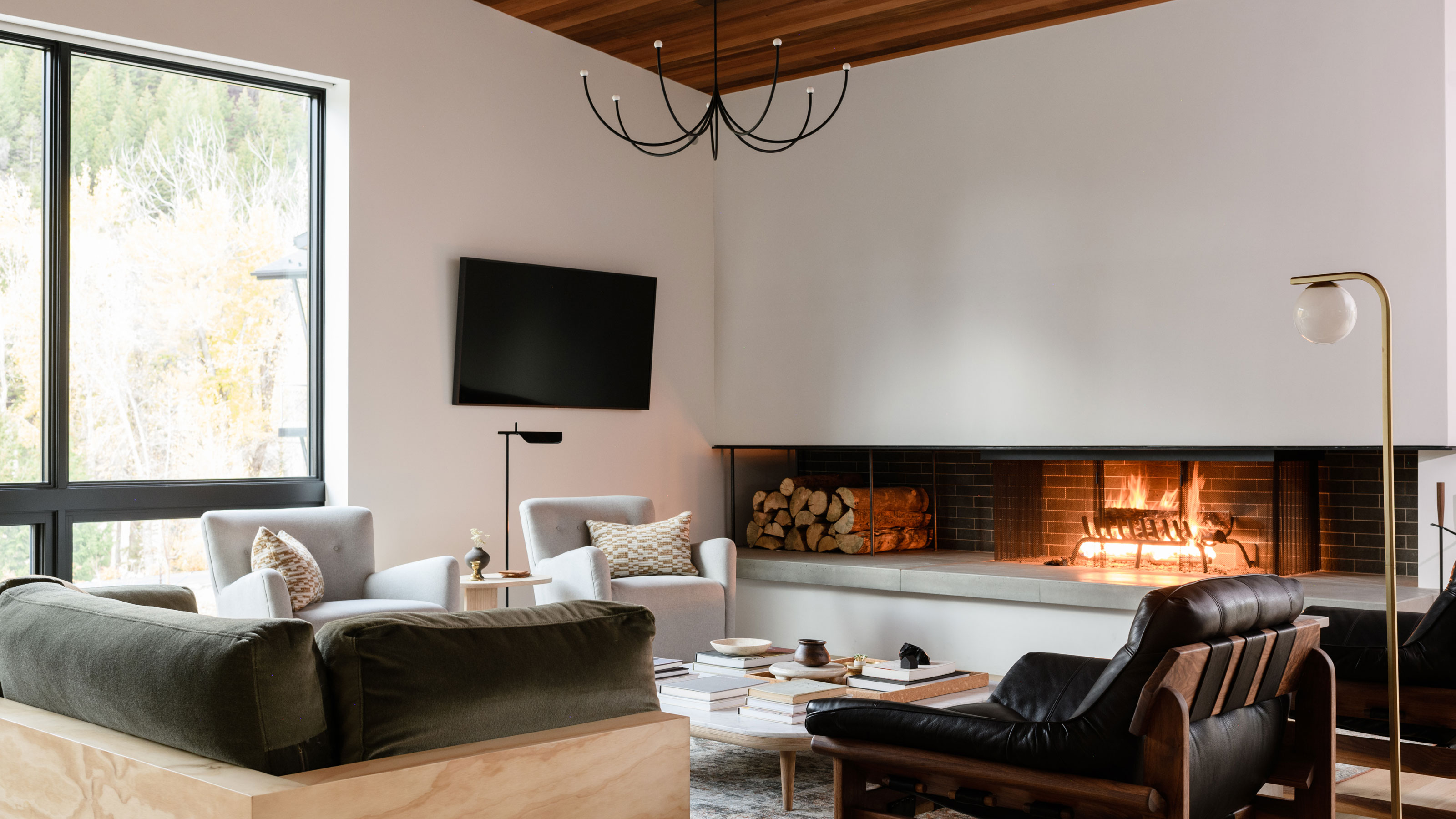
While OLED technology is increasingly suitable for many bright room scenarios, there are specific situations where alternative display technologies might still be preferable. For example, if an OLED TV must be placed directly opposite a window, particularly one that receives direct sunlight, the intense glare could still overpower even the brightest OLED panel, leading to a suboptimal viewing experience. In such cases, a brighter Mini-LED TV might offer a more consistent picture. Relying on blackout curtains to counter glare might not always be practical or desirable, as it means sacrificing natural light during daytime viewing.
Furthermore, rooms with expansive bay windows or large skylights, where sunlight is difficult to block entirely, could also pose a challenge for OLED TVs. While night-time viewing would be unaffected, watching during long summer evenings might be less enjoyable. Another concern relates to the longevity of OLED panels: consistently cranking up the brightness to compensate for ambient light can potentially shorten an OLED TV's lifespan and increase the risk of burn-in, where static images leave permanent shadows on the screen. While modern OLED TVs have advanced features to reduce burn-in, continuous high brightness could exacerbate the issue.
For those still uncertain, a practical approach is to purchase an OLED TV from a retailer with a flexible returns policy. This allows for in-home testing across different times of day and various room conditions to assess its performance firsthand. It's important to remember that in-store demonstrations often feature optimized lighting and picture settings that do not accurately reflect a typical home environment. Consulting real-world reviews and physically checking a display model's reflectivity by shining a light on it can also provide valuable insights and help in making an informed decision before committing to a purchase.
#OLEDTV #BrightRooms #HomeEntertainment #TVTechnology #DisplayTechnology #HomeDecor #InteriorDesign #TVBuyingGuide #OLEDTV #BrightRooms #HomeEntertainment #TVTechnology #DisplayTechnology #HomeDecor #InteriorDesign #TVBuyingGuide
0 commentaire au total
 Aucun commentaire pour le moment
Vous aimerez aussi
"They're Not Always the Most Flattering or Flexible Option" — So, Should You Pick an LED Mirror for Your Bathroom, or Not?

7 Common Living Room Lighting Mistakes to Avoid at all Costs
Govee Envisual TV Backlight T2 review: A worthy upgrade

11 LED bulbs that bump up the brightness (pictures)

Should a living room have a ceiling light? Finally, design experts settle the debate
Should You Have Lights Over The Kitchen Island? Designers Unanimously Agree If They Are Worth Budgeting For
28 TV Console Decoration Ideas That’ll Make You Regret Treating It Like a Tech Shelf

Best LED Light Bulb for Every Room in Your House in 2026
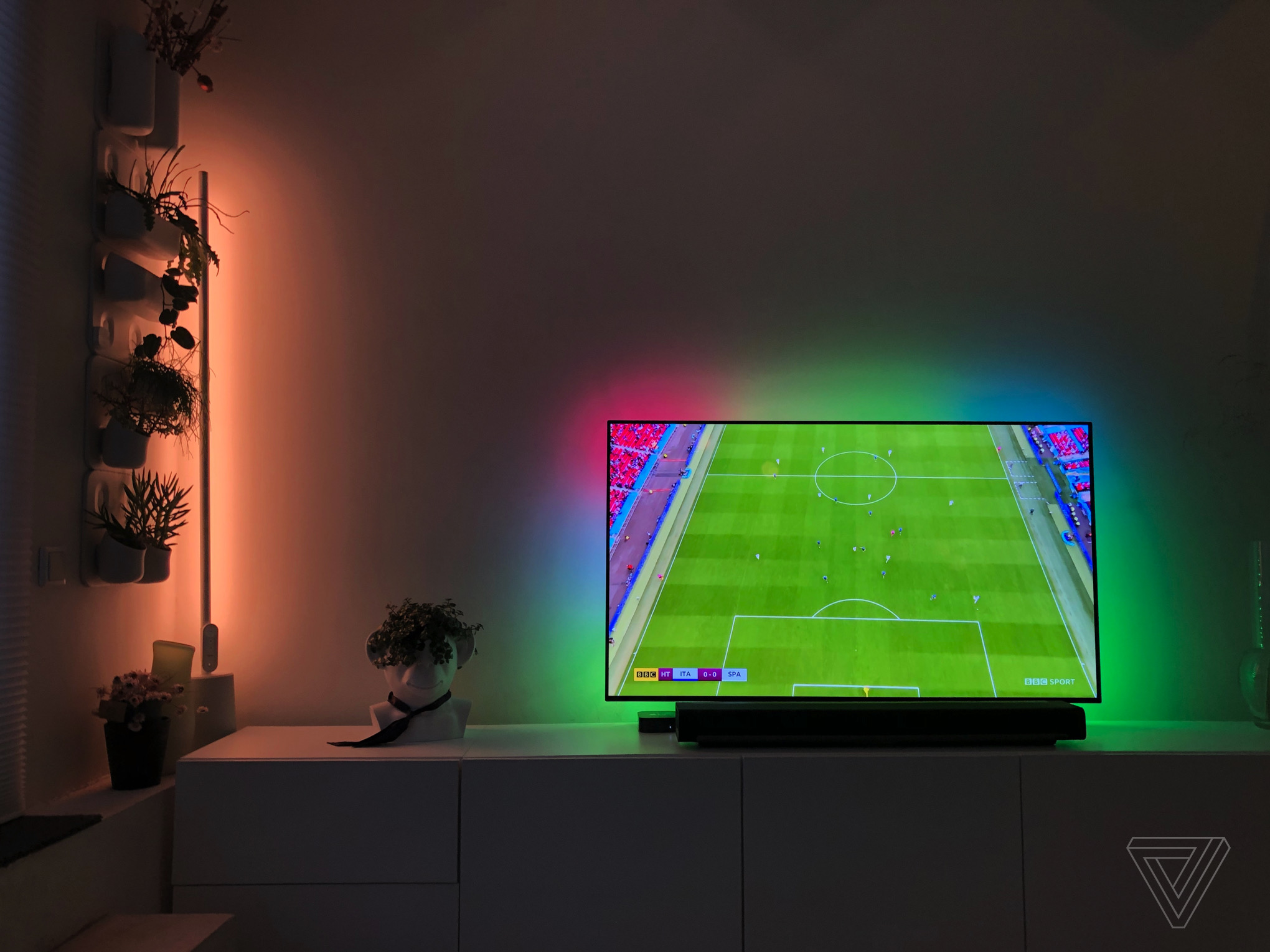
This inexpensive backlight makes your big TV even more immersive
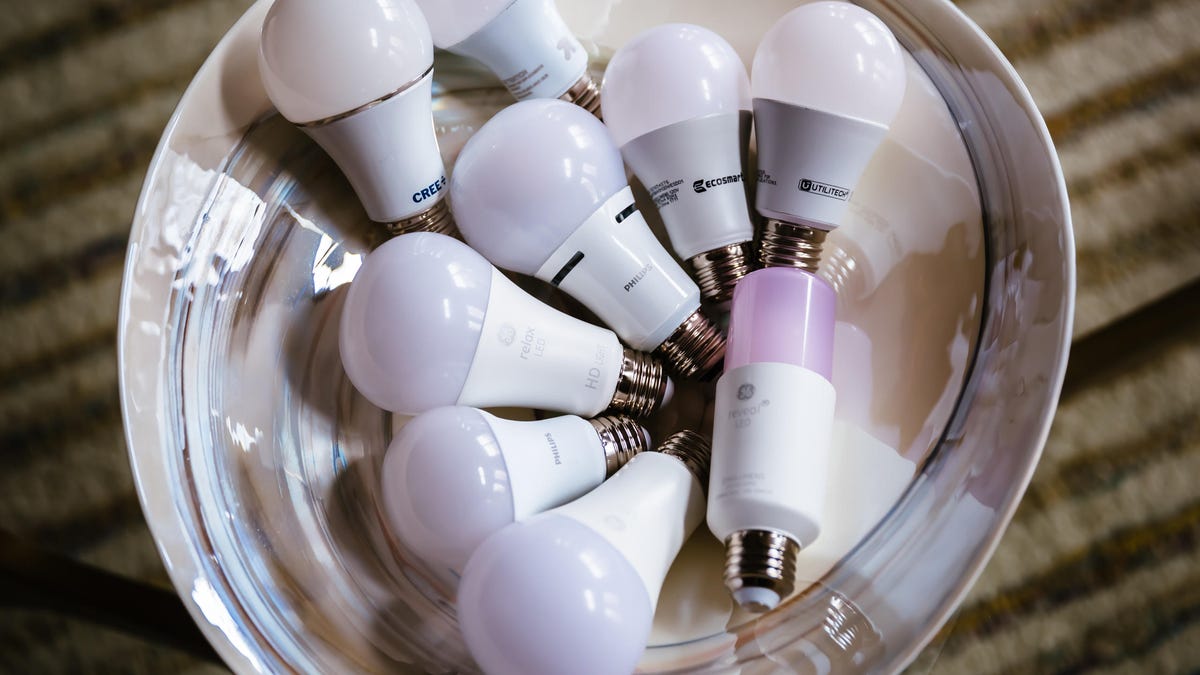
These LED bulbs offer 100 watts worth of light: Which is best?
5 Types of Lighting Designers Would Never Use —They're Harsh and Unflattering and Here's Why
10 living room lighting mistakes that make yours look uninviting, smaller and cold


The Secrets To A Well-Lit Room

Does every room need a ceiling light? There's one in particular that really doesn't, these designers agree

Living room lighting ideas – 33 easy ways to use lights and lamps to add style and create a cosy mood
Choose The Right Light Fixture To Boost Your Living Room, According To An Expert
Best LED Light Bulb for Every Room in Your House in 2025
How to make a living room lighter – an interior designer's 10 tips for a creating brighter space

The 3 Best LED Light Bulbs of 2025 | Reviews by Wirecutter
Should You Really Put Your Television Over Your Mantel?