1/9
Should a living room have a ceiling light? Finally, design experts settle the debate
The decision of whether to include a ceiling light in a living room is complex, influenced by desired mood, layering of supplementary lighting, room size, and the balance between decorative and functional lighting. While a ceiling light might seem like an obvious choice, a well-executed lighting scheme often relies more on a combination of light sources to create atmosphere.
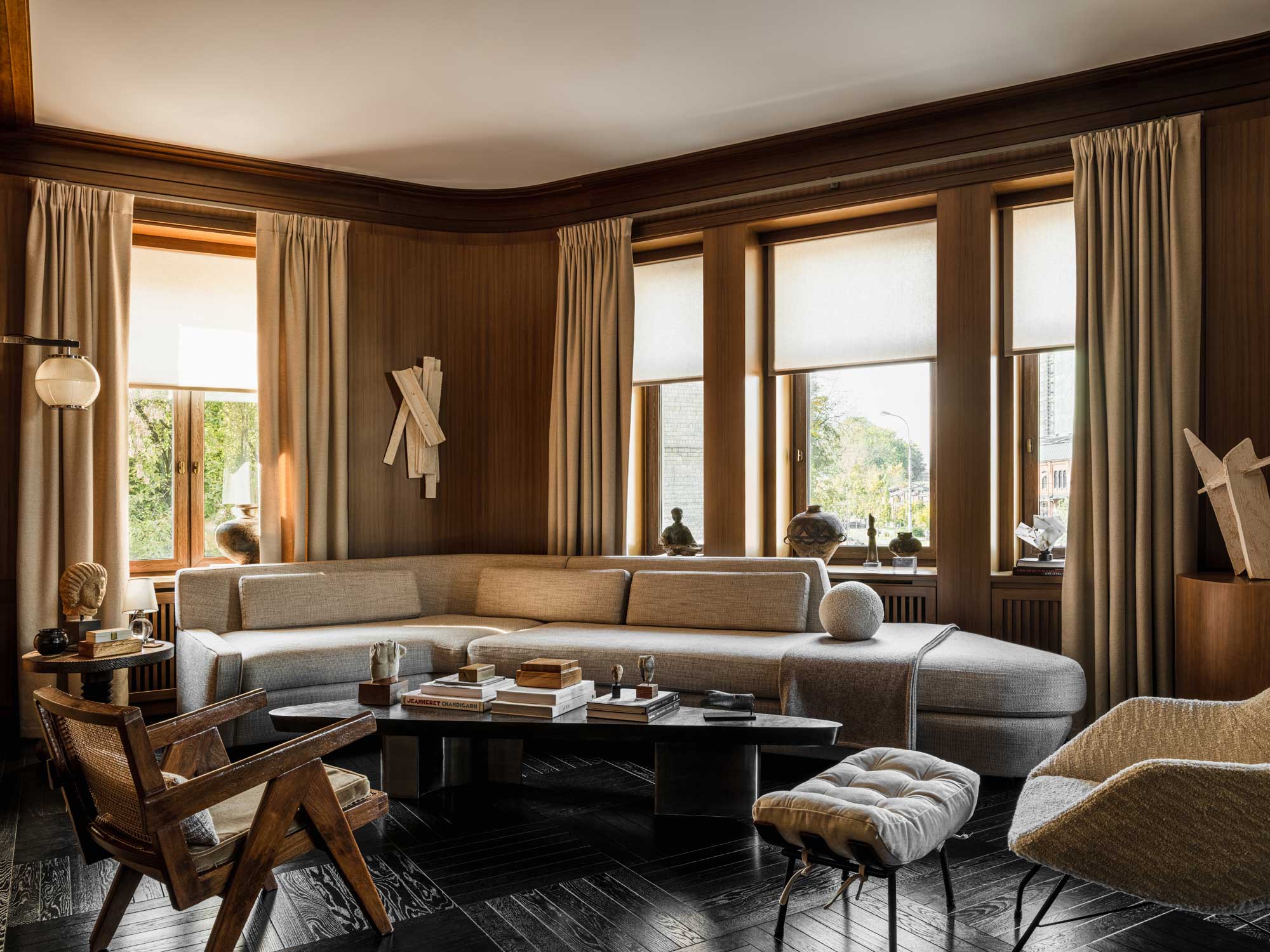
Monique Tollgård, head of interior design at Tollgård Design Group, emphasizes that lighting is a 'language' that, when used effectively, promotes warmth and communication, drawing focus where needed and creating intimate, darker areas elsewhere. Conversely, poorly implemented lighting, such as ubiquitous downlights, can result in a 'tone-deaf outcome' that illuminates a room indiscriminately from above. Living rooms typically integrate ambient (overhead), accent, and task lighting. In schemes where other layers of light are sufficiently effective, ceiling lights may not be essential, often serving more as decorative elements than primary light sources. Will Earl, Design Director of J Adams & Co, highlights that living room lighting should be inviting and warm, contributing to a natural and relaxed ambiance.
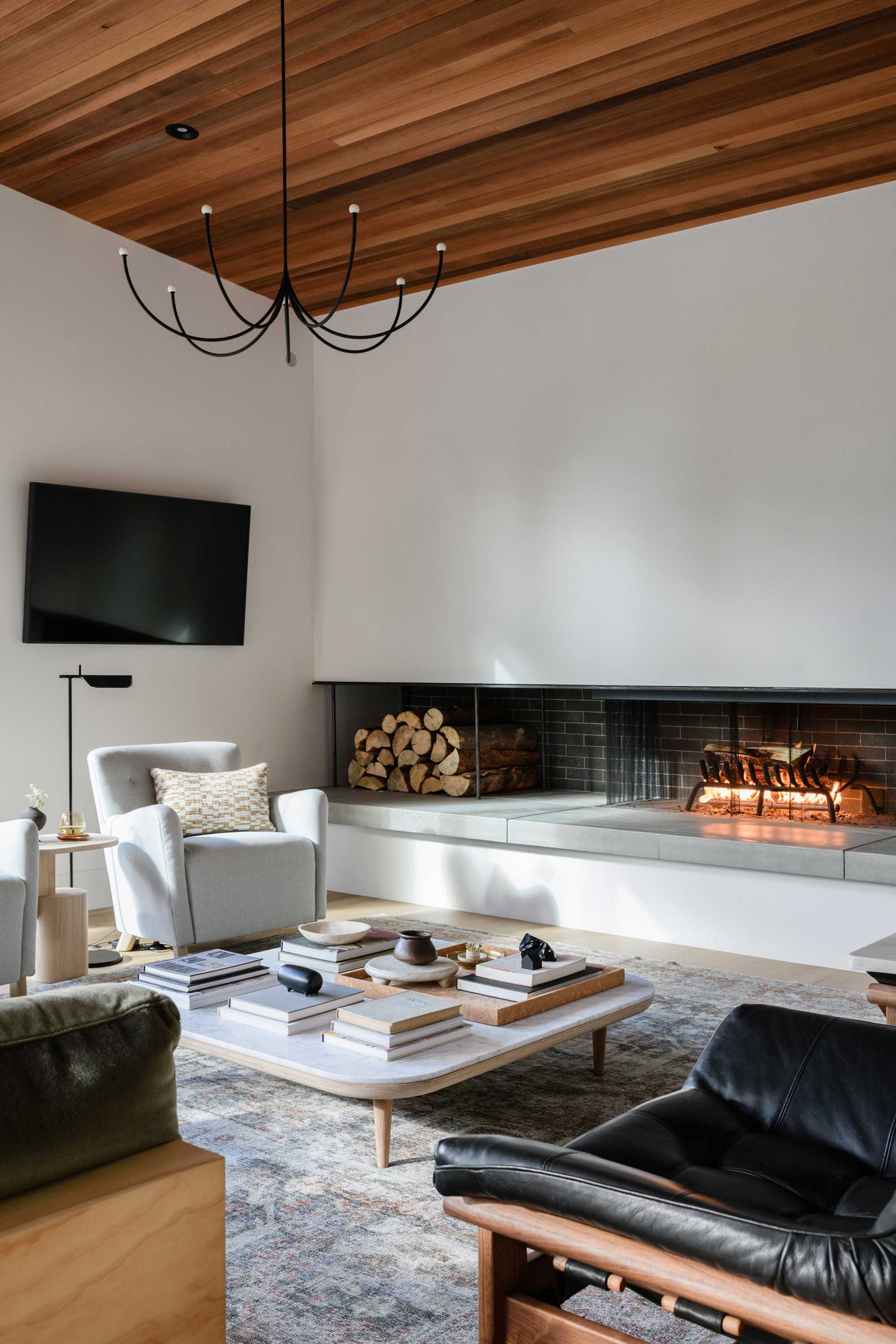
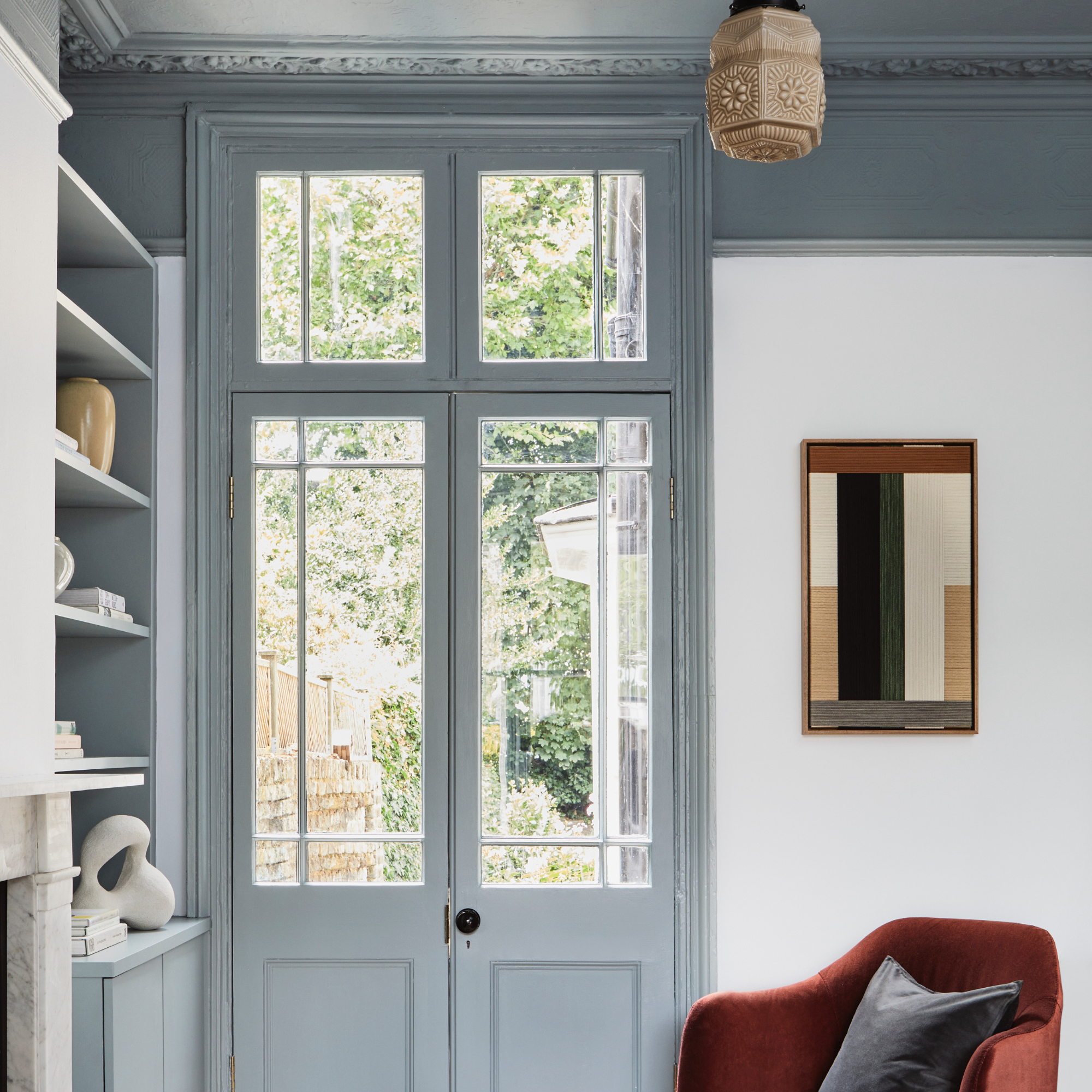
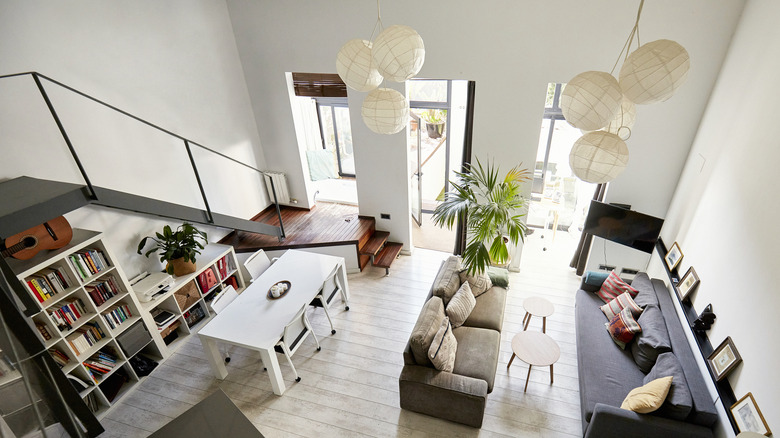
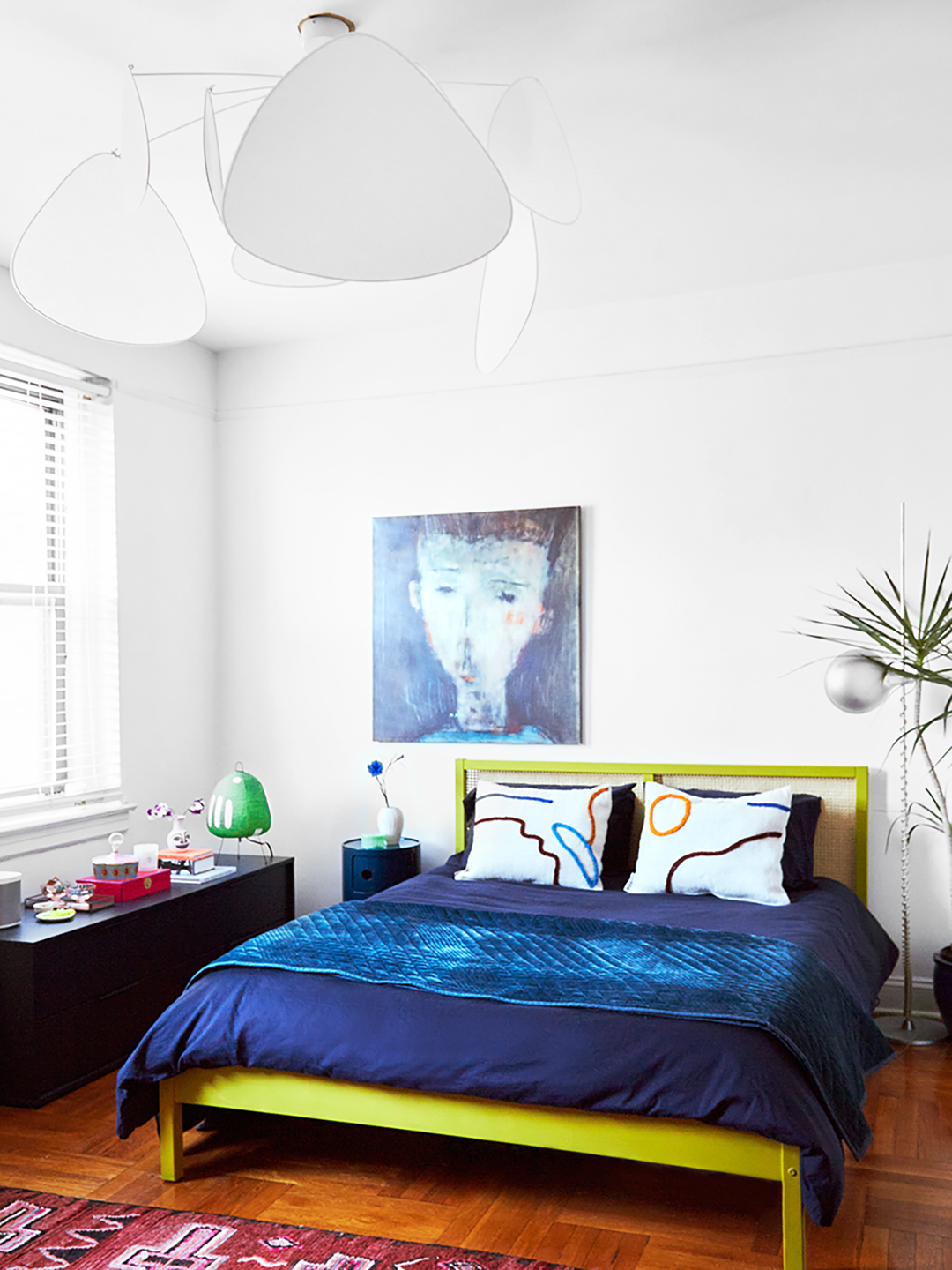
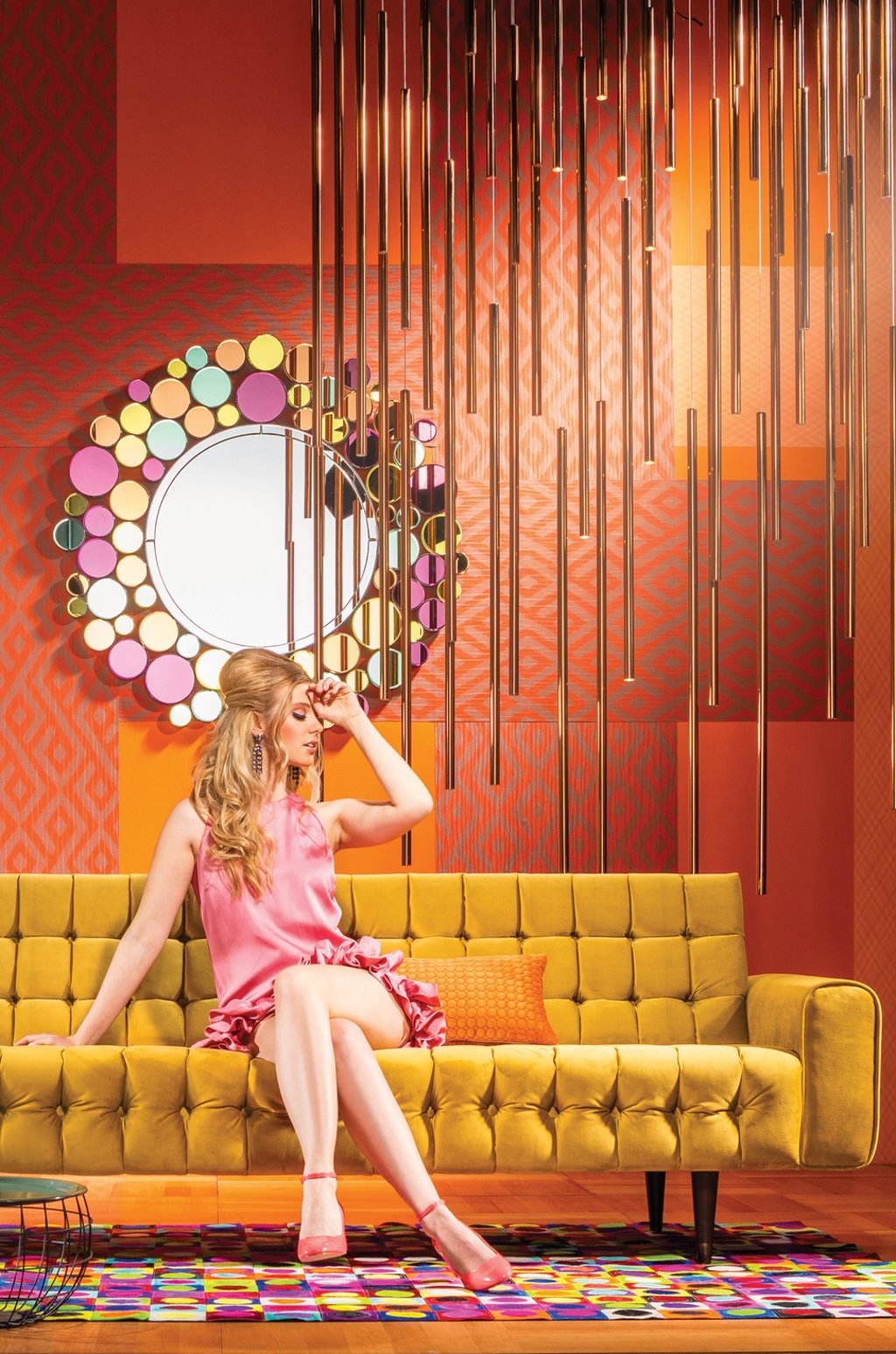
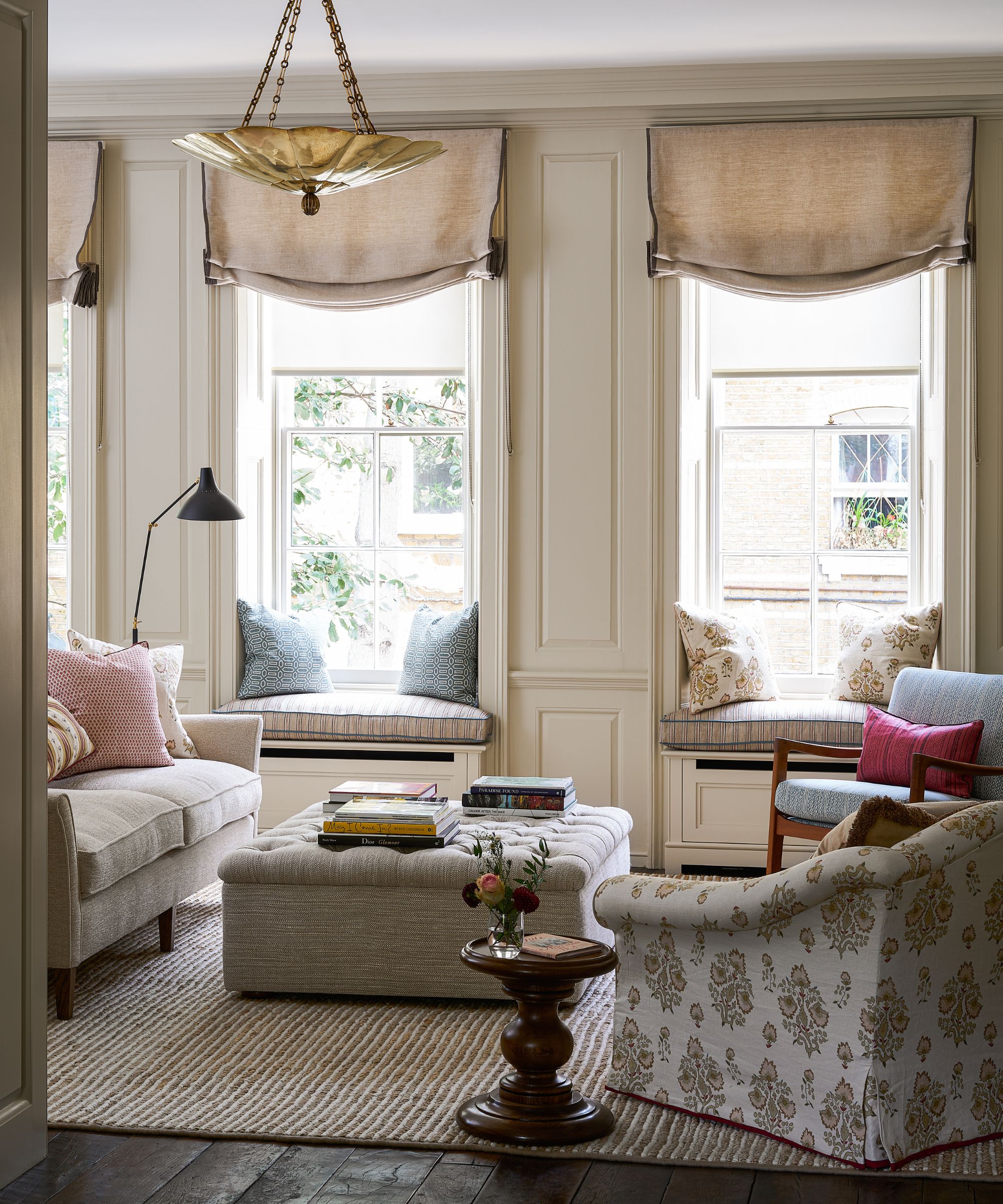
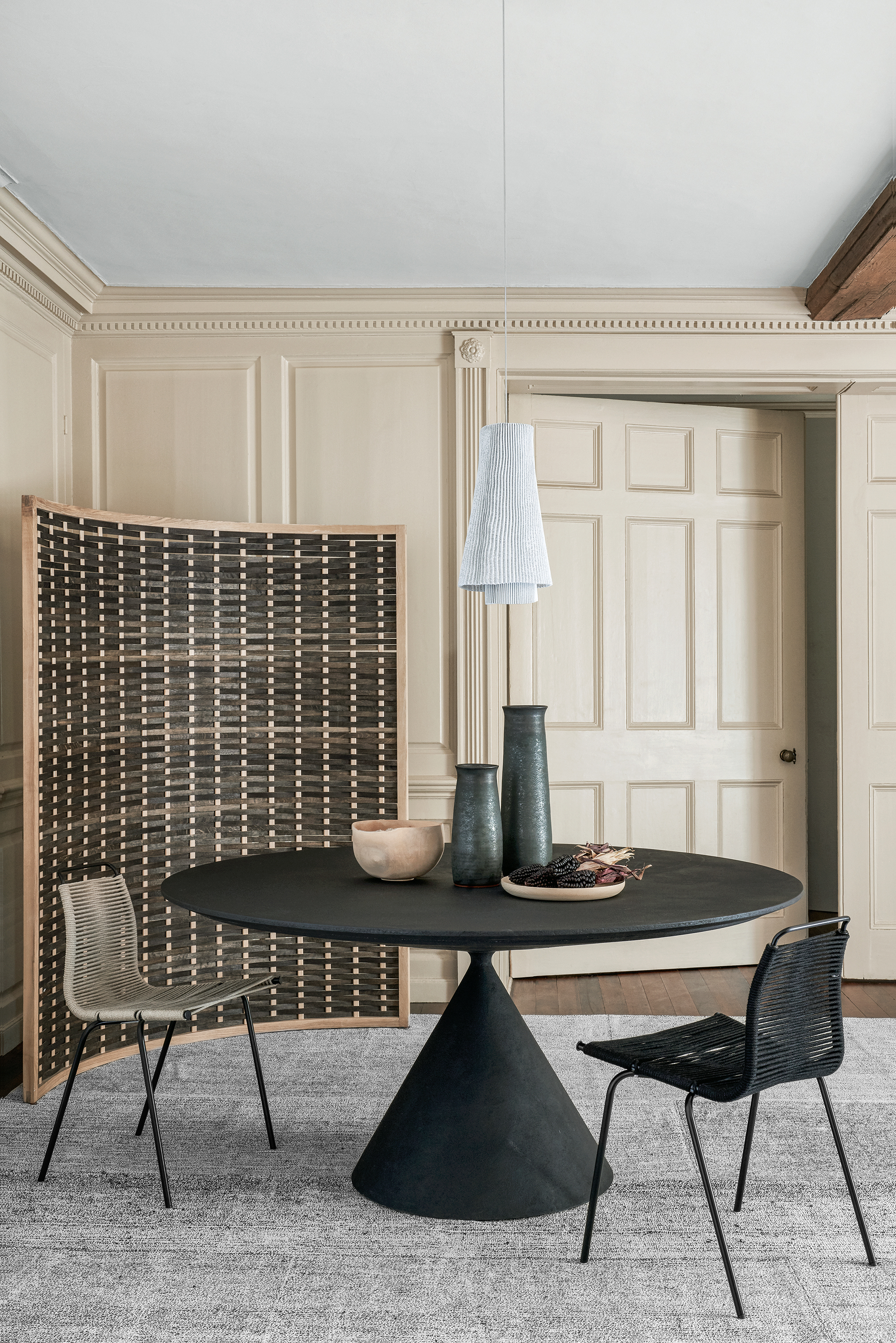
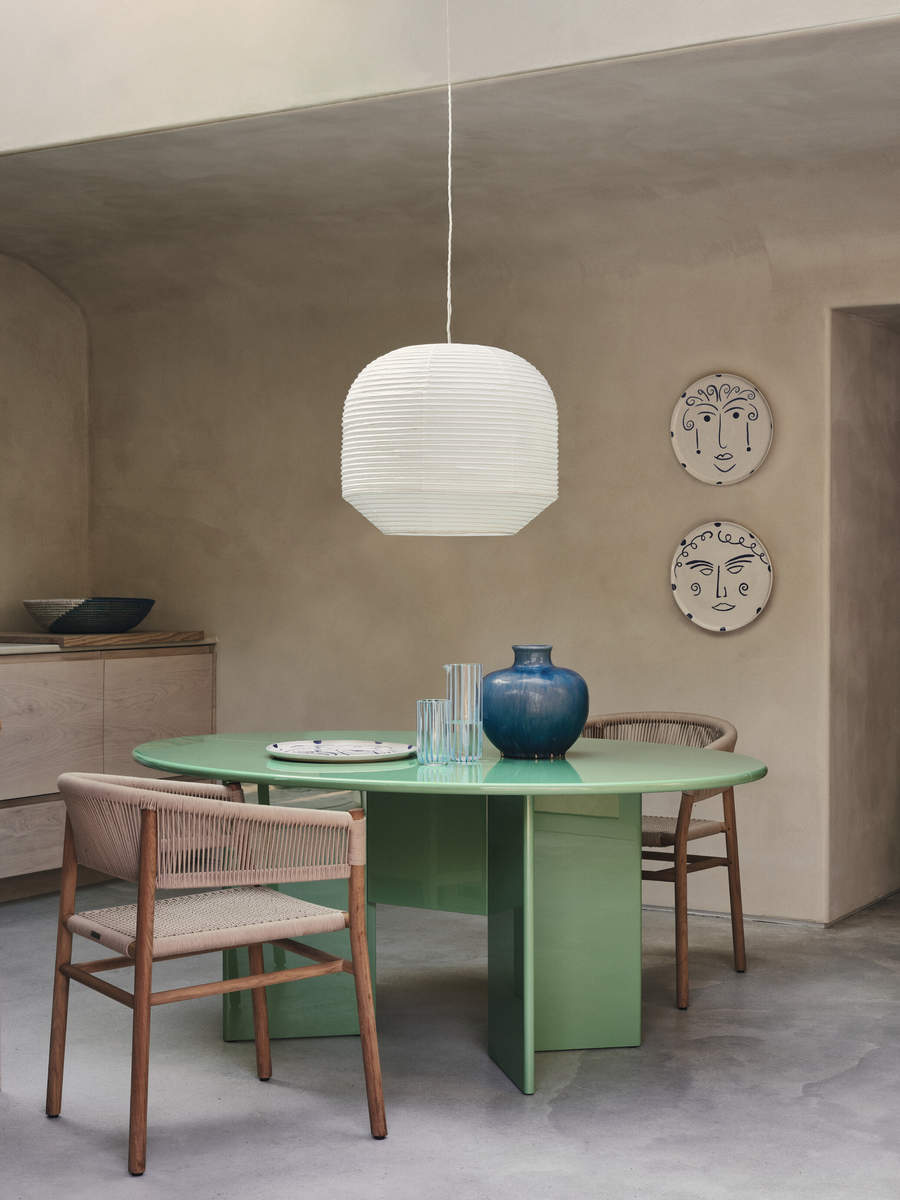
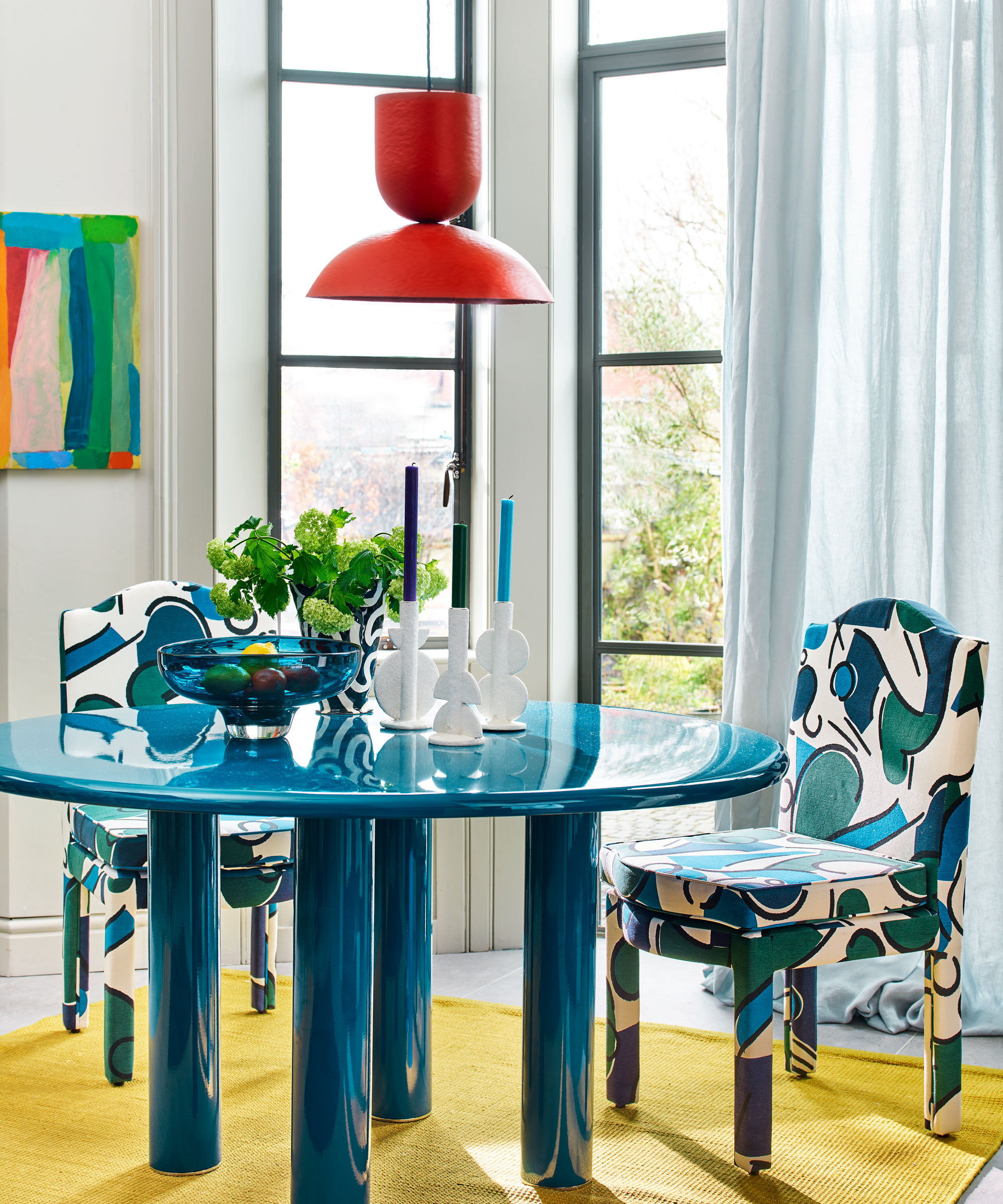
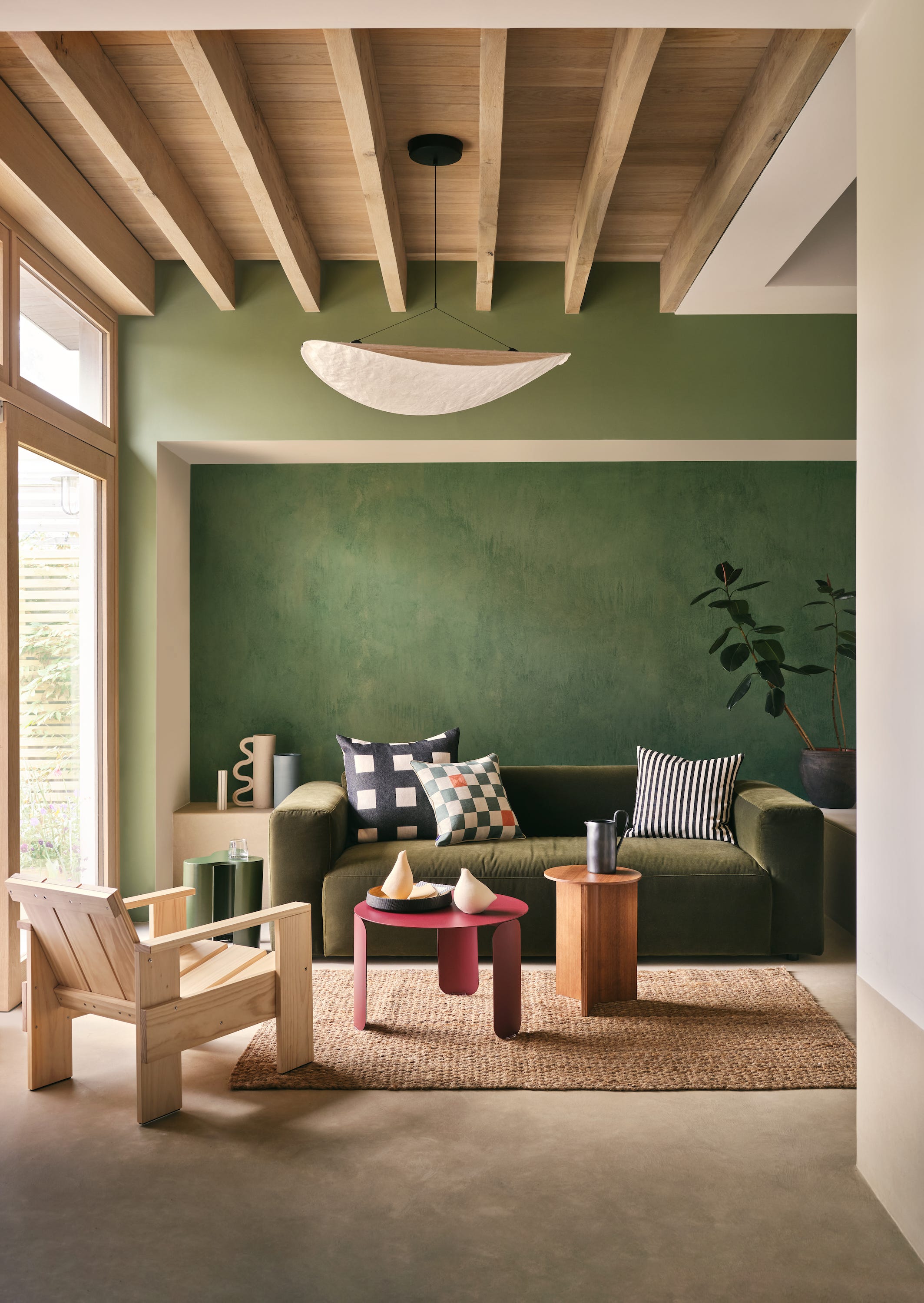
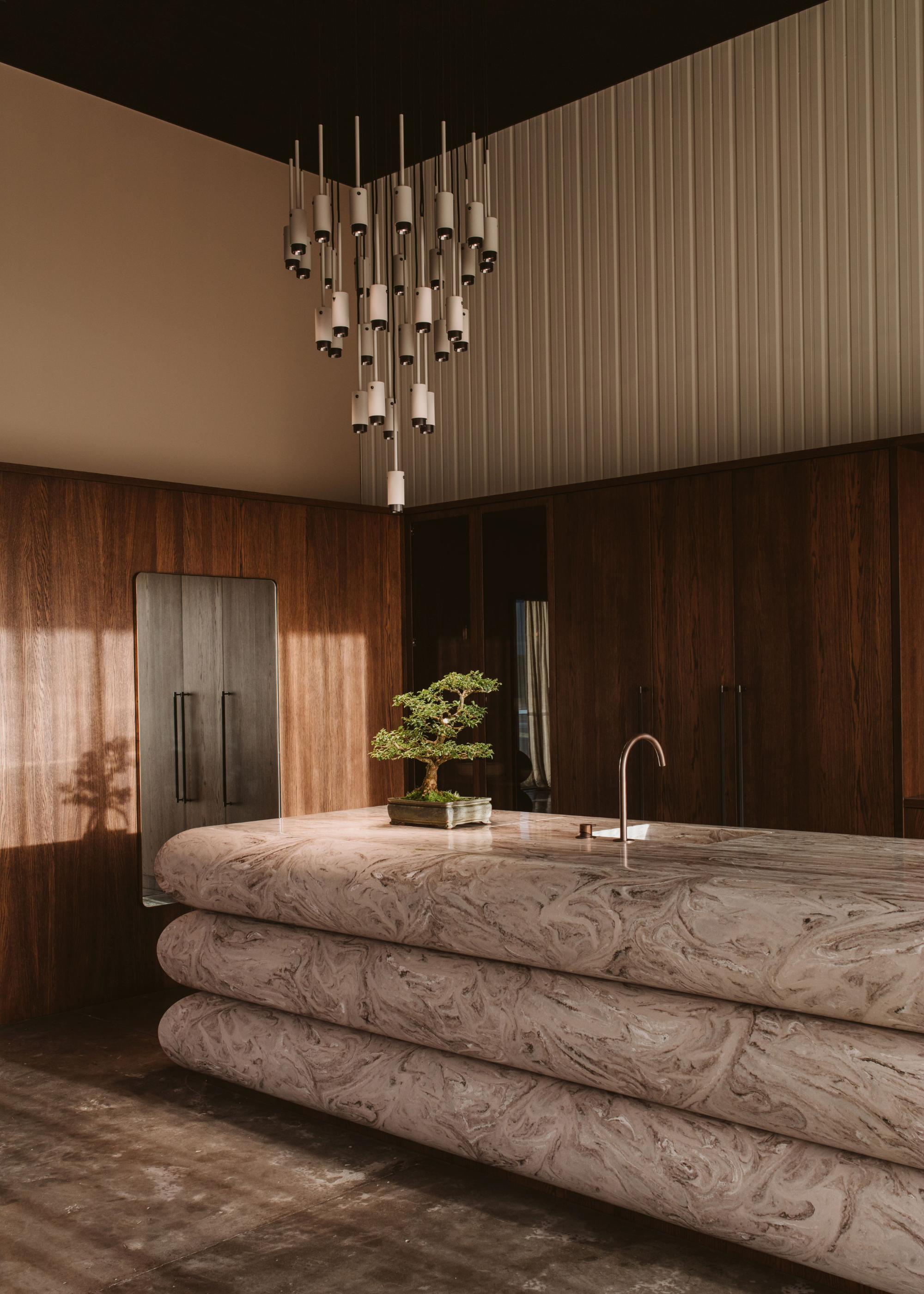
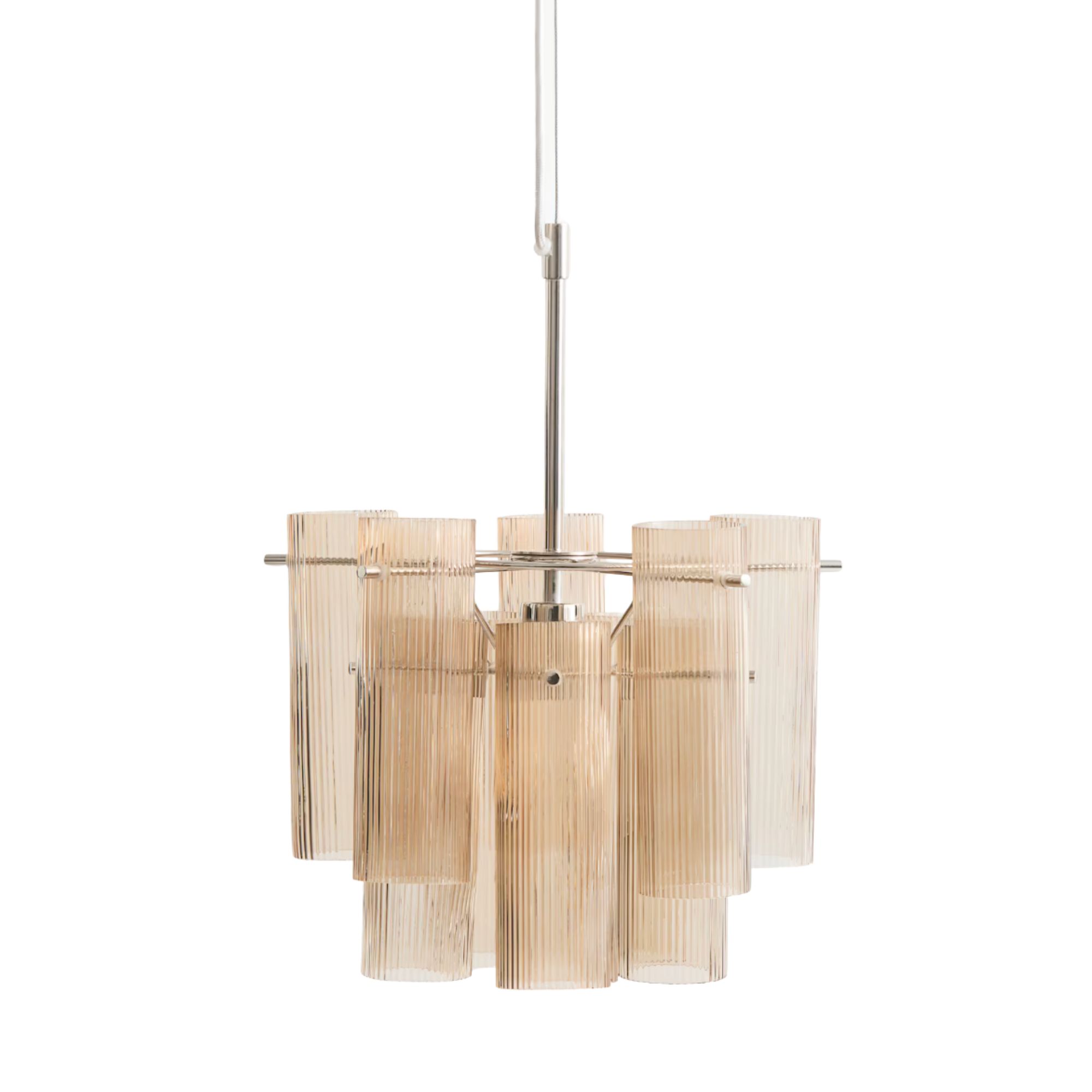
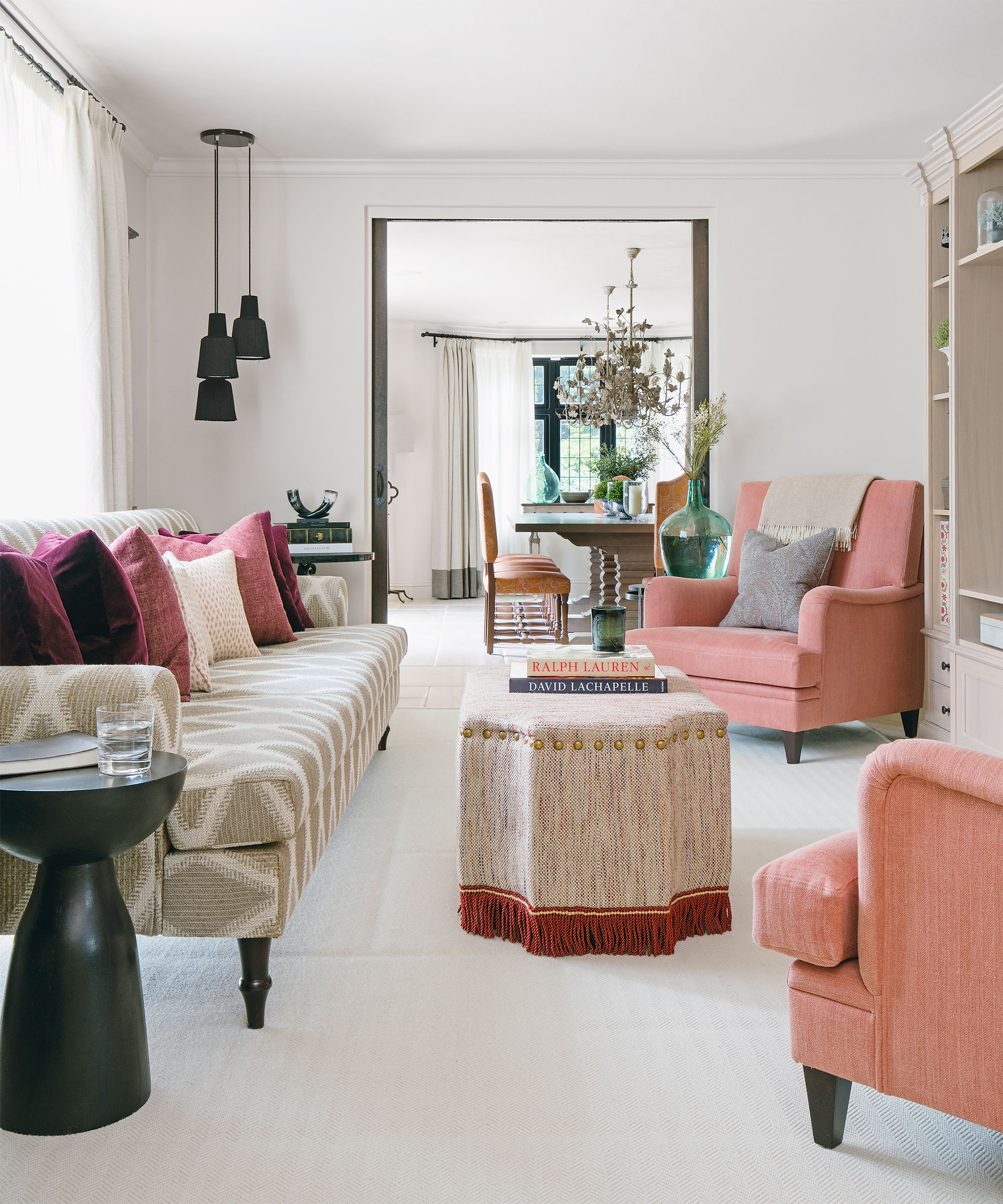
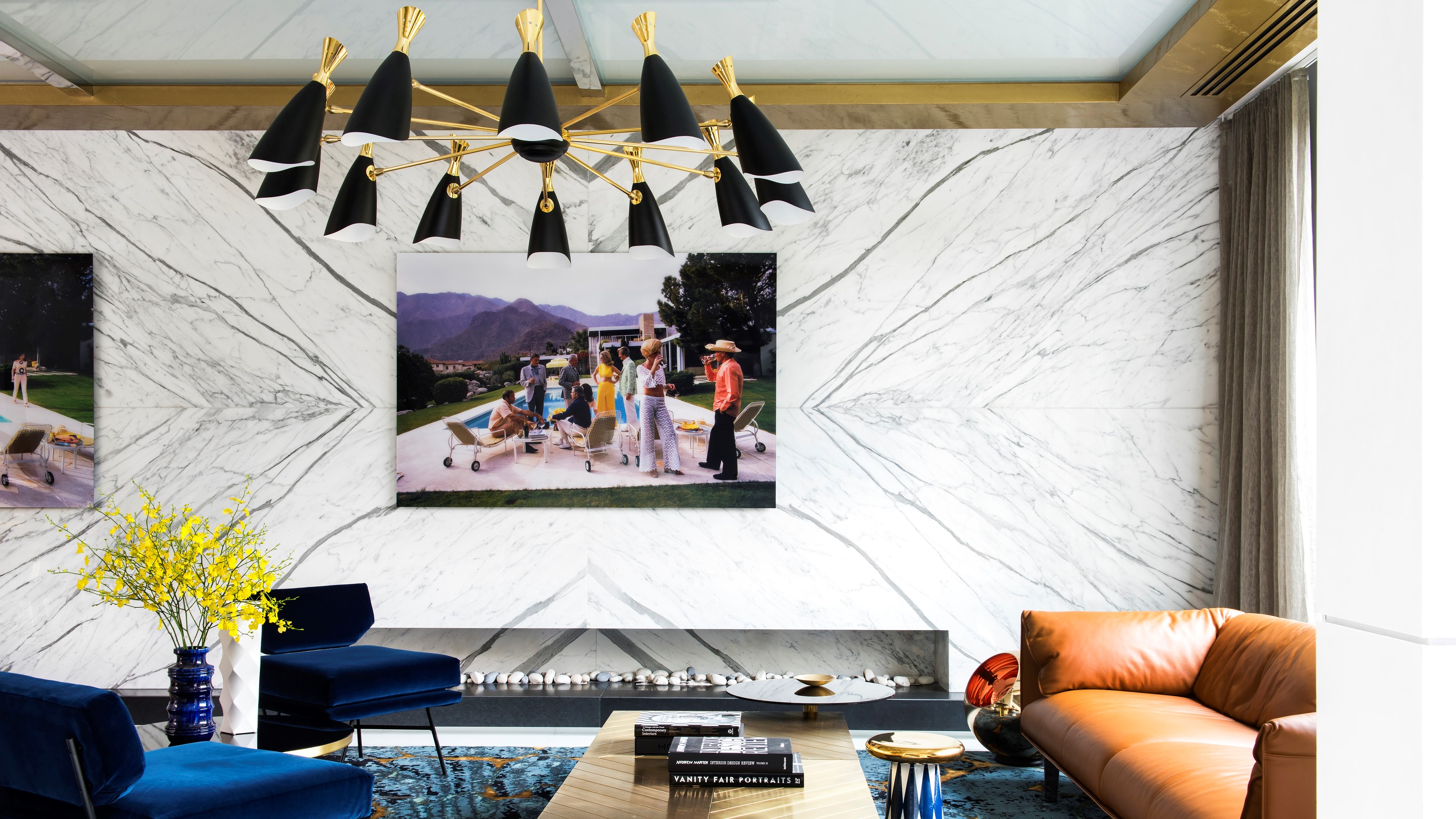
Ceiling lights offer several advantages. They can serve as the foundational layer of a layered lighting scheme, providing an initial base that can be complemented by other light forms. Recessed lighting can ensure even illumination across the room, and all ceiling lights can be connected to dimmers for adjustable brightness. Furthermore, ceiling lights can introduce significant design detail and personality. Noor Charchafchi, founder and CEO of Celine Interior Design, notes that statement ceiling lights, such as chandeliers or pendant lighting, can enhance a space's drama, mood, and energy. Monique Tollgård adds that decorative ceiling lights can act as architectural focal points, guiding the eye and establishing reasons for furniture placement. They can also provide soft, omnidirectional light rather than concentrated beams. Additionally, ceiling lights, particularly dangling fixtures, can create an illusion of height by drawing the eye upward.
However, ceiling lights also present potential drawbacks. They can contribute to visual clutter, particularly in minimalist designs, where the absence of a central light might offer a calmer aesthetic. The suitability of a statement ceiling light depends on the room's dimensions and existing decor. For instance, low-ceilinged rooms or those with already busy designs might be better off without a prominent central fixture to avoid an overstuffed appearance. Another issue is heat emission; some statement lights produce more heat, potentially raising the room temperature, and they may require more frequent maintenance, such as bulb changes. Critically, the functional output of a decorative ceiling light must be considered. Jennifer J. Morris, interior designer, cautions that some statement lights may not provide sufficient illumination for practical tasks, necessitating a balance between aesthetics and functionality. Conversely, some ceiling lights, like certain recessed options, can be excessively bright. Joy Moyler, interior designer, advises against direct light in people's eyes and suggests careful planning for recessed lighting layouts to prevent an undesirable 'airport runway effect.'
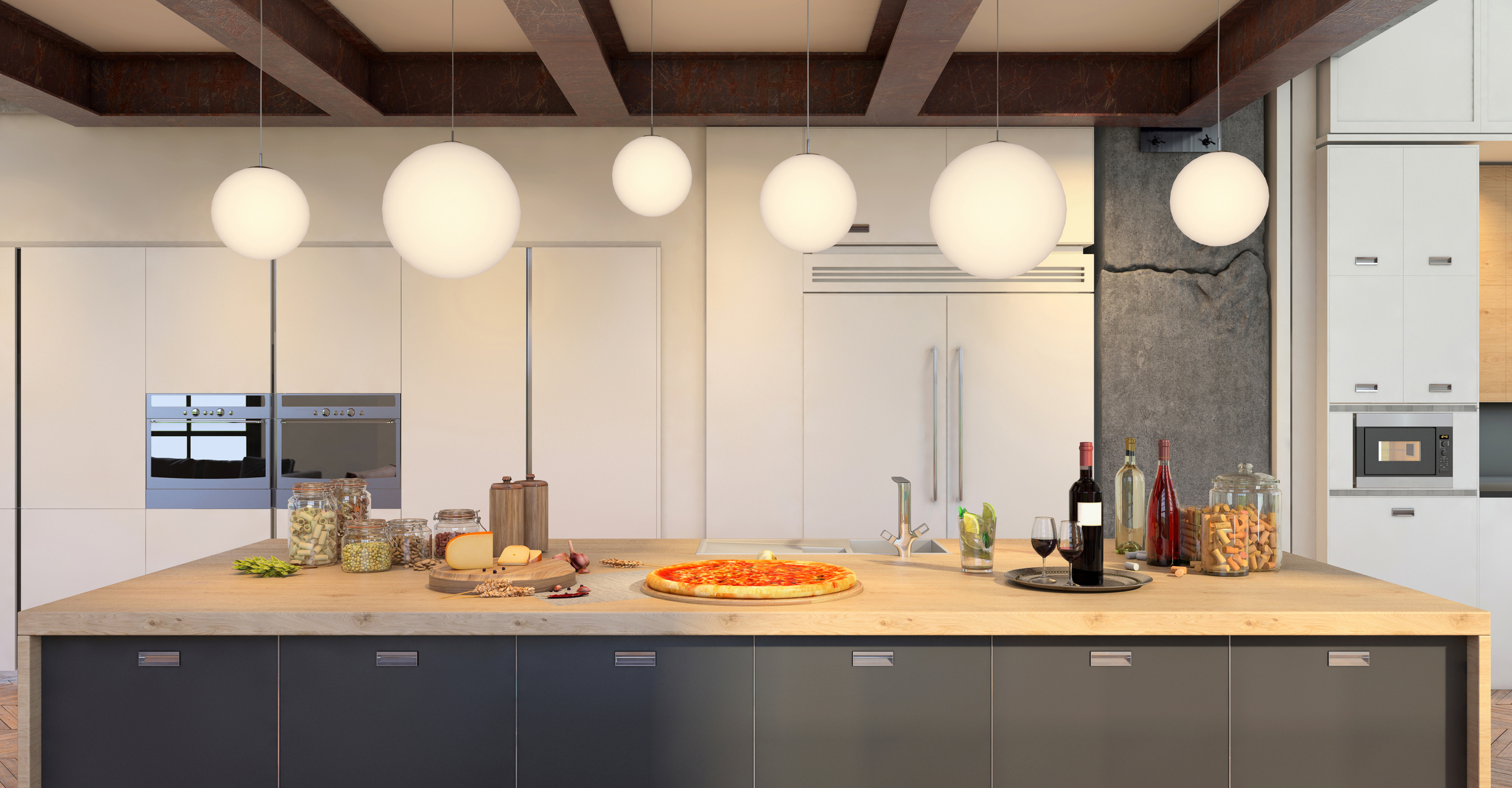
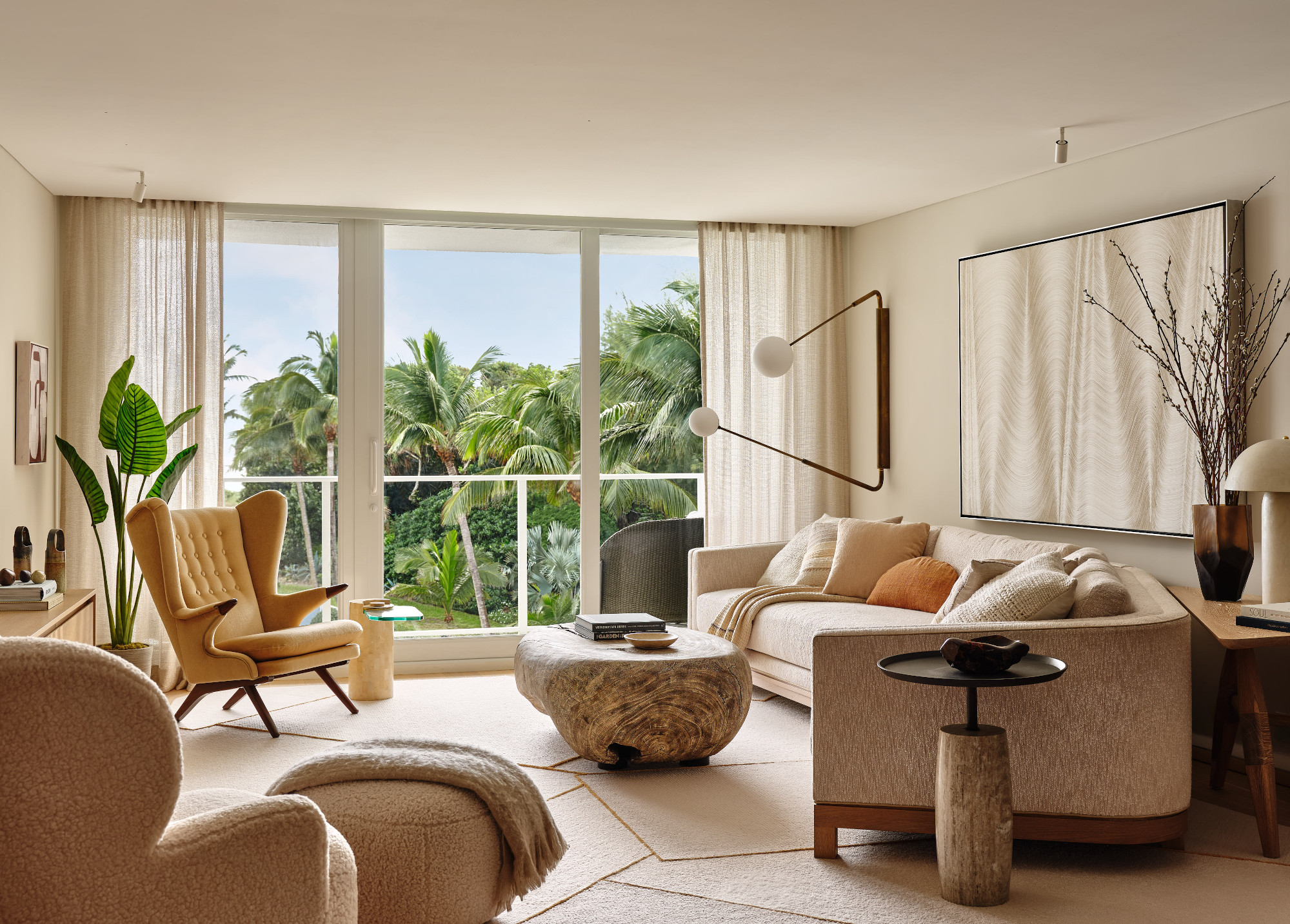
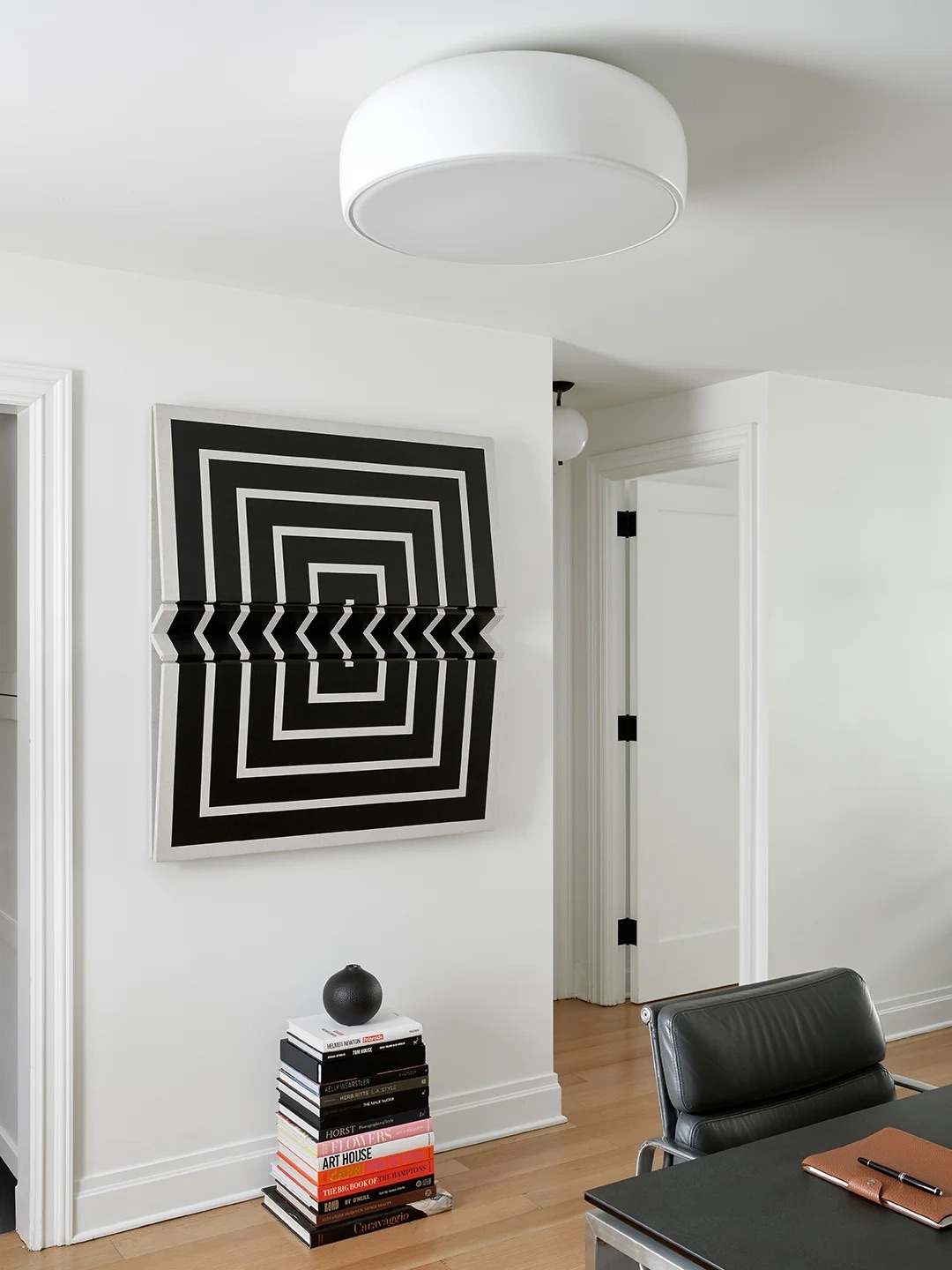
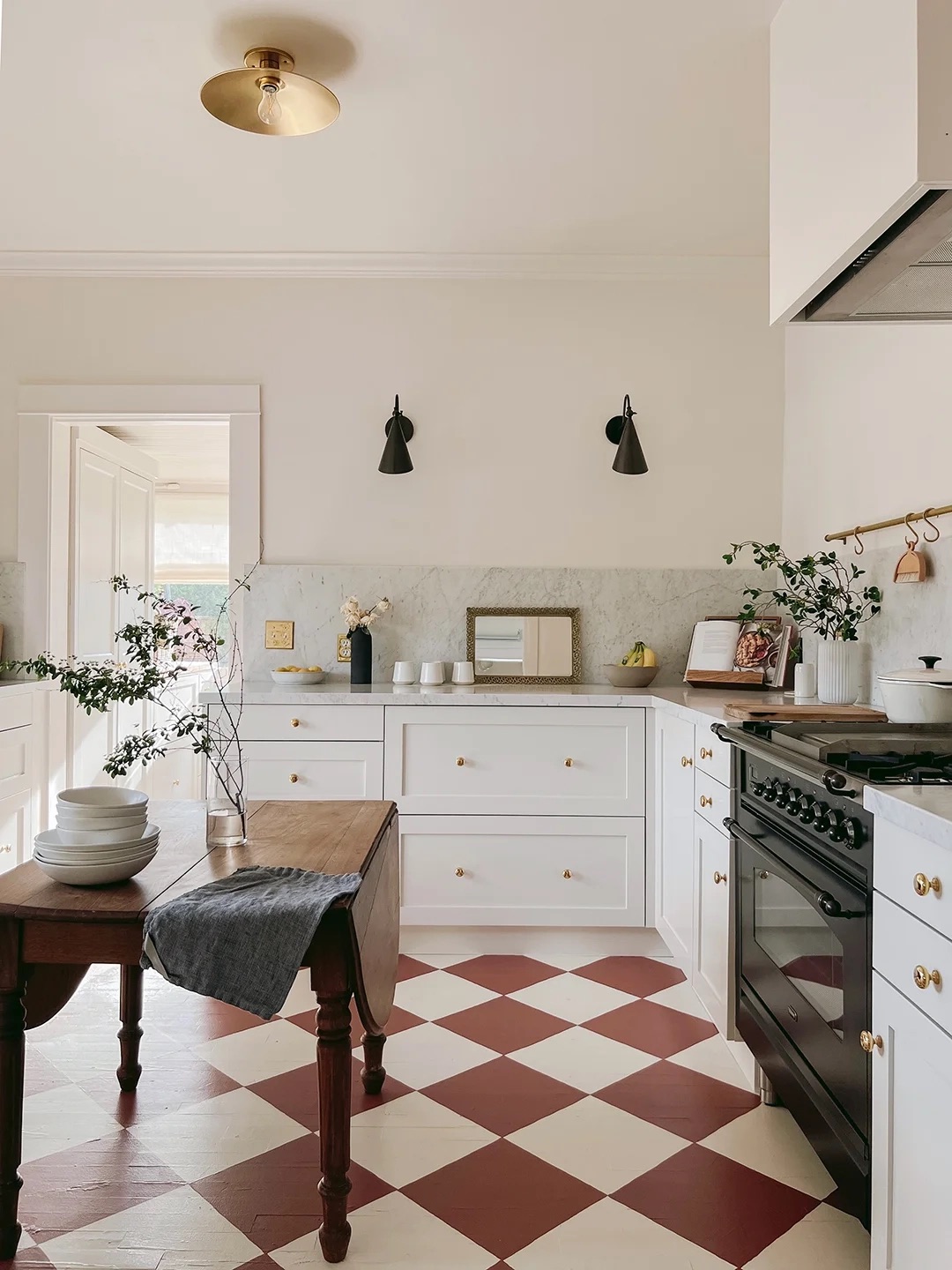
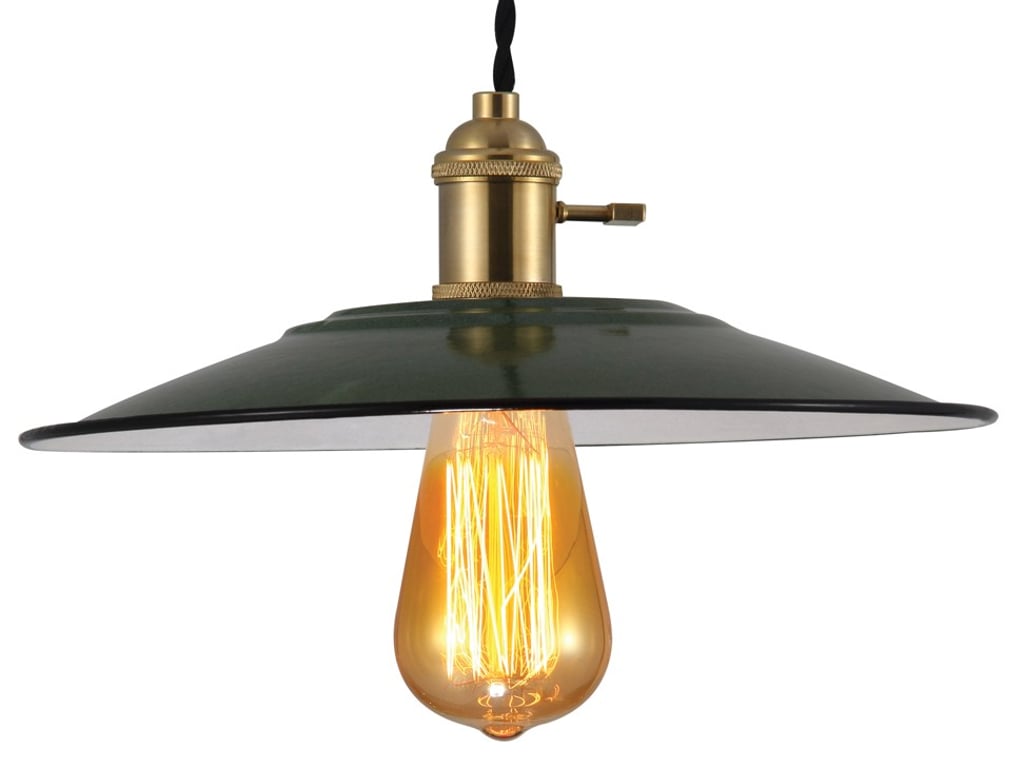
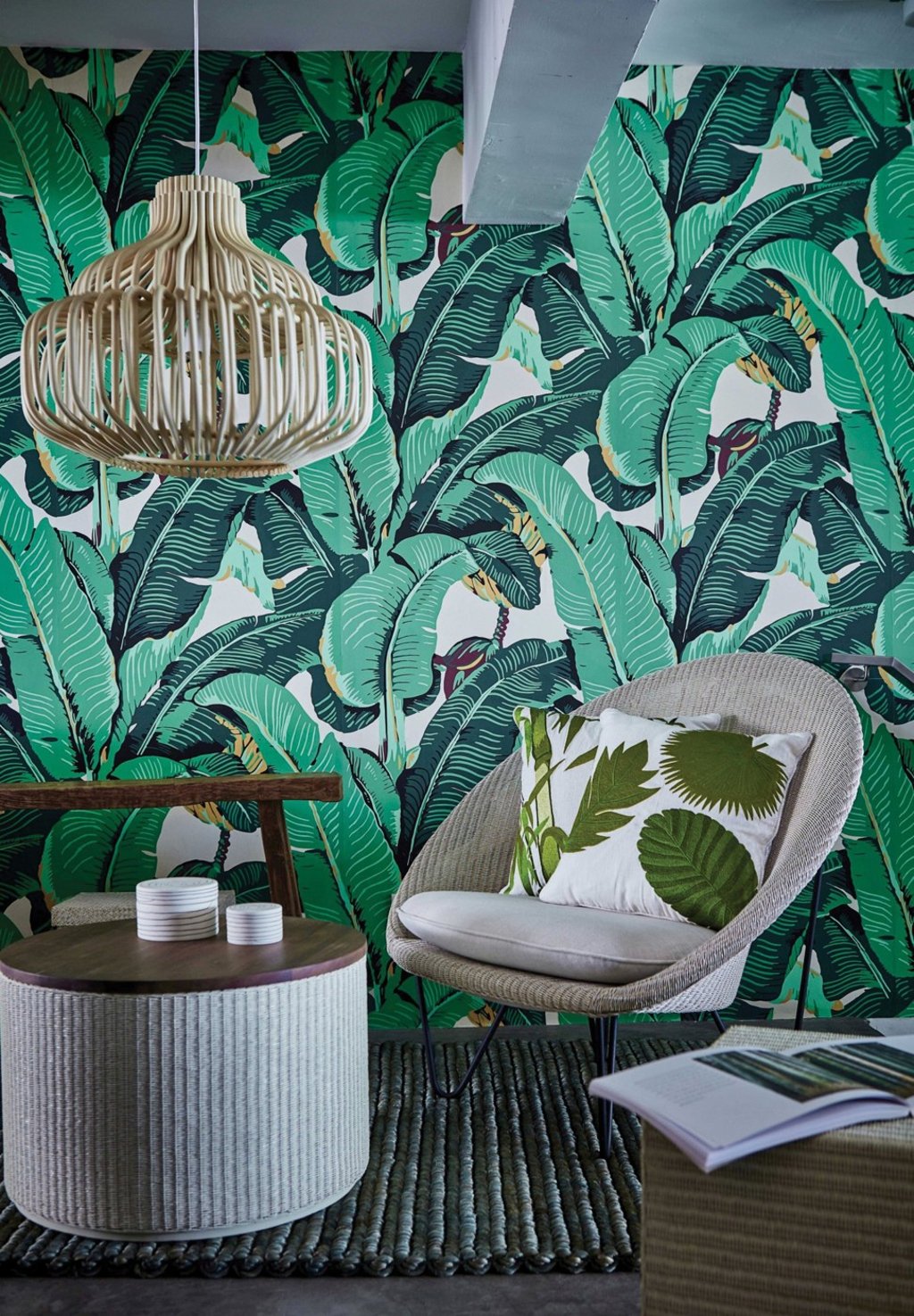
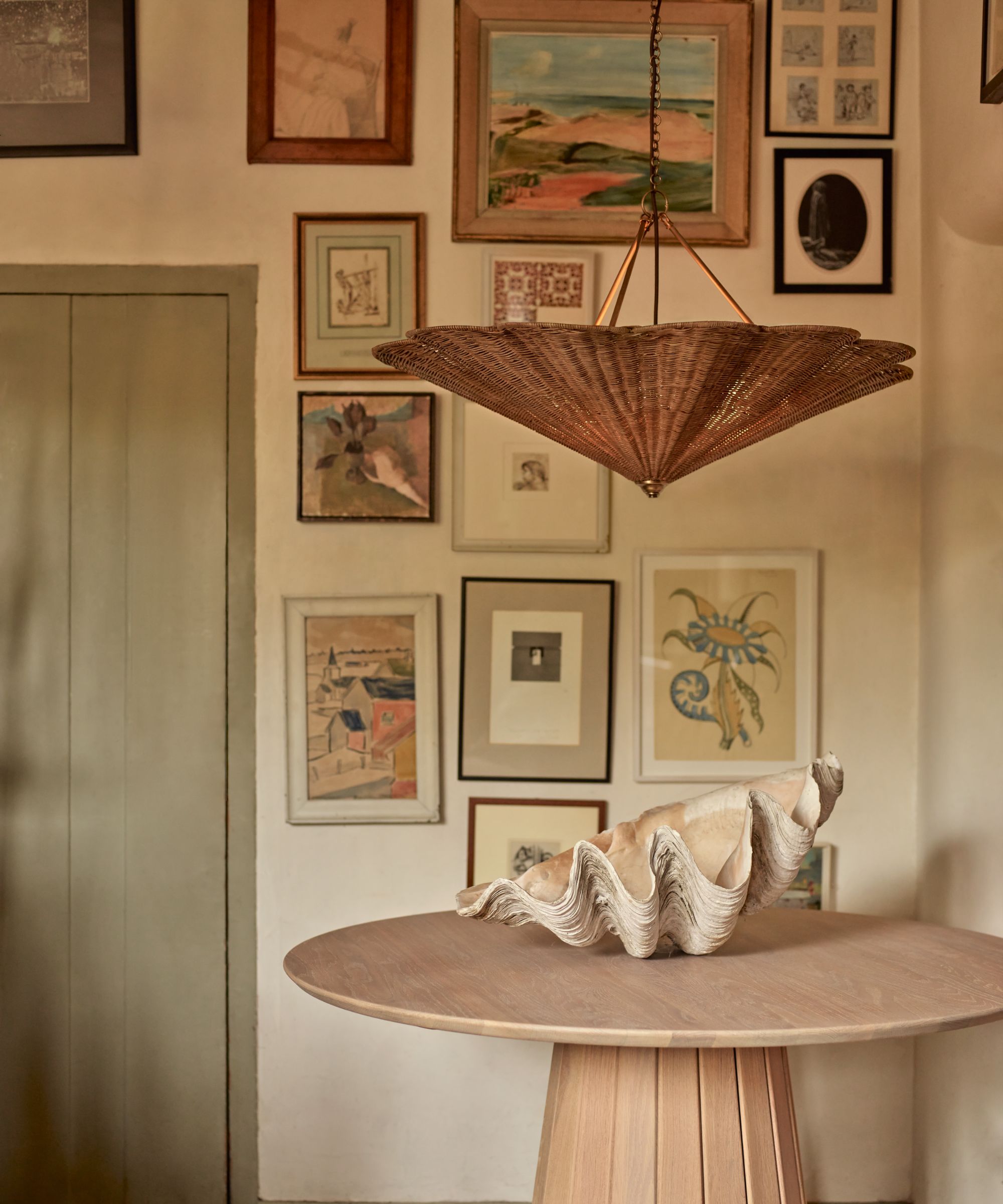
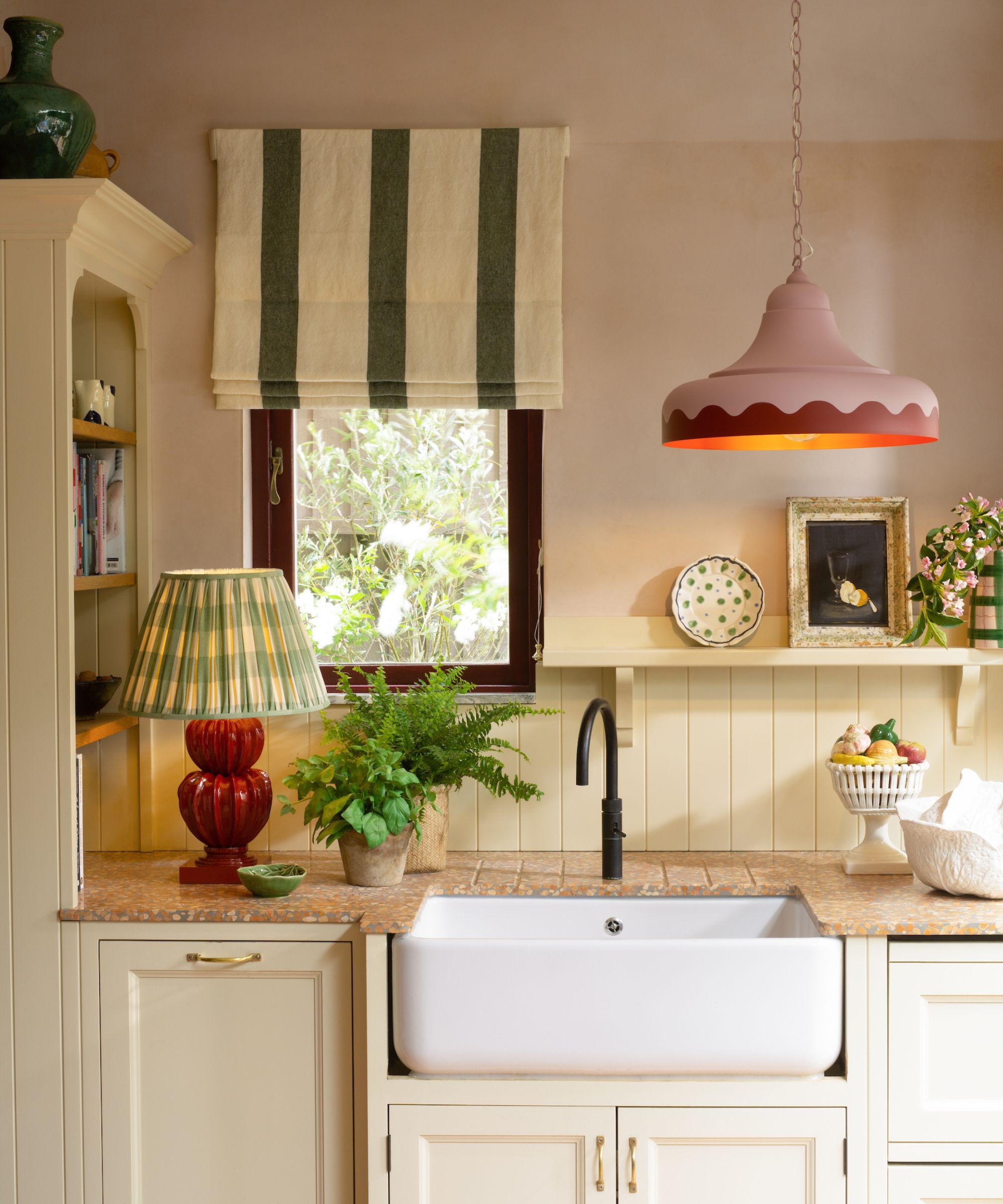
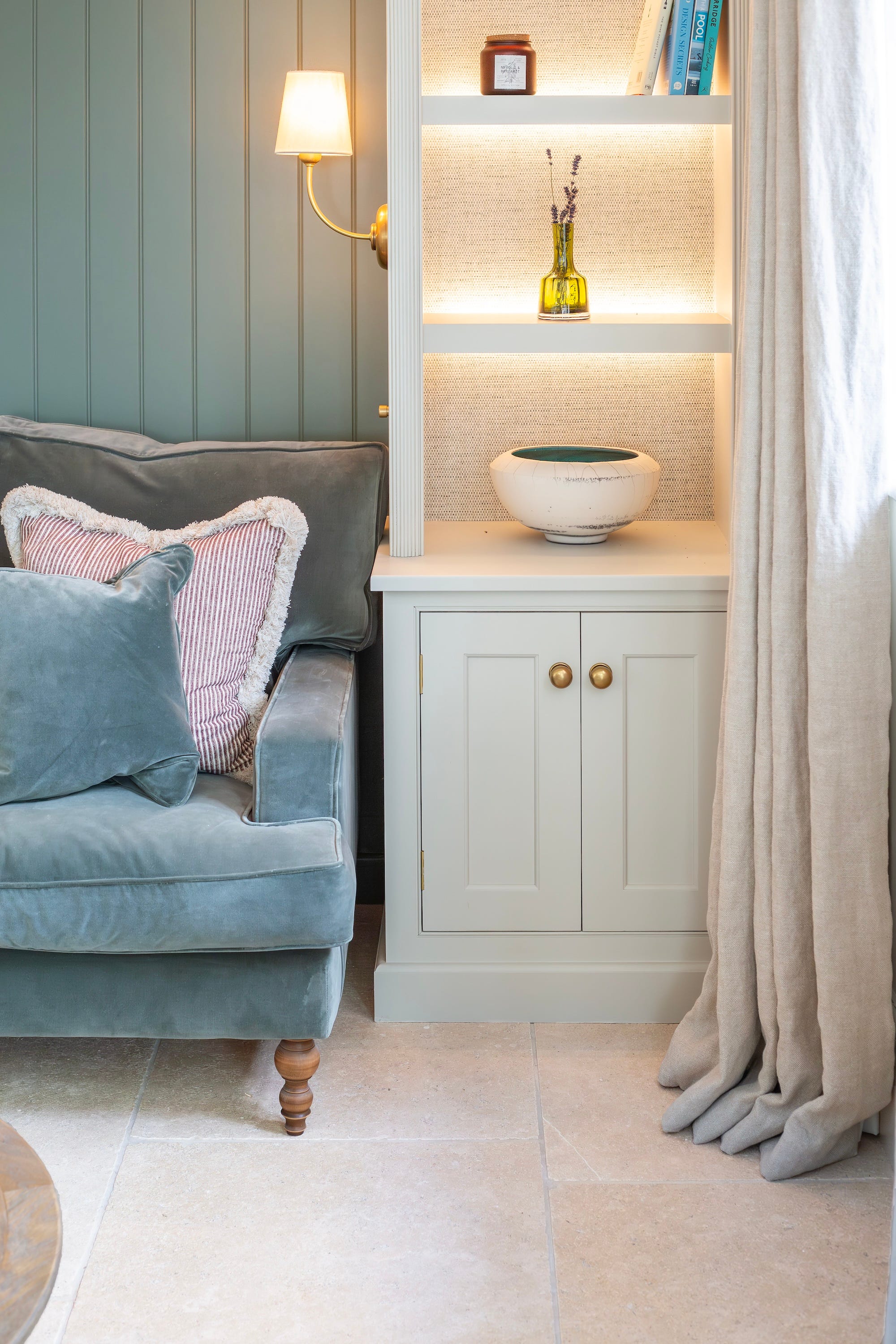
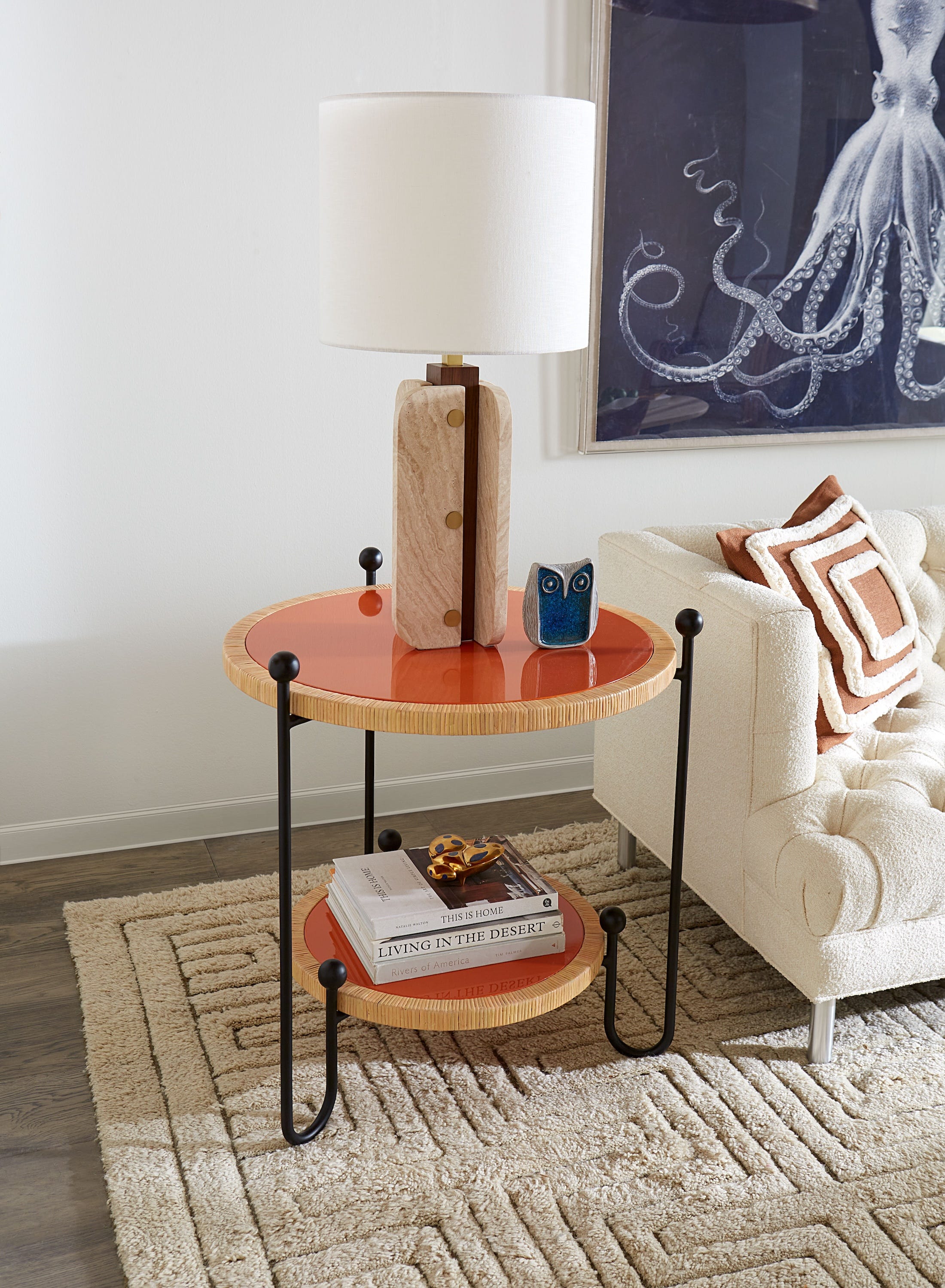
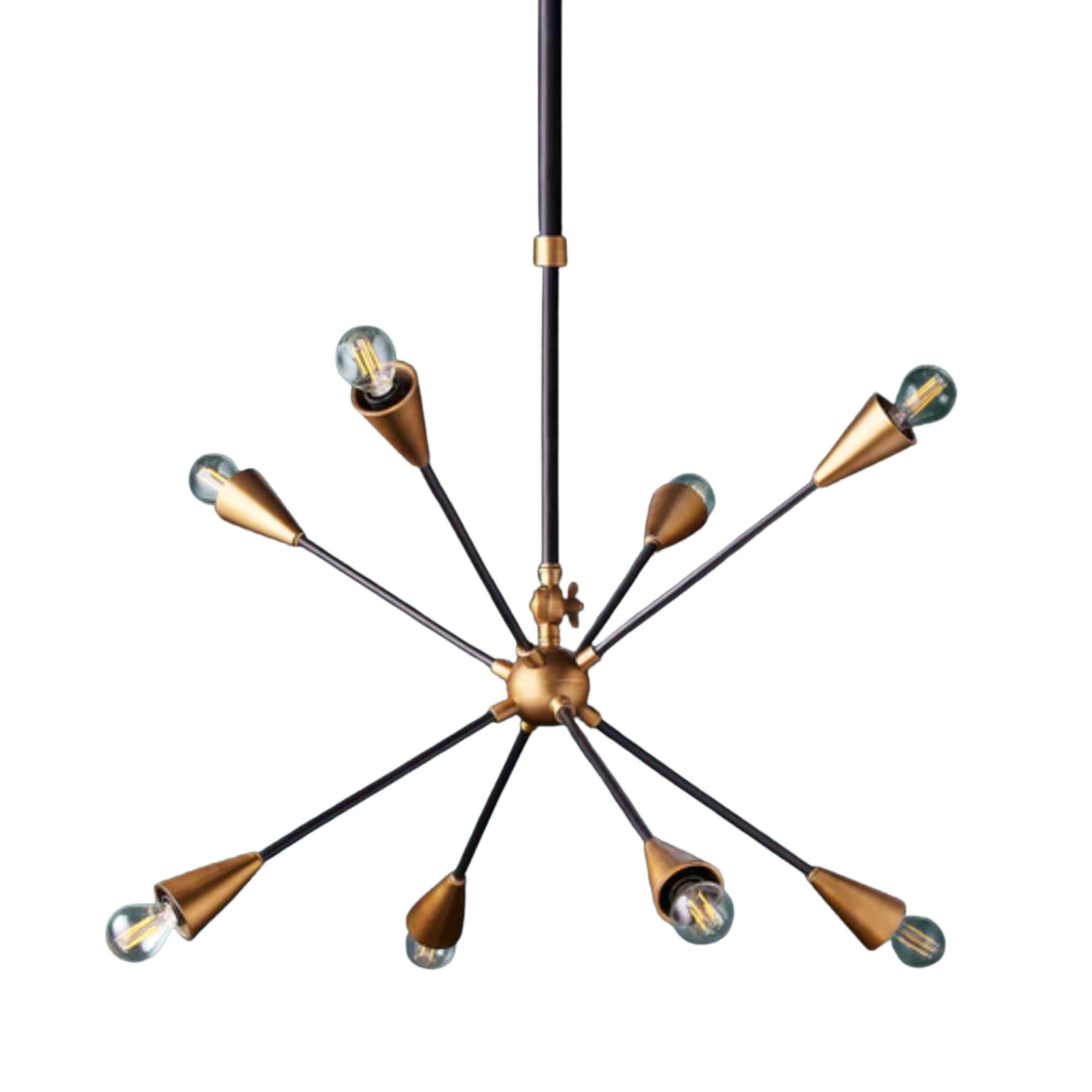
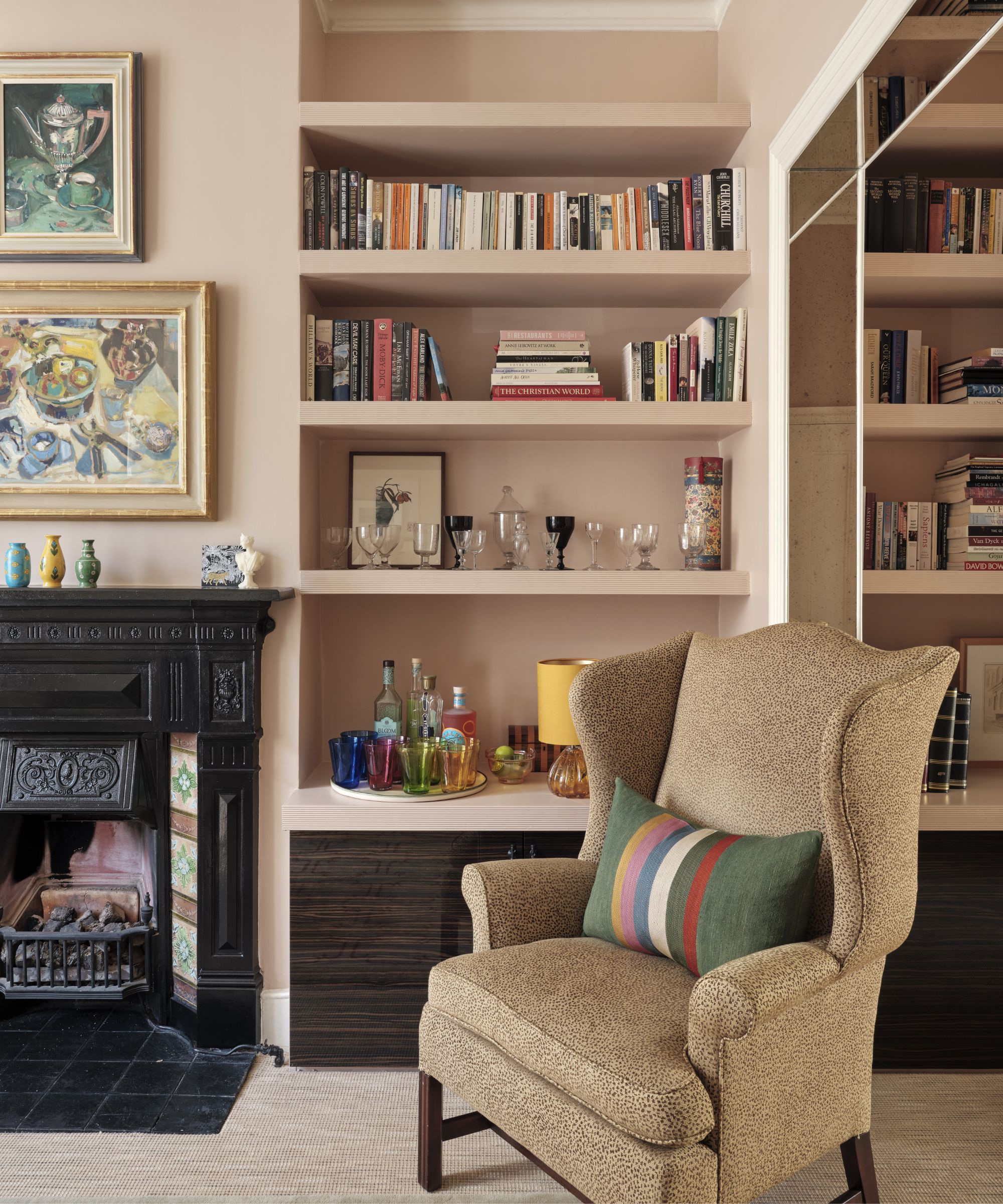
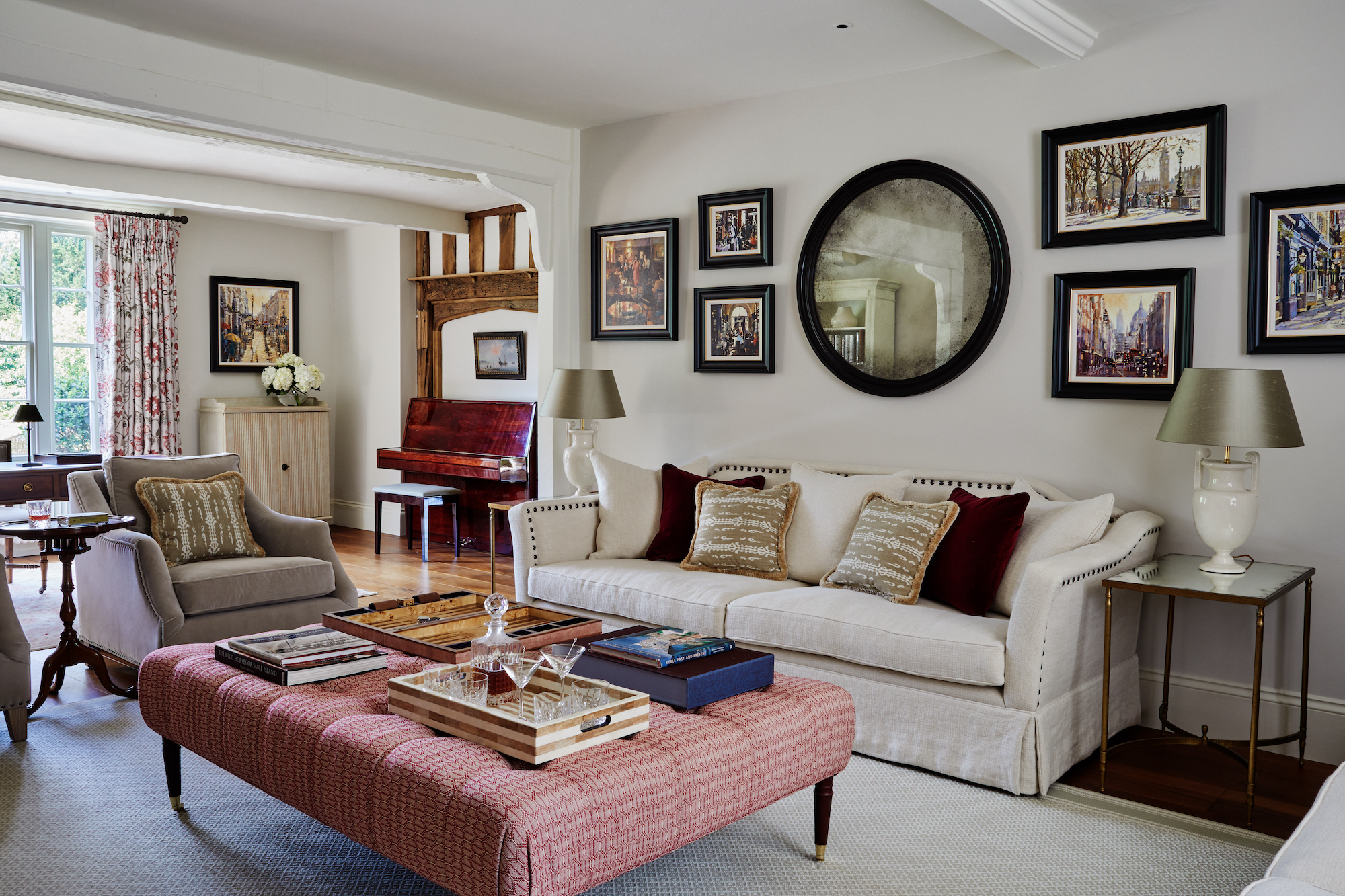
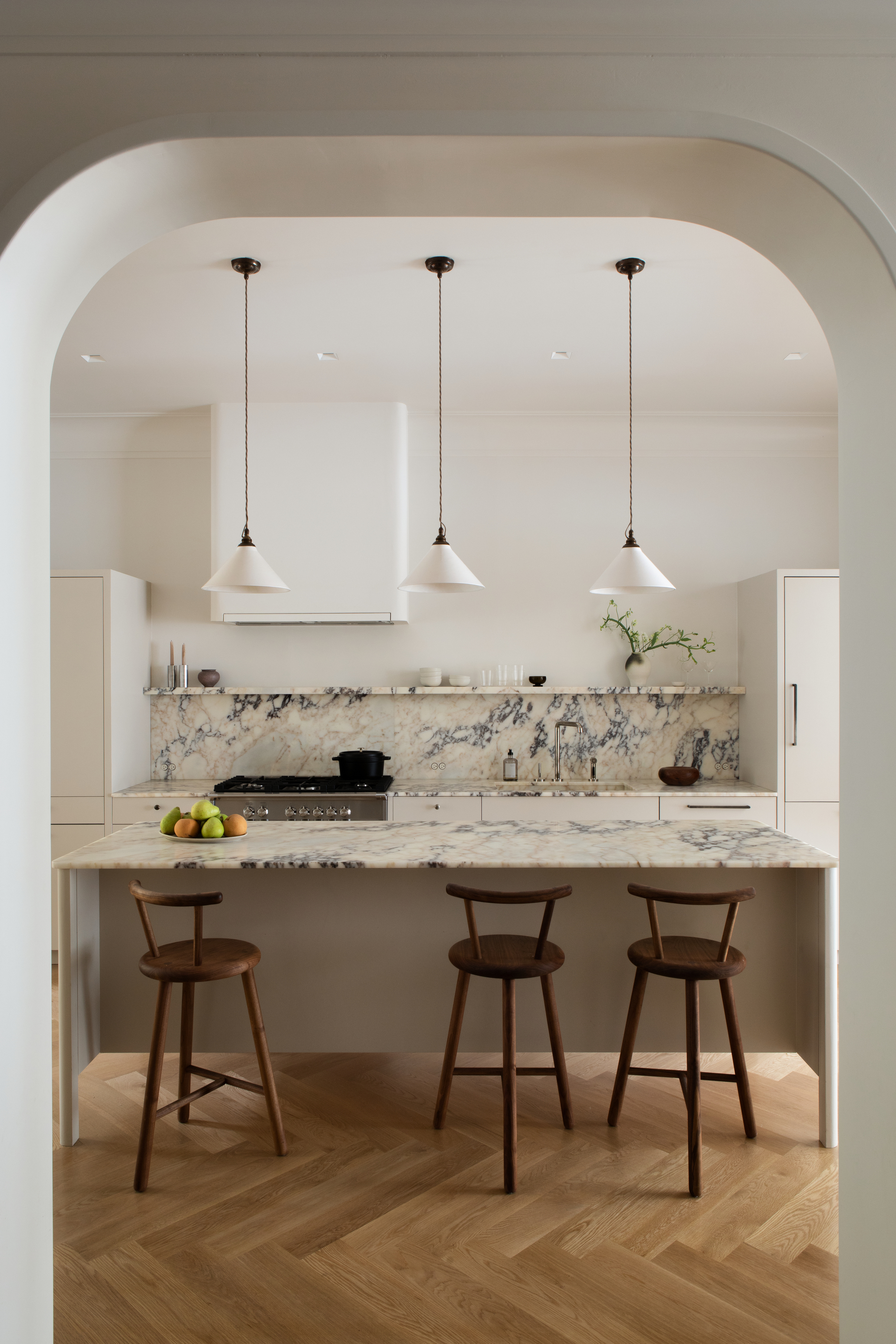
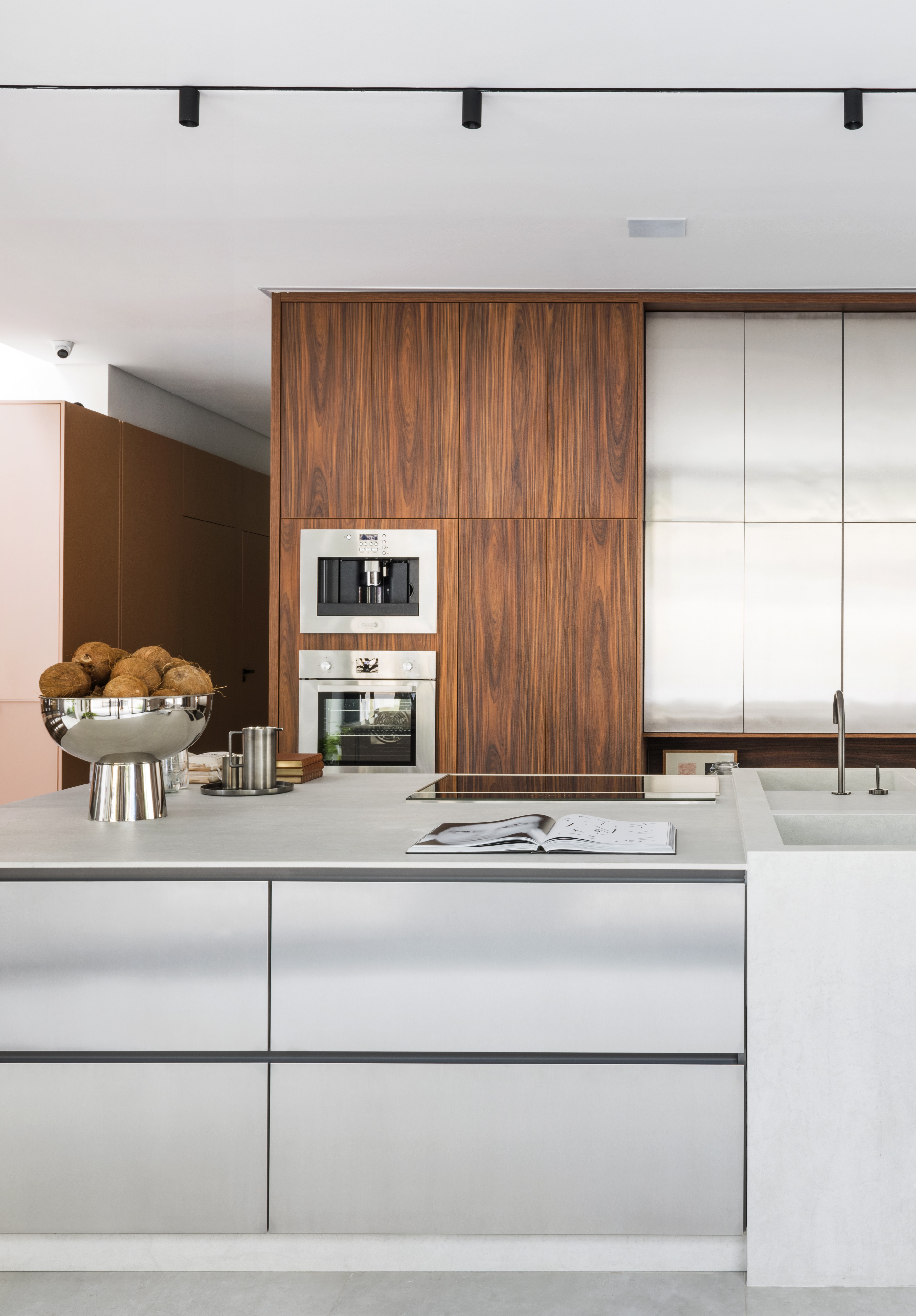
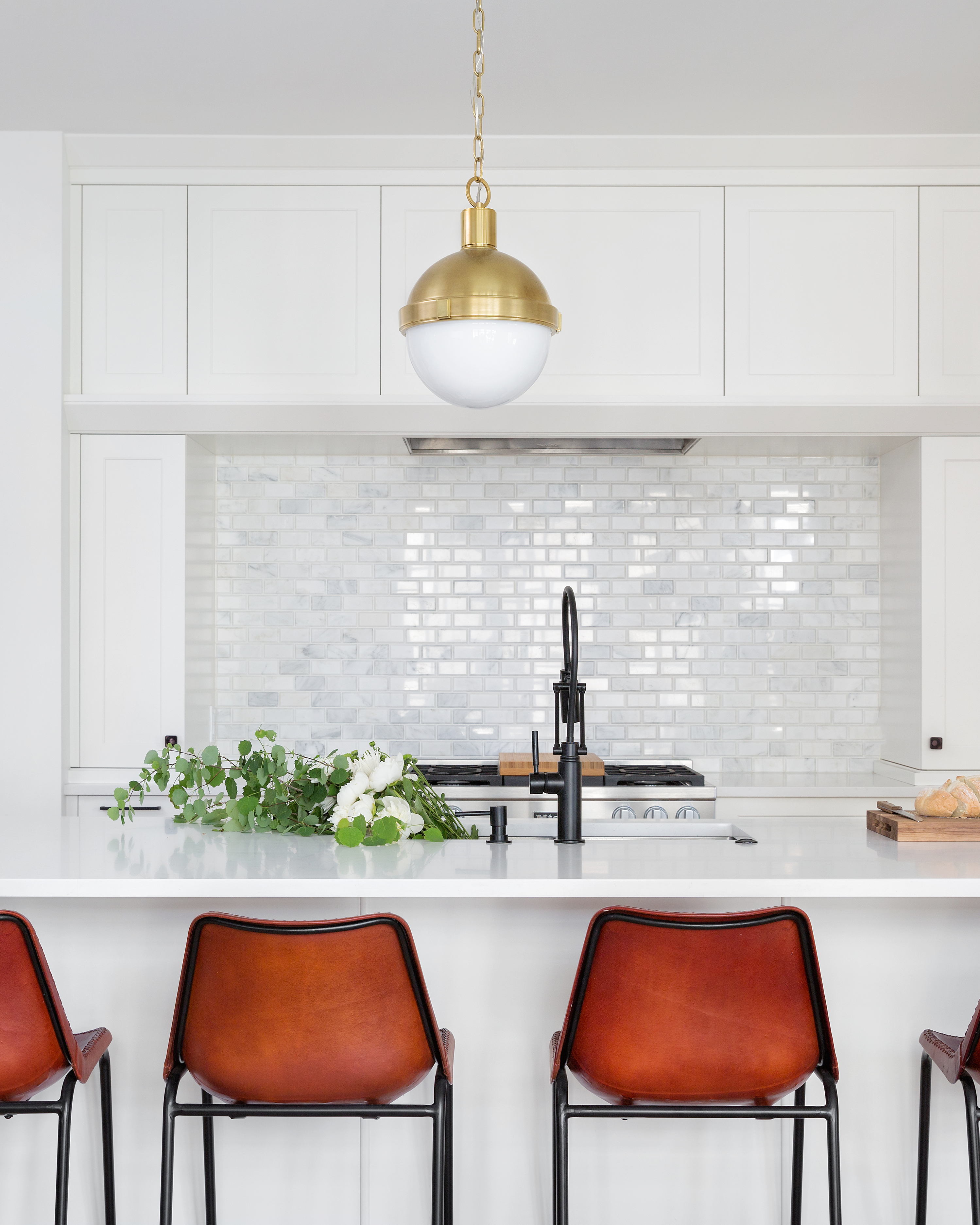
Various types of ceiling lights are available for living rooms, including chandeliers, pendants, flush-mounted lights, recessed lighting, track lighting, and LED strip lights concealed within crown molding. Chandeliers and statement fixtures often serve decorative purposes, dangling centrally to define space and provide a focal point. Pendants, traditionally seen in kitchens, are increasingly incorporated into living rooms and bedrooms for their decorative appeal. Flush-mounted lights sit directly on the ceiling, emitting downward light. Recessed lights, installed within ceiling openings, offer downward illumination as broad floodlights or narrow spotlights, providing even, unobtrusive lighting when properly planned. Track lighting, with its adjustable lights on a rail, offers a versatile, mid-century aesthetic. As an alternative to ceiling lights, a layered lighting scheme can incorporate wall lights, sconces, and various lamps. The number of lights depends on room size, layout, and desired mood, with task lighting for reading nooks and floor lights for height and corner illumination. Lesley McClennan of Design Consultant suggests wall lighting and table lamps as excellent alternatives to ceiling lights. Ultimately, optimal living room lighting involves layering all available light sources, including a ceiling light, ensuring it complements rather than dominates the space. Dimmers are crucial for overhead lights, and a balance of task and accent lights, wall sconces, and other elements contributes to a harmonious and well-lit environment. Eugene Colberg of Colberg Architecture emphasizes that the total amount of light, rather than the number of fixtures, is the most important factor.
#LivingRoomLighting #CeilingLights #InteriorDesign #HomeDecoration #LightingDesign #DecorativeLighting #LayeredLighting #AccentLighting #TaskLighting #LivingRoomLighting #CeilingLights #InteriorDesign #HomeDecoration #LightingDesign #DecorativeLighting #LayeredLighting #AccentLighting #TaskLighting
0 comment in total
 No comments yet
You may also like

Overhead Lighting vs. Lamps: Experts Settle This Great Debate

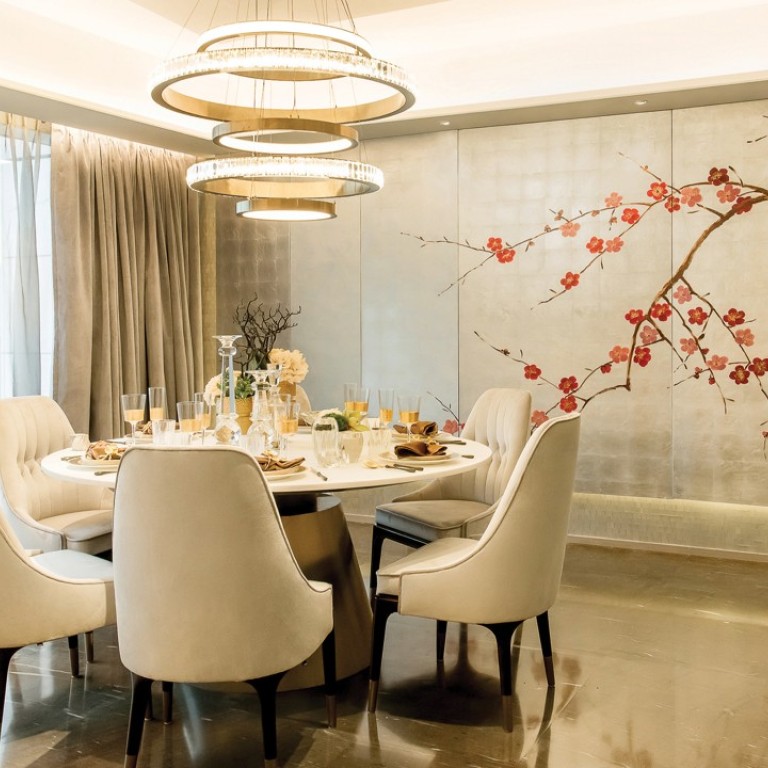
How to make your ceiling light up the room

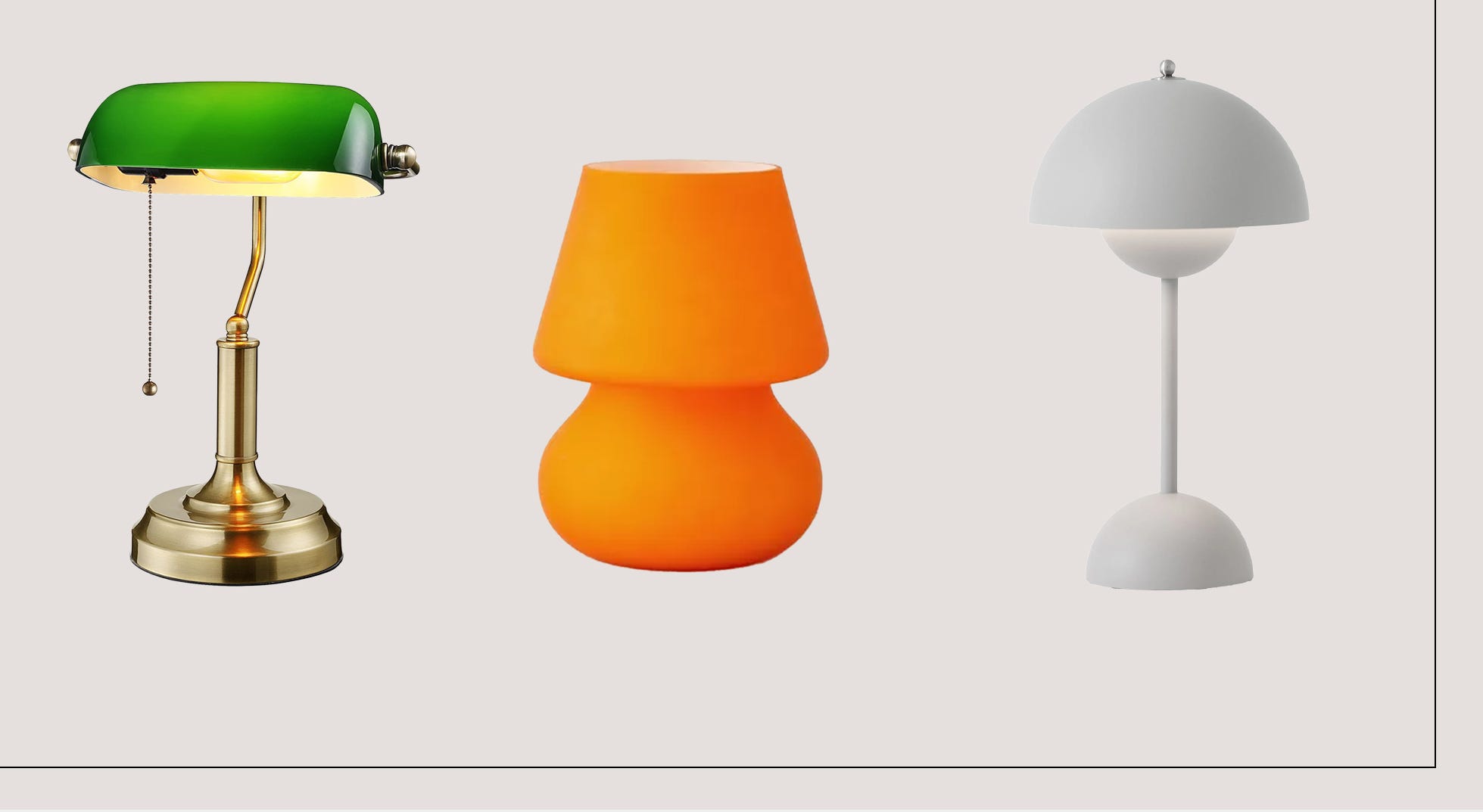
What Your Lamp Choice Says About Your Design Style

Protect the Environment With Sustainable Ceiling Trends
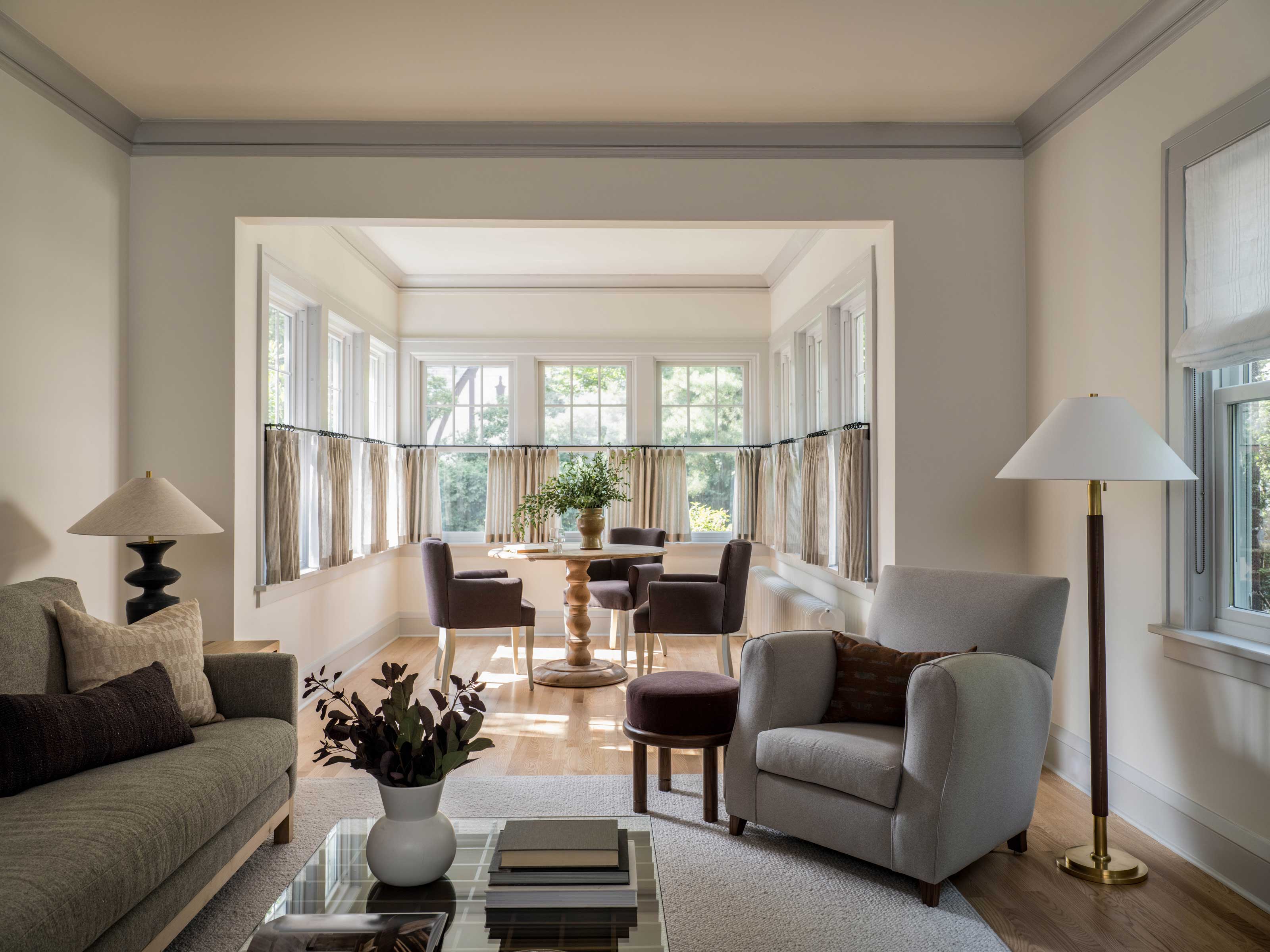
Does every room need a ceiling light? There's one in particular that really doesn't, these designers agree
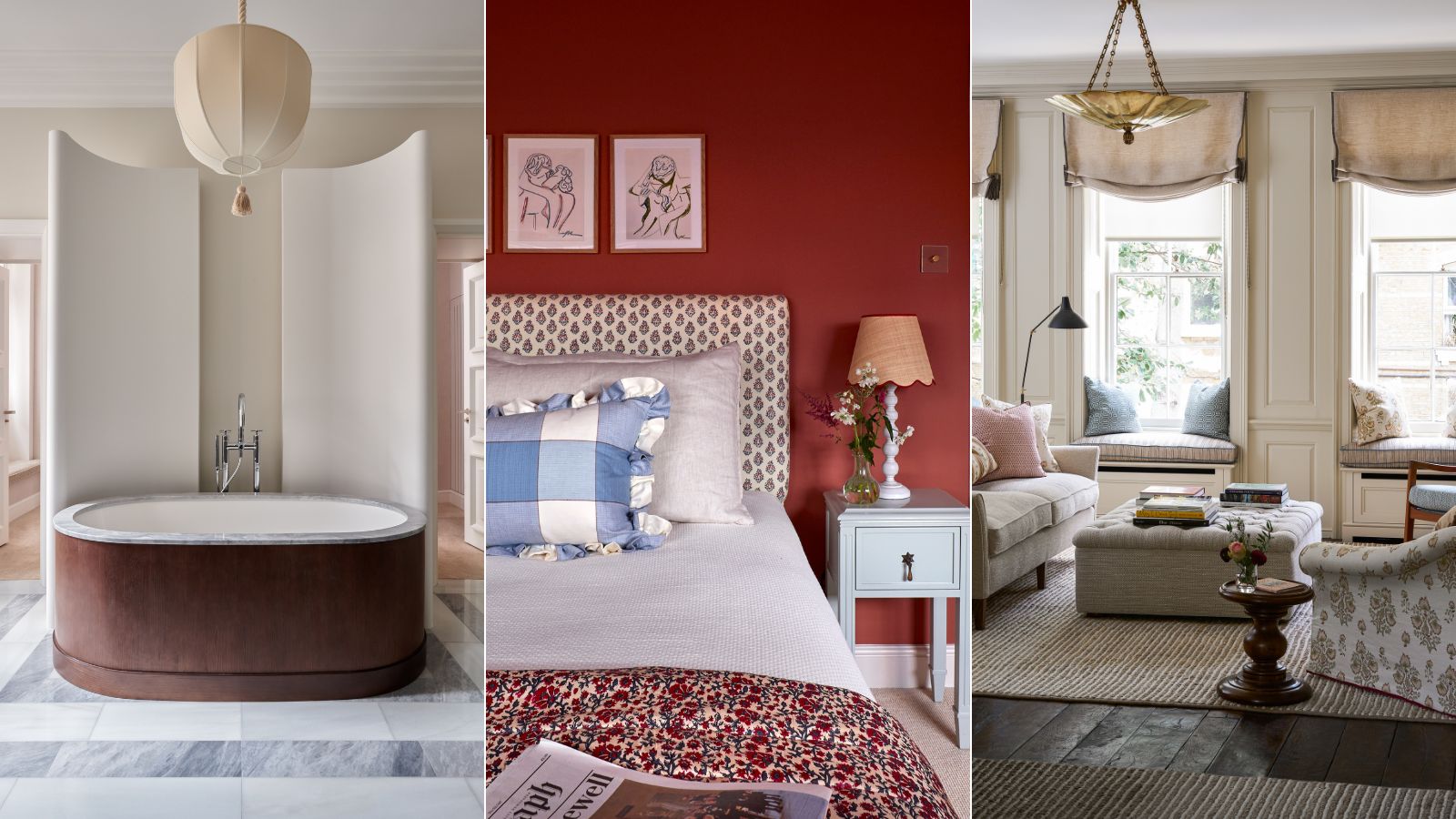
Does this hated feature still have a place in our homes? Designers on what they really think of the 'big light' debate


A Controversial Home Furnishing Is Tearing Households Apart. I Kind of Love It.
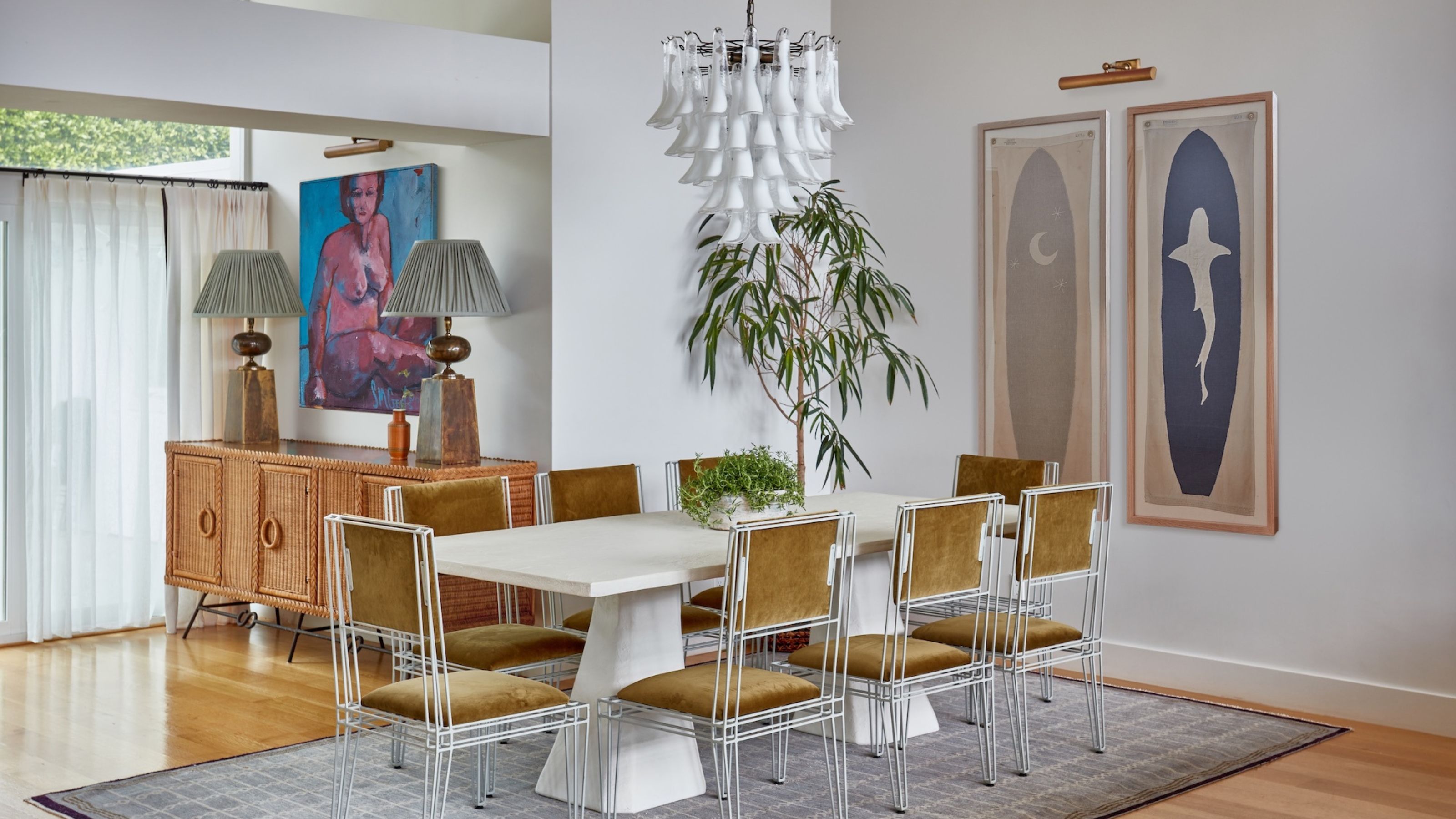
Chandeliers Are Back — Here's How To Make Them Feel Fresh
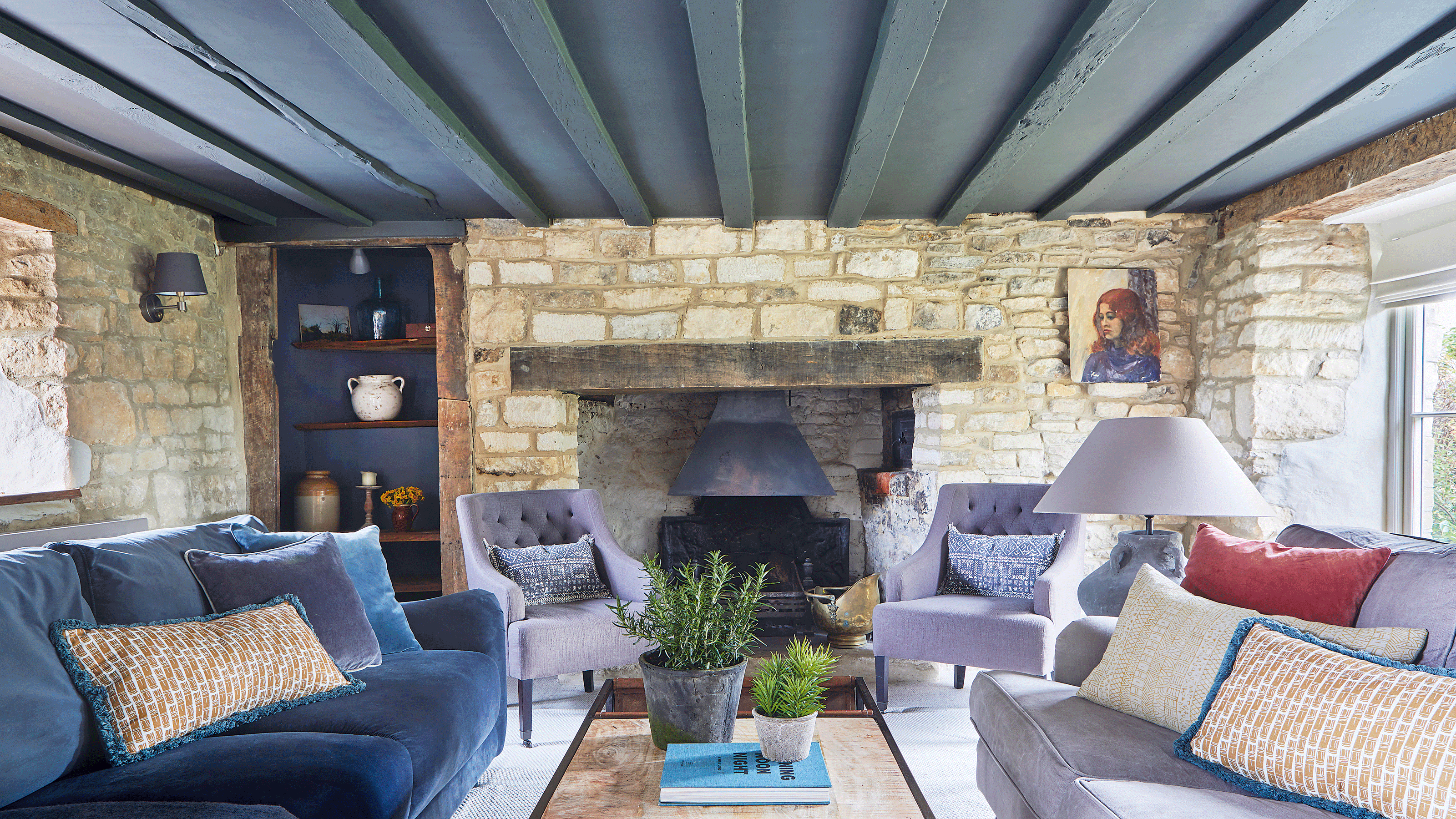
Living room ceiling ideas – perk up your 5th wall with our expert advice
Opinion: At Home: Ceiling fans: To see or not to see is the question
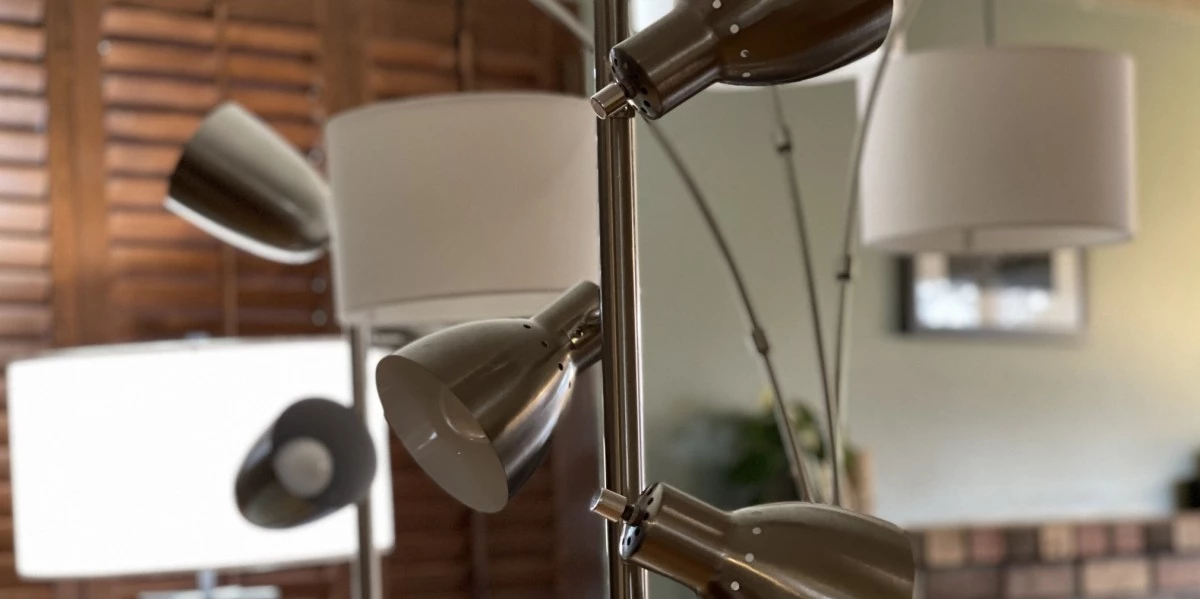
The Best Floor Lamps

Should living room furniture be the same height? Experts give their verdict
The Matchy-Matchy Ceiling Lighting Trend That's Set To Take Over In 2025
Do you need a light over a dining table? Designers offer their expert advice
The living room trends defining 2025: Time to banish the big light?

Should You Have Lights Over The Kitchen Island? Designers Unanimously Agree If They Are Worth Budgeting For
Designers Notoriously Hate This Feature—Here’s Why I (Respectfully) Disagree


A ceiling to remember: How six brands are reimagining overhead elegance

Design experts on their living room decor ideas


Looking Up: Top Ceiling Trends for 2025