1/4
Does every room need a ceiling light? There's one in particular that really doesn't, these designers agree
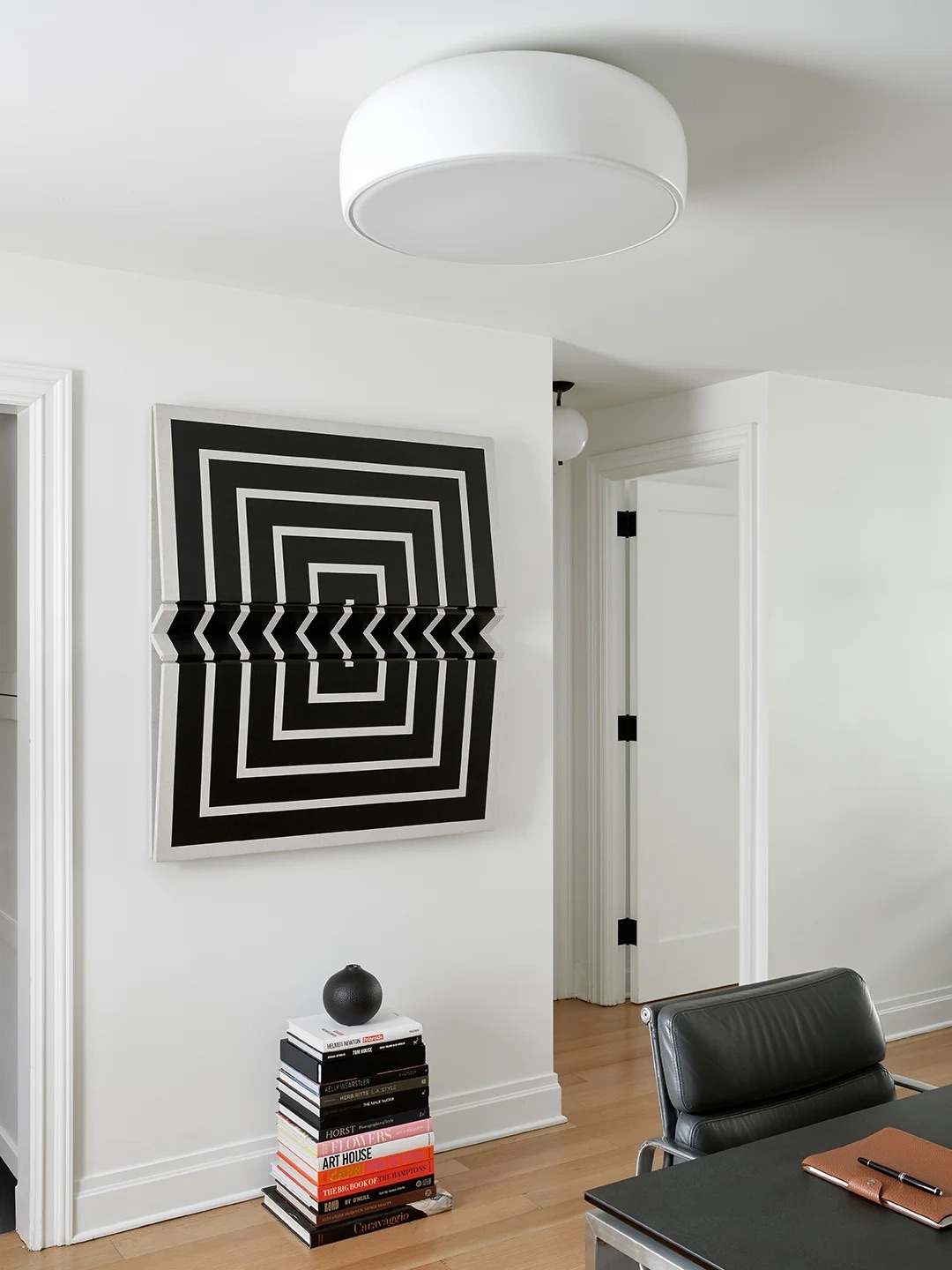
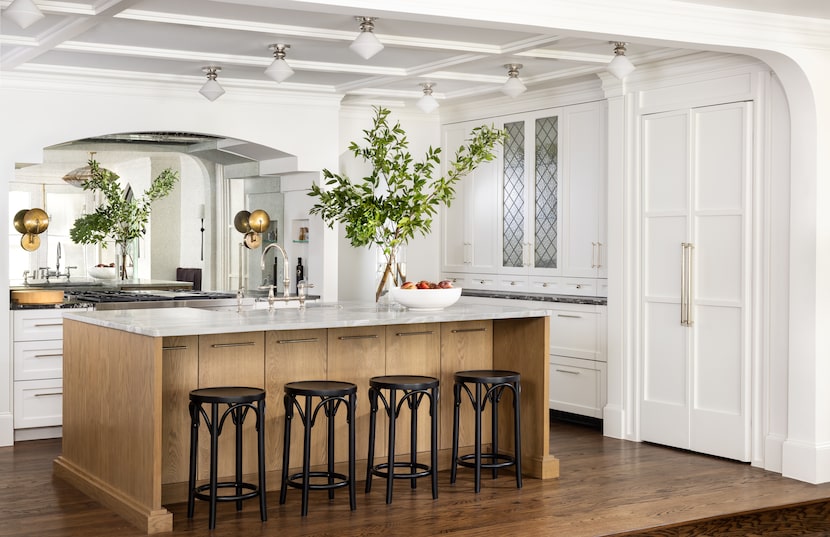
The "big light," typically referring to ceiling or overhead lighting, is a divisive topic in interior design, particularly concerning its suitability for relaxing living spaces. Many interior designers advocate for a departure from prominent overhead lighting, especially in certain rooms, citing harshness and a preference for a more nuanced approach to illumination. The article explores which rooms can successfully forgo a central ceiling light and why this choice can be beneficial.
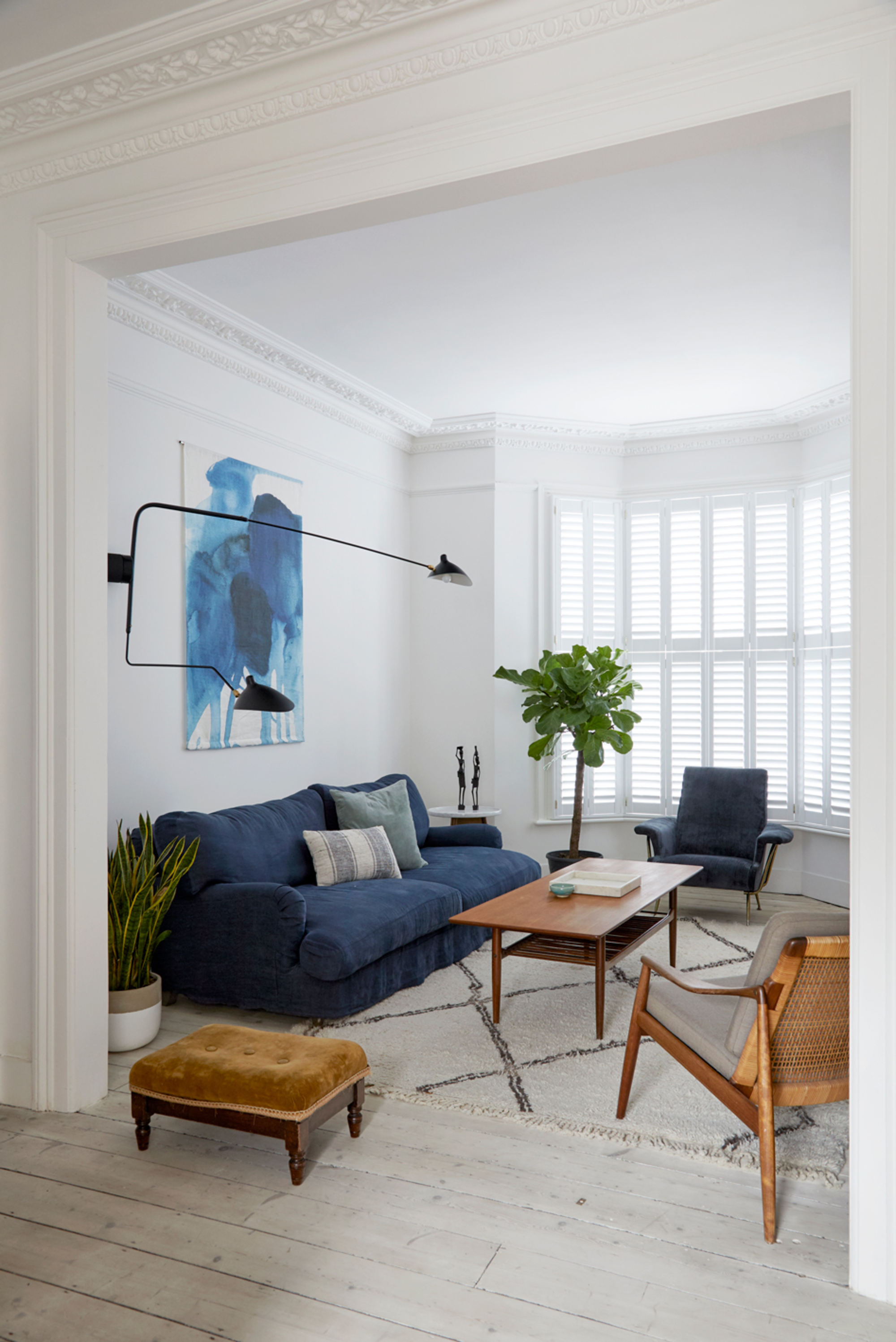
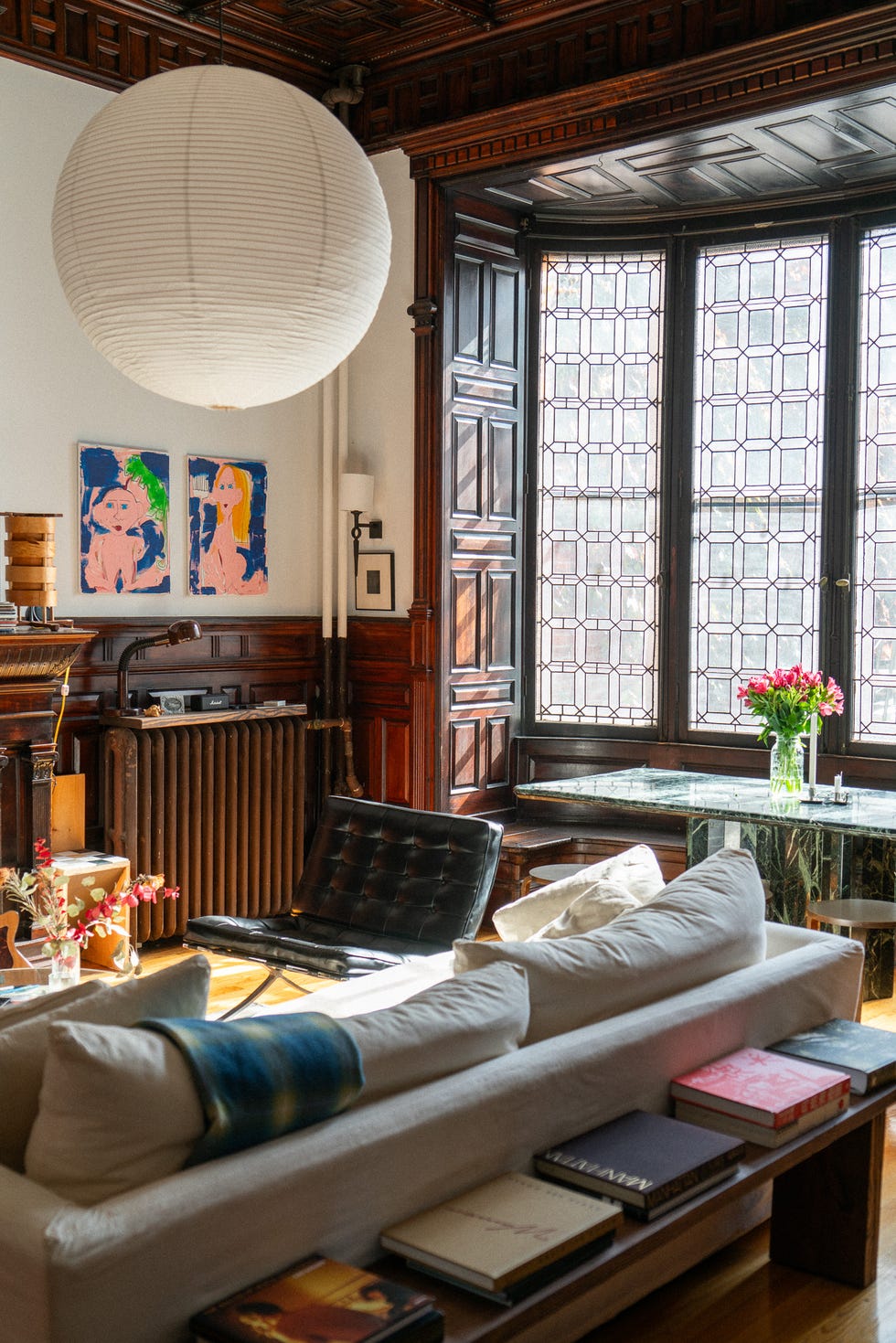
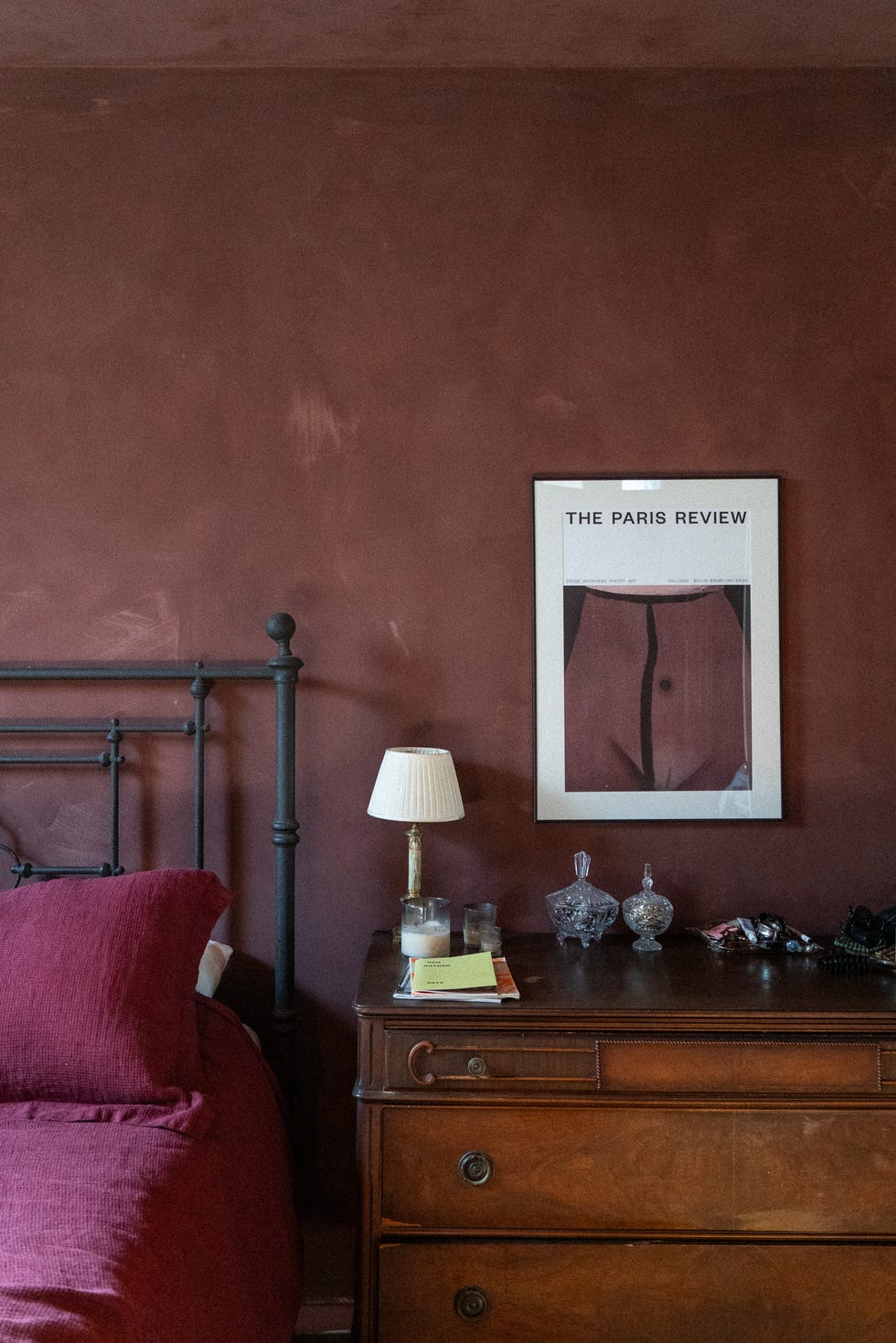
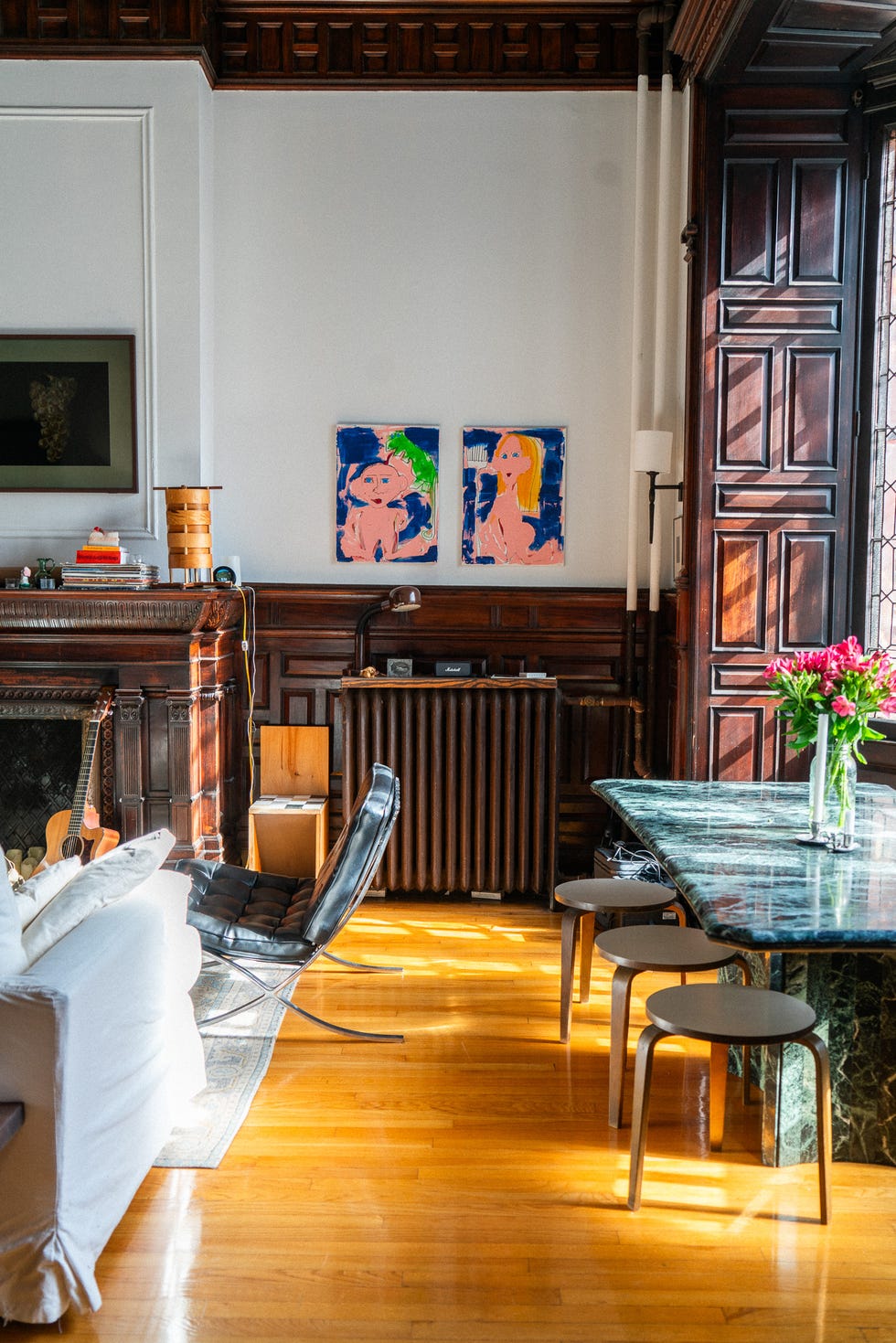
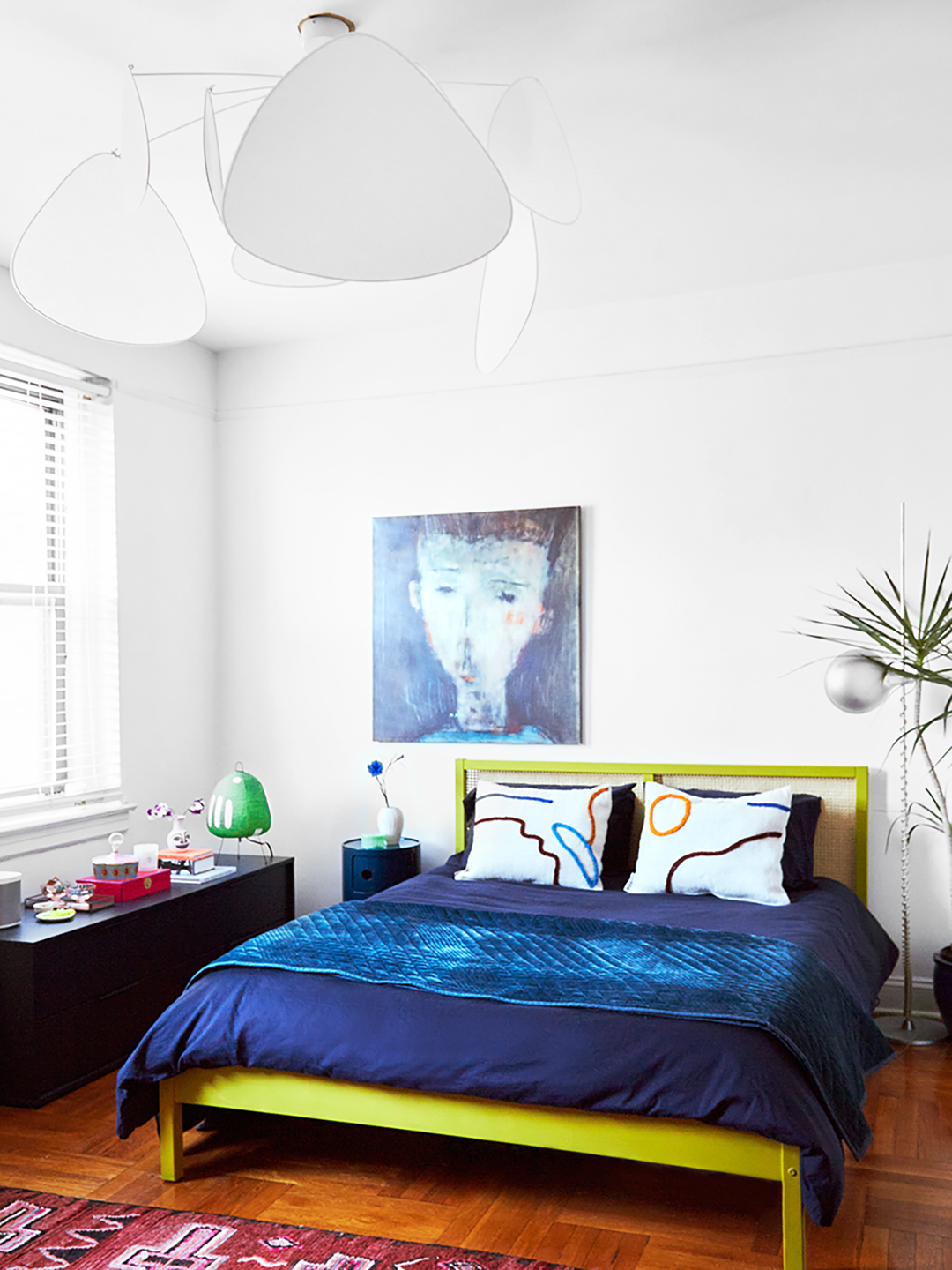
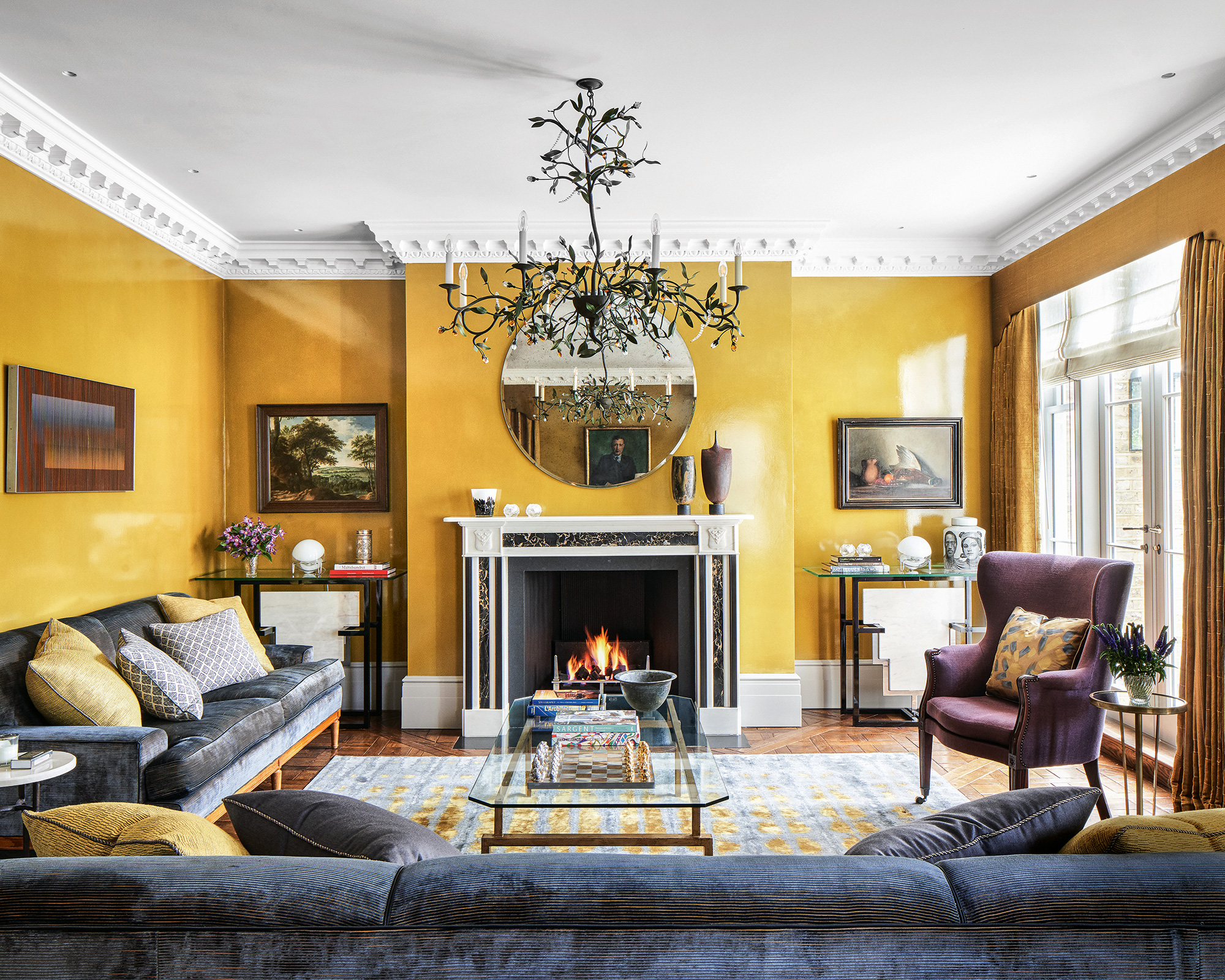
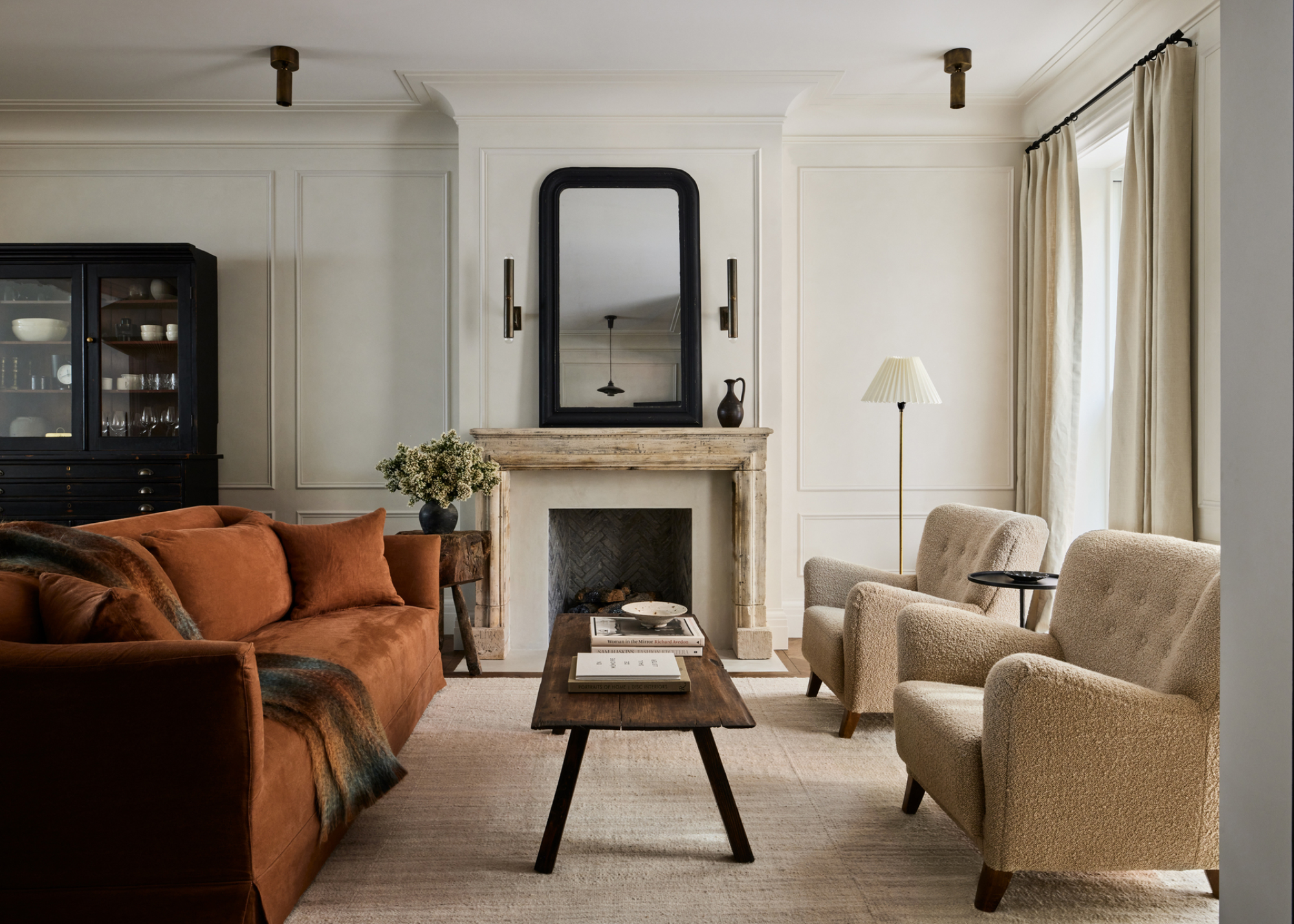
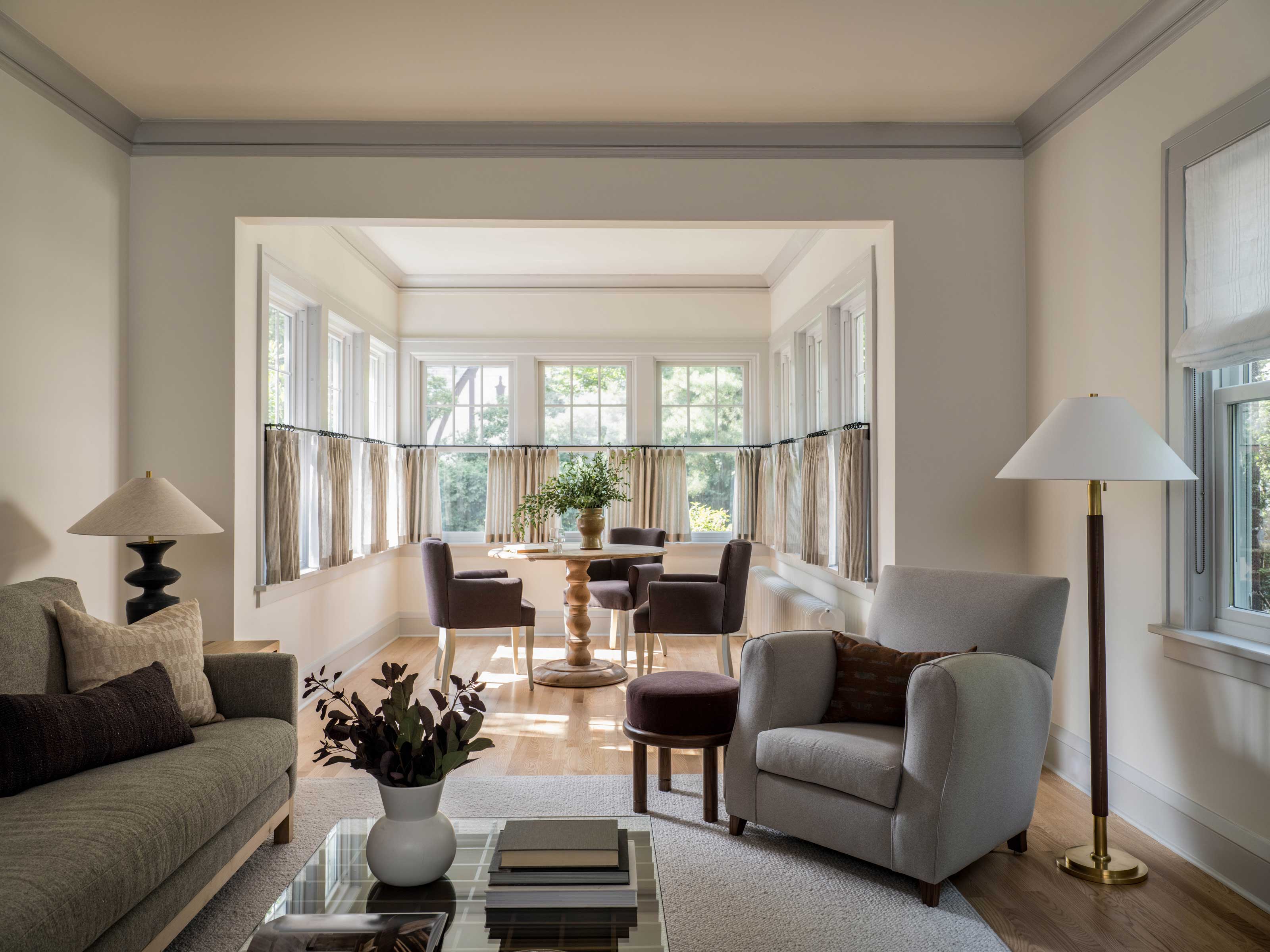
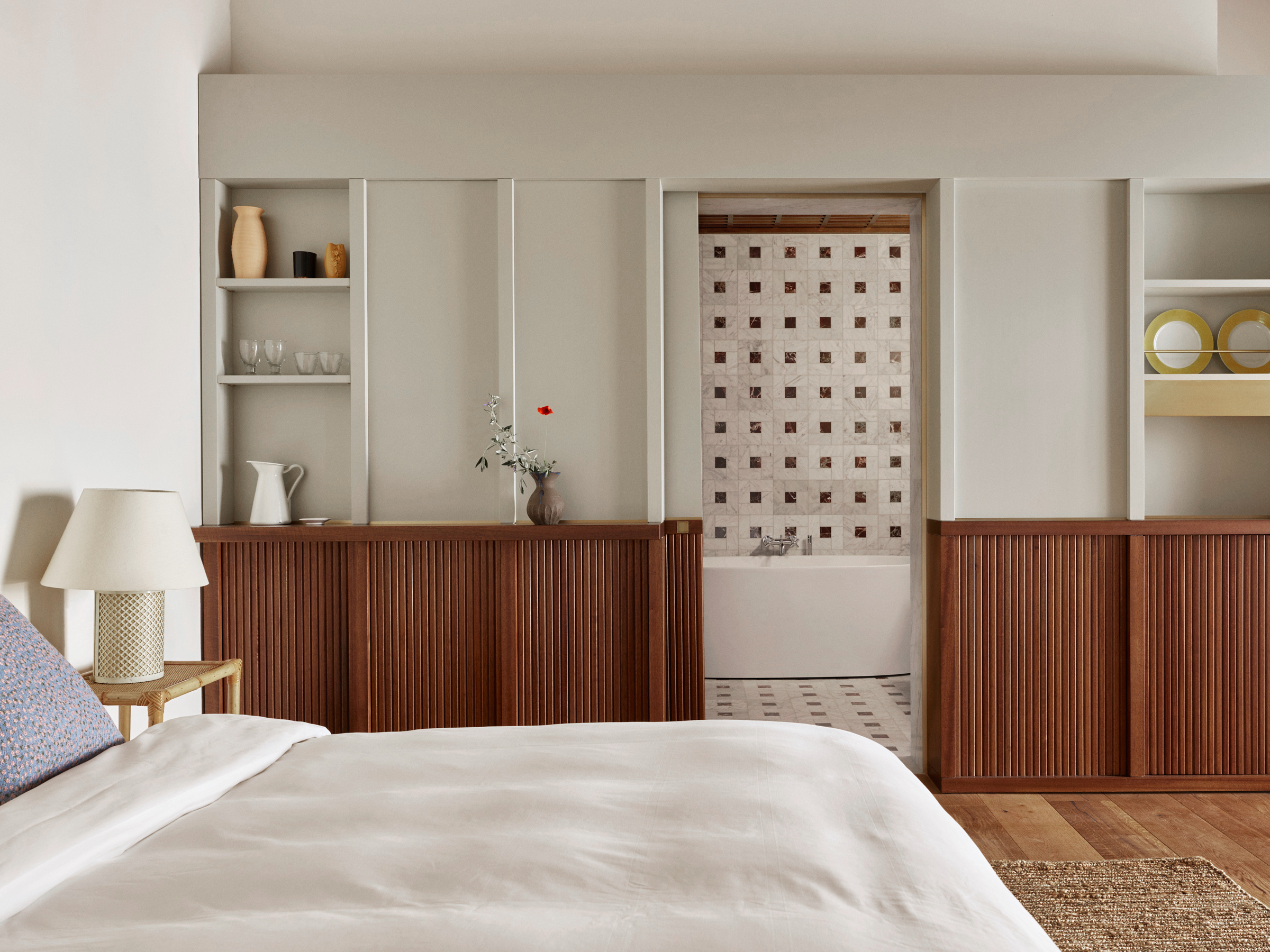
Julia Miller of Yond Interiors notes that while most spaces benefit from a center light fixture complemented by layered lighting such as floor lamps, table lamps, or sconces, the specific use of a room often dictates its lighting needs. Artem Kropovinsky, founder of Arsight, highlights that relaxing spaces like bedrooms and living rooms frequently opt for softer, layered lighting instead of bright overhead fixtures. Beyond the desire for a less intense ambiance, designers like Montana Labelle appreciate the clean, unobstructed lines a ceiling without a central fixture provides, particularly appealing to those with minimalist aesthetics or small living rooms.
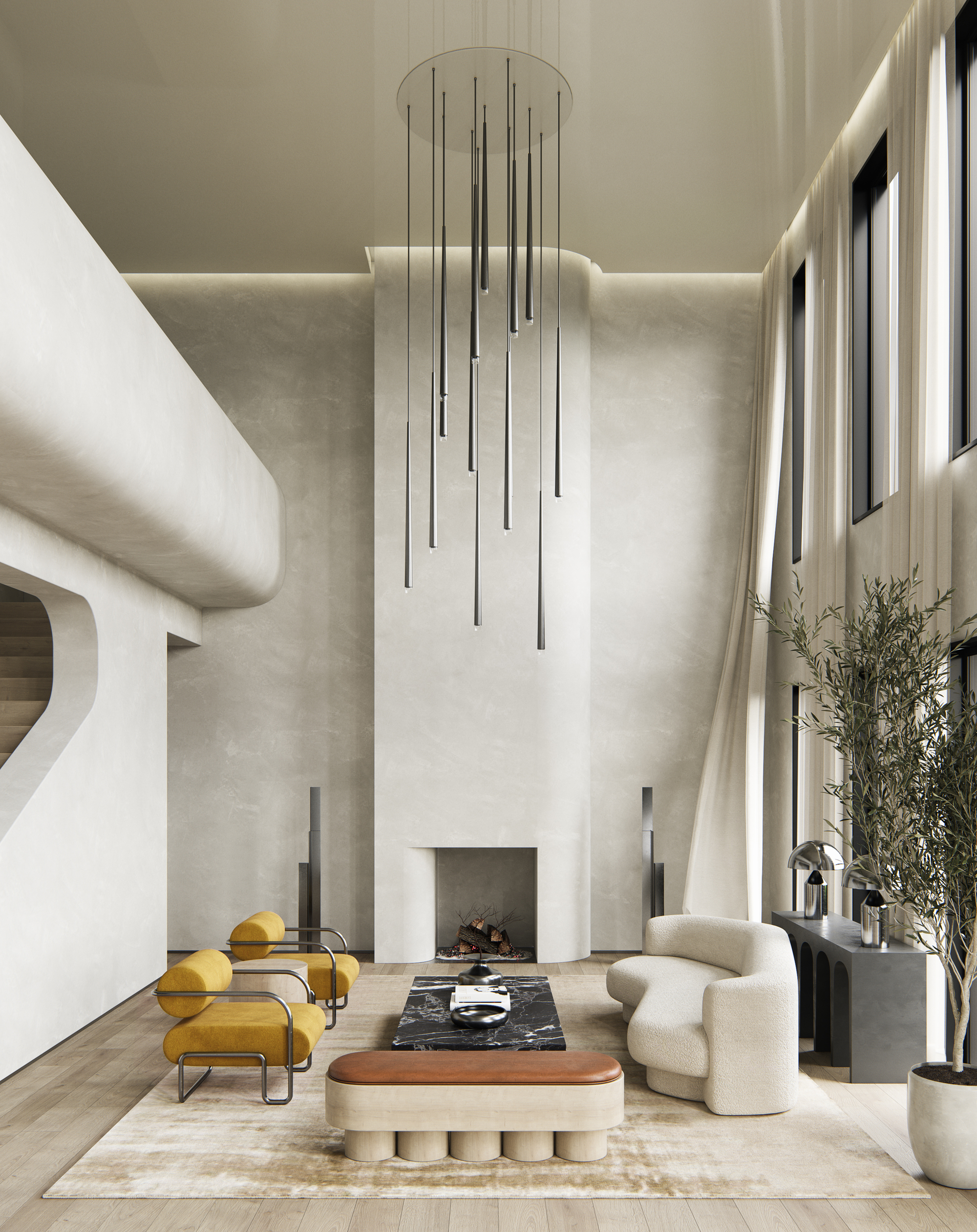
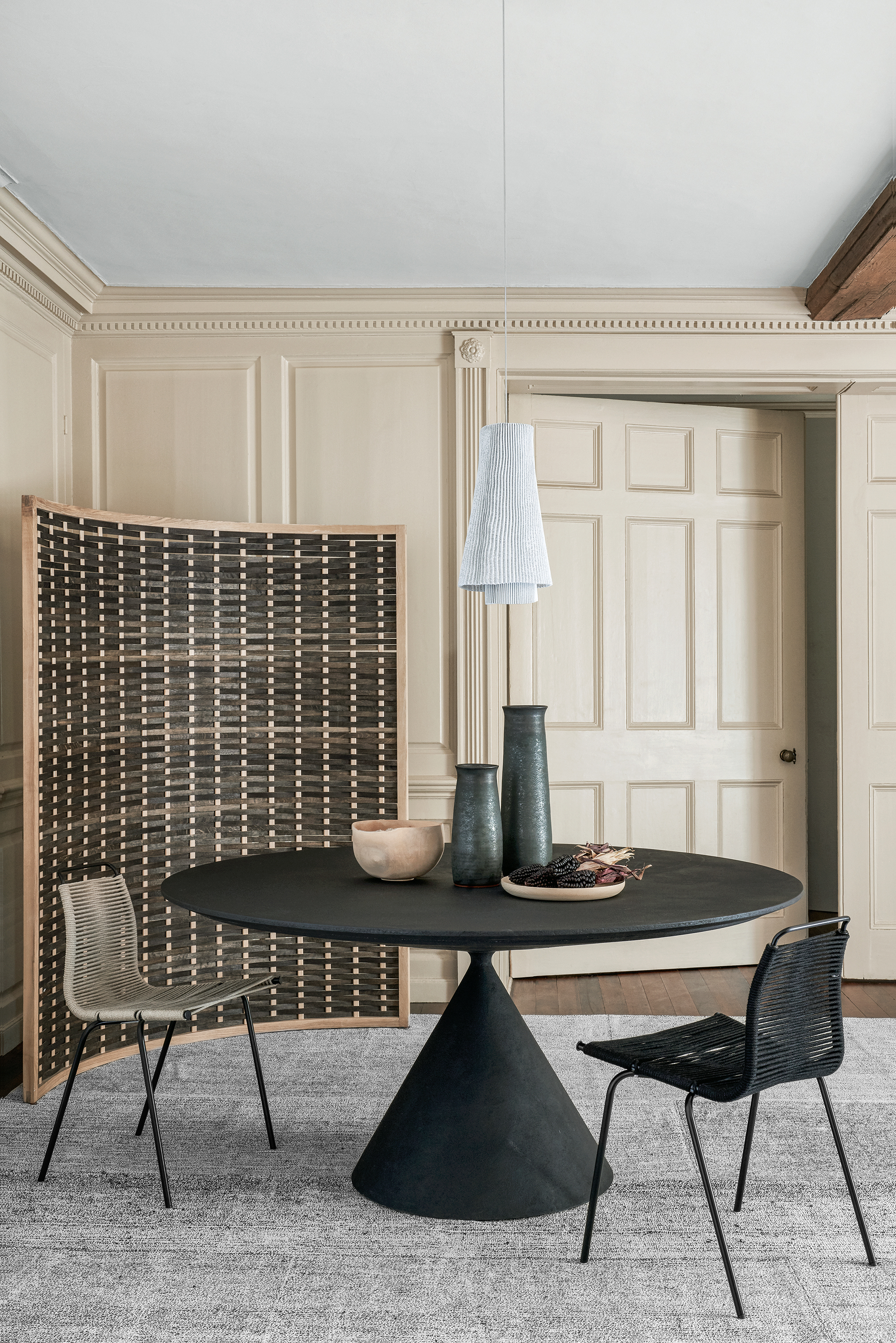
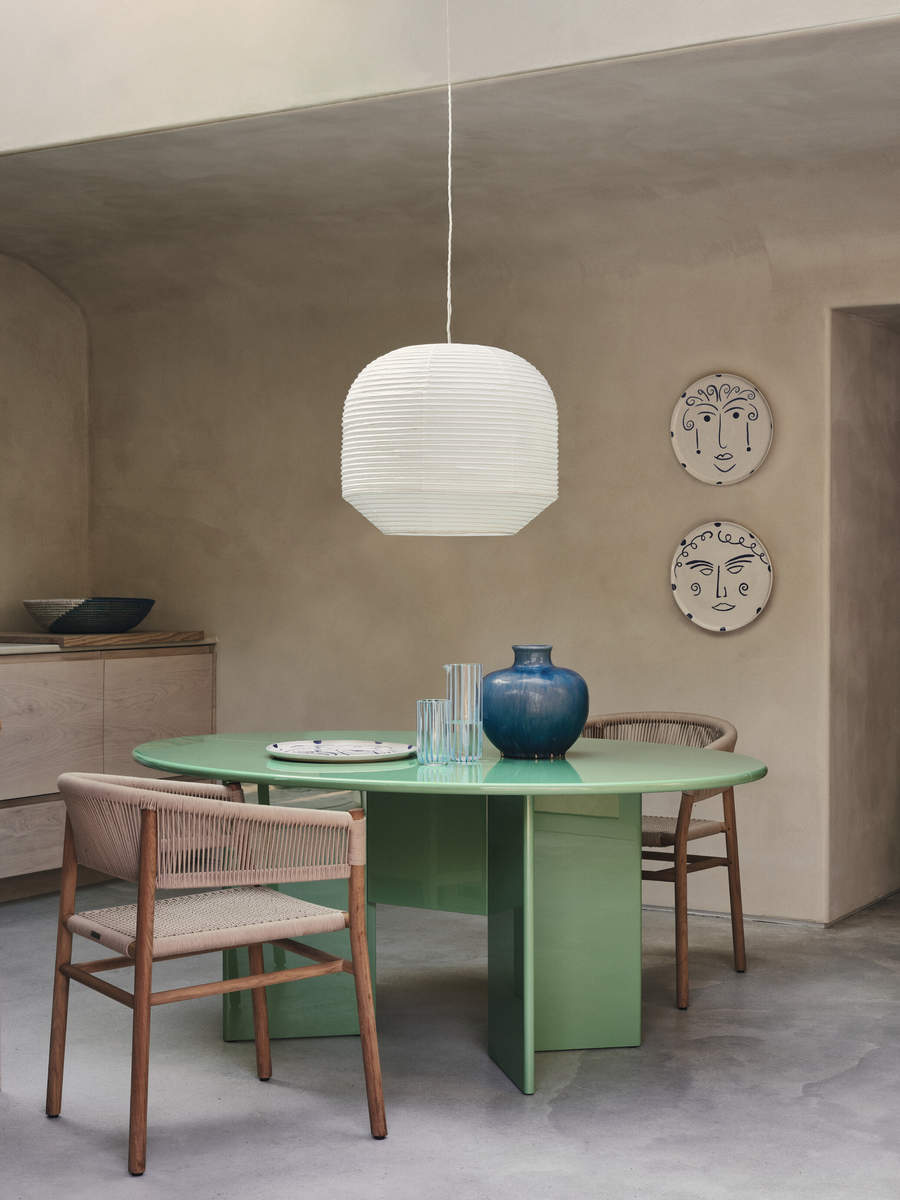
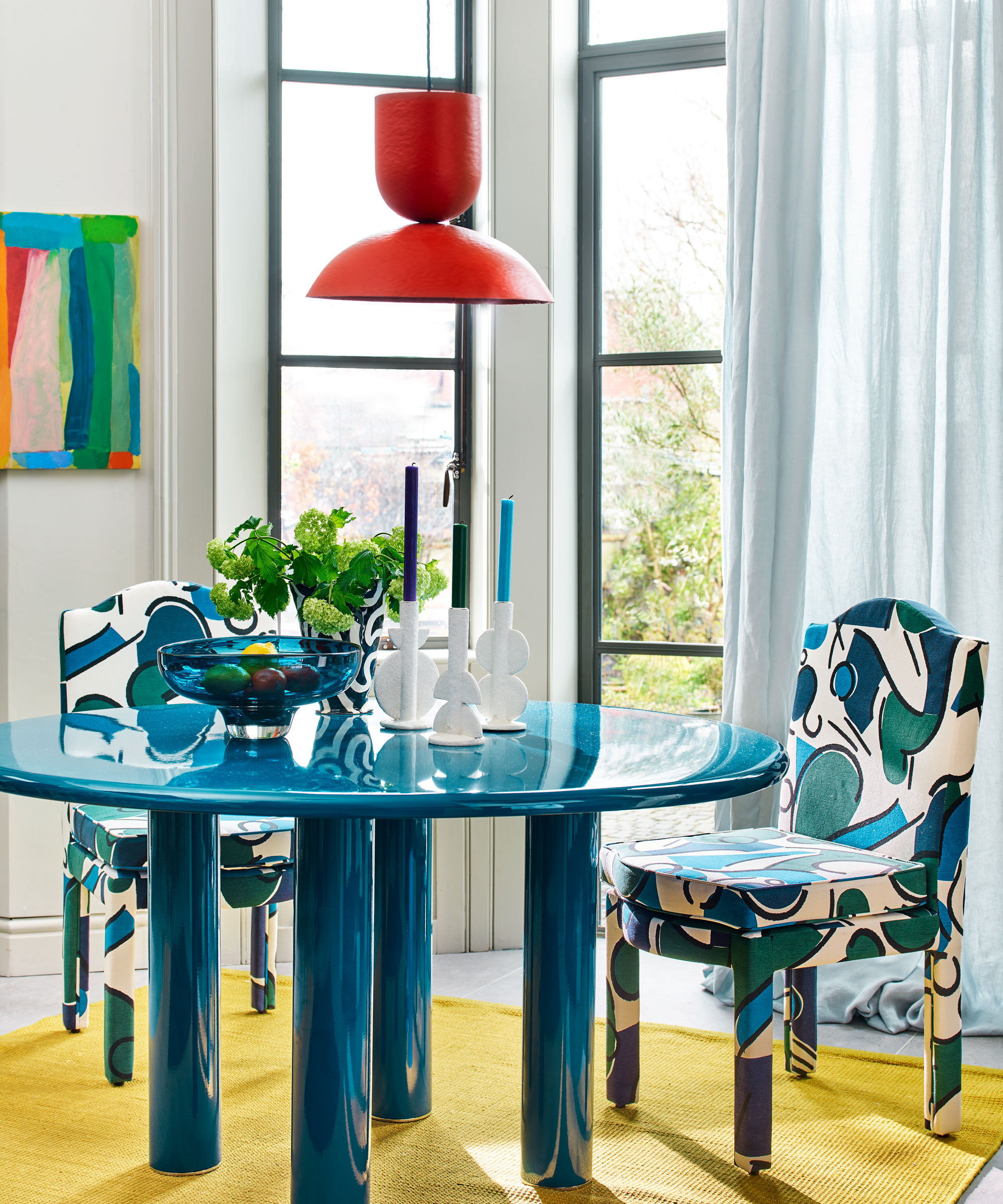
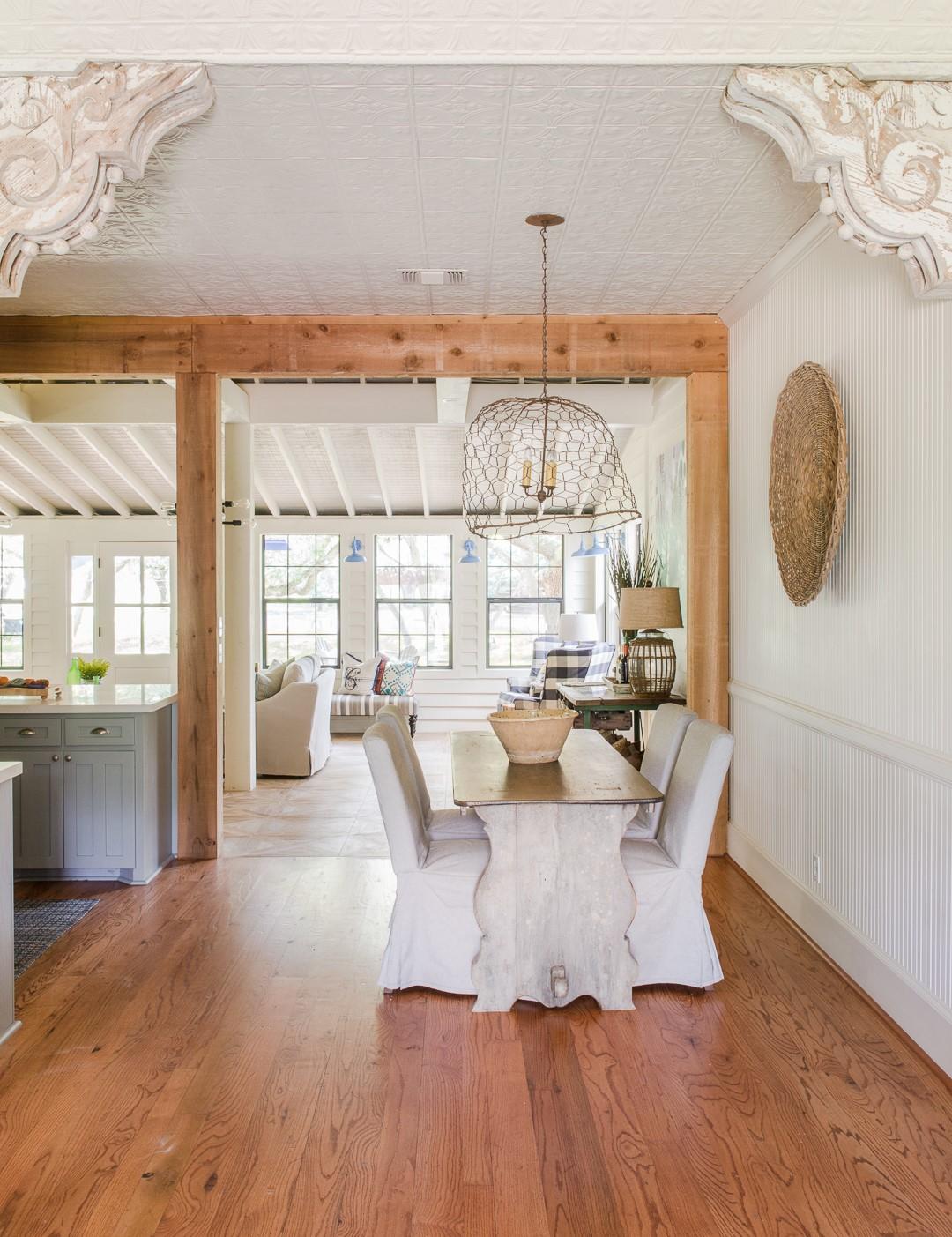
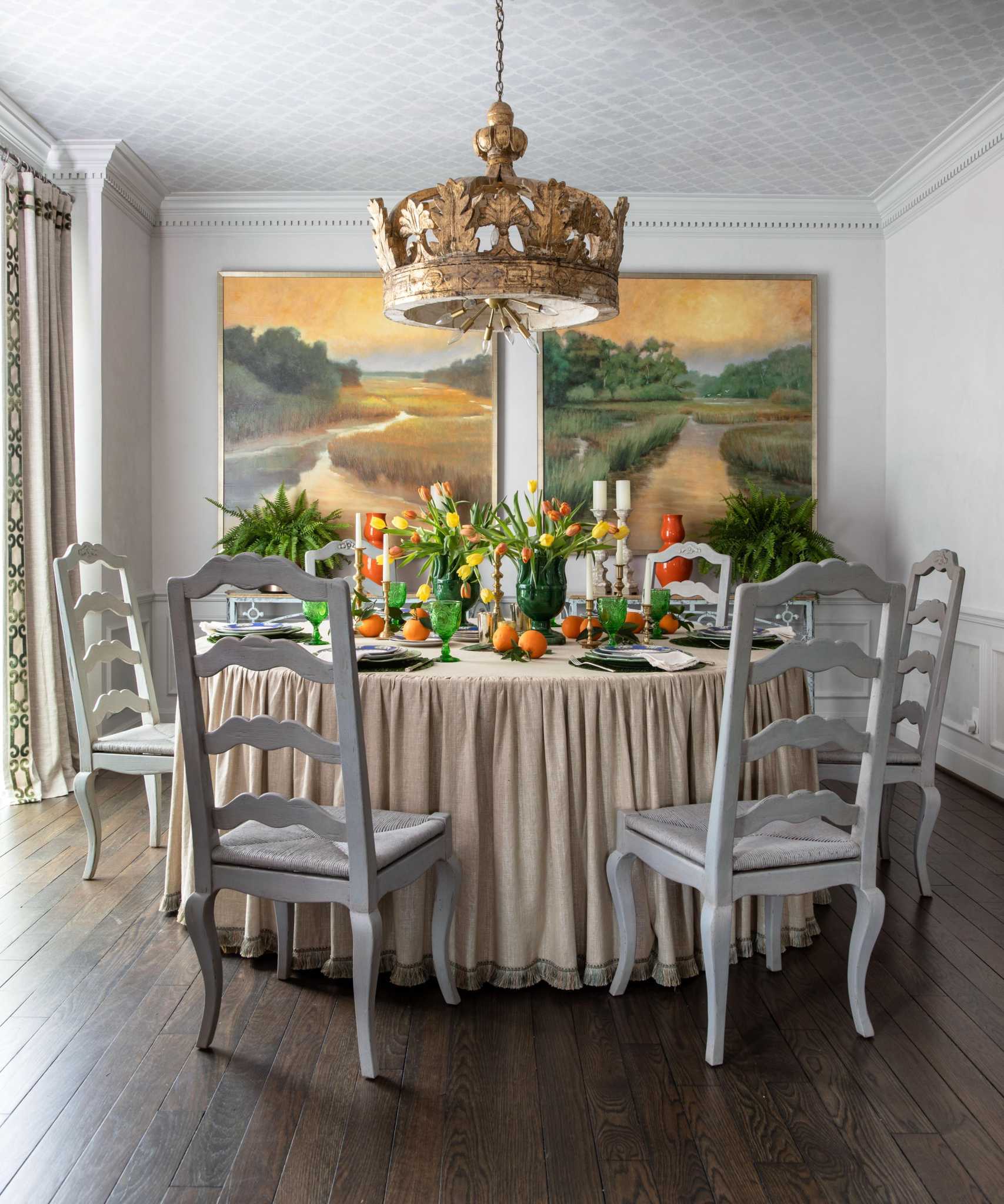
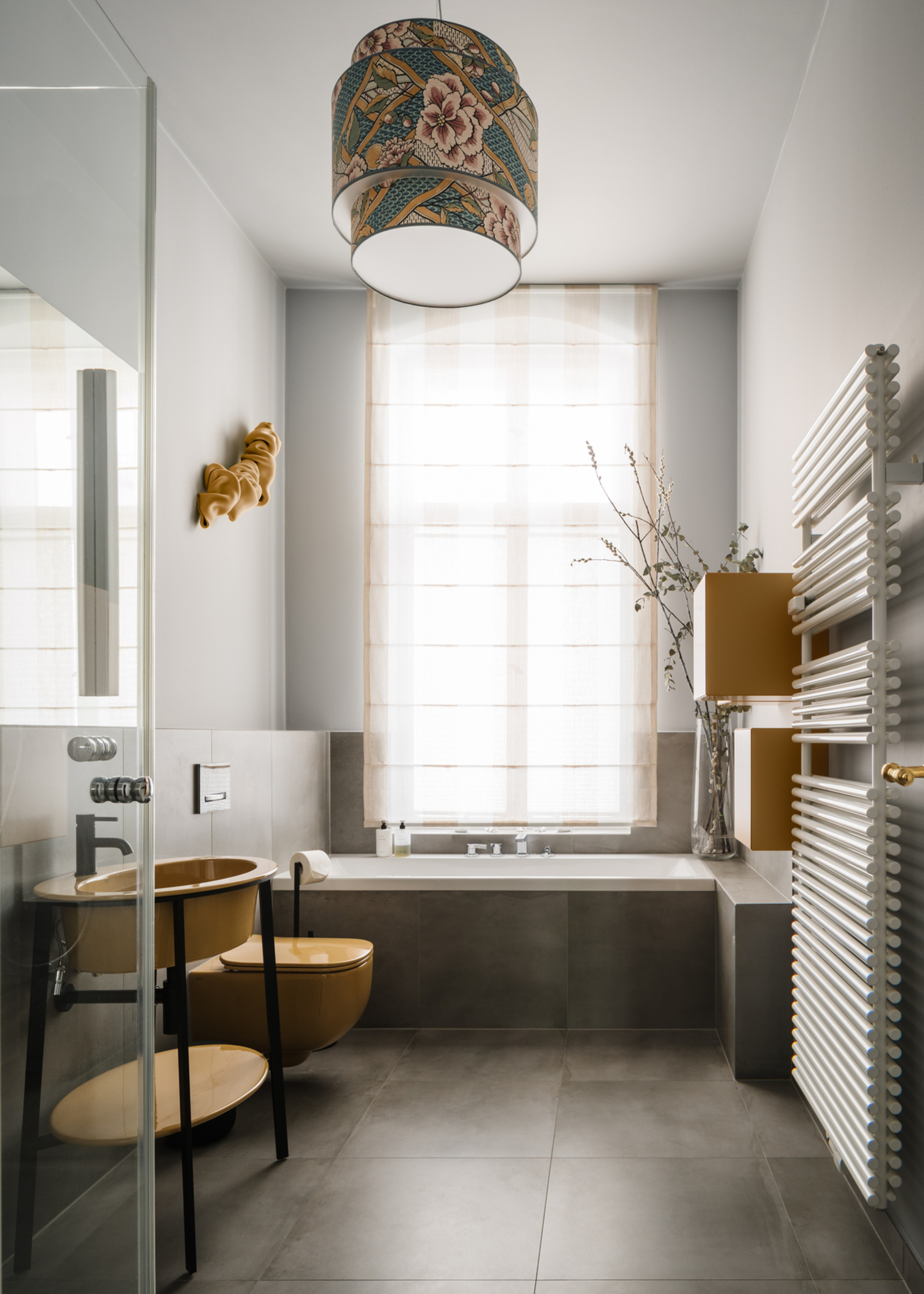
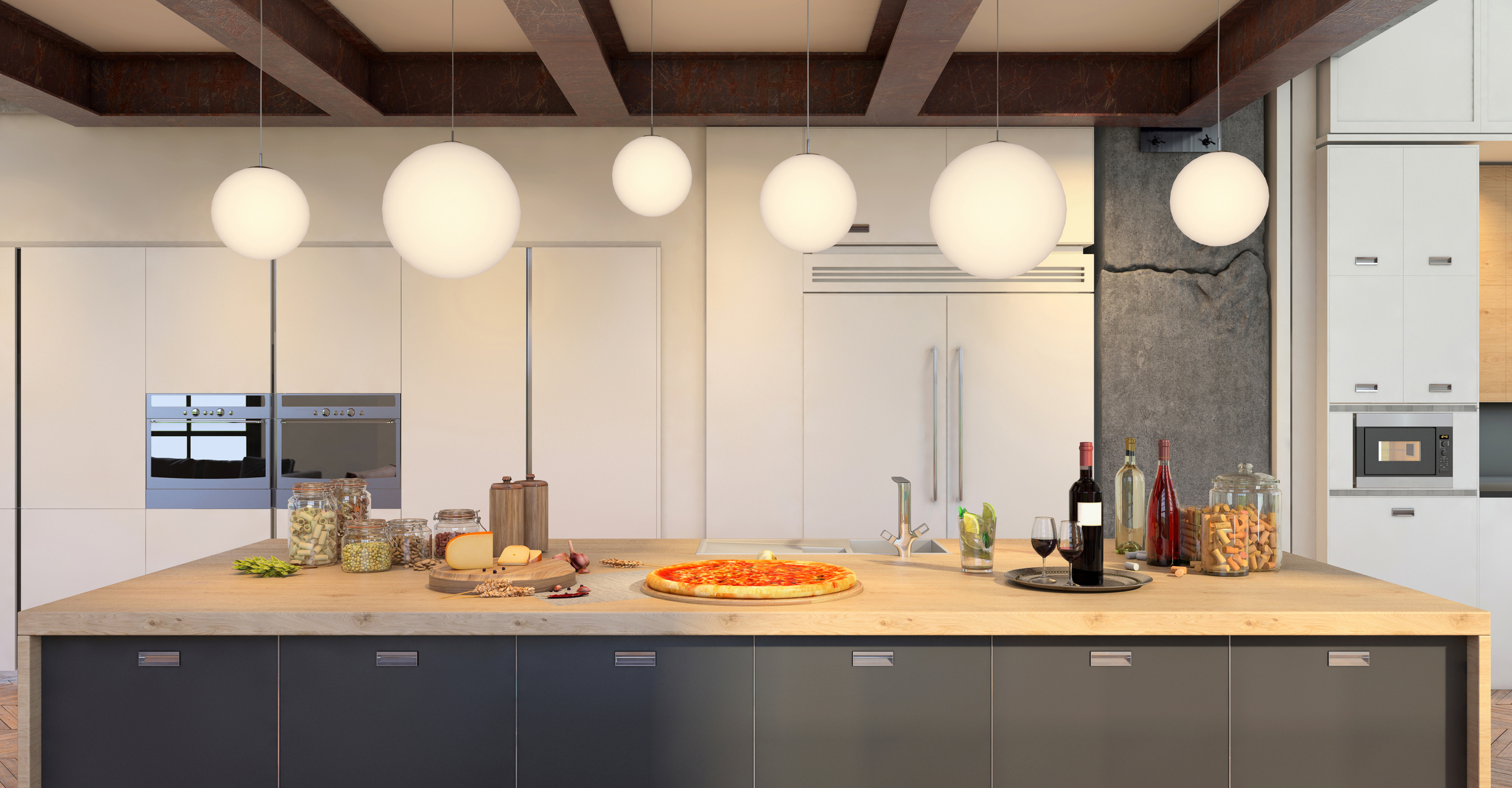
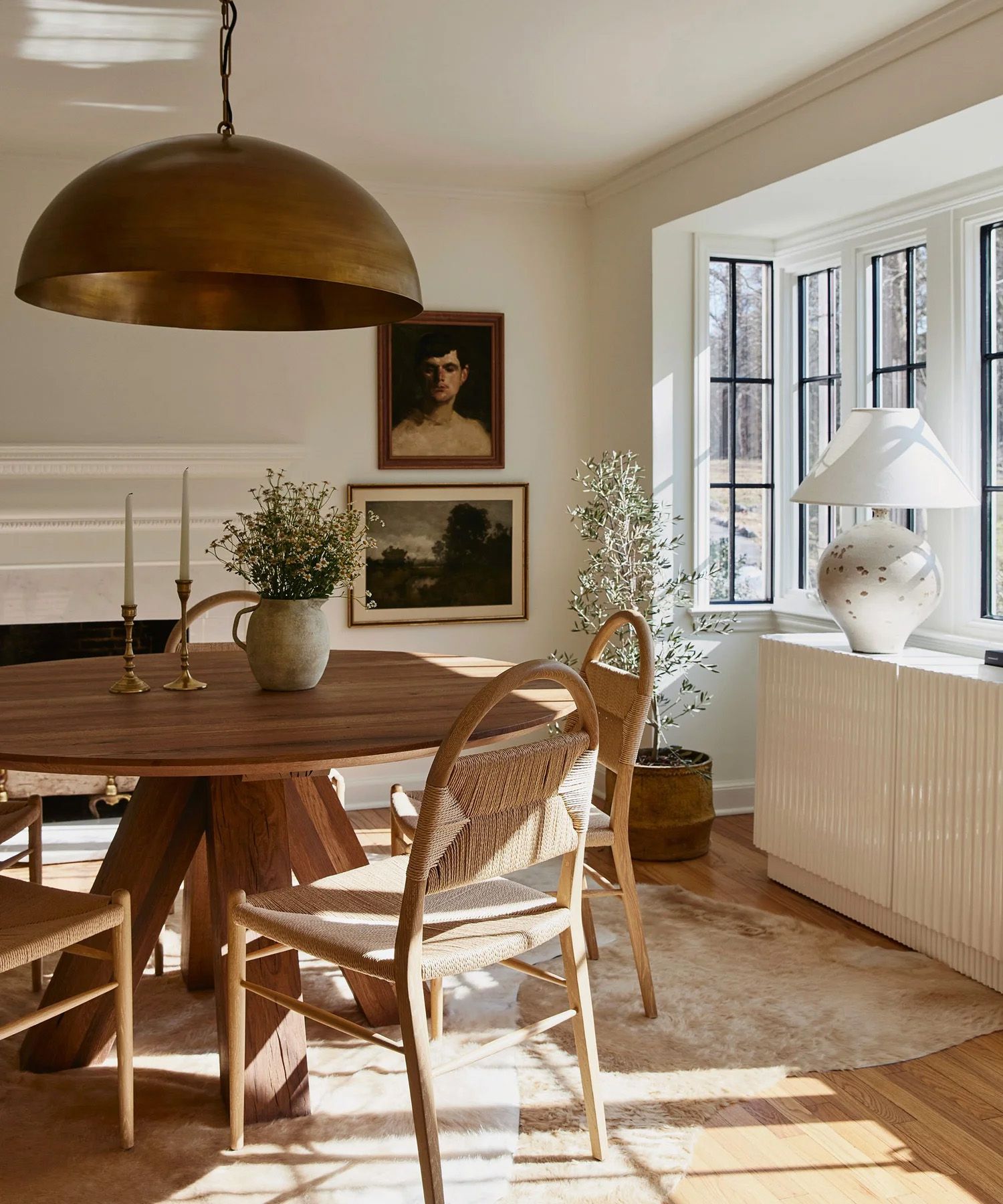
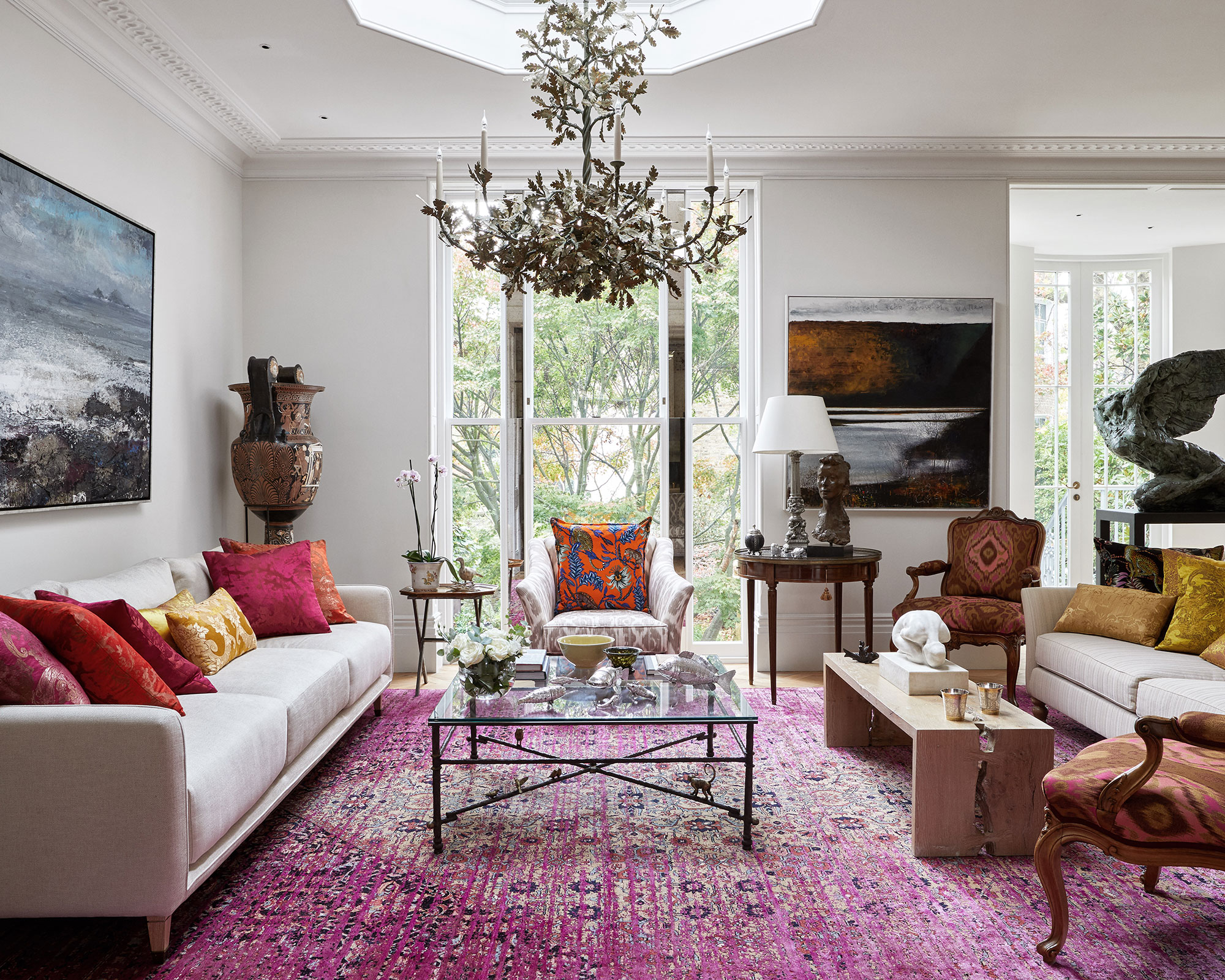
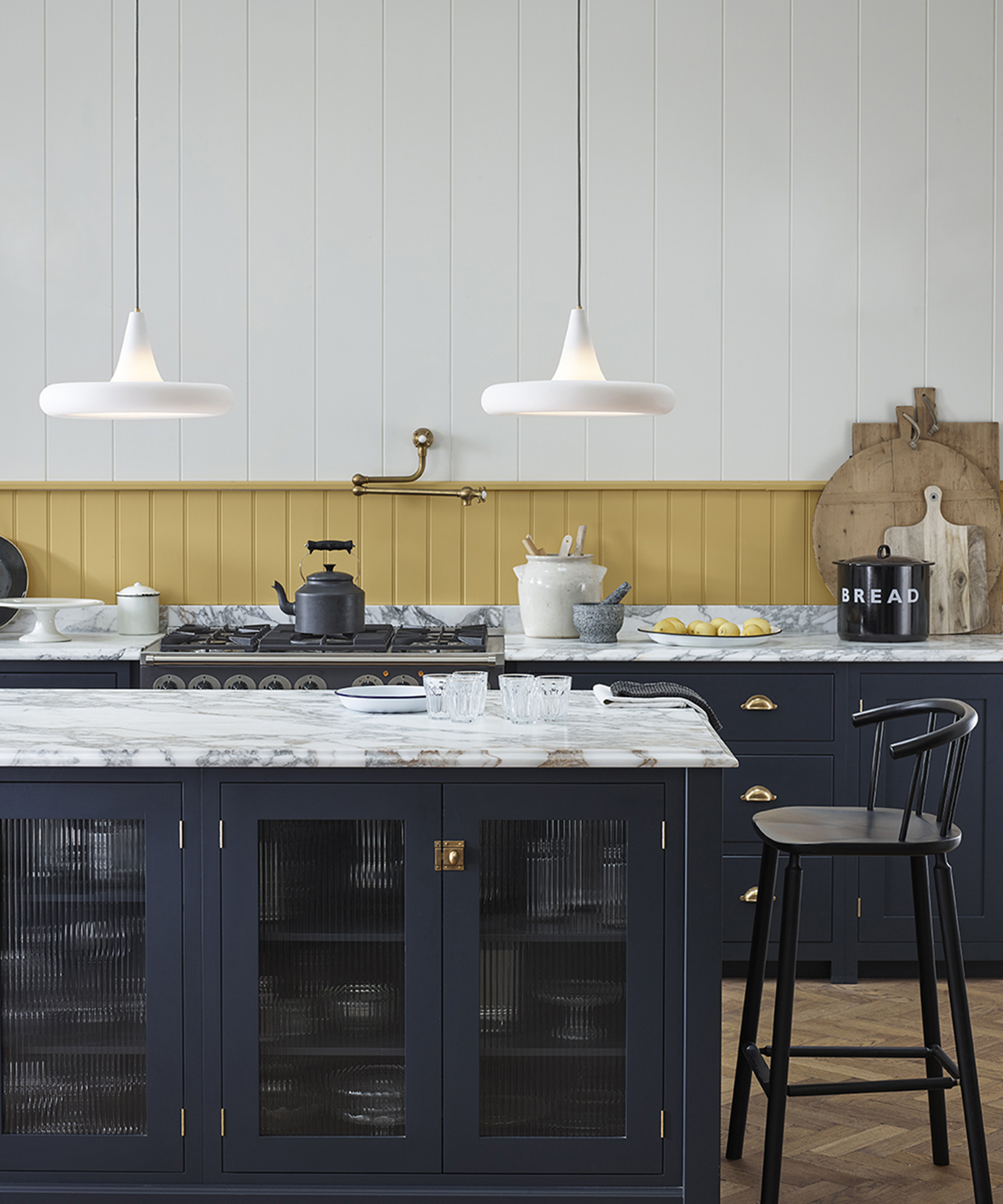
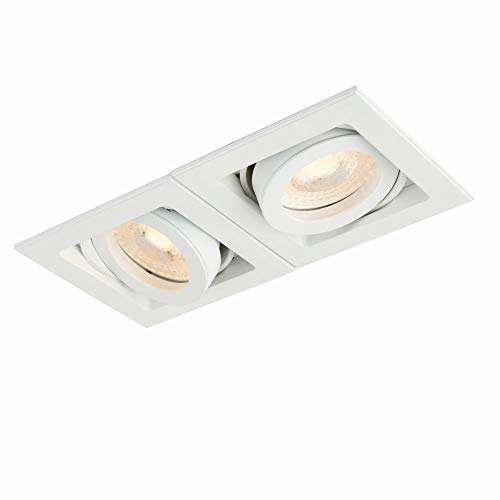
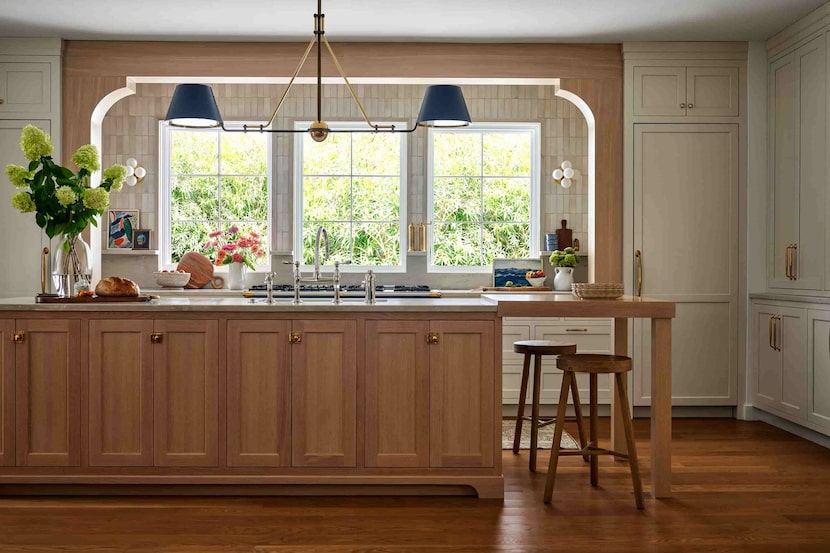
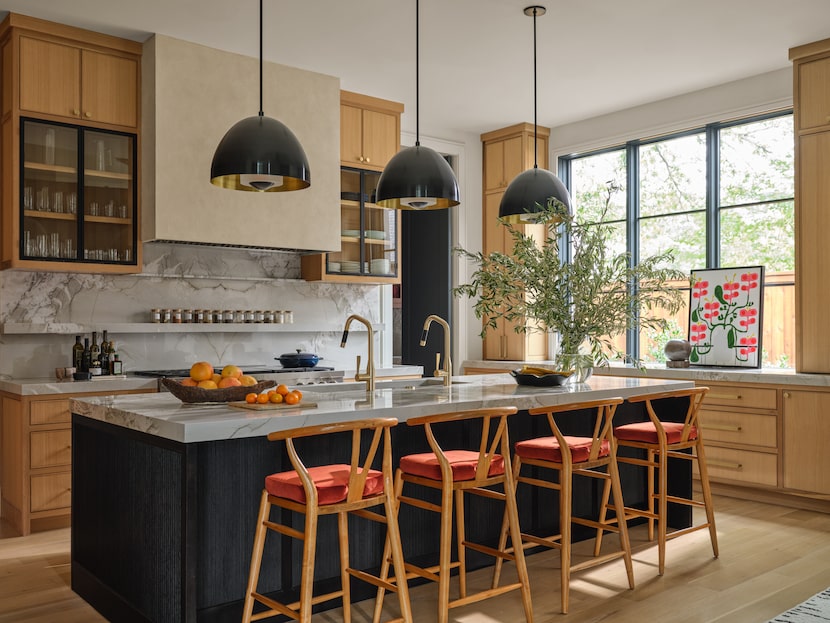
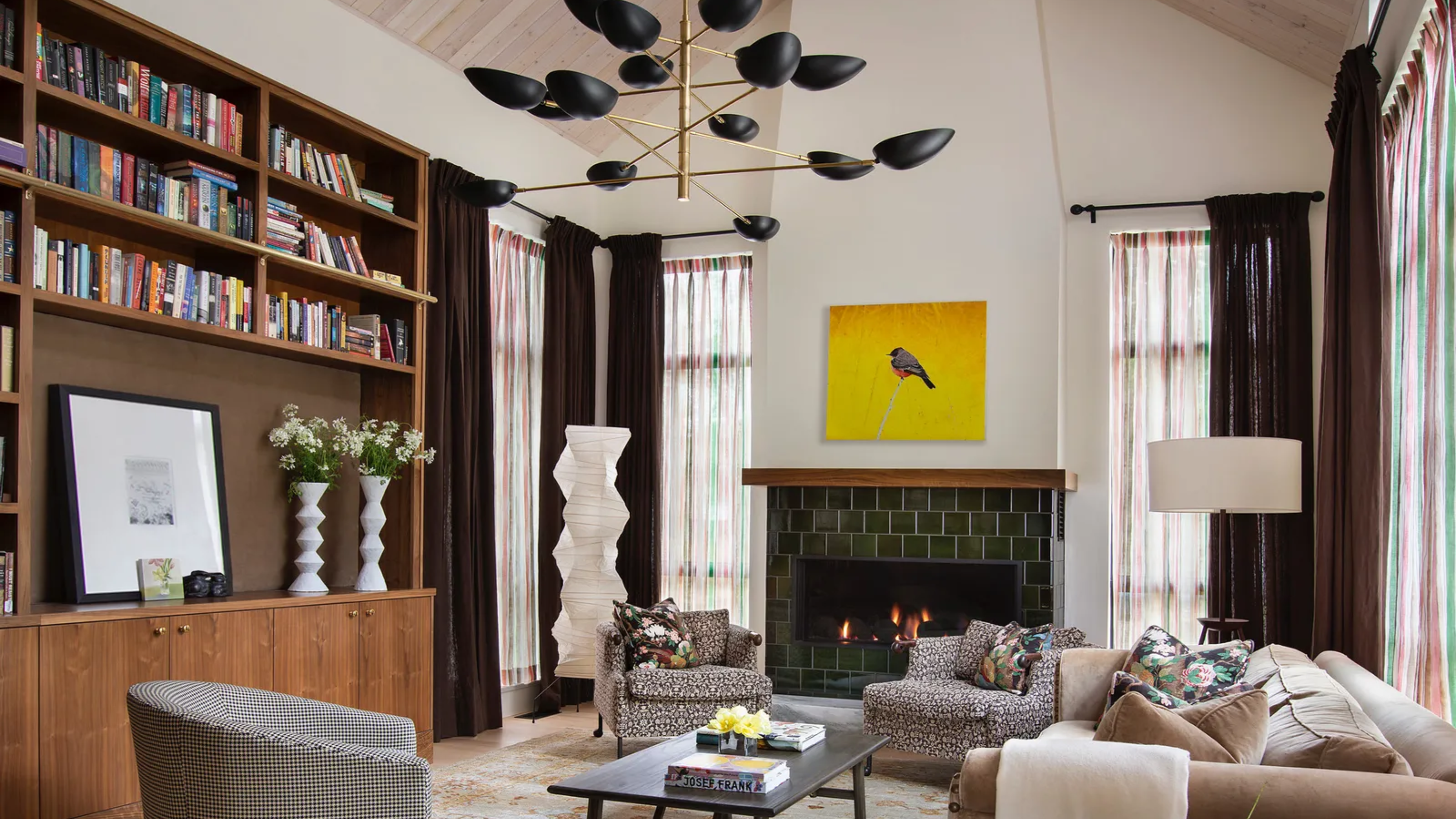
Removing a ceiling light can eliminate visual clutter, contributing to a more streamlined and contemporary feel in a room. This approach extends to excluding pendant lights, spotlights, and downlights from living spaces. However, there are exceptions where a central ceiling light remains effective. In rooms with significant ceiling height, a central light can draw the eye upwards and highlight architectural features. Furthermore, a chandelier or pendant light is often favored in dining rooms to emphasize the dining table, rather than to illuminate the entire space.
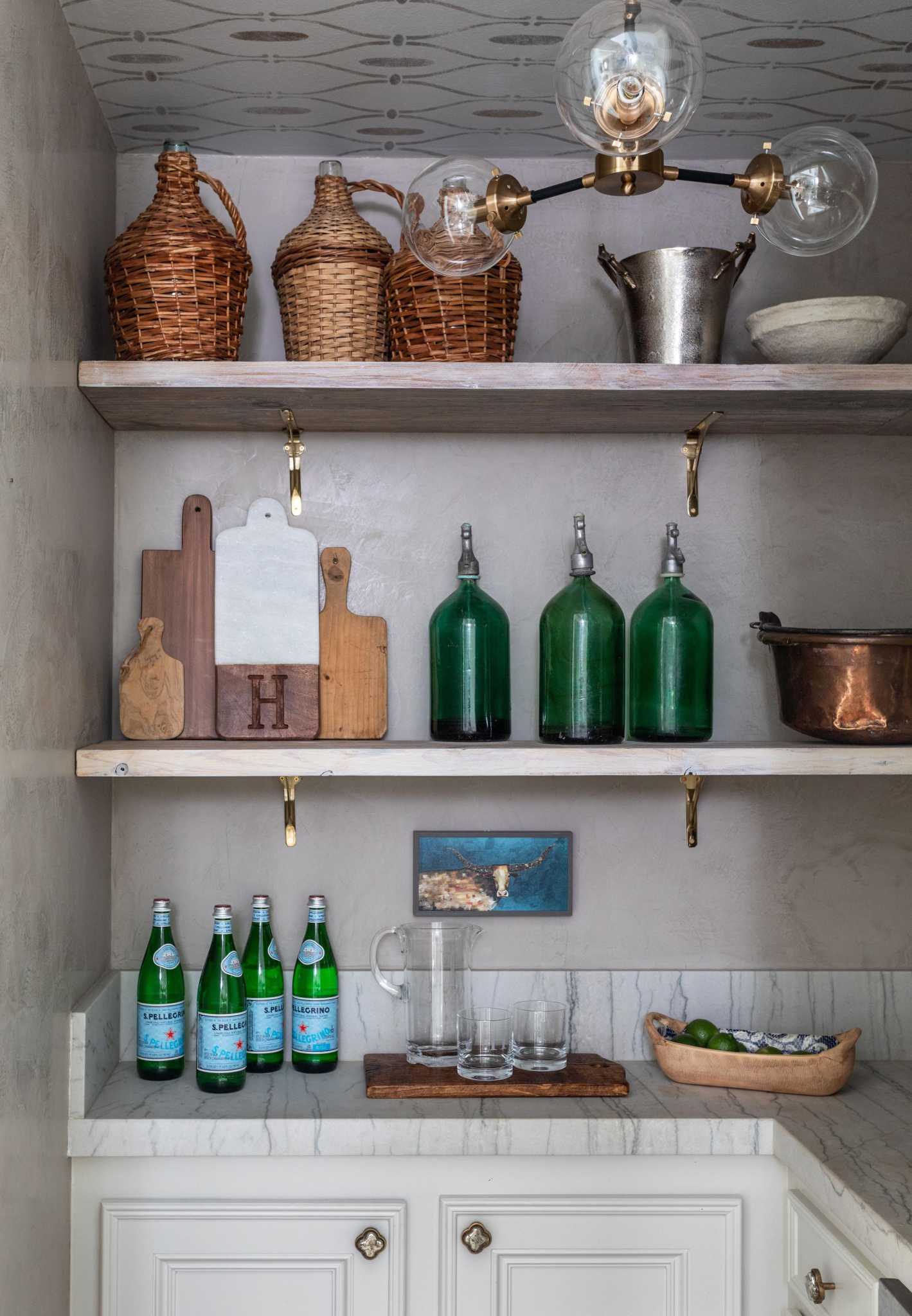
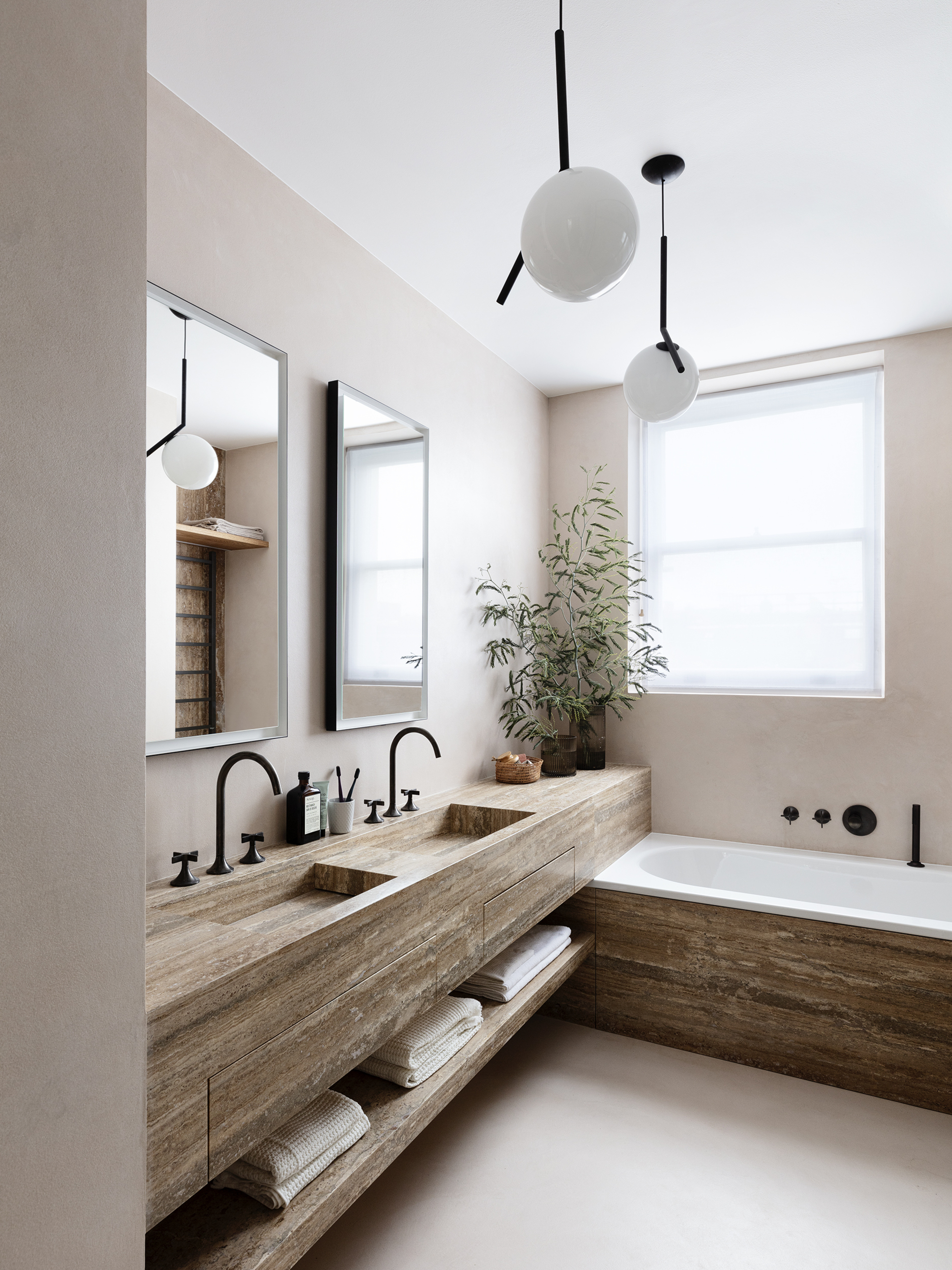
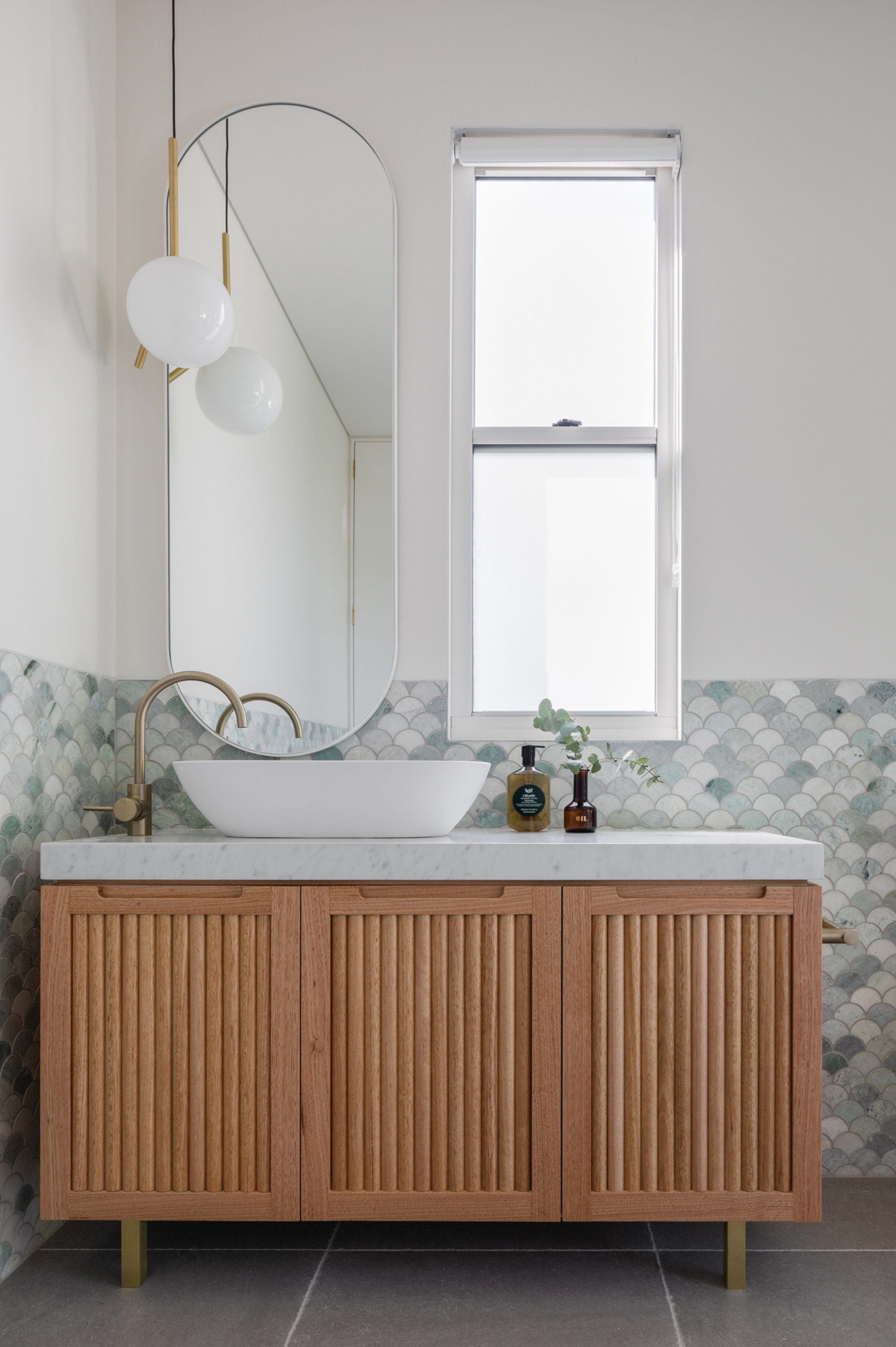
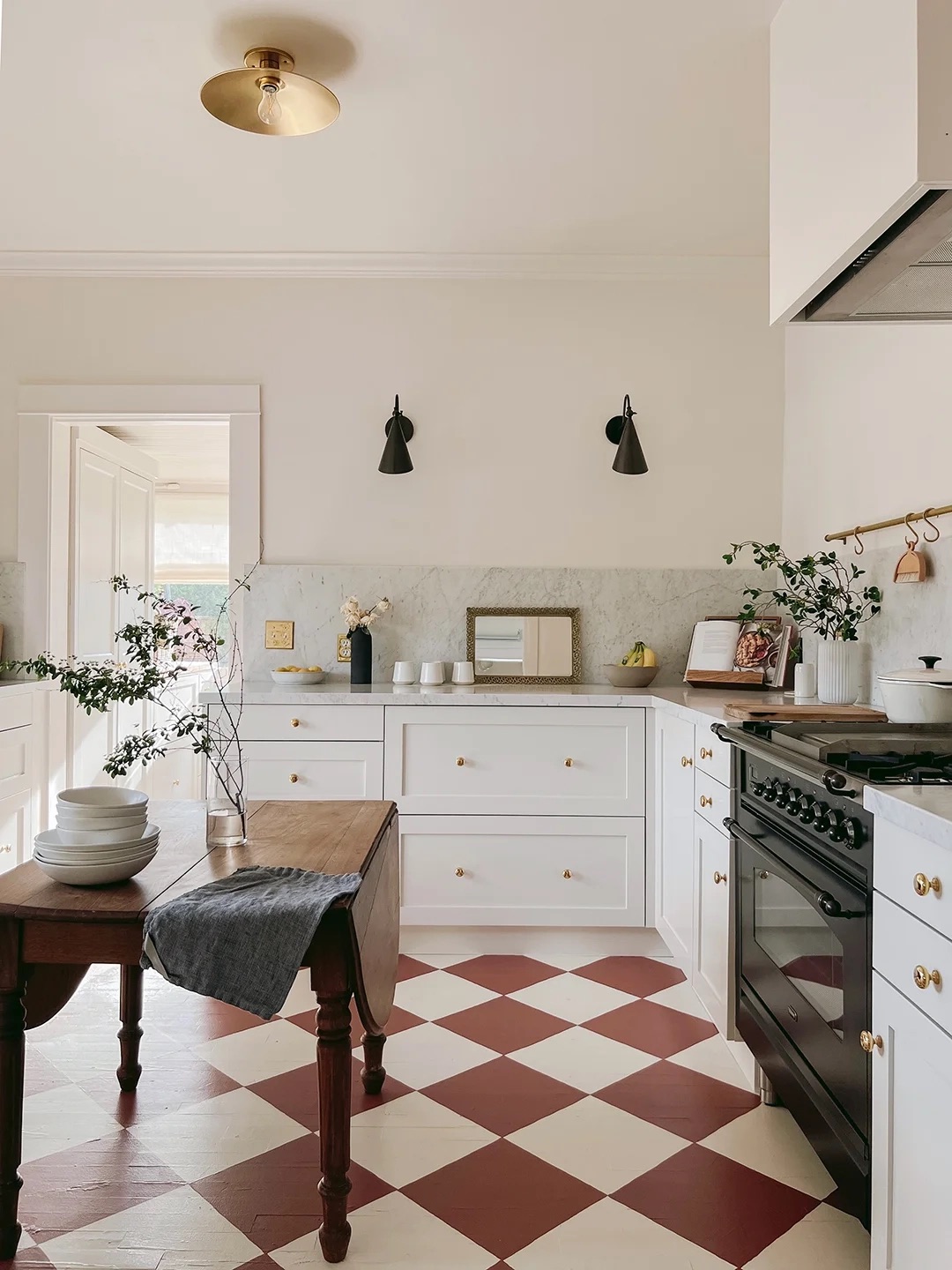
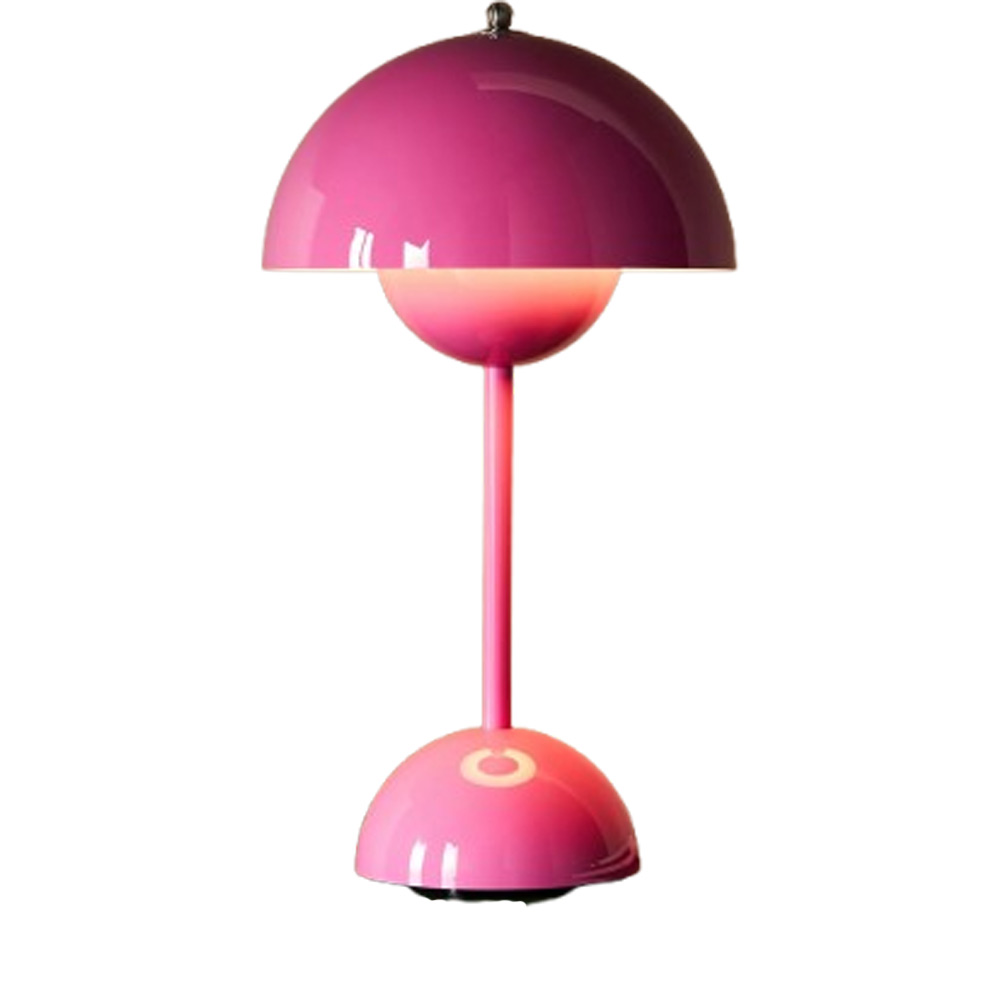
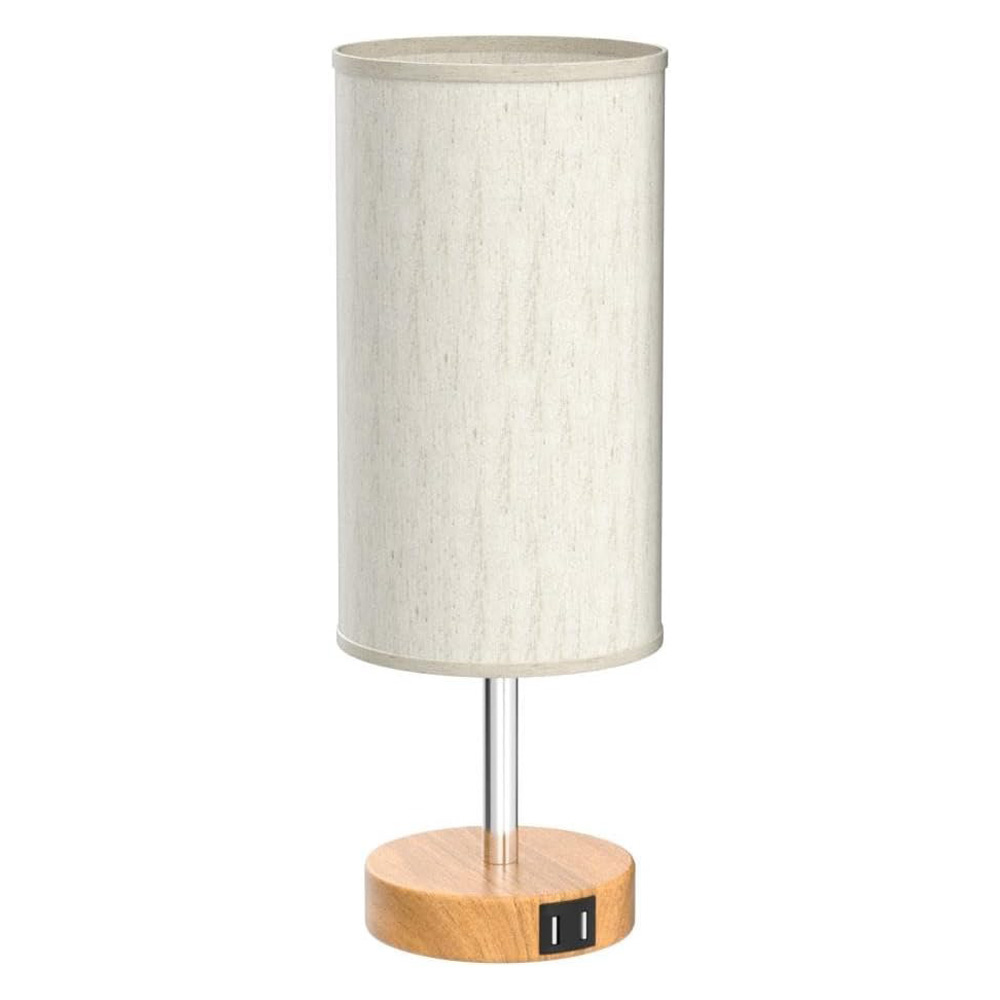
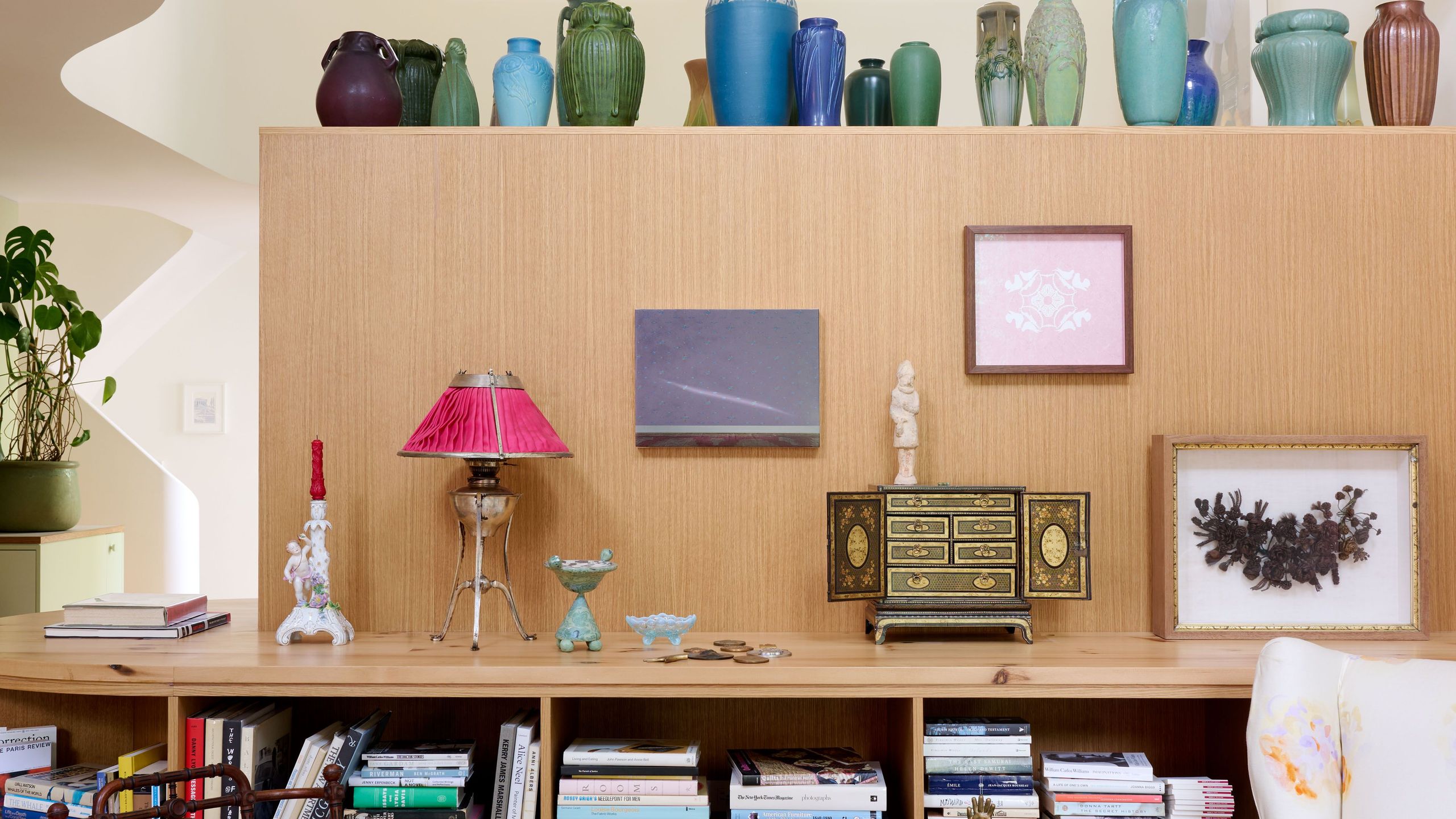
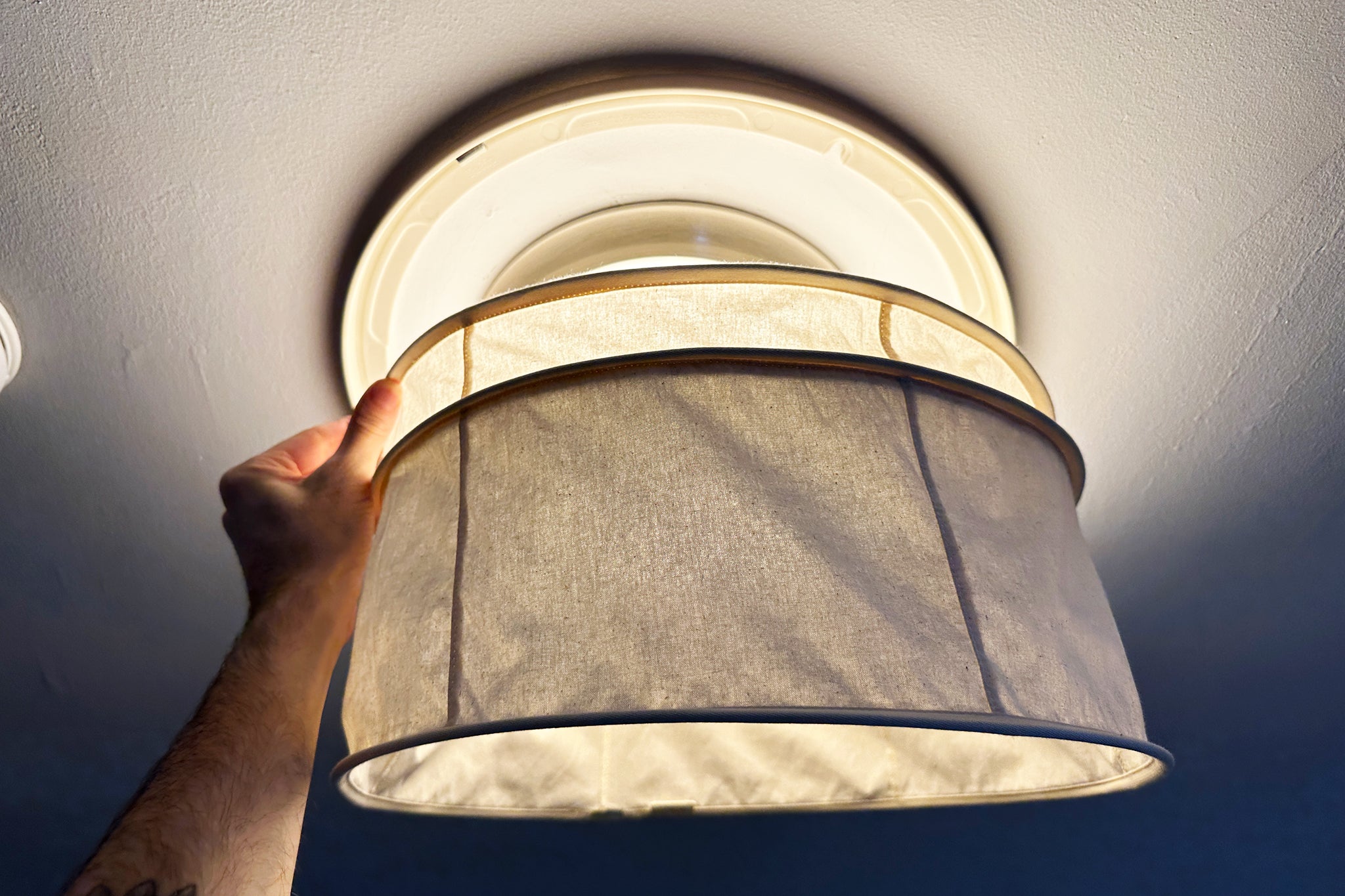
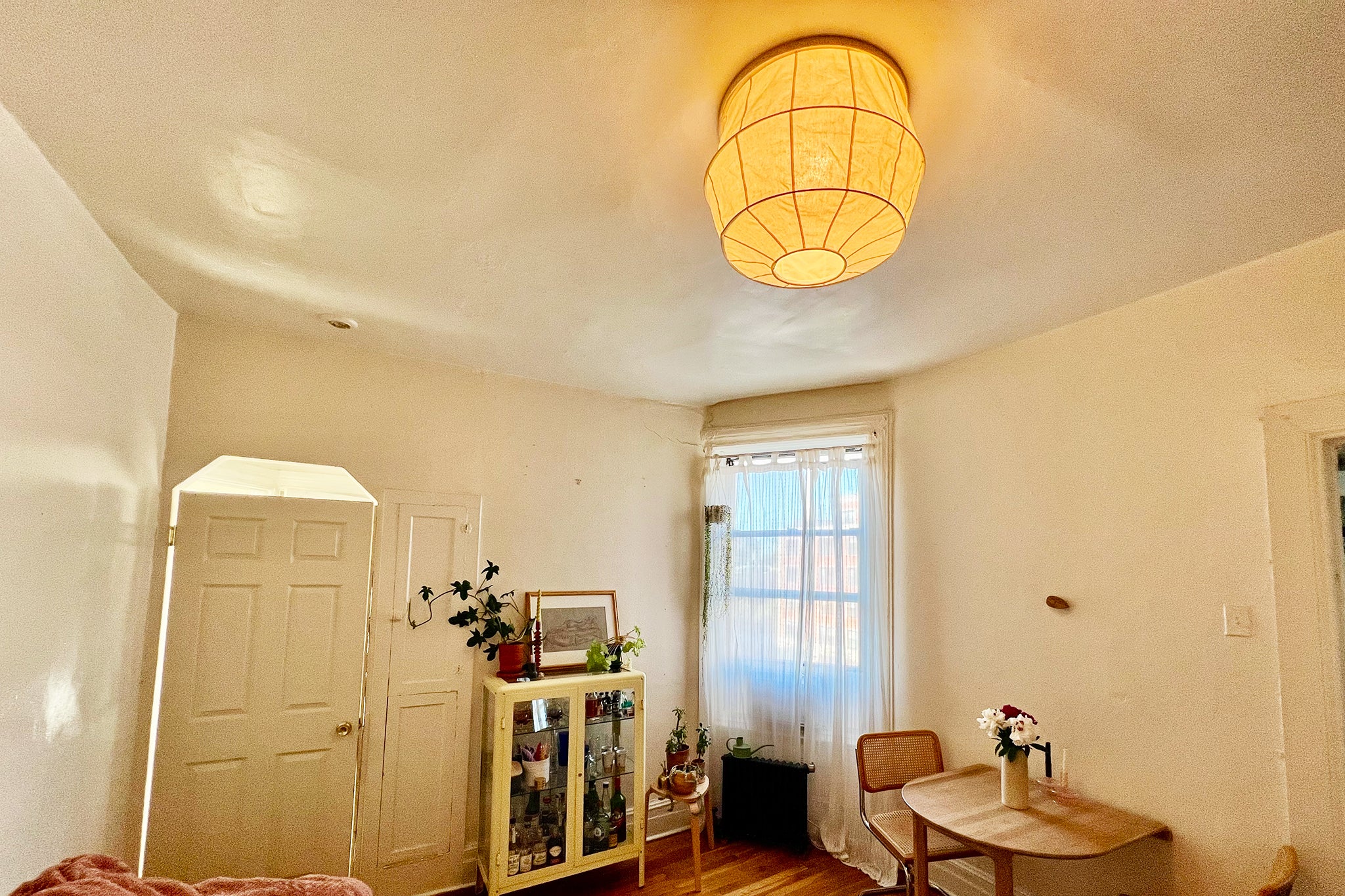
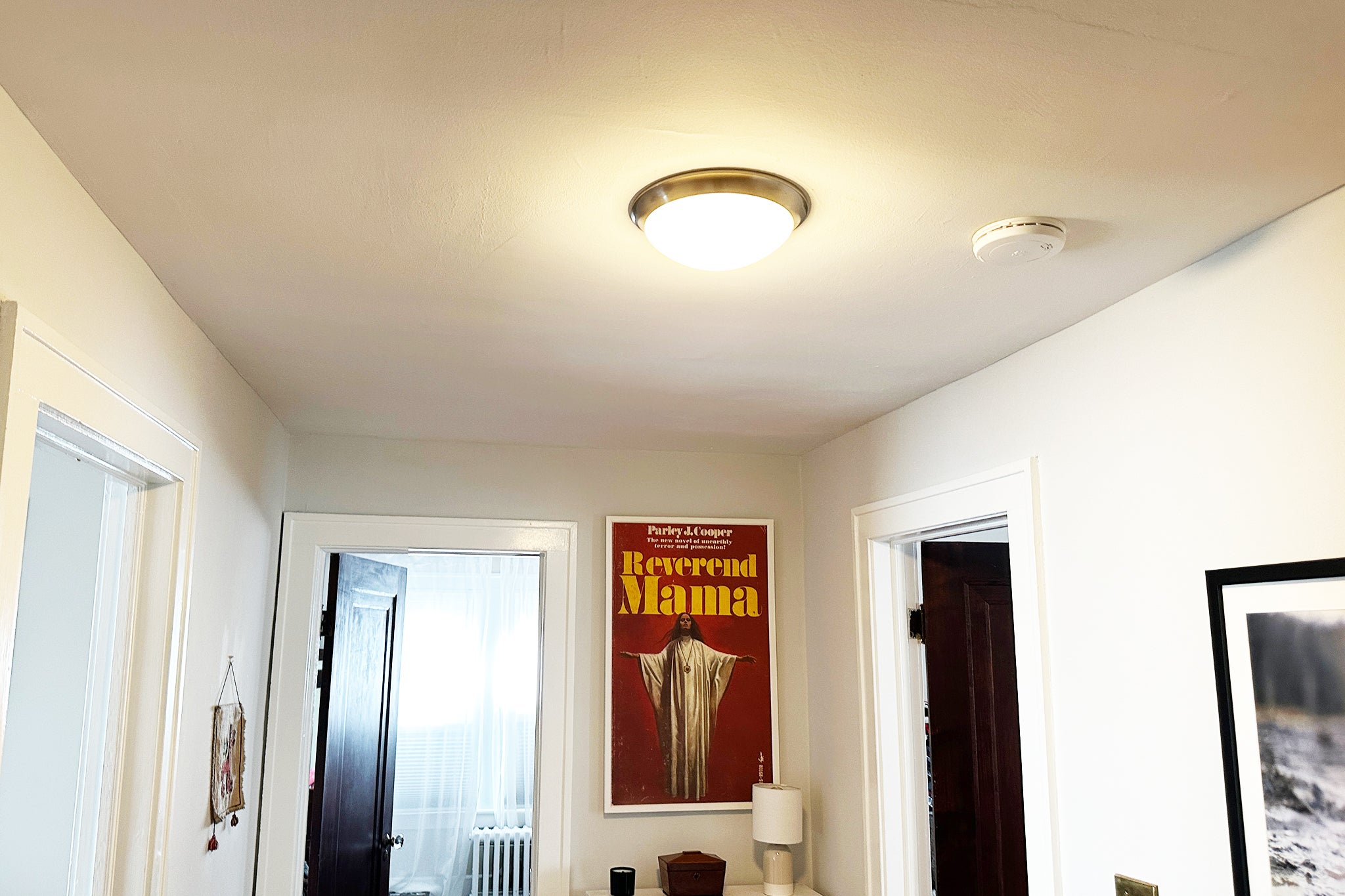
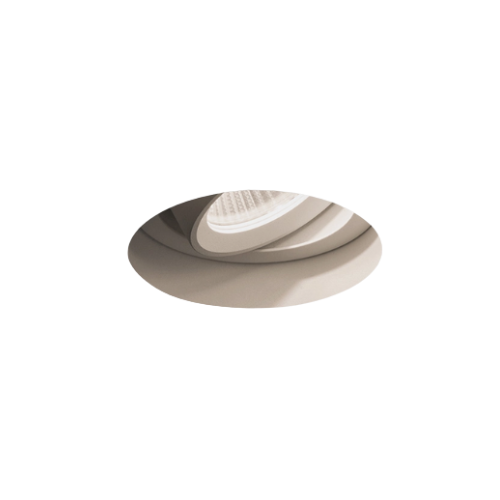
When removing ceiling lights, it is crucial to implement a robust layered lighting scheme to ensure the room remains adequately lit. Julia Miller emphasizes that layered lighting is key to successful illumination, carefully considering how all lighting elements coordinate, especially in rooms with low ceilings. Artem Kropovinsky suggests using small lamps and accent lights to create a relaxed mood, alongside recessed or track lighting for a sleek look. Montana Labelle also recommends vintage flush mounts or sconces to add both light and an artisanal touch.
Addressing the argument for ceiling lights based on functionality, particularly for tasks like cleaning, the article suggests that such tasks are often performed during daylight hours, making natural light a primary source. Designers also recommend task lighting for specific activities that require a stronger light source. Ultimately, strategic use of natural light, combined with appropriate window treatments like curtains or blinds, can effectively address functional lighting needs while maintaining the desired ambiance without relying on a central overhead light.
#InteriorDesign #LightingDesign #CeilingLights #LivingRoomLighting #HomeDecor #ModernInteriors #LayeredLighting #MinimalistDesign #HomeIllumination #InteriorDesign #LightingDesign #CeilingLights #LivingRoomLighting #HomeDecor #ModernInteriors #LayeredLighting #MinimalistDesign #HomeIllumination
0 comment in total
 No comments yet
You may also like
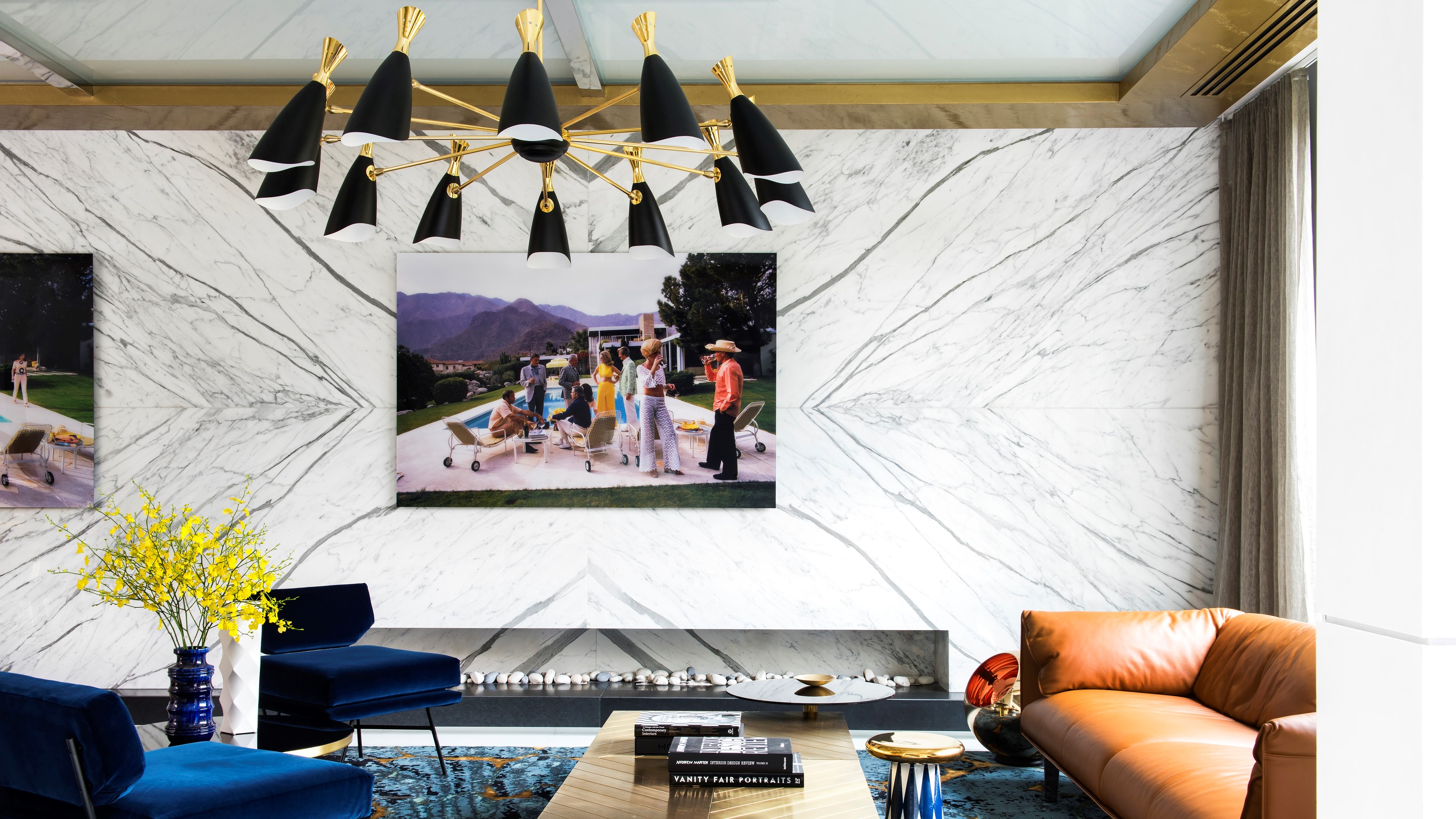
Should a living room have a ceiling light? Finally, design experts settle the debate
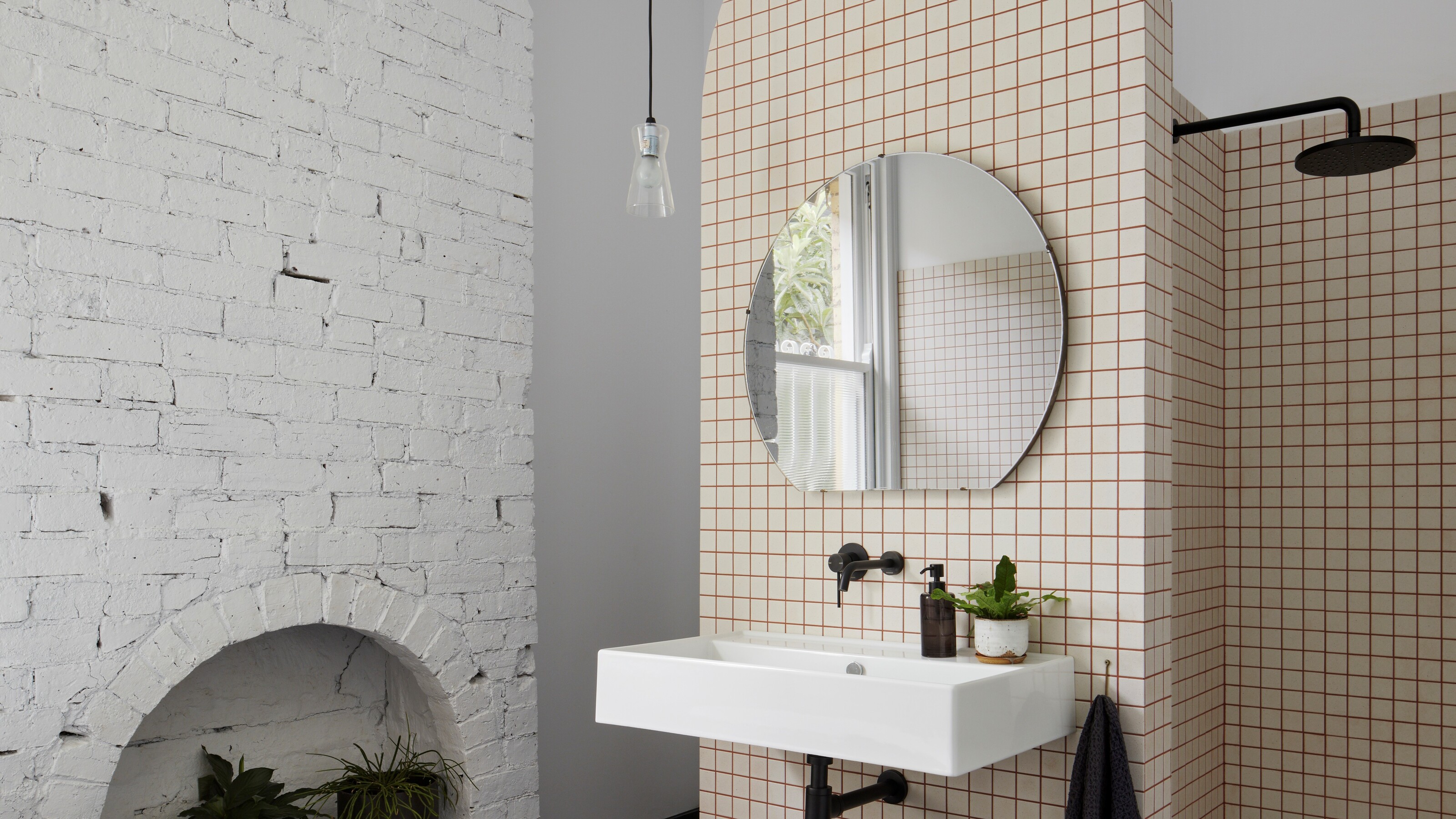
Designers are ditching overhead lighting in the bathroom – and using this flattering source to illuminate spaces instead


Unexpected Red Is So 2024—Here’s the Design Hack that Ruled 2025


7 Things Designers Immediately Notice When They Enter A Room
No Room Is Complete Without THIS One Feature, According to a Designer


Overhead Lighting vs. Lamps: Experts Settle This Great Debate

The One Lighting Feature Designers Hate But Home Buyers Love


Ceiling Lights

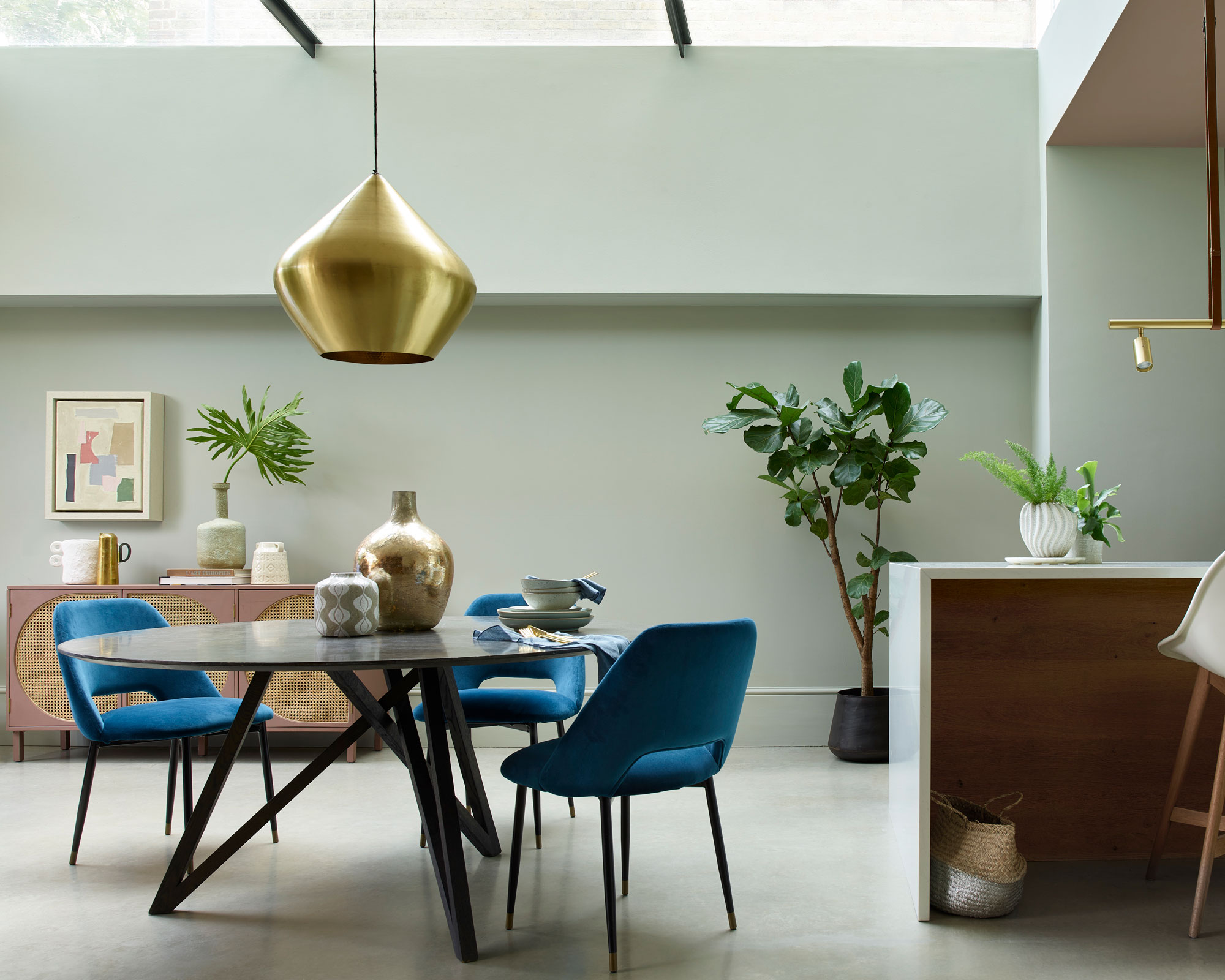
Do you need a light over a dining table? Designers offer their expert advice

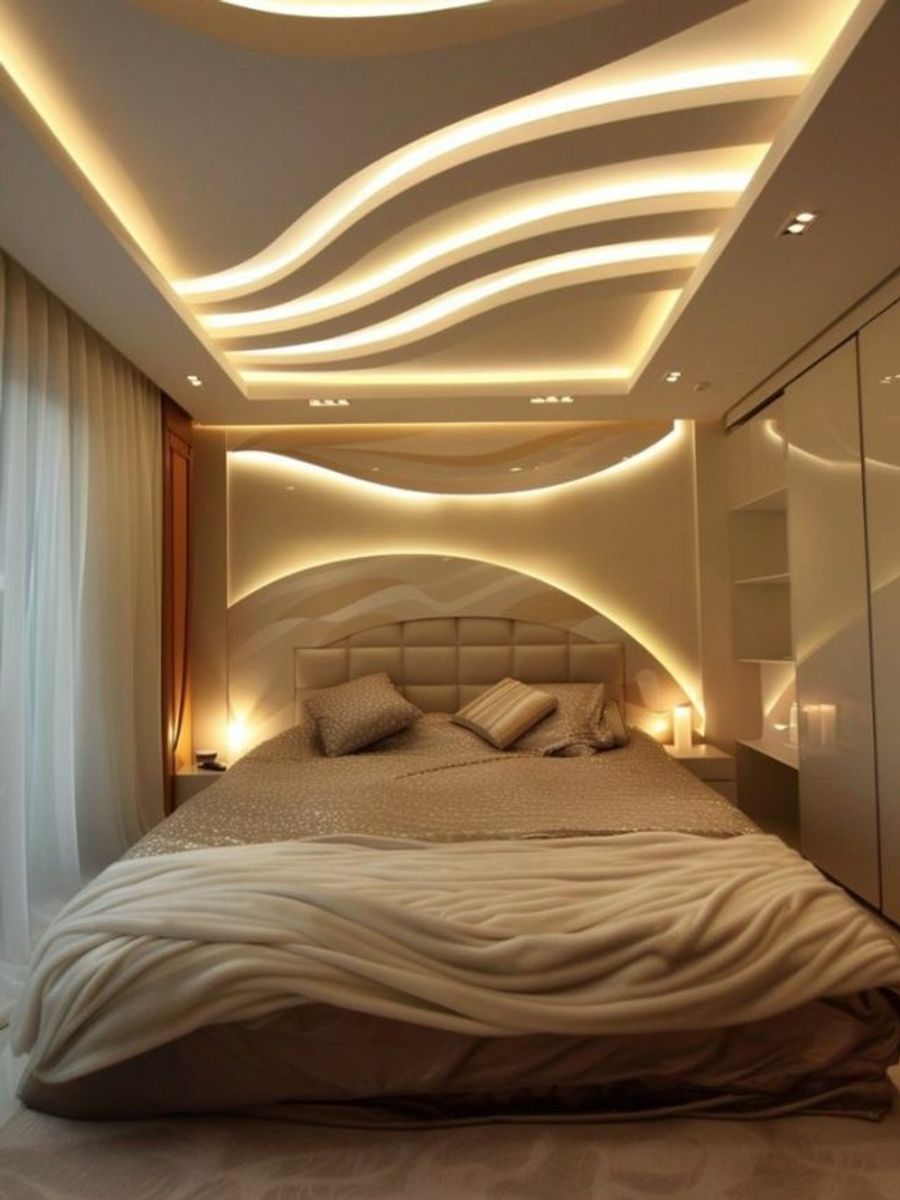
Latest Bedroom False Ceiling Ideas for Your Dream Home
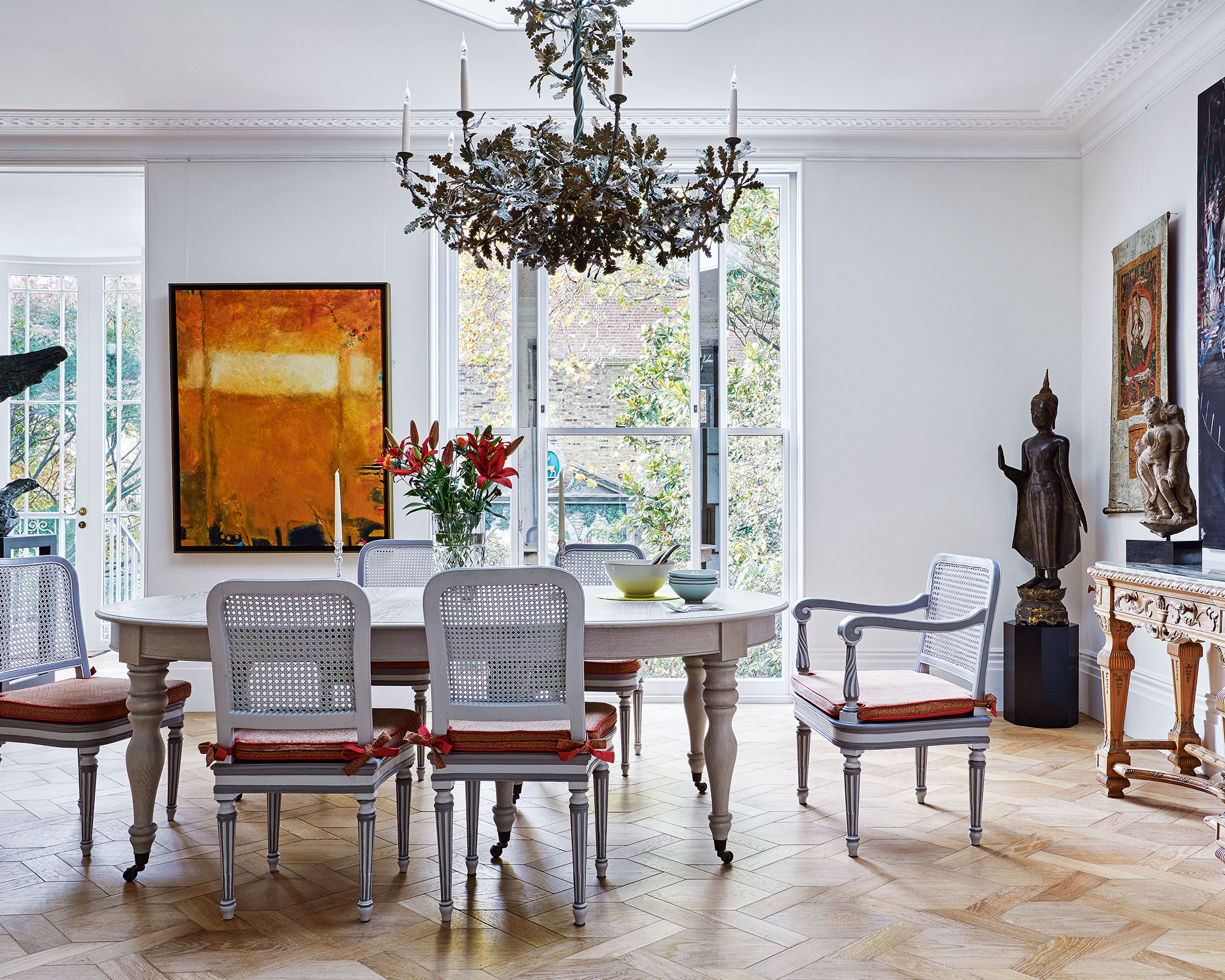
Light sizing – 5 essential expert tips for choosing the right size ceiling light
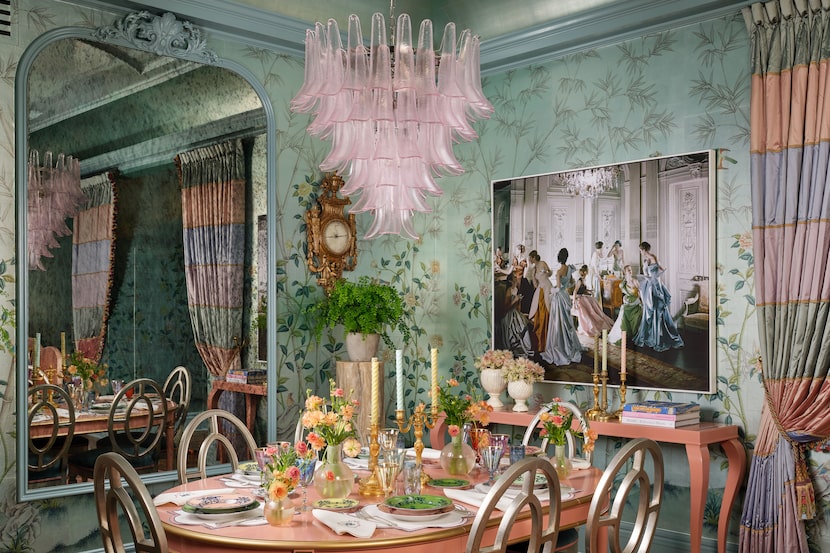
Simple or sculptural, the right light fixture can make any room shine

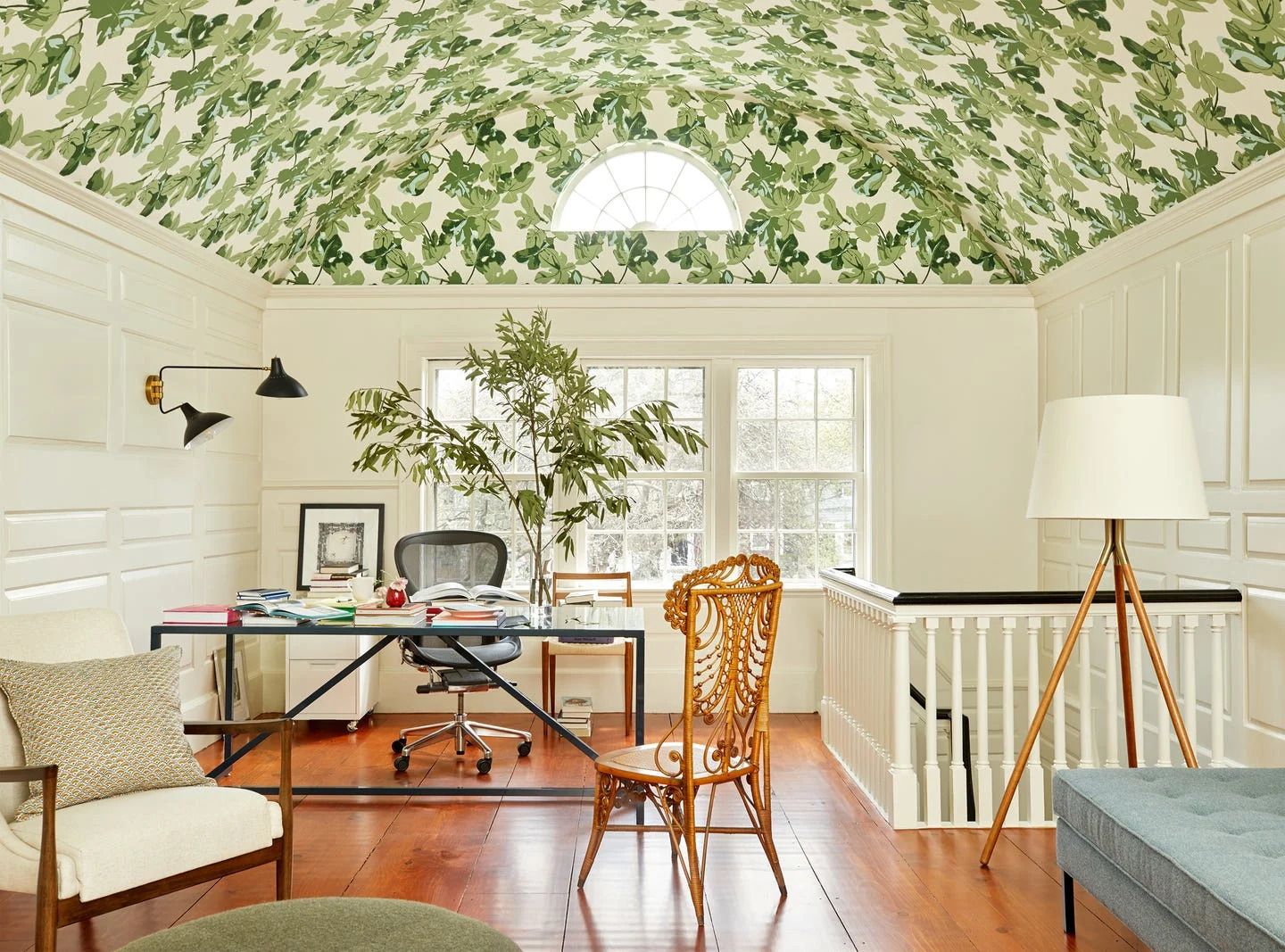
Why Ignoring the Ceiling Could Ruin Your Room, According to Interior Designers

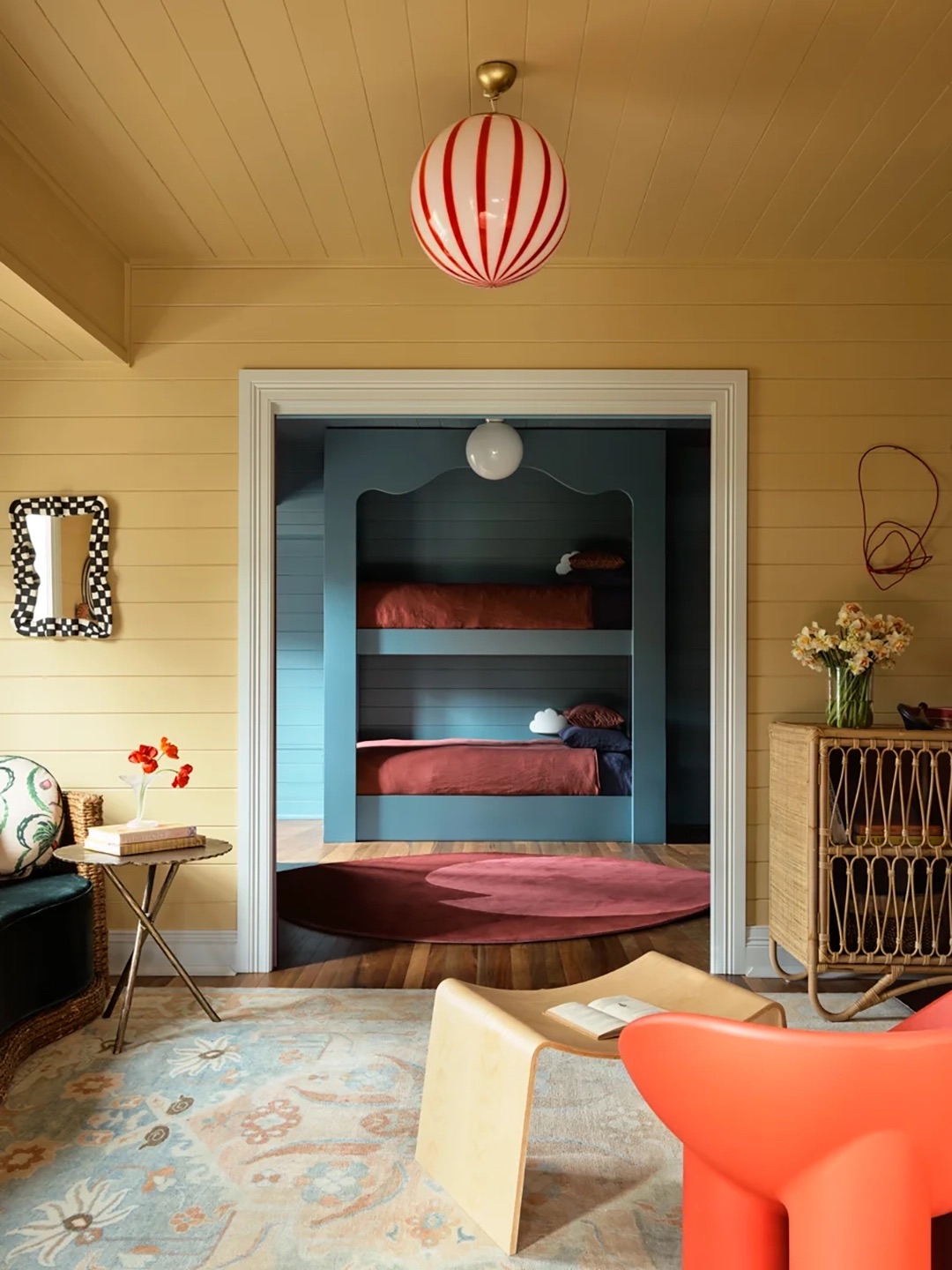
Designers Notoriously Hate This Feature—Here’s Why I (Respectfully) Disagree
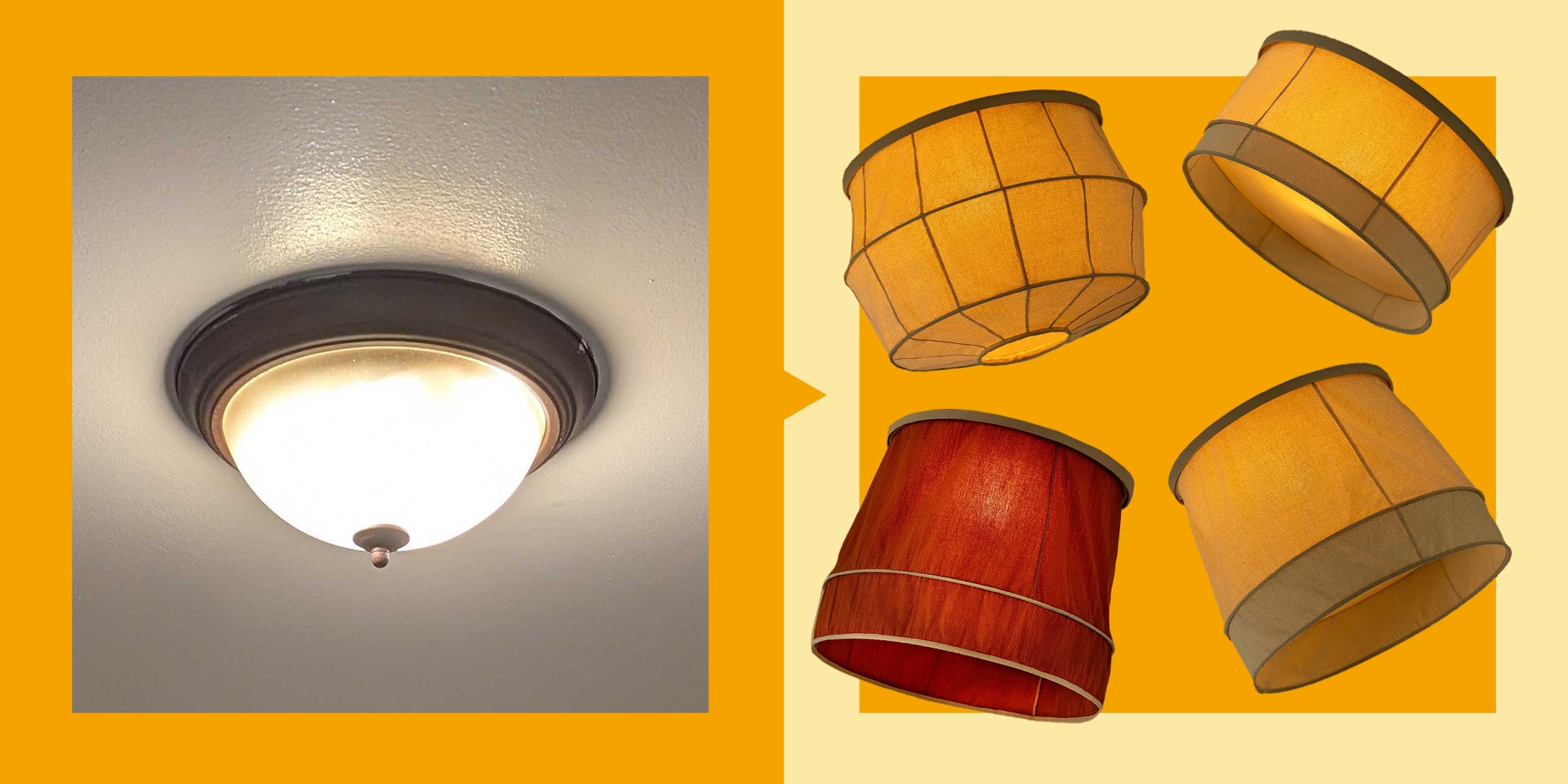
We Tested Tulip’s Renter-Friendly Boob-Light Cover in 3 of Our Own Homes | Reviews by Wirecutter
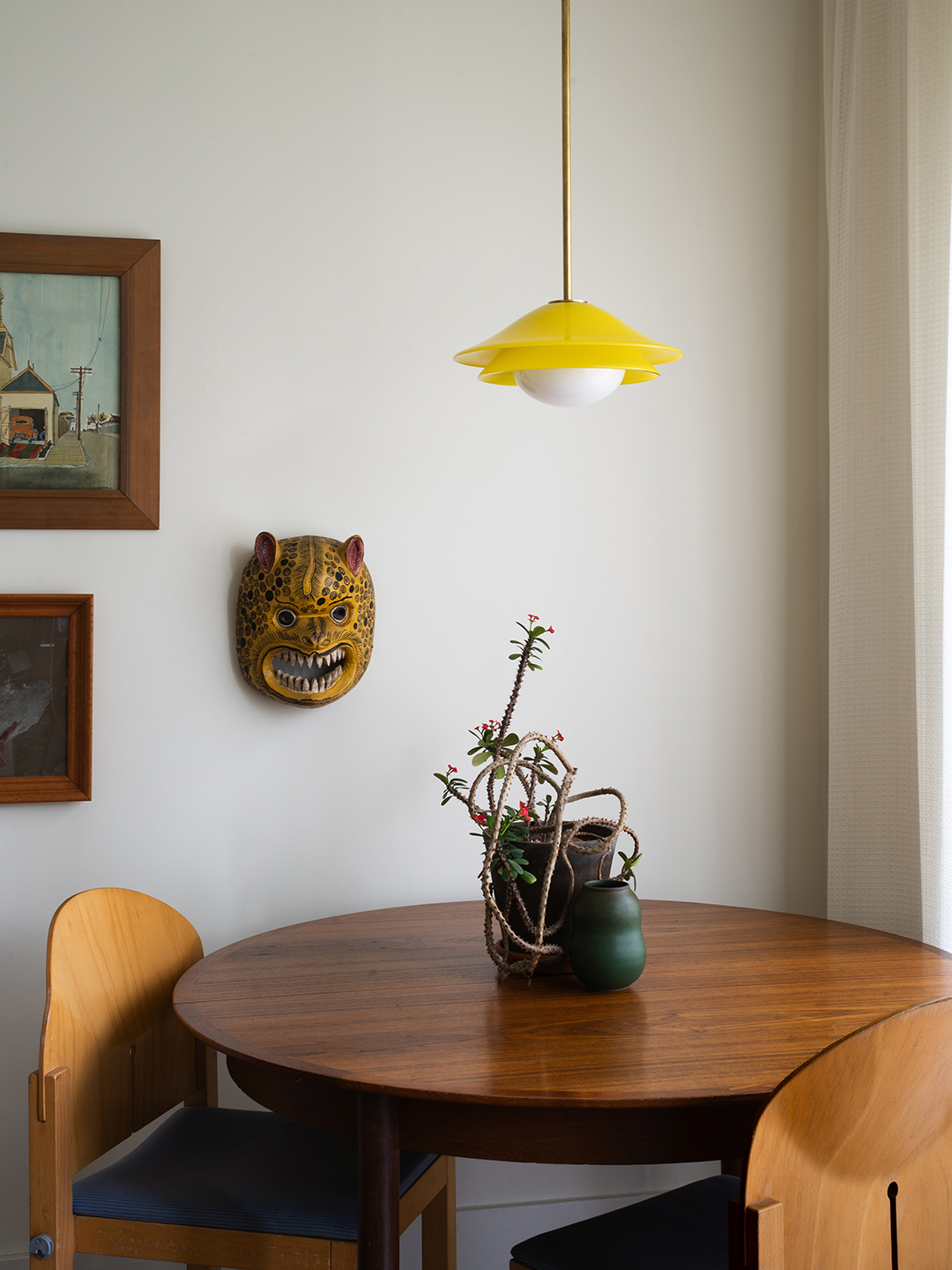
Finding the Perfect Light Fixture Is Complicated—These Architects Have the Answer

When designing a room, don’t overlook your ceiling

7 Bedroom Lighting Mistakes — Experts Say They "Scream 'Wrong Vibe'" and Ruin Your Aesthetic
5 Types of Lighting Designers Would Never Use —They're Harsh and Unflattering and Here's Why

Designers Agree: This Is the Most Underrated Room That Everyone Should Decorate