1/2
7 Outdated Kitchen Island Styles Designers Never Want to See Again
This article discusses seven kitchen island styles that design experts consider outdated, providing guidance for homeowners planning a kitchen remodel. Kitchen islands, recognized for their functionality and aesthetic contribution, are central to modern kitchen design. The piece features insights from Andrea DeRosa, CEO, Co-Founder, and Principal Designer at Avenue Interior Design, and Stephanie Calderon, CEO & Principal Designer at Stephanie Calderon Interiors, who highlight current trends and offer alternatives to avoid common design pitfalls.
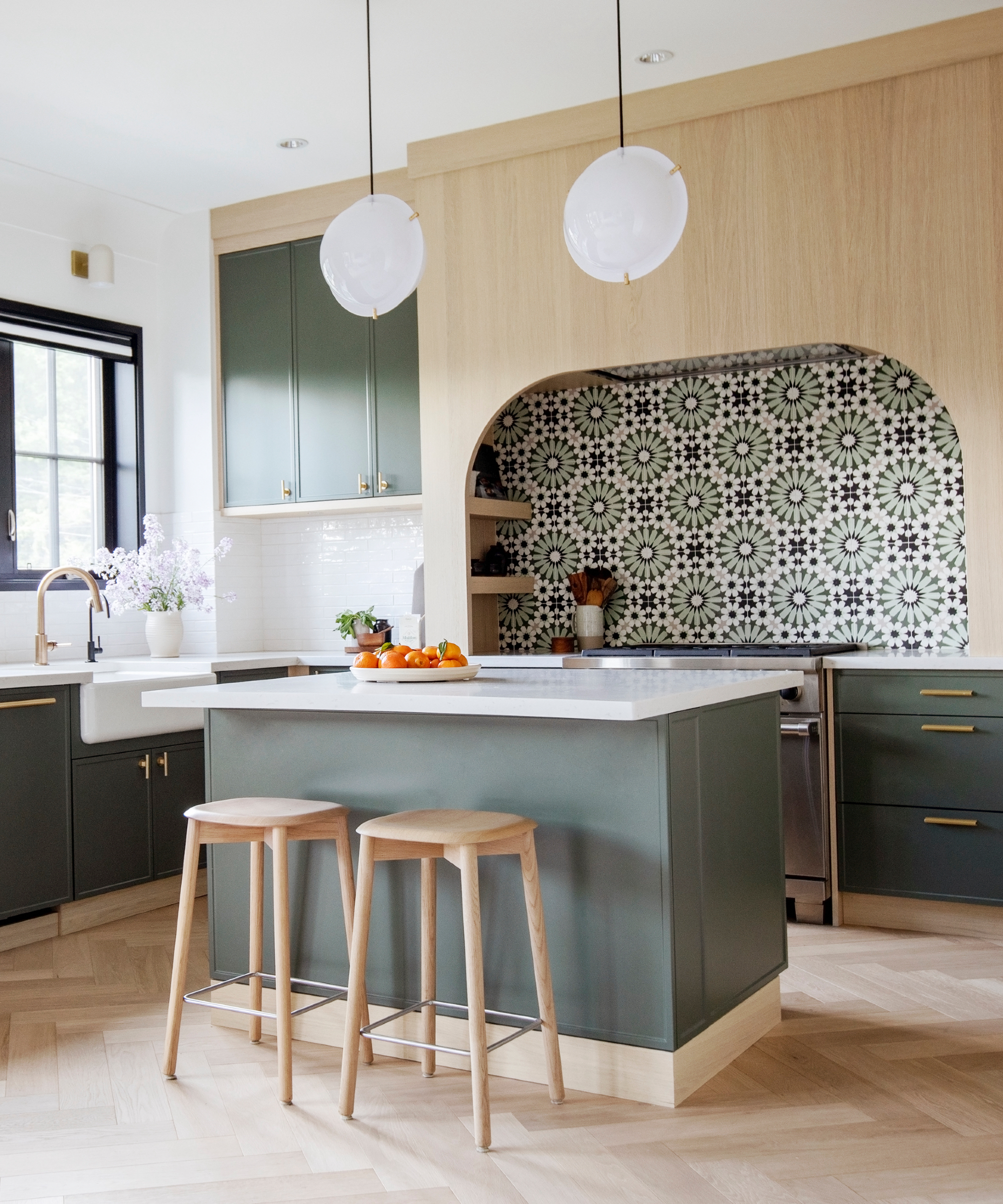
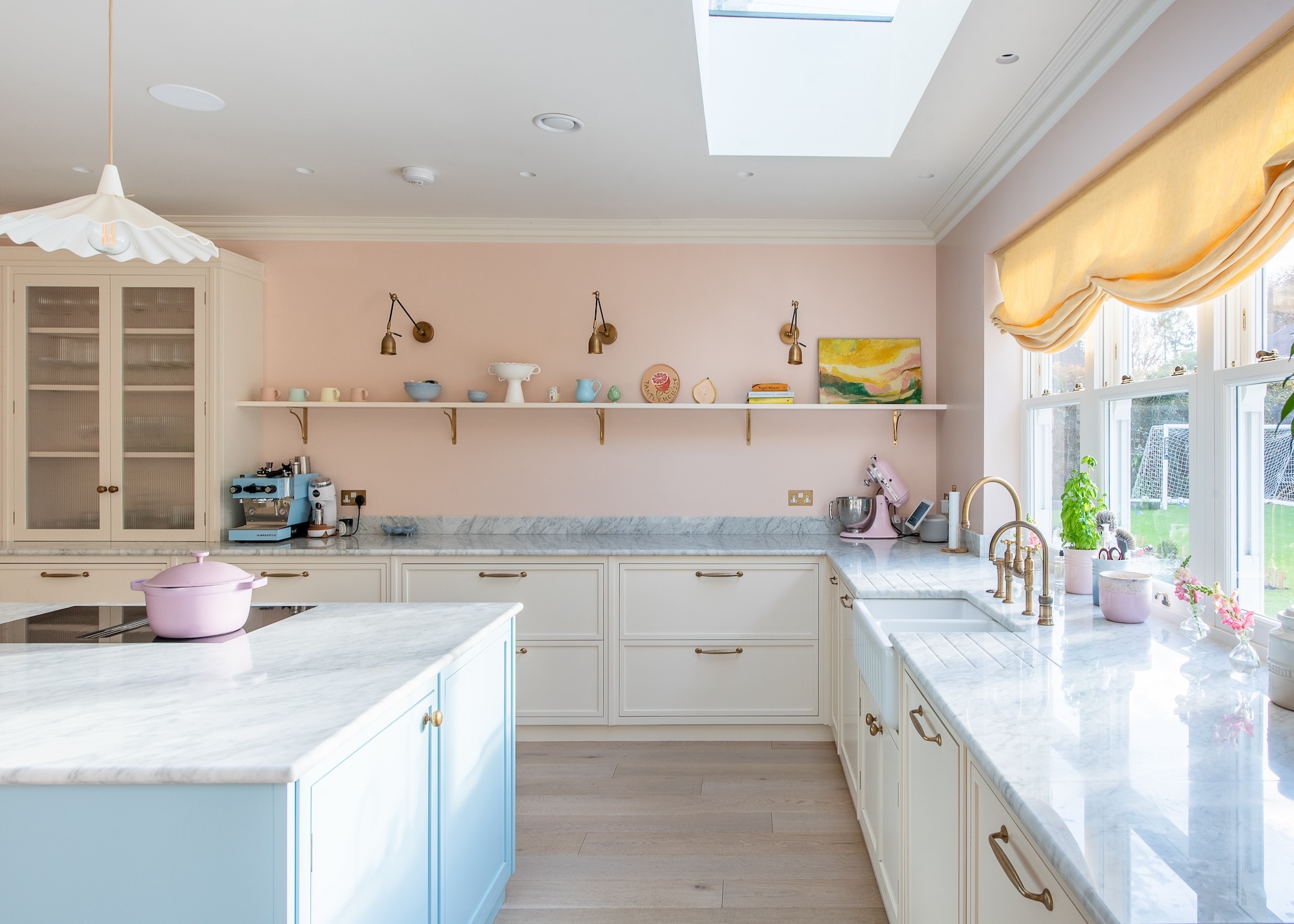
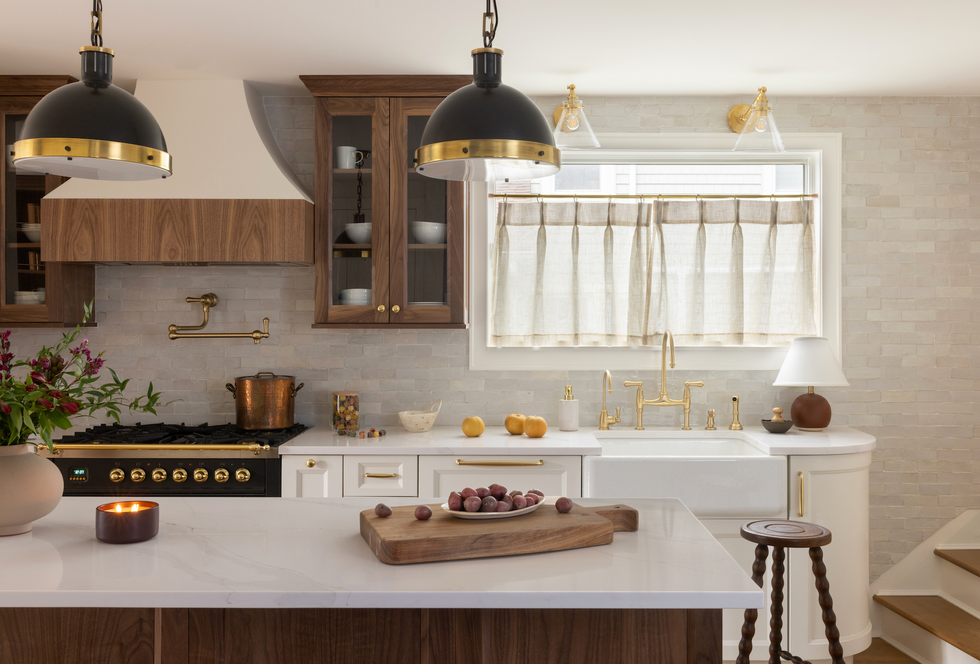
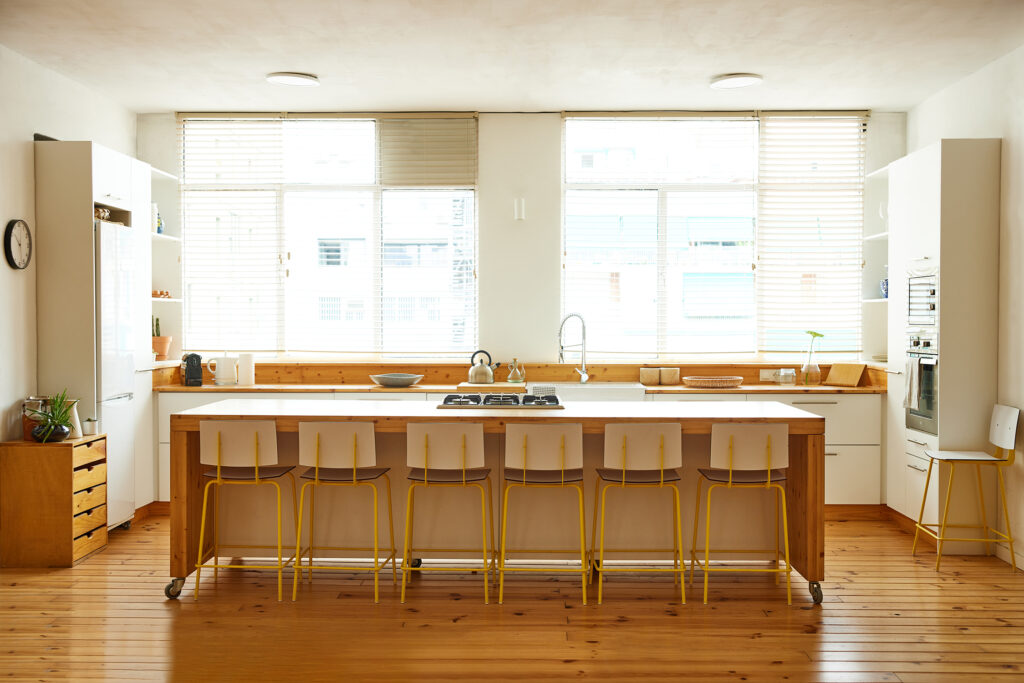
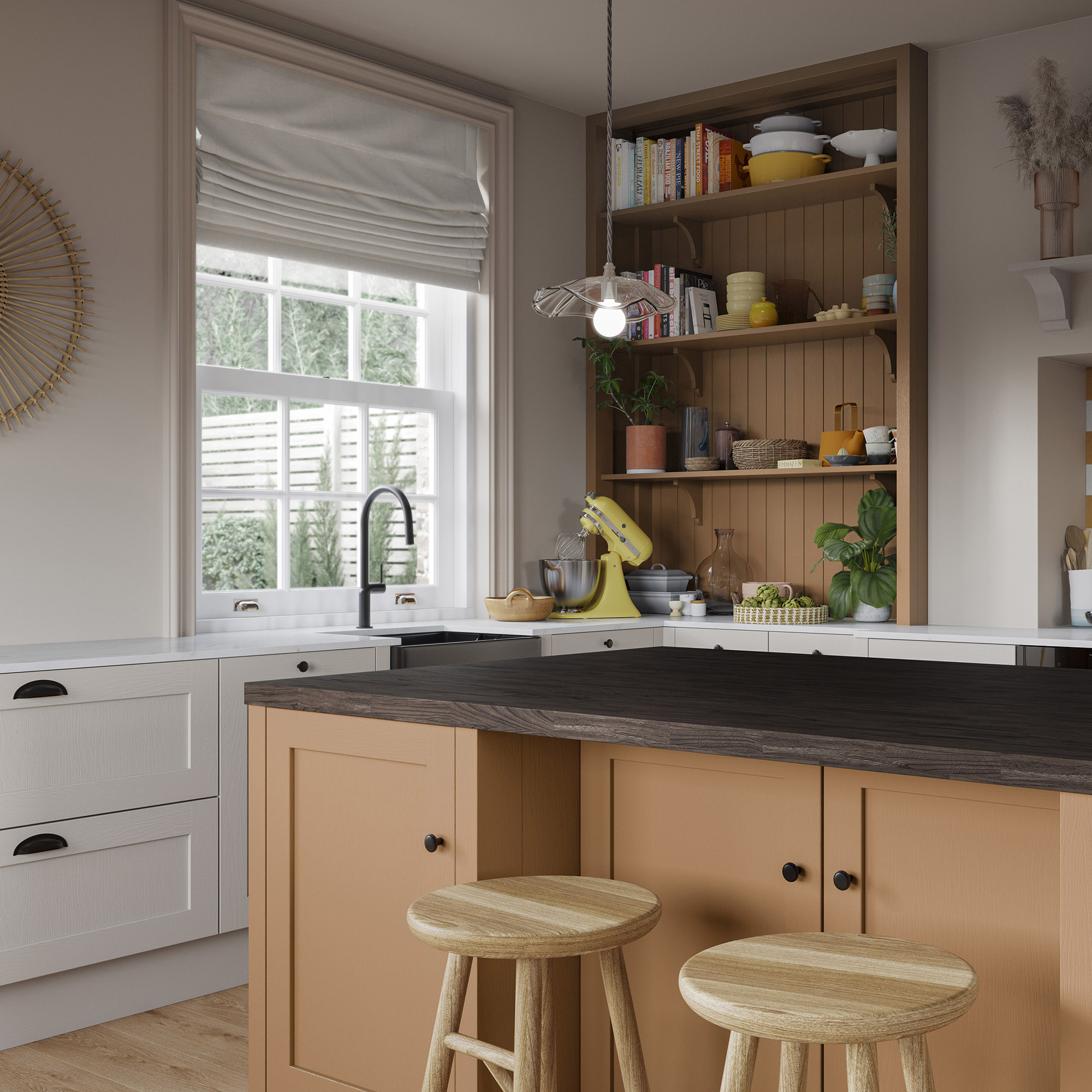
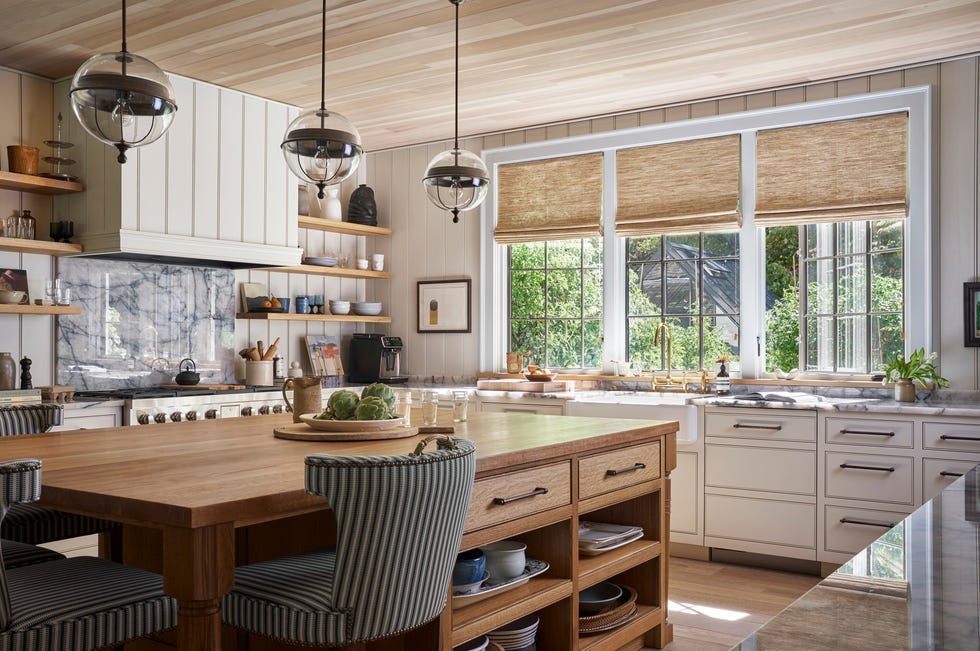
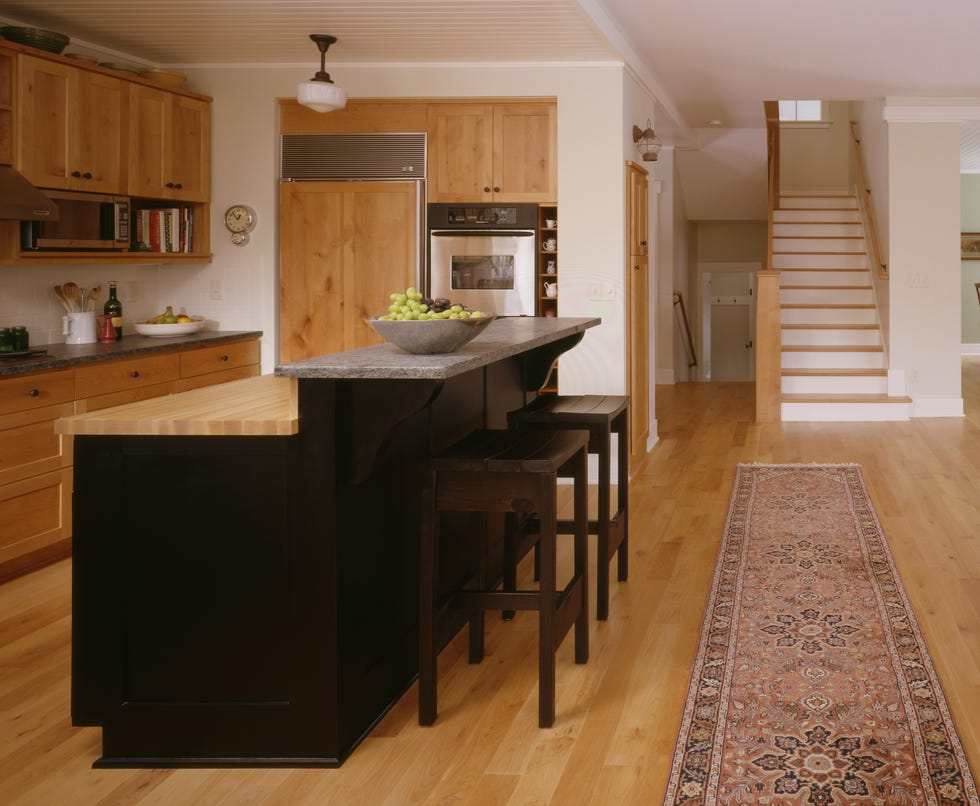
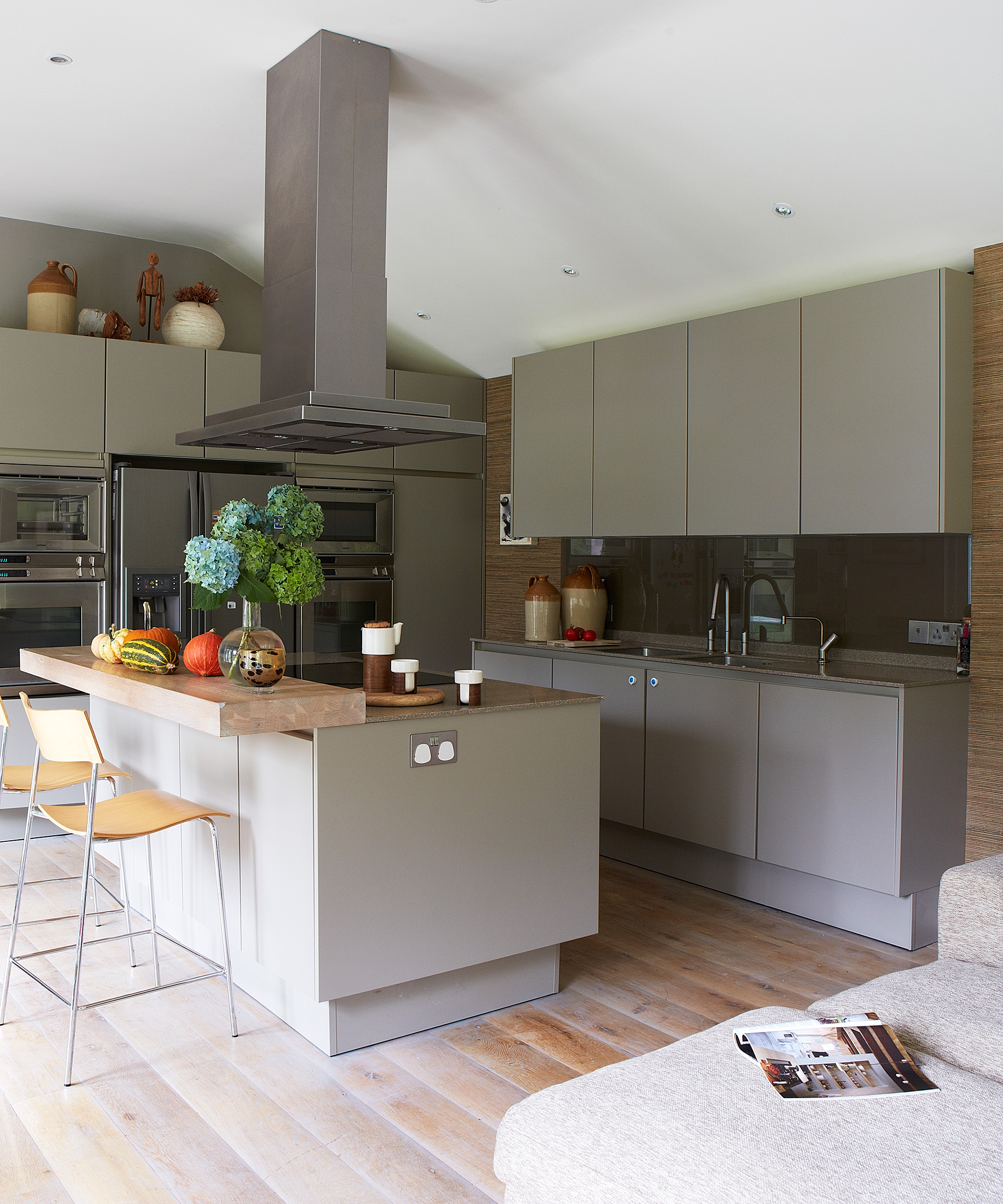
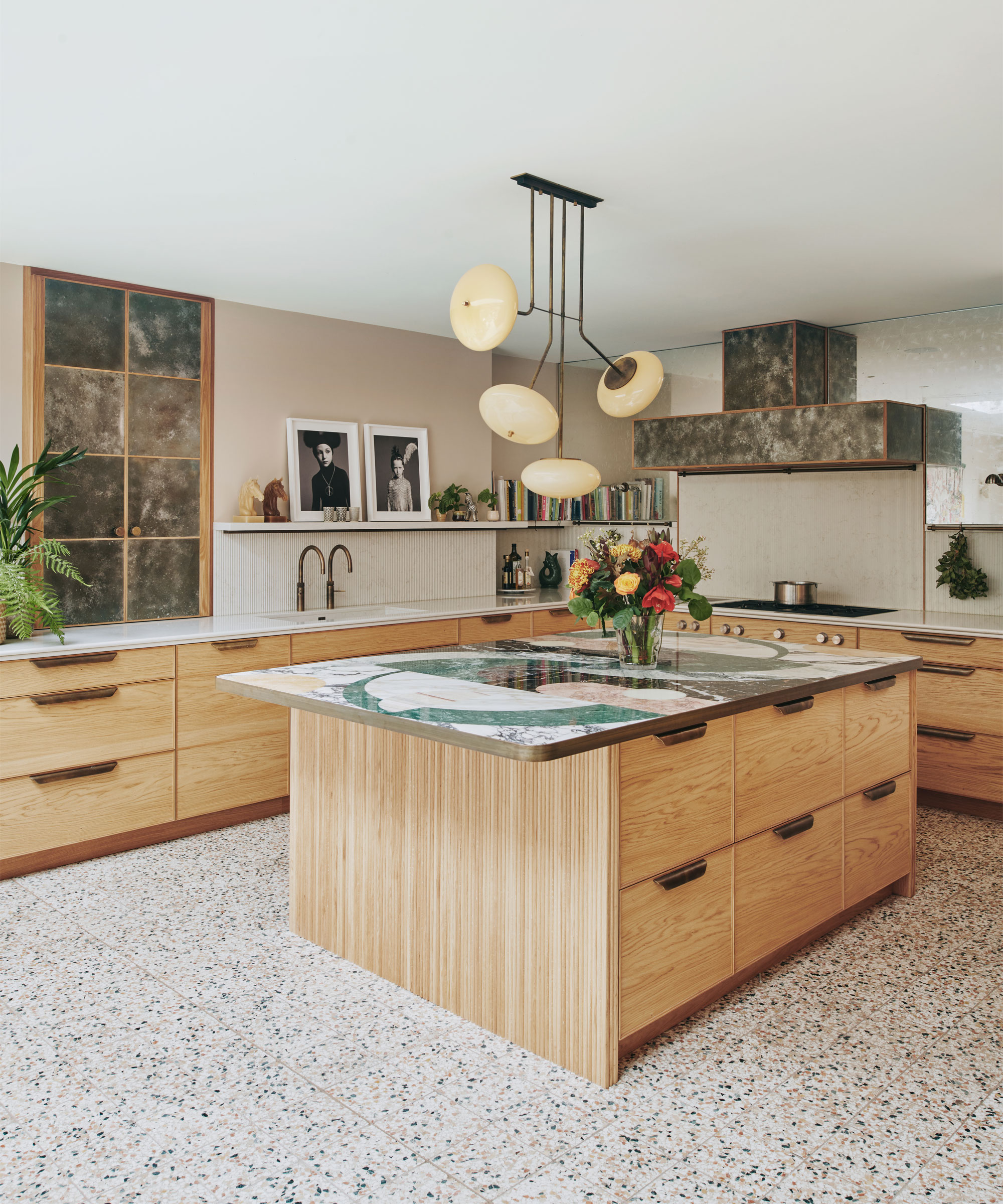
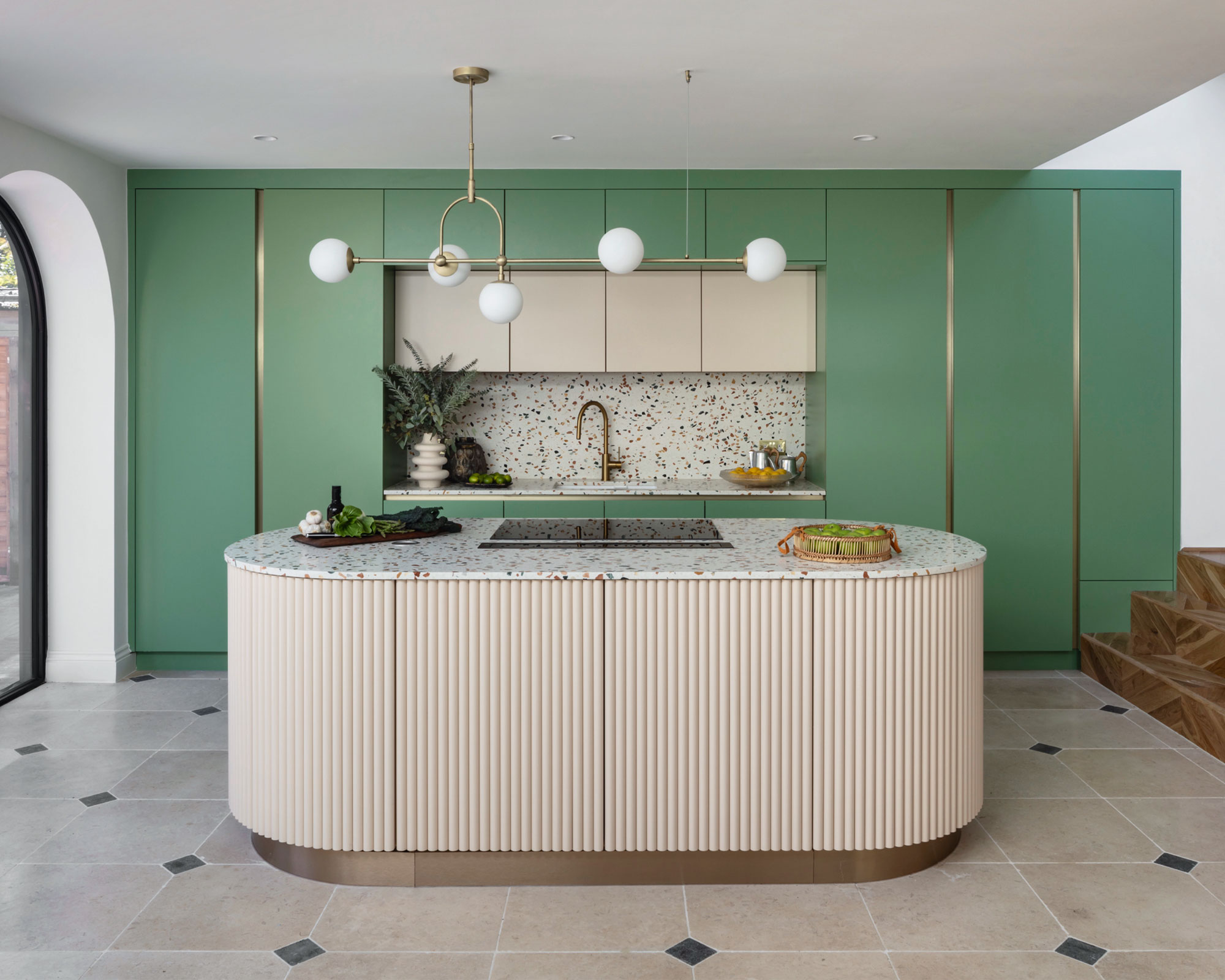
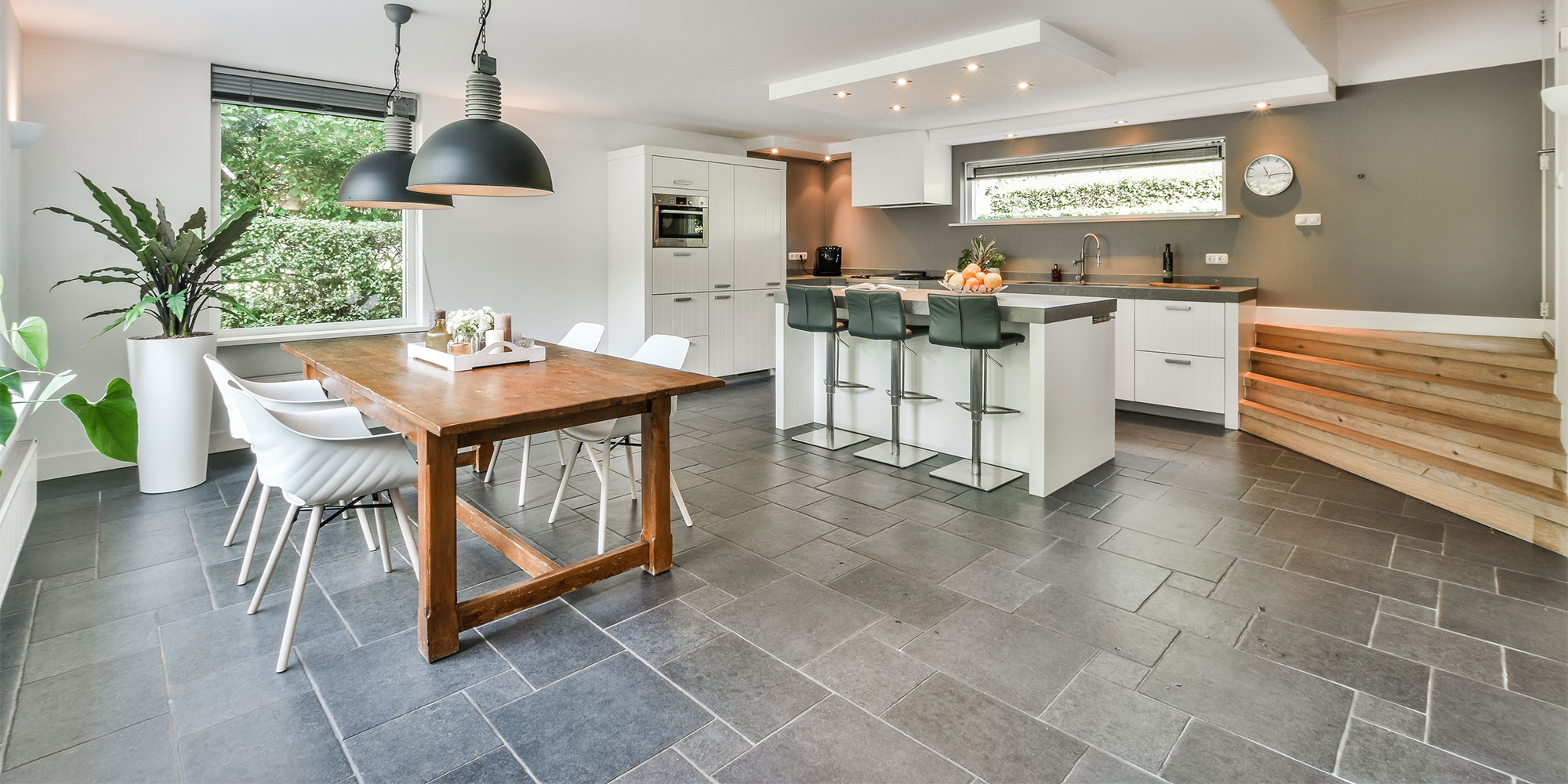
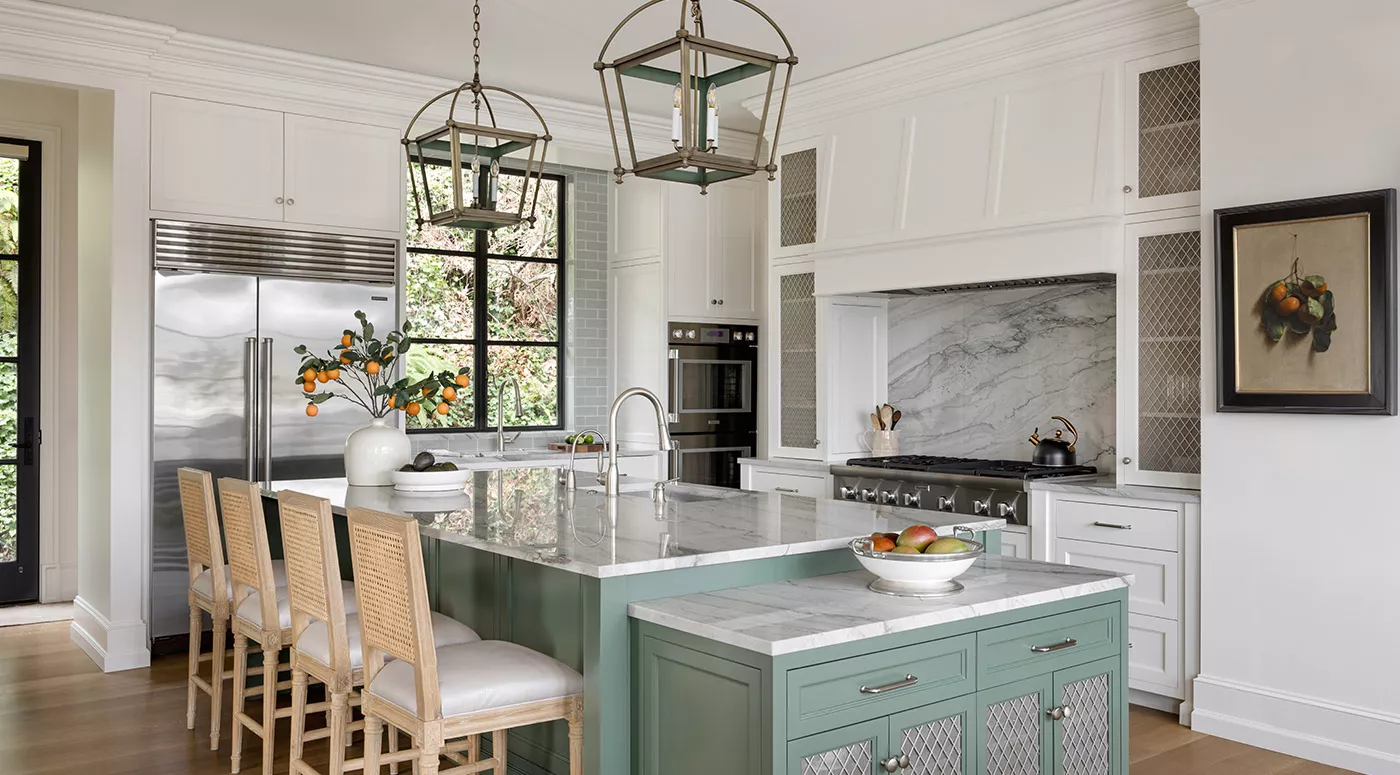
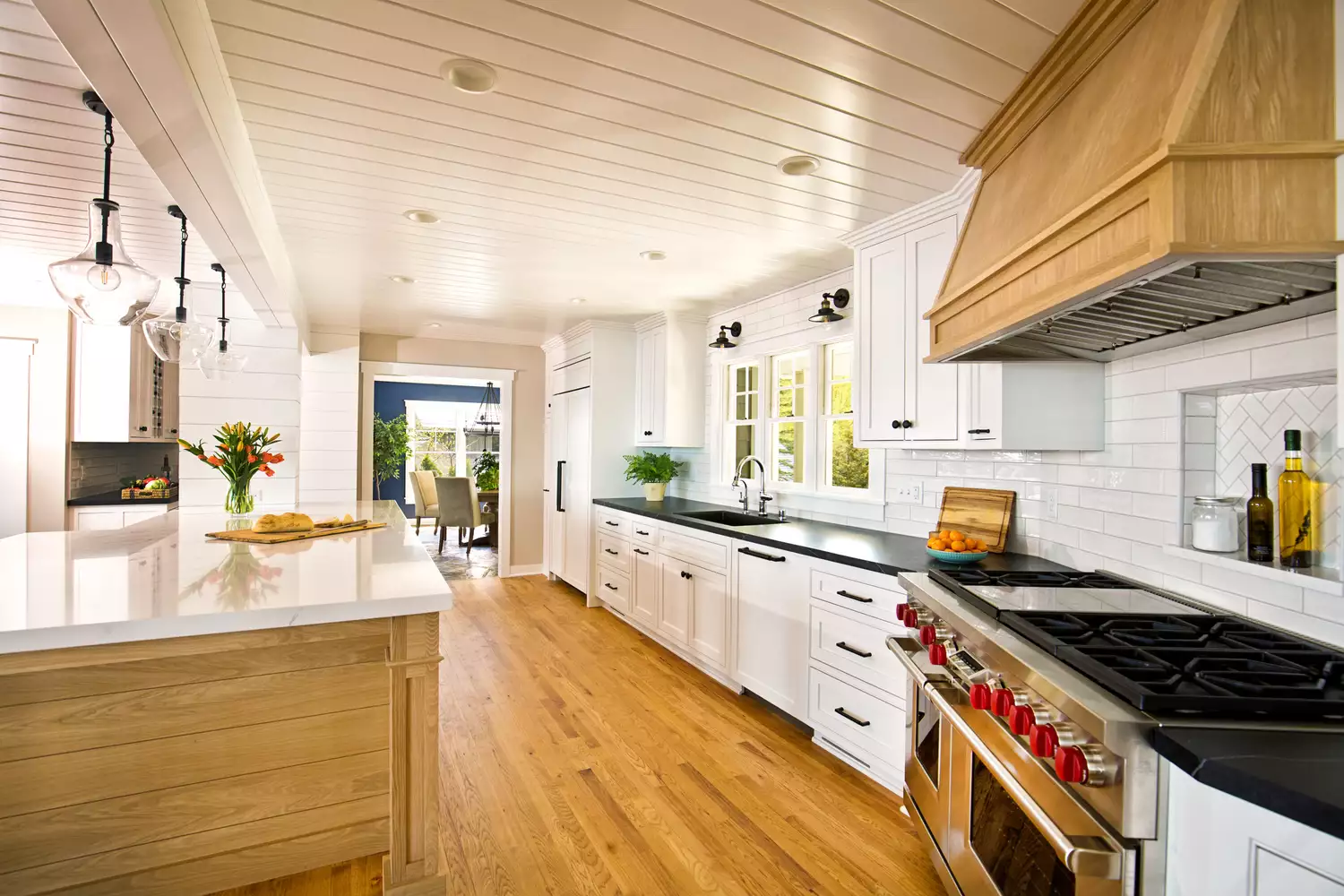
One of the first styles identified as outdated is the use of statement color islands. While vibrant colors once added personality, designers now favor natural materials like wood to complement perimeter cabinetry. This shift promotes a more serene and natural kitchen ambiance, moving away from overtly bold central pieces. Two-tiered islands, popular in the 1990s and early 2000s, are also no longer in vogue. Experts note that these designs reduce usable countertop space and limit seating options to bar-height stools. A single-level island is now preferred for its versatility in maximizing prep, entertaining, and dining areas, contributing to a cleaner, more modern aesthetic.
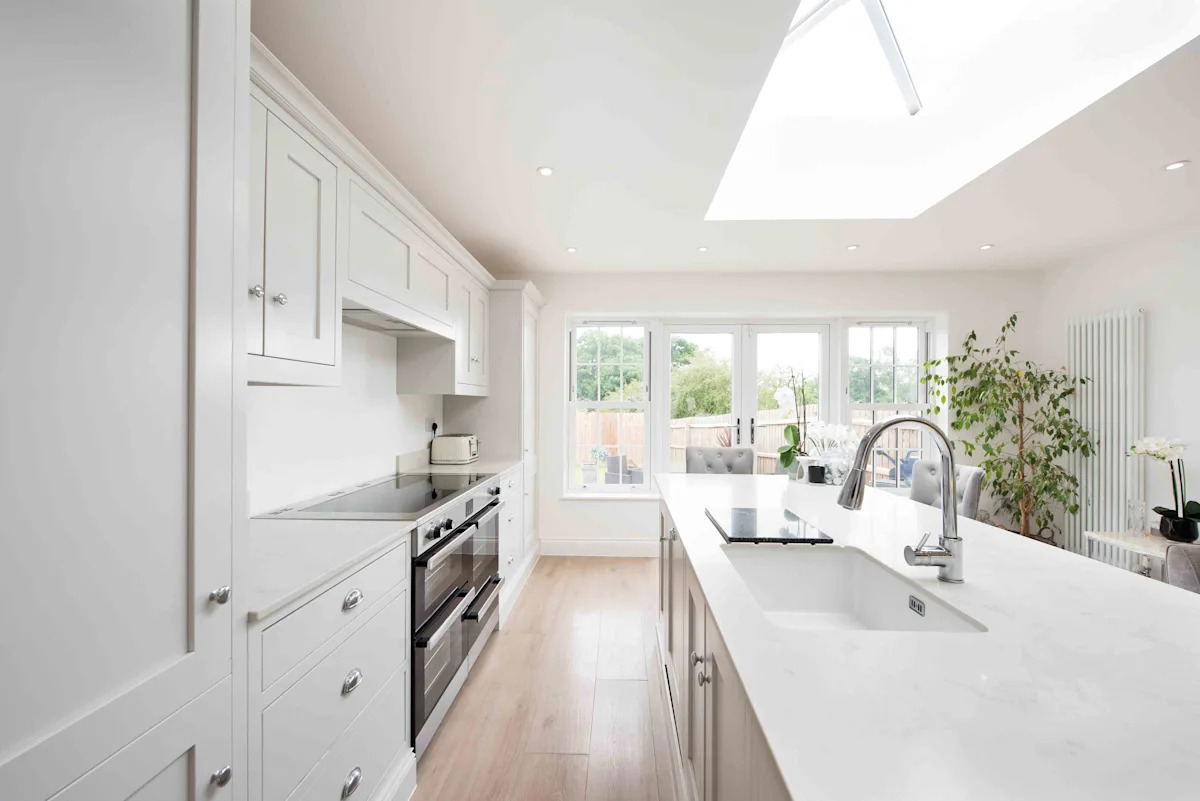
The integration of sinks or ovens directly into the kitchen island is another trend that designers are moving away from, particularly in smaller islands. Unless the island is exceptionally large or part of a double-island configuration, designers suggest relocating these appliances to perimeter countertops. This allows the island to serve more effectively as a dedicated space for food preparation, entertaining, or other activities, preserving its spacious and open feel.
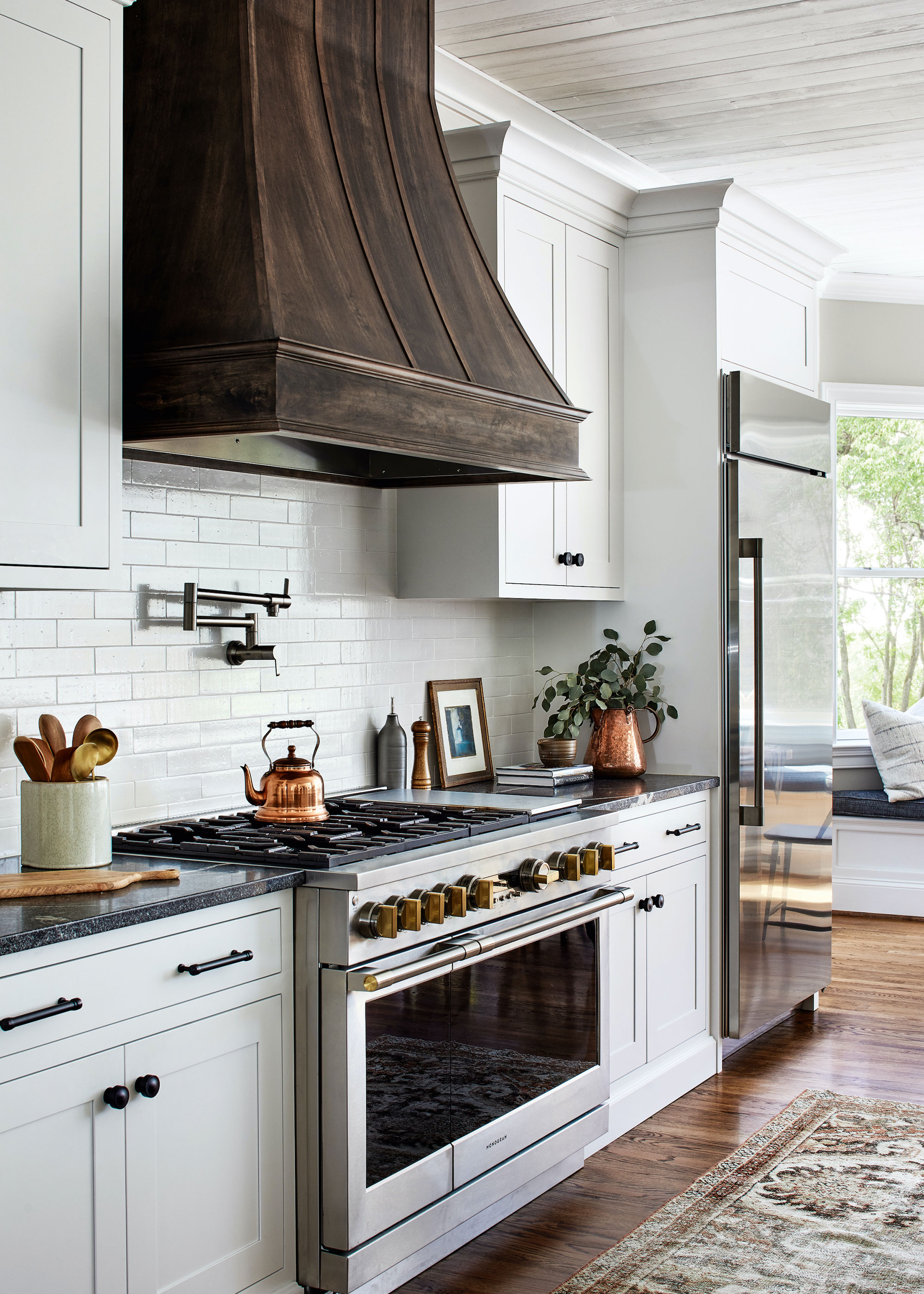
Builder-grade granite, especially the brown-speckled variety, is deemed outdated for countertops. This material is often associated with mass-produced homes and lacks individuality. While granite remains a viable option, designers recommend more distinctive choices like Black Forest Granite to introduce a bold statement and elevate the overall kitchen design. This emphasizes a desire for unique, personalized touches over generic selections.
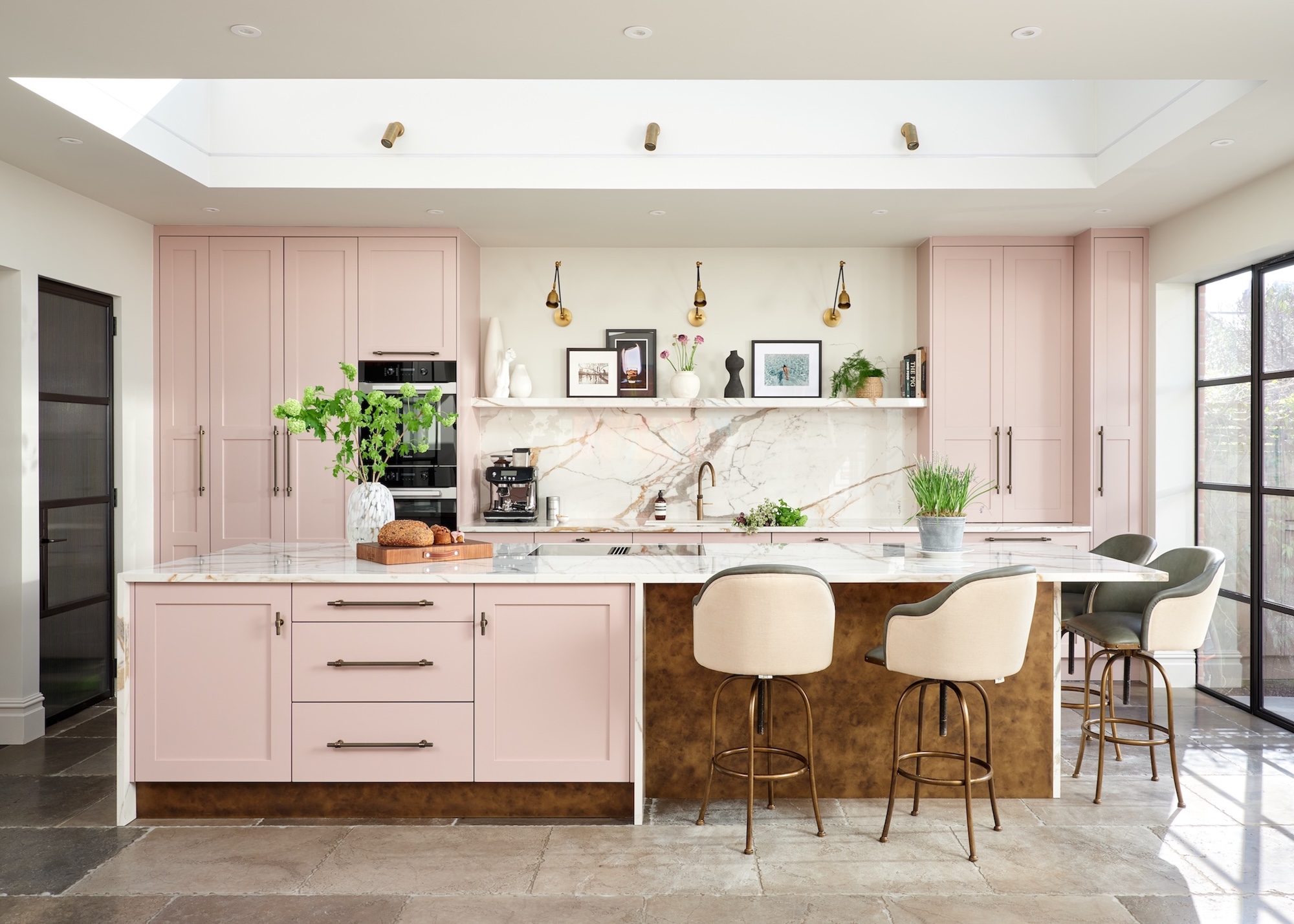
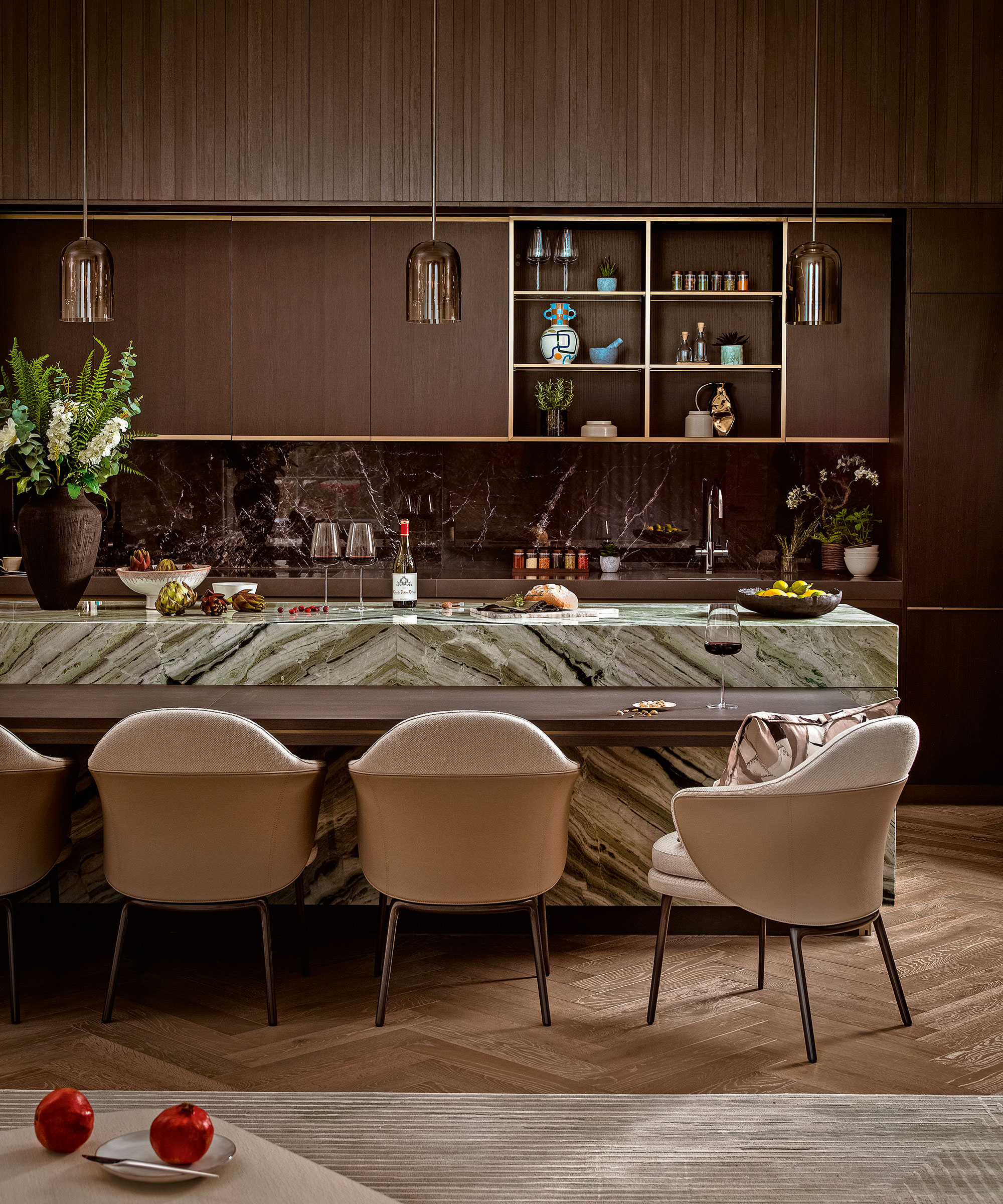
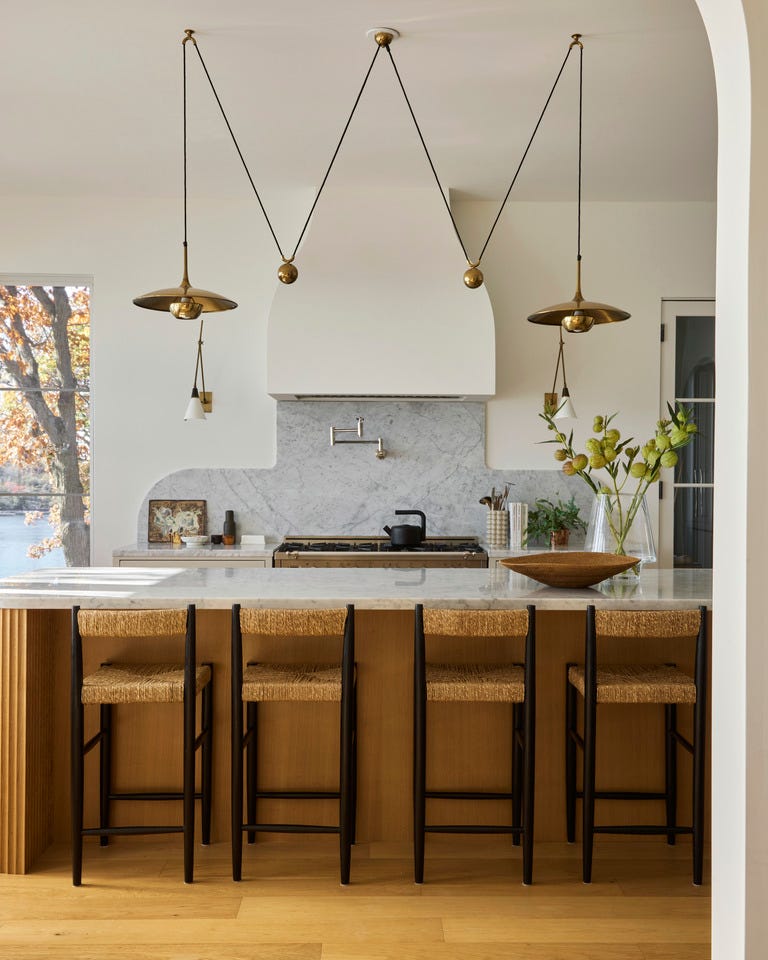
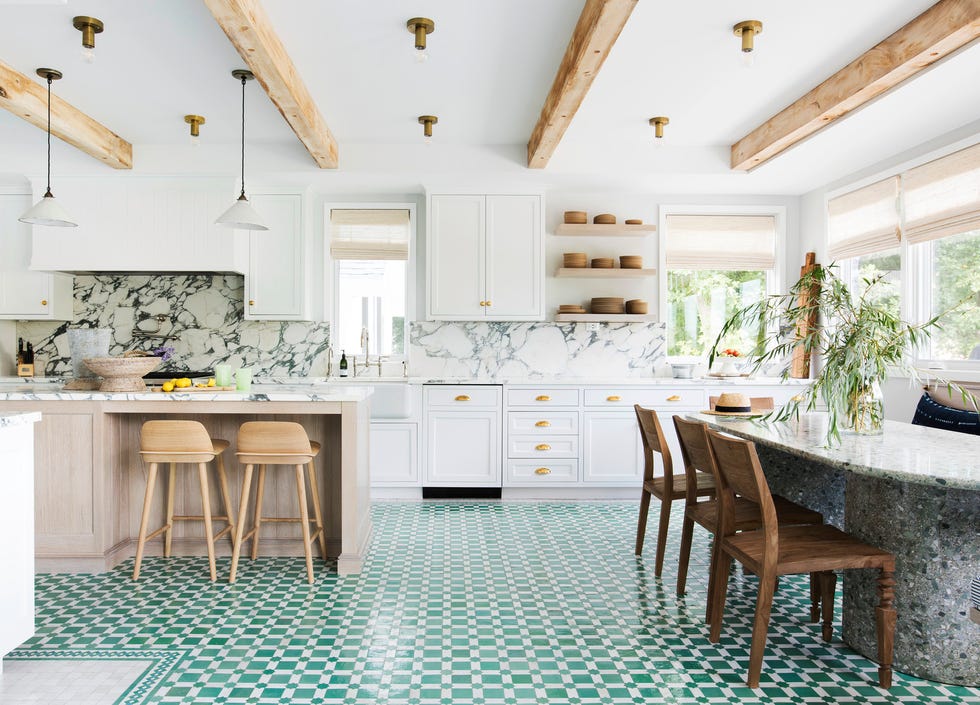
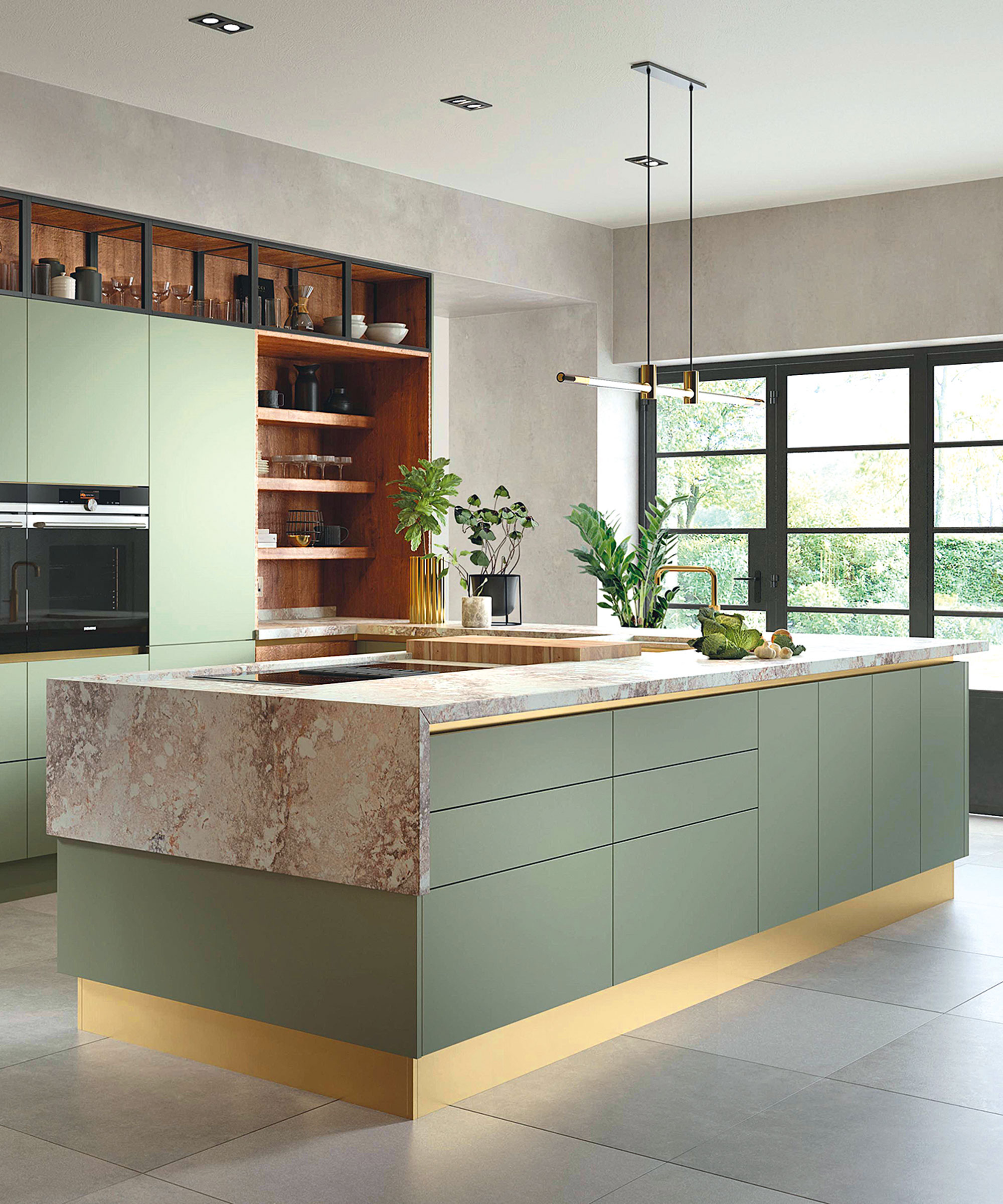
Waterfall edges, which gained popularity for their modern and seamless appearance, are also becoming less favored due to overuse. Instead of the hard lines associated with waterfall edges, designers suggest incorporating rounded edges on one or both sides of the island. This design choice aims to create a more free-flowing and communal atmosphere in the kitchen, softening the typical rigid appearance of island structures.
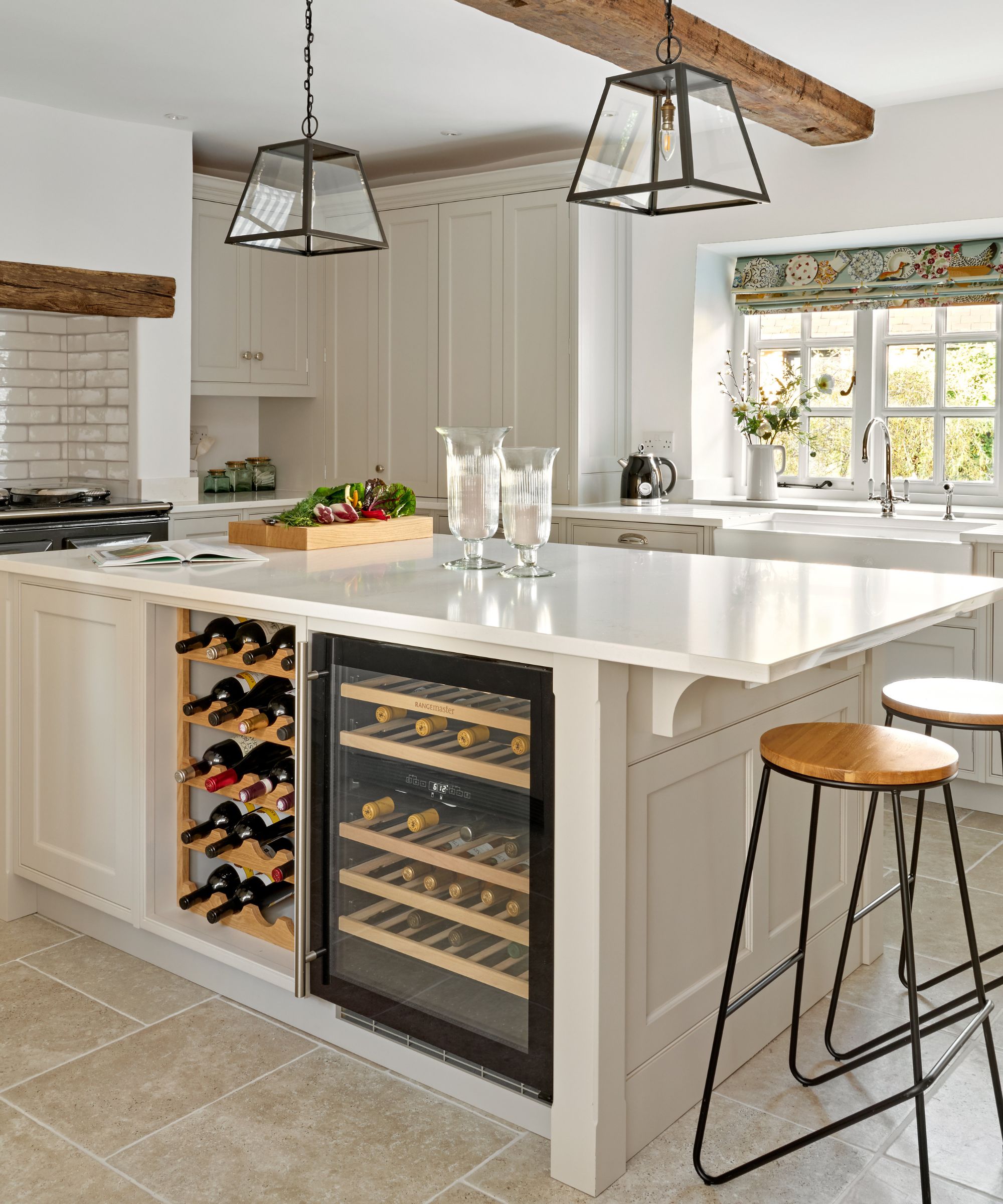
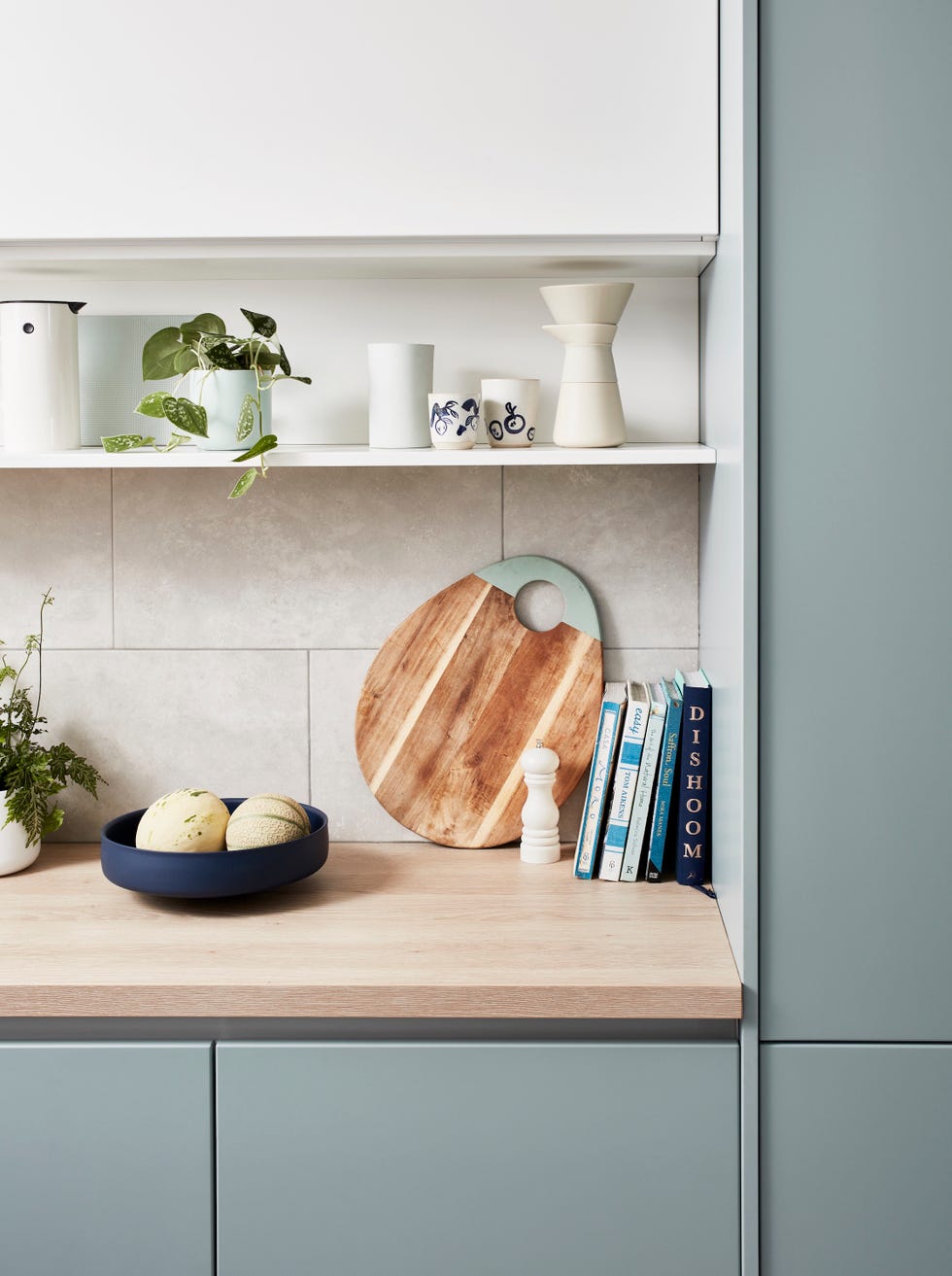
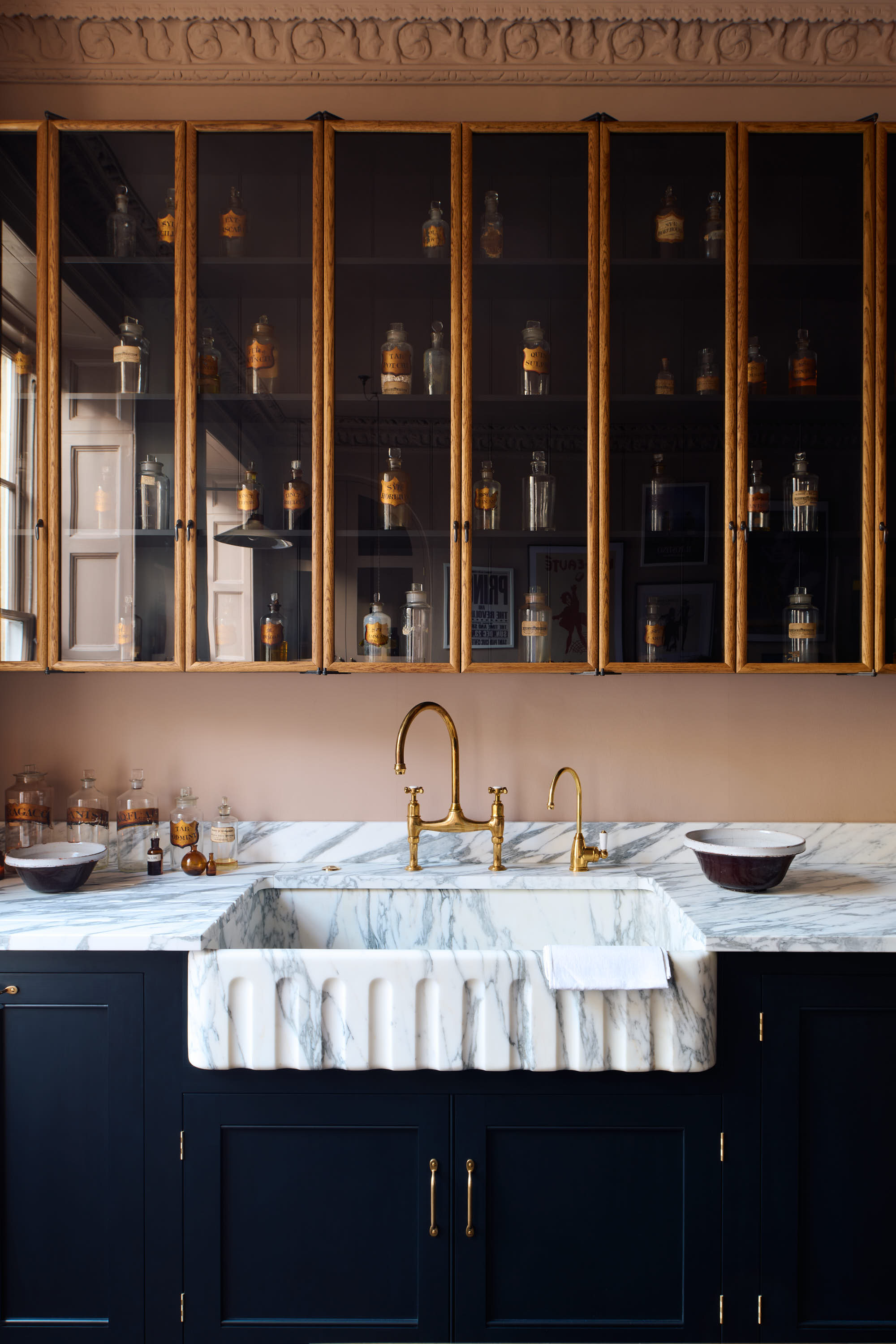
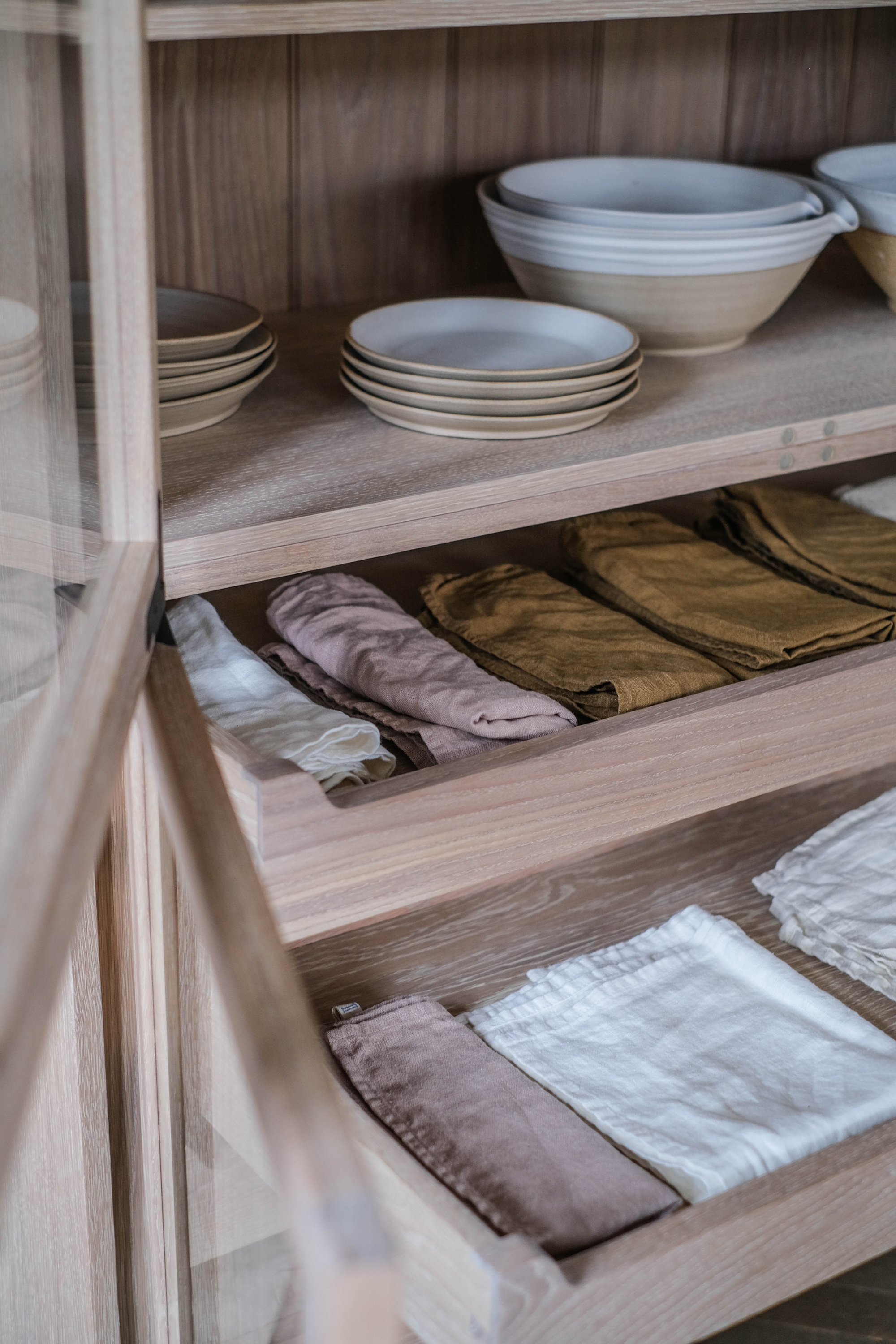
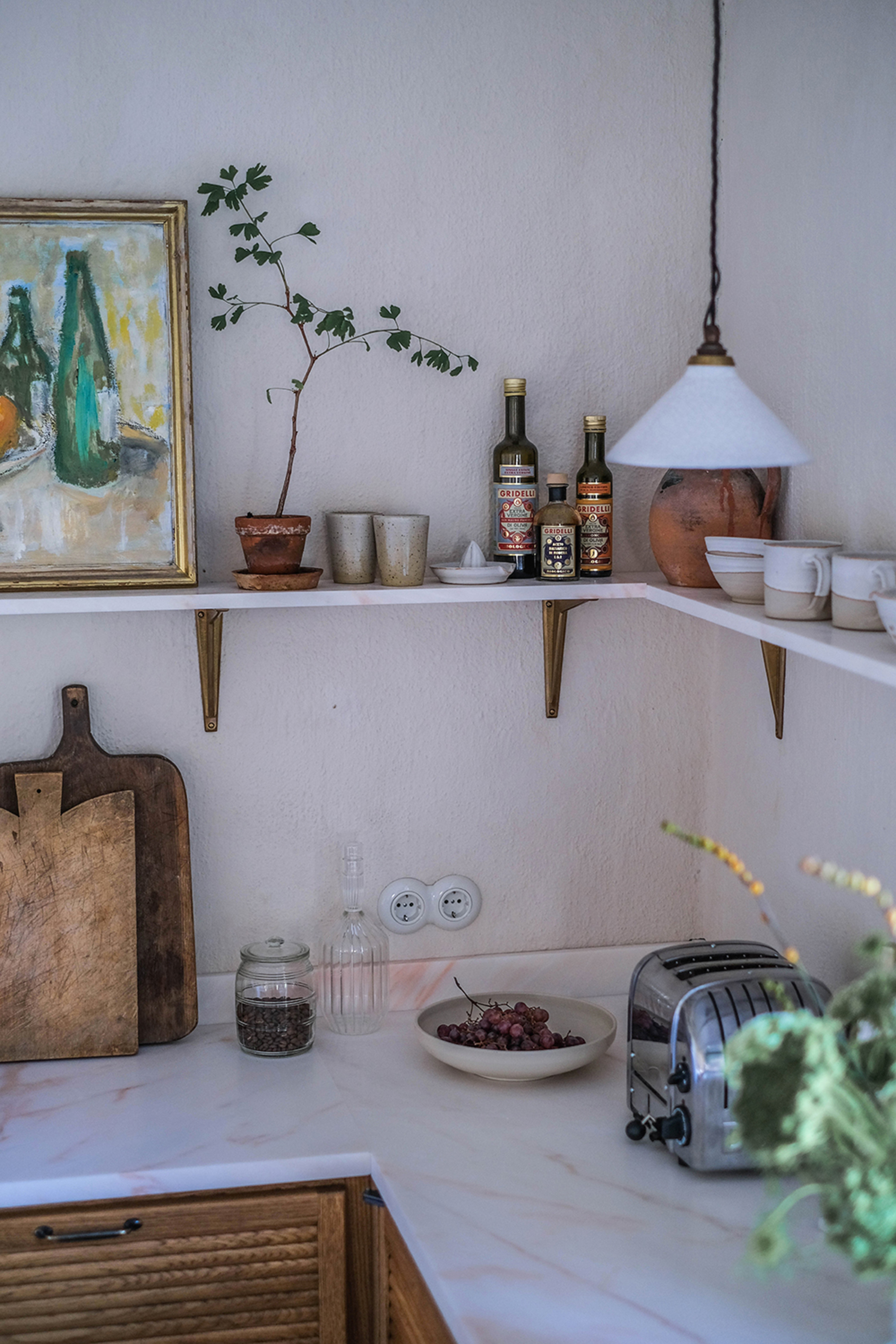
Open shelving on kitchen islands, while offering storage and display opportunities, is increasingly seen as impractical. Experts argue that open shelves on islands often compromise functionality by providing limited practical storage and being better suited for decorative items rather than everyday kitchen necessities. The current preference is for concealed storage solutions, such as closed cabinetry or drawers, to maintain a streamlined and clutter-free island appearance.
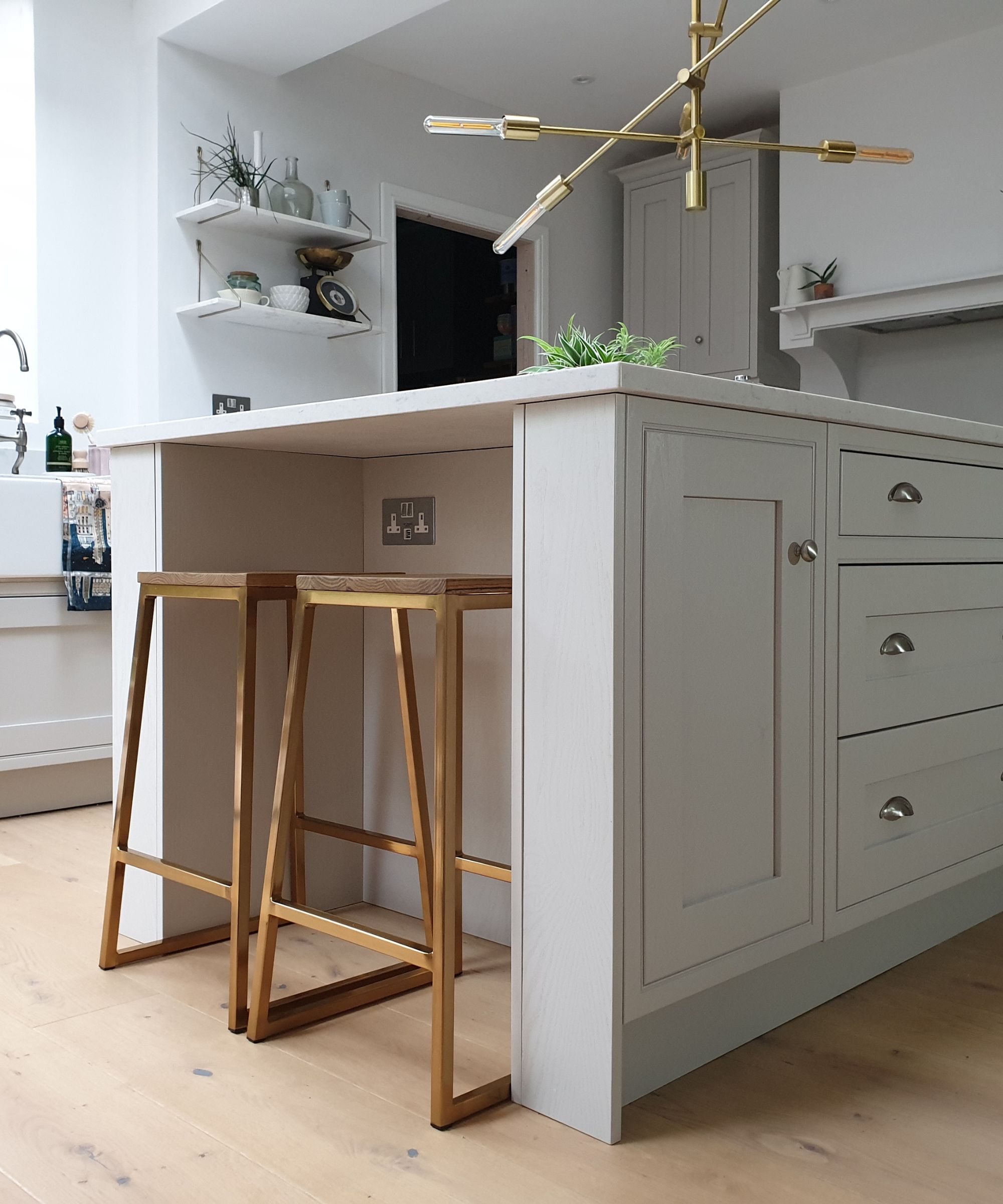
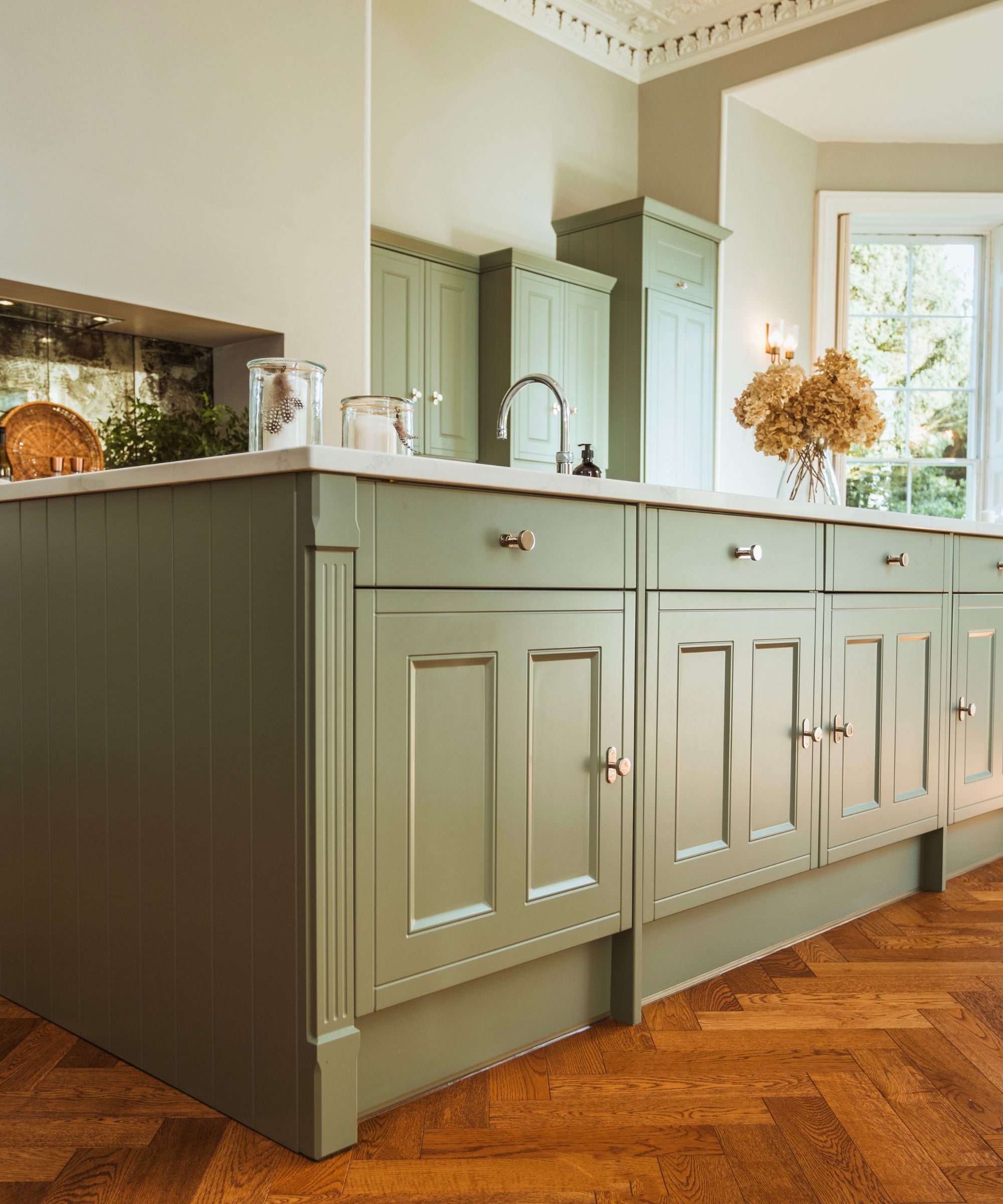
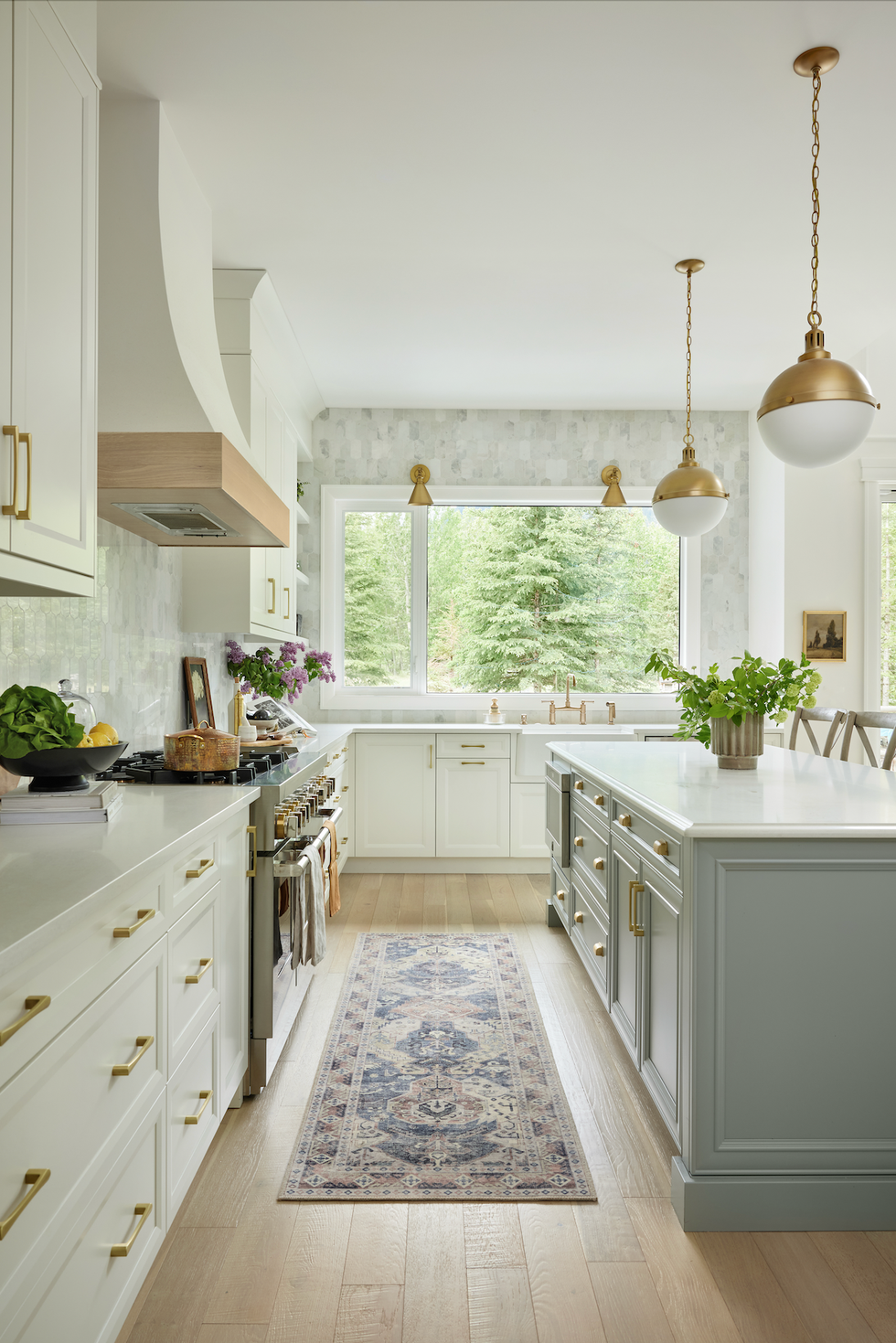
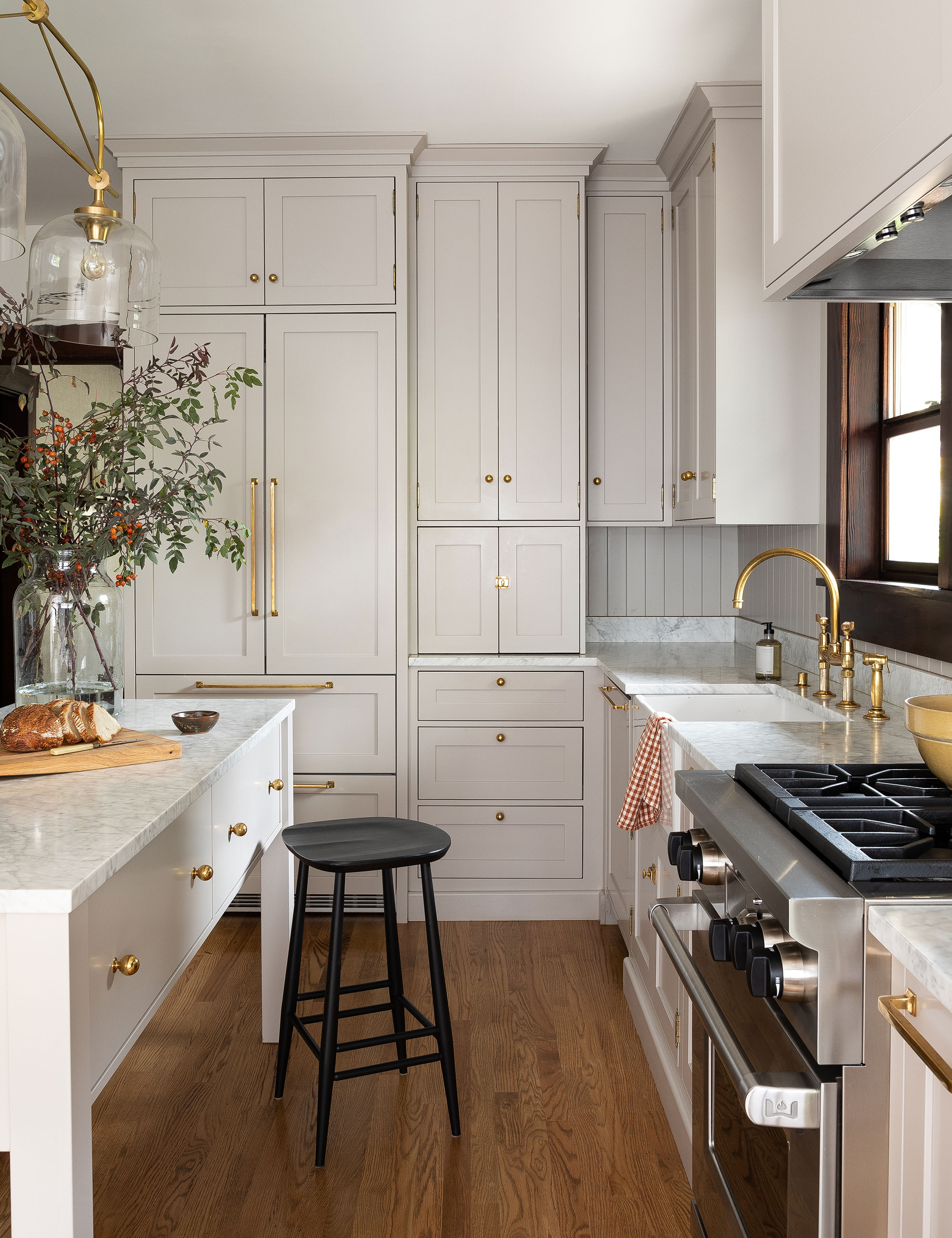
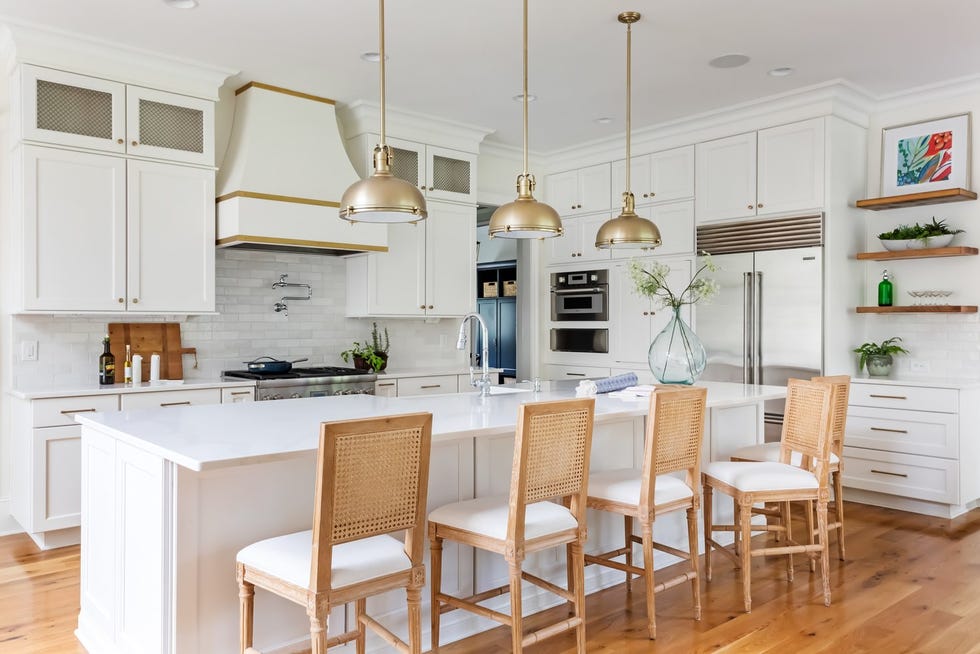
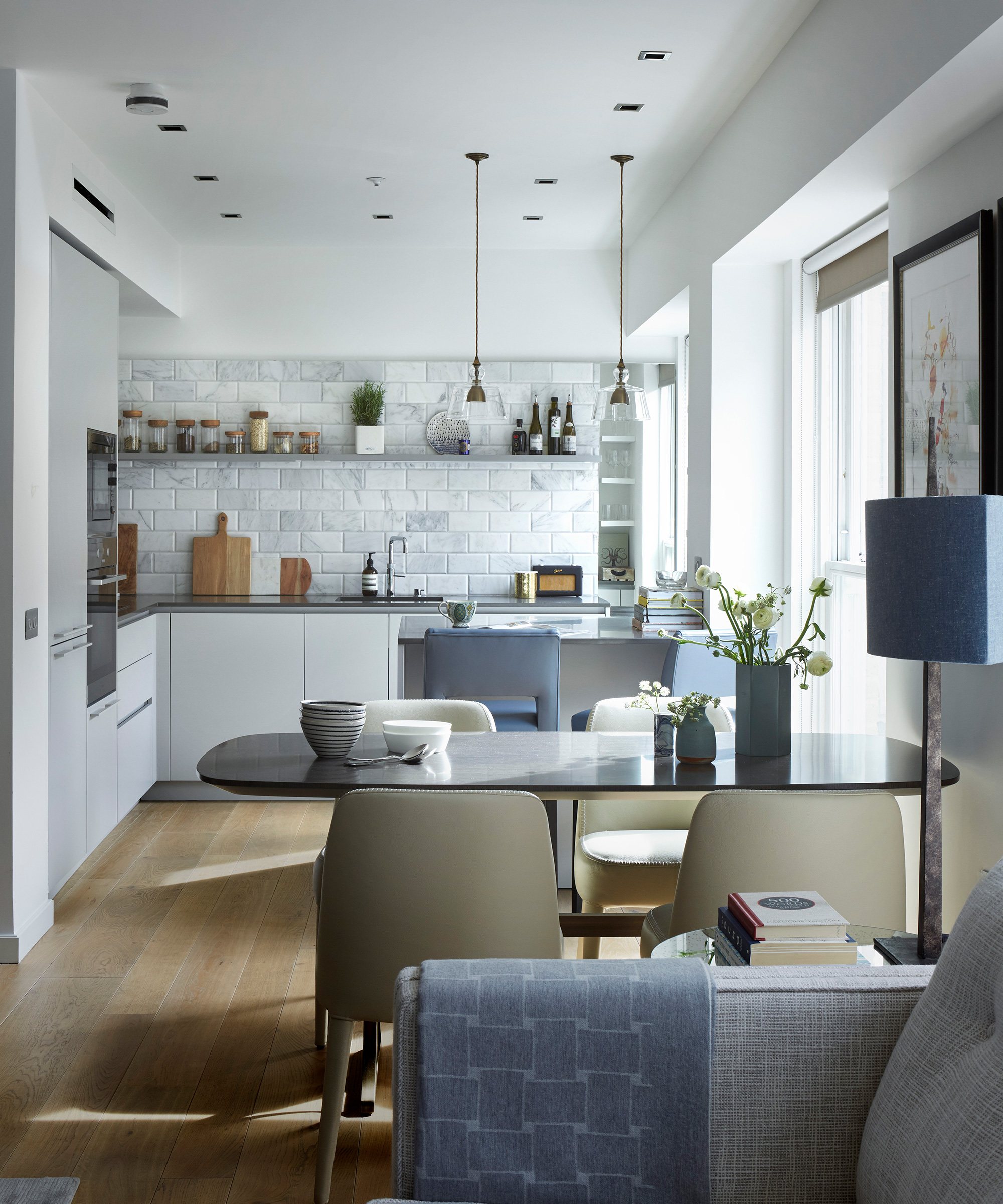
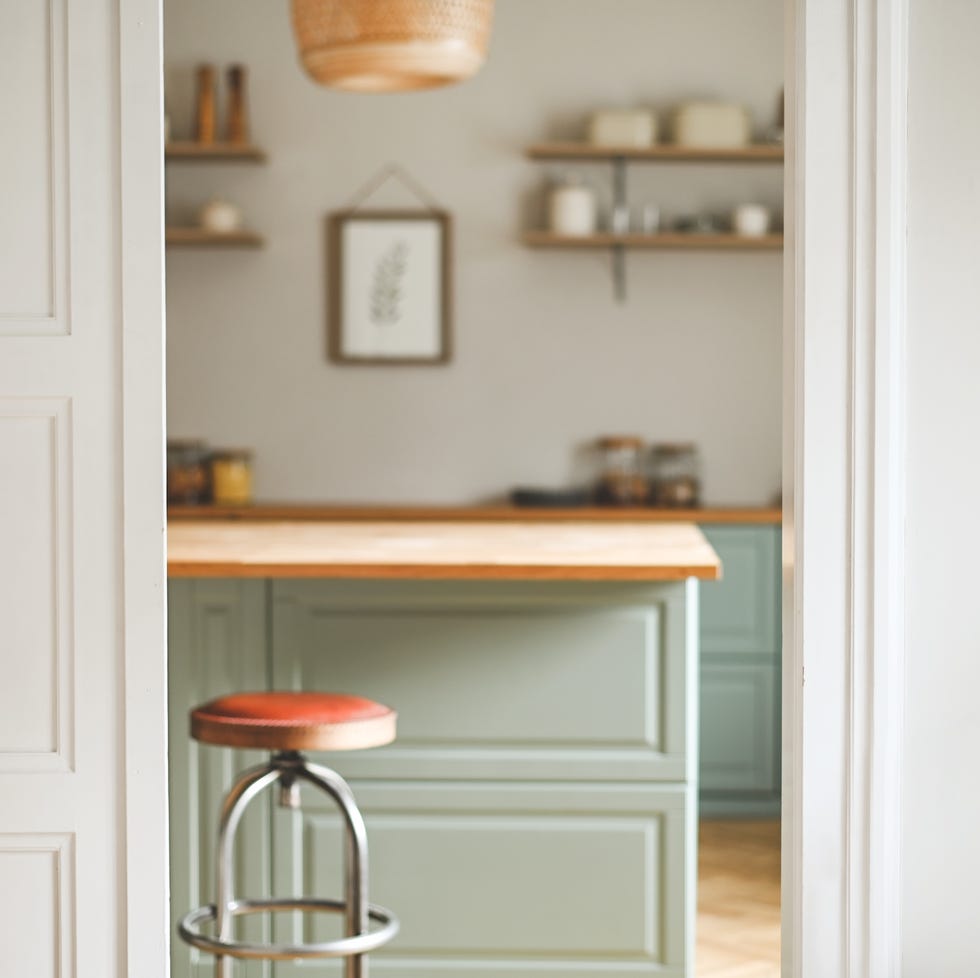
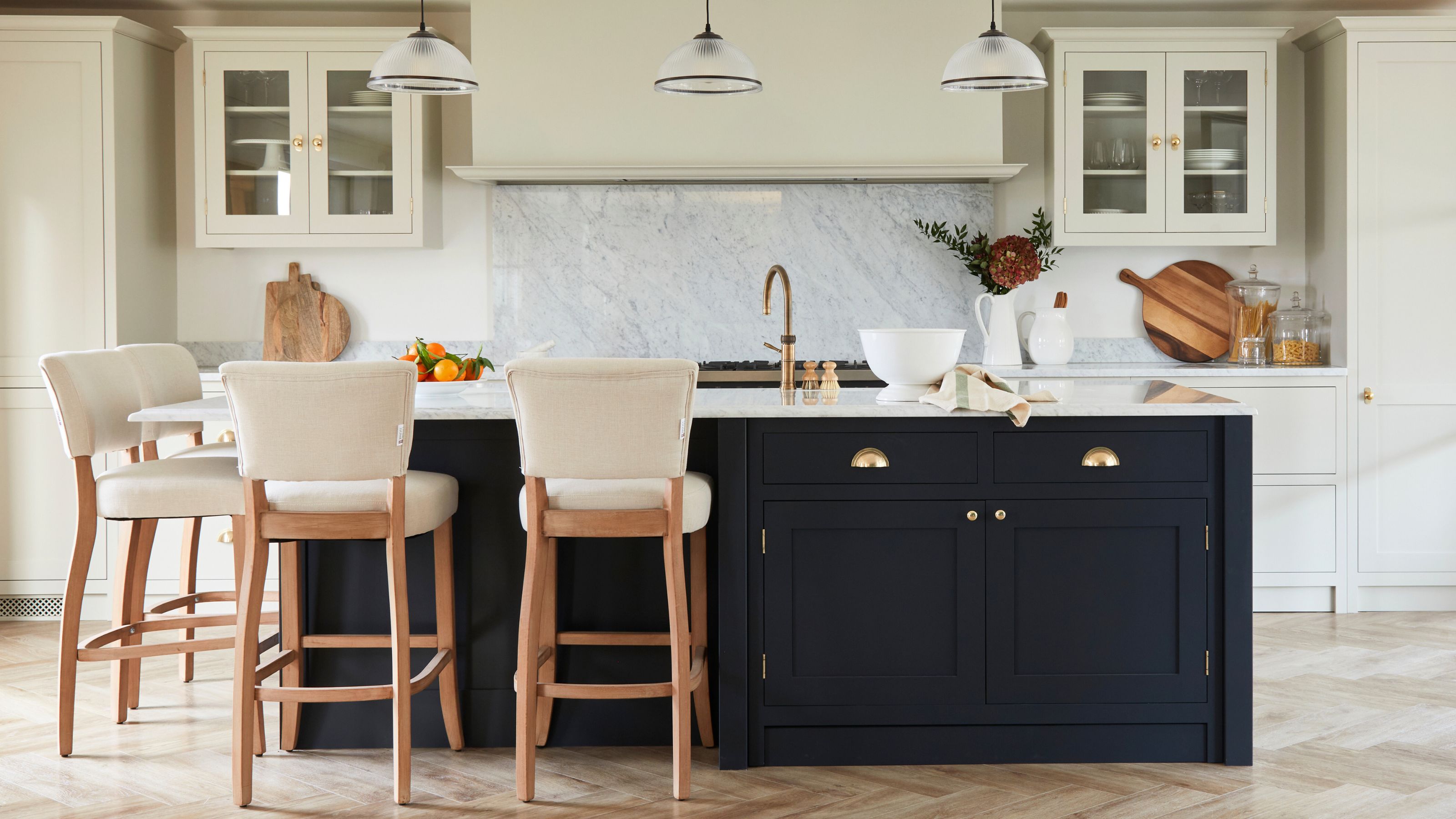
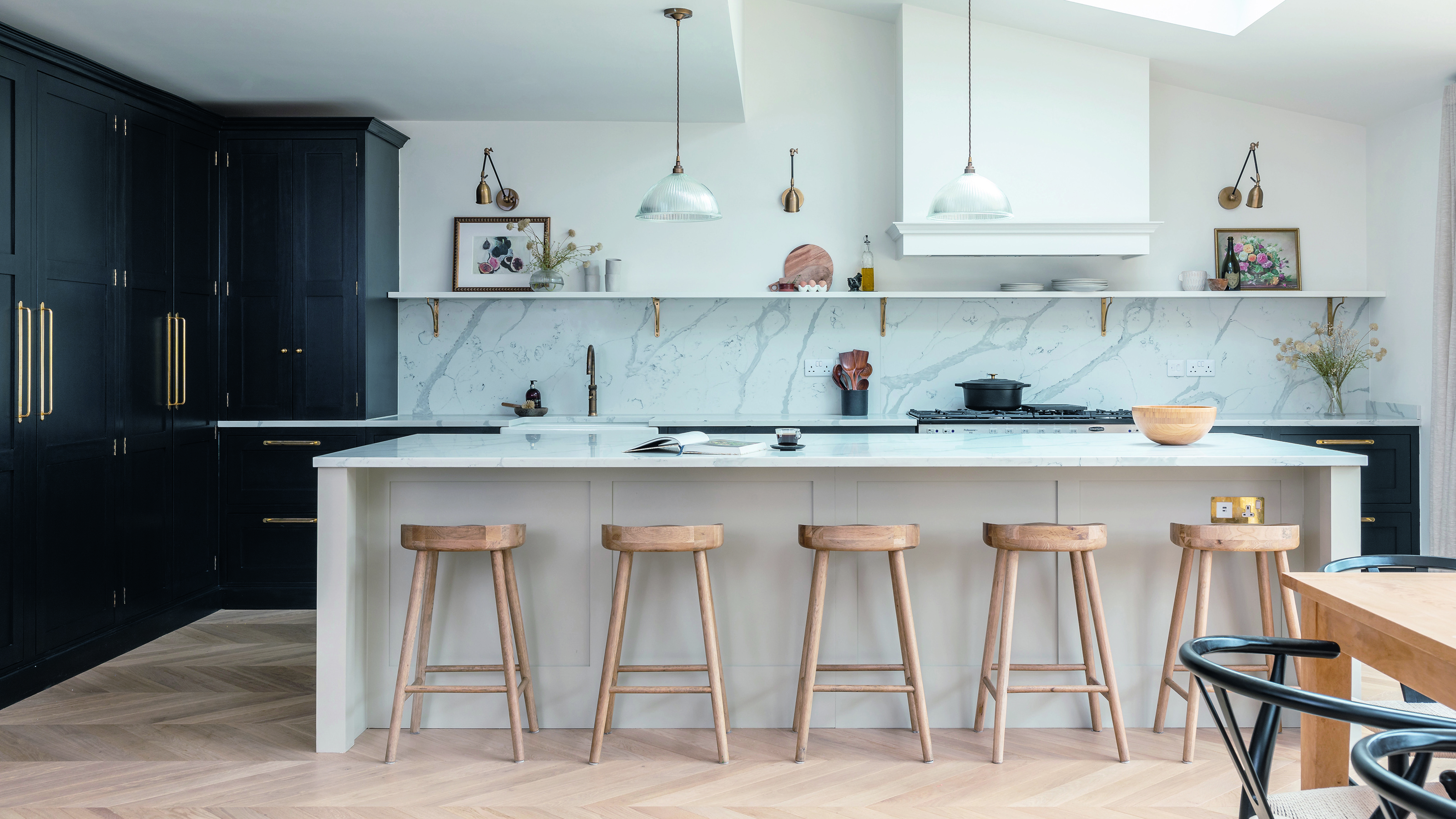
Finally, matching the kitchen island to the perimeter cabinets in color and finish is considered a dated practice. This creates a monotone look that lacks visual interest and depth. Contemporary design trends favor introducing a contrasting color or finish for the island, which adds character and a custom feel to the kitchen. This approach allows the island to stand out as a distinct focal point while still complementing the overall kitchen design, moving away from overly uniform aesthetics.
#KitchenDesign #InteriorDecorating #HomeTrends #KitchenRemodel #DesignTips #KitchenIslands #OutdatedStyles #KitchenDesign #InteriorDecorating #HomeTrends #KitchenRemodel #DesignTips #KitchenIslands #OutdatedStyles
Hay 0 comentarios en total
 Aún no hay comentarios
También te puede gustar
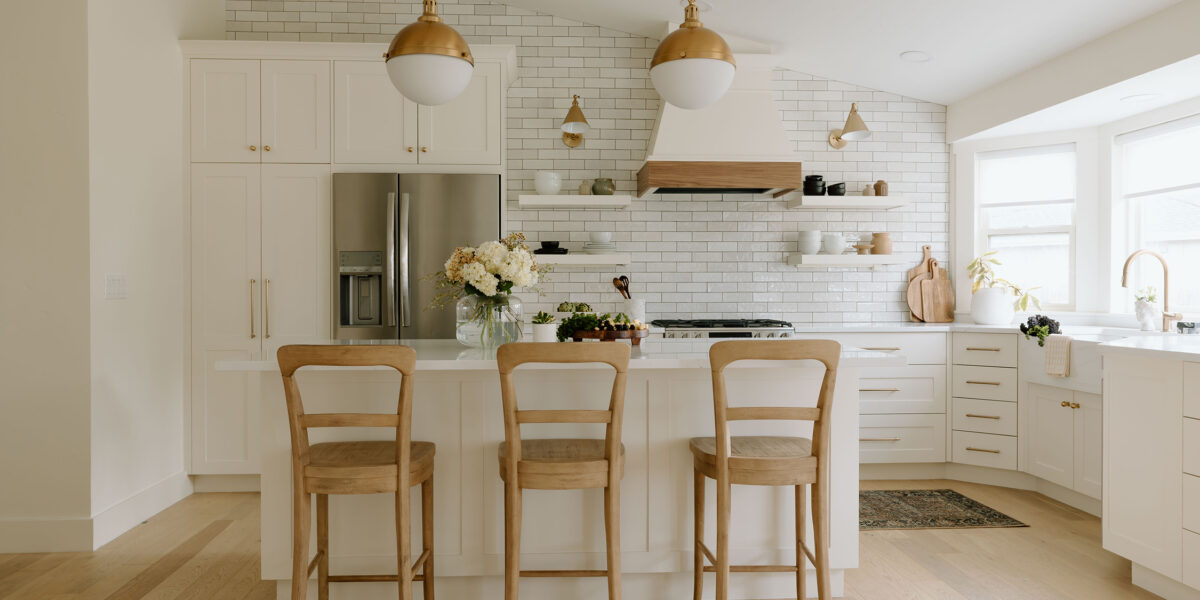
The 7 kitchen island mistakes designers always avoid — and what you can try instead

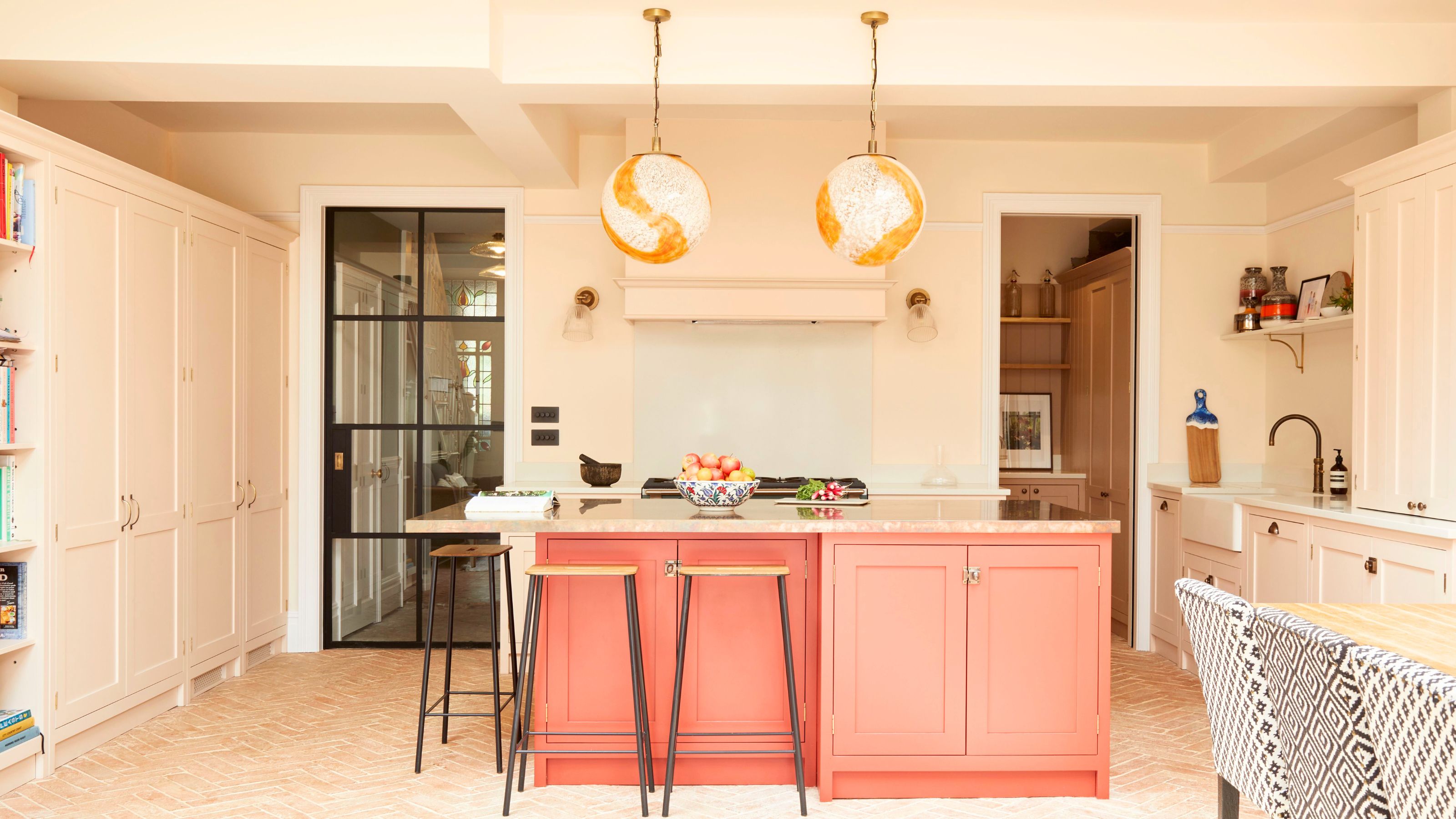
7 Kitchen Design Trends Chefs Say Are Totally Bogus
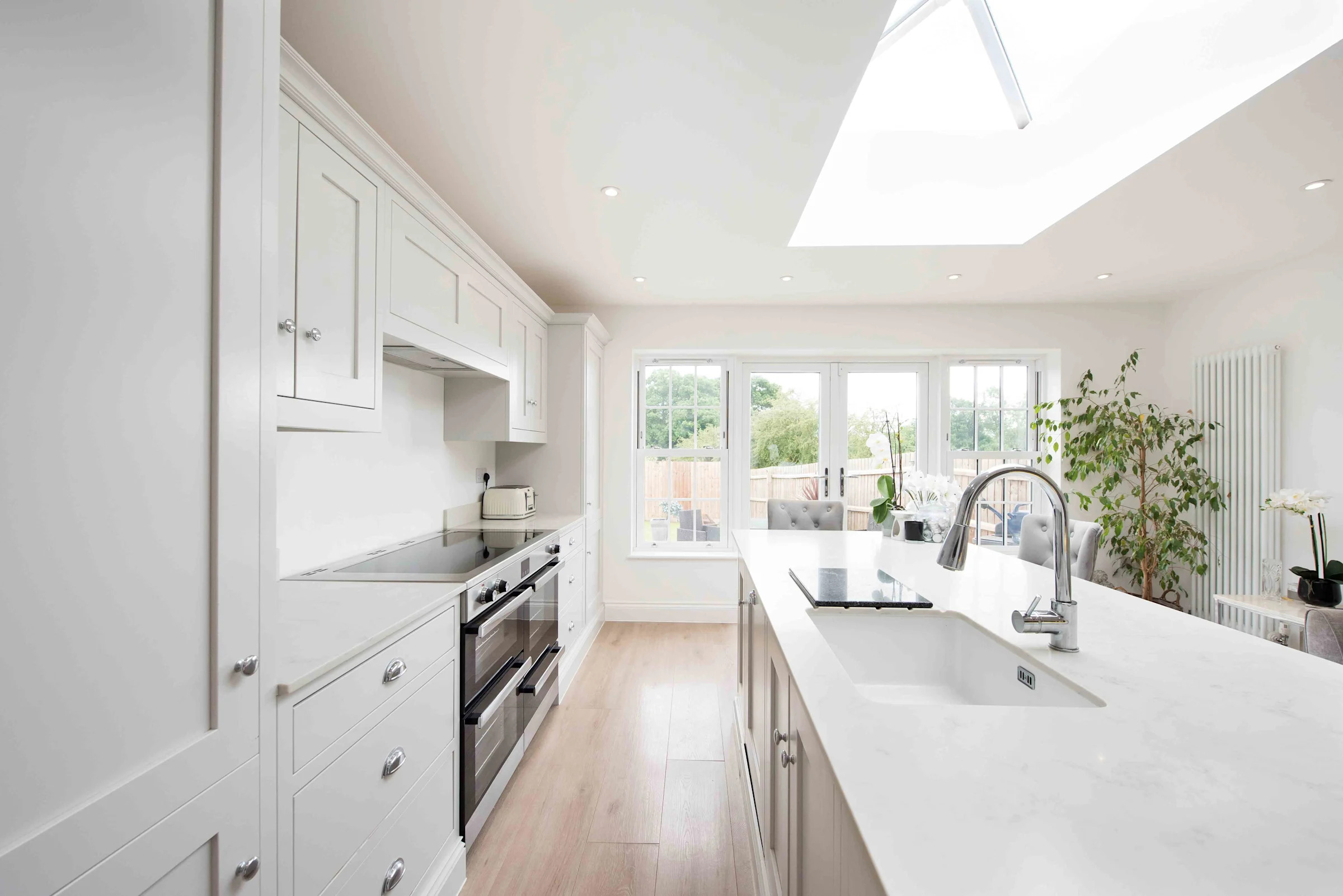
Kitchen island trends — design pros say to try these 7 hot styles
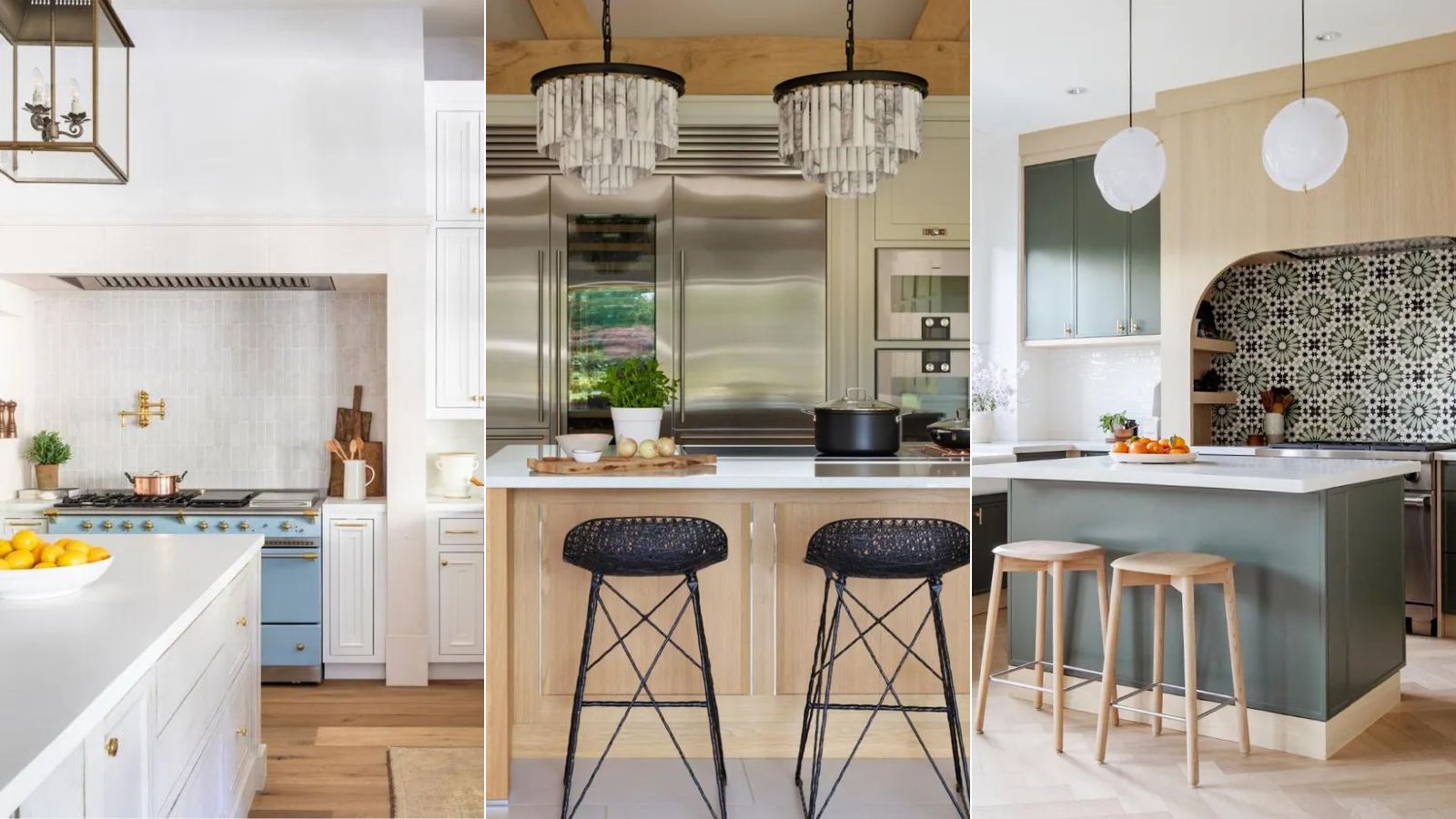
6 Kitchen Design Styles That Are No Longer Trendy, Designers Share

5 things to never put on your kitchen island, according to interior designers

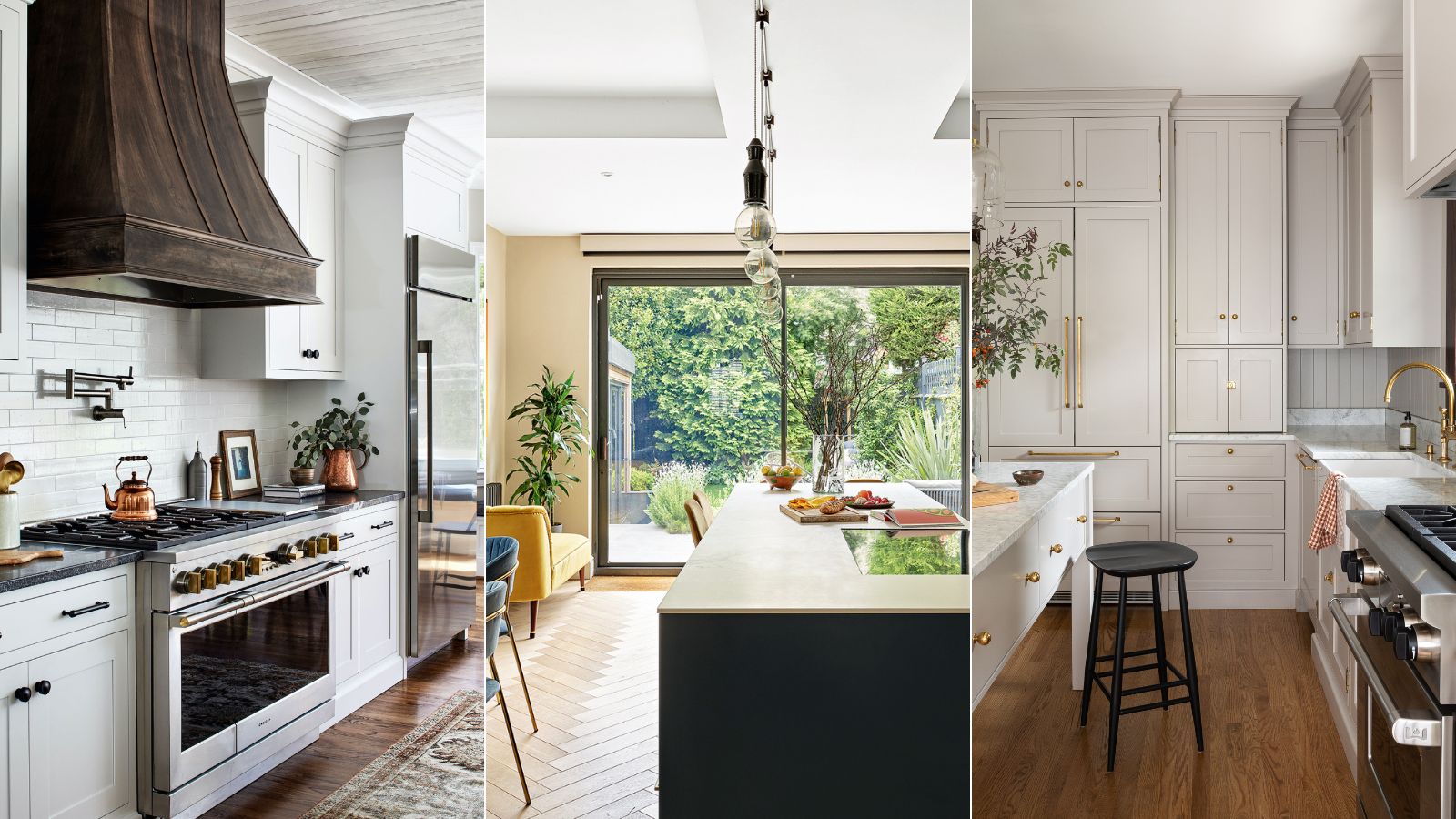
Outdated kitchen trends – 5 overdone looks that designers like to avoid, and here's why you should too
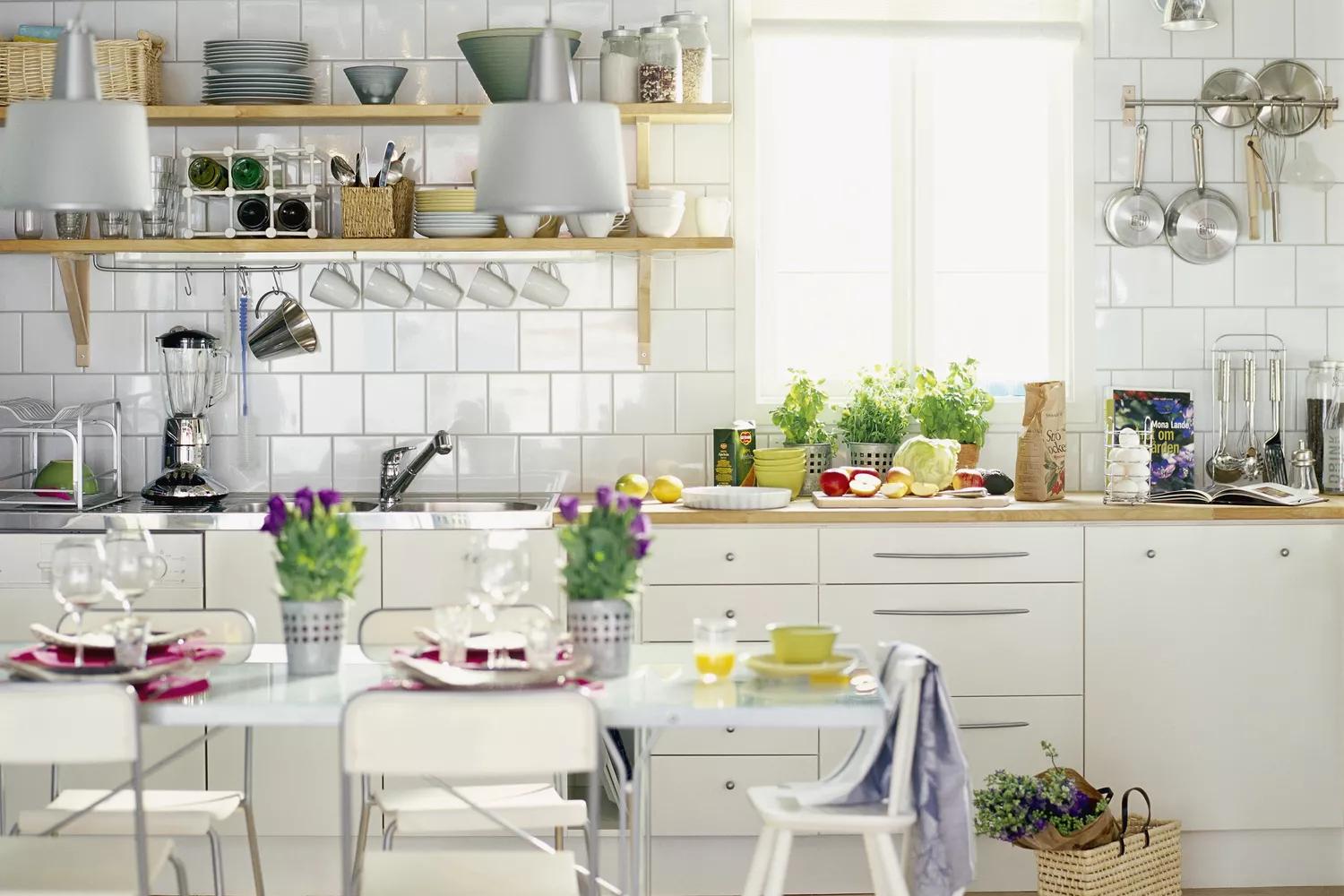
7 Impractical Kitchen Trends Designers Never Recommend to Their Clients

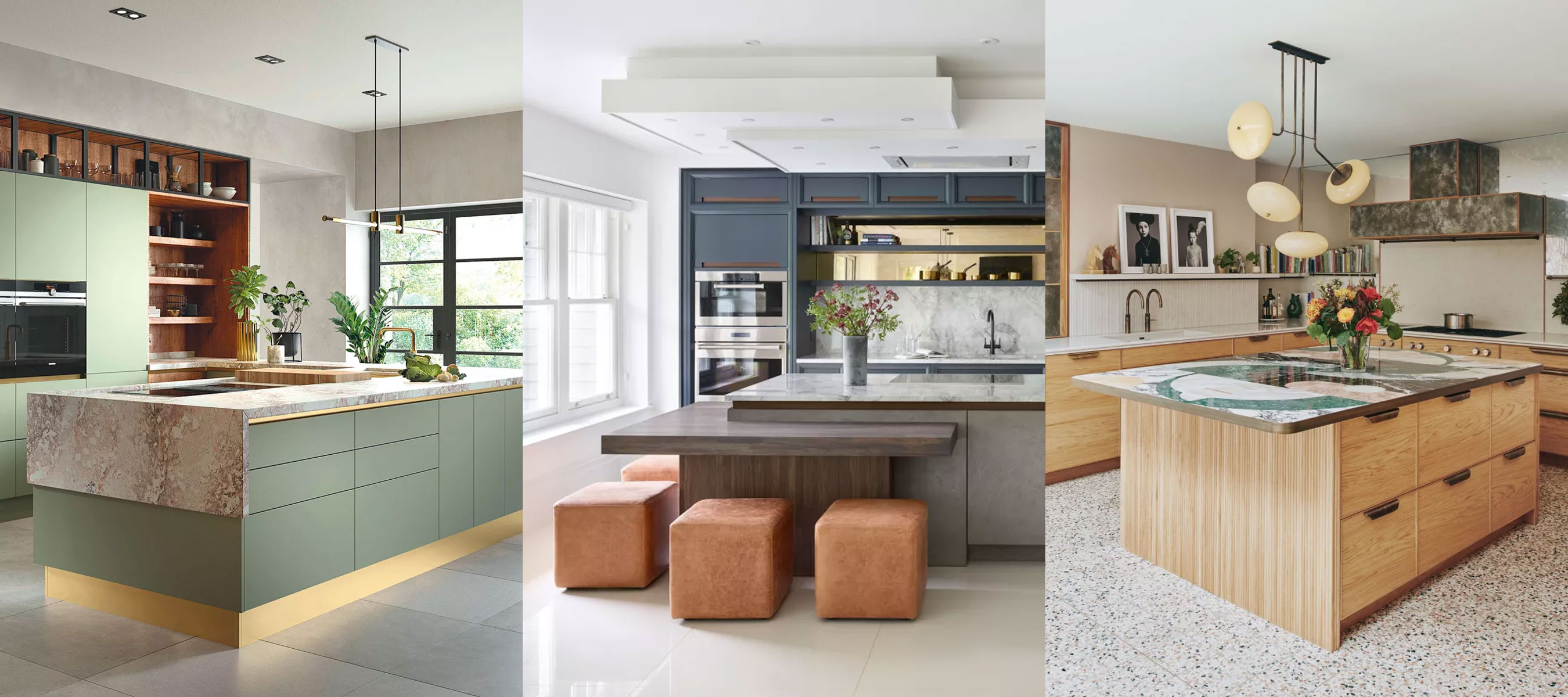
Are kitchen islands outdated? Kitchen experts reveal how these perfectly practical designs will never be passé
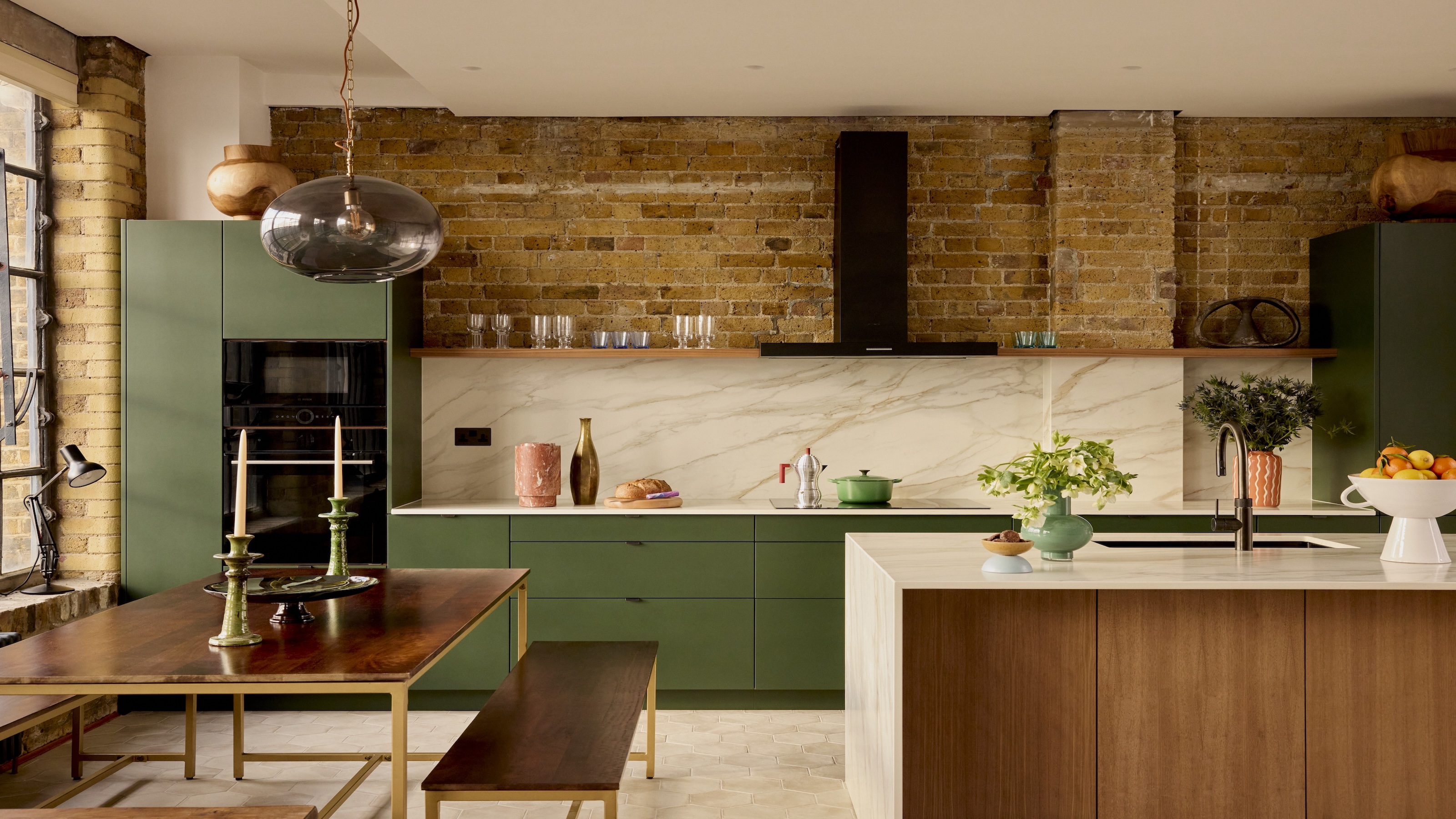
10 Outdated Kitchen Island Trends to Avoid in 2025 Remodels — And What Designers Are Doing Instead

7 Kitchen Cabinet Colors Designers Never Want to See Again
8 Things Designers Would NEVER Add to a Kitchen in 2025

7 things people regret most about their kitchen design
5 Outdated Kitchen Trends Interior Designers Hope Never Come Back
5 kitchen trends to avoid for a unique and timeless design
These are the worst kitchen layouts according to designers (and the tips on how to work with them)
7 Kitchen Storage Trends That Designers say are Best Avoided
5 Kitchen Renovations Designers Wish Their Clients NEVER Asked for Again
22 Outdated Things You Should Avoid in Your Kitchen, According to Designers
15 Outdated Things You Should Avoid In Your Kitchen, According To Designers
6 Kitchen Design Styles That Are No Longer Trendy, Designers Share