Rideout: Carpenter bees on patrol
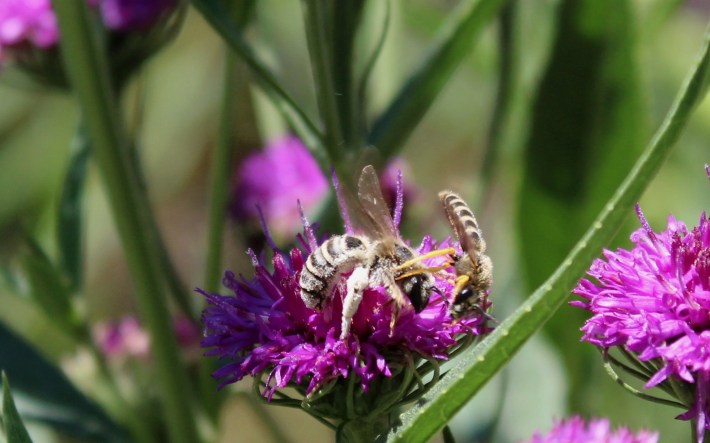
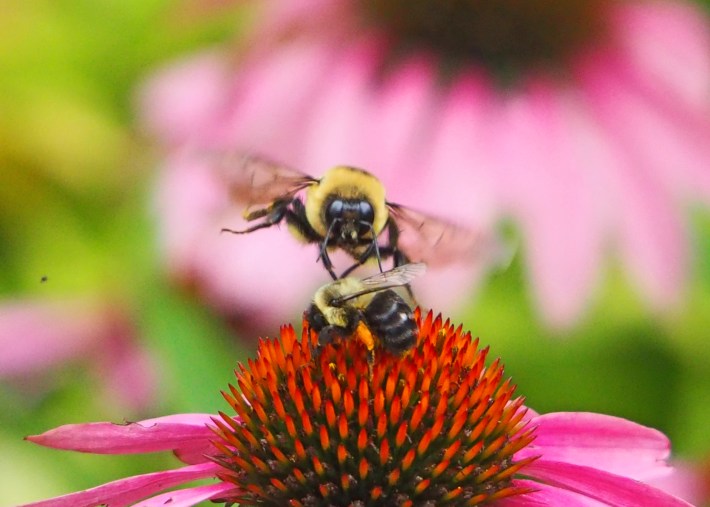
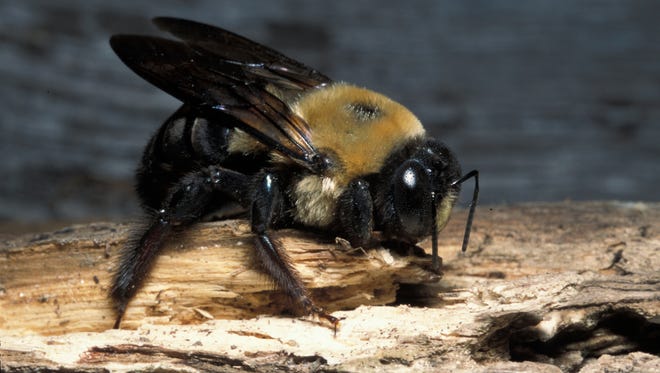
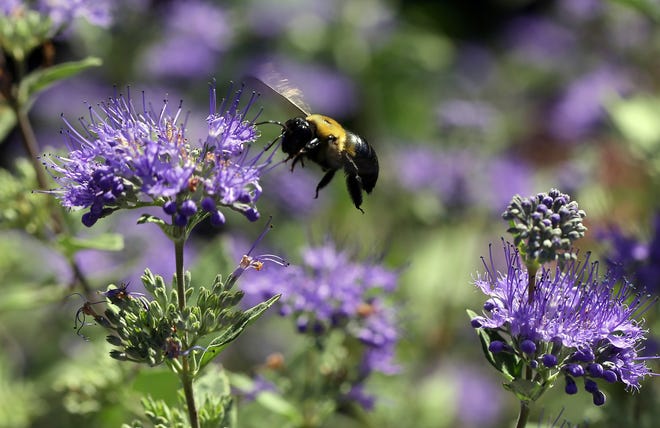
Carpenter bees are a common concern for homeowners, particularly during their active periods. These large bees, often mistaken for bumblebees, can be identified by the dorsal surface of their abdomen, which is mostly hairless and appears black, contrasting with the hairy abdomen of bumblebees. Male carpenter bees, which are frequently observed patrolling areas around homes, are harmless as they cannot sting. They can be distinguished from females by a white marking on their face. Female carpenter bees, while capable of stinging, are generally not aggressive unless directly handled. It is crucial not to confuse male carpenter bees with bald-faced hornets, as the latter are known for their aggressive stinging behavior.
While carpenter bees contribute to pollination, they become a nuisance when they bore into wooden structures. They create galleries in weathered, unpainted wood, leaving behind distinct, nearly perfect circular holes about half an inch in diameter. These holes often look as if they were made with a drill. The initial tunnel extends straight inward before making a right-angle turn to follow the wood's grain. Inside these galleries, the female bee lays eggs, provides them with nectar and pollen, and seals each cell with chewed wood pulp. A single gallery can contain up to six cells and measure four to six inches in length. However, due to repeated use by multiple bees, some tunnels have been reported to extend up to 10 feet. New adult bees typically emerge in late summer.
Preventative and non-chemical control methods are available to manage carpenter bee infestations. Painting or varnishing wooden surfaces can deter these bees. For individual bees, manual removal using a net or a badminton racket is an option. If bees have already bored into wood, a flexible yet strong wire can be inserted into the holes to destroy adult bees and larvae, ensuring the wire is flexible enough to navigate the right-angle turns within the gallery and sturdy enough to break through the wooden cells. These methods aim to minimize harm to the bee population while protecting structures.
For more advanced infestations, insecticidal dusts can be used. This method involves puffing insecticidal dust into the nest holes during the evening when the bees are at rest. Dusts are effective because they fill the void thoroughly without soaking into the wood, unlike liquid insecticides. It is recommended to allow the bees access to the treated nest for approximately 24 hours so they can spread the dust throughout the galleries. After this period, the holes should be sealed with putty, a wooden dowel, or cork to prevent re-infestation. Given that carpenter bees often overwinter in existing galleries, structures should be inspected in the fall, and any newly formed holes should be treated and sealed promptly. The article emphasizes a preference for deterring bees over killing them, but acknowledges that severe damage may necessitate insecticide use. When using insecticides, strict adherence to label directions is essential. The goal is to protect structures from damage while promoting bee-friendly practices to support the overall bee population. For further assistance or questions regarding carpenter bees, residents are encouraged to contact their local Extension Office.
#CarpenterBees #PestControl #WoodDamage #HomeMaintenance #BeeFriendly #InsecticideUse #Pollinators #PreventativeMeasures #CarpenterBees #PestControl #WoodDamage #HomeMaintenance #BeeFriendly #InsecticideUse #Pollinators #PreventativeMeasures
 Aún no hay comentarios
It’s A Bee Brawl In The Flower Patch!
Curious Questions: What should you do if bats take up residence in your roof?
Buzzing pests: Carpenter bees can cause destruction
Roof repair achieved amid gregarious gang of goats
The bat that hibernated in our living room