1/5
It’s A Bee Brawl In The Flower Patch!
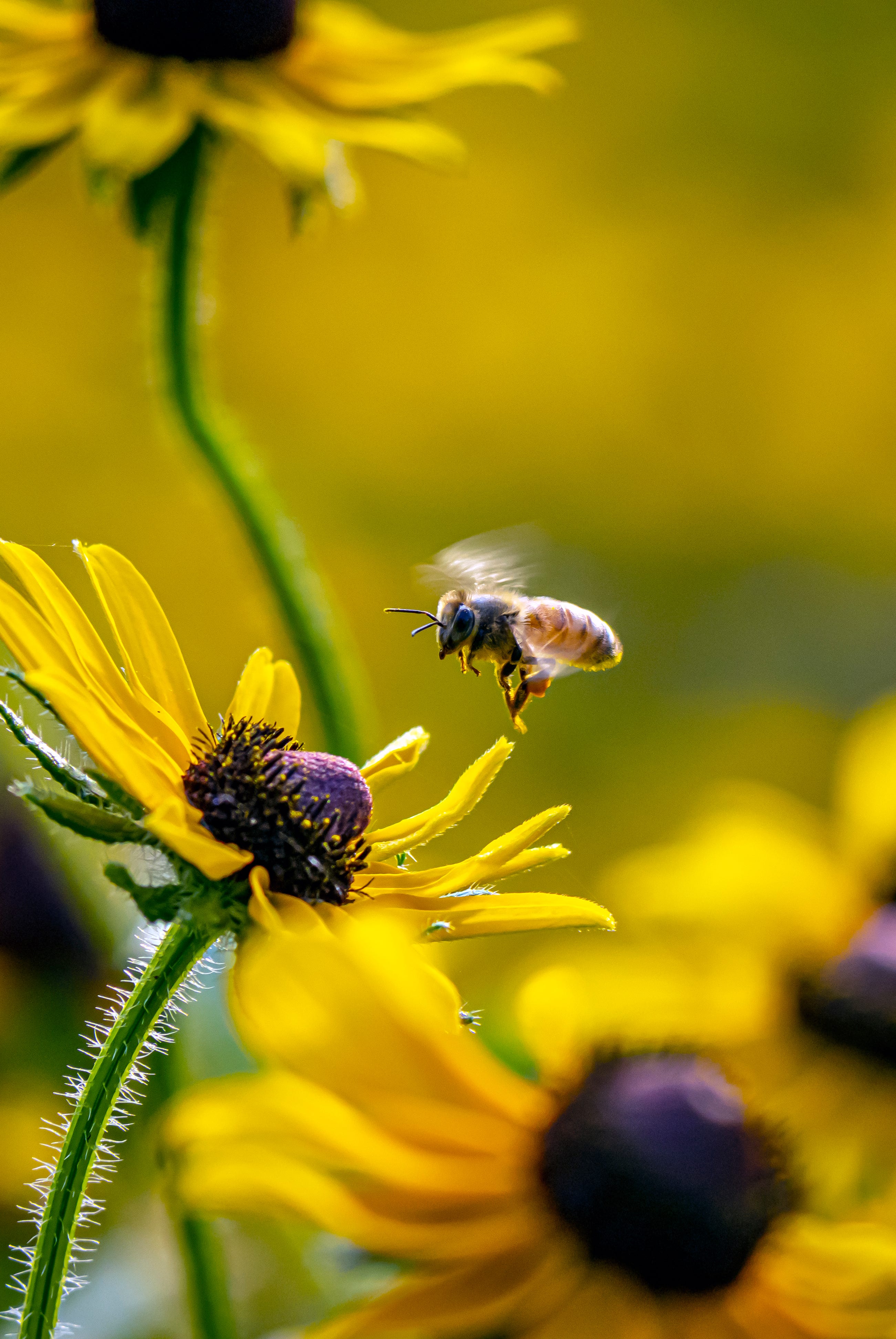
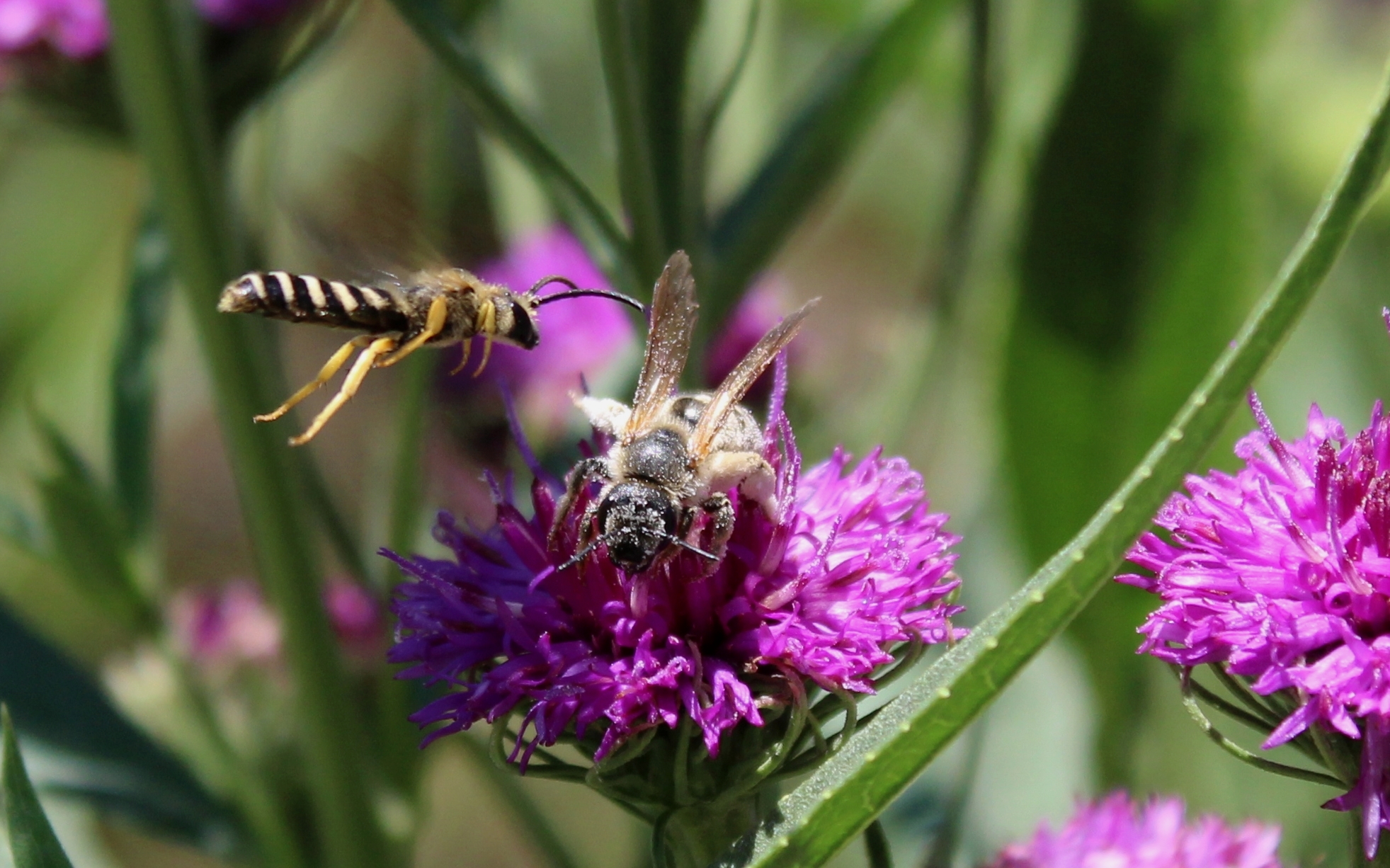
The perception of pollinating as a peaceful activity is challenged by observations of aggressive interactions among insects on flowers. Meredith Root-Bernstein, a conservation ecologist, noted that insects frequently engaged in confrontations, including dive-bombing and wrestling, while collecting nectar. These observations, initially made in her parents' backyard in Michigan, revealed a surprising dominance hierarchy among different insect species.
Root-Bernstein’s initial informal observations sparked her interest, leading her to seek scientific literature on this specific behavior. She found that while papers might mention species 'interacting' on flowers, they rarely detailed aggressive encounters. This gap in scientific documentation motivated her to conduct a more formal study. The behavior she observed, characterized by constant, low-stakes aggression over resources, did not align with existing theoretical models of inter-species interactions, which typically predict either local extinction of losing species or clear territorial divisions.
To investigate further, Root-Bernstein secured funding for Thomas Renaud, who was interning at the National Museum of Natural History in Paris. Renaud spent a week observing insects across approximately 20 park locations, chosen for their dense flowering plants and known insect populations. The goal was to maximize the chances of observing aggressive behaviors. Despite initial curious stares from the public, Renaud's consistent presence eventually led him to be perceived as part of the park scenery.
During their study, the researchers initially hypothesized that honeybees, known for their numerical advantage and efficiency in resource collection, would be dominant. However, their findings contradicted this expectation. After 48 hours of observation, documenting 1,374 interactions—67 percent of which were aggressive—they discovered that honeybees were consistently the victims rather than the aggressors. The primary instigators of these attacks were identified as large hoverflies and gray bees from the Anthophora family. Hoverflies, despite being harmless to humans, often mimic stinging bees or wasps, a trait that likely aids in their aggressive encounters. Even bumblebees, generally peaceful, were observed targeting honeybees.
Aaron Fairweather, a graduate student from the University of Guelph, who was not involved in this particular research, confirmed similar aggressive dynamics in their own studies involving ants and pollinators on squash flowers. Fairweather highlighted that such dominance hierarchies have been noted for a century, but the intricate details of these relationships at an invertebrate community level are still being explored. Fairweather also expressed fascination with the finding that stinging bees were often not the aggressors, despite their defense mechanisms, emphasizing the overlooked complexity of insect behavior.
Renaud was particularly struck by the premeditated nature of some attacks, where aggressors would pursue other insects across multiple flowers or even in flight. While no insects appeared physically harmed, Renaud acknowledged he could not assess their psychological impact. The study ultimately established a clear dominance hierarchy within the observed Parisian gardens, placing large hoverflies at the apex and honeybees at the bottom.
#BeeBrawl #InsectBehavior #Pollinators #DominanceHierarchy #Hoverflies #Honeybees #Entomology #AnimalAggression #BeeBrawl #InsectBehavior #Pollinators #DominanceHierarchy #Hoverflies #Honeybees #Entomology #AnimalAggression
 No comments yet
Turn Your Garden Into a Butterfly Oasis with These Plants
22 Beautiful, Bee-Friendly Flowers That'll Turn Your Garden Into a Pollinator Paradise

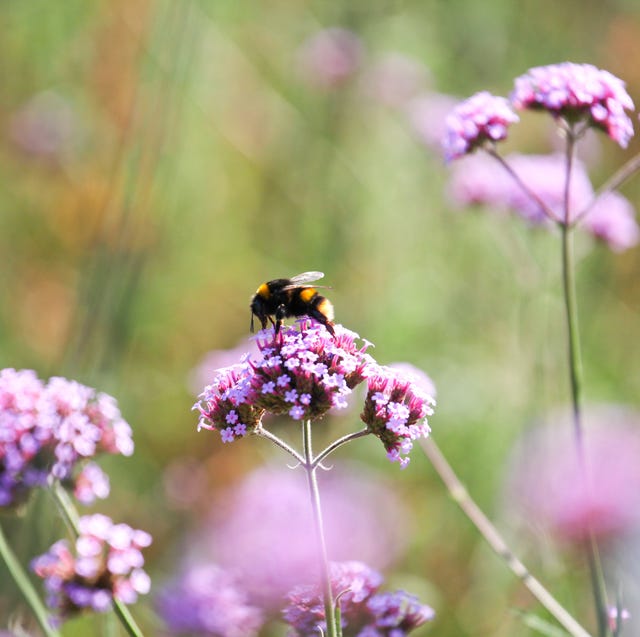
Forget Lavender, I Planted This One Flower and Now My Garden Is Full of Bees and Butterflies
Attract Bees To Your Garden With These Vibrant Flowers
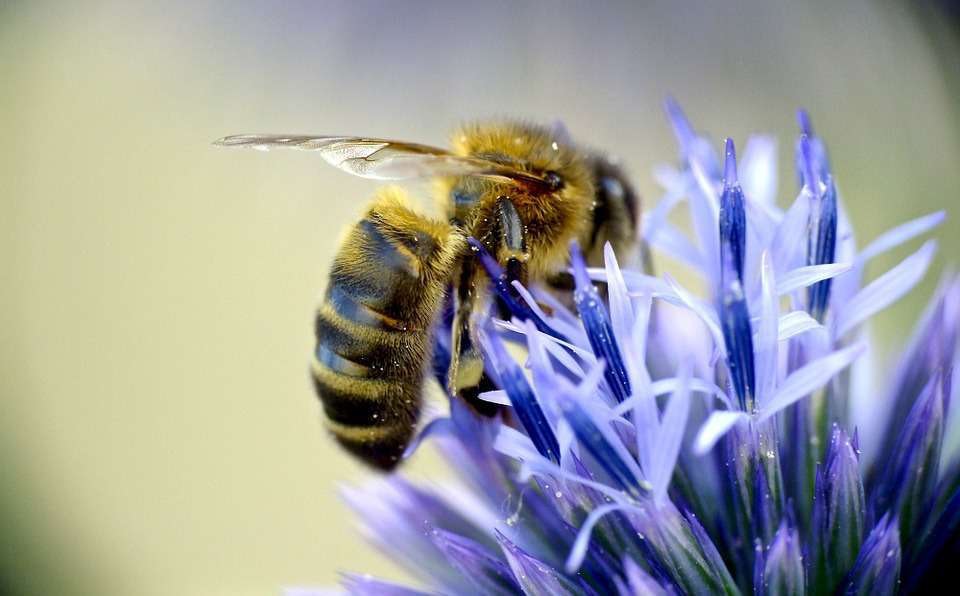
Purple presents perks for pollinators like bees