1/4
Curious Questions: What should you do if bats take up residence in your roof?
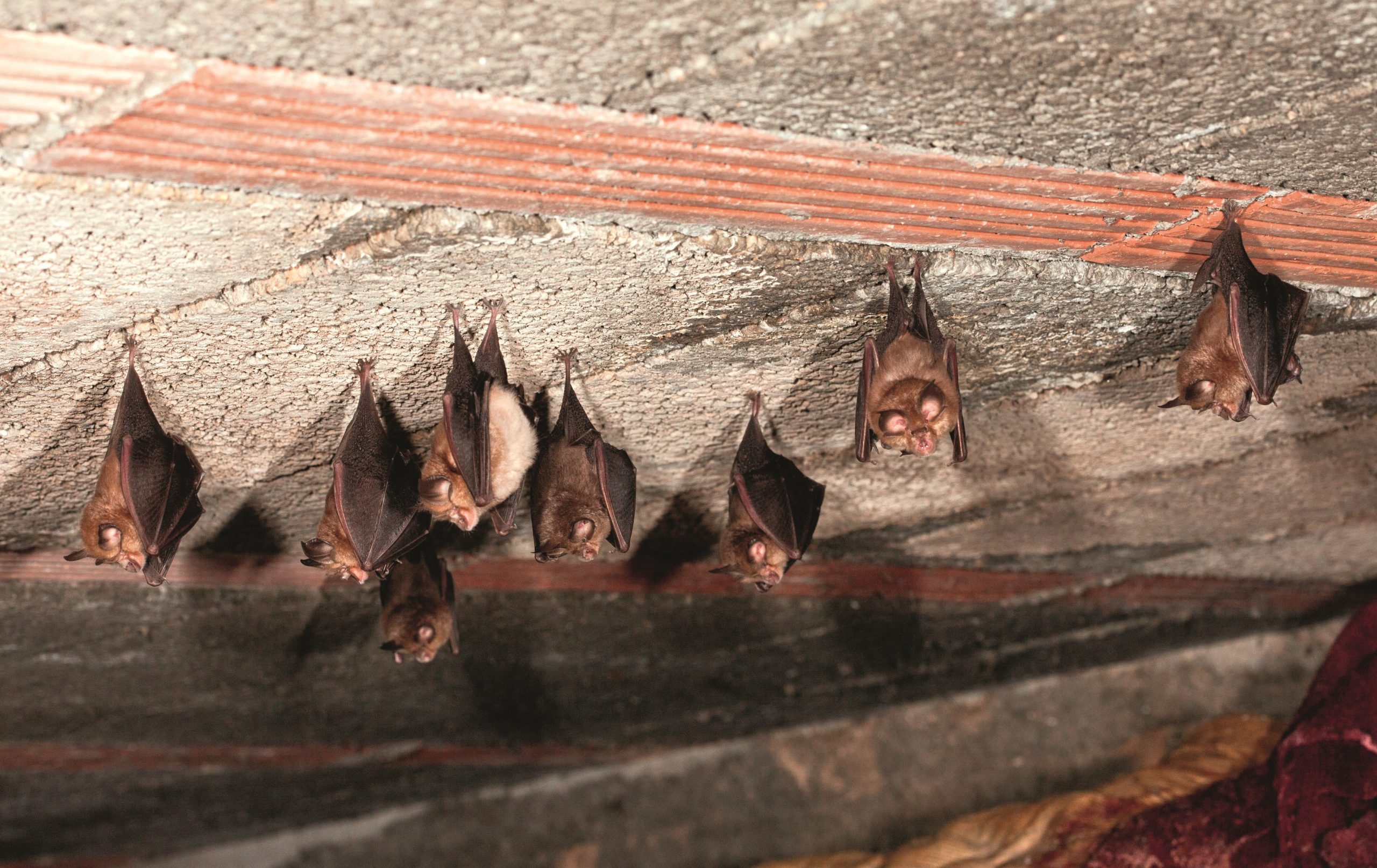
The presence of bats in residential properties, particularly in the UK, presents a complex challenge for homeowners due to their protected status and specific habitat requirements. All 18 species of bats in the UK are protected by law, specifically under the Countryside Act of 1981 and further reinforced by EU legislation since 1994. This protection means that it is illegal to disturb bats or damage their roosts, making any building or renovation work on properties housing bats subject to stringent regulations and requiring special licenses.
Homeowners undertaking building or demolition work must first commission an initial ecological report to determine if bats are present. If bats are found, especially maternity colonies which have a high conservation value as they return to the same roosts annually to rear their young, the renovation process becomes significantly more complicated and costly. For example, one homeowner, Lauren Smart, discovered brown long-eared bats and pipistrelles in her 18th-century farmhouse and barn. She was informed that she could not modify the roof or loft space until alternative accommodation was provided for the bats. This involved converting the barn during winter when bats hibernate elsewhere and designing special access points along the tiled roof for the pipistrelles. For the long-eared bats, a new two-storey building with a vaulted space mimicking their original roost was constructed, complete with specially designed access points.
These measures incur substantial financial costs. Mrs. Smart's surveys and license applications alone cost around £12,000, not including the indirect costs of the extensive building work required to accommodate the bats. Planning consultants, such as Bernard Eacock, advise clients to budget for significant survey costs. In one instance, a client paid £3,000 for three additional surveys over three months, only to confirm the absence of bats, following an initial suspected sighting. Ted Bodsworth, head of Windrush Ecology, estimates that a typical loft conversion involving bats could cost between £6,000 and £7,000, covering initial visits, multiple activity surveys, updated reports, a full bat license application, and on-site supervision during roof removal.
Providing alternative roosts for bats requires careful planning to ensure they are suitable. For instance, a client of Mr. Bodsworth needed to demolish a flood-prone house with a maternity colony of 333 pipistrelles. The solution involved building a carport in the winter, in close proximity and with the same orientation as the original roost, to serve as alternative accommodation before demolition could proceed. However, there's no guarantee that bats will use these newly constructed roosts. Even if bats do not return to the new accommodations, the law still mandates that suitable mitigation efforts be made. Ecologists emphasize that obtaining a license depends on demonstrating that the alternative provisions are timely, fit for purpose, correctly oriented, and represent the best possible effort to accommodate the bats.
Despite the challenges, some landowners embrace co-existence with bats. Jeremy Bugler, who hosts 11 species of bats on his Herefordshire farm, including noctules, natterer’s, and barbastelles, initially considered converting his barn for residential use. However, after a survey revealed the rich diversity of bat species and their thriving habitat, he decided against it, receiving an informal 'endorsement of indolence' from the surveyors, highlighting that minimal intervention preserved the habitat. This demonstrates that while bat protection laws can impose financial and logistical burdens on property owners, they also foster a greater appreciation for biodiversity and encourage harmonious living with wildlife.
#BatConservation #WildlifeProtection #PropertyRenovation #EcologicalSurveys #UKWildlifeLaw #HabitatMitigation #HomeownerChallenges #BatConservation #WildlifeProtection #PropertyRenovation #EcologicalSurveys #UKWildlifeLaw #HabitatMitigation #HomeownerChallenges
 No comments yet
Replacing a roof – everything you need to know
What to do When You Have Roof Damage From Hail

Installing roof battens
The bat that hibernated in our living room