



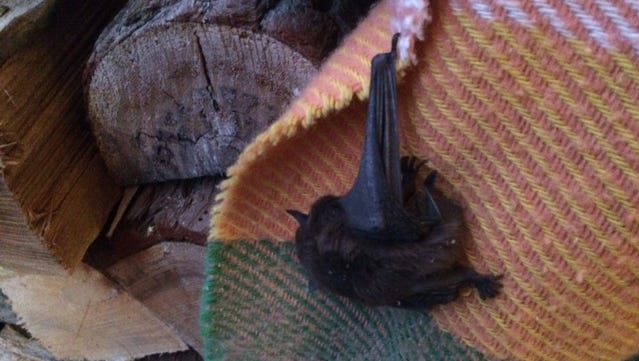
The bat that hibernated in our living room
The article details a personal encounter with a bat that unexpectedly chose to hibernate within the author's wood-burning stove. The discovery was made as the author was preparing to light a fire on one of the coldest nights of winter. Upon realizing a bat was clinging to the inside of the stove door's glass, the author and his wife faced a dilemma: either proceed with the fire, which would harm the bat, or try to remove it, risking its survival in freezing outdoor temperatures.
The couple opted to carefully remove the bat. Using a blanket, the wife gently scooped the dormant creature and placed it on a woodpile on their front porch. After the bat's relocation, the author noticed that their chimney cap was missing, suggesting how the bat might have entered. Later that night, the bat was gone from the woodpile. This event prompted feelings of guilt and concern for the bat's survival, especially given the severe cold and the broader challenges faced by bat populations, such as habitat loss and white-nose syndrome.
The author, an environment reporter, contacted the Kentucky Department of Fish and Wildlife Resources for advice and information. Mark Marraccini and Sunni Carr from the department clarified that the recommended procedure for a bat found inside a home is to safely capture it (without bare-hand contact) and take it to the county health department for rabies testing as a precaution. However, in this specific case, the bat was not technically inside the living space but rather within the stove, described as an 'air lock' equivalent for a bat.
Based on a photo provided, Carr identified the bat as likely a little brown bat or a big brown bat, both common species that might seek shelter in chimneys or attics. While these species are not currently on the endangered list, federal officials are considering their protection under the Endangered Species Act. Carr acknowledged that exposing a hibernating bat to extreme cold is not ideal but indicated that it did not necessarily constitute a death sentence. She suggested the bat likely awoke and sought another warm, protected spot, such as a crevice in a building where some heat might escape.
Carr also attributed the bat's unusual late-season presence to the unusually warm December weather, which had allowed some bats to remain active and feed on insects longer than typical. She referred to the bat as a "little lone ranger" that had found an unexpected resting place. The article further provides resources for managing bat issues, including lists of licensed wildlife businesses for exclusion services (allowing bats to leave but not return) and wildlife rehabilitation organizations for injured animals. Additionally, Bat Conservation International is recommended for general information and advice on safely handling bat encounters.
The experience served as a reminder of shared ecosystems, even within urban or suburban settings, and the resilience of wildlife. The author concludes by expressing hope for the bat's survival and the intention to replace the missing chimney cap, preventing similar incidents in the future. The narrative highlights the importance of understanding and coexisting with wildlife, particularly in light of ecological challenges.
#BatHibernation #WildlifeEncounter #EnvironmentalConservation #BatSpecies #WildlifeRescue #WhiteNoseSyndrome #ChimneySafety #BatHibernation #WildlifeEncounter #EnvironmentalConservation #BatSpecies #WildlifeRescue #WhiteNoseSyndrome #ChimneySafety
 No comments yet