1/14
What to Consider When Choosing Insulation
Choosing the right insulation for a building project involves a comprehensive evaluation beyond just R-value. It is part of an overall material selection strategy, particularly in green building, where decisions should benefit both people and the planet, emphasizing low carbon emissions. The criteria for selecting insulation include R-value, air permeability, vapor permeability, moisture tolerance, ease of installation, global warming potential, and cost. Additionally, toxicity, and health implications for both installers and homeowners are important considerations.
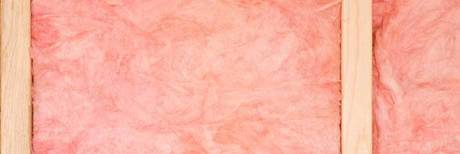
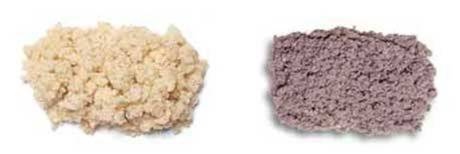
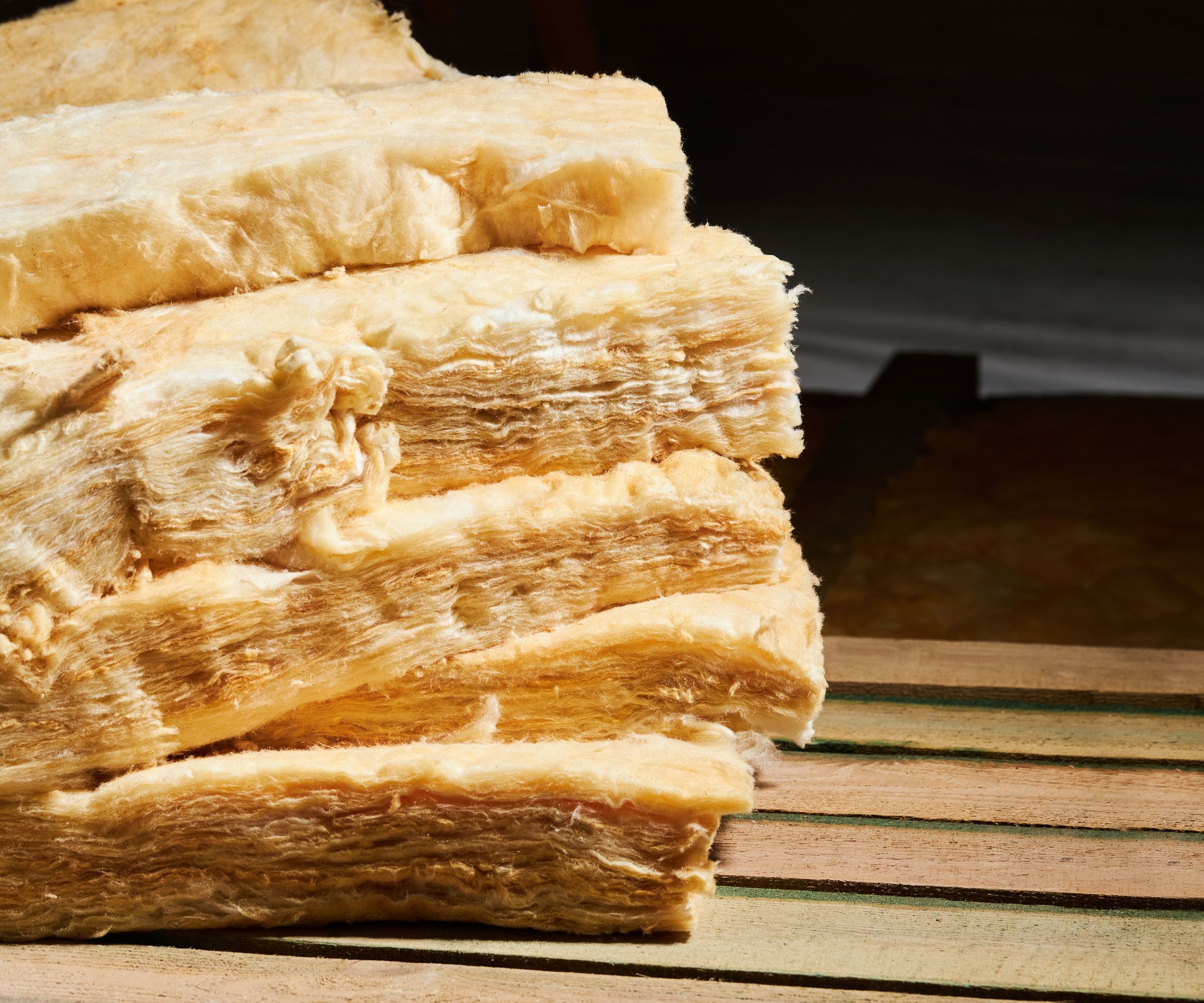
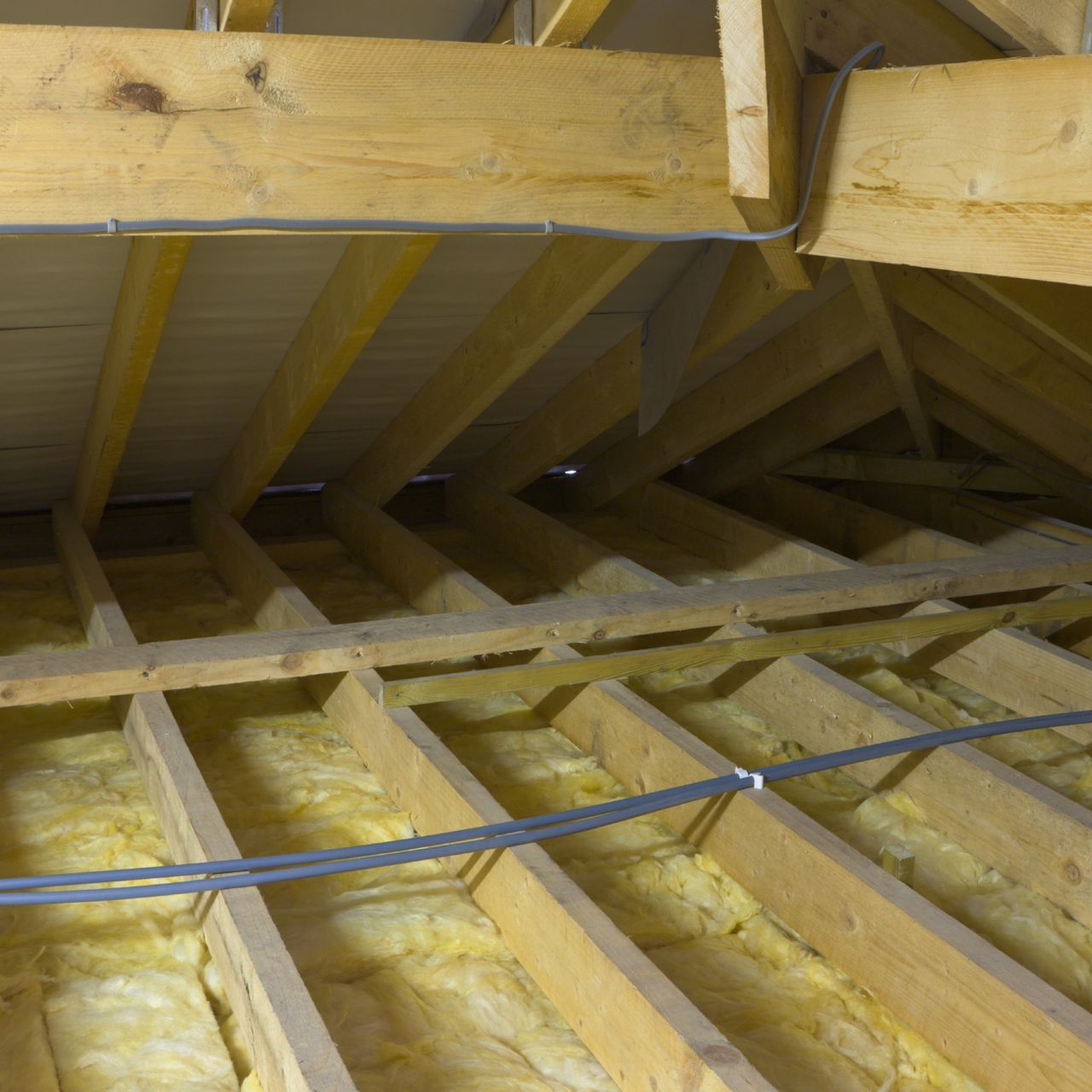
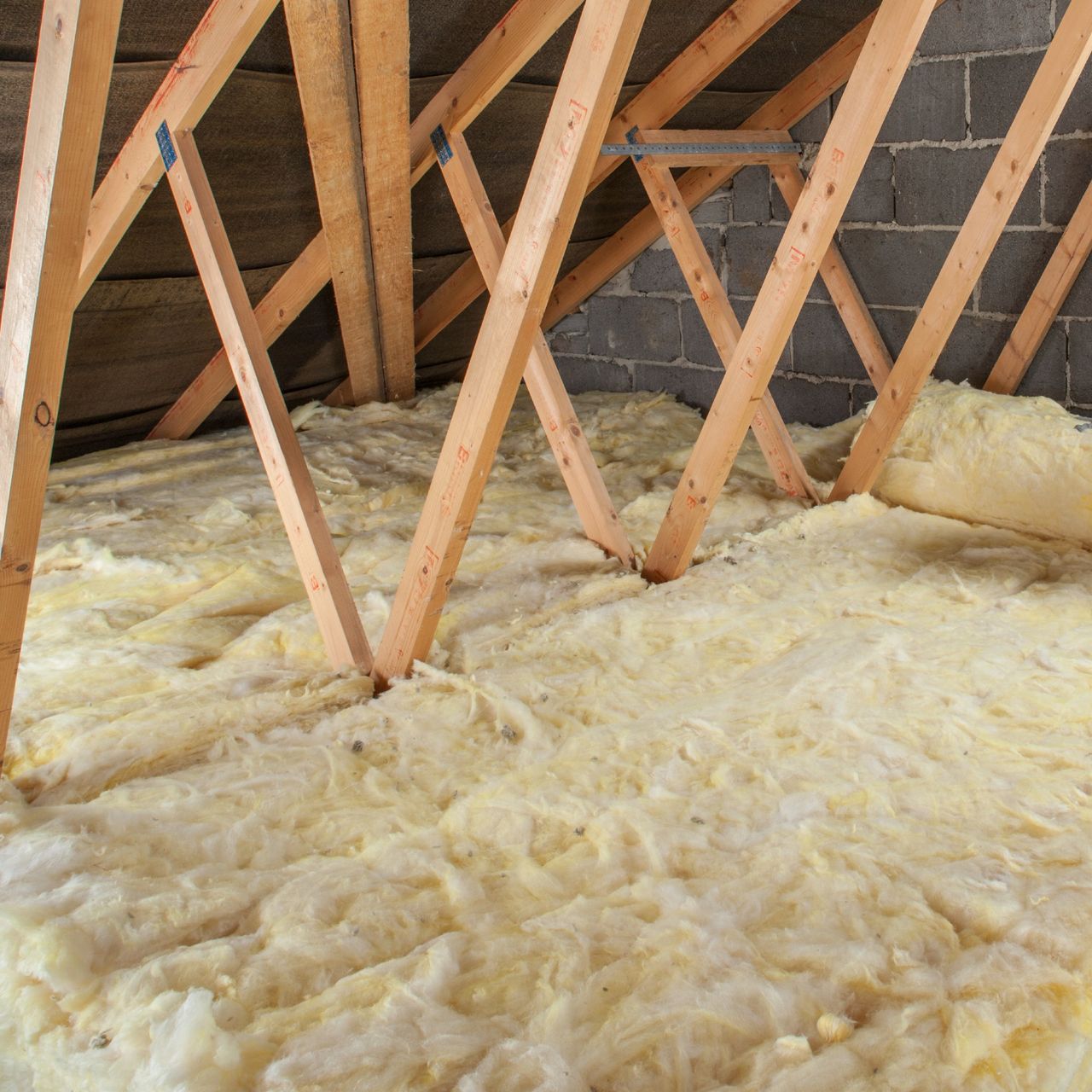
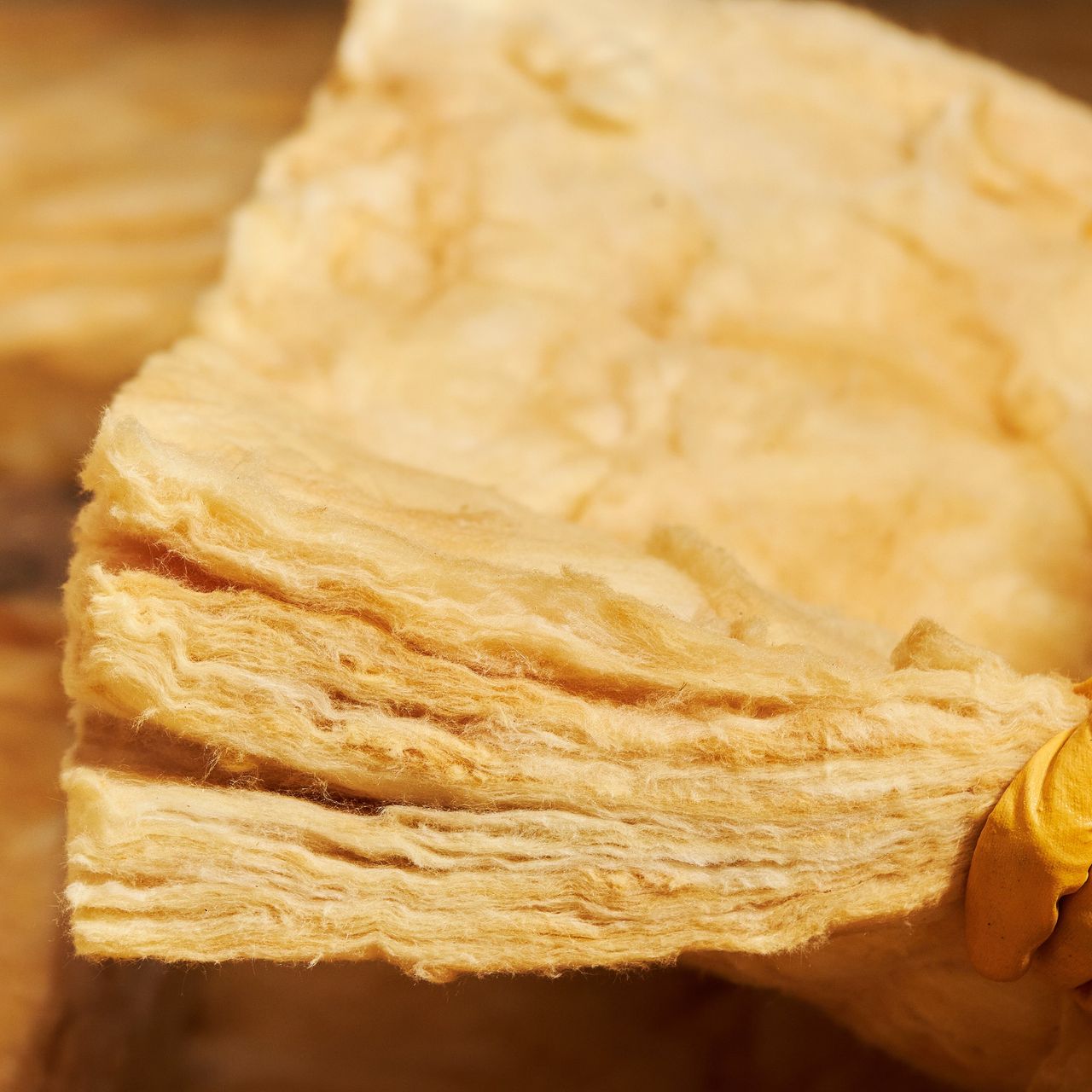
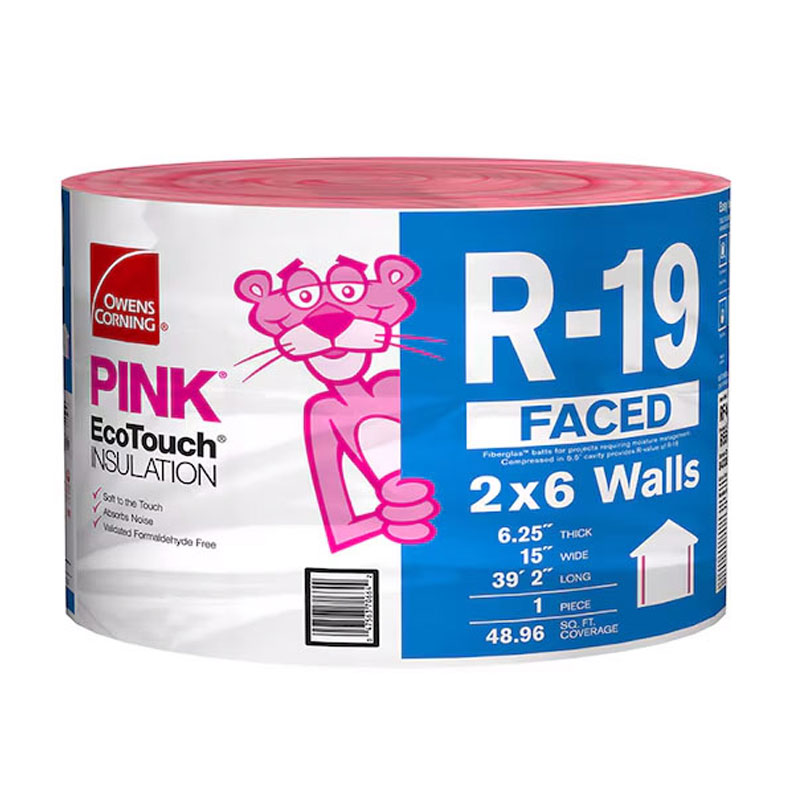
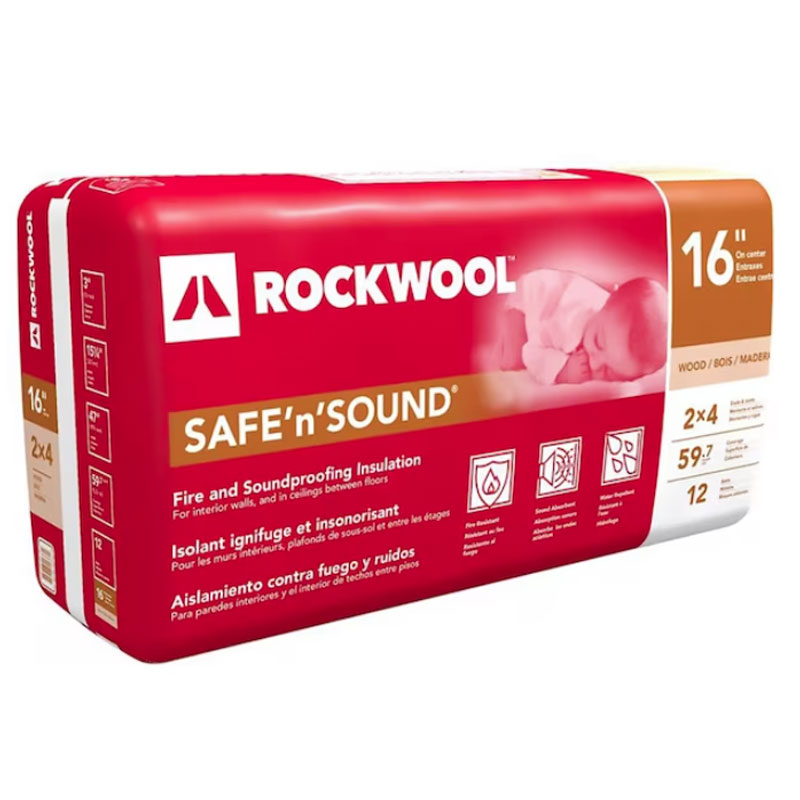
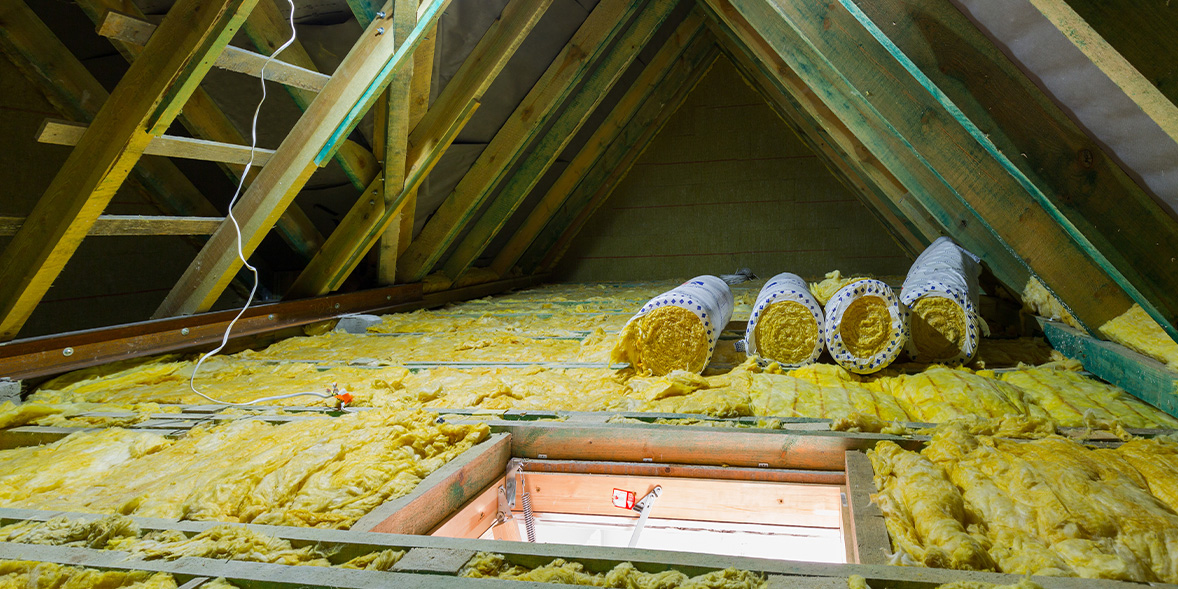
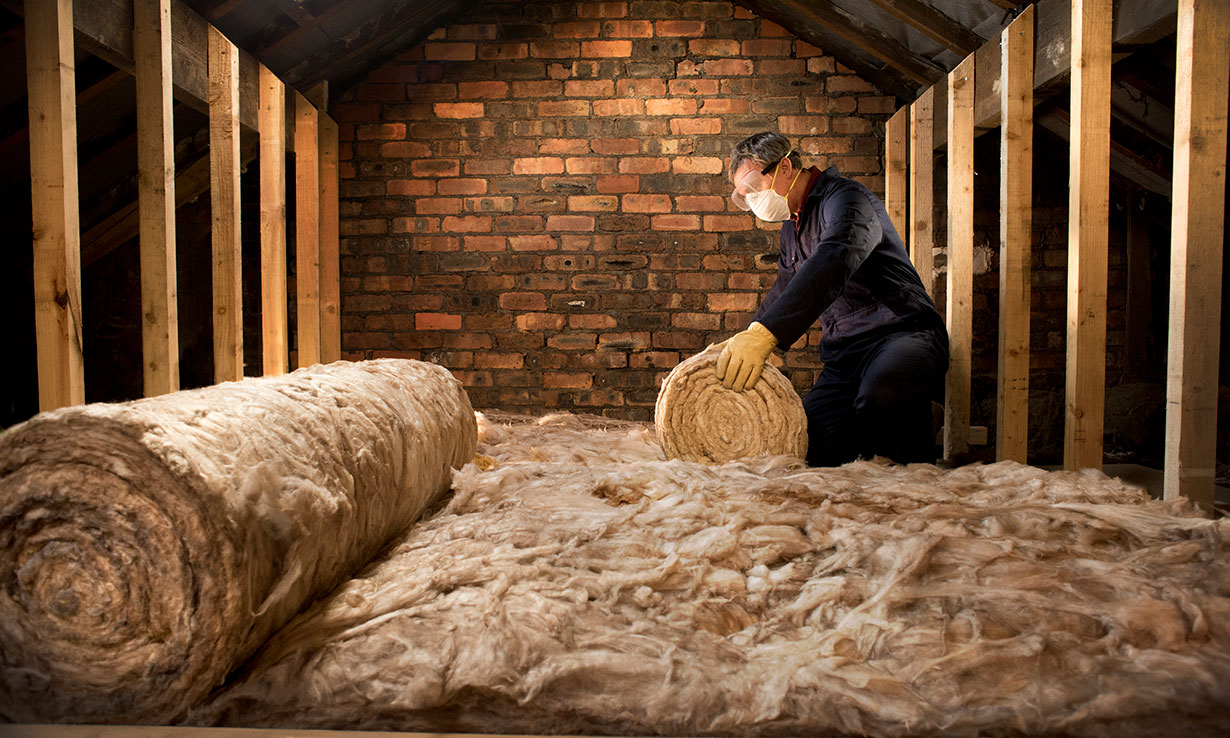
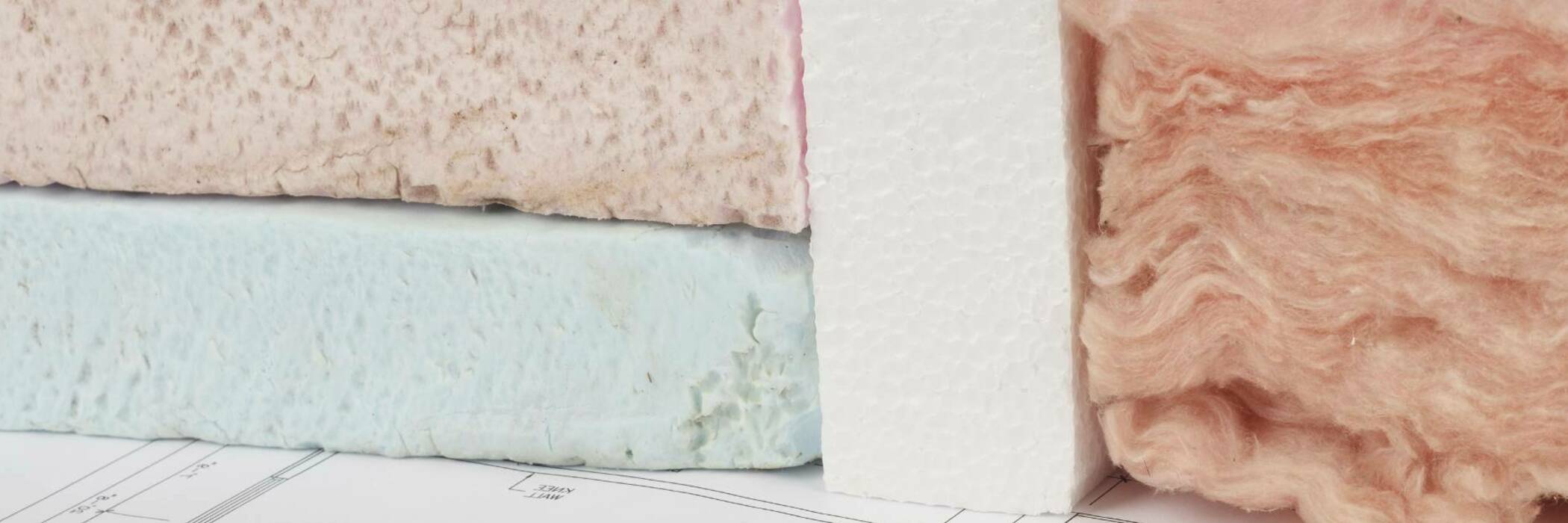
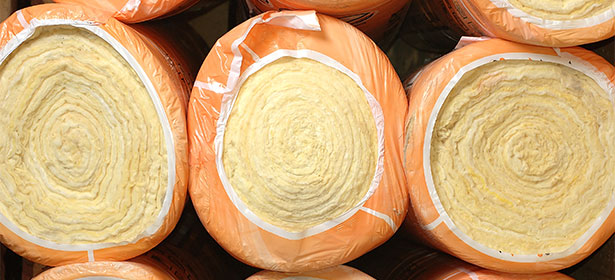
Twelve different insulation types are profiled based on these criteria. Mineral wool, made from rock or slag, offers R-2.9 to R-4.3 per inch, moderate cost and net carbon emissions, and low toxicity. It is air and vapor permeable with high fire resistance, suitable for below-grade use and as continuous exterior insulation. Fiberglass, available in batts and loose-fill, provides R-3.1 to R-4.2 per inch, low cost and net carbon emissions, and low toxicity, though it requires protective gear during installation. It is air permeable and not a primary air barrier. Cellulose, derived from recycled paper or cardboard, has R-3.2 to R-3.8 per inch, low cost, and sequesters carbon, making it environmentally favorable. It is moisture-tolerant but not an air barrier, used in attics and wall cavities, typically treated with borate.
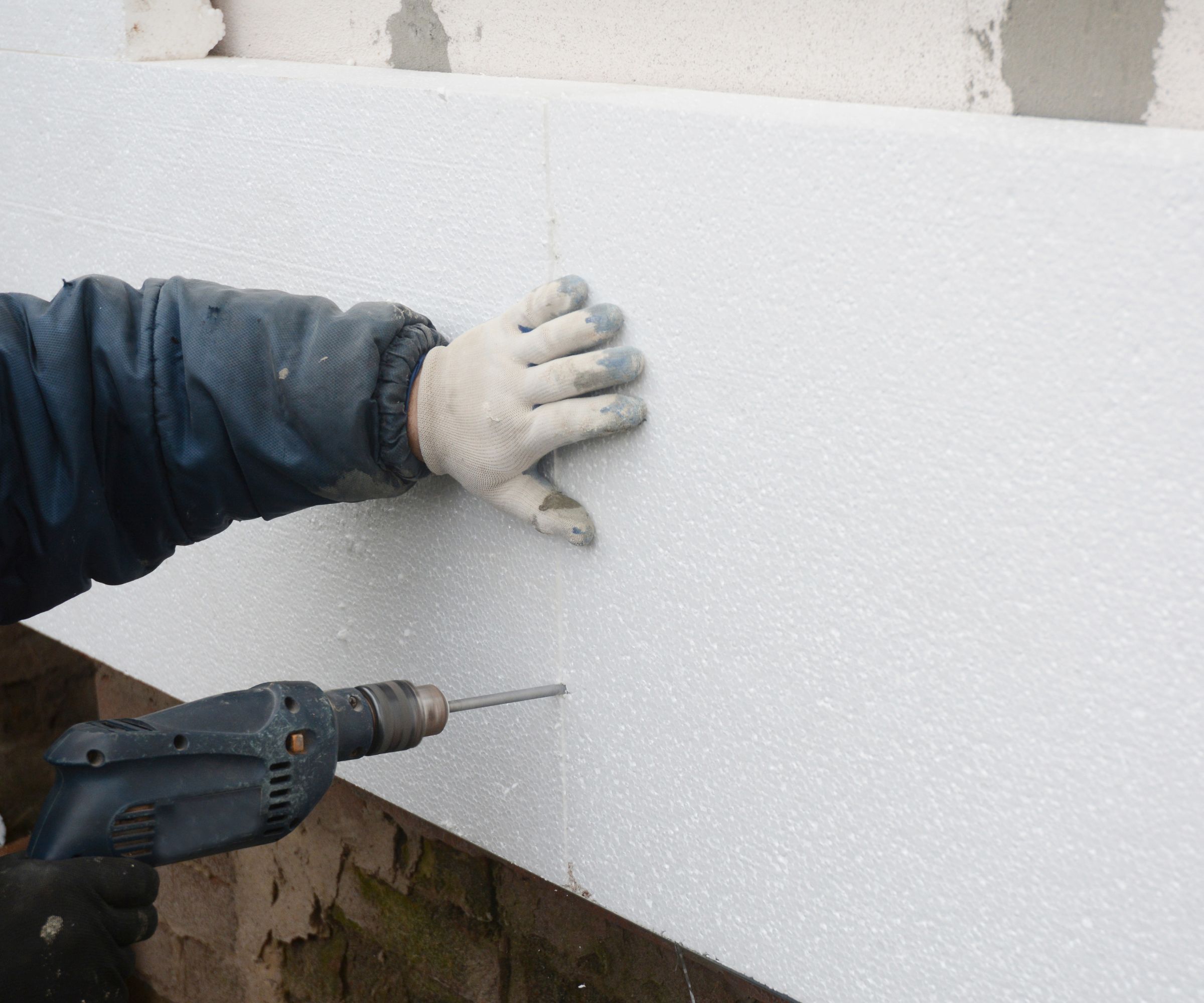
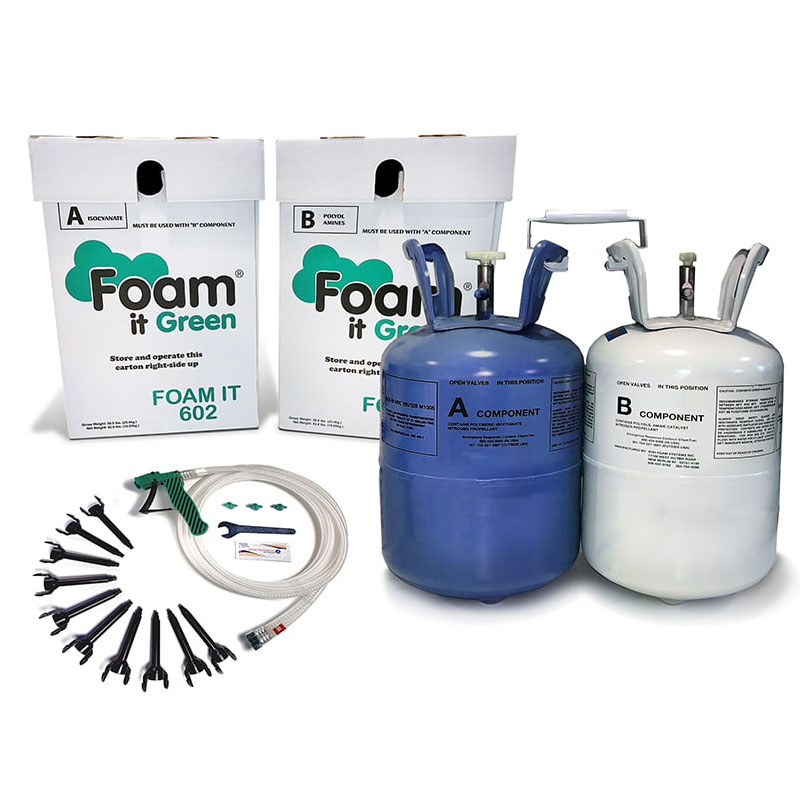
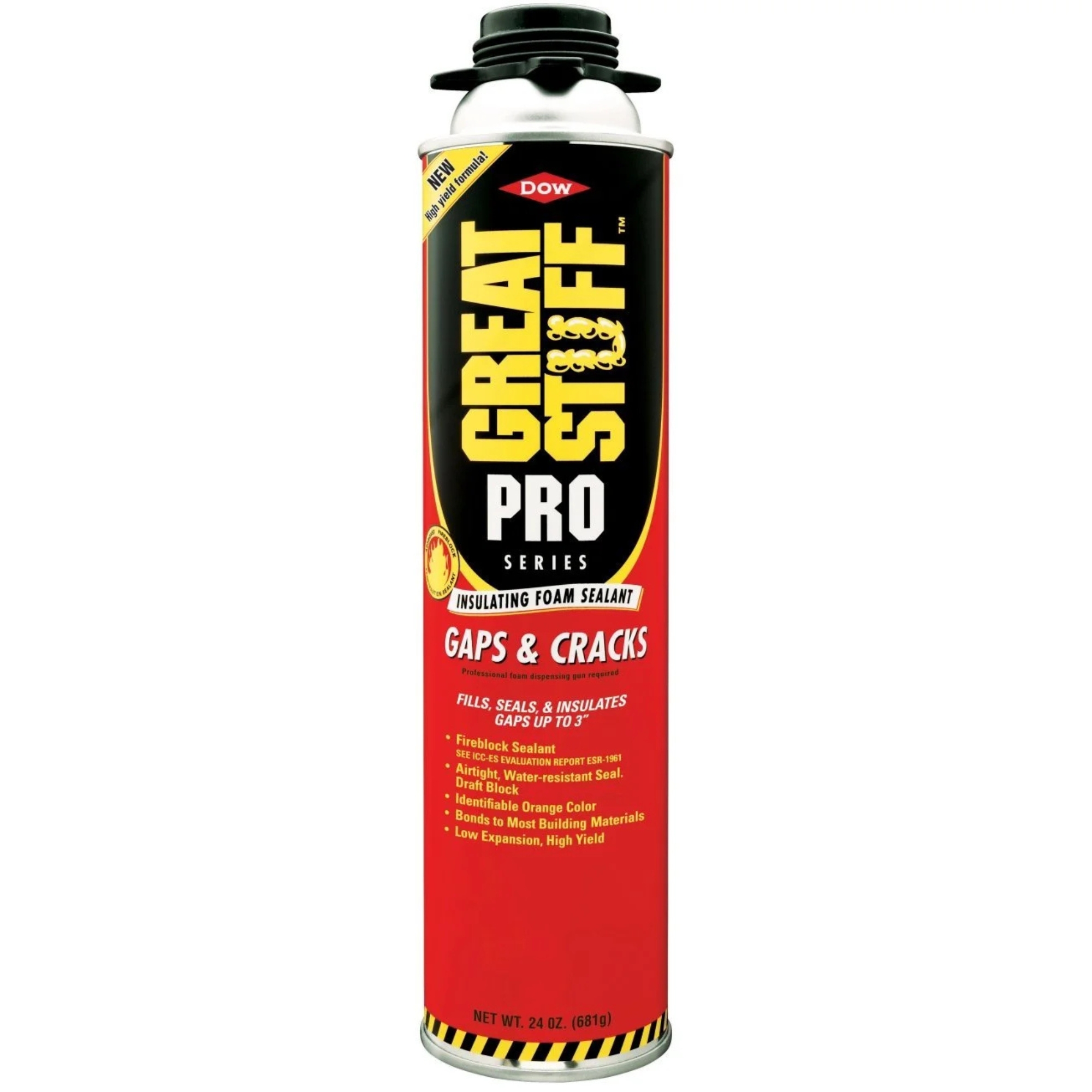
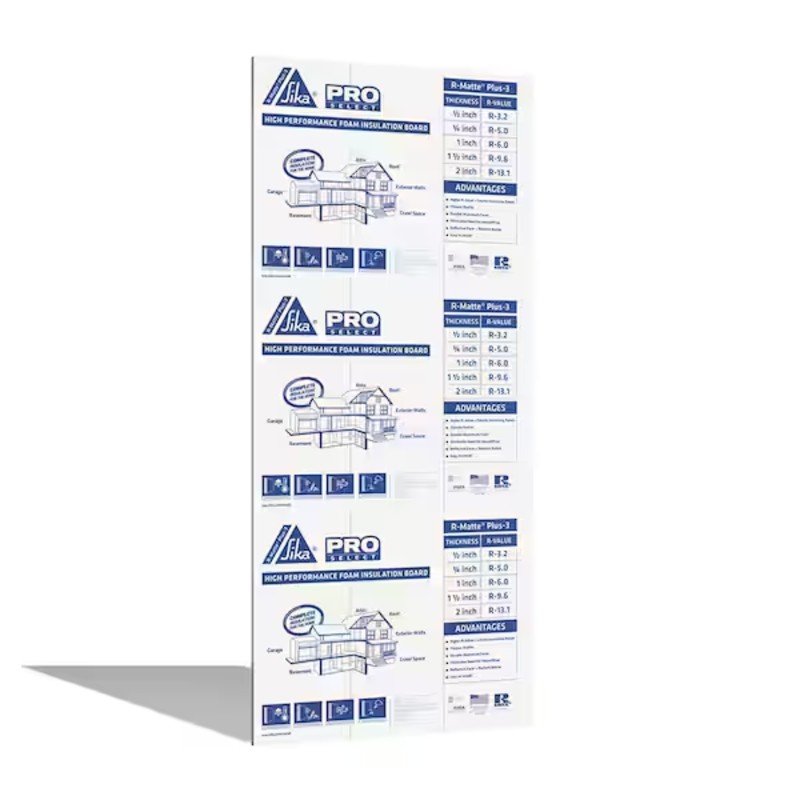
Spray foam, including open-cell and closed-cell types, offers excellent air-sealing and R-values (R-3.5 to R-3.6 for open-cell, R-6.5 for closed-cell). Its cost is high, and net carbon emissions range from moderate to very high depending on the blowing agent. Installation requires professionals, and occupants must vacate the premises due to potential off-gassing. Expanded polystyrene (EPS) and extruded polystyrene (XPS) are rigid foams. EPS (R-3.6 to R-4.2 per inch) is moderate in cost and net carbon emissions, with low toxicity, and is often used under slabs and on foundation walls. XPS (R-5 per inch when manufactured) has a higher R-value but also higher net carbon emissions due to its historical use of HFC blowing agents, although newer formulations address this. Both are moisture-tolerant.
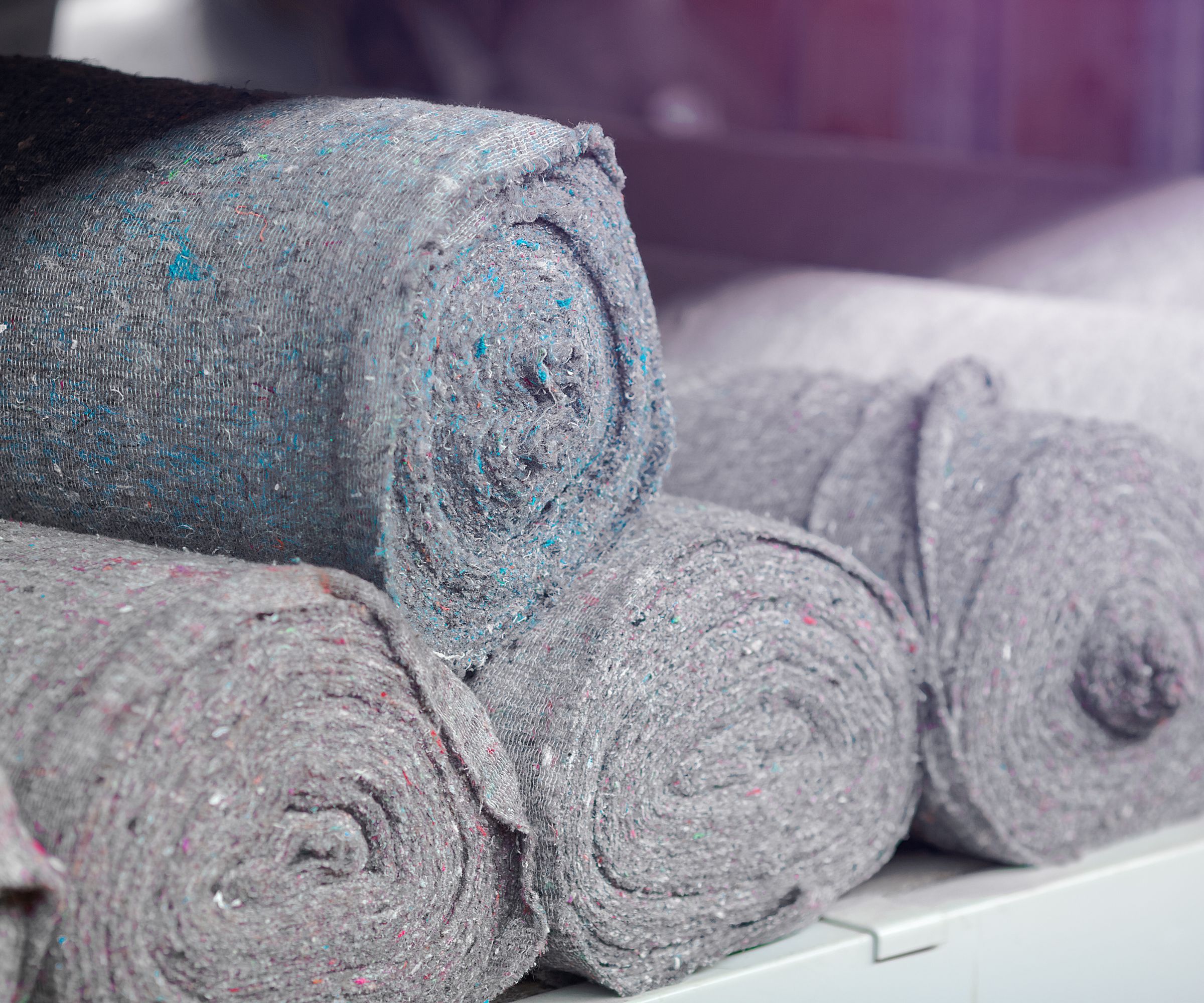
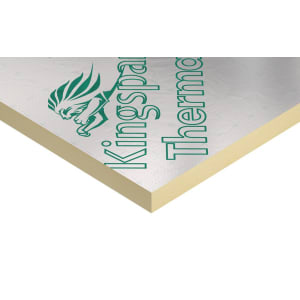
Polyisocyanurate (polyiso) is a rigid foam with R-6.5 per inch when manufactured, declining over time, and is temperature-sensitive. It is moderate in cost and net carbon emissions and is typically used in roofing. Wood fiber insulation, available in panels, batts, and loose-fill, is a renewable resource with high cost for imported varieties but sequesters carbon. It is vapor-open and has very low toxicity. Cotton batts, made from recycled denim, offer R-3.5 to R-3.7 per inch, moderate cost and net carbon emissions, and low toxicity. Straw, an agricultural waste product, has very low toxicity and high carbon capture, used in bale or panel form, offering R-1.4 to R-2.4 per inch. Hemp, another renewable material, also sequesters carbon, with R-values from R-1.2 to R-3.7 per inch and very low toxicity. Cork insulation, renewable and recyclable, provides R-3.6 to R-4.2 per inch and very low toxicity, but comes at a high cost, partly due to transportation.
Beyond technical specifications, considerations like availability, sound attenuation, recyclability, and fire ratings play a role. The article concludes by questioning the traditional prioritization of R-value and cost, suggesting that global-warming potential and human health should be given greater importance. The ultimate goal should be to use the most environmentally friendly insulation with the least health risk to create a comfortable and efficient home.
#InsulationMaterials #GreenBuilding #EnergyEfficiency #HomeDesign #RValue #AirPermeability #VaporPermeability #MoistureTolerance #GlobalWarmingPotential #InsulationMaterials #GreenBuilding #EnergyEfficiency #HomeDesign #RValue #AirPermeability #VaporPermeability #MoistureTolerance #GlobalWarmingPotential
0 Kommentare insgesamt
 Noch keine Kommentare
Das könnte Ihnen auch gefallen
Home insulation materials

The best floor insulation options for your home, explained
Avoid insulating these spots as it can cause damp and mould

Peace & warmth: How thermal roof Insulation improves wellbeing
6 types of attic insulation and how to pick one for your home

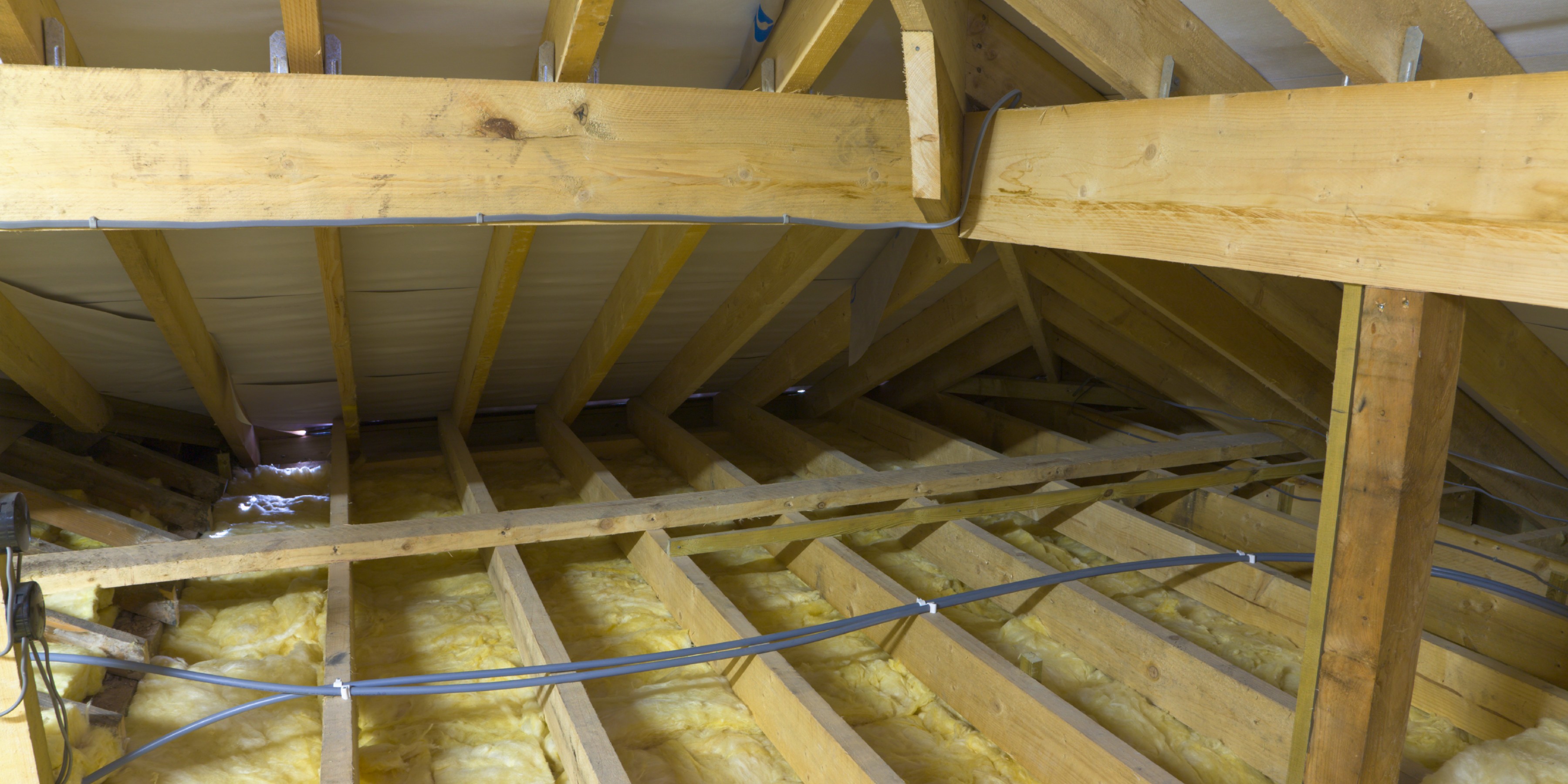
This is how to get your roof and loft insulation right so that your home stays warm and energy efficient all winter long

How to insulate your period house
How to insulate a loft

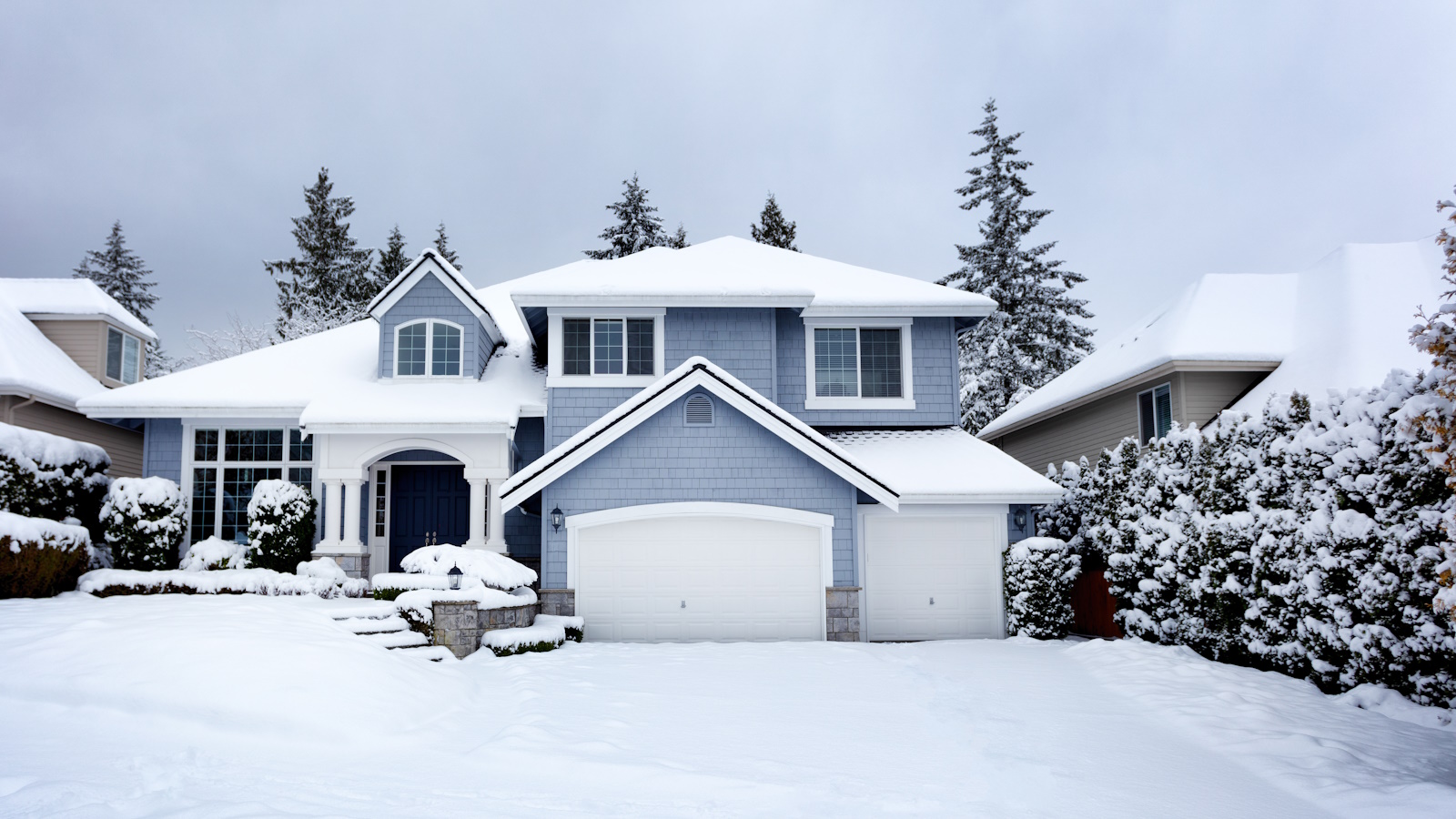
The 4 areas of your home pros say to always insulate to keep it toasty in colder weather – plus, where to never insulate
![The best insulation installers in Canberra [Updated for 2025]](https://gstatic.ideal.house/news/images/da0069e1118d47929213ceb5f5c2e8d4.jpg)
The best insulation installers in Canberra [Updated for 2025]
Loft Insulation
How to insulate a loft or roof
What You Need To Know About Window Insulation


5 ways to insulate a wall to lower your energy bills and block out noise – and which ones are a mistake to DIY

How to insulate a cold wall from the inside, and why the type of wall you have matters
An Easy Way To Build a Well-Insulated House
After Researching Over 20 Options for Exterior Walls Insulation, There is One Clear Winner
6 areas of your home you should never insulate – and why it's a hazard that can do more harm than good
9 basement insulation ideas

When Insulation in the Roof Isn’t There