1/2
Here's How To Create A Super Calm Nursery For You & Your Baby
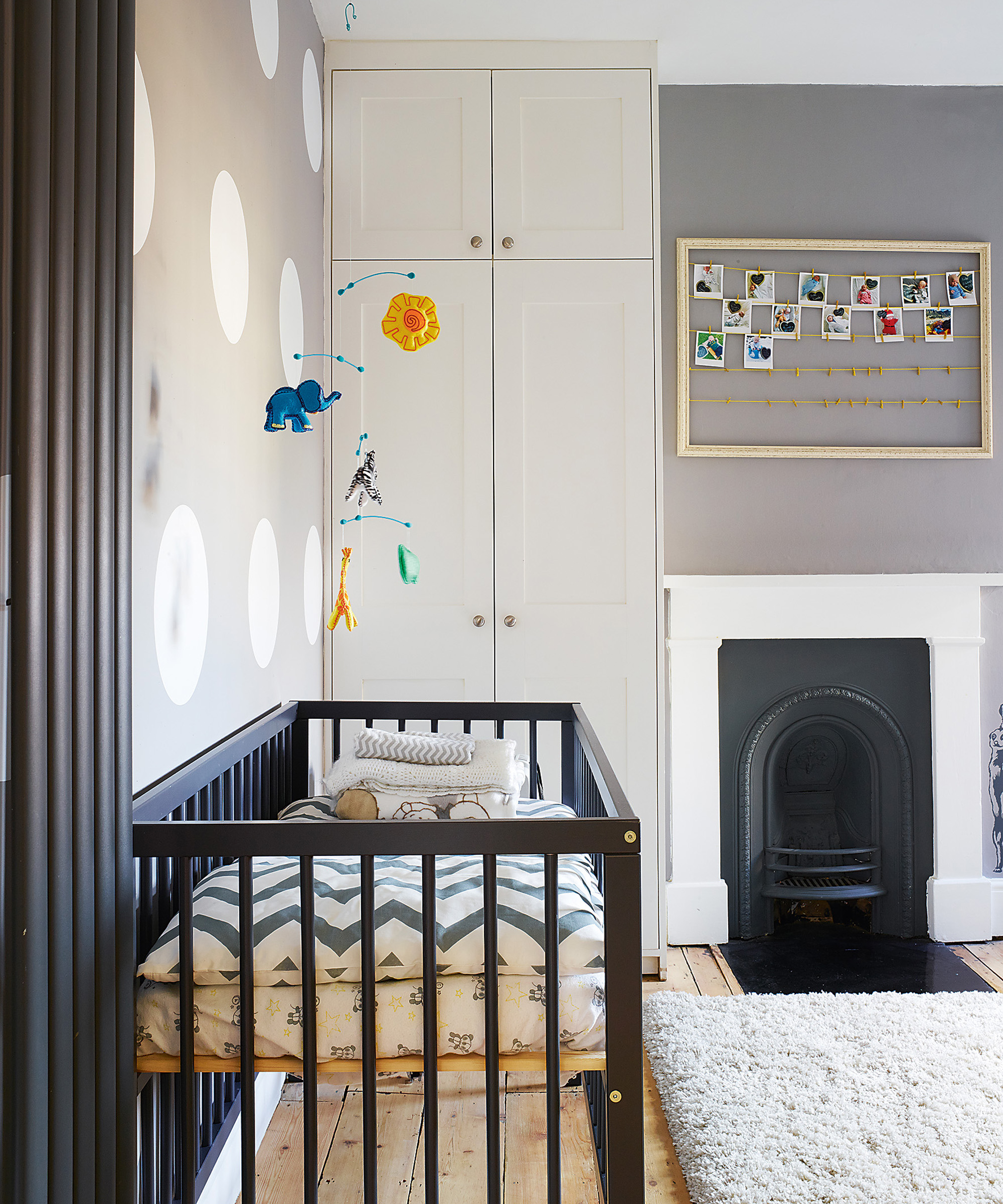
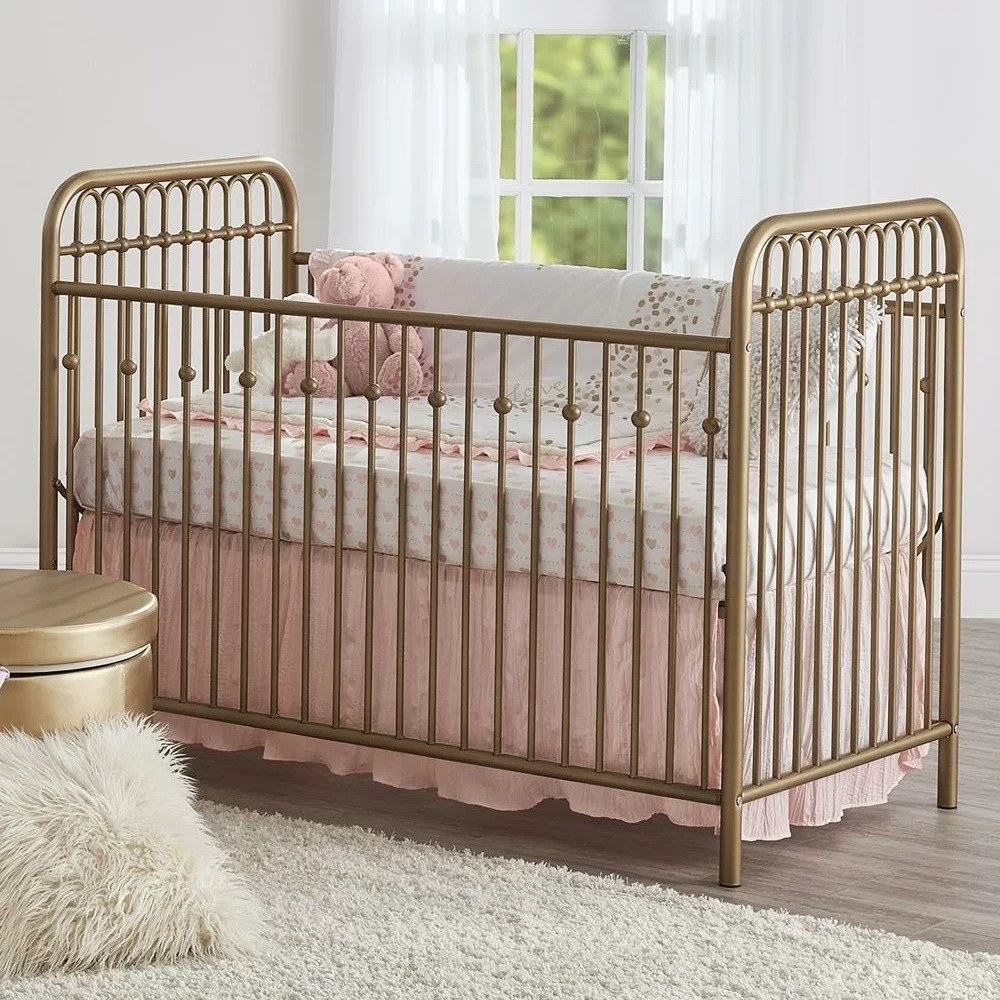
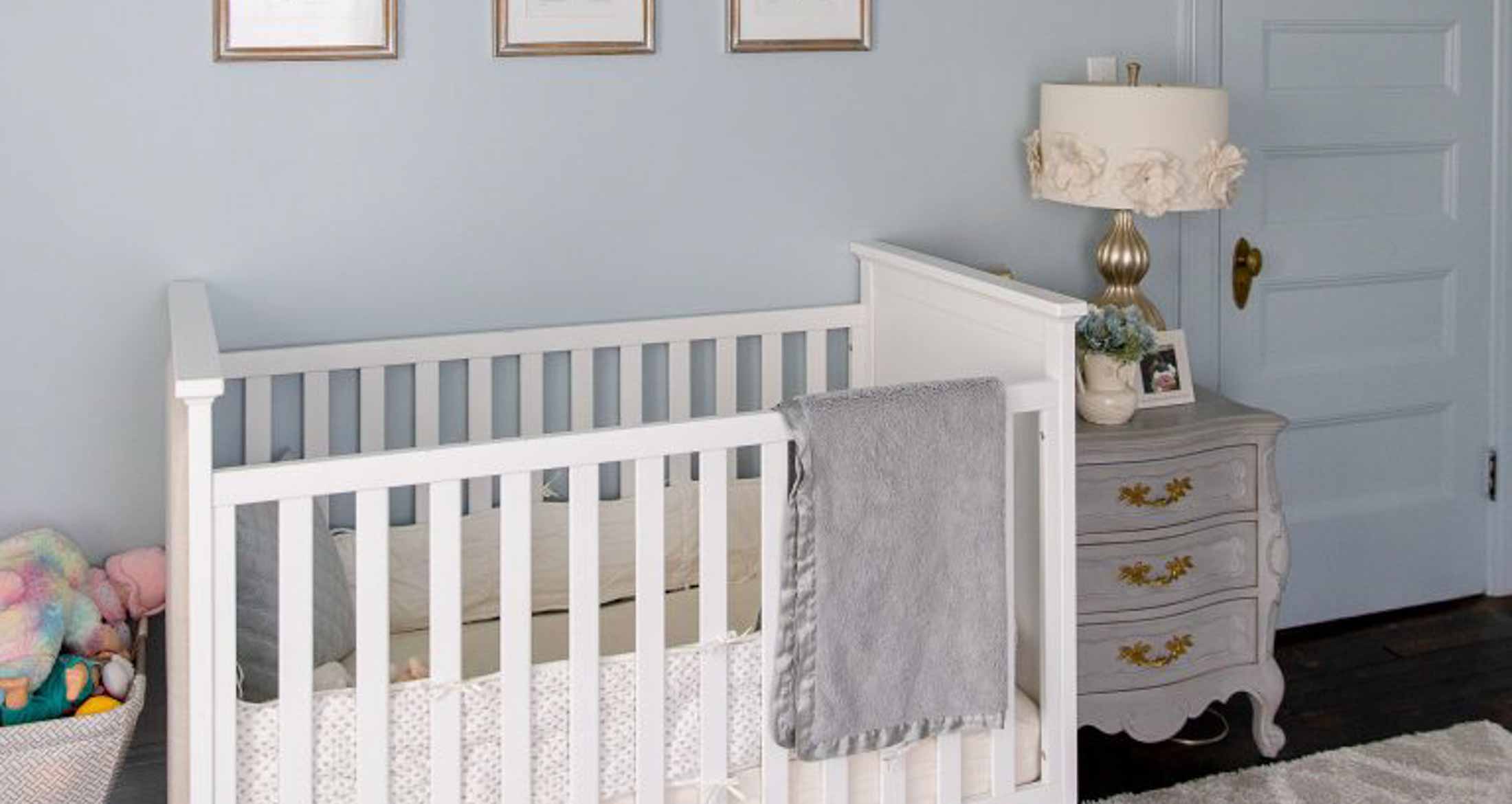
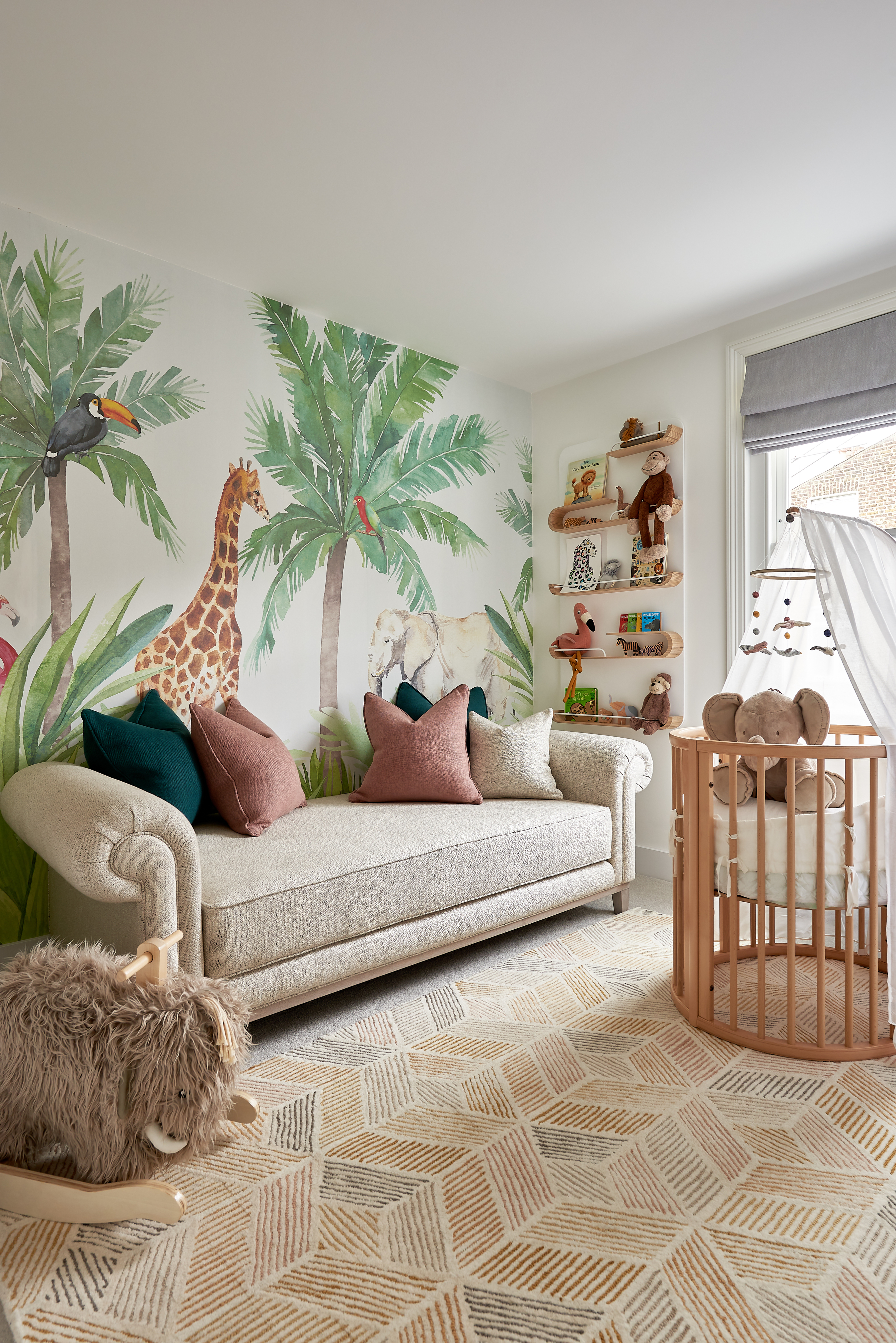
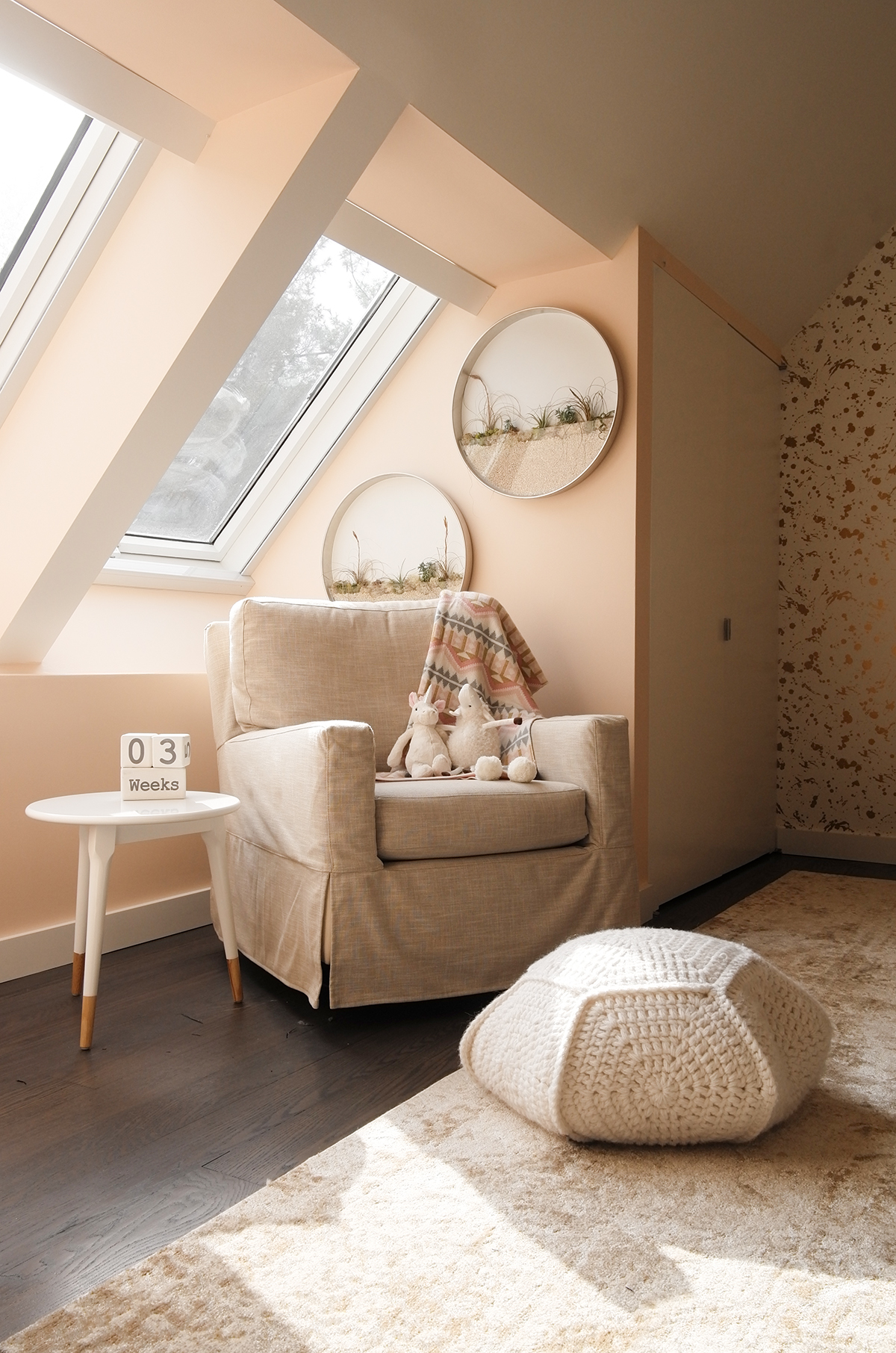
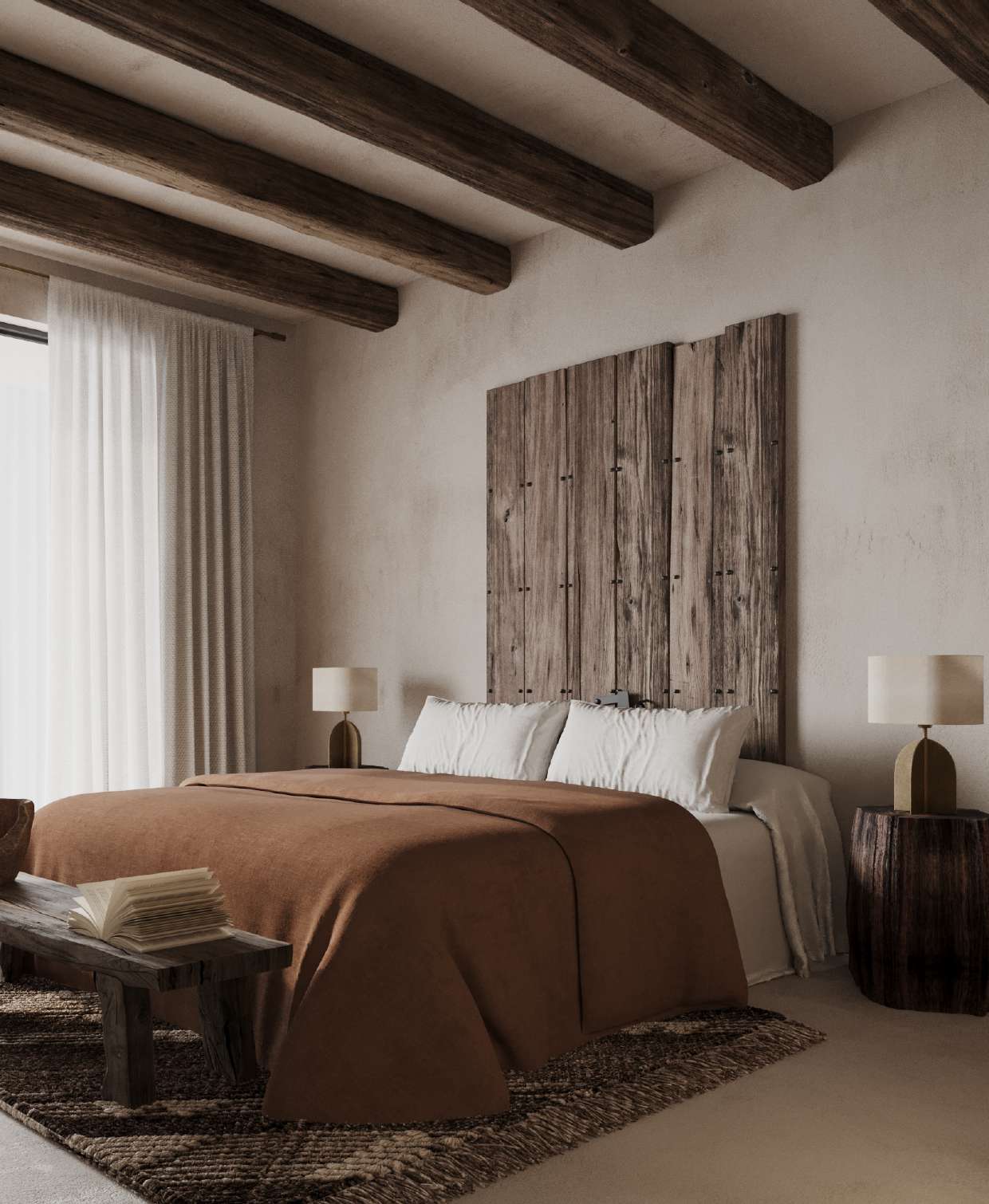
Creating a calm nursery for both the baby and the caregiver is essential for fostering a peaceful environment. Architect Merilee Meacock, a partner at KSS Architects, emphasizes prioritizing the caregiver's comfort, as a relaxed parent contributes to a calm baby. The nursery should function as a supportive space for parents, with design choices that enhance well-being.
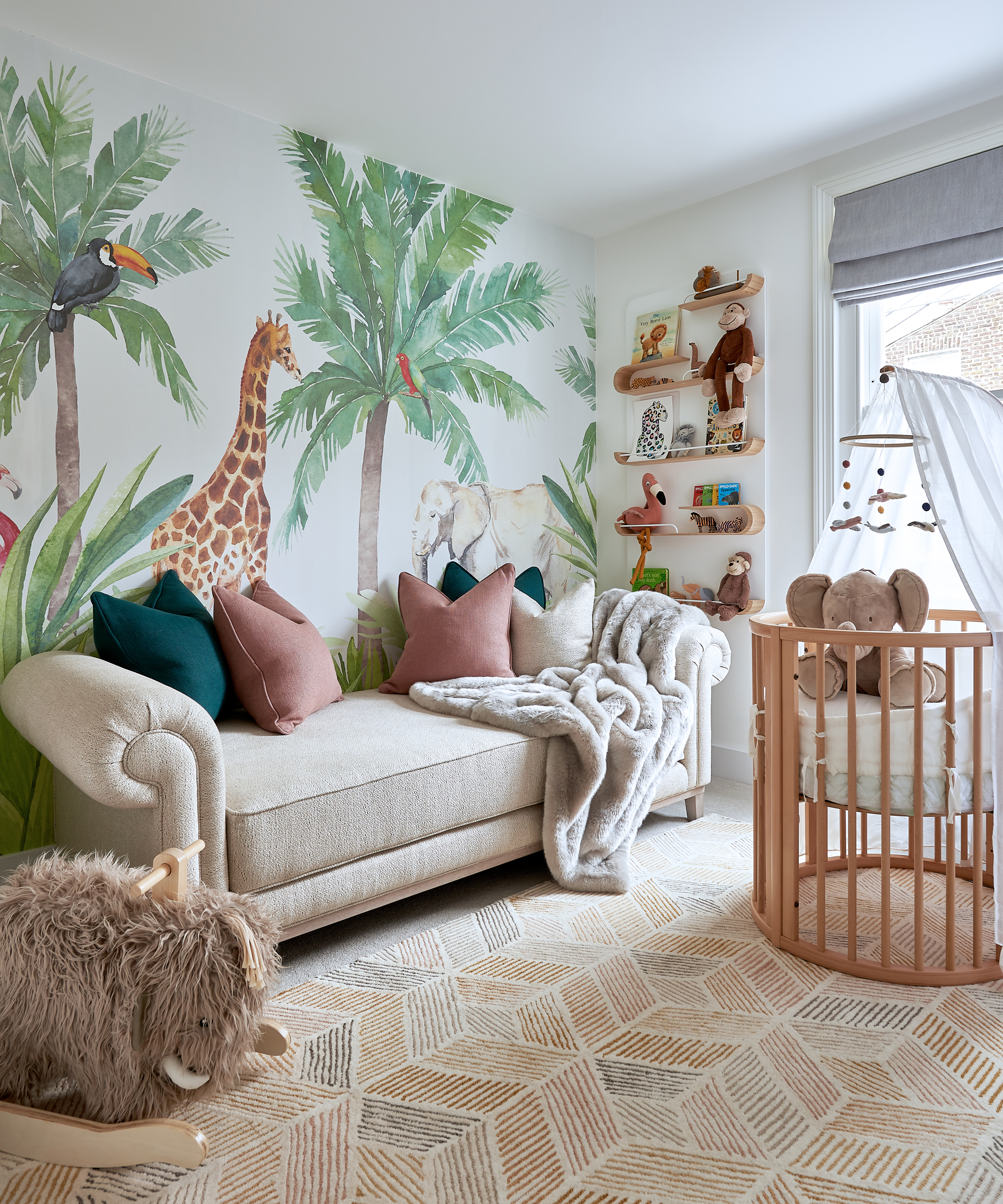
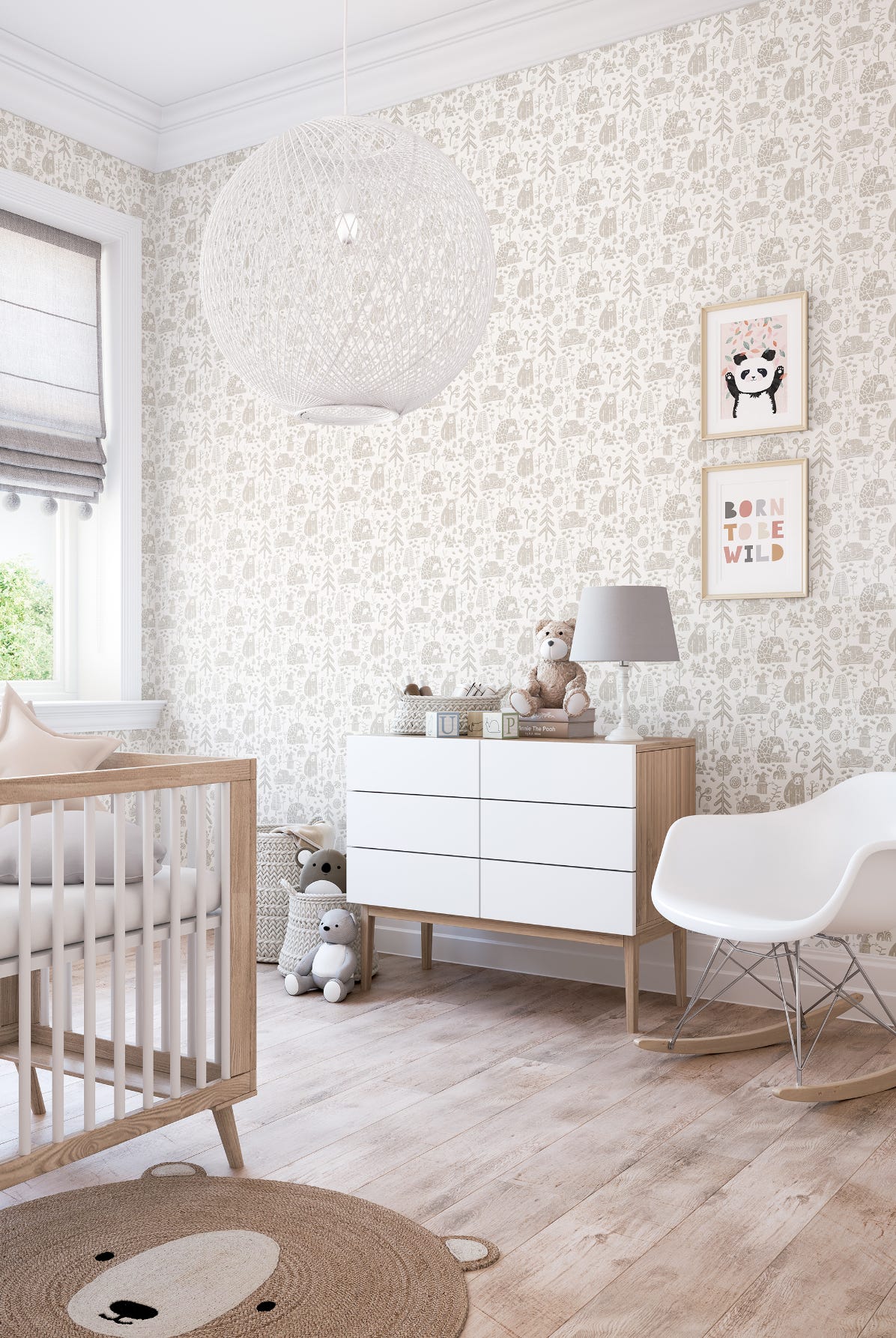
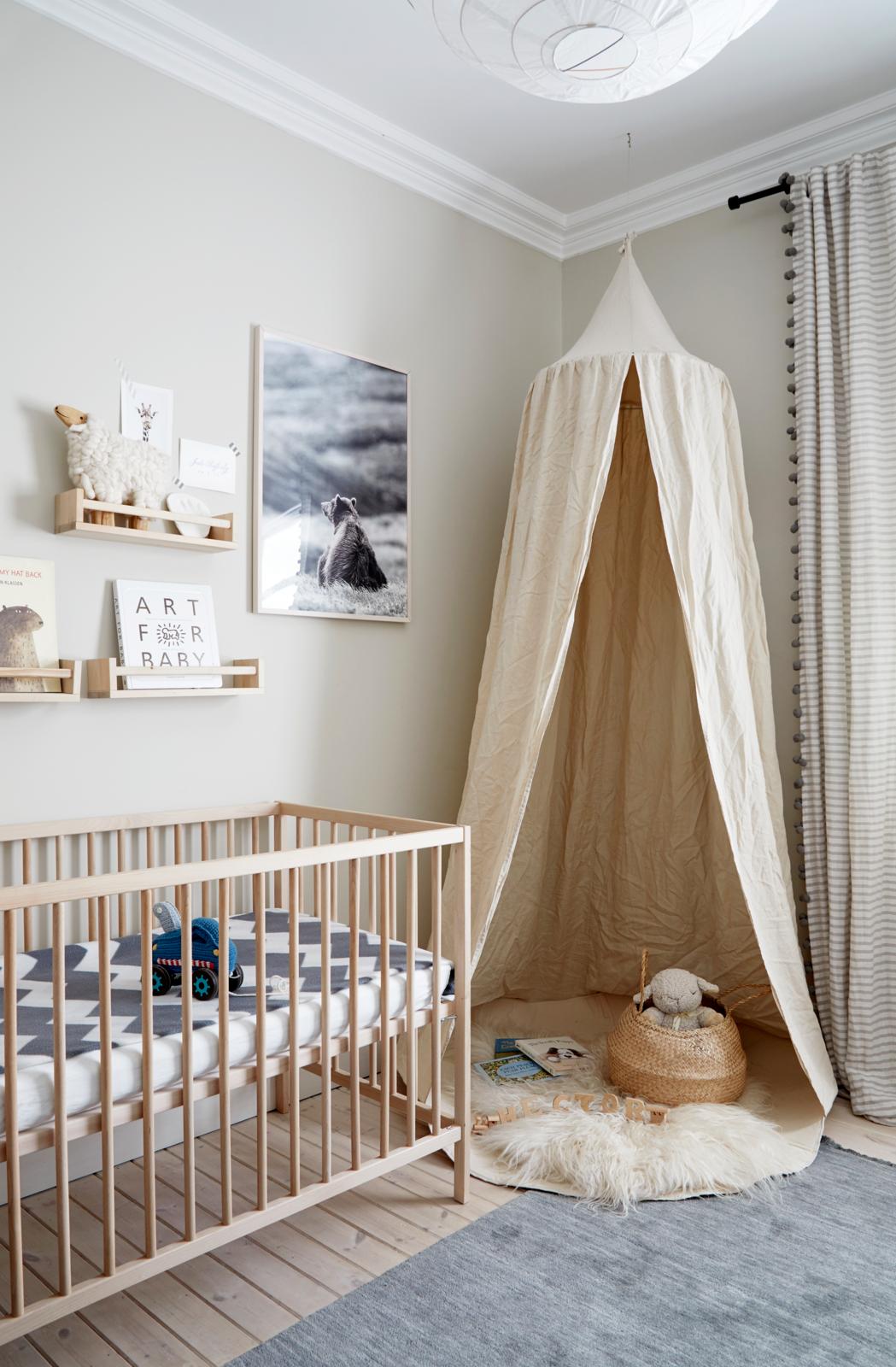
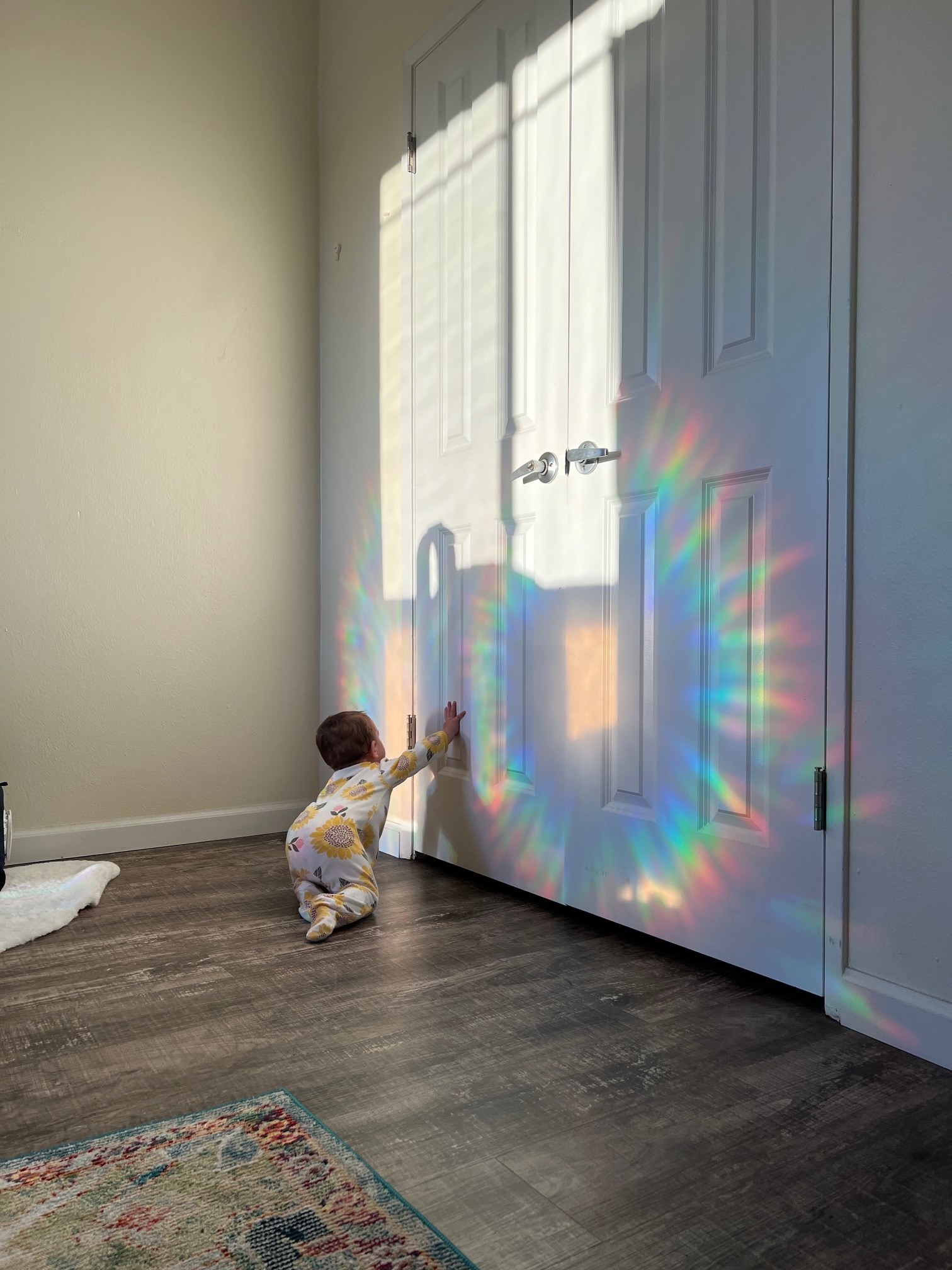
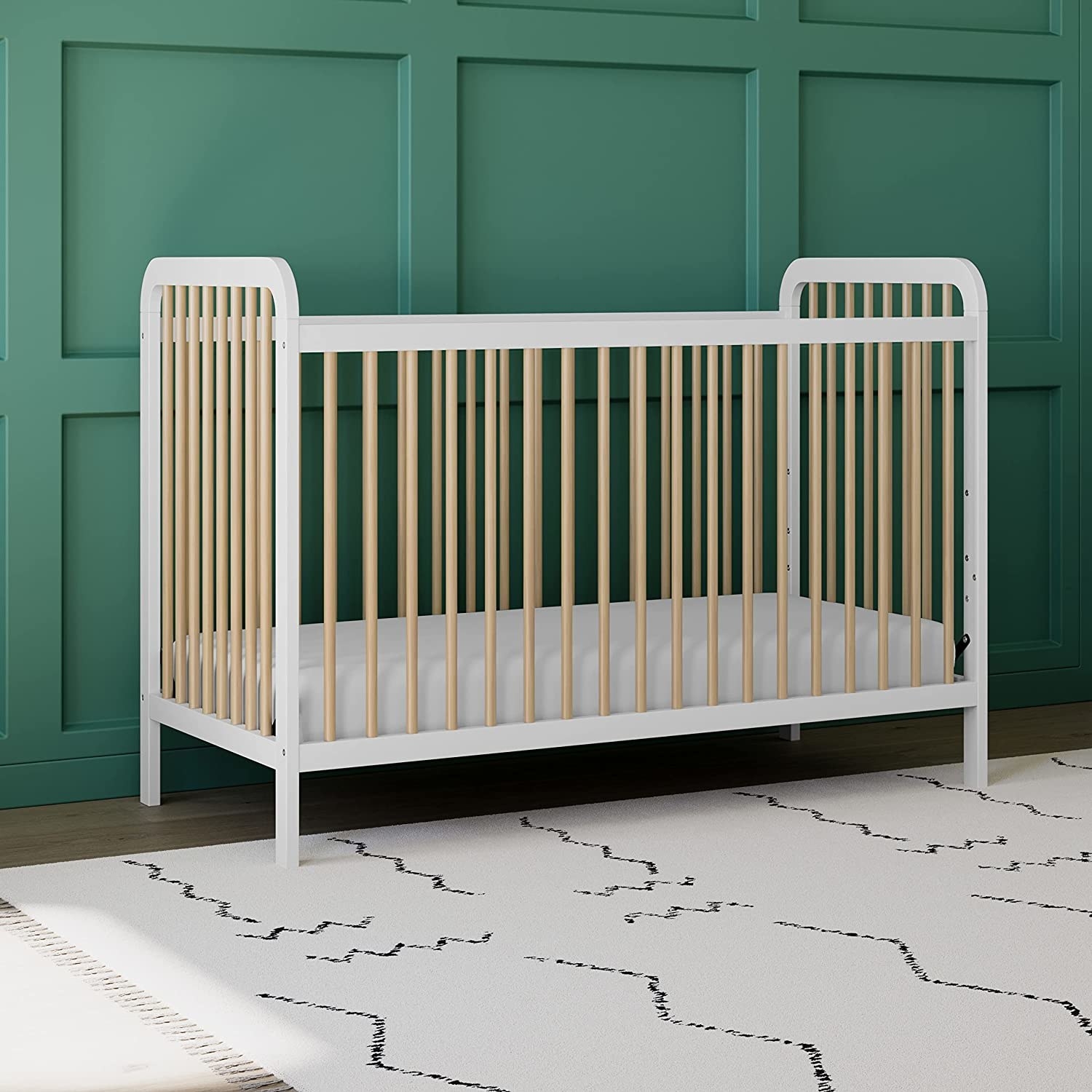
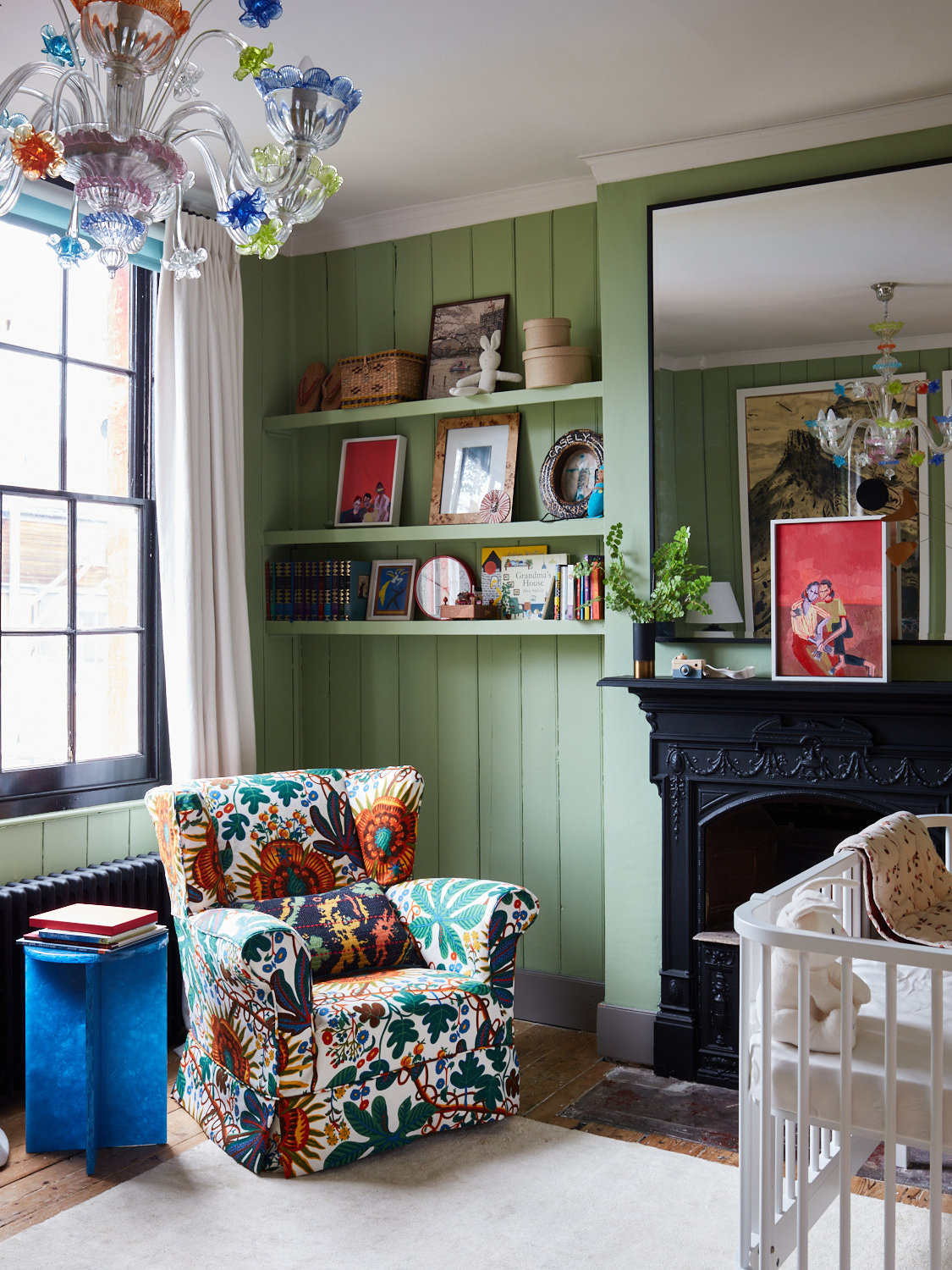
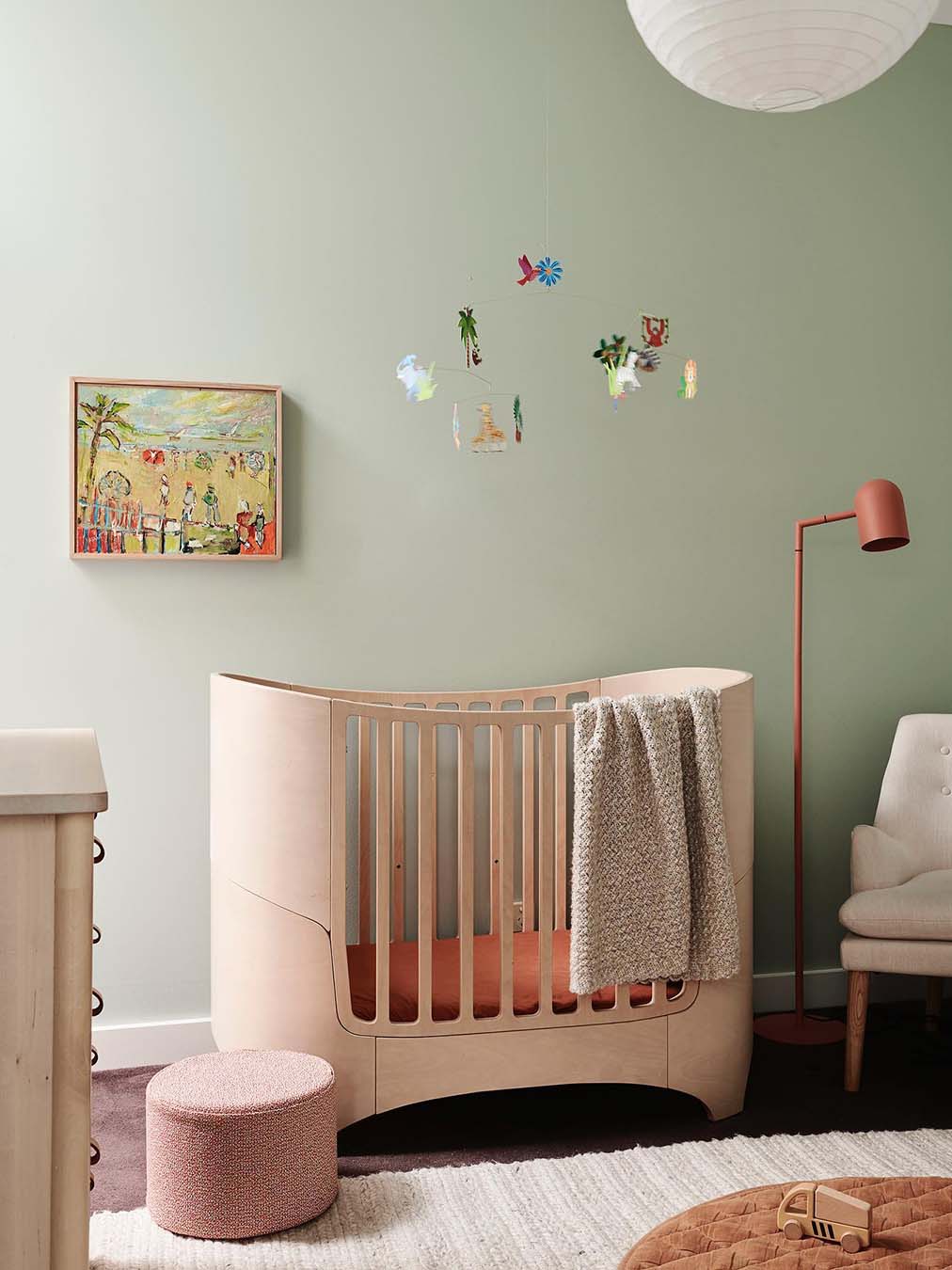
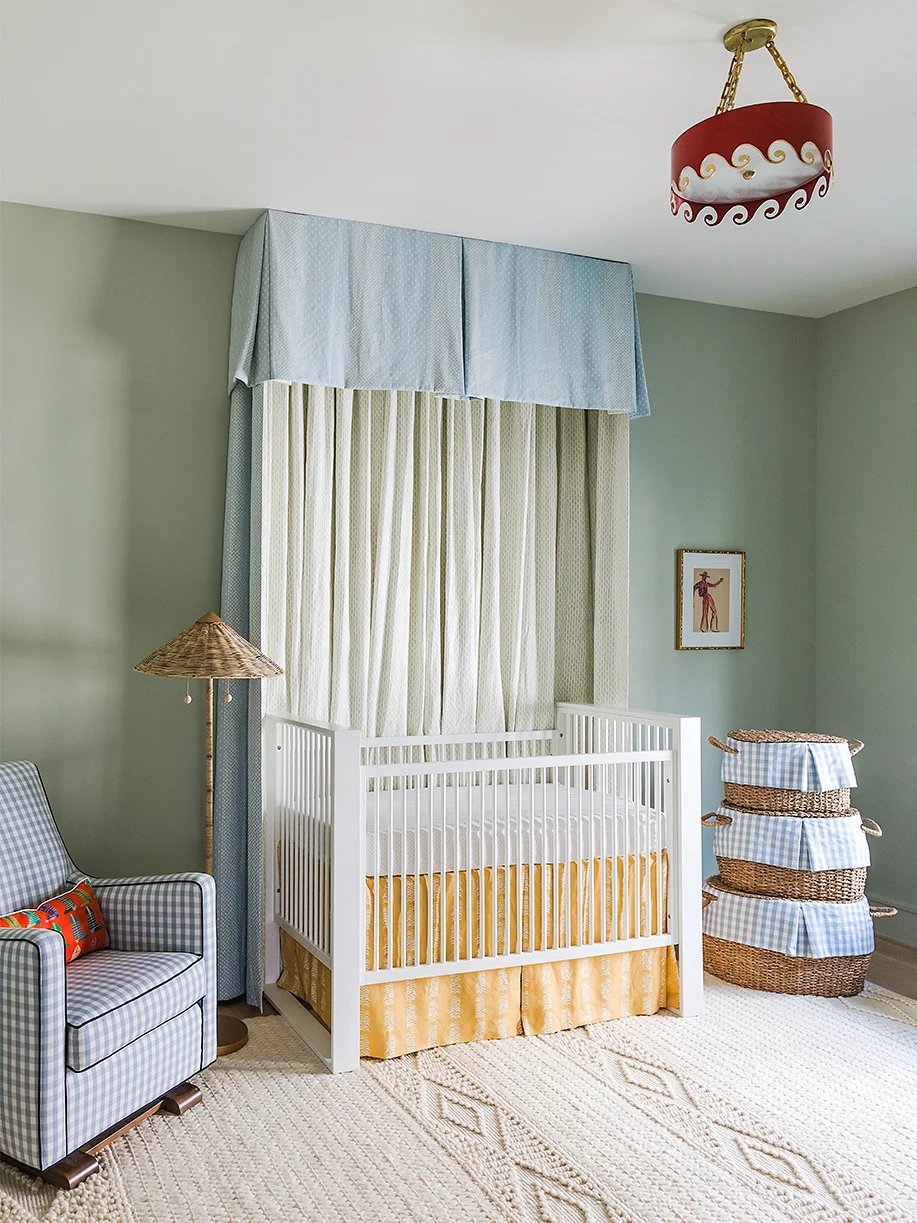
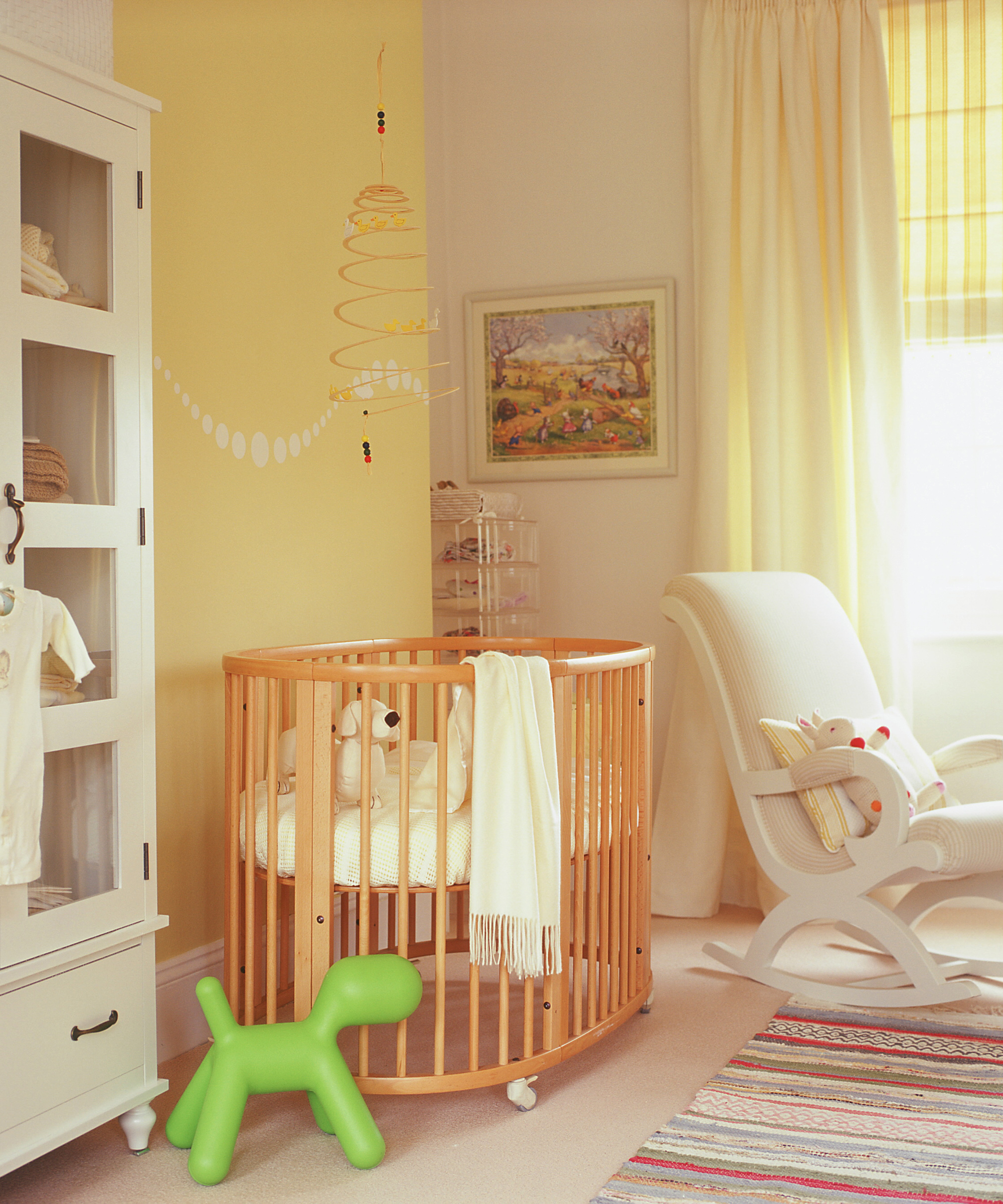
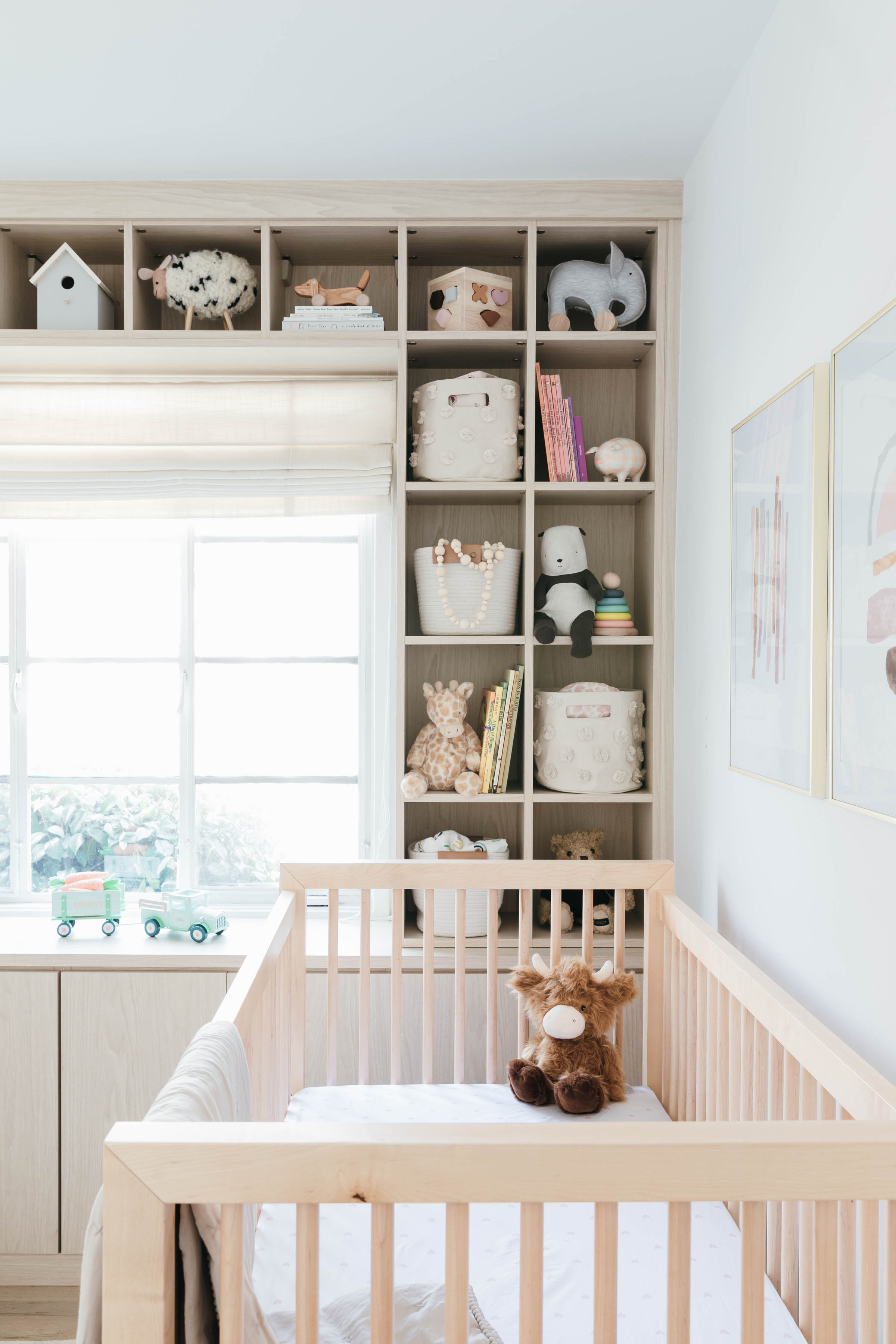
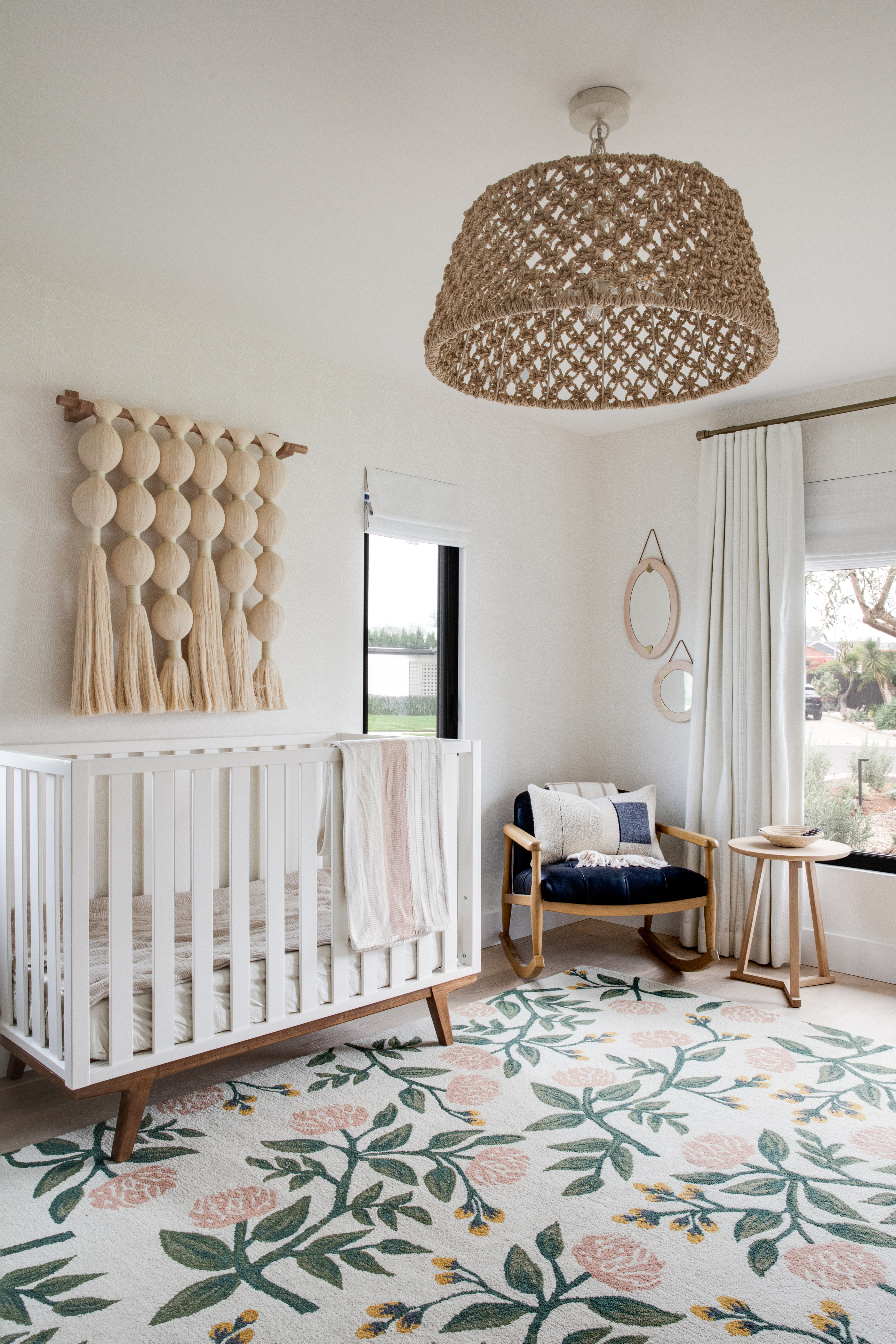
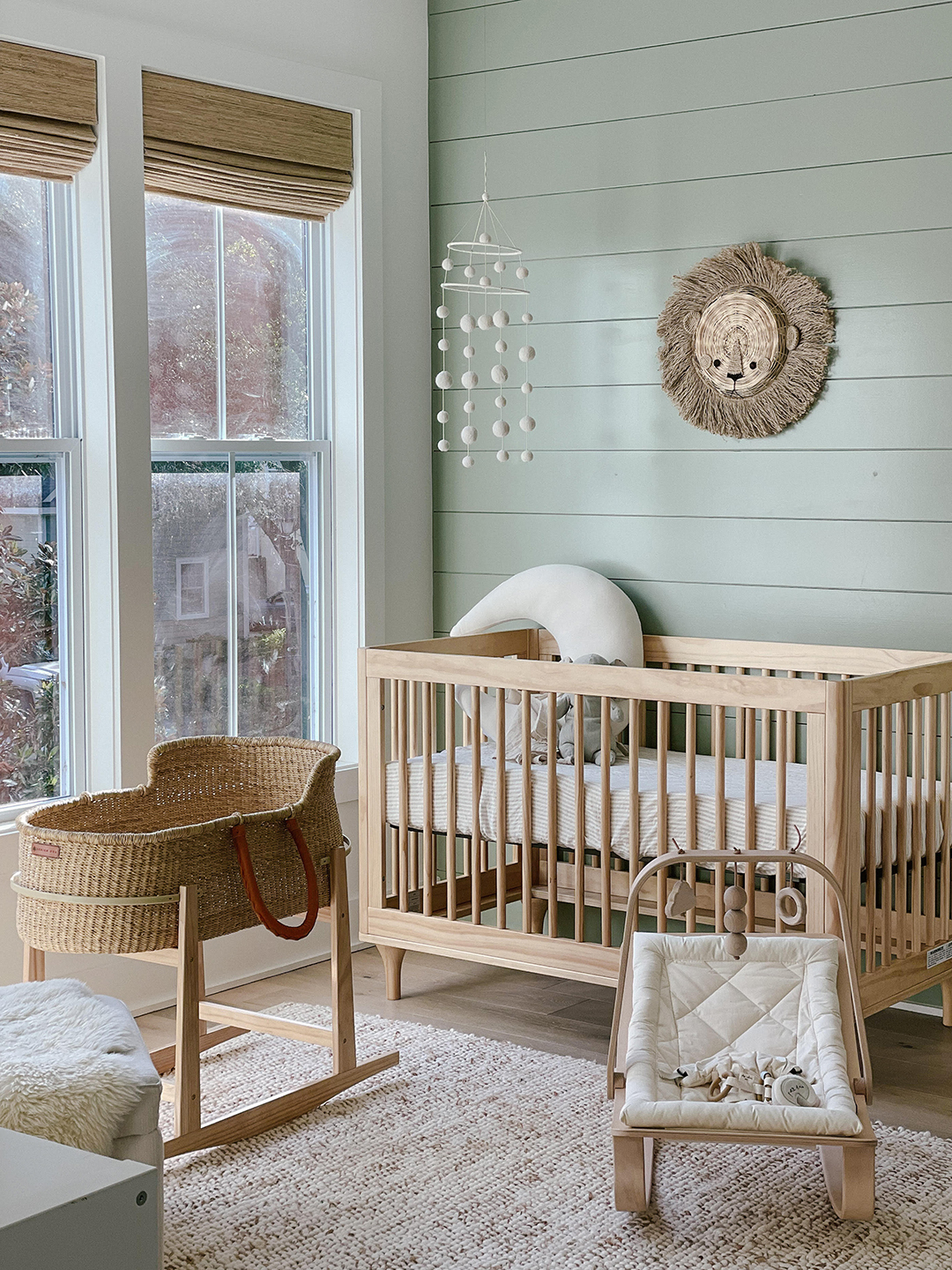
Meacock suggests several key elements for a calm nursery. A room with an outside view helps caregivers feel connected to the world, while natural light aids in synchronizing the baby's circadian rhythms. Blackout curtains or wood blinds can be used to control light during naptime. Choosing a smaller room size is recommended, as coziness can be nurturing for both parent and child. For the interior, soft textures, comfortable and ergonomic furniture, and natural materials like wood and wool are preferred. A 2007 study in the Journal of Wood Science indicated that wood promotes restorative and tranquil feelings, and rooms featuring natural wood have been shown to lower pulse rates. Wood's warmth to the touch also adds to its soothing qualities.
Ergonomic furniture is crucial for parents who will spend significant time in the nursery in similar positions. Meacock highlights the importance of a changing table configured at the right height and a nursing chair that provides ample back support to ensure lasting comfort. Drawing from her experience designing environments for children with special needs, Meacock notes that cozy nooks are more calming than large, open spaces, a consideration that can guide room selection.
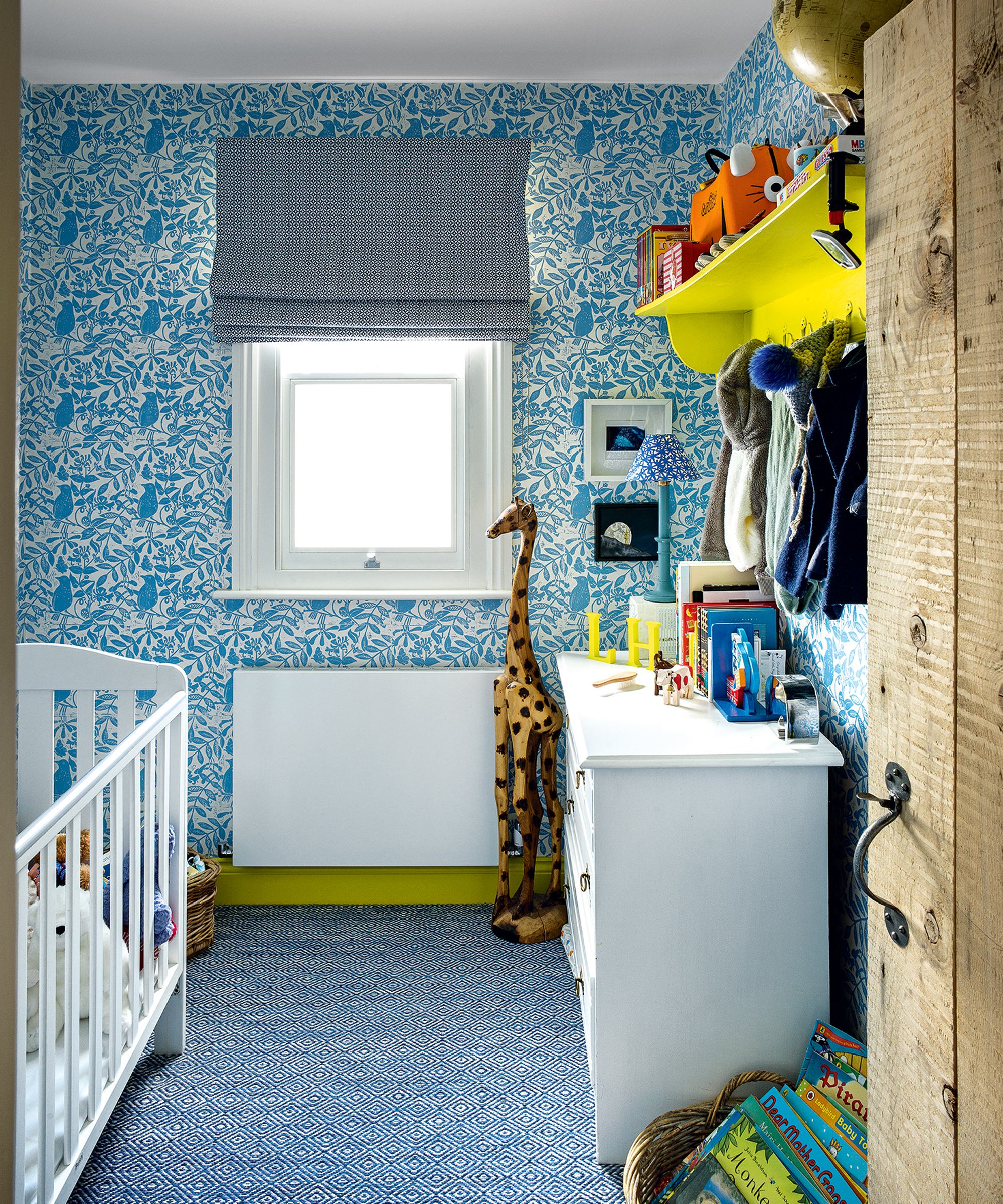
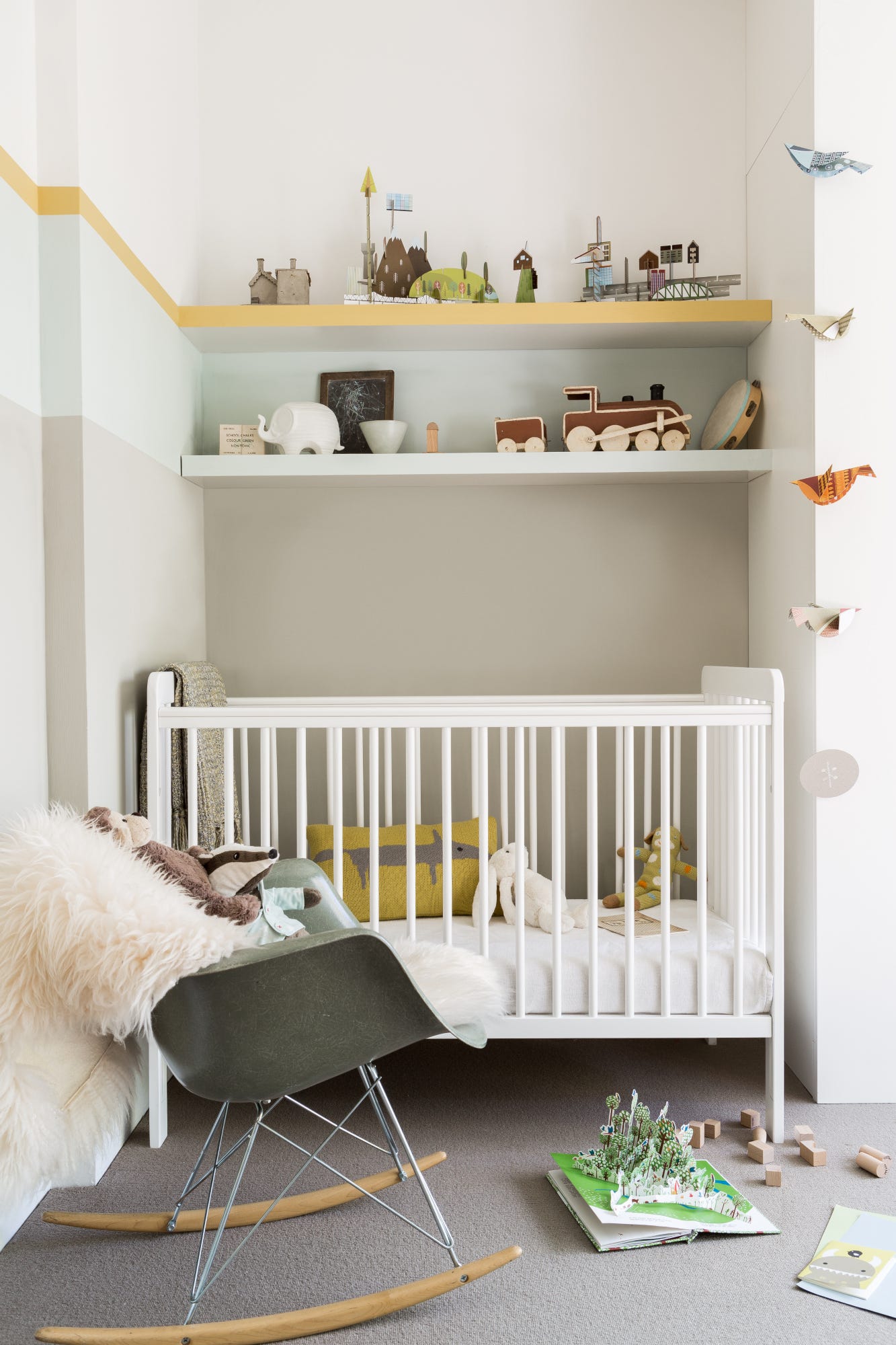
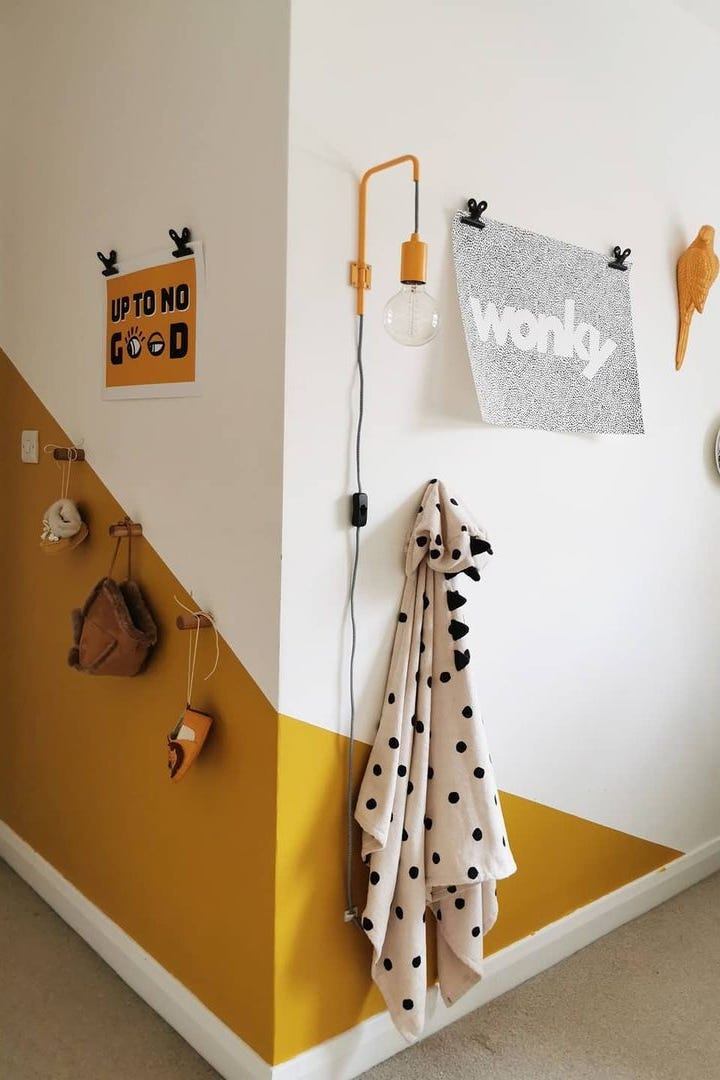
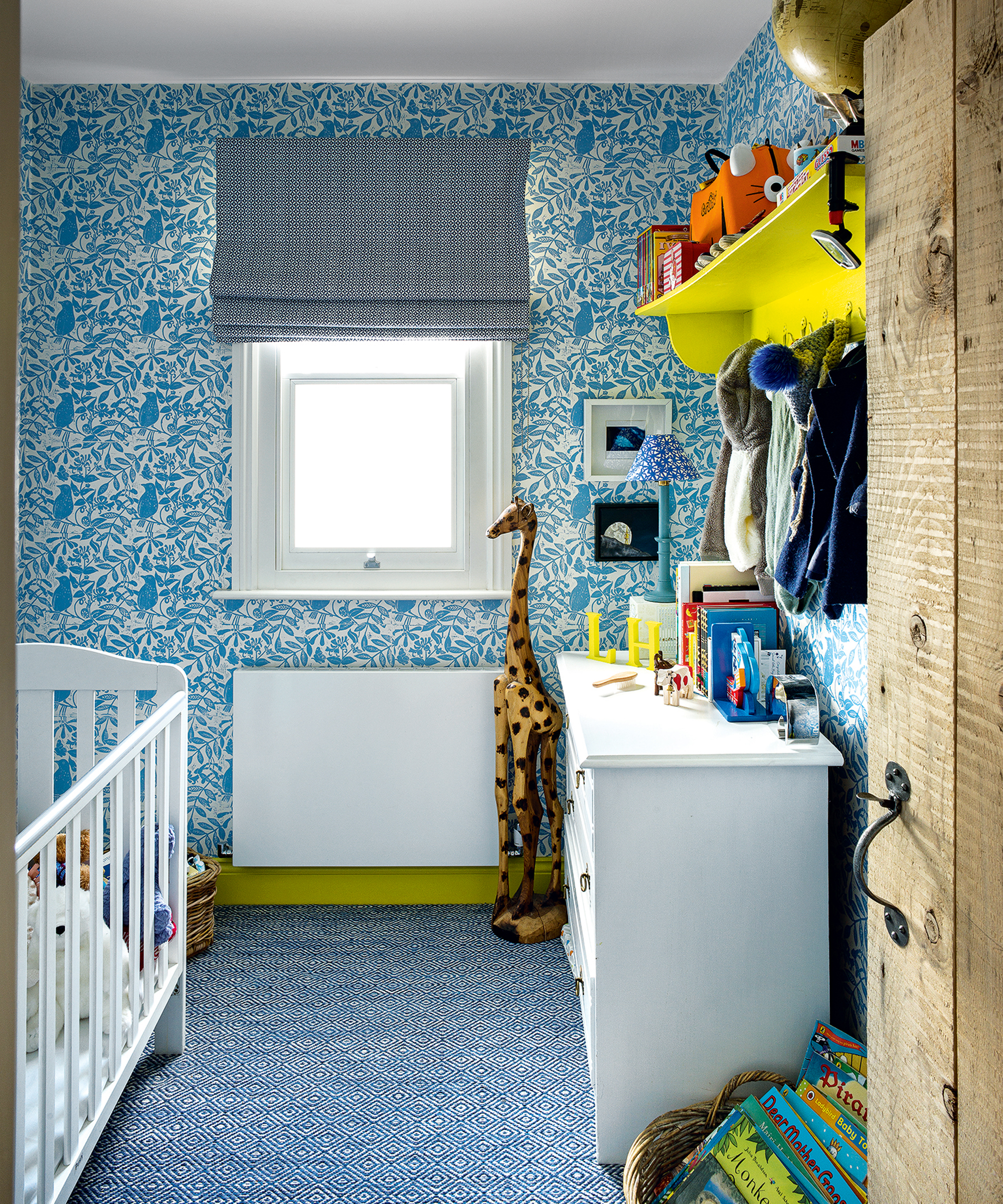
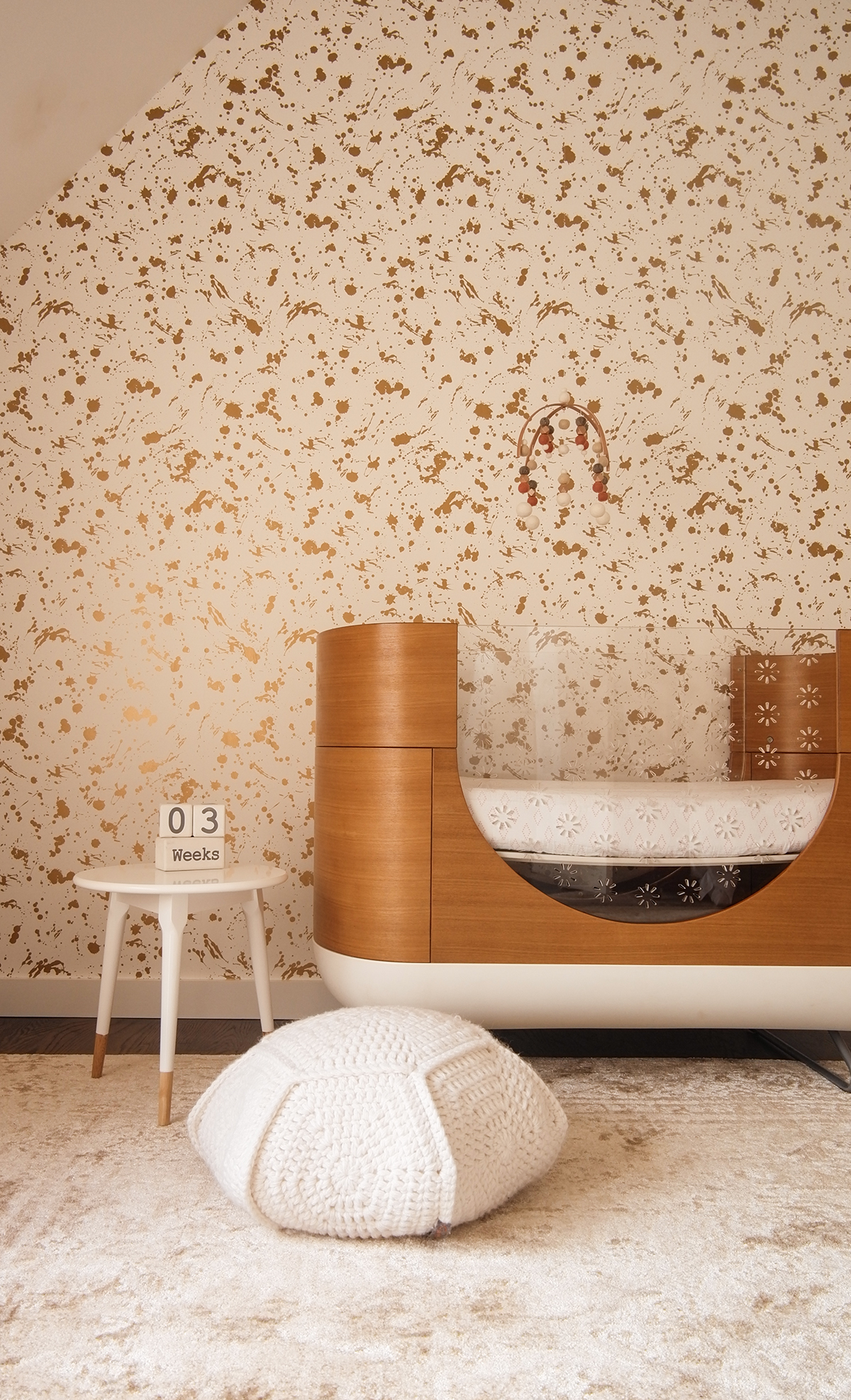
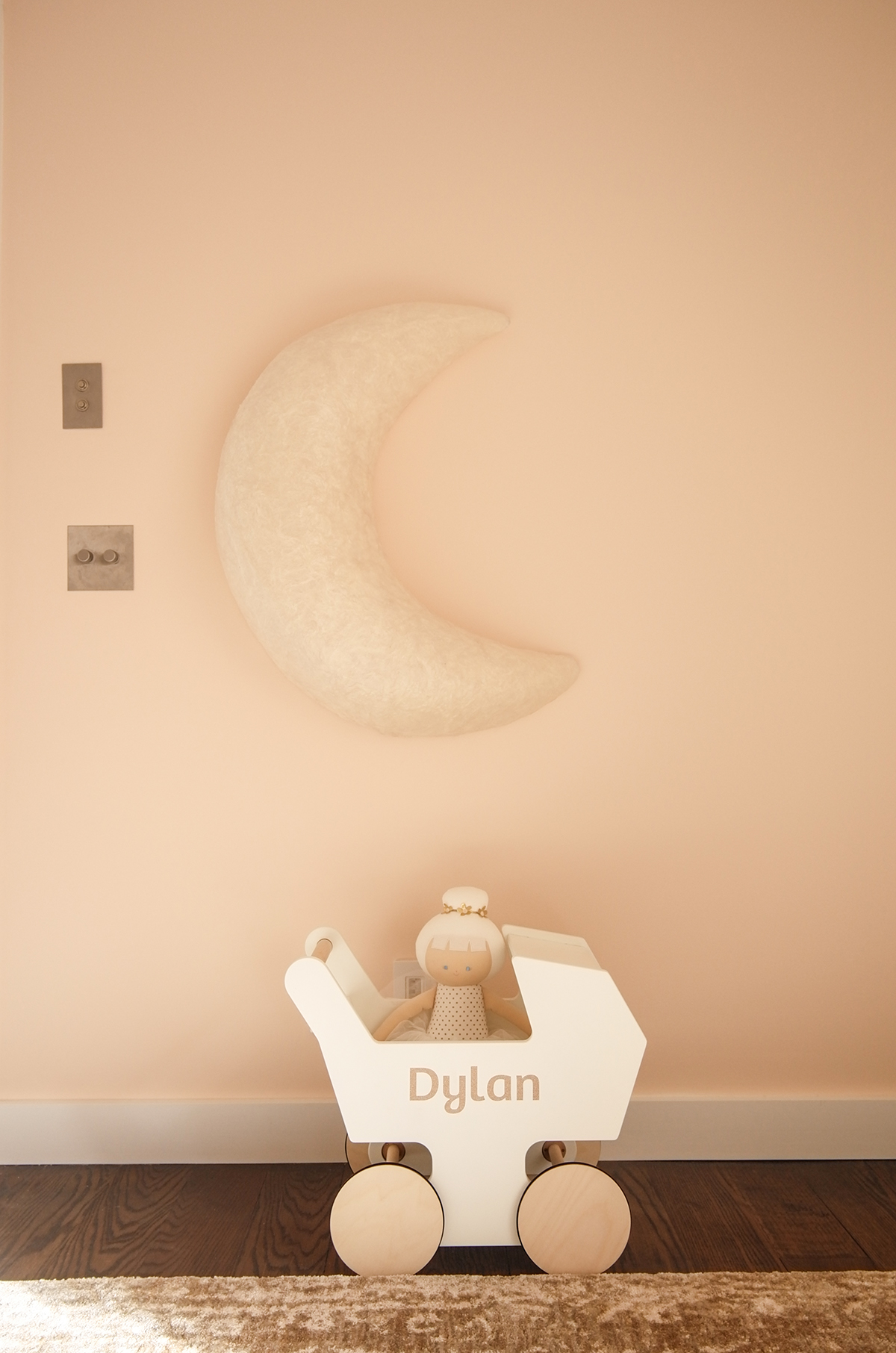
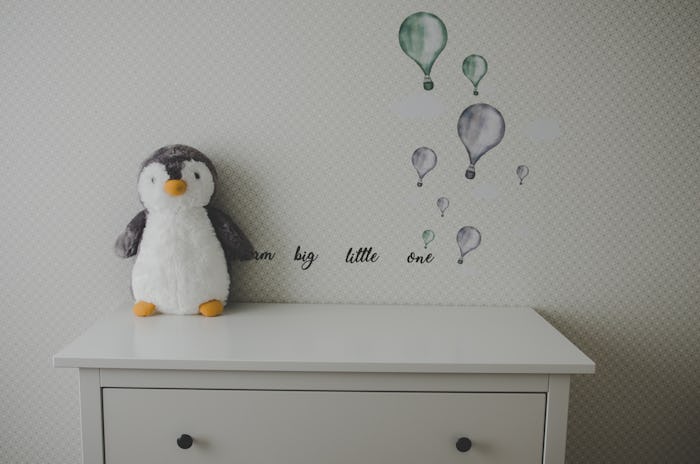
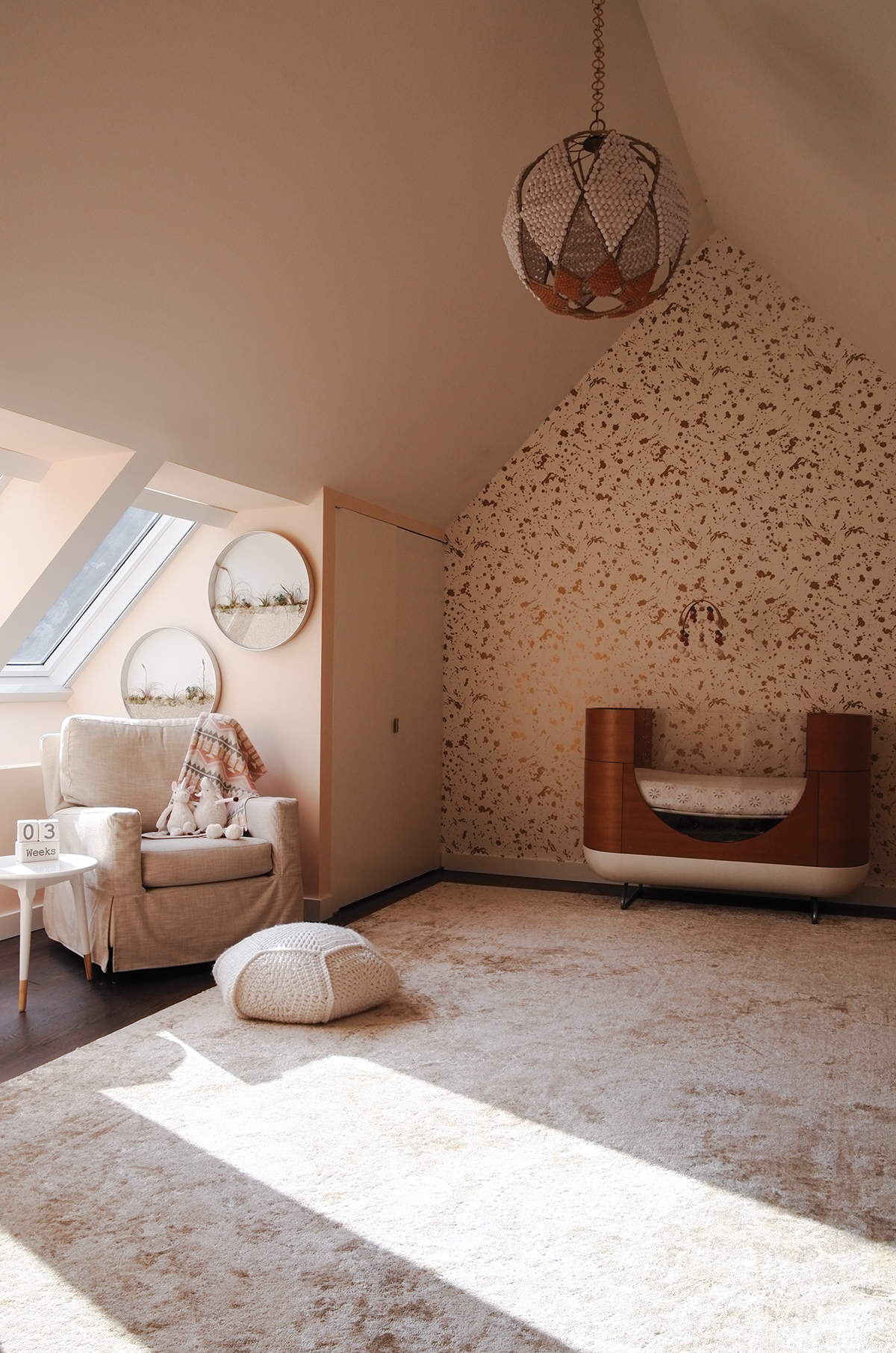

Simplicity and an uncluttered environment are also paramount. Meacock recounts her own nursery, a small 8x8 room with an angled eave, which naturally limited the amount of furniture and toys it could hold. This minimalist approach created a "safe cocoon with few stimuli." She advises against excessive word decals or stacks of objects, promoting a spare and uncluttered feel. The few objects included should have a sensory element, such as books with crunchy plastic, a mock aquarium, or high-contrast toys, as babies typically see in black and white with a dash of red until about six months old. Simple patterns are preferred over complex ones. For further guidance on integrating natural materials and sensory experiences, Meacock recommends Terrapin Bright Green’s "14 Patterns of Biophilic Design," a report detailing design choices that support human health and well-being.
Beyond decor and design, routine plays a significant role in creating a calm environment. Nadia Galloway, creator of Pillow Sheets, stresses the importance of a consistent bedtime schedule. Babies and children thrive on routine, which provides a sense of security and comfort. This includes repeating the same lullaby and following bath time with a beloved book each night. Ultimately, the philosophy is that a calm parent leads to a calm baby, making the caregiver's peace of mind a central component of nursery design.
#CalmNursery #BabyCare #NurseryDesign #ParentingTips #BiophilicDesign #ChildDevelopment #NaturalMaterials #ErgonomicFurniture #RoutineBuilding #CalmNursery #BabyCare #NurseryDesign #ParentingTips #BiophilicDesign #ChildDevelopment #NaturalMaterials #ErgonomicFurniture #RoutineBuilding
0 Kommentare insgesamt
 Noch keine Kommentare
Das könnte Ihnen auch gefallen
Baby boy nursery ideas – 17 tips for creating a soothing sleep space

6 ways to create a calm living space, according to the experts

Best nursery furniture and decor ideas for your baby’s room
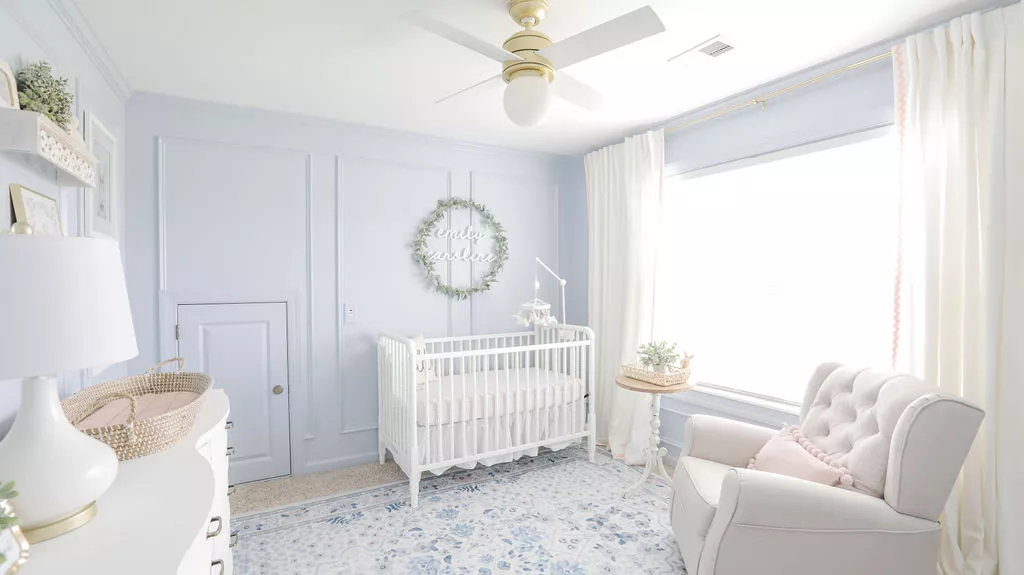
10 Soothing Colors That Are Perfect for the Nursery

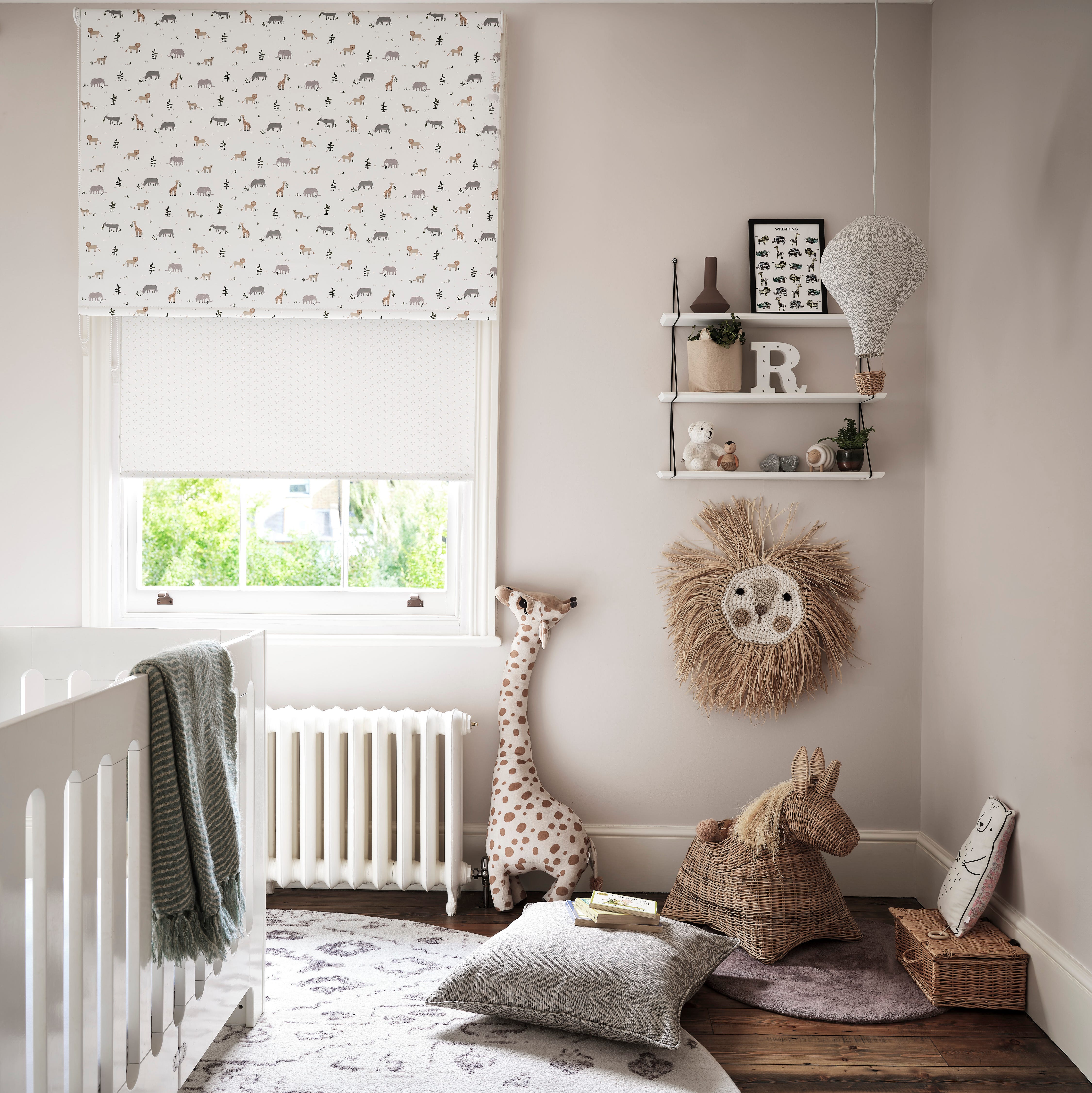
13 neutral nursery ideas for a soothing, serene space

33 Nursery Ideas To Turn Your Baby's Room Into The Coolest In The House

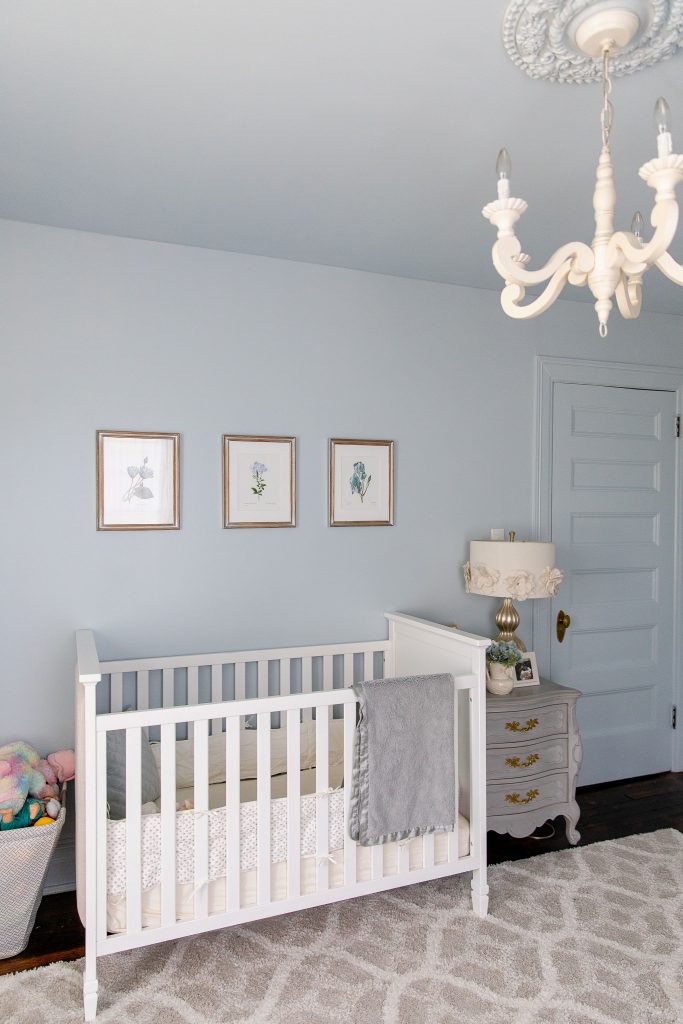
The Prettiest Sleepy Blue Nursery For Your Baby


Tiny humans, big decisions | Pros and cons of designing a nursery

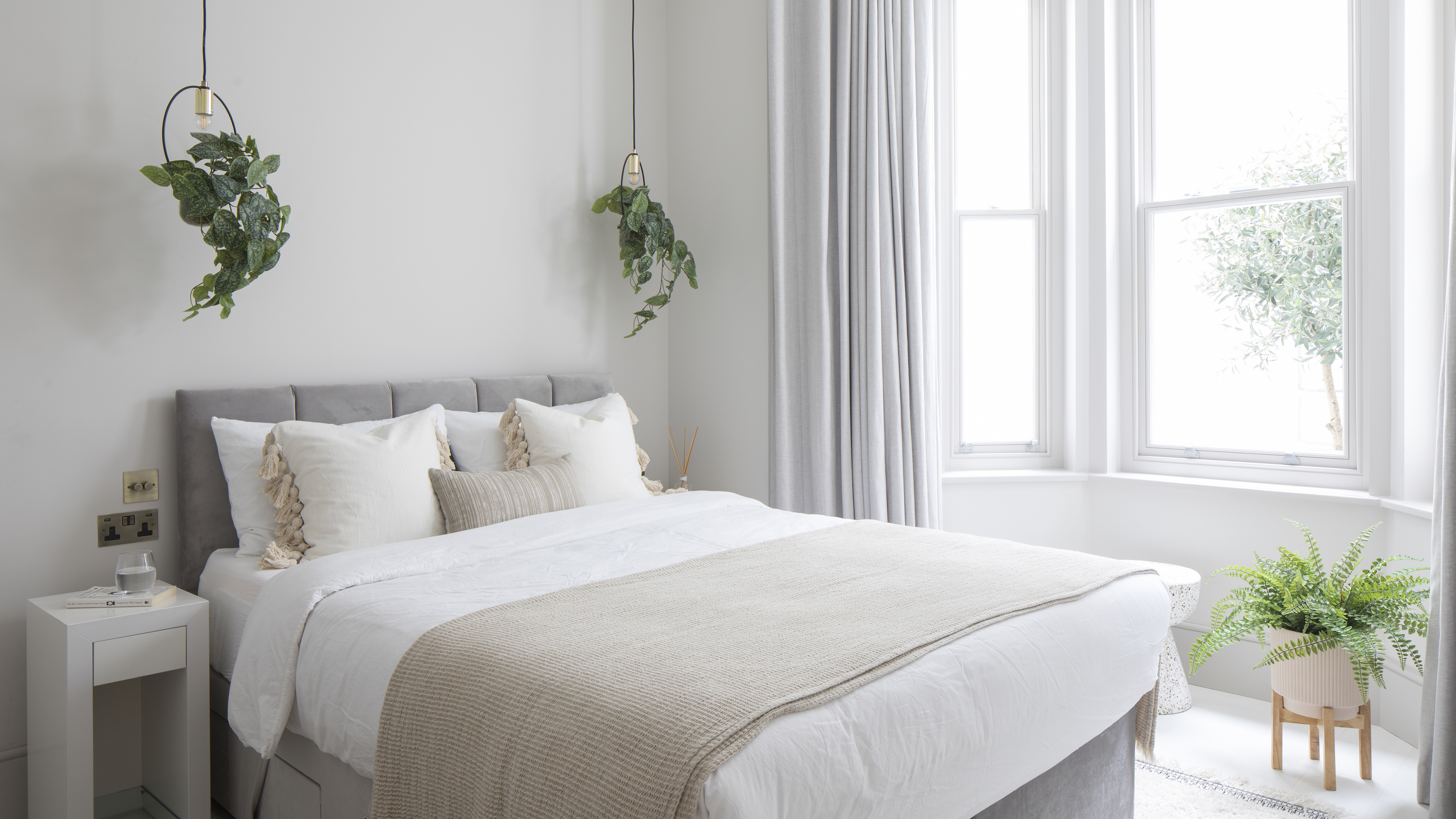
Calm bedroom ideas – 11 style tricks to create a soothing sanctuary

5 Feng Shui Tips For Your Baby's Nursery That Could Even Help Them Sleep

This Nursery Is Proof That a Baby’s Room Doesn’t Have to Be Childish
3 NJ Designers Create the Baby Nurseries of Your Dreams

26 Calm Bedroom Ideas for a Restful Night's Sleep
This Design Technique Is the Key to a Calm and Relaxing Home
What is the best color for a nursery? Design experts and sleep psychologists advise
Relaxing bedroom ideas – how to create a more serene space, according to designers

Nursery color schemes – 8 spaces to soothe your baby to sleep
7 Sage Green Nursery Ideas, So That at Least One Spot in Your House Feels Calm | domino

Baby girl nursery ideas – 9 ways to create a comfortable haven that doesn't conform to norms
How to Turn Your Bedroom Into a Sanctuary for Sleep