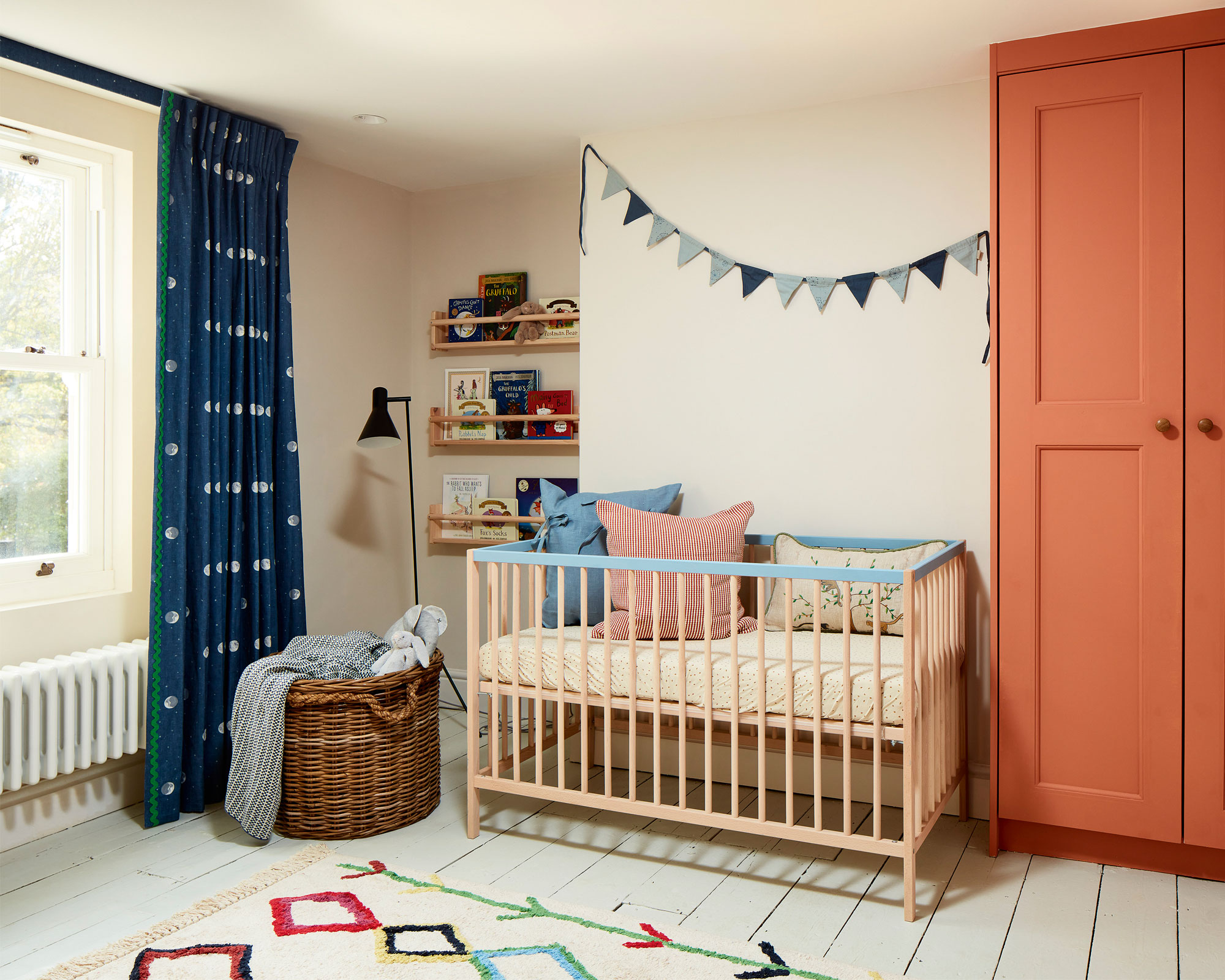
1/6
What is the best color for a nursery? Design experts and sleep psychologists advise
Decorating a nursery for a new arrival is an exciting endeavor, yet selecting the optimal color scheme can present a dilemma for parents. The choice of color can influence the longevity of the design, a baby's sleep patterns, and overall mood. Industry professionals, including color experts and interior designers, offer varied perspectives on ideal nursery colors, considering factors such as calming effects, stimulating properties, and adaptability as the child grows.
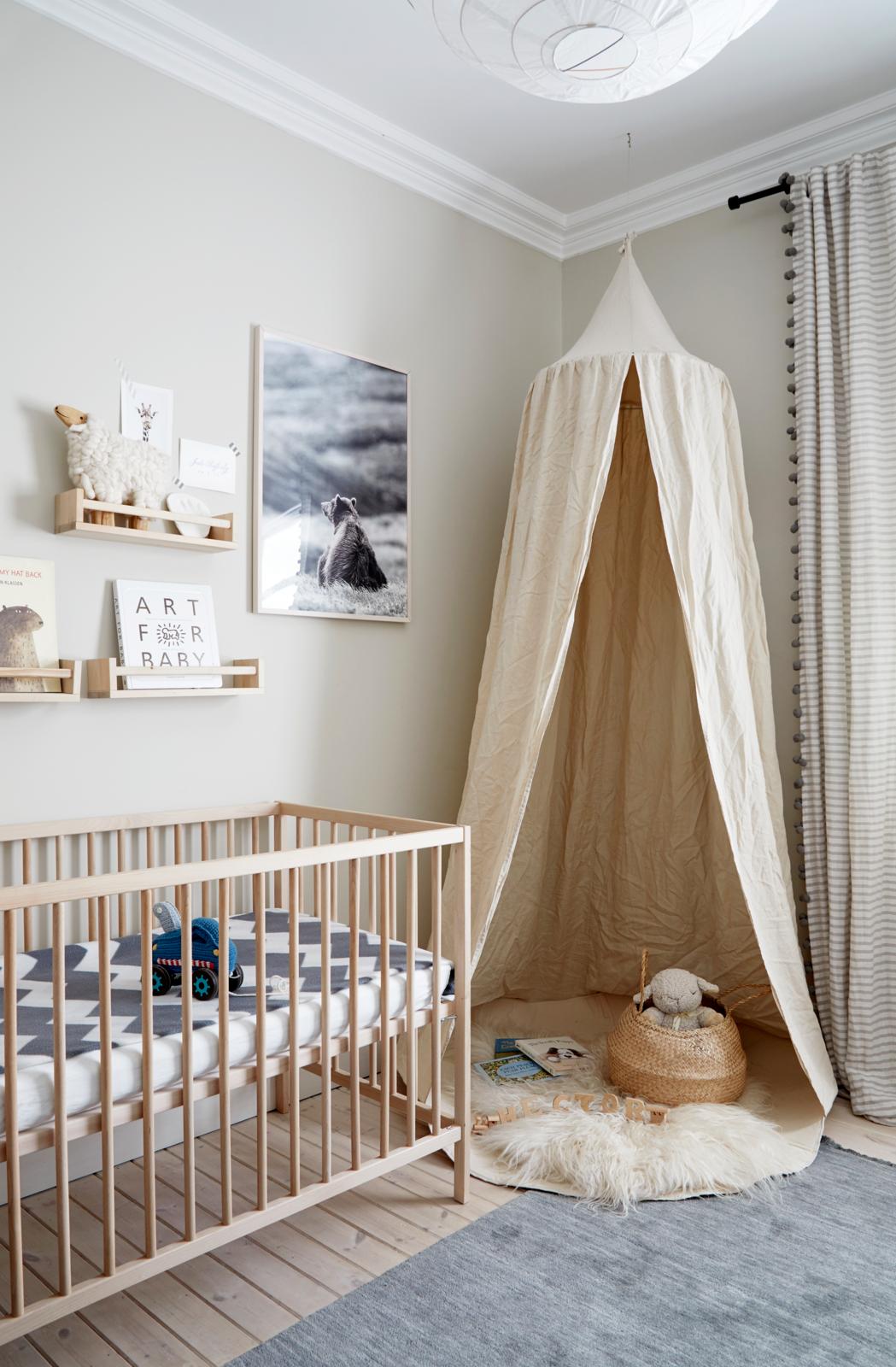
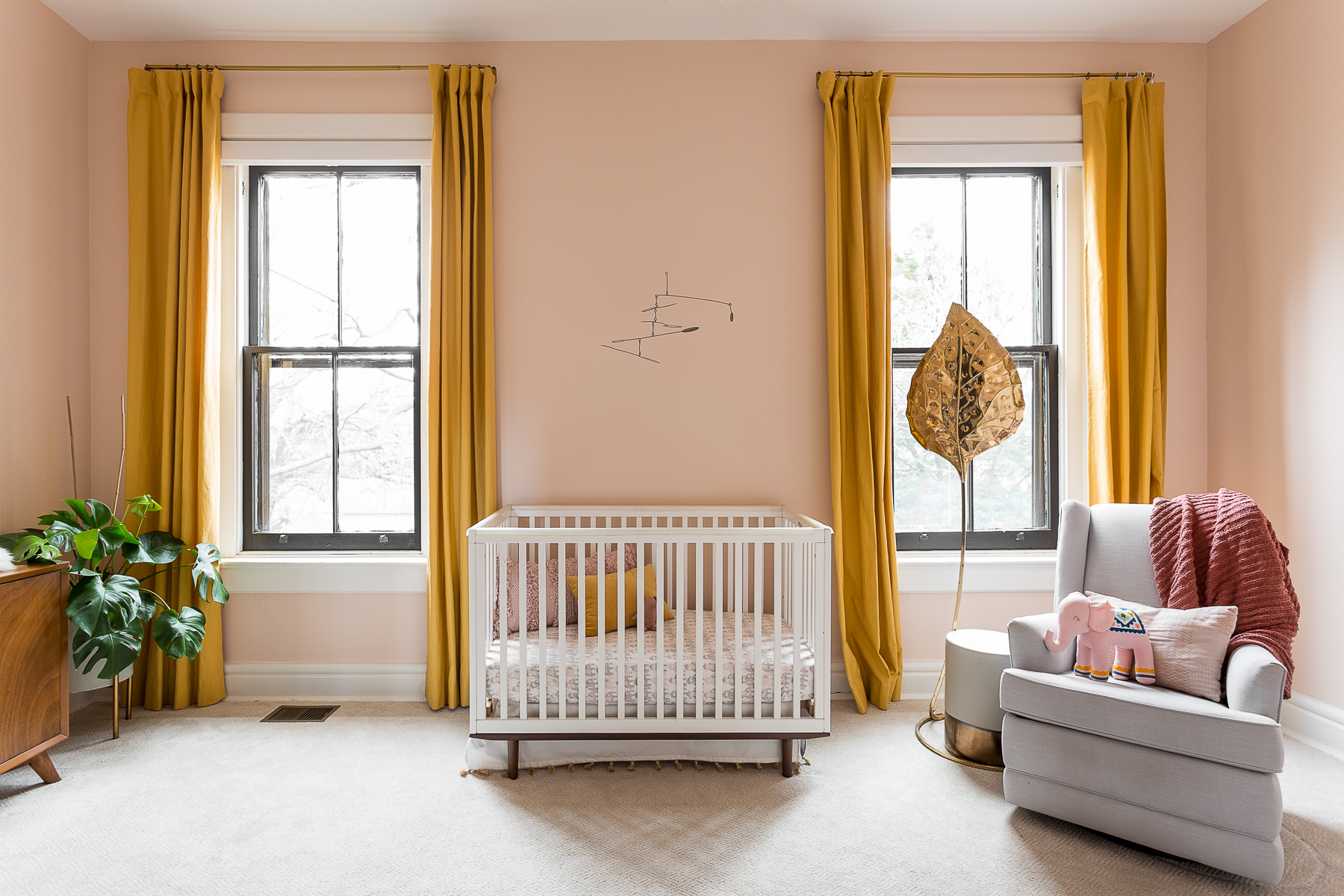
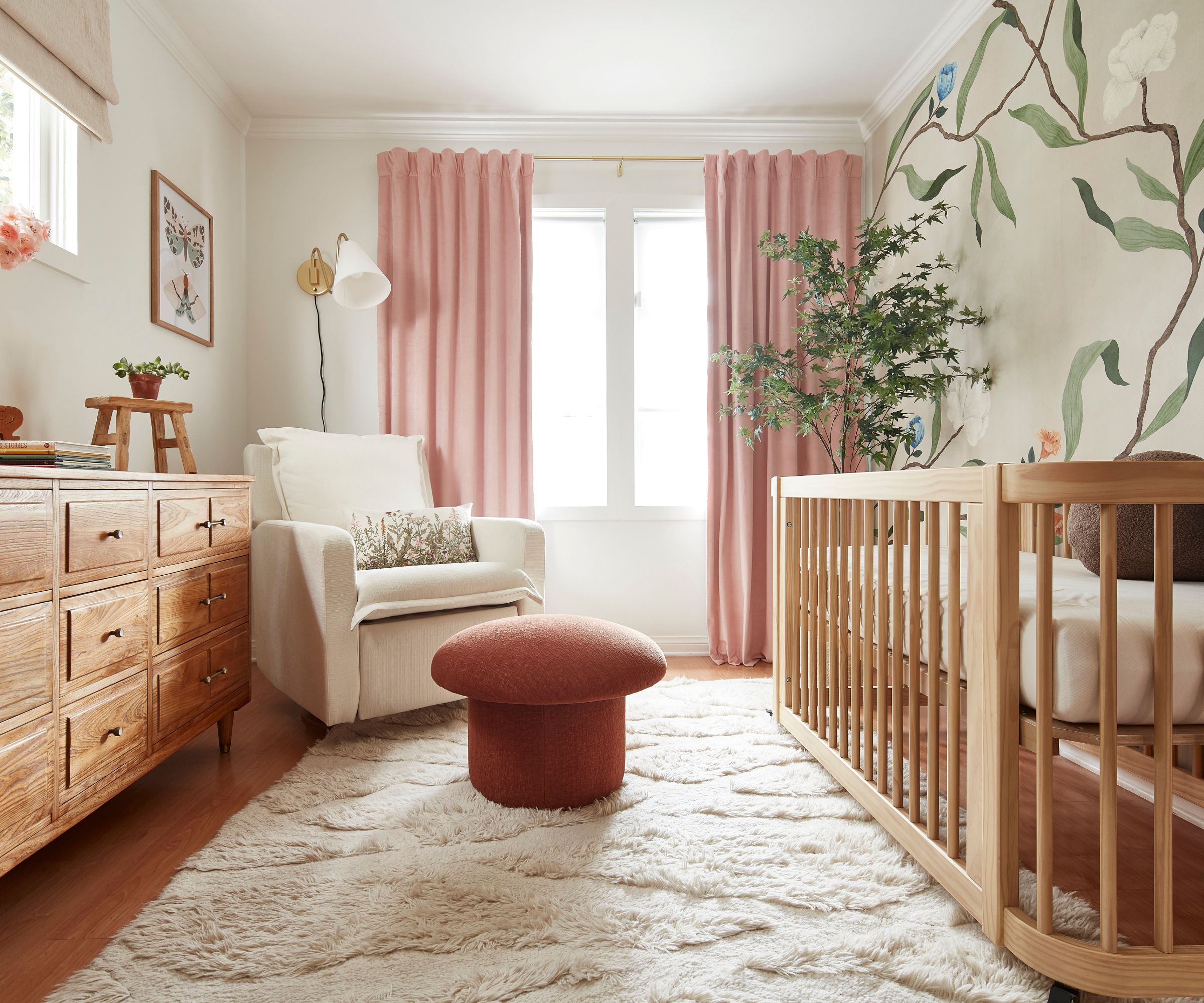
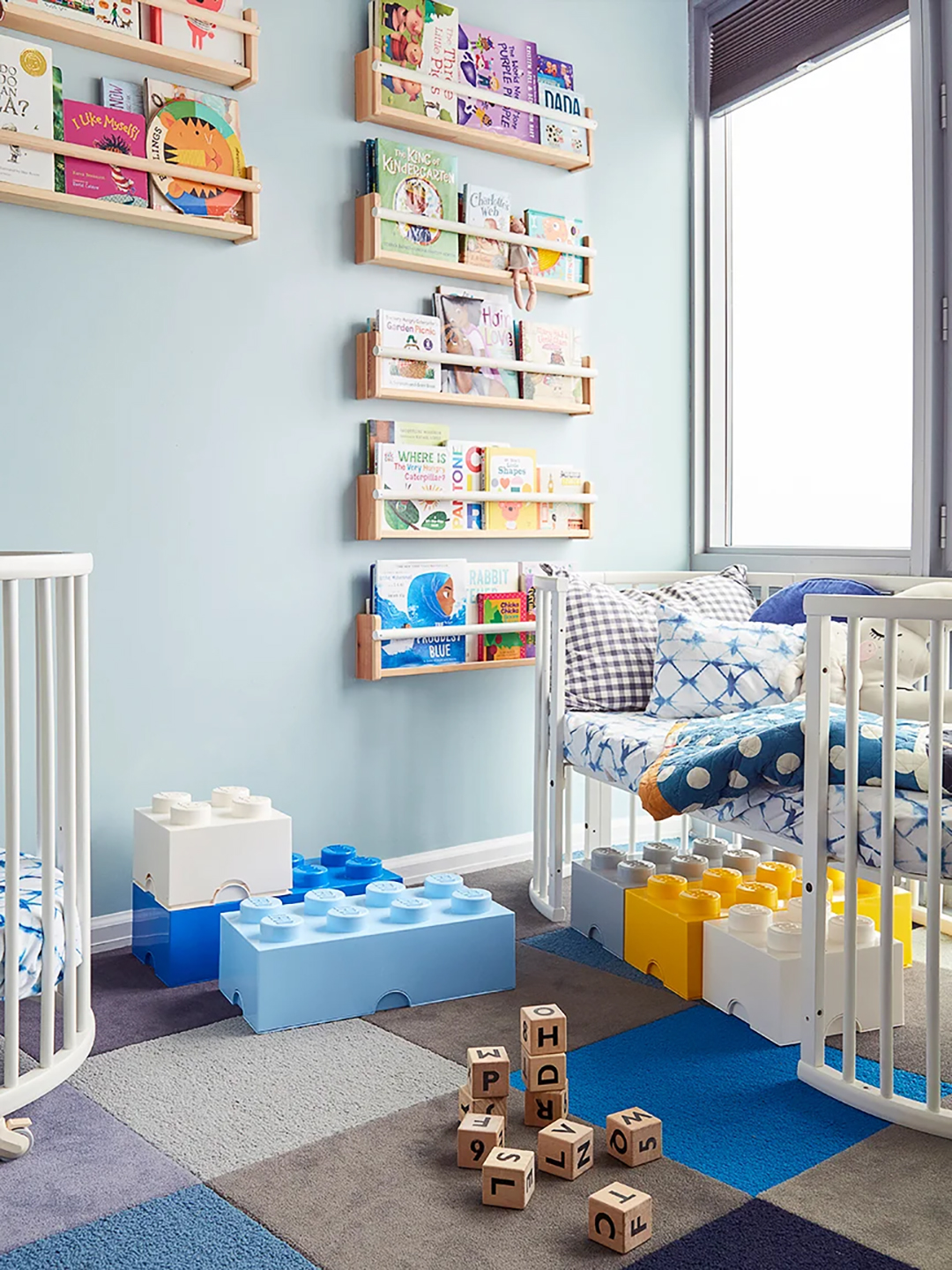
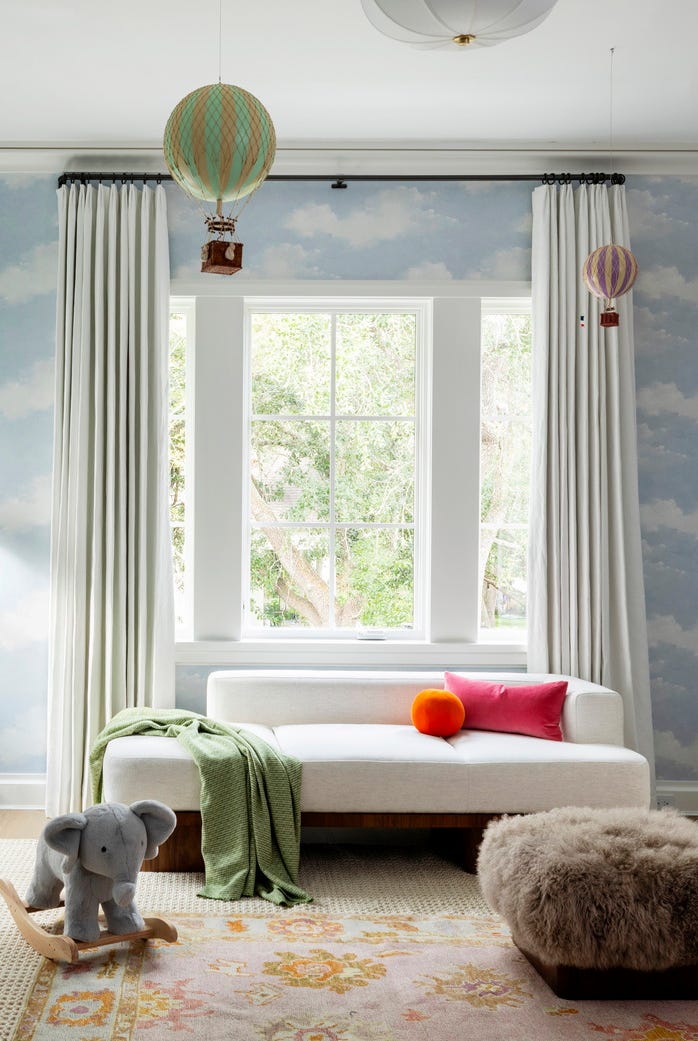
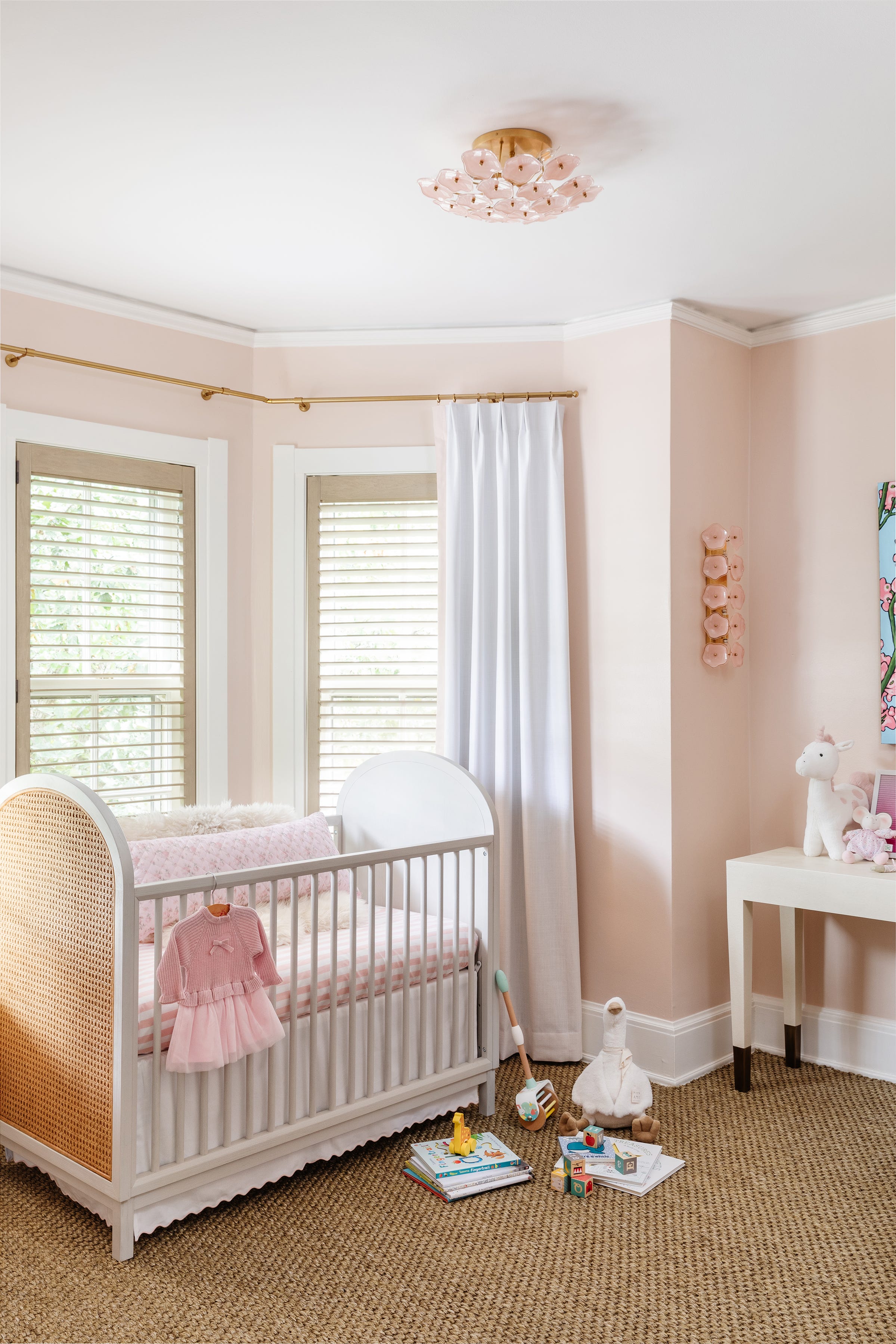
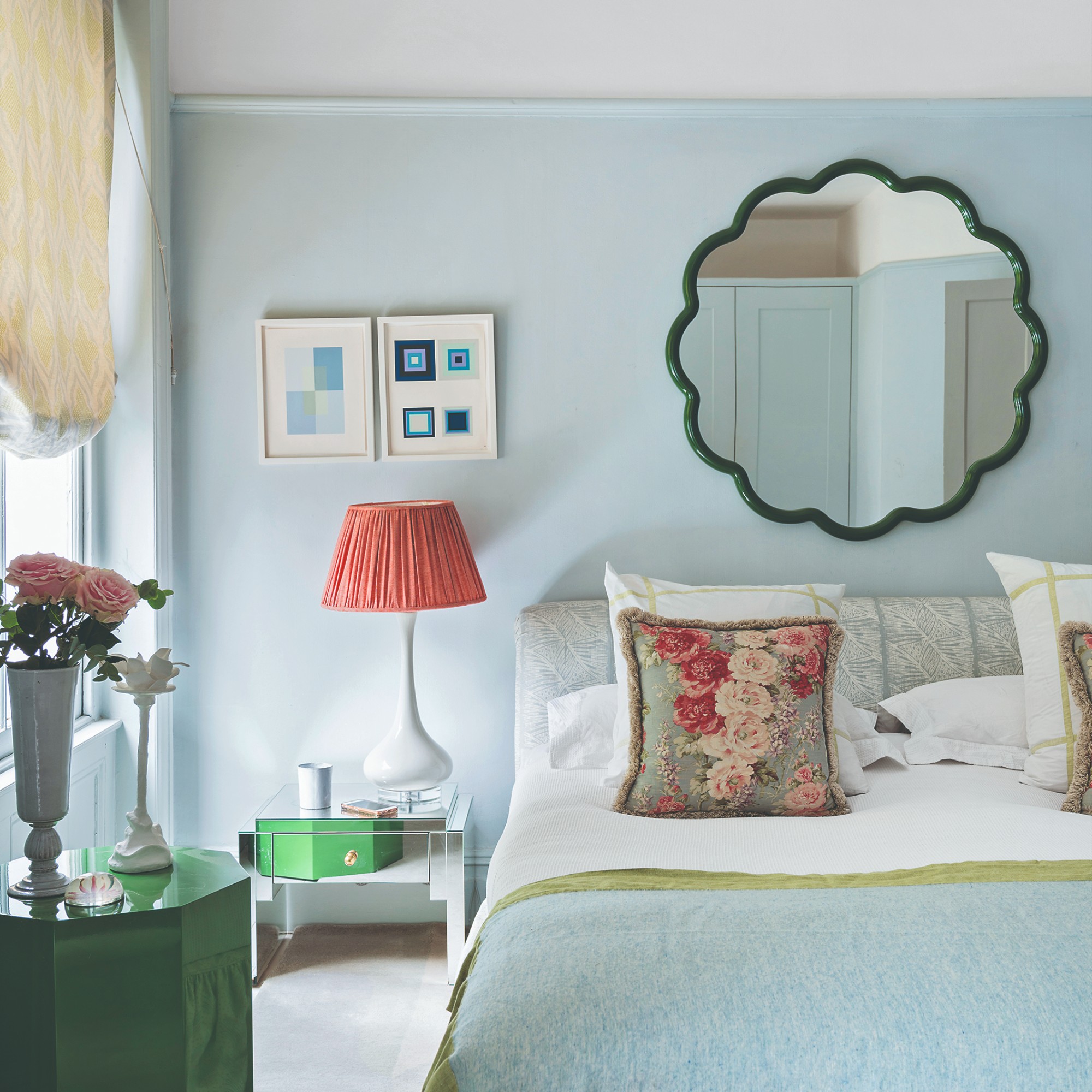
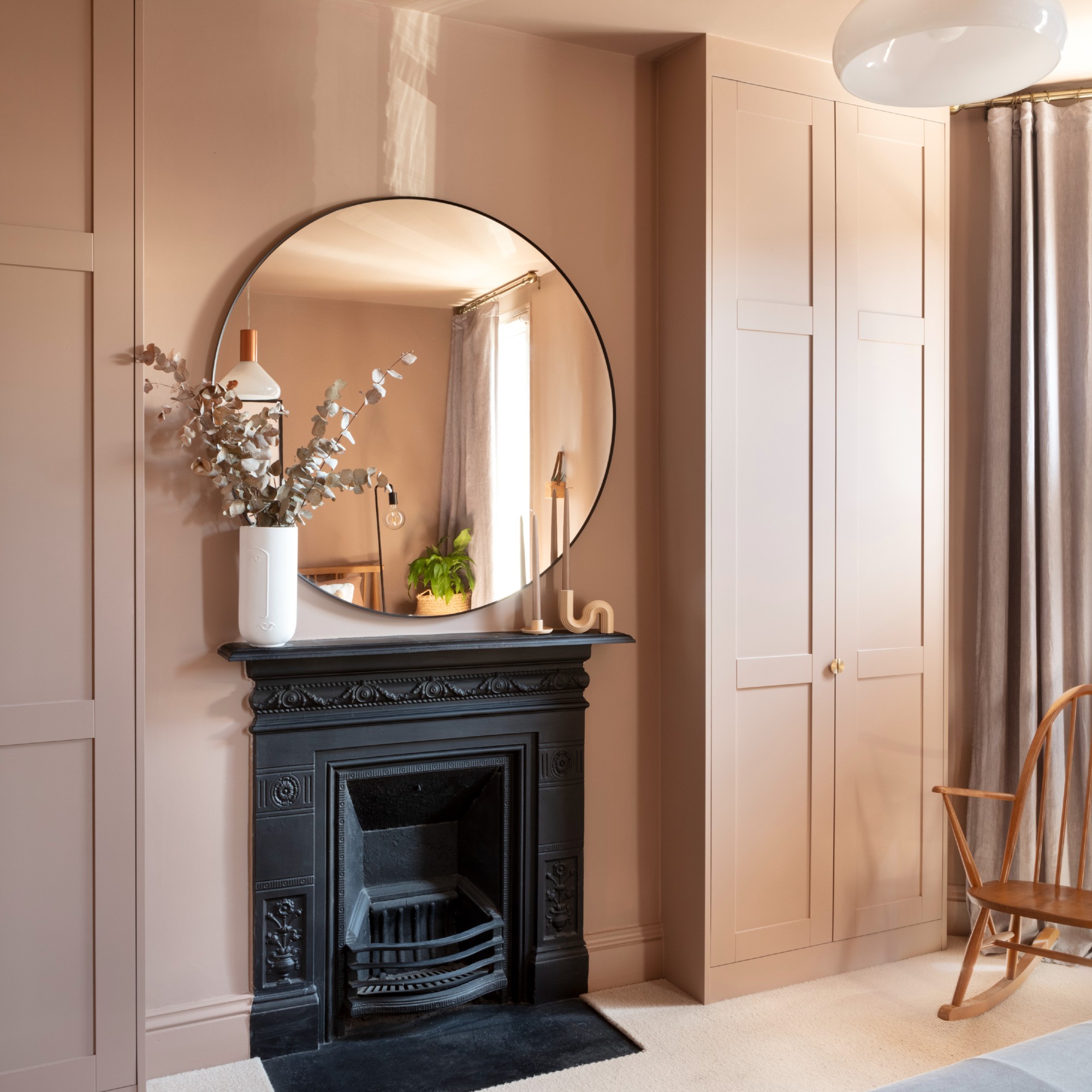
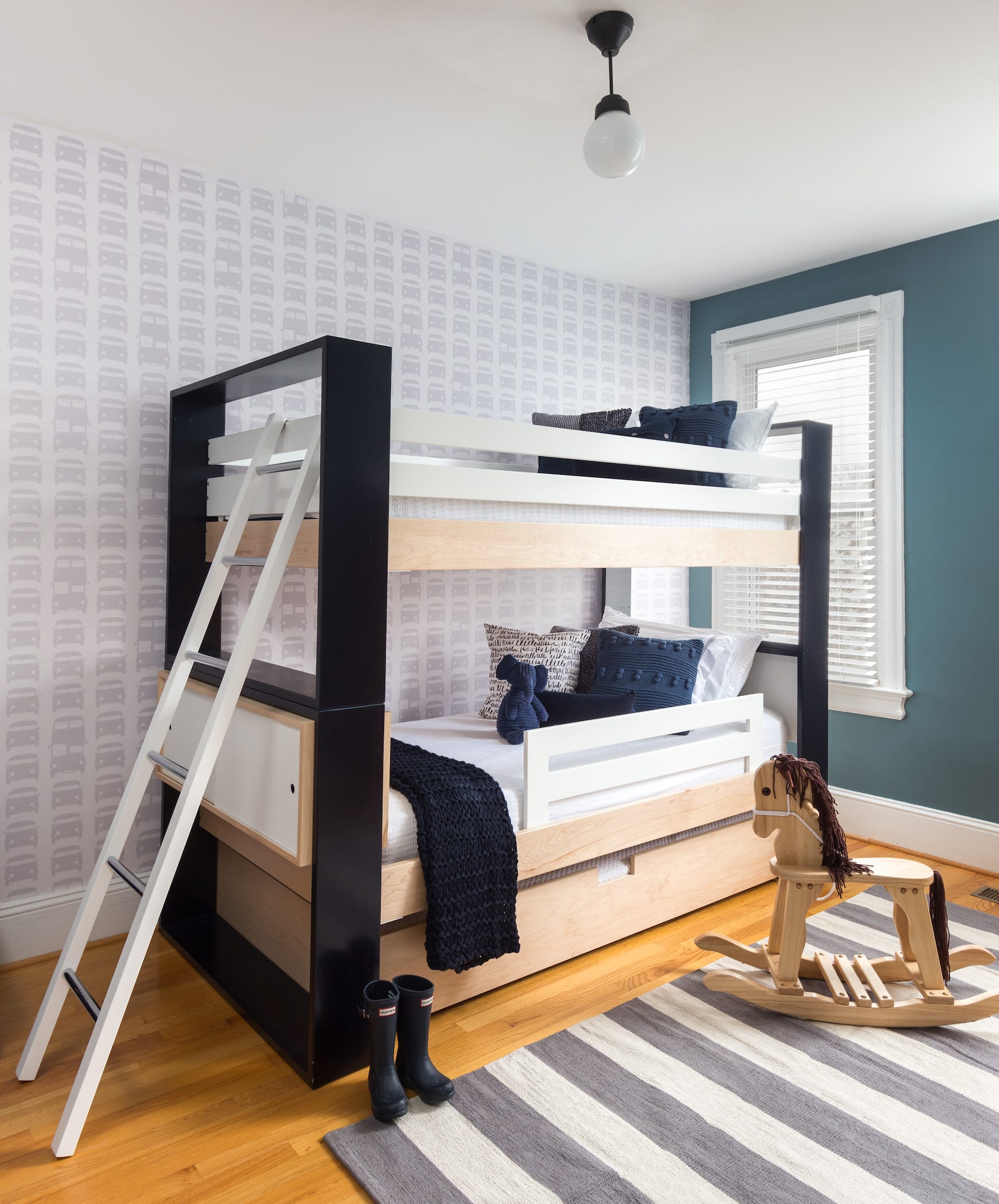
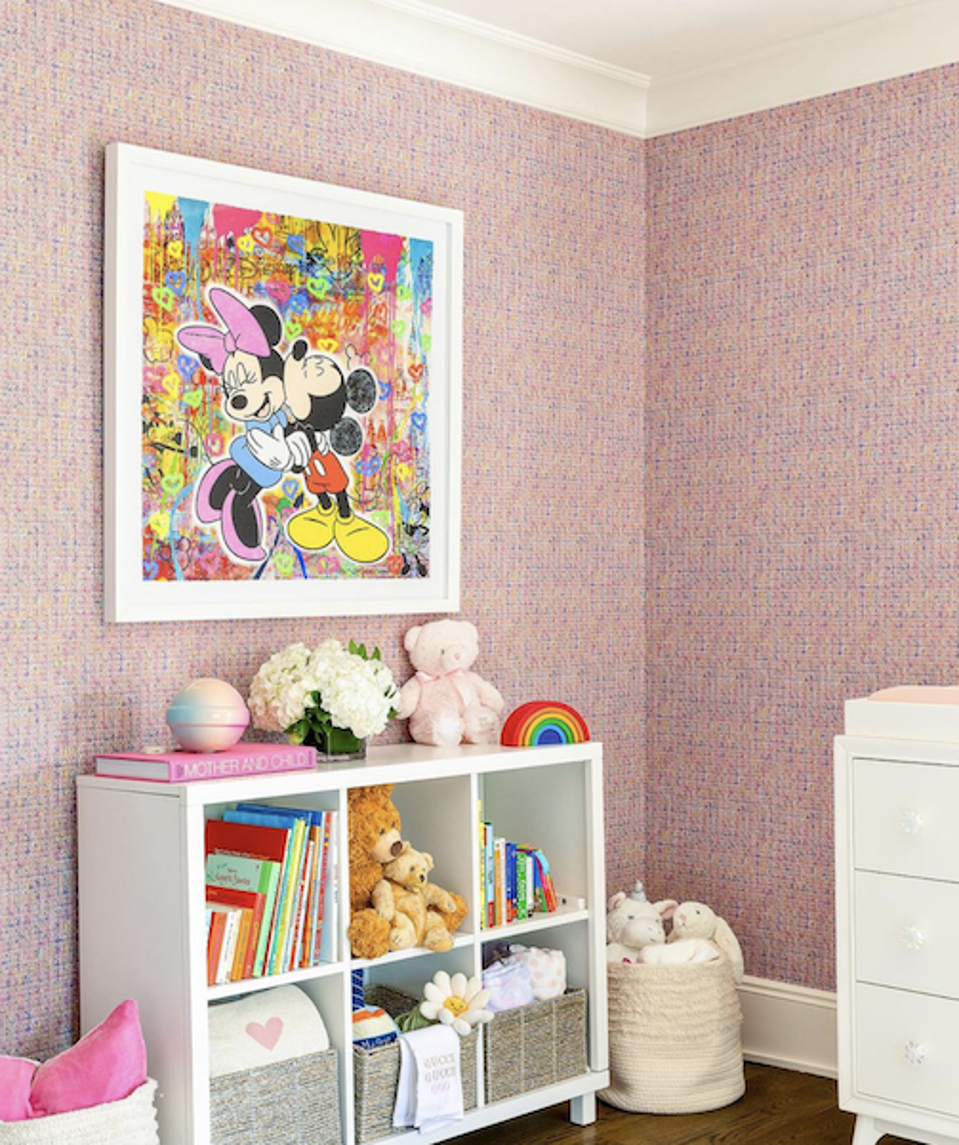
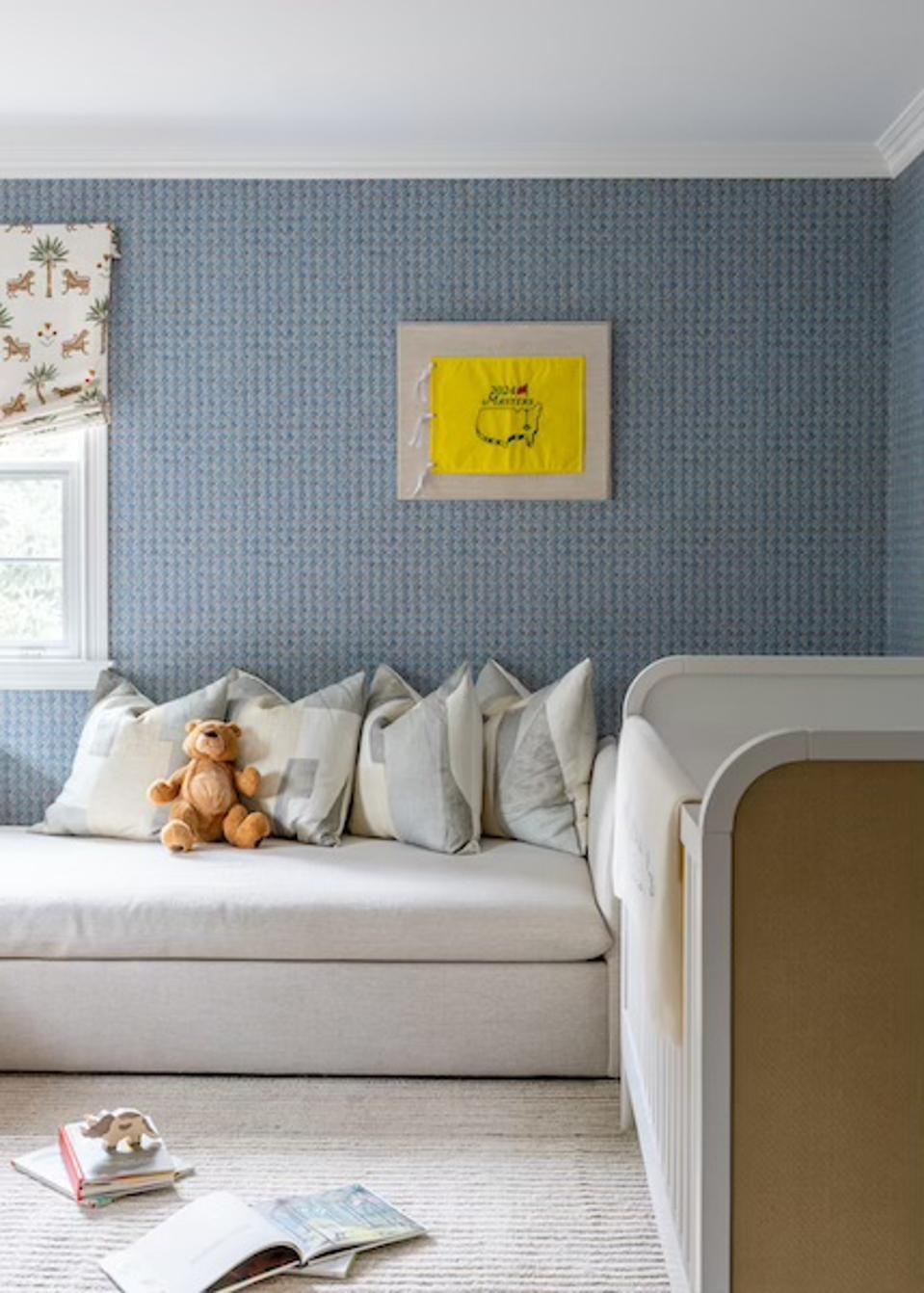
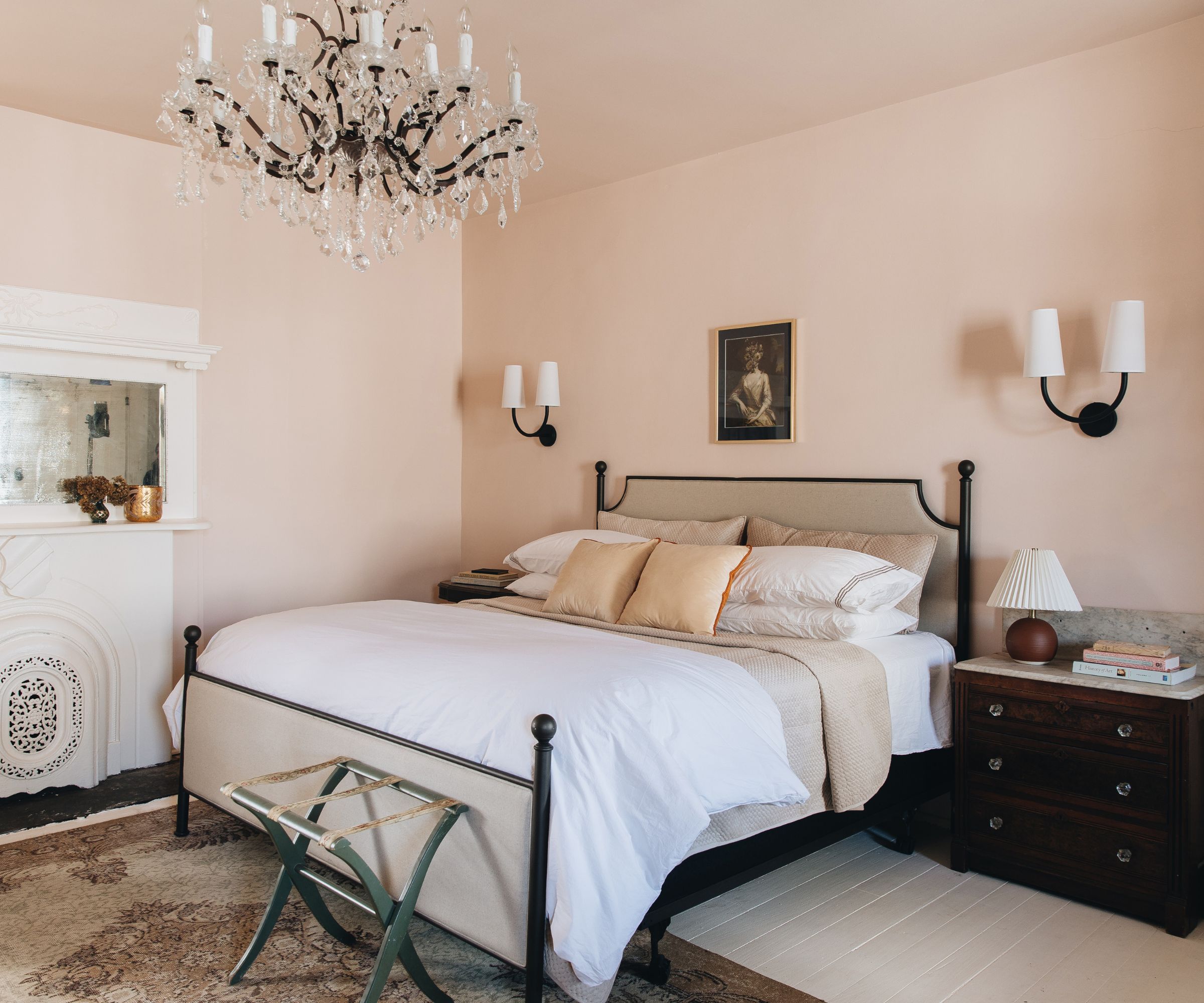
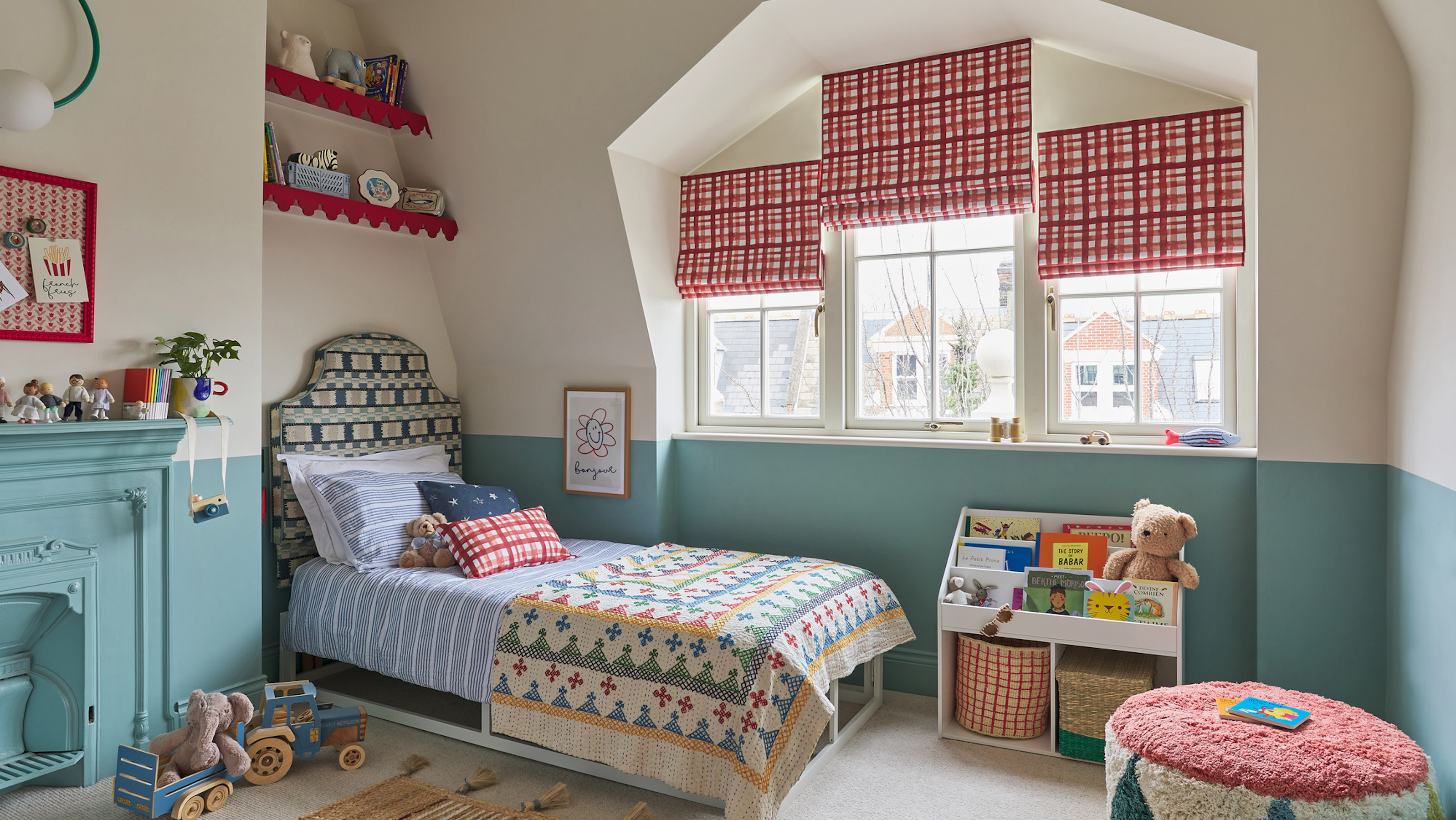
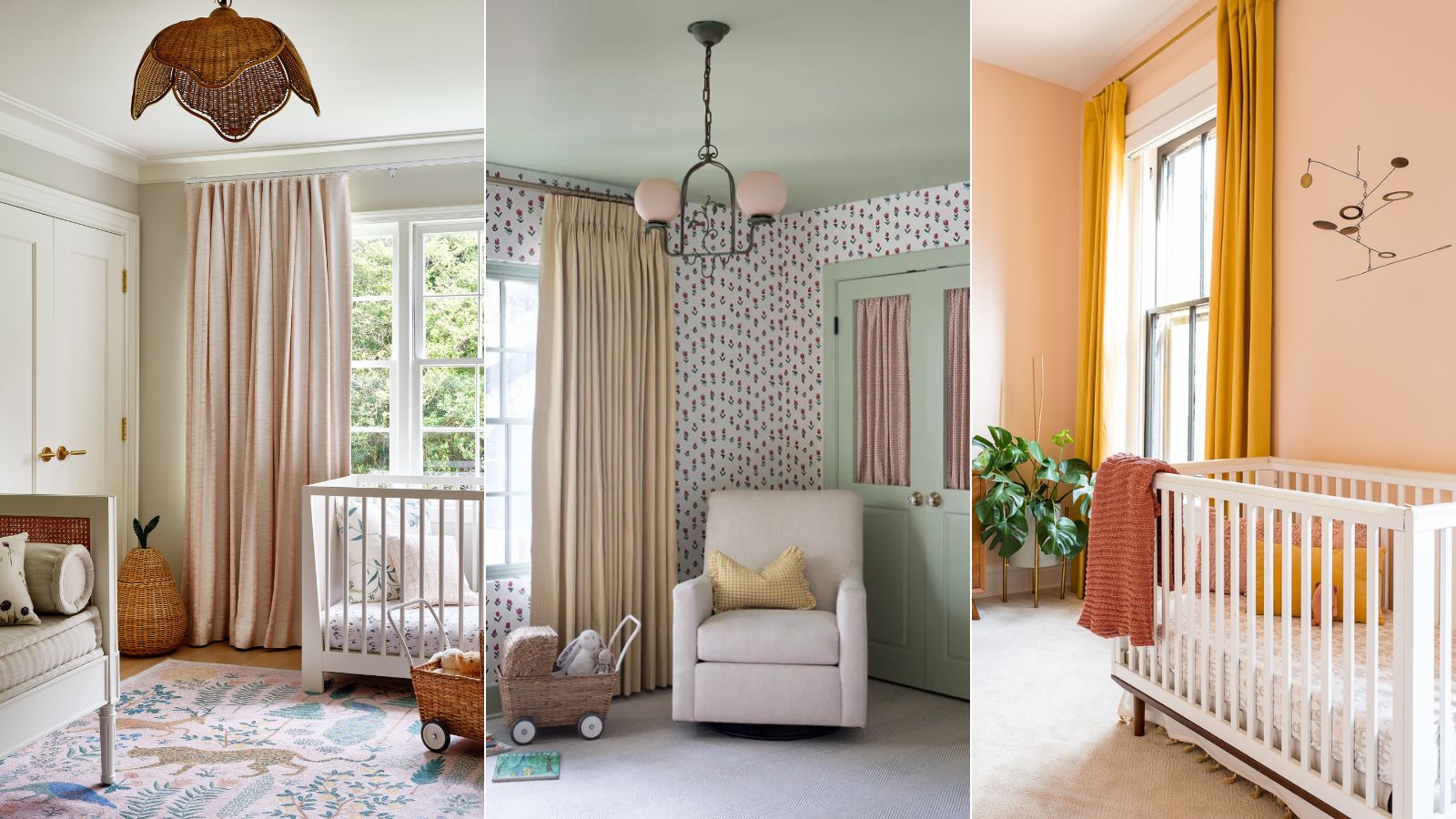
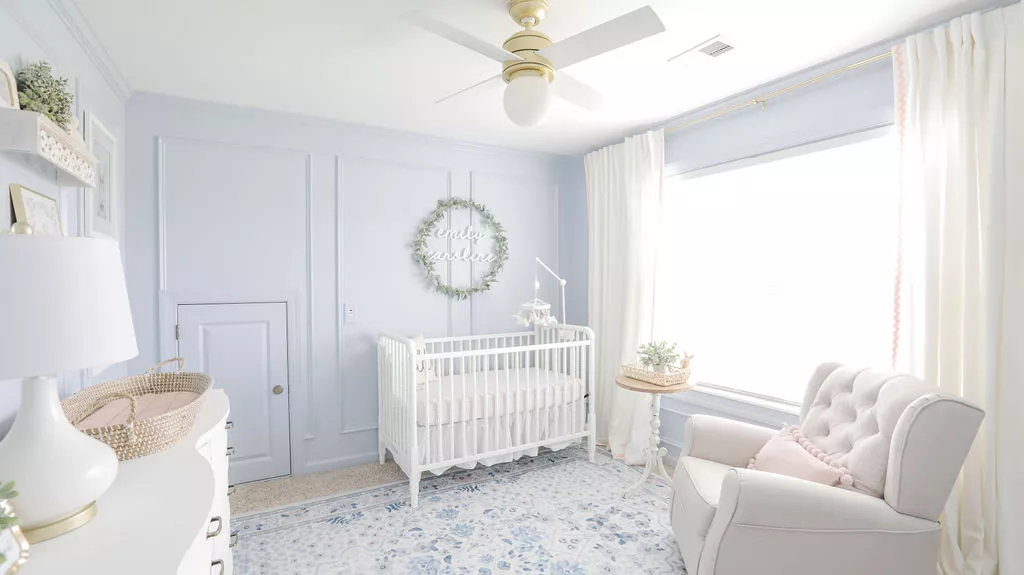
Soft, dusky colors are frequently recommended as a versatile backdrop, allowing for the introduction of brighter accents through accessories like lamps, storage boxes, and soft furnishings. This approach facilitates easy updates as a child's preferences evolve. Examples of such colors include plaster pinks, chalky neutrals, and blues or greens with a warm, gray undertone, such as Farrow & Ball's Pale Powder. These suggestions cater to various aesthetic preferences, whether parents are planning for baby girl nursery ideas, baby boy nursery ideas, or gender-neutral nursery ideas.
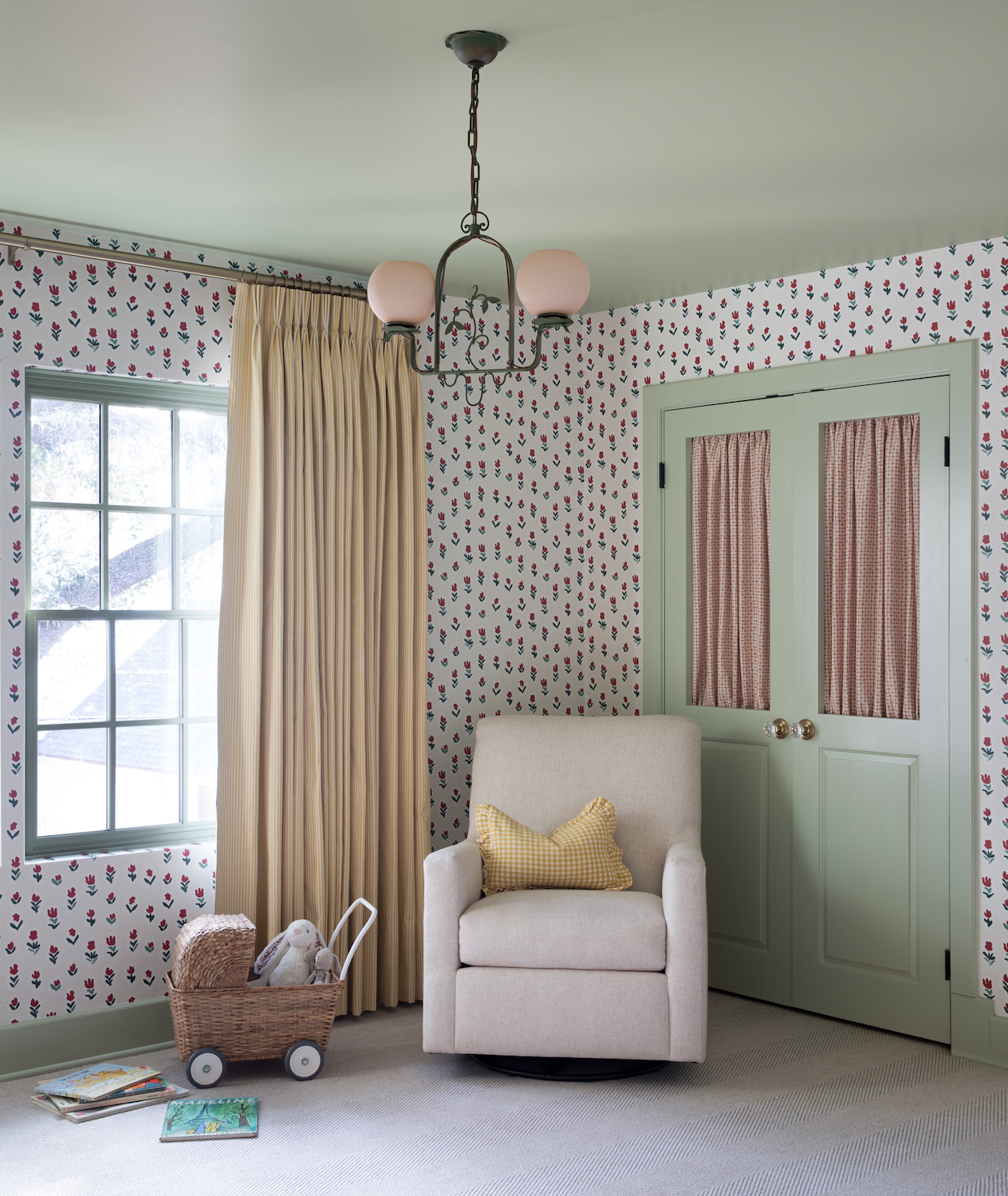
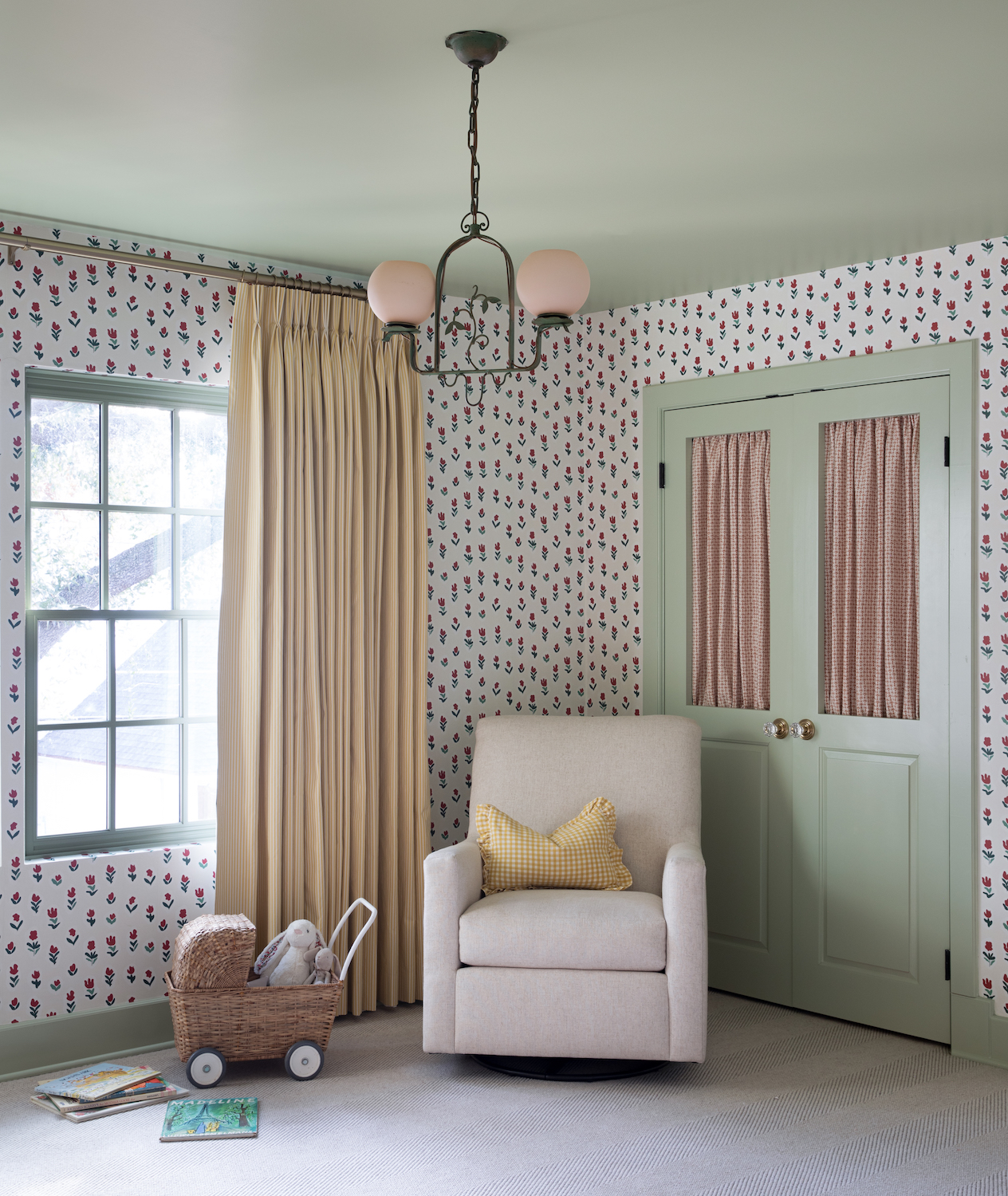
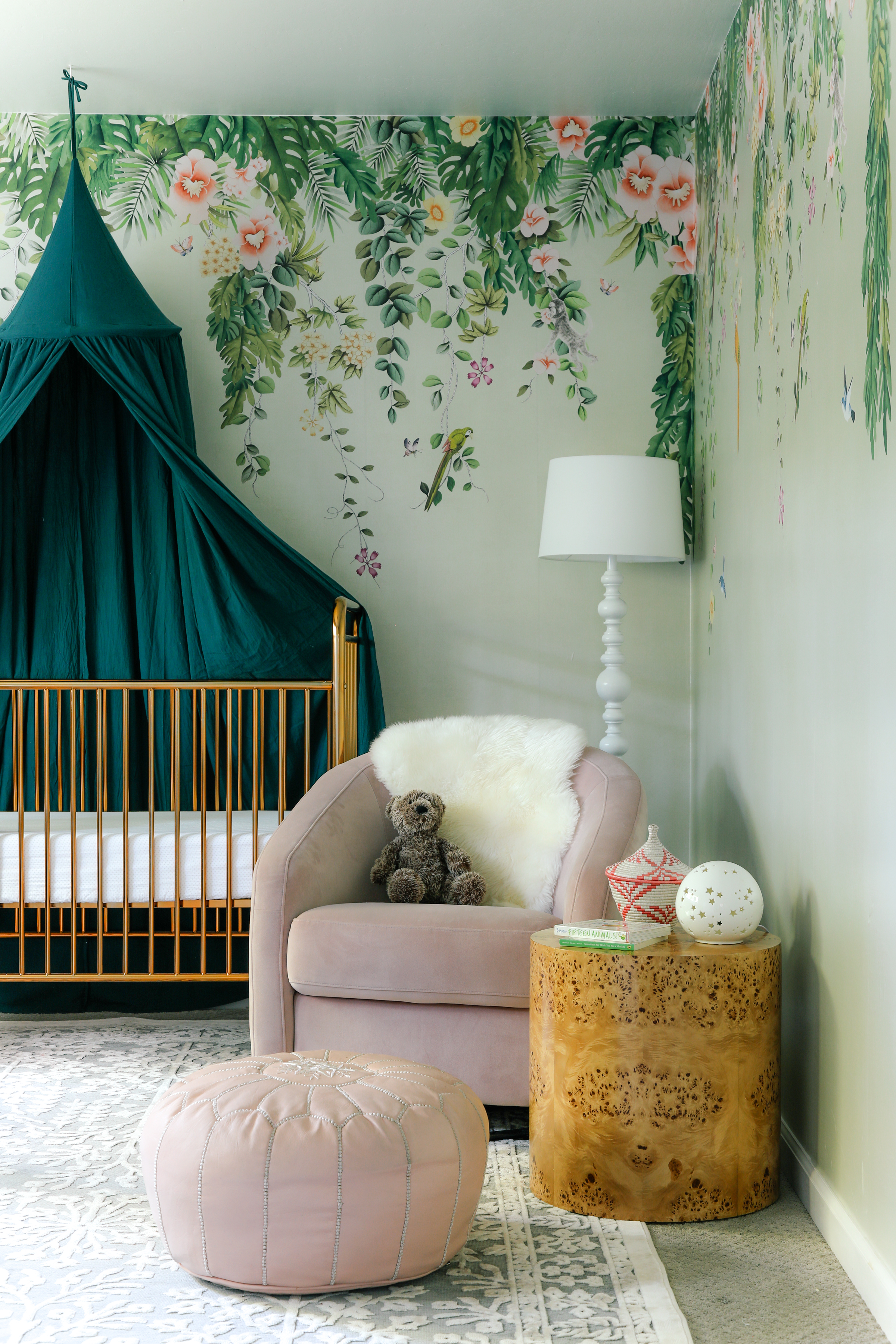
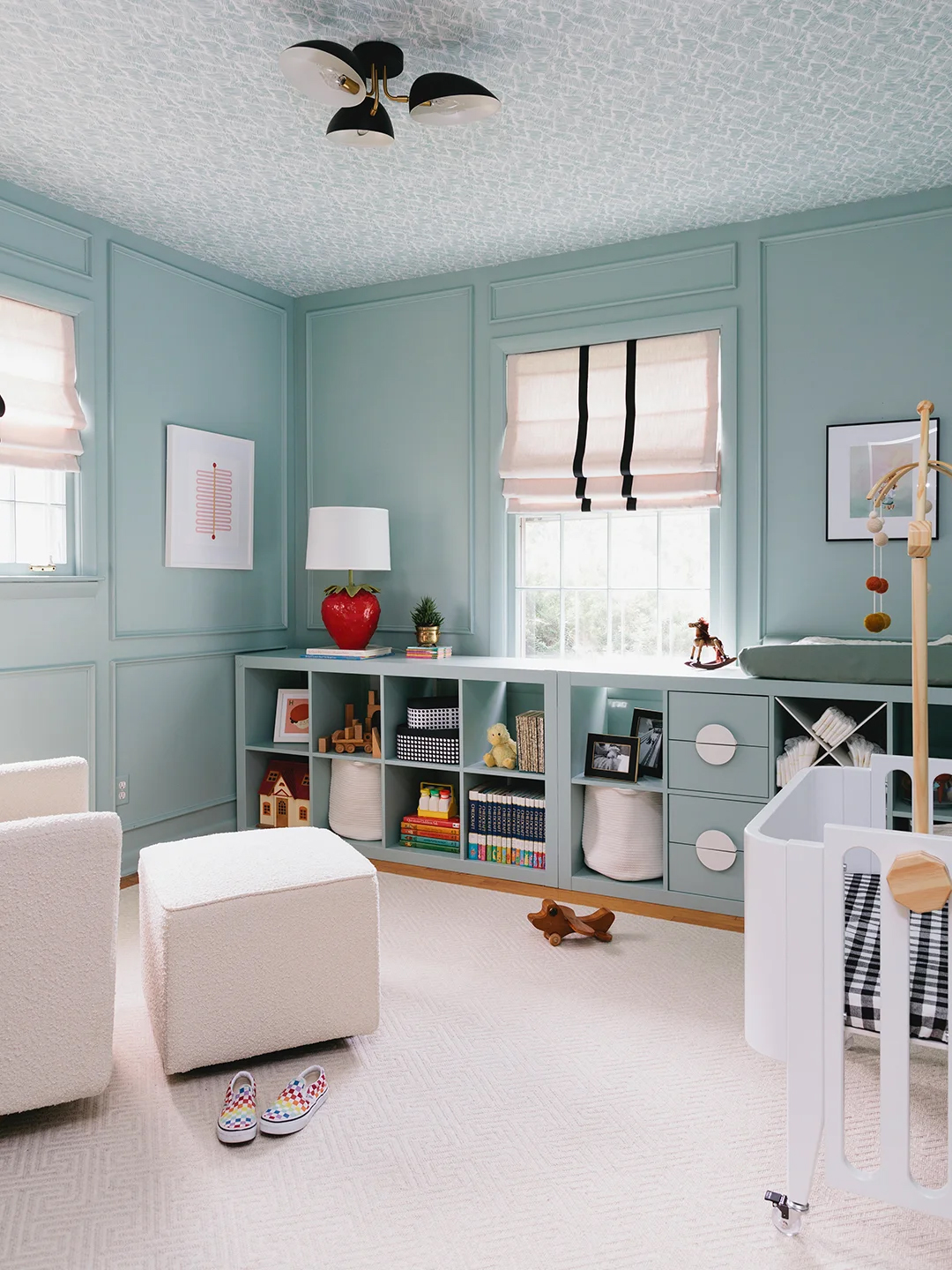
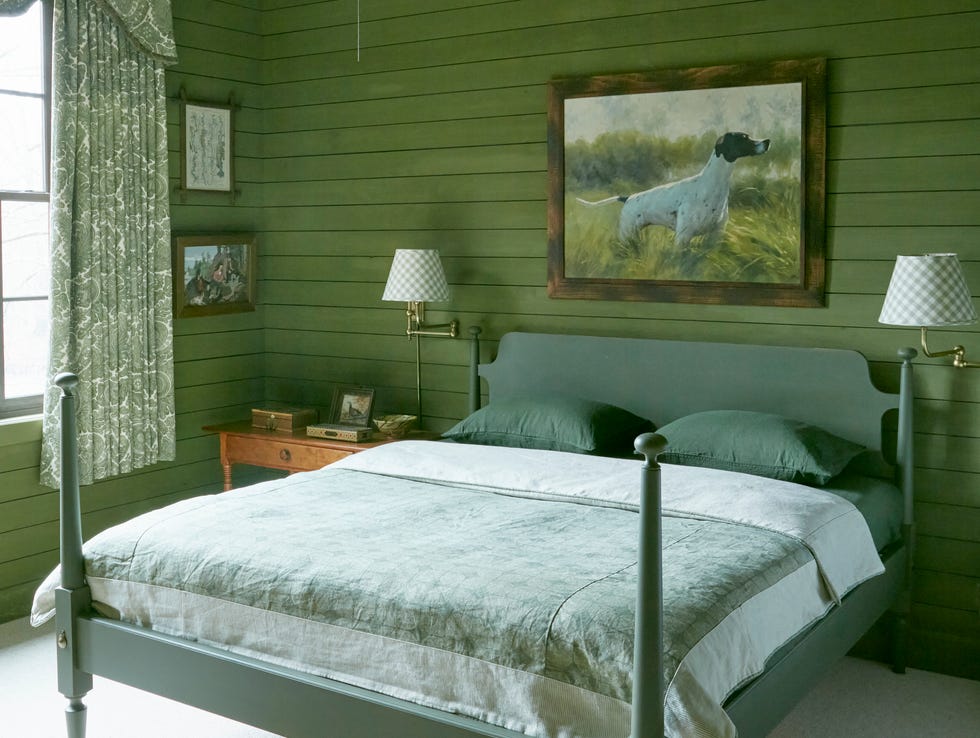
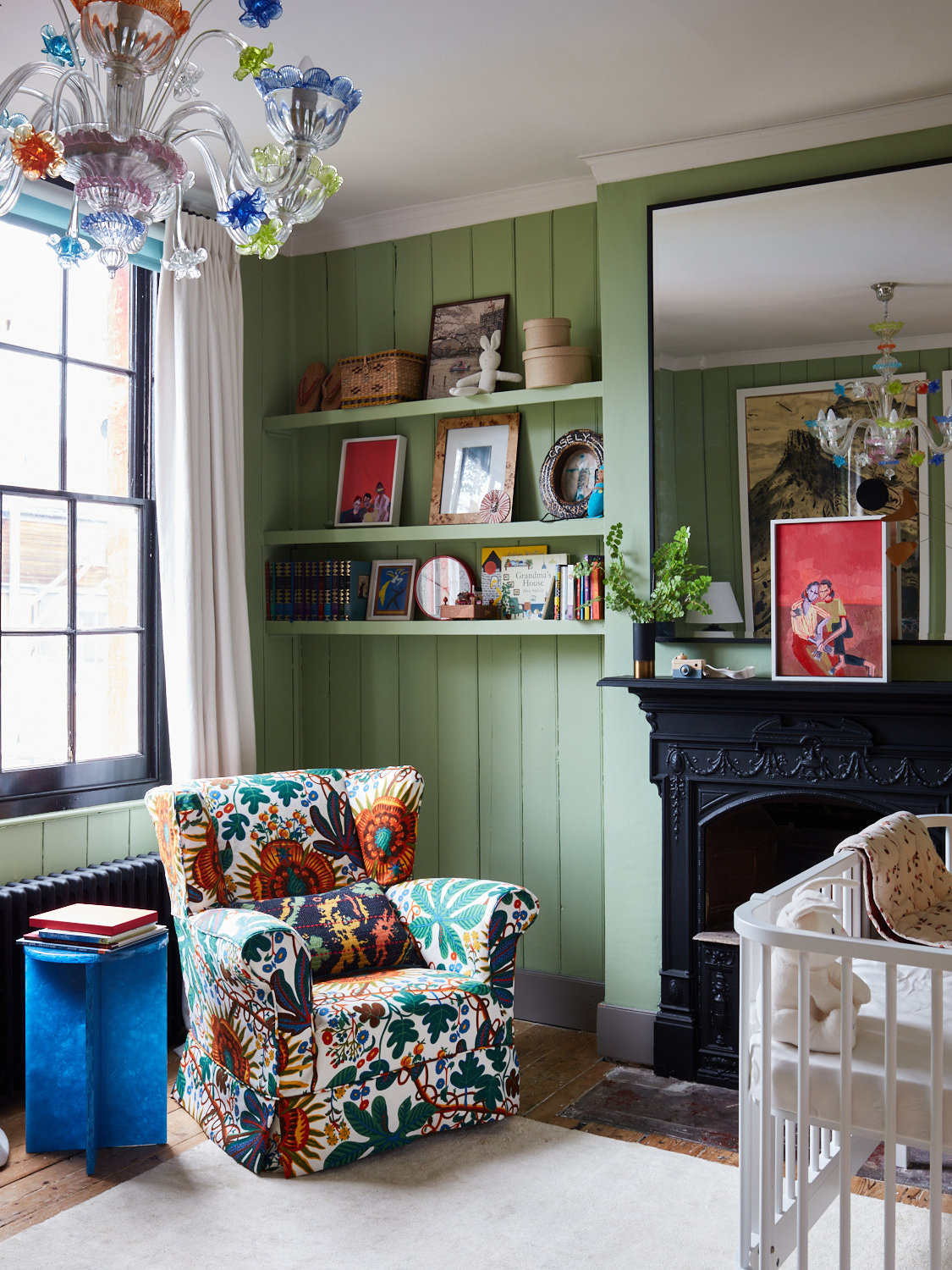
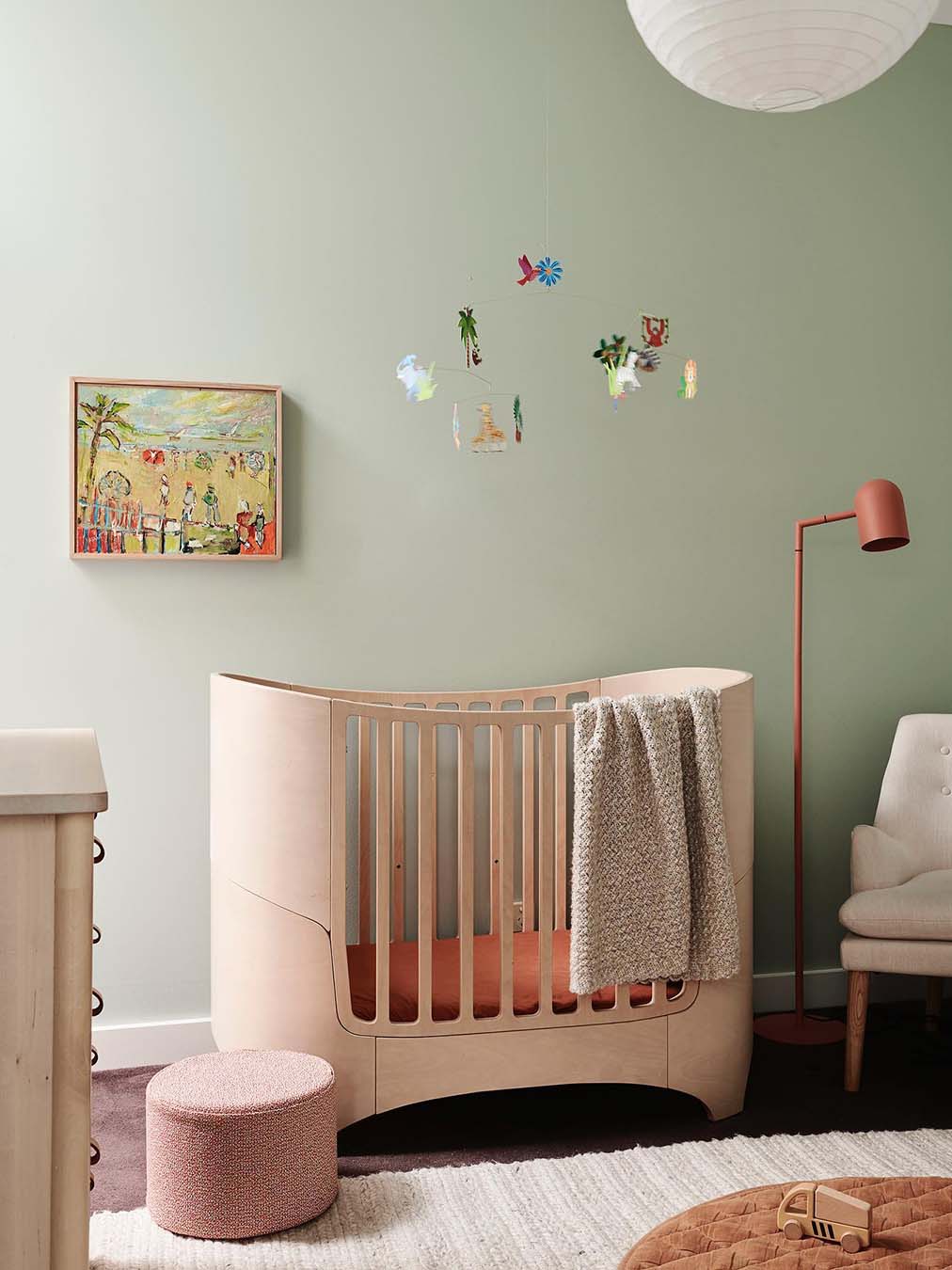
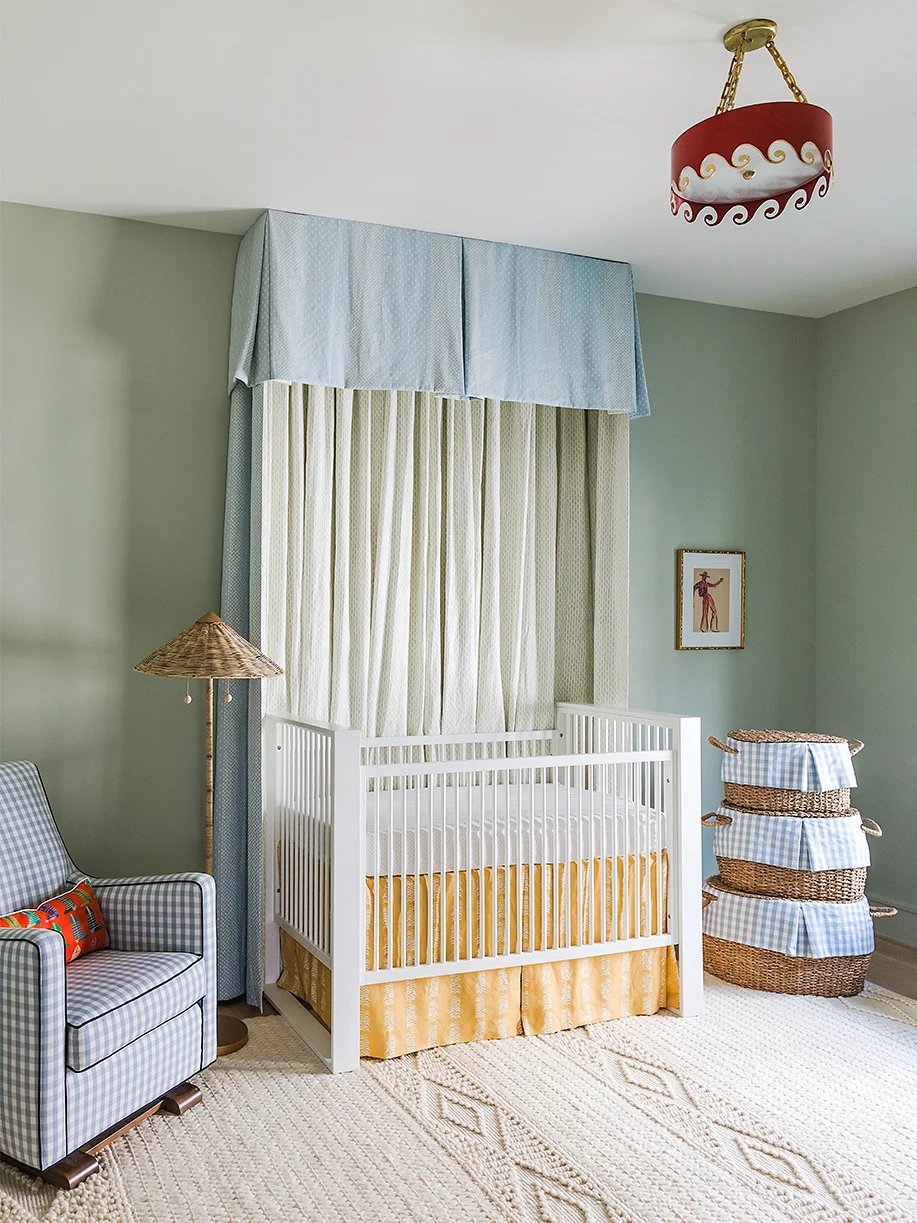
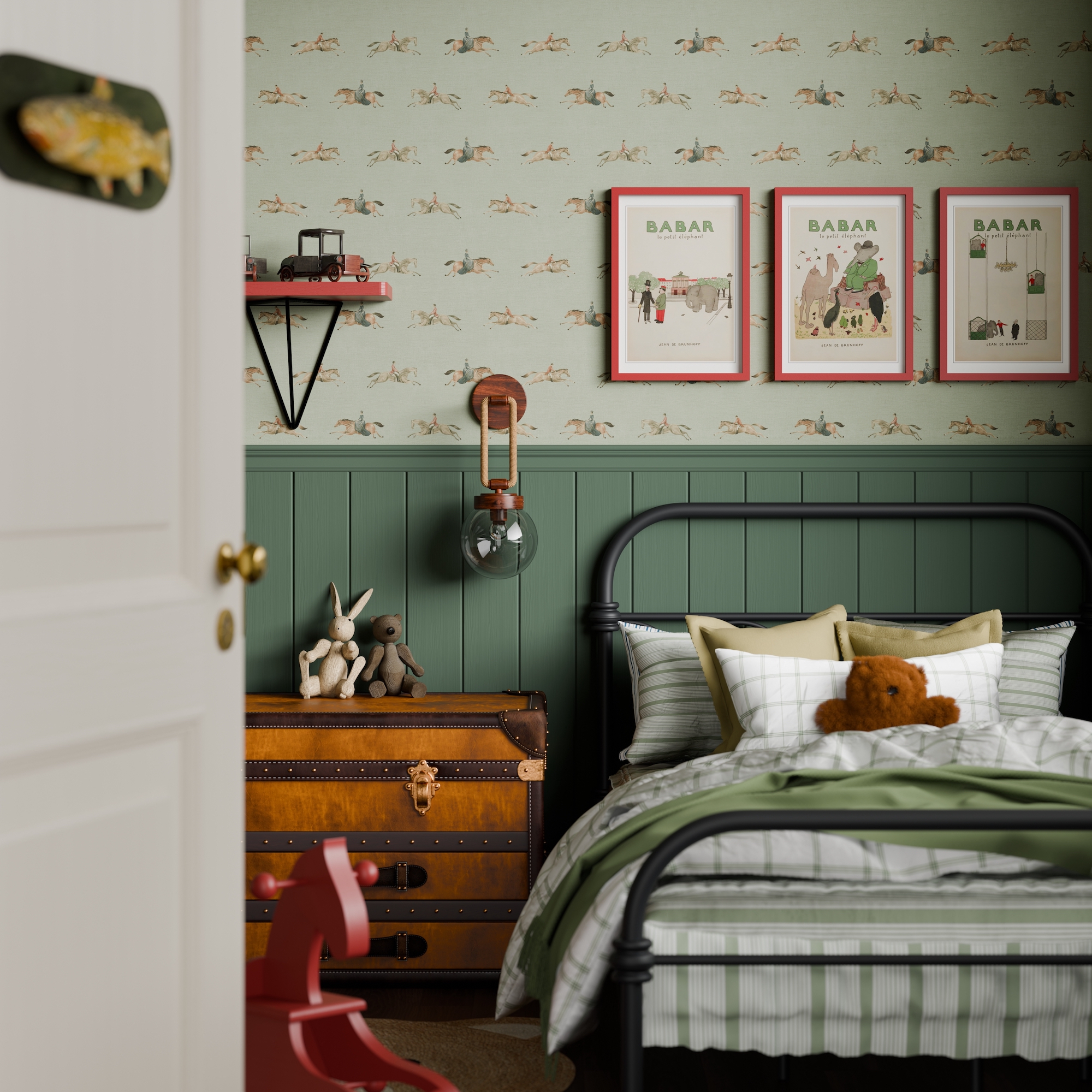
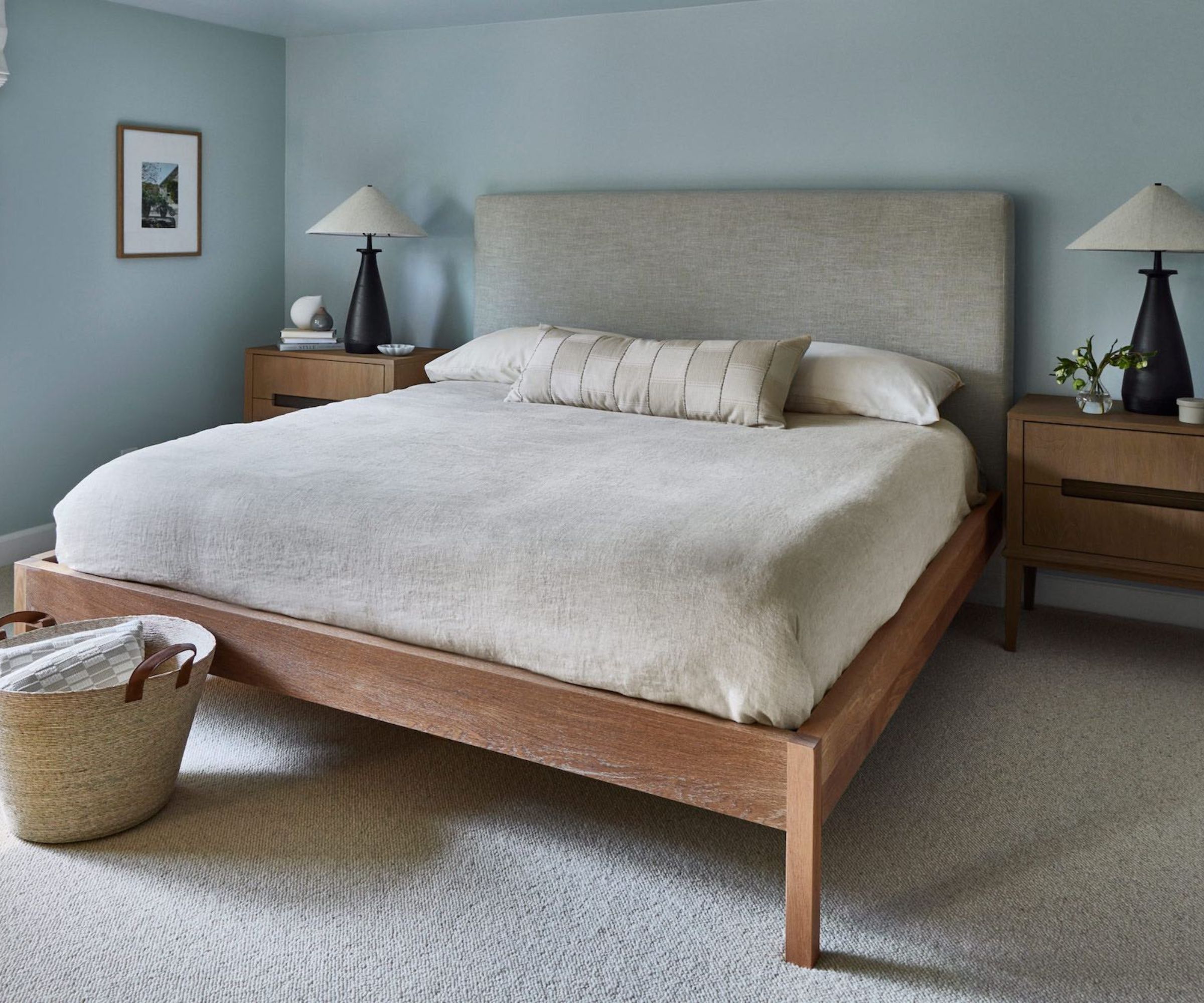
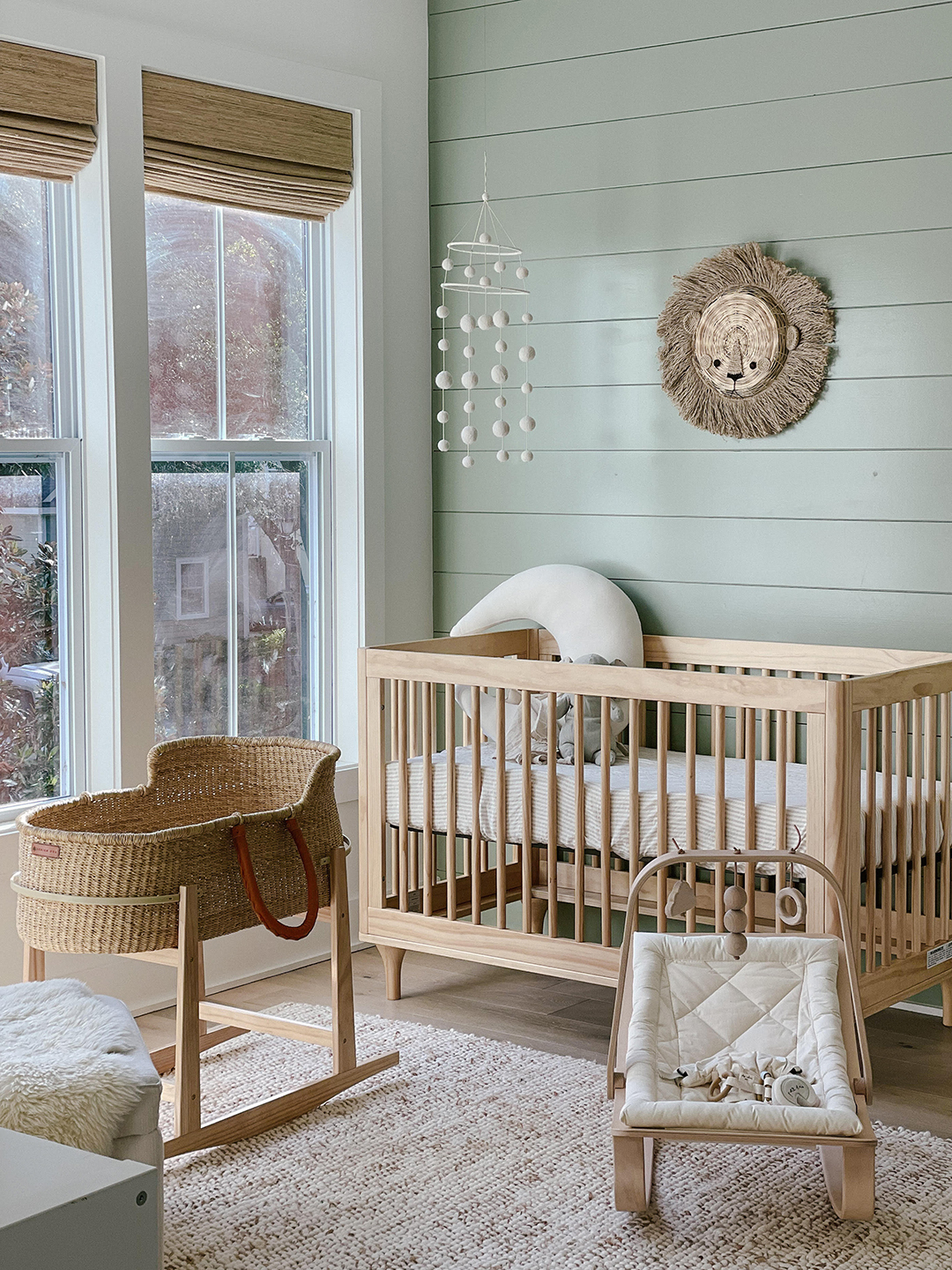
Pale green and blue tones are often cited by sleep experts as beneficial for inducing sleep due to their calming and restful qualities. Sage green, in particular, is highlighted for its ability to bring nature indoors, foster a nurturing atmosphere, and potentially improve concentration. Pastel shades of green and blue are preferred over brighter hues as they cause less sensory stimulation and can seamlessly transition into a child's bedroom as they mature.
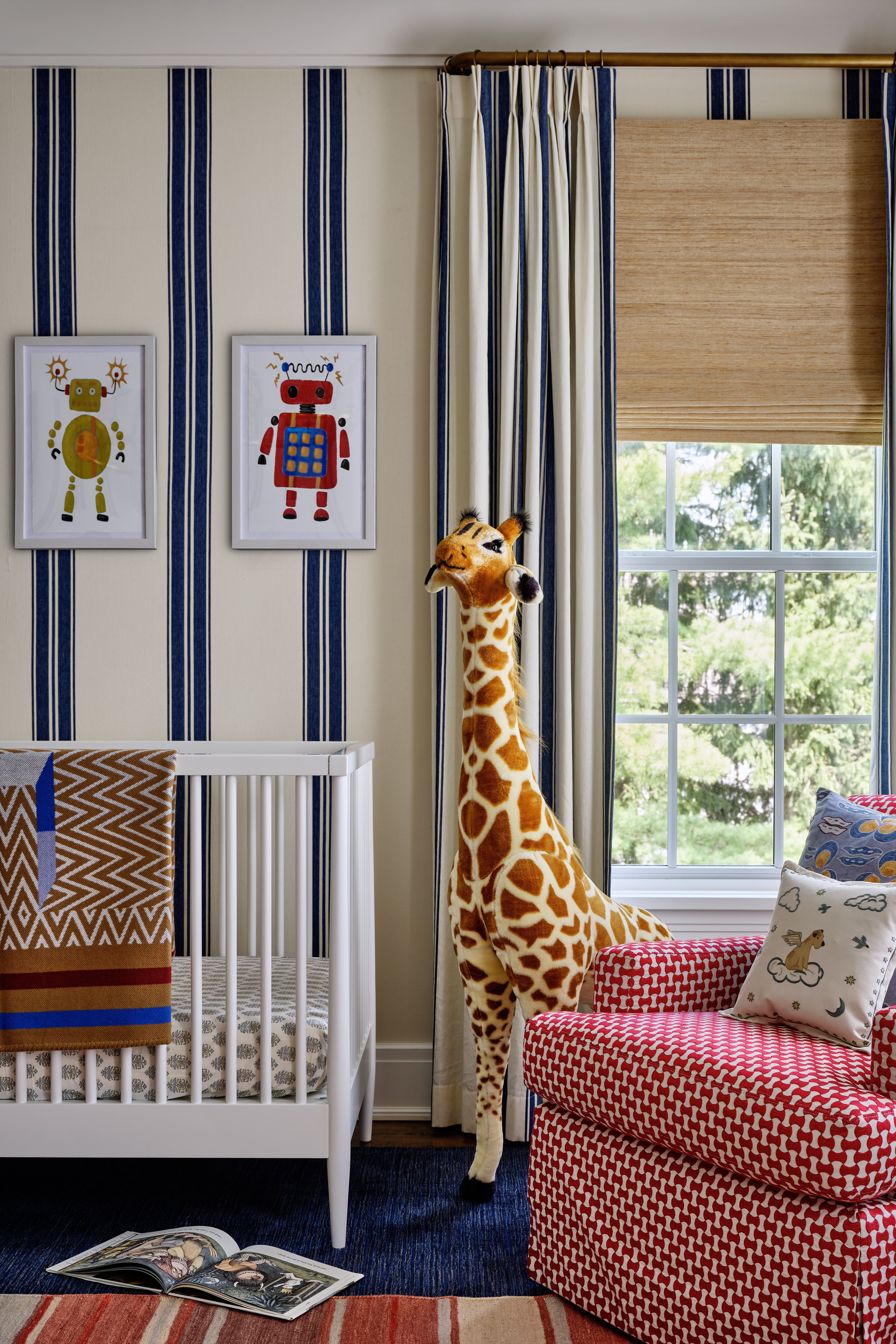
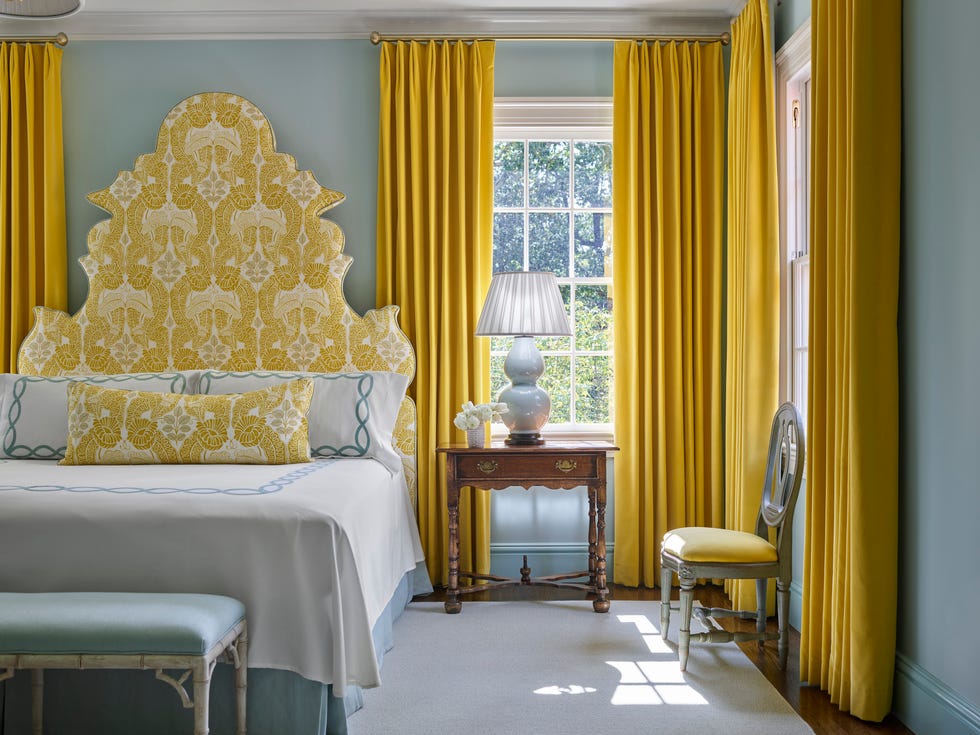
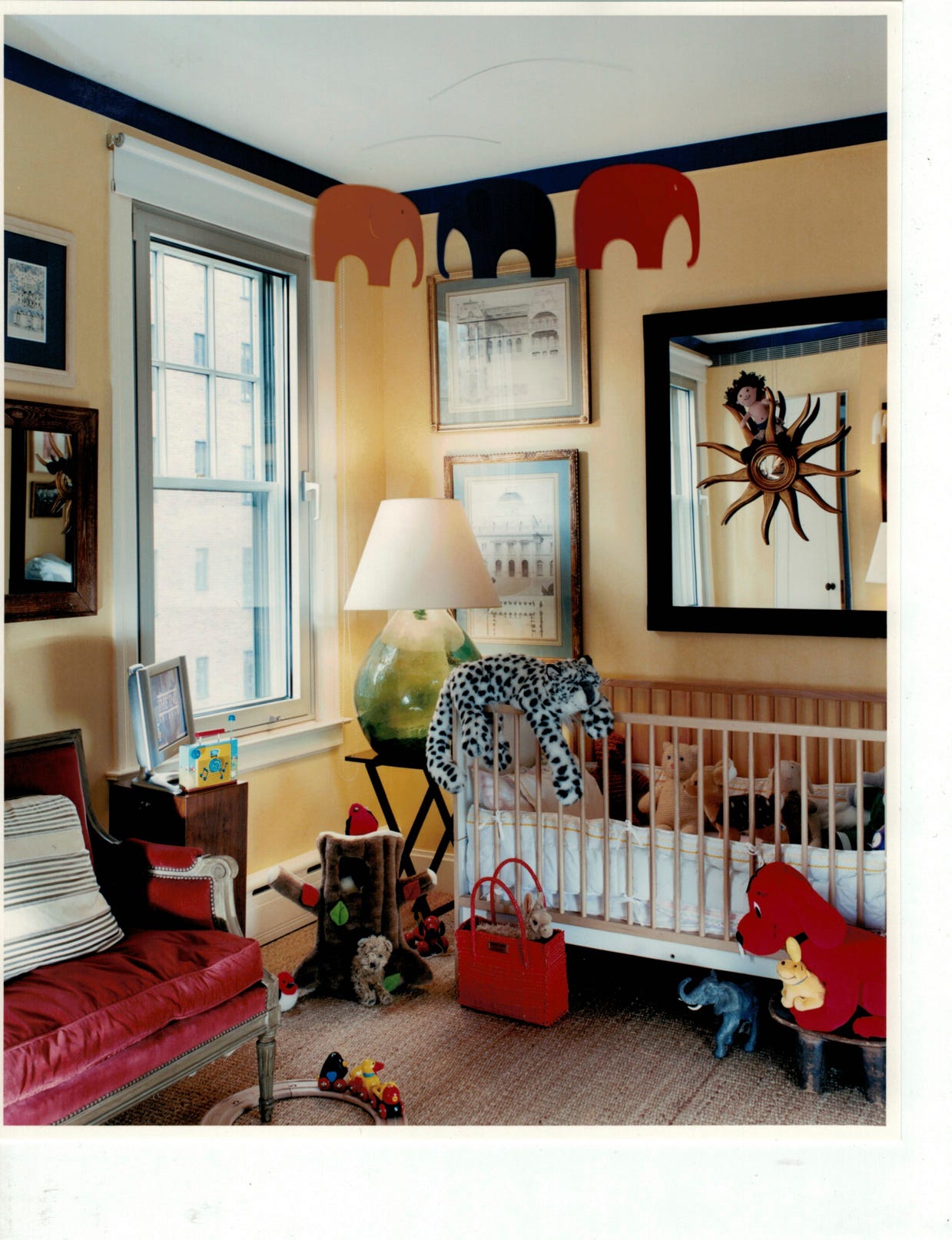
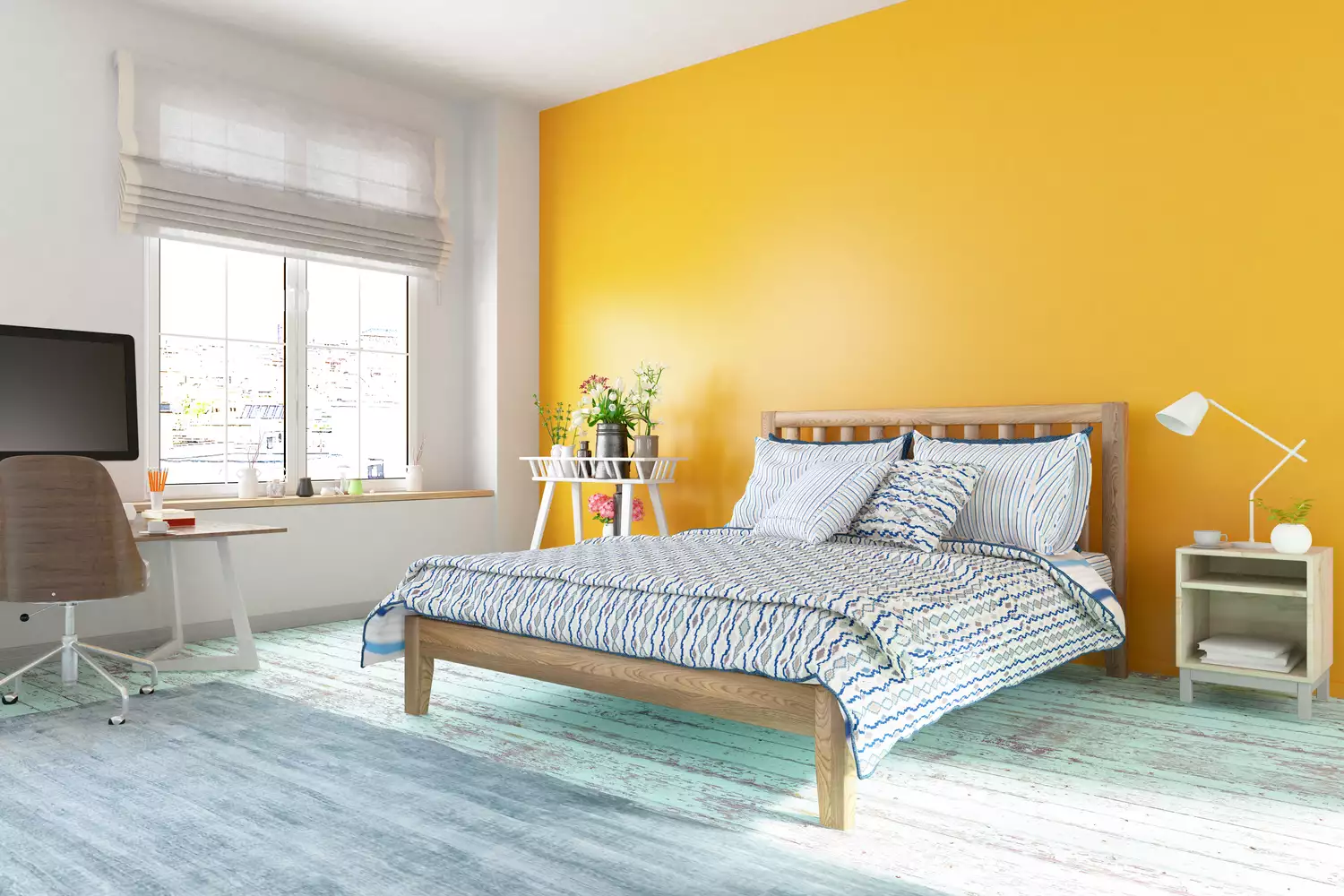
For parents aiming to create a joyful environment, yellow is a popular choice. While traditionally considered a gender-neutral shade associated with happiness and stimulation, experts advise using it for accents rather than covering entire walls. Yellow can effectively create focal points, highlight architectural features, or add vibrancy to furniture and accessories, making the space engaging without being overwhelming.
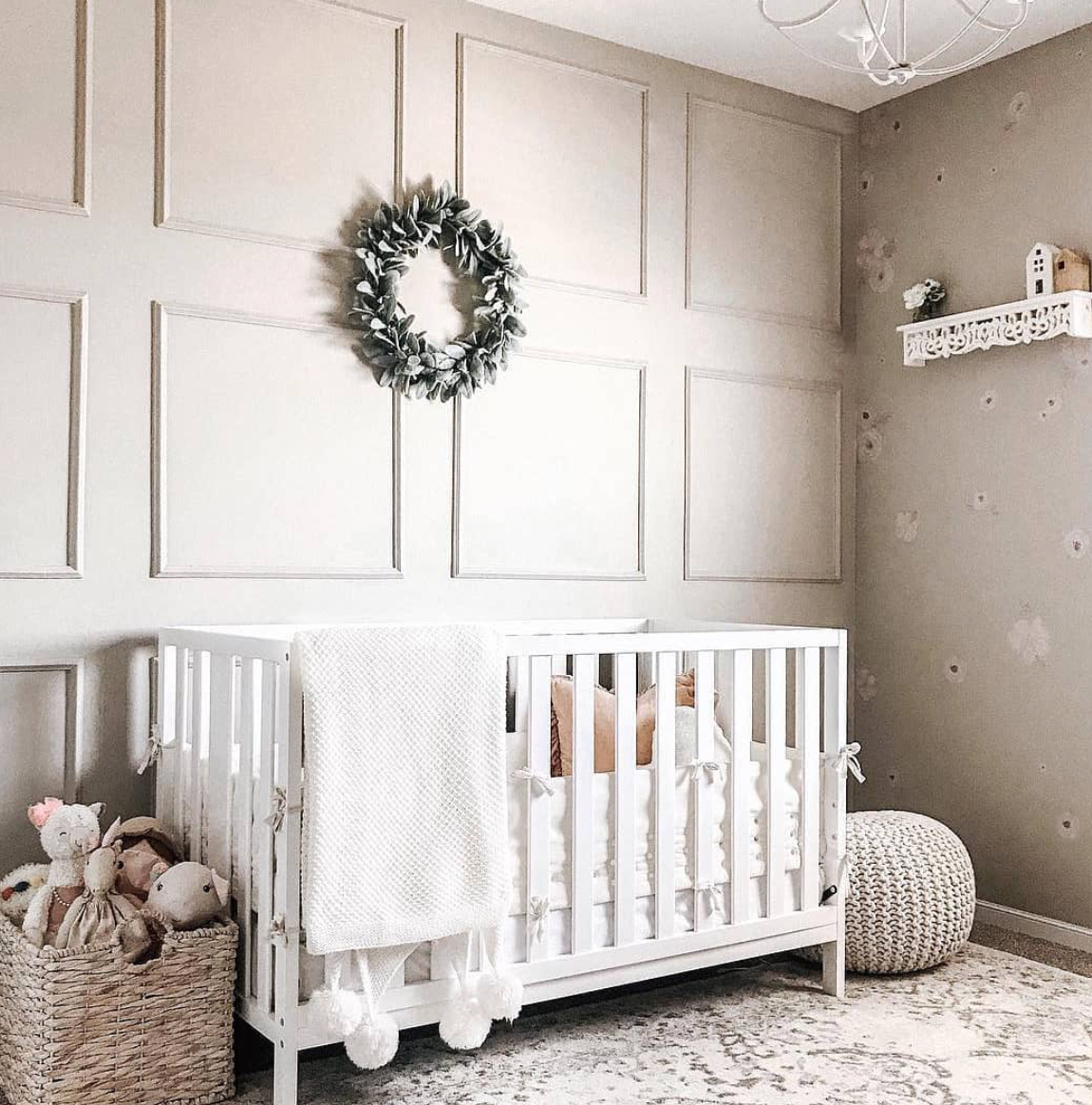
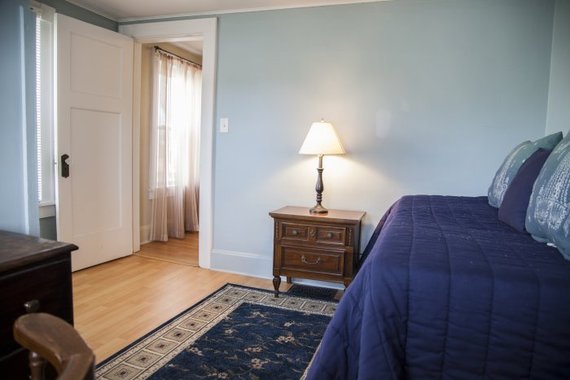
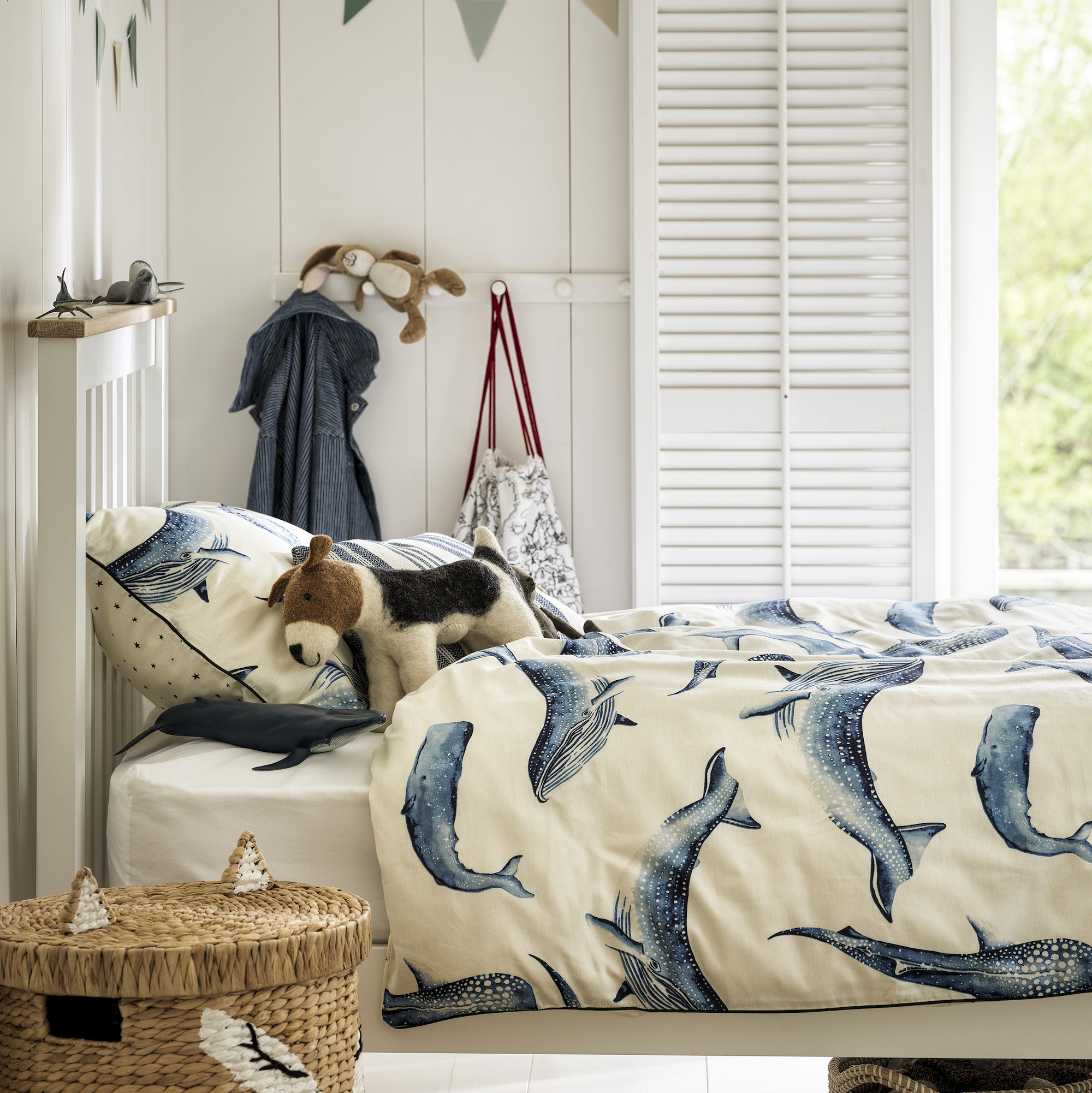
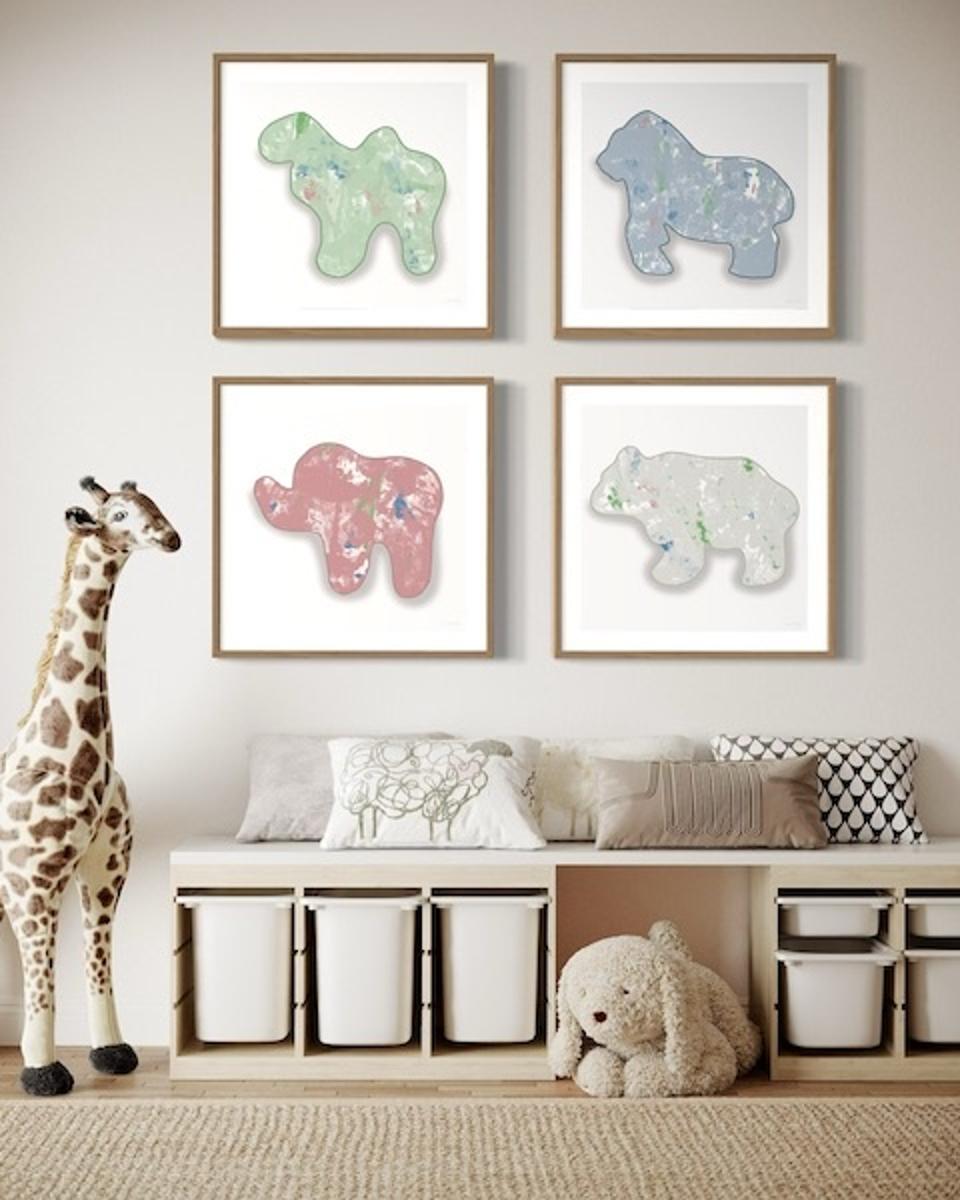
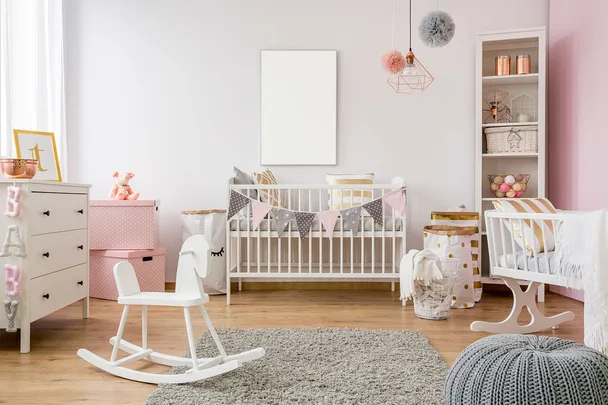
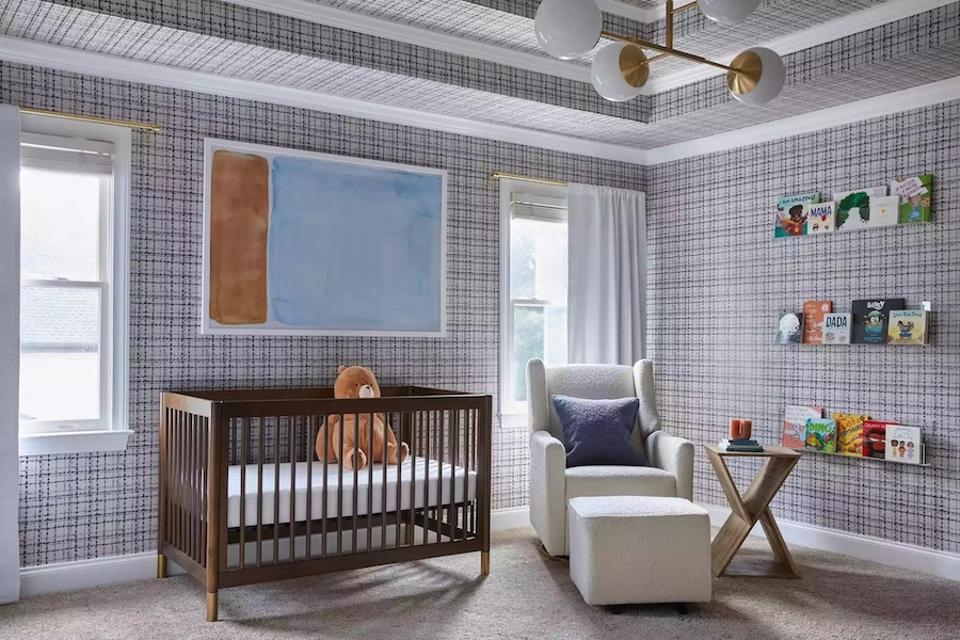
Neutral colors such as creams, grays, and beige offer a versatile and calming foundation for a nursery. Unlike stark white, which can appear cold or too bright, these neutrals provide a soothing effect and are adaptable for future design changes. Decorating with neutrals ensures the room remains serene and inviting as the child grows.
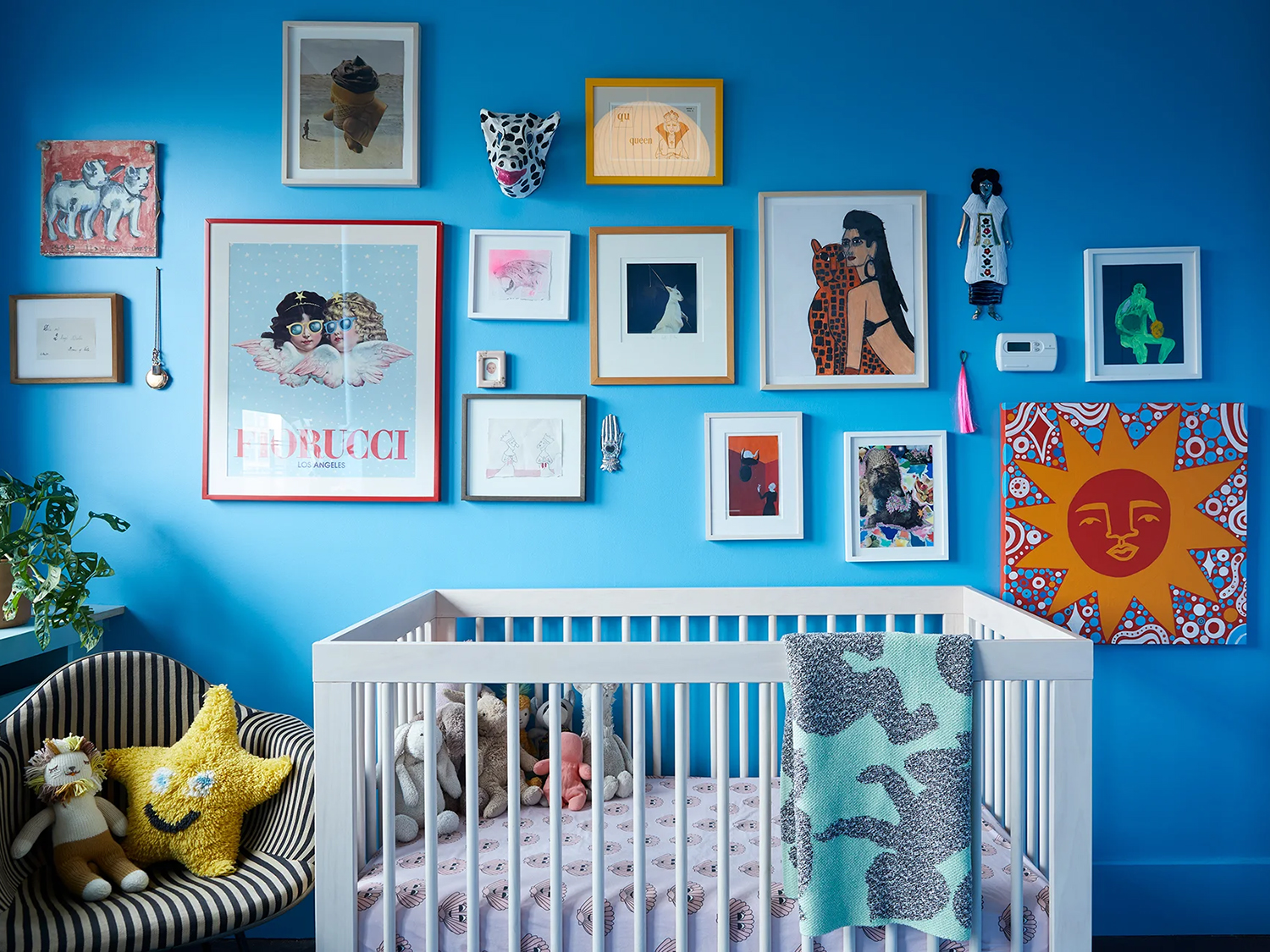
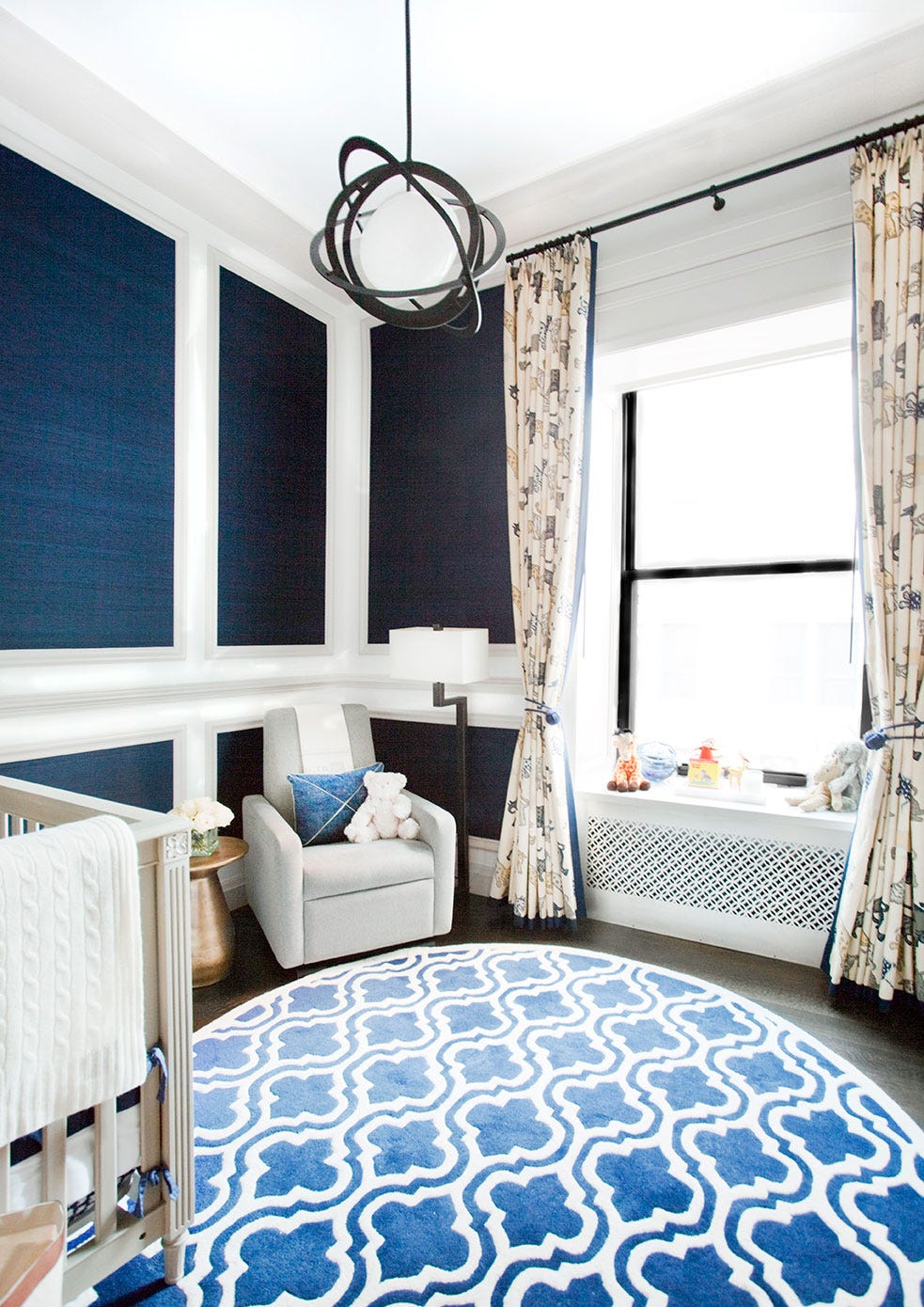
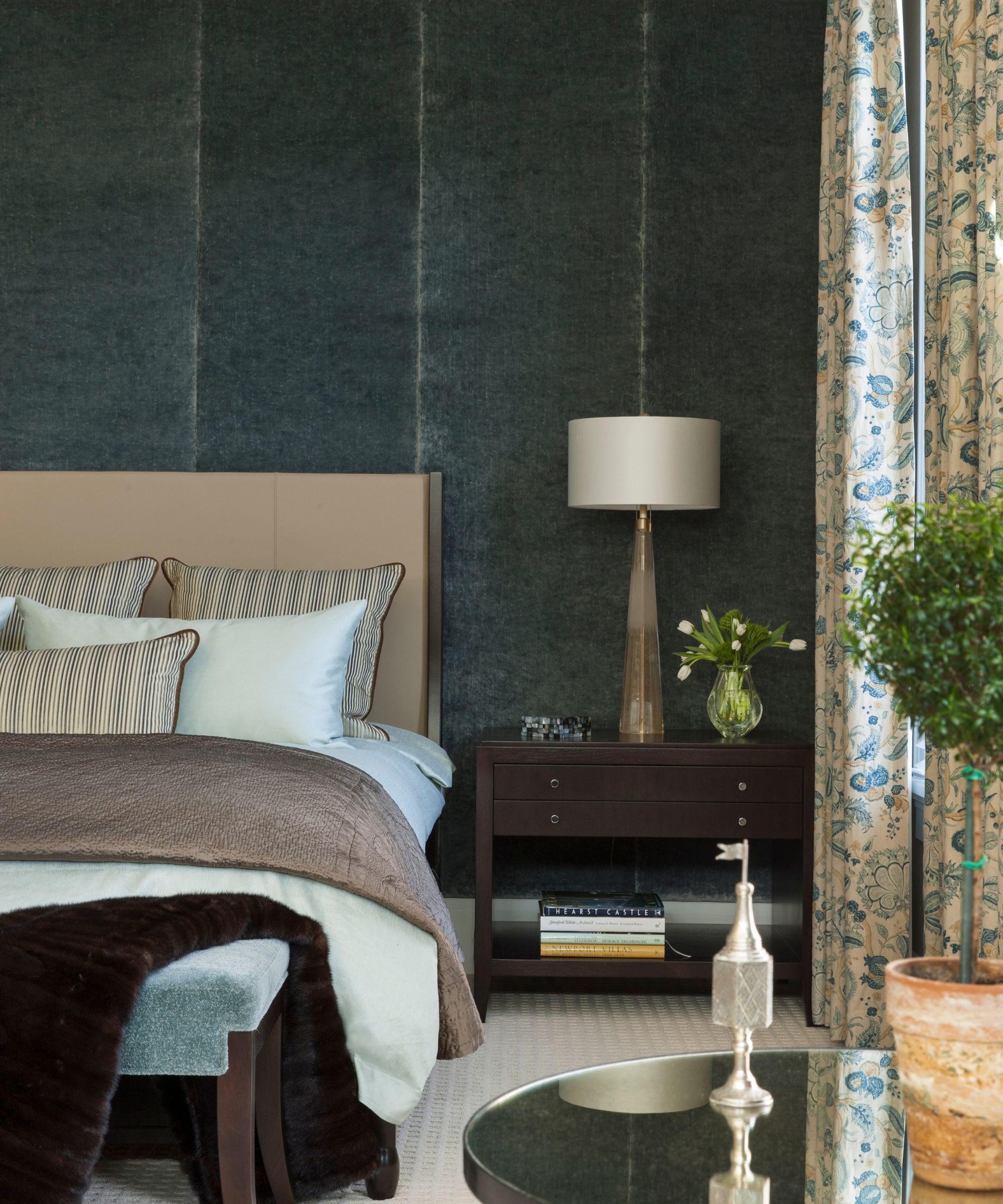
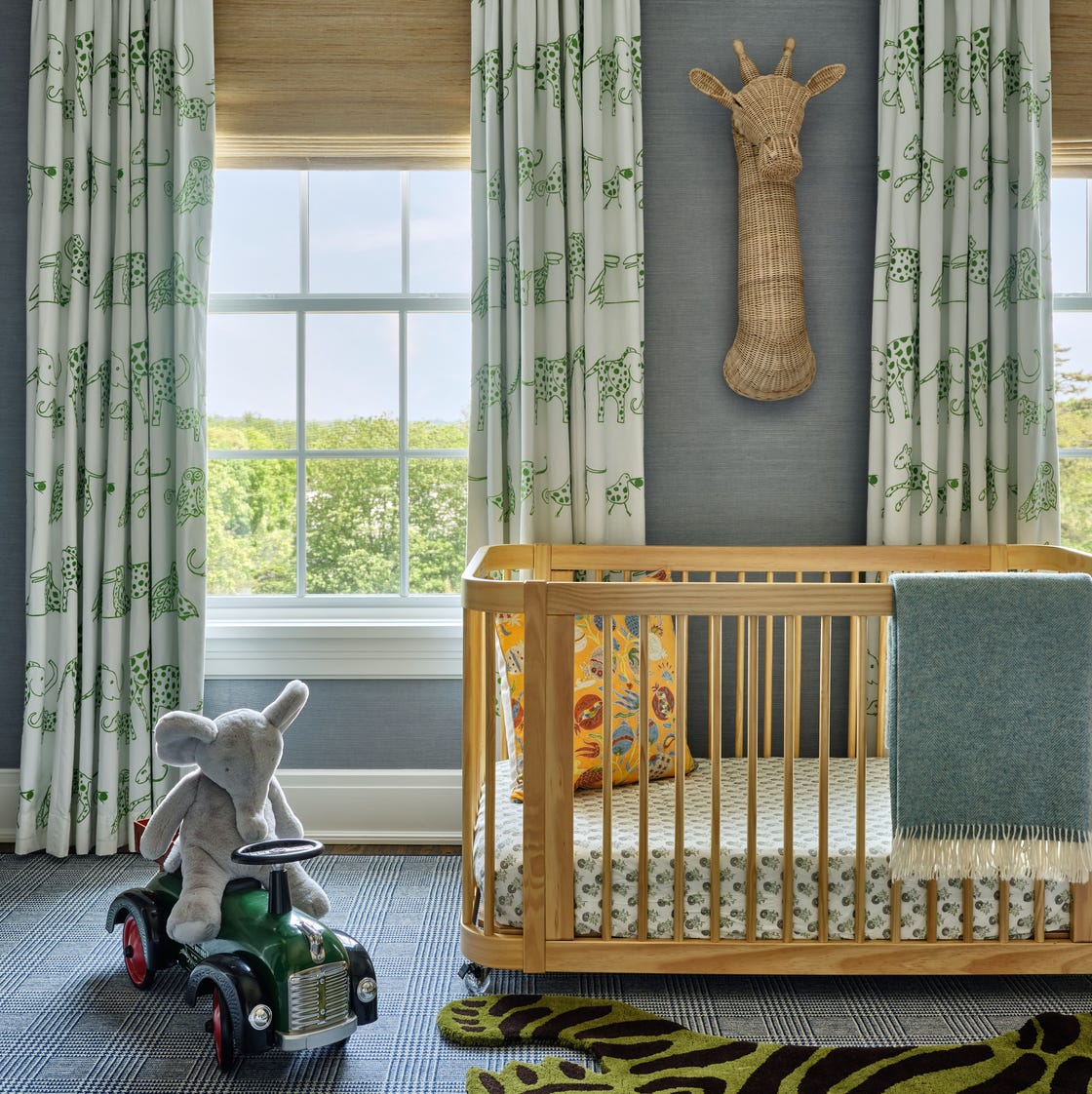
Alternatively, for smaller or dimly lit rooms, a cozy color palette can be more effective than trying to lighten the space with pale colors. Moody, warm hues can create a cocooning atmosphere that promotes sleep. For instance, Farrow & Ball's Inchyra Blue, combined with playful animal wallpaper, can create a sophisticated yet comforting nursery. This approach is particularly useful for ensuring the room is dark enough for nighttime sleep.
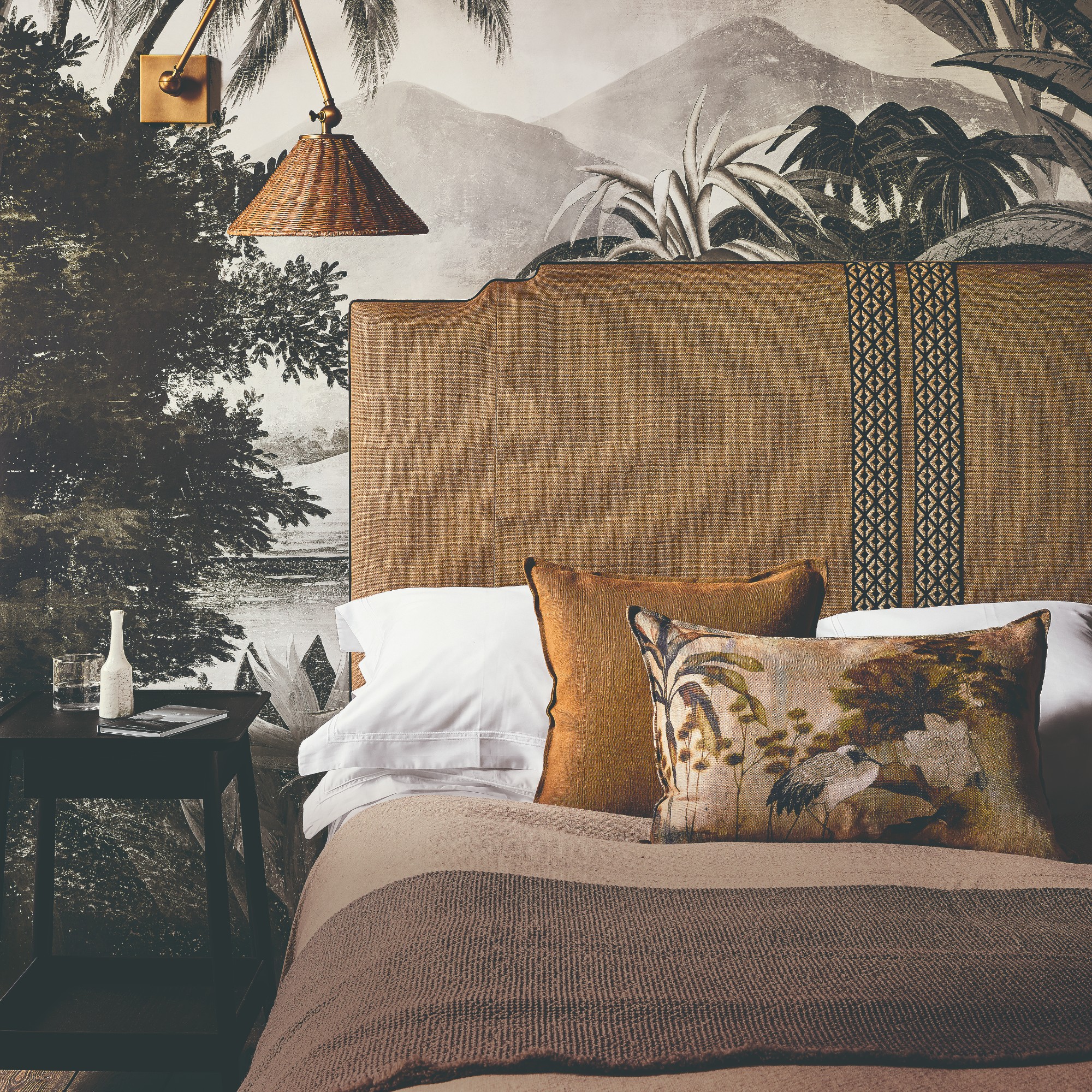
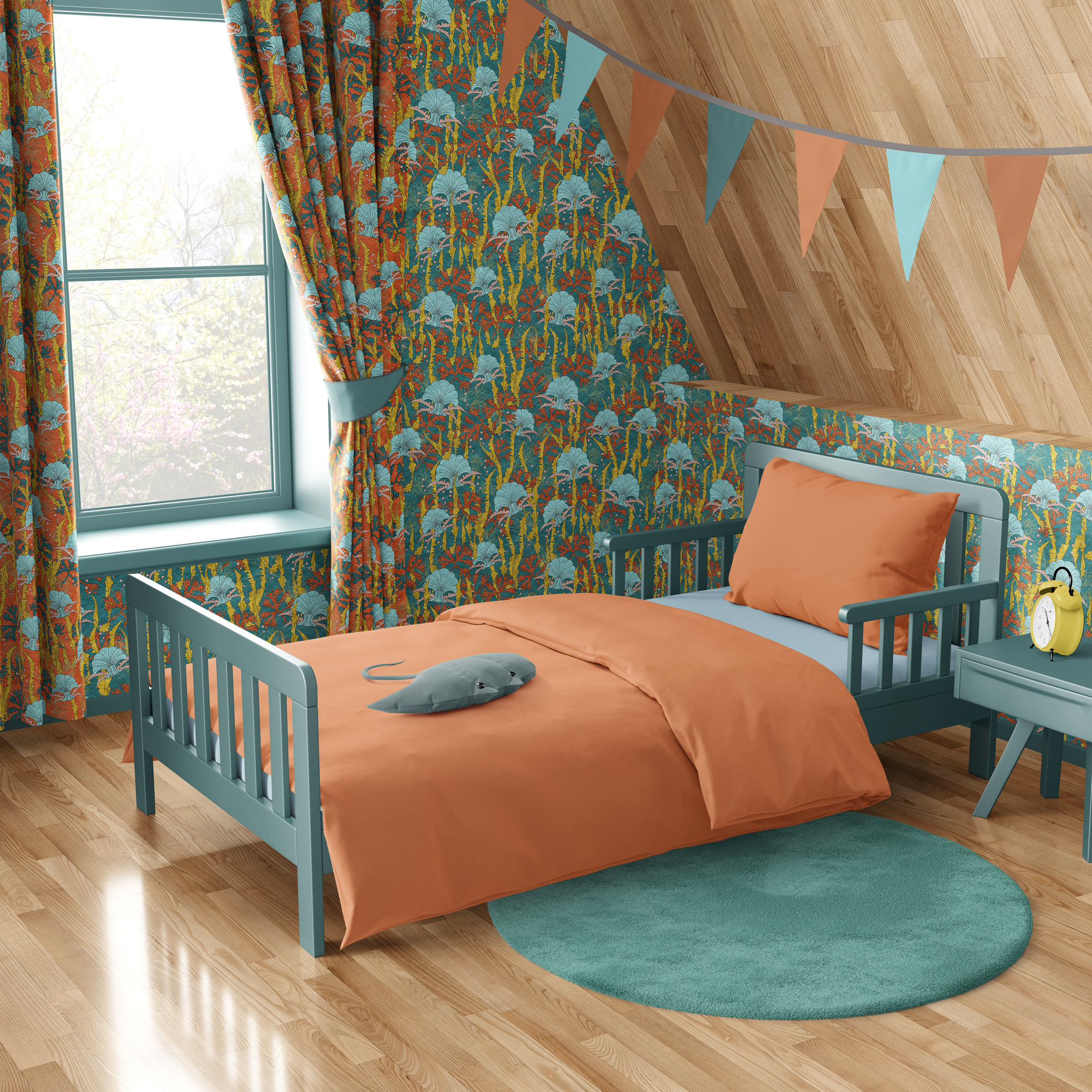
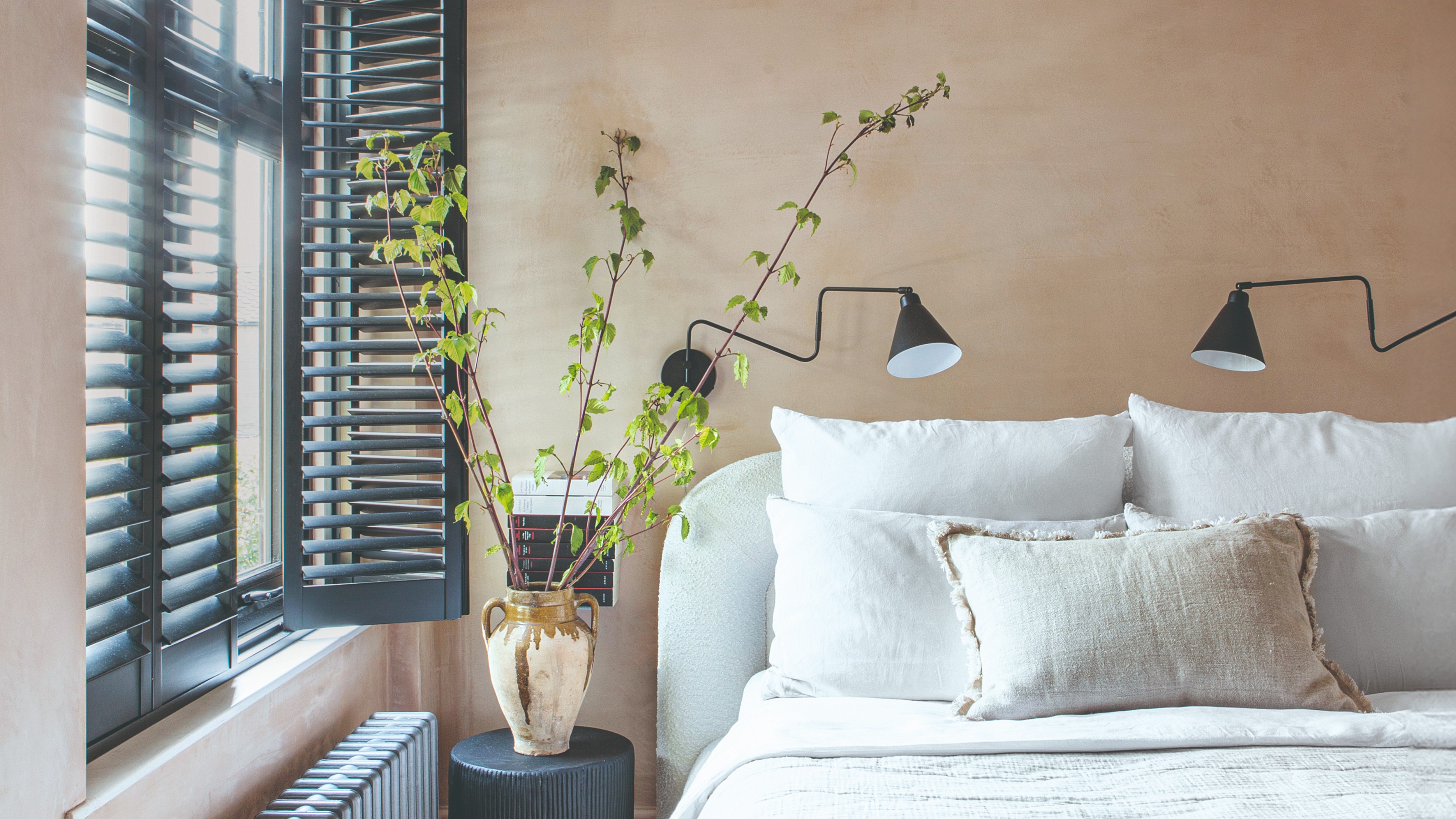
Earth shades, such as terracotta, rusts, and burnt orange, introduce warmth and a welcoming feel, especially in larger rooms or those with cool, north- or east-facing light. These rich, calming, and bold colors are excellent for gender-neutral nurseries, offering a modern alternative to more traditional options.
Regarding specific colors for sleep, pale blues are generally considered best for their relaxing qualities. However, practitioners often note that a baby's sleep is primarily influenced by basic needs such as a full stomach, a clean diaper, and a quiet, dark, temperature-controlled room. For promoting happiness, yellow is frequently mentioned by psychologists, though they caution against its overuse due to its association with high energy levels, suggesting calmer shades for overall tranquility.
#NurseryDesign #ColorPsychology #BabyRoom #InteriorDesign #SleepEnvironment #GenderNeutralNursery #CalmingColors #HappyColors #HomeDecor #NurseryDesign #ColorPsychology #BabyRoom #InteriorDesign #SleepEnvironment #GenderNeutralNursery #CalmingColors #HappyColors #HomeDecor
0 comment in total
 No comments yet
You may also like
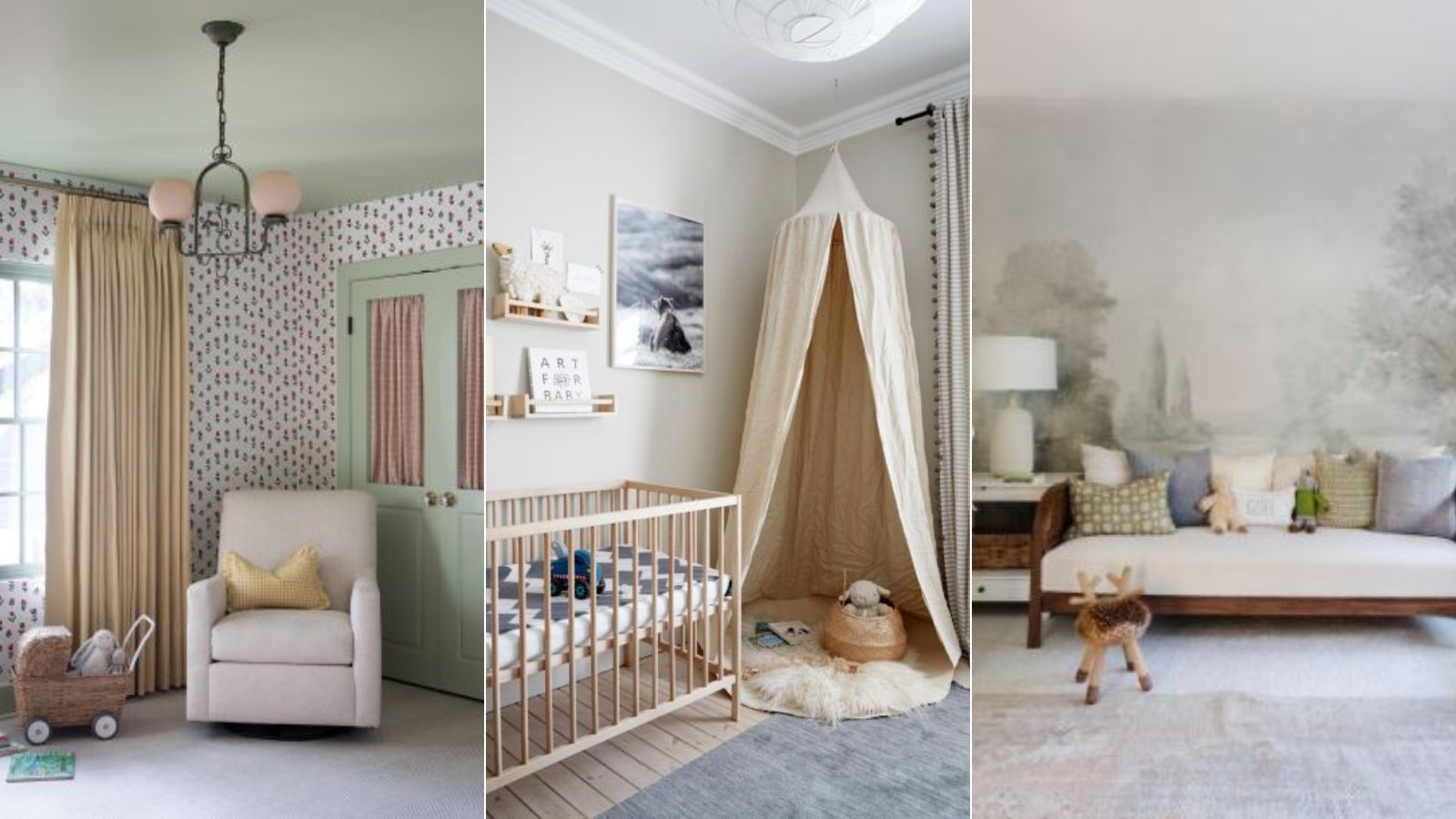
Nursery color schemes – 8 spaces to soothe your baby to sleep
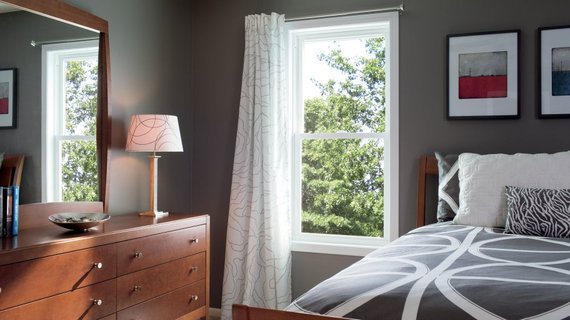
Best Bedroom Colors for Sleep

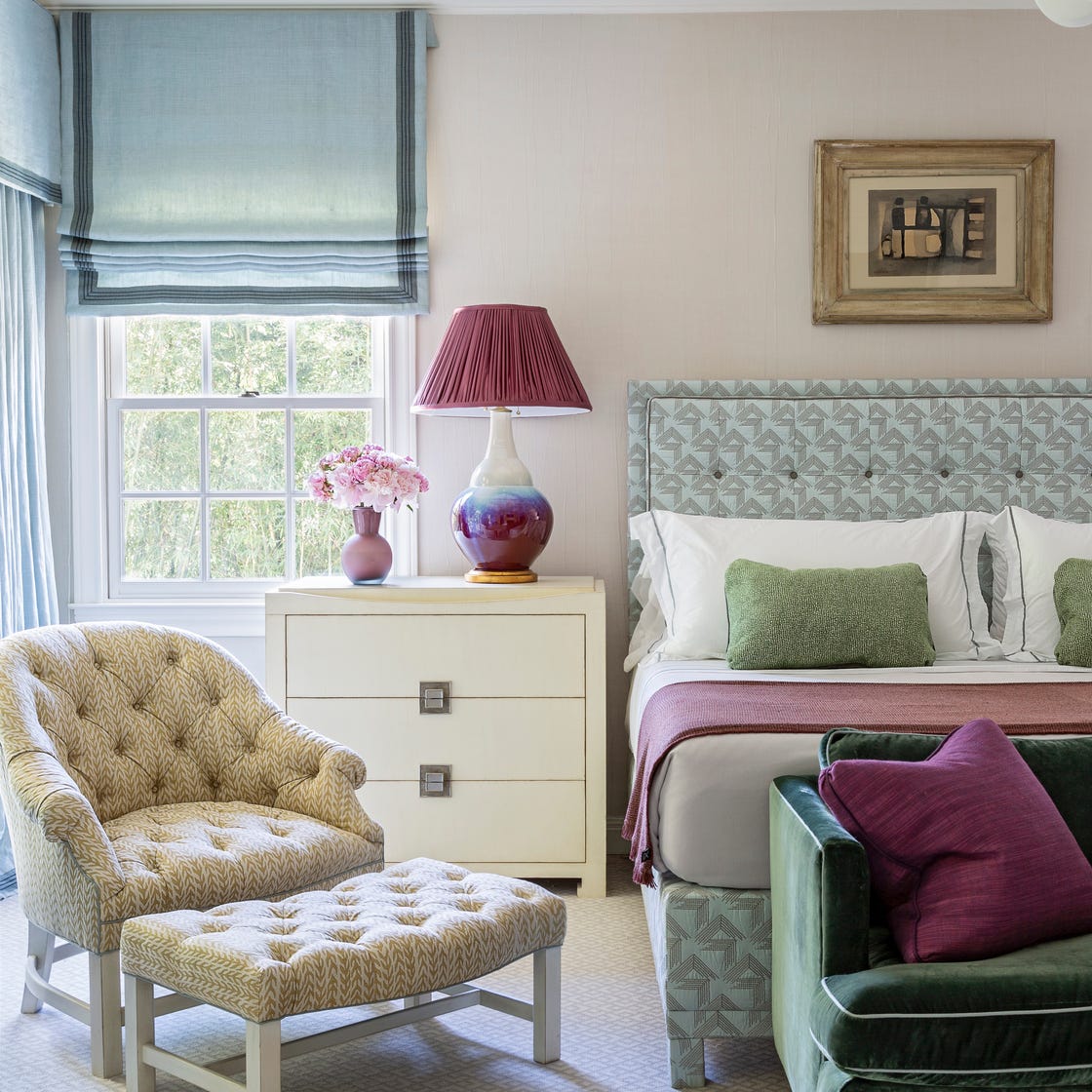
These Designer-Approved Bedroom Paint Colors Are the Key to the Best Sleep of Your Life

5 Paint Colors You Should Never Use In A Bedroom, According to Designers

The Best Bedroom Colors to Help You Sleep (And Wake Up Happy)

7 Blue Nurseries That Aren’t Pastel Everything
8 Stunning Colors For All Your Nursery Decor, According To Designers

The best calming colours for kids' bedrooms to create a soothing and stylish scheme for little ones

Sad beige nurseries are out – here's how to introduce color to your once-neutral space
Baby room decor: the beginners guide to decorating a nursery

18 dreamy bedroom colour ideas to create a rest-promoting, stylish space
Bye To Beige: Top Nursery Design Trends For 2025: Expert Predictions

10 Soothing Colors That Are Perfect for the Nursery

Designers Reveal How to Make a Baby’s Room Look ANYTHING But Childish

7 Sage Green Nursery Ideas, So That at Least One Spot in Your House Feels Calm | domino

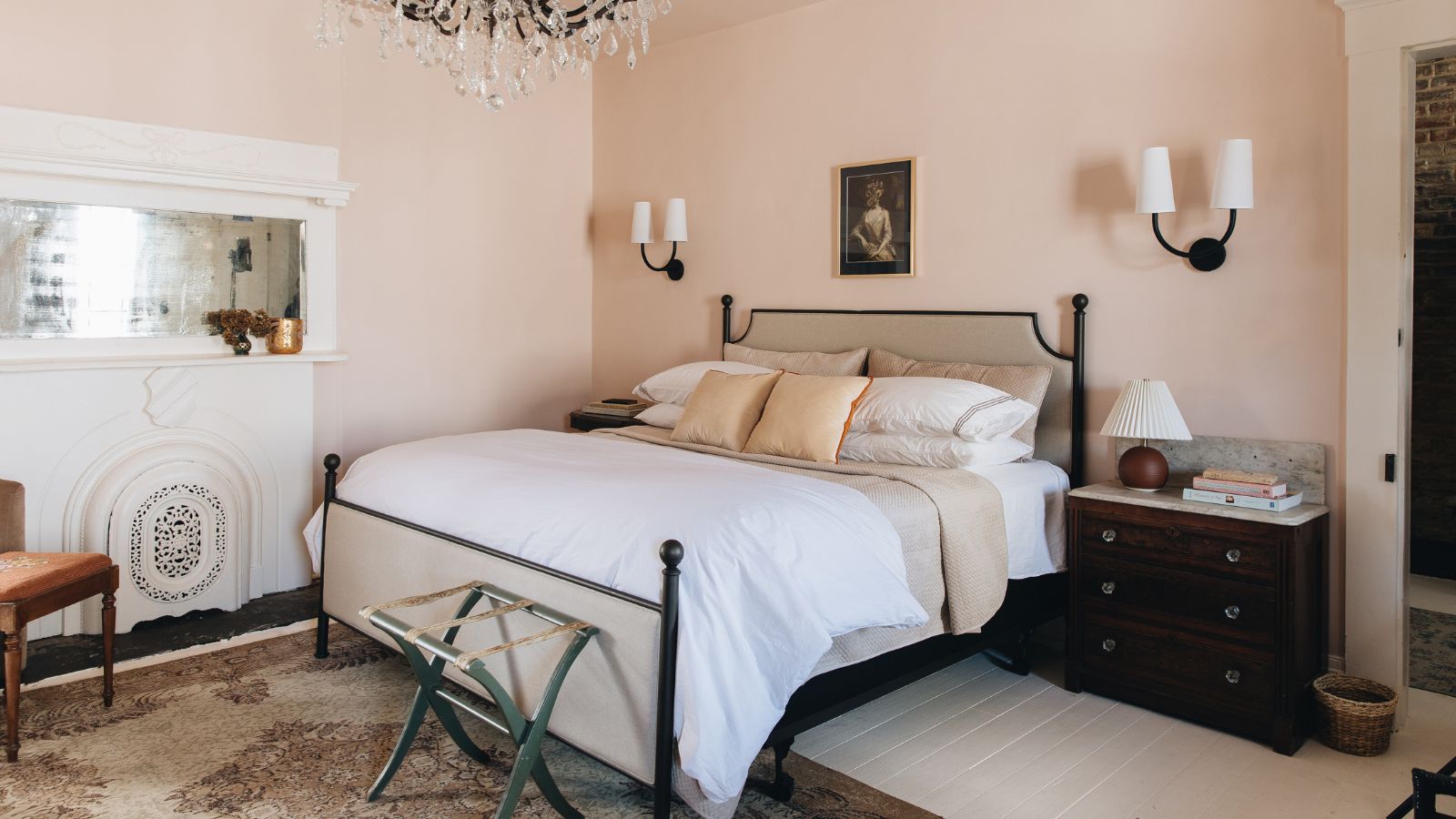
10 designers on the bedroom colors they always recommend
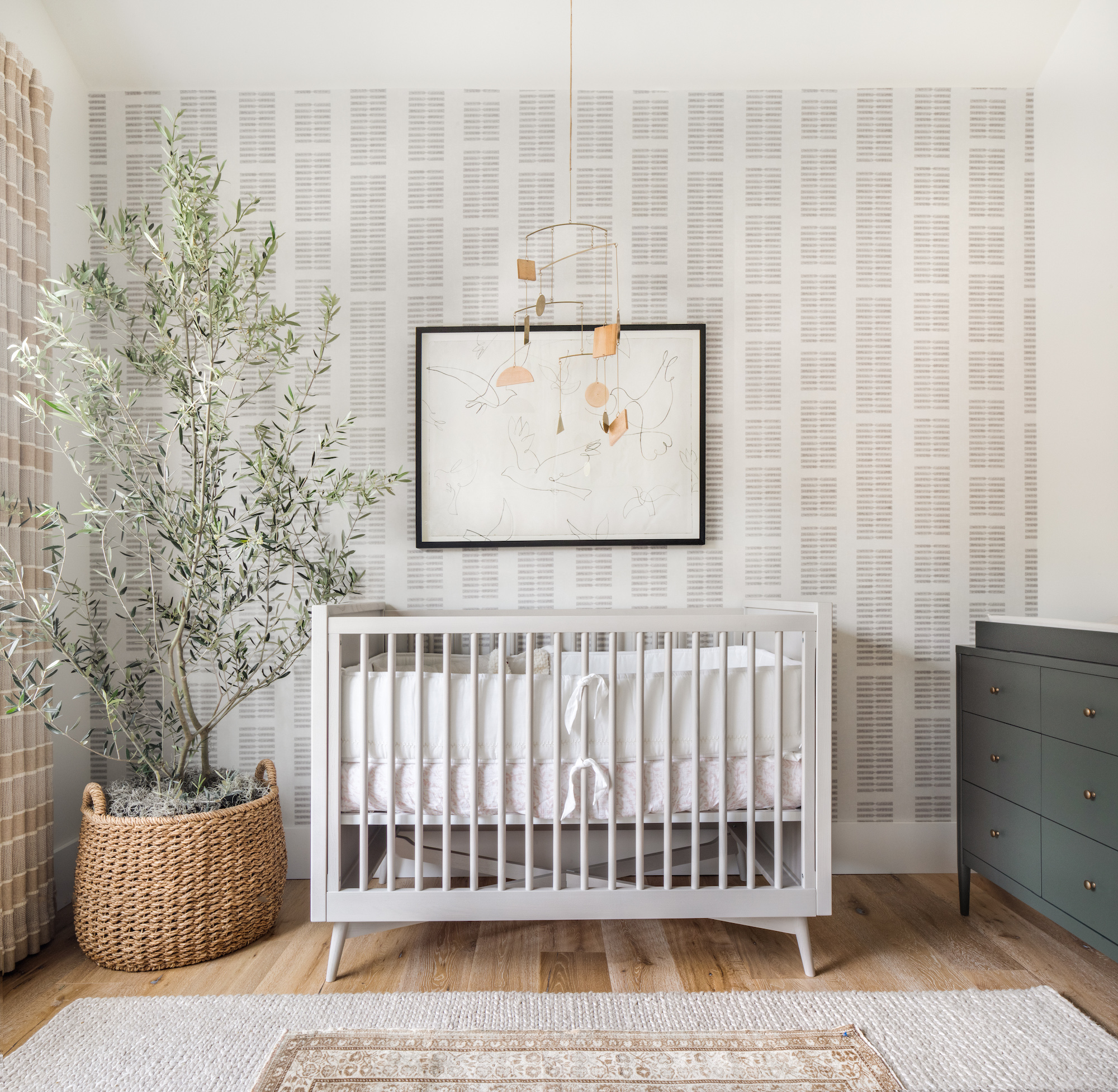
Nursery ideas – 20 beautiful rooms new parents will love
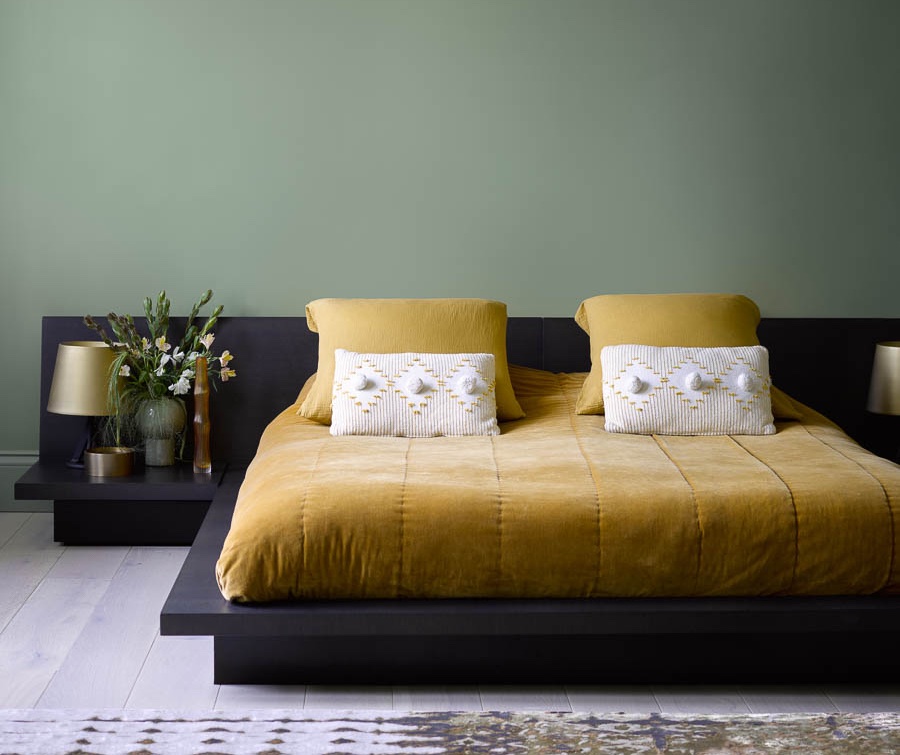
5 Paint Colors That Will Help You Sleep Better if You Use Them in Your Bedroom

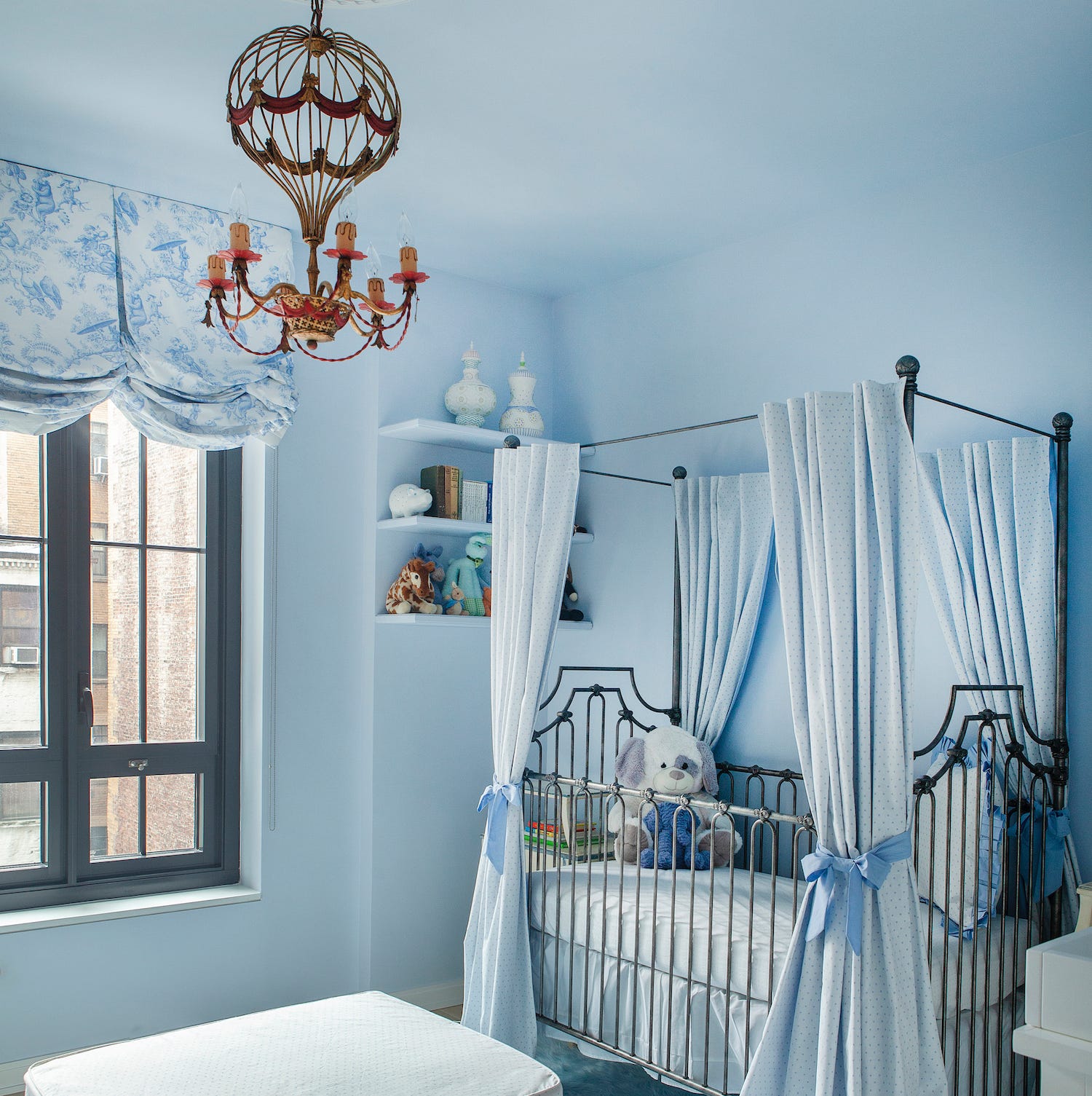
15 Designer-Approved Kids' Room Paint Colors
6 Paint Colors You Should Never Use in Your Bedroom, According to Interior Designers