1/4
Best Bedroom Colors for Sleep
Many Americans struggle with obtaining sufficient sleep, with 50 to 70 million individuals experiencing difficulty sleeping through the night. This lack of sleep contributes to various health issues, including hypertension and obesity, as well as an increased risk of driving and occupational injuries and fatalities. While traditional methods like counting sheep exist, a simpler approach to improving sleep quality could involve selecting appropriate bedroom paint colors.
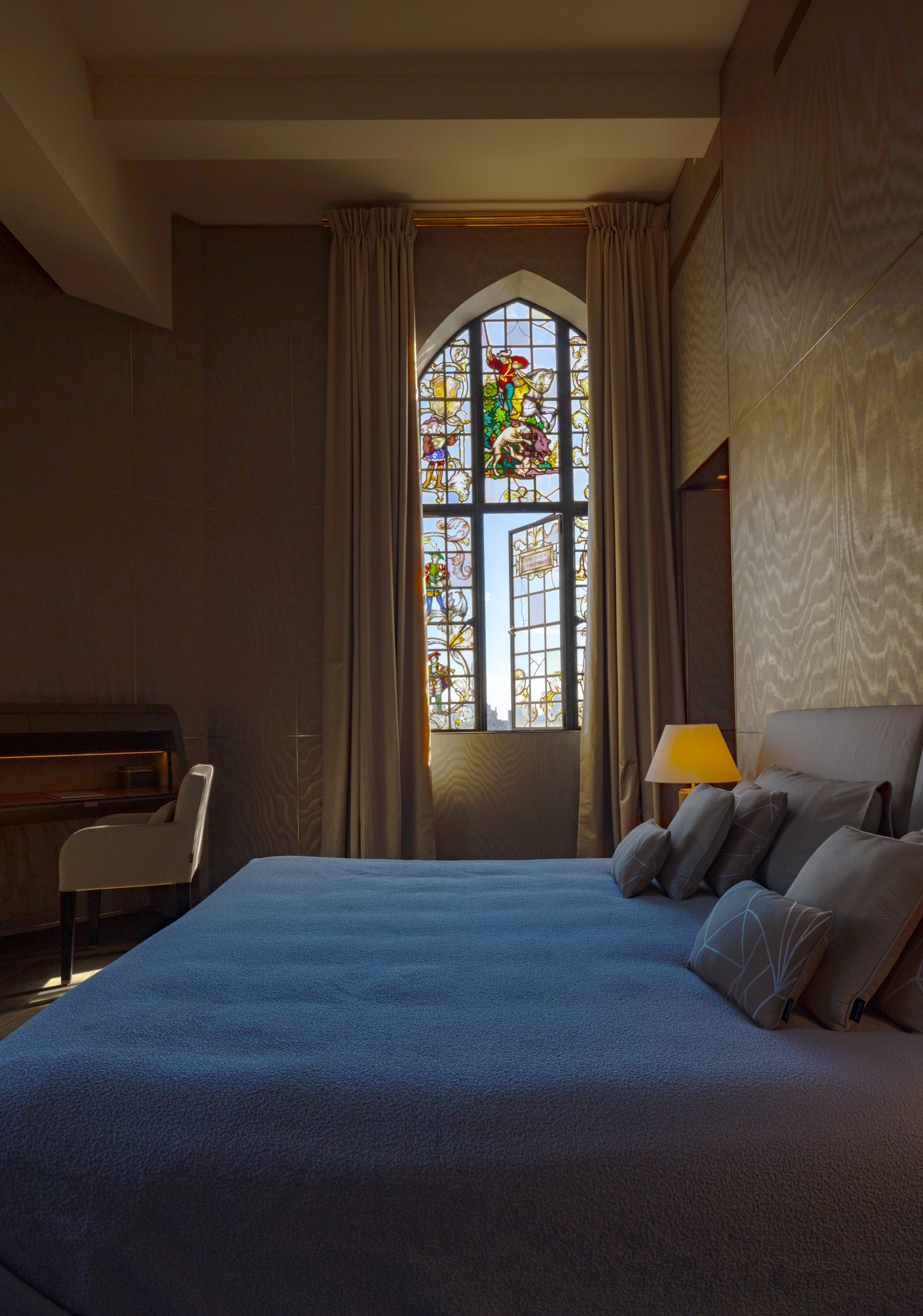
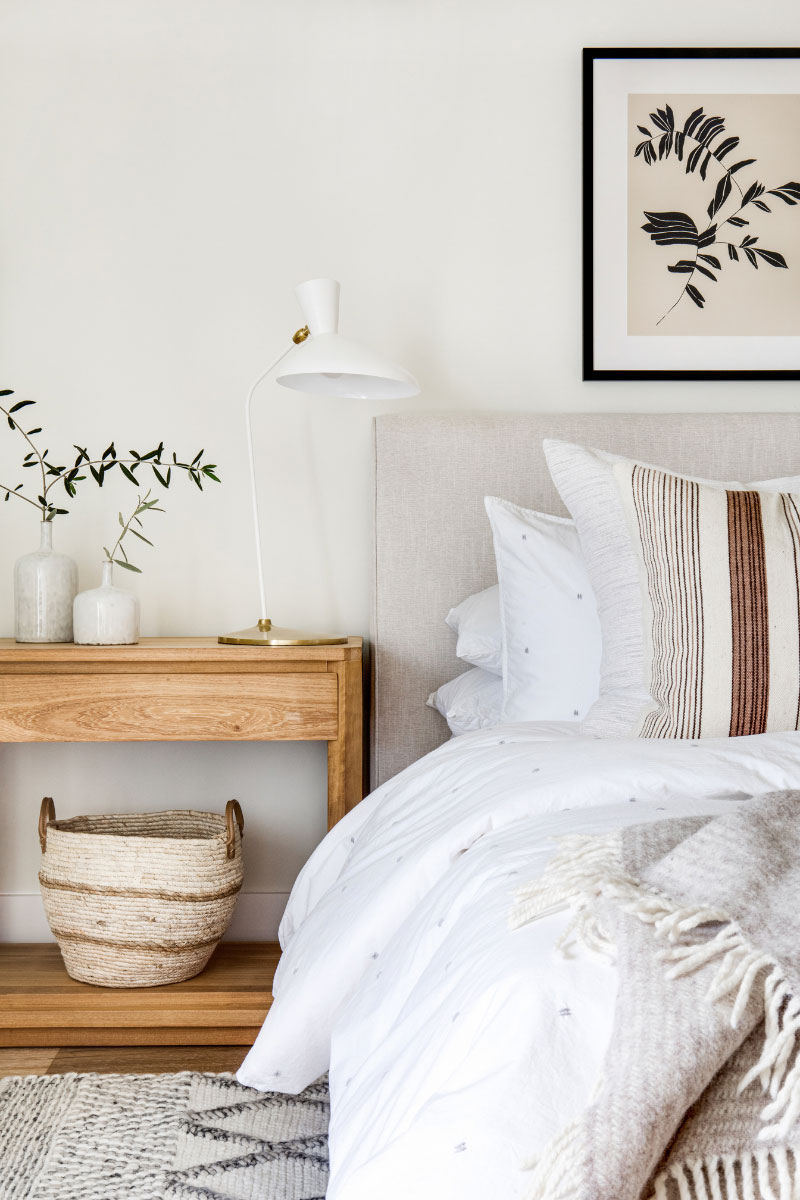
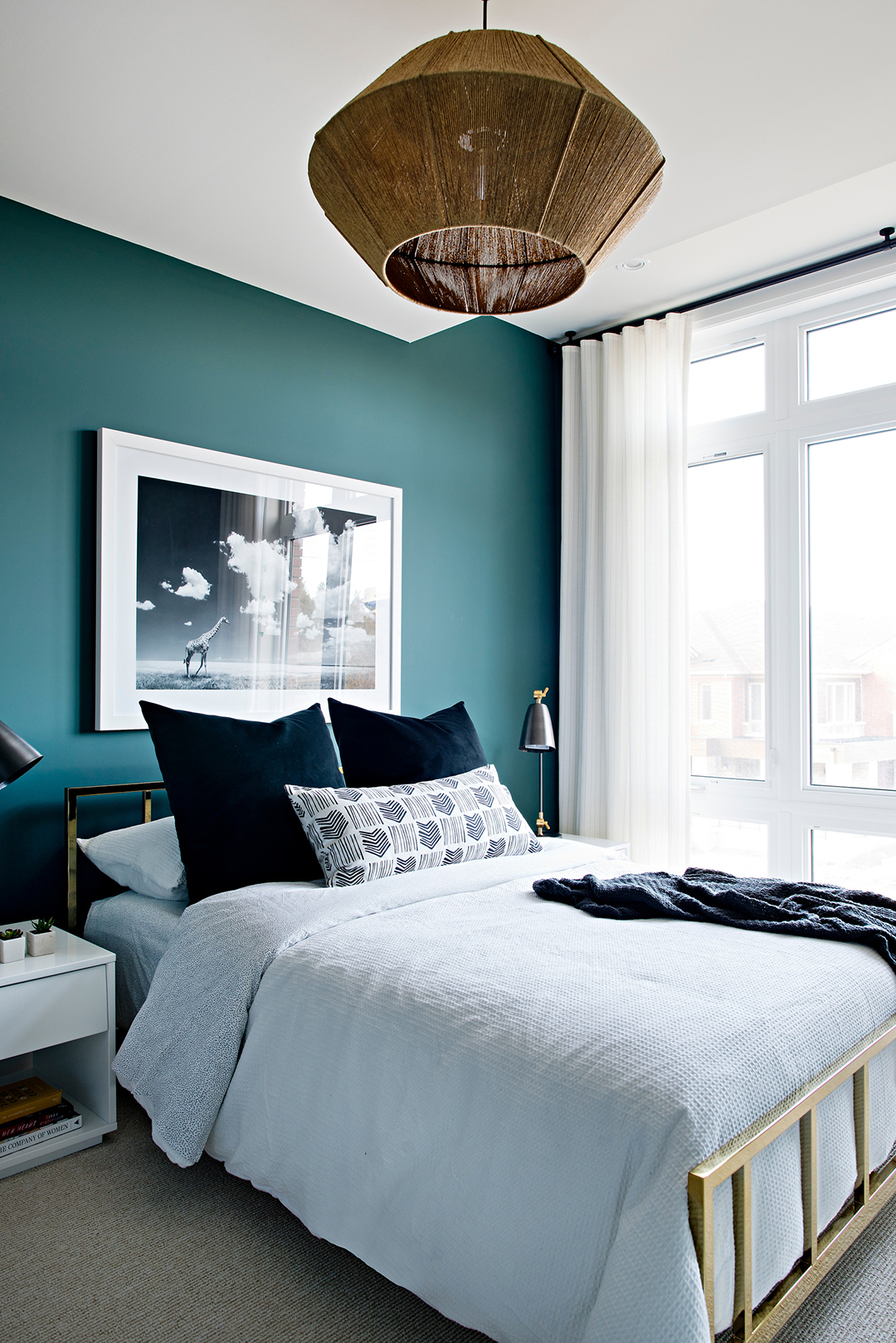
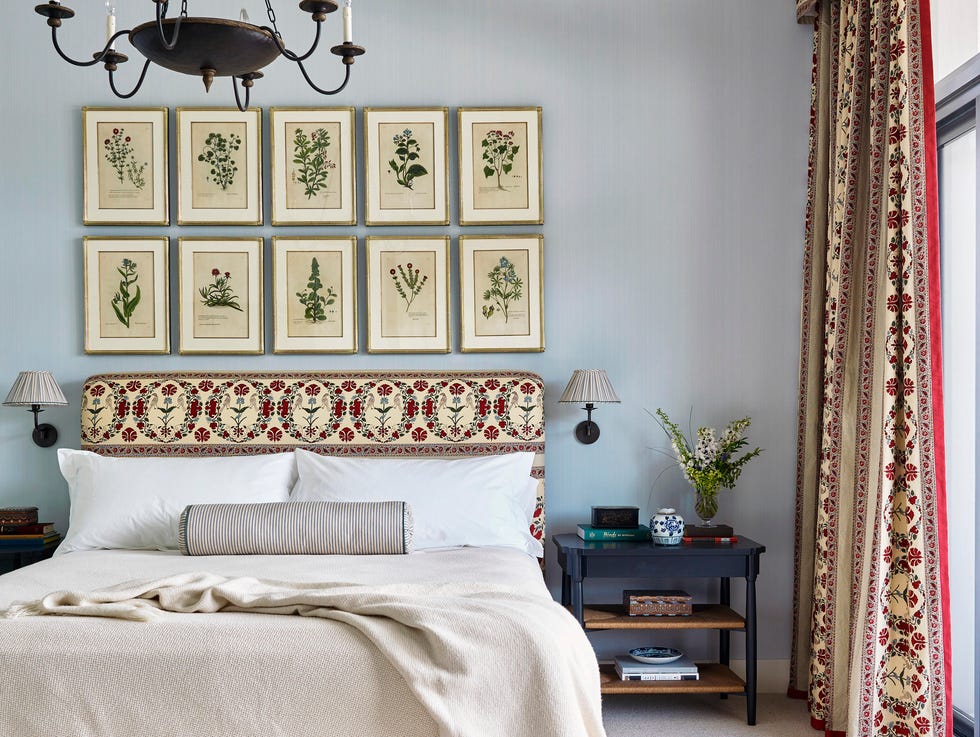
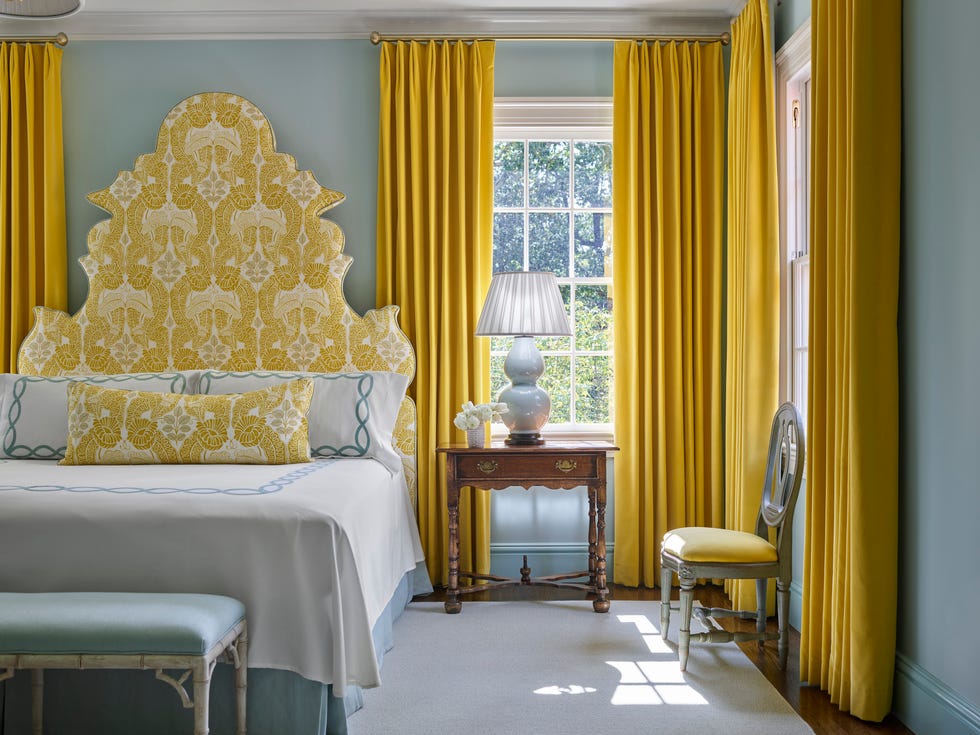
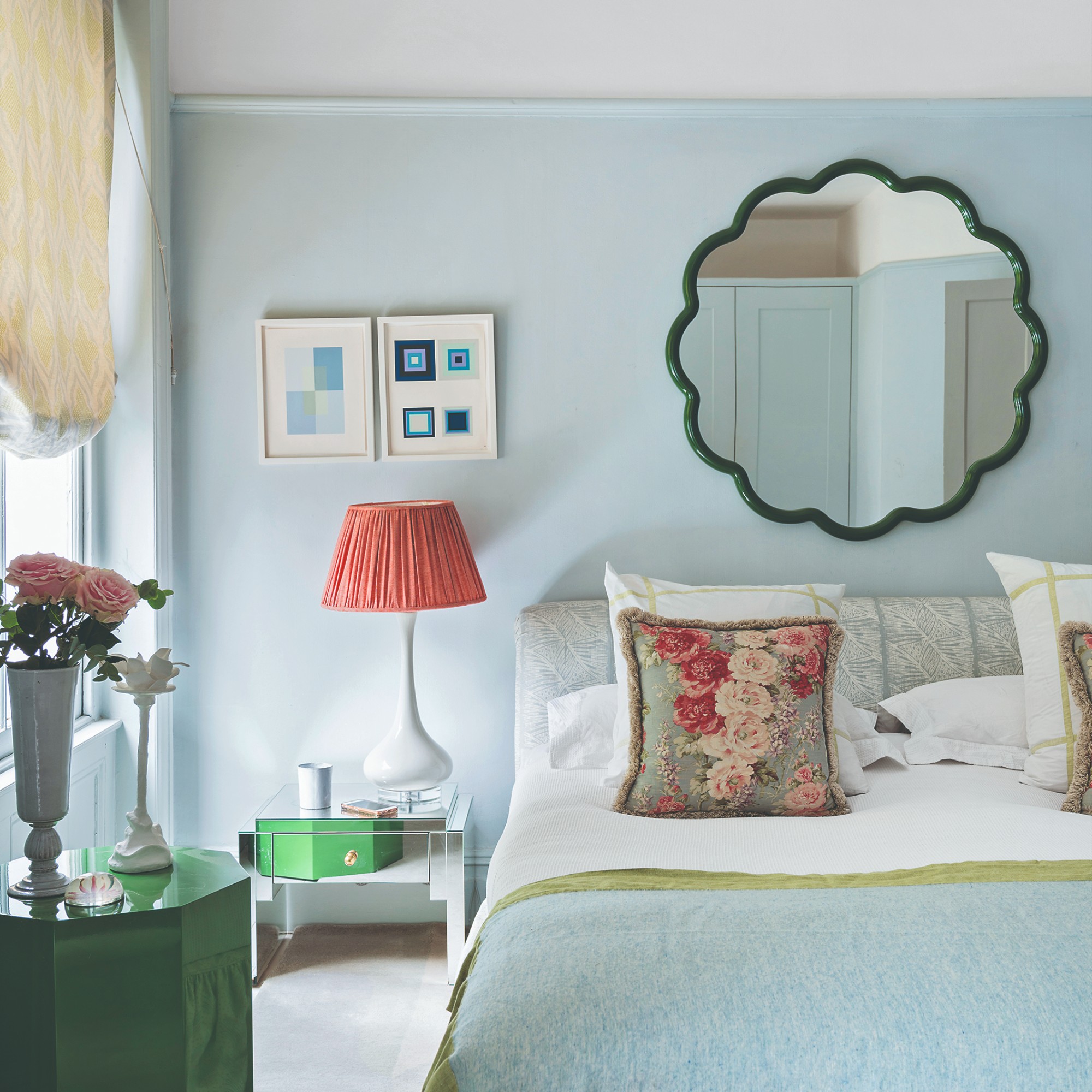
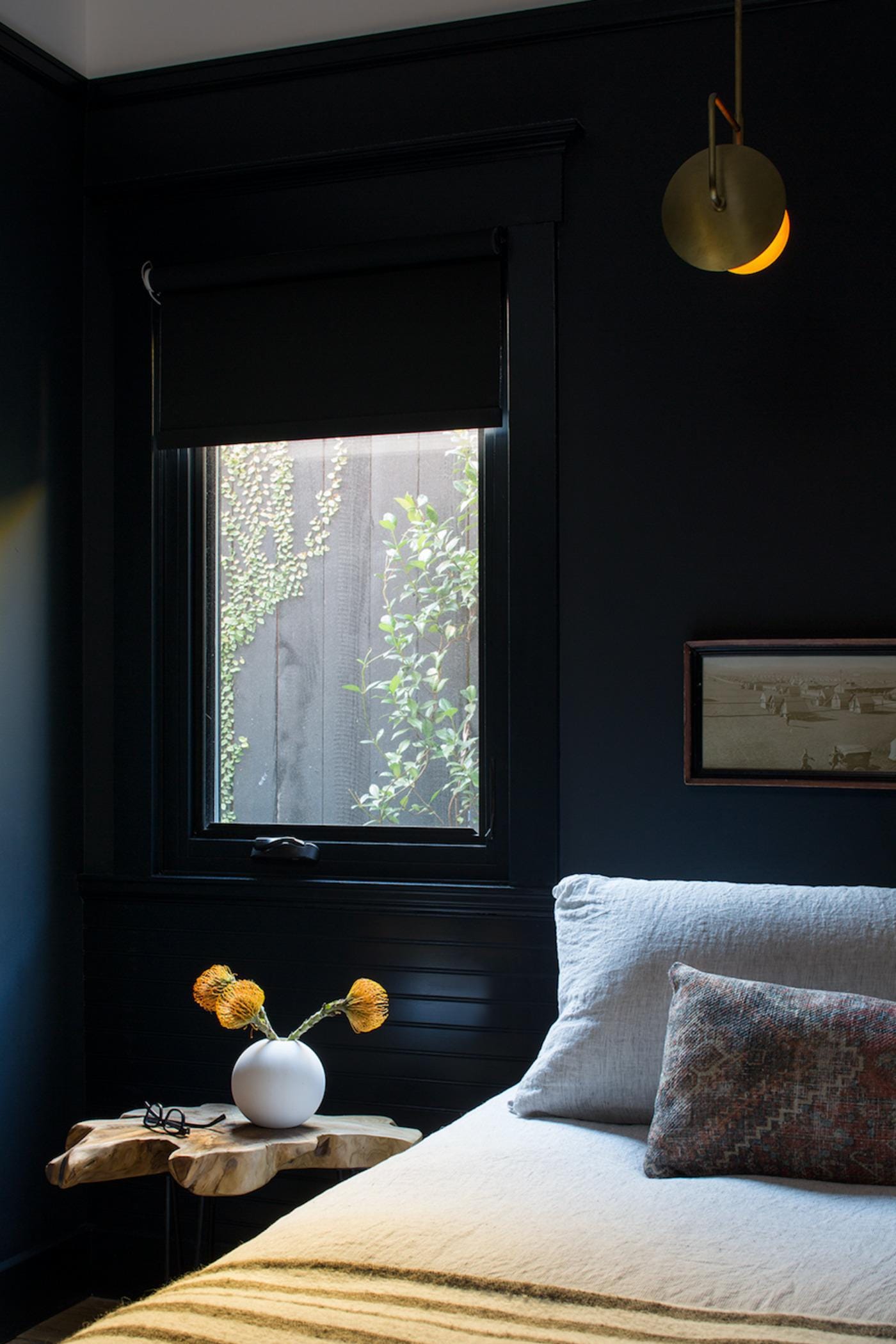
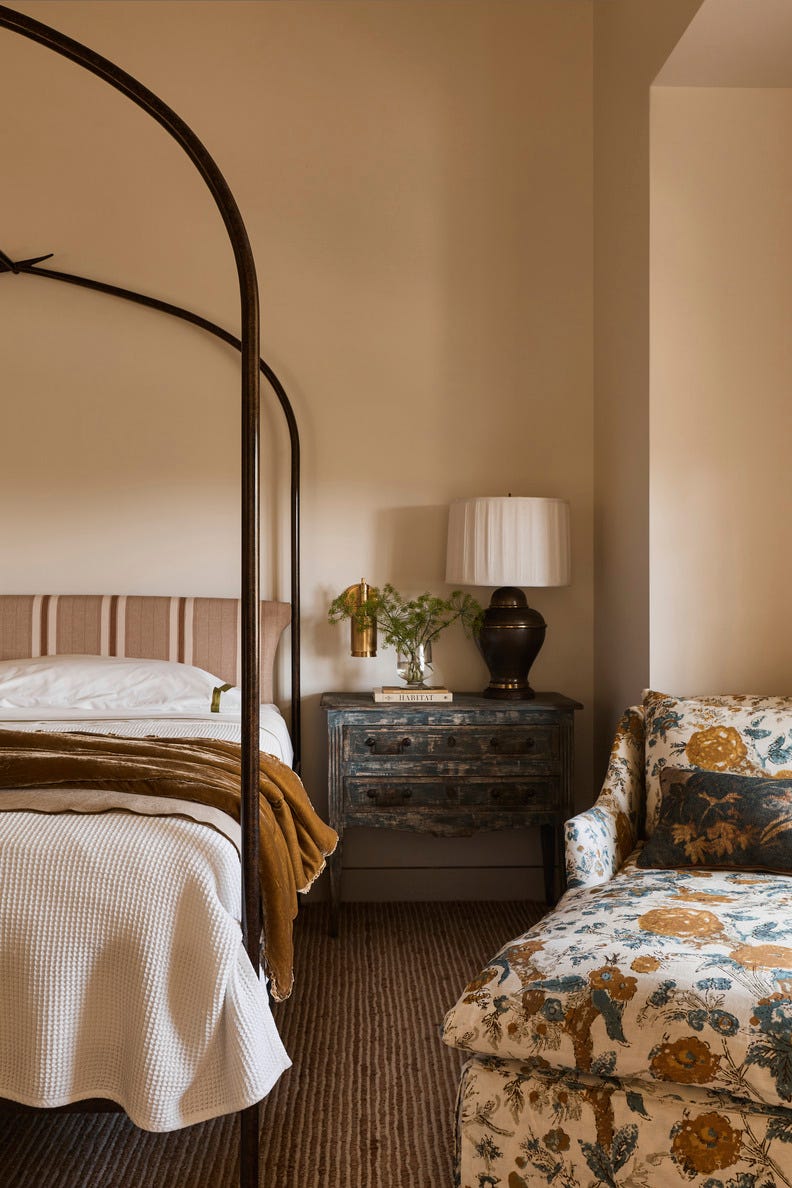
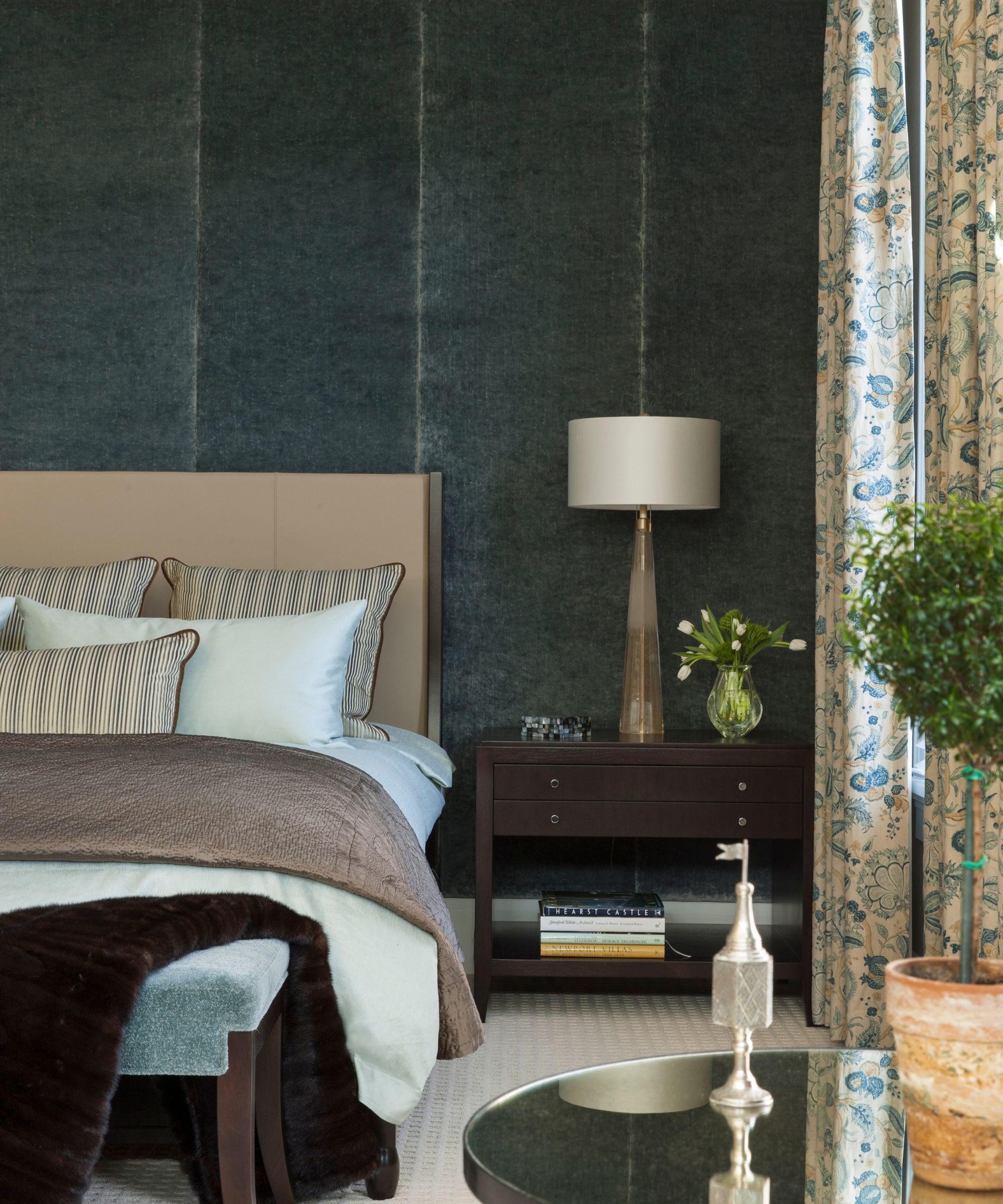
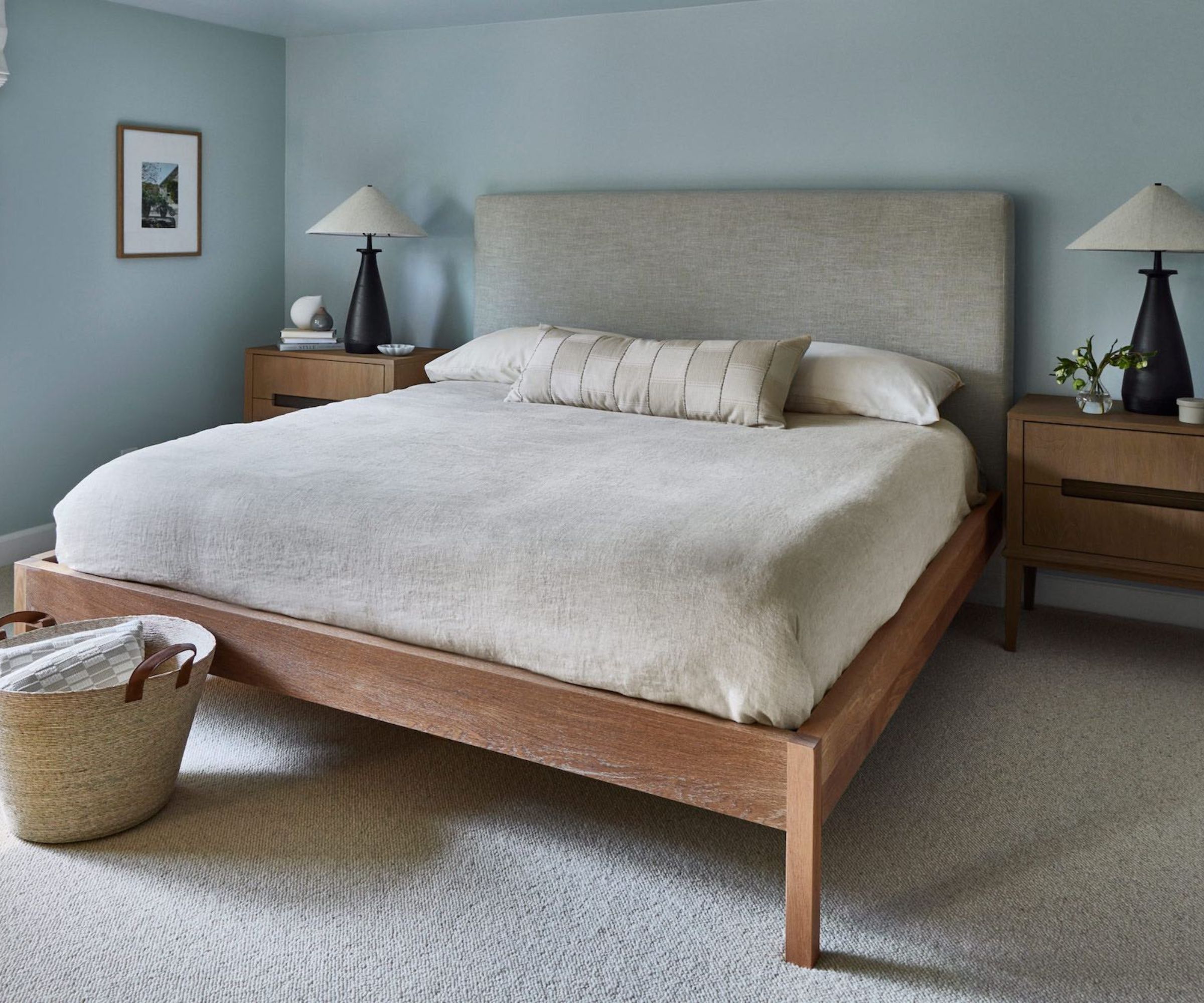
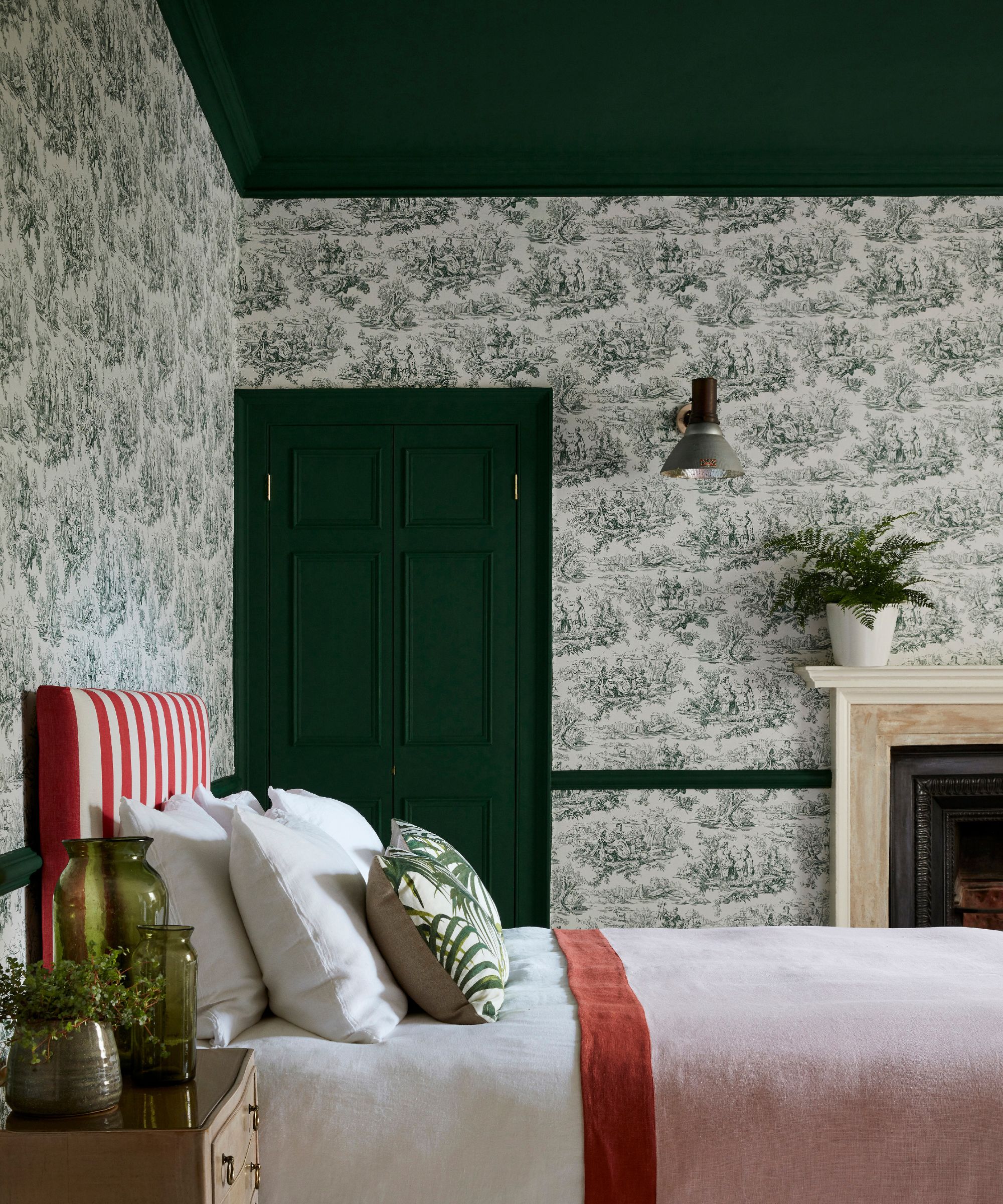
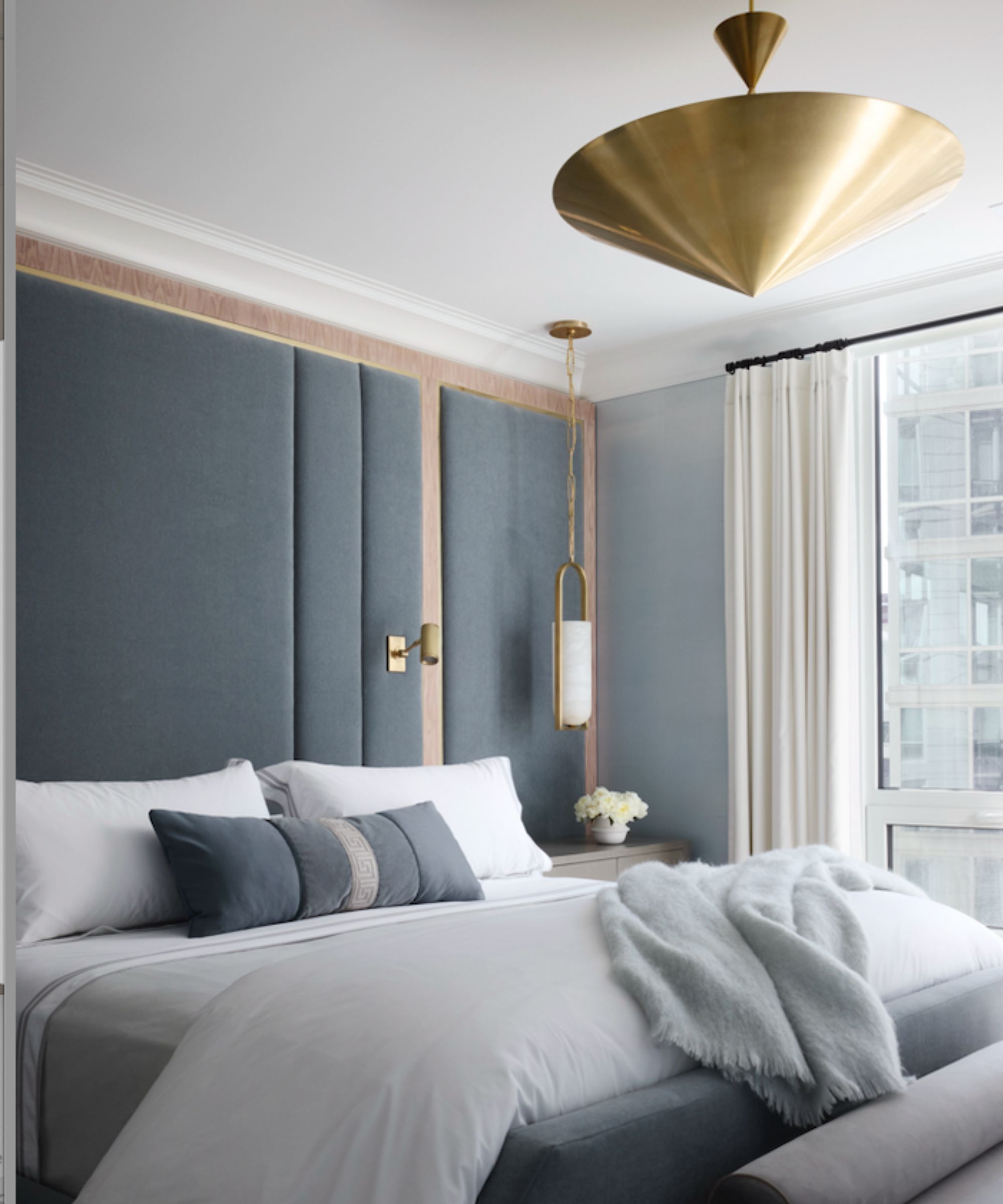
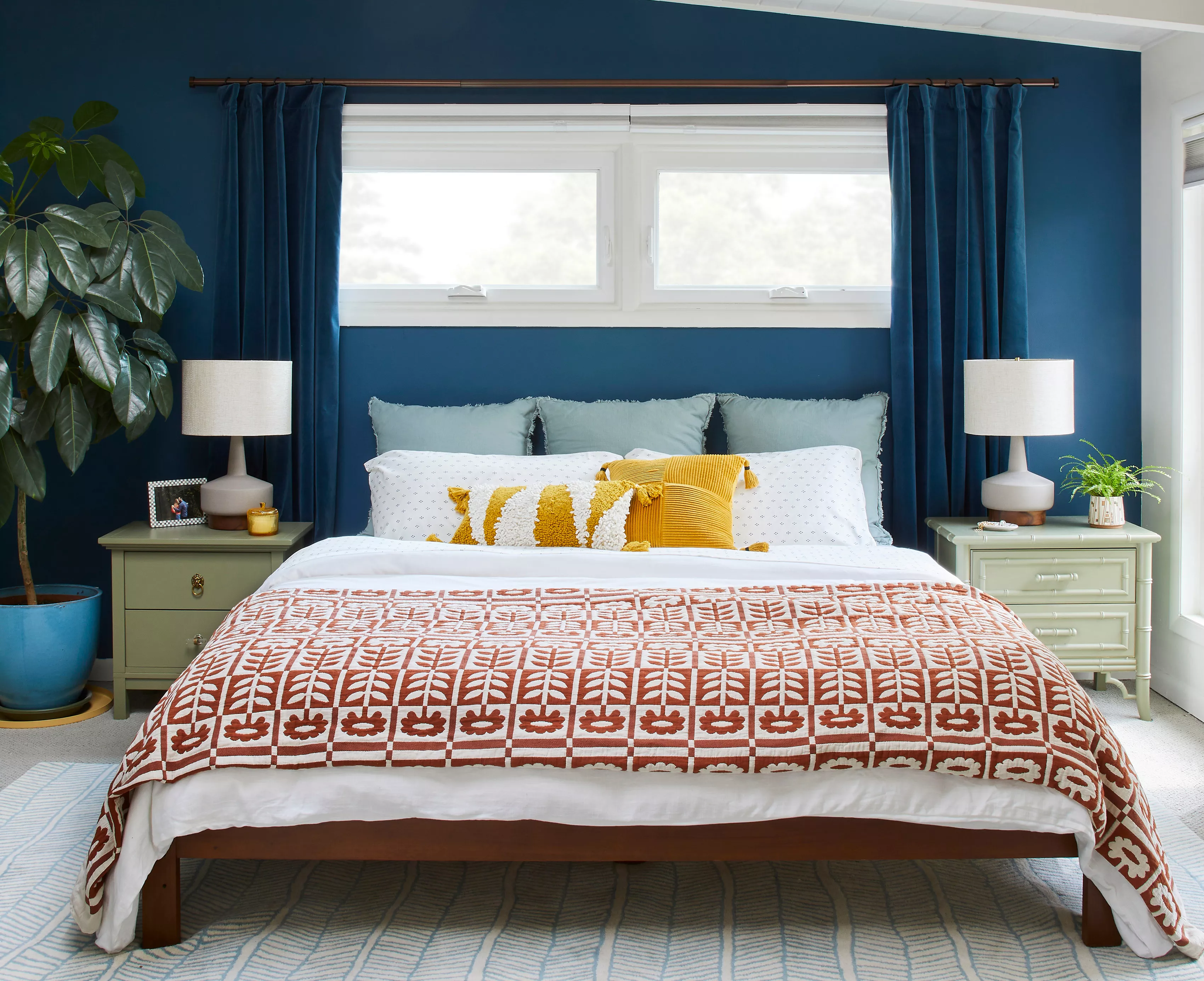
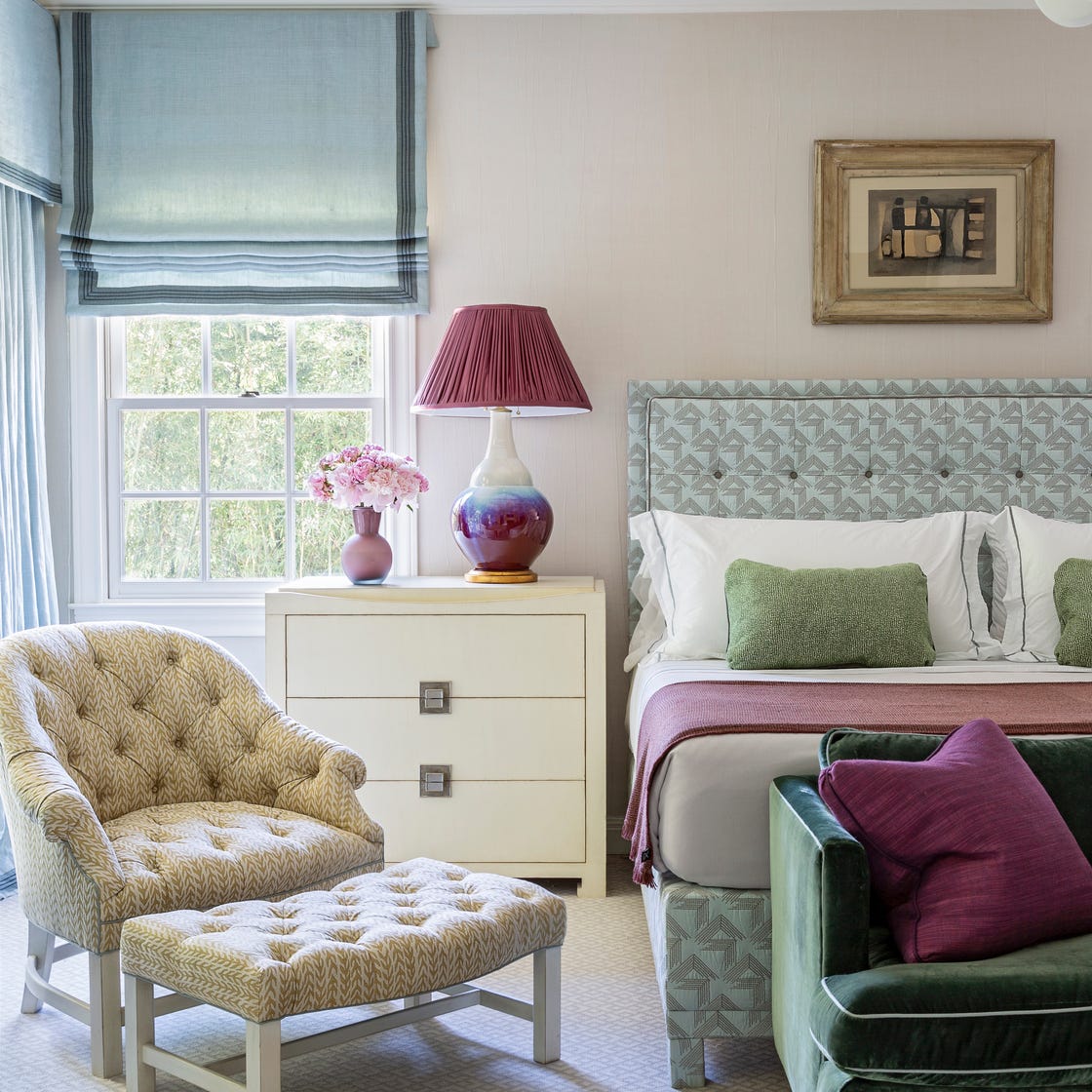
When choosing colors for a bedroom to promote sleep, it is advisable to consider light blues, earth tones, or soft, muted colors rather than bold or bright hues. Interior designers emphasize creating a relaxing and restful ambiance in the bedroom, describing it as a "Zen" space. Shades of blue are frequently recommended by interior designers. A 2013 study conducted by Travelodge indicated that individuals with blue bedrooms experienced the most sleep, averaging seven hours and 52 minutes. The color blue, reminiscent of the sky and ocean, evokes a sense of calm that can facilitate better sleep.
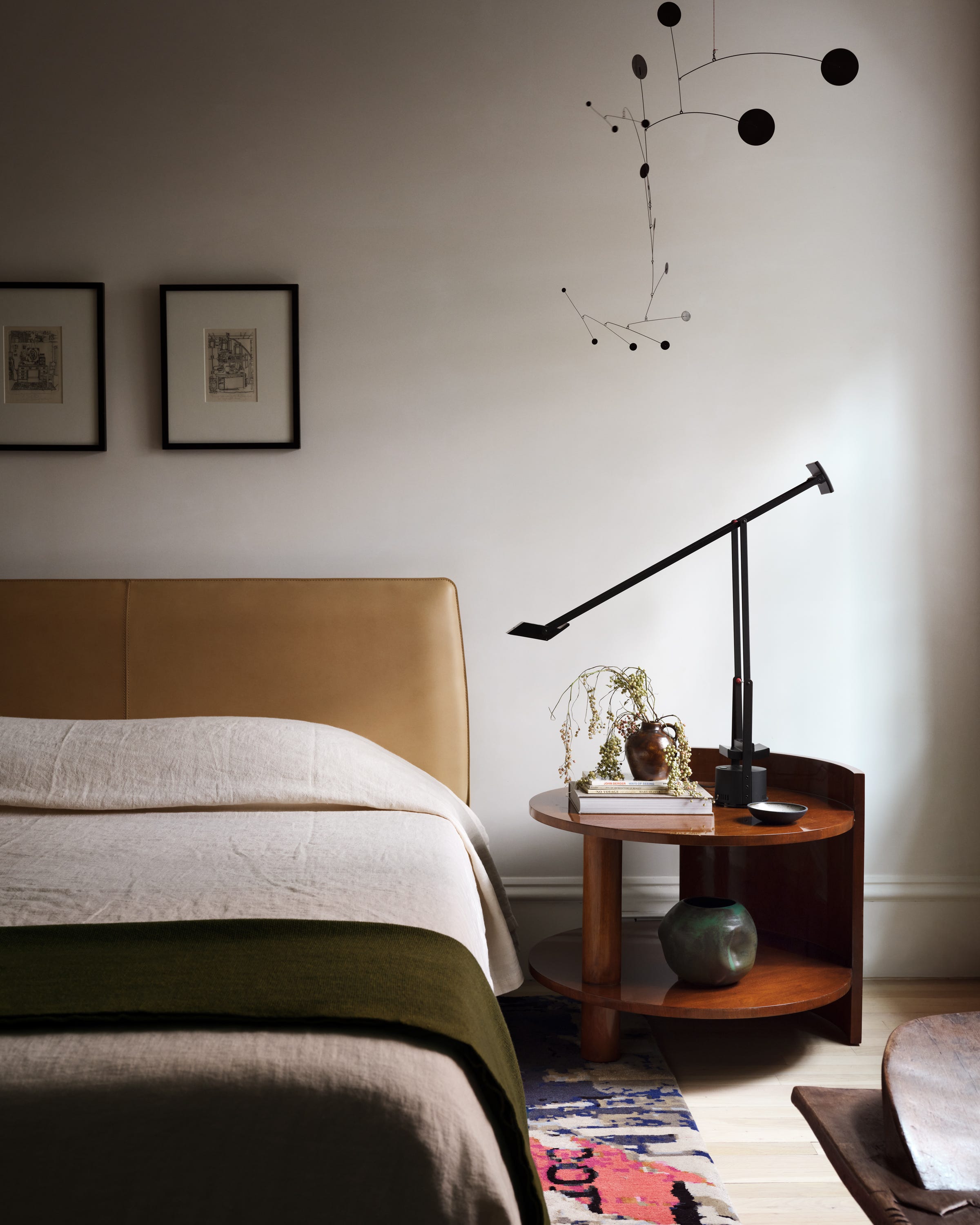
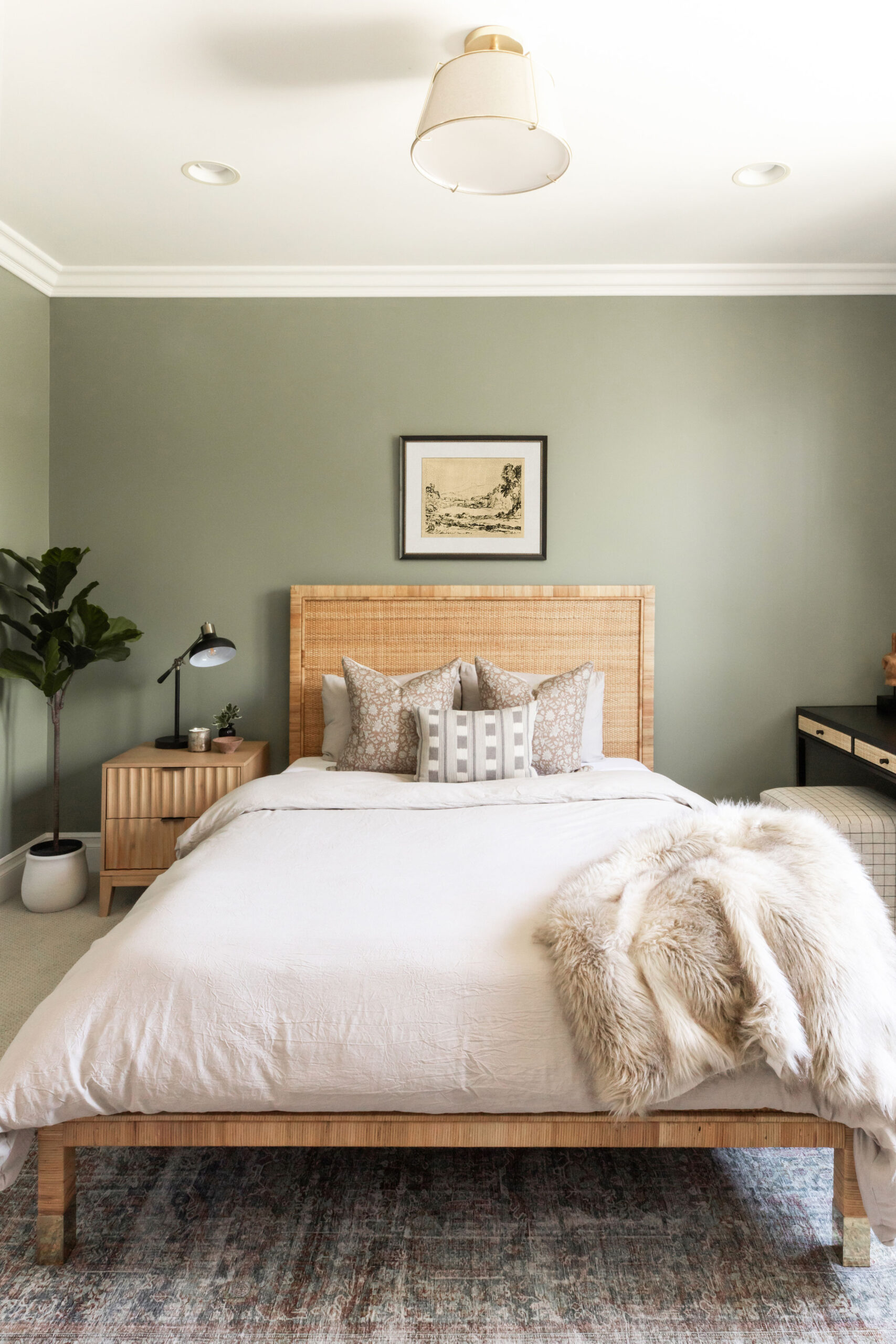
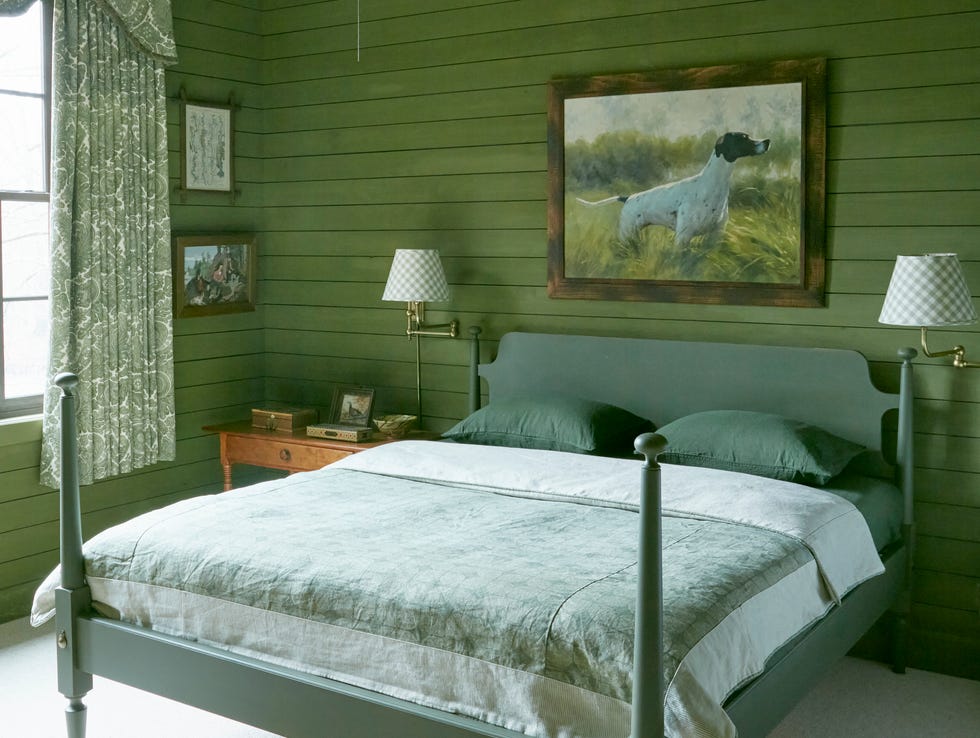
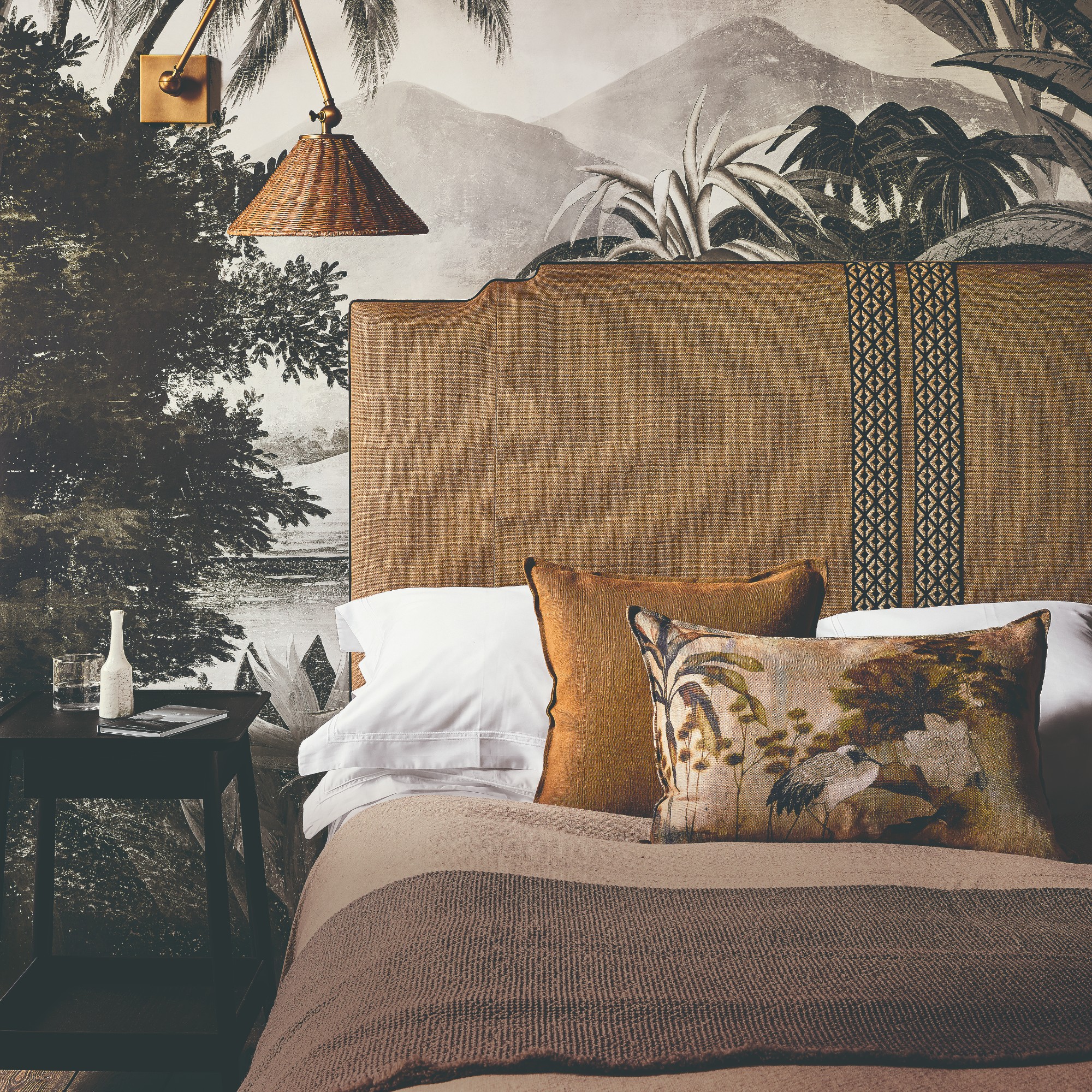
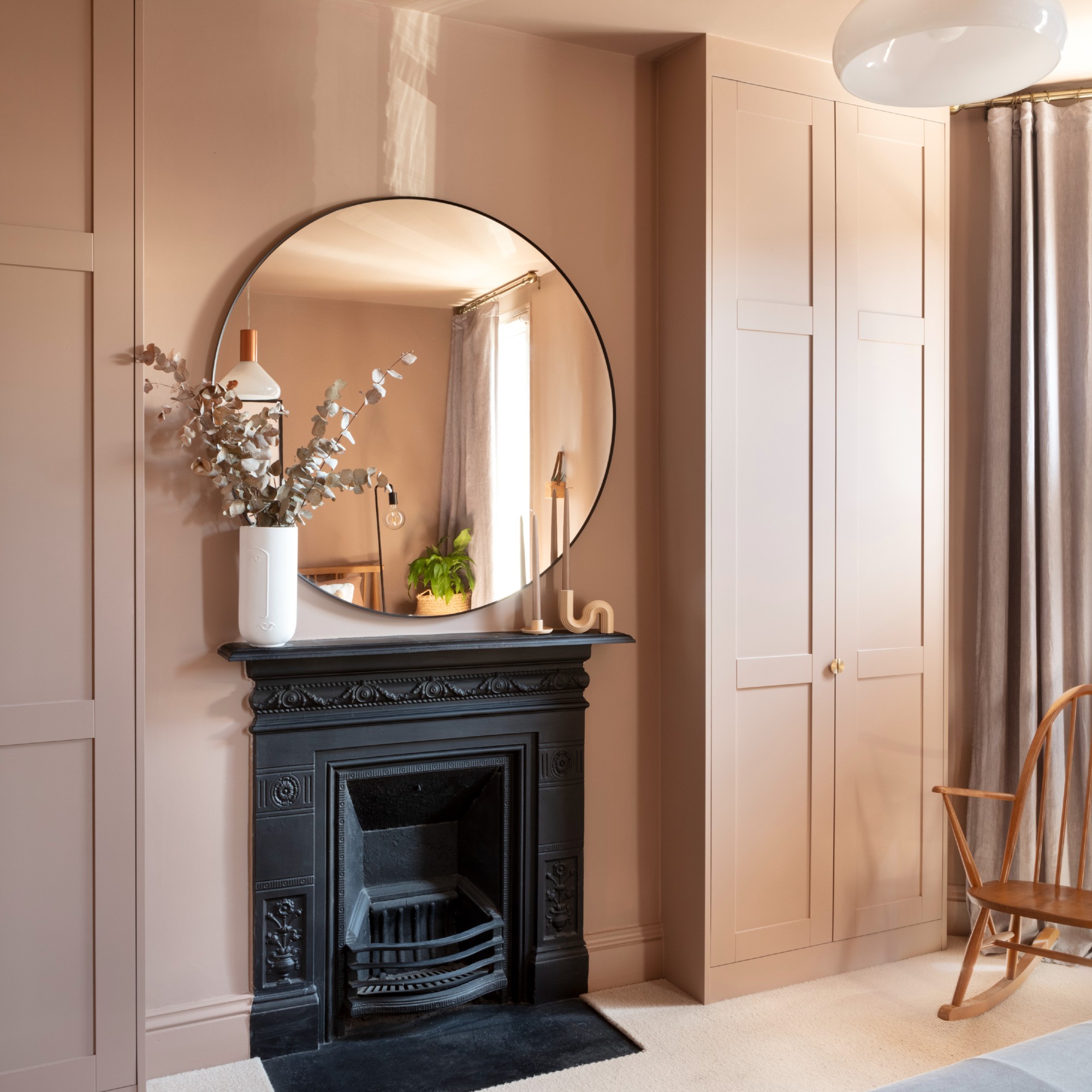
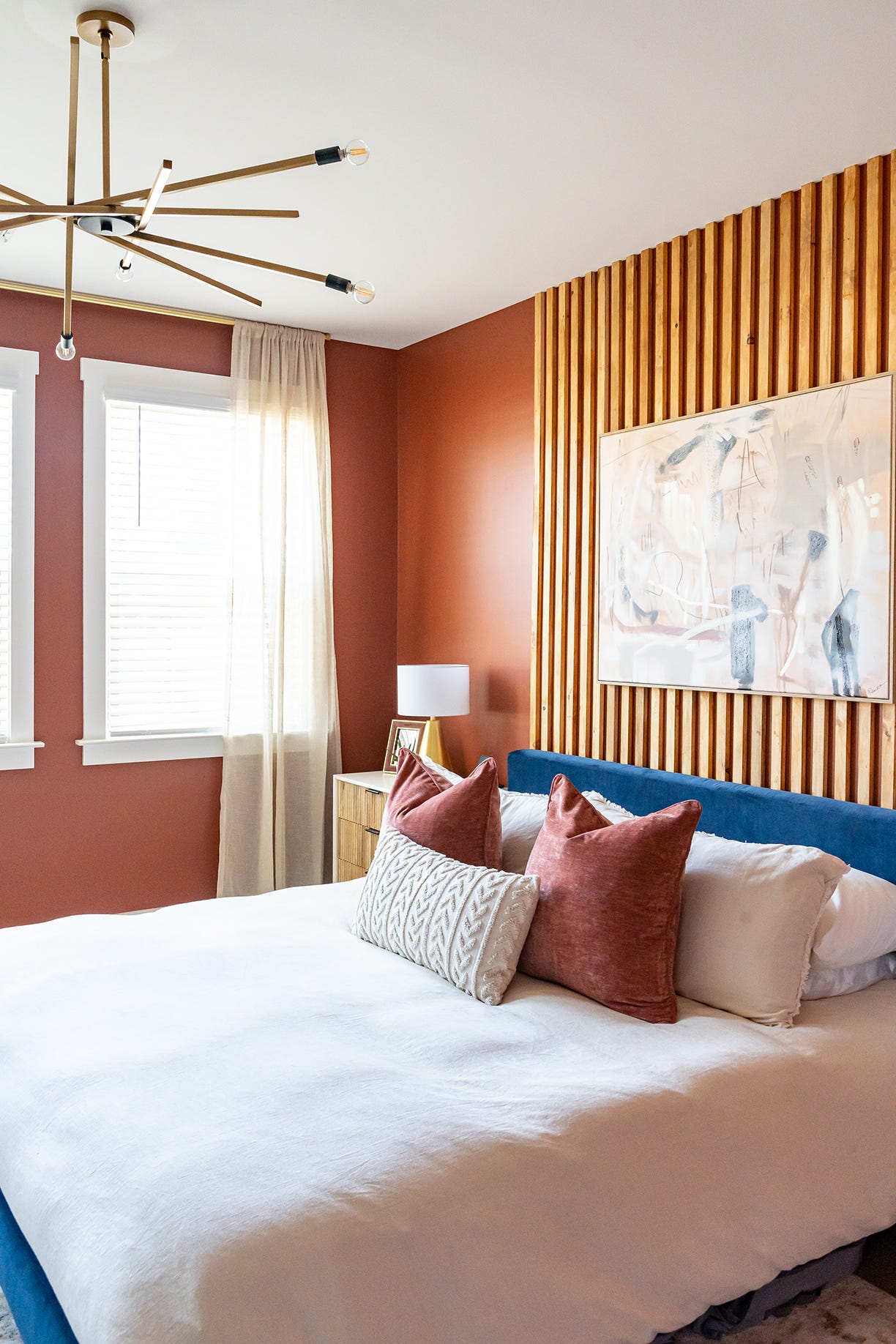
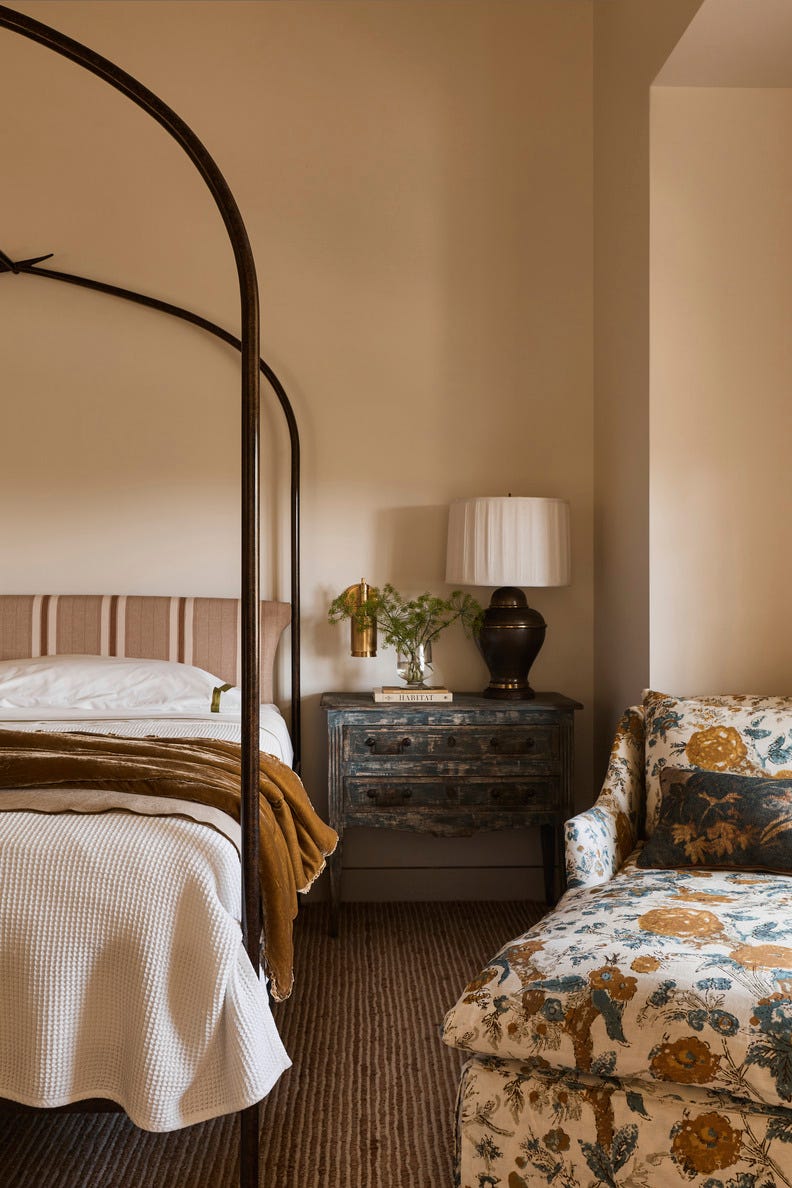
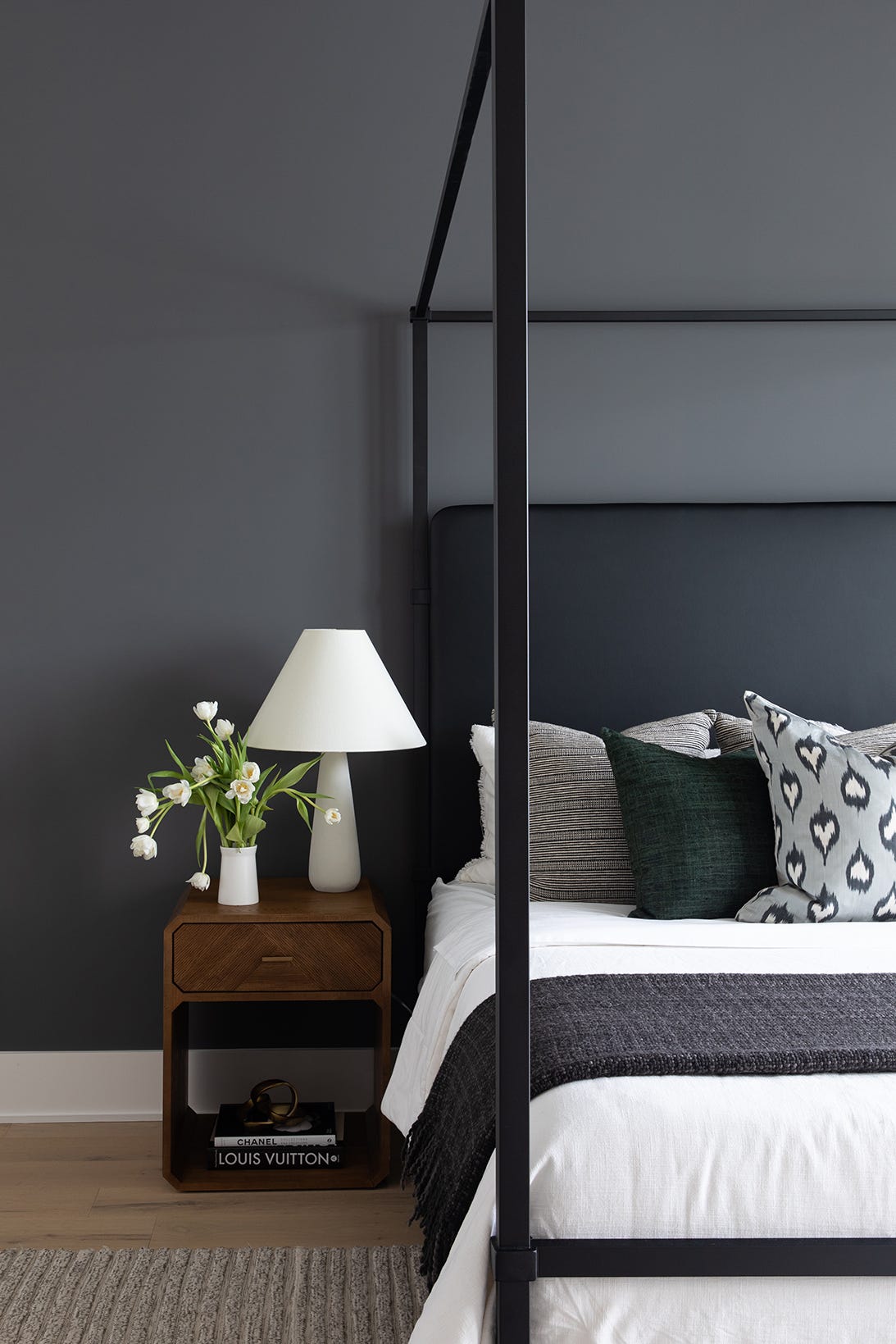
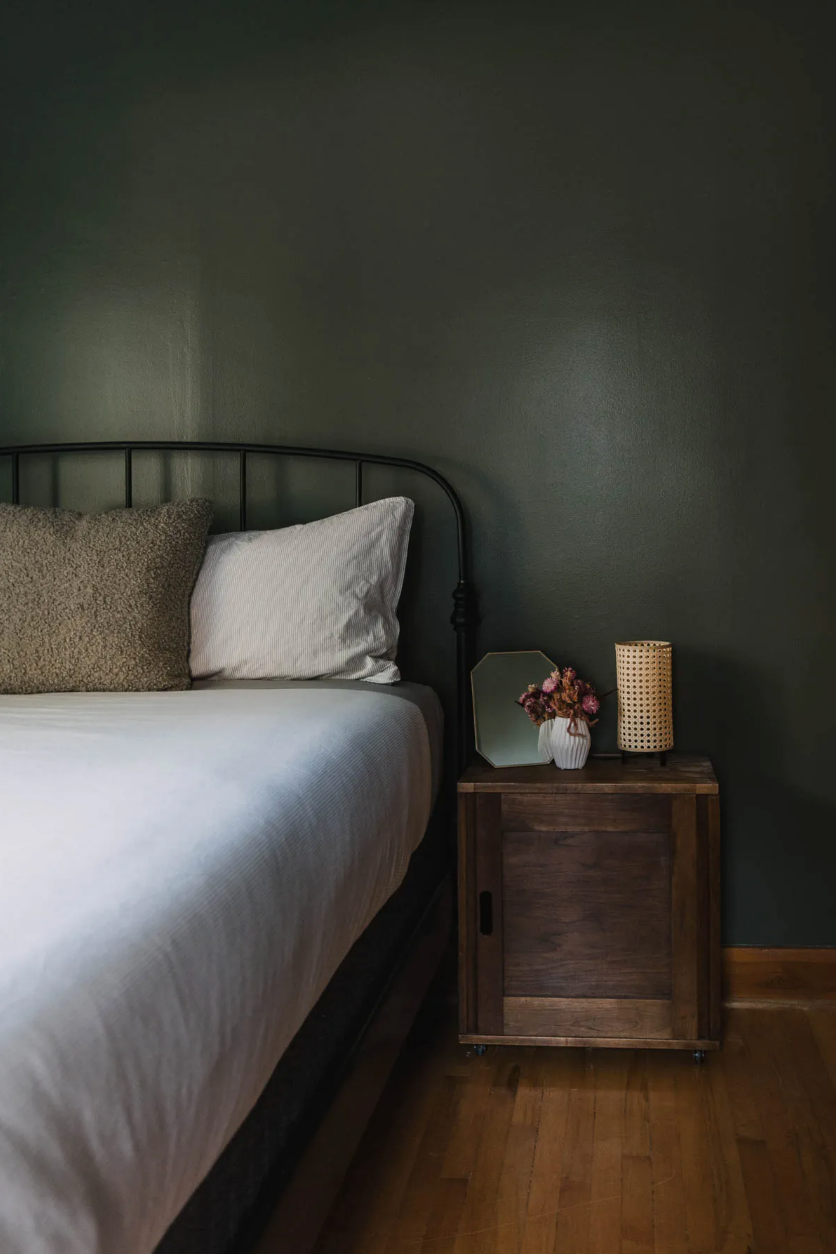
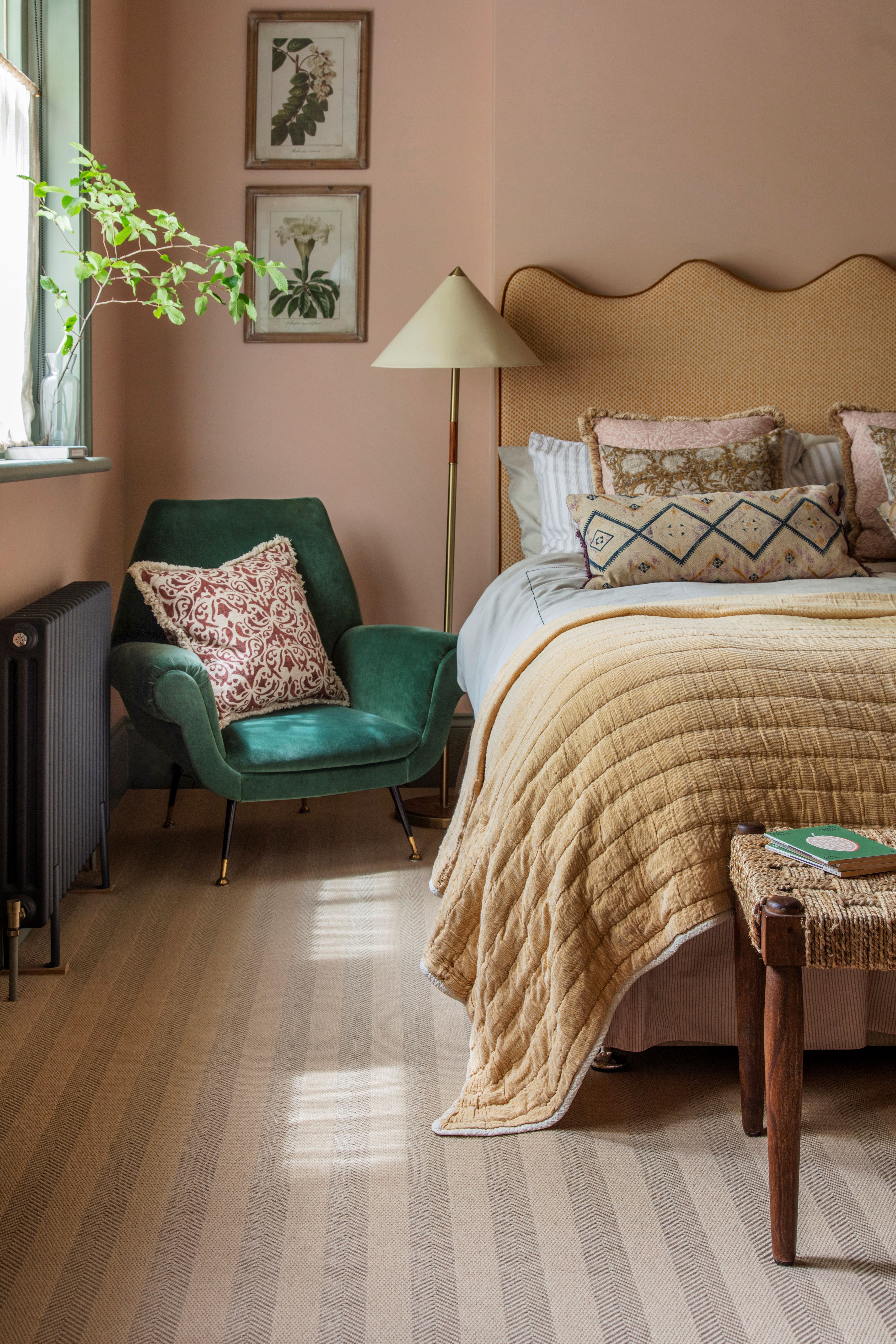
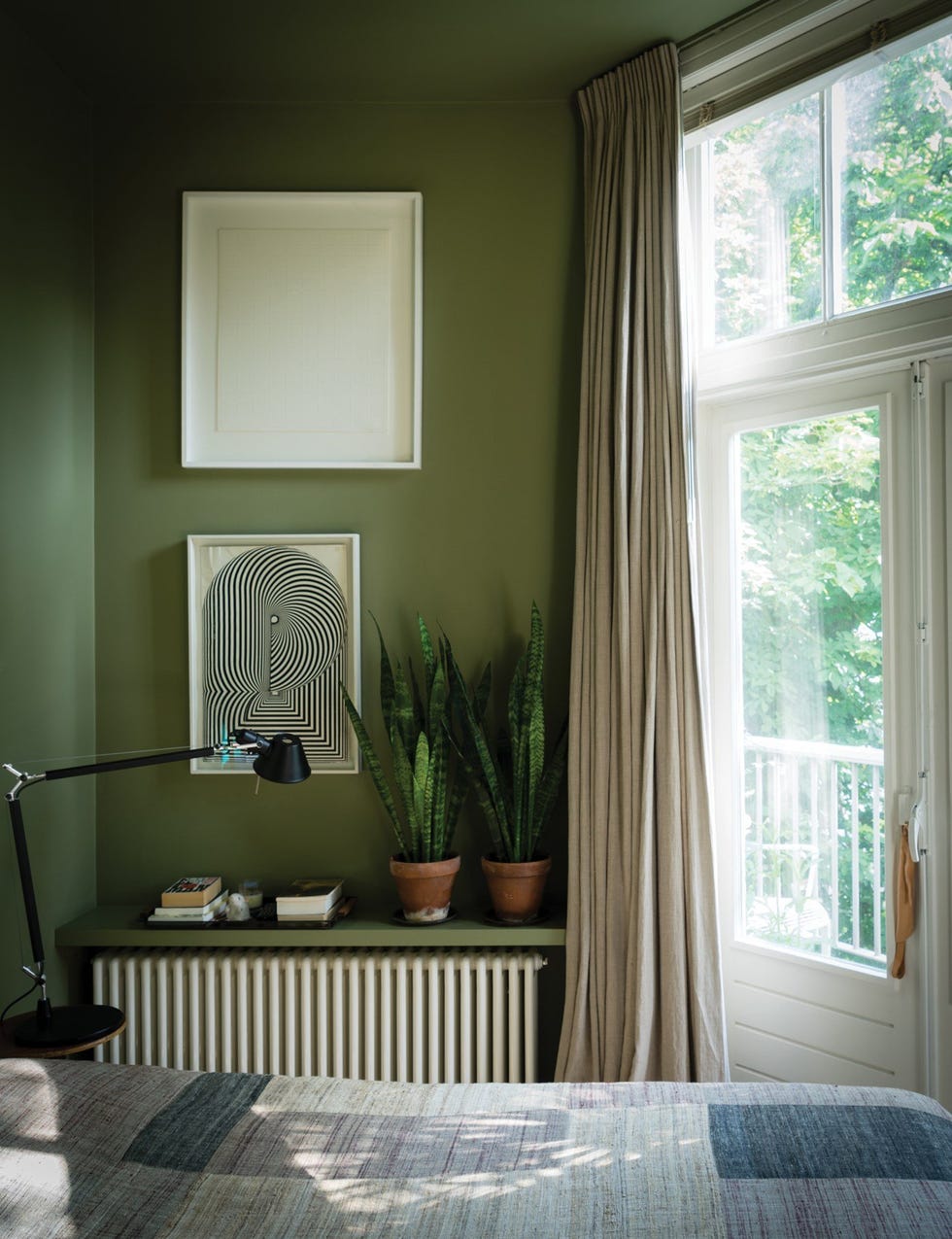
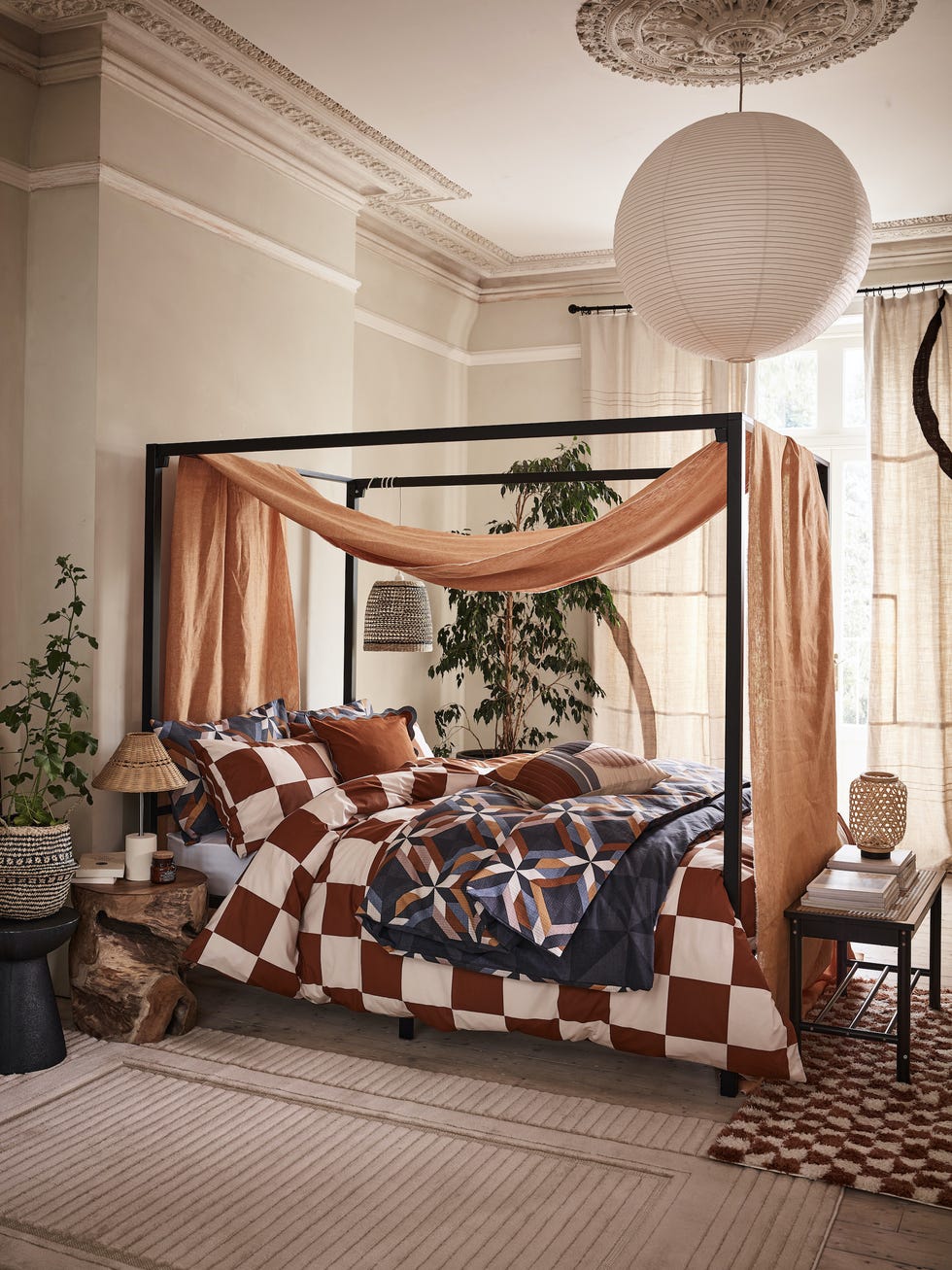
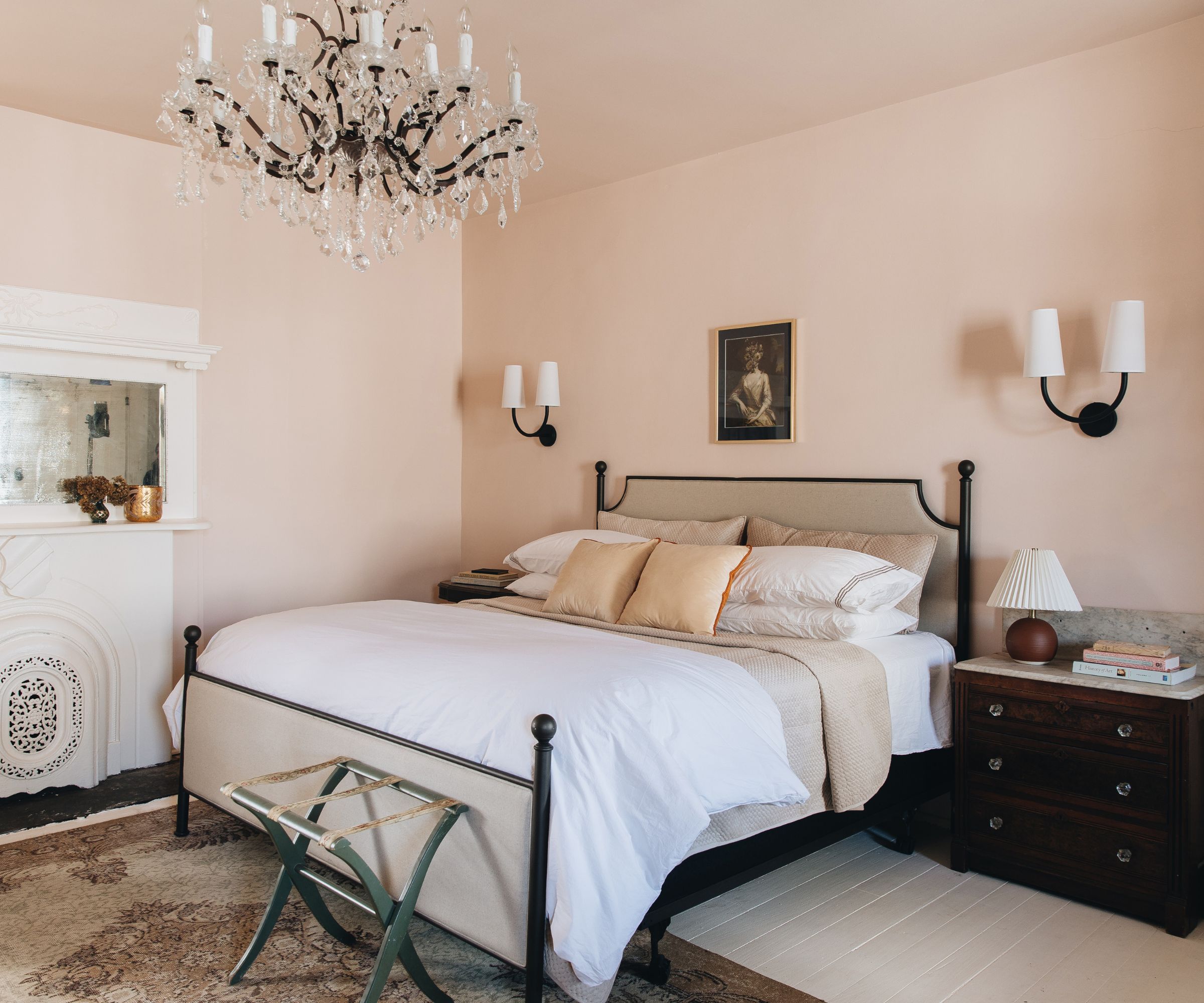
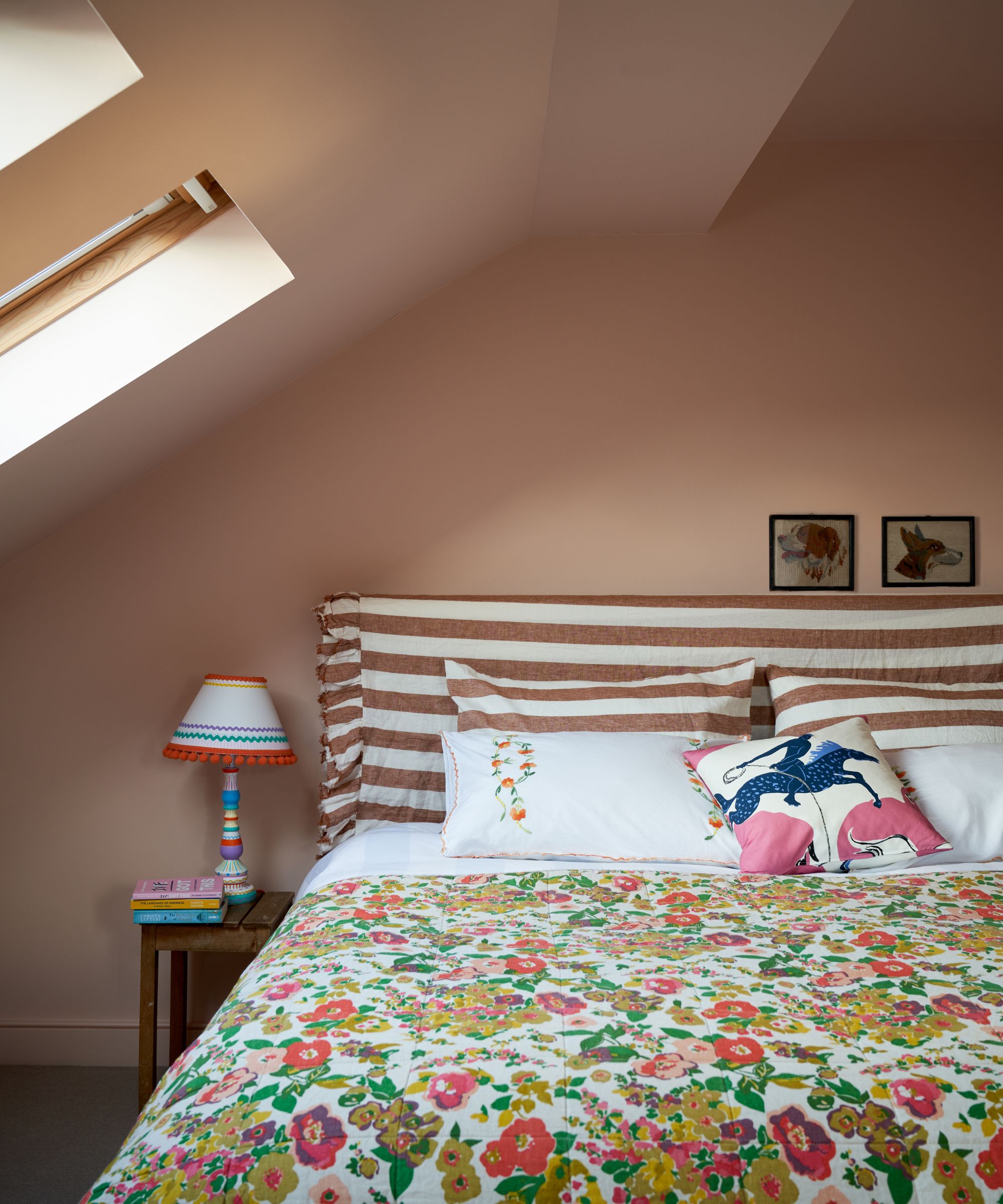
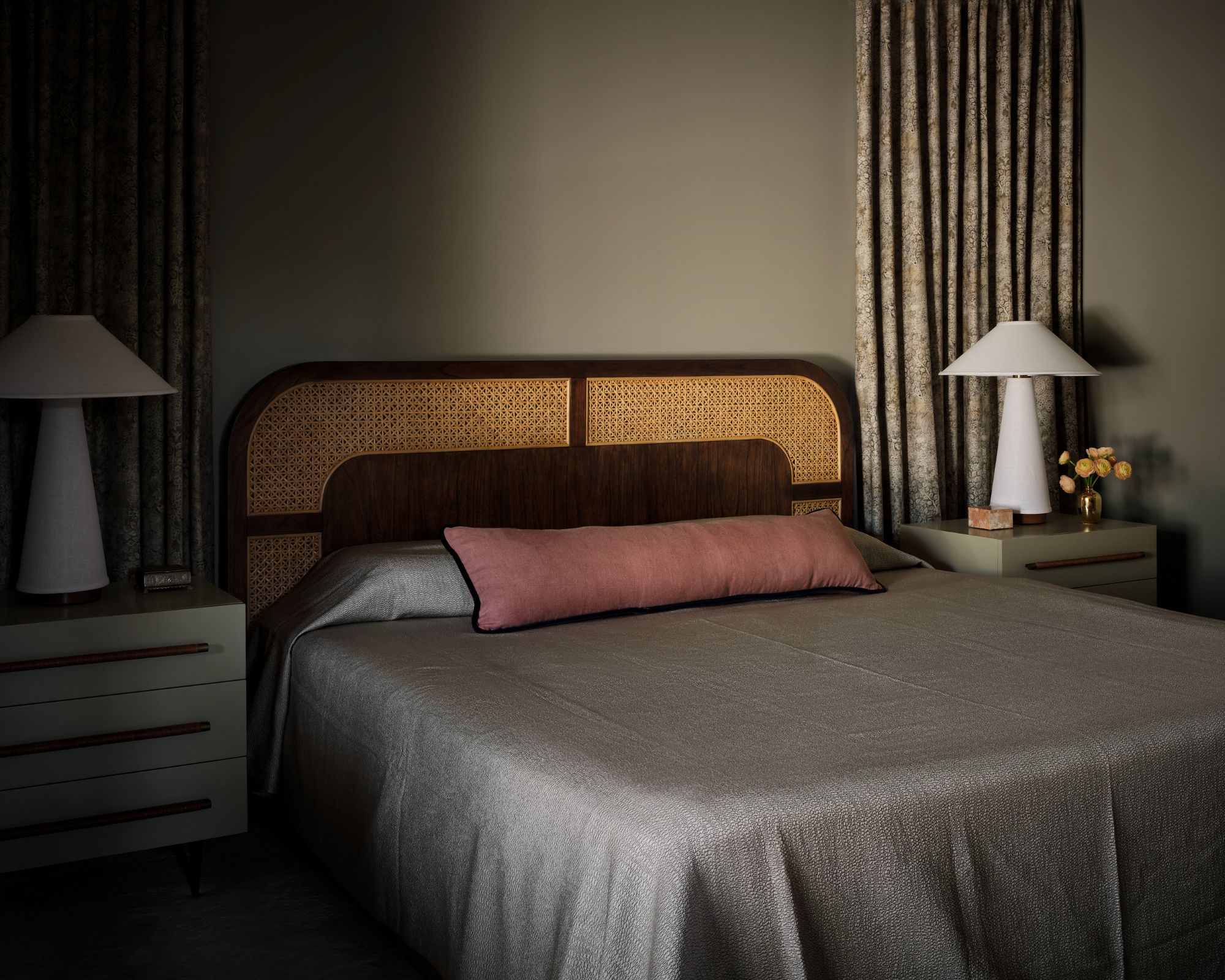
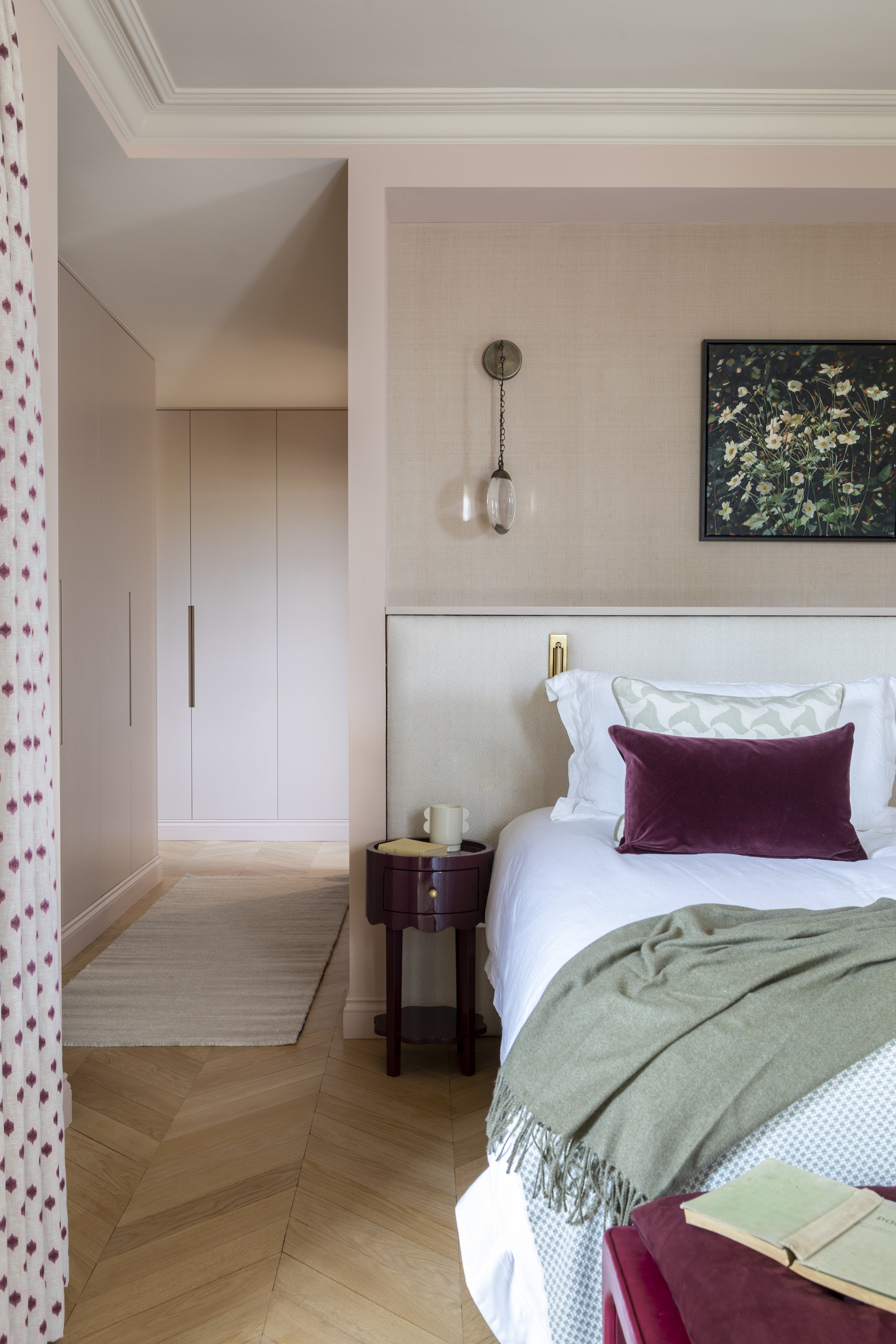
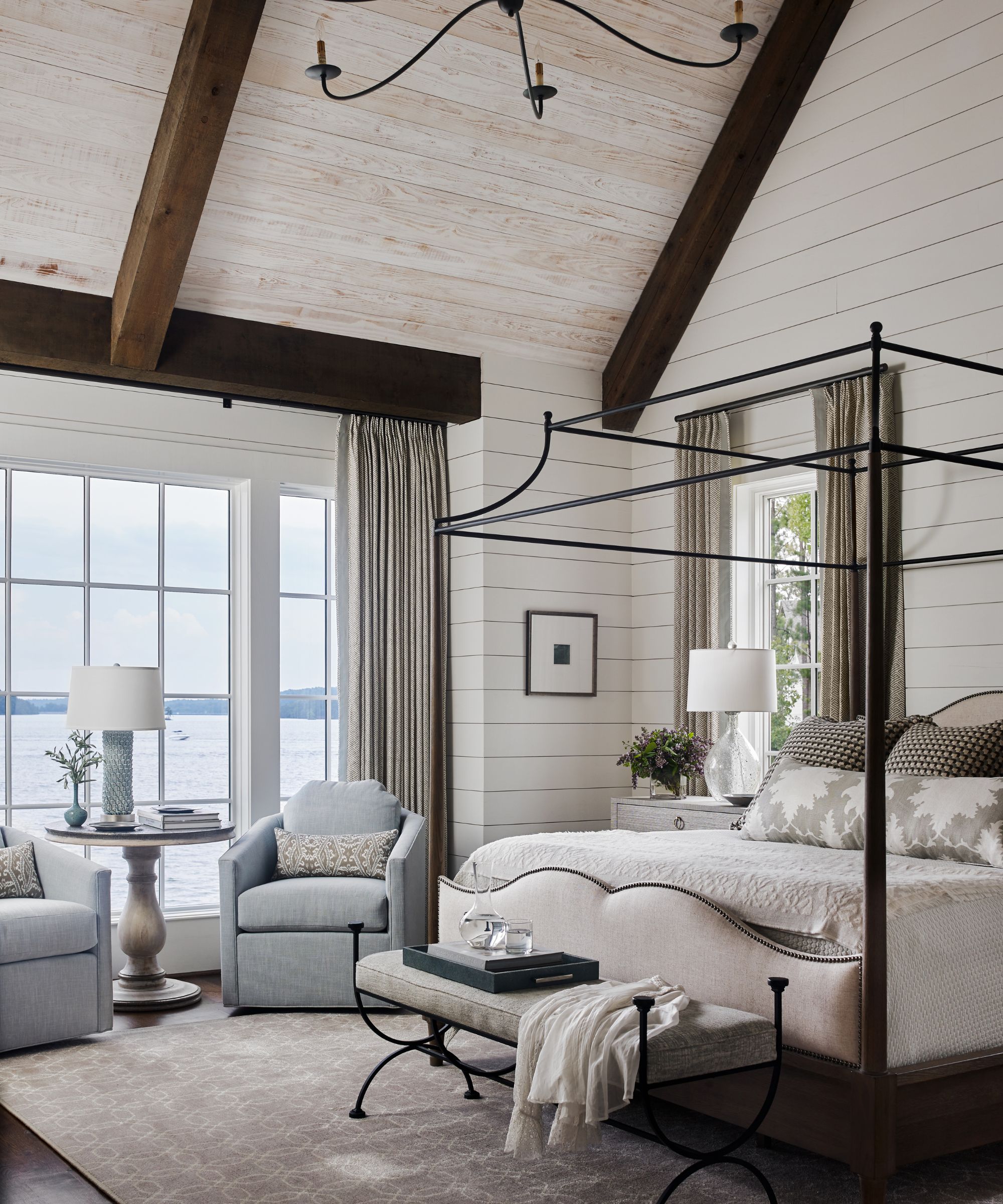
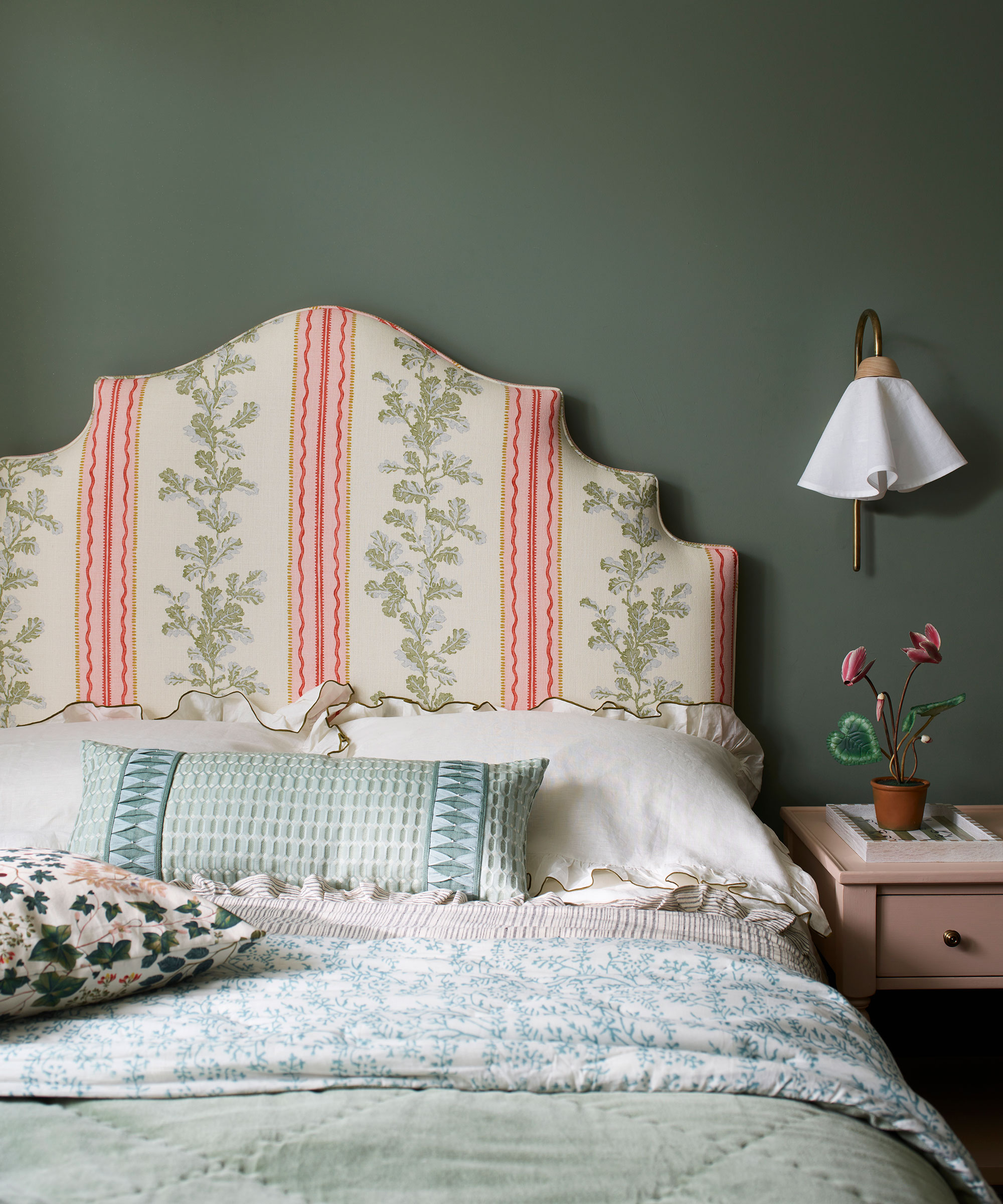
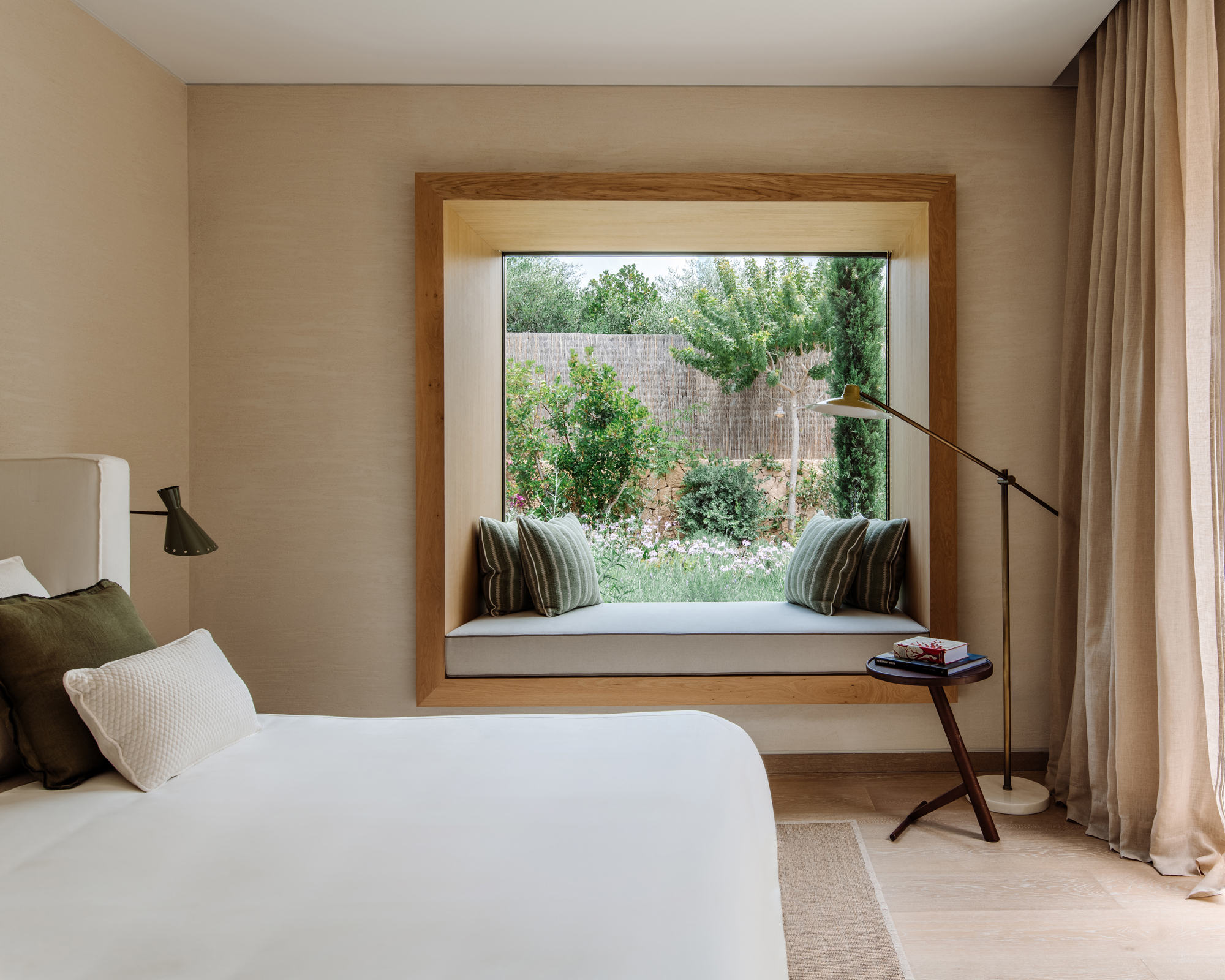
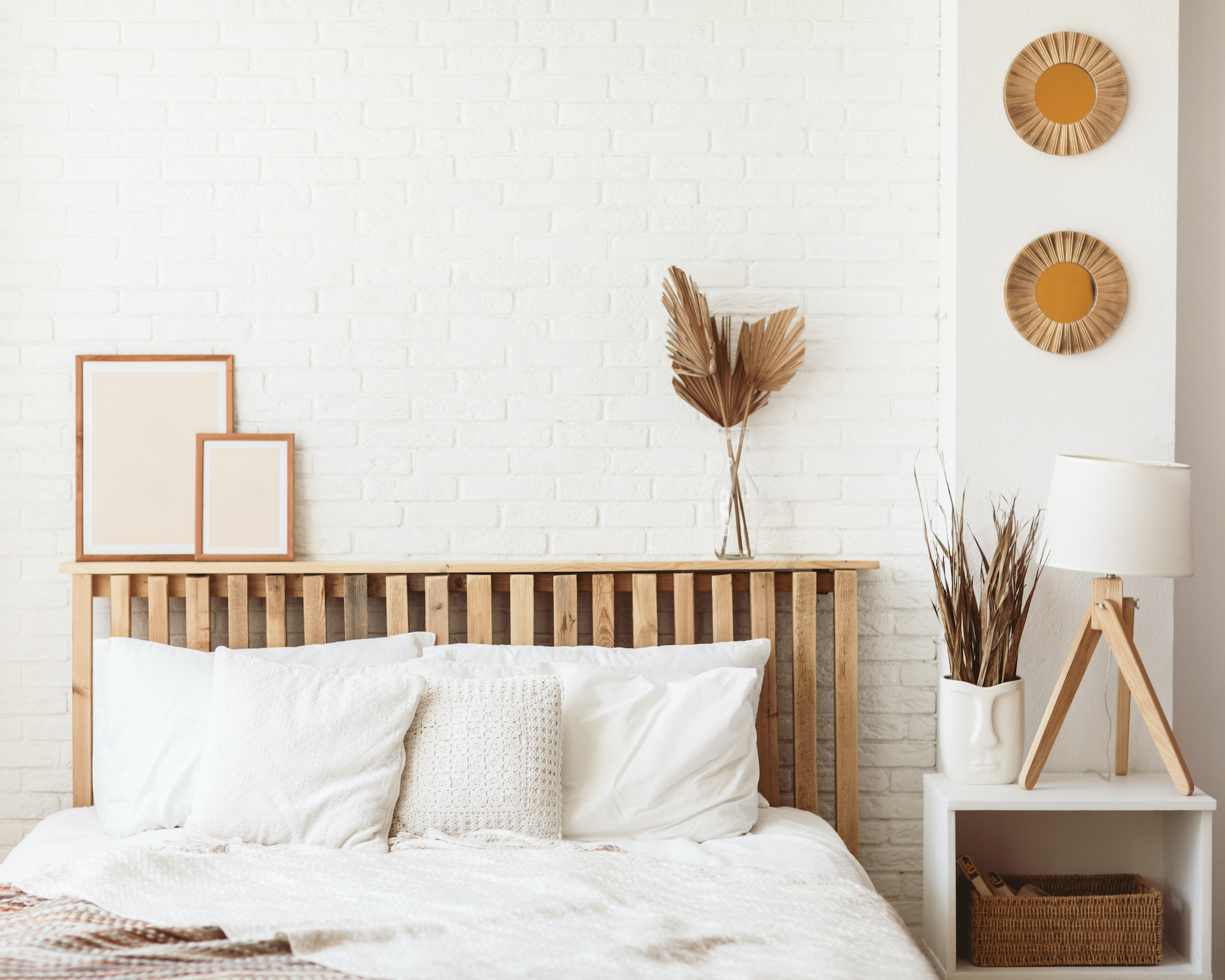
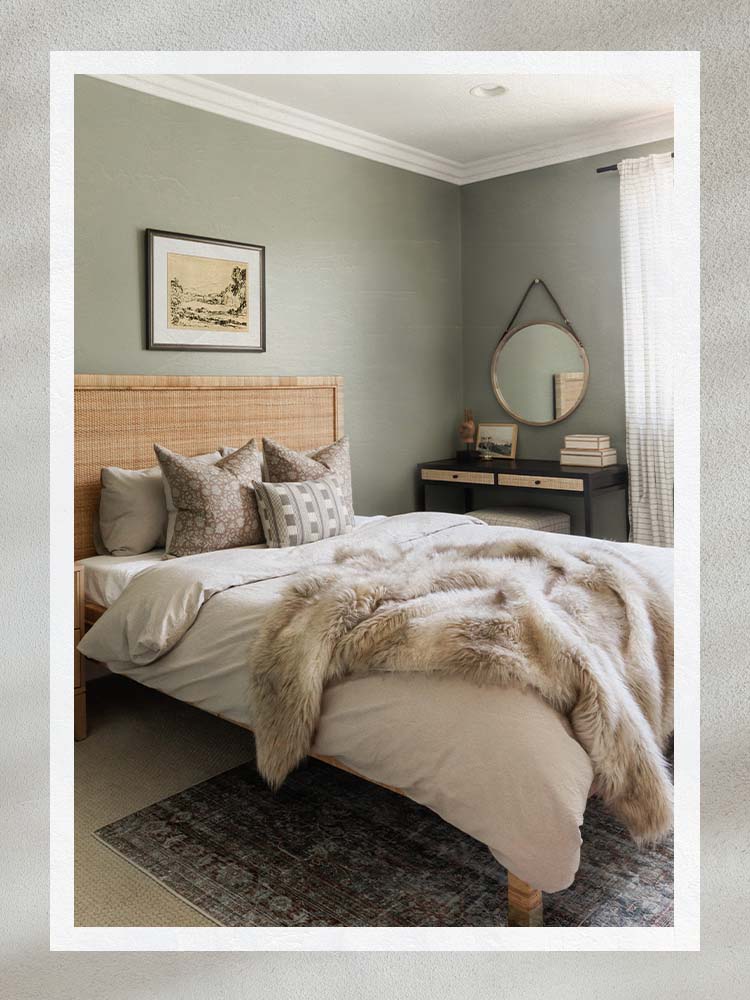
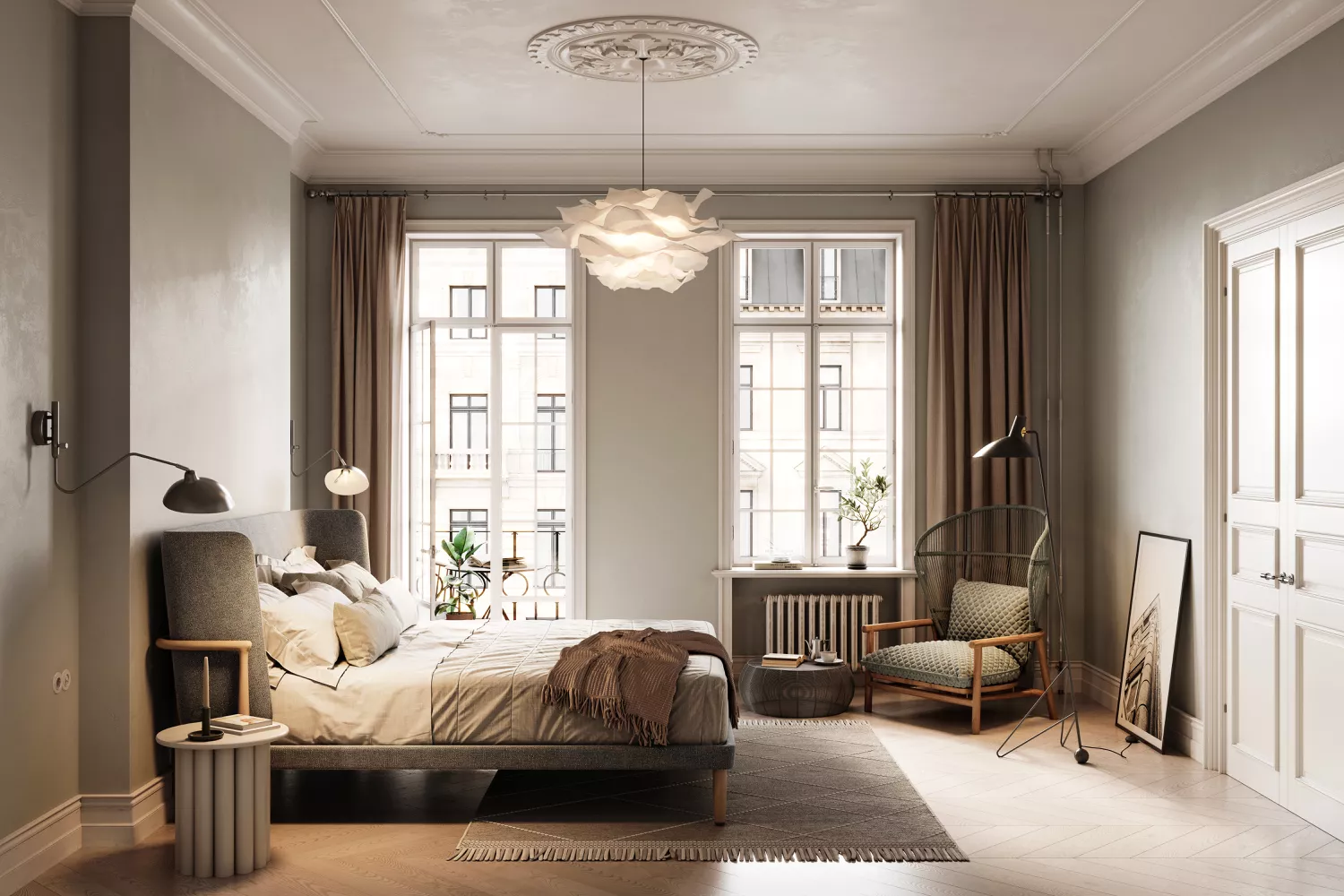
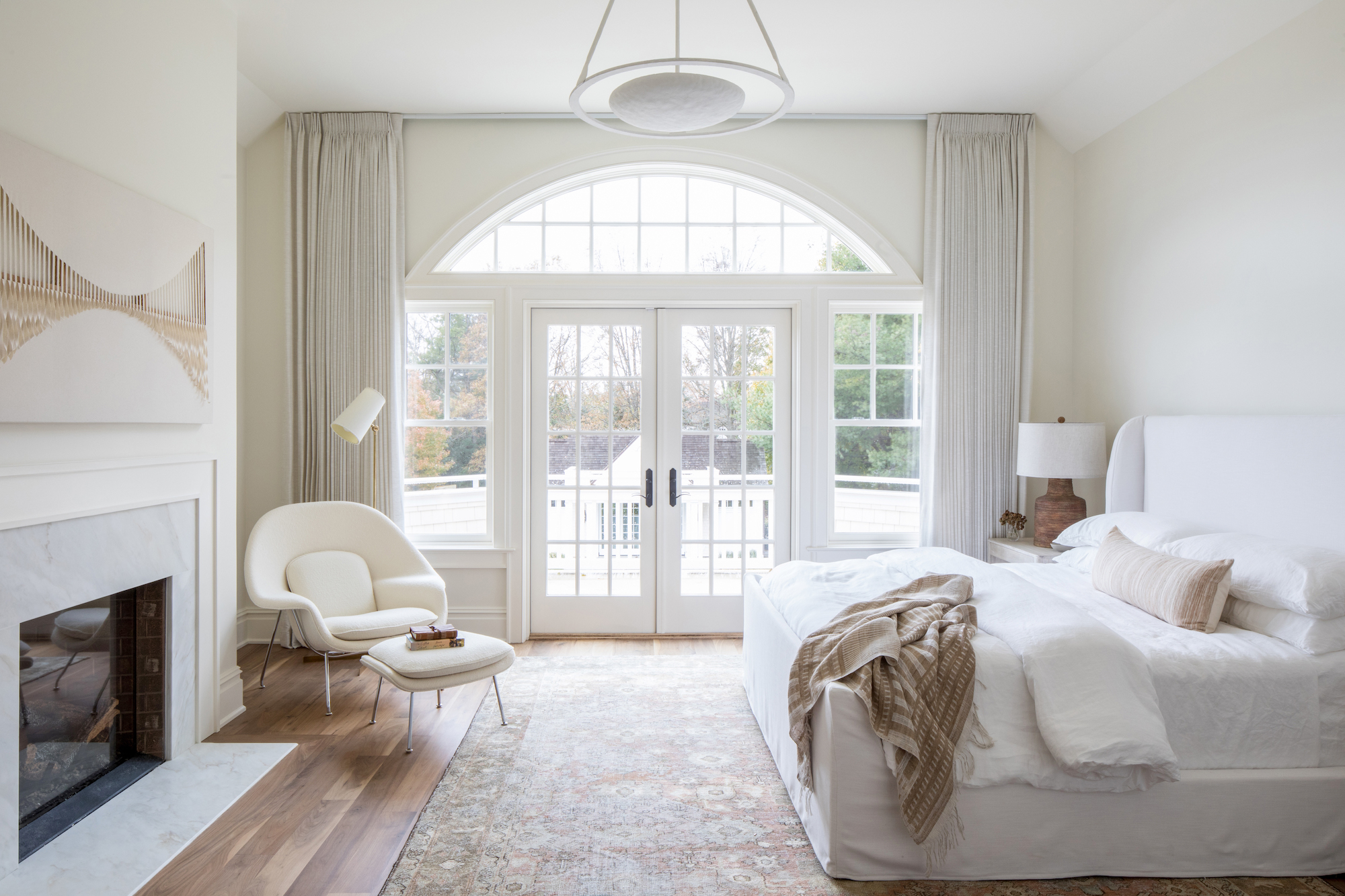
Beyond blue, other colors such as shades of green, yellow, orange, gray, coral, and beige can also contribute to improved sleep quality, according to interior designers and painters. The ideal color palette can be subjective, with some individuals drawn to soft taupe, soft gray, or creamy colors with a hint of yellow. Earth tones are also suggested for creating a soothing, spa-like atmosphere in the bedroom.
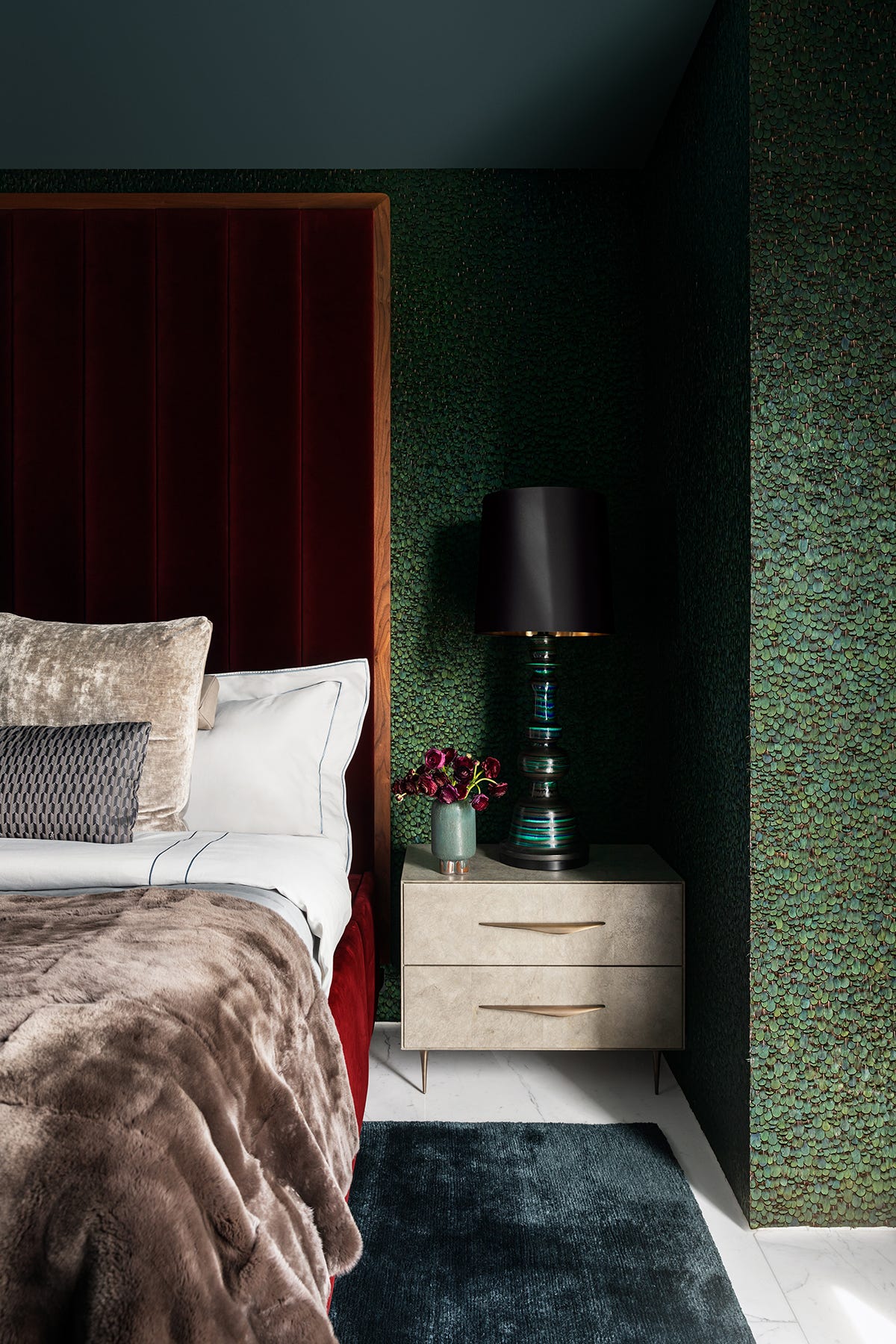
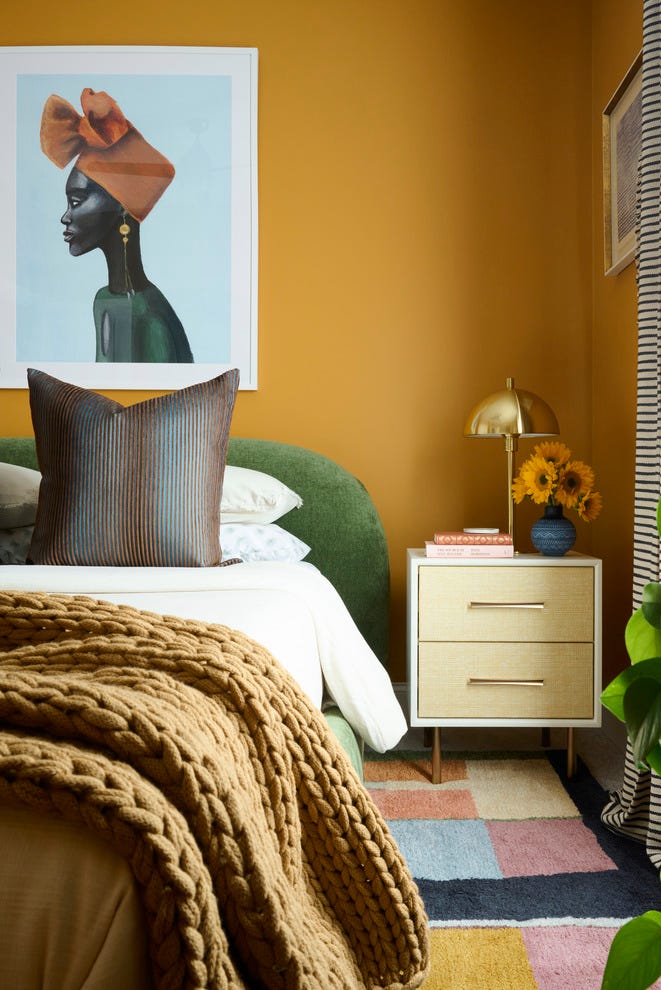
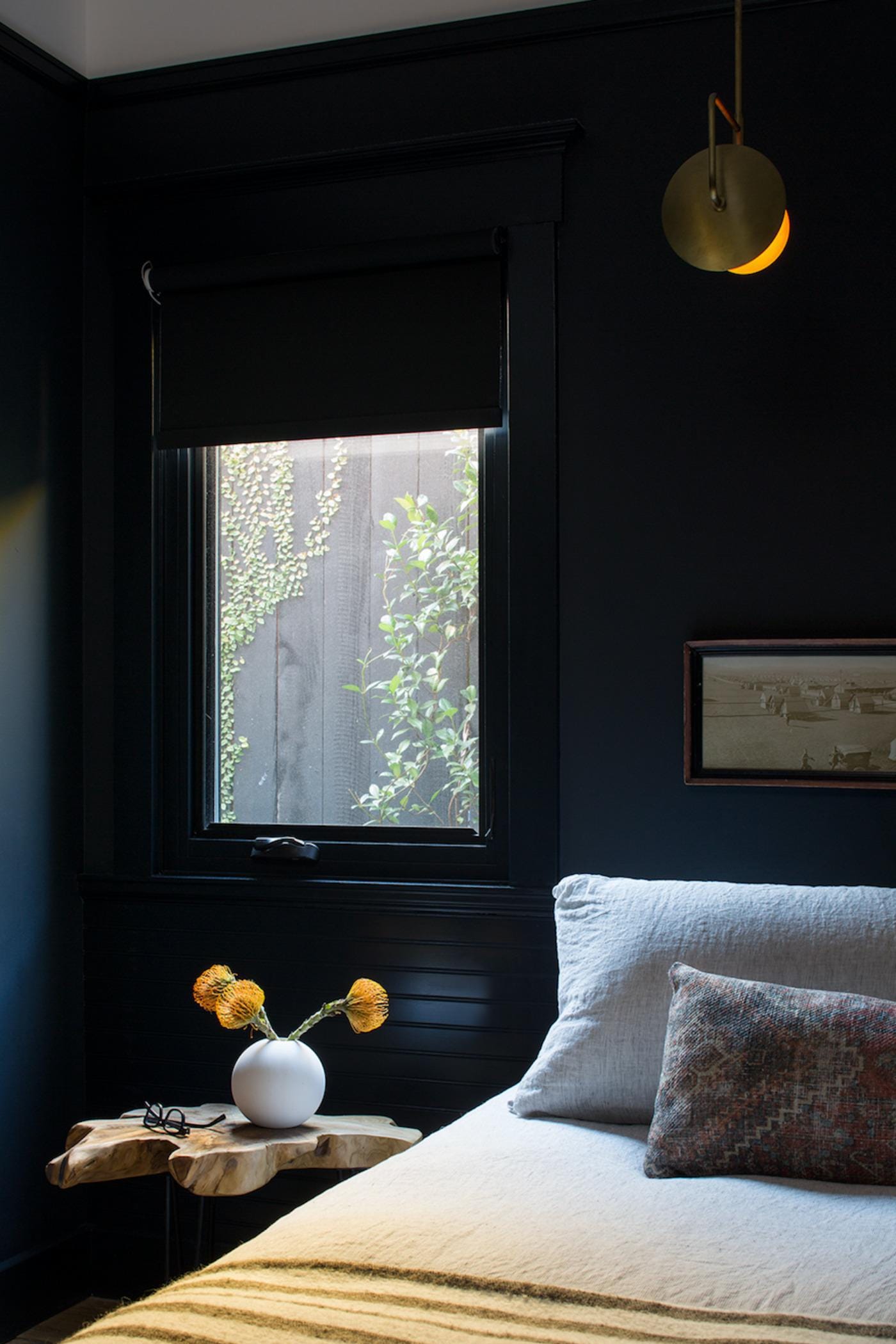
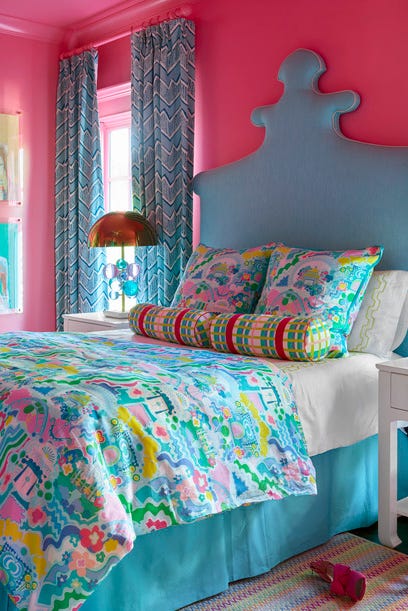
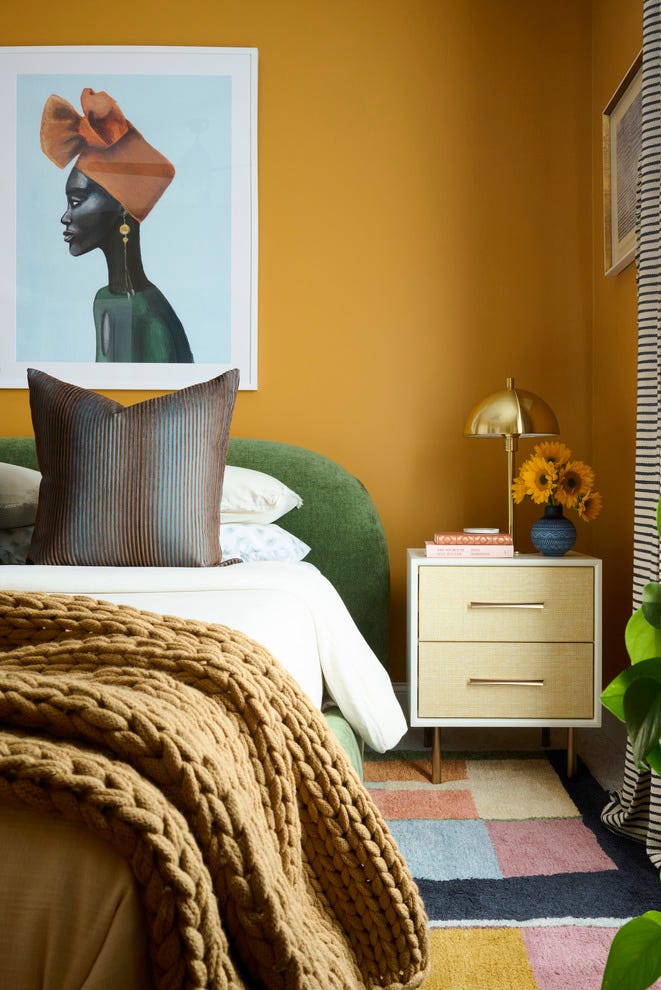
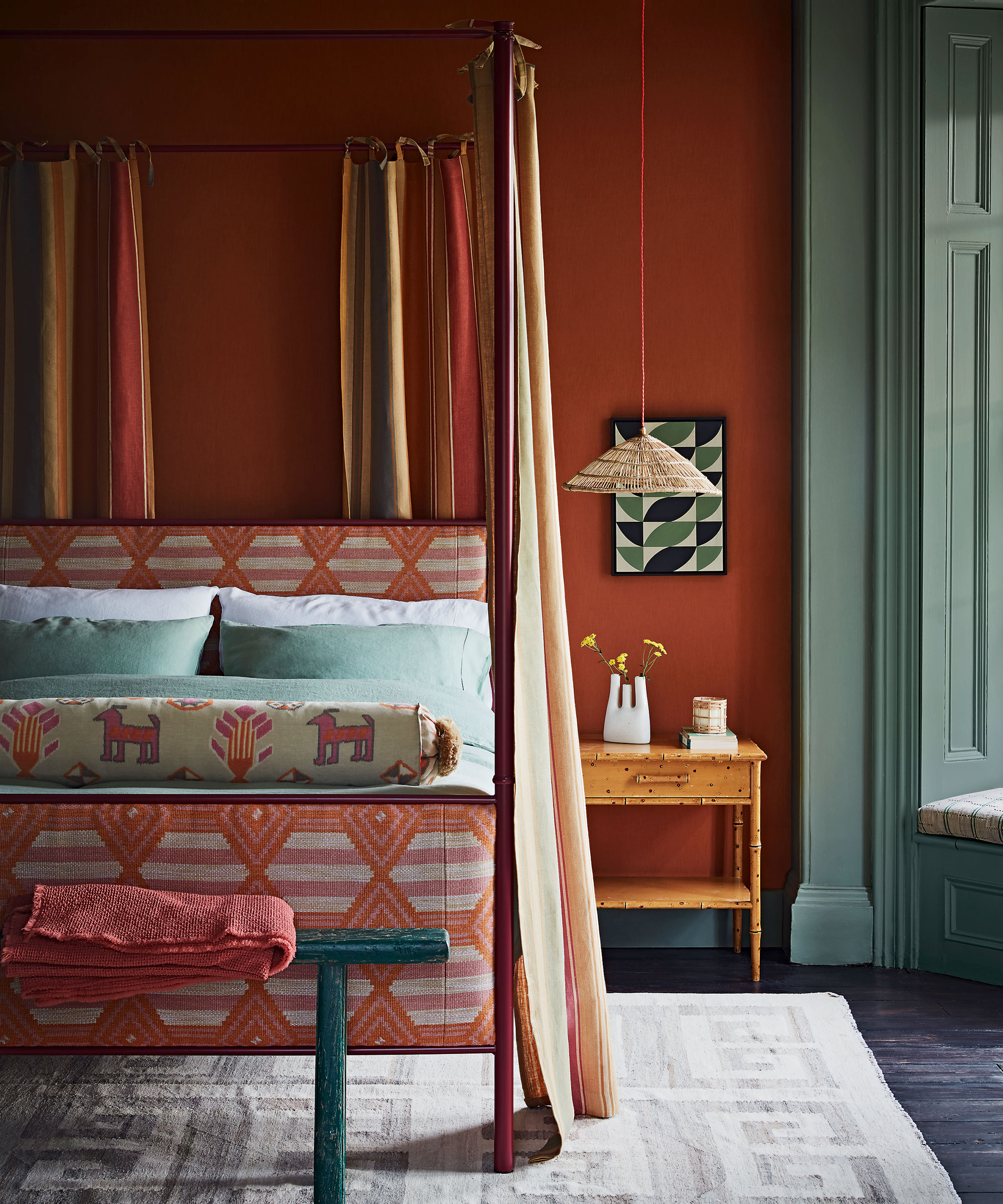
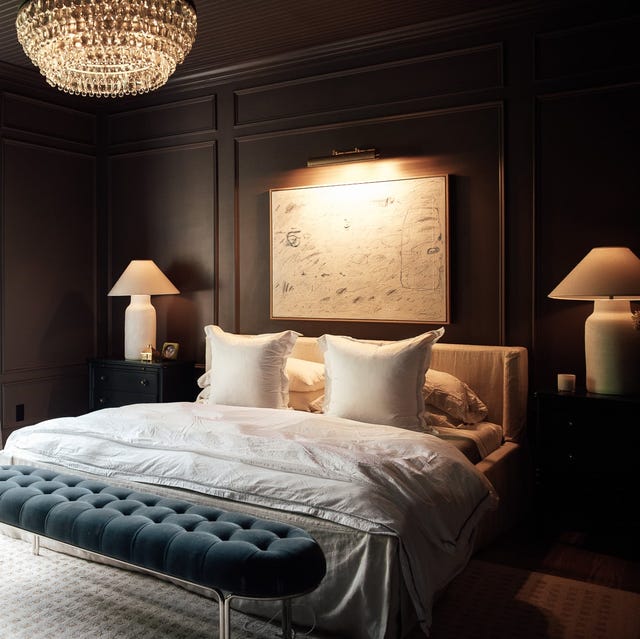
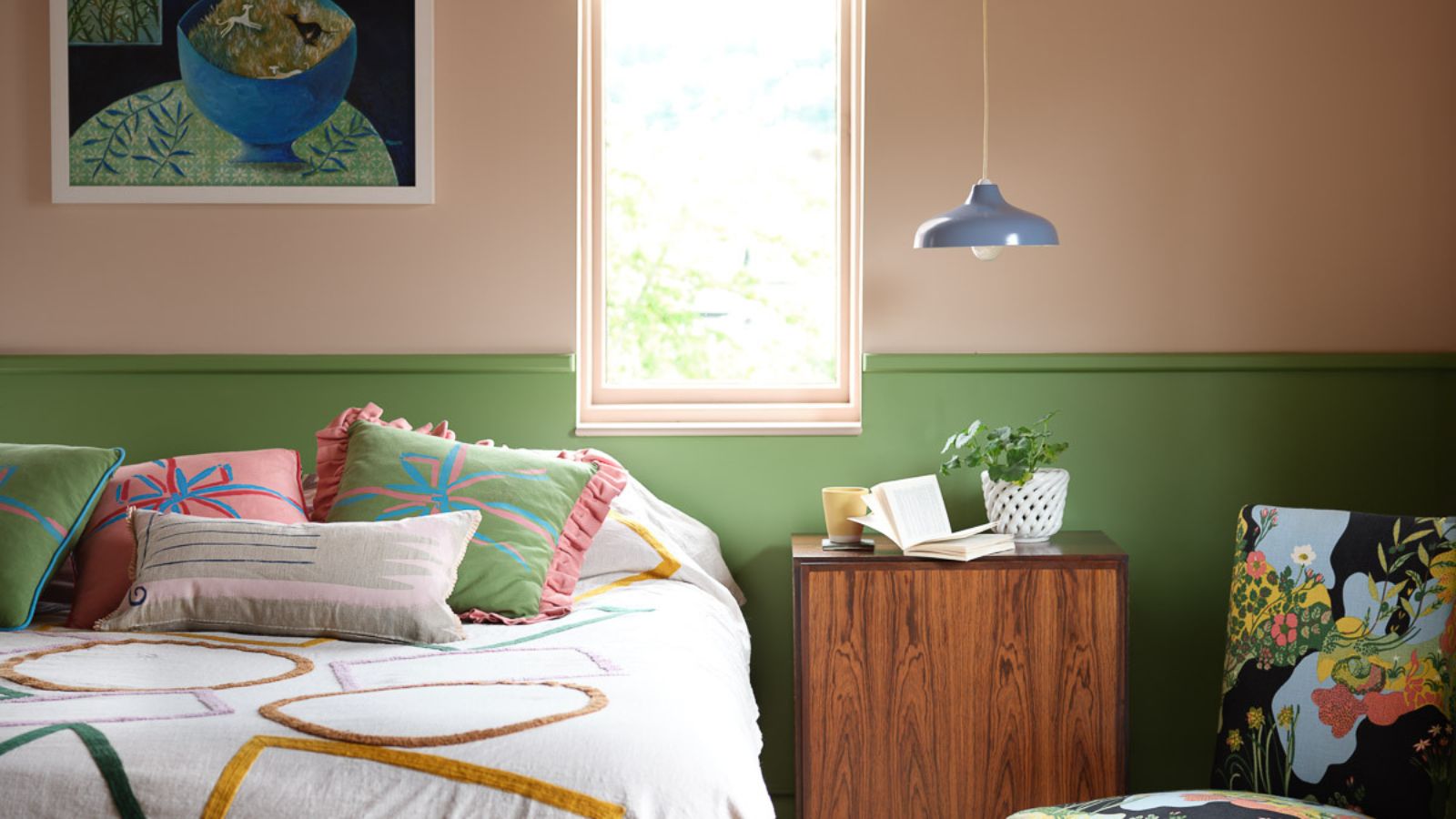
Conversely, intense, bright colors should be avoided in the bedroom as they can visually increase the room's energy, making it stimulating and counterproductive to rest and relaxation. If clients insist on bright colors, a suggested compromise is to use a comparable muted shade or to opt for flat paint instead of eggshell paint. Flat paint absorbs light, while eggshell paint reflects it, contributing to a more stimulating environment. For adults experiencing shift work sleep disorder, painting the bedroom walls in a calming color and the ceiling in a dark color can assist in sleeping during daylight hours.
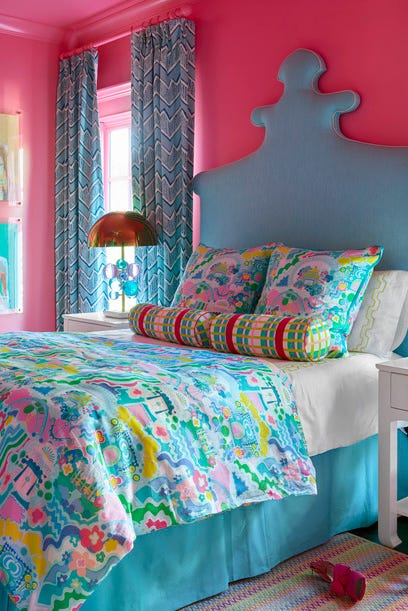
The color choices for children's bedrooms also warrant consideration. While parents and children often prefer vibrant and stimulating colors and patterns, these can inhibit the deep sleep necessary for children. It is recommended to use slightly muted colors and patterns that do not overwhelm the space, allowing for a fun yet conducive environment for sleep.
#BedroomColors #SleepQuality #InteriorDesign #ColorPsychology #HomeDecoration #Wellness #PaintChoices #RelaxingEnvironment #BedroomColors #SleepQuality #InteriorDesign #ColorPsychology #HomeDecoration #Wellness #PaintChoices #RelaxingEnvironment
0 comment in total
 No comments yet
You may also like
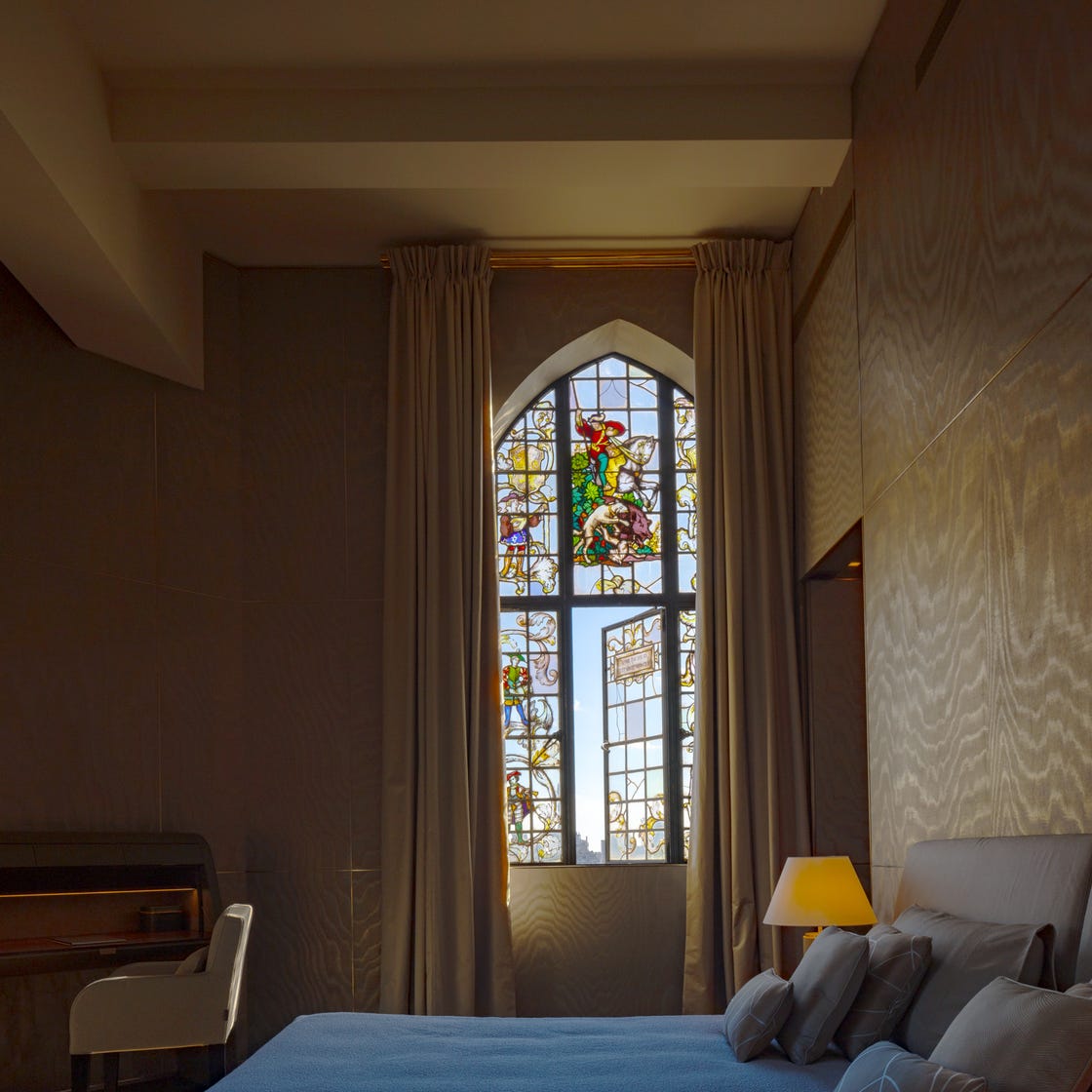
The Best Bedroom Colors to Help You Sleep (And Wake Up Happy)

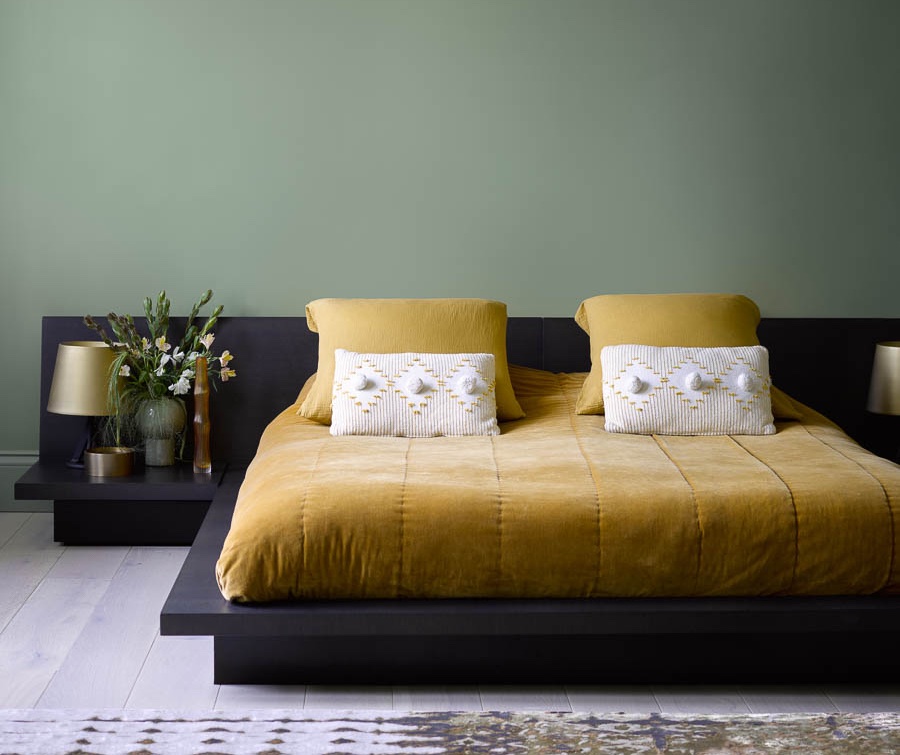
5 Paint Colors That Will Help You Sleep Better if You Use Them in Your Bedroom

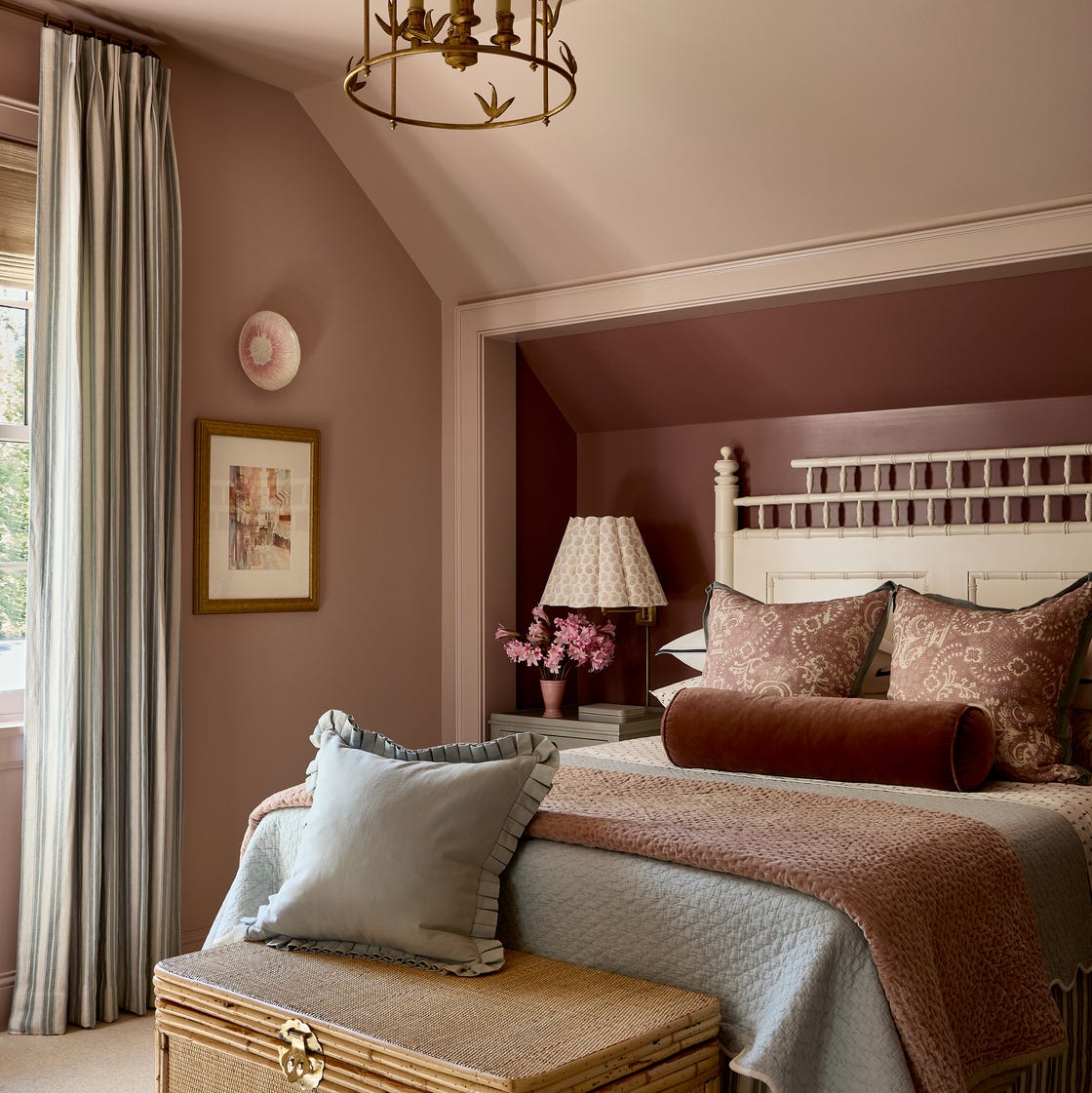
You Can Wake Up HAPPIER Just by Painting Your Bedroom—Here Are the Colors Designers Love

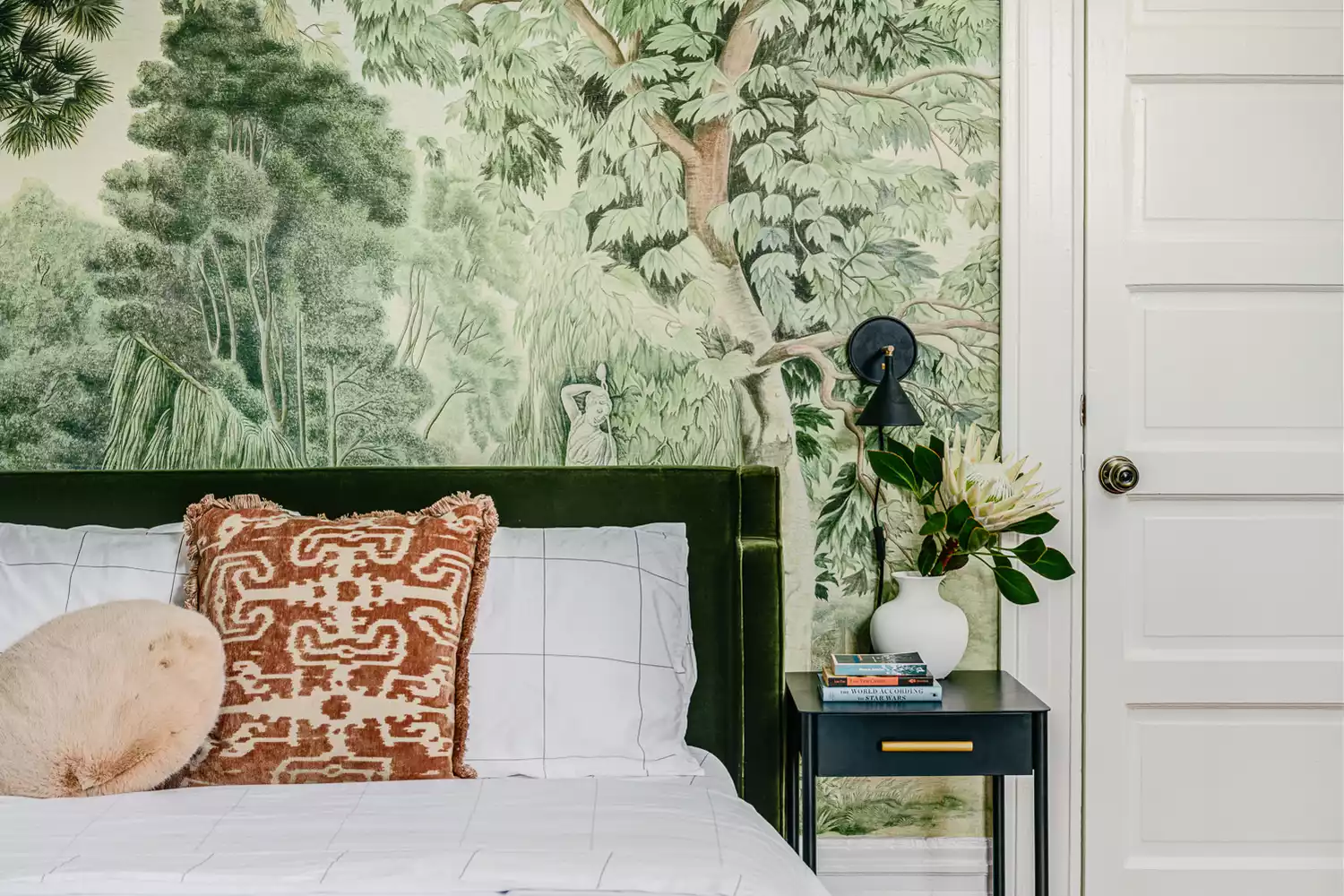
20 Bedroom Color Schemes for a Cozy and Calm Sleep Sanctuary, All Picked by Designers

The Best Bedroom Paint Colors for Unwinding at Night

We've Rounded Up the Best Bedroom Paint Colors — No Matter Your Style

5 Bedroom Paint Colors That Could Be Ruining Your Sleep

Bedroom color trends 2025 – 10 shades interior designers are using for the most stylish sleep spaces

These Designer-Approved Bedroom Paint Colors Are the Key to the Best Sleep of Your Life

11 Soothing Bedroom Paint Colors Designers Say Can Help You Sleep

16 beautiful bedroom colour ideas and how to use them
6 bedroom paint colors going out of style for 2024 – and the colors to use instead
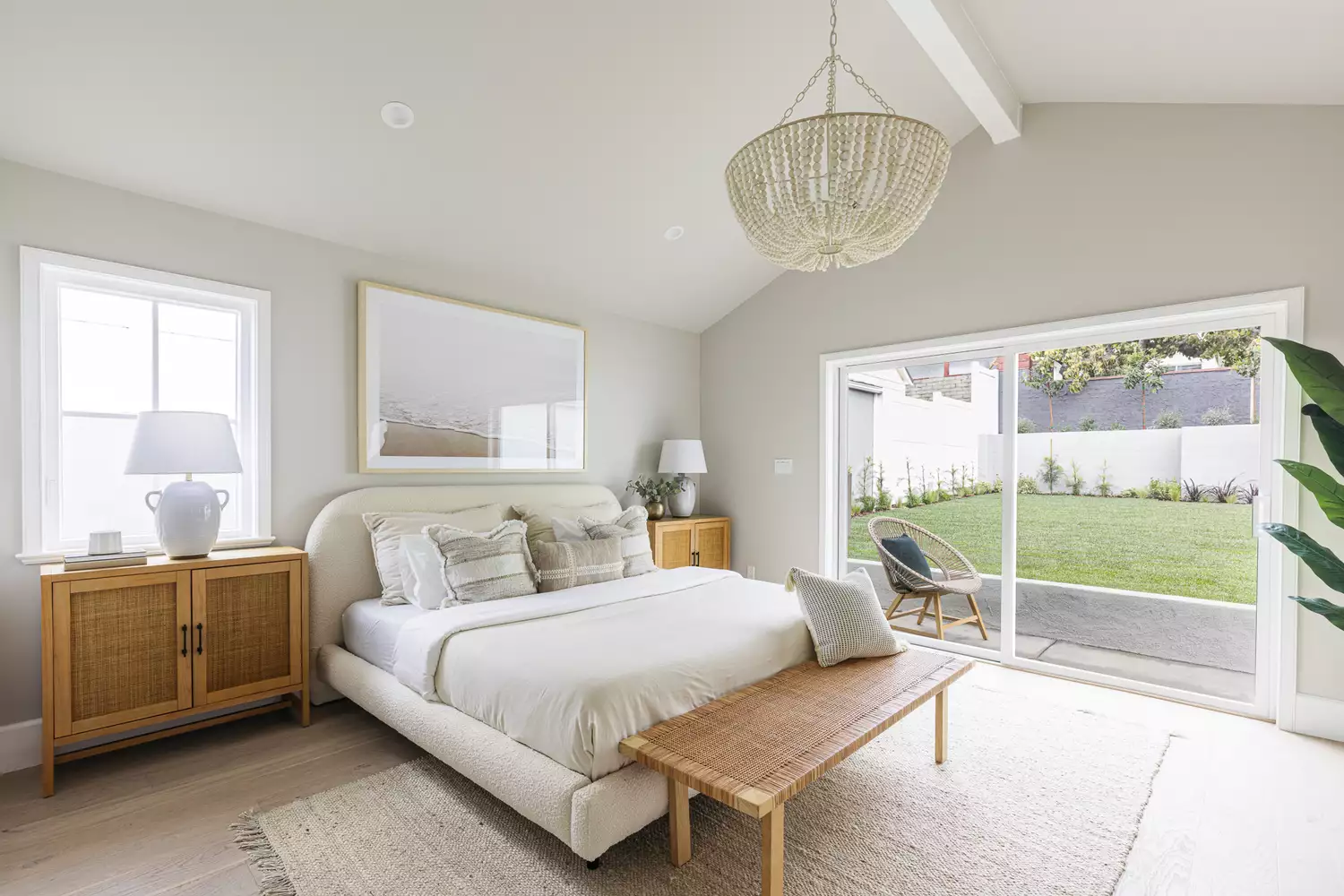
14 Best Bedroom Paint Colors for a Relaxing Space
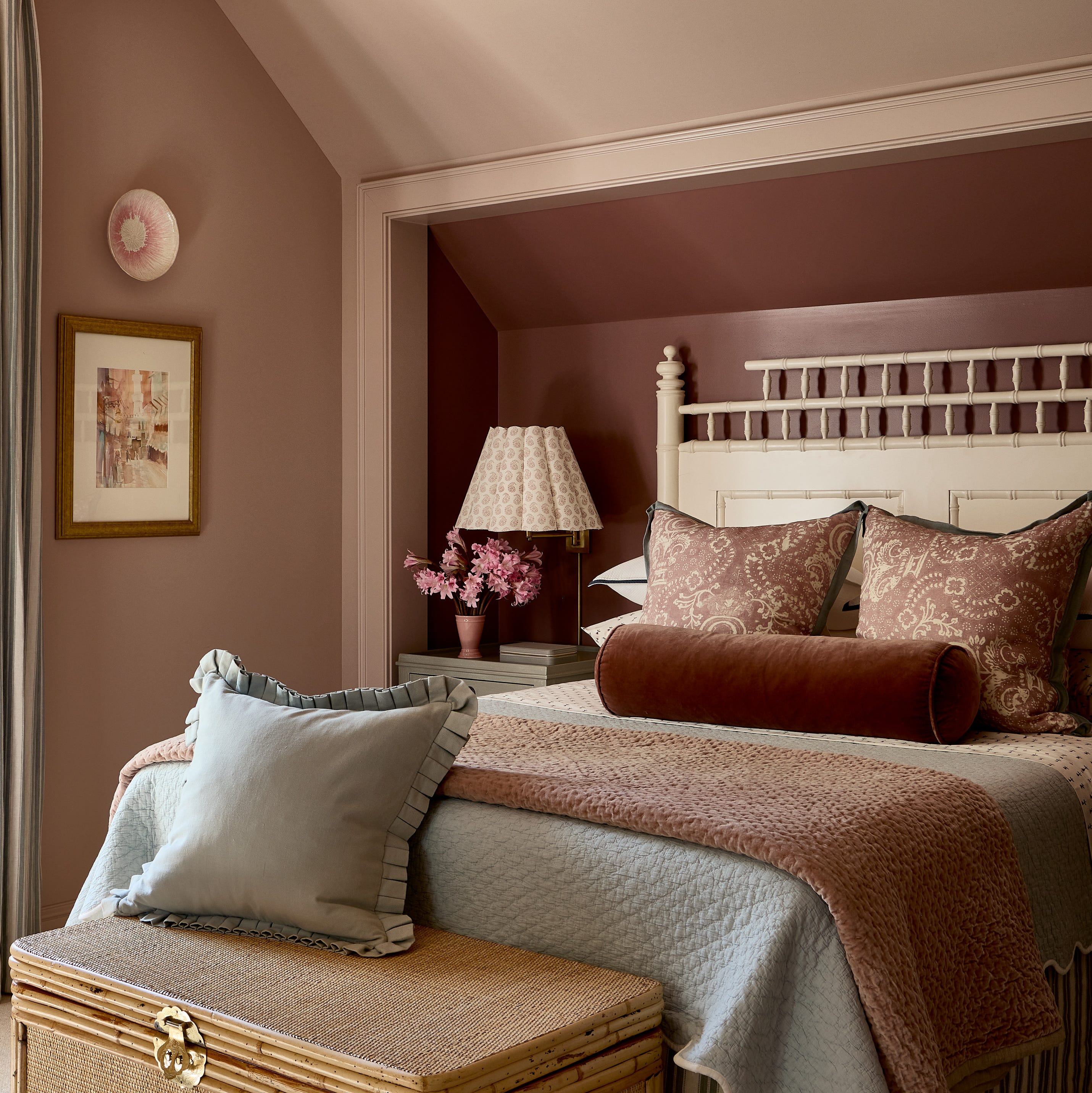
Designer-Approved Bedroom Paint Colors That'll Help You Wake Up Happier
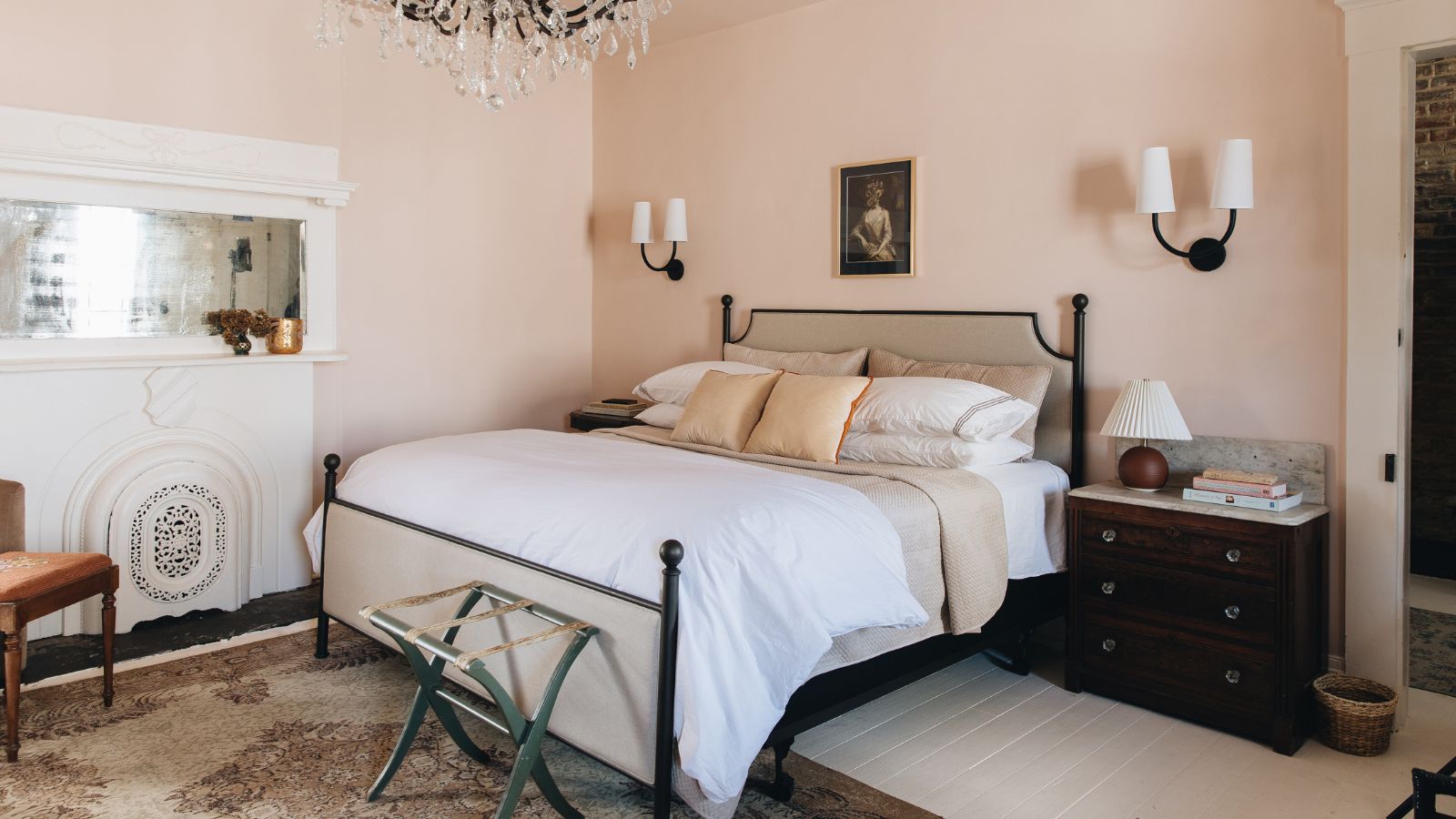
10 designers on the bedroom colors they always recommend
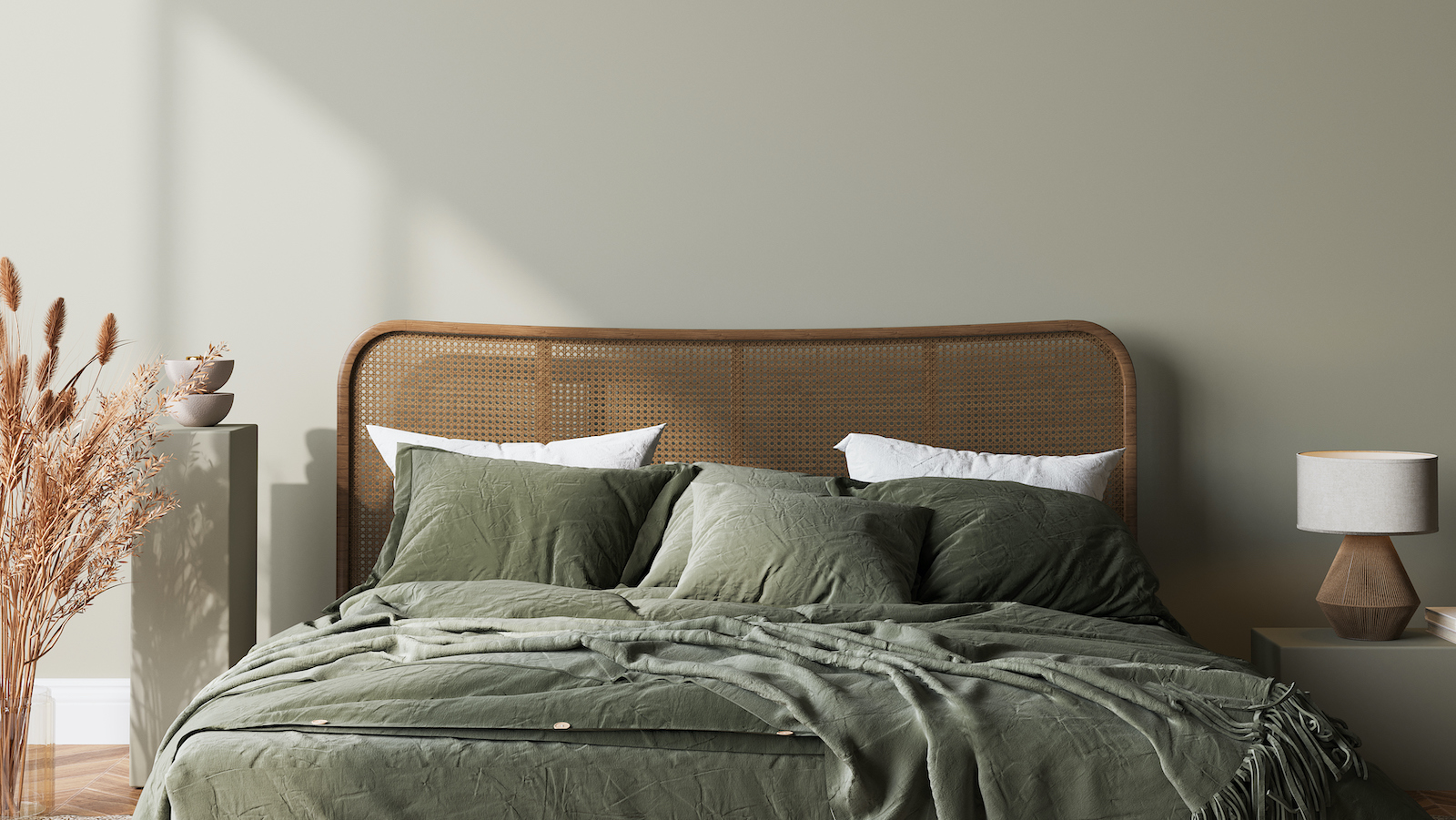
What is the most calming color for a small bedroom? Experts weigh in on what works and what to avoid

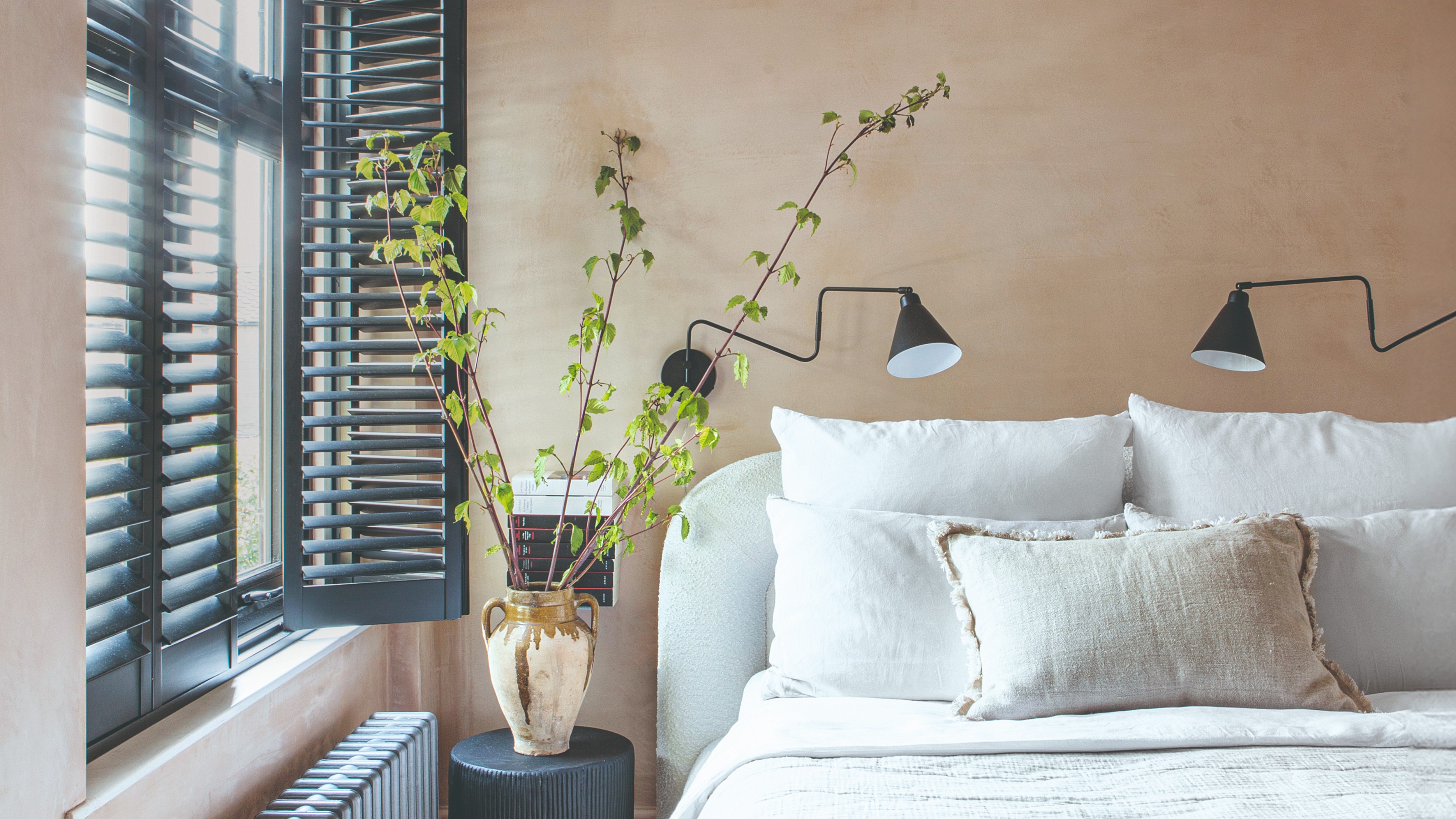
18 dreamy bedroom colour ideas to create a rest-promoting, stylish space
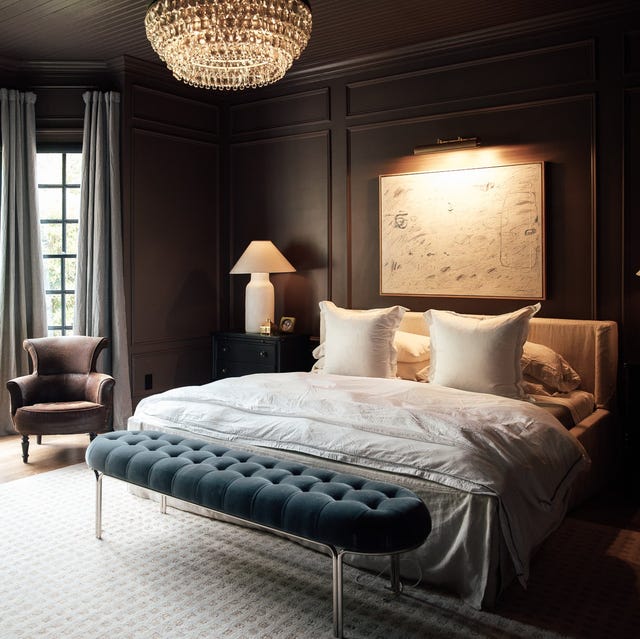
A Dark Bedroom Color Palette Might Be the Key to a Good Night's Rest
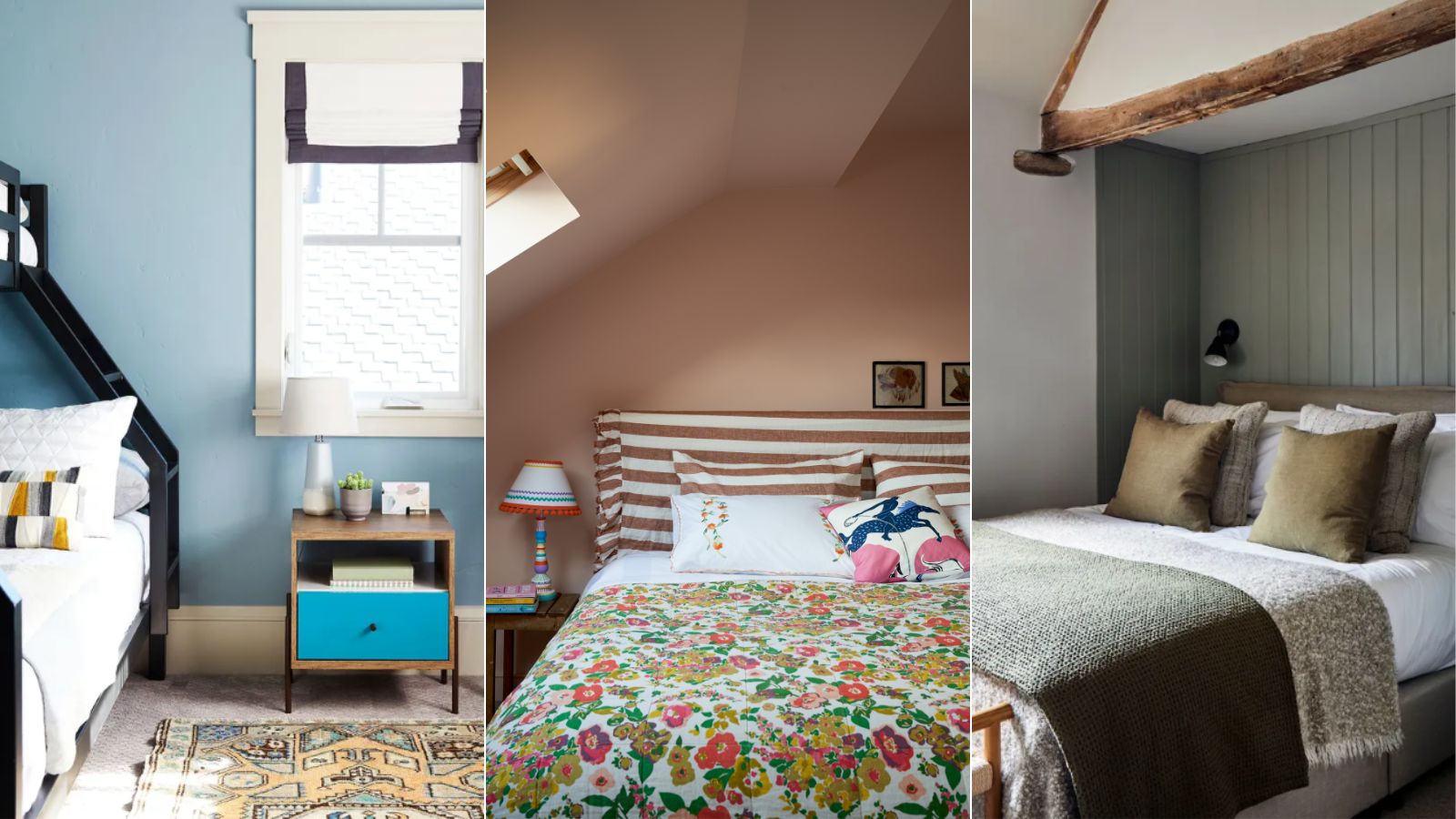
5 colors that will make your bedroom feel calmer, according to designers
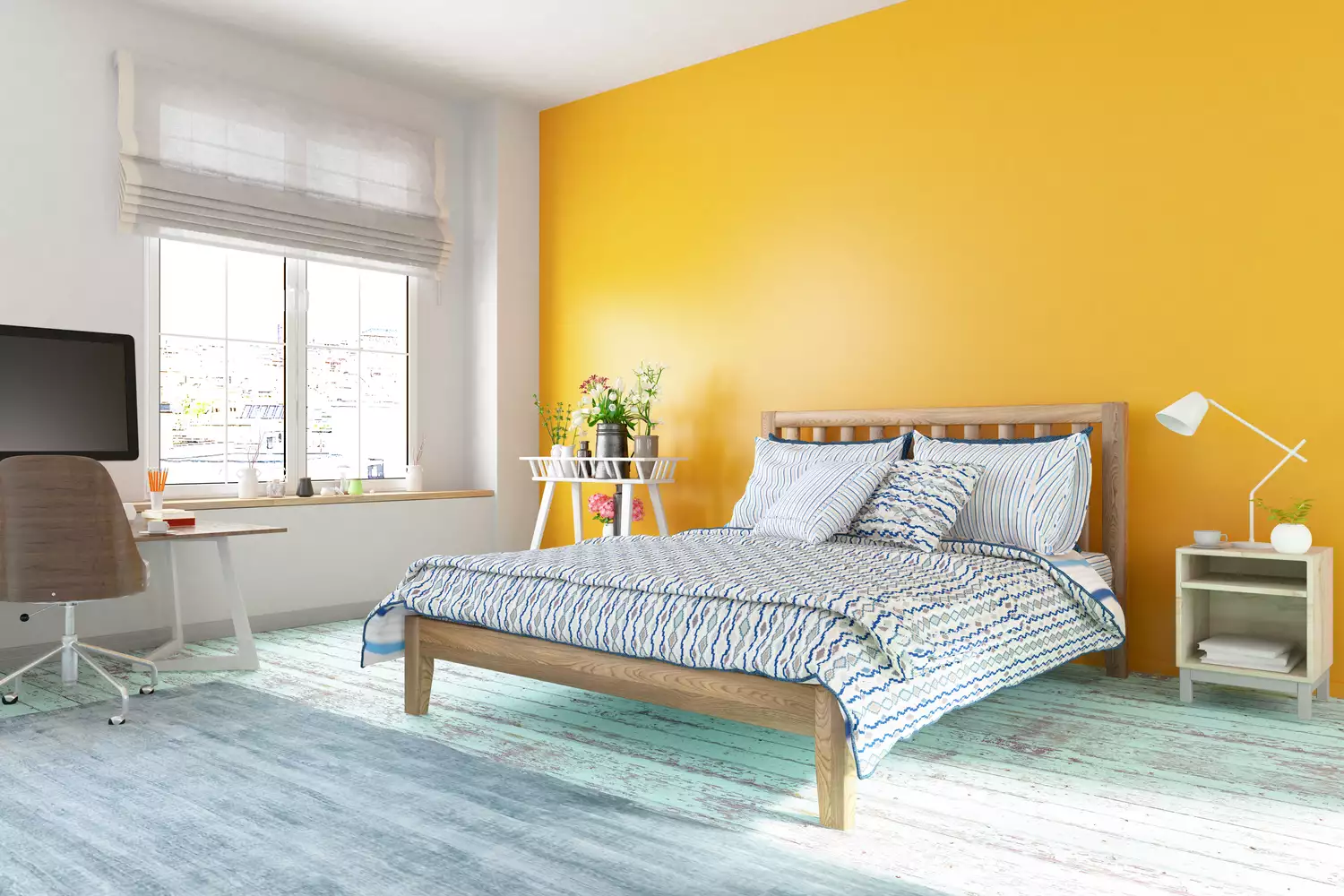
6 Paint Colors You Should Never Use in Your Bedroom, According to Interior Designers