1/7
7 Sage Green Nursery Ideas, So That at Least One Spot in Your House Feels Calm | domino
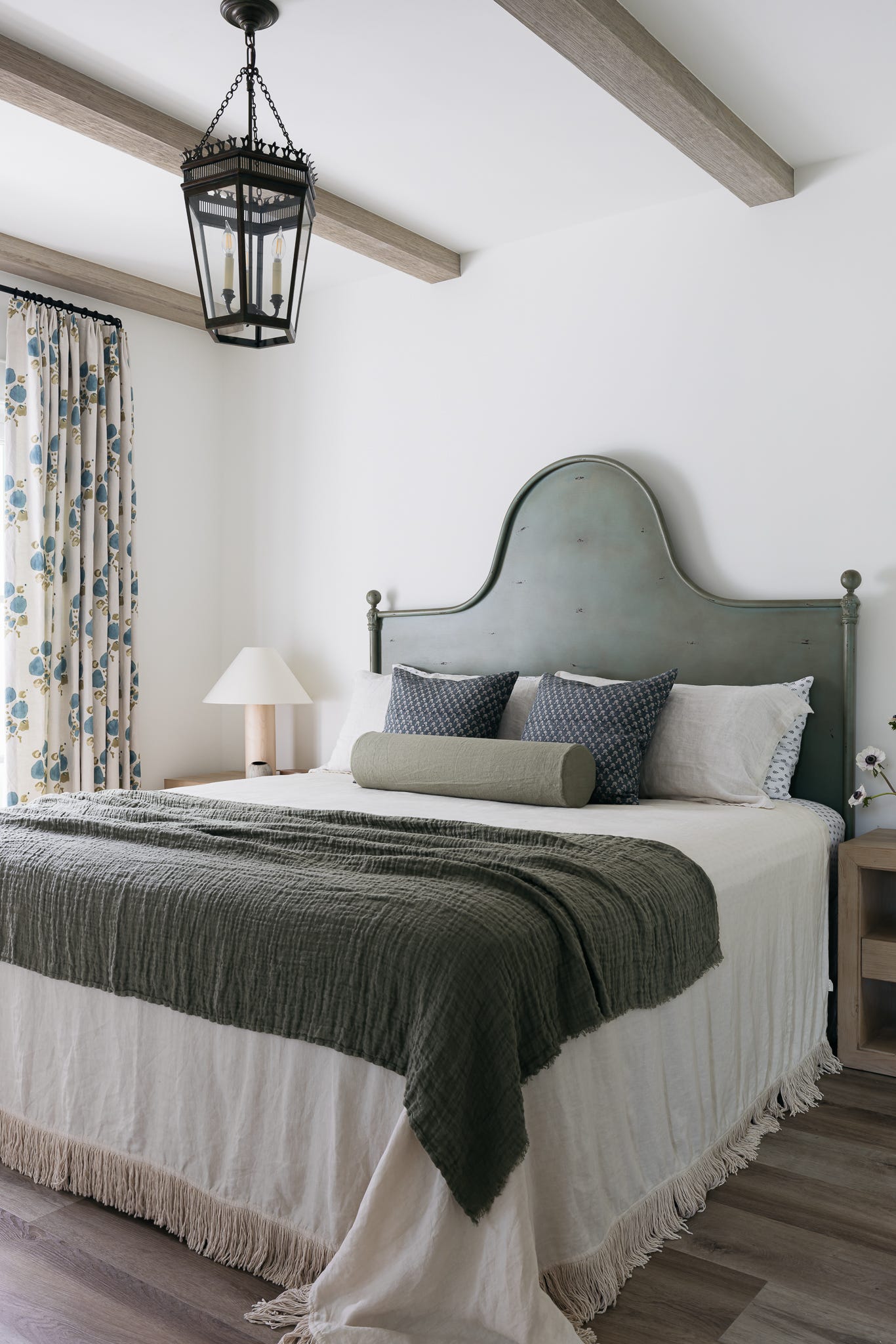
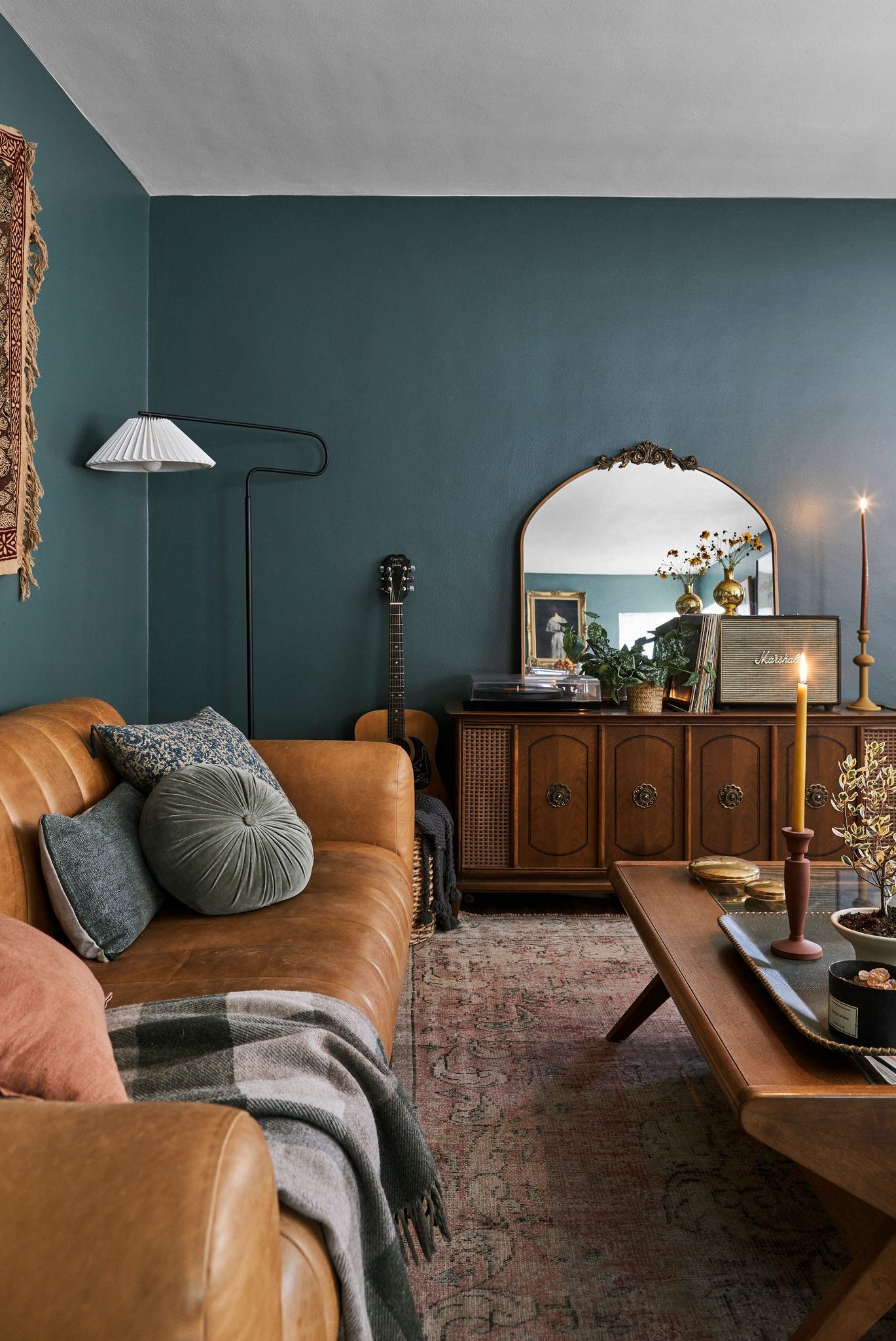
Sage green is presented as a calming and nature-inspired color ideal for nursery designs, aiming to promote relaxation for both infants and new parents. The article suggests that biophilic shades, like green, mentally connect individuals to nature and harmony, making them a suitable choice for creating a tranquil environment. This design approach can be implemented through various methods, from subtle accents to comprehensive color schemes, accommodating both minimalist and maximalist parental preferences.
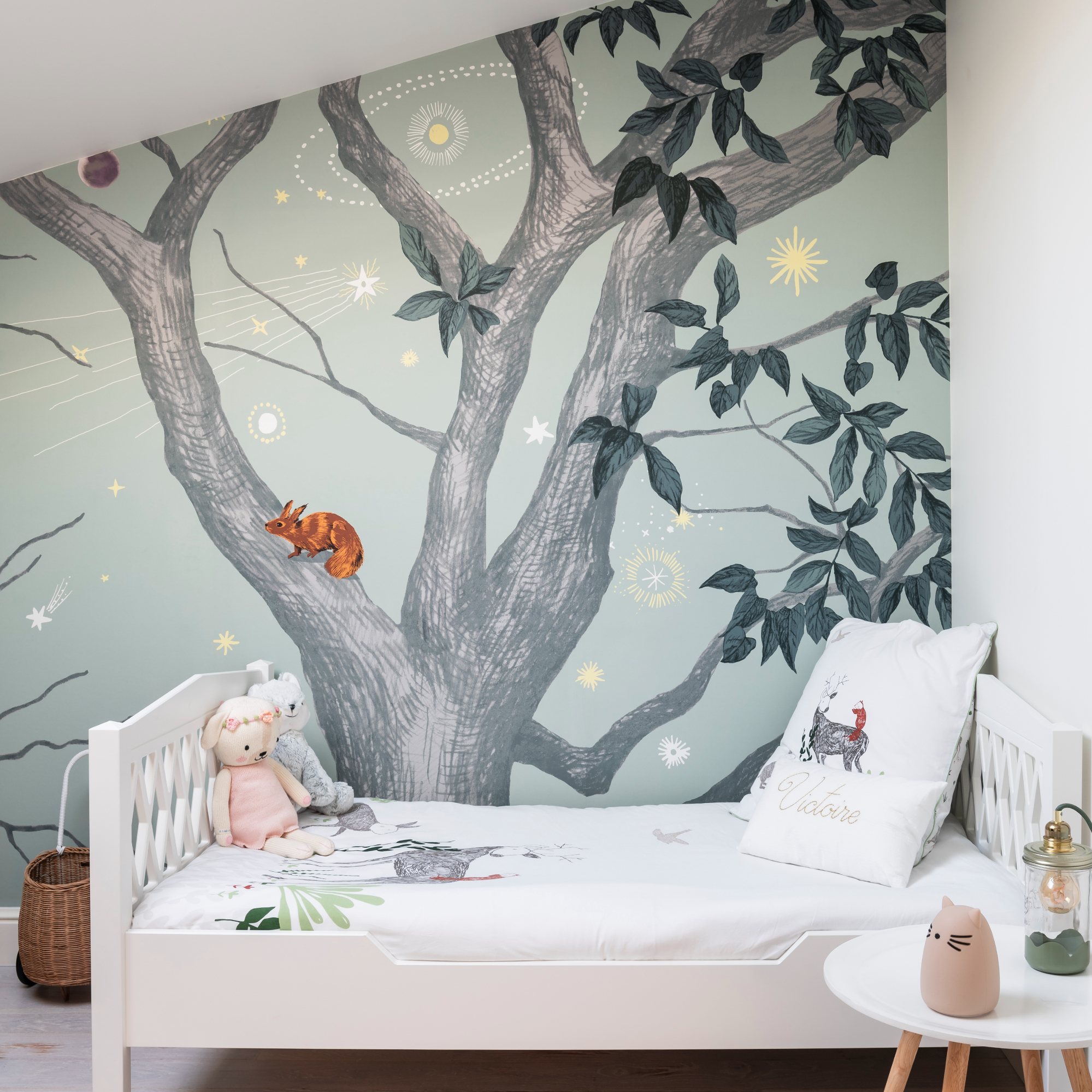
Several distinct sage green nursery ideas are showcased. One approach emphasizes celebrating Mother Nature by integrating botanical elements alongside a nature-inspired paint color, such as Final Furlong by Little Greene Paint & Paper. This design might include bold botanical upholstery, artwork depicting natural landscapes, and unique lighting fixtures like blown-glass chandeliers, creating an immersive natural theme.
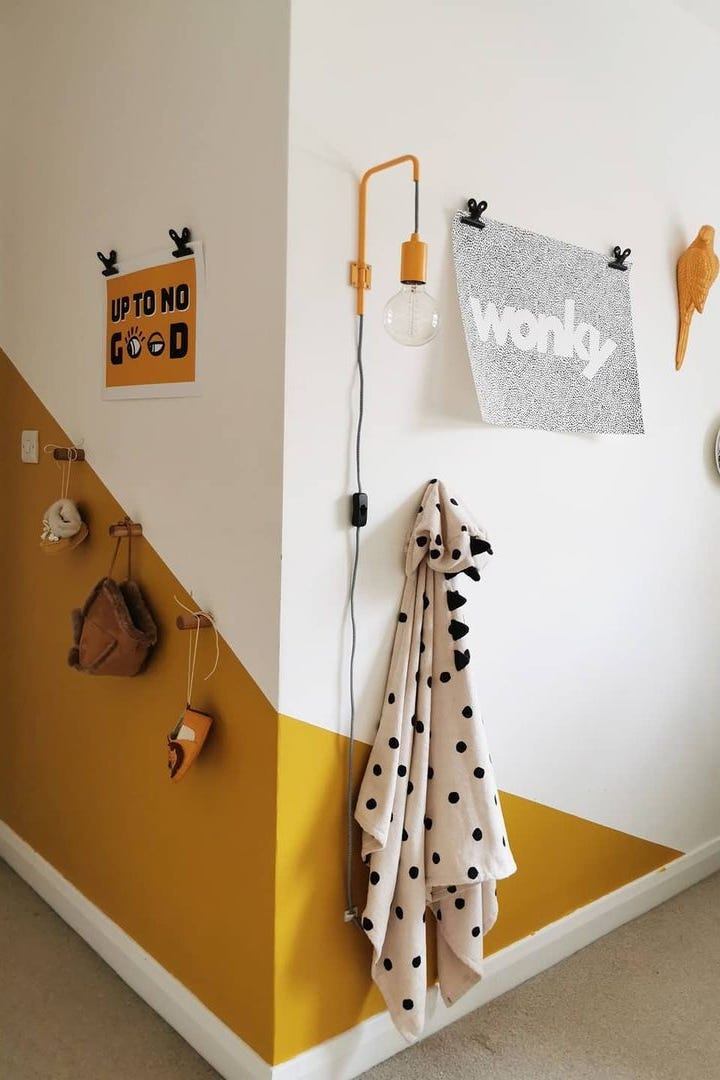
Another concept involves using sage green with contrasting colors to add visual interest without being overwhelming. For instance, pairing sage green (like Mossa by Dulux) with terracotta accents helps to create a harmonious balance. The strategic use of terracotta in elements such as crib sheets, floor lamps, and play mats, combined with a slightly desaturated red-green palette, prevents the colors from clashing or appearing overtly festive.
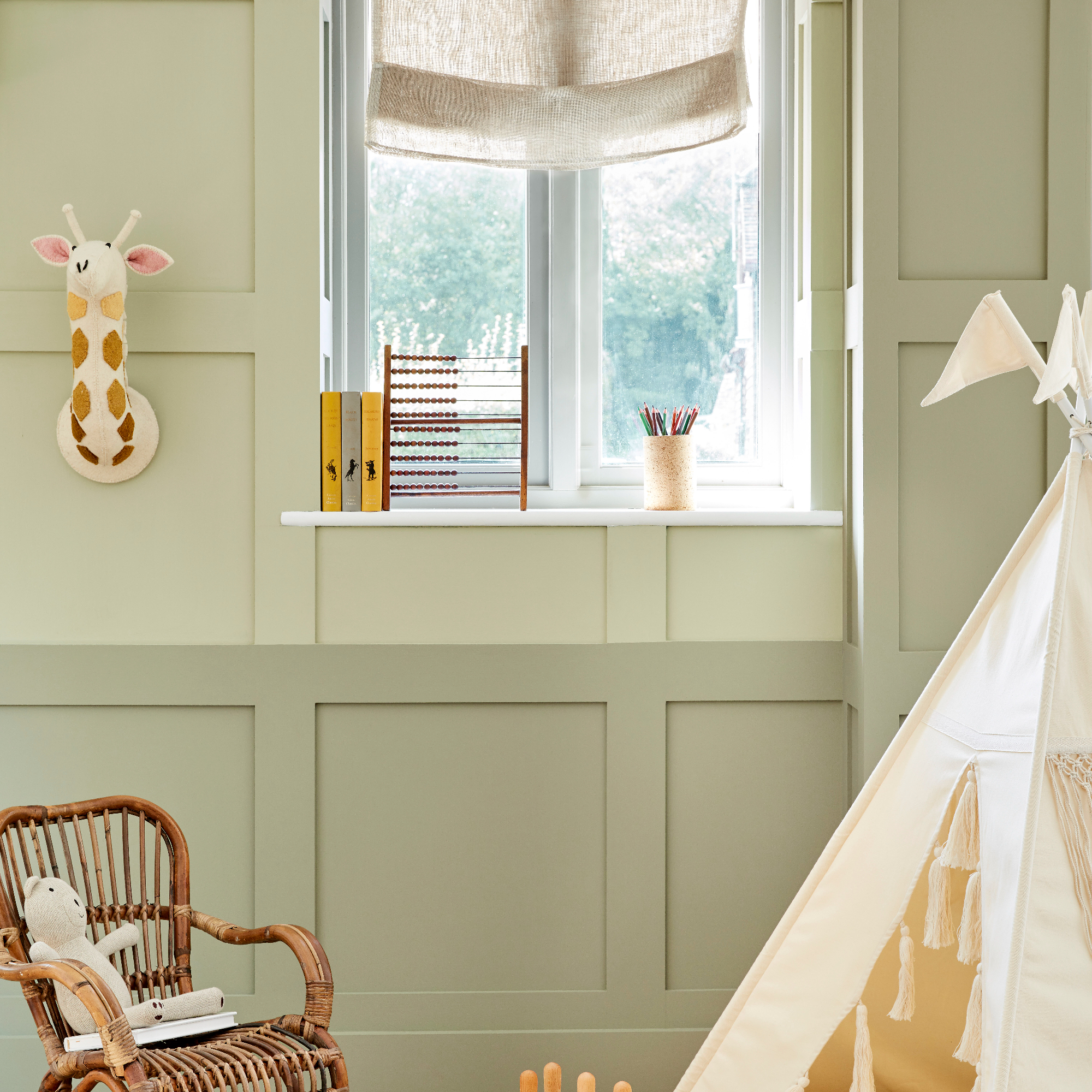
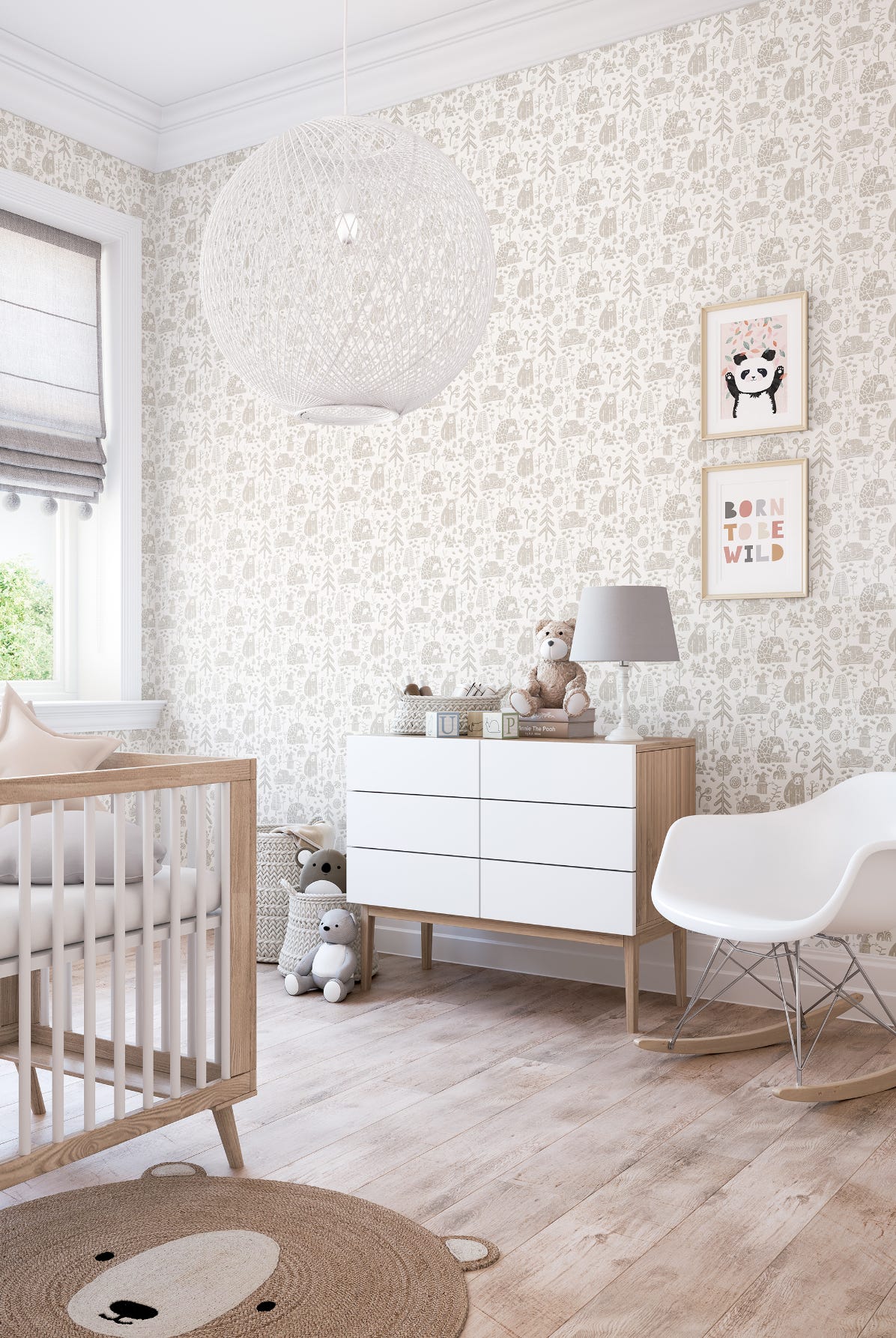
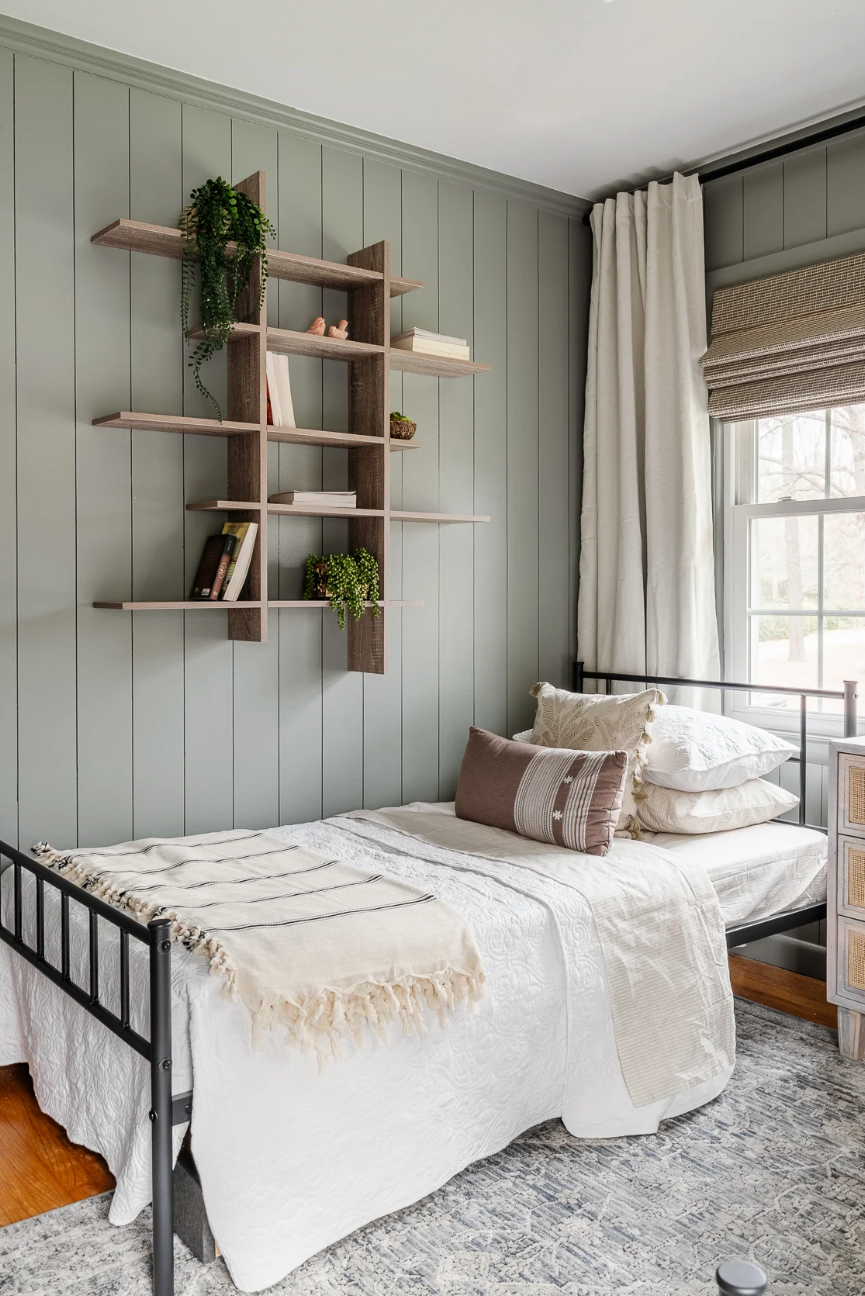
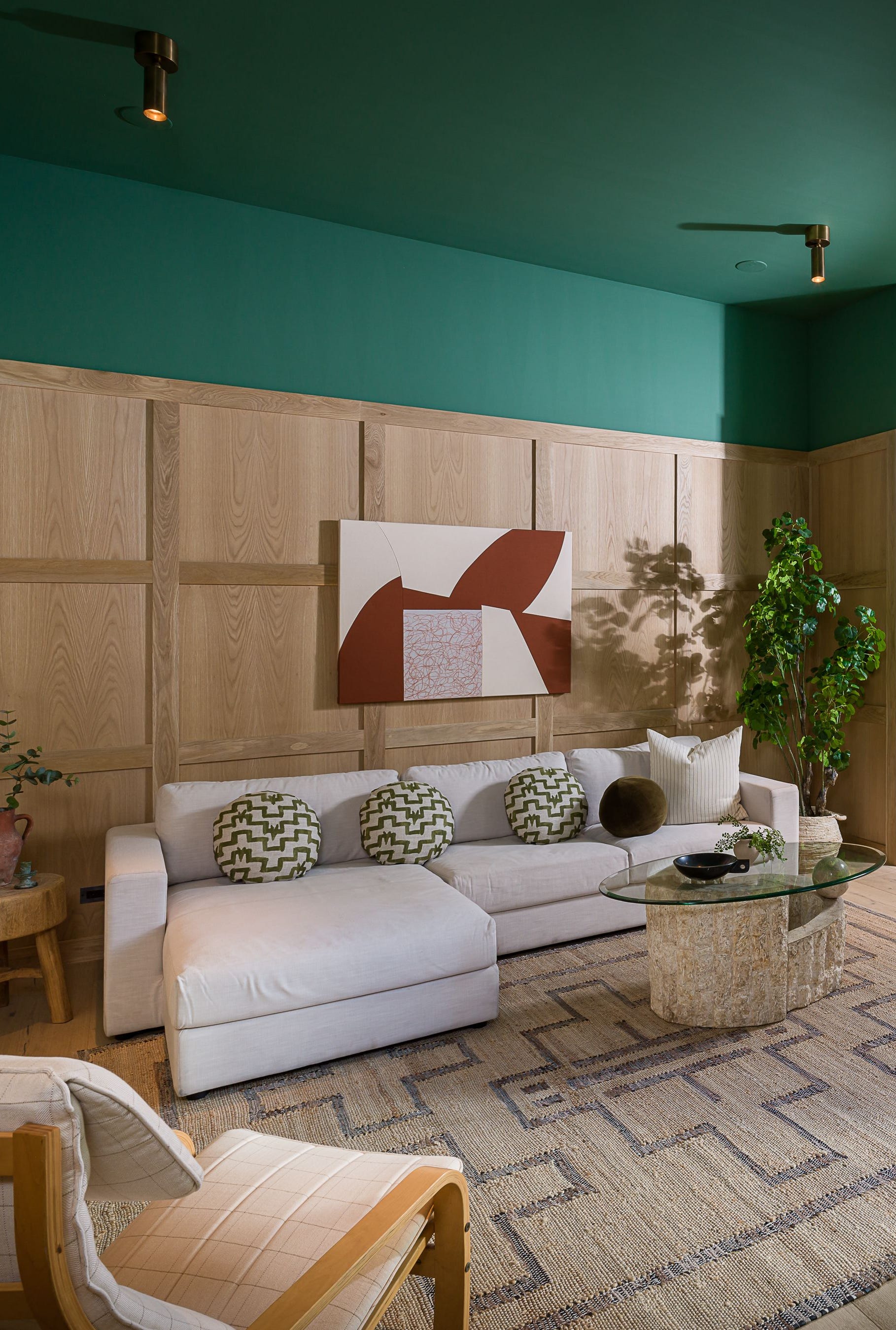
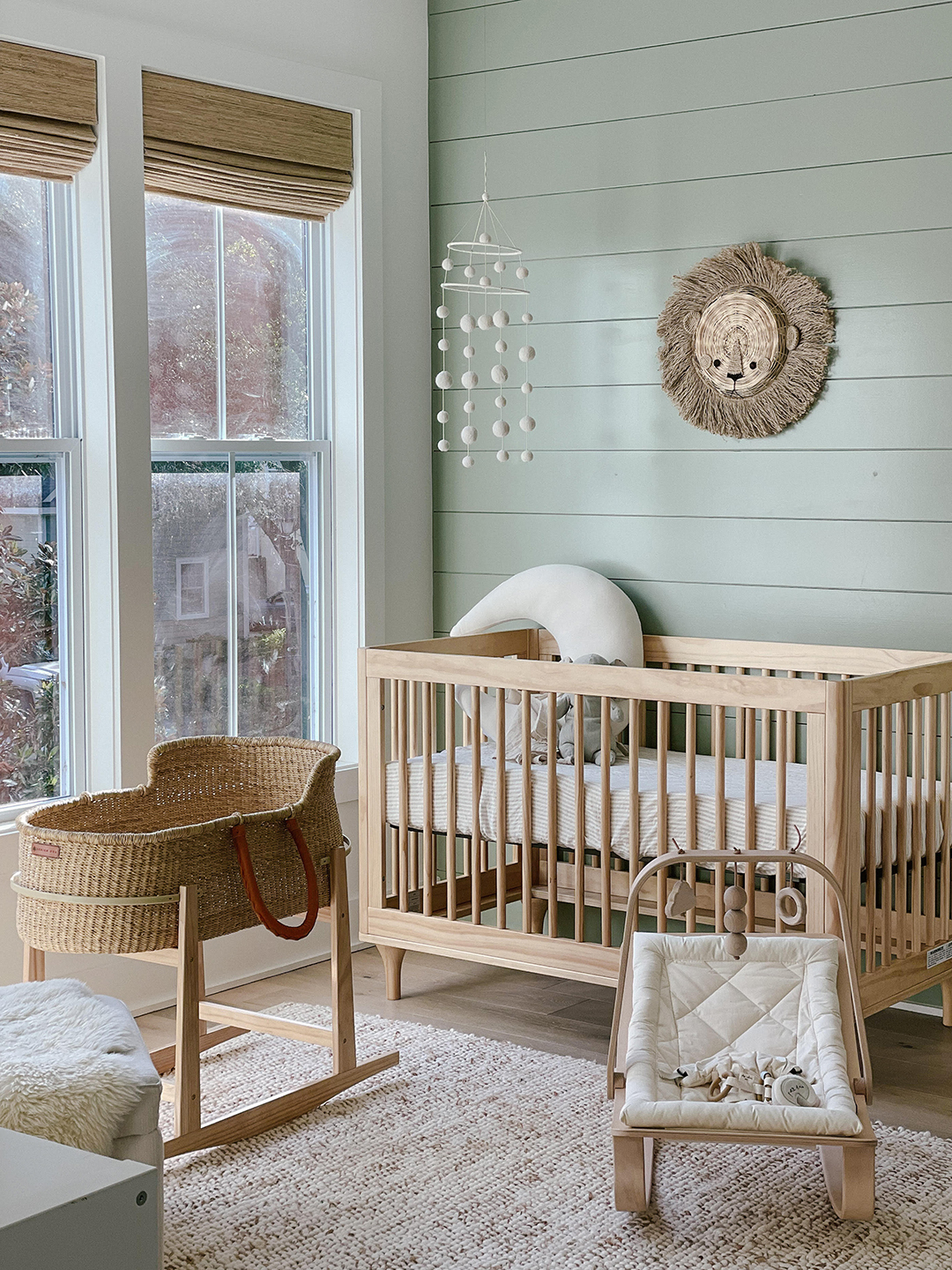
Texture also plays a significant role in enhancing sage green nurseries. Paneling on a feature wall, coated in a shade like Sherwin-Williams’ Evergreen Fog, introduces depth and dimension. This can be further complemented by incorporating woven bassinets, textured window treatments, and animal-themed artwork, adding tactile and visual richness to the space.
For smaller nurseries, a sophisticated palette using sage green as a backdrop can create an illusion of space while maintaining a calm atmosphere. Combining Sagebrush by Benjamin Moore with softer primary hues like sky blue, marigold, and subtle scarlet red accents offers a refined alternative to more intense colors. This approach is particularly effective in compact rooms where an overly vibrant scheme might feel constricting.
Maximalist parents can also embrace sage green through bold applications, such as chunky stripes painted with a shade like Verdigris by Edward Bulmer. This method offers a visually impactful design without the commitment of wallpaper, pairing the soft green with a pale blue for a playful yet sophisticated look. This technique allows for a customized, unique aesthetic that reflects personal style.
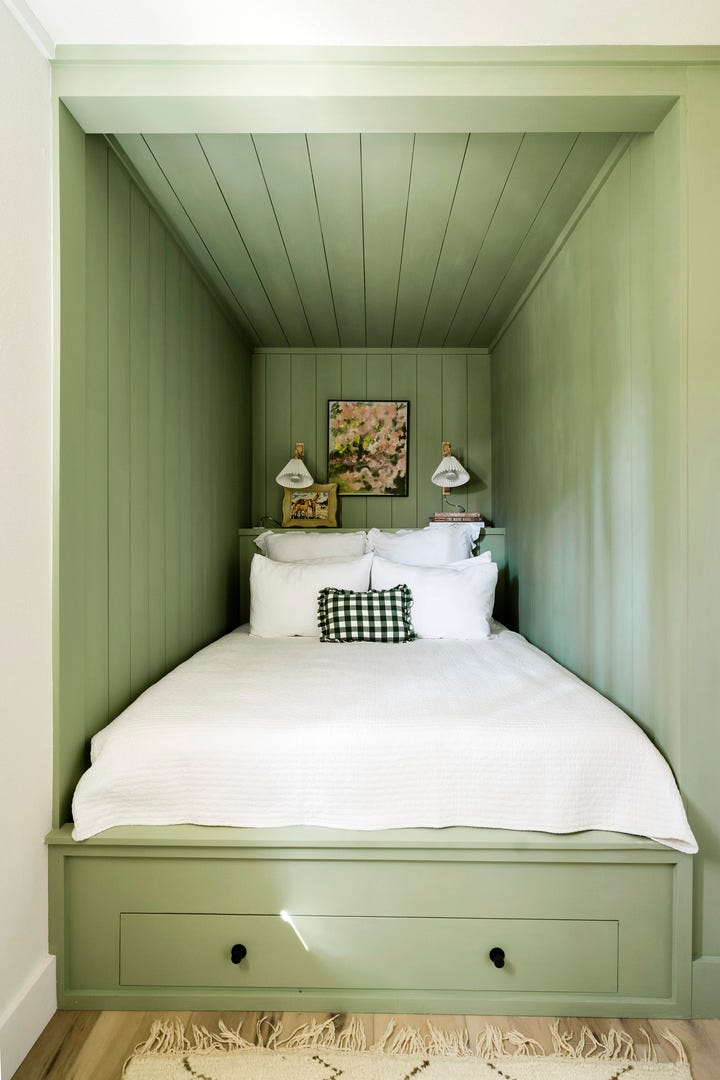
Sage green doesn't solely need to dominate the walls; it can be strategically applied to built-in furniture or architectural features. Framing an off-center window with arched bookcases and closed storage units painted in a shade like Green 14 by Lick can draw attention to these elements. Ribbed fronts and oversized hardware on cabinets can elevate these functional pieces into statement design features, even if the color is limited to specific areas.
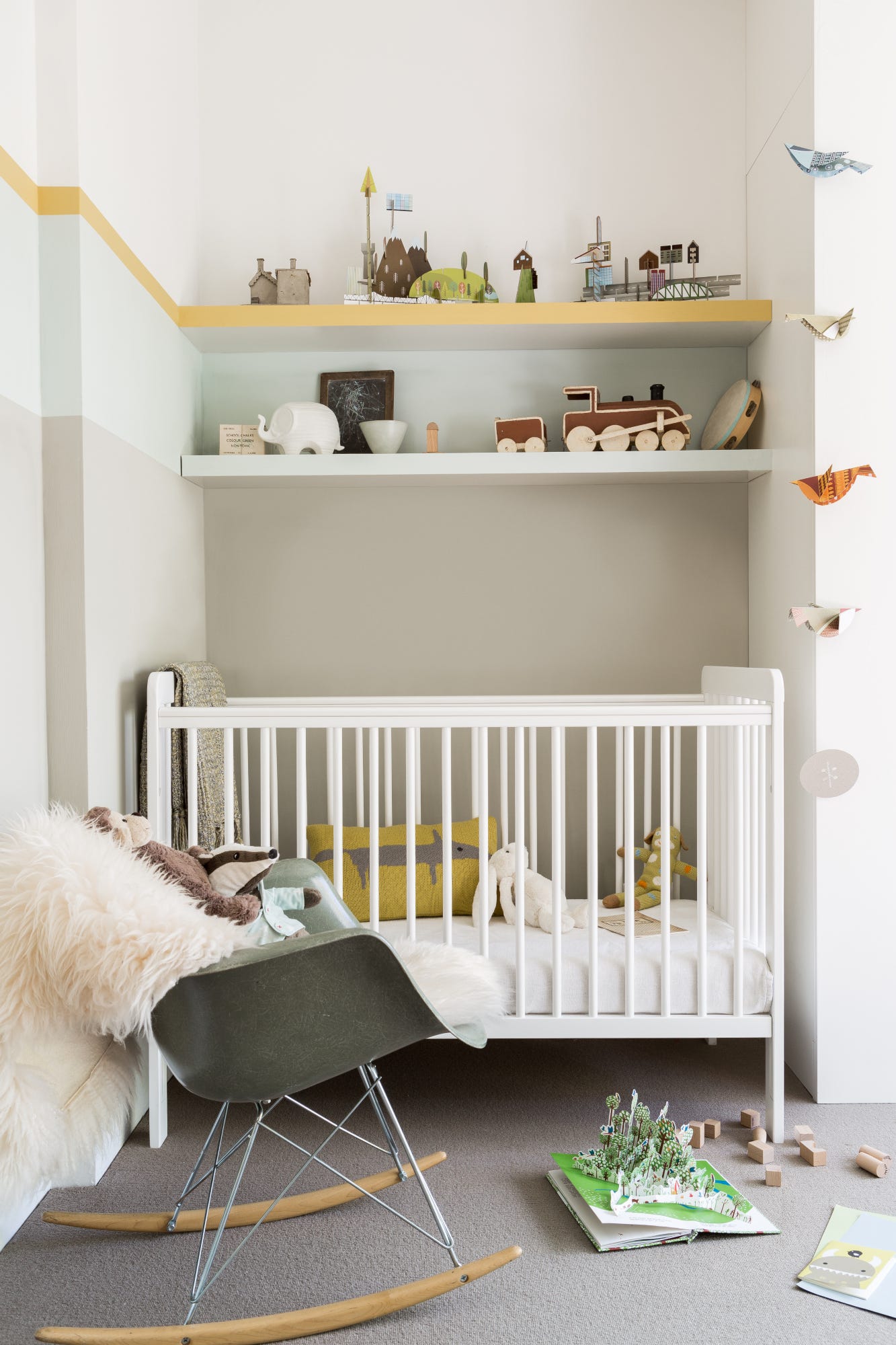
Finally, a color-blocked half-wall offers a solution for those hesitant about a full room color commitment while simultaneously creating visual hierarchy. In this design, the lower half of the wall, painted in a custom sage green, allows the crib and other furniture items of similar hues to blend subtly into the background. This technique directs the eye towards other focal points within the room, such as a carved black fireplace or large industrial windows, adding an element of architectural drama and sophistication.
#SageGreen #NurseryDesign #KidsRooms #HomeDecoration #ColorPsychology #InteriorDesign #PaintColors #RoomInspiration #SageGreen #NurseryDesign #KidsRooms #HomeDecoration #ColorPsychology #InteriorDesign #PaintColors #RoomInspiration
0 comment in total
 No comments yet
You may also like
10 Sage Green Room Ideas That Ooze Serenity, Sophistication, and Style

Japanese garden ideas – 10 ways to create a soothing space, with advice from the experts

These Dreamy Sage Green Bedroom Layouts Will Make You Feel Serene

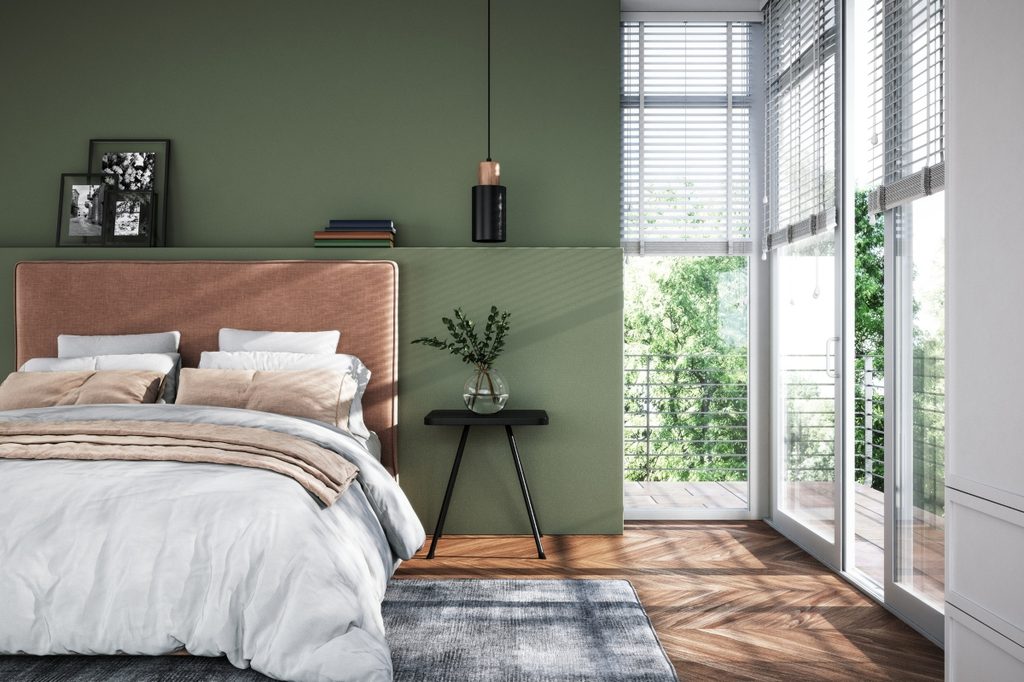
The best green paint colors for a soothing, sophisticated home

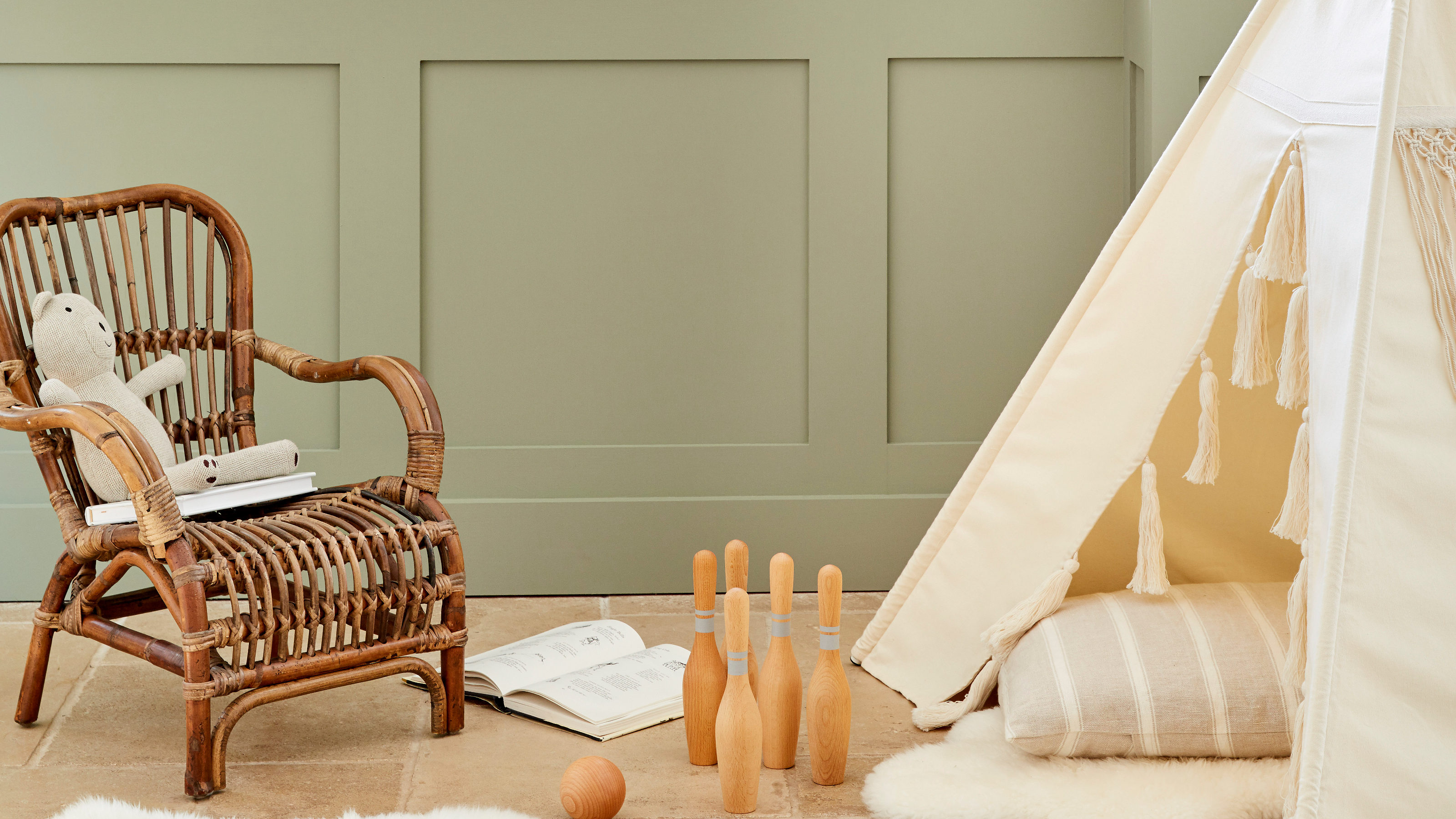
Sage green nursery ideas - inspiring ways to use this colour in your baby's room
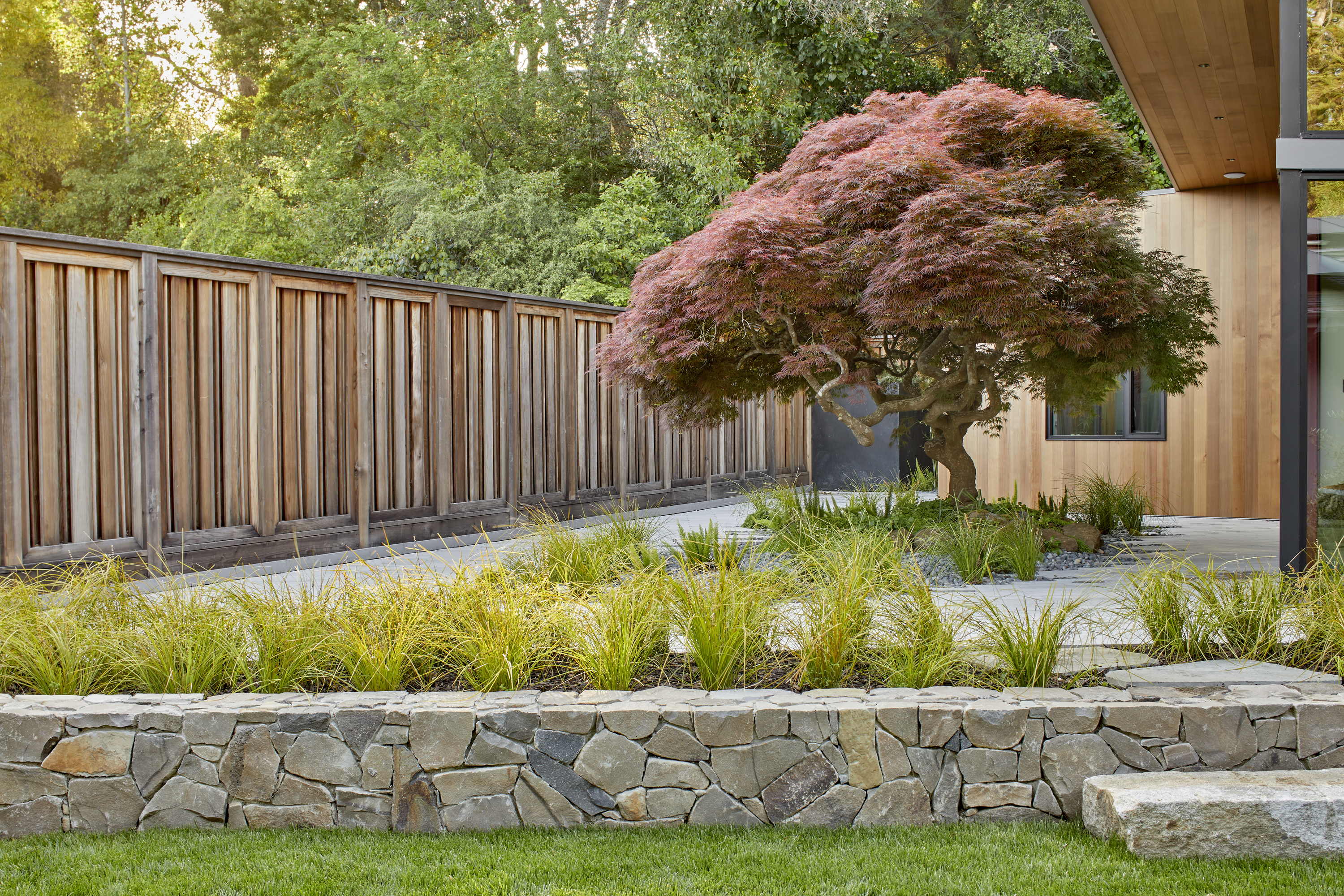
7 Japanese Garden Ideas That Channel the Elements of Nature to Make Your Outdoor Space Feel Serene

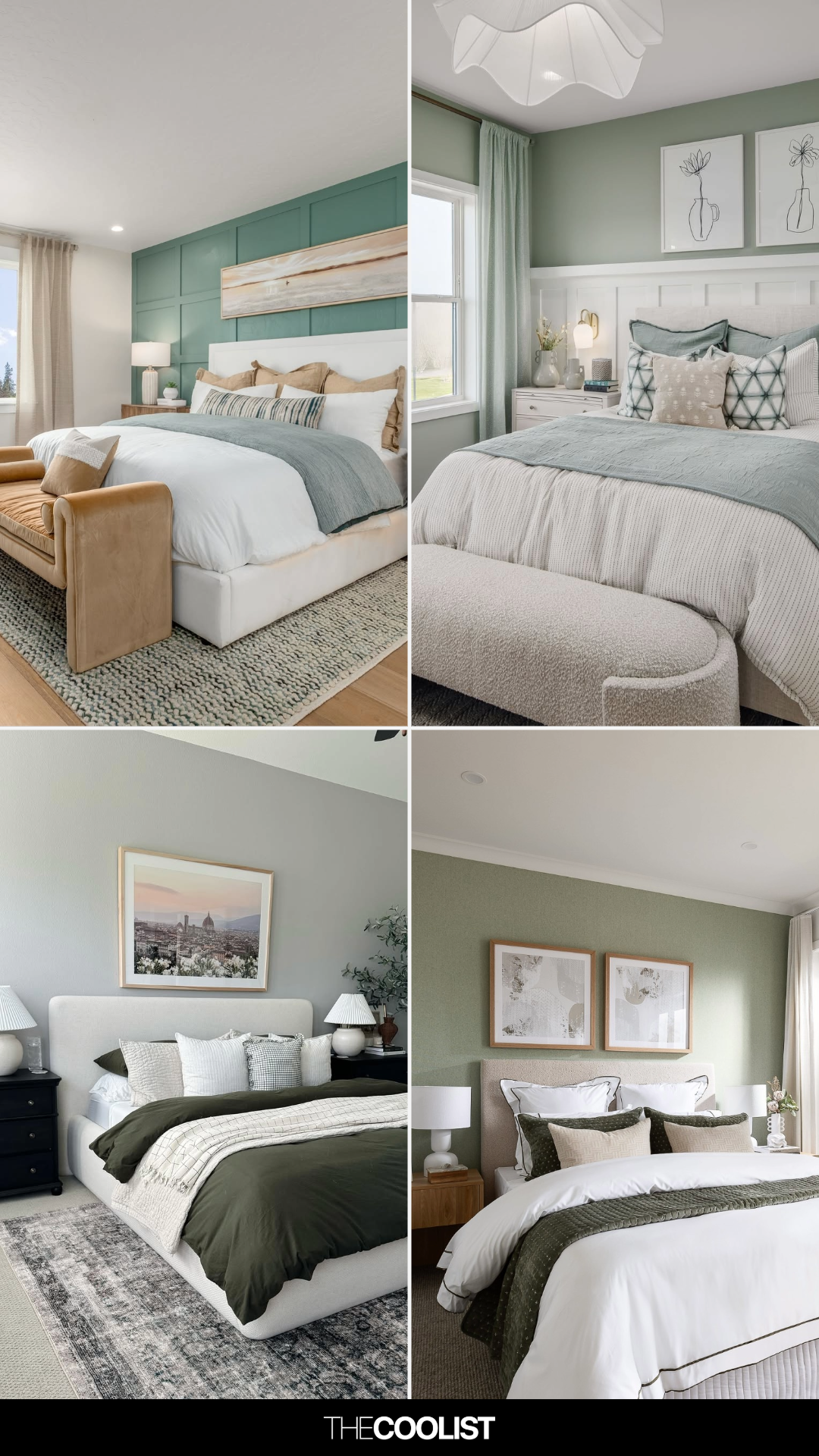
21 Sage Green and Gray Bedroom Ideas That Create a Tranquil and Stylish Space
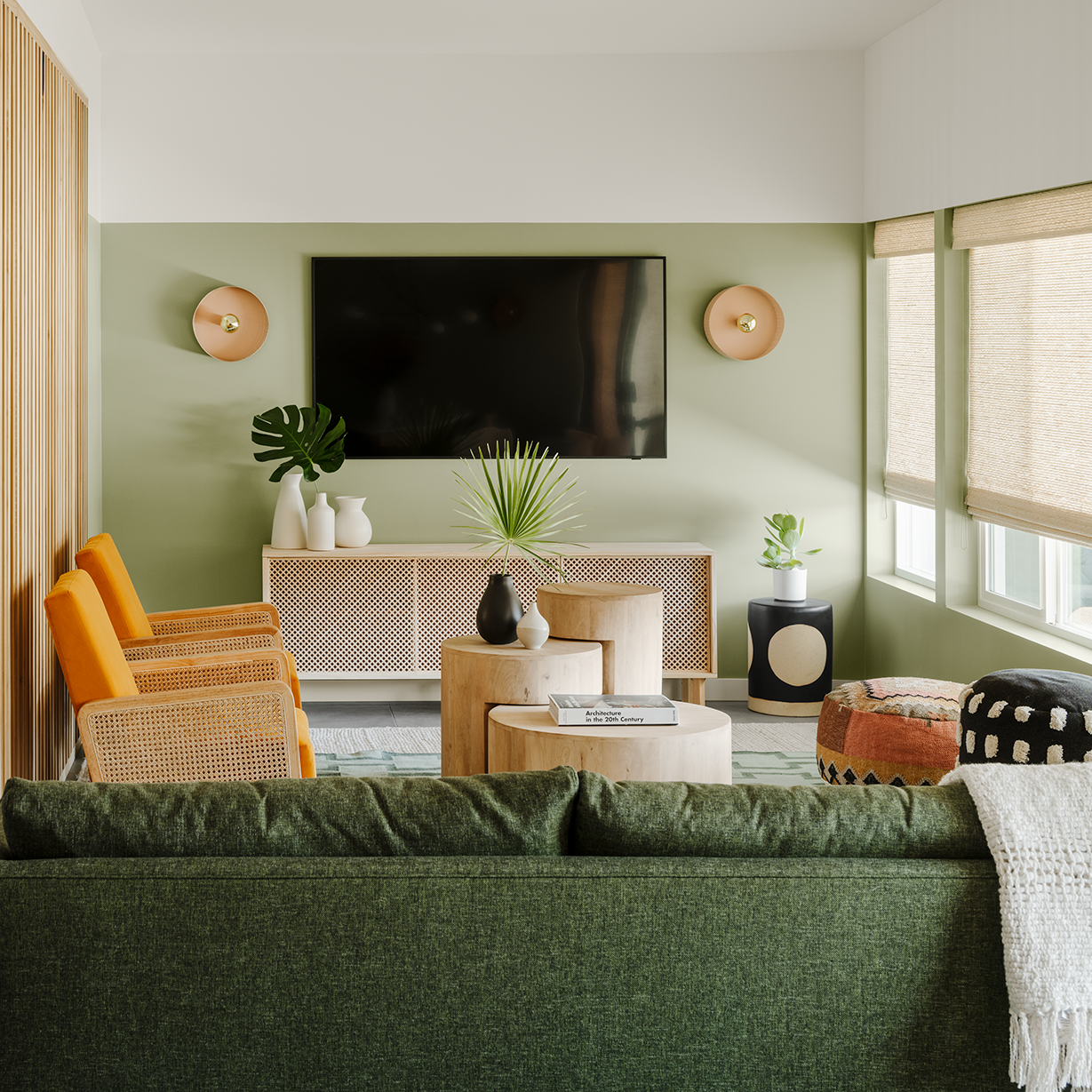
Here's How to Go Green in the Living Room

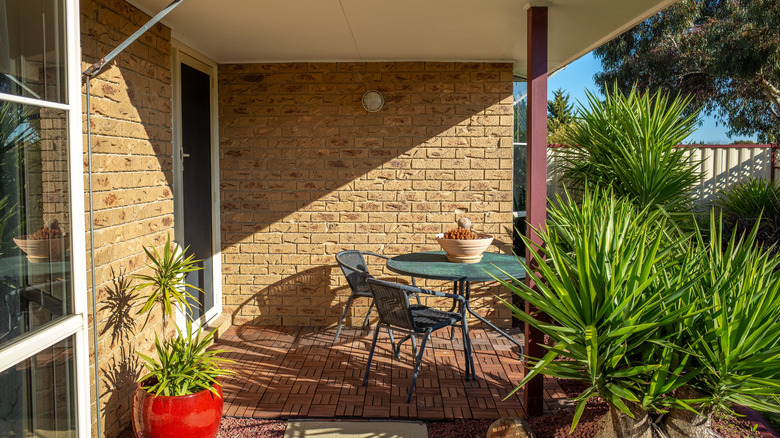
10 Ideas For Small, Peaceful Seating Spaces In Your Garden
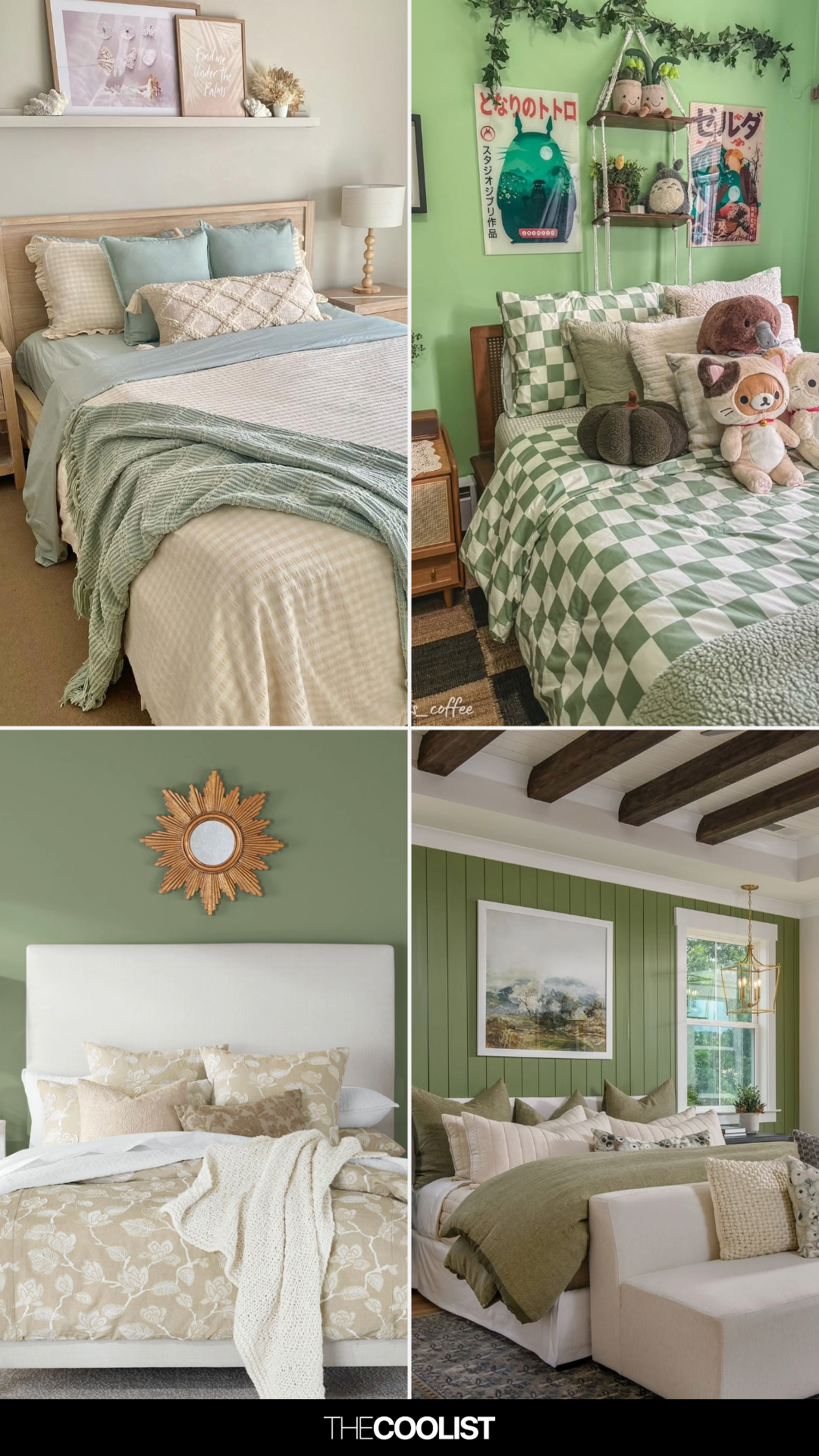
23 Sage Green Bedroom Ideas That Bring Freshness and Calm to Your Space

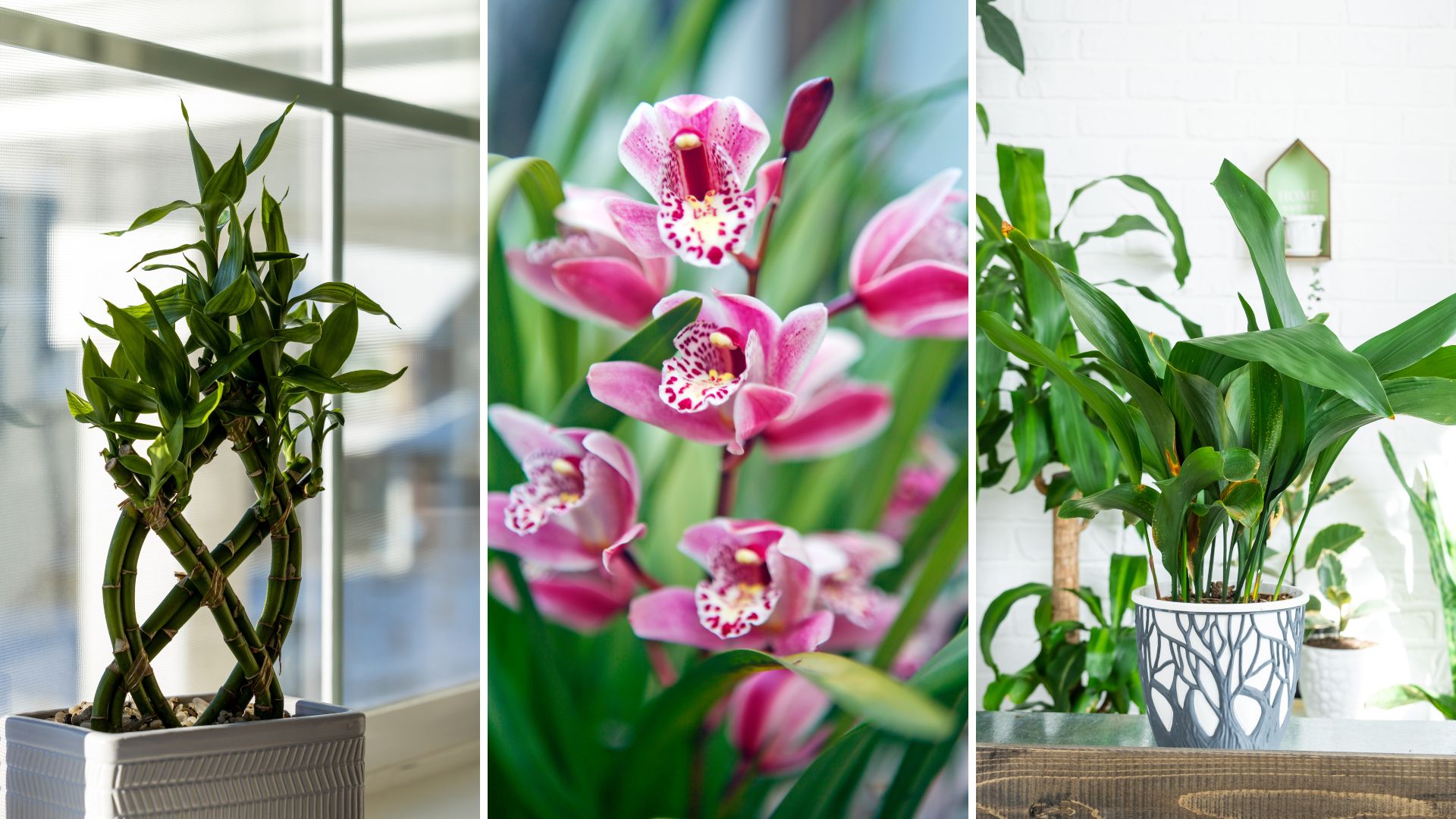
The best Japanese houseplants to create a zen, serene space in any room

7 indoor courtyard design ideas to bring you closer to nature

20 Green Bedroom Ideas That Will Turn Your Space Into a Calming Retreat
13 neutral nursery ideas for a soothing, serene space

15 green interior design ideas that will have you green with envy

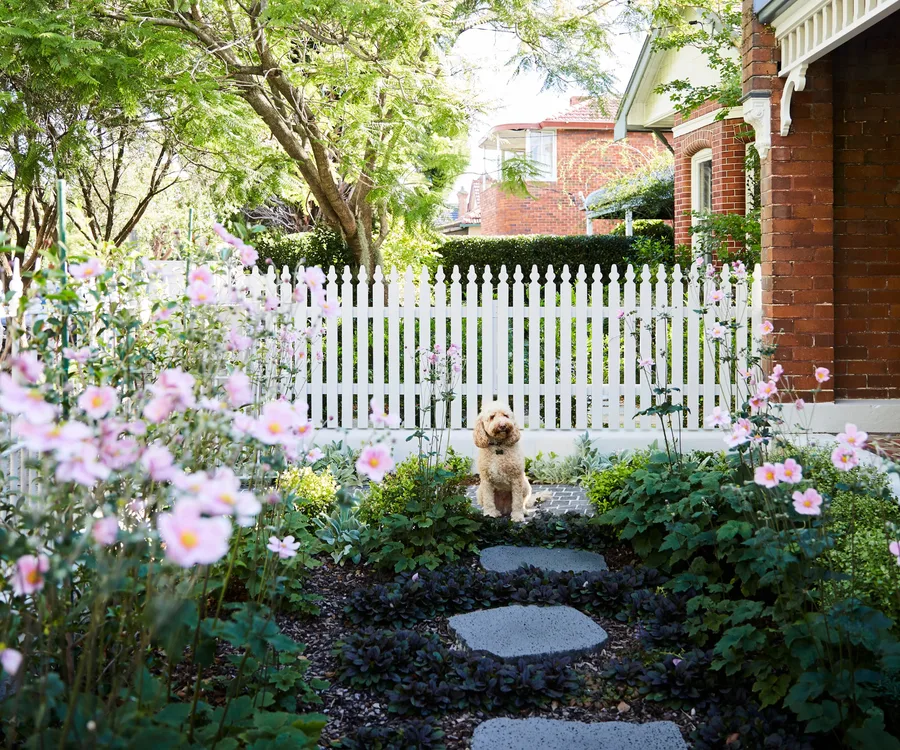
13 small garden design ideas that maximise space and greenery

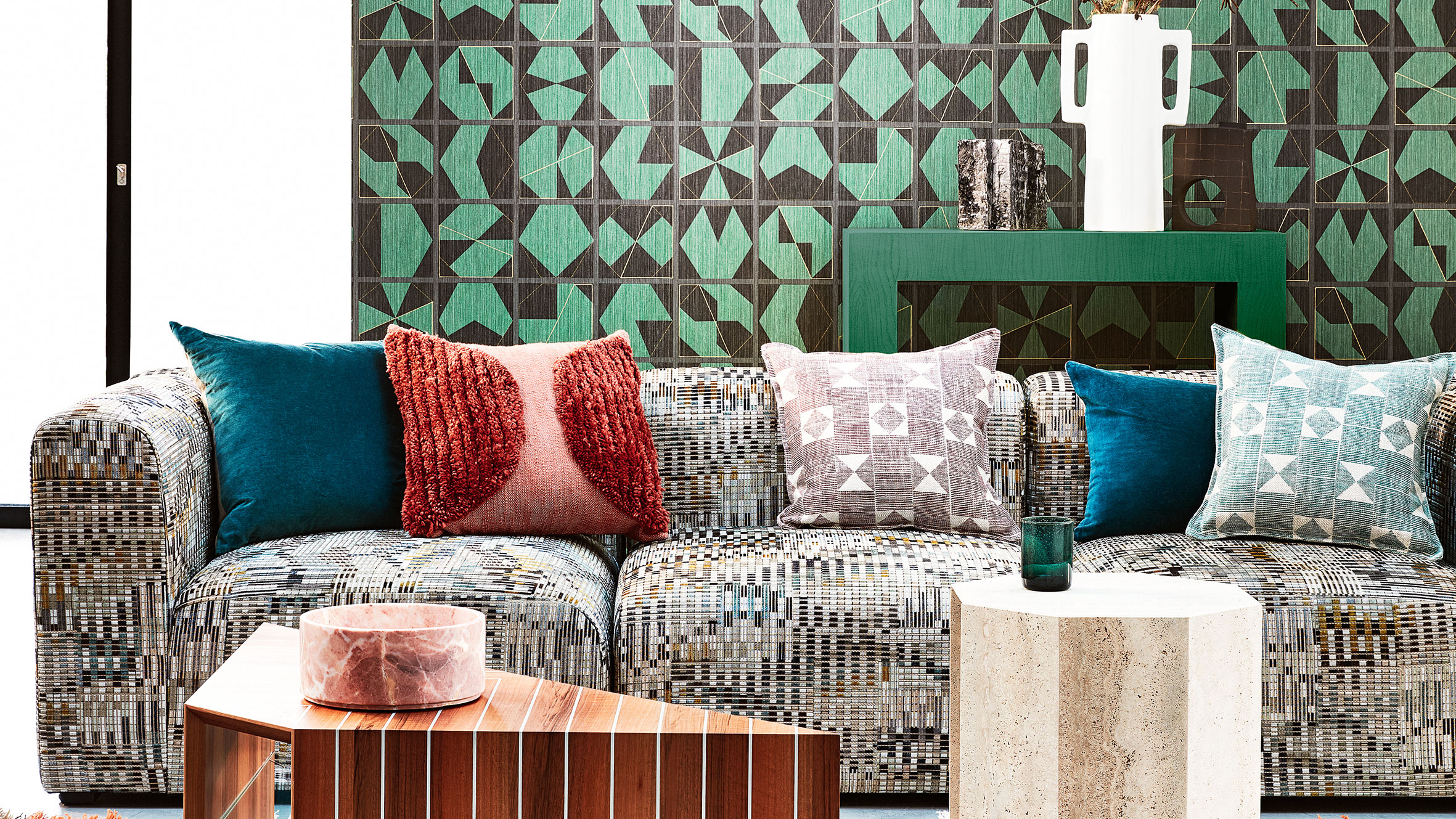
15 gorgeous green living room ideas – from soft sage hues to vibrant verdigris
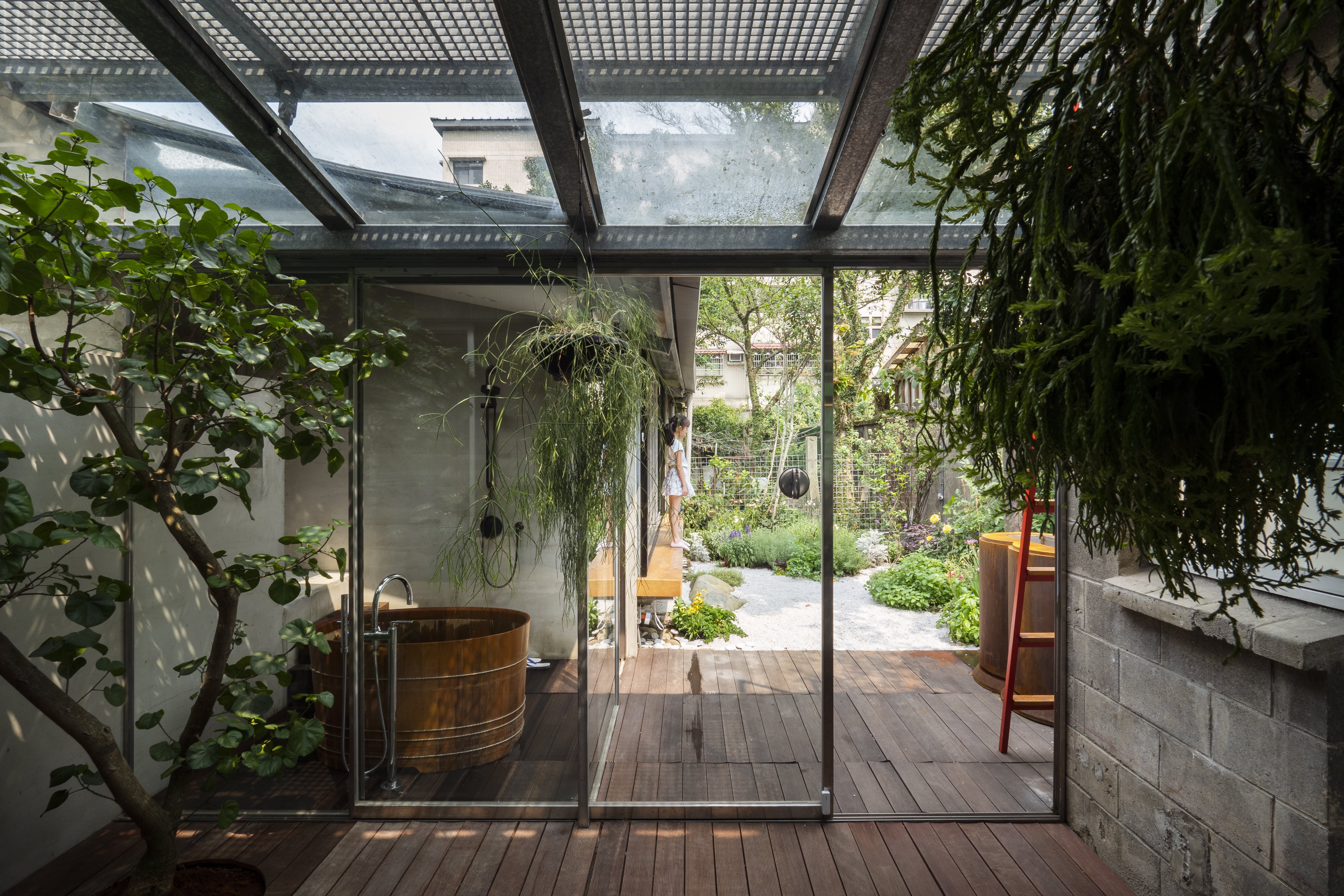
The 8 best plants for an indoor zen garden – what to grow to add calm and tranquility to your home

The Best Zen Gardens of 2026

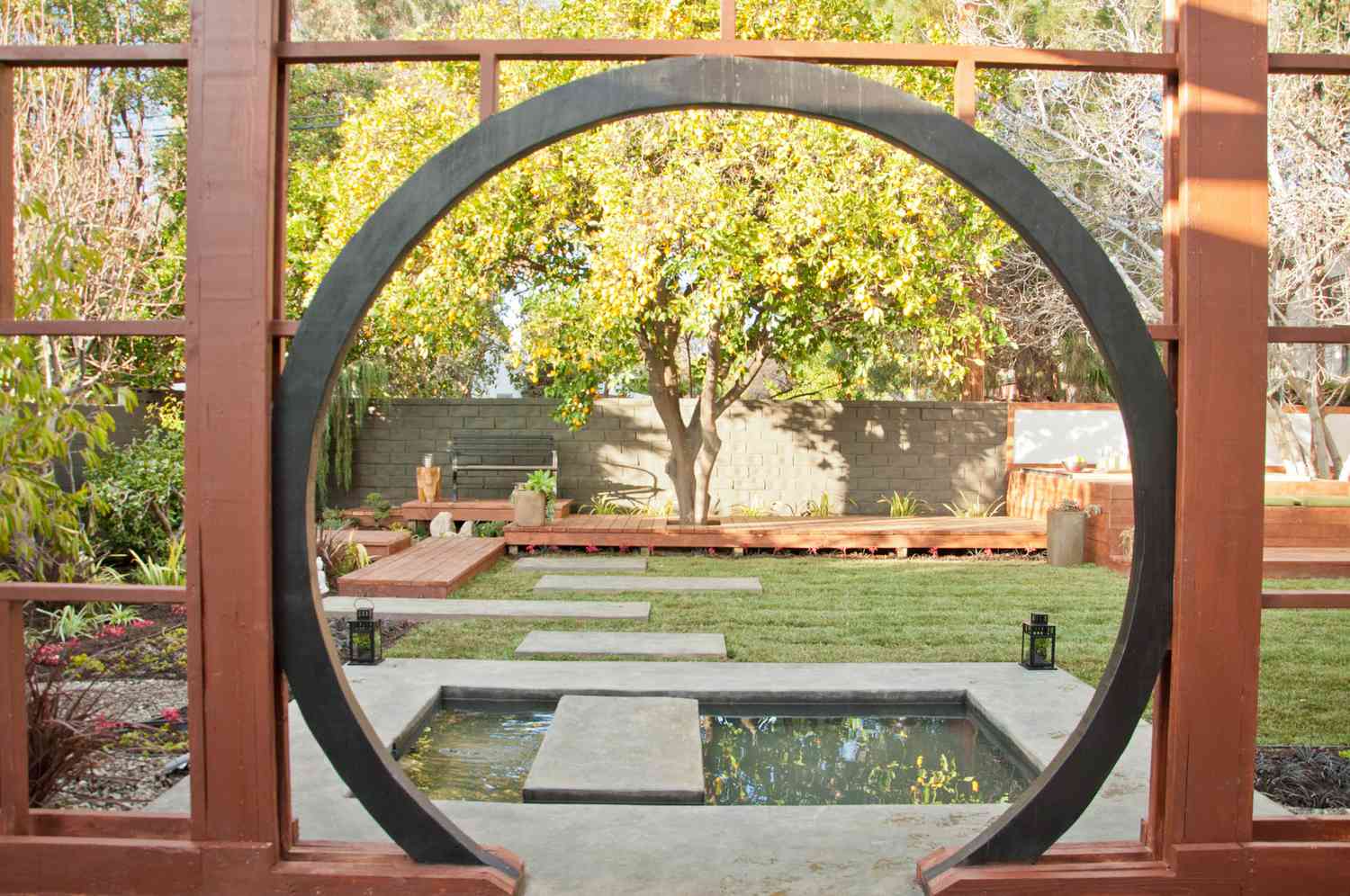
20 Zen Garden Ideas to Transform Your Backyard Into a Peaceful Oasis