1/14
13 neutral nursery ideas for a soothing, serene space
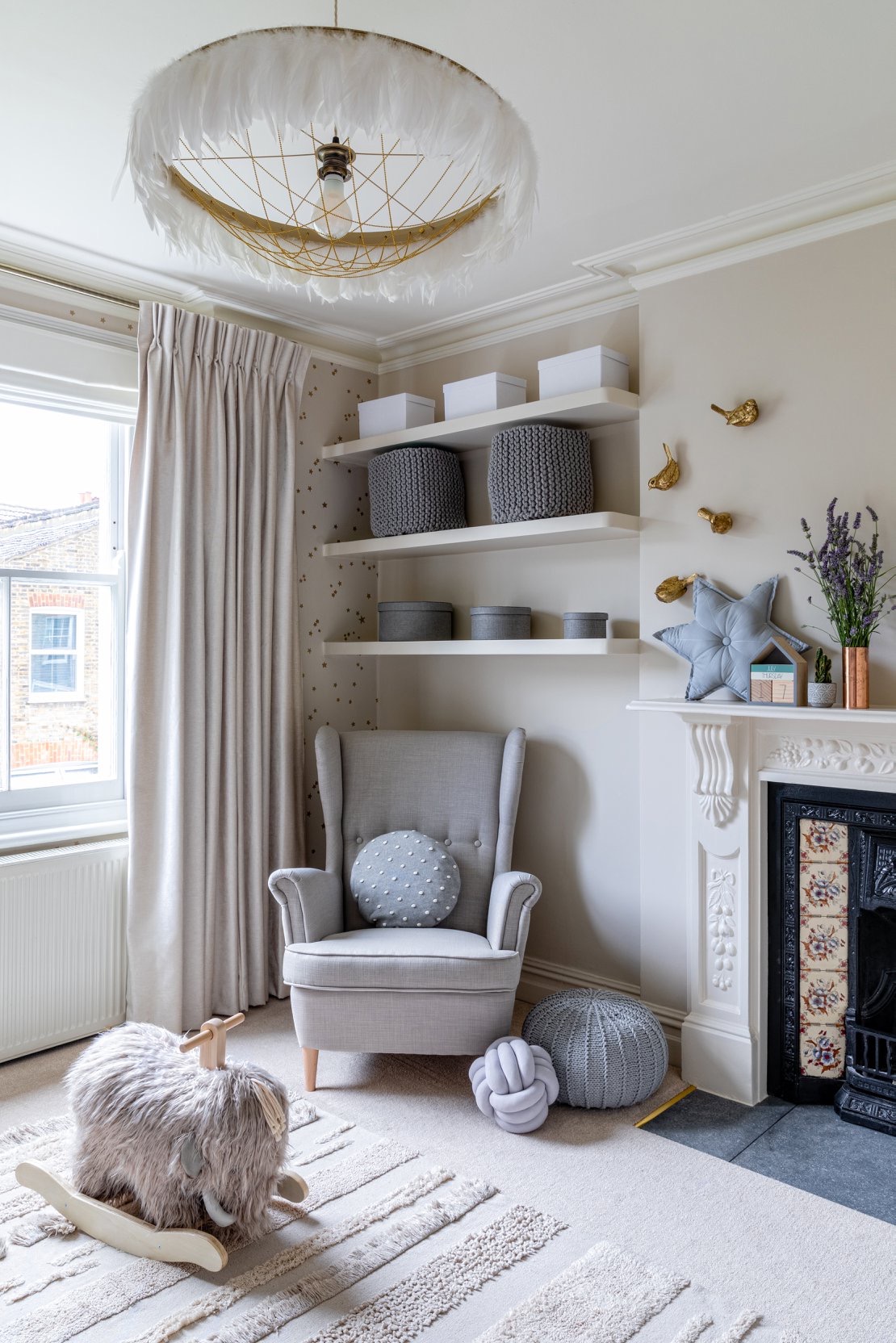
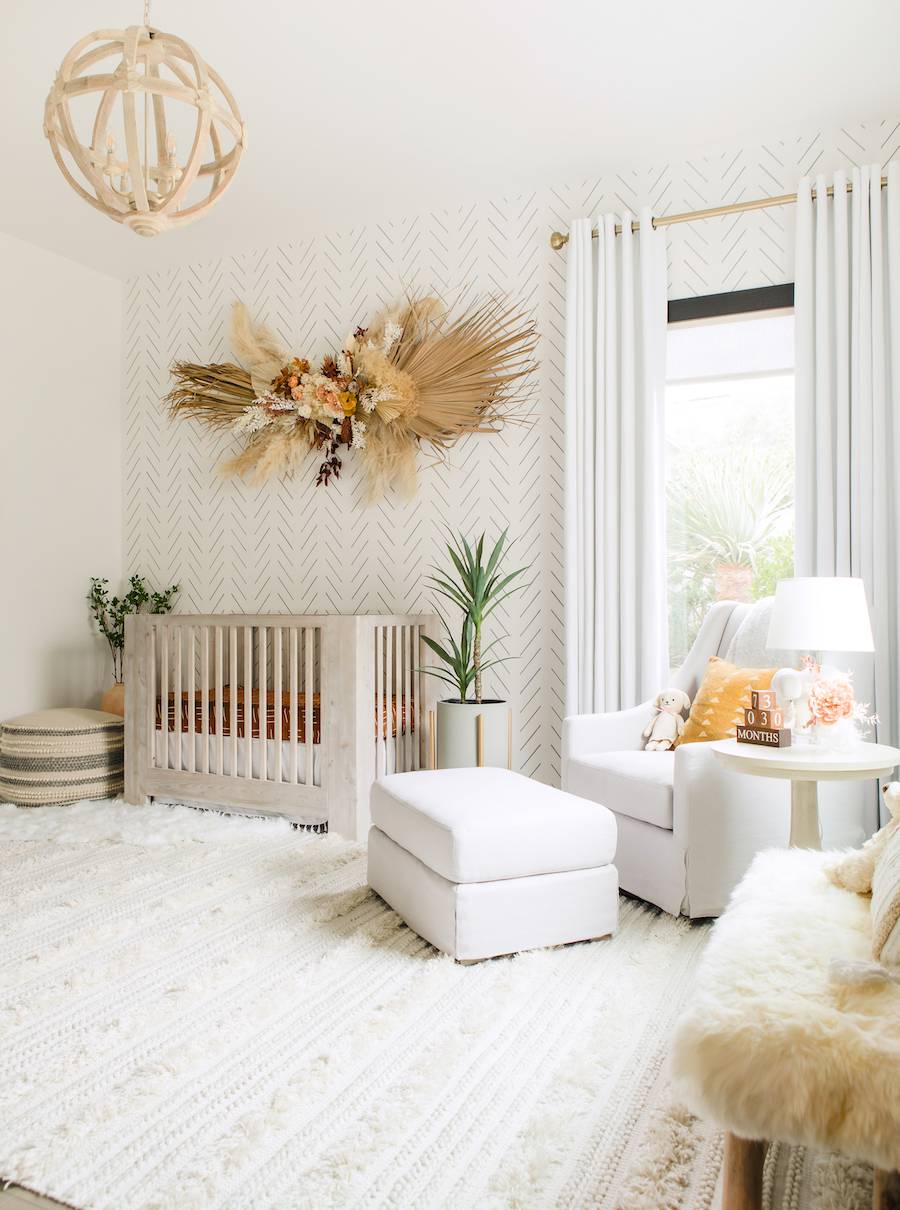
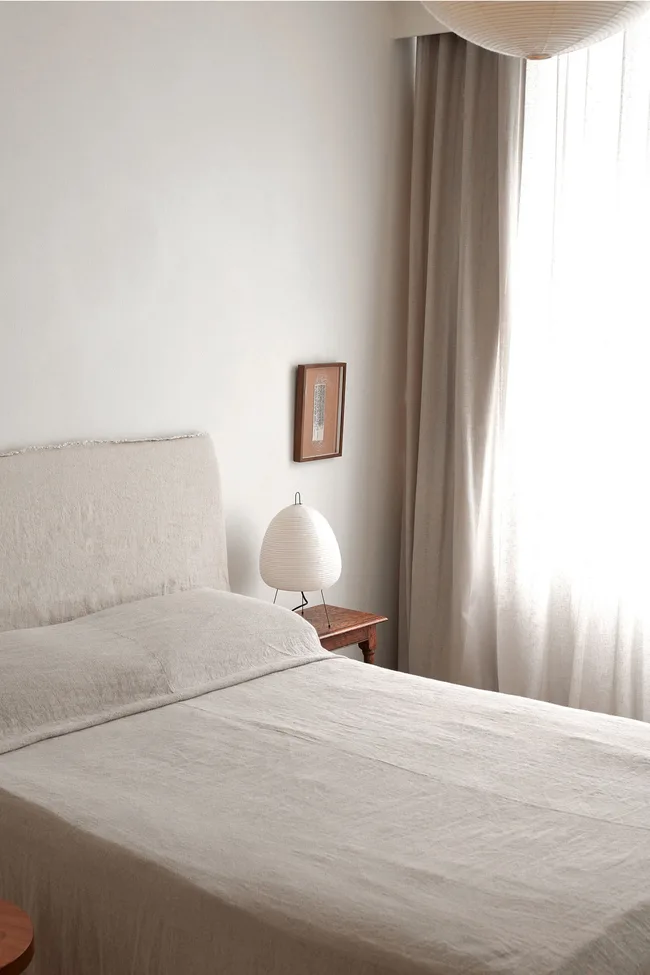
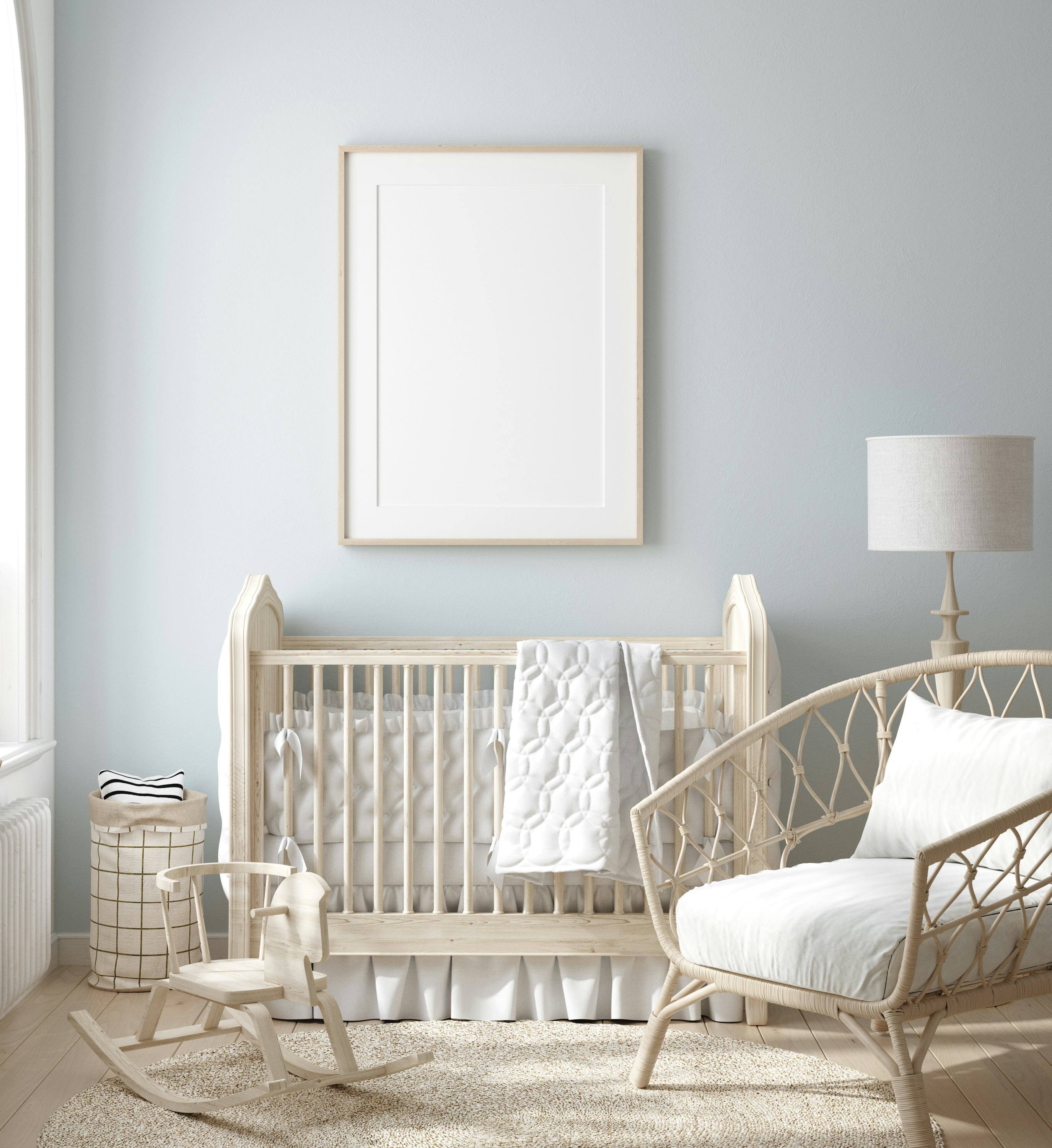
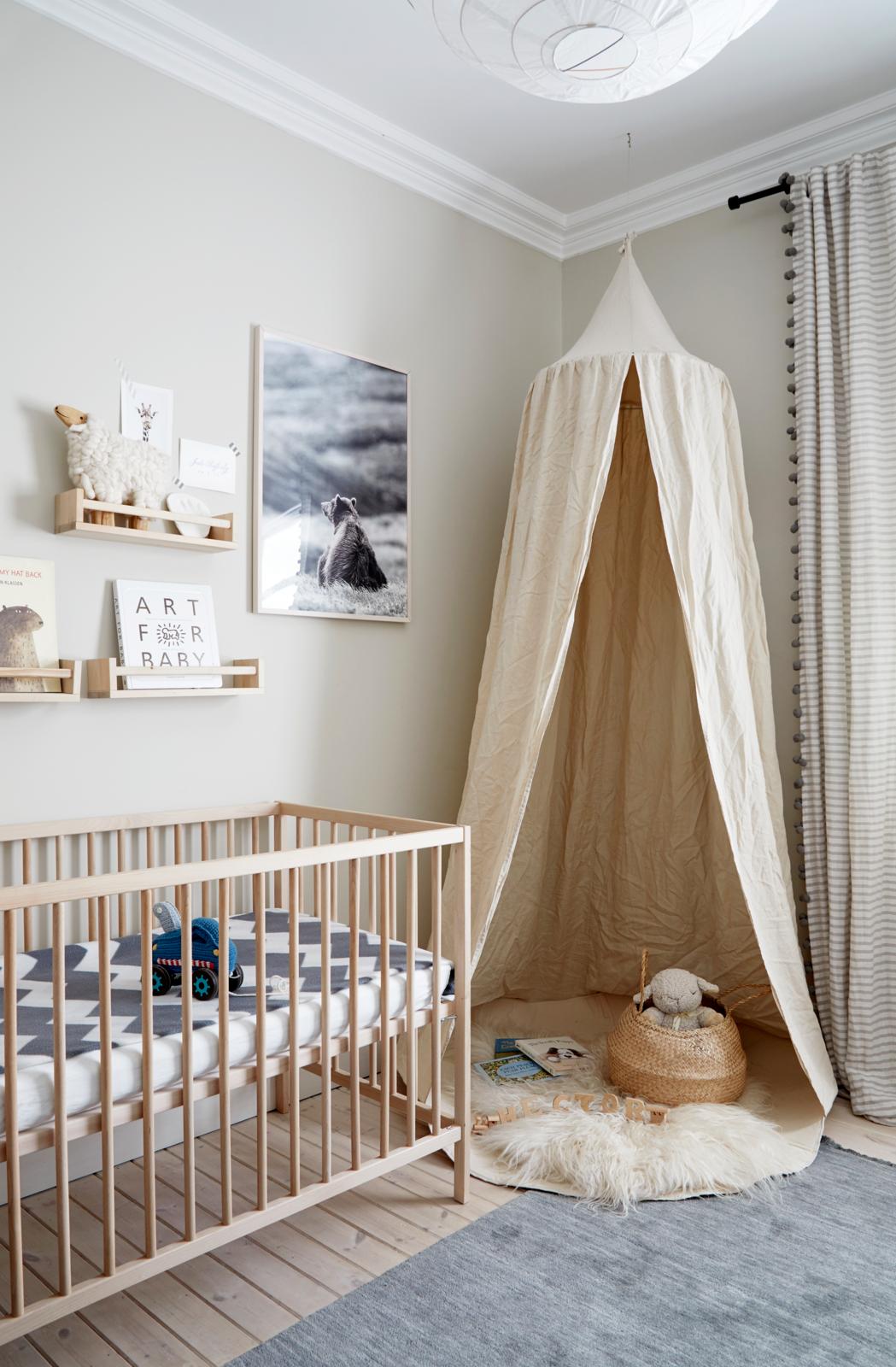
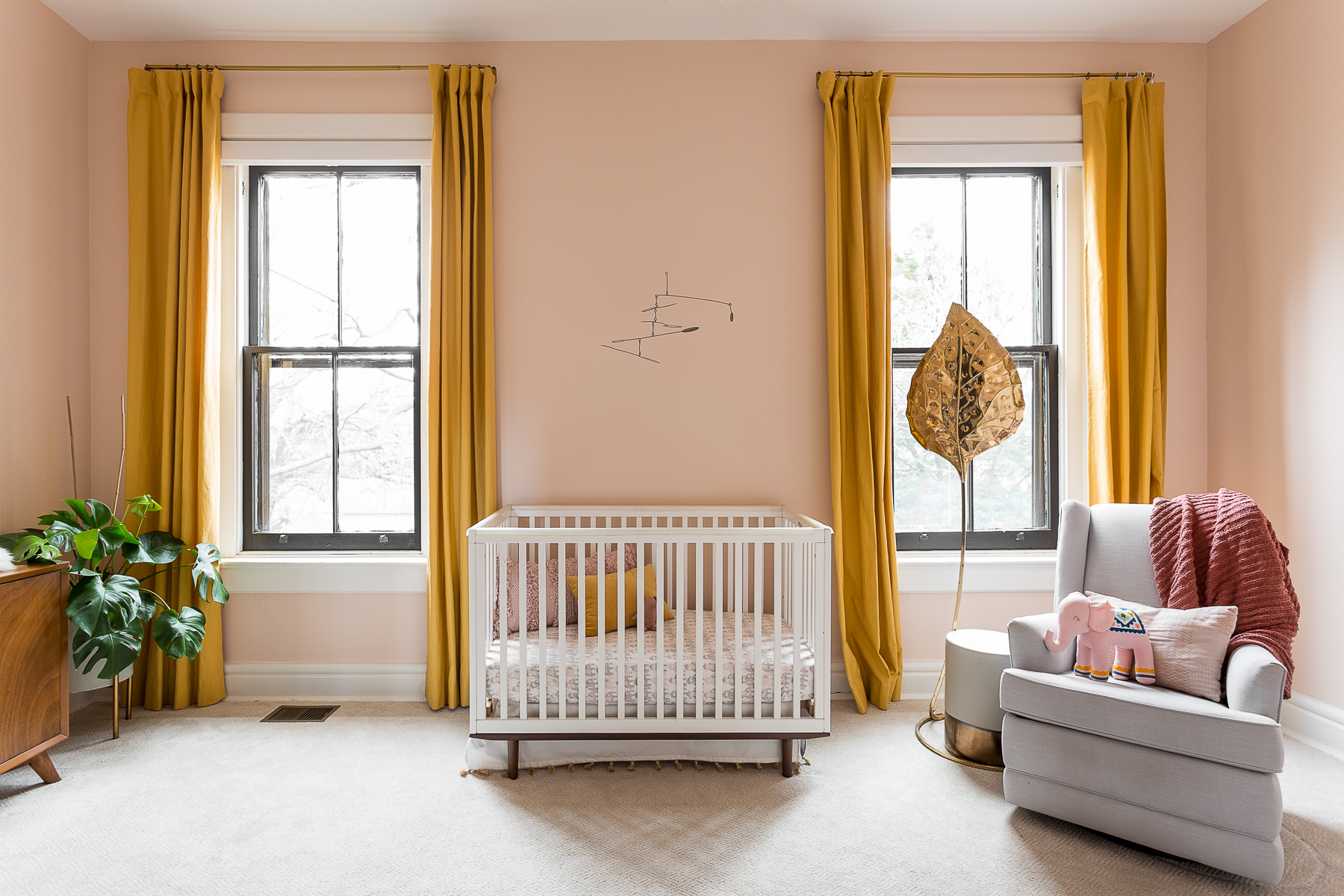
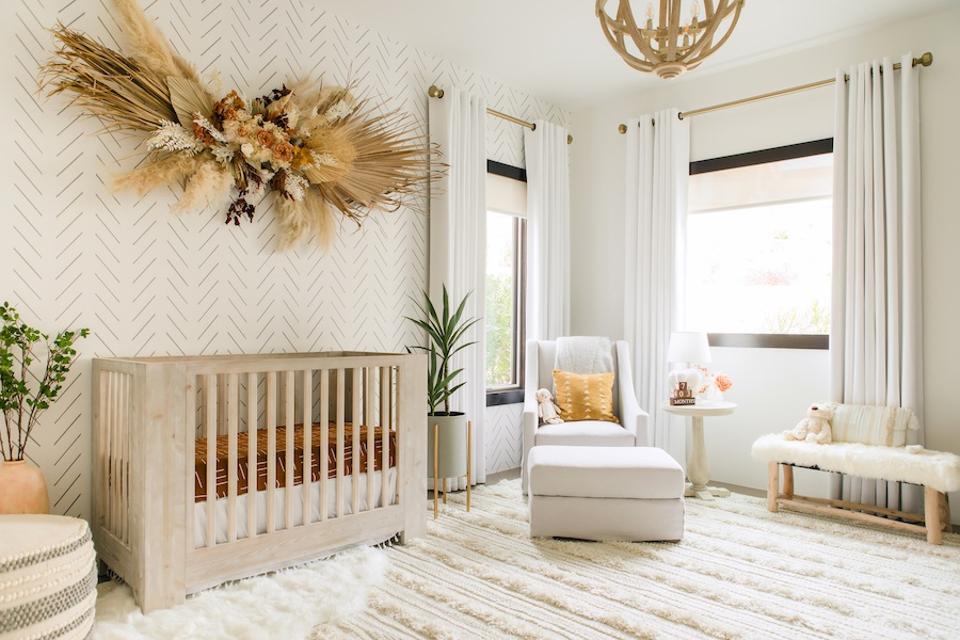
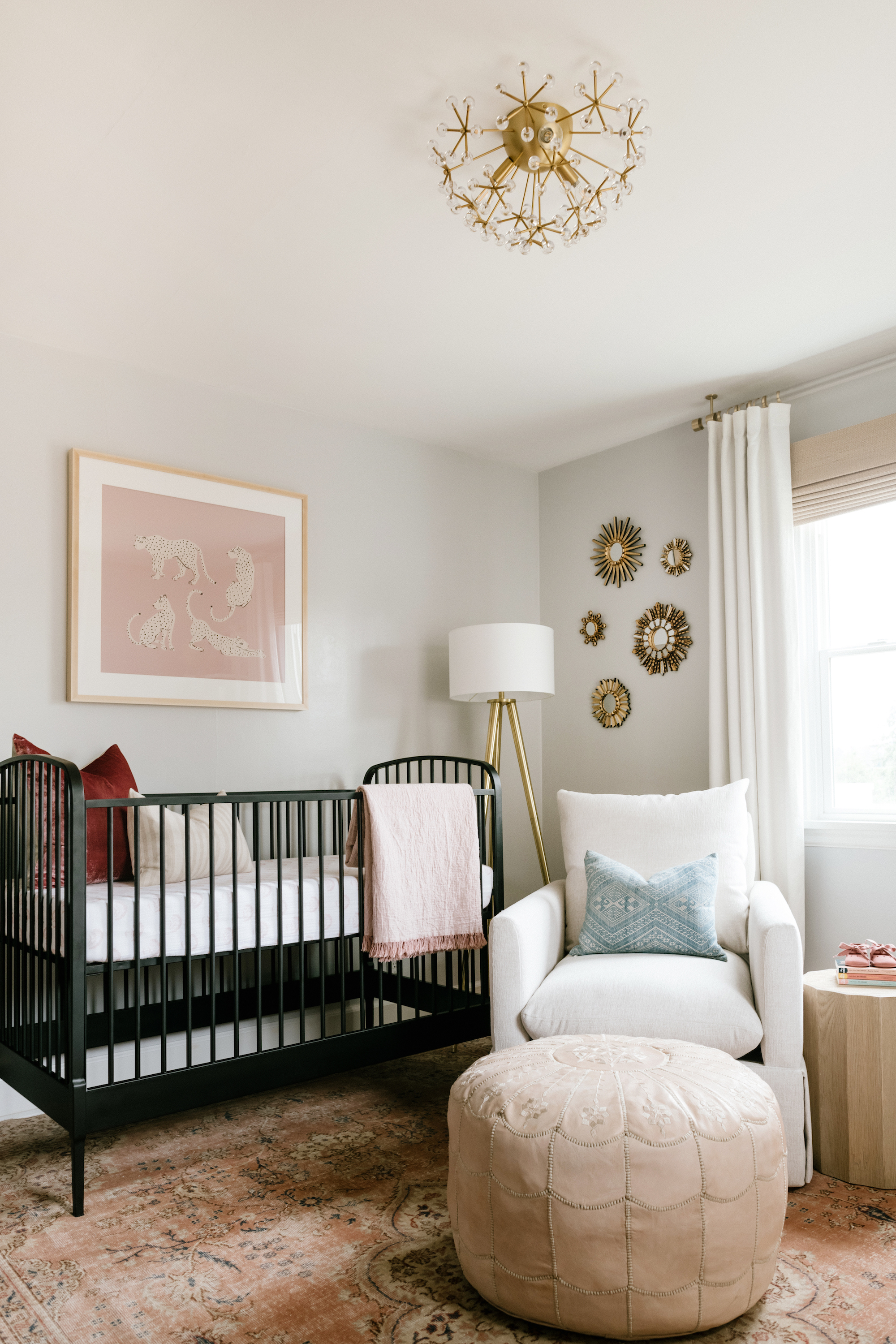
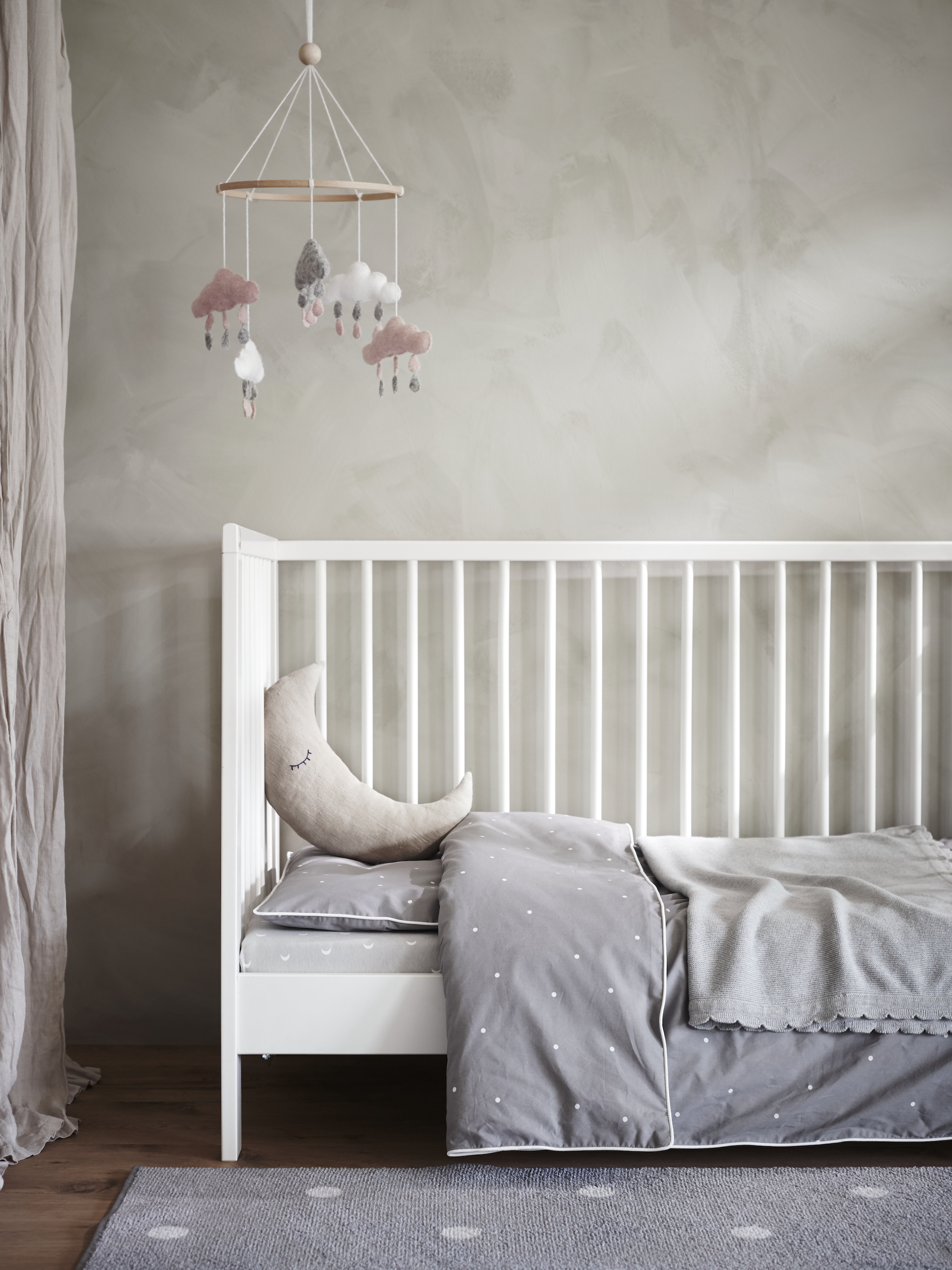
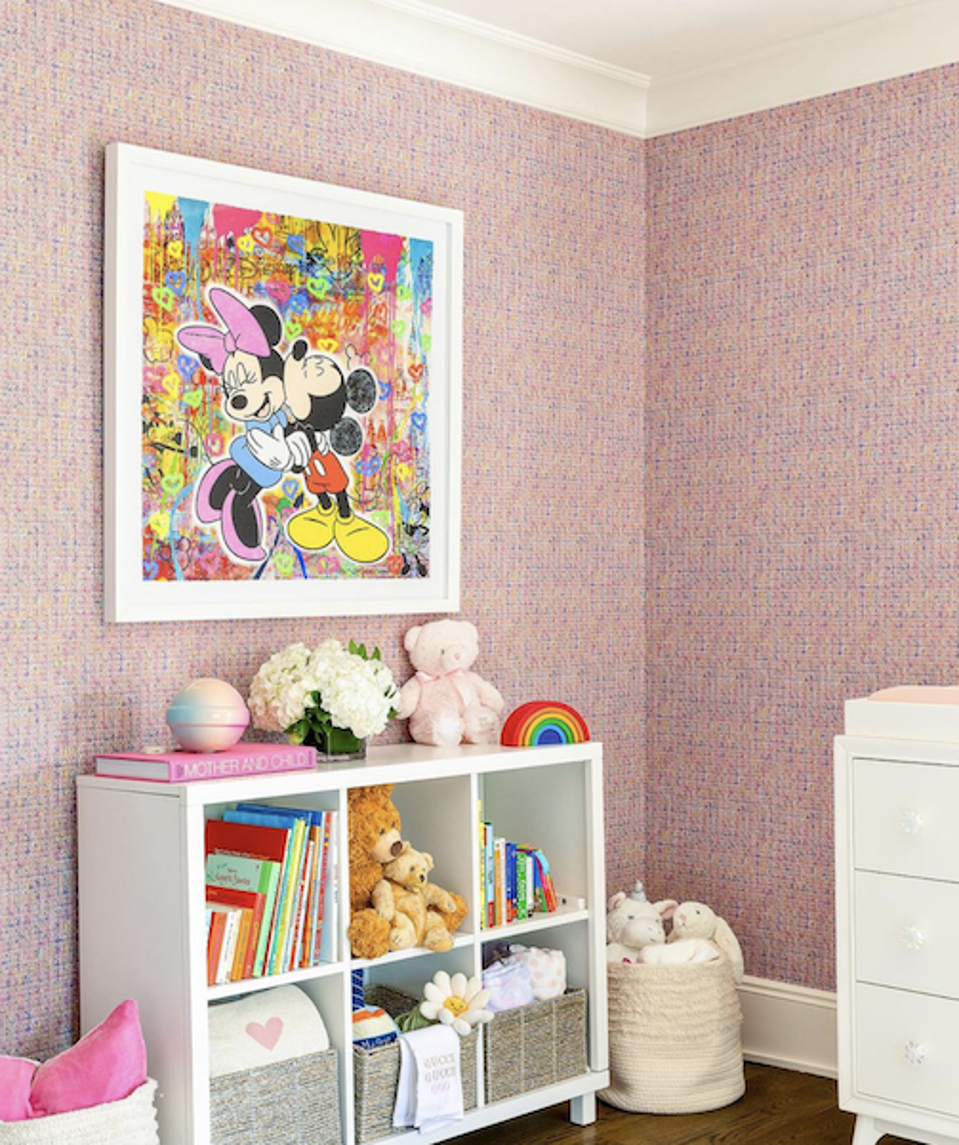
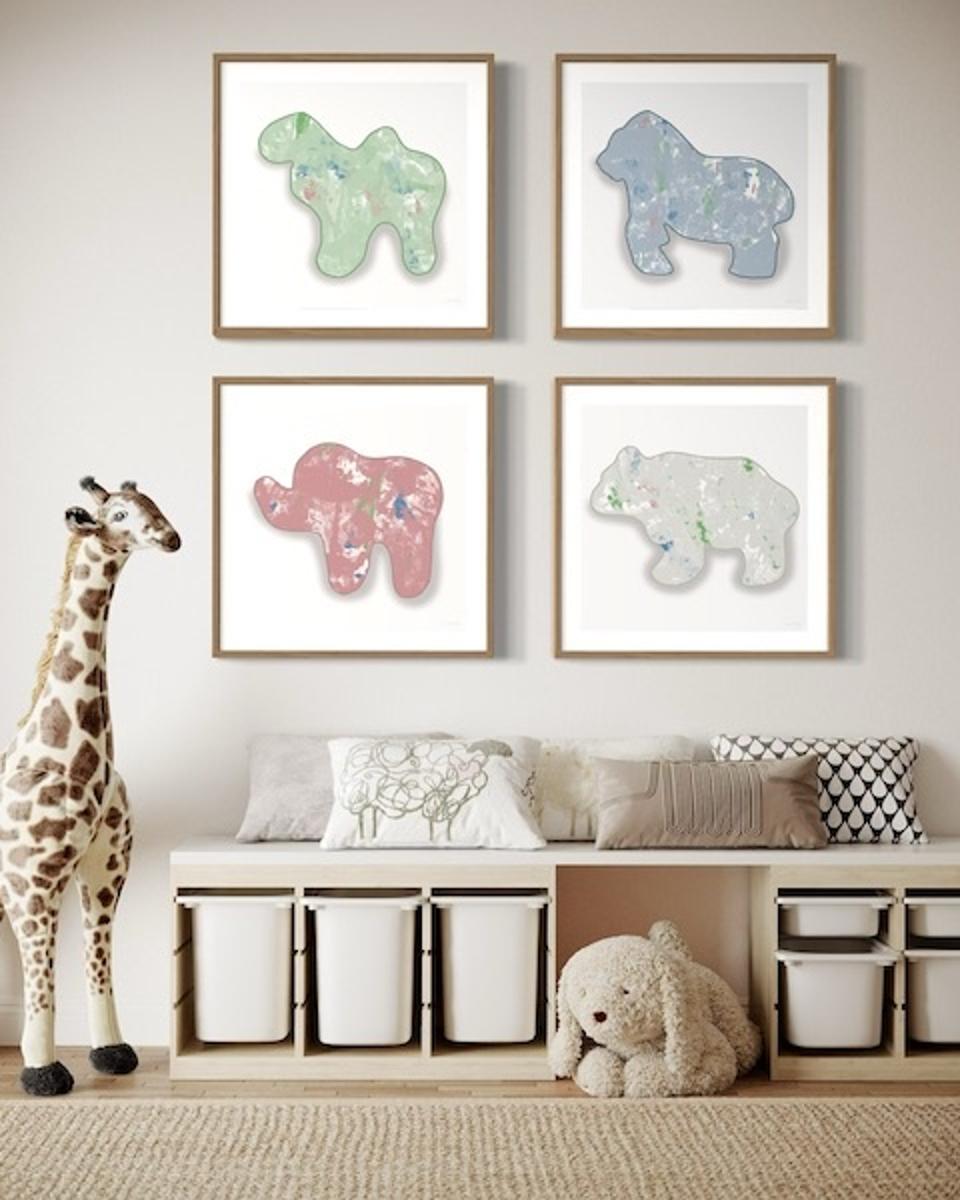
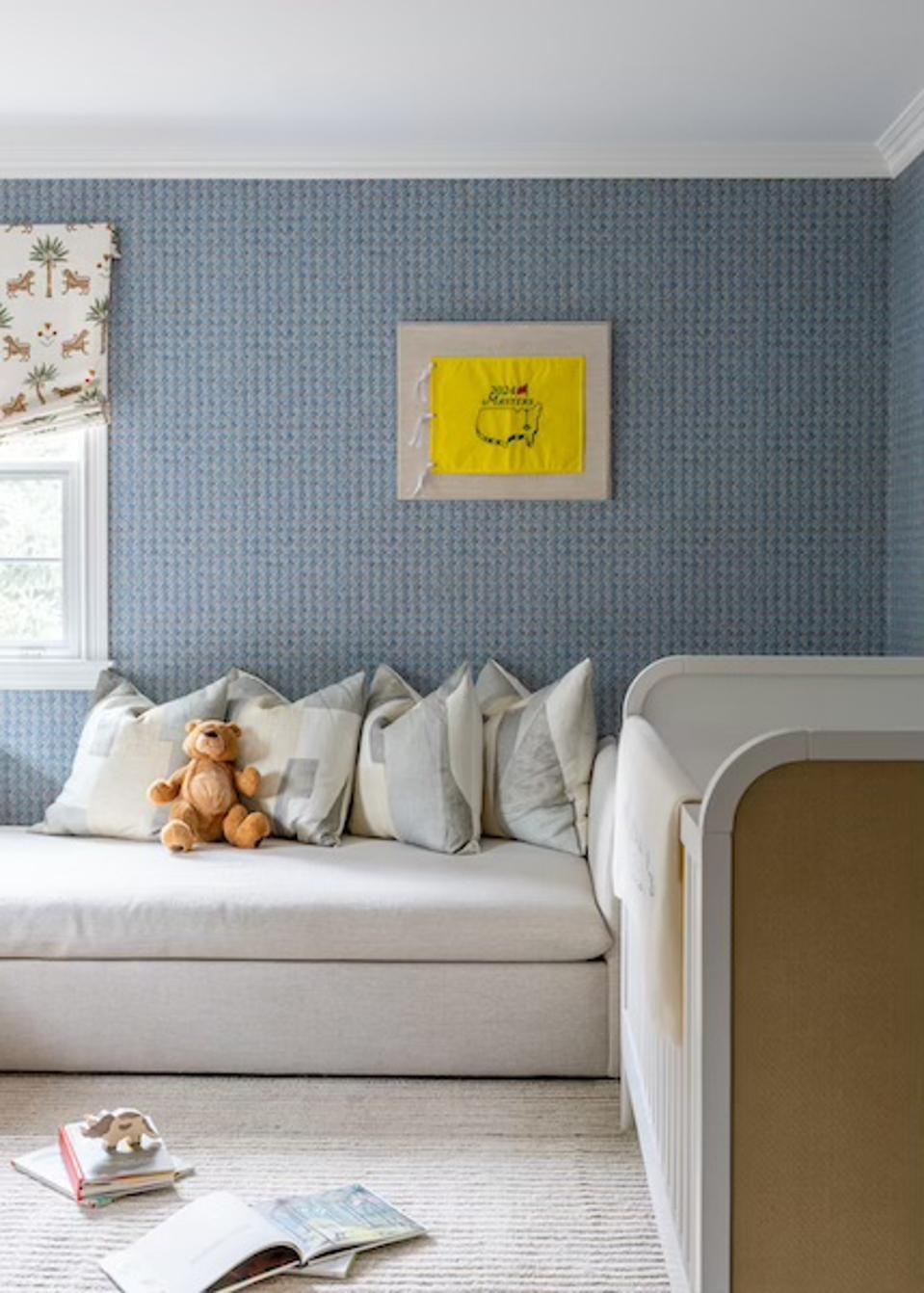
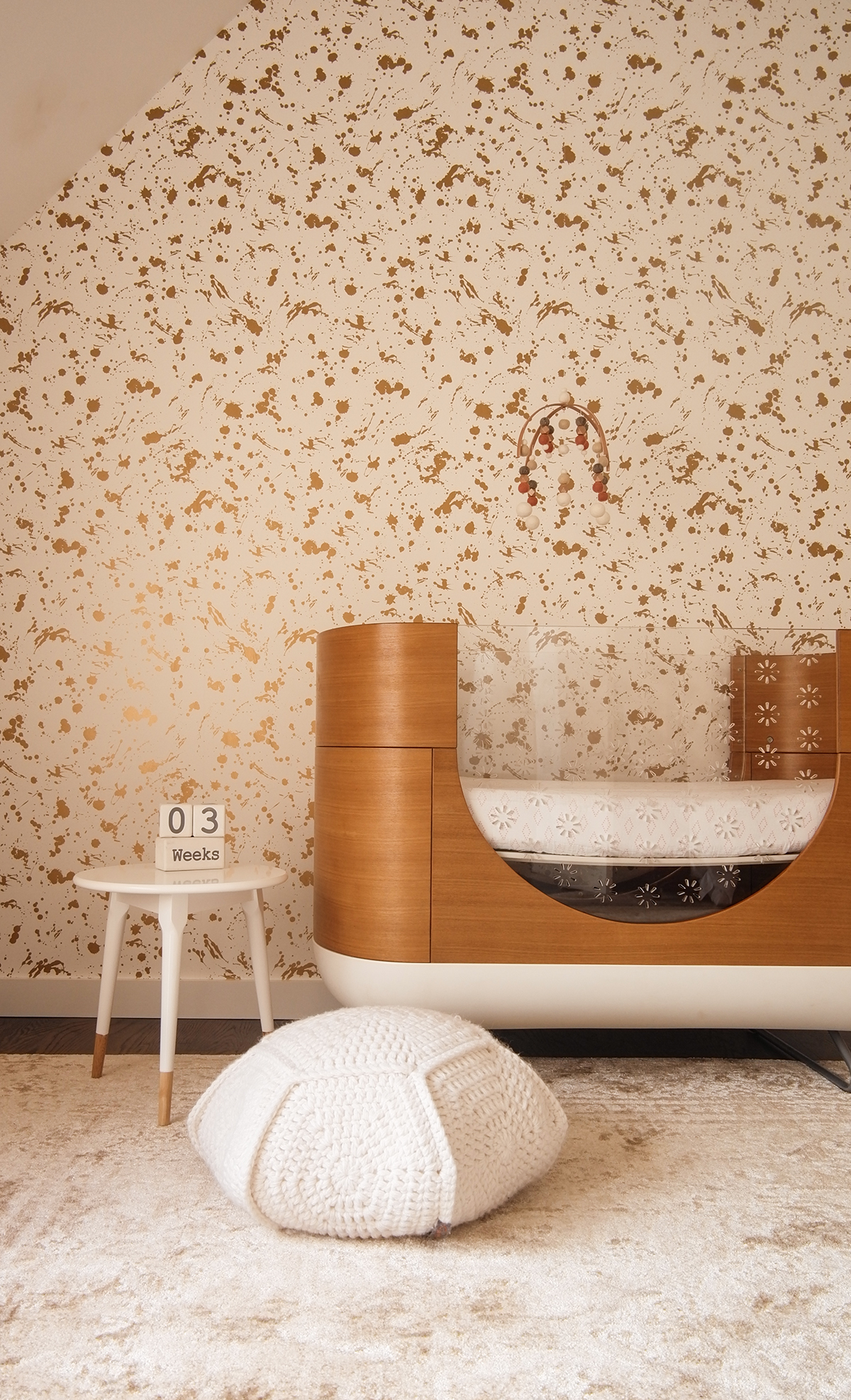
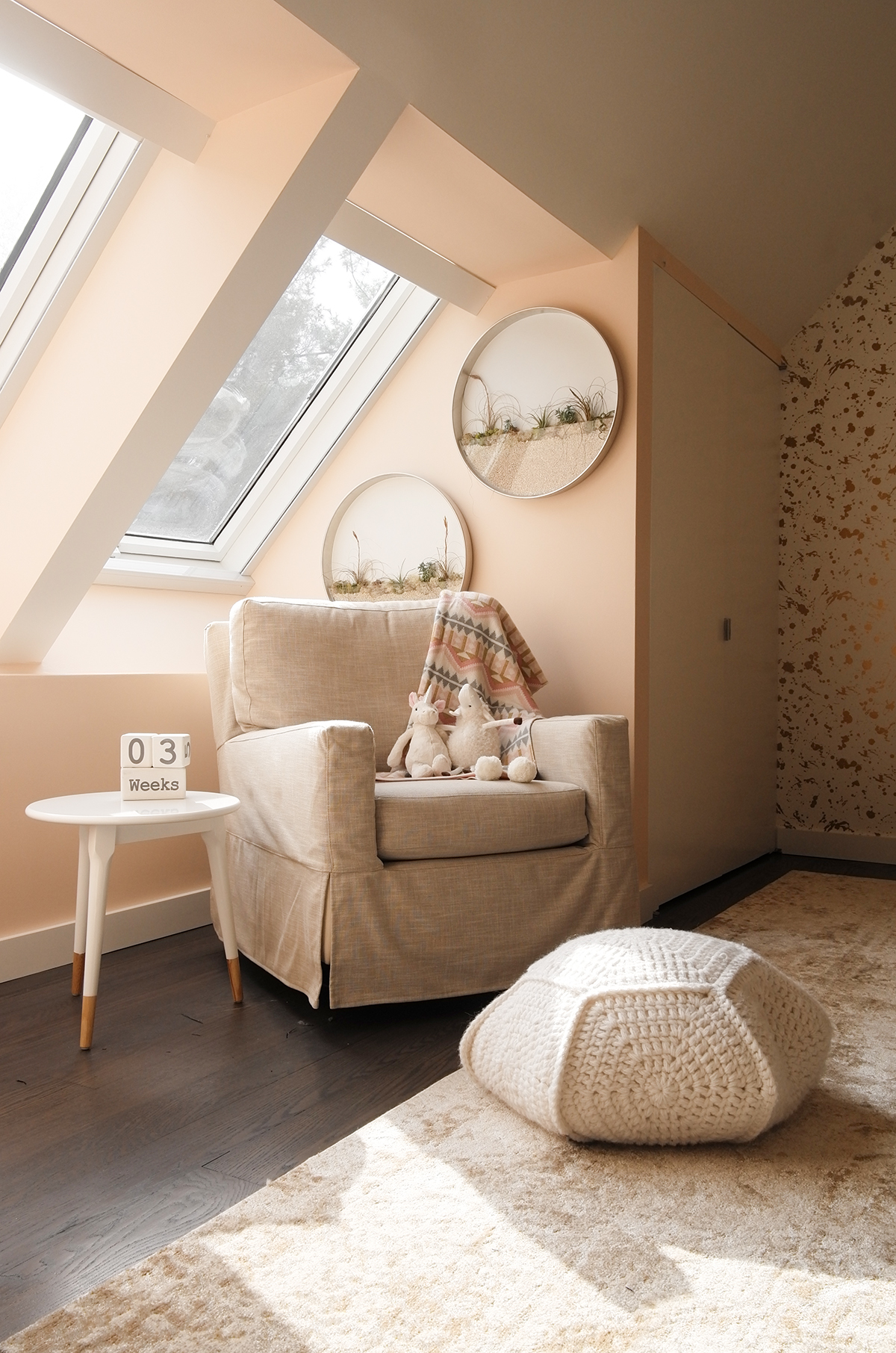
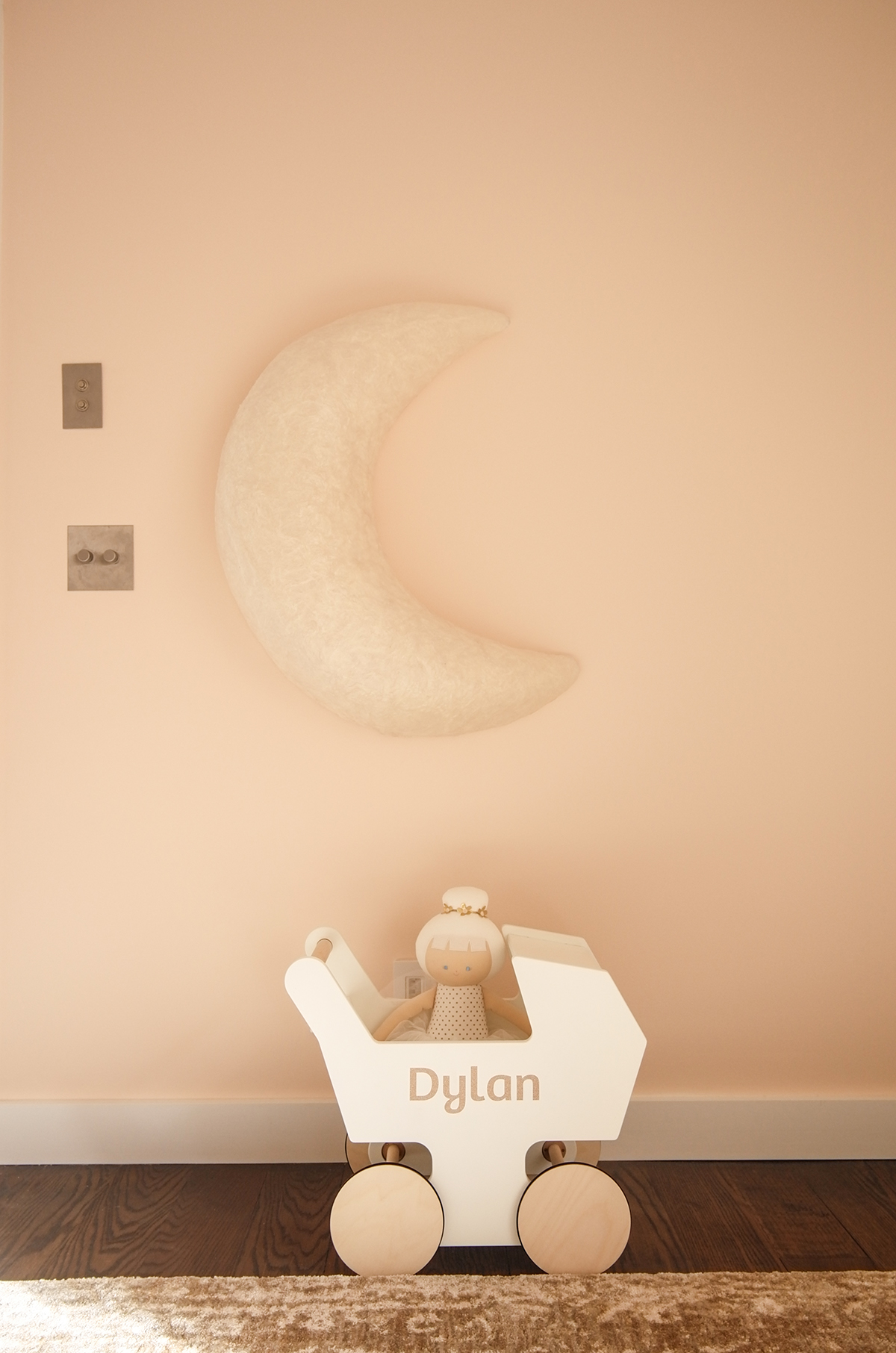
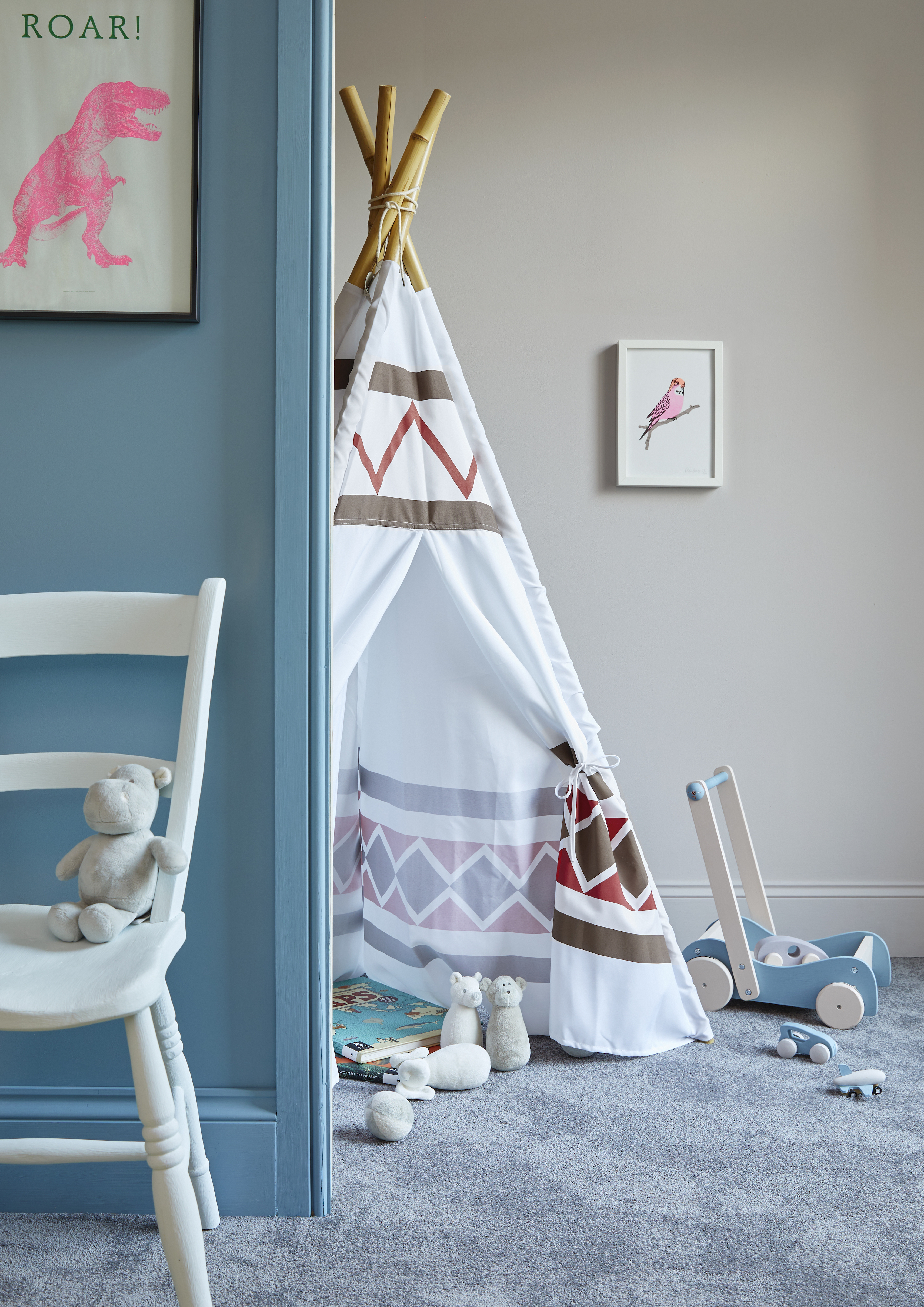
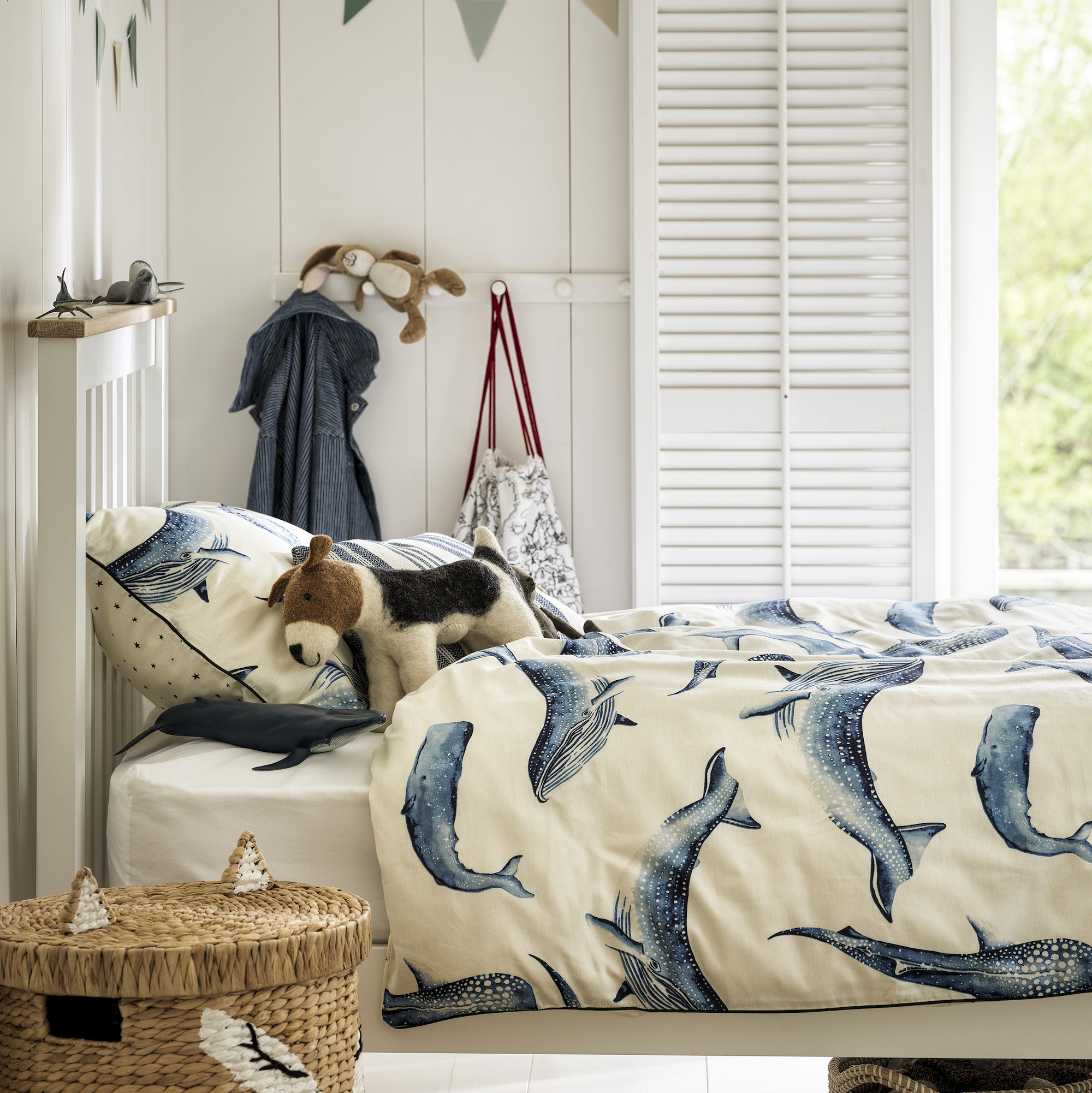
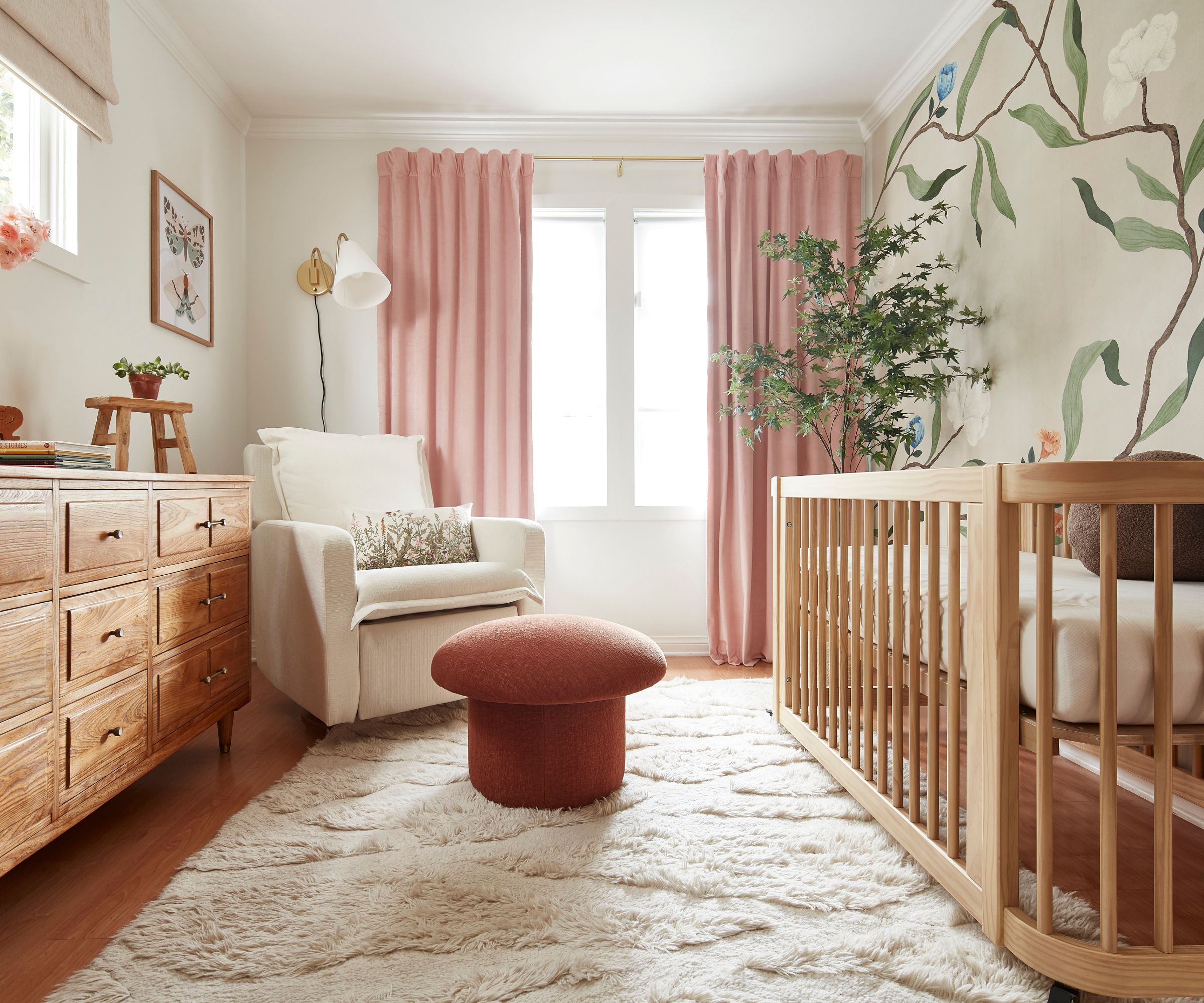
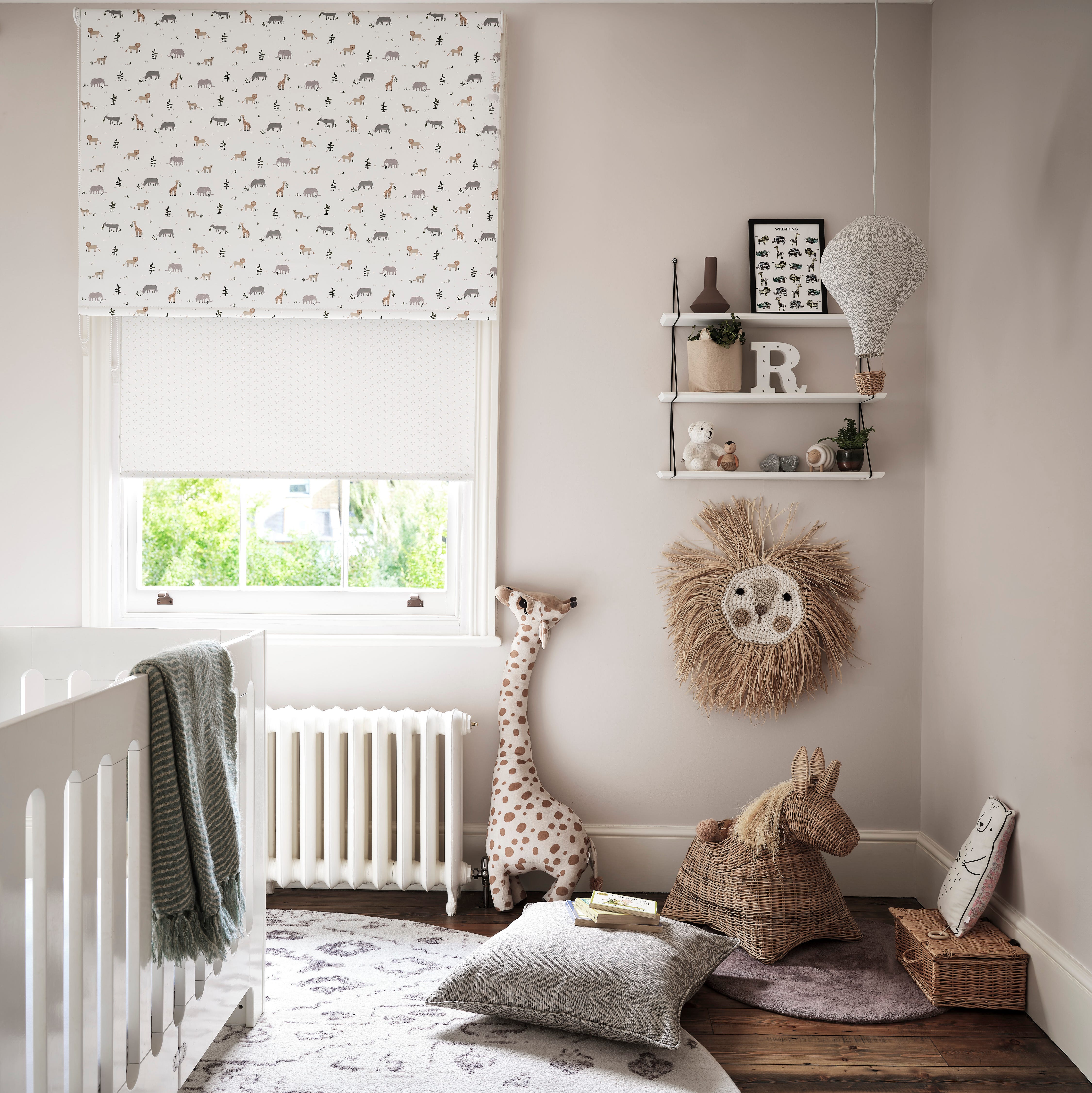
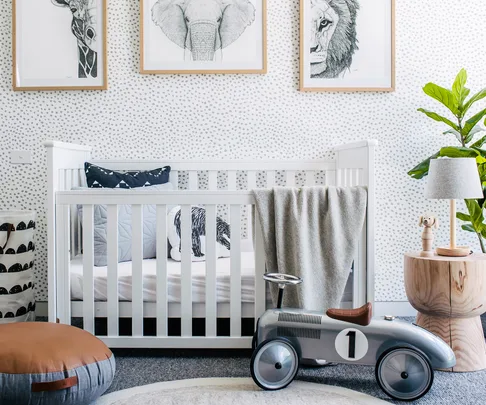
Creating a neutral nursery offers a timeless and calming environment for a newborn, adaptable to changing styles and tastes as the child grows. The approach focuses on subtle hues and layered textures to prevent blandness while incorporating elements of visual interest and playfulness. Utilizing warm neutrals and beiges as a base provides depth and character, with the flexibility to refresh the space by simply changing accessories or accent colors, eliminating the need for frequent repainting.
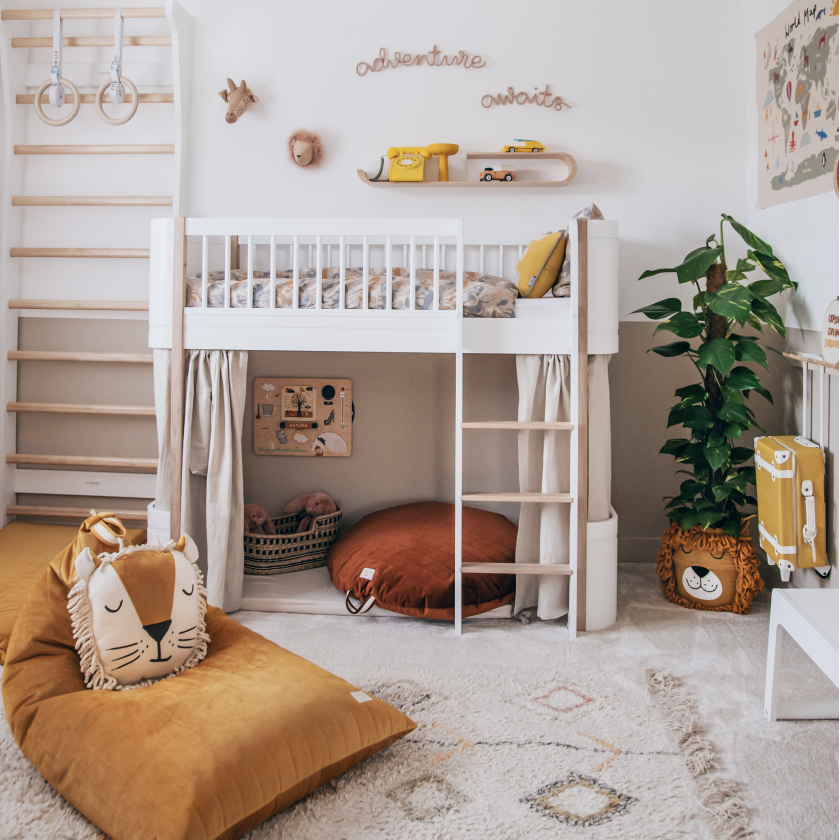
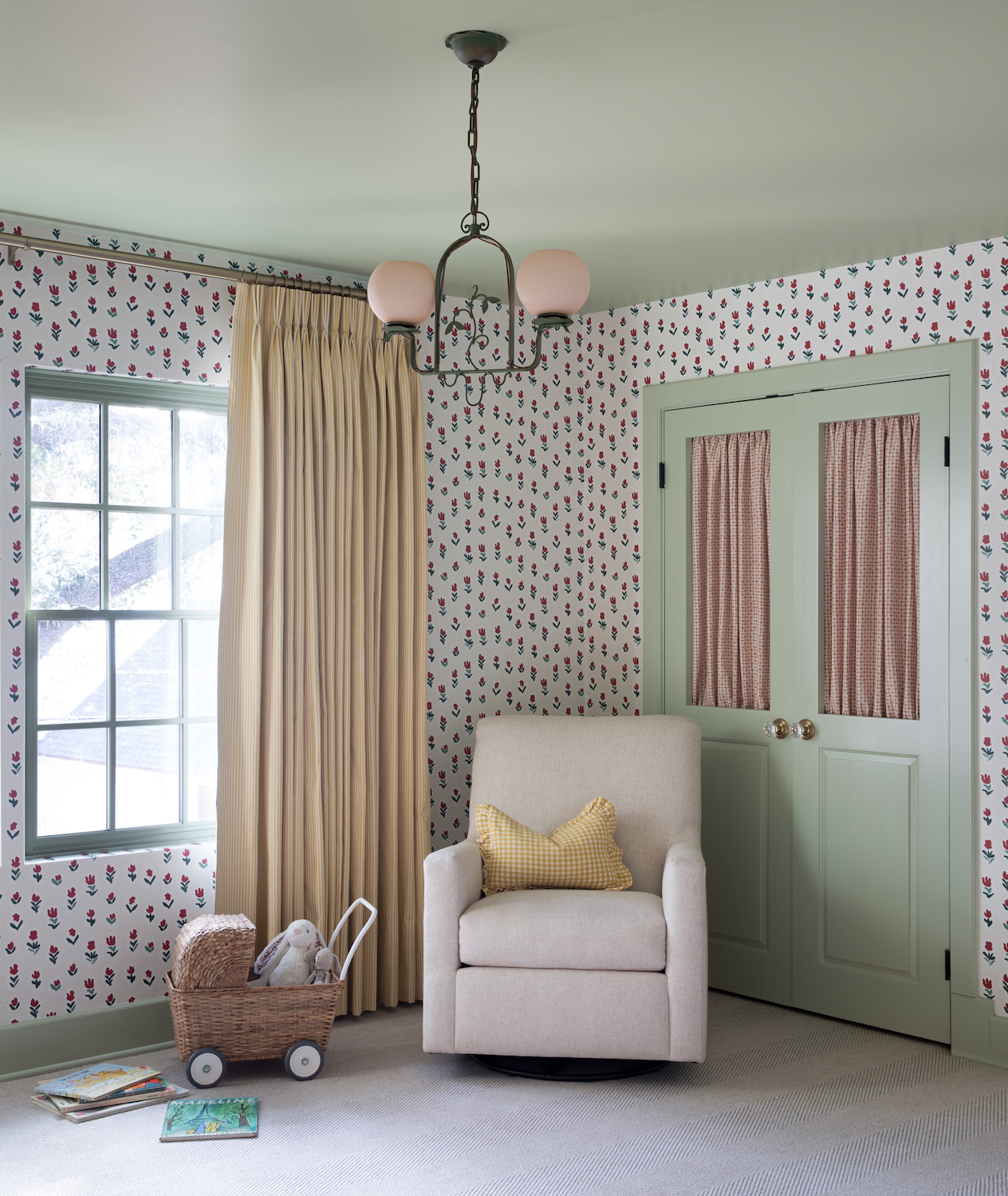
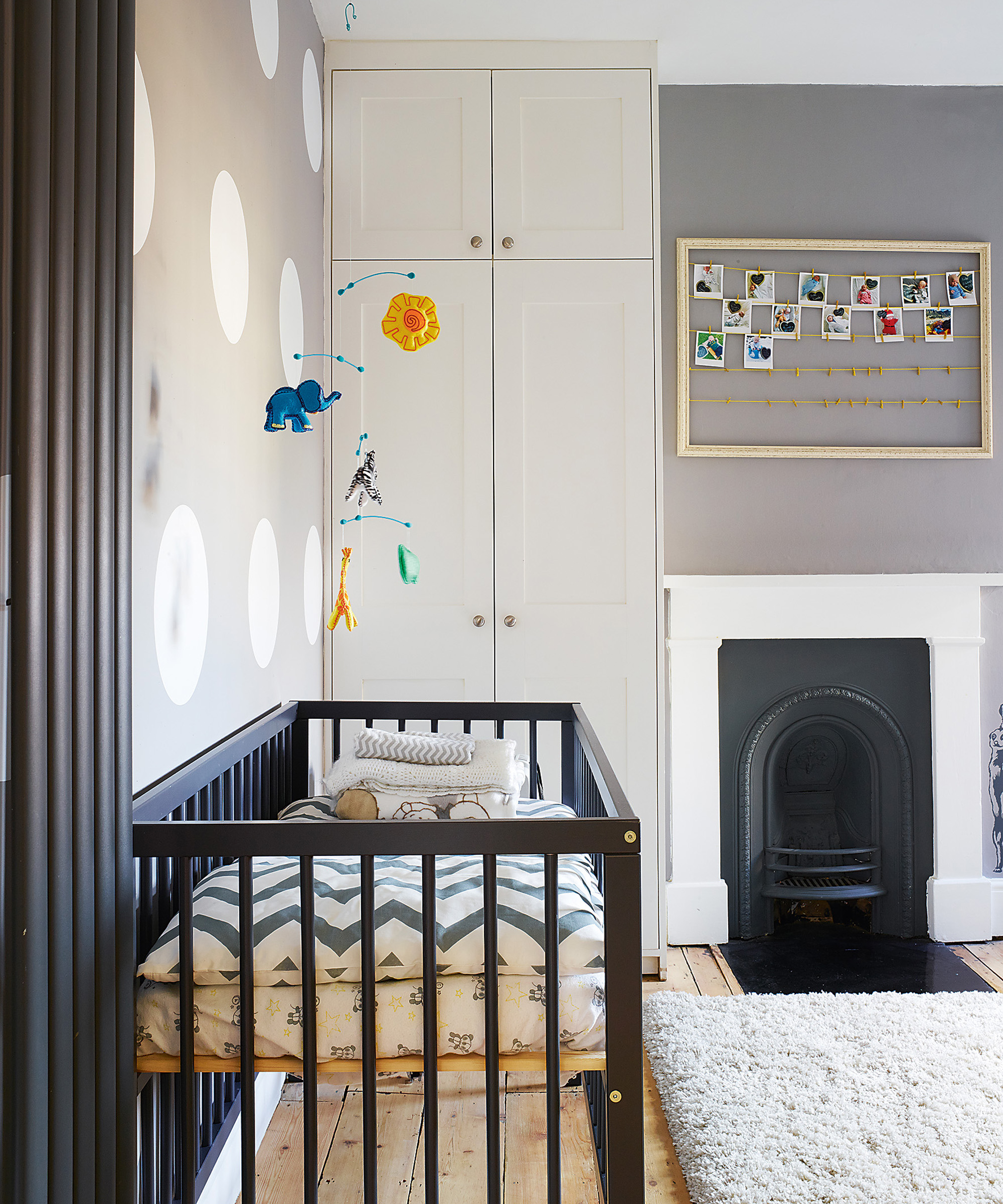
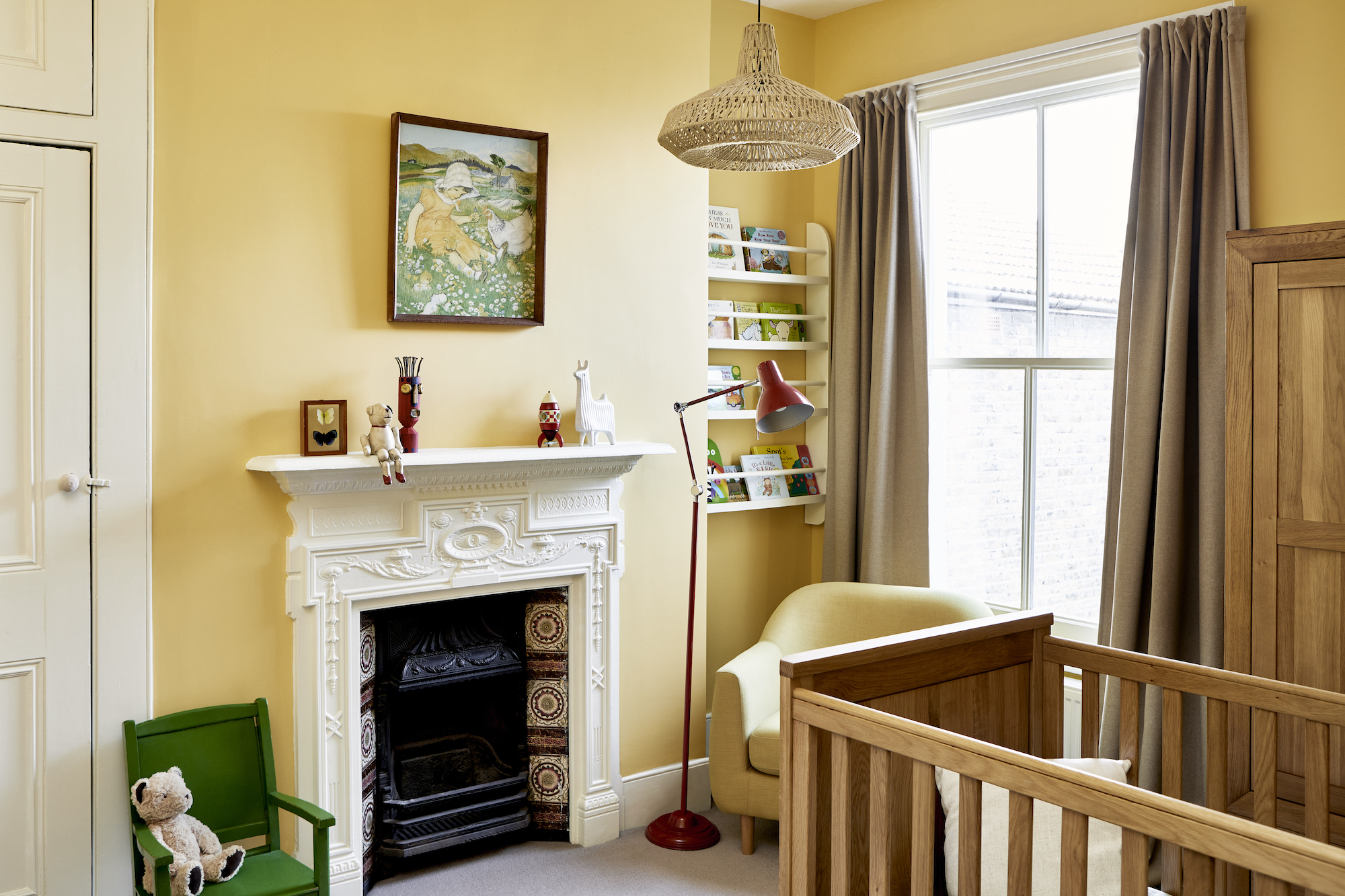
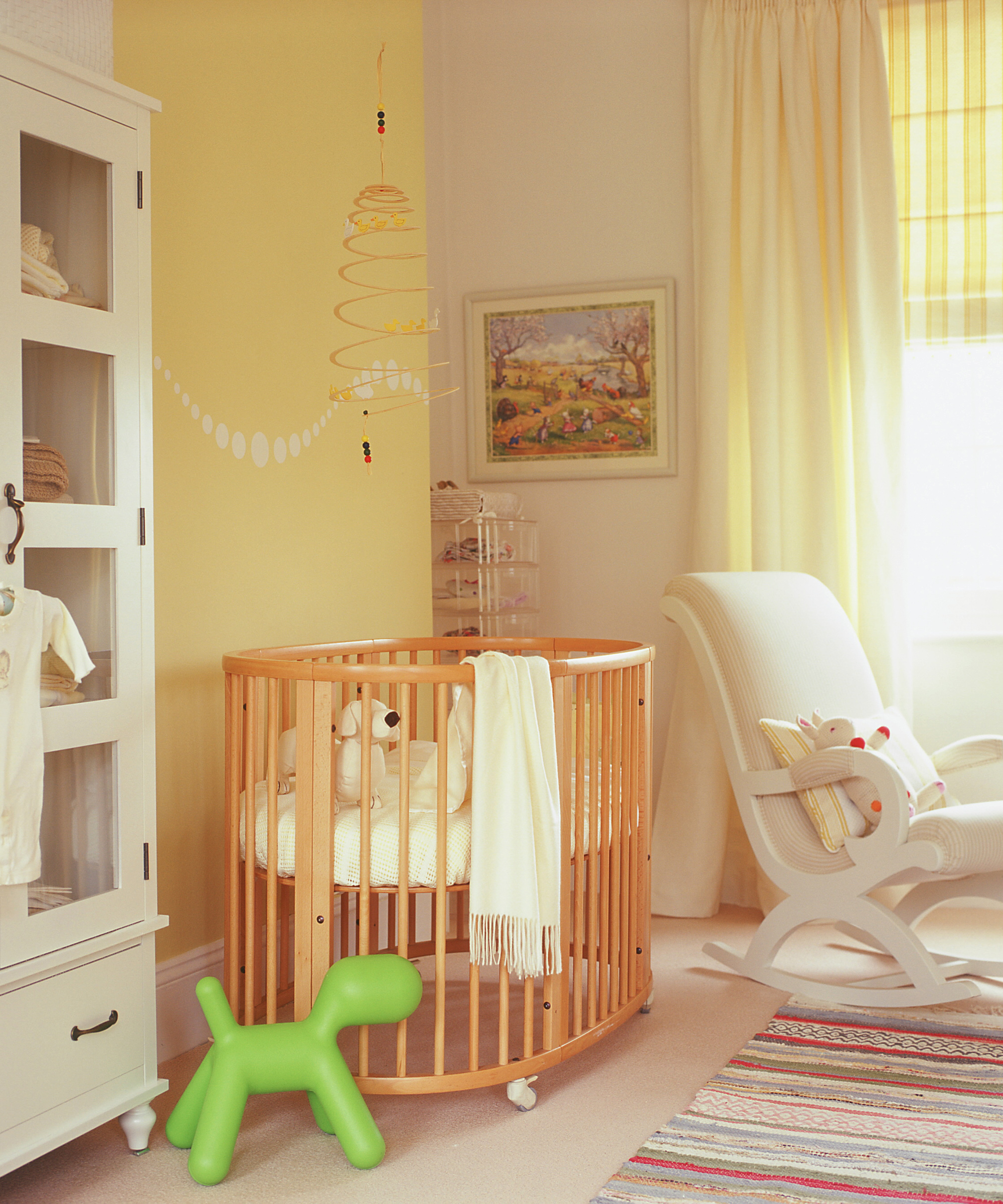
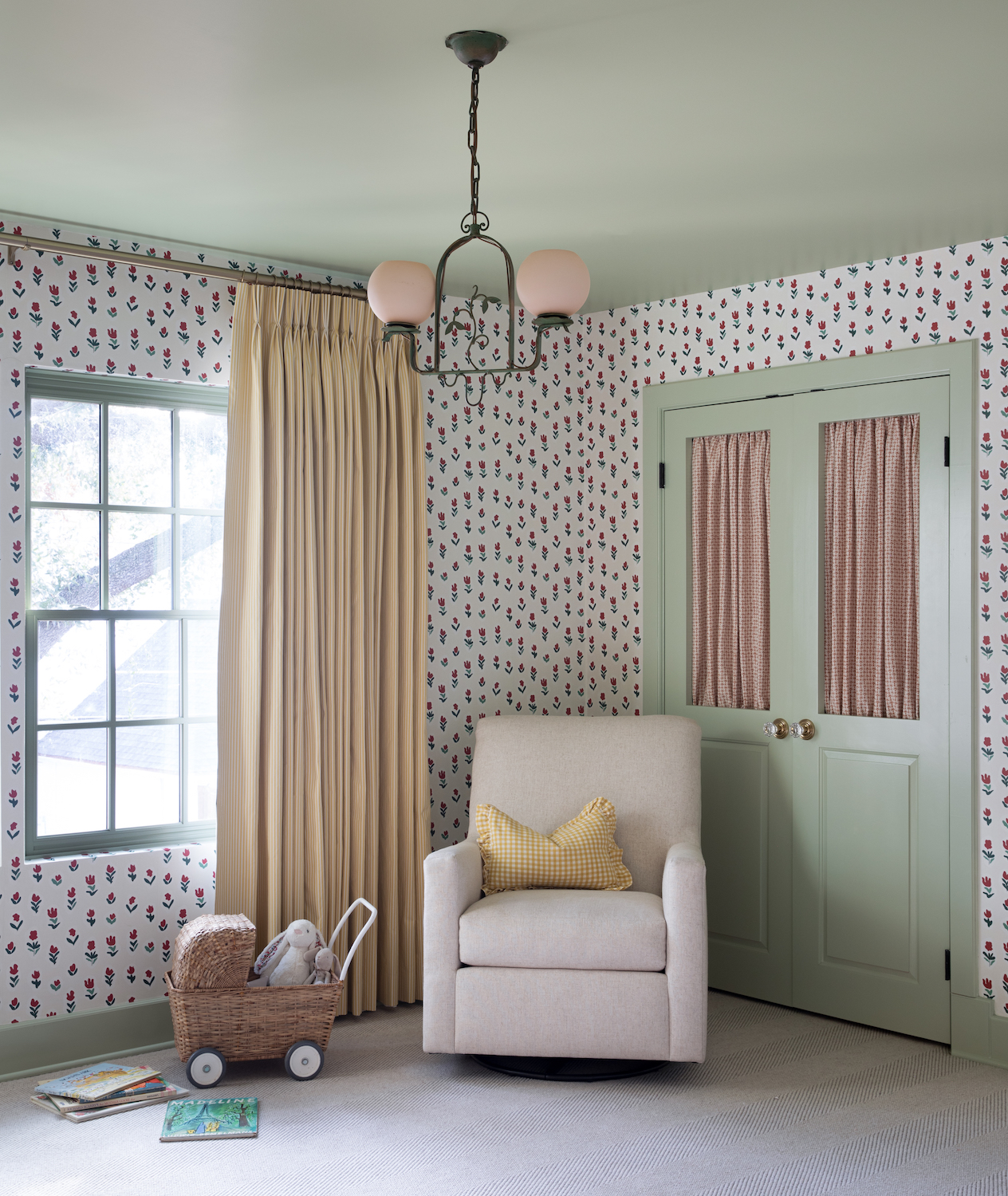
Several design strategies can be employed to achieve a compelling neutral nursery. Layering multiple neutral paint colors, such as white, grey, and a muted pale green, adds definition and helps zone specific areas within the room. Incorporating subtle pops of color, like a muted ochre line, further enhances visual appeal. For a touch of energy, colour blocking with carefully selected vibrant shades, such as saffron yellow, can introduce playfulness without overwhelming the serene backdrop, provided the chosen yellow is not overly stimulating. Alternatively, a subtle creamy or buttery hue can offer a warm and inviting feel, serving as a softer alternative to stark white while maintaining brightness and versatility for pairing with other colors.
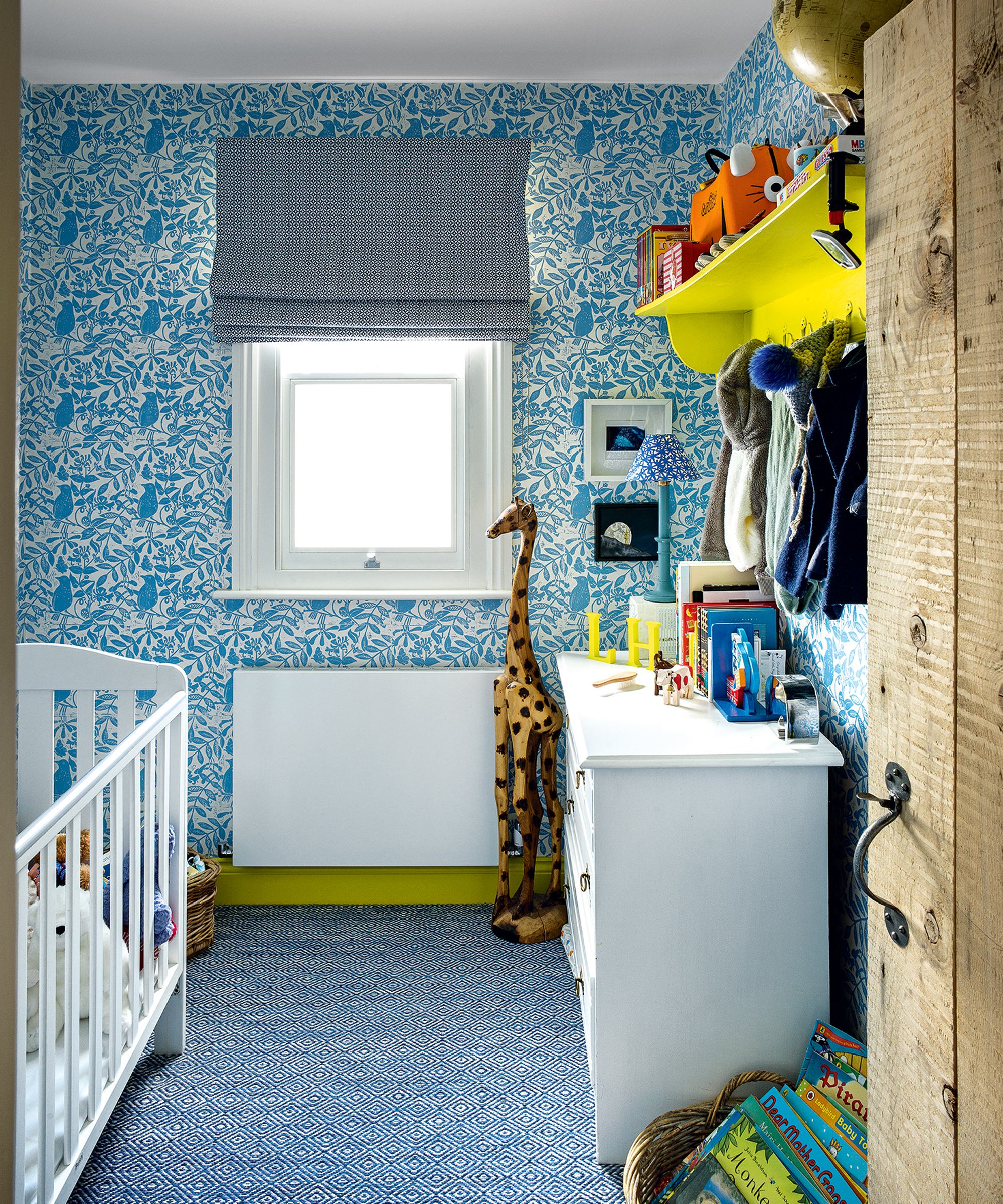
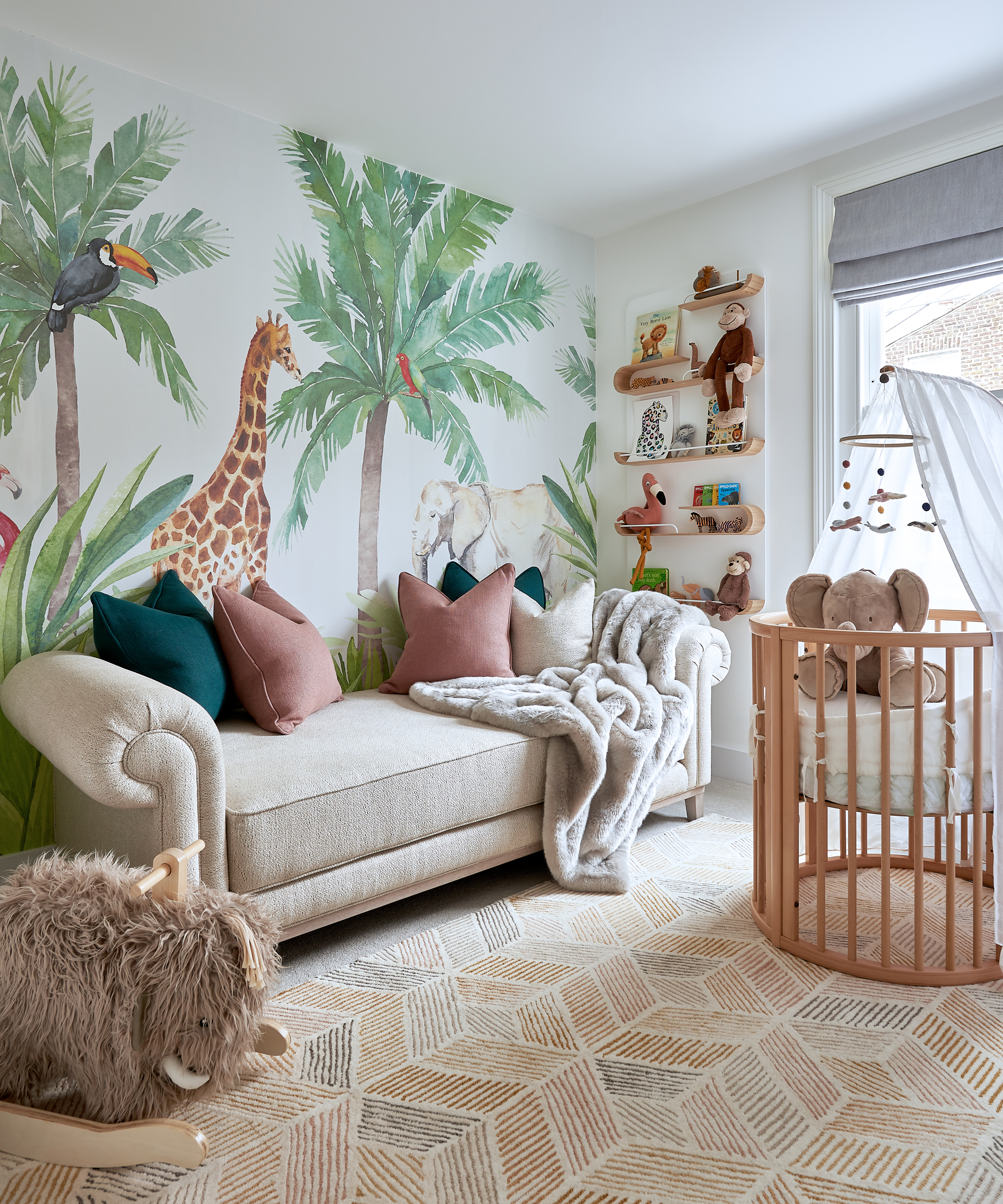
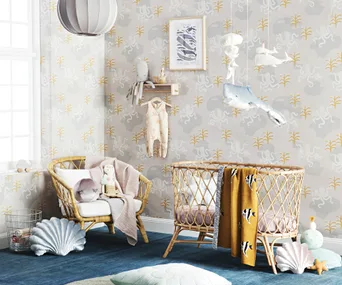
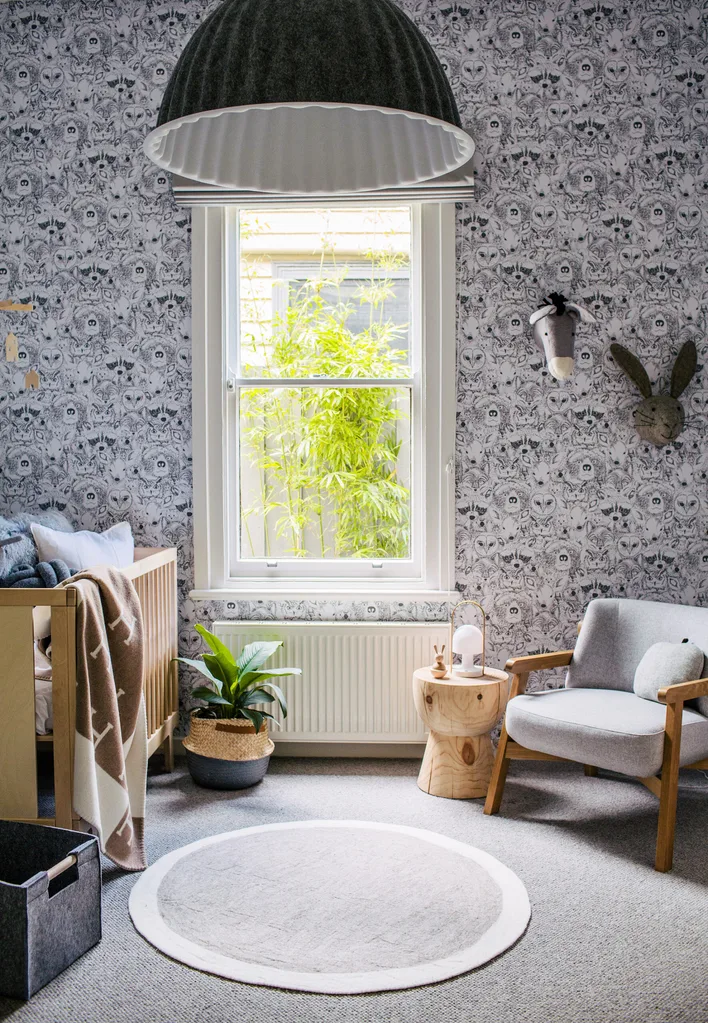
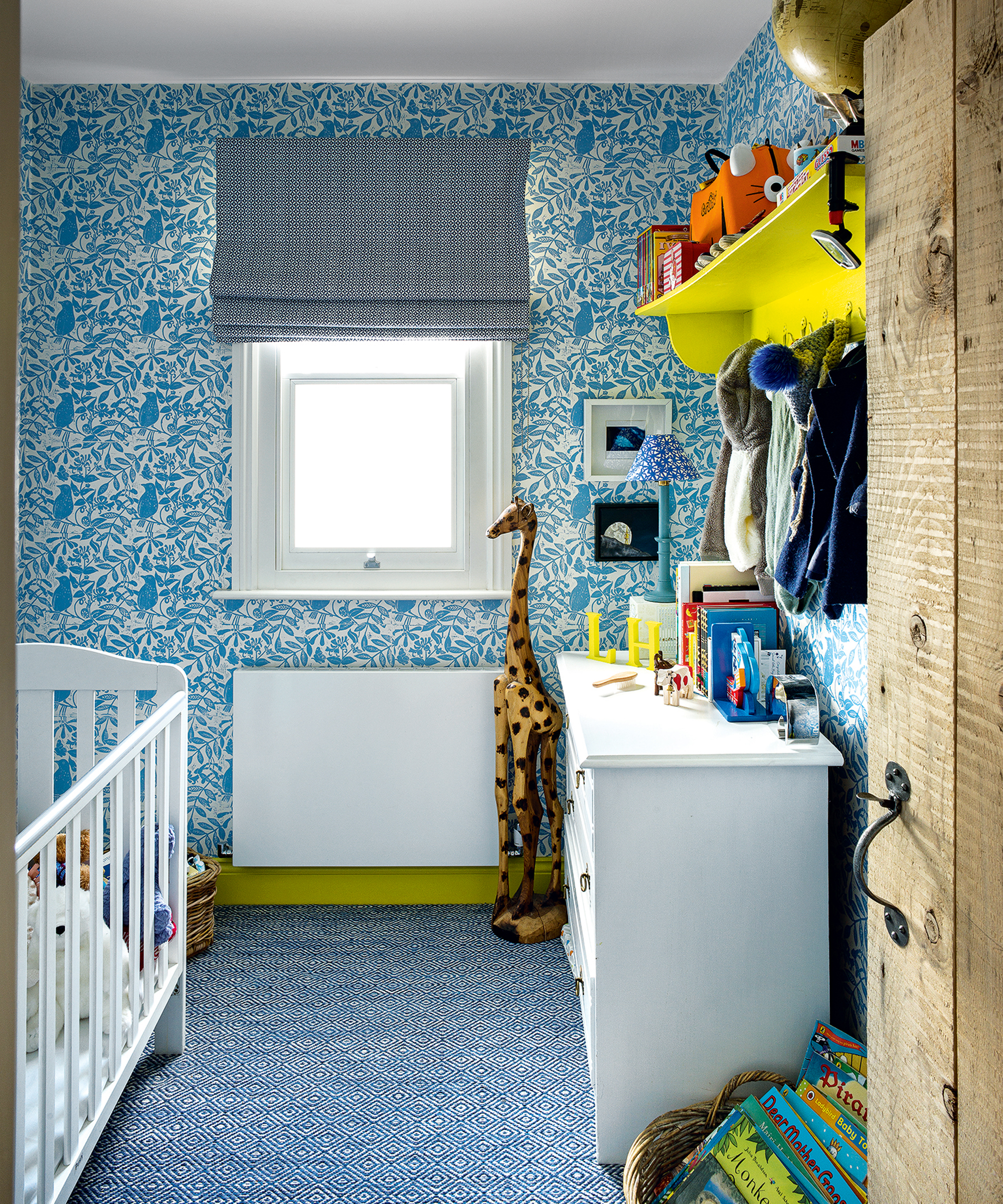
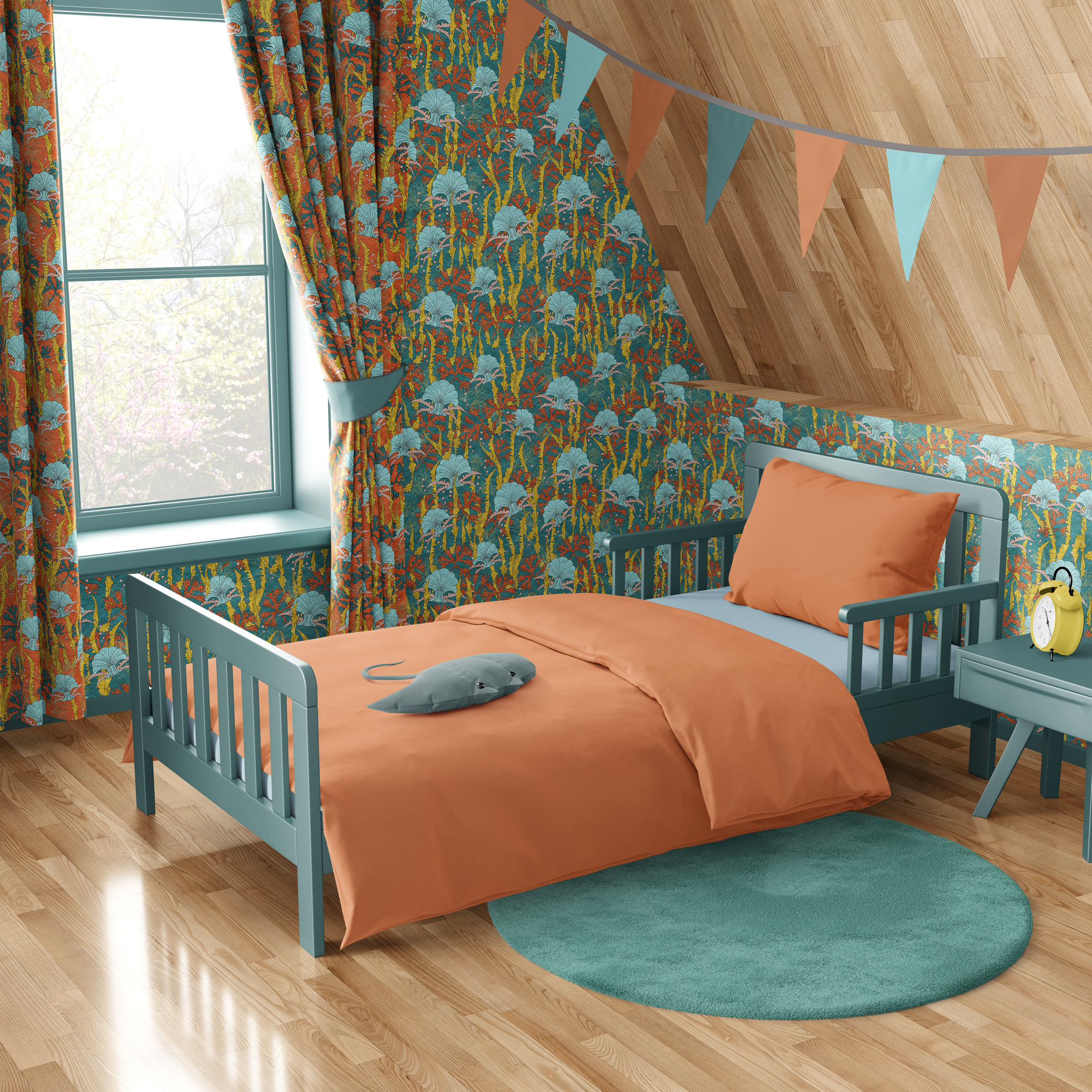
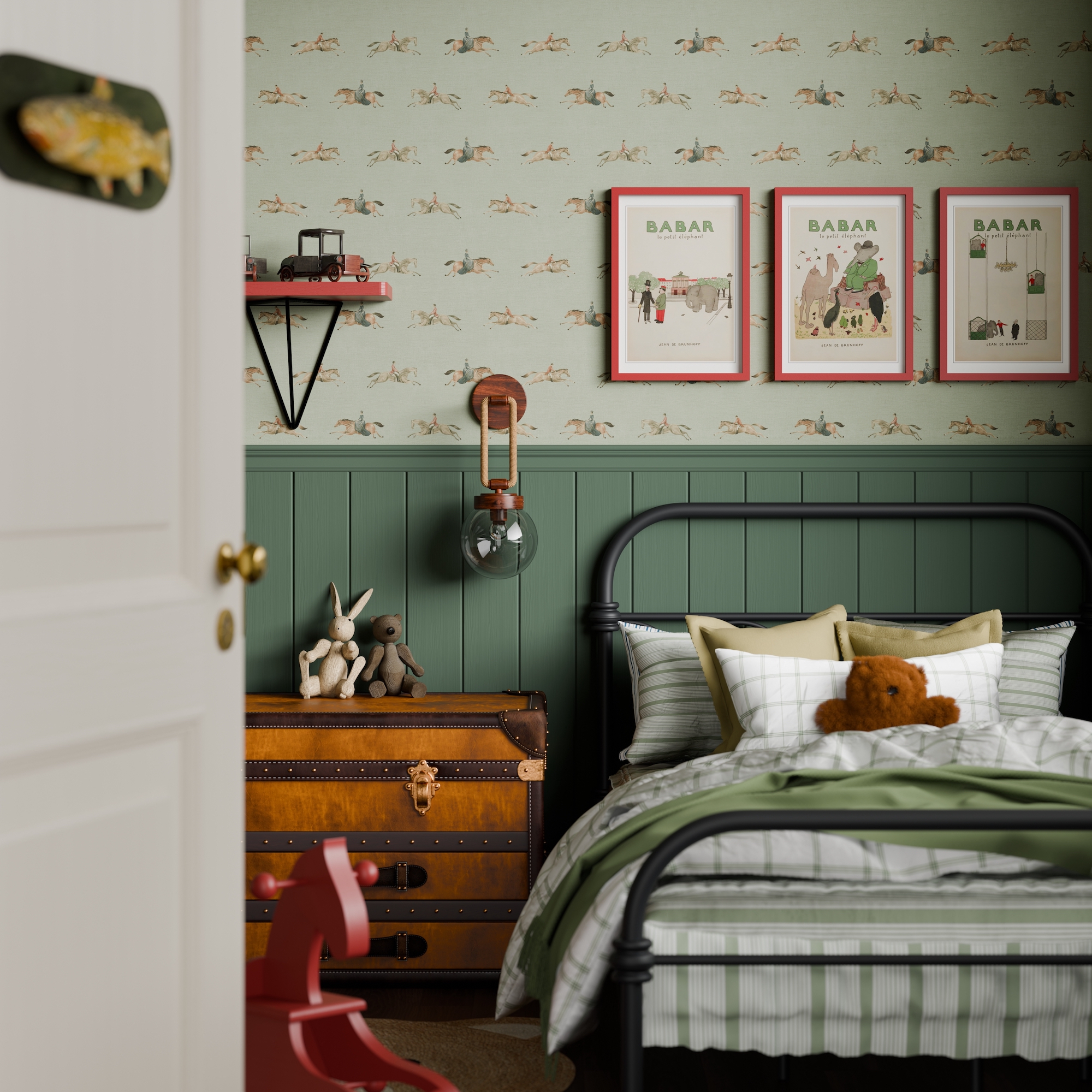
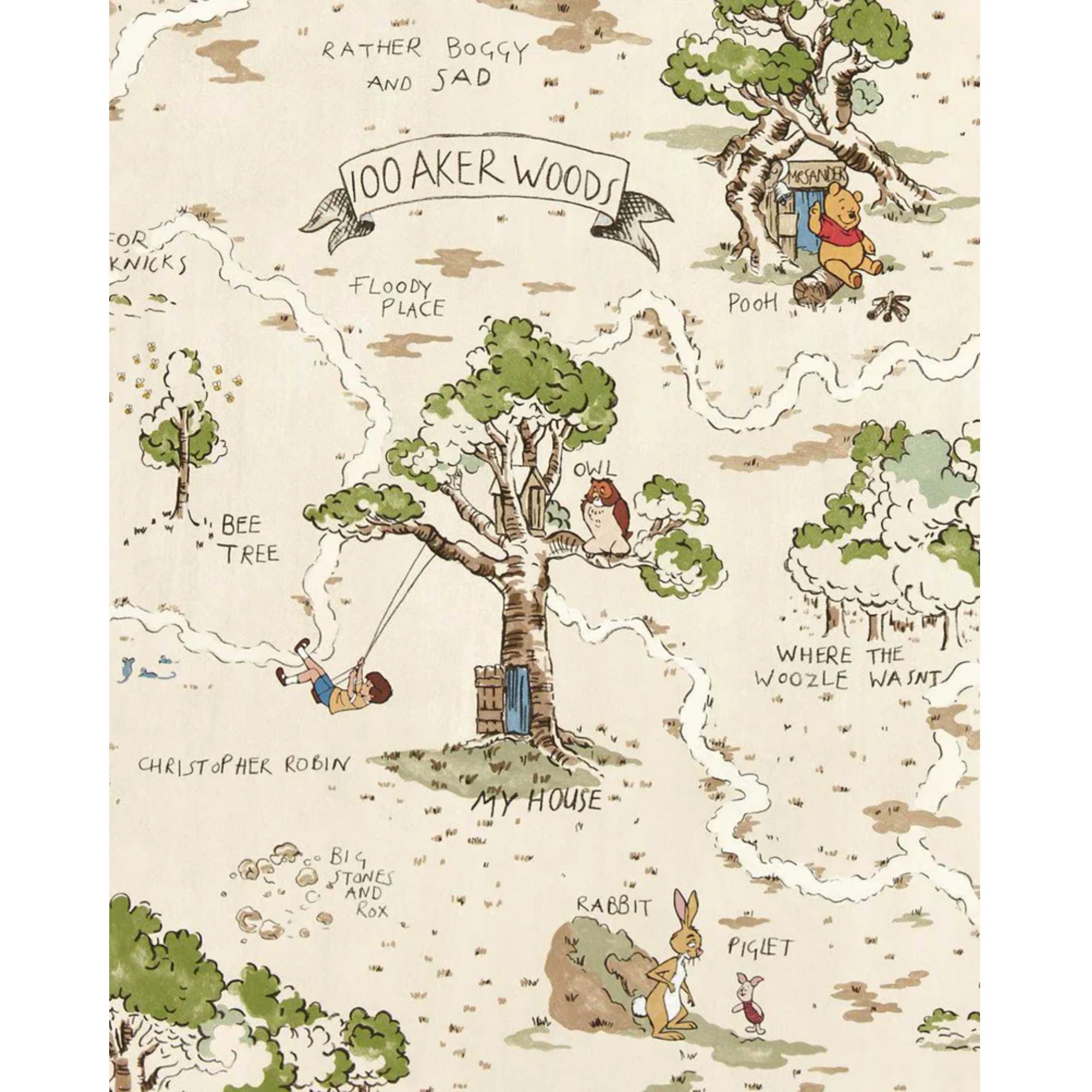
Scenic elements can be integrated through patterned wallpaper featuring woodland creatures and leafy motifs to create a natural, soothing landscape, complemented by wooden accents, white furniture, and grey soft furnishings. Hand-painted murals with leafy designs or personalized panoramas offer a unique artistic touch, bringing color and individuality to the neutral walls. Playful details such as scalloped paint effects can define cozy reading corners and introduce a whimsical touch, with contrasts achieved through colors like white and teal or a softer sage green.
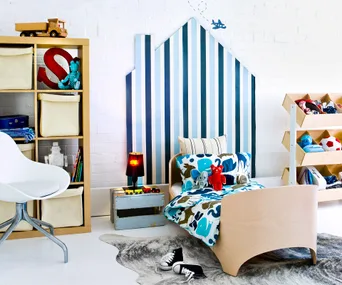
For optimizing space and light, vertical stripes on walls or wallpaper can create an illusion of heightened ceilings, making the room feel more airy and spacious, especially when rendered in warm neutral shades like yellow. White, as a foundational neutral, can be enhanced by selecting tones based on the room's natural light exposure—yellow-based for north-facing, cooler whites for east-facing, red-based for west-facing, and cool whites to balance south-facing light. This versatile backdrop allows for pops of contrasting colors, such as black confetti or brightly painted furniture, to add energy. For those who prefer grey, a pale shade paired with crisp white creates a contemporary and fresh look, particularly in rooms with ample natural sunlight.
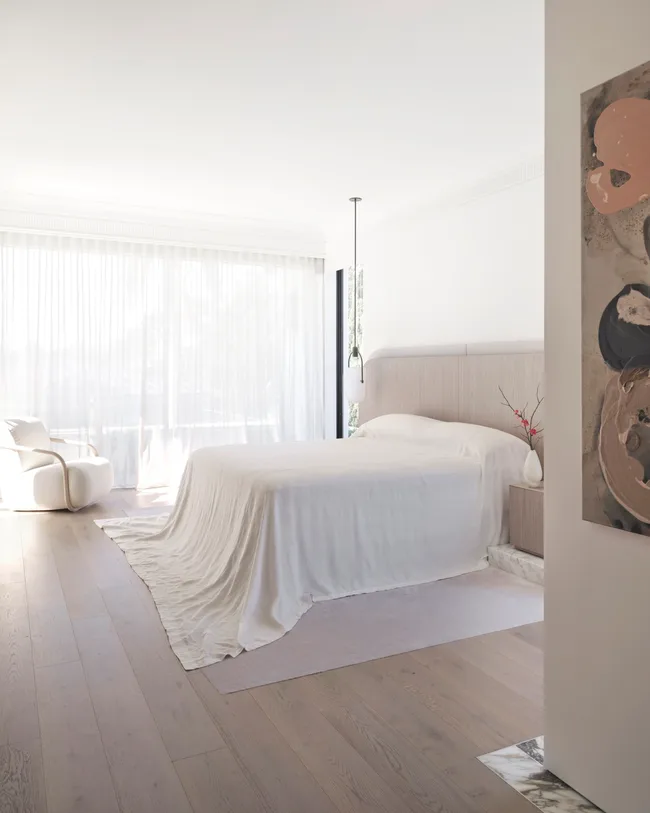
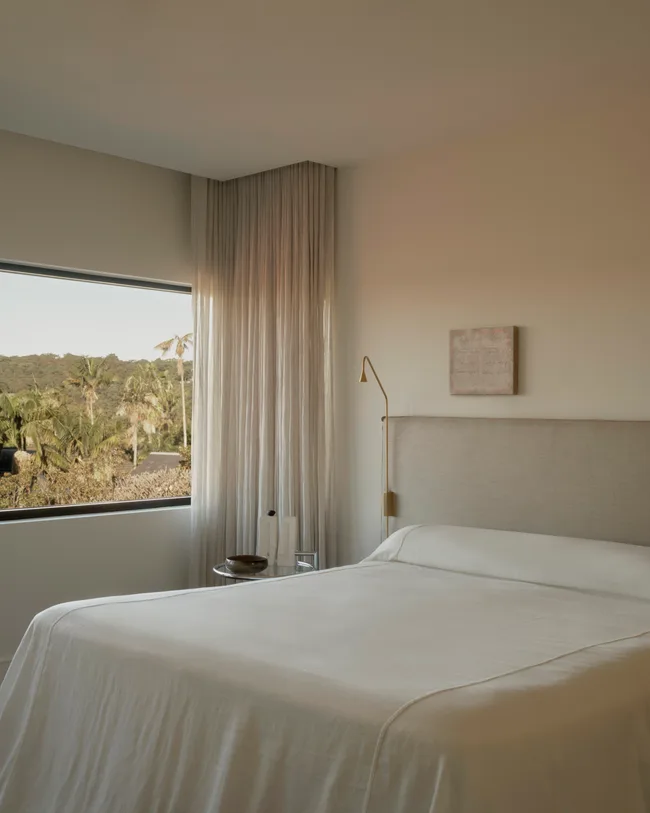
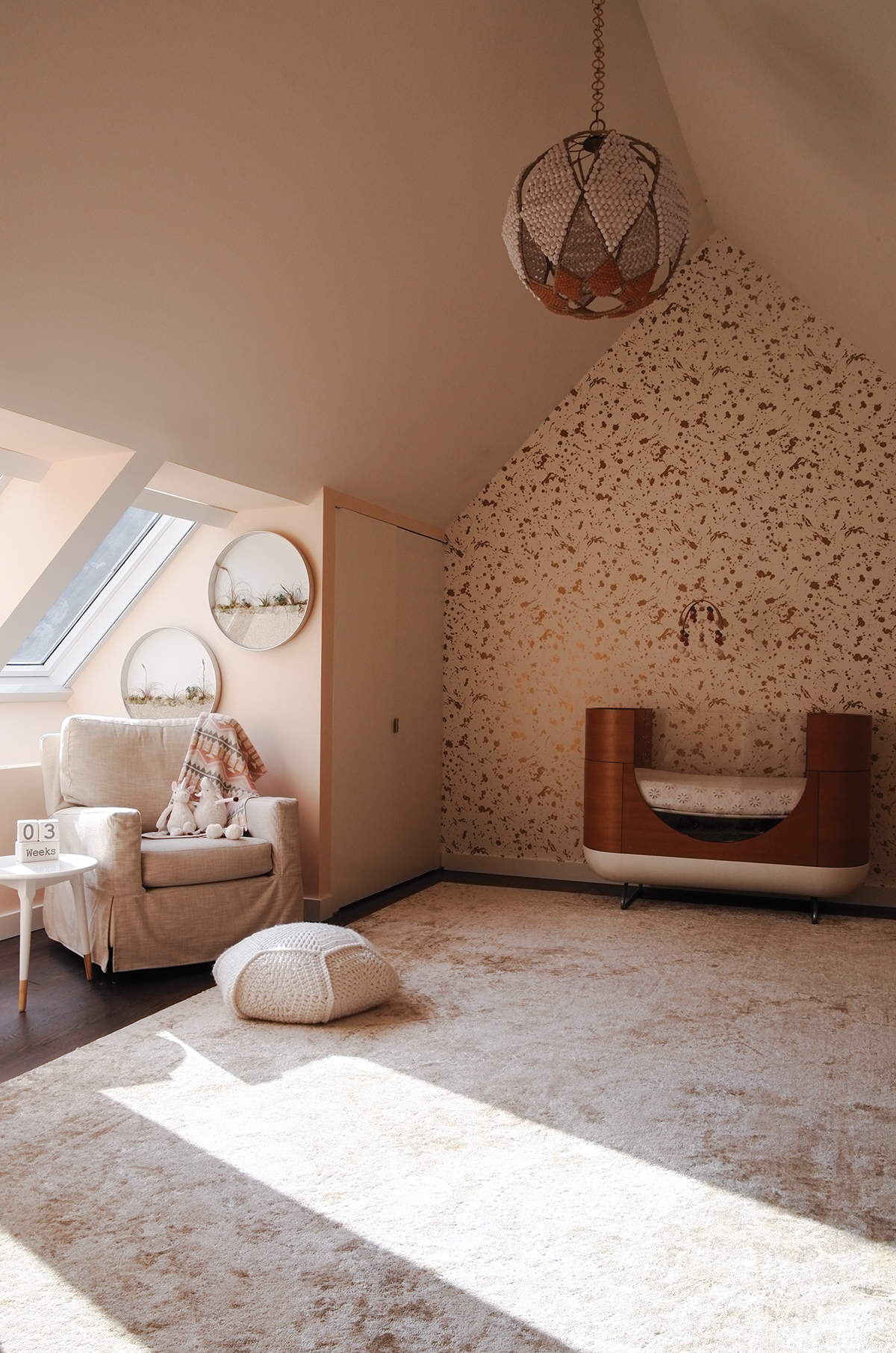
Overlooked elements like ceilings, often referred to as the 'fifth wall,' can be transformed to add drama and impact. A vibrant starburst design on the ceiling can create a focal point, leaving walls plain for adaptable decorations like wall hangings and frames. Neutral spaces can also accommodate playful elements through colorful dots on white walls, using either wall stickers for precision or sponge-painting for a softer effect. Green, as a central color spectrum shade, offers a calming, natural feel, with warm yellow-undertoned greens promoting comfort and grey-greens fostering tranquility. Lastly, incorporating muted beige shades with wooden accents creates an understated, rustic, and natural aesthetic, with beige's inherent warmth making it a popular choice for a comforting nursery interior when applied to both walls and ceilings.
#NeutralNursery #NurseryDesign #CalmingSpaces #ColorBlocking #WallpaperIdeas #ScallopedWalls #MuralDesign #CeilingDecor #KidsRoomDecor #NeutralNursery #NurseryDesign #CalmingSpaces #ColorBlocking #WallpaperIdeas #ScallopedWalls #MuralDesign #CeilingDecor #KidsRoomDecor
0 comment in total
 No comments yet
You may also like
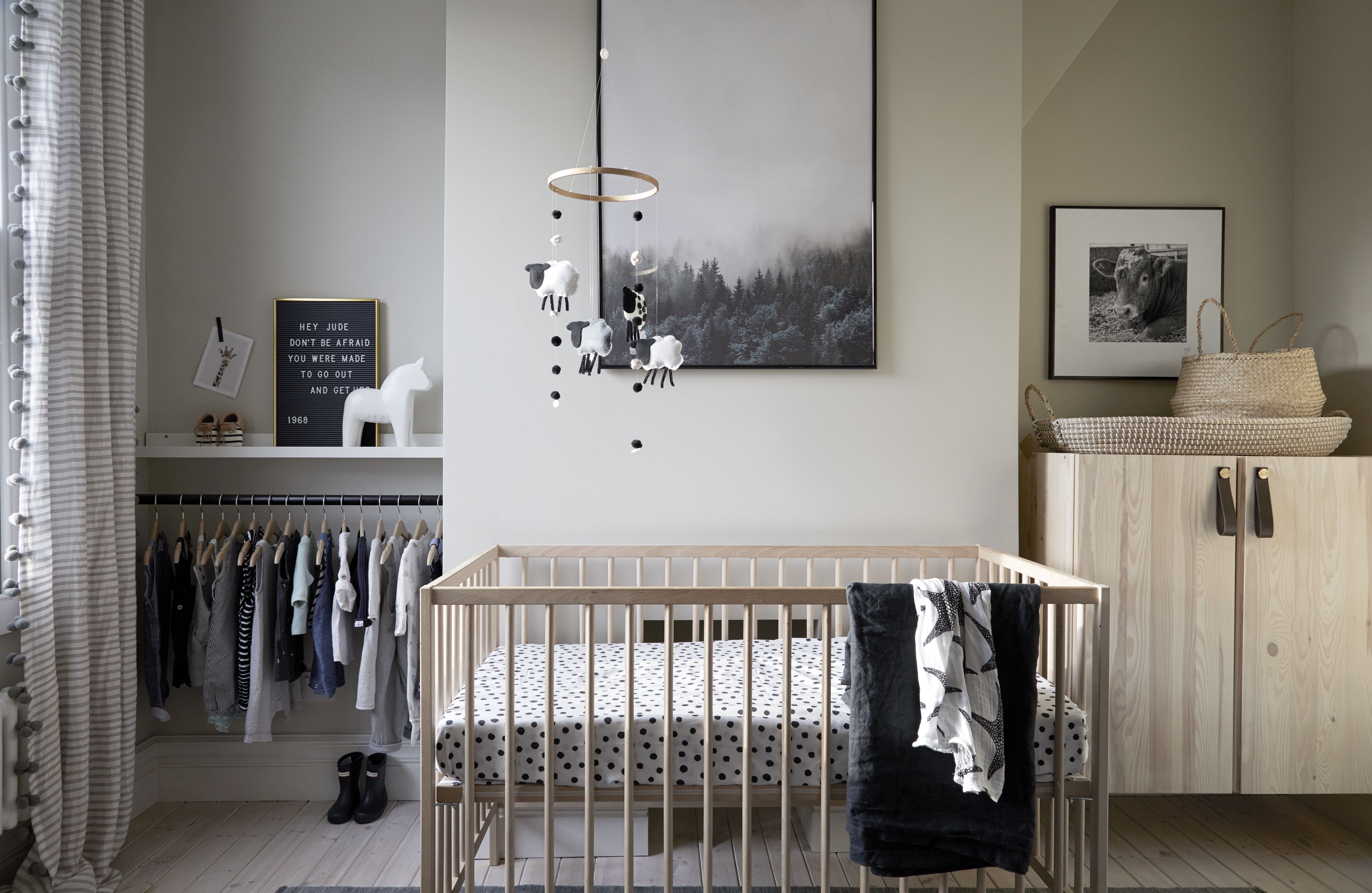
Neutral nursery ideas – 10 ways to create a stylish space that's perfect for all genders

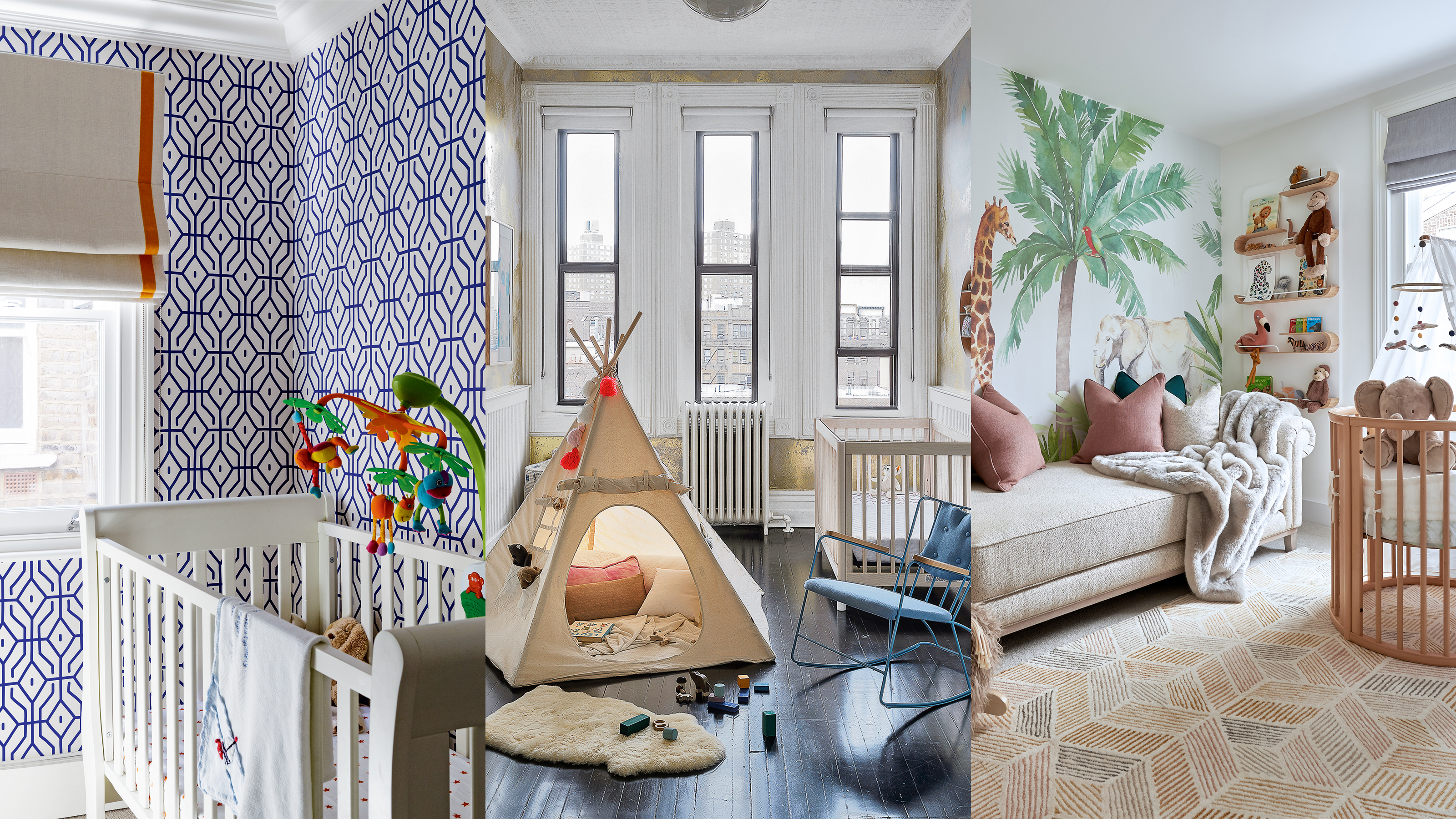
Baby boy nursery ideas – 17 tips for creating a soothing sleep space

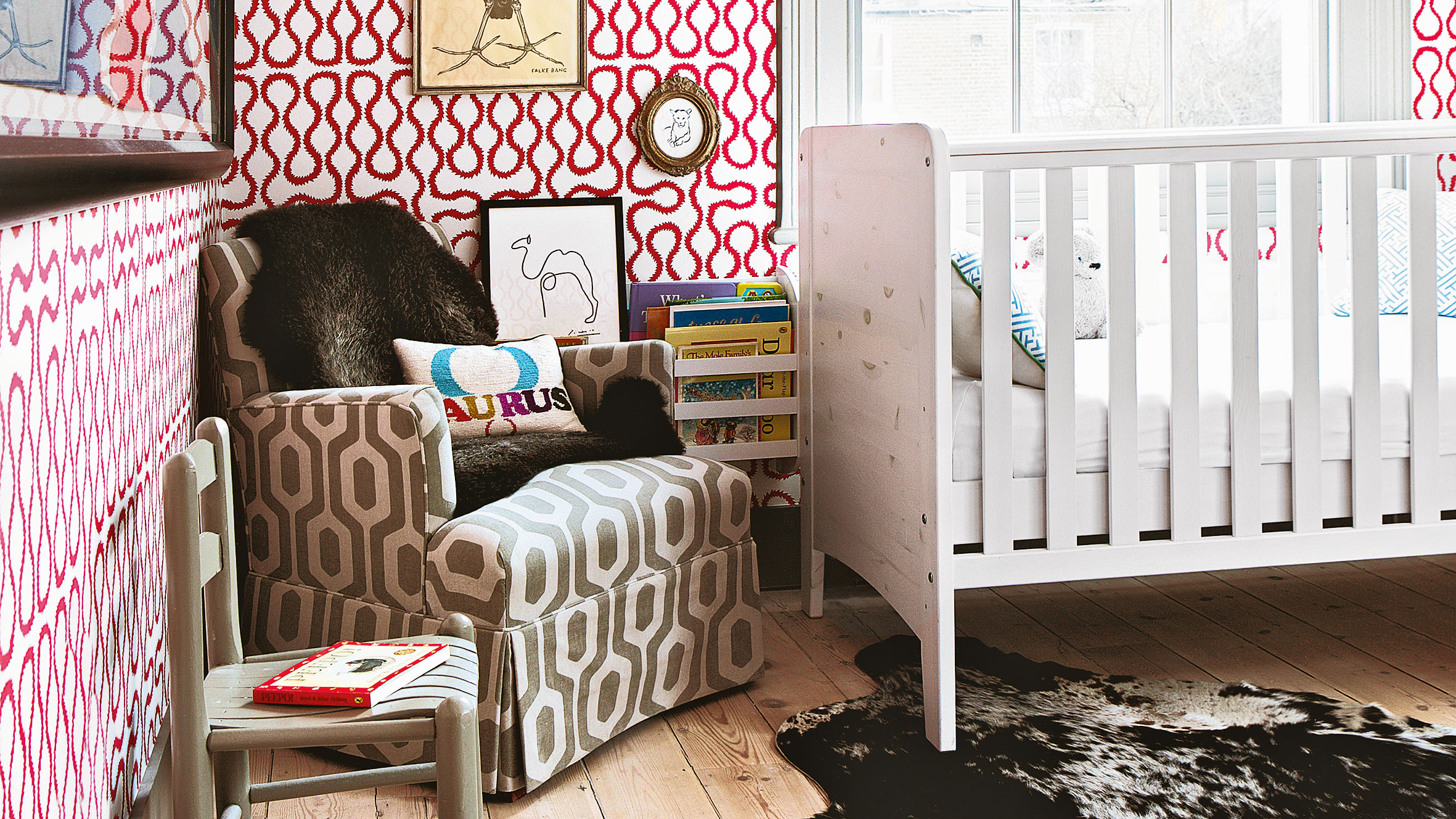
Gender neutral nursery ideas – 19 ways to decorate to suit a girl or a boy
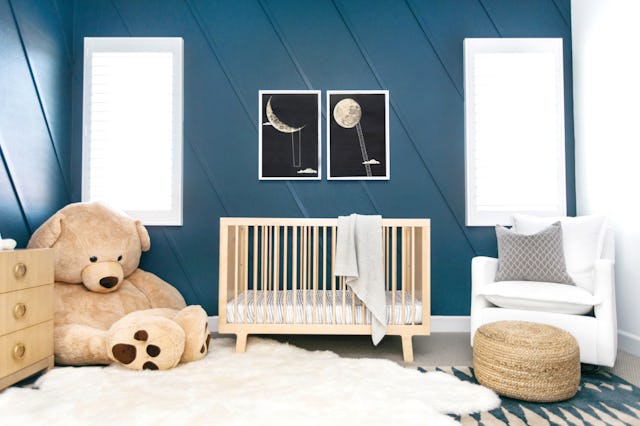
7 Nursery Design Rules To Follow, According to Interior Designers

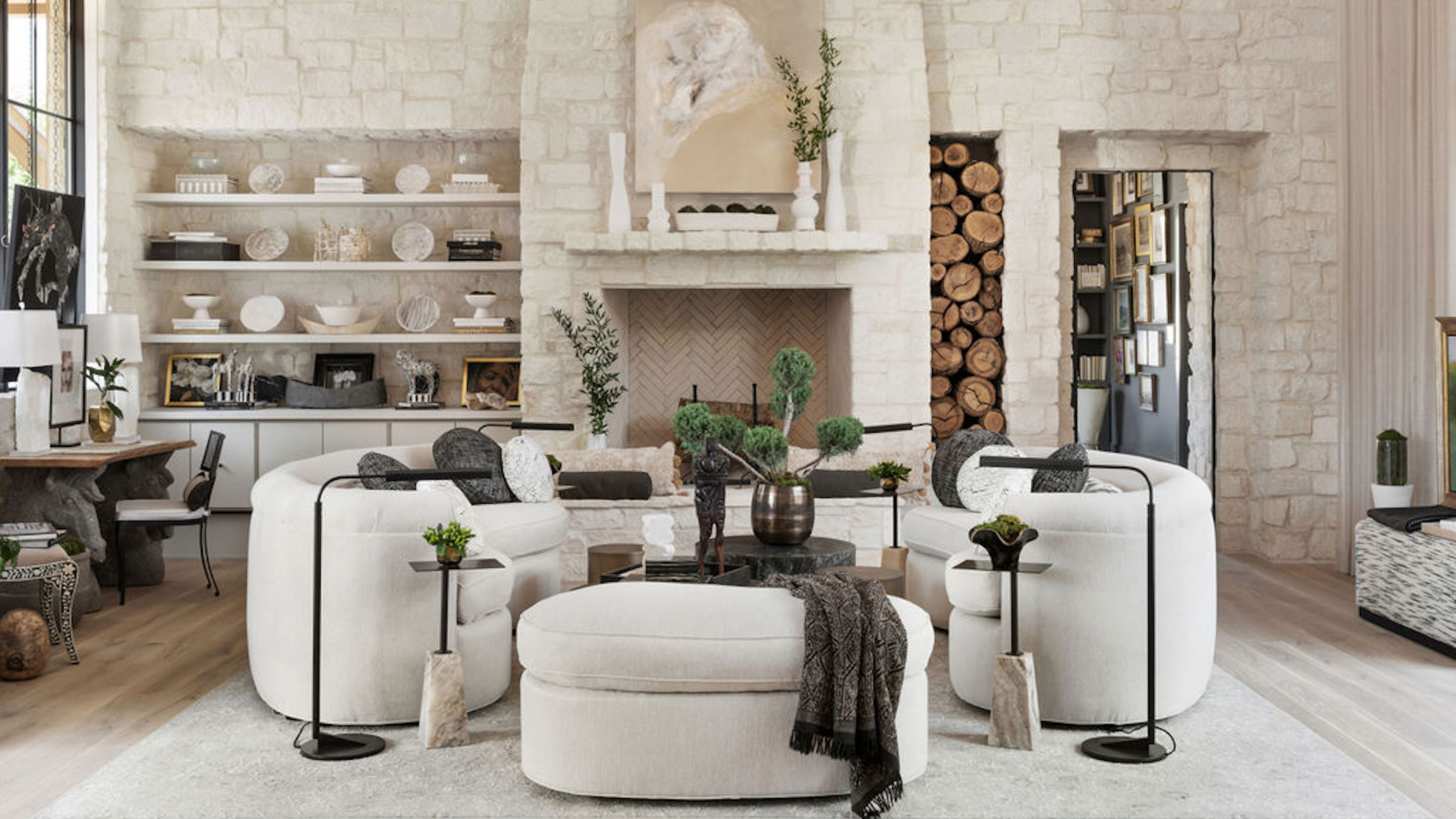
10 Neutral Room Ideas That Are Calming, Sophisticated — And Full of Decorative Interest
A Conversation With Interior Designer Naomi Coe: The Queen Of Modern Nursery Design

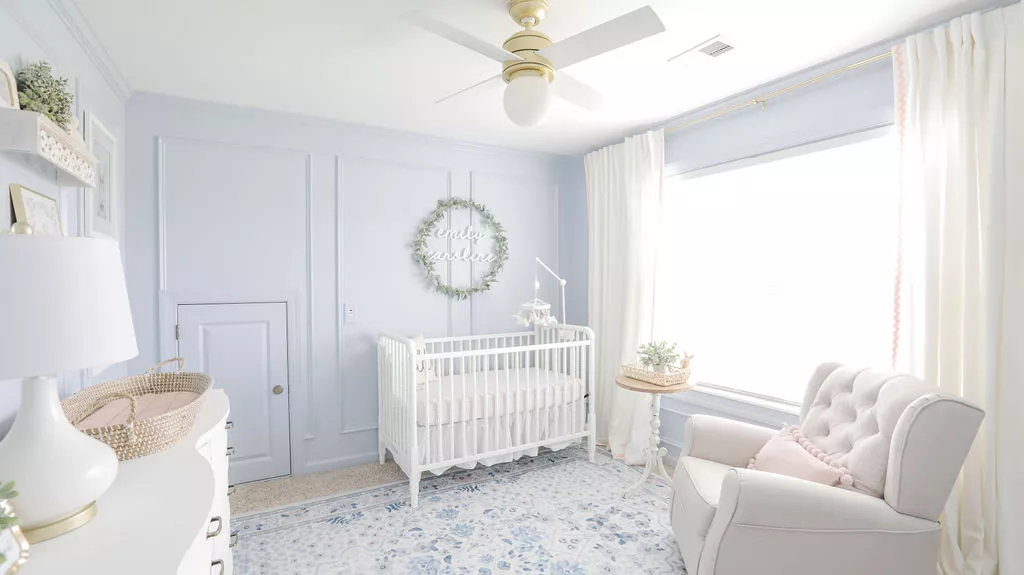
10 Soothing Colors That Are Perfect for the Nursery

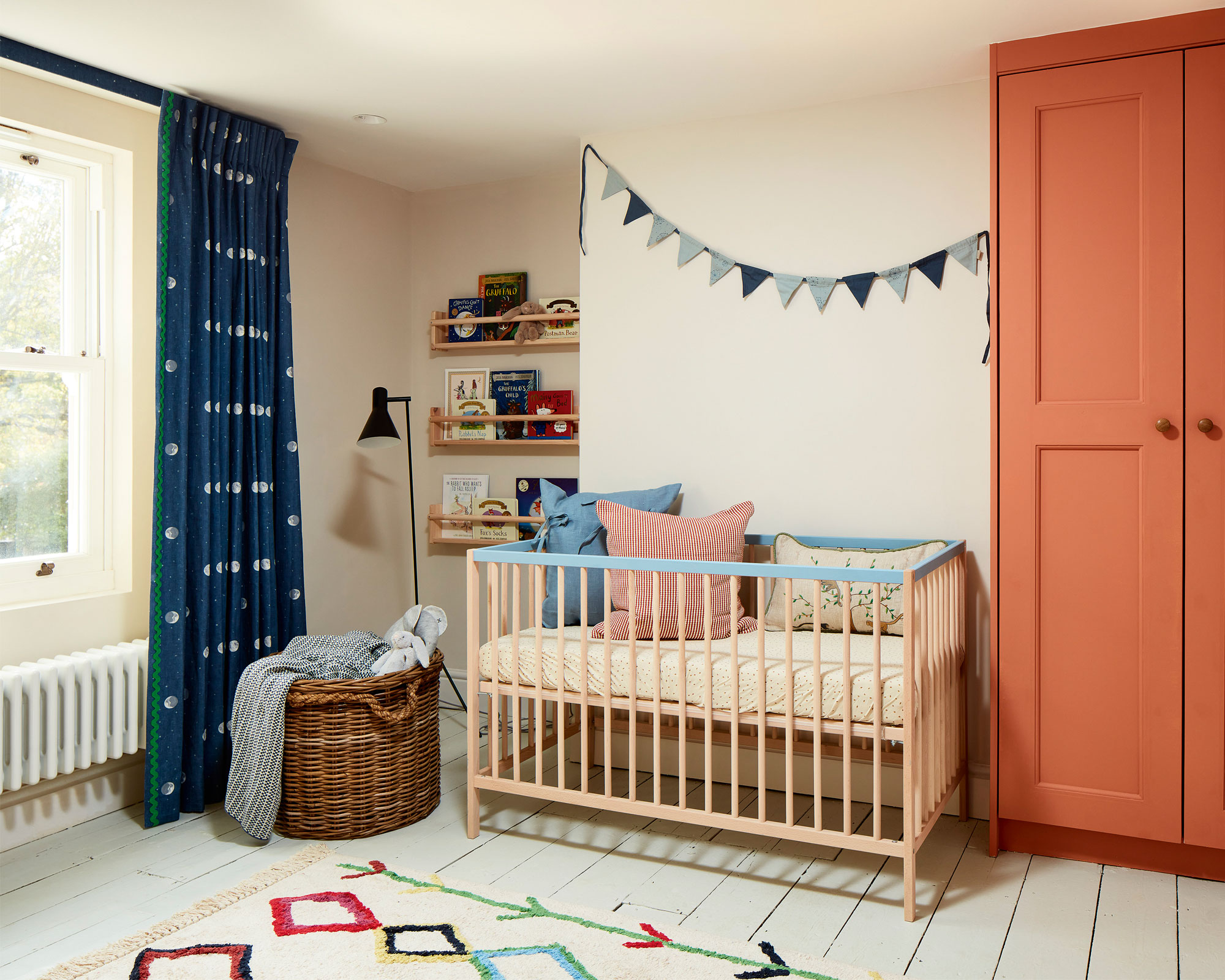
What is the best color for a nursery? Design experts and sleep psychologists advise
13 Stylishly Neutral Bedroom Ideas To Inspire

29 Neutral Bedroom Ideas for a Calming, Cozy Space for Fall and Beyond
Bye To Beige: Top Nursery Design Trends For 2025: Expert Predictions
The best calming colours for kids' bedrooms to create a soothing and stylish scheme for little ones


Here's How To Create A Super Calm Nursery For You & Your Baby
How to decorate a gender-neutral nursery
3 NJ Designers Create the Baby Nurseries of Your Dreams

Sad beige nurseries are out – here's how to introduce color to your once-neutral space
Nursery color schemes – 8 spaces to soothe your baby to sleep
7 small neutral bedroom ideas that are beautifully far from bland

13 contemporary neutral living room ideas

19 Neutral Living Room Ideas That Feel Warm, Balanced, and Beautiful