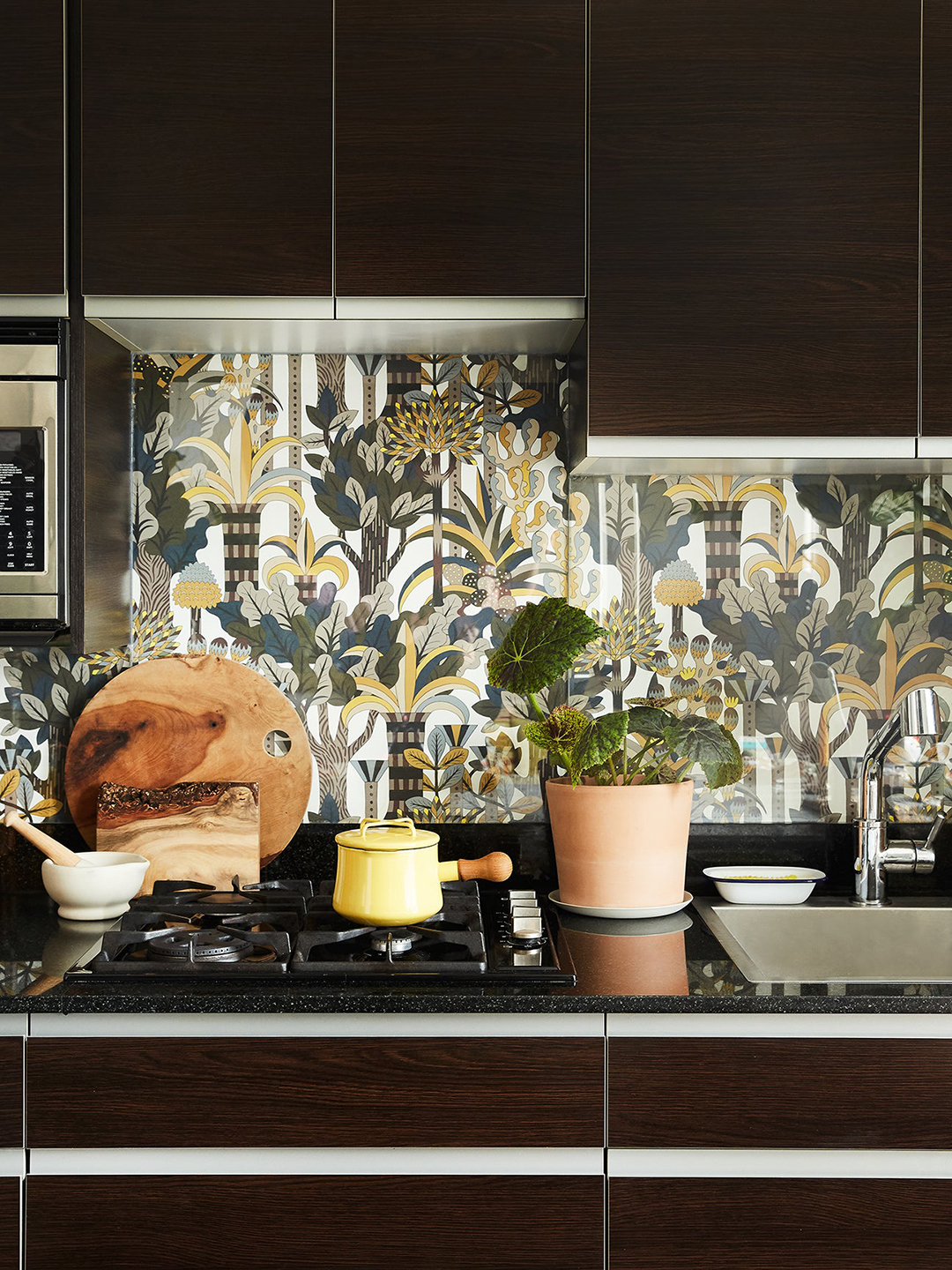
At Home with Marni Jameson: How to update older homes without messing them up
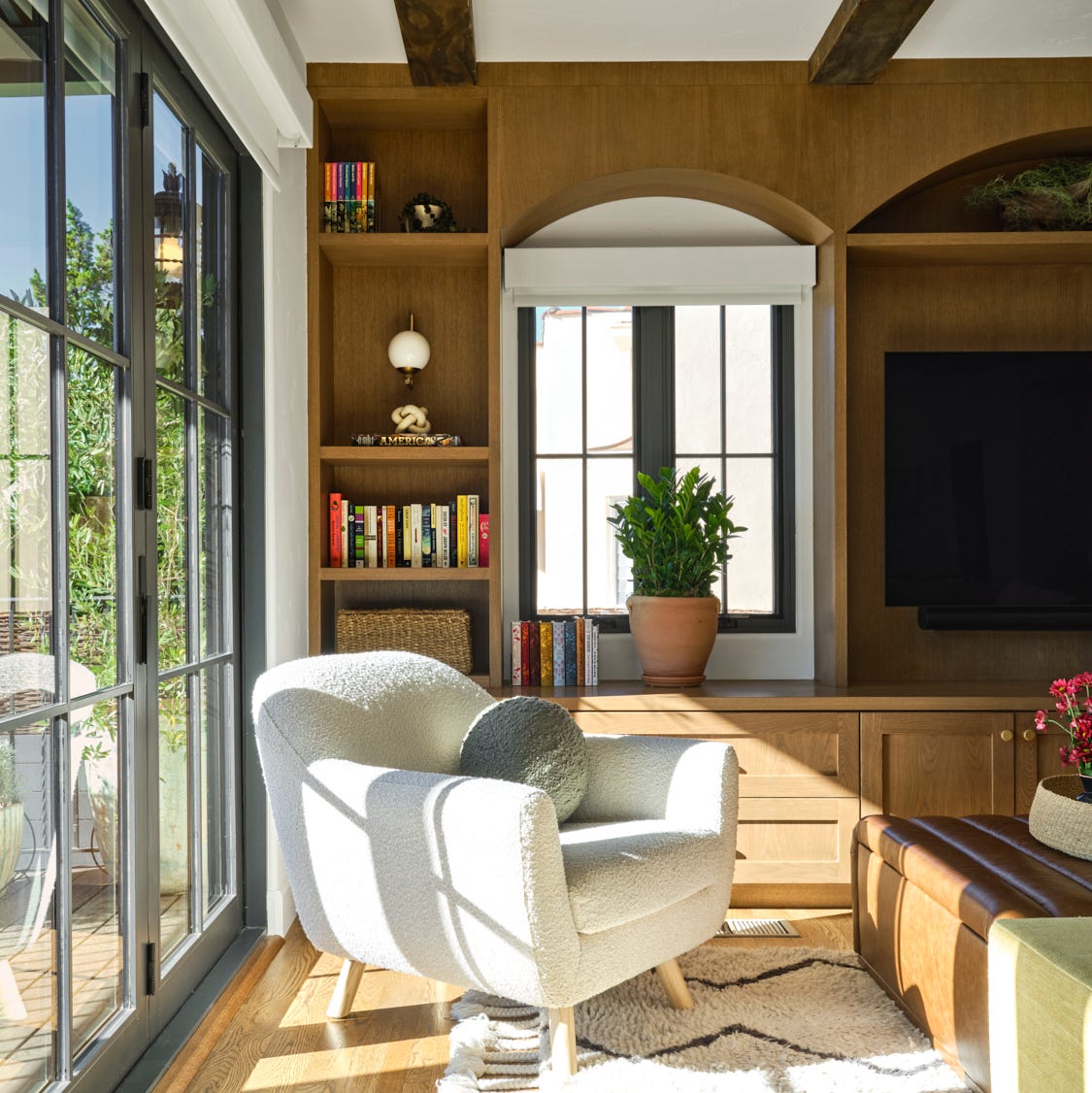
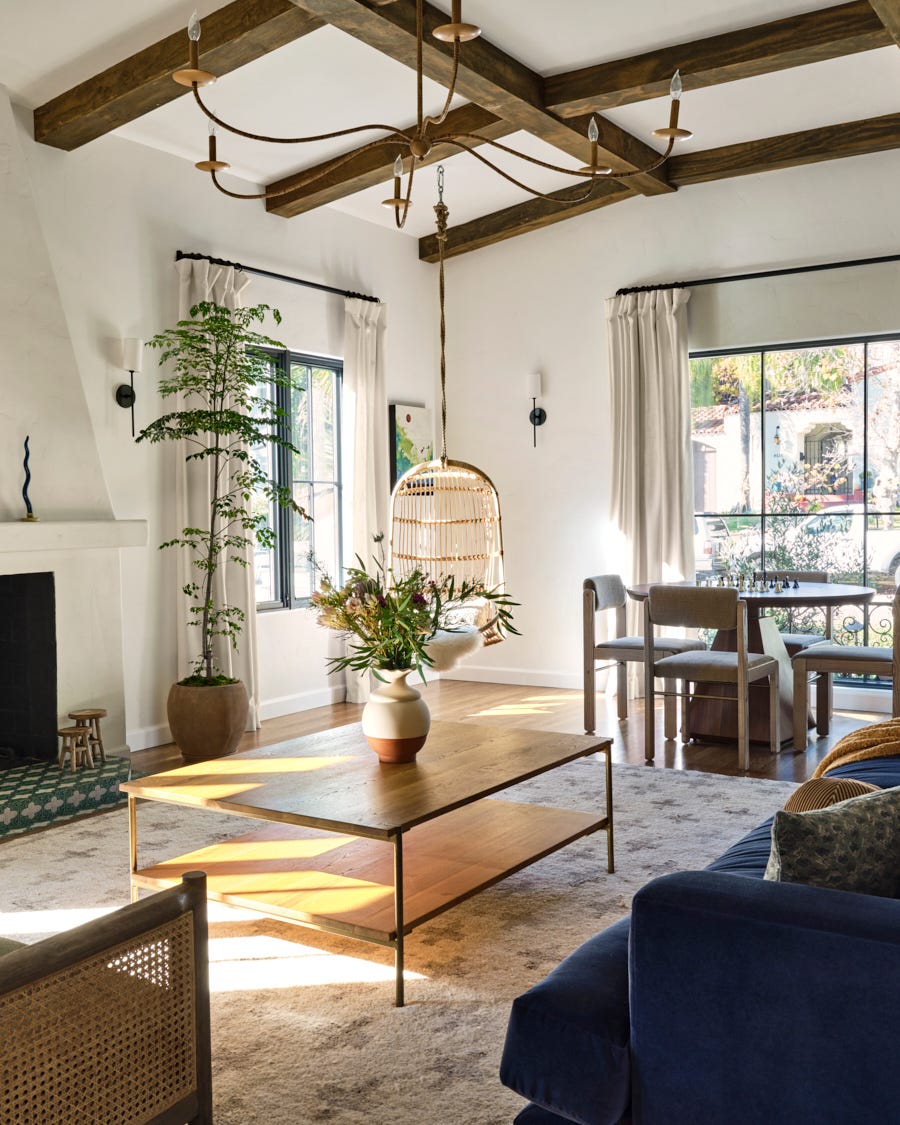
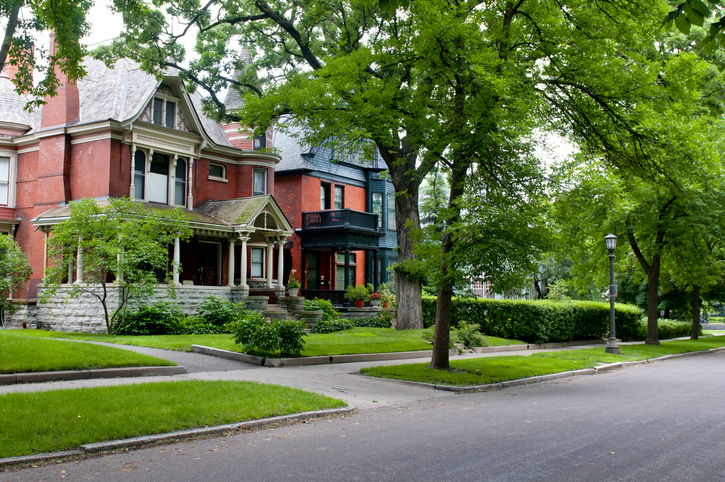
Many homeowners, when faced with an older property, instinctively consider significant renovations to modernize it. This often involves replacing original architectural elements with contemporary, off-the-shelf items from large hardware stores. However, this approach can inadvertently diminish the home's historic value and unique character, sometimes even leading to a decrease in its overall worth. The inclination to follow current trends, while seemingly an 'improvement,' risks making the home feel dated in a short span, typically within a decade, as design fads evolve rapidly.
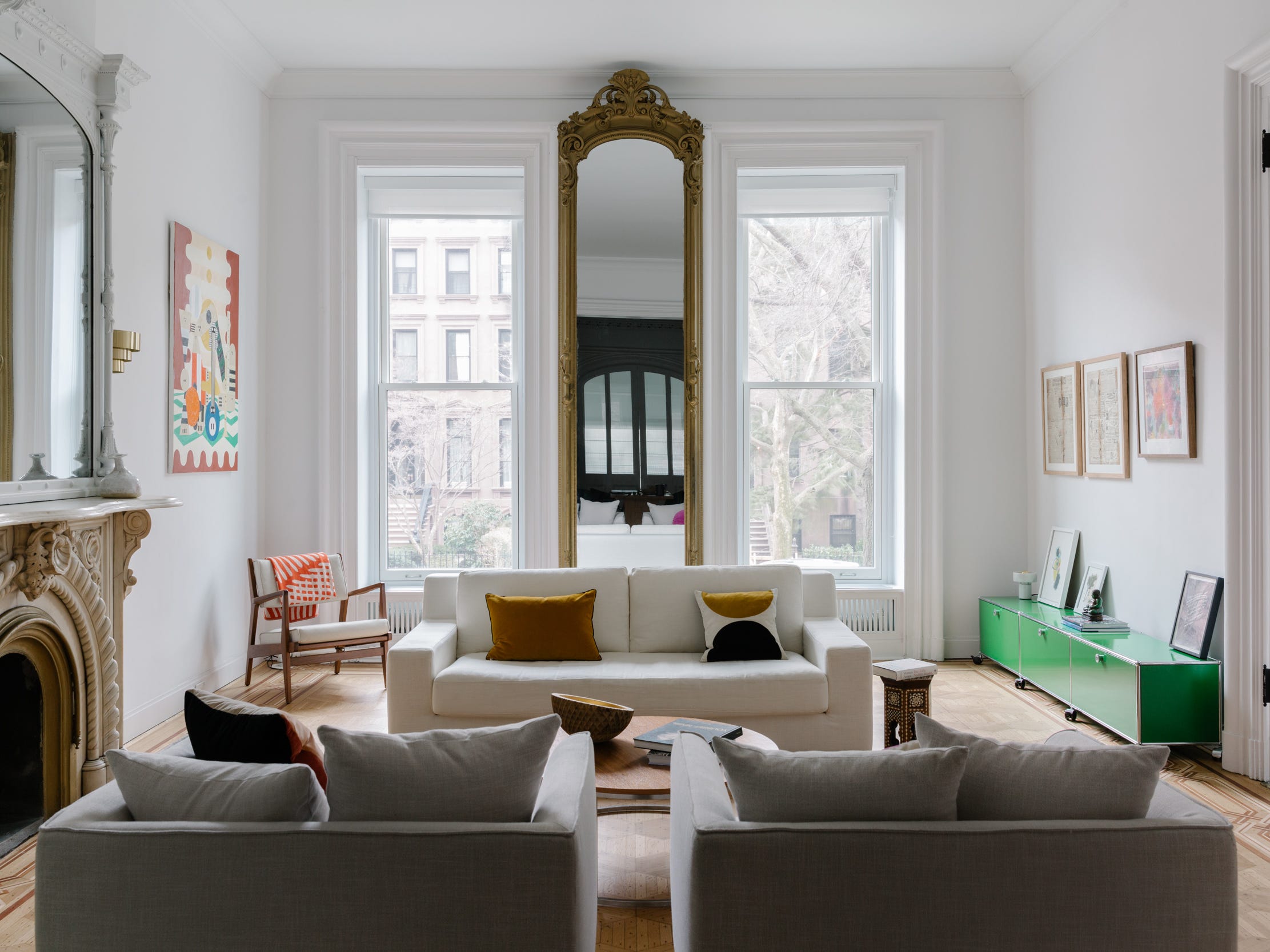
Conversely, a more sustainable and value-preserving strategy for updating older homes centers on authentic restoration and careful integration of modern conveniences. This method prioritizes maintaining the home's original aesthetic and structural integrity, recognizing that its age and inherent architectural details are valuable assets. Rather than tearing out and replacing, the focus shifts to repairing, refinishing, and subtly upgrading components to enhance comfort and efficiency without sacrificing historical accuracy.
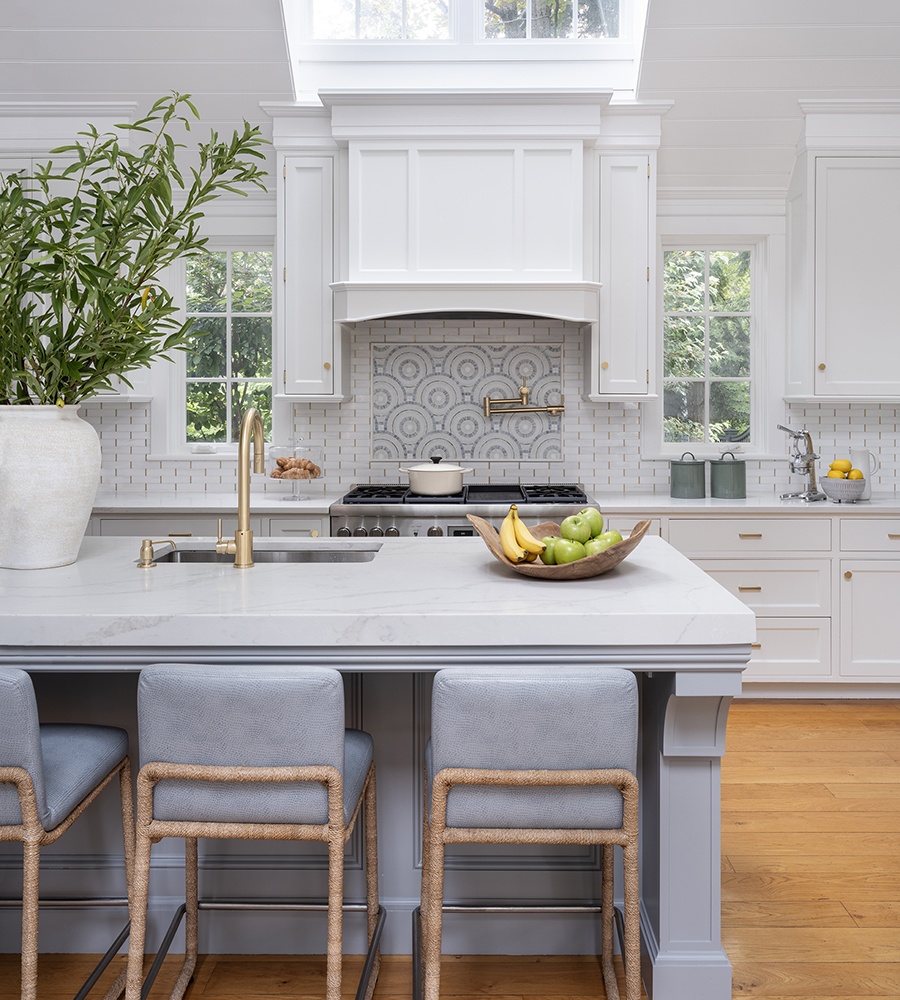
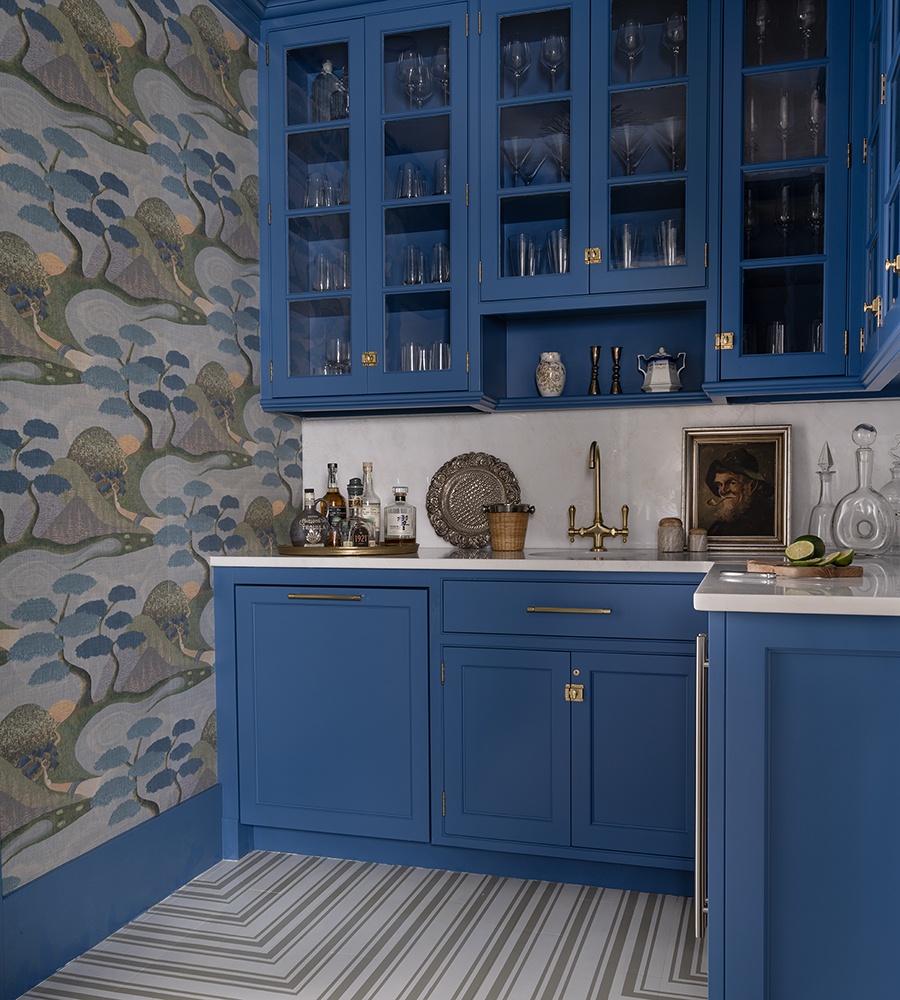
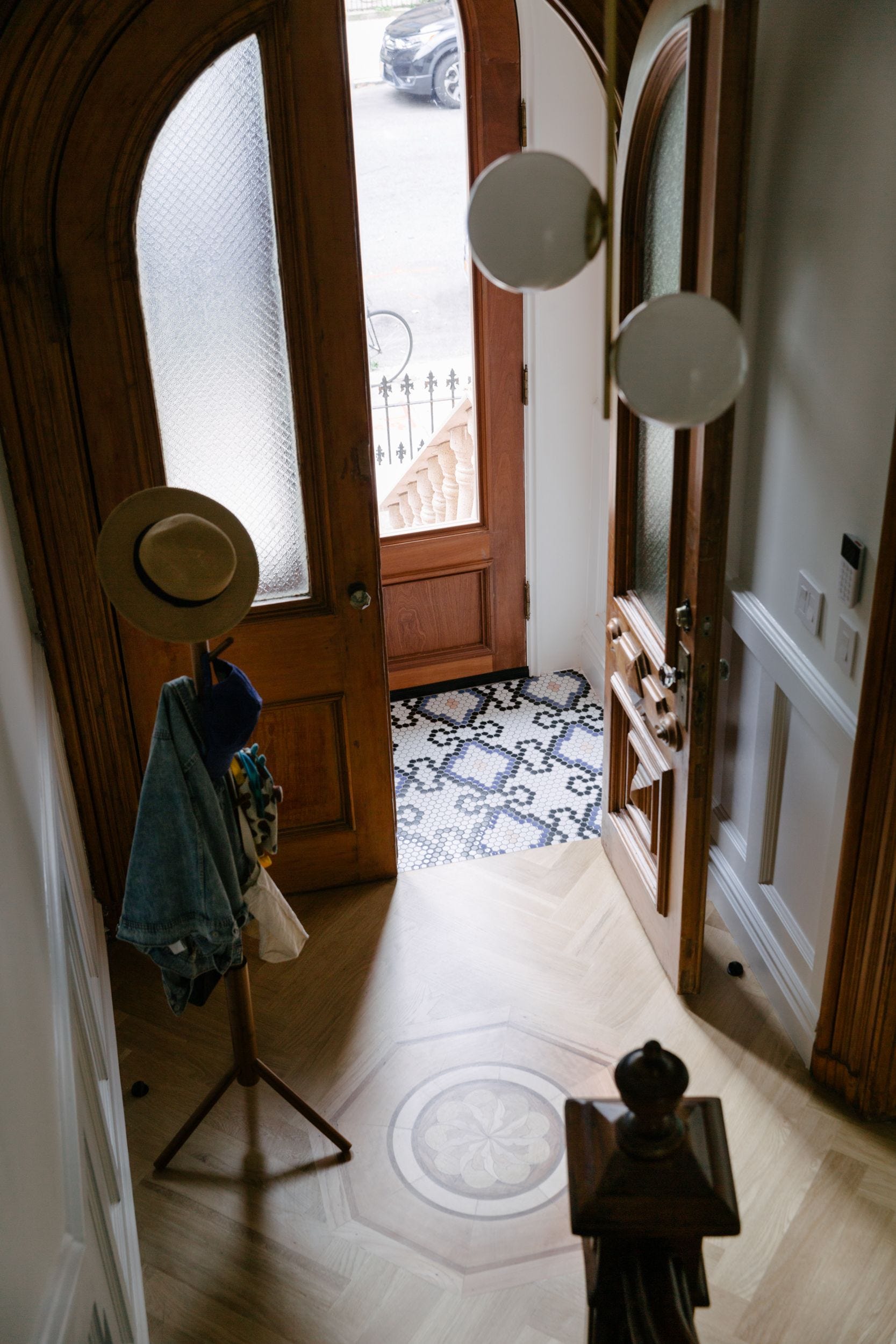
Key areas where this principle applies include cabinetry, plumbing fixtures, flooring, and interior walls. For instance, instead of replacing solid wood cabinets with cheaper, less durable materials like melamine or MDF, stripping and refinishing the existing wood is recommended. This not only preserves the original quality and appearance but also proves more cost-effective and long-lasting. Similarly, rather than installing a new fiberglass Jacuzzi tub, refinishing an old porcelain bathtub is a more authentic and economical choice. Original wood floors, even those appearing severely damaged, can almost always be refinished and patched, retaining their historic charm and structural soundness, which is preferable to covering them with modern, inferior tiles or carpet.
When it comes to surfaces like tile, a thorough cleaning can often restore their appearance, eliminating the need for replacement. For countertops, selecting materials that were available during the home's construction era, such as butcher block, marble, or certain types of ceramic tile (for homes built after 1930), helps maintain authenticity. Man-made materials like laminate or Corian, or overly modern elements like glass tiles, are generally discouraged as they clash with the historical context.
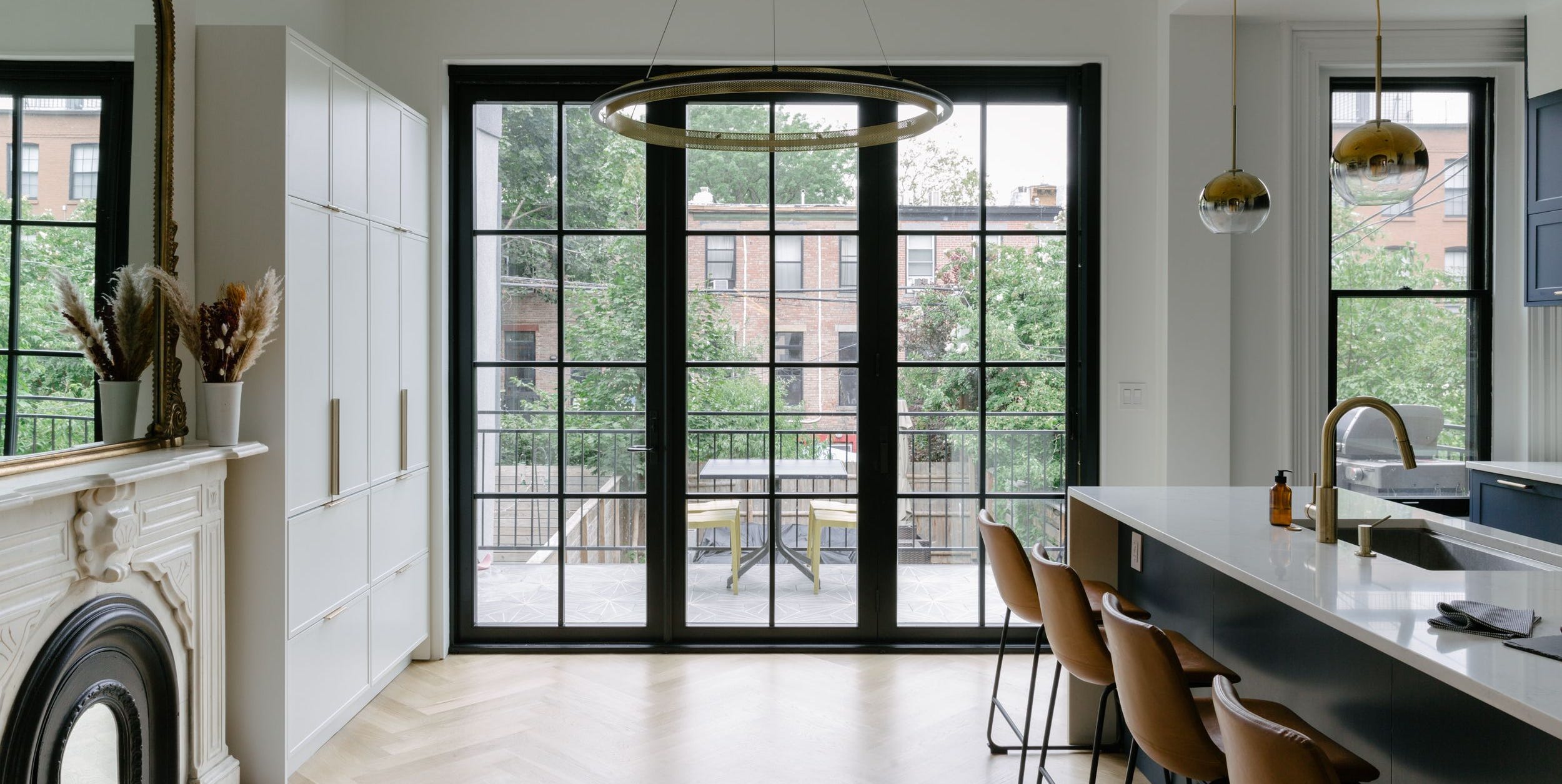
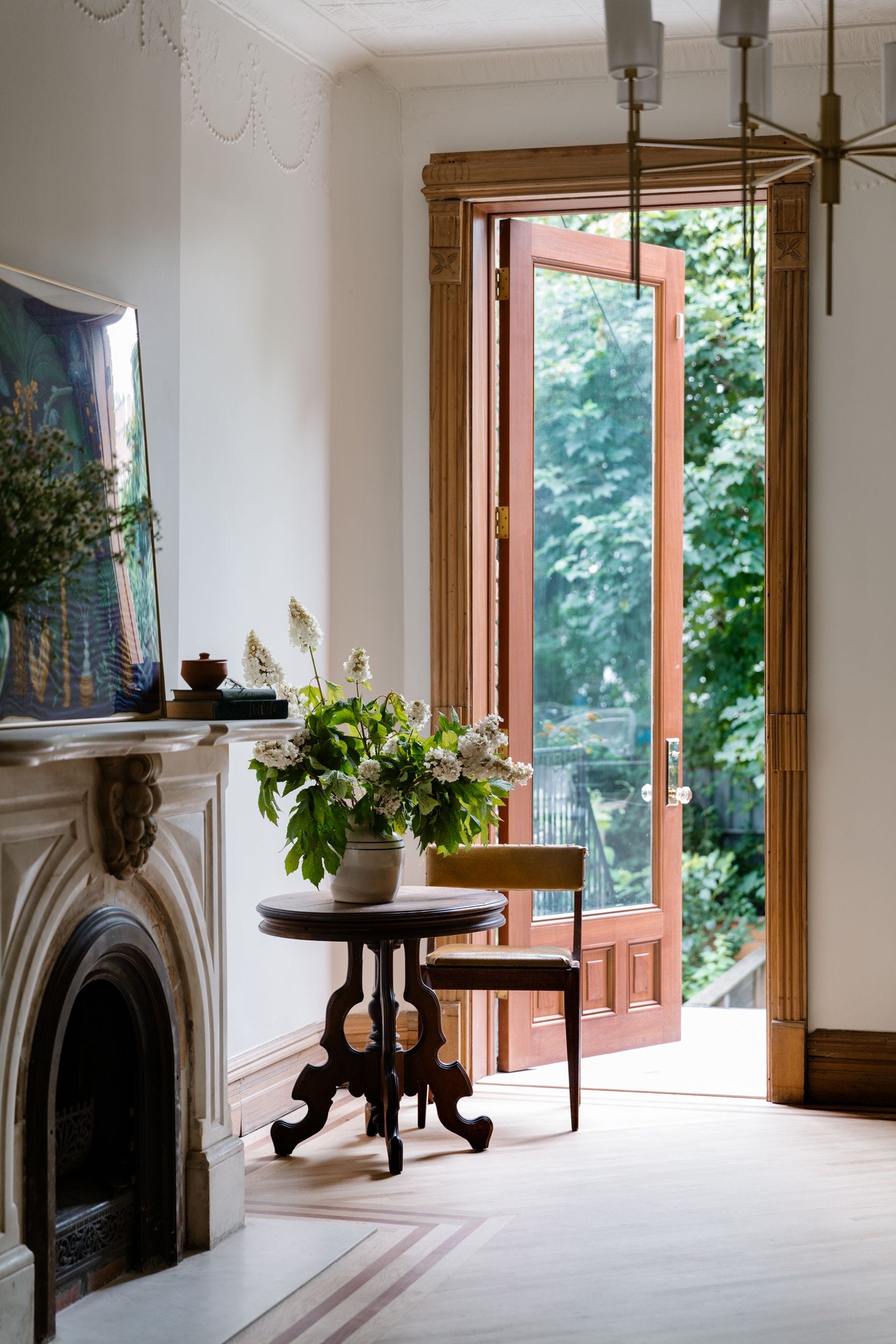
Open-concept floor plans, a popular contemporary trend, are often ill-suited for older homes. Knocking down walls can disrupt the original layout and flow, potentially diminishing the home's character. Homeowners are advised to live in the house for at least six months before considering structural changes to understand its natural rhythm and how spaces are best utilized. Windows and doors, crucial to a home's historic value, should also be repaired and weather-stripped for efficiency rather than replaced. Adding historically accurate storm windows can further improve energy performance while preserving the original facade. This philosophy of thoughtful preservation ensures that older homes remain comfortable, functional, and aesthetically pleasing, all while honoring their unique past and long-term value.
#HomeRenovation #HistoricHomes #HomeImprovement #AuthenticRestoration #Preservation #InteriorDesign #NicoleCurtis #HomeValue #RenovationTips #HomeRenovation #HistoricHomes #HomeImprovement #AuthenticRestoration #Preservation #InteriorDesign #NicoleCurtis #HomeValue #RenovationTips
0 Kommentare insgesamt
 Noch keine Kommentare
Das könnte Ihnen auch gefallen
8 easy updates that will make an old home look new

Top tips for renovating old homes: Whether restoring or modernising, clever design is key
Money-wasting home improvements to avoid

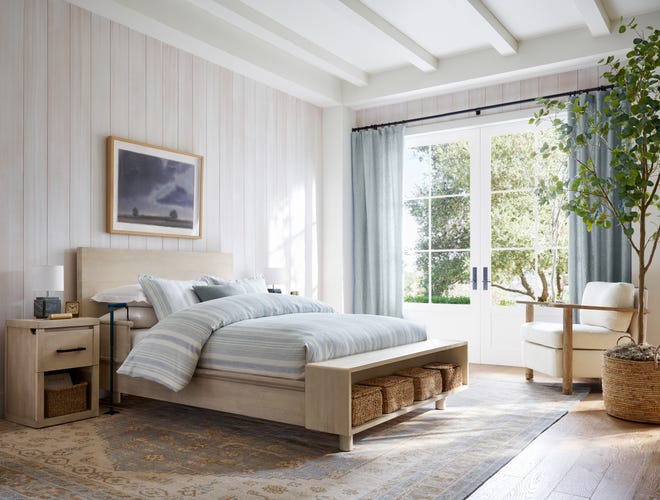
A Look Back: Lessons learned about home improvement in 2024 (Part 2) | At Home with Marni
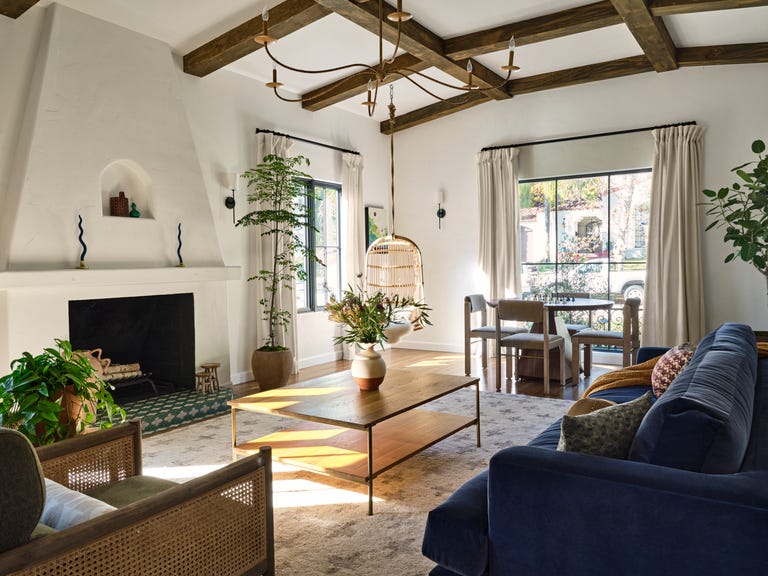
Here's How to Give an Old House a Modern Makeover Without Stripping Away the Charm
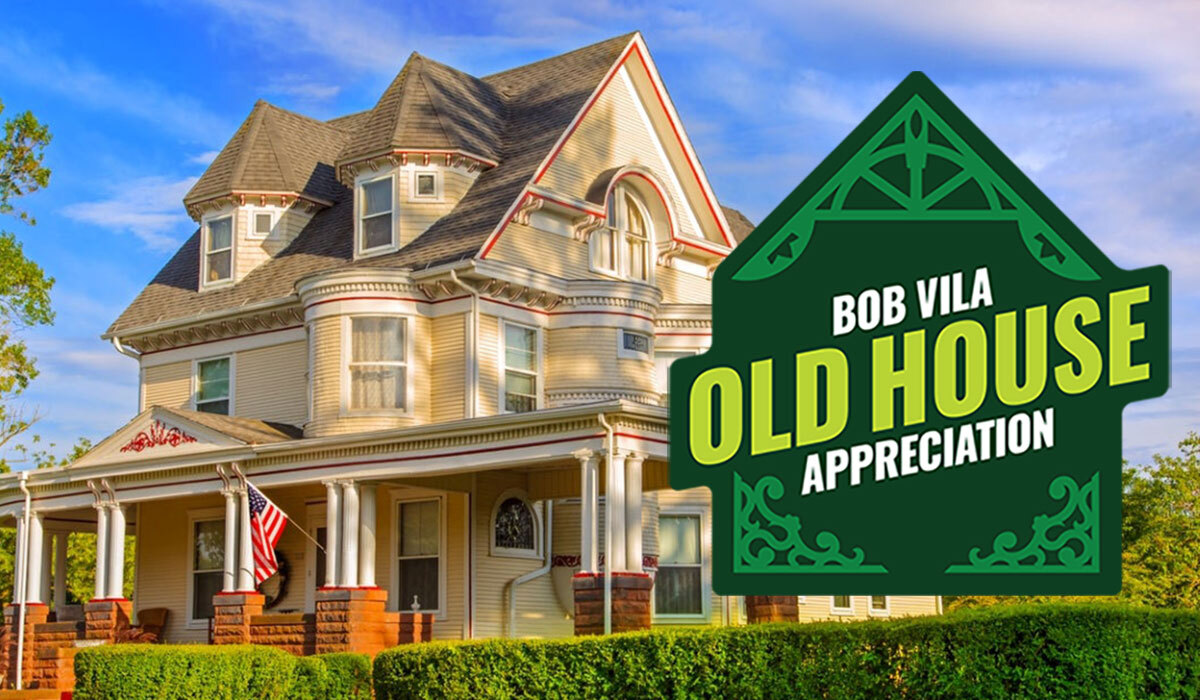
The Truths About Buying and Living in an Old House

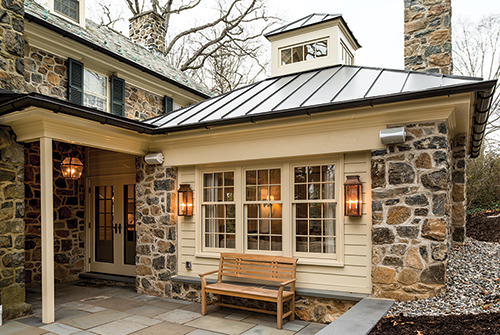
New Ideas Freshen Up an Old Home
These Under-$1,500 Renovations Could Help Sell Your Home Faster

Old Meets New in this Newton Family’s Home Renovation
At Home with Marni Jameson: Home renovations that get the best returns
10 things I wish I'd known about doing up old houses before I started, by Country Life's interiors guru Giles Kime

10 retro design trends that could be devaluing your property by thousands
How to Update an Older Home While Honoring Its History

Modernising period homes: Practical tips on blending old and new
Guide to Buying Older Homes by Decade
6 design tips to upgrade an older home without clashing styles | Hindustan Times

How to Keep Your Old Home From Becoming a Money Pit
Old Versus New: Victorian Home Gets Modern Update


4 Things We Learned From Restoring Our Historic ’70s Home on Fire Island


Property Brothers’ Tips for Older Homeowners | Members Only